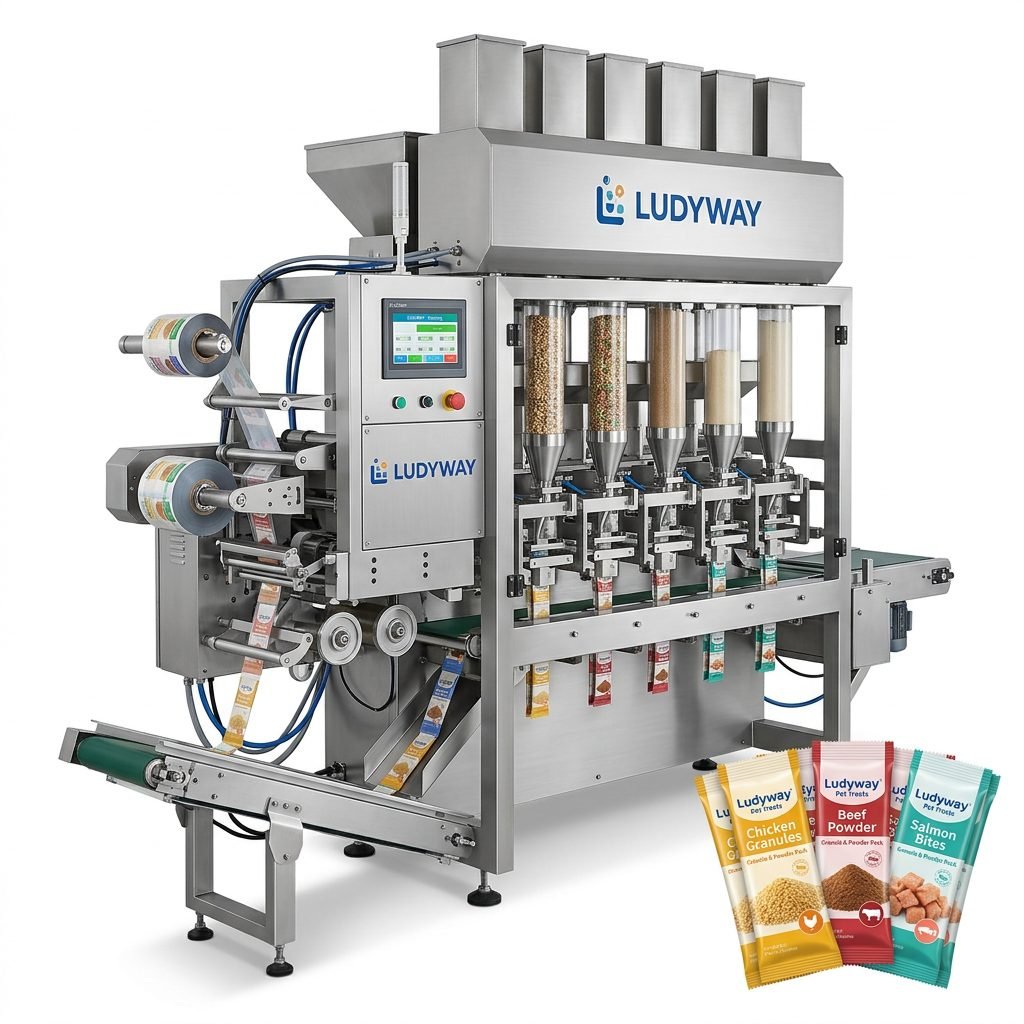
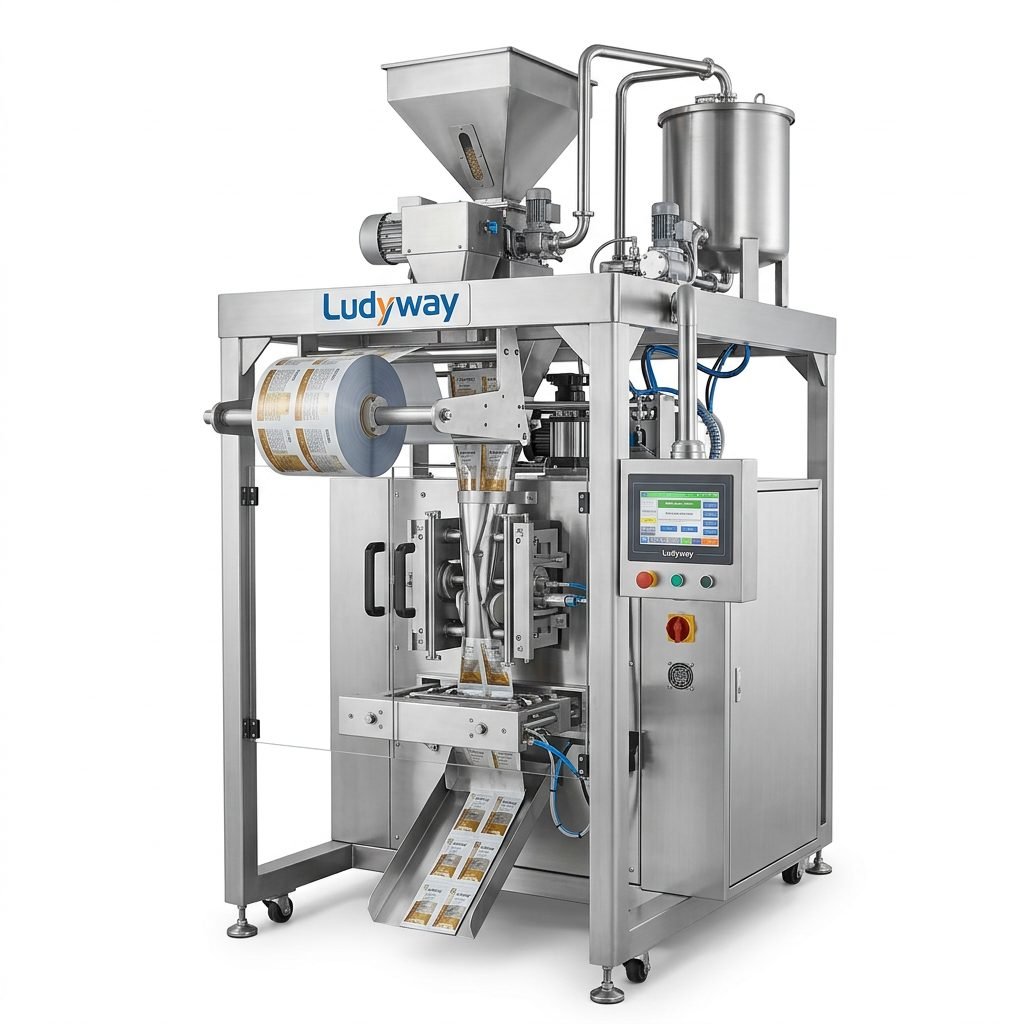
The Middle East is experiencing a significant surge in demand for convenient, on-the-go breakfast options, making it a prime market for cereal bar production. Setting up a cereal bar packaging machine production line in the region requires meticulous planning that accounts for high-speed efficiency, extreme climate conditions, and strict food safety regulations. Whether you are launching a new facility or scaling up an existing operation, understanding the intricacies of multi-lane stick pack and sachet systems is critical to maintaining product integrity and shelf life.
As one of the largest packaging machine manufacturers in China, Ludyway offers advanced turnkey solutions tailored for the granule and powder packaging needs of the food industry. The key to a successful startup lies in selecting the right vertical form fill seal (VFFS) technology and integrating it with high-precision multi-head weighers. This guide walks you through the essential stages of the installation, from plant layout to the final output of perfectly sealed stick packs.
1. Production Capacity and Plant Layout
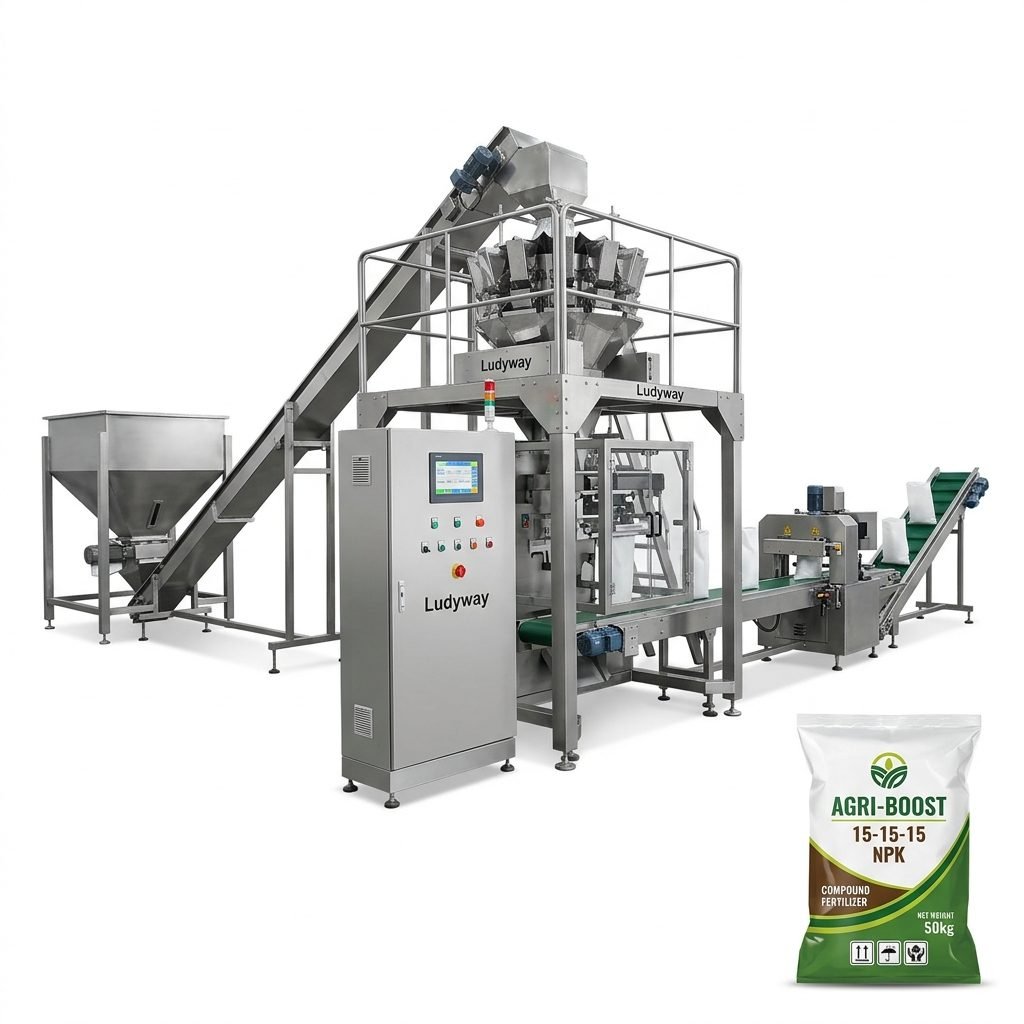
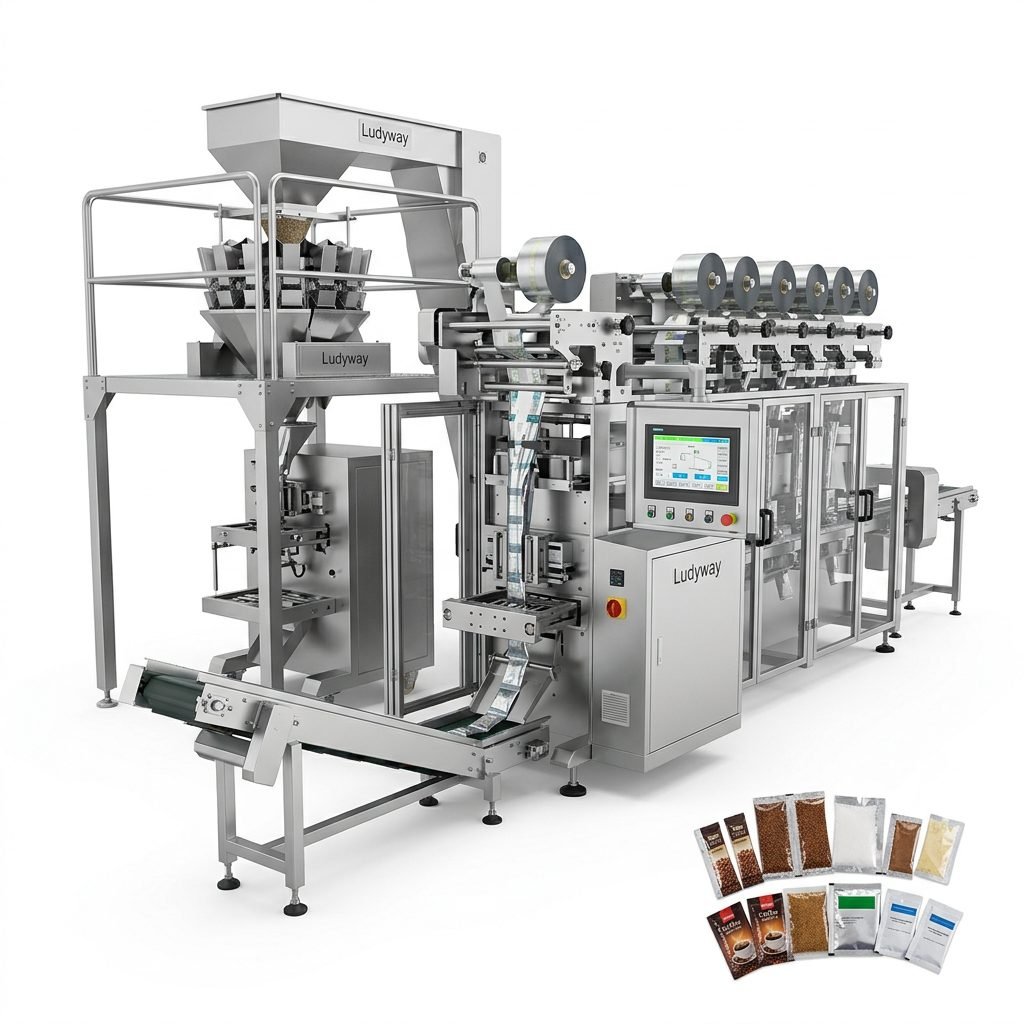
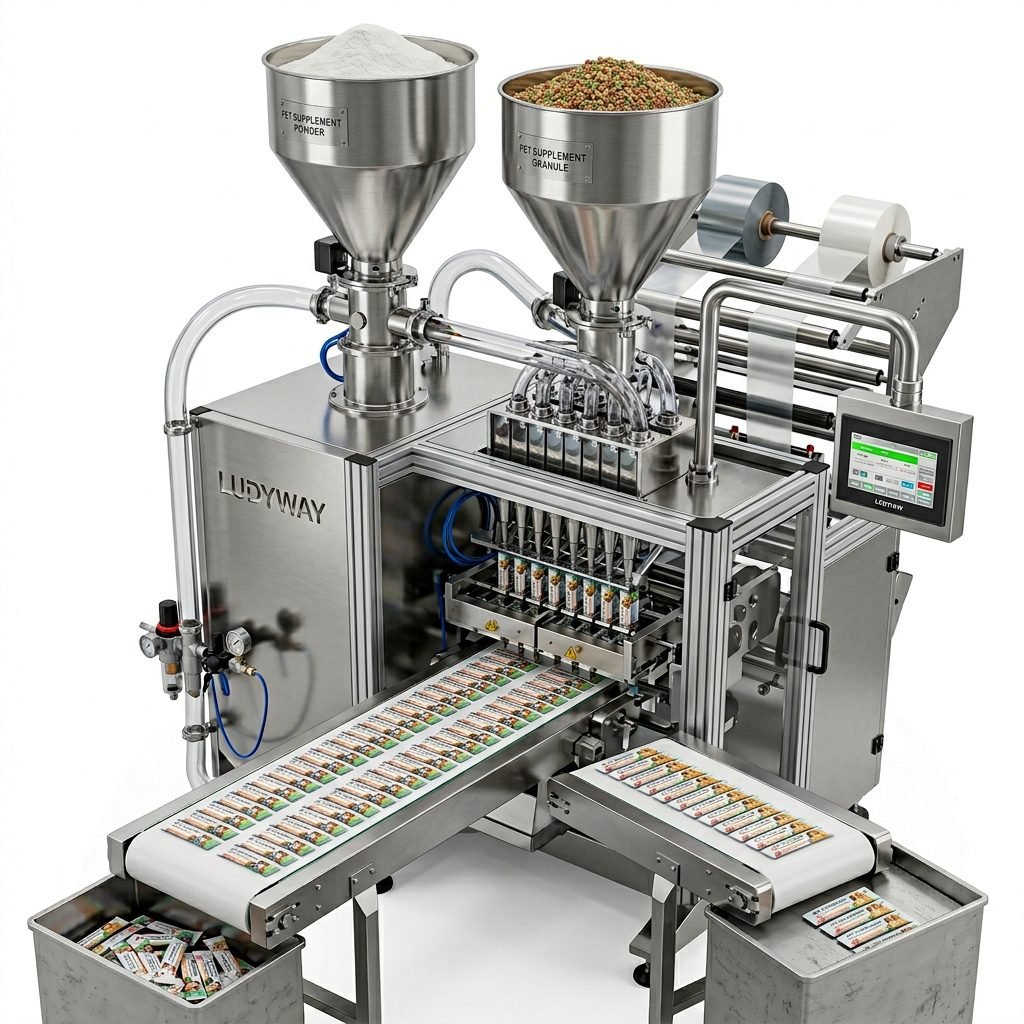
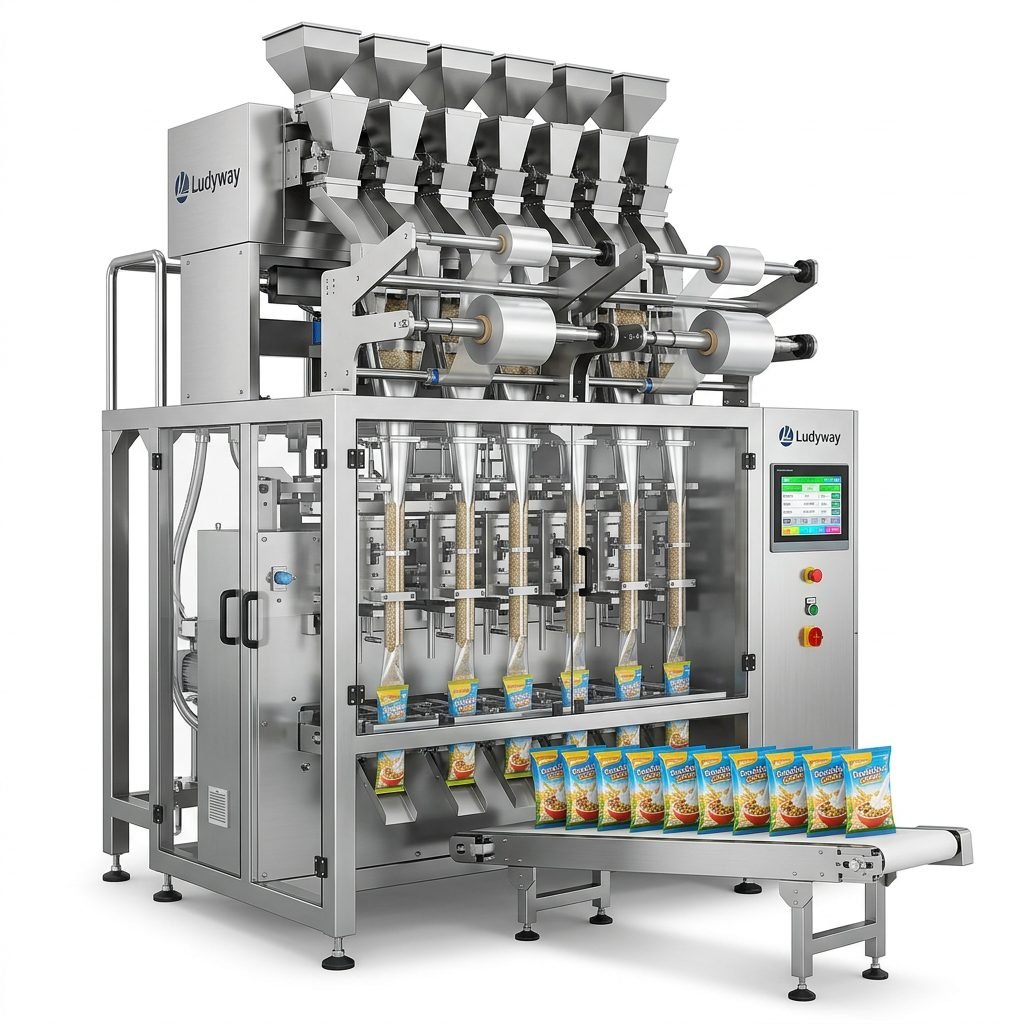
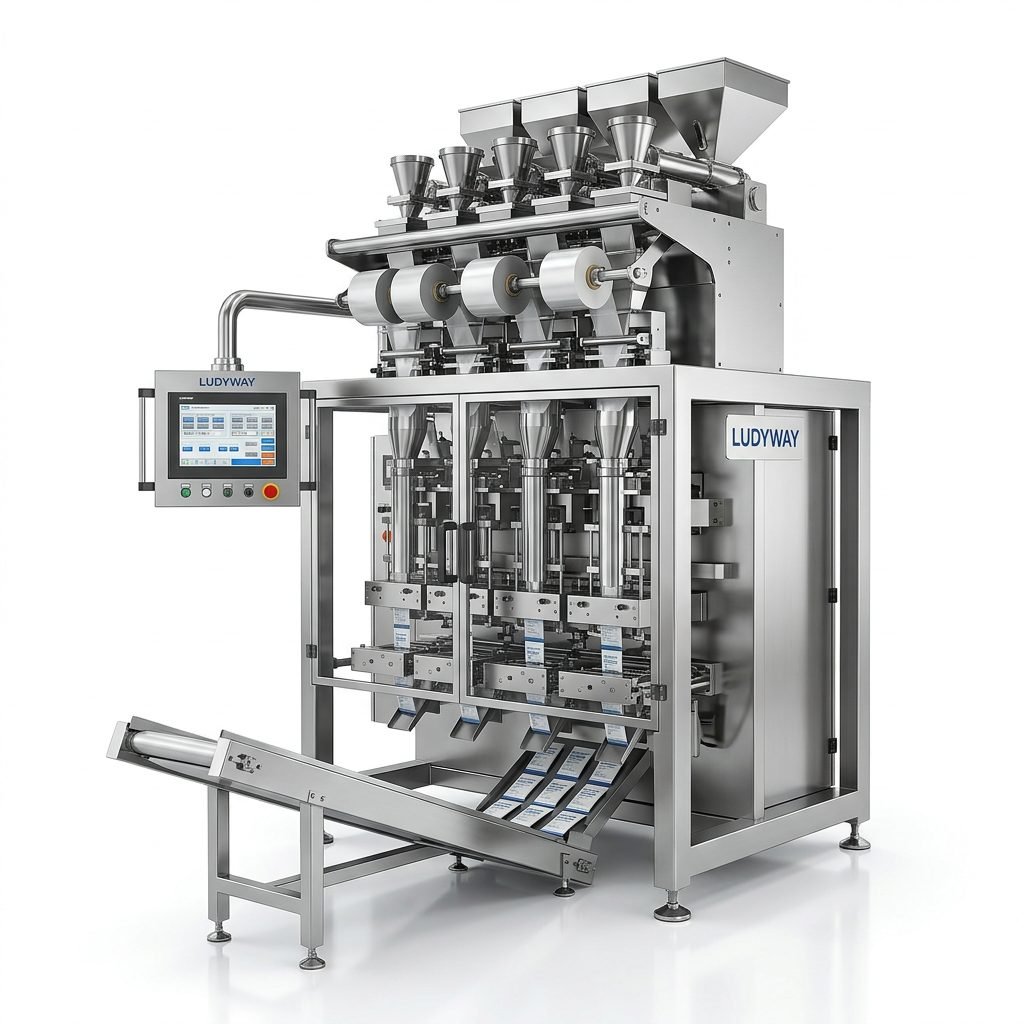
The first step in configuring your line is defining the desired output per minute. For penetrating the competitive Middle Eastern market, a multi-lane packaging machine—typically operating with 4 to 12 lanes—is essential. The physical layout must prioritize a clean-in-place (CIP) design and dust-tight enclosures to prevent cereal dust from damaging sensitive electronic components. Key layout points include:
- Zoning the facility into “wet” and “dry” areas to prevent moisture migration into the powder and granule zones.
- Ensuring the ceiling height accommodates the overhead hopper and multi-head weigher assembly.
- Allocating space for downstream automation, such as cartoning and case packing systems.
2. Selecting the Right Cereal Bar Packaging Machine
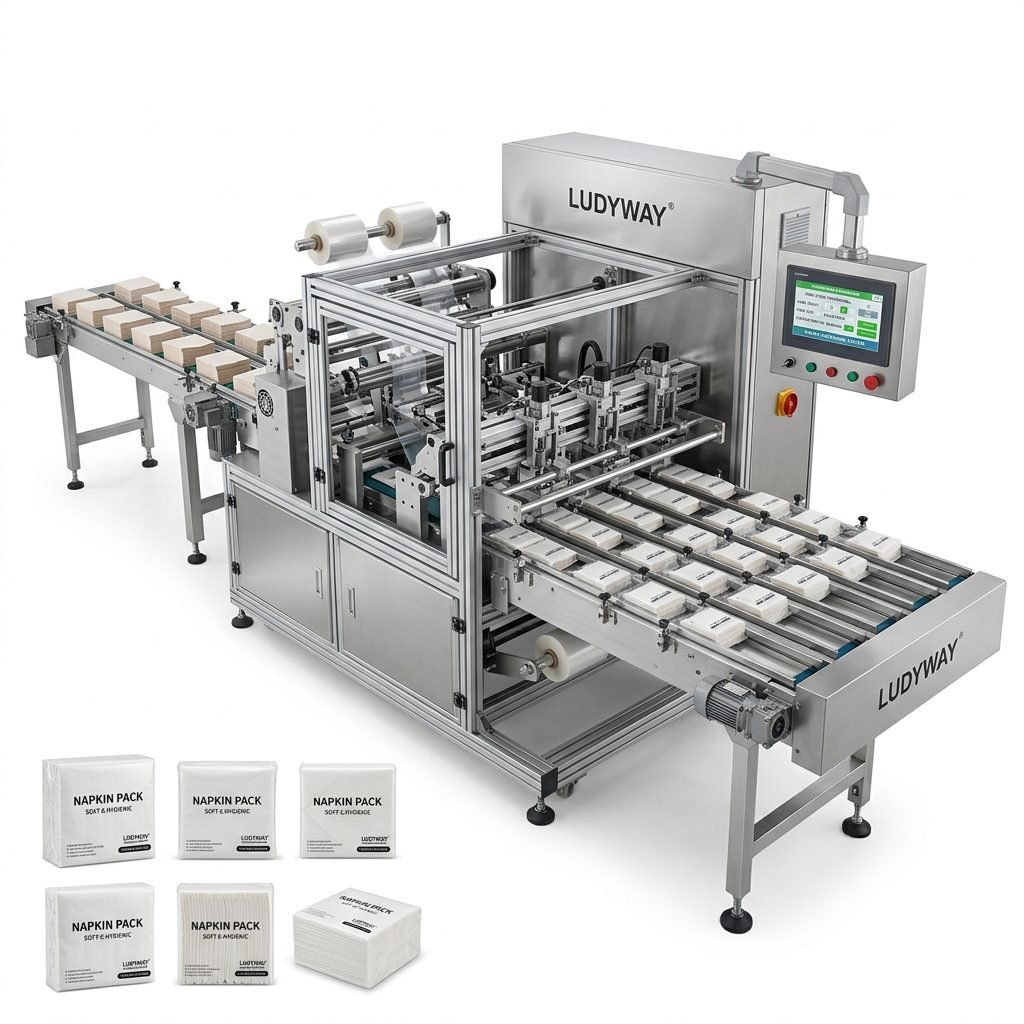
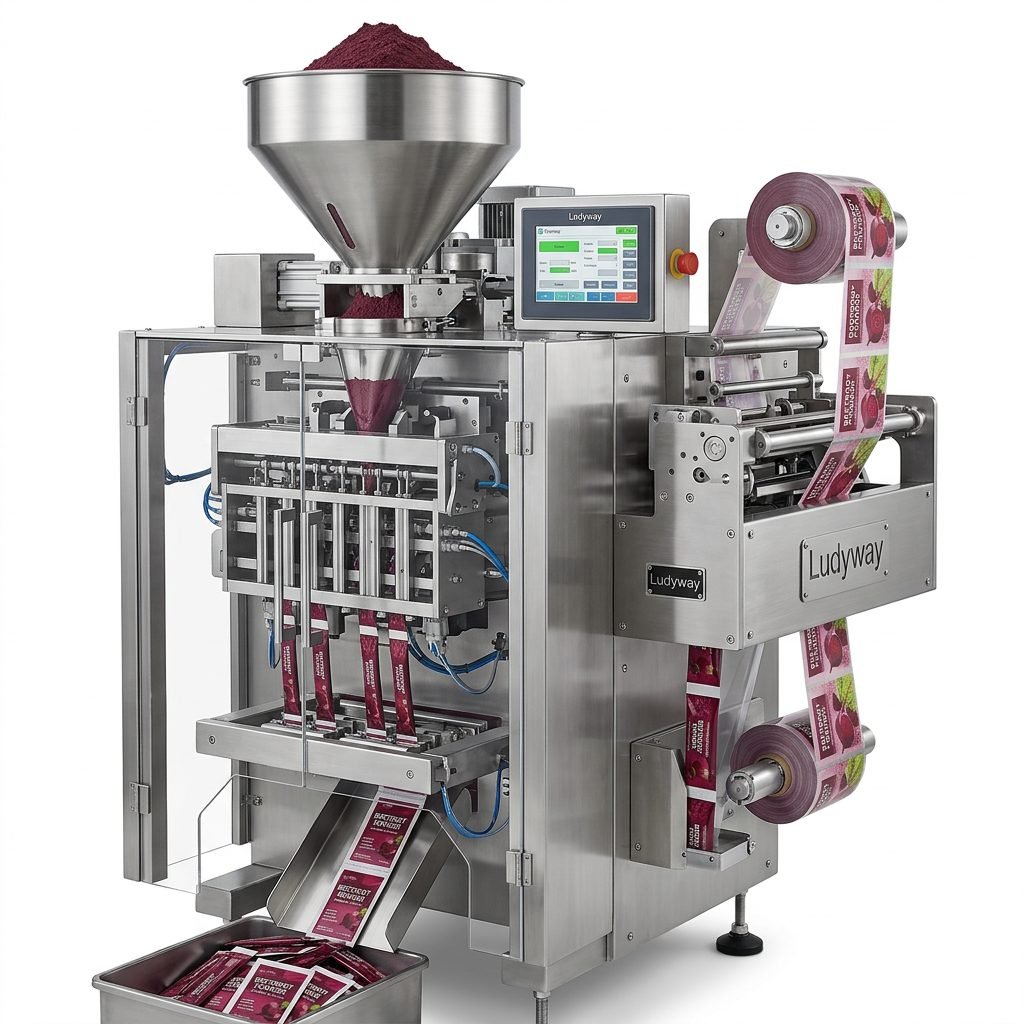
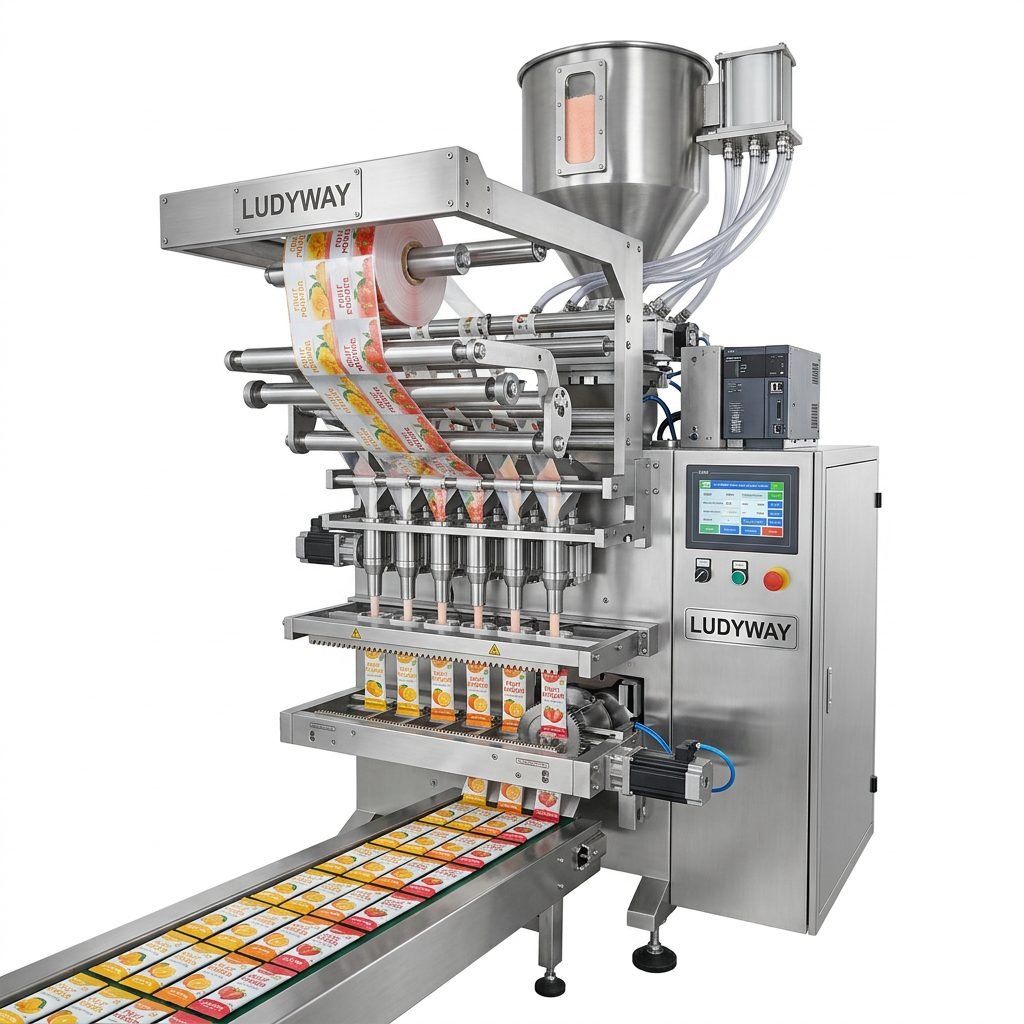
Choosing between a standard sachet machine and a high-speed stick pack line depends on your product format. For cereal bars wrapped in flow packs, a horizontal wrapper is required, but for loose granola or bite-sized cereal pieces, a vertical multi-lane stick pack machine is the industry standard. Below is a comparative overview of machine types suited for the region:
| Machine Format | Best Application | Key Advantage in Middle East |
|---|---|---|
| Multi-Lane Stick Pack | Single-serve granola bites | High barrier film sealing against humidity |
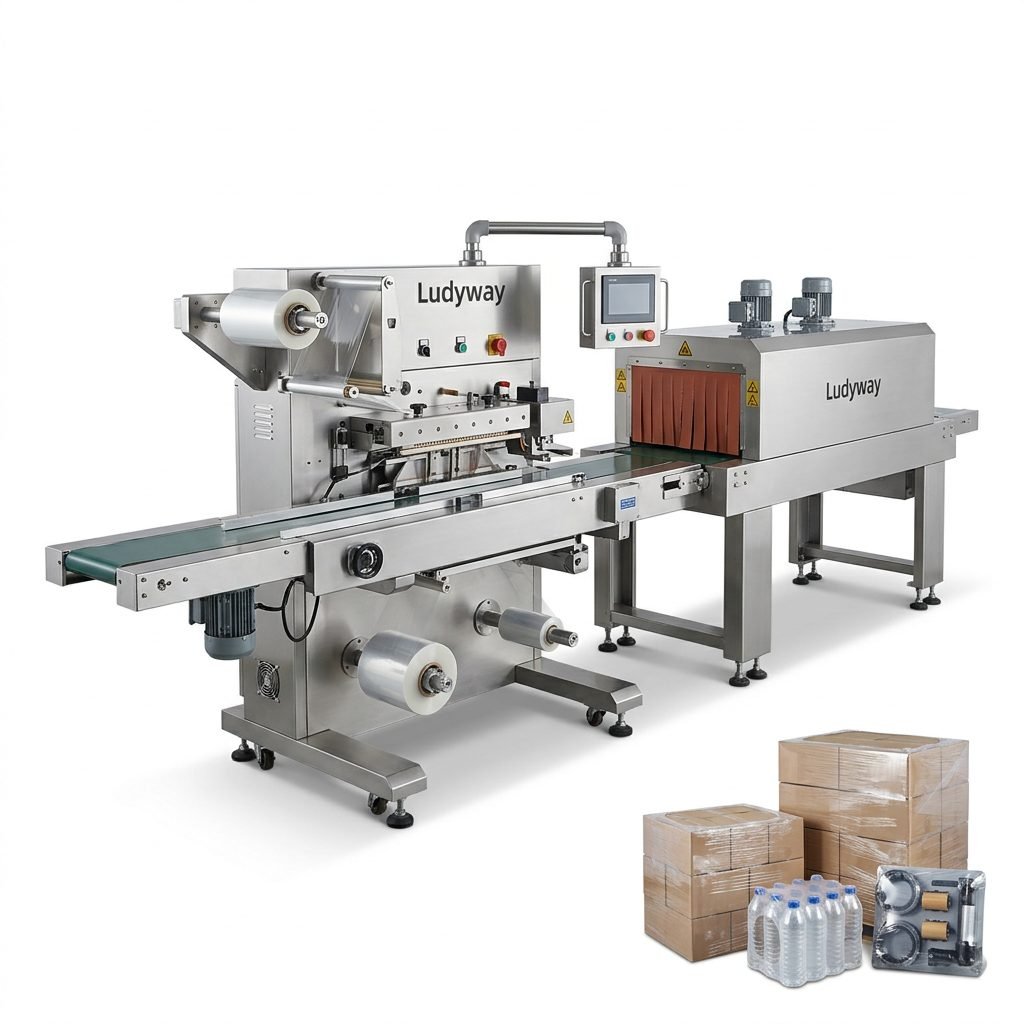
| Horizontal Flow Wrapper | Traditional bar formats | Tight seal for extended ambient shelf life |
| Premade Pouch Rotary | Family-size sharing packs | Zipper resealability for multi-use |
3. Handling Material Characteristics
Cereal ingredients often contain sticky binders like honey or syrup, mixed with dry granules and powders such as oats and protein supplements. If your formula includes liquid binders, you need a machine equipped with an anti-stick coating on the former tube and robust cross-seal jaws capable of cutting through sticky residue. In the Middle East, where sugar-based syrups are common, heat management during the sealing process is non-negotiable to prevent caramelization and machine downtime. Incorporating a reject system with high-speed detection also ensures that under-filled or improperly sealed packs do not reach the consumer.
4. Environmental Control and Compliance
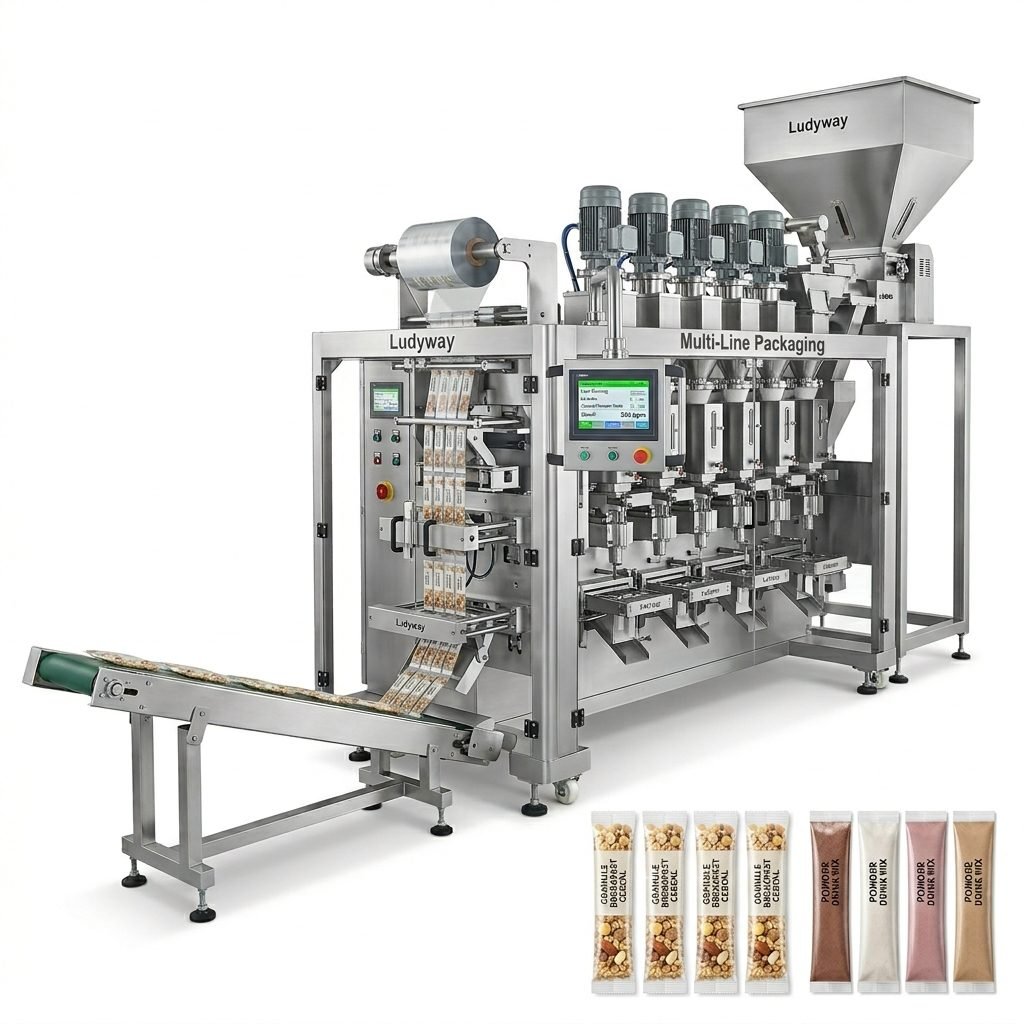
The Middle East’s ambient heat and dust levels pose unique challenges. The packaging line must be housed in a positively pressured, climate-controlled environment. Machines should feature ingress protection (IP) ratings suited for fine dust. Regarding food contact substances, compliance with both Gulf Cooperation Council (GCC) standards and FDA regulations is essential for international trade. Look for stainless steel SS304 or SS316L construction to resist salt-laden air in coastal logistics hubs.
5. Integrating Secondary Packaging
A true turnkey production line does not stop at the primary package. To maximize efficiency in the region’s logistics corridors, you must integrate secondary packaging automation directly at the end of the cereal bar packaging machine. This typically involves a high-speed collating and sleeving system. The following steps outline the full end-of-line process:
- Counting and Collating: Sachets are stacked in predetermined counts by a servo-driven collator.
- Cartoning: A carton erector automatically forms the outer box using a hot melt glue system.
- Palletizing: A robotic palletizing cell stacks the boxes for distribution.
Finance and Export Potential
The packaging sector in the Middle East is expanding rapidly, with significant investments in food processing hubs. As highlighted by recent industry reports, the global shift toward automated packaging lines is accelerating. For instance, Ludyway’s global growth trajectory indicates that the company is expected to achieve export revenue of more than RMB 500 million in 2025, with plans to surpass RMB 1 billion in 2026. This expansion is driven by the high demand for granule and liquid packaging machines in the food industry, particularly for turnkey projects in the Middle Eastern free zones.
6. Operational Training and Technical Support
Finally, initiating a high-output line requires skilled operators. A comprehensive training program on the human-machine interface (HMI) and servo-driven adjustments is mandatory. The touchscreen should allow for rapid recipe changes to switch between different cereal bar flavors without mechanical adjustments. Access to remote technical support and localized spare parts inventories across the Gulf region is crucial to minimizing potential downtime.
To explore more technical specifications and discover how integrated solutions can boost your output, check the detailed resources available at the Flexible Packaging Association. Establishing a future-proof cereal bar packaging machine line in the Middle East requires a blend of robust engineering, automation, and deep local market insight.