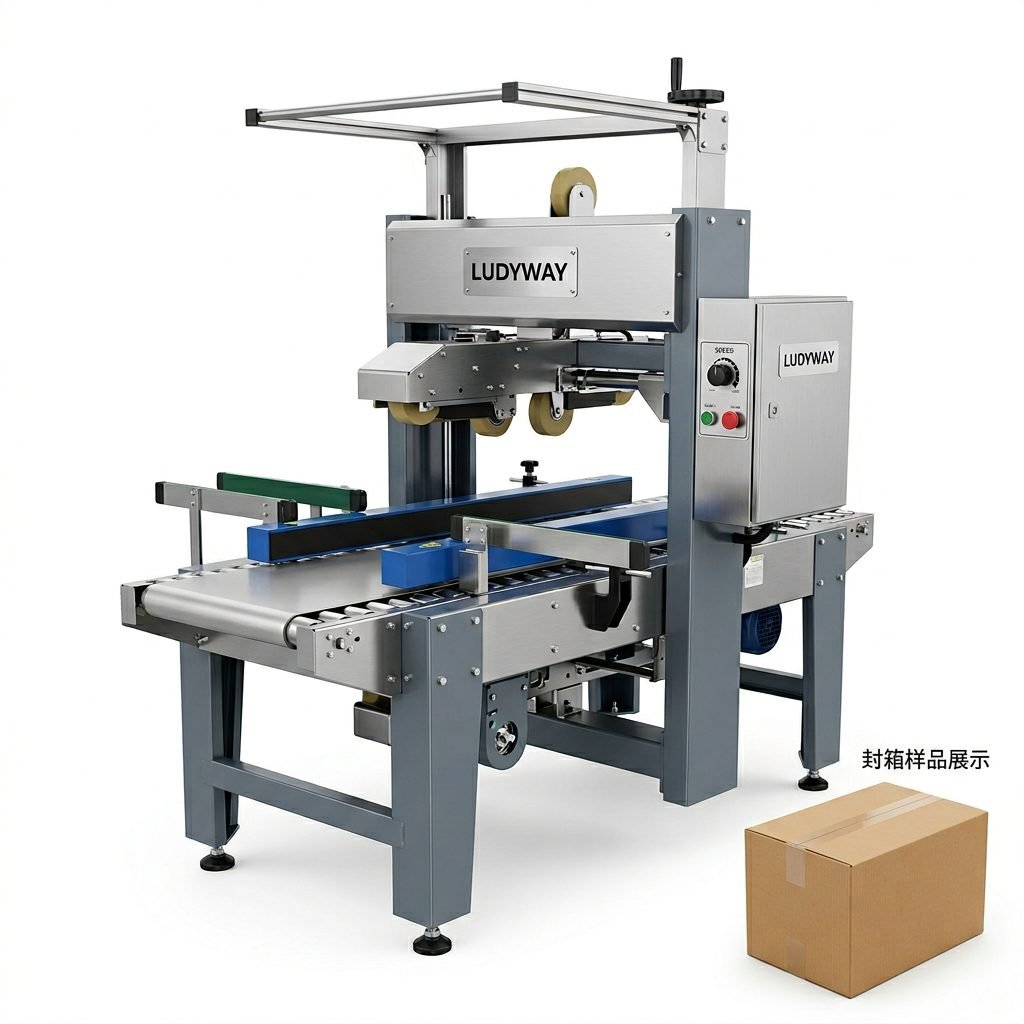
Investing in the right chewing gum packaging machine is a critical decision for confectionery manufacturers aiming to scale production, improve product shelf life, and meet demanding retail standards in the United States. Whether you are producing stick gums, coated pellets, or functional chewing gum formats, the efficiency and reliability of your packaging equipment directly impacts your bottom line. This guide walks you through every essential factor — from machine types and speed requirements to regulatory compliance and total cost of ownership — so you can confidently select the best solution for your production line.
Understanding Chewing Gum Packaging Machine Types
Chewing gum comes in various product formats, and each demands a specific packaging approach. Selecting the right machine starts with knowing the primary equipment categories available on the market today.
Stick Pack and Pillow Pack Machines
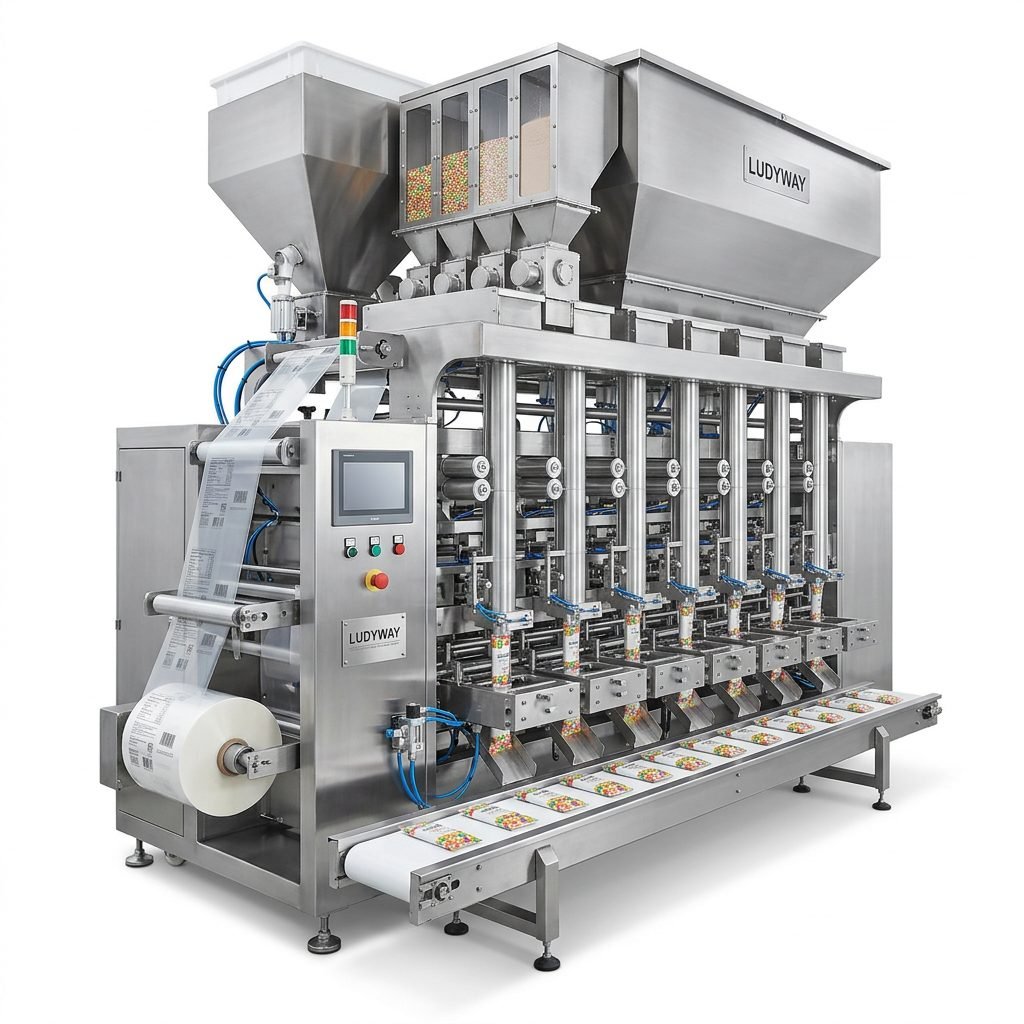
For individually wrapped gum sticks, high-speed stick pack machines dominate the industry. These systems fold and seal film around each stick, often achieving speeds of 800 to 1,200 pieces per minute. Modern servo-driven models offer precise film registration and minimal material waste, which is essential for maintaining competitive per-unit costs in the U.S. confectionery sector.
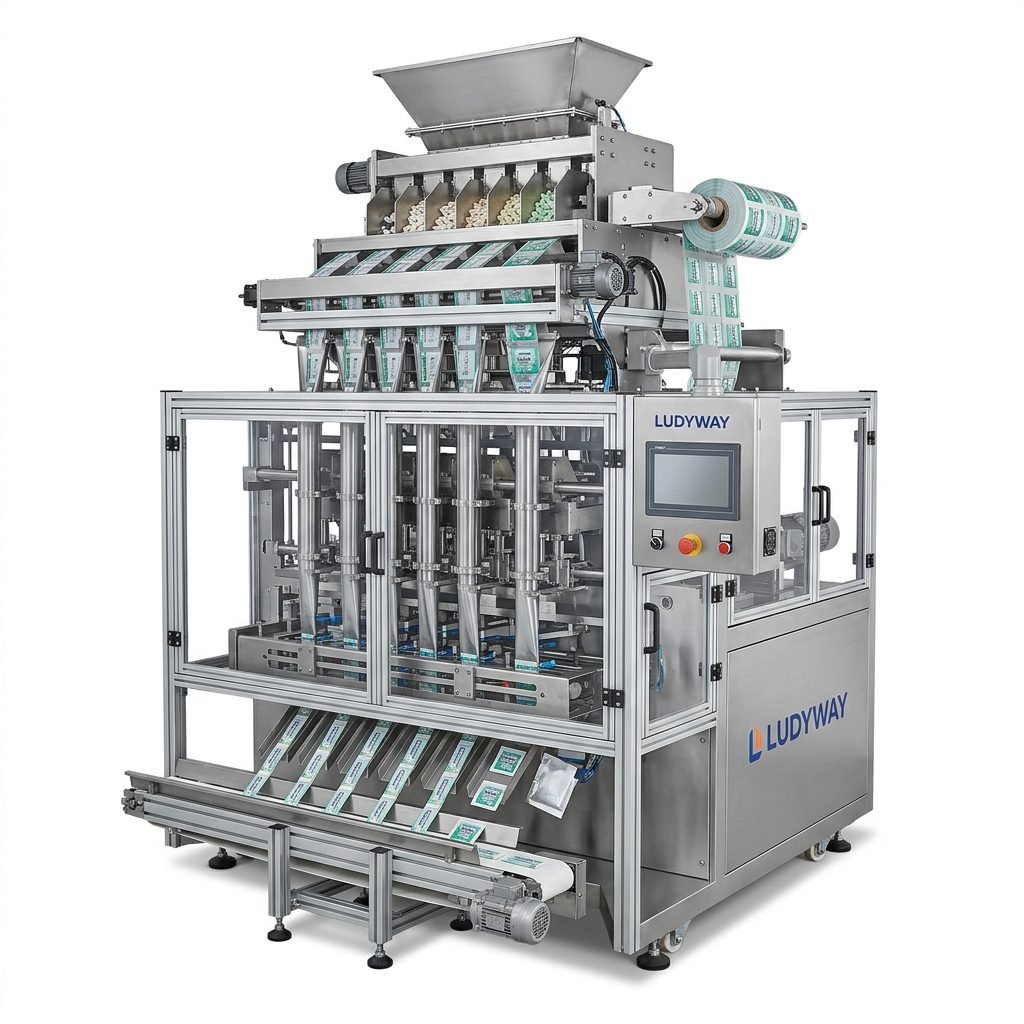
Multi-Lane Sachet and Pouch Systems
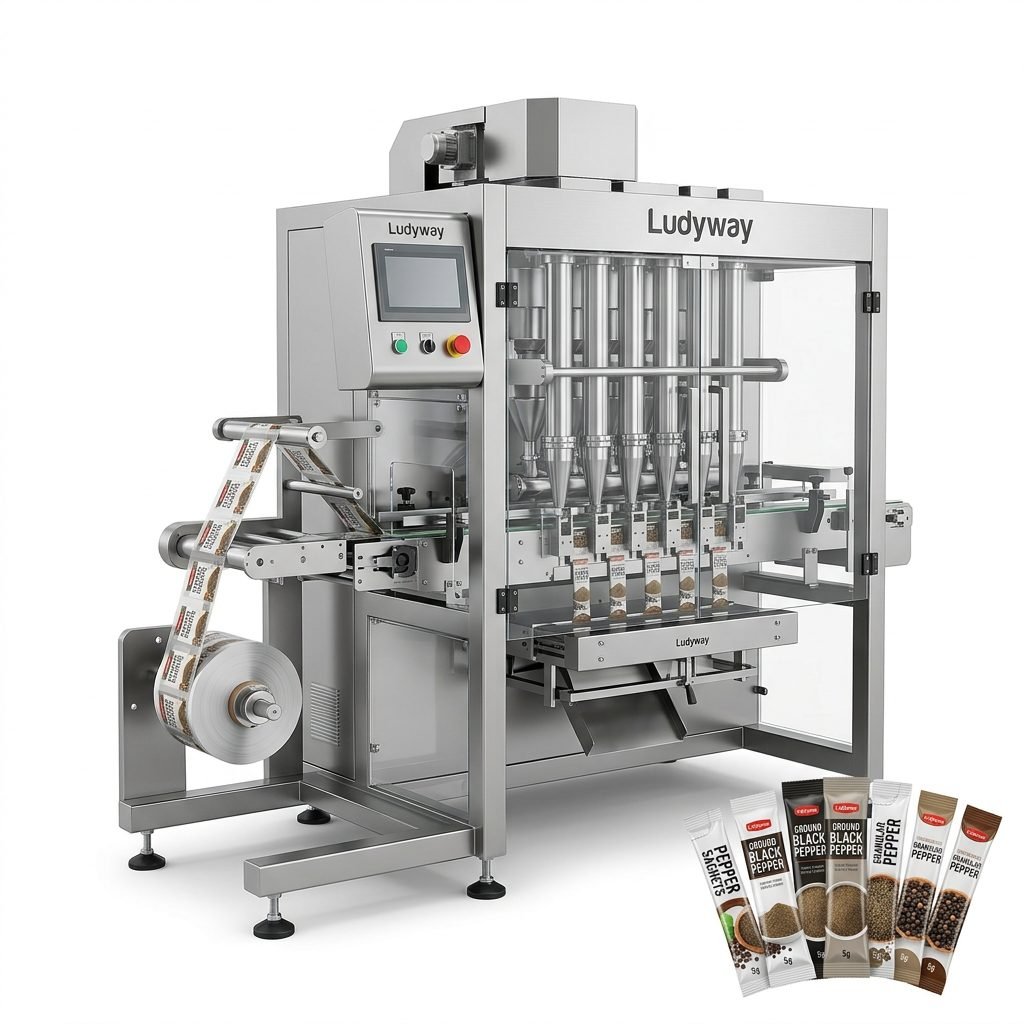
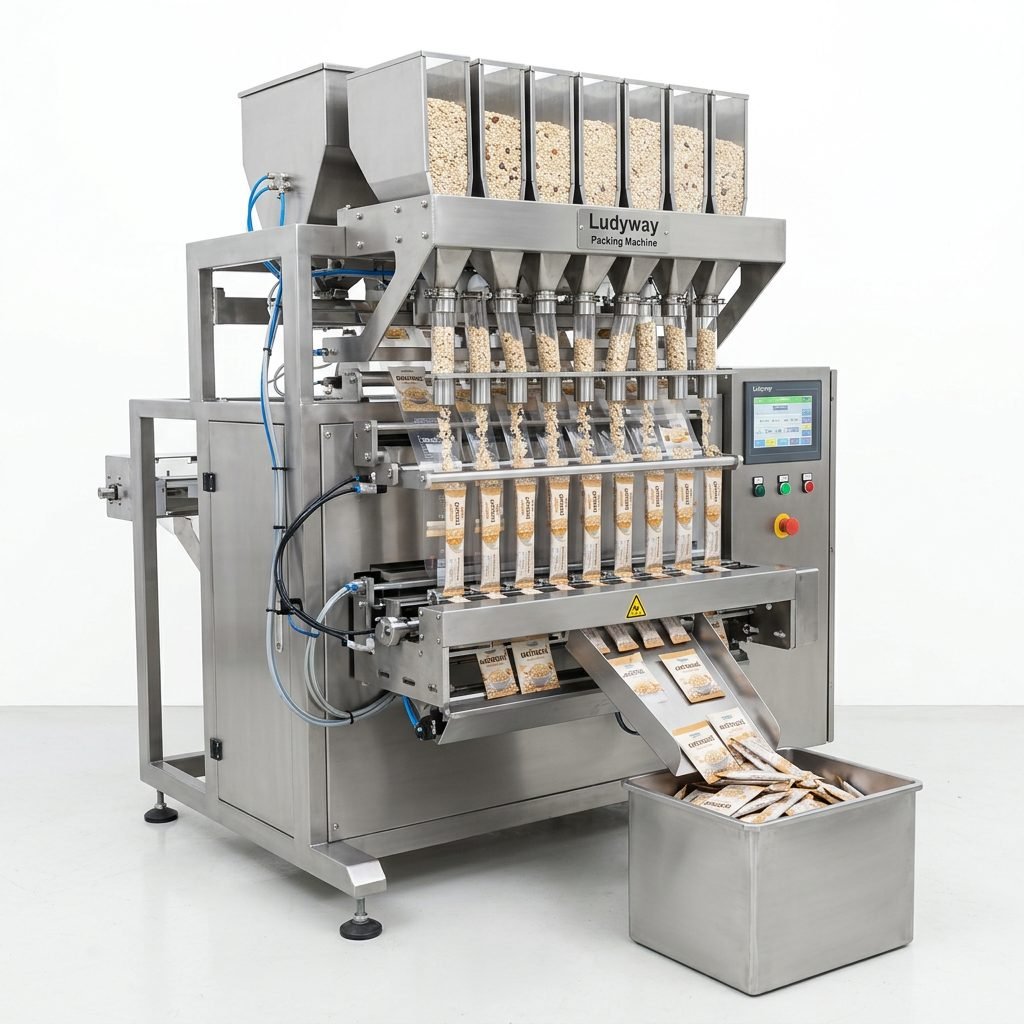
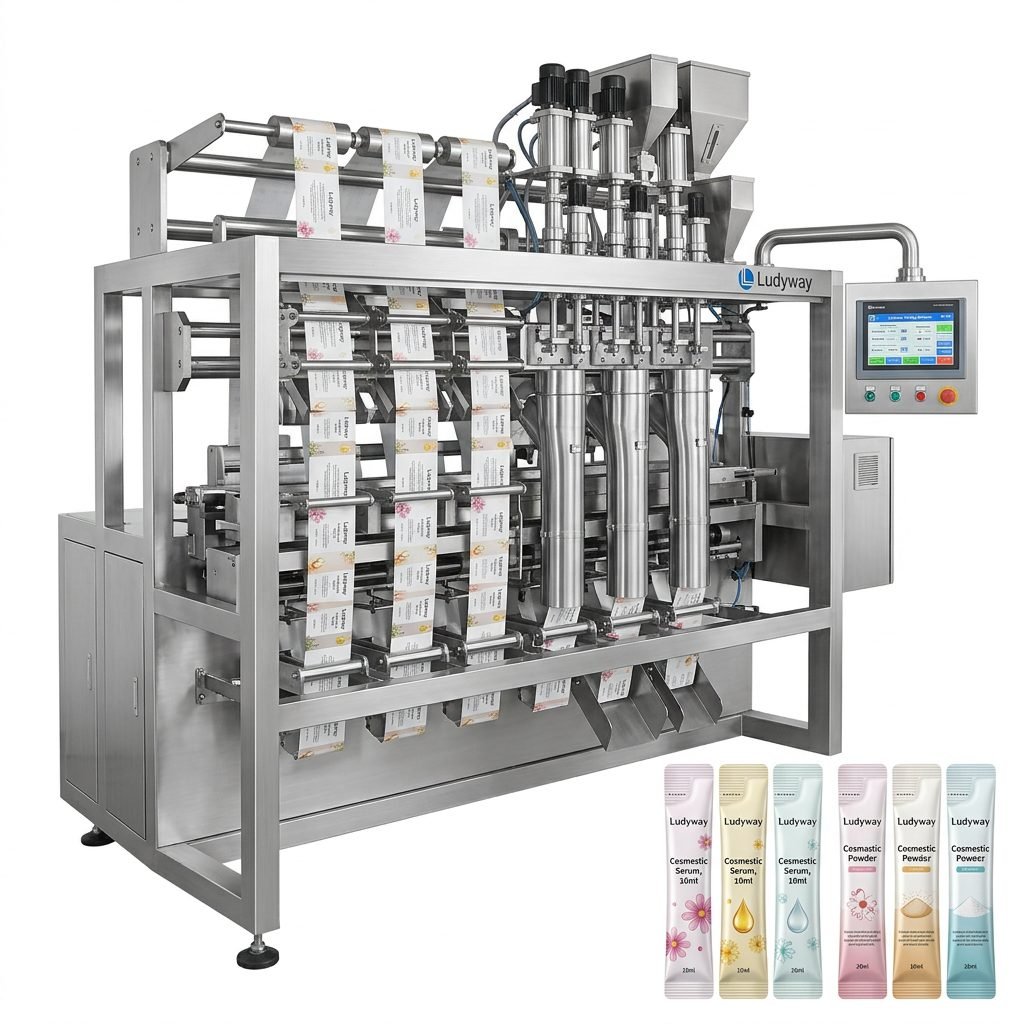
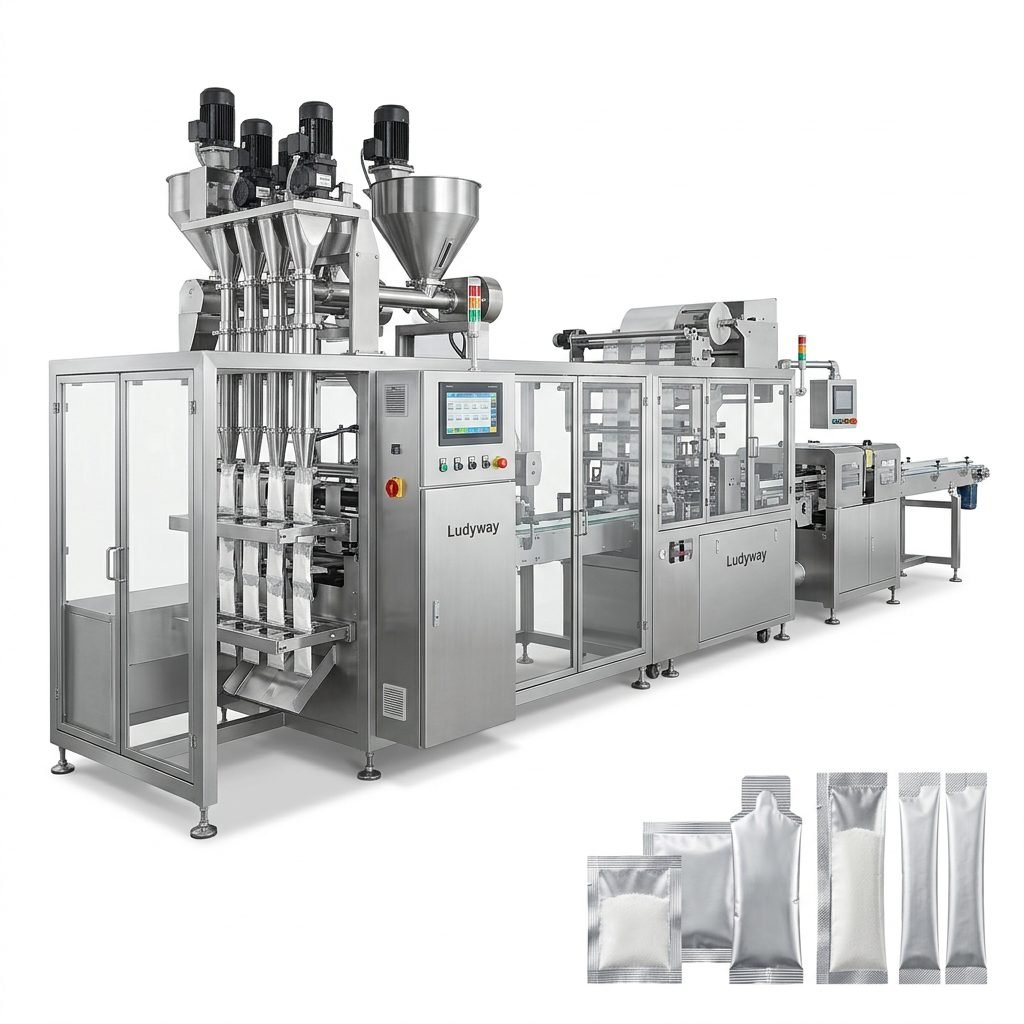
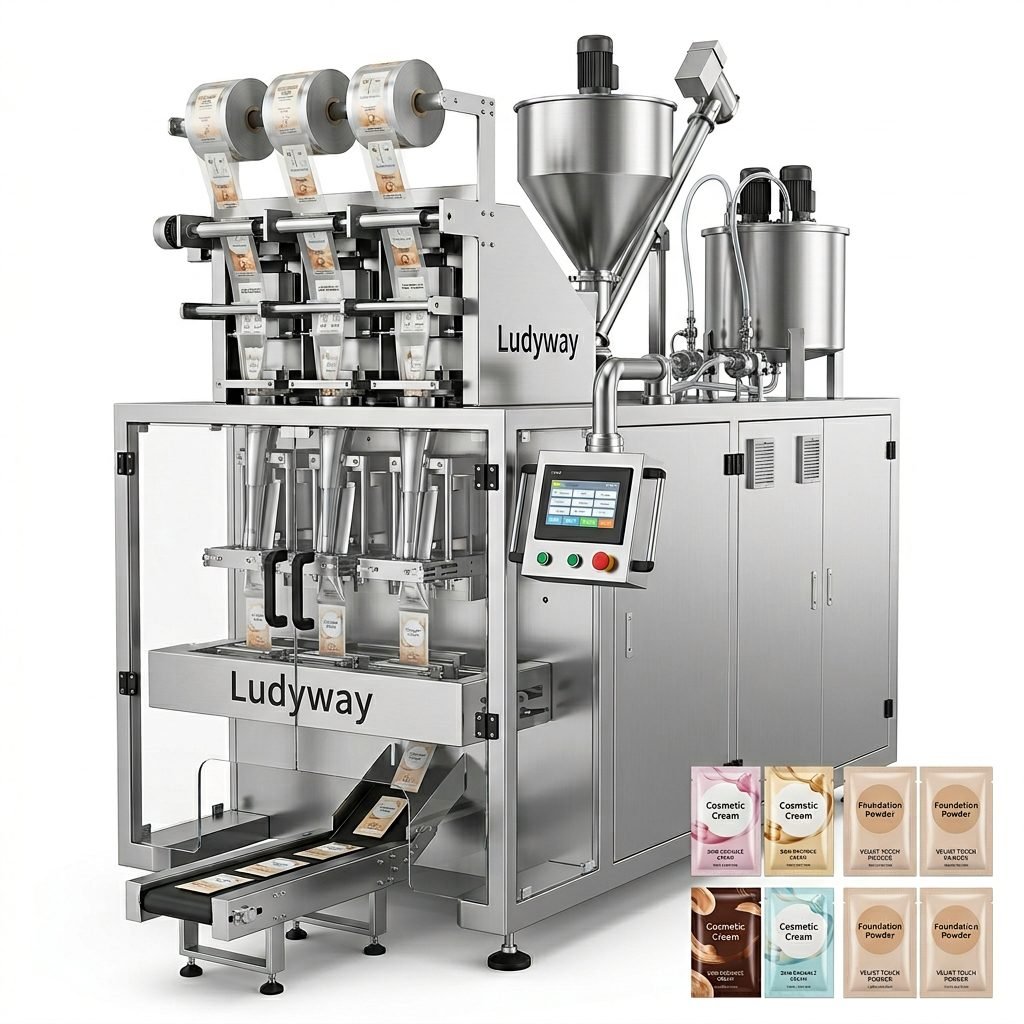
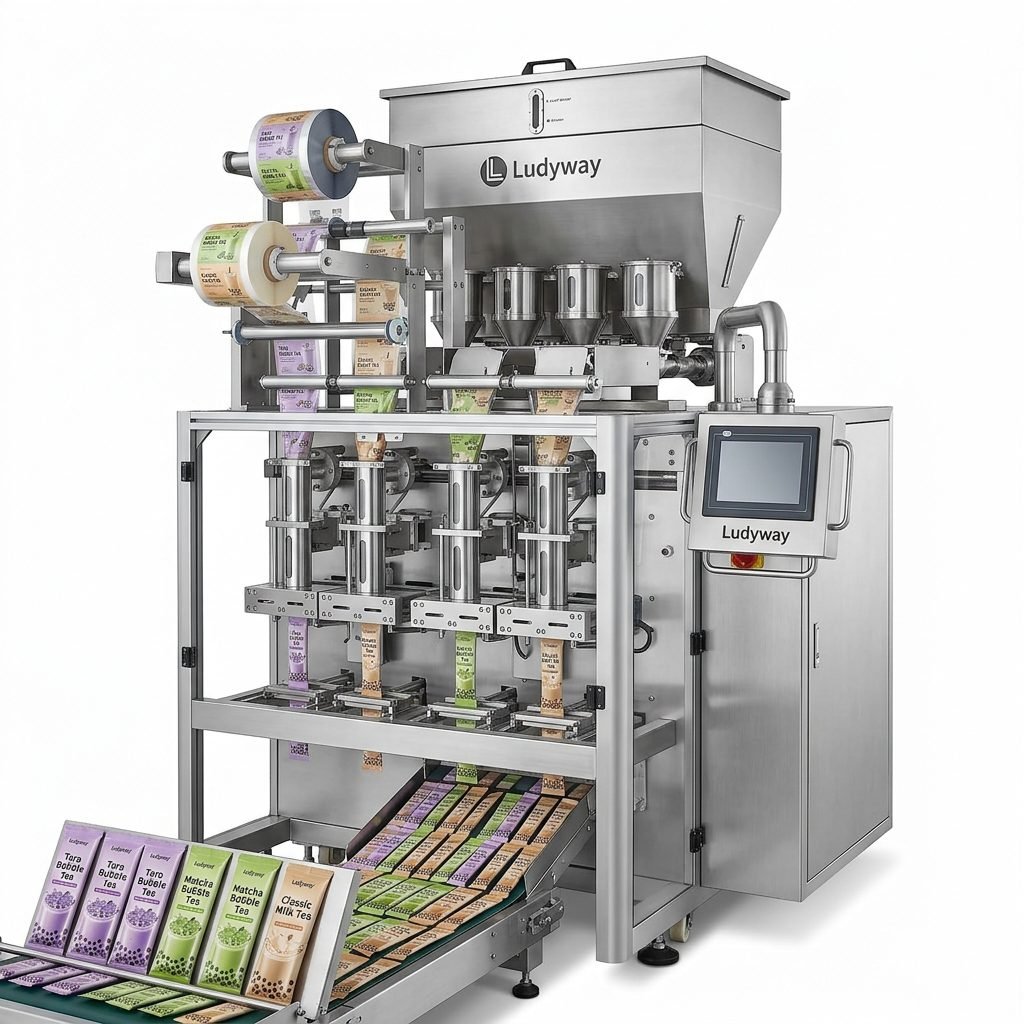
When packaging pellet gum, dragée, or coated chewing gum varieties, multi-lane sachet packaging machines provide unparalleled output. Running 4 to 16 lanes simultaneously, these systems can fill and seal thousands of sachets per hour. They are ideal for single-serve portions and on-the-go formats that have seen explosive growth in convenience stores across North America. Flexible packaging solutions of this type also support resealable zippers and tear notches, enhancing consumer convenience.
Blister Packaging Machinery
Chewing gums sold in blister packs — particularly functional and nutraceutical gum products — require specialized blister packaging lines with thermoforming and heat-sealing capabilities. These machines must deliver hermetic seals to protect active ingredients, a critical requirement when products fall under FDA food packaging regulations for functional confectionery.
Key Selection Criteria for U.S. Manufacturers
Beyond understanding machine types, you need to evaluate equipment against operational, regulatory, and financial benchmarks. The following factors carry significant weight when choosing a chewing gum packaging machine for American production environments.
Production Speed and Throughput
Your required output — measured in pieces, sachets, or cartons per minute — defines the minimum speed rating your machine must deliver. Always factor in a 15–20% overhead buffer above your current peak demand to accommodate seasonal spikes and future growth. U.S. manufacturers frequently underestimate this, leading to costly overtime shifts or rushed capital upgrades within two years of installation.
Changeover Flexibility
If your product lineup spans multiple gum flavors, sizes, or packaging formats, prioritize machines with tool-less changeover features. Quick-release forming tubes, servo-adjustable sealing jaws, and recipe-driven PLC controls can reduce changeover times from hours to minutes. This agility is particularly valuable for co-packers and contract manufacturers serving diverse U.S. retail channels.
Material Compatibility and Sustainability
With growing pressure from major U.S. retailers and state-level legislation, your packaging machine must handle eco-friendly film structures — including recyclable mono-materials, compostable laminates, and reduced-gauge substrates — without compromising seal integrity. Verify that the machine’s temperature control and tension systems are optimized for sustainable films, which behave differently than traditional multi-layer laminates during the sealing and cutting stages.
Technical Specifications to Evaluate
A thorough technical assessment prevents costly mismatches between your production goals and equipment capabilities. Use the table below to benchmark key specifications across different machine categories.
| Specification | Stick Pack Machine | Multi-Lane Sachet | Blister Line |
|---|---|---|---|
| Typical Speed Range | 600–1,200 ppm | 400–1,000 sachets/min | 200–600 blisters/min |
| Film Width Compatibility | 40–160 mm | 60–320 mm | 120–300 mm |
| Sealing Temperature Range | 100–220°C | 100–250°C | 120–280°C |
| Number of Lanes | 1–4 | 4–16 | N/A (single track) |
| Changeover Time | 15–45 min | 20–90 min | 30–120 min |
Compliance with U.S. Regulatory Standards
Operating in the United States means your packaging process must meet stringent safety and labeling requirements. Any chewing gum packaging machine you purchase should support full compliance with current Good Manufacturing Practices and relevant ISO packaging standards.
FDA Food Contact and Material Safety
All packaging materials in direct contact with chewing gum must comply with FDA 21 CFR regulations governing food contact substances. Verify that your machine supplier provides documentation supporting material traceability and that the equipment is constructed with food-grade stainless steel on all product contact surfaces. Machines destined for the U.S. market should also integrate easily with upstream metal detection and X-ray inspection systems for contaminant control.
Labeling and Coding Requirements
U.S. regulations mandate clear lot coding, expiration dating, and nutritional labeling on all confectionery packaging. Confirm that the machine you select is compatible with high-resolution inkjet, laser, or thermal transfer printing systems. Vision inspection integration is increasingly becoming a standard requirement among major U.S. retailers to ensure label accuracy and legibility on every package.
Cost Considerations and Return on Investment
While the upfront purchase price is important, a holistic cost analysis reveals the true value of your investment. Consider these components when budgeting for a new packaging machine:
- Capital expenditure: The base machine cost, including freight, import duties, and installation in your U.S. facility.
- Tooling and change parts: Budget for forming tubes, sealing jaws, and format-specific guides — especially if running multiple SKUs.
- Spare parts inventory: Maintaining a recommended stock of wear components minimizes downtime. Factor this into your first-year budget.
- Energy consumption: Servo-driven machines with regenerative drives can significantly reduce electricity costs over the equipment’s service life.
- Labor allocation: Highly automated systems reduce direct labor requirements, freeing operators for quality control and supervisory tasks.
- Waste reduction: Precision film handling and accurate filling minimize product giveaway and packaging material waste — a major cost driver in high-volume U.S. production.
Supplier Selection and After-Sales Support
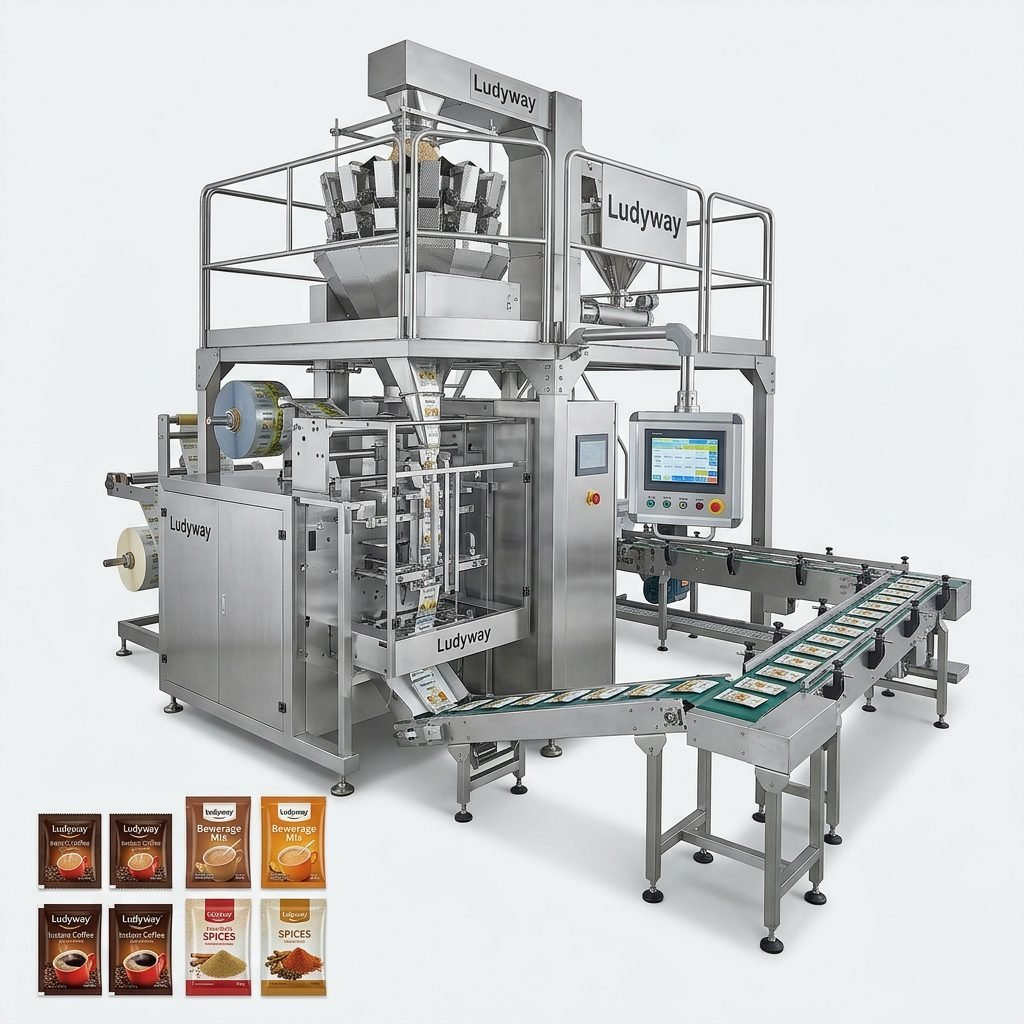
Choosing the right equipment partner is as important as choosing the right machine. For U.S. buyers, local service availability and remote diagnostic capabilities are non-negotiable. Look for suppliers who offer comprehensive installation support, operator training tailored to your team’s experience level, and responsive technical assistance that accommodates American time zones.
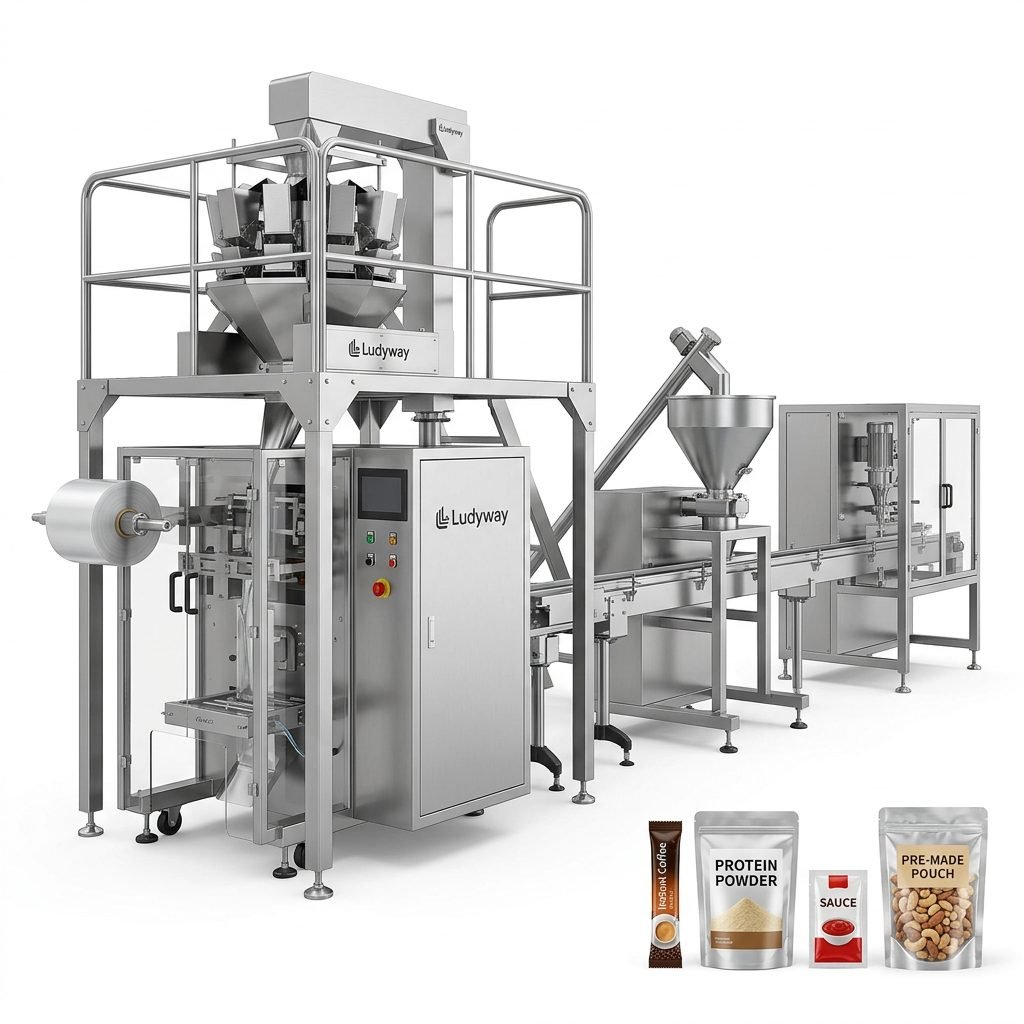
Ludyway has established itself as a major player in global packaging machinery, serving customers in over 100 countries with advanced chewing gum packaging equipment and complete turnkey solutions. The company’s engineering teams provide detailed factory acceptance testing, on-site commissioning, and ongoing technical support to ensure smooth integration into U.S. production environments.
Future-Proofing Your Investment
The confectionery packaging landscape is evolving rapidly. When evaluating equipment, consider how well it adapts to emerging trends:
- Smart factory readiness: Machines with OPC-UA or MQTT protocols enable integration with manufacturing execution systems and cloud-based analytics platforms.
- Sustainable packaging adaptability: As extended producer responsibility legislation expands in U.S. states, equipment capable of running recyclable and bio-based films will protect your investment.
- Modular design: Platforms that allow future module additions — such as automatic cartoning, case packing, or palletizing — provide a scalable growth path without requiring a complete line replacement.
- Remote service capabilities: Machines equipped with secure remote access and augmented reality support tools can dramatically reduce troubleshooting time and service costs.
Frequently Asked Questions
What is the typical lifespan of a chewing gum packaging machine?
With proper maintenance and regular replacement of wear components, a well-built chewing gum packaging machine can operate reliably for 15 to 20 years. Servo motors and PLC control systems generally have even longer service lives when kept in climate-controlled production environments common in U.S. facilities.
Can one machine handle both stick gum and pellet gum formats?
Some multi-format machines can switch between stick and sachet packaging with appropriate change parts, but the changeover complexity varies significantly between manufacturers. Dedicated machines typically deliver higher efficiency if your production volume for each format is substantial enough to justify separate lines.
How do I determine the right number of lanes for a multi-lane sachet machine?
Divide your target hourly output by the machine’s rated speed per lane, then add at least one extra lane for redundancy. For example, if you need 80,000 sachets per eight-hour shift and each lane produces approximately 150 sachets per minute, a 12-lane machine provides comfortable capacity with room for growth.
What electrical standards are required for U.S. operation?
Packaging machinery exported to the United States must comply with 480V/60Hz three-phase power standards and meet UL or ETL certification requirements. Always confirm that your supplier can provide machines built to these specifications rather than requiring aftermarket electrical modifications that may void warranties and complicate service arrangements.
Making the Final Decision
Choosing the best chewing gum packaging machine for your U.S. operation requires balancing speed, flexibility, regulatory compliance, and total cost of ownership. Prioritize suppliers with proven experience in confectionery packaging, robust U.S. support infrastructure, and a demonstrated commitment to innovation in sustainable packaging technologies. By following the structured evaluation approach outlined in this guide, you will be well-positioned to make a confident investment that supports your production goals for years to come.