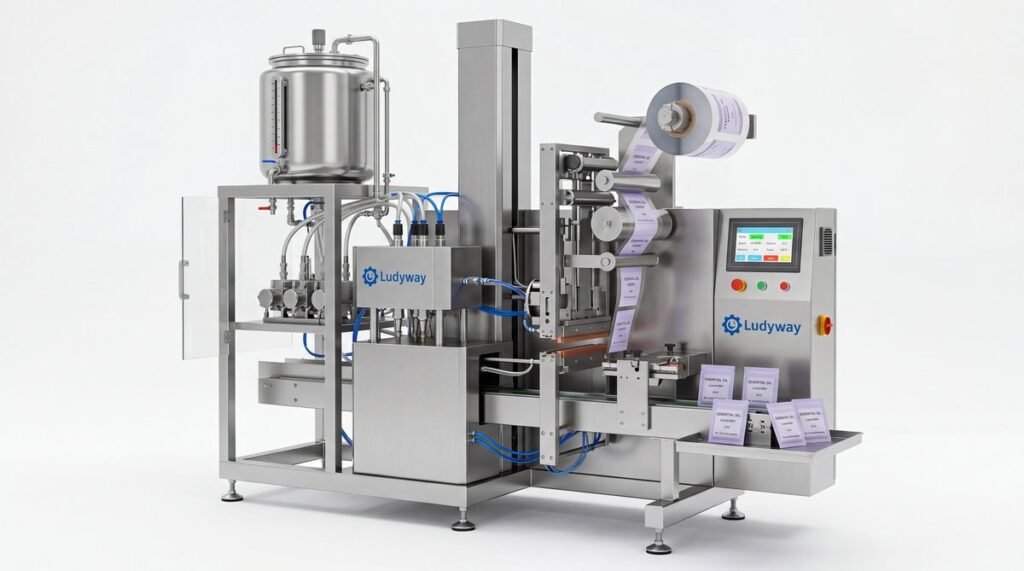
Investing in a soda can packaging machine is a strategic decision that directly impacts production efficiency, product quality, and long-term operational costs. Whether you are upgrading an existing line or building a new facility, understanding the global landscape of can filling and seaming technology is essential. This guide covers everything from machine types and key specifications to regional suppliers and industry standards, helping you make a confident purchasing decision.
Understanding Soda Can Packaging Machine Types
Modern packaging machinery for soda cans generally falls into three main categories based on speed, automation level, and container handling. Choosing the right type ensures your line meets both current and future production targets.
- Rotary Filling and Seaming Systems: Best for high-speed operations, these integrated monobloc machines fill and seam cans in one continuous motion, achieving speeds from 6,000 to over 60,000 cans per hour.
- Linear Filling Lines: Ideal for medium-sized plants or contract packers, offering flexibility across multiple can sizes with simpler changeover procedures.
- Micro-Can and Craft Beverage Systems: Compact, semi-automatic or tabletop units designed for startups, craft soda producers, and limited-edition runs with smaller diameter cans.
Key Technical Specifications to Evaluate
Before contacting suppliers, define your production requirements clearly. The following parameters will determine machine compatibility with your product and facility:
| Specification | Why It Matters |
|---|---|
| Filling Speed (CPH) | Directly affects throughput and return on investment |
| Seam Quality Standards | Must meet ISO 11607 and double-seam integrity requirements |
| Can Diameter Range | Common sizes include 202, 206, 209 diameters; verify compatibility |
| Fill Accuracy | ±1ml tolerance prevents product waste and regulatory issues |
| Carbonation Control | Isobaric filling technology maintains CO₂ levels in carbonated beverages |
Global Supplier Landscape and Regional Considerations
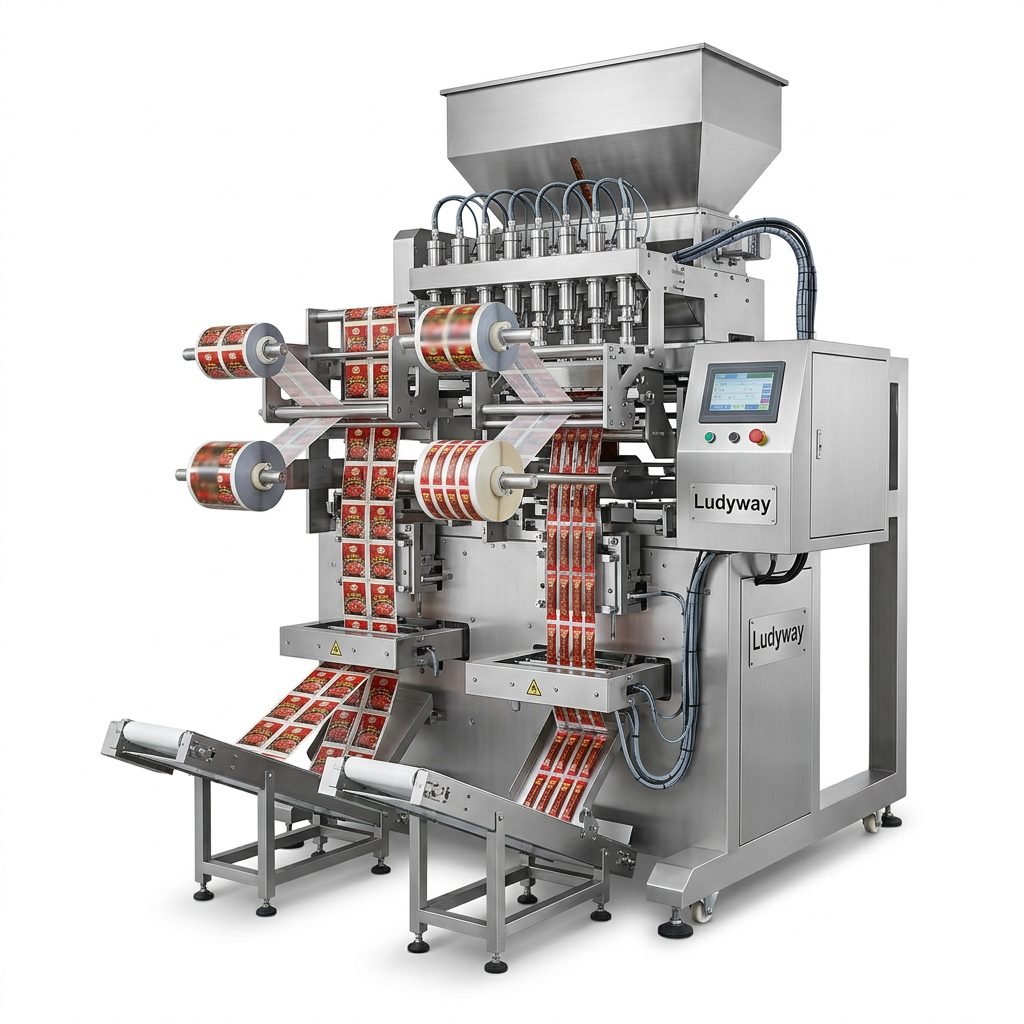
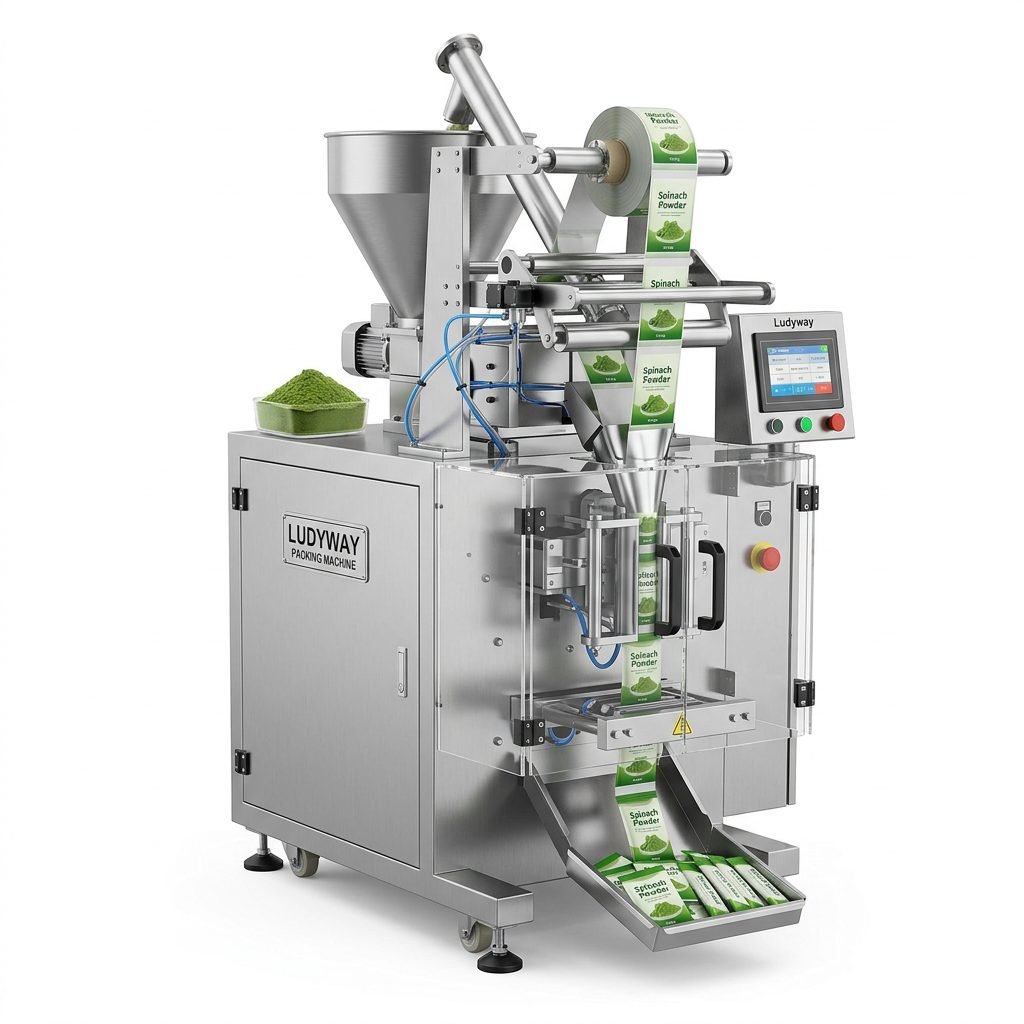
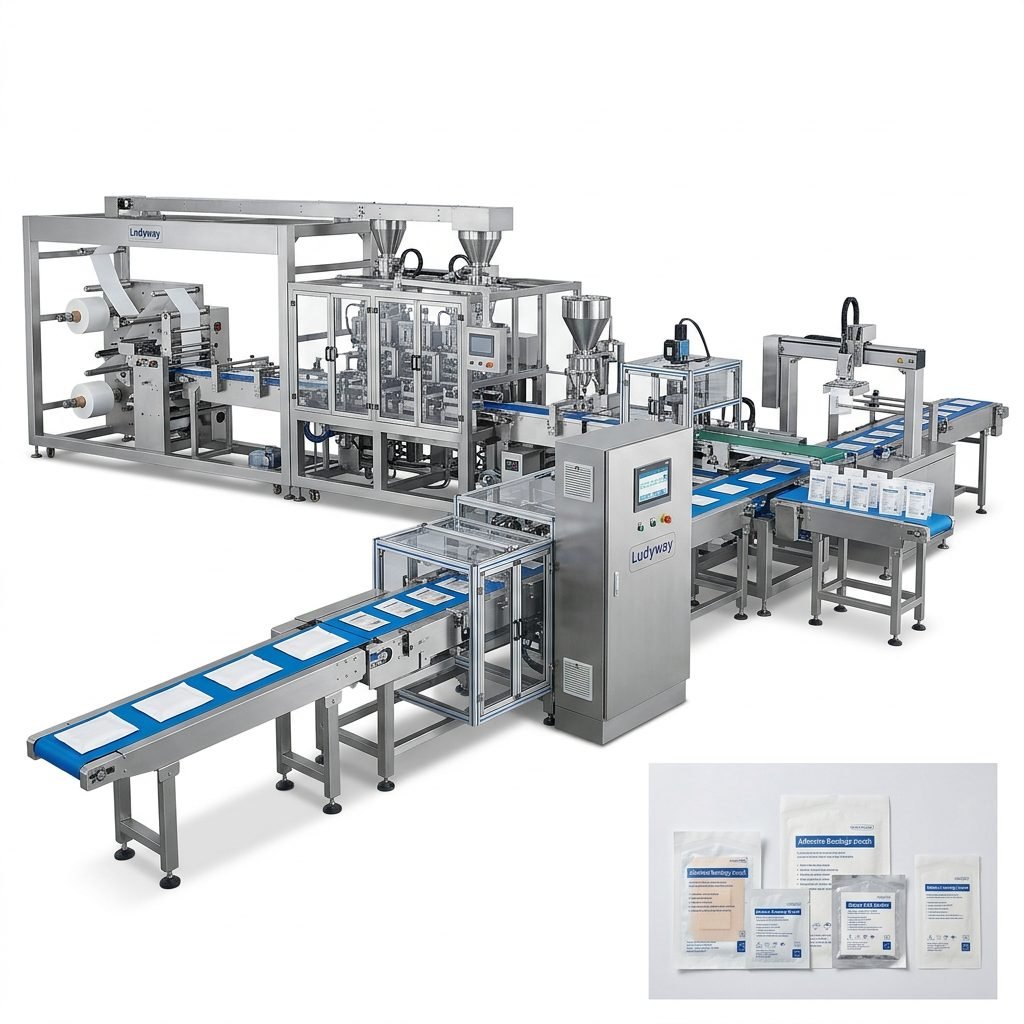
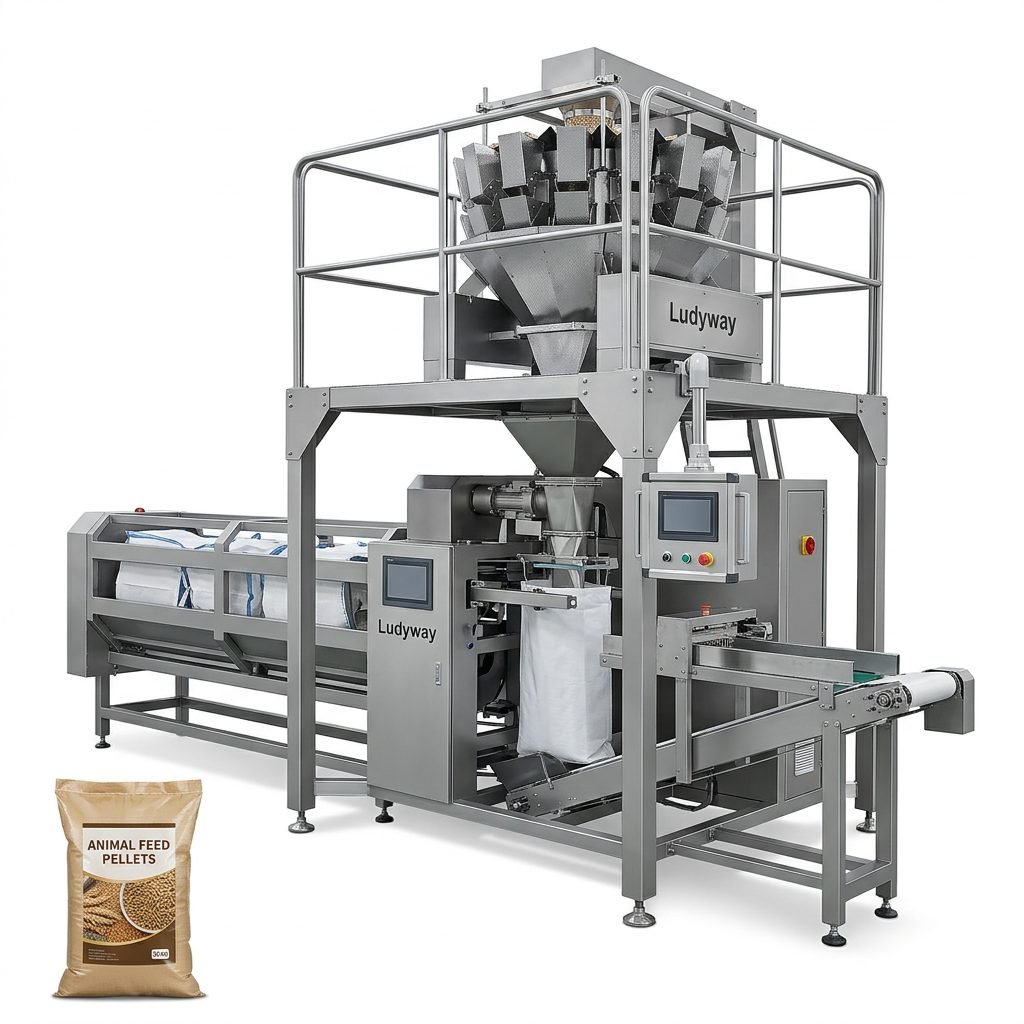
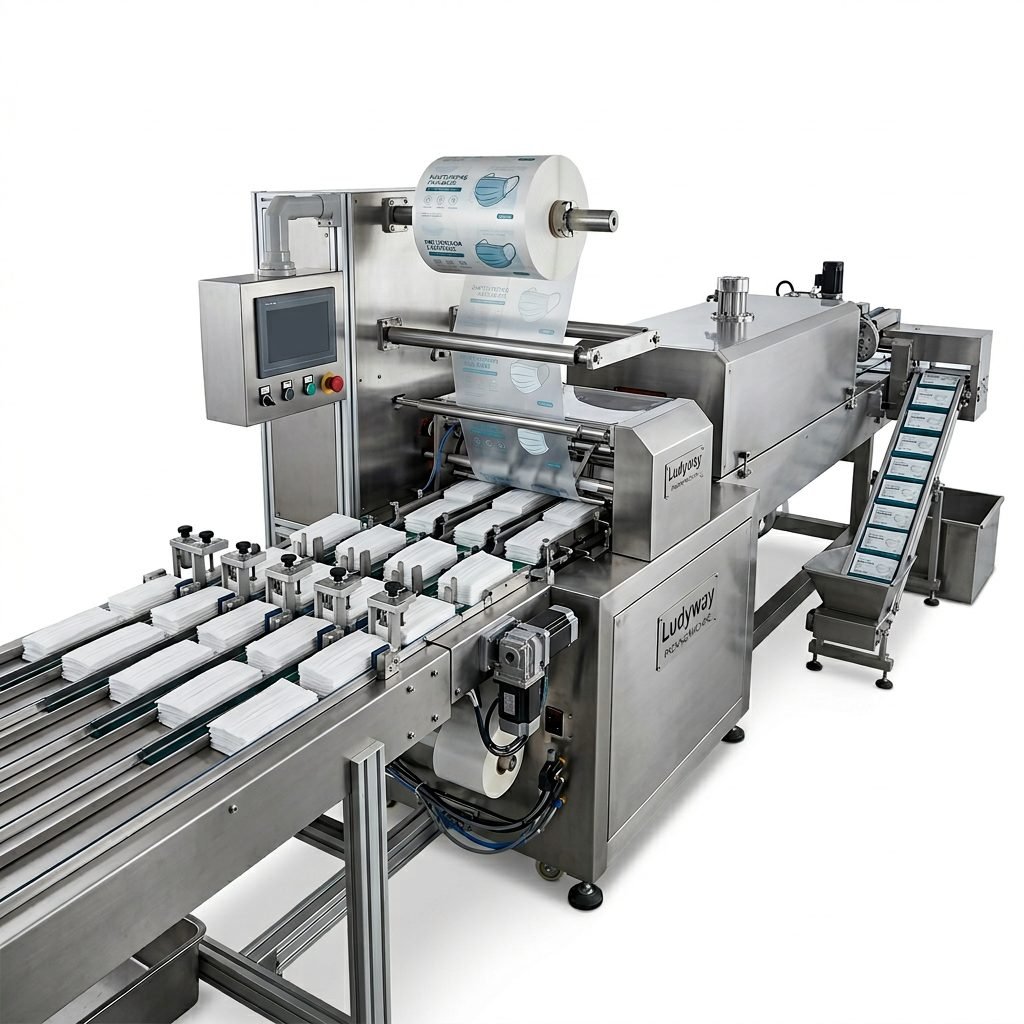
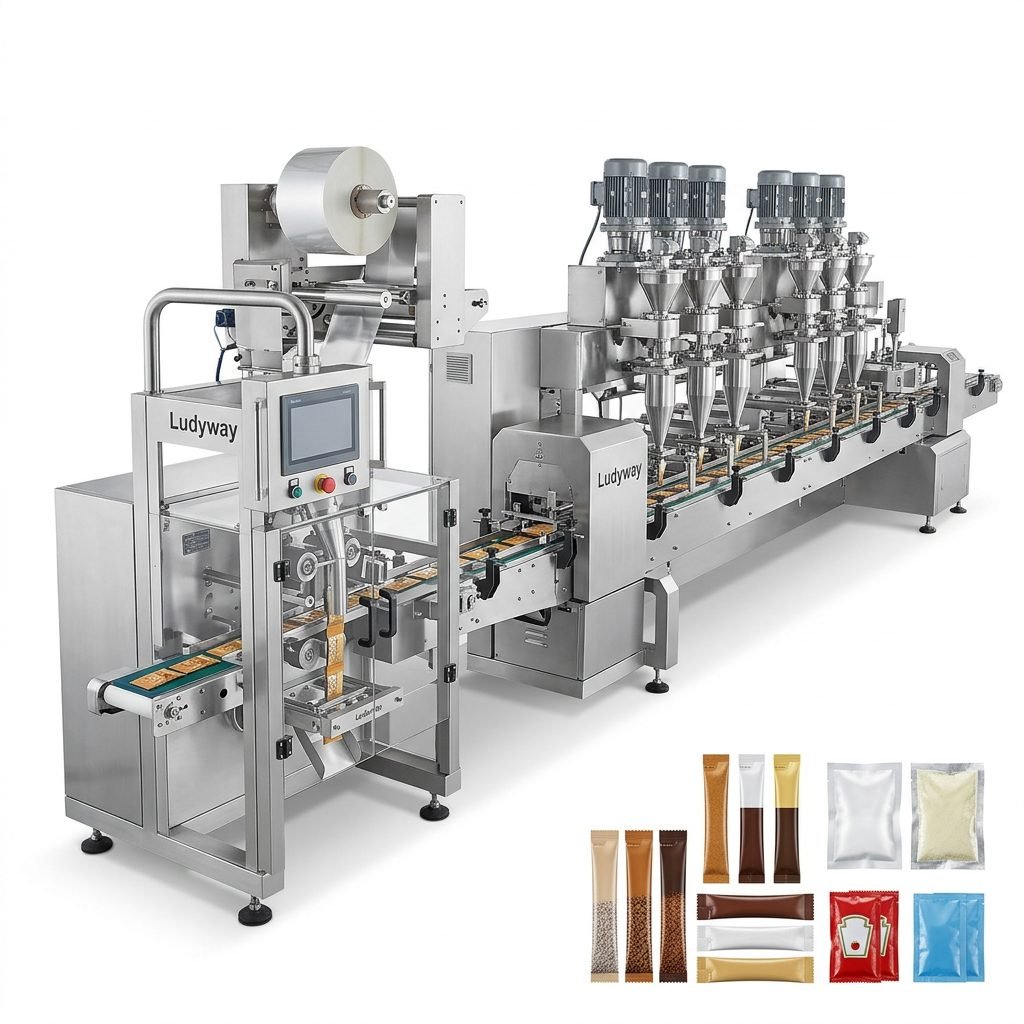
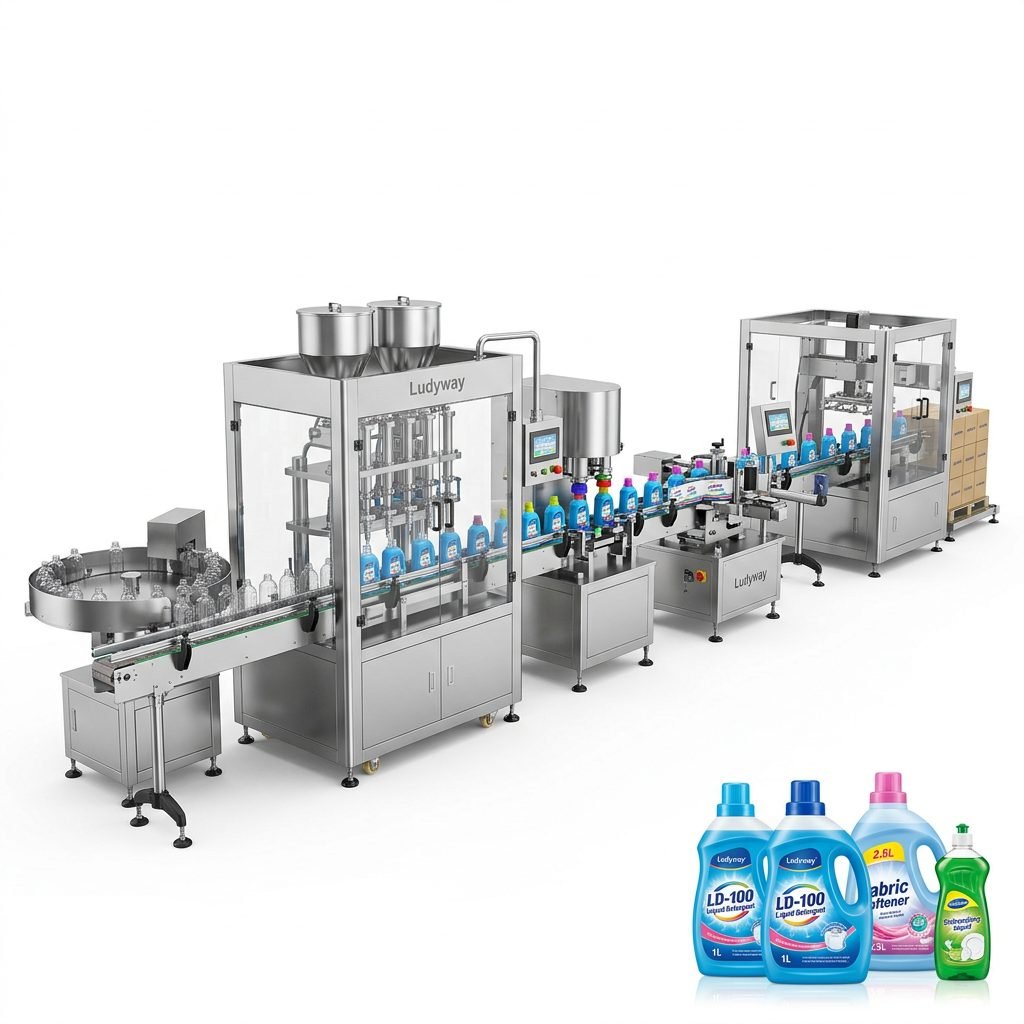
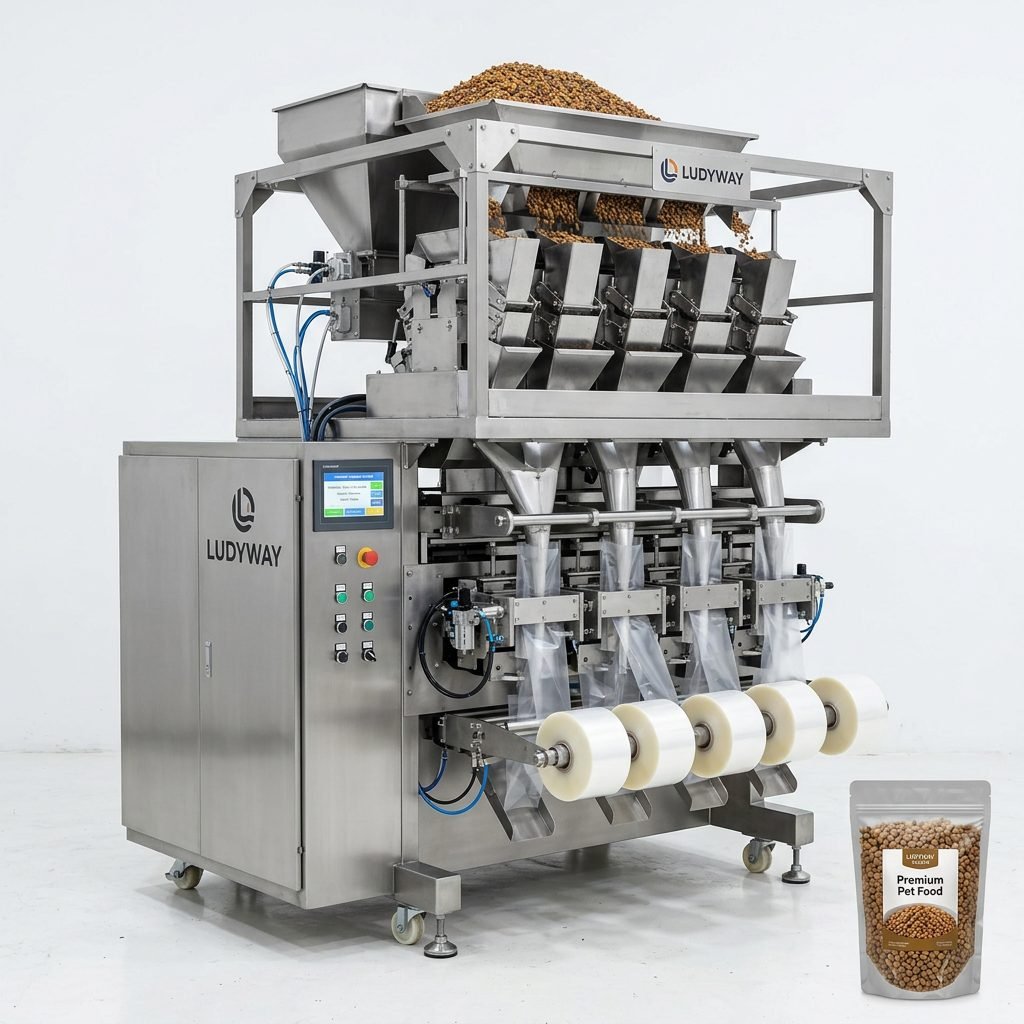
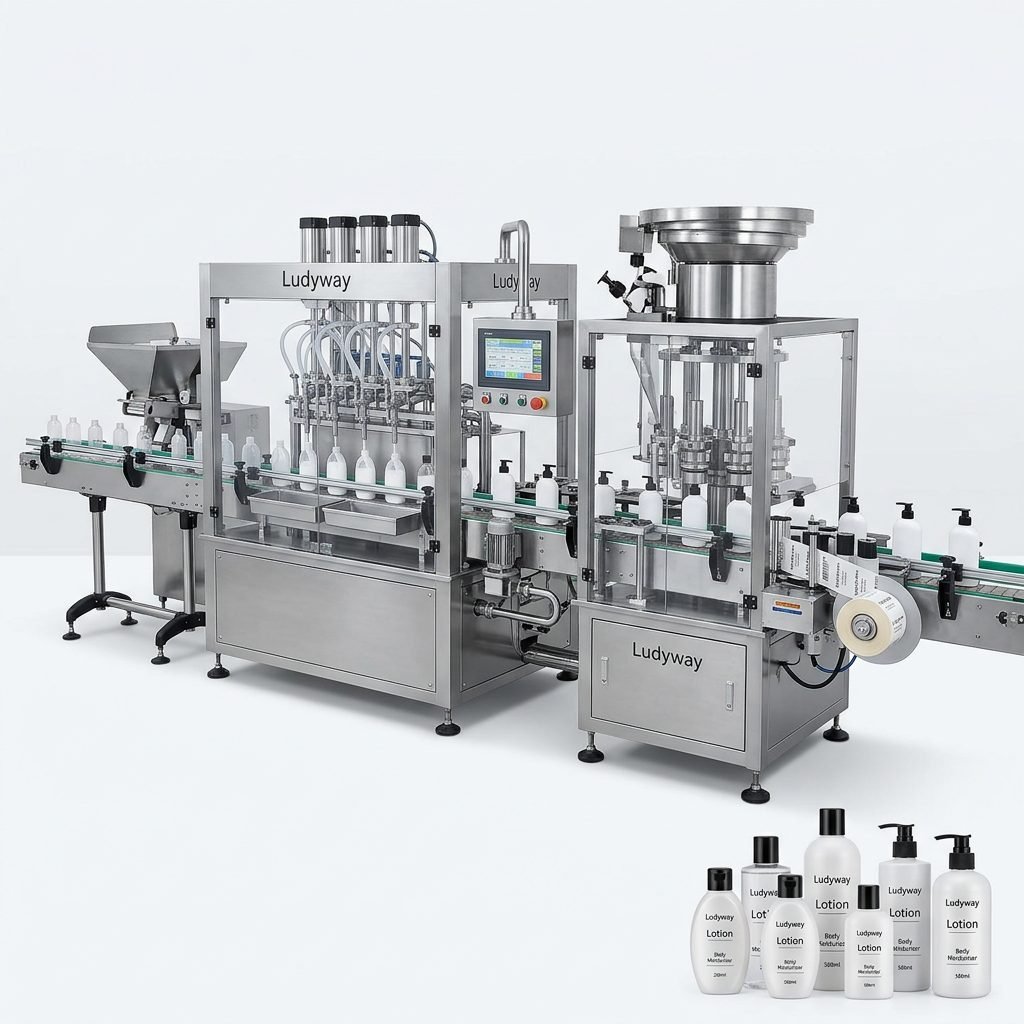
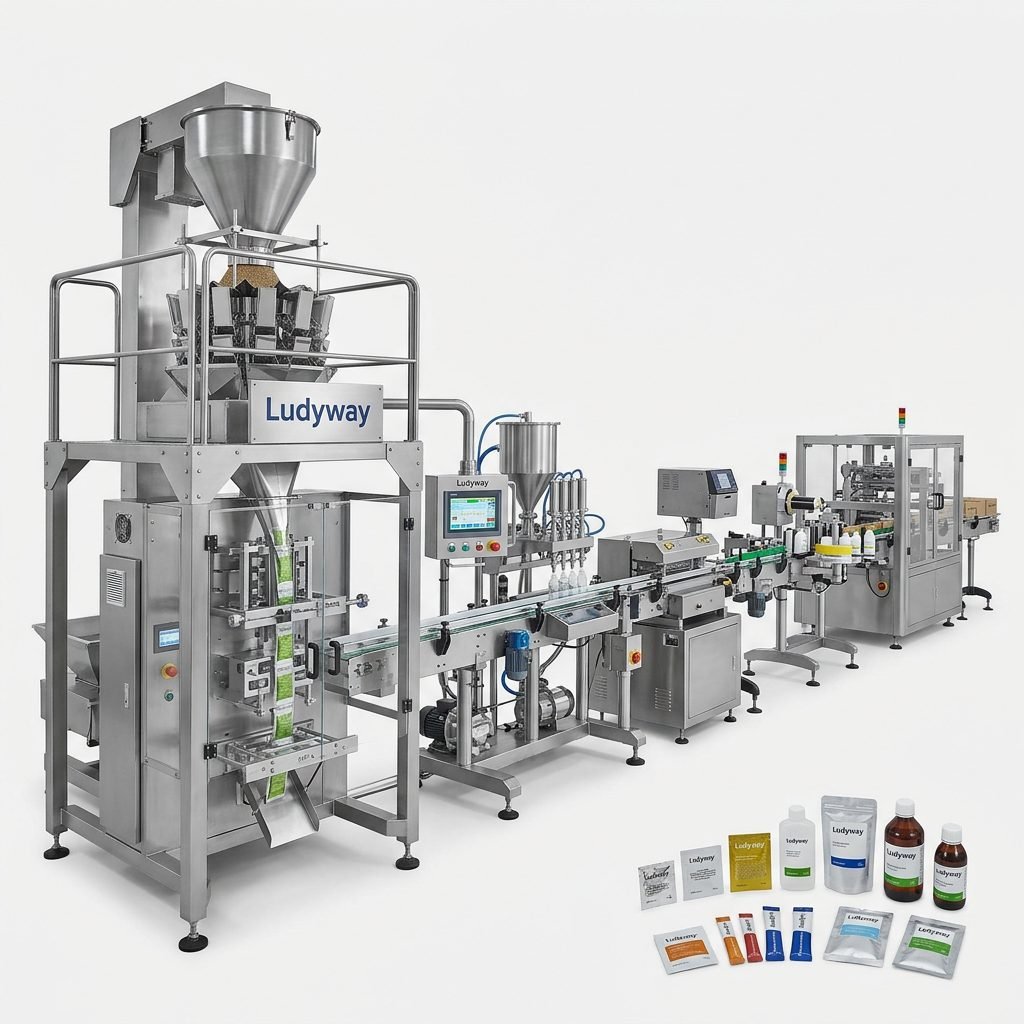
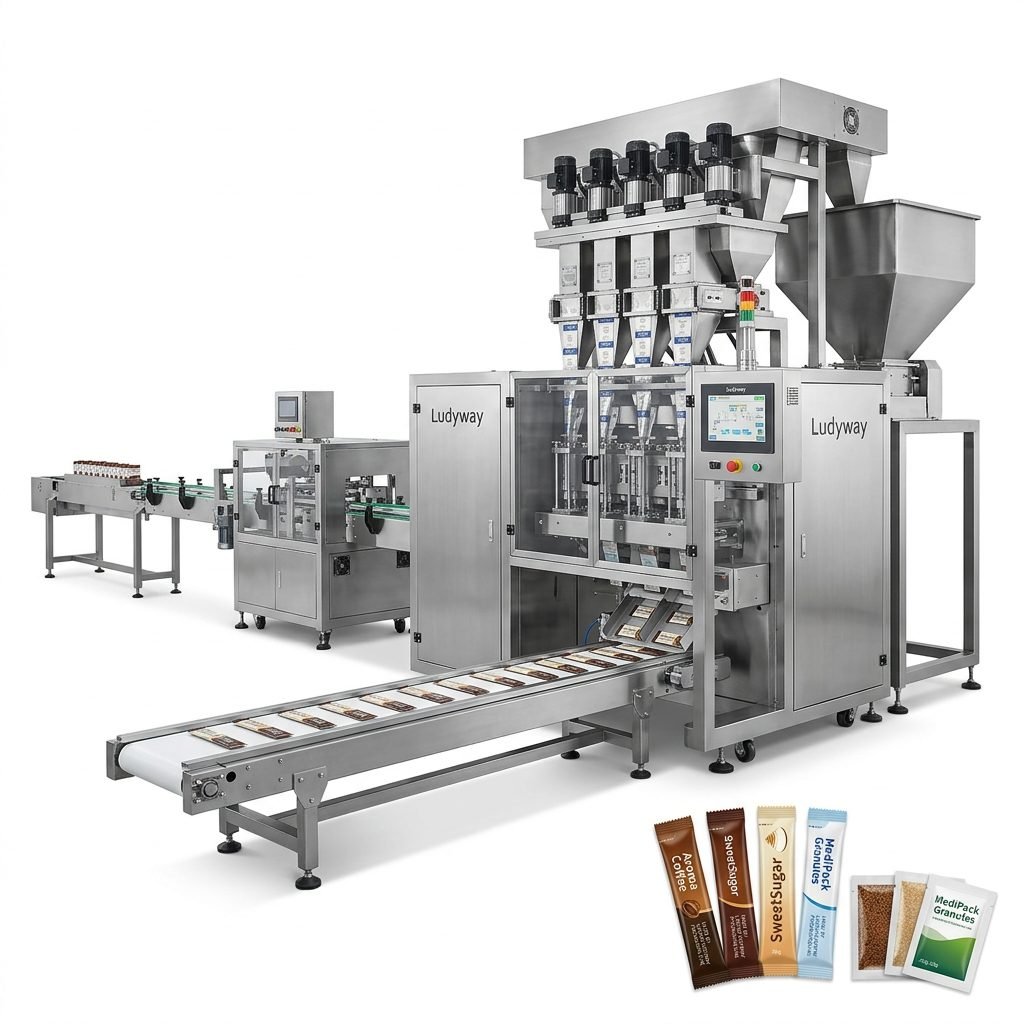
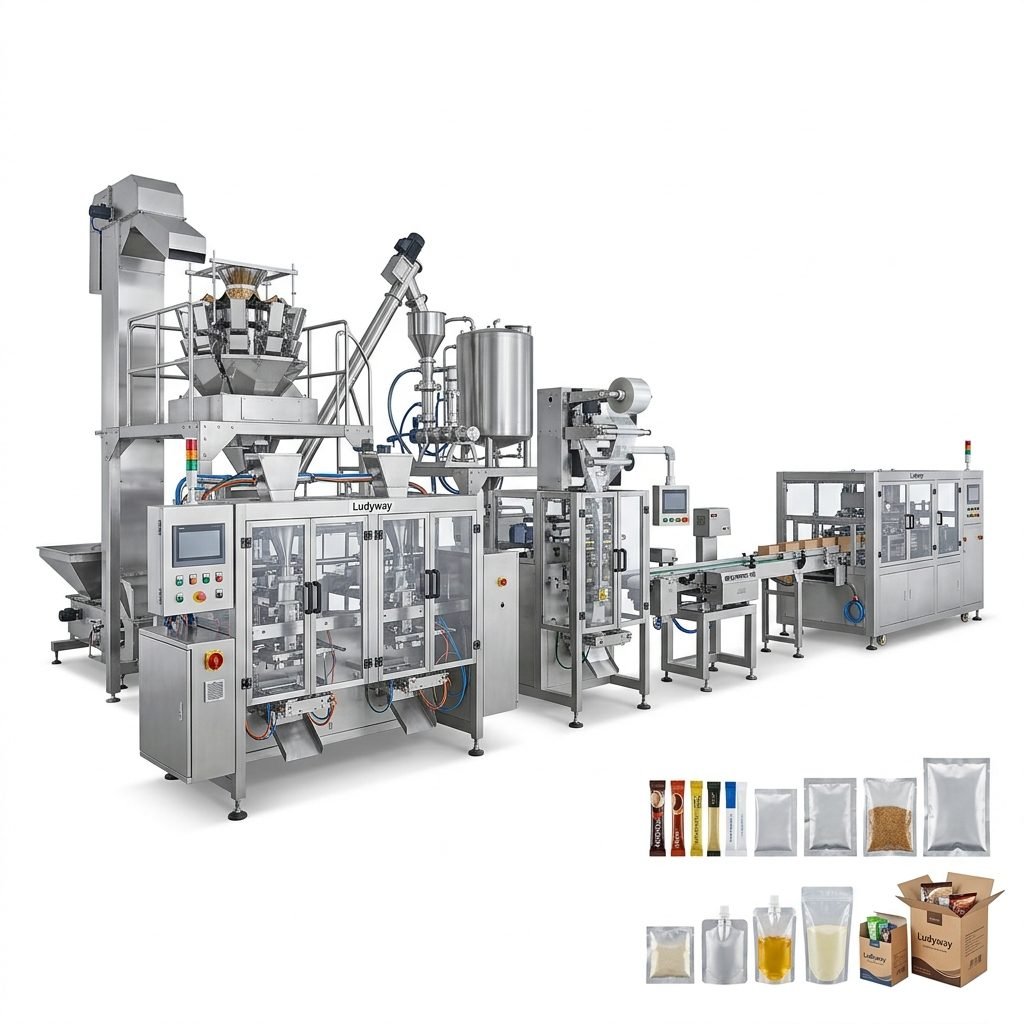
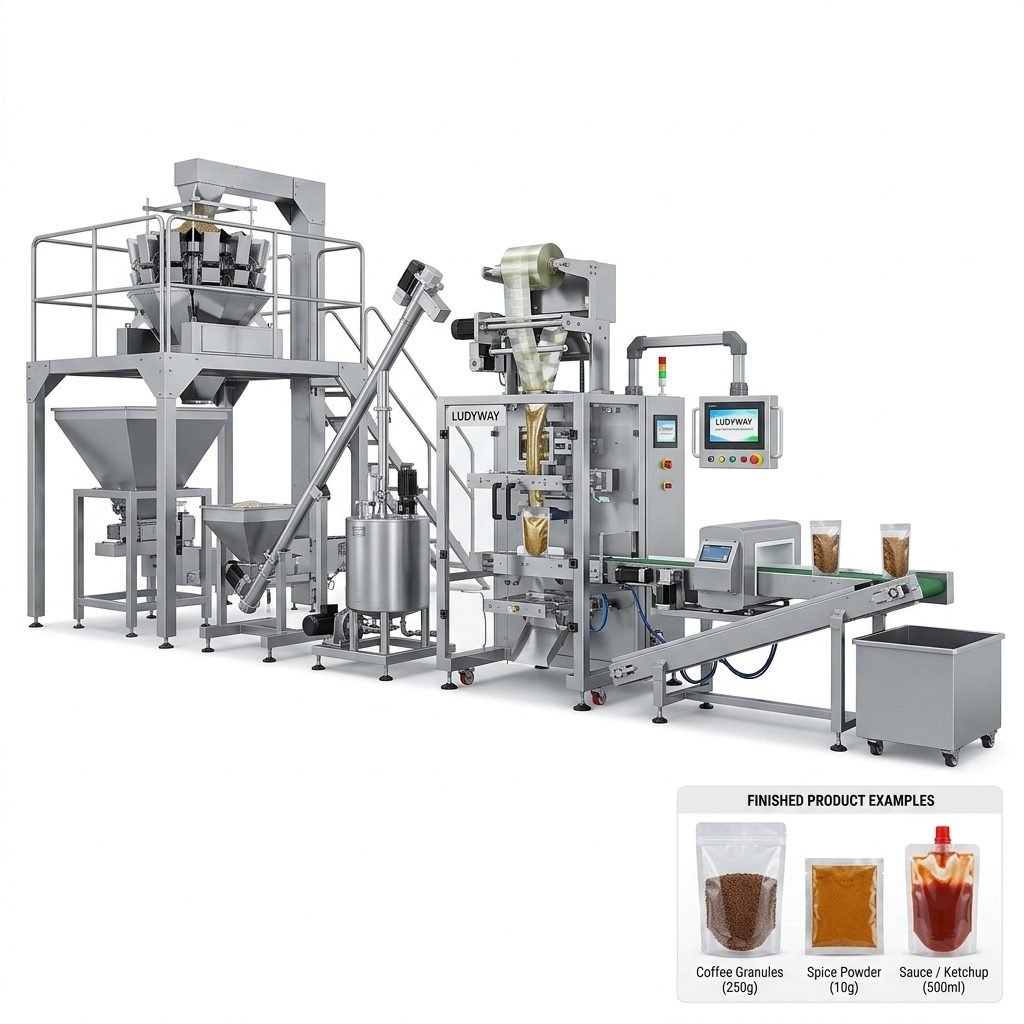
The soda can packaging equipment market spans manufacturers across North America, Europe, and Asia. Each region offers distinct advantages in terms of technology, pricing, and after-sales support. Companies sourcing from China, for instance, frequently benefit from competitive pricing and comprehensive turnkey solutions. One notable manufacturer, Ludyway, operates a modern 20,000㎡ production facility and offers over 50 intelligent packaging machine models for granule, powder, and liquid applications, serving customers in more than 100 countries.
Regional Purchasing Factors
- European Manufacturers: Known for precision engineering and compliance with stringent EU packaging regulations. Higher upfront cost but often superior energy efficiency.
- North American Suppliers: Strong local service networks and compliance with FDA food packaging standards. Quick lead times for domestic buyers.
- Asian Manufacturers: Cost-effective solutions with increasingly advanced automation features. Evaluate certifications and spare parts availability carefully.
Automation and Smart Technology Integration
The latest soda can packaging machines incorporate Industry 4.0 capabilities that transform production data into actionable insights. Key features to look for include:
- Remote monitoring and predictive maintenance alerts
- Automated CIP (Clean-in-Place) systems for quick product changeovers
- Integrated vision inspection for fill level and seam integrity
- Real-time OEE (Overall Equipment Effectiveness) dashboards
Compliance and Food Safety Standards
Your packaging equipment must align with both local and international regulatory requirements. Verify that the machine’s materials and design meet these benchmarks:
| Standard | Application |
|---|---|
| FDA 21 CFR | Food contact surfaces for U.S. market compliance |
| EHEDG Guidelines | Hygienic design for European beverage production |
| ISO 22000 | Food safety management systems integration |
| CE / UL Certification | Electrical and mechanical safety requirements |
Cost Analysis and Return on Investment
Understanding the total cost of ownership goes beyond the initial purchase price. Plan your budget around these key cost components:
- Capital expenditure: Machine cost, installation, and facility modifications
- Operational costs: Energy consumption, CO₂ usage, and labor requirements
- Maintenance contracts: Preventive service agreements and critical spare parts inventory
- Changeover parts: Sets for different can sizes and lid specifications
Questions to Ask Before Signing a Purchase Agreement
Request detailed industry reports and ask suppliers these critical questions during evaluation:
- What is the guaranteed uptime percentage and typical MTBF (Mean Time Between Failures)?
- Can the machine handle both still and carbonated beverages?
- What training and documentation is provided for operators and maintenance staff?
- How quickly can replacement parts be shipped to our location?
- Is remote technical support available during production hours?
Sustainability and Energy Efficiency
Modern can packaging lines are designed with environmental responsibility in mind. Look for features that reduce your carbon footprint while lowering operational expenses, such as variable frequency drives on motors, optimized water consumption during cleaning cycles, and compatibility with lightweight can designs. The flexible packaging industry continues innovating toward more sustainable manufacturing practices.
Installation Planning and Timeline
A typical soda can packaging line installation follows these phases, and understanding each step helps avoid costly delays:
- Site Preparation (4-8 weeks): Floor reinforcement, utility connections, and safety infrastructure
- Equipment Delivery and Uncrating (1-2 weeks): Coordinated logistics and inspection for shipping damage
- Mechanical and Electrical Installation (2-4 weeks): Positioning, leveling, and power connections
- Commissioning and Testing (2-3 weeks): Dry runs, product trials, and performance verification
- Operator Training and Handover (1-2 weeks): Classroom and hands-on training sessions
After-Sales Support and Long-Term Partnership
The relationship with your packaging machine supplier extends well beyond the warranty period. Evaluate potential partners based on their global service presence, response times, and willingness to support your growth. Review resources from organizations like the PMMI packaging association and attend events such as PACK EXPO International to stay current with technology trends and connect with reputable suppliers worldwide.
- Verify the supplier’s installed base in your region
- Request references from companies with similar production volumes
- Assess remote diagnostic capabilities and online parts ordering systems
- Review warranty terms carefully, including scope and exclusions
Final Purchasing Checklist
| Priority | Action Item |
|---|---|
| High | Confirm machine compatibility with your can size, lid type, and carbonation level |
| High | Verify certifications for your target markets |
| Medium | Evaluate total cost of ownership including energy and maintenance |
| Medium | Visit reference sites or schedule factory acceptance testing |
| Low | Negotiate extended warranty and training packages |
By systematically evaluating machine types, regional suppliers, compliance requirements, and long-term support structures, you position your operation for reliable, high-speed soda can production. Take the time to conduct thorough due diligence, and consider consulting industry organizations for additional guidance before finalizing your investment.