The condiment industry across Asia is experiencing unprecedented growth. From artisanal chili oils in Thailand to precision-fermented soy sauces in Japan and bulk spice exports from India, manufacturers are facing one common bottleneck: packaging efficiency. A machine that can handle abrasive salt crystals one day and viscous hoisin sauce the next, without compromising speed or seal integrity, is no longer a luxury—it is a necessity. This is where condiment packaging machines engineered for versatility, hygiene, and high throughput become the backbone of a profitable production line.
The Unique Complexity of Asian Condiment Packaging
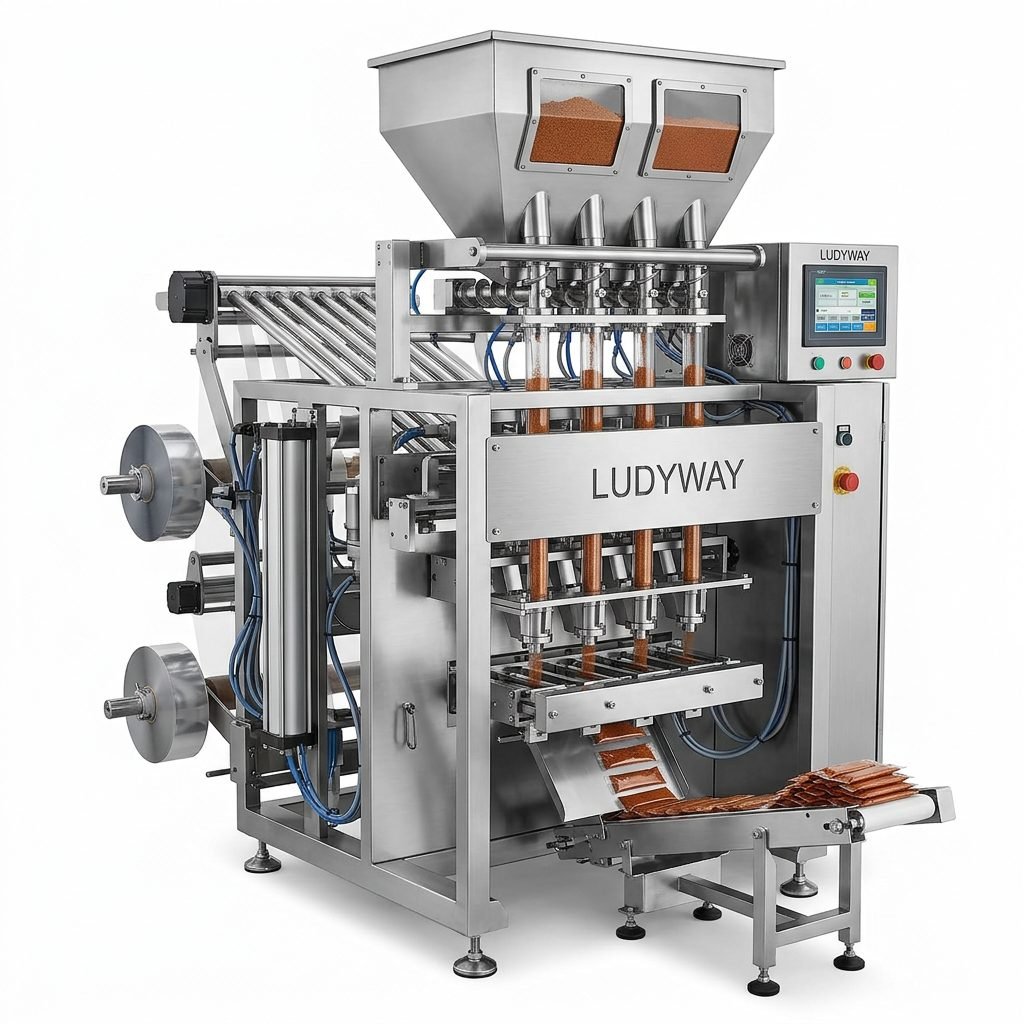
Condiments are chemically aggressive, texturally diverse, and often require multi-format packaging. A single brand might utilize sachets for food service, stick packs for retail sampling, and stand-up pouches for premium export products. Traditional machinery, often limited to a single format or incompatible with sticky or dusty ingredients, struggles to keep up with short product lifecycles and the demand for aseptic, oxygen-barrier packaging.
Common Packaging Challenges by Condiment Type
| Condiment Type | Primary Challenge | Required Machine Feature |
|---|---|---|
| Fine Powders (Turmeric, Chili, Garlic) | Dust control and precise micro-dosing | Servo-driven auger fillers with vacuum dust extraction |
| Granules (Salt, Sugar, MSG) | Abrasive wear on contact parts | Stainless steel 316L construction and volumetric cups |
| Viscous Liquids (Soy Sauce, Oyster Sauce) | Drip-free filling and nozzle stringing | Anti-drip piston fillers with diving nozzles |
| Pastes (Miso, Curry Paste, Sambal) | Air entrapment and inconsistent density | Positive displacement pumps with agitation hoppers |
Why Precision Filling Defines Profit Margins
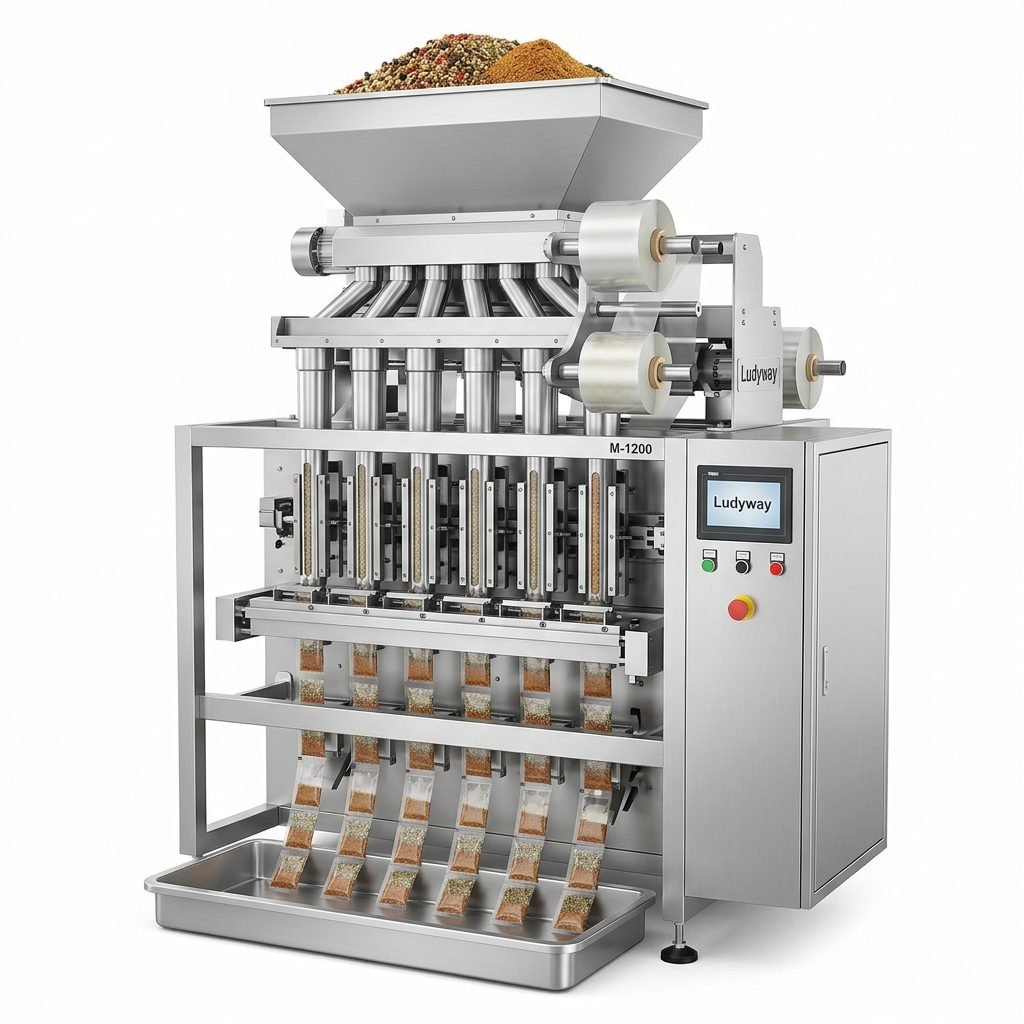
In the condiment sector, giveaway is the silent killer of revenue. Overfilling a premium Kashmiri chili powder by just 1 gram per sachet across a million units translates to massive financial loss. Conversely, underfilling triggers regulatory non-compliance and consumer mistrust. The multi-head weigher and auger dosing systems in advanced equipment ensure ±0.1g accuracy, preserving your bottom line while maintaining strict portion control. This is particularly critical for high-value condiments like saffron-infused oils or truffle salt.
Key Benefits of Servo-Driven Metering:
- Automatic feedback loops adjust fill volume in real-time based on product density shifts
- Tool-less changeover between powder, granular, and liquid dosers
- Recipe memory storage for hundreds of SKU configurations
- Hermetic sealing immediately after fill to prevent moisture ingress
Multi-Lane Technology: Scaling Without Expanding Footprint
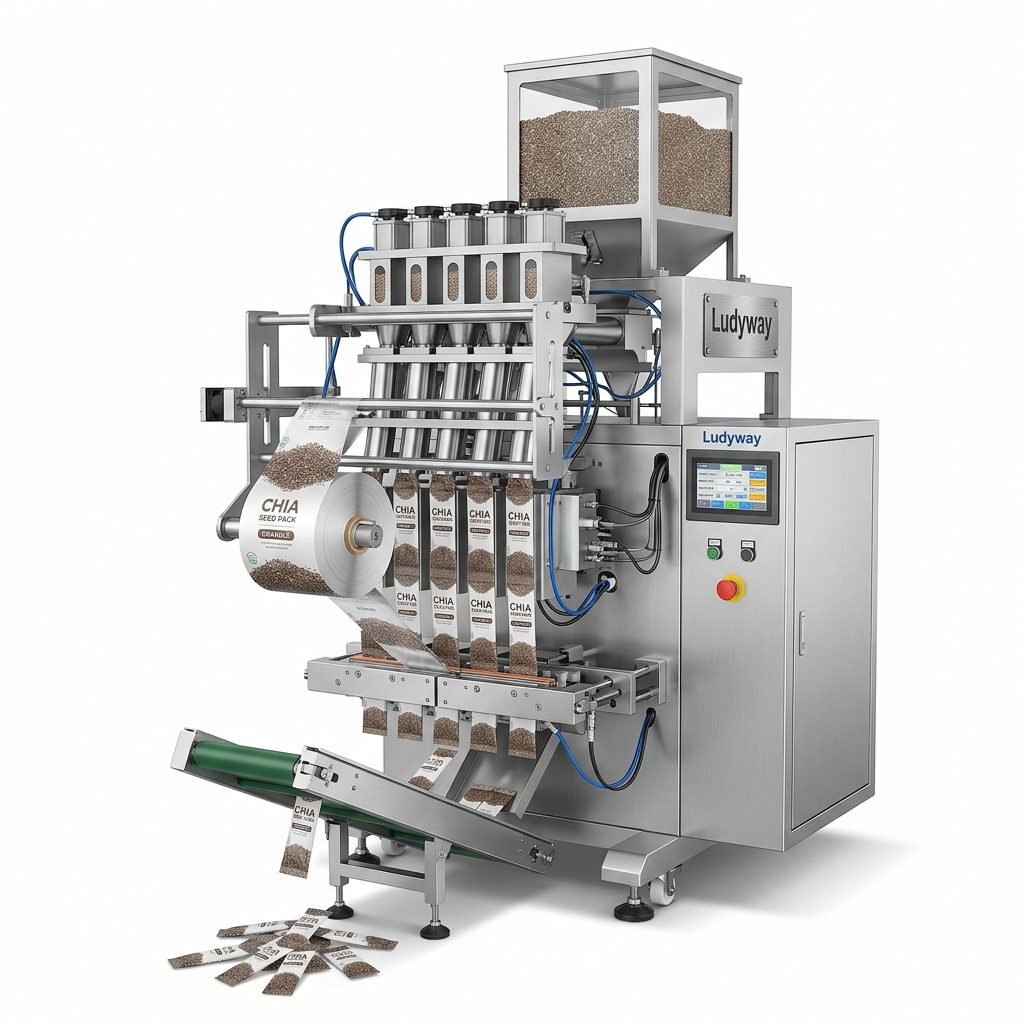
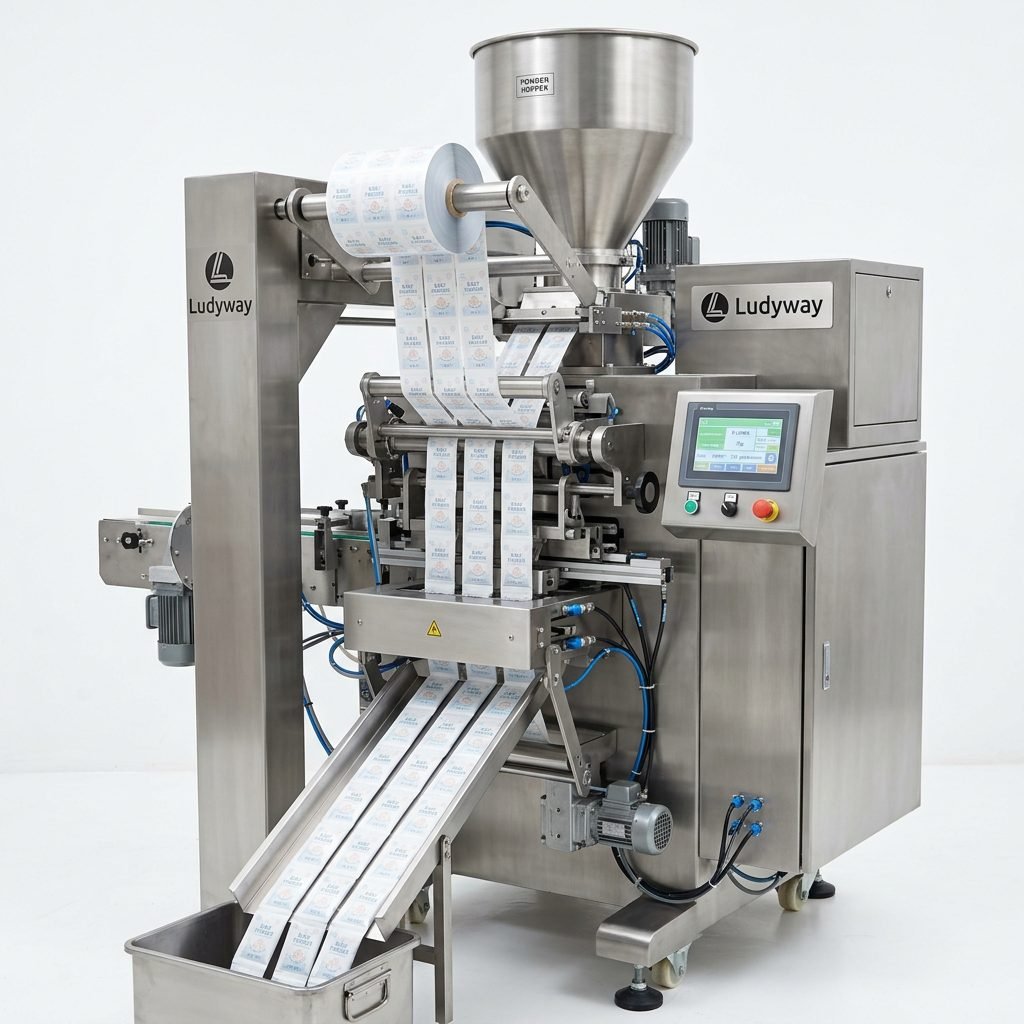
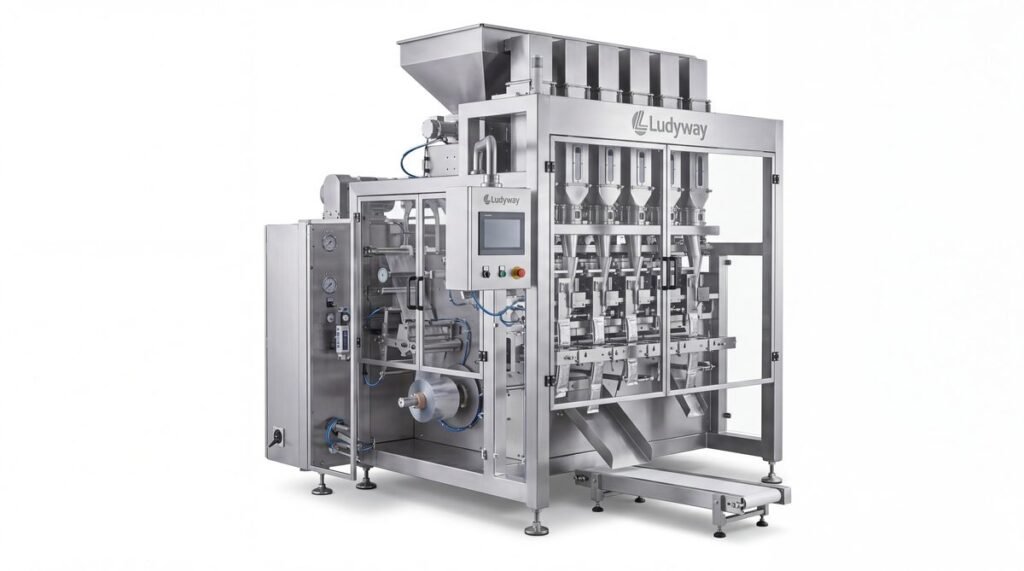
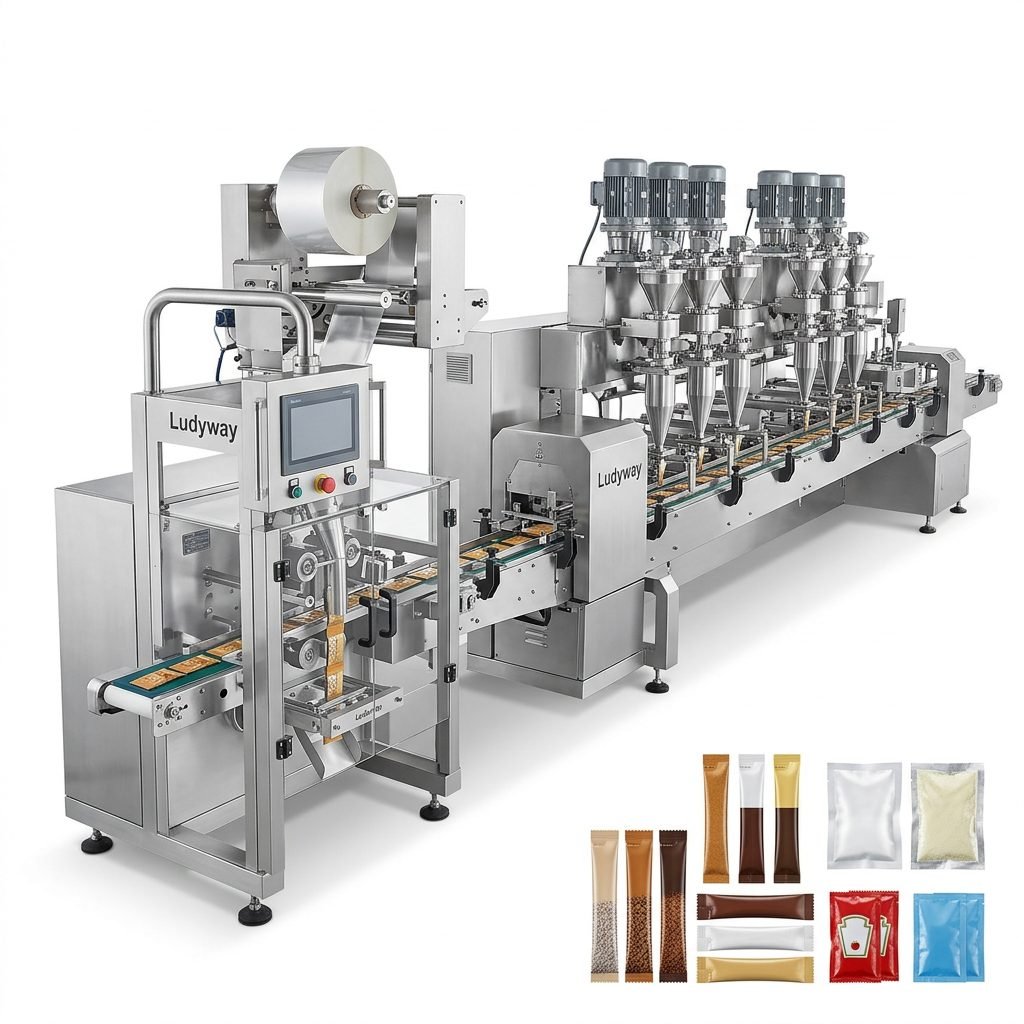
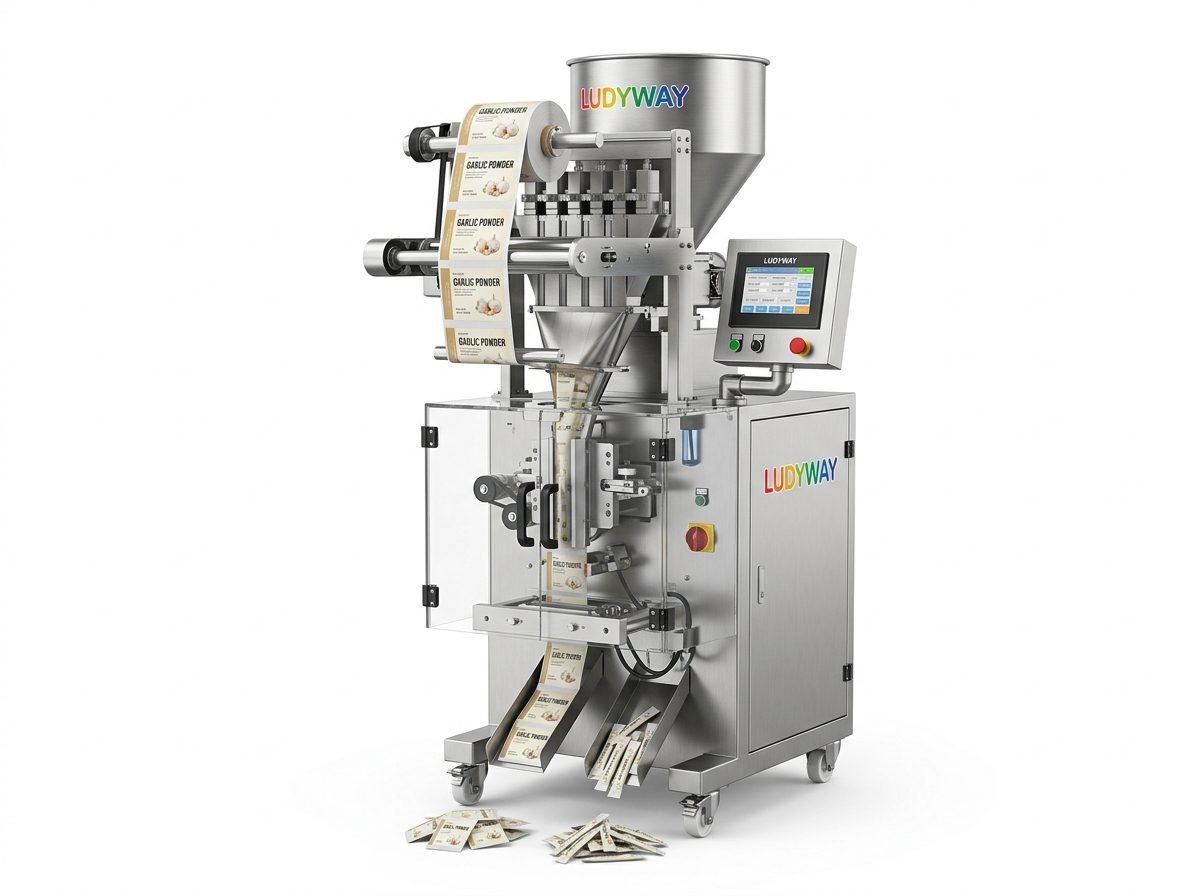
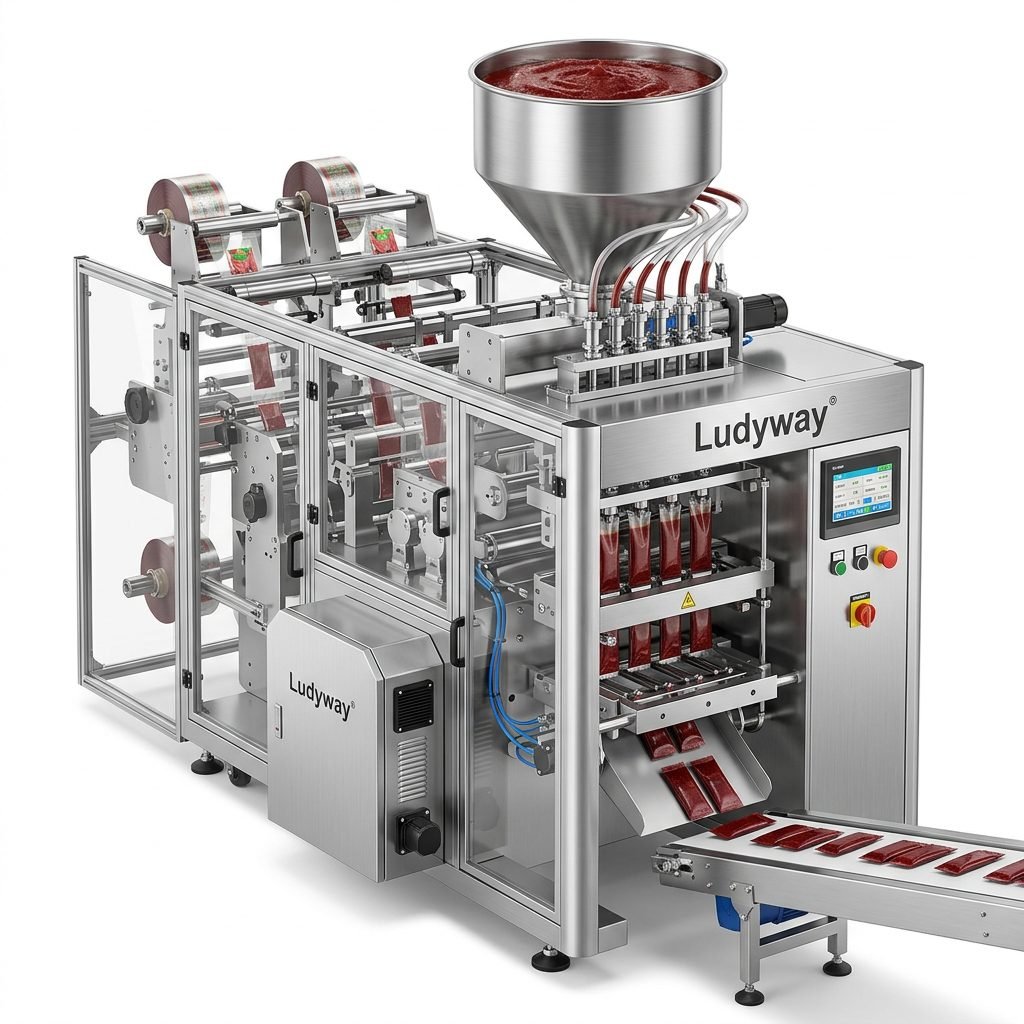
Factory floor space in Asian manufacturing hubs is expensive. The move toward high-speed multi-lane stick pack and sachet systems allows producers to multiply output without multiplying the physical footprint. A 6-lane or 10-lane machine can produce over 400 individual sachets per minute, keeping pace with contracts from global retail chains and instant noodle manufacturers who demand single-serve condiment pouches.
Advantages of Multi-Lane Configuration:
- Single web film feed reduces material waste and tracking errors
- Independent lane temperature control for consistent seal integrity
- Rapid lane isolation for maintenance without total line stoppage
- Compatible with quad-seal, 3-side seal, and gusseted pouch formats
Hygiene and Sanitary Design for Fermented Products
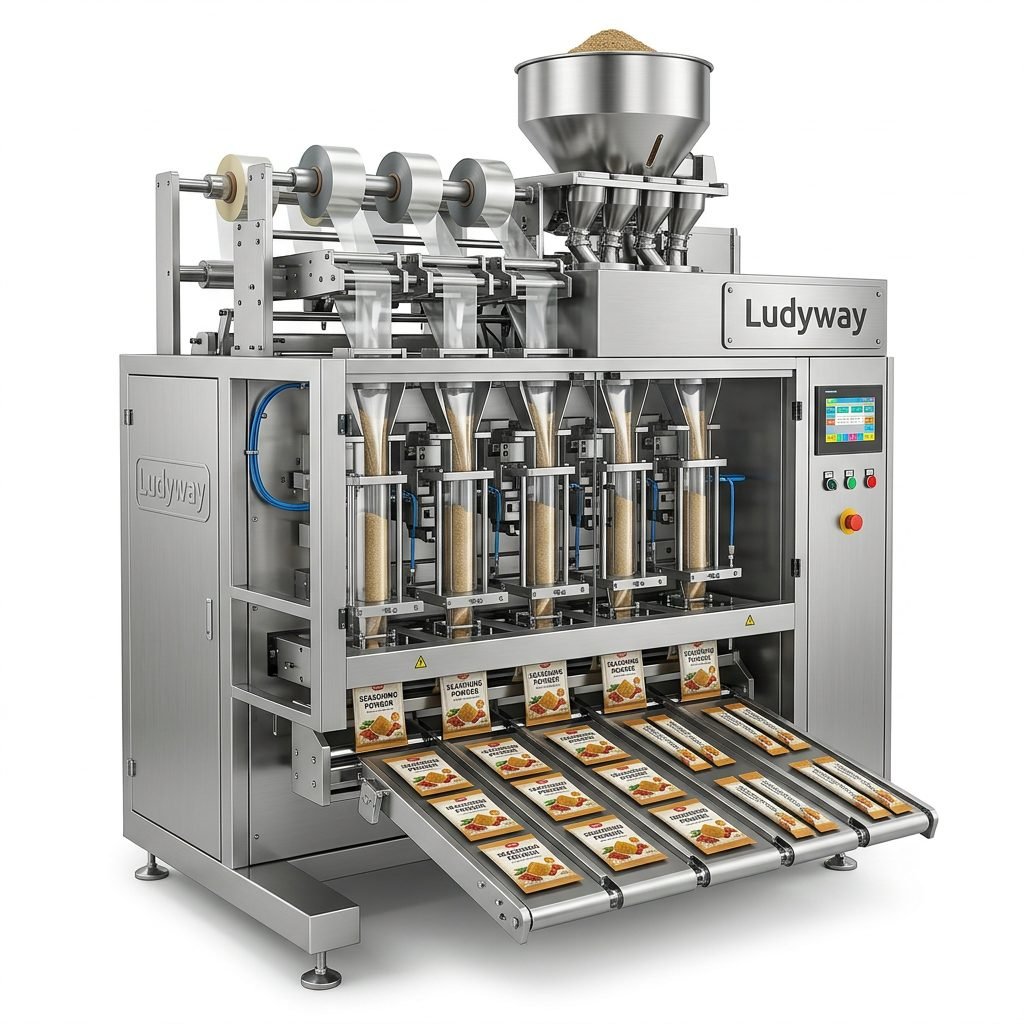
Asian condiments frequently involve fermentation and high salt content, creating brutally corrosive environments for standard machinery. Equipment designed with mirror-polished 316L stainless steel contact surfaces, sloped drainage, and washdown-rated enclosures prevents contamination and extends equipment life. Quick-release covers and CIP (Clean-in-Place) ready connections slash sanitation downtime by up to 40%, which is vital for facilities running multiple shifts to meet export demand.
Critical Sanitary Features:
- IP65 rated electrical cabinets with positive pressure sealing
- Crevice-free frame construction eliminating product entrapment zones
- Automatic film sterilization using pulsed UV or hydrogen peroxide vapor
- HEPA-filtered nitrogen flushing for oxygen-sensitive products
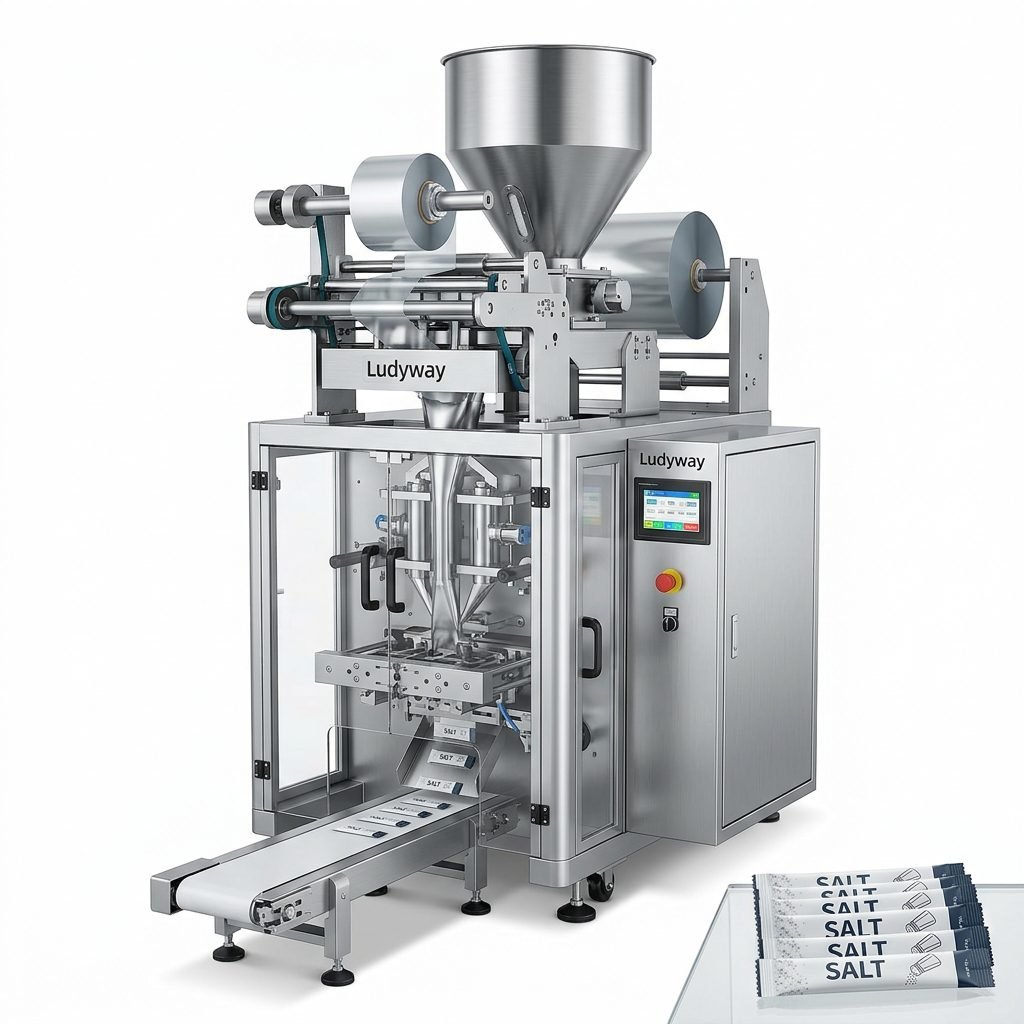
The Turnkey Advantage: From Ingredient to Pallet
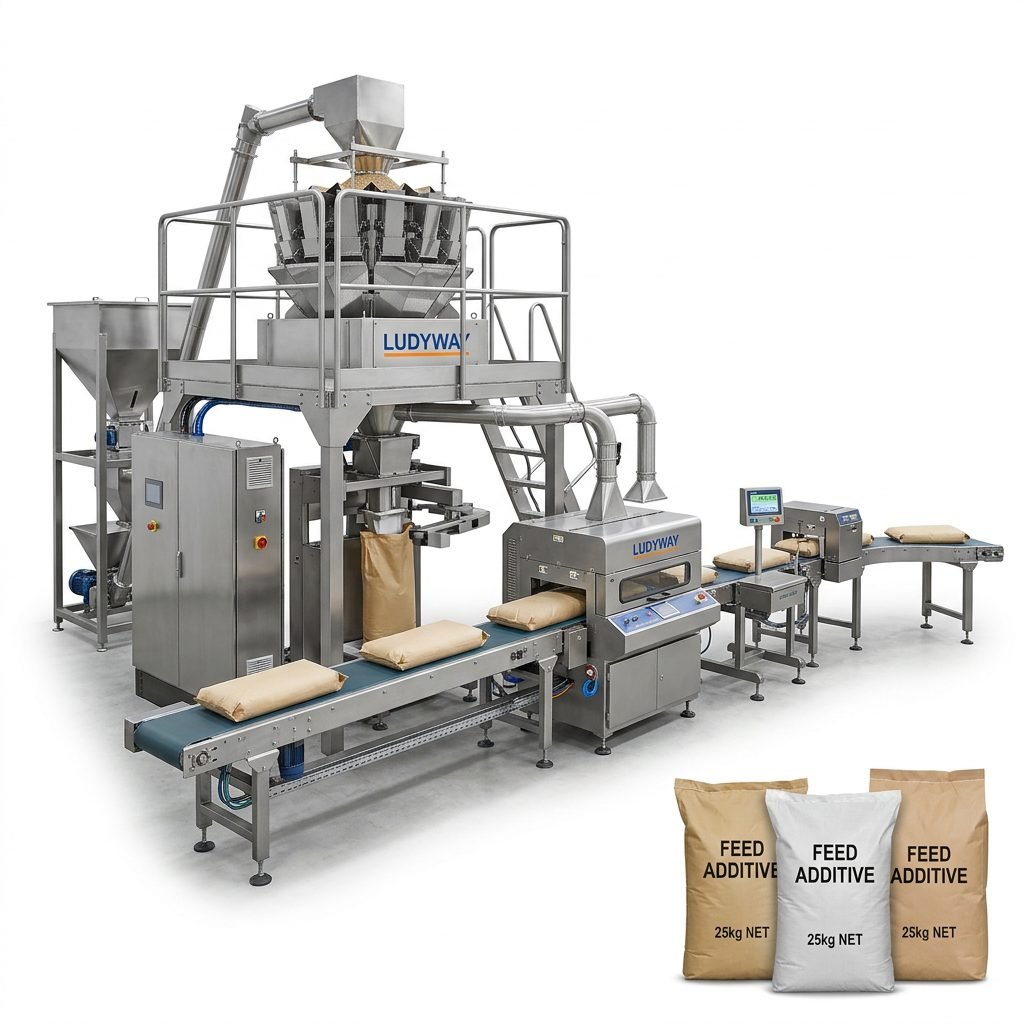
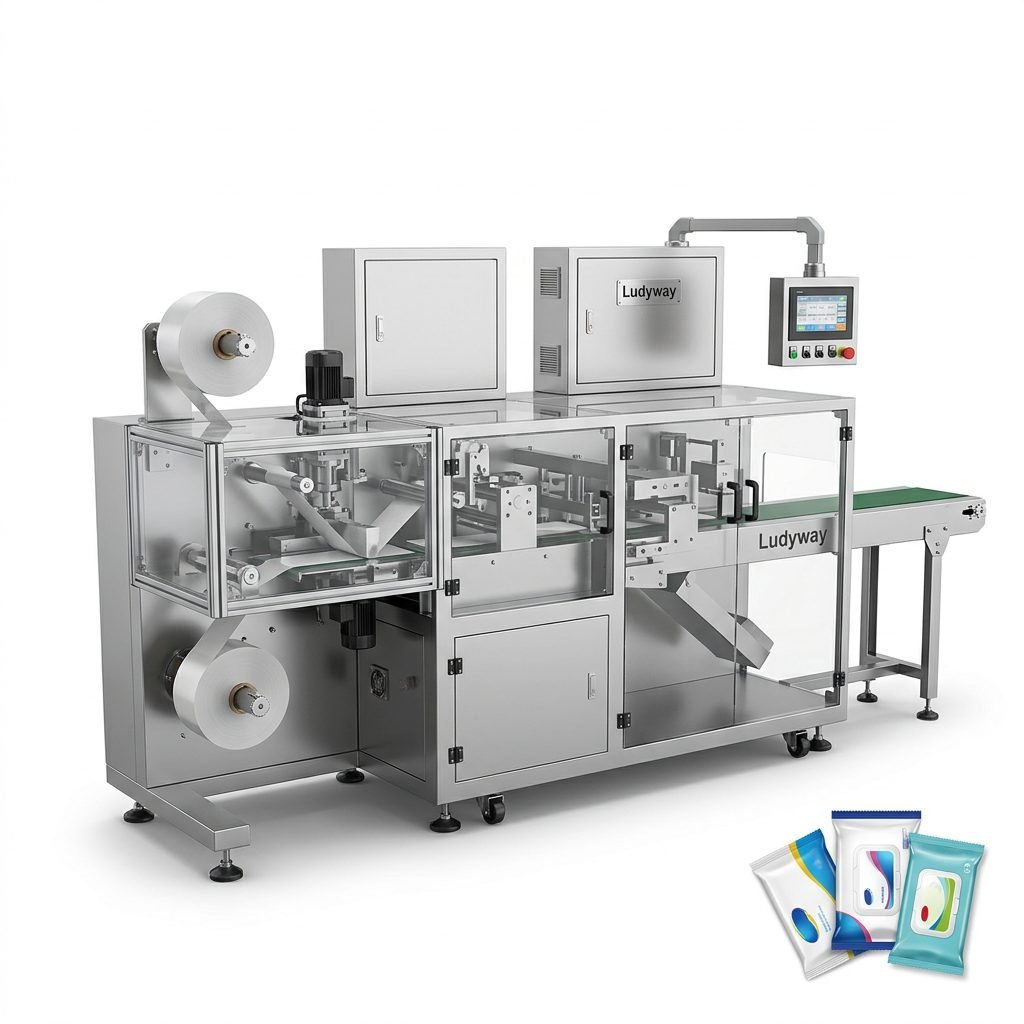
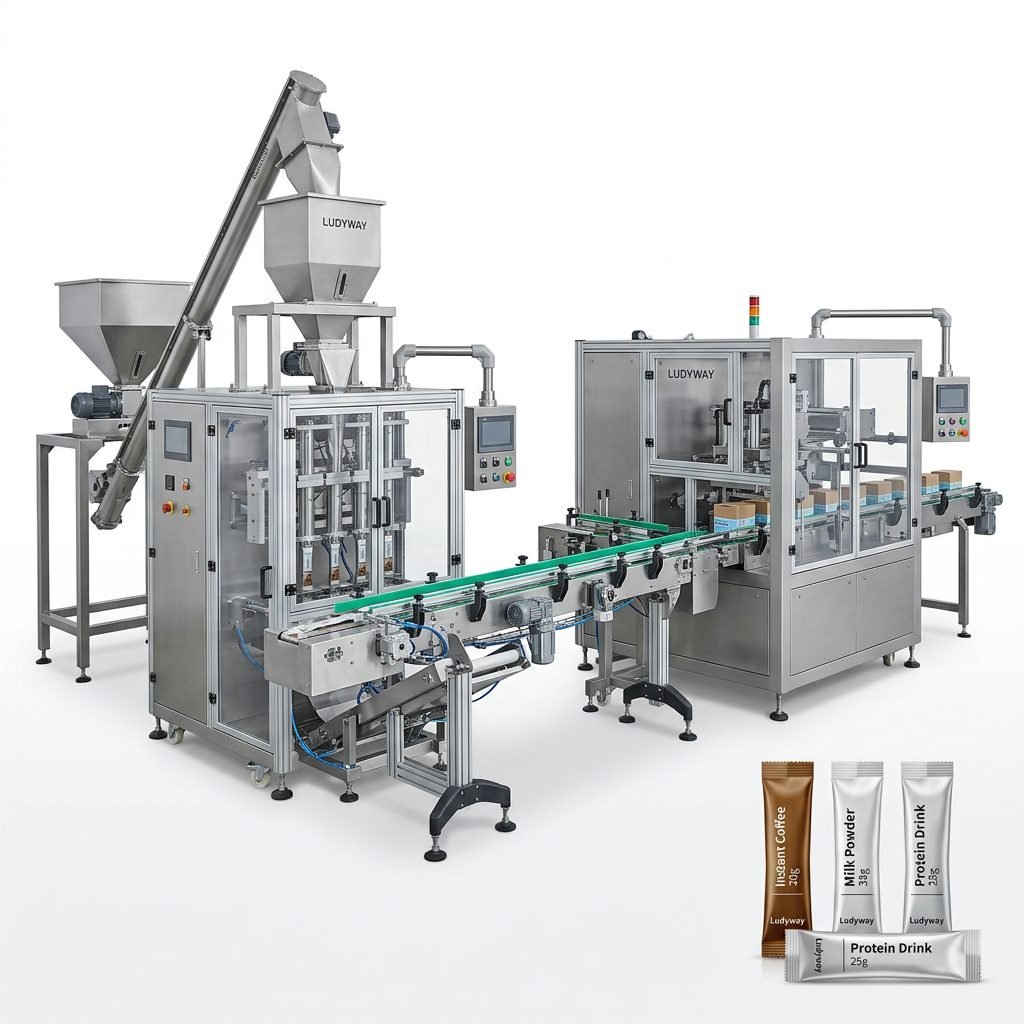
Modern condiment packaging is not just about the primary fill. Integrating upstream cooking, homogenization, and downstream cartoning and palletizing into a cohesive, high-speed line is the defining factor for large-scale operations. Instead of sourcing incompatible components from different vendors, a turnkey approach ensures synergy between a multi-head weigher and a vertical form-fill-seal unit, or between a piston filler and an automatic pouch spout inserter.
One of the largest packaging machine manufacturers in China, Ludyway operates out of a 20,000㎡ modern production facility and has delivered over 50 intelligent models to customers in more than 100 countries. Their systems cover the entire spectrum from granule and powder to liquid and pouch applications, backed by over 30 years of industry expertise and a projected export revenue exceeding RMB 500 million in 2025.
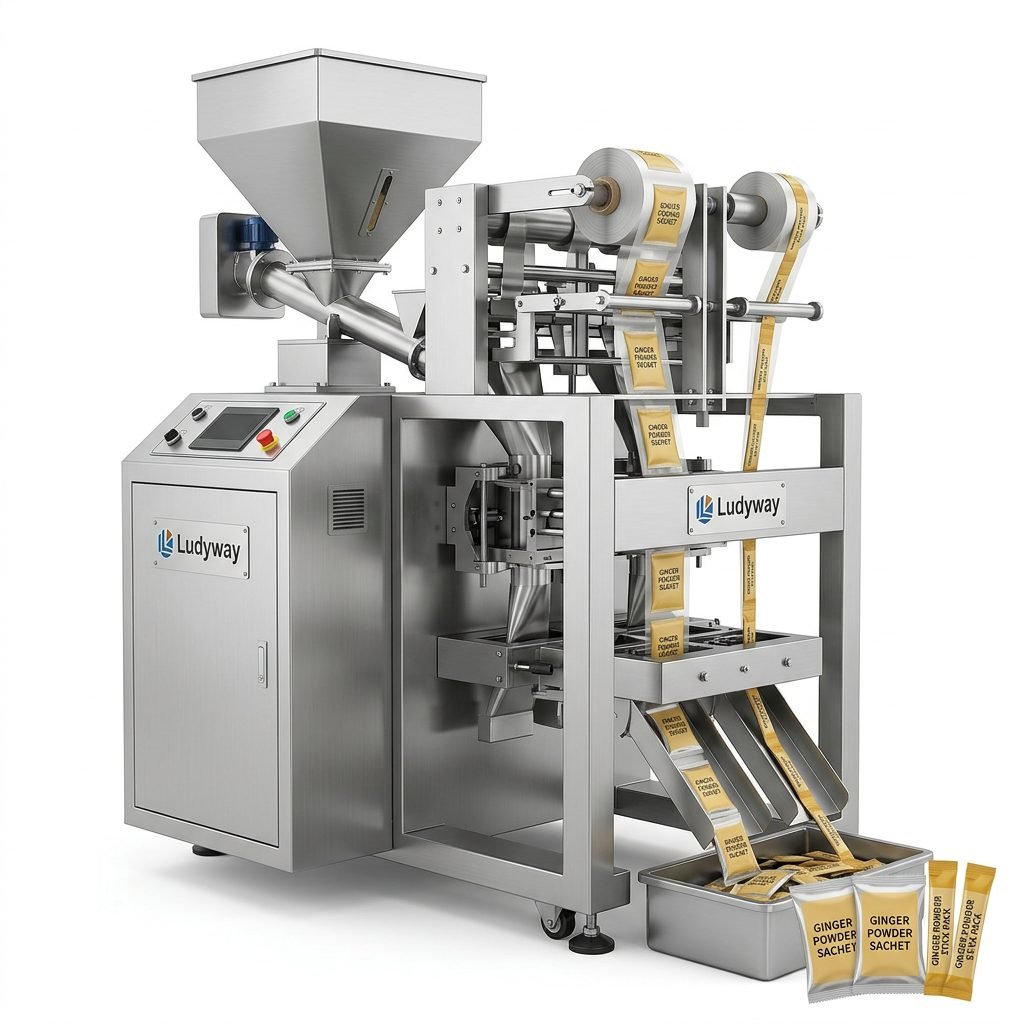
Sustainable and Flexible Material Handling
Environmental regulations across Asia are tightening, with single-use plastic bans extending to condiment sachets. The latest machinery is engineered to run recyclable mono-materials, bio-based films, and ultra-thin laminates without wrinkling, tearing, or seal failure. Adaptive tension control systems and independent heat-seal jaw calibration allow producers to switch between metallized polyester, polyethylene, and even paper-based structures with minimal adjustment time.
Compatible Film Materials:
- BOPP/CPP laminates for high-clarity sachets
- PET/Al/PE foils for extended shelf life
- Kraft paper/PE for eco-conscious brands
- EVOH barrier films for oxygen-sensitive sauces
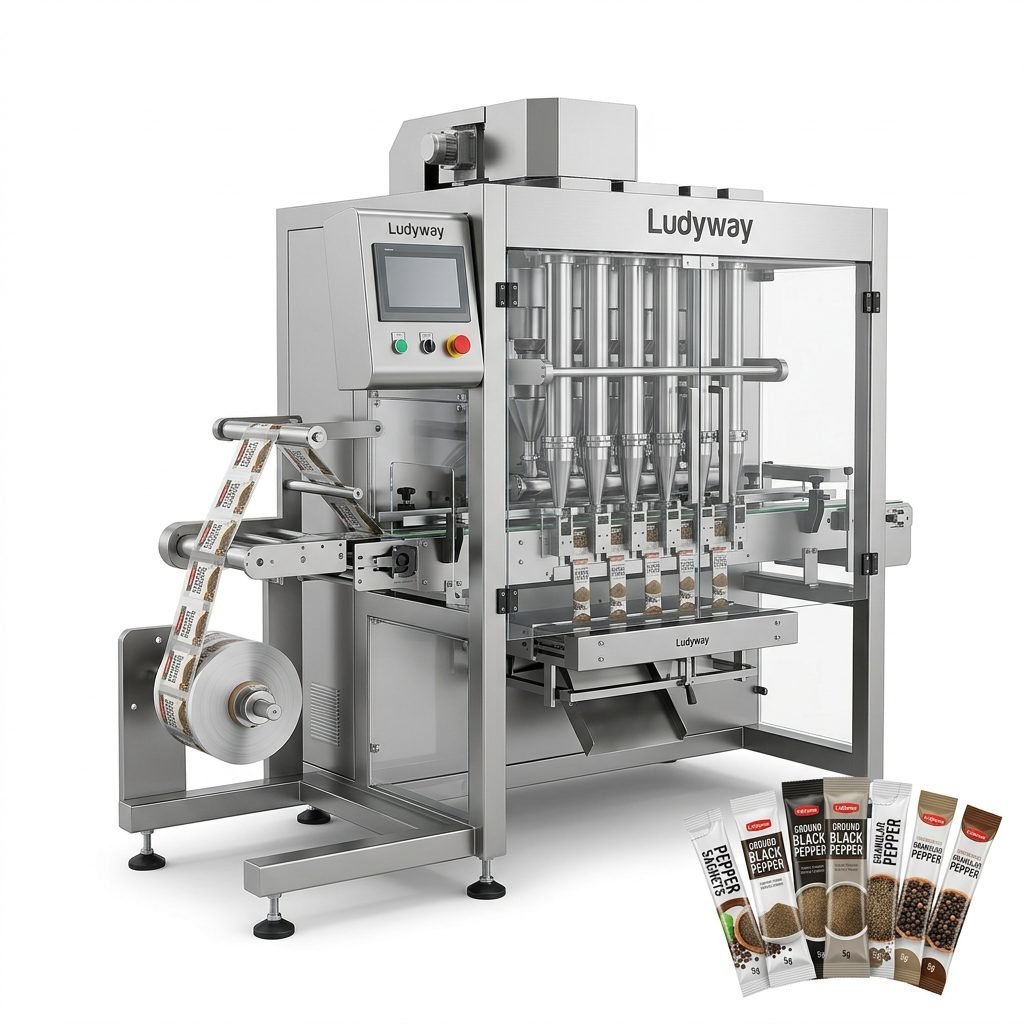
Smart Integration and Industry 4.0 Readiness
For forward-looking condiment manufacturers, data is as critical as throughput. IIoT-enabled packaging lines provide real-time OEE dashboards, predictive maintenance alerts triggered by vibration and temperature sensors, and remote troubleshooting via encrypted VPN connections. This connectivity reduces unplanned downtime and allows factory managers to monitor KPIs from a centralized interface, a necessity when managing multi-national supply chains across the ASEAN region, the Middle East, and Africa.
Connectivity and Control Features:
- Rockwell or Siemens PLC with Ethernet/IP or PROFINET protocols
- Cloud-based SCADA integration for remote production monitoring
- Automatic label compliance checks with vision inspection systems
- Energy consumption tracking for sustainability reporting
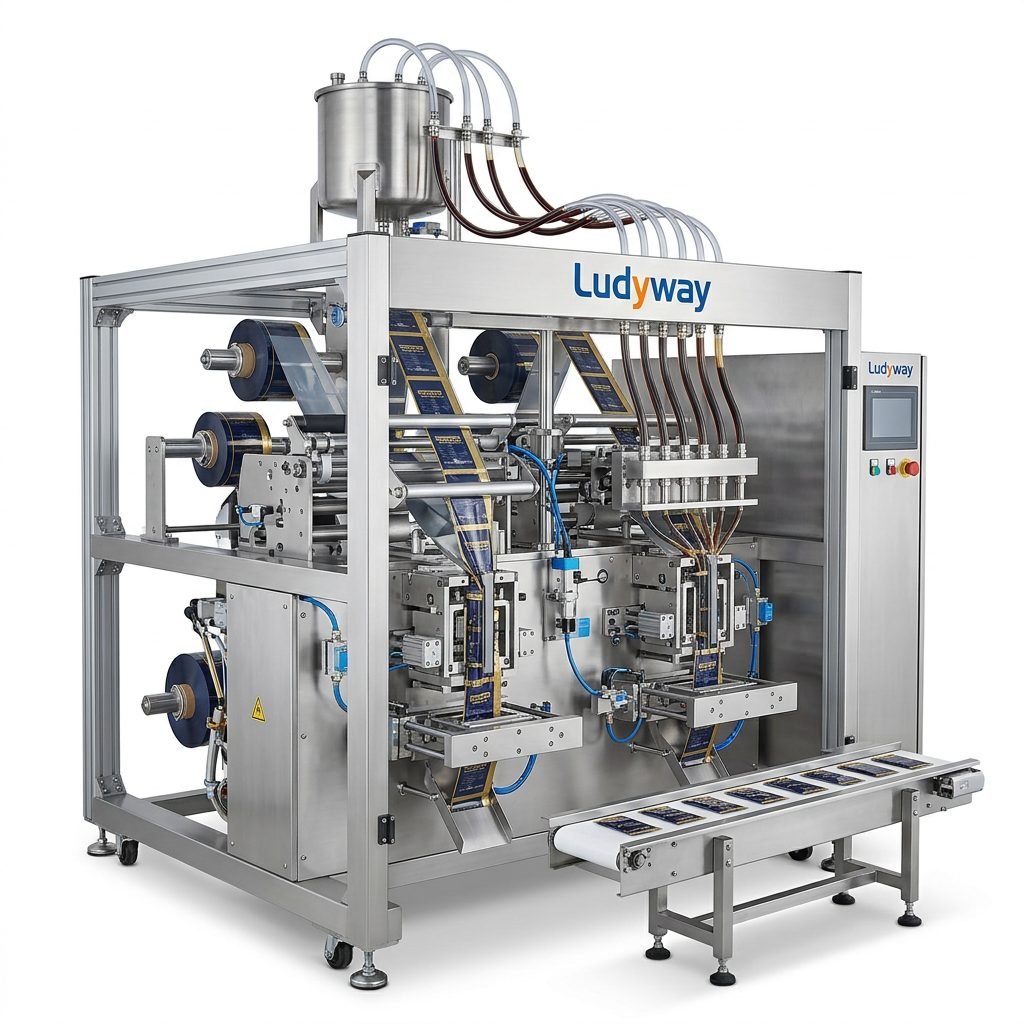
Comparing Condiment Packaging Formats: A Technical Overview
| Format | Best For | Speed Range | Key Consideration |
|---|---|---|---|
| Multi-lane stick pack | Single-serve sugar, salt, pepper, instant coffee mixes | 60-100 cuts/lane/min | Narrow seal widths, high-speed film tracking |
| 3-side seal sachet | Ketchup, chili sauce, soy sauce portions | 40-80 packs/min | Splash-free liquid filling, seal contamination |
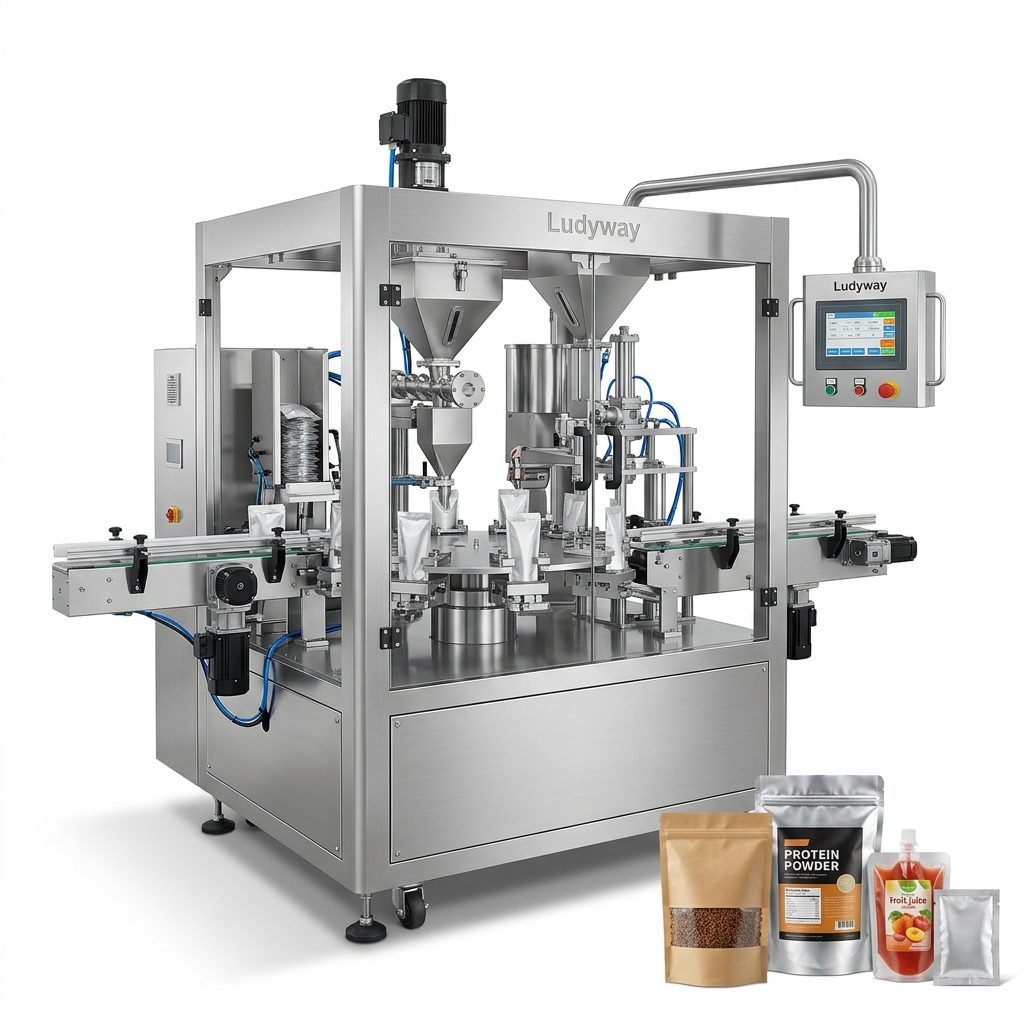
| Stand-up pouch with spout | Premium oyster sauce, olive oil, dressing | 25-50 pouches/min | Spout insertion accuracy, leak detection |
| Flat pouch / pillow bag | Bulk curry paste, miso, tamarind concentrate | 30-70 bags/min | High-temperature resistance for hot-fill products |
Meeting Asia-Pacific Regulatory Standards
Export-oriented condiment producers in markets like Vietnam, Thailand, and India must navigate FDA, EU, and GCC food contact material regulations simultaneously. Packaging machinery that facilitates compliance through validated thermal processes, traceable lot coding, and certified food-safe lubricants provides a distinct competitive advantage. Features like automatic date code printing on each sachet and integrated checkweighers with reject stations ensure that every pouch leaving the facility meets the importing country’s standards.
Global Certifications Supported:
- CE marking for European market access
- ISO 22000 compatible hygiene and traceability workflows
- HACCP-oriented design with validated Critical Control Points
- FDA 21 CFR Part 11 compliant electronic records and signatures
Relevant Industry Resources
- PMMI – State of the Industry Reports
- Flexible Packaging Association – Industry Resources
- ISO – Packaging Standards
- FDA – Food Ingredients and Packaging
- Ludyway Packaging Machinery Global Growth Trend Report
- PMMI – Packaging Industry Resources
Making the Right Investment for Long-Term Growth
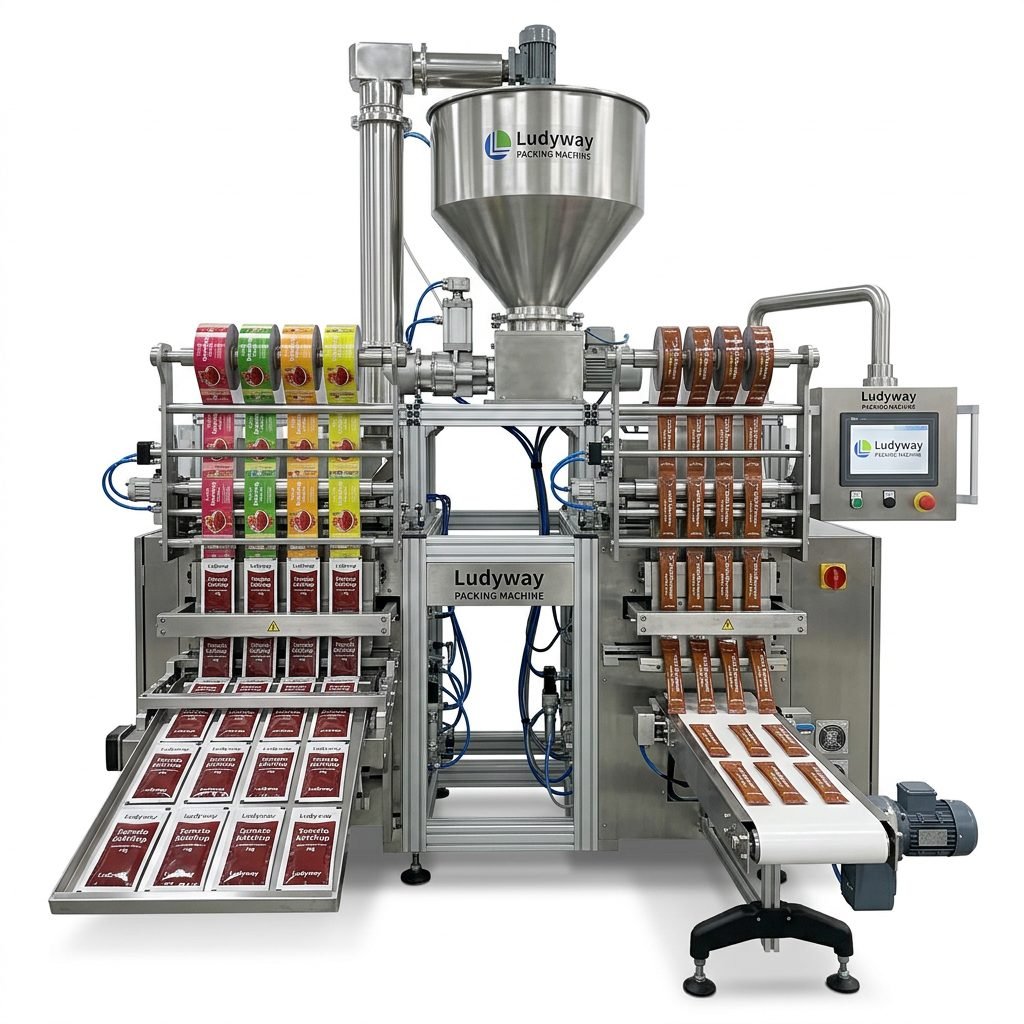
Choosing a condiment packaging partner in Asia means evaluating more than just a purchase price. Consider total cost of ownership, including spare parts availability, engineering support response time, and the machine’s ability to adapt to future packaging trends. A system that can natively handle granule, powder, liquid, and paste condiments with a modular platform protects your investment against shifting consumer preferences and enables rapid new product introduction without significant re-capitalization.
Key selection criteria should include servo-driven precision, stainless steel execution for corrosion resistance, multi-lane scalability, and proven integration experience with auxiliary equipment such as automatic cartoners, case packers, and palletizers. The ability to process both dry seasonings and wet sauces on a unified platform is the hallmark of a mature, containerized packaging line designed for the demands of Asian condiment manufacturing.