The North American yogurt market continues to expand rapidly, driven by growing consumer demand for convenience, protein-rich snacks, and probiotic health benefits. Whether you’re producing Greek yogurt, drinkable yogurt, or plant-based alternatives, selecting the right yogurt packaging machine is critical to ensuring product quality, shelf life, and production efficiency. This guide covers machine types, cost considerations, and practical selection tips tailored to the North American market.
Understanding the Yogurt Packaging Landscape in North America
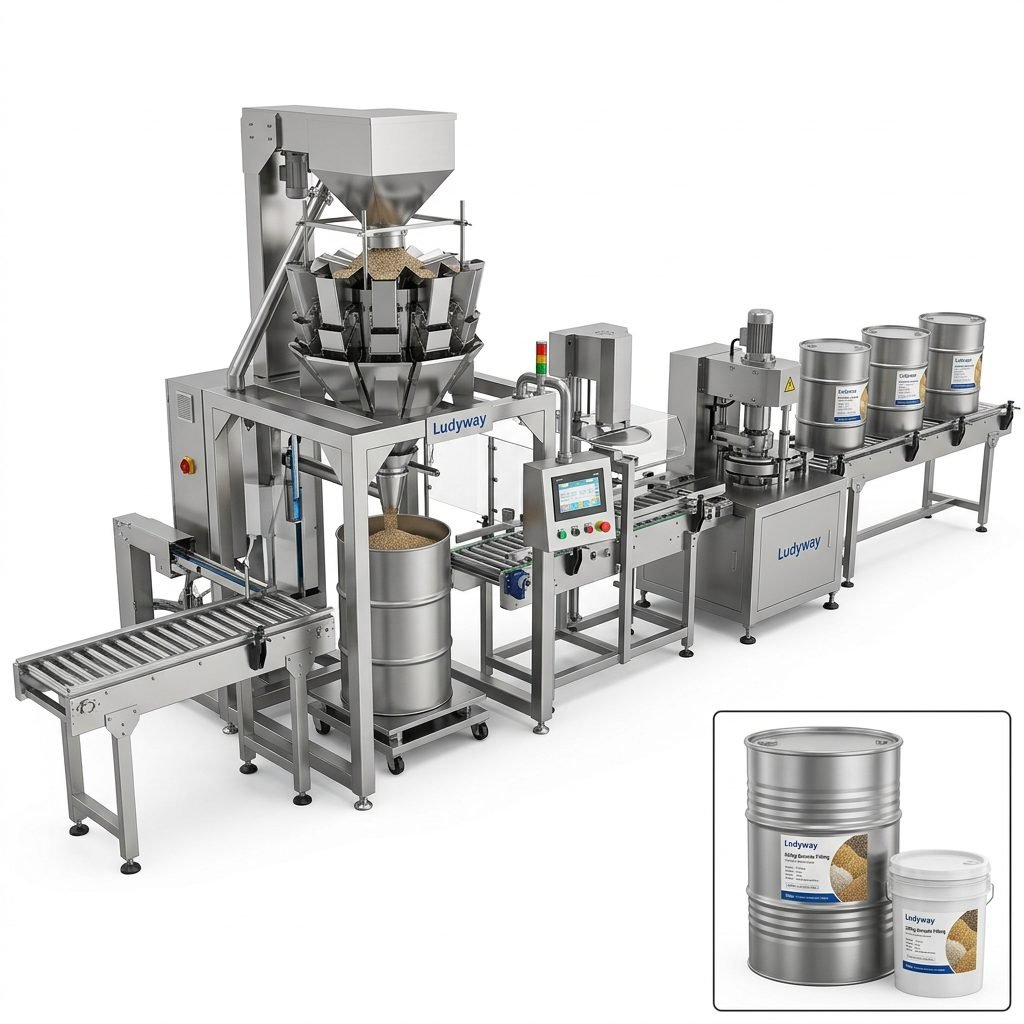
The U.S. and Canadian dairy sectors are governed by strict FDA and CFIA regulations, making equipment compliance a top priority. Yogurt packaging in North America typically involves formats such as cups, bottles, pouches, stick packs, and sachets. Each format demands specific machinery capable of handling varying viscosities — from thin drinkable yogurts to thick Greek-style products. The trend toward single-serve and on-the-go packaging has also increased demand for multi-lane stick pack and sachet machines that offer high throughput with minimal labor.
Types of Yogurt Packaging Machines
Choosing the correct machine type depends on your target package format, production volume, and product characteristics. Below are the most common categories used across North American dairy facilities:
Cup Filling and Sealing Machines
Cup fillers are the most widely used equipment for yogurt packaging. These machines fill preformed cups with yogurt, apply foil or plastic lids, and often include date coding and labeling stations. Rotary cup fillers can achieve speeds of up to 30,000 cups per hour, making them ideal for large-scale dairy operations.
Stick Pack and Sachet Machines
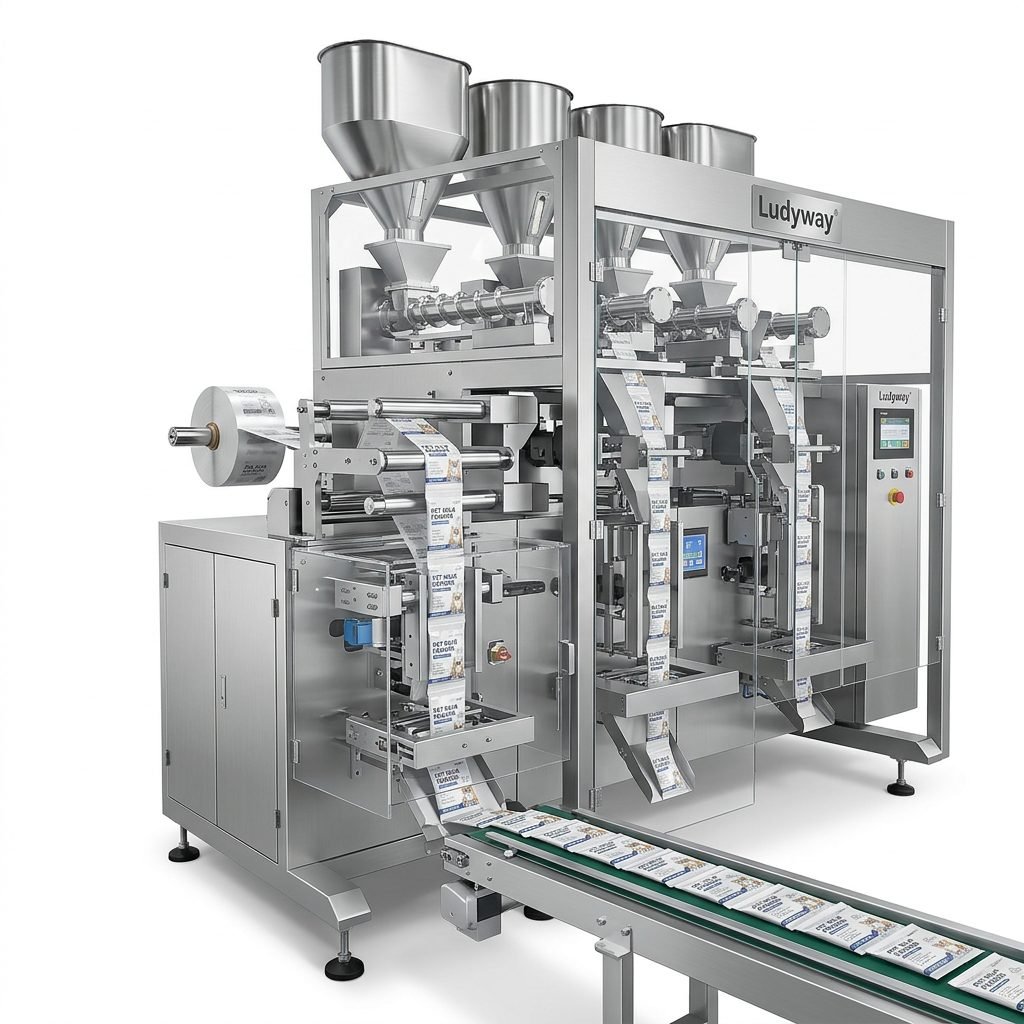
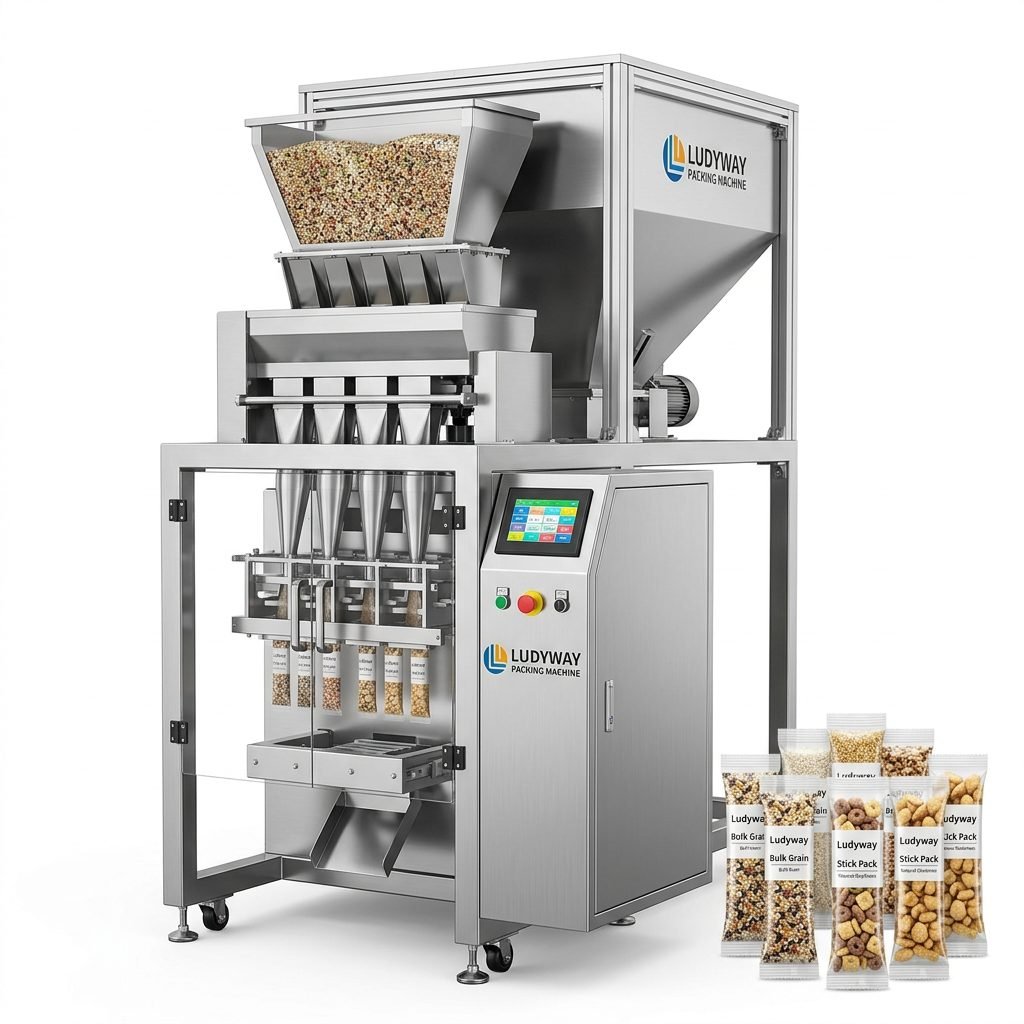
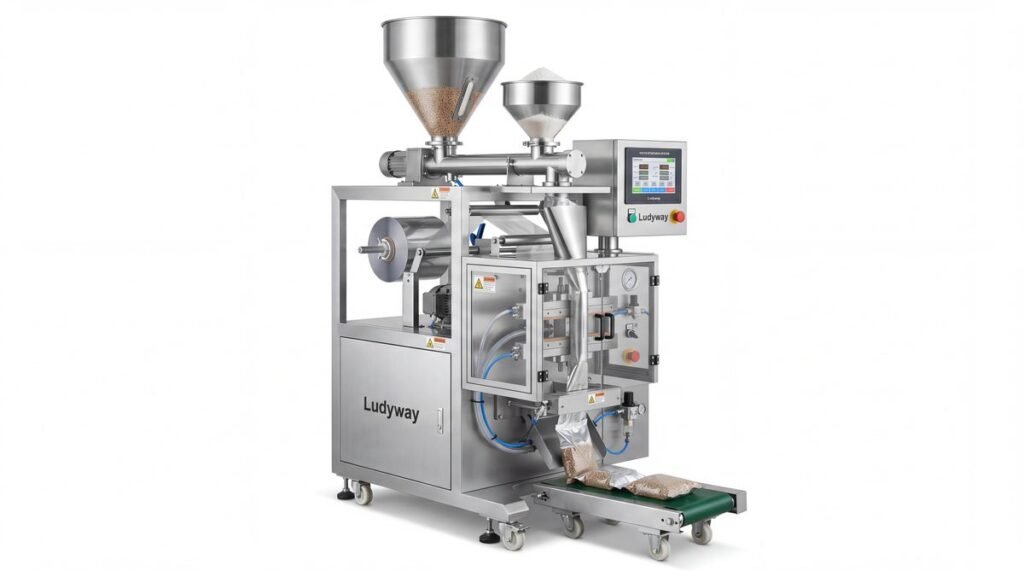
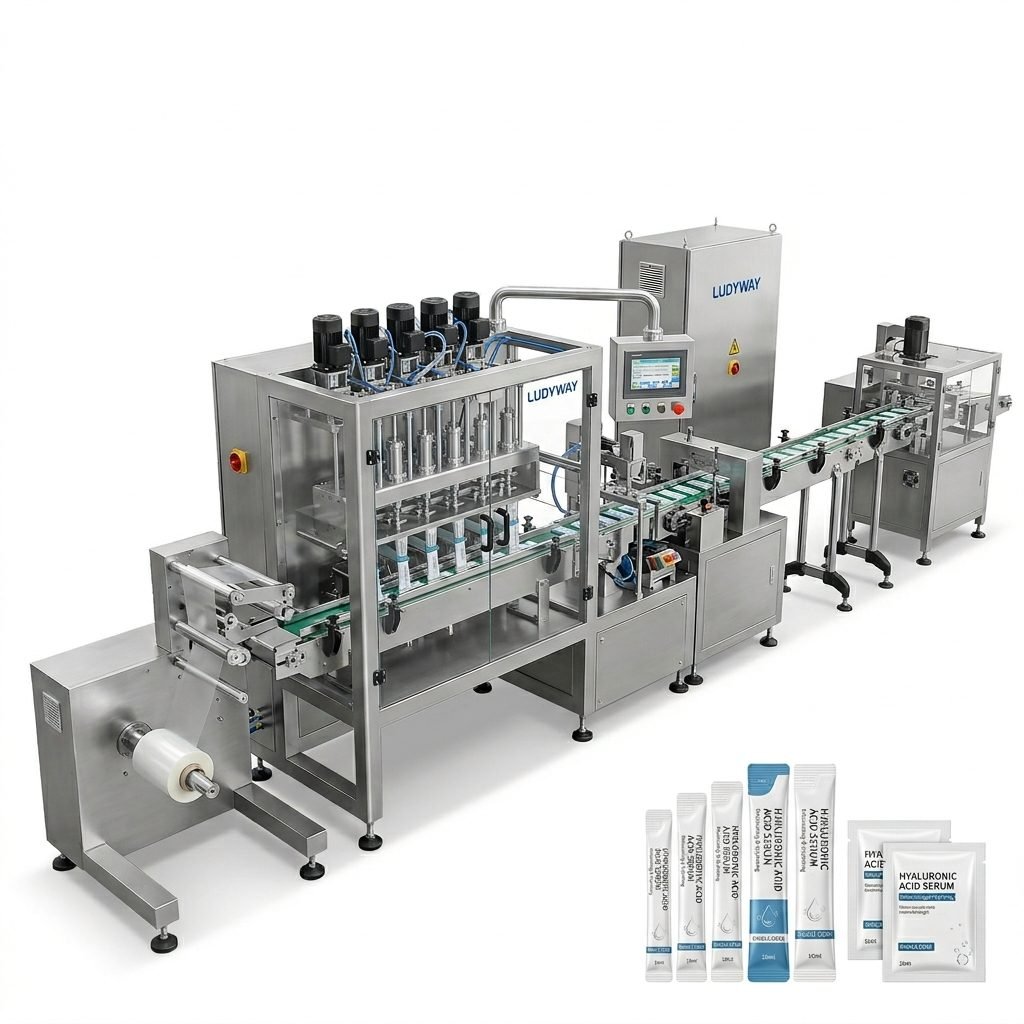
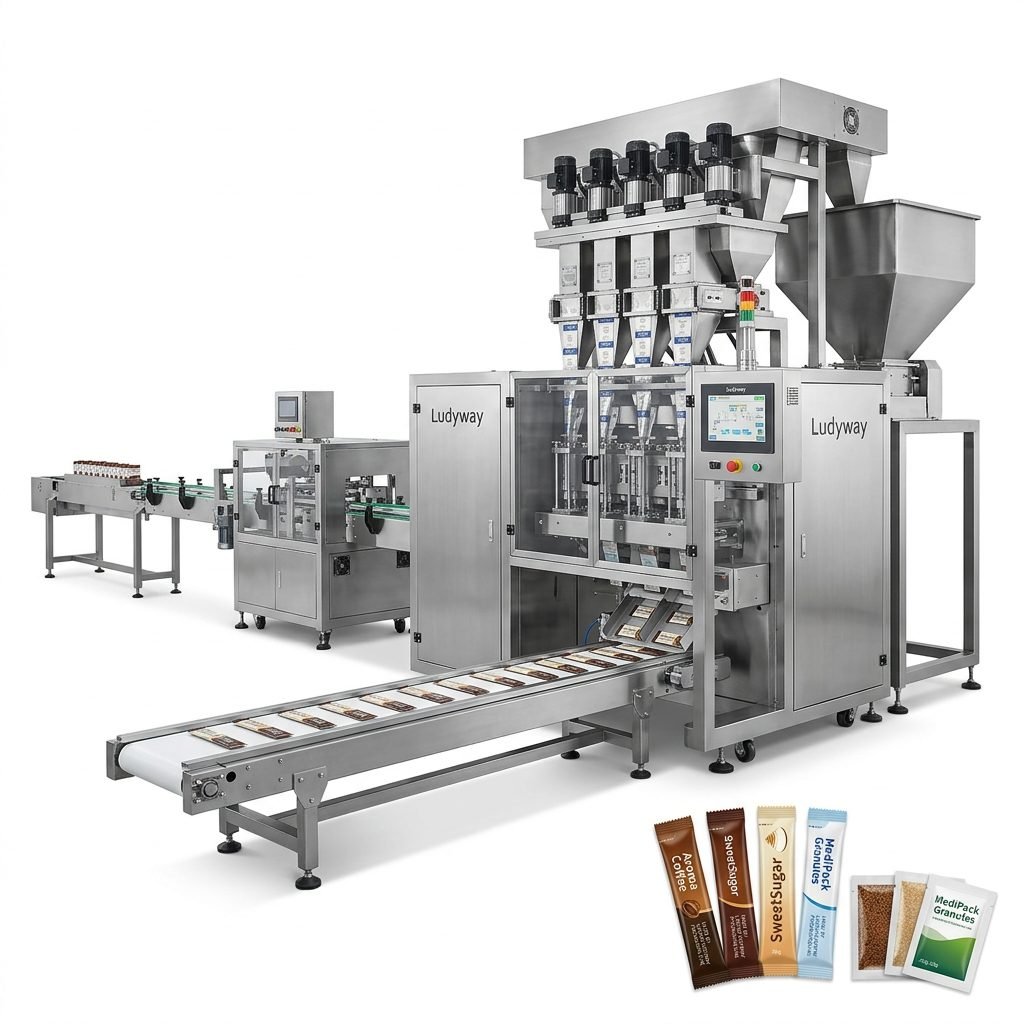
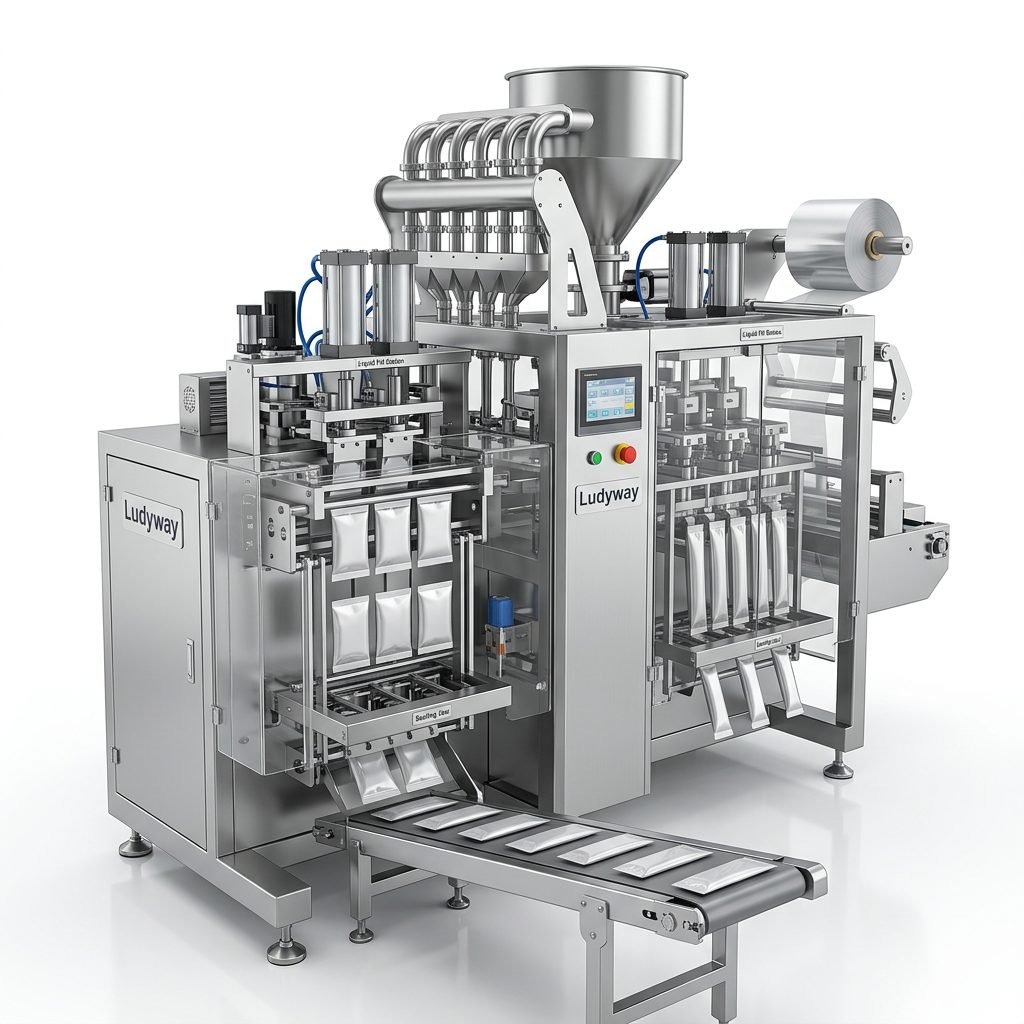
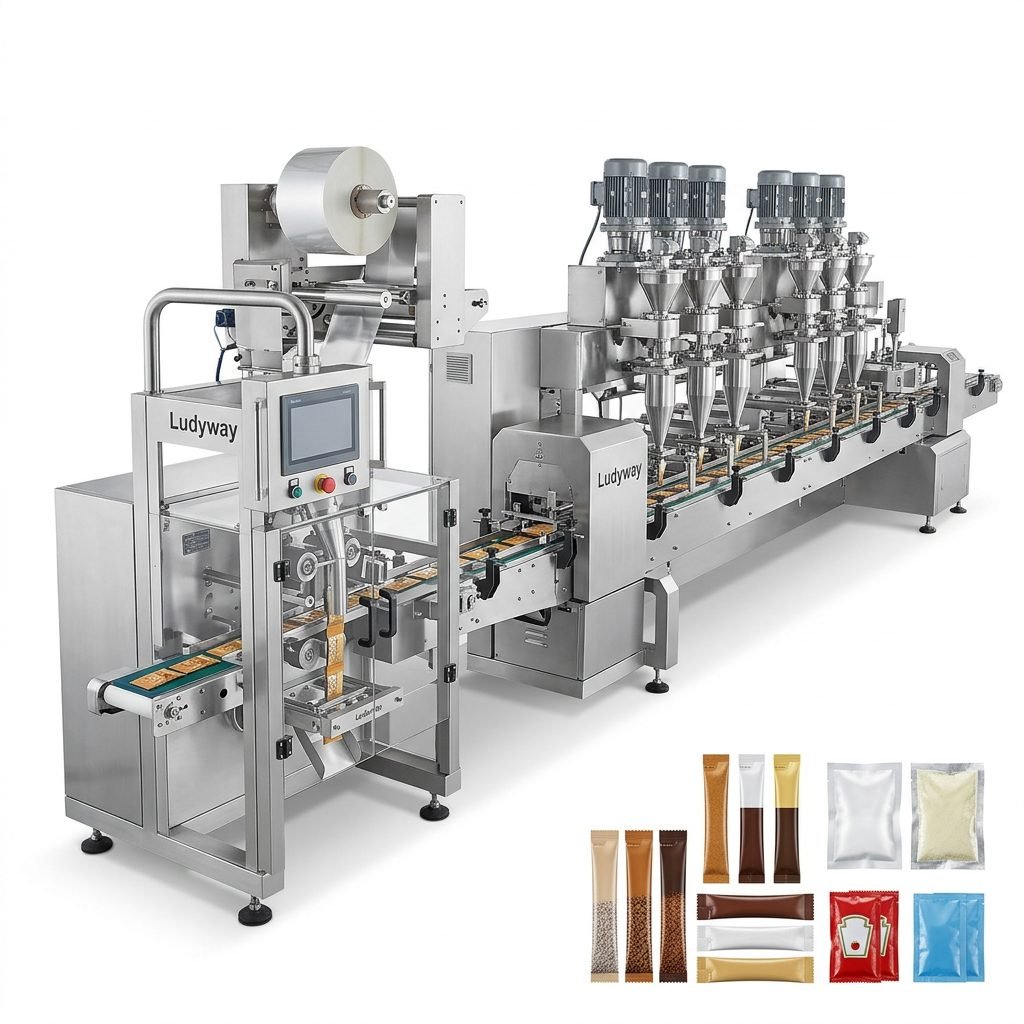
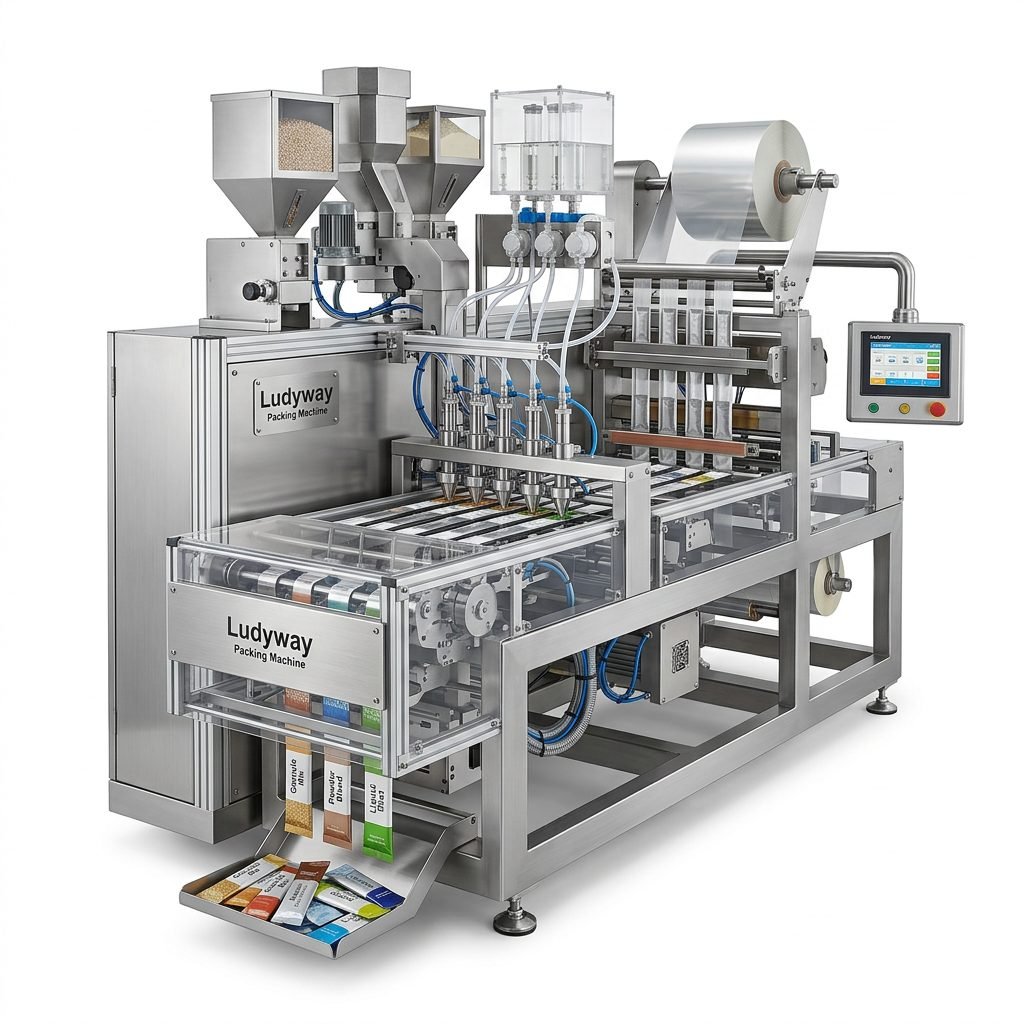
For portable, single-serve yogurt or yogurt-based drink mixes, multi-lane stick pack machines offer exceptional efficiency. These yogurt packaging machine systems can run 4 to 16 lanes simultaneously, producing thousands of units per hour. They are especially popular for probiotic yogurt powders and drinkable yogurt concentrates.
Pouch and Stand-Up Bag Machines
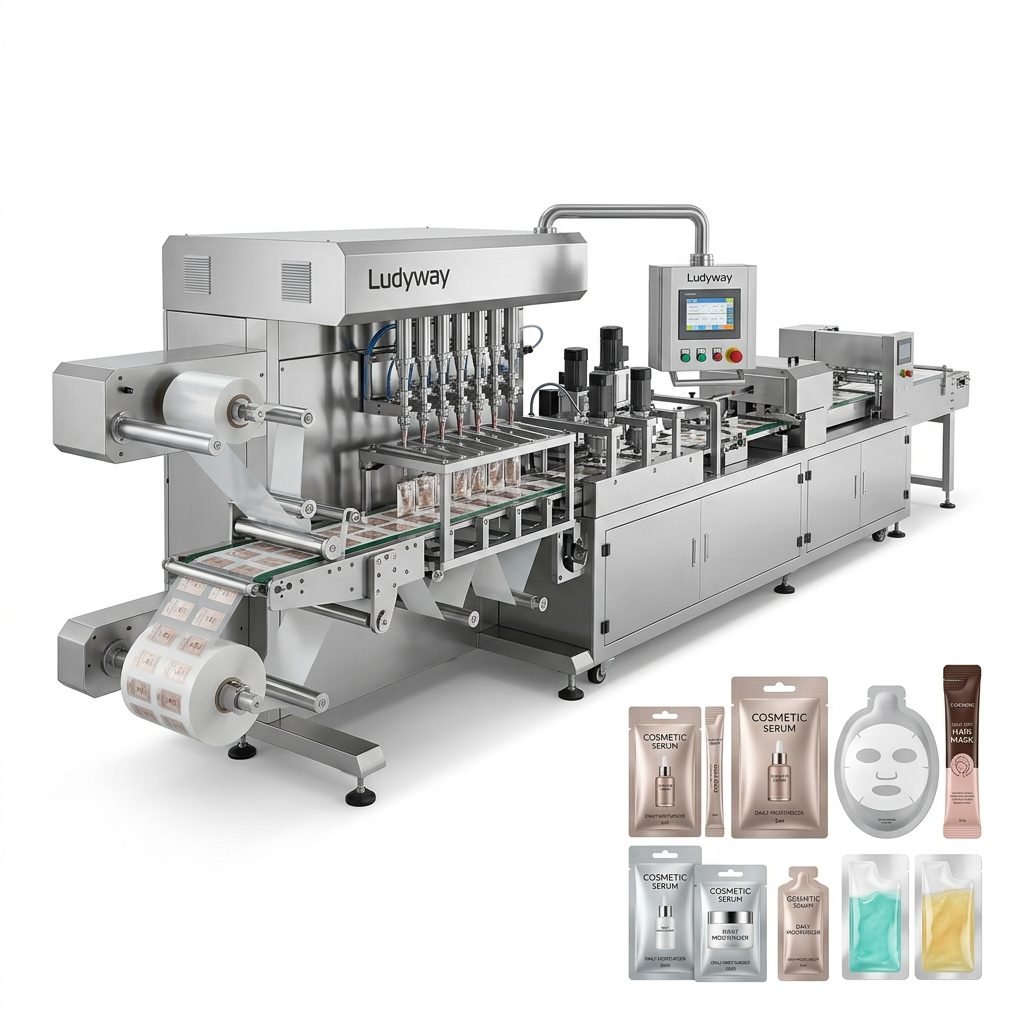
Premade pouch filling and sealing systems handle liquid and semi-liquid yogurt products in flexible packaging. These machines are versatile, supporting zipper closures, spouts, and tear notches — features that appeal to North American consumers seeking convenience and resealability.
Bottle Filling Lines
Drinkable yogurt and smoothies require integrated bottle filling and capping lines. These systems often combine rinsing, filling, capping, labeling, and shrink-sleeve application in a single automated workflow, ensuring compliance with stringent hygiene standards.
Key Cost Factors for Yogurt Packaging Equipment
Budgeting for a yogurt packaging line requires evaluating multiple cost drivers beyond the initial equipment price. The table below summarizes the primary factors influencing total investment:
| Cost Factor | Description | Estimated Impact |
|---|---|---|
| Machine Type & Configuration | Cup fillers, stick pack lines, or bottle systems with varying lane counts | $50,000 – $500,000+ |
| Automation Level | Semi-automatic vs. fully automatic with robotic integration | Adds 15% – 40% to base cost |
| Production Capacity | Units per hour; higher speeds require more robust engineering | Higher capacity = higher upfront cost |
| Material Compatibility | Stainless steel 304/316L for dairy-grade applications | Premium materials increase cost by 20% – 30% |
| Regulatory Compliance | FDA, 3-A Sanitary Standards, and UL certification requirements | Certification adds 5% – 15% |
| Installation & Training | On-site setup, operator training, and initial calibration | $10,000 – $50,000 |
Selection Tips for North American Buyers
Making the right investment in a yogurt packaging machine involves more than comparing specifications. Here are practical considerations for buyers operating in the North American market:
- Verify 3-A Sanitary Standards compliance — dairy packaging equipment must meet strict hygienic design requirements to prevent bacterial contamination and facilitate CIP (Clean-in-Place) procedures.
- Assess after-sales support and spare parts availability — downtime costs in North American facilities can exceed thousands of dollars per hour. Choose suppliers with local service networks or responsive remote support.
- Evaluate changeover flexibility — if you produce multiple yogurt varieties or package sizes, quick-change tooling and recipe-driven controls can significantly reduce downtime between production runs.
- Consider total cost of ownership (TCO) — factor in energy consumption, maintenance intervals, consumable parts, and expected machine lifespan rather than focusing solely on the purchase price.
- Request FAT (Factory Acceptance Testing) — before shipment, ensure the machine is tested with your actual product to validate filling accuracy, seal integrity, and throughput rates.

Compliance and Industry Standards
North American dairy processors must navigate a complex regulatory environment. Key standards include FDA 21 CFR Part 110 (Good Manufacturing Practices), 3-A Sanitary Standards for equipment design, and PMMI (The Association for Packaging and Processing Technologies) guidelines. Additionally, packaging materials must comply with FDA food contact substance regulations. Ensuring your equipment vendor understands these requirements can prevent costly delays during commissioning and inspection. Ludyway provides advanced packaging equipment designed with international sanitary standards in mind, supporting dairy producers across more than 100 countries with reliable, efficient machinery backed by over 30 years of industry experience.
Making Your Final Decision
Selecting the optimal yogurt packaging machine requires a detailed understanding of your product characteristics, production goals, and regulatory obligations. Begin by defining your required package format, target output, and available floor space. Then request quotations from multiple suppliers, comparing not only pricing but also warranty terms, lead times, and post-installation technical support. For additional industry data, refer to the PMMI Business Intelligence Library and the Flexible Packaging Association’s resources.
Investing in the right machinery is a strategic decision that directly impacts product quality, operational efficiency, and long-term profitability in the competitive North American yogurt market. Take the time to evaluate your options thoroughly, and prioritize equipment that offers the best balance of performance, compliance, and lifetime value.