Establishing a soda can packaging machine production line in Europe demands meticulous planning, strict regulatory compliance, and a deep understanding of local market dynamics. Whether you are scaling up a craft beverage brand or launching a high-volume facility, the decisions made during the setup phase will define your operational efficiency for years. This guide walks through every critical step, from navigating CE certification to optimizing your factory floor layout.
Understanding European Packaging Regulations & Compliance
Before purchasing any equipment, you must align your operation with European Union directives. The cornerstone is the CE marking, which confirms that your machinery meets EU safety, health, and environmental protection requirements. For soda can packaging lines, this involves several overlapping frameworks.
Key Regulatory Frameworks
- Machinery Directive 2006/42/EC – Governs the fundamental safety design of your packaging equipment, ensuring operator protection and mechanical integrity.
- Food Contact Materials Regulation (EC) 1935/2004 – Applies to any component that touches the beverage, including can fillers, seals, and conveying surfaces.
- EU Packaging and Packaging Waste Directive (94/62/EC) – Sets essential requirements for the packaging you produce, including recyclability and heavy metal limits.
- ATEX Directive (if applicable) – Required if your facility processes products that create potentially explosive atmospheres, though less common for standard soda lines.
Compliance Timeline & Documentation
Securing CE certification is not a single event but a structured process. Partnering with a supplier experienced in European exports can significantly ease this burden. You should expect to receive a comprehensive Technical File that includes risk assessments, electrical schematics, and component certifications. The table below summarizes the typical documentation required during an audit.
| Document Type | Purpose | Required For |
|---|---|---|
| Declaration of Conformity | Legal statement by manufacturer confirming CE compliance | Customs clearance, installation approval |
| Risk Assessment (ISO 12100) | Identifies potential hazards and mitigation measures | Workplace safety inspections |
| Electrical Safety Report | Verification against EN 60204-1 standards | Insurance compliance |
| Food-Grade Material Certificates | Proof that contact materials are safe per EC 1935/2004 | Health authority audits |
For the latest regulatory updates, consult the European Commission Packaging and Packaging Waste portal and the PMMI Packaging Industry Resources library.
Selecting the Right Soda Can Packaging Equipment
The core of your production line revolves around the filling and seaming technology. Modern soda can packaging machines must balance speed, hygiene, and flexibility. Consider the following critical specifications when evaluating equipment.
Essential Machine Features
- Filling Technology: Counter-pressure fillers are the standard for carbonated beverages, maintaining consistent CO₂ levels and minimizing foaming. Look for systems with precise fill level control.
- Seaming Stations: High-quality can seamers ensure hermetic seals. Double-seam technology with real-time monitoring prevents costly leaks and contamination risks.
- Clean-in-Place (CIP) Integration: Automated cleaning cycles reduce downtime between product changeovers, crucial for facilities running multiple flavors or formulations.
- Speed & Throughput: Define your target output clearly. Entry-level lines may handle 6,000 cans per hour, while high-speed industrial systems can exceed 60,000 cans per hour.
Ancillary Equipment Integration
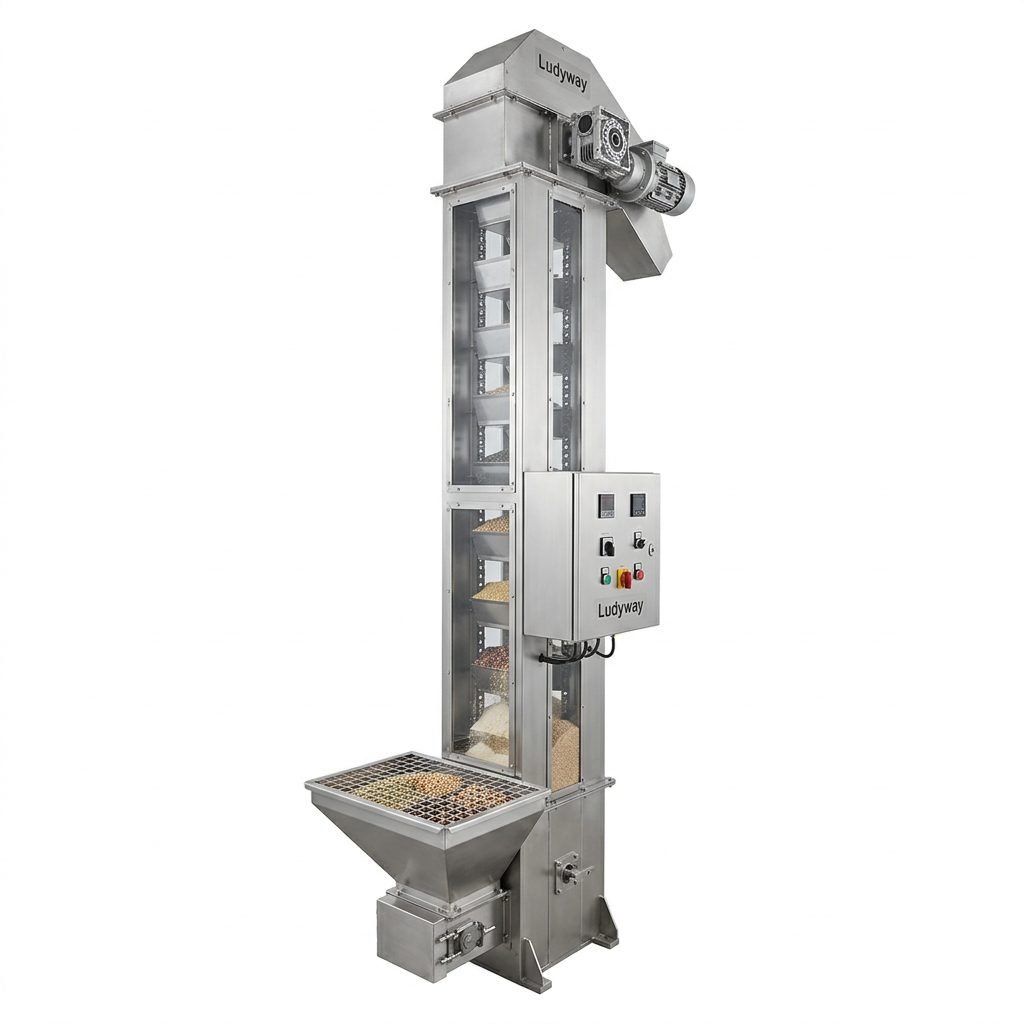
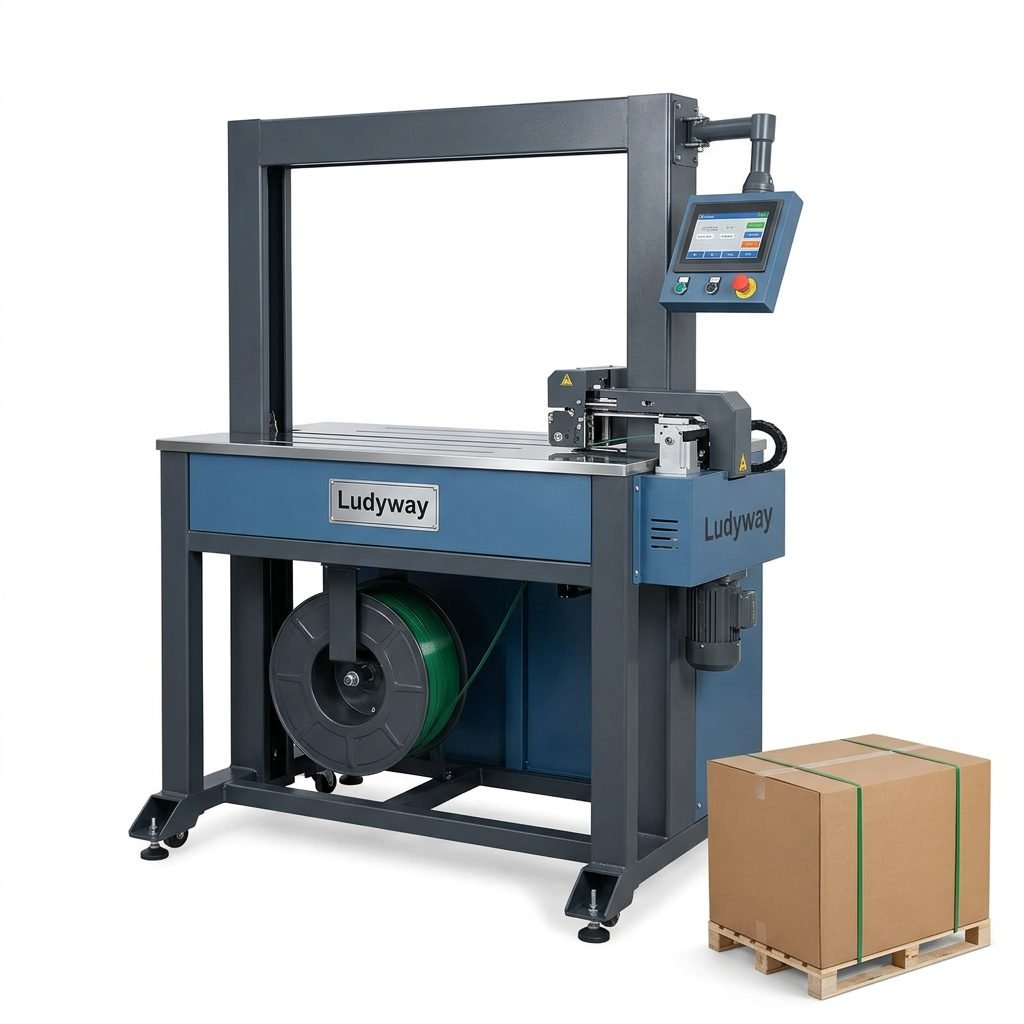
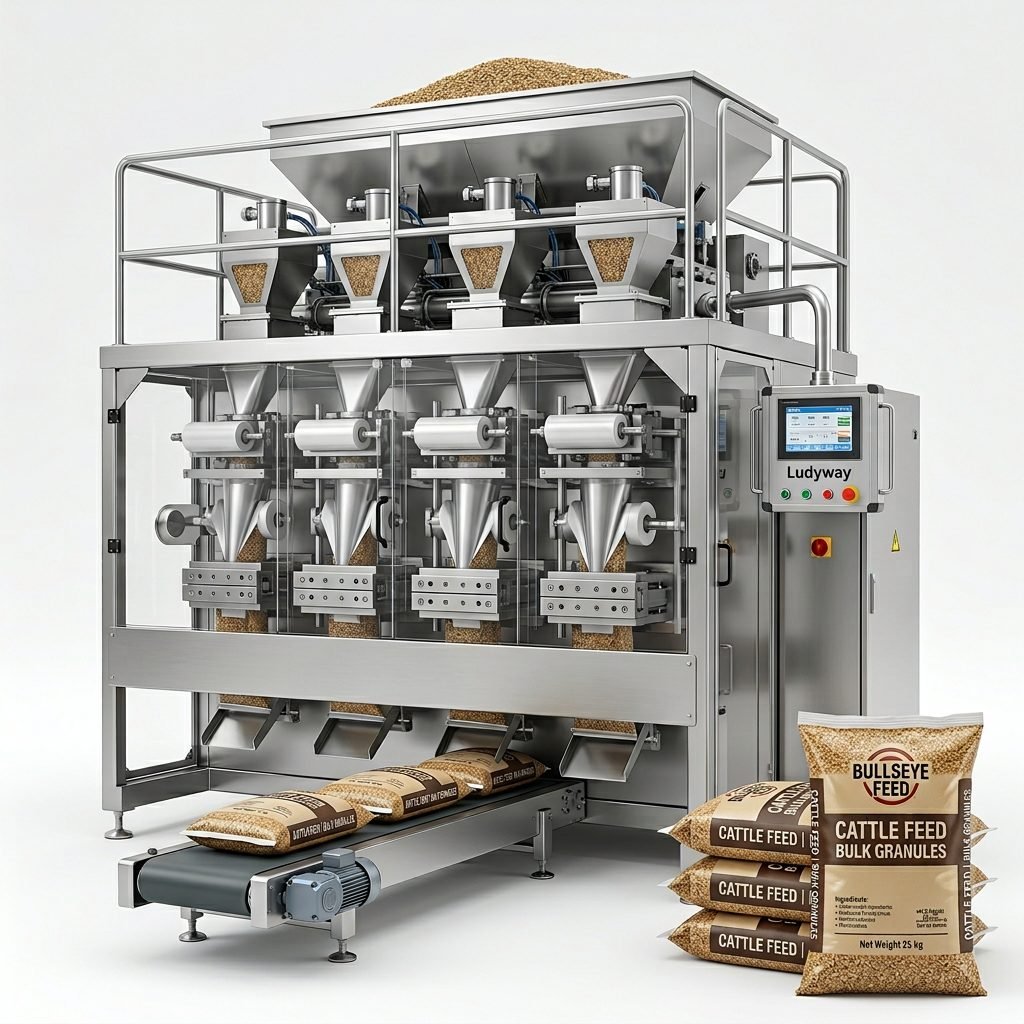
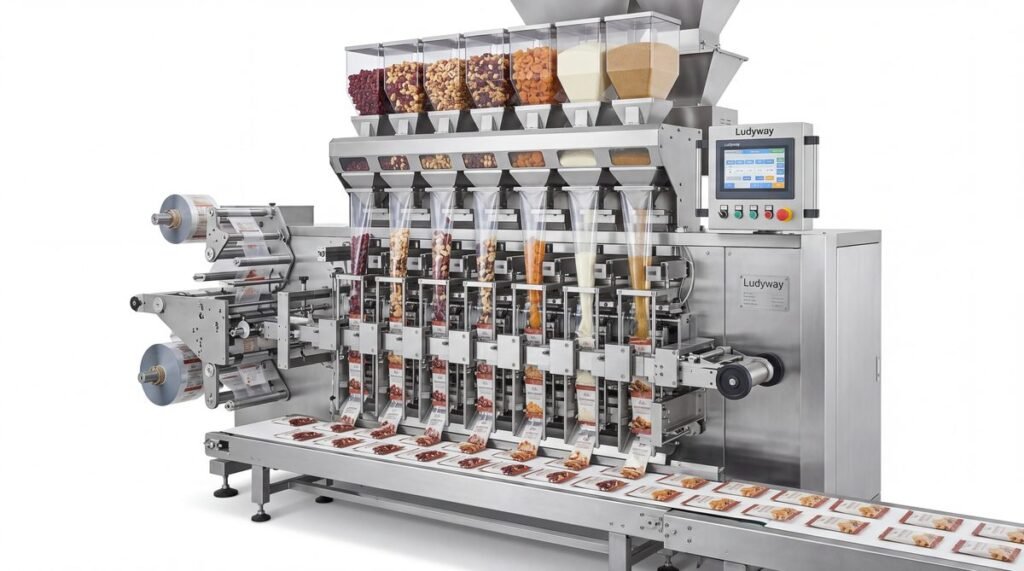
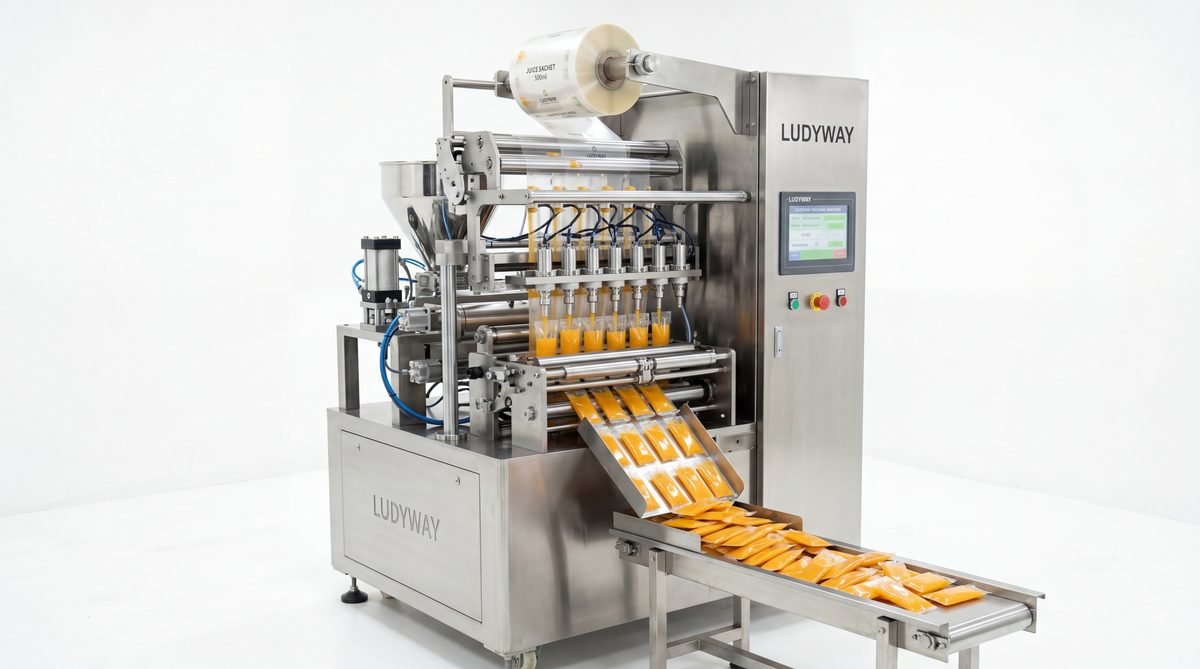
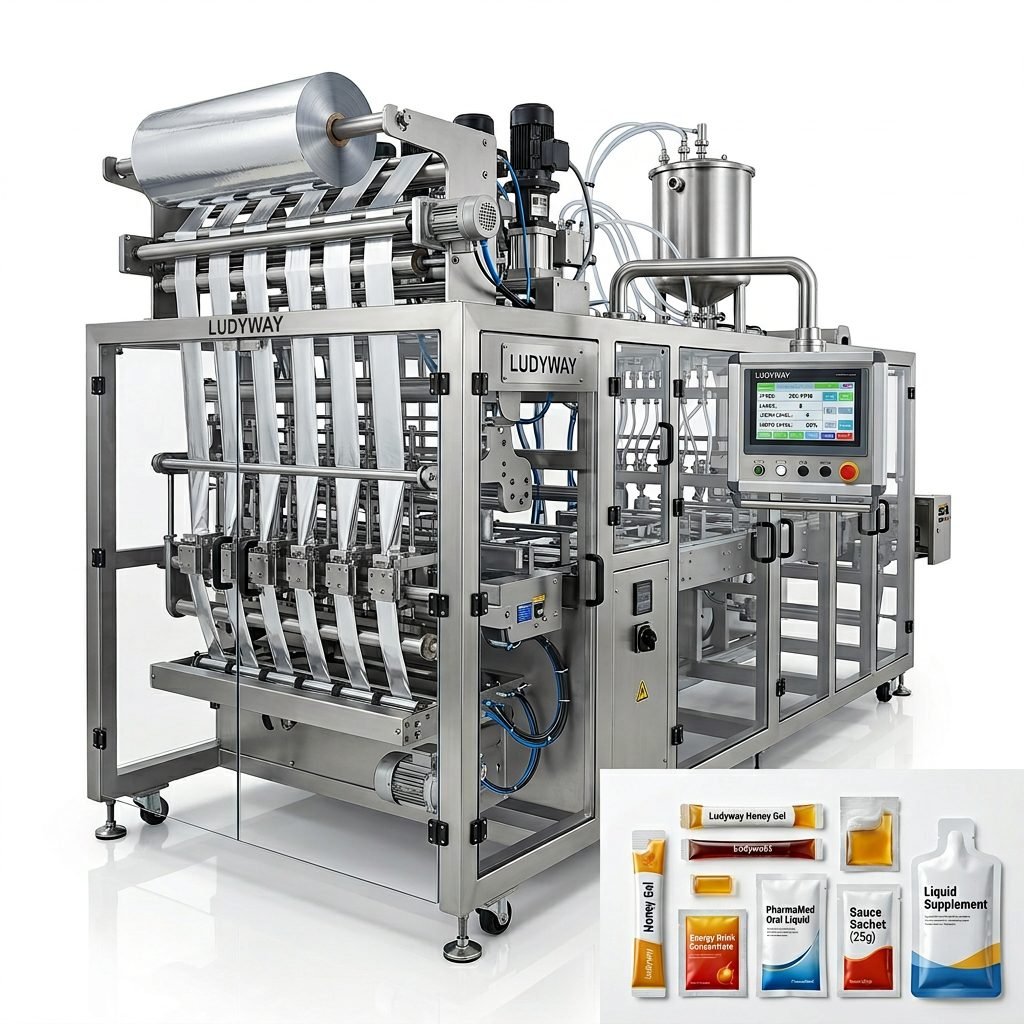
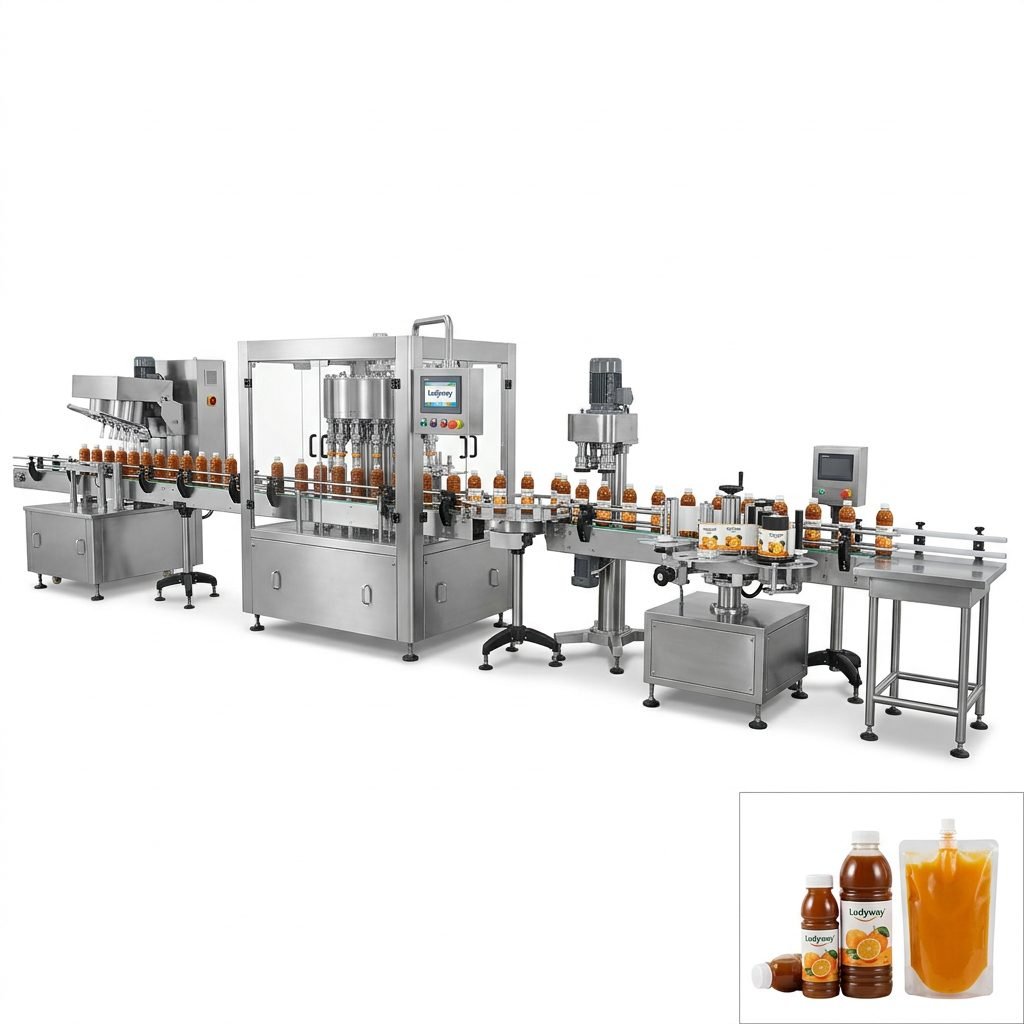
A turnkey soda can packaging line extends far beyond the filler. You need to seamlessly integrate depalletizers, rinsers, warmers, labelers, date coders, and palletizers. For instance, companies like Ludyway provide complete packaging machine manufacturing and integration services, helping beverage producers source fully compatible upstream and downstream equipment to avoid bottlenecks.
Factory Layout & Production Line Design
Efficient floor planning directly impacts your long-term operating costs. Begin by mapping your material flow from raw can receipt to finished pallet storage. A linear layout works for high-speed single-product lines, while a U-shaped configuration can save space and allow one operator to oversee multiple stations.
Spatial Planning Checklist
- Raw Material Staging: Allocate sufficient space for pallets of empty cans, ends, and packaging materials. Cans are bulky and sensitive to humidity.
- Equipment Clearance: Maintain at least 1.5 meters of access space around each machine for maintenance and cleaning.
- Utility Runs: Coordinate with civil engineers to position electrical panels, compressed air lines, CO₂ supply, and water treatment systems close to the production zone.
- Quality Control Lab: Designate an area for seam inspection, fill level testing, and microbiological sampling.
Installation, Commissioning & Workforce Training
Installing a soda can packaging line in Europe requires coordination between your internal team, the equipment supplier, and local contractors. Plan for a commissioning phase that typically spans two to six weeks depending on line complexity.
Commissioning Milestones
- Pre-Installation Audit: Confirm that foundation work, utility connections, and safety systems are complete before equipment arrives.
- Mechanical Assembly: Supervised by supplier engineers who align, level, and connect all modules.
- Dry Run Testing: Operate the line without product to verify sensor calibration, conveyor synchronization, and safety interlocks.
- Wet Run Testing: Run water or test product through the line to fine-tune fill volumes, seaming parameters, and label application.
- Operator Training: Conduct structured training sessions covering operation, cleaning, changeover procedures, and basic troubleshooting.
Refer to ISO Packaging Standards for guidelines on validation protocols and performance qualification.
Maintenance Strategy & After-Sales Support
A reactive maintenance model will cripple your overall equipment effectiveness (OEE). Shift to a preventive and predictive maintenance strategy from day one. Use the following framework to structure your maintenance plan.
| Maintenance Level | Frequency | Key Activities |
|---|---|---|
| Daily Operator Checks | Every shift | Visual inspection, cleaning, lubricant levels, seal integrity checks |
| Weekly Preventive Tasks | Weekly | Filter replacements, sensor calibration, belt tension adjustments |
| Quarterly Deep Service | Every 3 months | Gearbox inspection, pneumatic system overhaul, seaming roll wear analysis |
| Annual Overhaul | Yearly | Complete disassembly, worn parts replacement, full recalibration |
Establish a spare parts inventory for critical wear components such as seaming chucks, filler valves, and conveyor belts. The proximity of your supplier’s European service network will significantly impact response times during emergencies.
Cost Analysis & Return on Investment
Budgeting for a soda can packaging line in Europe involves more than the equipment purchase price. Factor in the following cost components to build an accurate financial model.
- Capital Equipment Cost: The packaging machine itself, including the filler, seamer, labeler, and conveyors. Prices vary widely based on speed and automation level.
- Import Duties & Logistics: Customs clearance, sea or air freight, and inland transportation to your facility.
- Installation & Commissioning: Supplier engineering fees, local contractor costs, and utility connections.
- Training & Documentation: Operator training programs and technical documentation translation where needed.
- Ongoing Consumables: Seaming compound, lubricants, cleaning chemicals, and replacement parts.
Conduct a thorough total cost of ownership (TCO) analysis over a 5- to 10-year horizon. A more expensive but energy-efficient and reliable machine often yields lower TCO than a budget alternative with frequent downtime and higher reject rates. Industry data from the PMMI Business Intelligence Library can provide benchmarking statistics for your sector.
Common Pitfalls to Avoid
Drawing on insights from European plant managers, several recurring mistakes can delay your soda can packaging line launch or inflate costs.
- Underestimating Utility Requirements: High-speed canning lines demand substantial compressed air, CO₂, and electrical capacity. Verify your infrastructure before ordering equipment.
- Ignoring Local Noise Ordinances: Some German and Scandinavian municipalities enforce strict decibel limits that may require acoustic enclosures around seamers or conveyors.
- Insufficient Staff Training: Even the most automated line requires skilled operators. Allocate a dedicated training budget and consider having staff visit the manufacturer’s facility before shipment.
- Delayed Spare Parts Planning: Order critical spare parts alongside the main equipment shipment to avoid air-freighting small components later at premium rates.
Next Steps for Your European Soda Can Packaging Project
Setting up a production line in Europe is a strategic investment that positions your brand for growth in one of the world’s most competitive beverage markets. Begin by documenting your production requirements (target speed, can sizes, product characteristics), then engage with equipment manufacturers who can demonstrate proven CE-compliant installations. A well-executed setup phase pays dividends through years of reliable, high-efficiency operation. For further reading on packaging machinery market trends, explore reports from the Flexible Packaging Association and stay current with FDA Food Packaging guidelines where applicable for export-oriented lines.