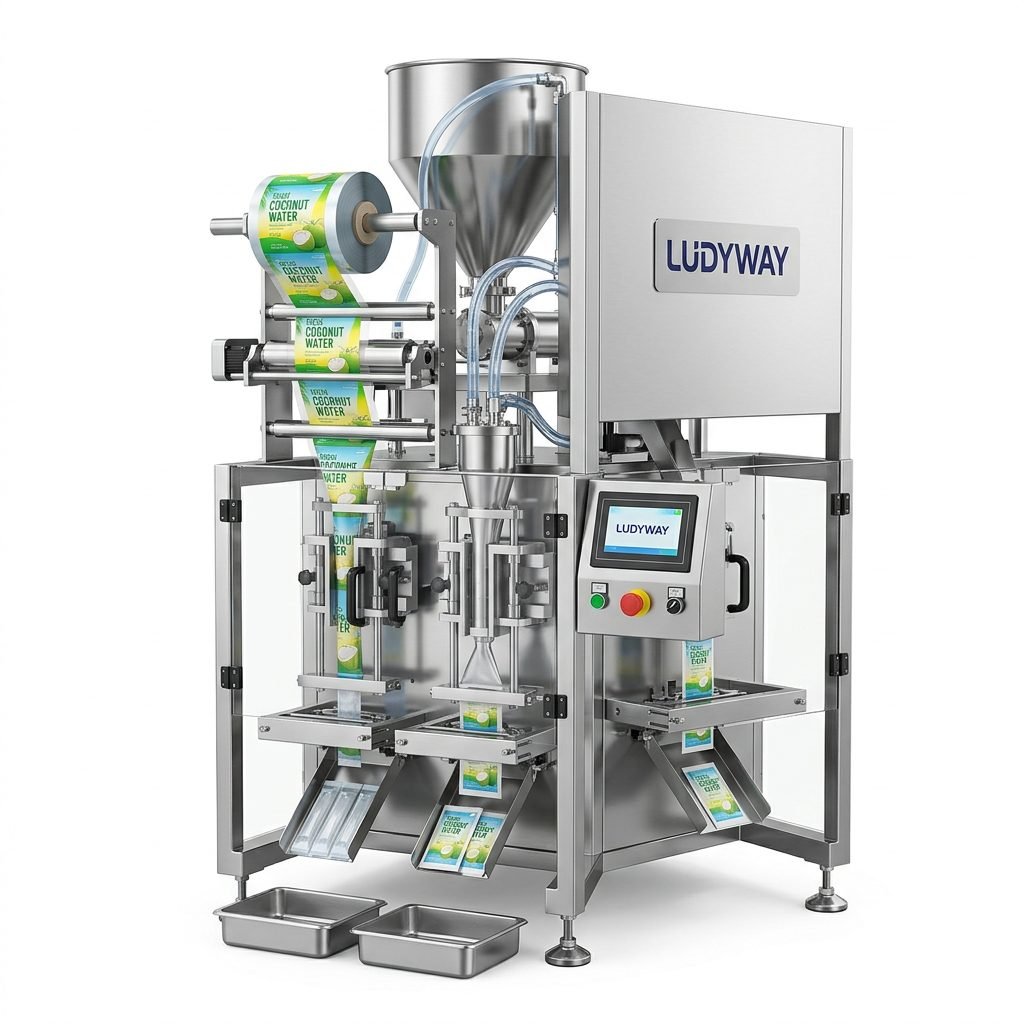
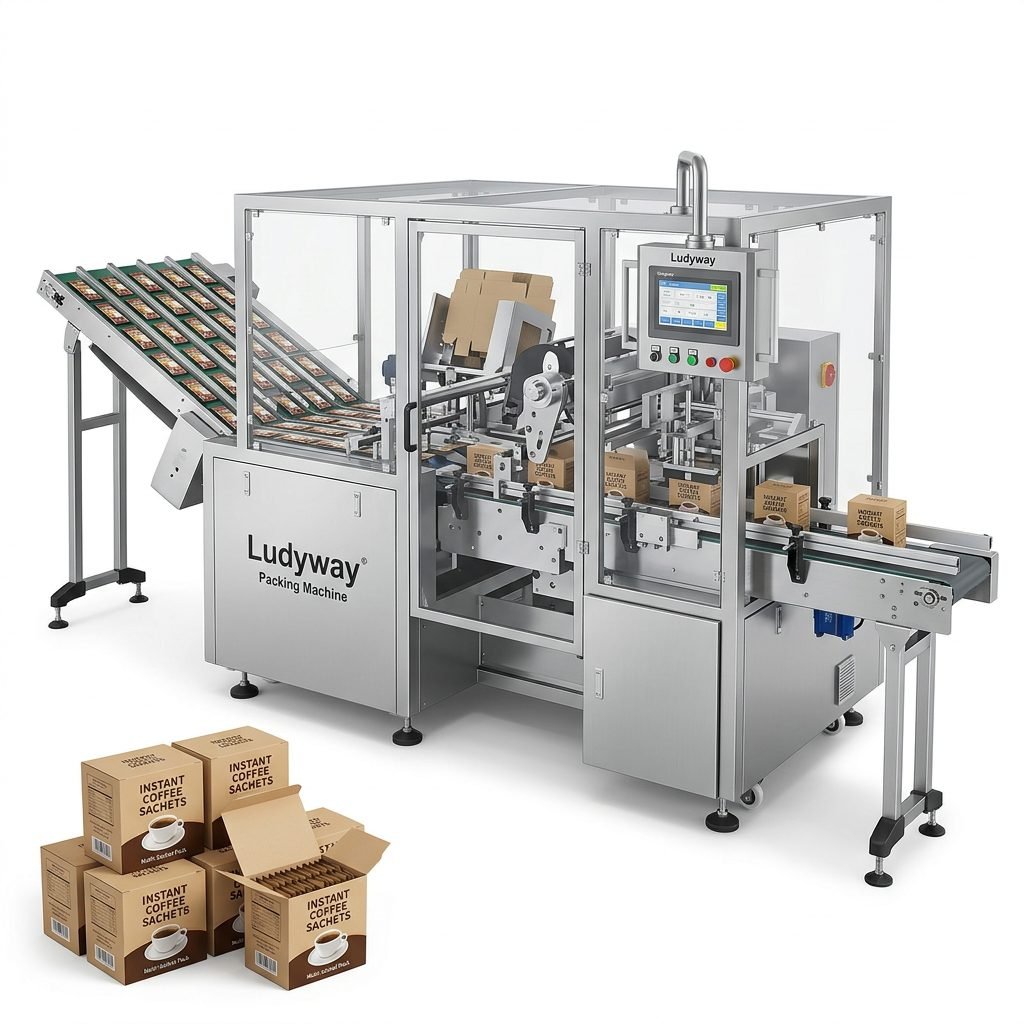
The Asian beef jerky market is experiencing unprecedented growth, driven by rising disposable incomes, changing snacking habits, and increasing demand for protein-rich convenience foods. Setting up a beef jerky packaging machine production line in this region requires careful planning across equipment selection, cost management, and process optimization. This guide walks you through every critical step to establish a successful operation.
Understanding the Asian Beef Jerky Packaging Landscape
Asia’s packaged meat snack sector is projected to grow at a CAGR of over 8% through 2030. Countries such as China, Japan, South Korea, Thailand, and Vietnam represent key manufacturing hubs. The demand spans both domestic consumption and export markets, particularly to North America and Europe. Investors looking to capitalize on this trend must prioritize automated packaging solutions that ensure product freshness, extended shelf life, and compliance with international food safety standards. The PMMI State of the Industry Report highlights the growing importance of flexible packaging machinery in the global snack food sector.
Key Market Drivers
- Shelf-life extension requirements — Oxygen and moisture barrier packaging is critical for jerky products
- Export compliance — Markets like the EU and US demand specific FDA food contact substance standards
- Labor cost optimization — Automated lines reduce dependency on manual labor in high-wage regions
- Portion control trends — Single-serve and on-the-go formats are dominating retail channels

Core Equipment for a Beef Jerky Packaging Production Line
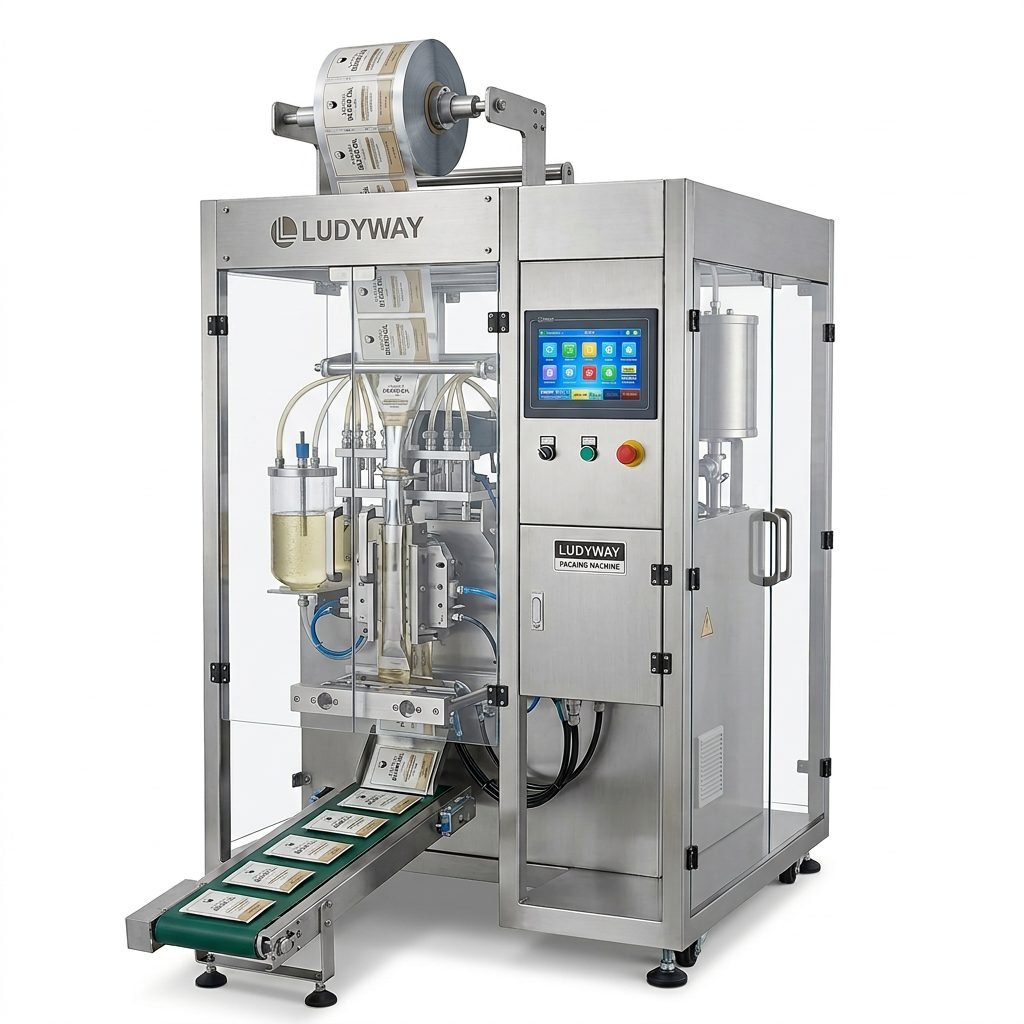
A complete beef jerky packaging line typically integrates multiple machines working in sequence. The exact configuration depends on your target packaging format — whether stick packs, sachets, pouches, or bulk bags. Here is a breakdown of essential equipment categories:
1. Multi-Head Weighing and Dosing Systems
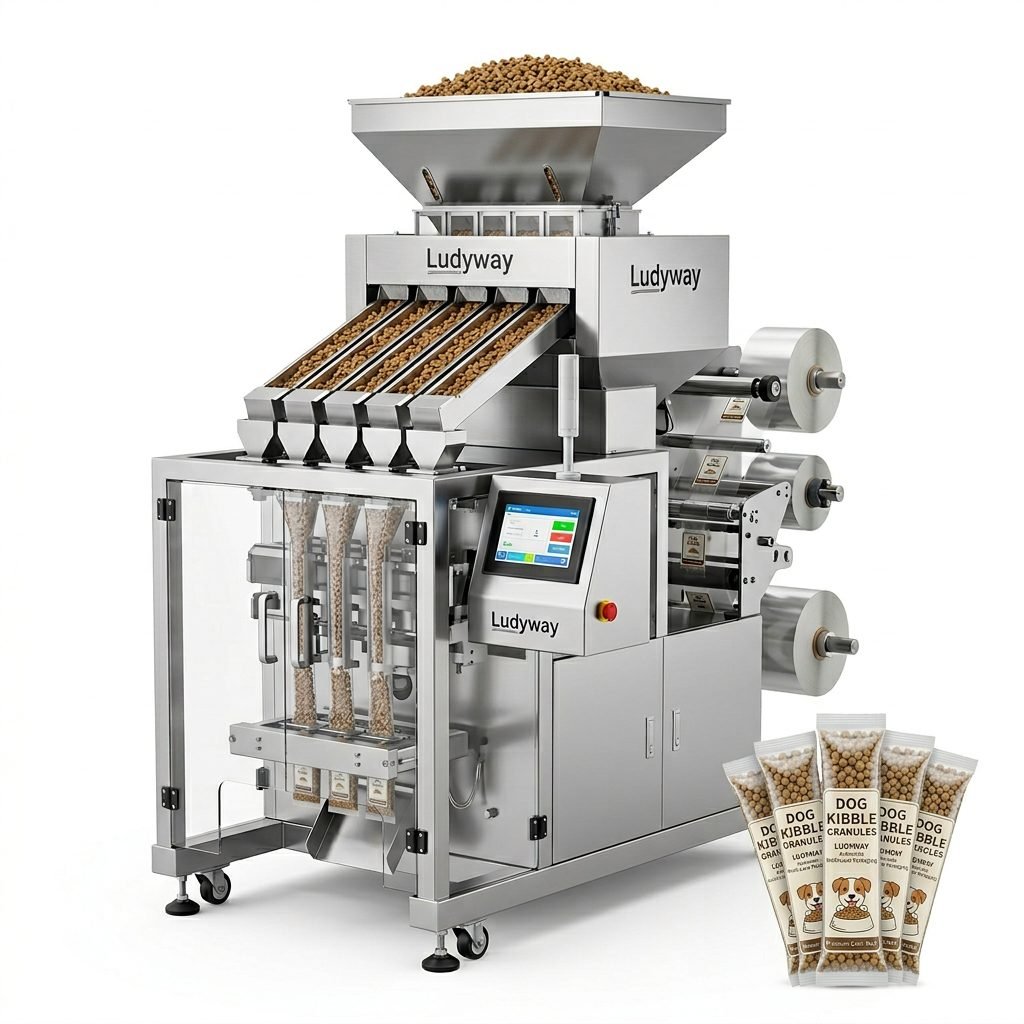
Precision weighing is paramount for jerky products where piece count and weight consistency directly impact profitability. Modern multi-head weighers can handle irregularly shaped jerky pieces with accuracy within ±0.5g. These systems feed into the primary packaging machine and are often integrated with vibratory feeding conveyors optimized for sticky or oily product surfaces.
2. Primary Packaging Machines — Form-Fill-Seal (VFFS) Units
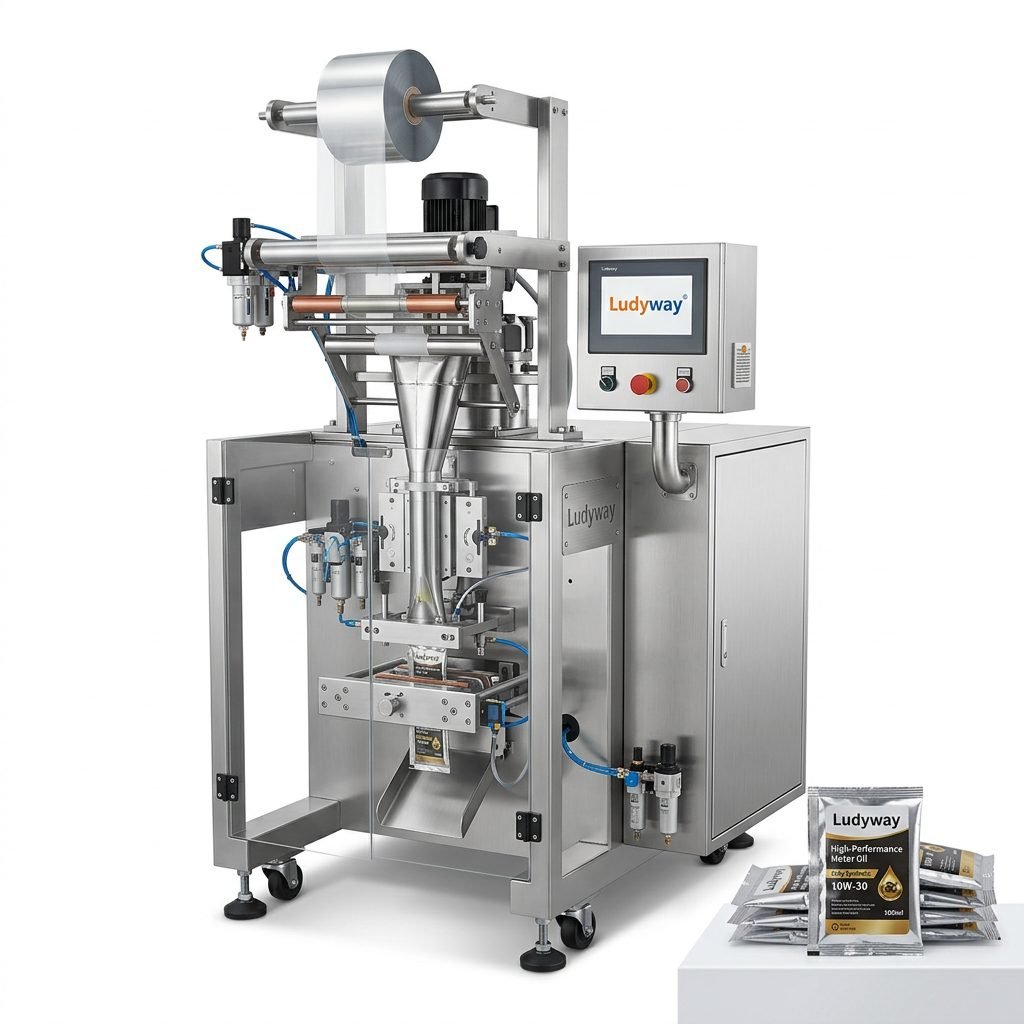
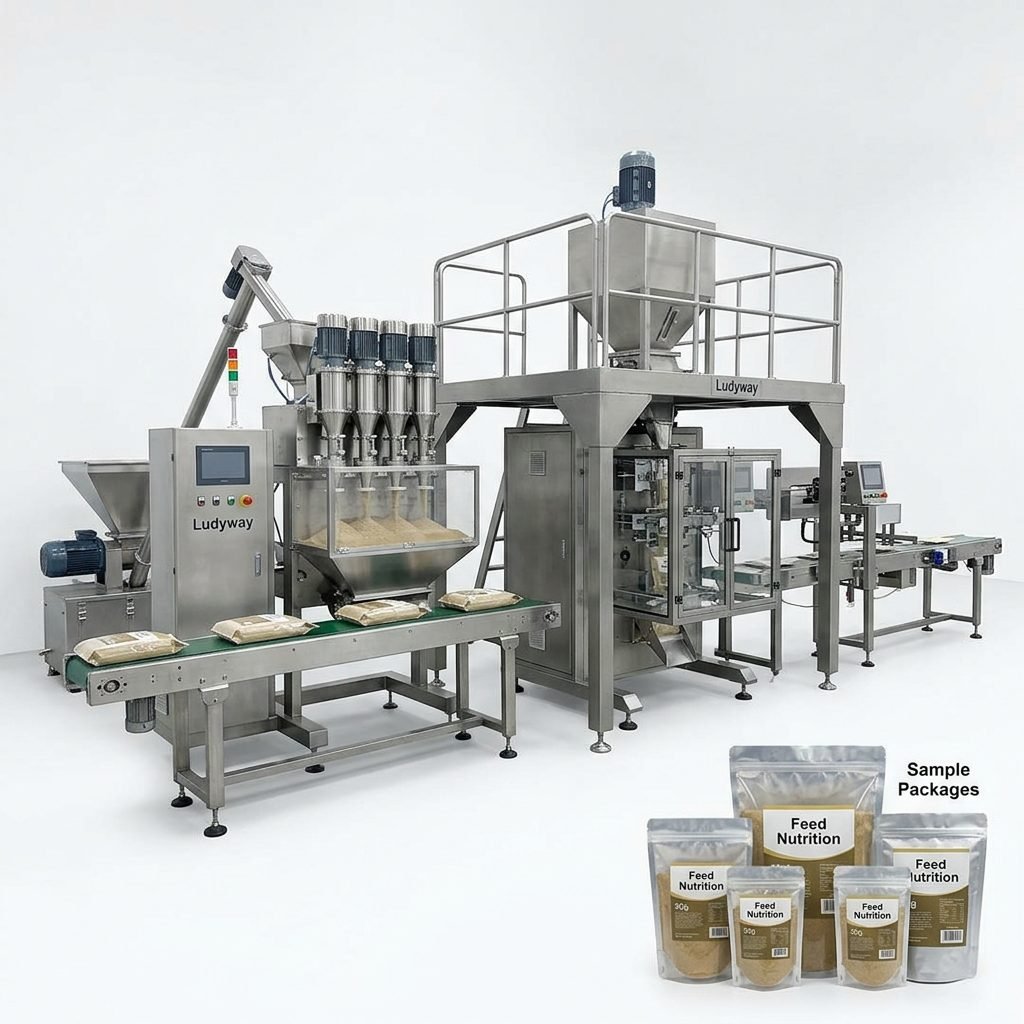
The heart of any jerky packaging line, VFFS machines form pouches from roll stock film, fill them with product, and seal them in a continuous operation. For beef jerky, look for machines equipped with nitrogen flushing capability to displace oxygen and extend shelf life. ISO packaging standards provide guidelines on seal integrity and material compatibility that manufacturers should reference when specifying equipment.
3. Stick Pack and Sachet Machines
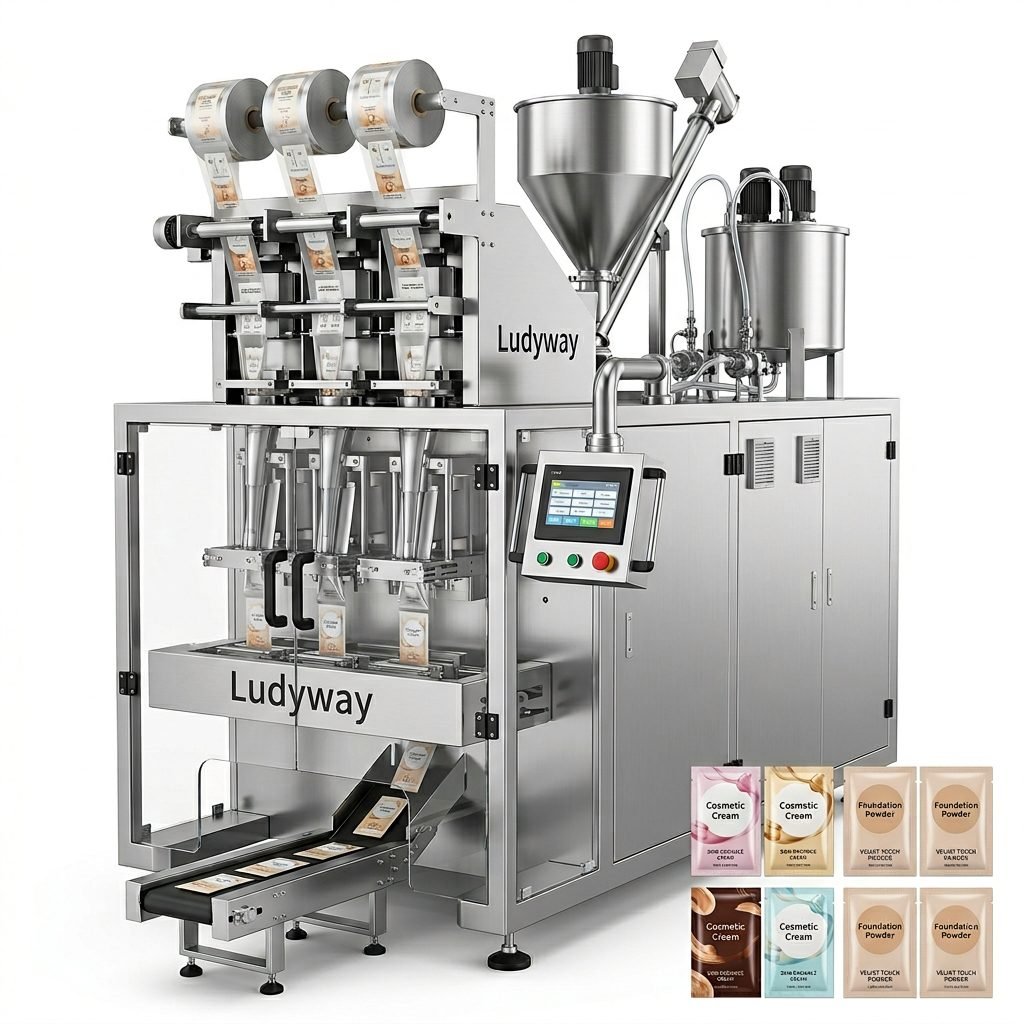
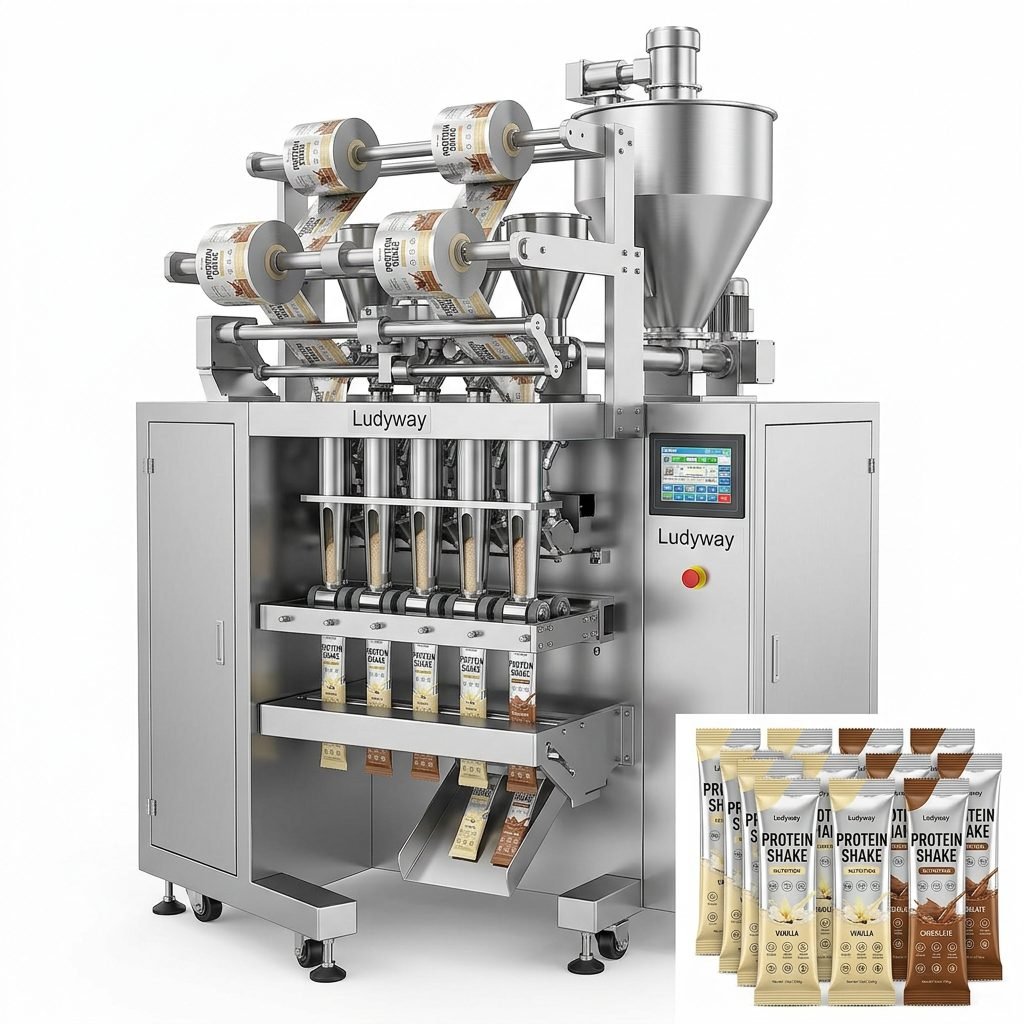
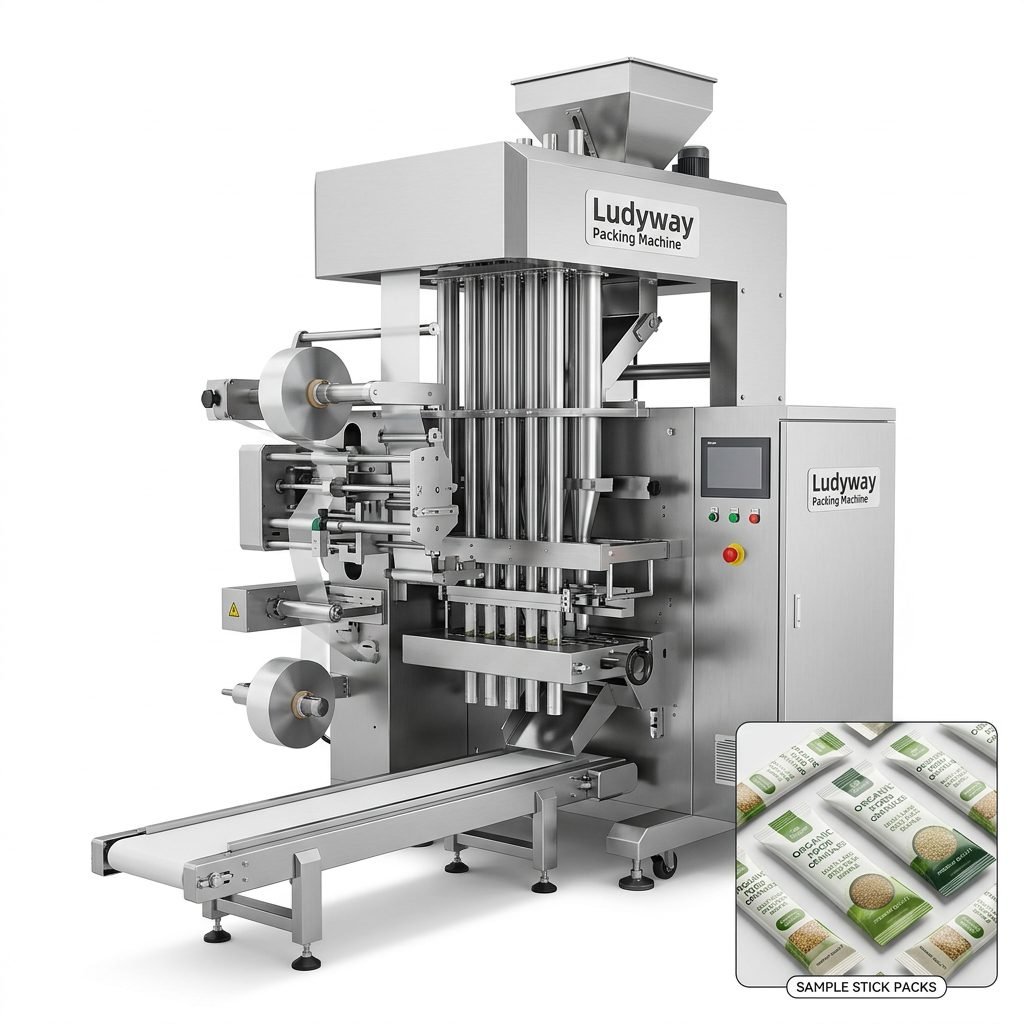
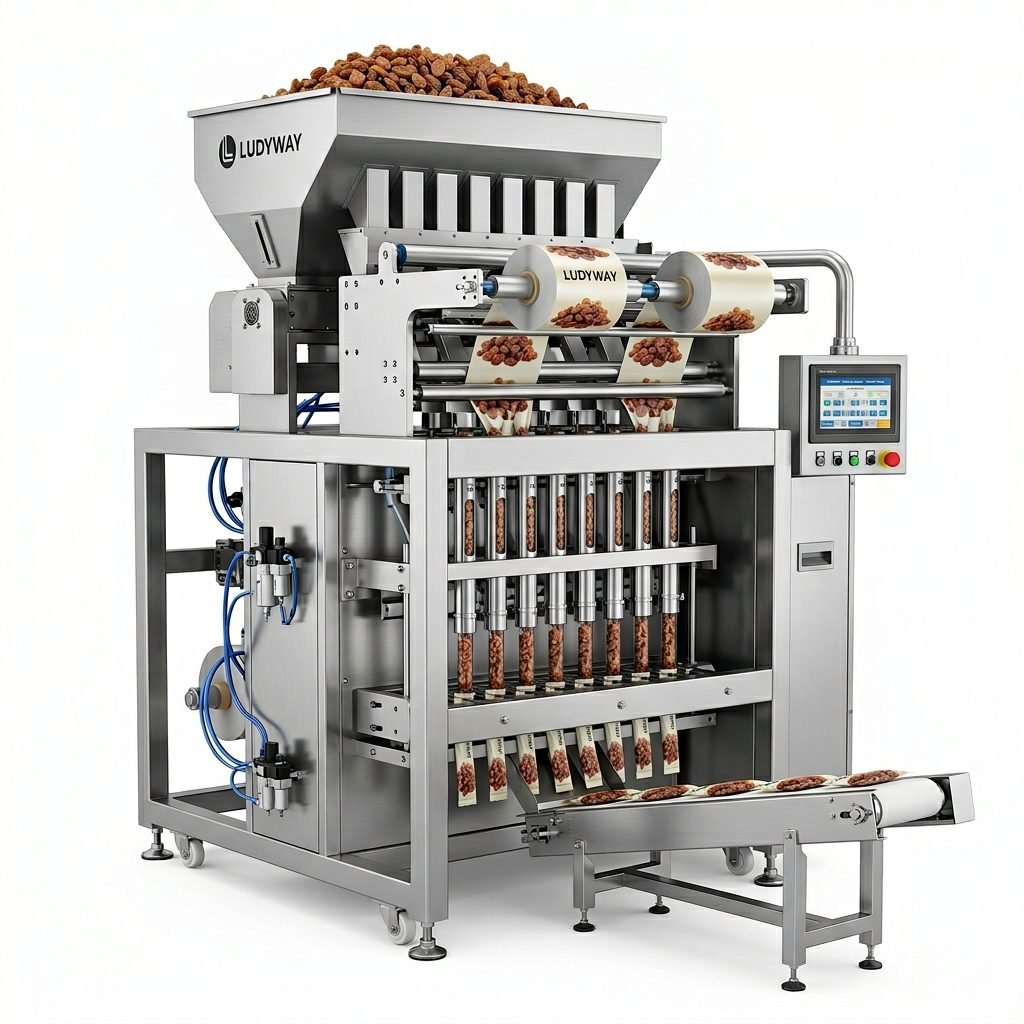
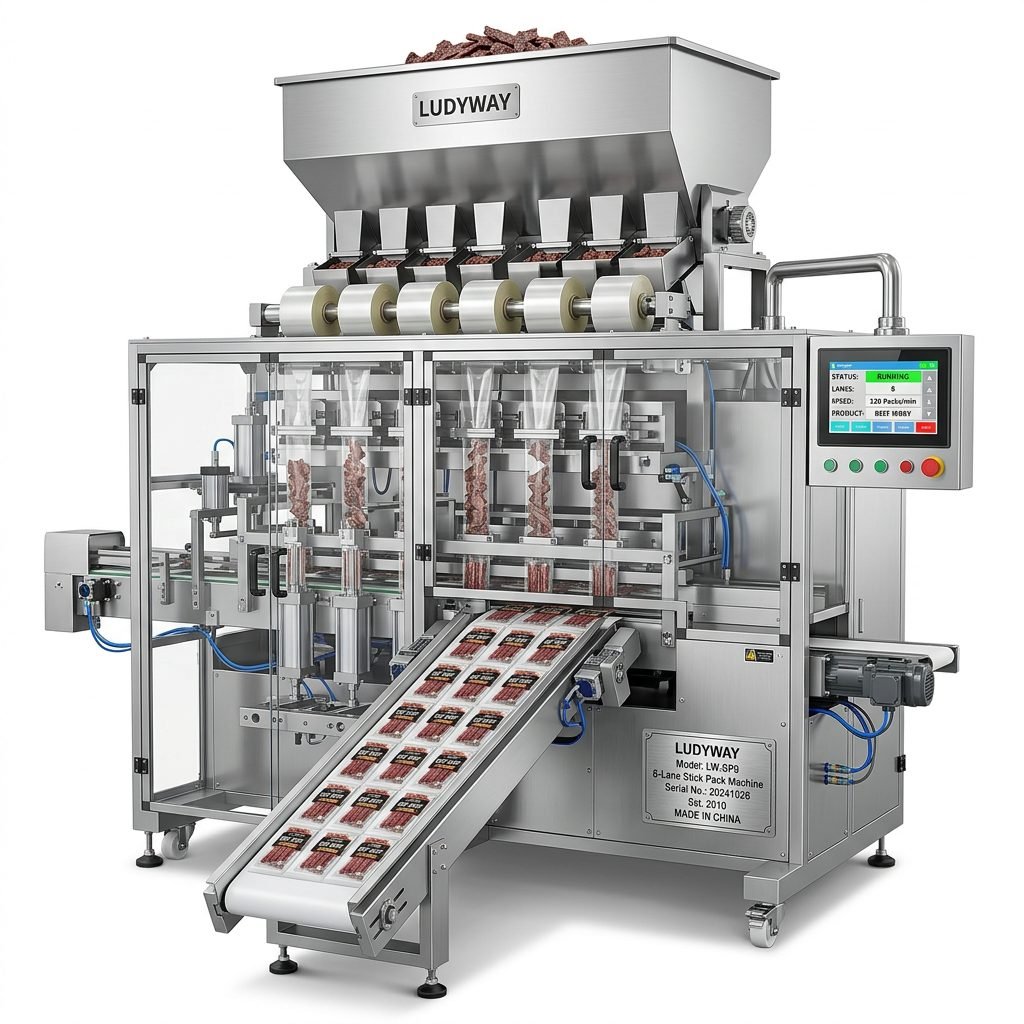
Single-serve stick pack formats are increasingly popular for jerky products in Asian convenience stores. These machines operate at speeds of 60-120 packs per minute per lane, with multi-lane configurations significantly boosting total output. Key features to evaluate include:
- Servo-driven sealing jaws for consistent seal quality
- Quick-change forming tubes for format flexibility
- Integrated gas flushing ports
- Touchscreen controls with recipe storage

4. Secondary Packaging and End-of-Line Equipment
After primary packaging, jerky products typically undergo cartoning, case packing, and palletizing. Automated cartoning machines can handle up to 200 cartons per minute, while robotic palletizers ensure stable stacking for distribution. Checkweighers and metal detectors positioned before cartoning provide critical quality control, rejecting underweight or contaminated packs automatically. The Flexible Packaging Association offers valuable resources on secondary packaging integration best practices.
Cost Breakdown: What to Expect When Setting Up in Asia
Investment costs vary widely based on automation level, production capacity, and country of installation. The table below outlines typical cost ranges for a mid-tier beef jerky packaging line capable of producing 30-50 packs per minute:
| Equipment Category | Estimated Cost Range (USD) | Notes |
|---|---|---|
| Multi-Head Weigher (14-Head) | $25,000 – $45,000 | Depending on speed and accuracy requirements |
| VFFS Packaging Machine | $30,000 – $80,000 | Single-lane vs multi-lane configuration |
| Multi-Lane Stick Pack Machine | $50,000 – $120,000 | 4-12 lane models available |
| Nitrogen Flushing System | $8,000 – $18,000 | Integrated or standalone unit |
| Checkweigher + Metal Detector | $15,000 – $30,000 | Combined or separate units |
| Cartoning Machine | $20,000 – $50,000 | Horizontal or vertical type |
| Case Packer + Palletizer | $40,000 – $100,000 | Semi-automatic to fully robotic |
| Installation, Training & Shipping | $15,000 – $35,000 | Varies by destination country |
| Total Estimated Investment | $203,000 – $478,000 | Excluding facility and utility costs |
Additional Operational Costs to Budget
- Facility preparation — Clean room or controlled environment setup: $30,000–$80,000
- Compressed air and utilities — Annual running costs: $5,000–$15,000
- Packaging film and materials — Monthly consumables: $8,000–$25,000 depending on volume
- Maintenance contracts — Annual service agreements: 3–5% of equipment value
- Regulatory certifications — HACCP, ISO 22000, or FSSC 22000: $10,000–$30,000 initial
Step-by-Step Production Process for Beef Jerky Packaging
Understanding the complete workflow is essential before commissioning equipment. Here is the standard production sequence for a modern jerky packaging line:
Phase 1: Product Preparation and Handling
Dried jerky pieces arrive from the processing area and are inspected for moisture content consistency, typically targeting water activity (Aw) below 0.85 for shelf-stable packaging. Product is loaded into inclined conveyor systems with food-grade belt surfaces designed to prevent fragment accumulation.
Phase 2: Weighing and Portioning
The multi-head weigher calculates optimal combinations across its weigh buckets to deliver target weights with minimal giveaway. For jerky, specialized textured contact surfaces prevent product sticking during the weighing cycle. Target weights for stick packs typically range from 15g to 50g, while pouch formats may range from 50g to 500g.
Phase 3: Primary Packaging and Gas Flushing
The VFFS or stick pack machine receives the dosed product, forms the pouch cavity, and executes a modified atmosphere packaging (MAP) process where residual oxygen levels are reduced below 1%. This step is critical — ISO 11607 provides validation guidelines for seal integrity that many export markets require.
Phase 4: Quality Inspection
Each pack passes through a checkweigher and metal detector. Reject systems automatically divert non-conforming packs into collection bins without stopping the line. Statistical process control (SPC) data logs help operators identify and correct drift before it impacts production.
Phase 5: Secondary Packaging and Palletizing
Approved packs are collated and loaded into cartons, which are then case-packed and palletized. Modern lines incorporate serialization and traceability systems including barcode labeling and thermal transfer printing for lot tracking, essential for export documentation and recall readiness.

Choosing the Right Location and Supplier in Asia
Several Asian countries offer distinct advantages for jerky packaging operations. Thailand and Vietnam provide competitive labor costs and established food processing zones. China offers the most developed equipment supply chain, while Malaysia and Indonesia are emerging as halal-certified production hubs with growing export infrastructure.
When selecting equipment suppliers, evaluate manufacturers based on technical support availability in your region, spare parts accessibility, and experience with meat snack applications. Companies such as Ludyway, with over three decades of packaging machinery expertise and a global customer base spanning 100+ countries, represent the type of established partner that can provide turnkey solutions — from initial line design through installation, training, and ongoing technical support. The PMMI packaging industry resources portal offers additional guidance on supplier evaluation criteria.
Key Supplier Selection Criteria
| Criteria | Why It Matters |
|---|---|
| Meat snack application experience | Jerky has unique handling challenges — oily surface, irregular shapes |
| Local service team availability | Minimizes downtime with rapid on-site support |
| Spare parts inventory | Critical wear components should be stocked regionally |
| CE / UL / ISO certifications | Essential for export market acceptance and insurance |
| Turnkey project capability | Single-source responsibility simplifies project management |
Regulatory Considerations for Asian Production
Food packaging operations in Asia must comply with both local regulations and target export market requirements. In China, the GB standards govern food contact materials. For exports to the EU, compliance with EU packaging and packaging waste regulations is mandatory. The US FDA maintains strict guidelines on food contact substances that apply to any jerky products entering the American market.
Essential Certifications to Pursue
- HACCP (Hazard Analysis and Critical Control Points) — Foundation for all food safety management
- ISO 22000 / FSSC 22000 — Globally recognized food safety management standards
- Halal certification — Critical for markets in Southeast Asia and the Middle East
- BRCGS or SQF — Often required by retailers in North America and Europe
- Organic certification — Increasingly demanded for premium jerky products
Optimizing Production Efficiency
Once your line is operational, focus on continuous improvement metrics to maximize return on investment. Key performance indicators include:
| KPI | Target Range | Improvement Strategies |
|---|---|---|
| Overall Equipment Effectiveness (OEE) | 75% – 85% | Preventive maintenance scheduling, operator training |
| Product Giveaway Percentage | Below 1.5% | Weigher tuning, feedback control loops |
| Seal Integrity Failure Rate | Below 0.1% | Regular seal strength testing, temperature calibration |
| Changeover Time | Under 30 minutes | Quick-change tooling, standardized procedures |
| Line Downtime | Under 5% | Spare parts inventory, remote diagnostics |
Common Pitfalls to Avoid
Investors new to jerky packaging often encounter avoidable challenges that delay ramp-up and erode margins. Being aware of these pitfalls before commissioning your line can save significant time and capital:
- Underestimating film compatibility issues — Jerky’s sharp edges and oily surface require barrier films with puncture resistance and appropriate sealant layers. Test multiple film structures before committing to volume purchases.
- Skipping nitrogen purity verification — MAP effectiveness depends on gas purity above 99.5%. Install inline gas analyzers rather than relying solely on supplier certifications.
- Inadequate operator training — Invest in comprehensive hands-on training during installation. Well-trained operators can diagnose and resolve 80% of common issues without calling for service.
- Ignoring local humidity conditions — High ambient humidity in tropical Asian locations can affect powder-coated surfaces and electronic components. Consider climate-controlled equipment enclosures.
- Overlooking waste reduction systems — Sustainable materials management practices, including film scrap recycling and energy-efficient drives, increasingly influence retailer purchasing decisions.
Future-Proofing Your Packaging Line
The jerky packaging industry is evolving rapidly with automation, digitalization, and sustainability driving change. When specifying equipment today, consider features that will remain competitive over a 7-10 year horizon:
- IoT-enabled predictive maintenance — Sensors monitoring vibration, temperature, and cycle counts can predict failures before they occur
- Flexible format capability — Machines that switch between stick packs, sachets, and pouches protect against changing market preferences
- Energy-efficient servo drives — Reduce operational costs and demonstrate environmental commitment
- Recyclable film compatibility — Mono-material films are replacing multi-layer laminates as recycling infrastructure improves
- Data integration with ERP systems — Real-time production data feeds enable better inventory and quality management

Conclusion: Building a Competitive Jerky Packaging Operation in Asia
Setting up a beef jerky packaging machine production line in Asia presents a compelling business opportunity for companies that approach the investment strategically. Success hinges on selecting the right equipment configuration for your target format, budgeting realistically for both capital and operational costs, partnering with experienced suppliers, and maintaining rigorous quality and regulatory compliance from day one. With Asia’s snack food market continuing its strong growth trajectory, well-planned packaging operations are positioned to capture significant value in both regional and global supply chains. For detailed guidance on packaging machinery and technology trends, industry events such as PACK EXPO provide valuable networking and educational opportunities.