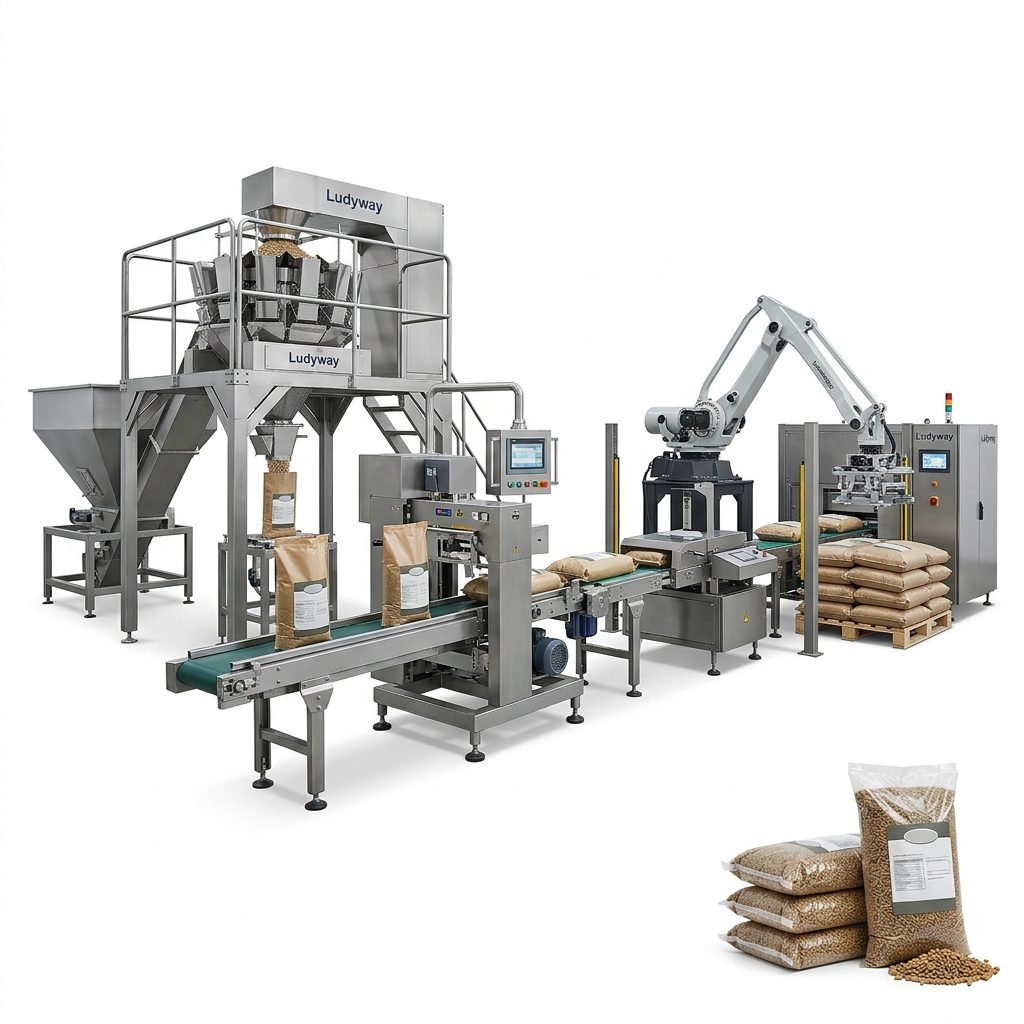
The confectionery market across Asia is expanding rapidly, creating a critical need for automated production equipment. Selecting the right candy bar packaging machine directly impacts your production capacity, product shelf life, and ultimately, your bottom line. Whether you are producing chocolate bars, nougat, or protein snack bars, understanding the different machine types, regional cost factors, and key selection criteria is essential for making a confident investment decision.
For medium to large-scale confectionery operations in markets like India, China, and Southeast Asia, choosing automated flow wrapping or multi-lane stick pack systems has become the benchmark for efficiency. This guide provides a detailed breakdown of the machine categories, pricing expectations, and technical specifications you need to evaluate before purchasing.
Types of Candy Bar Packaging Machines Available in Asia
Asian manufacturers and global suppliers offer distinct categories of candy bar wrapping equipment. The right choice depends on your bar dimensions, production volume, and packaging material. Below are the primary machine configurations commonly adopted in Asian confectionery plants.
Horizontal Flow Wrapping Machines
These are the standard choice for enveloping solid chocolate bars and candy bars in heat-sealable films. High-speed servo-driven models can achieve speeds exceeding 300 packs per minute. They handle a variety of materials including BOPP, cold-seal, and laminated films. In Southeast Asia, where humidity resistance is crucial, these machines are often paired with advanced sealing technology to ensure airtight protection.
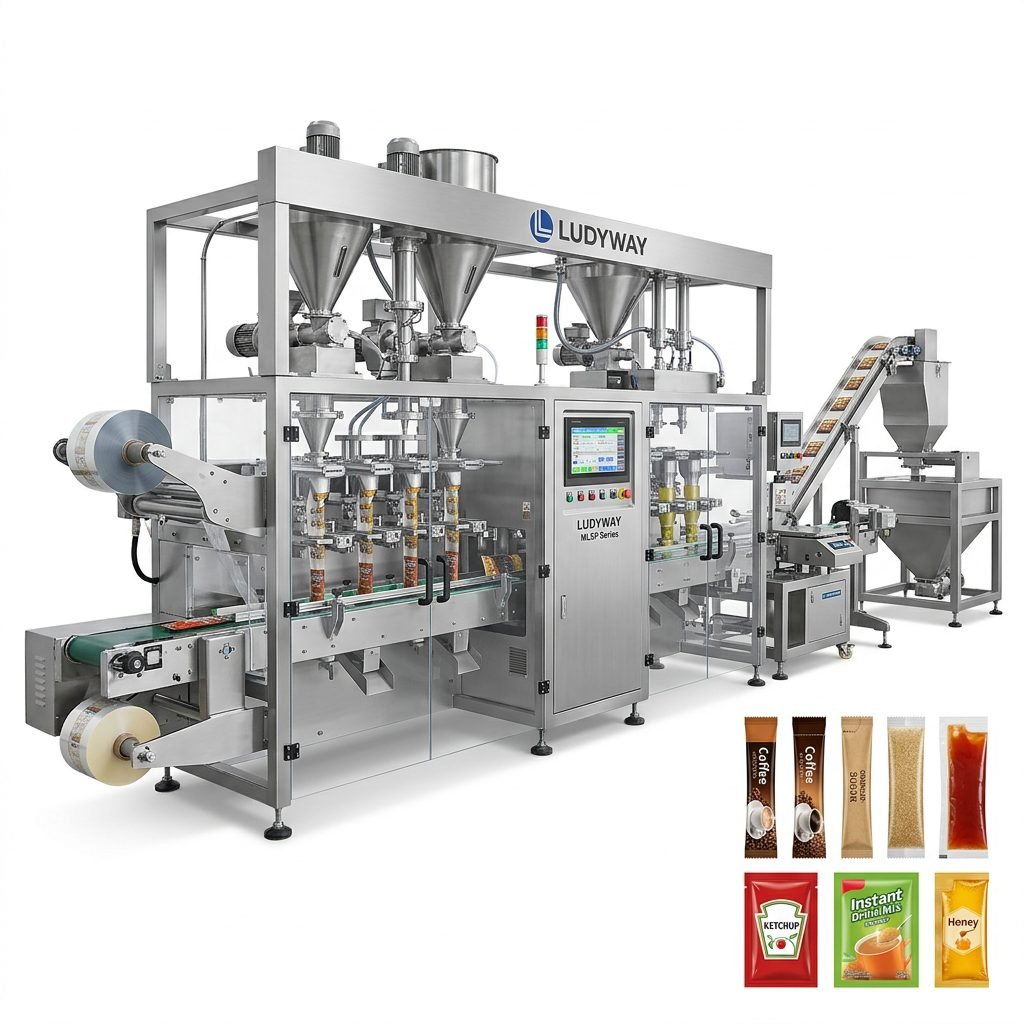
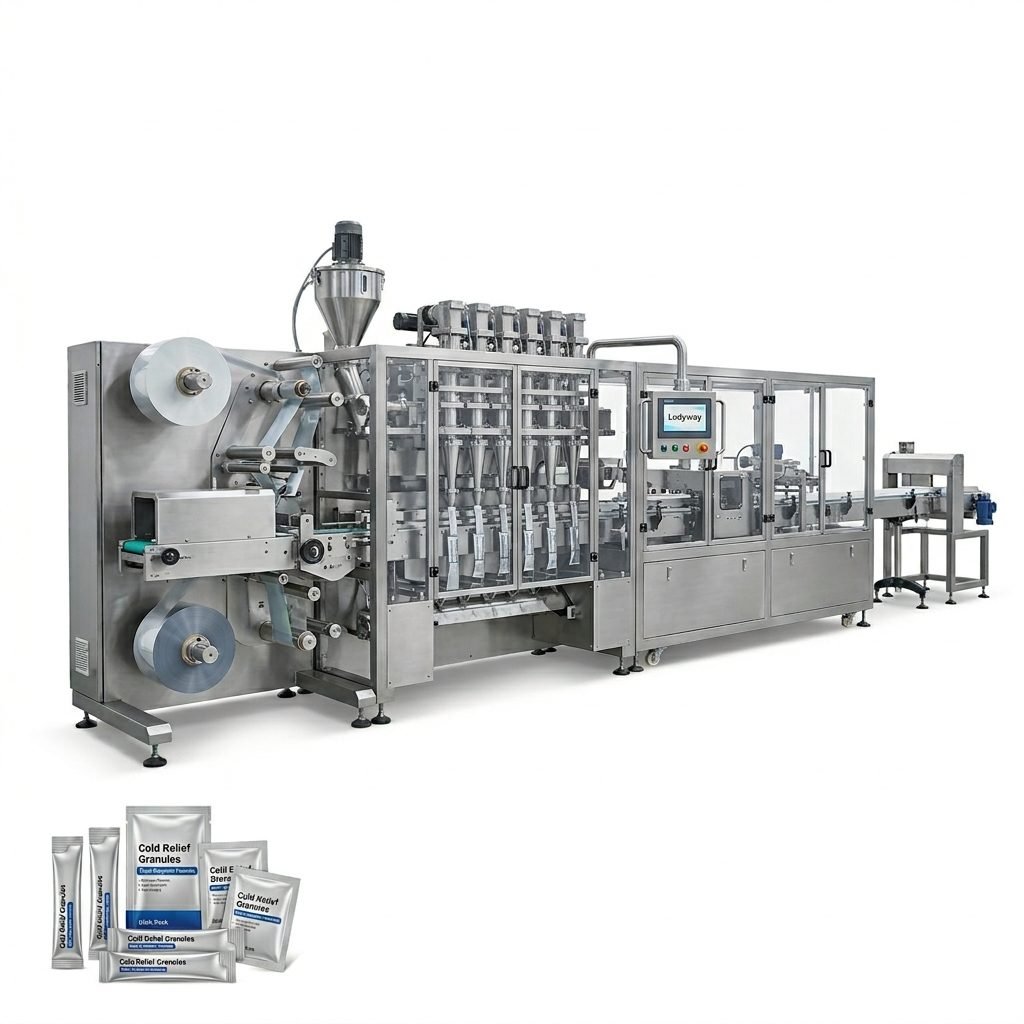
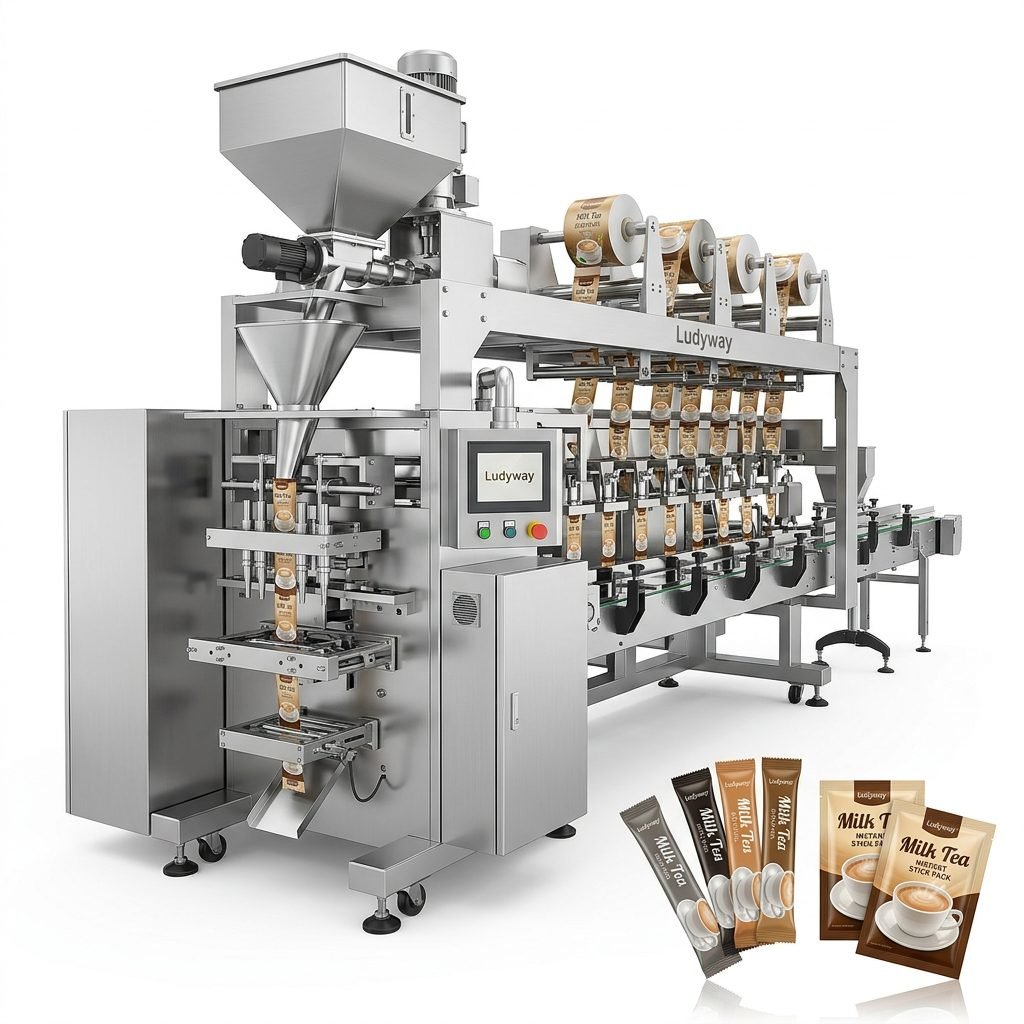
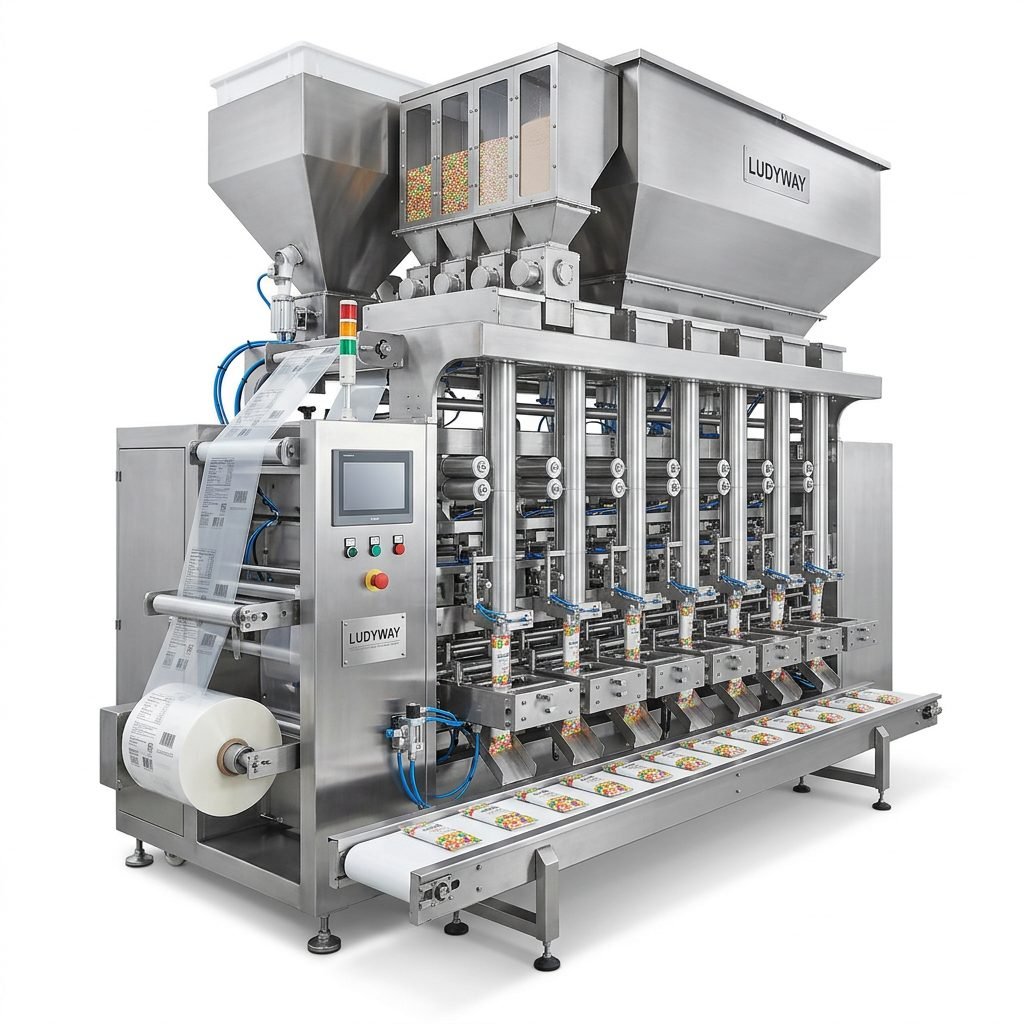
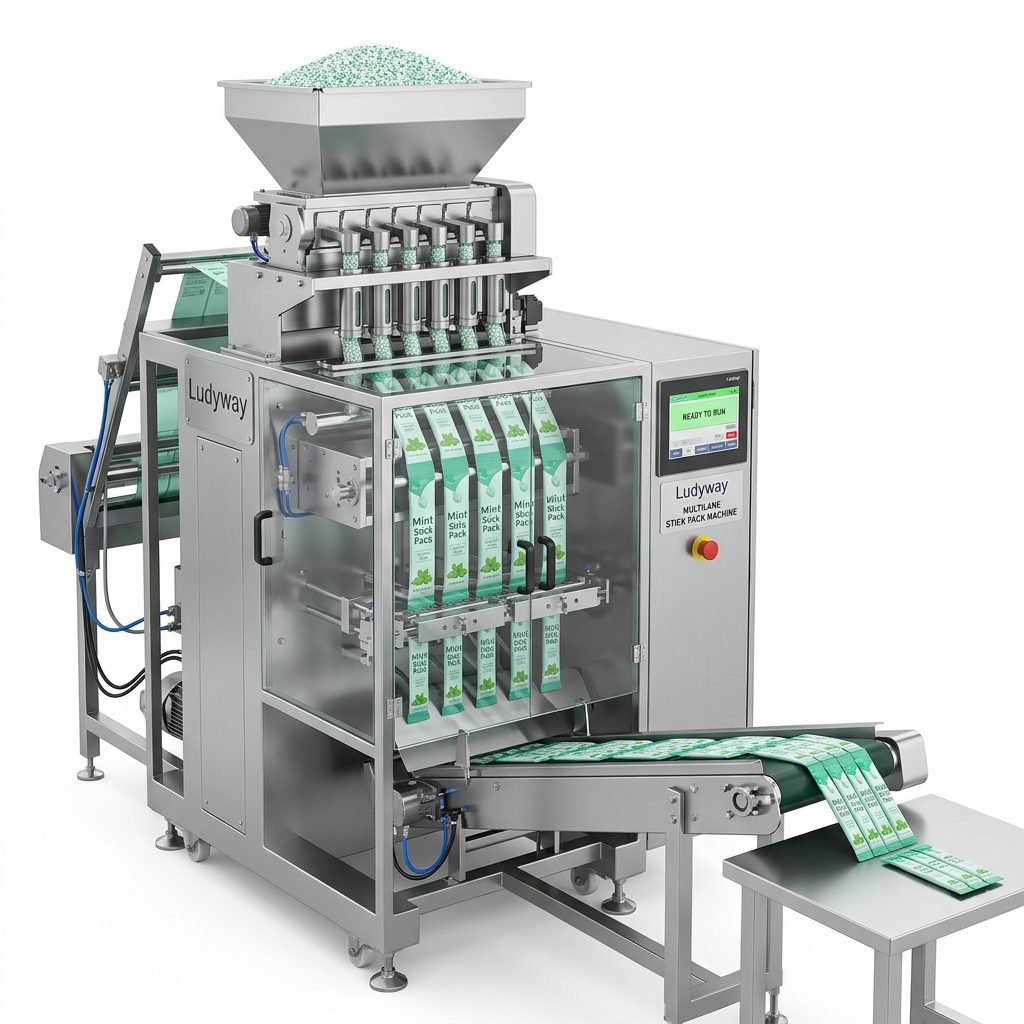
Multi-Lane Stick Pack and Sachet Machines
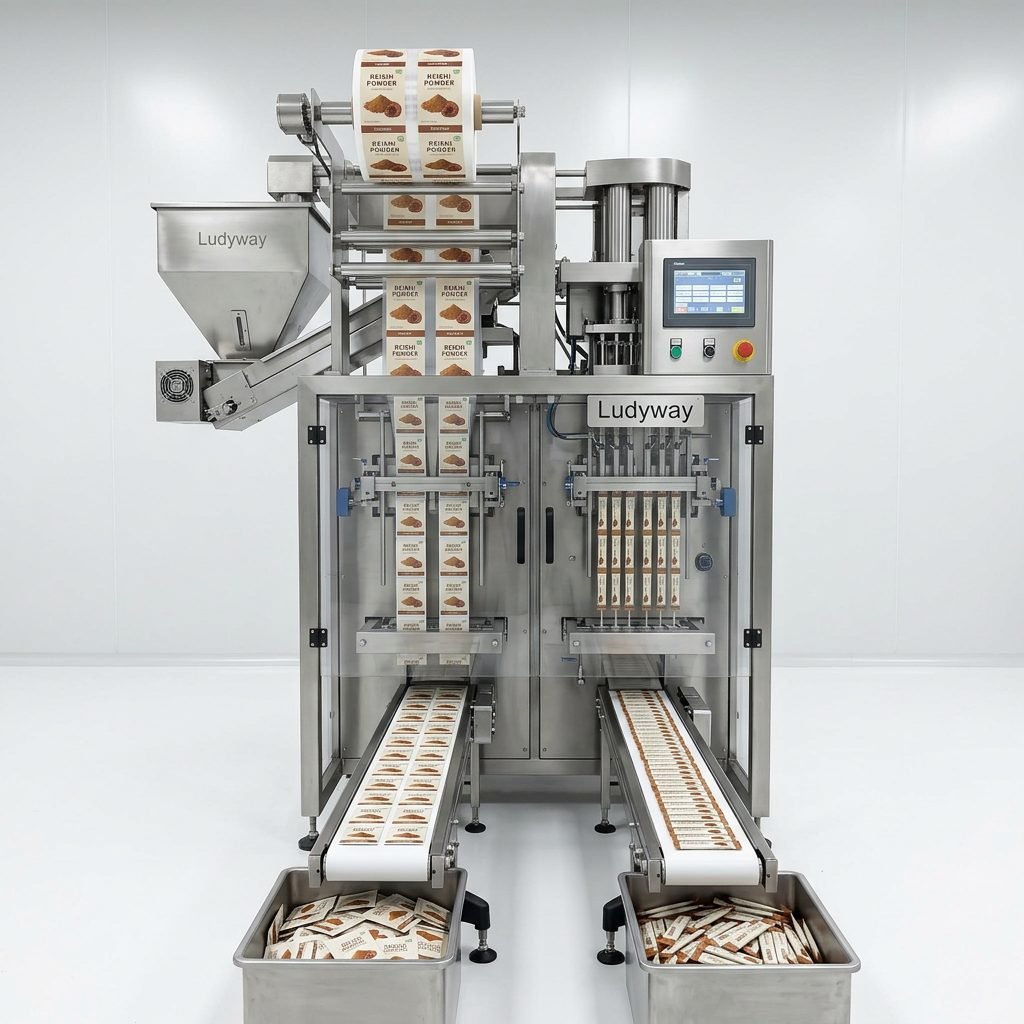
For individually wrapped smaller candies, pressed tablets, or powdered drink mixes that fall under the candy category, multi-lane machines are indispensable. These systems can run 4 to 20 lanes simultaneously, filling and sealing thousands of units per hour. They are widely used in India’s booming powdered candy and glucose biscuit stick markets.
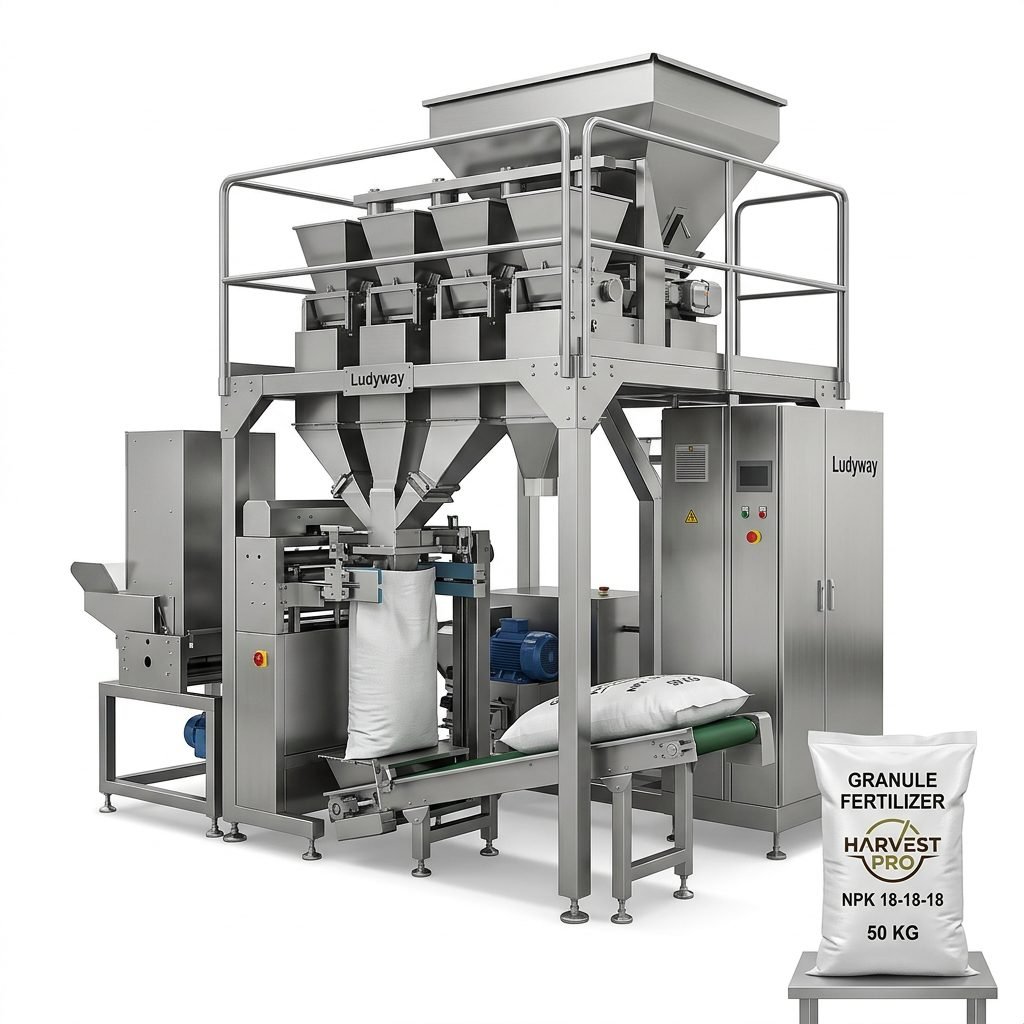
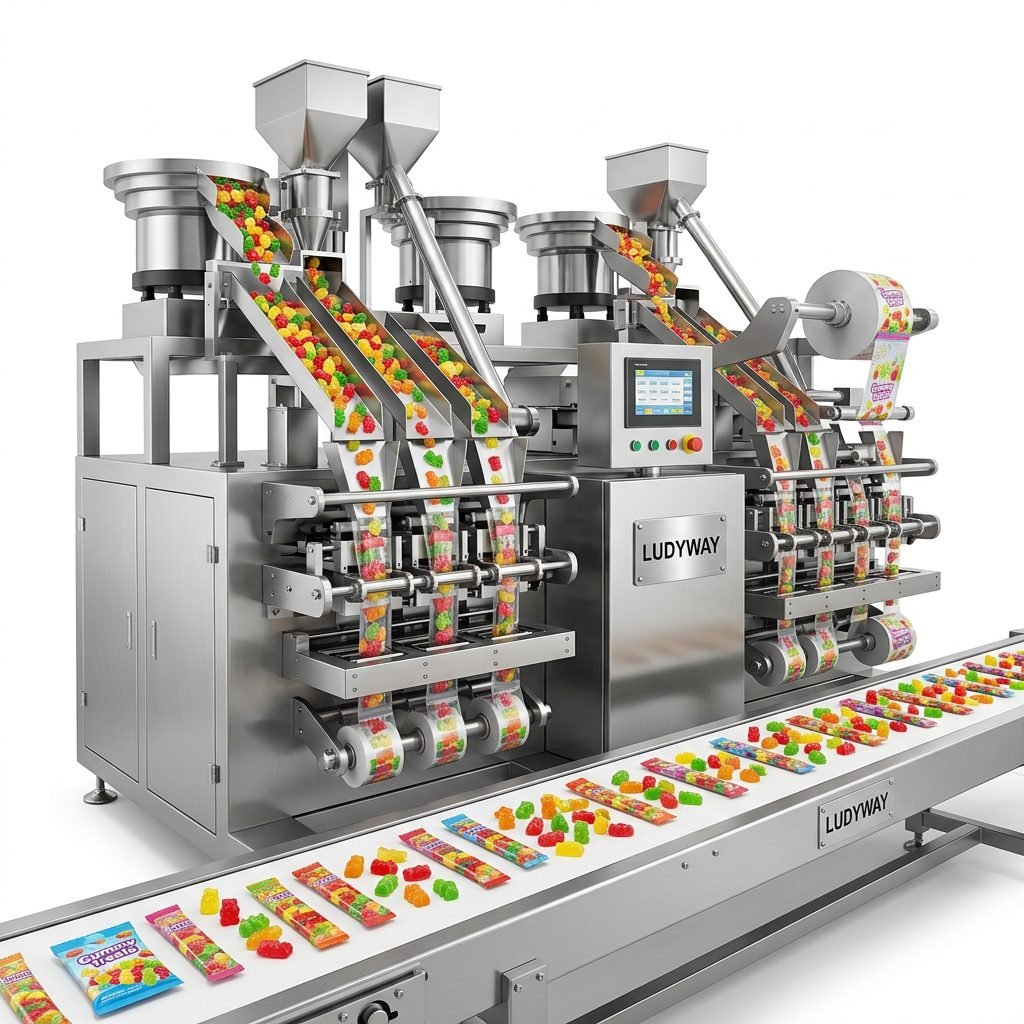
Vertical Form Fill Seal (VFFS) Systems
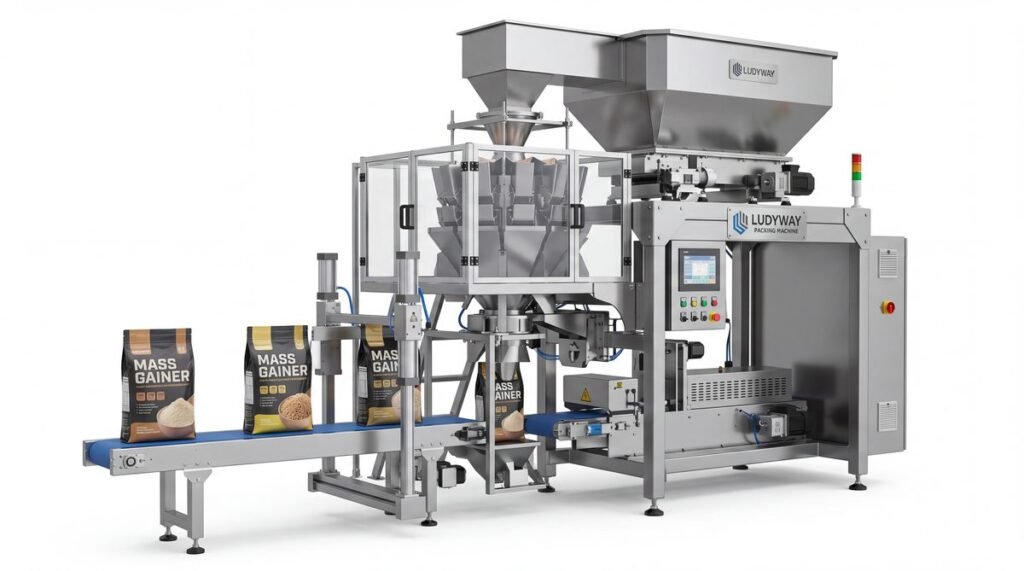
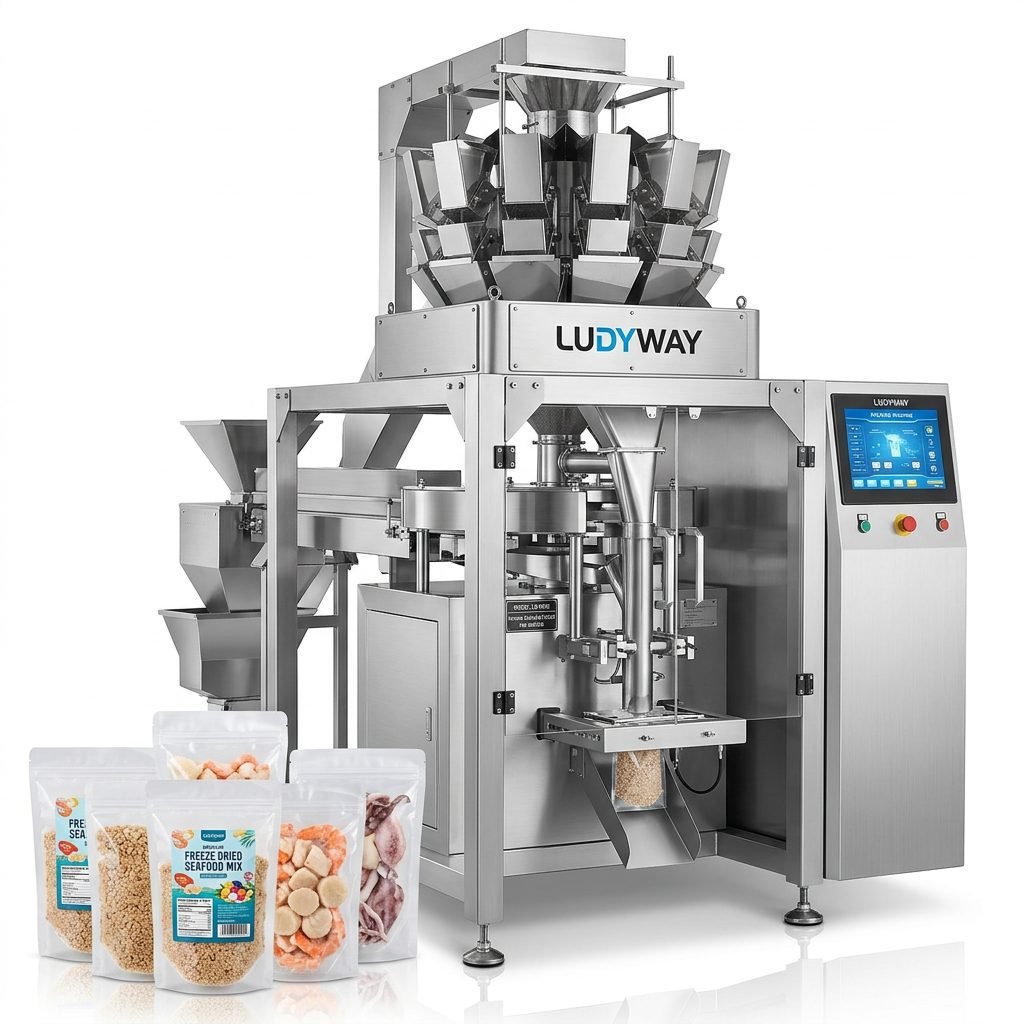
VFFS machines are optimal for bagging gummy candies, jelly beans, or hard candies that are sold in pillow pouches rather than strict bar formats. When integrated with multi-head weighers, they deliver exceptional accuracy, minimizing product giveaway—a key factor given the rising cost of raw sugar and cocoa in Asian markets.
Fold Wrapping and Double-Twist Machines
For premium, artisanal, or traditional candies that require a specific aesthetic (like classical Indian mithai or East Asian soft chews), fold wrapping and double-twist machines are required. While often slower, these are essential for products where visual presentation defines the brand identity.
Cost Breakdown of Candy Packaging Equipment
Pricing for candy bar packaging machinery reflects variations in technology, origin, and after-sales support. Understanding these cost categories helps prevent budget overruns and ensures you account for total cost of ownership.
| Machine Category | Typical Speed Range | Approximate Price (USD) | Key Features |
|---|---|---|---|
| Entry-Level Flow Wrapper | 30-100 ppm | $8,000 – $22,000 | Single jaw, basic HMI, suitable for small bakeries |
| High-Speed Servo Wrapper | 150-350 ppm | $35,000 – $85,000 | No-product-no-bag, automatic film splicing |
| Multi-Lane Stick Pack (4-6 lanes) | 200-600 cuts/min | $25,000 – $60,000 | Ideal for powder candies and indivisible packs |
| VFFS with Multi-Head Weigher | 60-120 bpm | $30,000 – $70,000 | For gummies, jellies, and wrapped hard candies |
Critical Factors for Selecting a Candy Packaging Machine
Before contacting a manufacturer or distributor, you must specify your operational requirements. Ignoring these factors often results in downtime, excessive film waste, or damage to delicate products.
Product Characteristics and Dimensions
- Surface condition: Sticky or oily surfaces on candies require non-stick sealing jaws and specific film coatings. Specify if your product is enrobed in chocolate or has a sticky glazing.
- Shape consistency: Count-and-stack feeding systems work well for uniform rectangular bars. Irregular shapes may require manual infeed or specialized robotic pick-and-place systems.
- Bar rigidity: Soft or brittle bars need gentle transport belts and lower sealing pressure to prevent crushing.
Packaging Film Compatibility
Asian humidity levels demand high-barrier films. Confirm that the machine’s former and sealing jaws are compatible with aluminum foil laminates or metallized films. Cold-seal films, popular in heat-sensitive chocolate packaging, require precise temperature control to avoid premature activation.
Integration with Existing Lines
Will the machine function as a standalone unit, or does it need to connect to an upstream extruder, slab former, or cooling tunnel? Turnkey synchronous packaging lines minimize labor and reduce contamination risks. In many cases, partnering with a supplier capable of providing a complete line—from feeding and sorting to wrapping and cartoning—delivers faster ROI than integrating disparate brands.
Automation Levels and Workforce Planning
Asian manufacturing hubs are increasingly transitioning to highly automated setups due to rising labor costs and demands for sanitary production. While semi-automatic machines are still prevalent in smaller workshops, large export-oriented factories are investing in vision inspection systems and automated cartoning modules.
Consider the level of operator skill required. A machine with an intuitive touch-screen HMI, recipe storage, and automatic film threading can significantly reduce training time in regions with high workforce turnover. Remote diagnostic capabilities are also valuable for factories located far from urban service centers.
Regulatory and Safety Standards
Food contact surfaces must meet FDA or EU 1935/2004 standards if you intend to export from Asia. The machine frame should preferably be constructed of 304 or 316 stainless steel. Look for CE certification or local equivalent safety markings. Dust-proof and waterproof ratings (IP65 or higher) are particularly important for processing environments where fine sugar particles or cleaning washdowns are present.
Maintenance, Spare Parts, and Local Support
The best machine is the one that runs consistently. Investigate the availability of spare parts within your country. Sealing jaws, knives, pull-off belts, and heating elements are wear items that require periodic replacement. Manufacturers with local distributors or regional warehouses in cities like Mumbai, Bangkok, or Jakarta can dramatically reduce lead times.
Ludyway is one of the largest packaging machine manufacturers in China, offering more than 50 intelligent models and operating from a 20,000㎡ manufacturing facility with over 30 years of industry experience. Selecting a partner with robust engineering depth and a commitment to cost-effective, high-performance solutions ensures your candy bar packaging line remains productive for years to come.

Common Pitfalls to Avoid
- Choosing based on price alone: An underpowered machine that cannot sustain high-speed production leads to constant jams and film wastage, quickly consuming the initial savings.
- Ignoring film waste rates: Precision machines typically waste less than 1.5% of film during splicing and start-stop sequences. Budget machines may waste over 4%.
- Overlooking product changeover time: If you produce multiple SKUs, prioritize machines with quick-release formers and tool-less adjustment to reduce downtime between batches.
- Inadequate pre-installation preparation: Insufficient compressed air capacity or unstable power supply can cause erratic machine behavior. Follow the manufacturer’s installation guidelines carefully.
Future-Proofing Your Investment
The Asian confectionery market is steadily moving toward sustainable packaging and smart factory integration. Look for equipment compatible with recyclable mono-material films, paper-based wrappers, or thinner gauge materials. Additionally, OPC-UA or Ethernet/IP communication protocols allow your machine to feed production data into centralized monitoring systems, enabling real-time efficiency tracking.
By carefully evaluating machine type, total lifecycle cost, and the manufacturer’s local support network, you can secure a candy bar packaging machine that meets today’s production targets and adapts to tomorrow’s packaging trends. Visit the PMMI Business Intelligence Library or European Commission Packaging Regulations for further industry standards on packaging materials and machinery safety.