Selecting the right condiment packaging machine is a critical decision for food manufacturers, co-packers, and brands looking to scale their operations. The Indian market, with its vast diversity of sauces, chutneys, pastes, and powdered spices, demands machinery that offers flexibility, precision, and compliance with food safety standards. This guide breaks down every factor you need to consider, from machine types and automation levels to material compatibility and after-sales support.
Understanding the Indian Condiment Packaging Landscape
India’s condiment sector is booming, driven by rising demand for convenient, portion-controlled formats. From tomato ketchup sachets served in quick-service restaurants to high-value spice paste pouches in retail chains, the packaging requirements vary significantly. Choosing a condiment packaging machine that aligns with your product viscosity, target output, and packaging format is the foundation of a profitable production line.
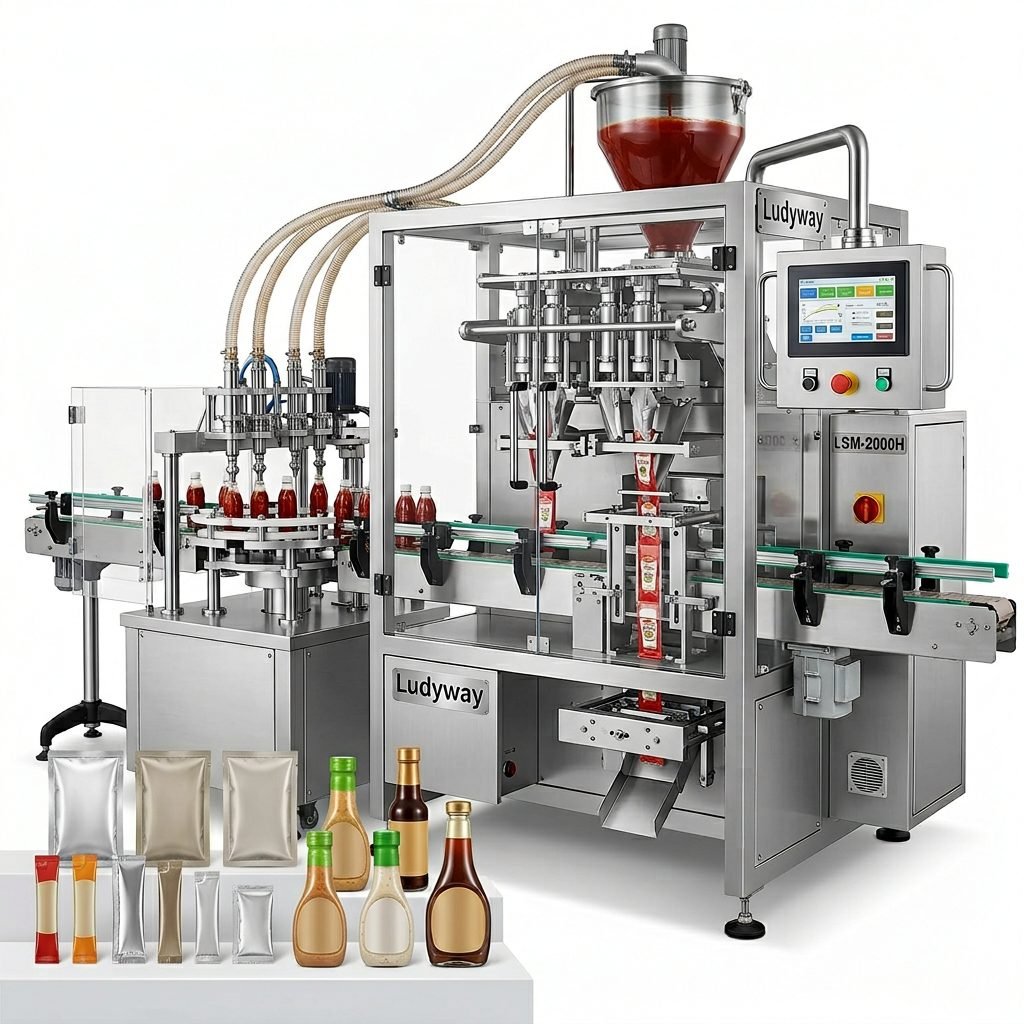
Key Machine Types for Condiment Packaging
Different condiment consistencies call for different filling technologies. Below is a comparison of the most common machine configurations available for Indian manufacturers.
| Machine Type | Best For | Packaging Formats | Speed Range |
|---|---|---|---|
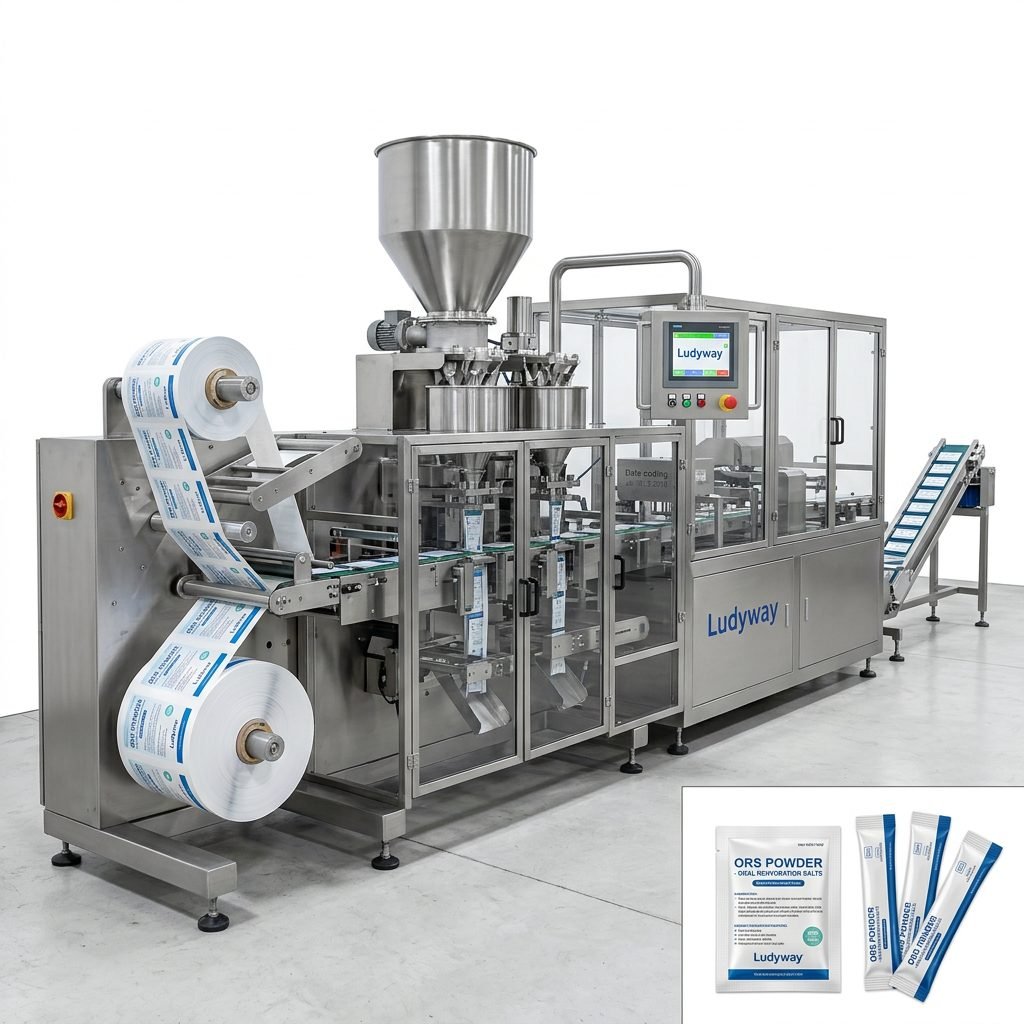
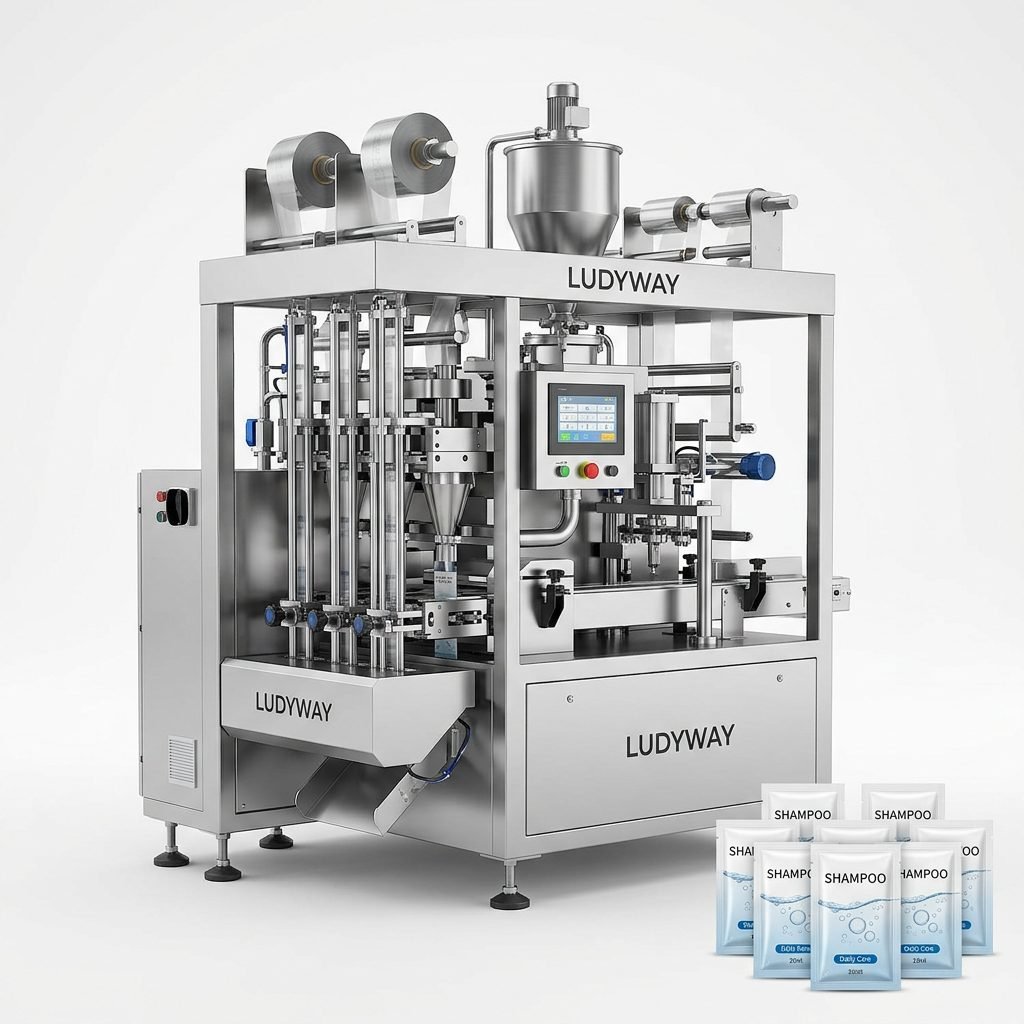
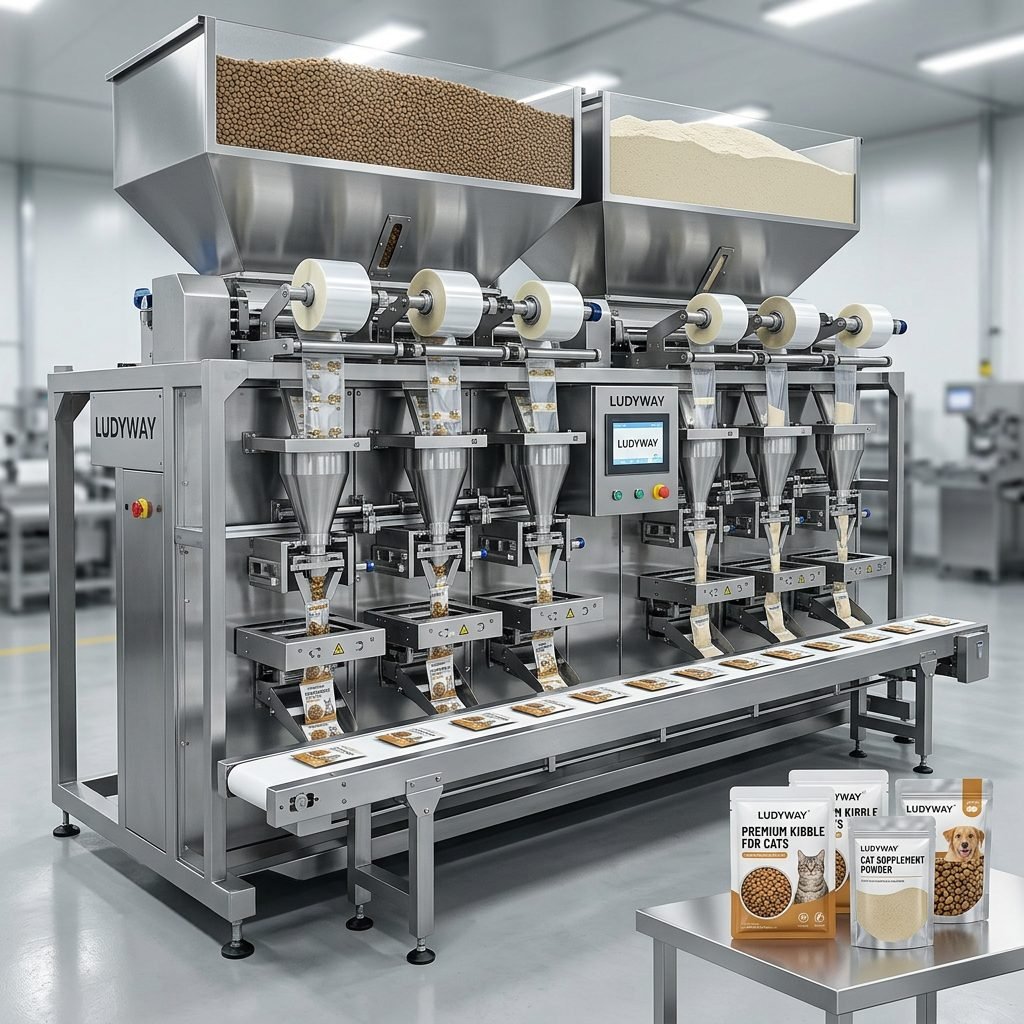
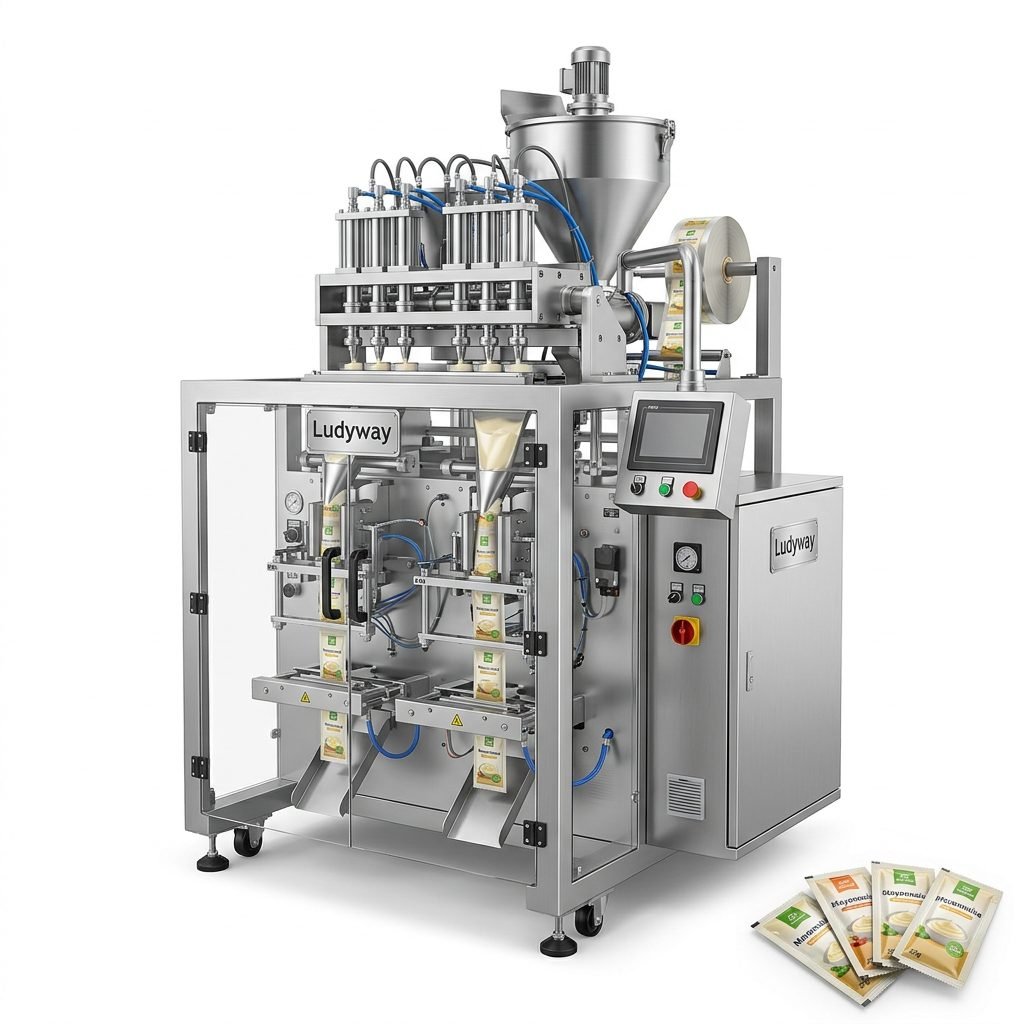
| Multi-Lane Sachet Machine | Low to medium viscosity sauces (e.g., ketchup, chili sauce) | Pillow sachets, 3-side seal, 4-side seal | 200-600 packs/min |
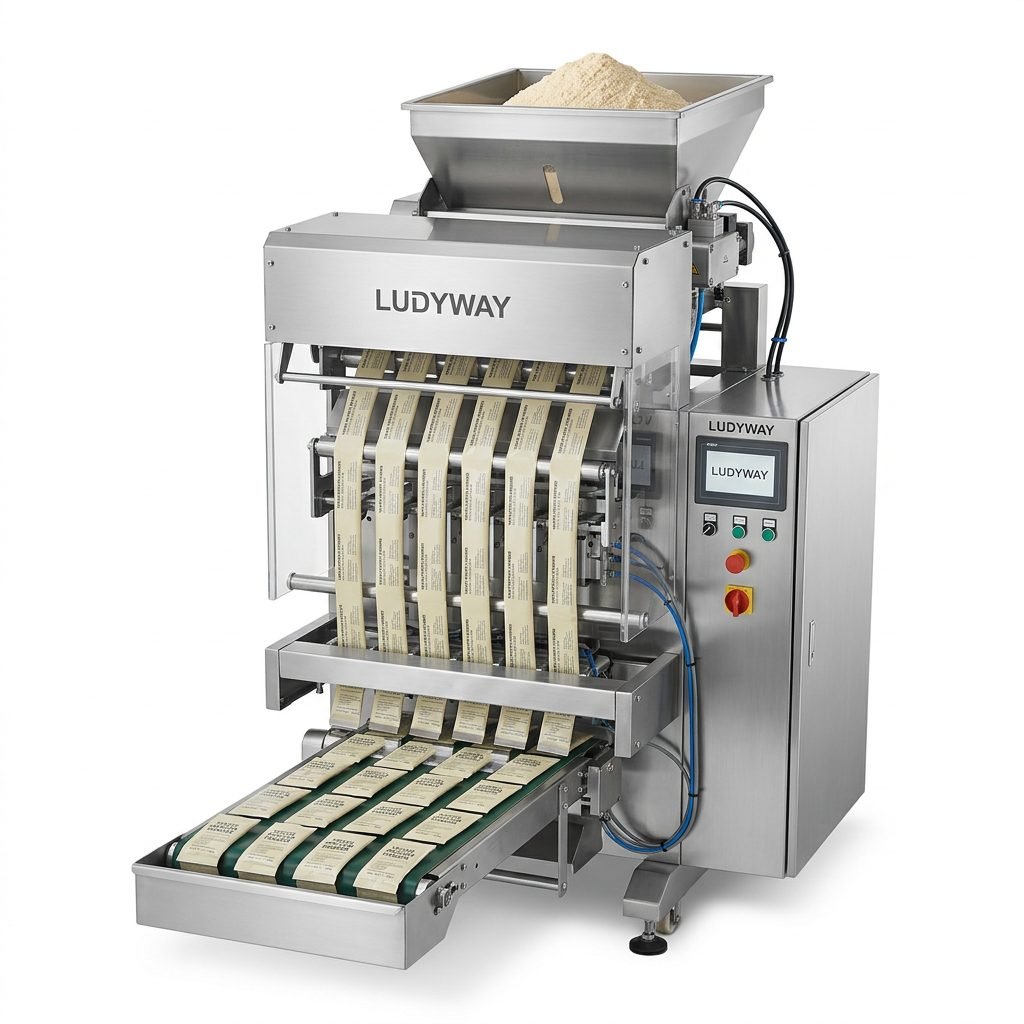
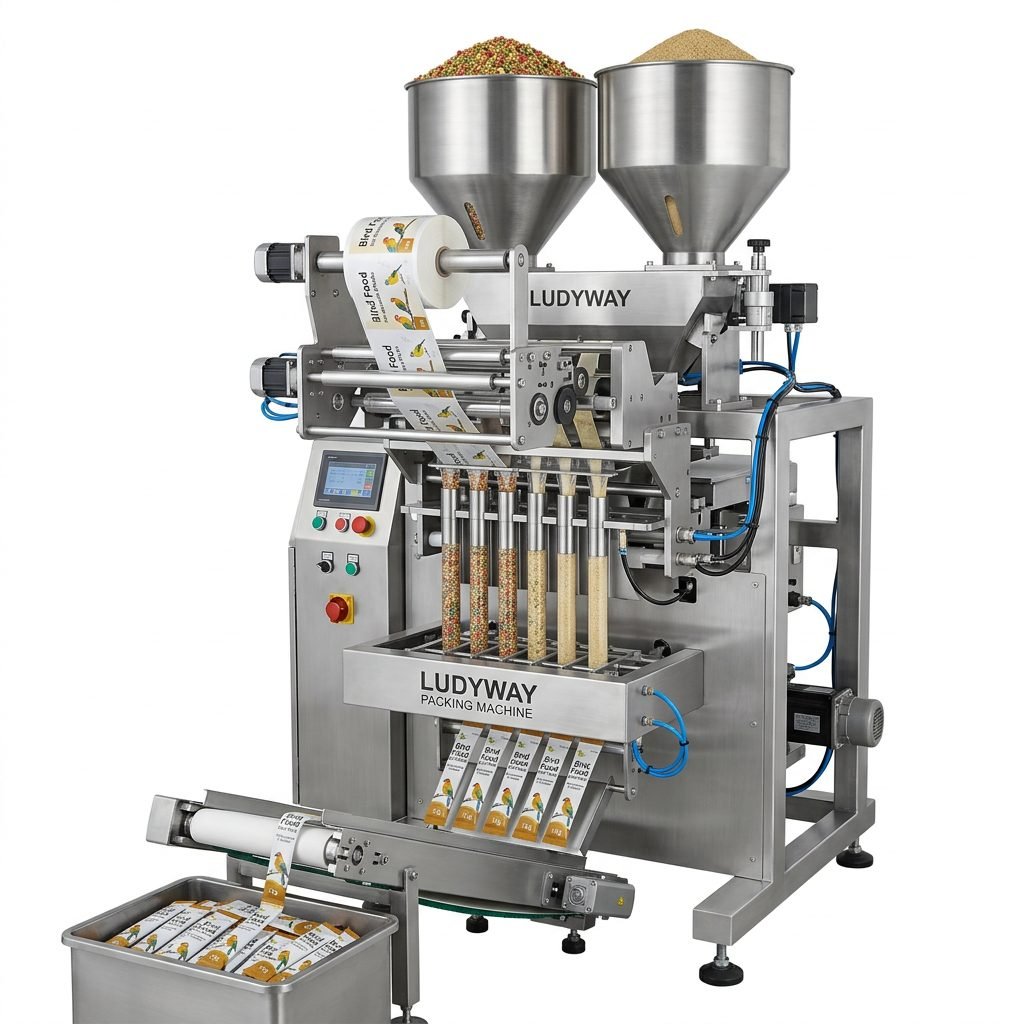
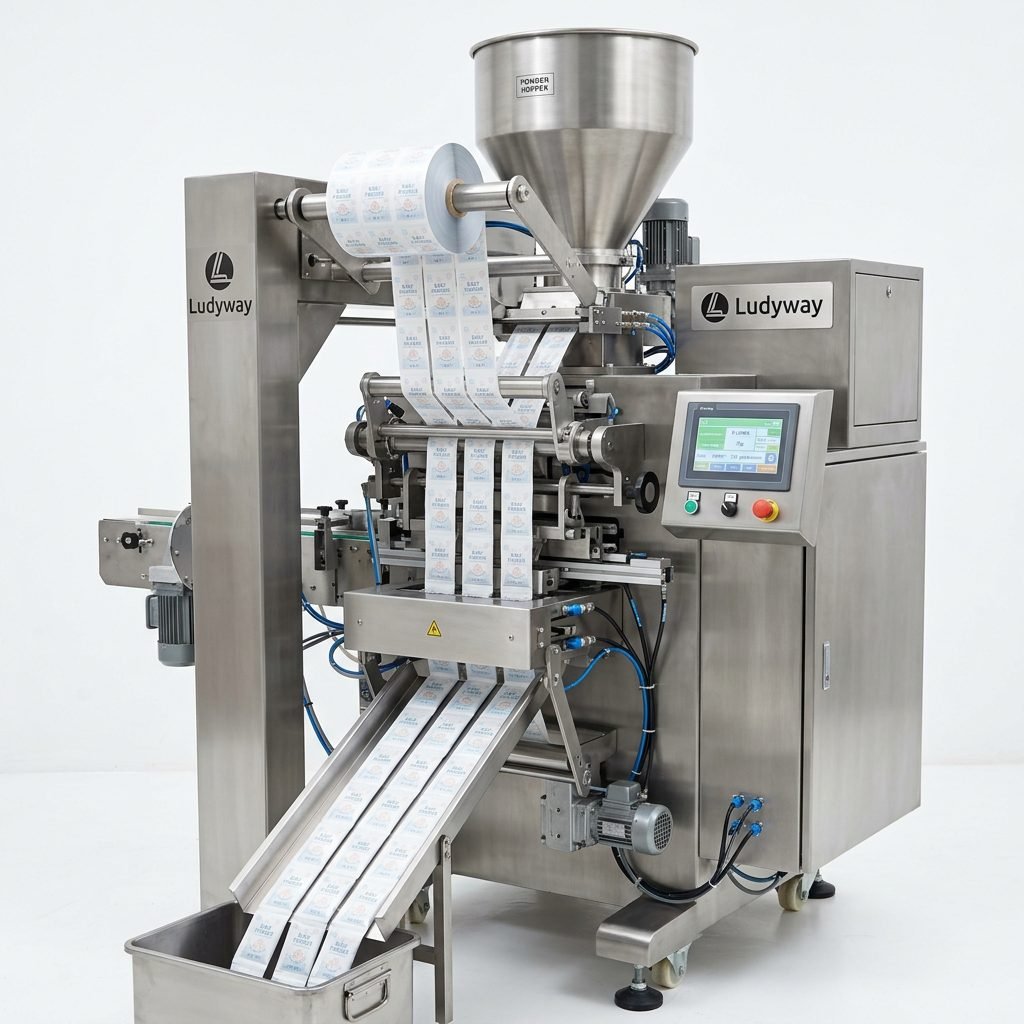
| Stick Pack Machine | Powdered condiments, pastes, single-serve portions | Narrow stick packs, 3-side seal | 150-500 packs/min |
| Premade Pouch Filler-Sealer | Chunky condiments, pickles, chutneys with particles | Stand-up pouches, spout pouches, zipper pouches | 30-80 packs/min |
| Bottle Filling Line | Thick sauces, mayonnaise, sandwich spreads | Glass bottles, PET jars, squeeze bottles | 40-120 bottles/min |
Critical Factors to Evaluate Before Buying
Investing in a condiment packaging machine requires careful evaluation of several technical and operational parameters. Overlooking these can lead to production bottlenecks, excessive waste, and costly downtime.
1. Product Viscosity and Characteristics
Condiments range from water-thin vinegar to thick, particulate-rich chutneys. Ensure the machine’s filling system—piston, gear pump, or auger filler—is rated for your product’s viscosity. Products with high acidity or salt content also require corrosion-resistant contact parts such as 316 stainless steel.
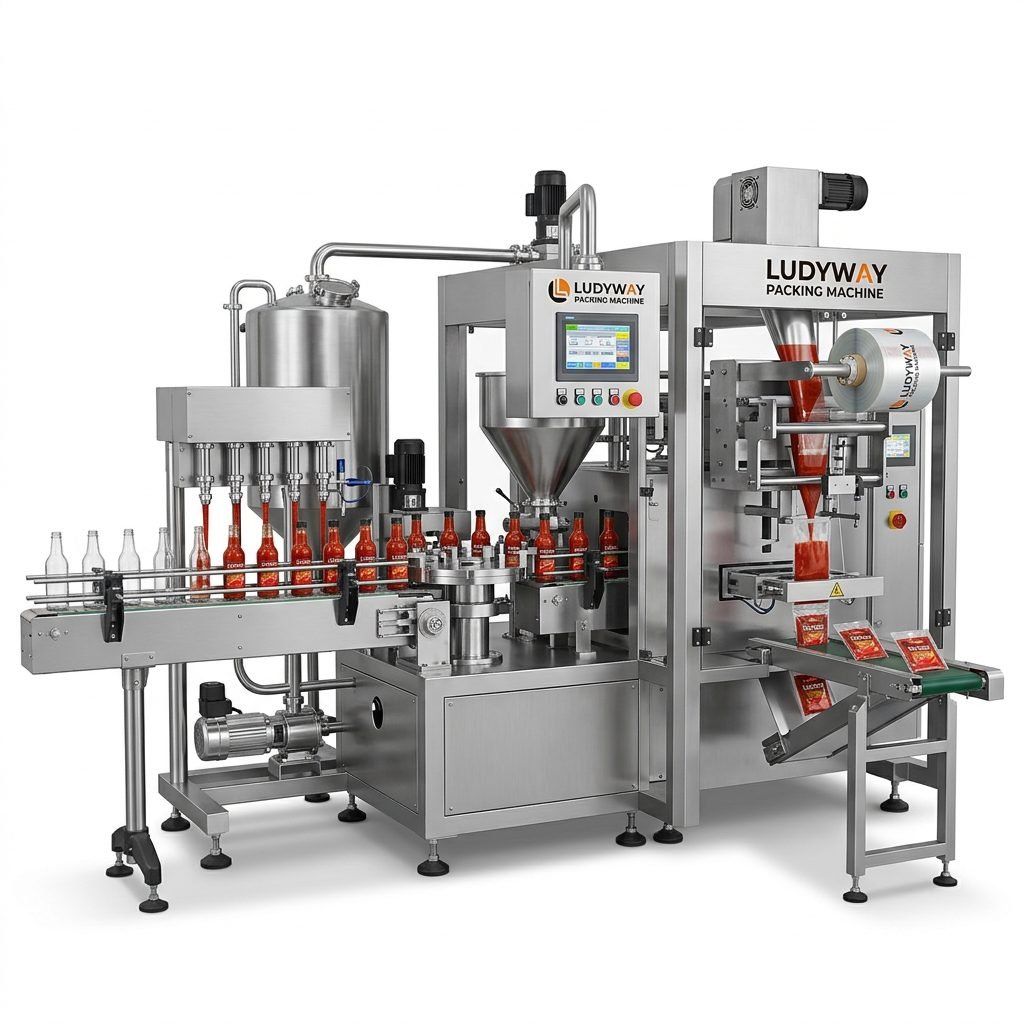
2. Packaging Material Compatibility
The Indian market commonly uses multi-layer laminates, aluminum foil, and PE-based films for condiment packaging. Verify that the machine’s sealing temperature control, film tension mechanism, and cutting system are compatible with your chosen substrate. Machines with servo-driven film transport offer superior accuracy for high-barrier films.
3. Automation Level and Integration
Modern automated packaging lines integrate multiple processes:
- Inline batching and mixing for fresh product supply
- Automatic filling, coding, and sealing with minimal operator intervention
- Checkweighing and metal detection for quality assurance
- Cartoning and case packing for secondary packaging
4. Compliance with Food Safety Standards
All equipment should conform to FSSAI guidelines for food contact surfaces. Look for machines with:
- CIP (Clean-in-Place) capability for hygienic cleaning
- Sealed washdown enclosures for wet environments
- Validated HACCP design principles
Multi-Lane vs. Single-Lane: Which Is Right for Your Output?
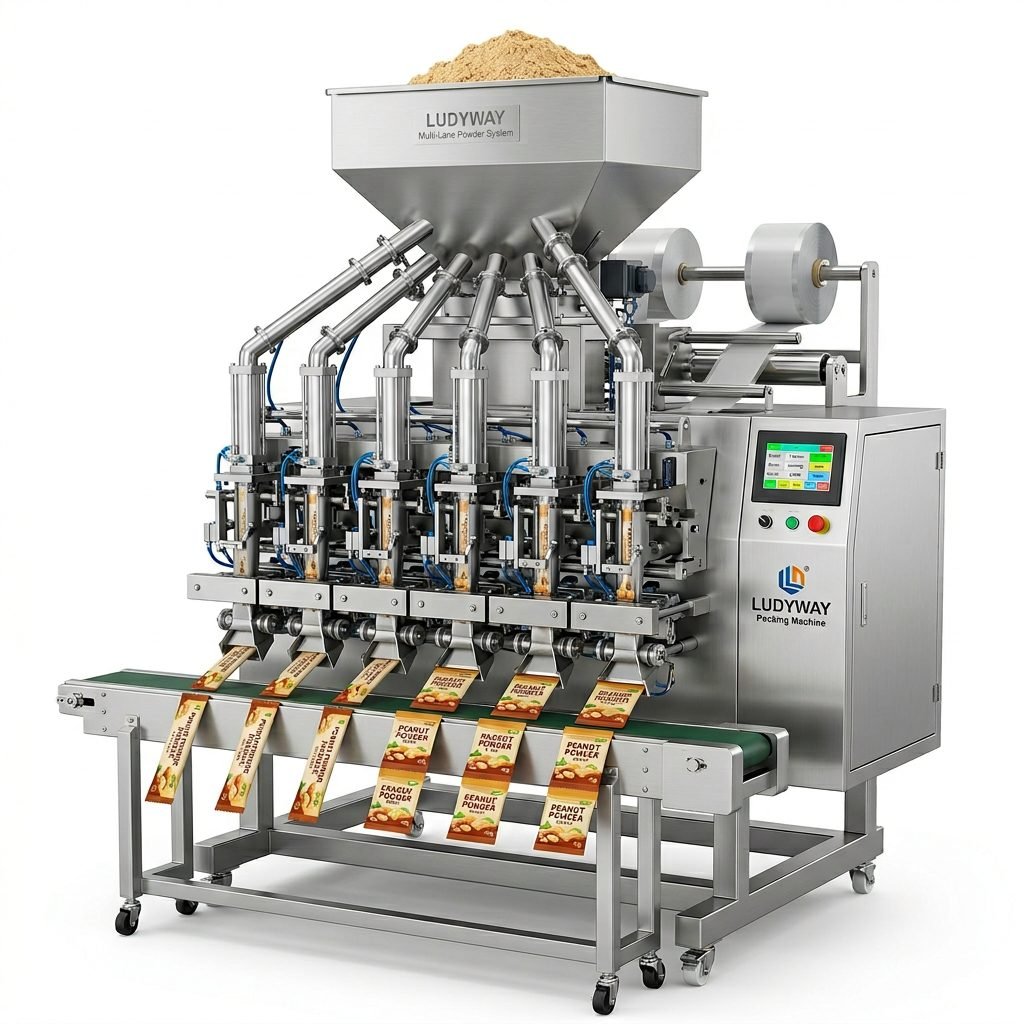
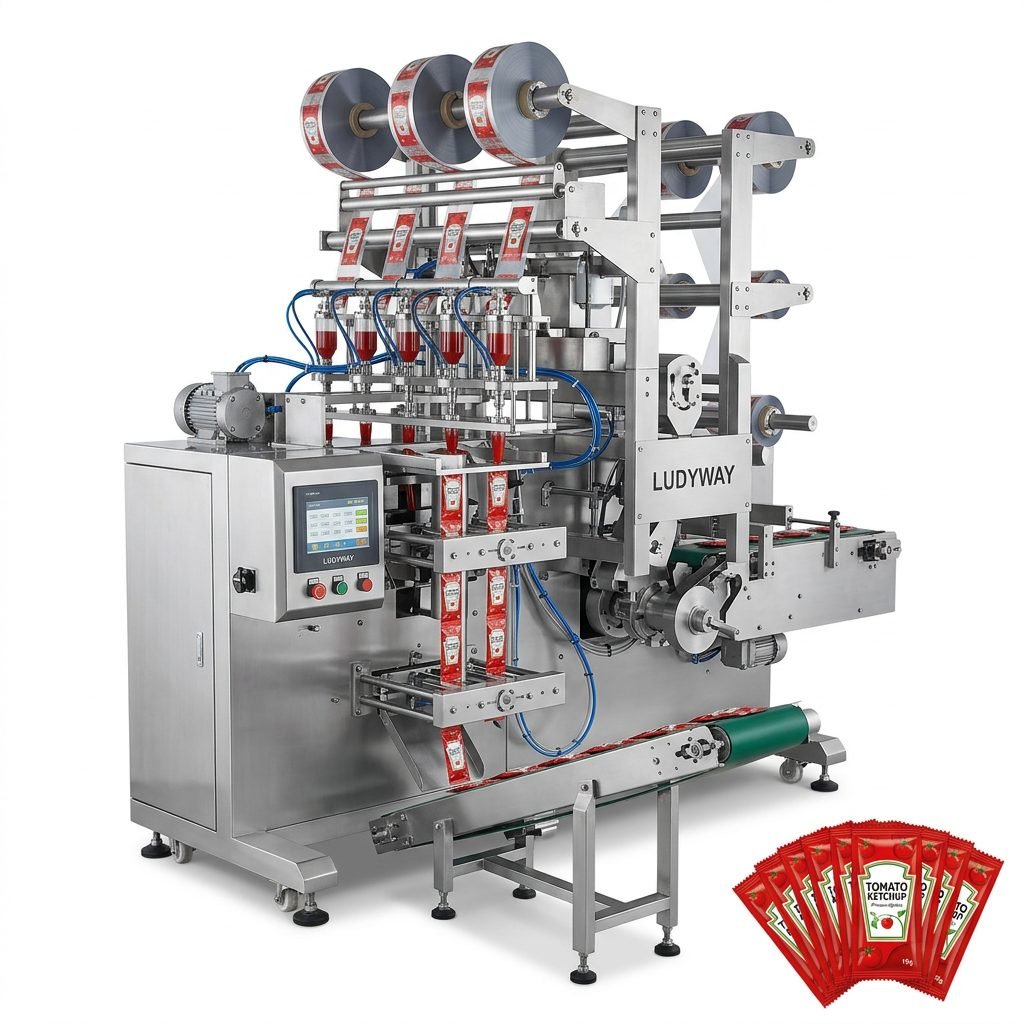
For businesses scaling up production of portion-pack condiments, multi-lane machines offer exponentially higher throughput. A 10-lane stick pack machine can produce up to 500 single-serve sachets per minute, making it ideal for supplying institutional buyers and export markets. Single-lane machines, while slower, offer greater format flexibility for contract packers handling diverse product ranges.
| Feature | Single-Lane Machine | Multi-Lane Machine |
|---|---|---|
| Output Capacity | 40-80 packs/min | 200-600 packs/min |
| Changeover Time | 15-30 minutes | 30-60 minutes |
| Floor Space | Compact footprint | Larger footprint, higher ceiling requirements |
| Initial Investment | Lower capital outlay | Higher CAPEX, lower cost per pack |
Key Technical Specifications to Verify
When comparing models from different manufacturers, create a detailed specification comparison sheet that includes:
- Filling accuracy: ±0.5% to ±1% for liquid volumetric fillers
- Film width range: Typically 100mm to 500mm depending on lane configuration
- Seal integrity: Consistent seal width without wrinkles or leaks
- Power consumption: Energy-efficient servo systems reduce operational costs
- Control system: PLC with touchscreen HMI for recipe storage and diagnostics
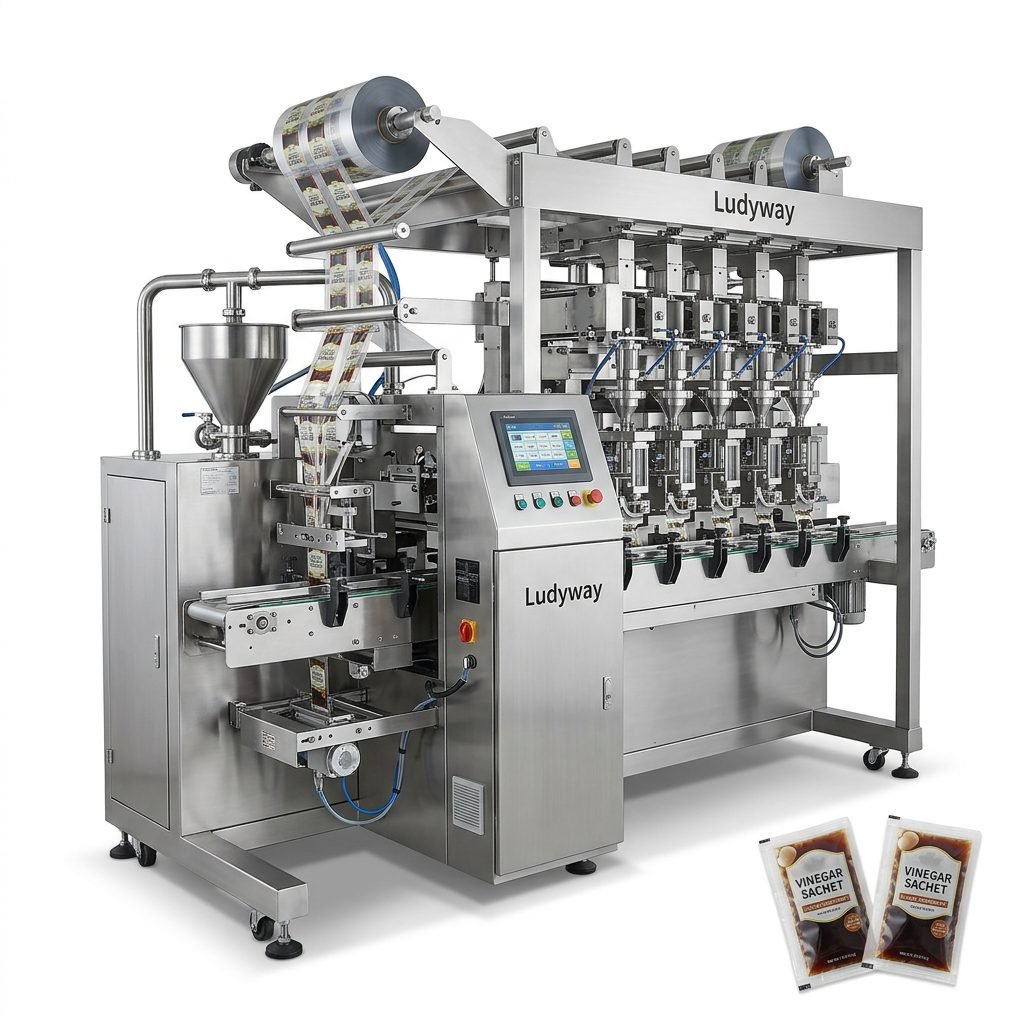
Supplier Selection: Domestic vs. International Manufacturers
Indian buyers often evaluate both local equipment manufacturers and international suppliers. While domestic suppliers offer lower upfront costs and easier service access, international manufacturers like Ludyway—one of the largest packaging machine manufacturers in China with over 30 years of industry expertise and a modern 20,000㎡ facility—provide advanced technology, proven reliability, and comprehensive turnkey solutions that cover the entire production line from raw material handling to final palletizing.
What to Look for in a Supplier
- Industry experience: At least 10 years in food-grade packaging equipment manufacturing
- Client references: Verifiable installations in India or similar markets
- Technical support: Local service engineers or remote diagnostic capabilities
- Spare parts availability: Readily available critical spares to minimize downtime
- Training programs: Comprehensive operator and maintenance training
Total Cost of Ownership Considerations
The purchase price is only one component of the machine’s total cost of ownership. Factor in these ongoing expenses:
- Film waste: Efficient machines keep waste under 2% during startups and splices
- Energy consumption: Servo-driven motors consume 30-40% less energy than pneumatic systems
- Maintenance costs: Annual preventive maintenance contracts and replacement part costs
- Labor requirements: Fully automated lines reduce operator dependency from 4-5 workers to 1-2
Emerging Trends in Condiment Packaging Technology
Stay ahead of the competition by considering these innovations when selecting your condiment packaging machine:
- Sustainable packaging: Machines capable of handling mono-material recyclable films and bio-based laminates
- Smart factory integration: IoT-enabled machines that provide real-time OEE data and predictive maintenance alerts
- Quick changeover design: Tool-less format changes that reduce downtime between product runs
- MAP and nitrogen flushing: Modified atmosphere packaging for extended shelf life
Commissioning and Validation Checklist
Before final acceptance, conduct these tests with your actual product and packaging film:
- FAT (Factory Acceptance Test): Verify all functions, speeds, and safety features at the manufacturer’s facility
- SAT (Site Acceptance Test): Confirm performance after installation at your facility
- Seal integrity testing: Dye penetration test or burst test on random samples
- Drop test: Simulate transport conditions to ensure package durability
Regulatory Links and Industry Resources
Refer to these authoritative resources for packaging standards and industry data:
- FSSAI – Food Safety and Standards Authority of India
- PMMI – Packaging Industry Market Research
- ISO – Packaging Standards
- FDA – Food Packaging and Food Contact Substances
- Flexible Packaging Association – Industry Data
Common Mistakes to Avoid
- Underestimating future capacity needs: Choose a machine that can scale with your business growth
- Ignoring spare parts availability: Verify lead times for critical components before purchasing
- Overlooking film compatibility: Test multiple film suppliers to avoid single-source dependency
- Skipping operator training: Well-trained staff significantly reduce machine downtime and waste
- Focusing only on price: Evaluate long-term reliability over the lowest initial quote
Making the Final Decision
Choosing the best condiment packaging machine in India requires balancing production requirements, budget constraints, and long-term business objectives. Evaluate at least three suppliers, request detailed quotations, and visit reference installations whenever possible. A well-chosen machine will provide consistent, high-quality packaging for a decade or more, directly impacting your brand reputation and profitability in the competitive Indian food market.