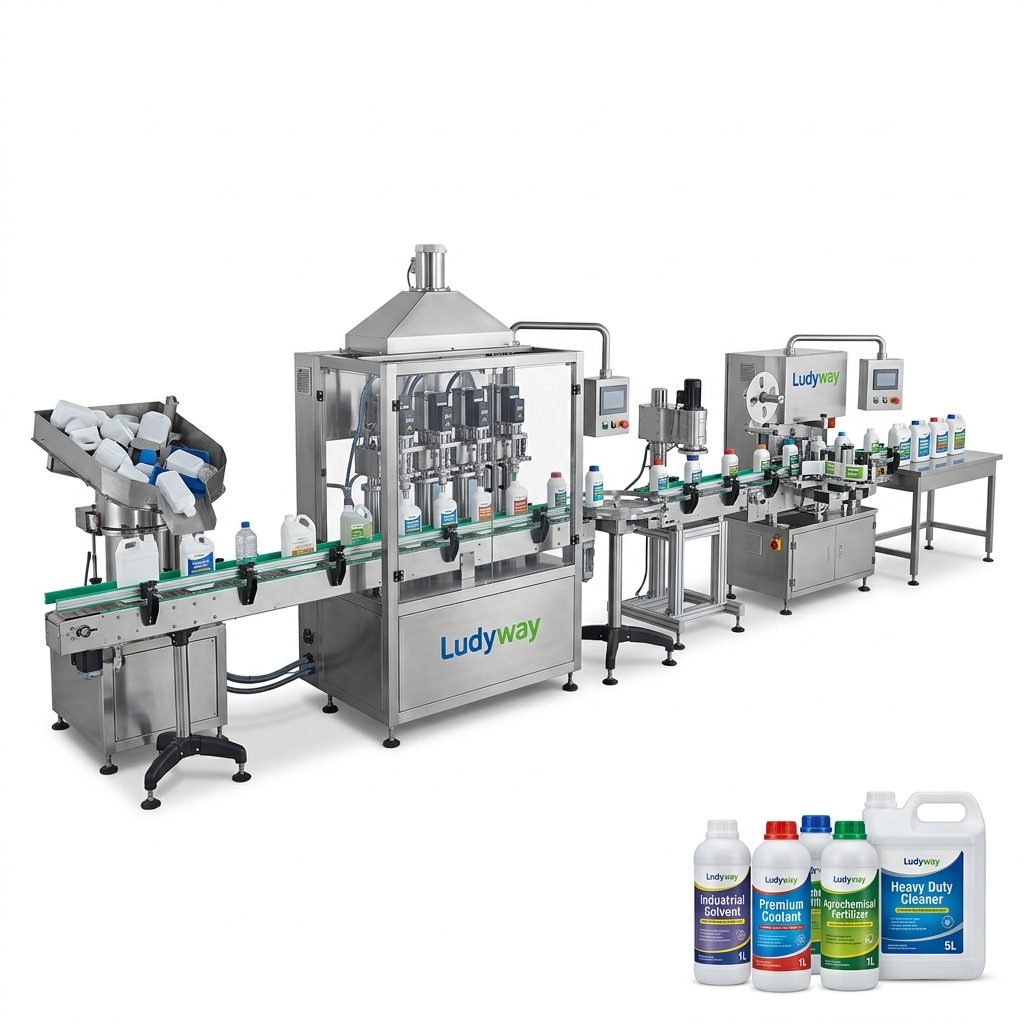
The Middle East’s food processing sector is undergoing a rapid transformation, driven by increasing demand for convenience foods, stringent hygiene standards, and the region’s push for food security. For manufacturers of sauces, pastes, and liquid condiments—from rich tomato ketchup and mayonnaise to spicy harissa and garlic paste—investing in the right sauce pouch packaging machine is a strategic move to capture market share. This guide explores the critical factors for selecting automated packaging systems tailored for the Middle Eastern market, ensuring operational efficiency, product integrity, and long-term profitability.
Understanding the Middle East Packaging Landscape
The GCC region’s packaged food market is projected to grow significantly, fueled by a young population, high disposable incomes, and a thriving hospitality industry. For sauce manufacturers, this means a preference for single-serve and family-size pouches that offer convenience and extended shelf life. However, the extreme climate—with temperatures often exceeding 45°C (113°F)—poses unique challenges for packaging machinery. Heat-resistant components, efficient cooling systems, and robust sealing technologies are not optional; they are essential to prevent machine downtime and ensure the integrity of heat-sealed pouches.
Moreover, the regulatory environment, particularly in ISO-certified markets like Saudi Arabia (SASO) and the UAE (ESMA), demands strict adherence to food contact material safety. Your choice of a sauce pouch packaging machine must align with these standards from day one.
Types of Sauce Pouch Packaging Machines: Which Fits Your Production?
Selecting the optimal machinery depends on your production volume, sauce viscosity, and target packaging format. The table below outlines the primary machine categories suitable for Middle Eastern operations:
| Machine Type | Best For | Key Advantage in the Middle East |
|---|---|---|
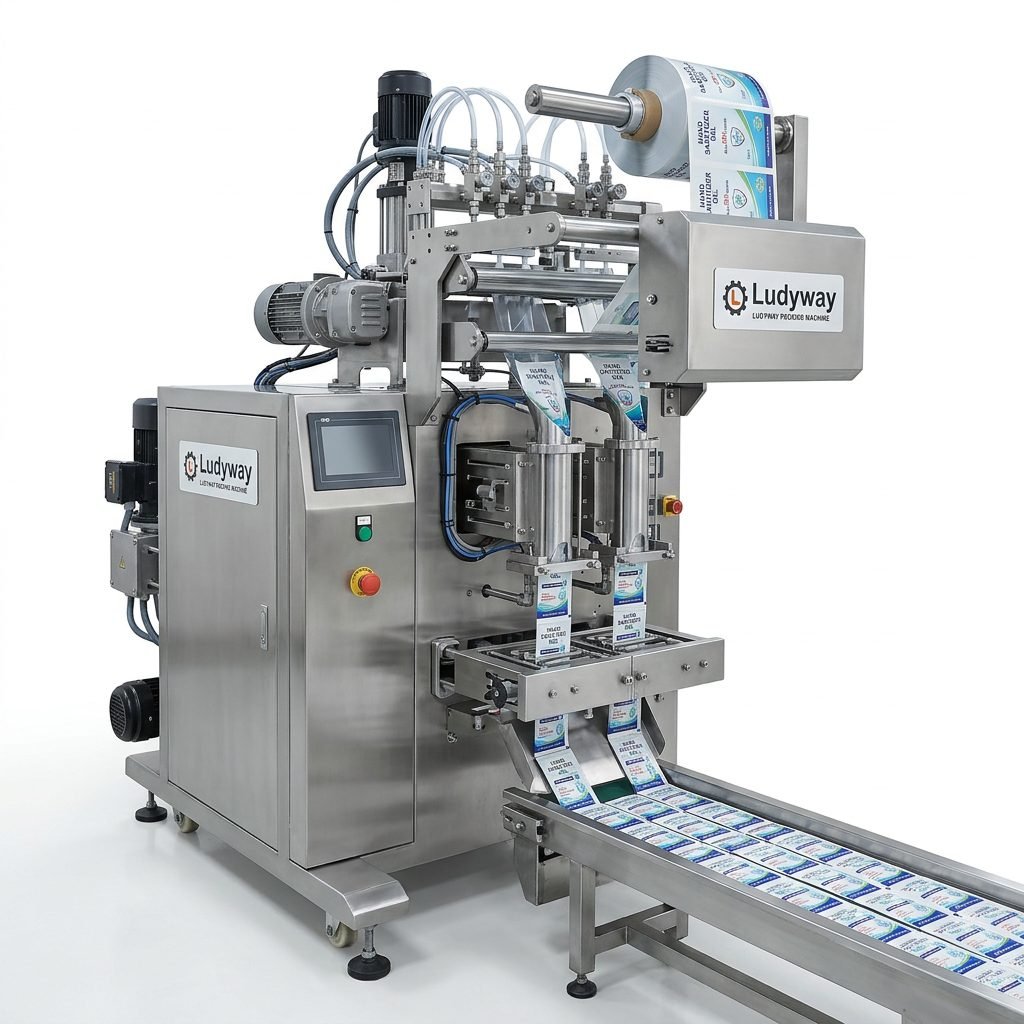
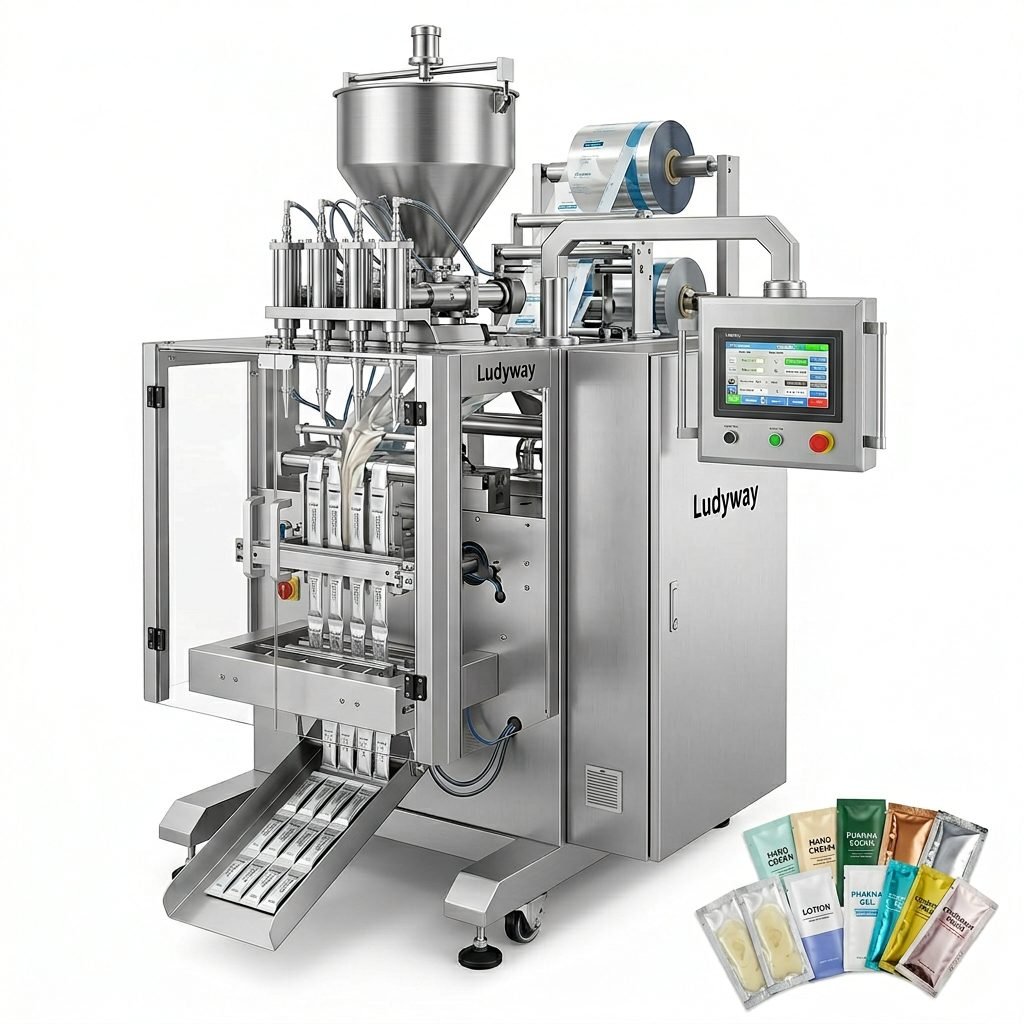
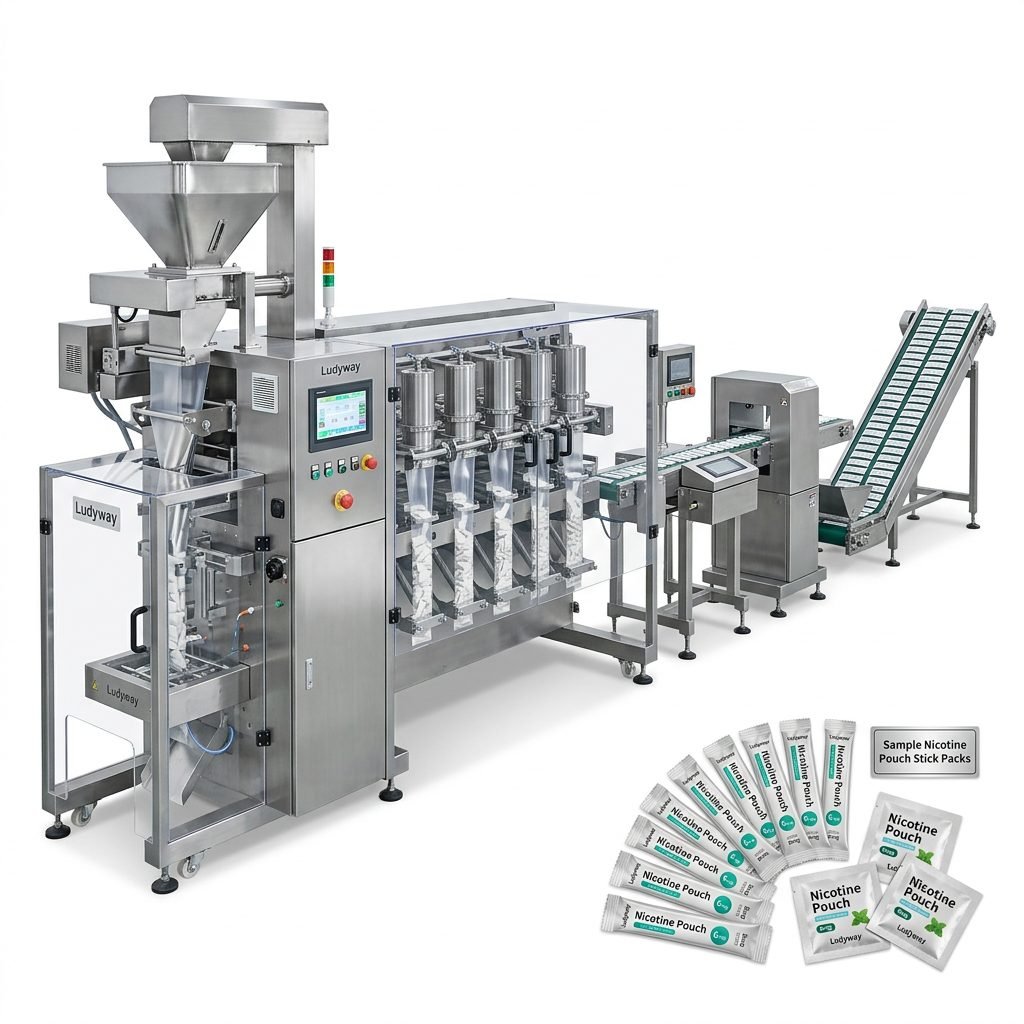
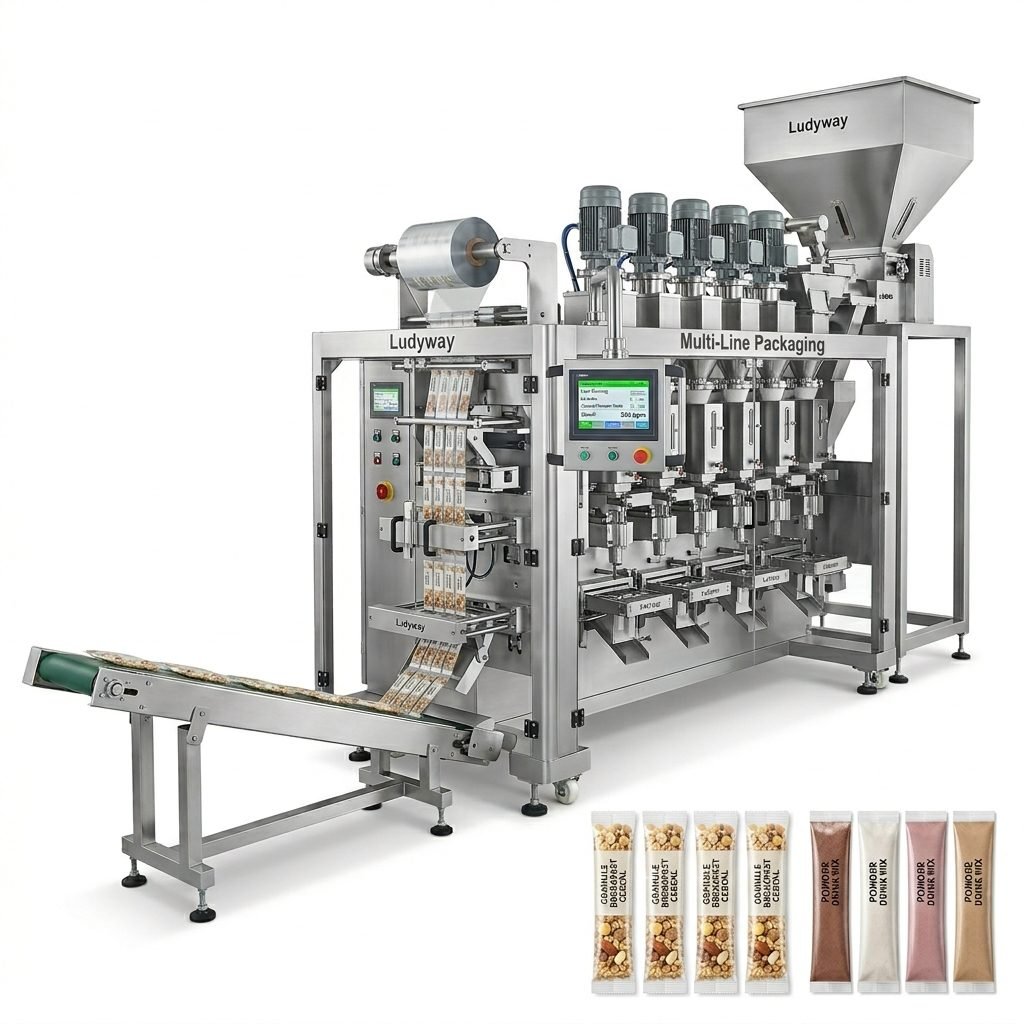
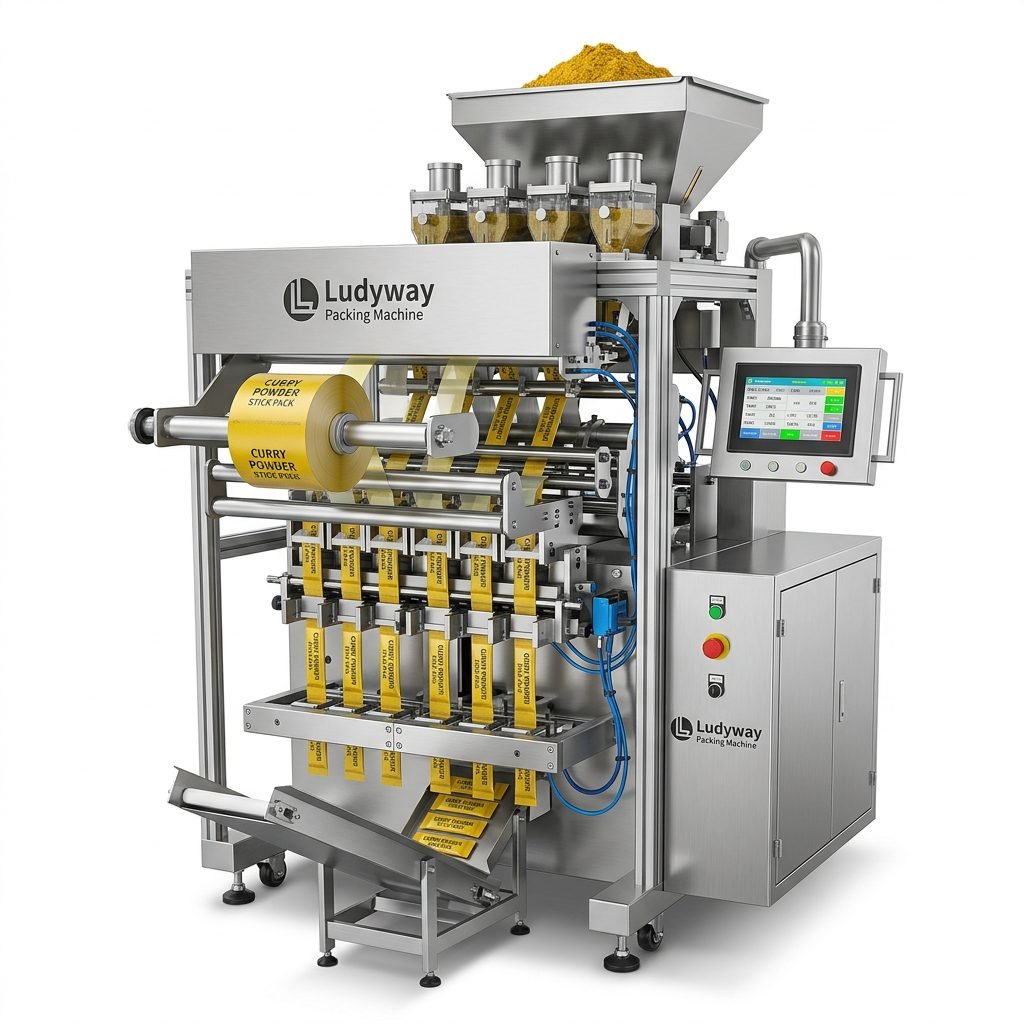
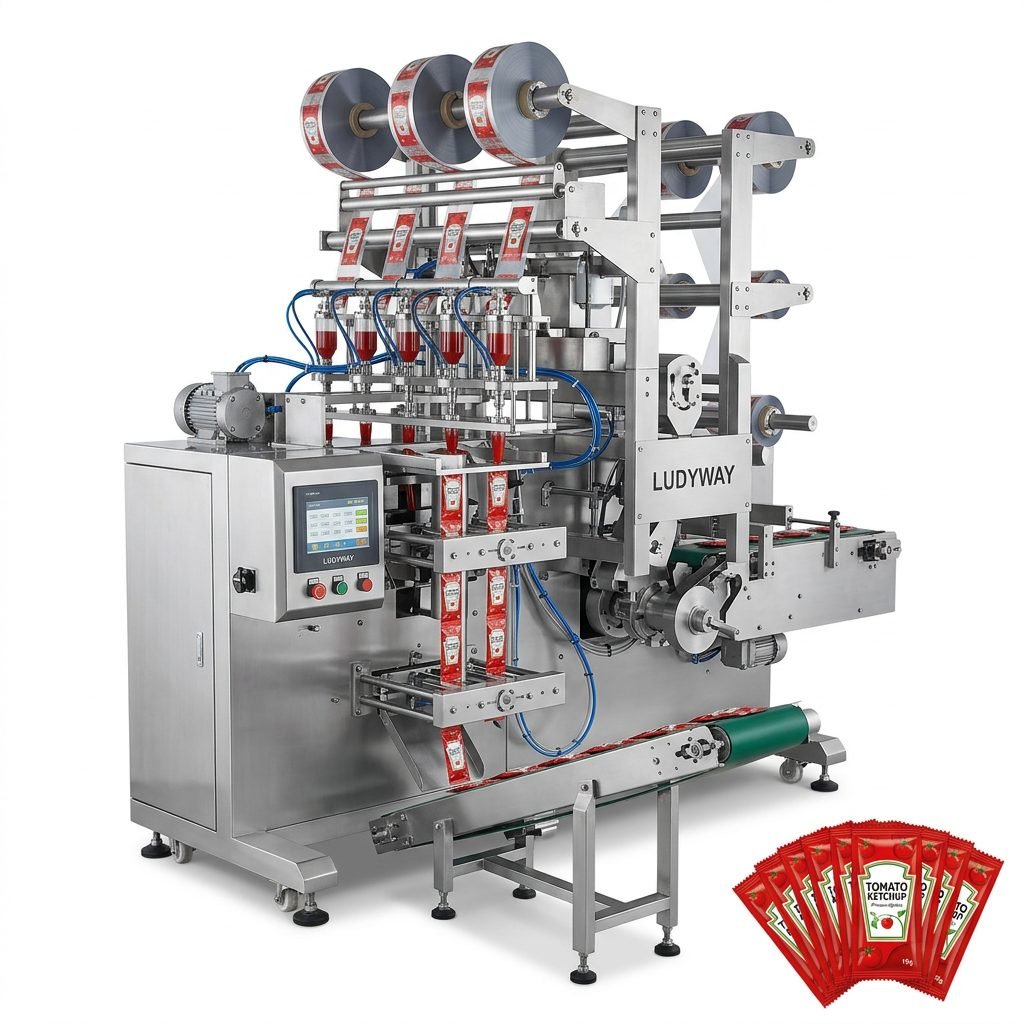
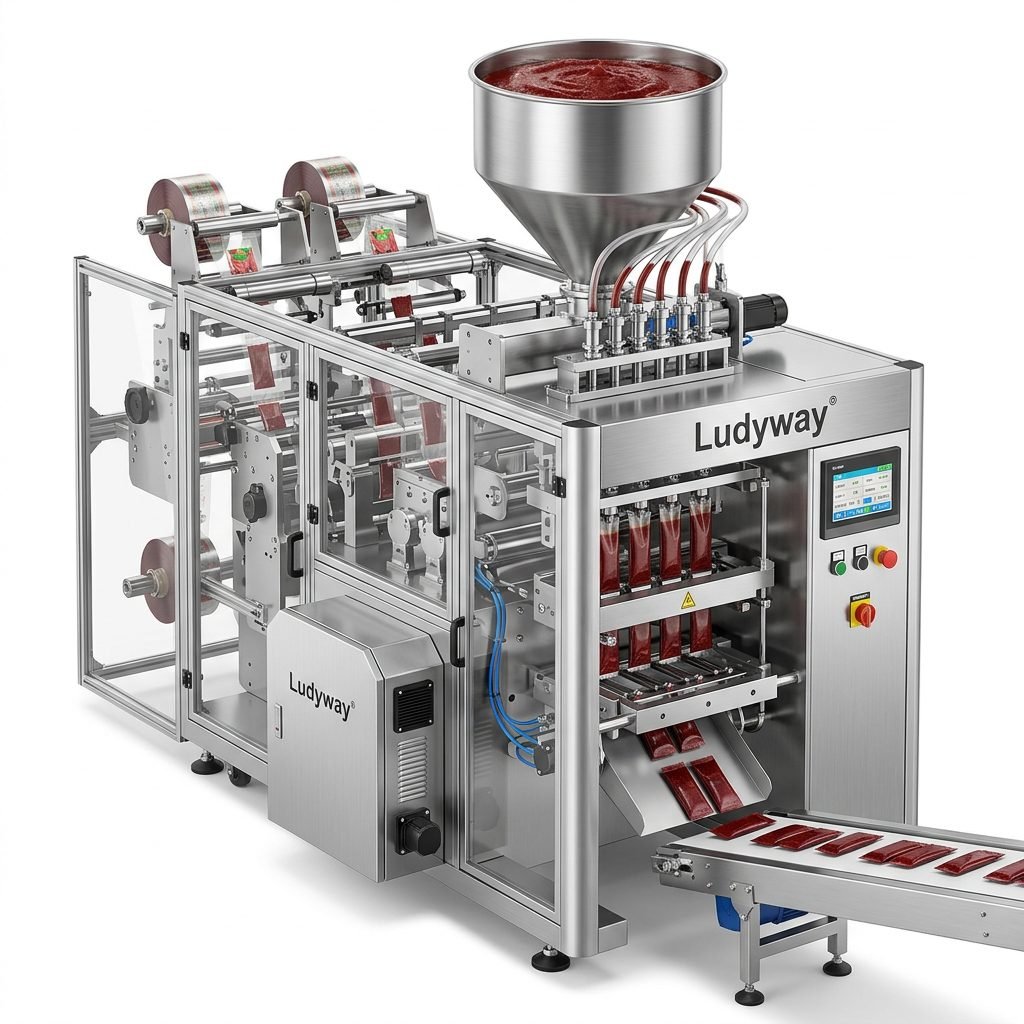
| Multi-Lane Stick Pack Machines | Single-serve ketchup, mayonnaise, chili sauce portions | High output for the food service sector; minimizes material waste. |
| Premade Pouch Rotary Fillers | Stand-up pouches (250g–1kg) for retail sauces | Premium shelf appeal for hypermarket and supermarket shelves. |
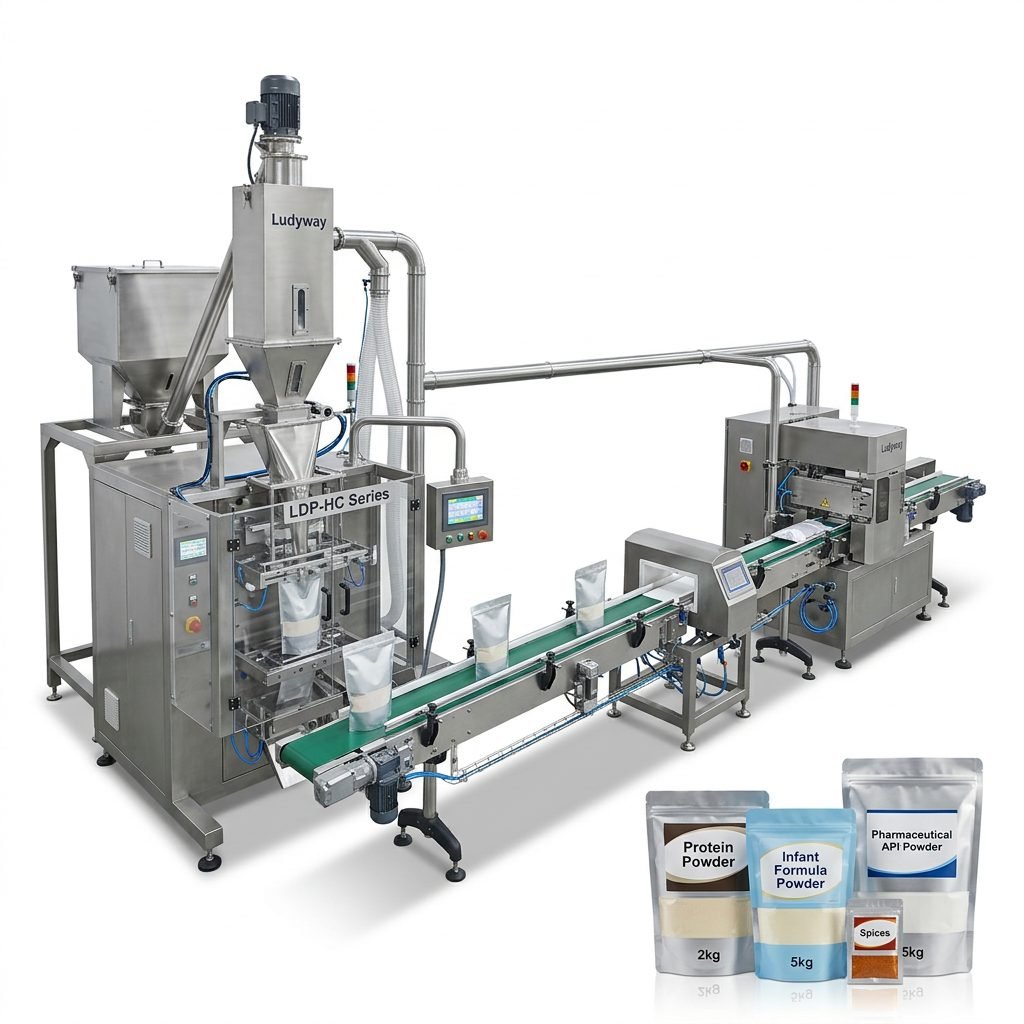
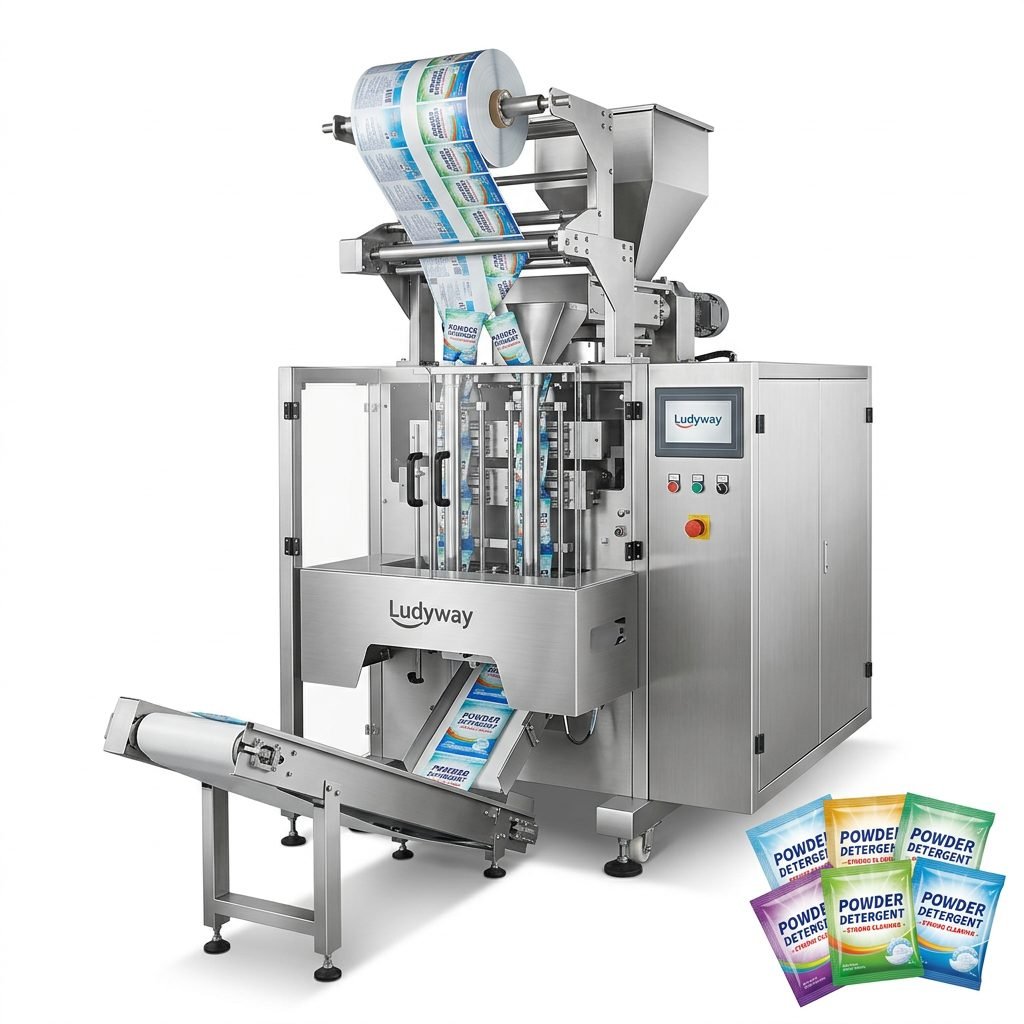
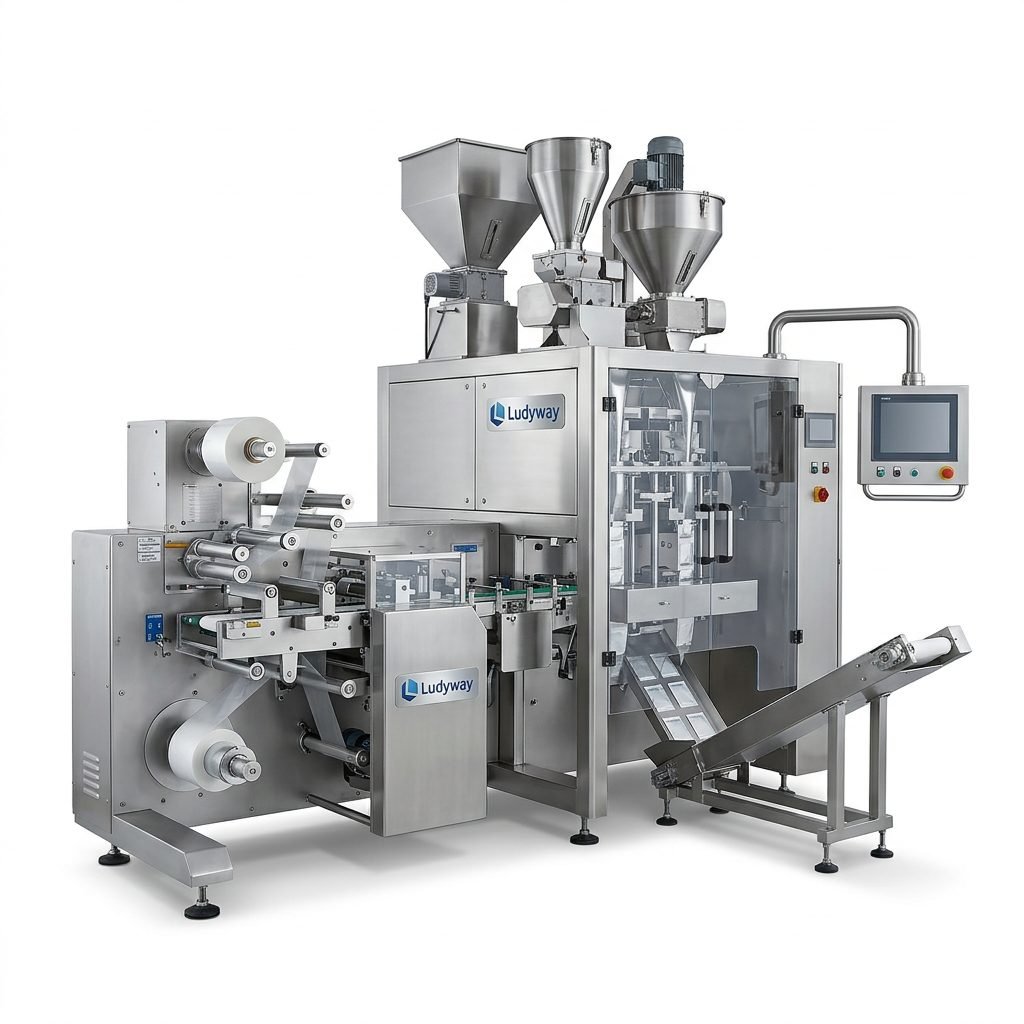
| Vertical Form Fill Seal (VFFS) Machines | High-volume sachets for wholesale and food service packs | Cost-effective film utilization, ideal for long production runs. |
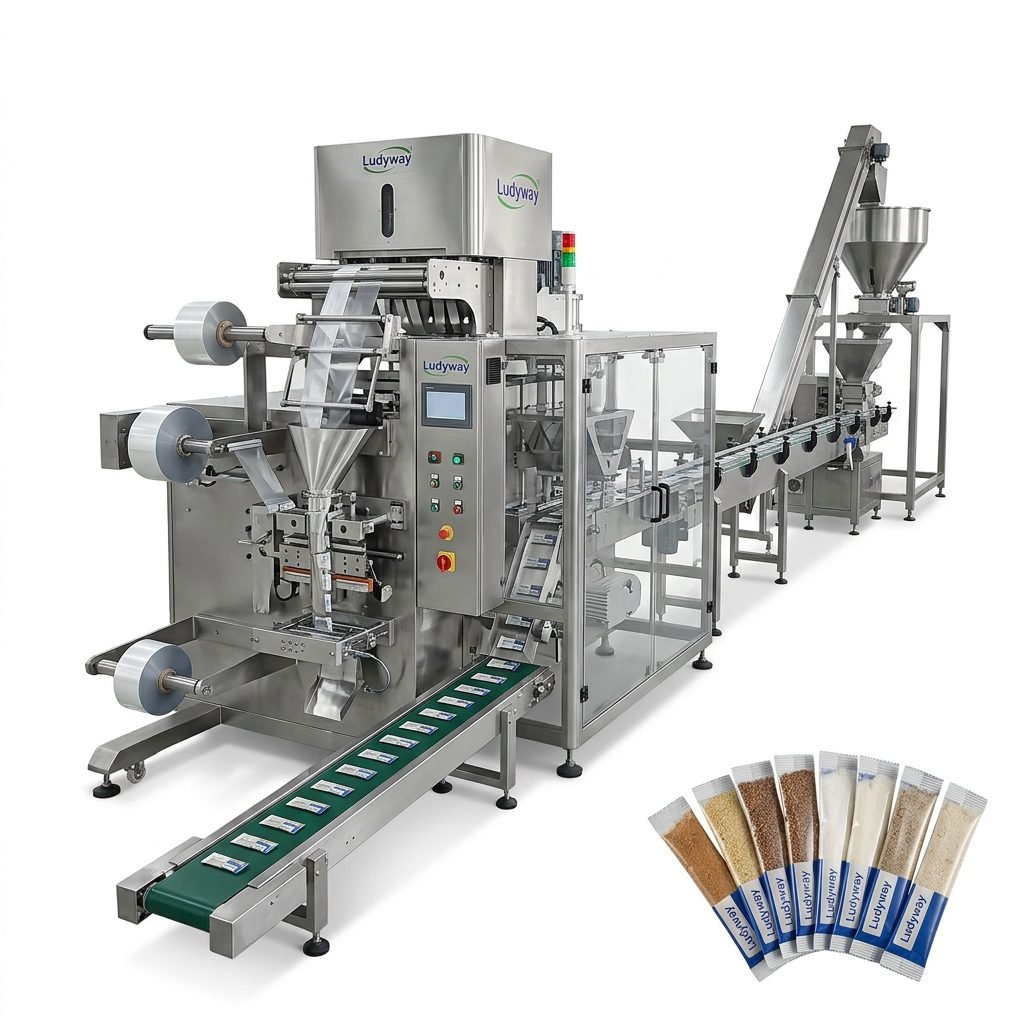
| Multi-Lane Sachet Machines | Ultra-high-speed production of small liquid sachets | Essential for high-demand sachet markets and promotional sampling. |
Critical Component: The Filling System for Viscous Products
Sauces are notoriously difficult to package due to their varying viscosity. A machine that works perfectly for vinegar-based hot sauce might fail dramatically with thick tomato paste or chunky salsa. When evaluating a sauce pouch packaging machine, you must scrutinize the filling system:
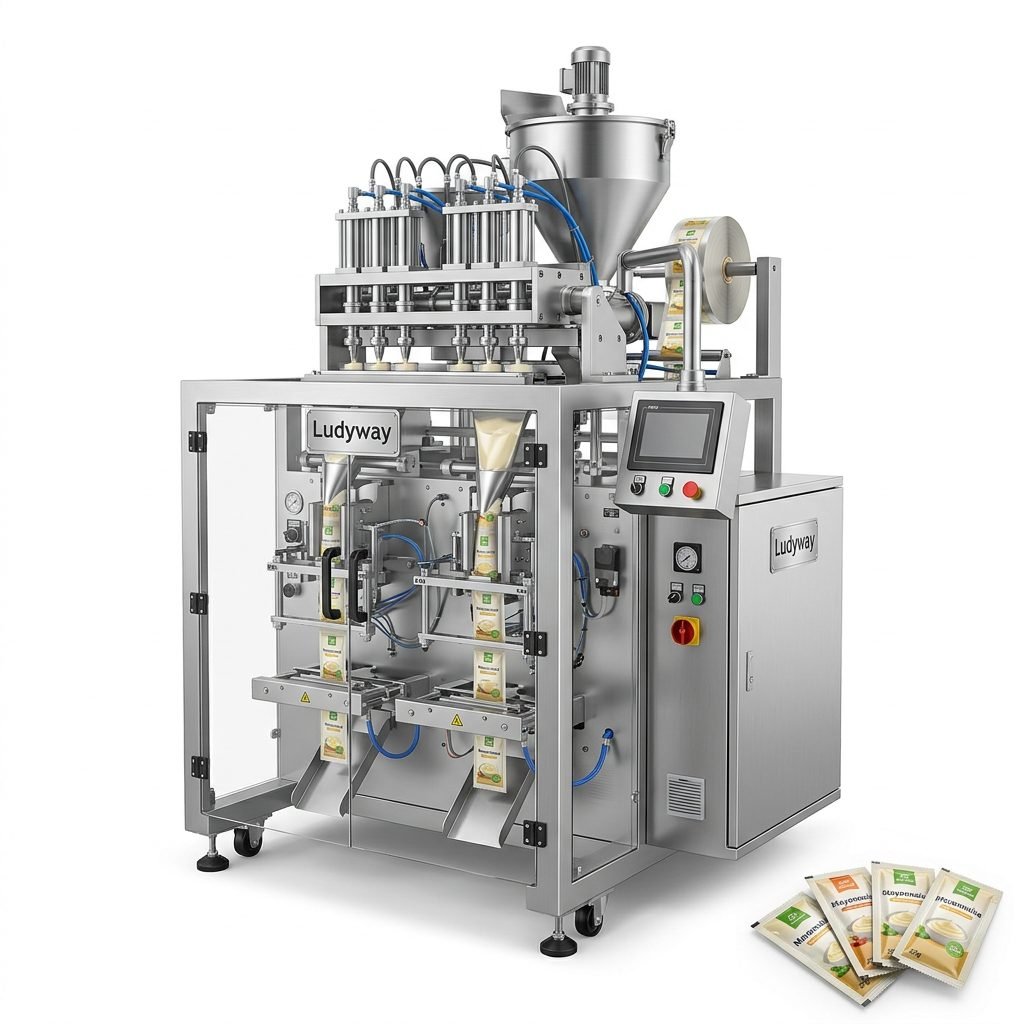
- Piston Fillers: Highly accurate for thick, viscous products like tahini, mayonnaise, and jams. Look for sanitary, easy-clean designs suitable for halal production requirements.
- Pump Fillers: Ideal for less viscous liquids with particulates, such as barbecue sauces or vinaigrettes. Ensure the pump mechanism can withstand abrasive spices without wear.
- Gravity Fillers: Best suited for thin, free-flowing sauces like soy sauce or vinegar, offering high speed but limited viscosity handling.
Navigating Regulatory Compliance and Certifications
For Middle Eastern importers, CE certification is a fundamental prerequisite, indicating conformity with European health, safety, and environmental standards. Many Gulf countries recognize or mirror these standards. Beyond CE, you should prioritize machines constructed with food-grade 304 or 316 stainless steel for all product contact parts to meet local food safety regulations. Adherence to FDA guidelines for food contact substances is also a strong indicator of quality and global acceptability, simplifying cross-border trade within the region.
Additionally, consider the machine’s compatibility with clean-in-place (CIP) systems. Given the dairy and fat content in many sauces, rapid and thorough cleaning prevents bacterial growth and cross-contamination between halal and non-halal production batches—a critical operational need.
Sealing Integrity in High Heat and Humidity
The Middle Eastern climate puts extraordinary stress on pouch seals. A weak seal can rupture during transport or storage, leading to spoilage and significant financial losses. Look for machines with dual or triple-sealing jaw mechanisms that offer precise, repeatable temperature control. Verify that the sealing system is designed to run a variety of multi-layer barrier films commonly used to protect sauces from oxygen and light, including laminates with aluminum foil or EVOH layers that provide the extended shelf life required by importers and retailers across the GCC.
Supplier Evaluation: Beyond the Price Tag
Choosing a supplier for a sauce pouch packaging machine is a long-term decision that impacts your entire production output. While dozens of manufacturers exist, the key for Middle Eastern buyers is to find a partner with proven international expertise and robust after-sales support. Key evaluation criteria include:
- Middle East Project Experience: Has the supplier installed and commissioned lines in the region? Ask for case studies from Saudi Arabia, UAE, or Egypt.
- Spare Parts Availability: Fast access to critical spares in the Middle East or nearby hubs is non-negotiable to minimize downtime. Confirm the supplier’s logistics network.
- Technical Support and Training: Ensure the supplier can provide remote diagnostics and on-site operator training in Arabic or English.
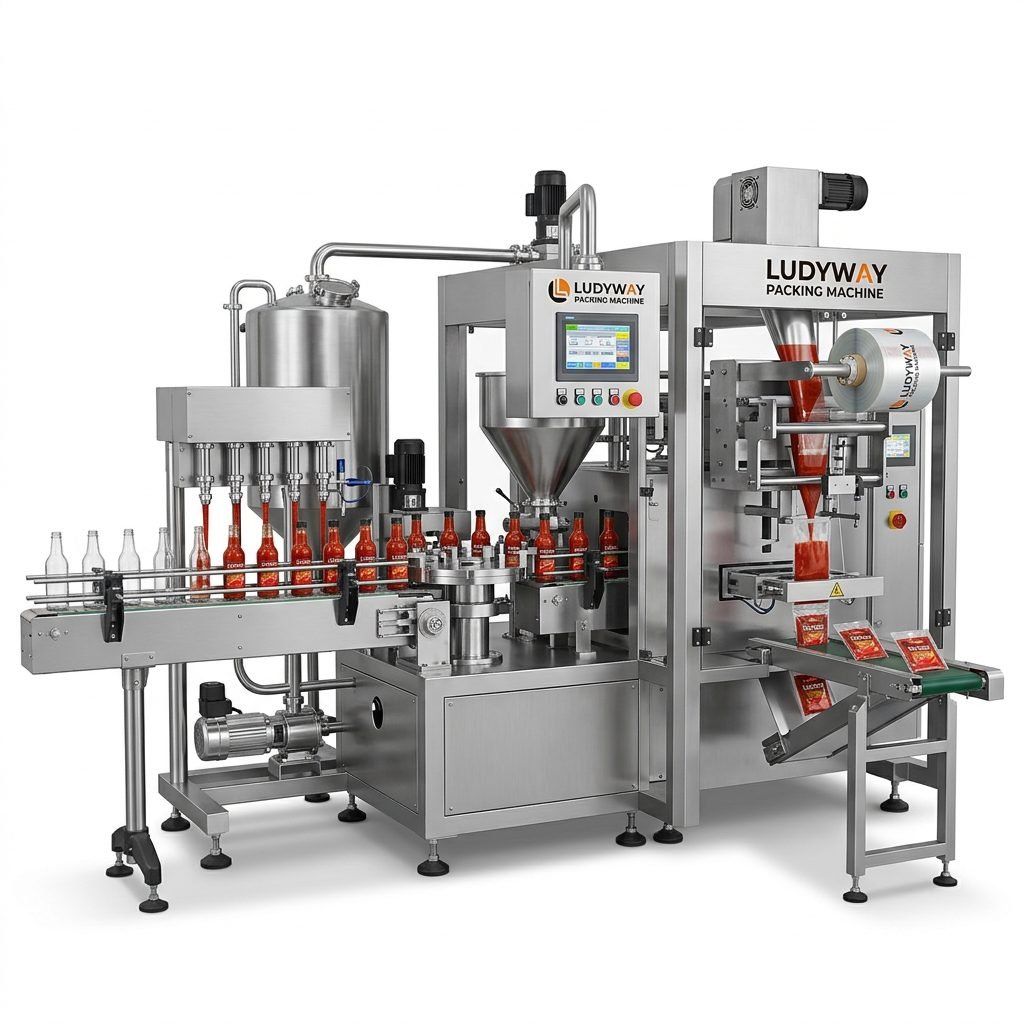
Ludyway is one of the largest packaging machine manufacturers in China, with a 30-year track record of delivering advanced turnkey solutions to over 100 countries. Our engineers regularly serve Middle Eastern food producers, providing specialized, high-efficiency sauce packaging lines designed for the region’s unique climatic and regulatory demands.
Automation and Smart Factory Integration
To future-proof your investment, evaluate the machine’s automation capabilities. A modern sauce pouch packaging machine should offer PLC (Programmable Logic Controller) control with an intuitive HMI (Human-Machine Interface). Integration with upstream and downstream equipment—such as automatic sauce cookers, nitrogen flushing systems, and high-speed cartoning machines—is essential for building a fully automated, efficient turnkey packaging line. This reduces labor dependence and ensures consistent quality in high-volume production scenarios, a key competitive advantage in the advanced Gulf food manufacturing landscape.
Cost Analysis: Total Cost of Ownership (TCO)
While the initial capital outlay for a high-quality machine is significant, a focus on TCO reveals the true long-term value. Premium machines constructed with corrosion-resistant stainless steel frames and high-durability servo motors have a far longer service life in hot, salty, and humid production environments, drastically reducing depreciation and replacement costs. Key TCO components to analyze:
- Energy Consumption: In regions where industrial electricity is subsidized, this may be less critical, but efficient machines reduce overall operational load.
- Film Waste: Superior tension control and precise bag length cut-off minimize the waste of expensive multi-layer packaging film, often yielding a return on investment within months.
- Maintenance Downtime: Calculate the cost of one hour of lost production. A reliable machine with a preventive maintenance plan from a supportive manufacturer directly protects your revenue.
For a detailed look at the global packaging machinery market and growth forecasts that justify capital investment, refer to PMMI’s Business Intelligence resources.
Making the Final Decision: A Practical Checklist
Before signing a purchase agreement for your sauce pouch packaging machine, run through this final checklist:
- ✔ Request a video of a factory acceptance test (FAT) using your actual sauce formulation and packaging material.
- ✔ Confirm the warranty terms and the location of the nearest regional service engineer.
- ✔ Validate the machine’s certified hourly output against your peak season demands.
- ✔ Check for sanitary design features: sloped surfaces, minimal crevices, and accessible CIP connections.
- ✔ Ensure the machine’s PLC and control systems are from globally recognized brands with local support.
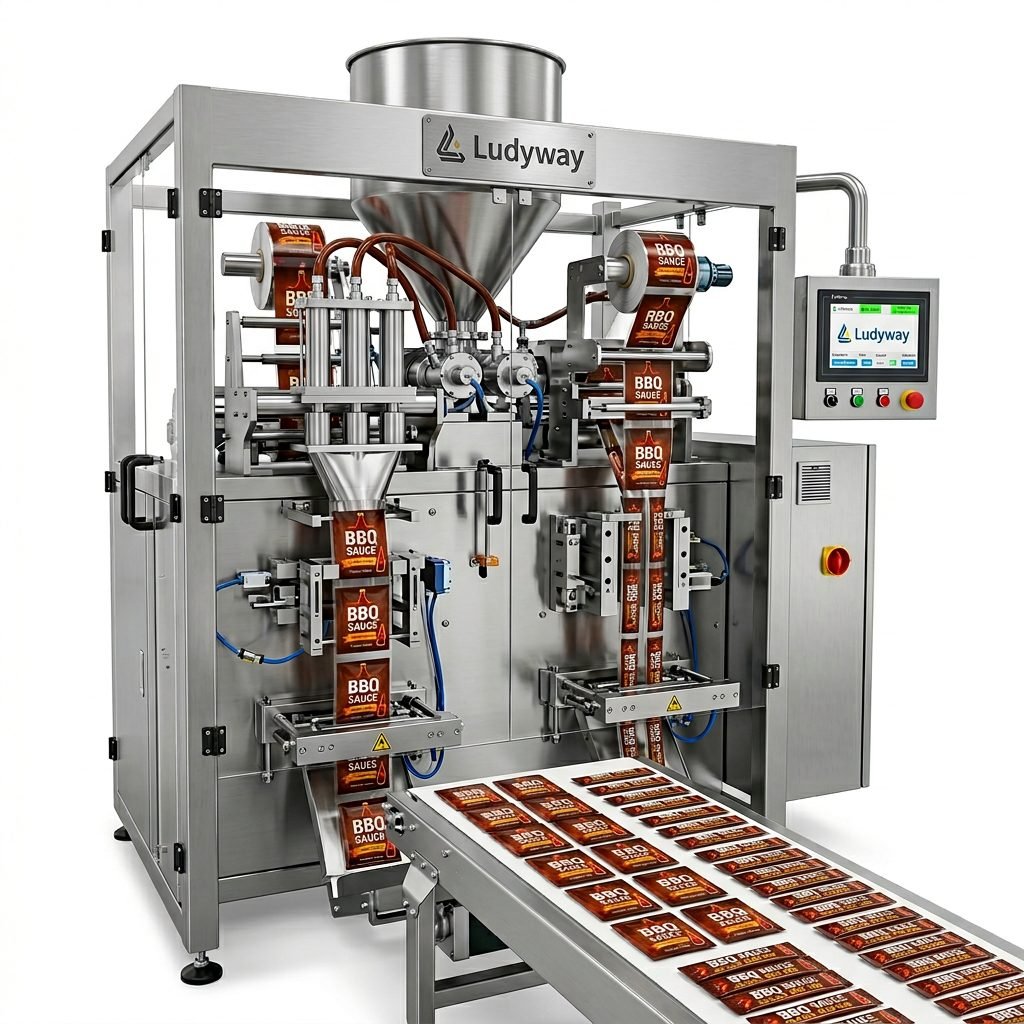
Investing in a robust, flexible, and compliant sauce pouch packaging machine is a strategic foundation for capturing growth in the dynamic Middle East market. By prioritizing build quality, sealing reliability, and regional supplier support, you establish a production line capable of delivering consistent product excellence to discerning retail and food service customers. A focus on total cost of ownership and after-sales partnership, rather than simply the lowest price, will ensure your packaging operation remains competitive and efficient for years to come. For more in-depth information on flexible packaging trends, the Flexible Packaging Association provides valuable industry data and analysis.