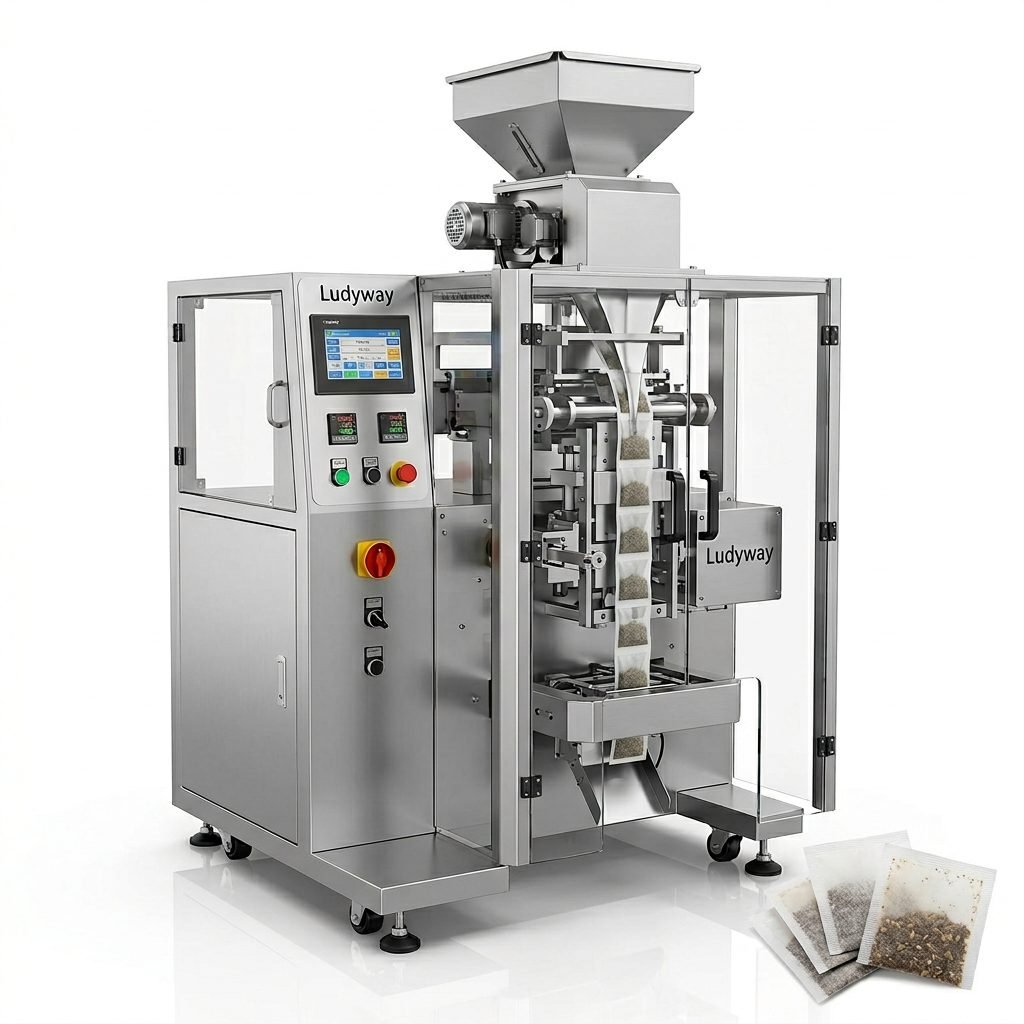
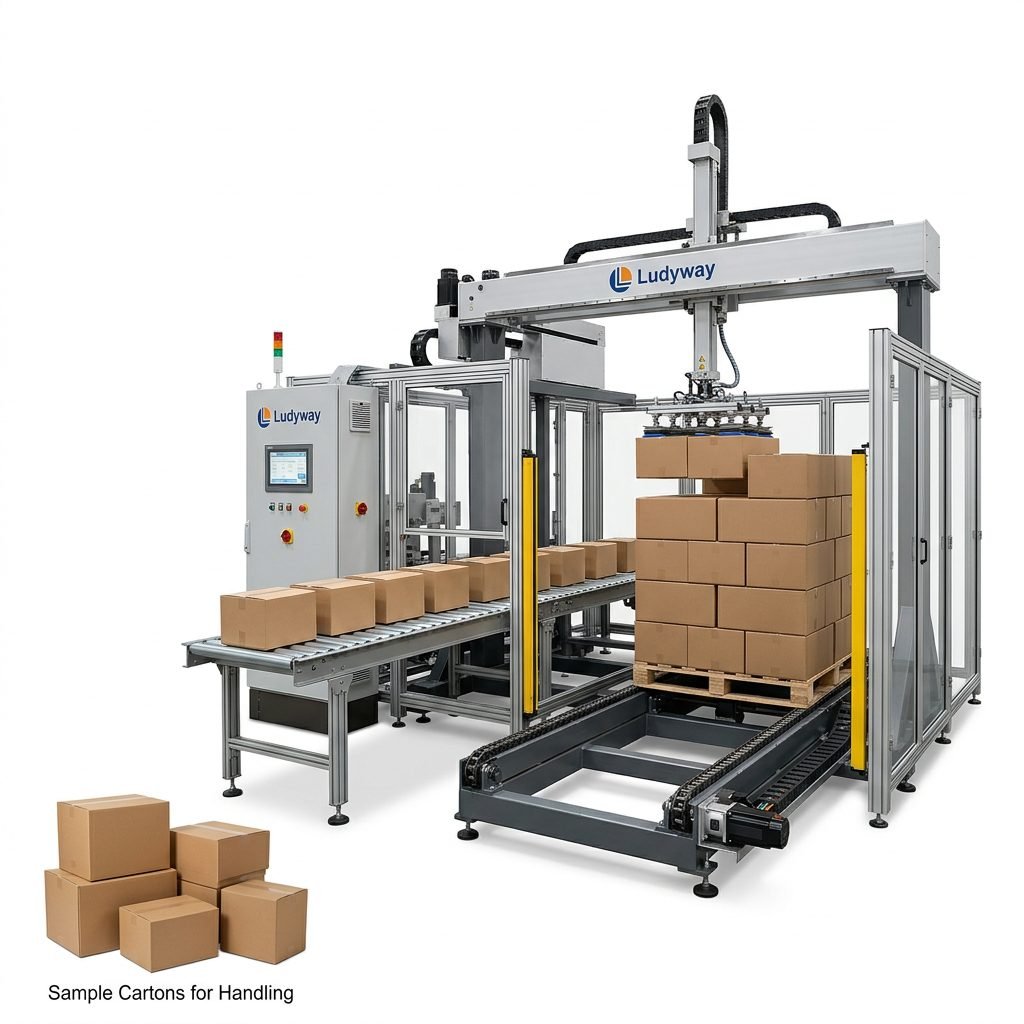
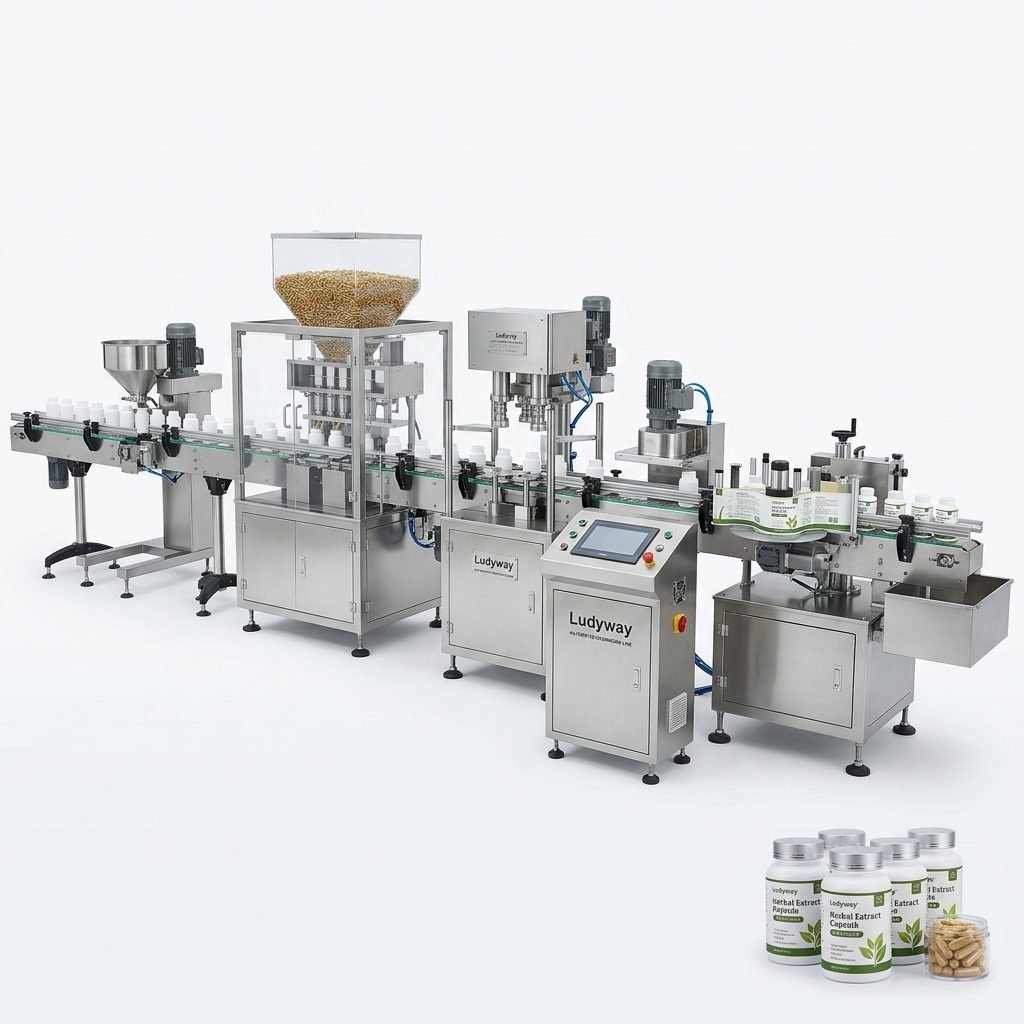
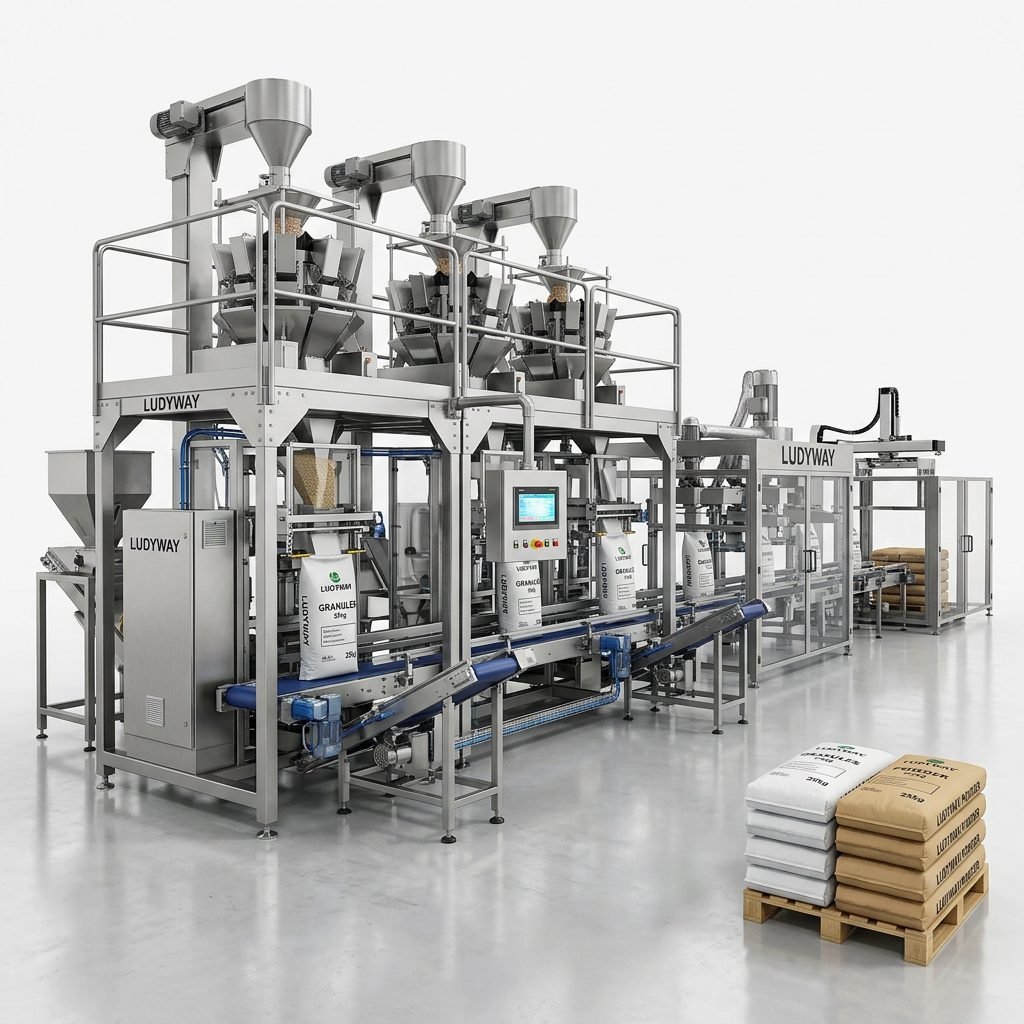
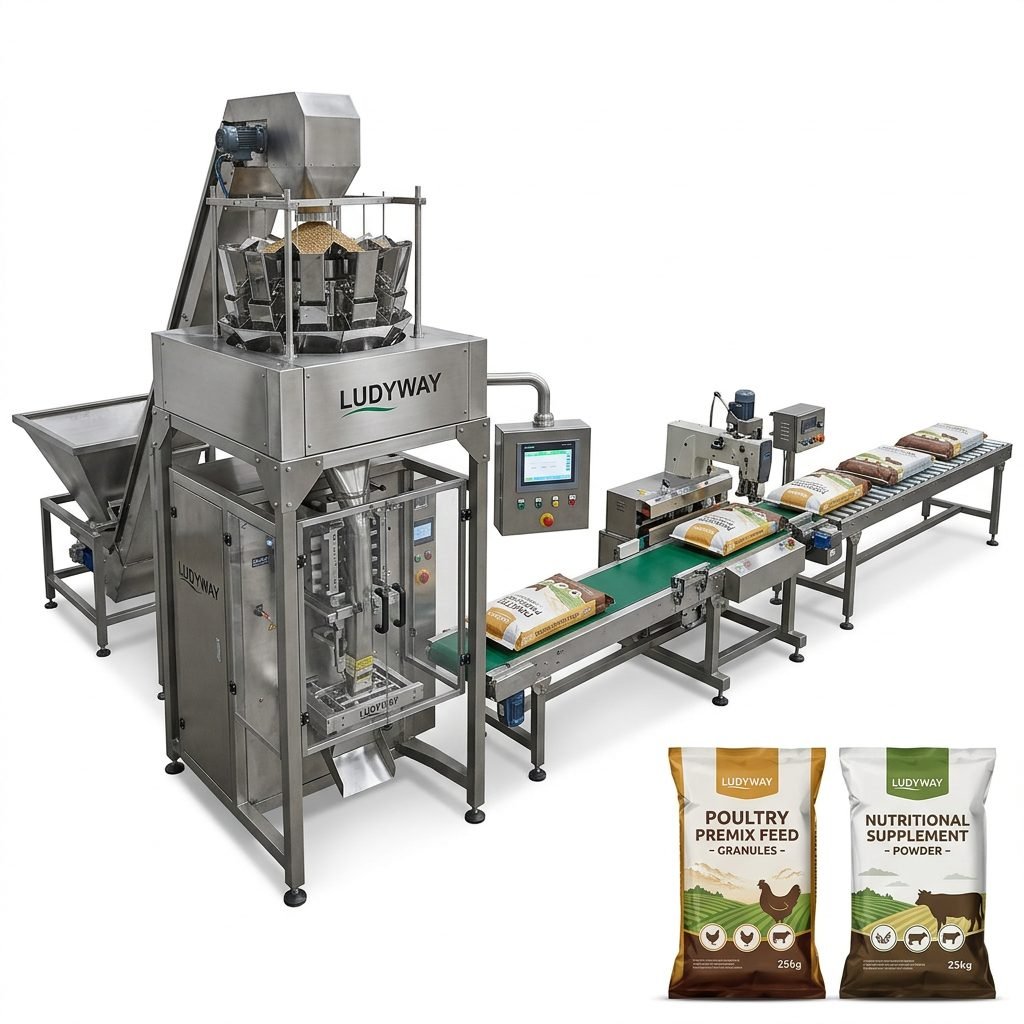
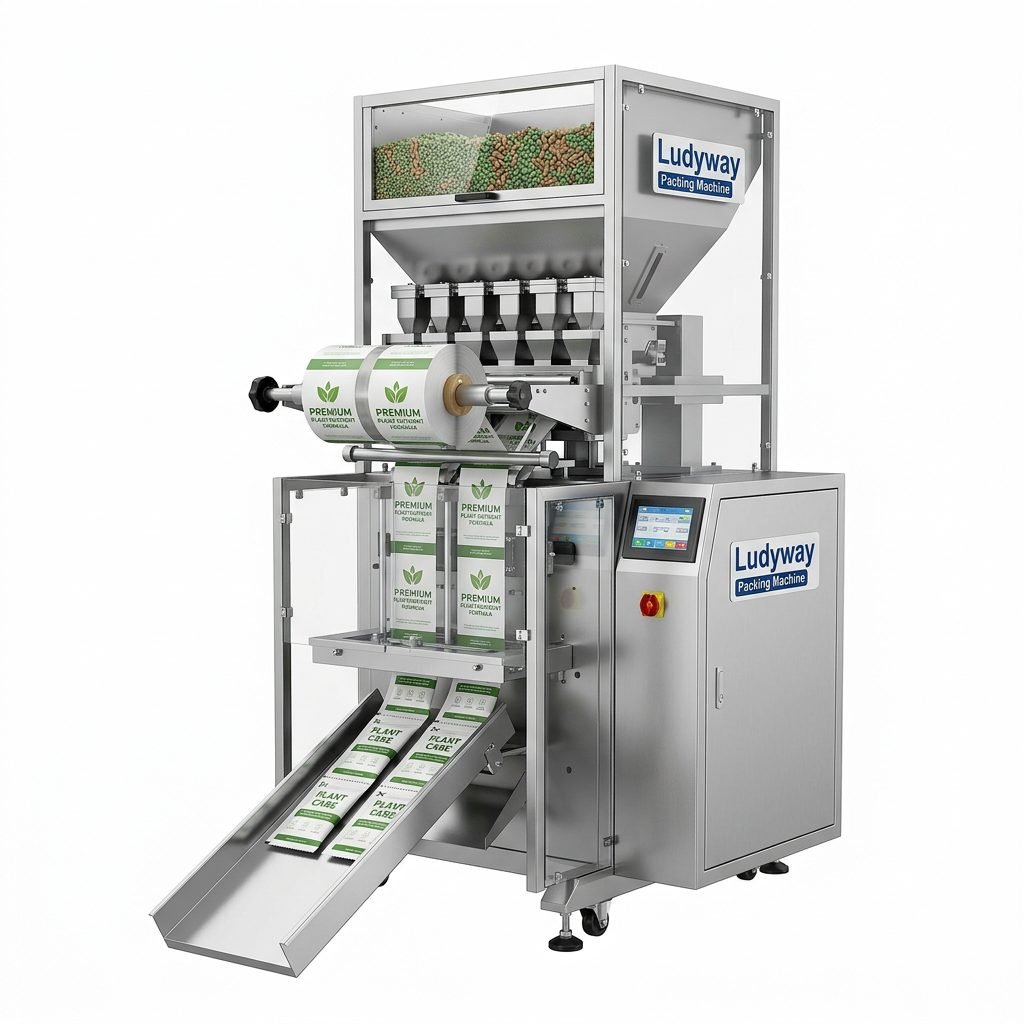
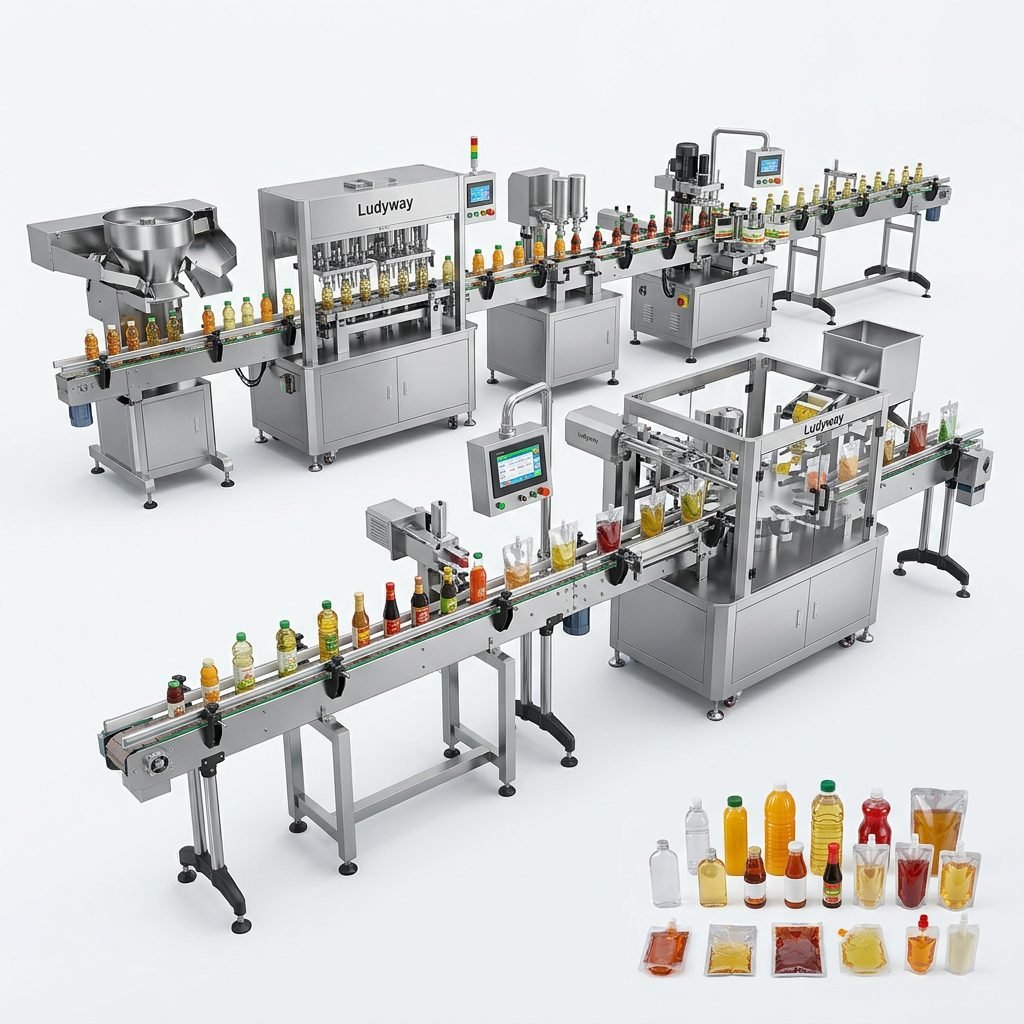
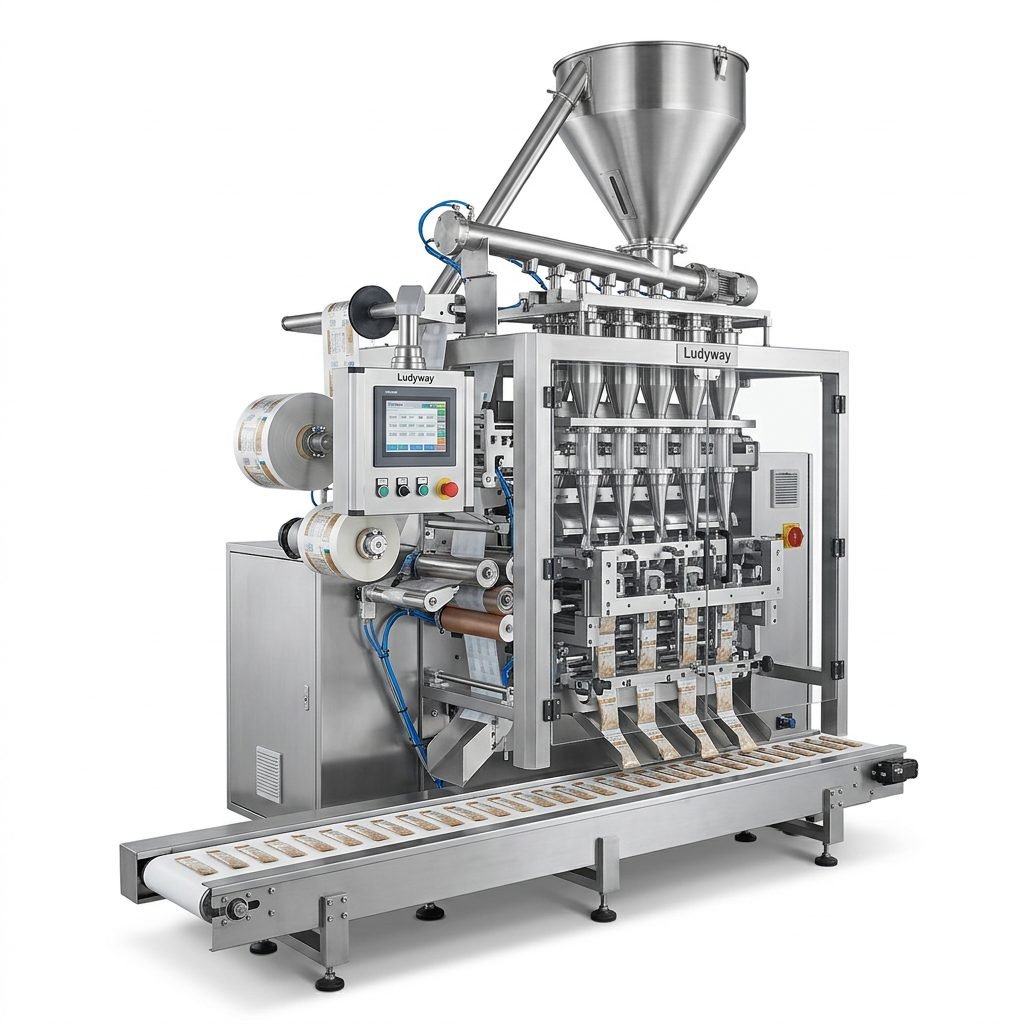
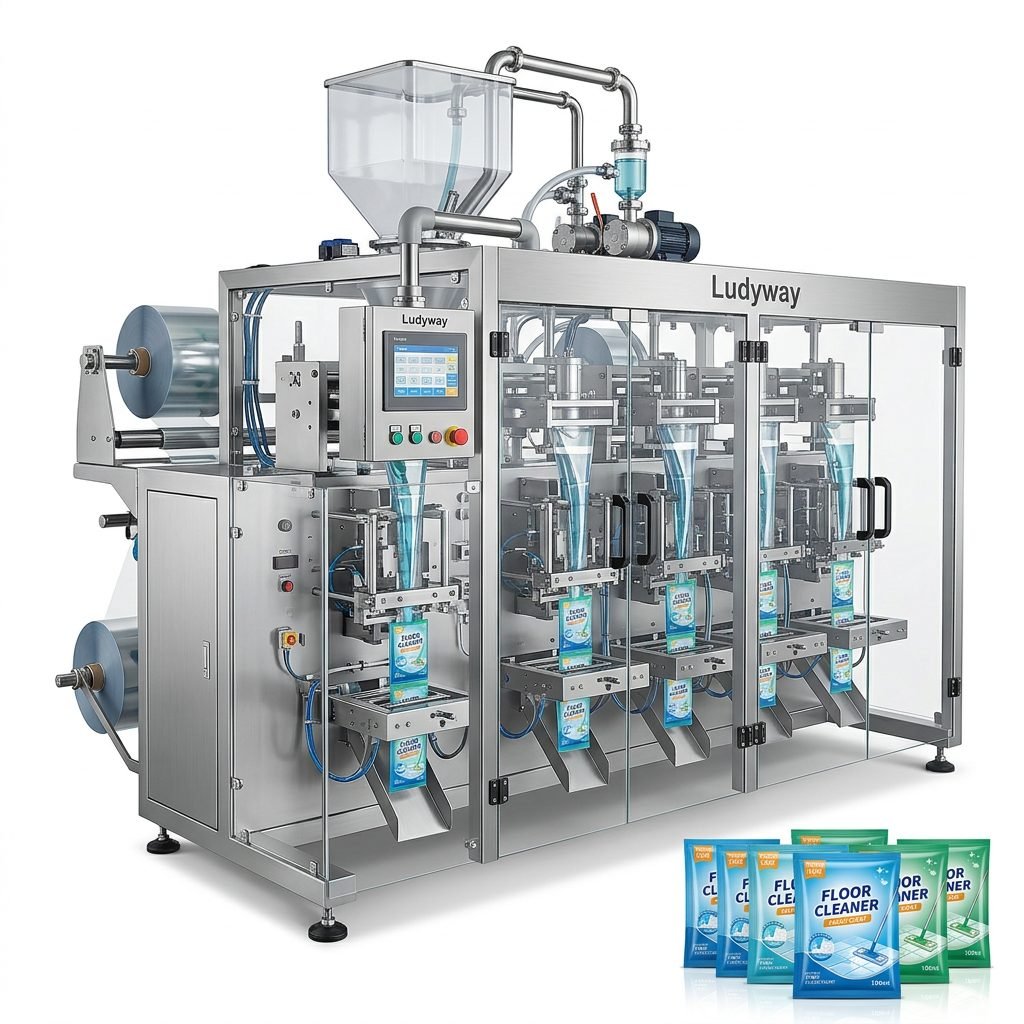
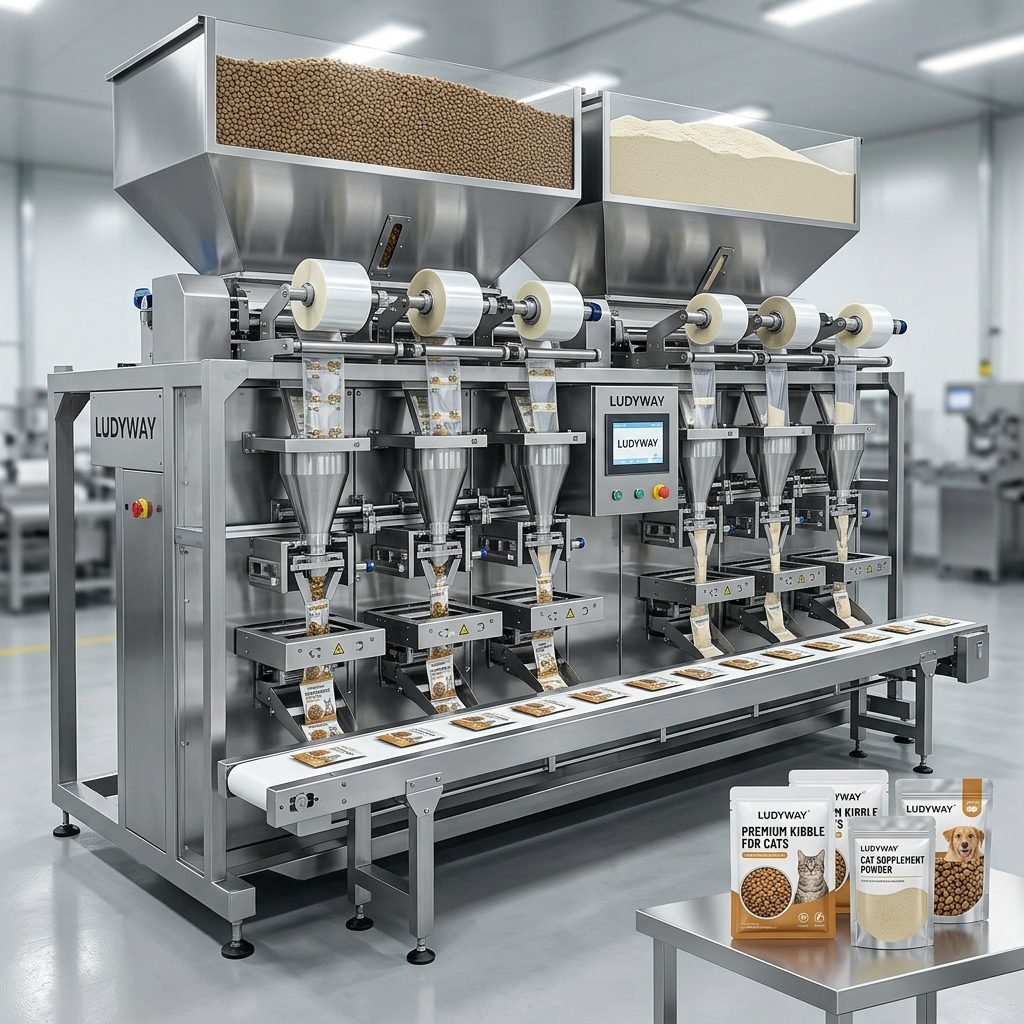
The North American tea market is evolving rapidly, with consumer demand shifting toward convenience, portion control, and sustainable packaging. From herbal blends to premium loose-leaf varieties, manufacturers require tea bag packaging machines that deliver precision, speed, and reliability. Choosing the right equipment directly impacts product quality, shelf appeal, and operational efficiency.
Key Challenges in the North American Tea Packaging Sector
Producers face mounting pressure to comply with FDA food contact substance regulations while maintaining high throughput. Labor shortages and rising material costs further complicate production. A modern tea bag packaging machine must address these challenges through automation, precise filling accuracy, and compatibility with biodegradable film materials.
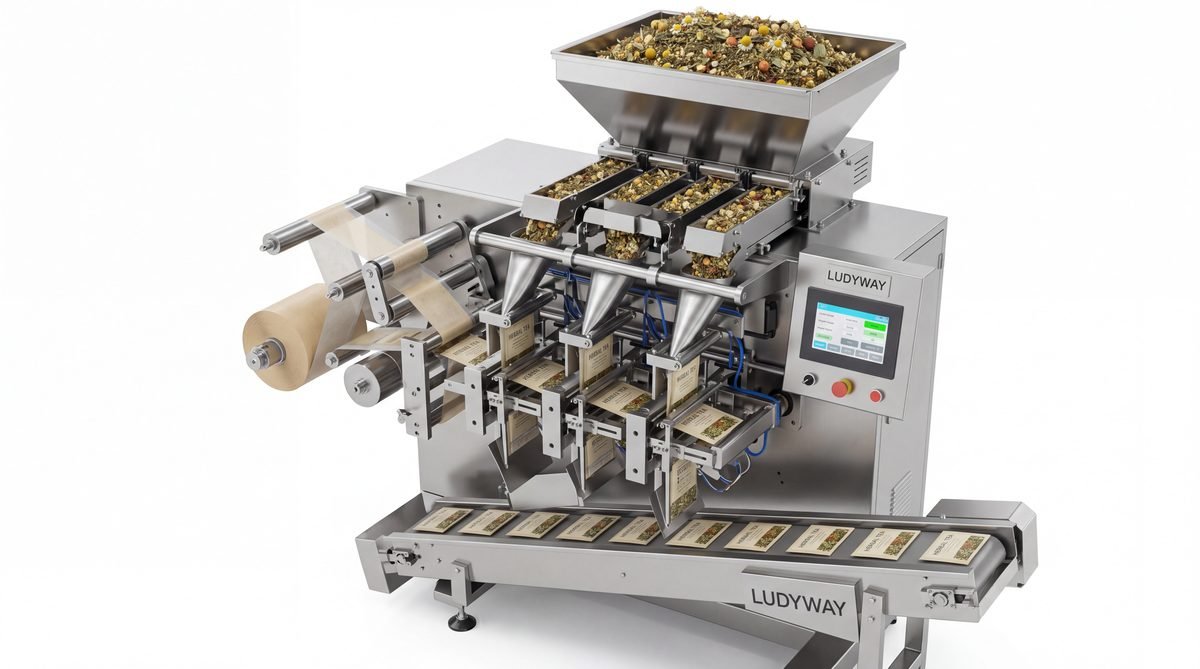
Why Multi-Lane Stick Pack Technology is Gaining Traction
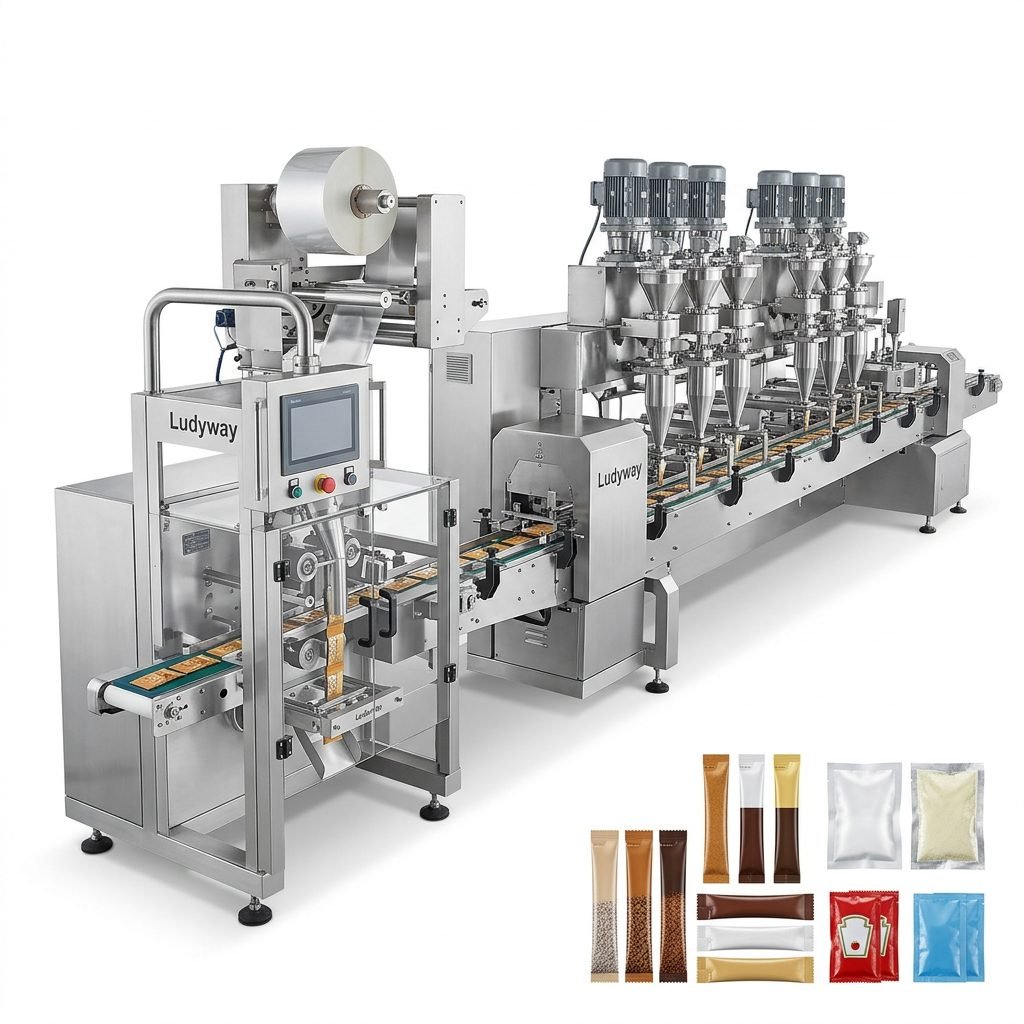
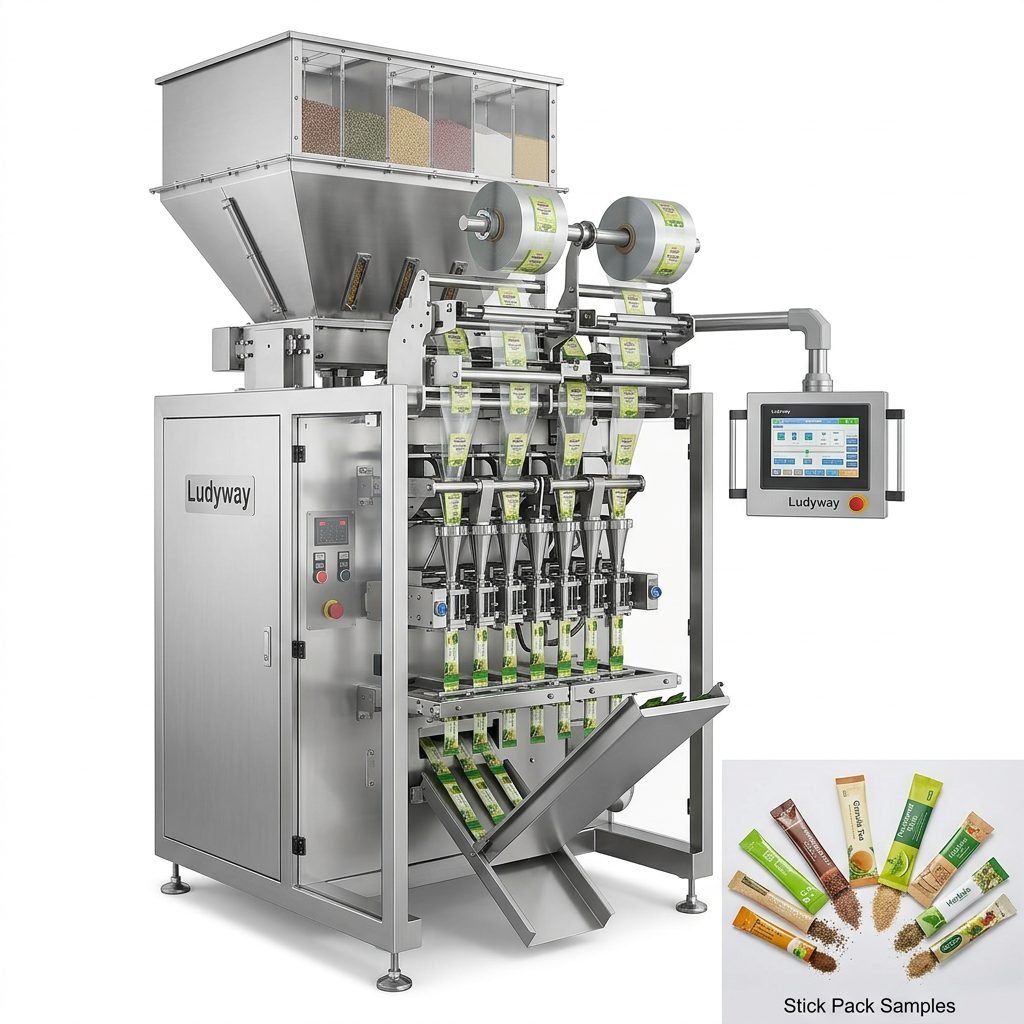
Traditional single-lane systems can no longer keep pace with high-volume North American distribution demands. Multi-lane stick pack and sachet machines now dominate the sector, capable of producing up to 400-600 packs per minute per lane. This technology is especially critical for tea formats such as:
- Pyramid tea bags – requiring delicate handling and precise chamber forming
- Stick packs – ideal for iced tea powders and instant tea granules
- Flow-wrap envelopes – the standard for traditional string-and-tag tea bags
- Pillow sachets – popular for herbal and wellness tea blends
Material Compatibility and Sustainable Packaging Trends
North American brands are rapidly transitioning toward compostable PLA netting, plant-based filter paper, and recyclable outer pouches. This shift demands machinery with advanced sealing jaw temperature control and tension management. Equipment must handle diverse substrates without compromising seal integrity, a critical factor given the region’s strict FDA food contact substance regulations.
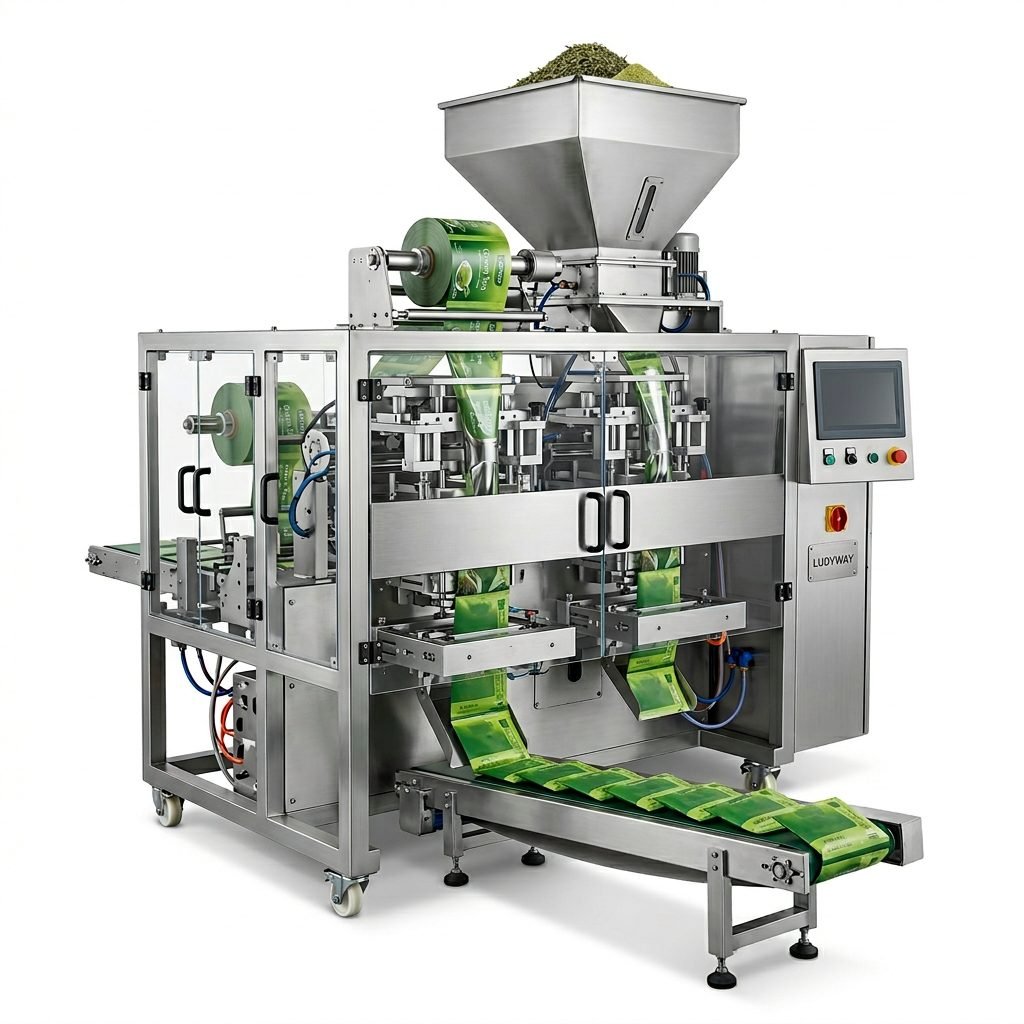
Comparing Packaging Formats for North American Tea Products
| Packaging Format | Best Application | Speed Range (packs/min) | Material Options |
|---|---|---|---|
| Pyramid Sachet | Whole-leaf, fruit blends | 80 – 200 | Nylon mesh, PLA net |
| Flat Envelope | Traditional black tea, green tea | 200 – 400 | Filter paper, abaca fiber |
| Stick Pack | Instant tea powder, matcha | 300 – 600 | Laminated film, foil composite |
| Outer Pouch | Multi-pack tea bags | 30 – 80 | Kraft paper, recyclable PE |
Automation Features That Reduce Downtime
Advanced tea bag packaging machine models now integrate servo-driven sealing and cutting mechanisms that eliminate mechanical wear points. Key functionalities include:
- Automatic thread and tag attachment with precise placement accuracy
- Nitrogen flushing capability to extend shelf life for premium tea varieties
- Quick-change forming tubes that enable format switchover in under 15 minutes
- Integrated vision inspection for tag alignment and seal integrity
- Recipe-based PLC memory for repeatable batch production
Regulatory Compliance and Certification Requirements
Equipment destined for the North American market must align with cGMP guidelines and, where applicable, ISO 11607 packaging standards. Stainless steel contact parts, validated cleaning protocols, and full documentation packages are non-negotiable. The latest PMMI 2026 state of the industry report highlights traceability and serialization as emerging requirements for co-packing operations supplying major North American retailers.
Evaluating Total Cost of Ownership
Beyond the initial purchase price, North American operators should assess:
- Energy consumption per thousand packs produced
- Film waste rates during start-up and splice cycles
- Spare parts availability and local warehousing support
- Mean time between failures (MTBF) and typical repair times
- Compatibility with Industry 4.0 data logging and OEE tracking
Flexibility for Contract Packaging Operations
Many North American tea brands outsource production to contract packagers who handle multiple product types. A versatile tea bag packaging machine must accommodate granular blends, powdered chai mixes, and even liquid concentrates within a single production cell. Modular machine design with interchangeable dosing systems—auger, volumetric cup, or multi-head weigher—enables this flexibility without extensive reconfiguration.
Service Infrastructure Across North America
After-sales support is a decisive factor. Look for suppliers offering remote diagnostics via VPN, local technical partner networks, and readily available critical components. Fast-response troubleshooting minimizes production interruptions, especially during peak seasonal demand for iced tea and holiday gift sets. Training programs for operator teams further ensure consistent machine performance and reduced human error.
Key Selection Criteria Summary
- Validated throughput rates with tea-specific products, not just generic granules
- Documented compliance with FDA, cGMP, and food safety frameworks
- Ability to process compostable and sustainable films
- Availability of North American-specific voltage, documentation, and support
- Proven installations in comparable tea and herbal supplement facilities
For operations seeking to upgrade their packaging capabilities, Ludyway provides advanced tea bag packaging solutions engineered for the rigorous demands of the North American market, supported by comprehensive technical knowledge and responsive global service.