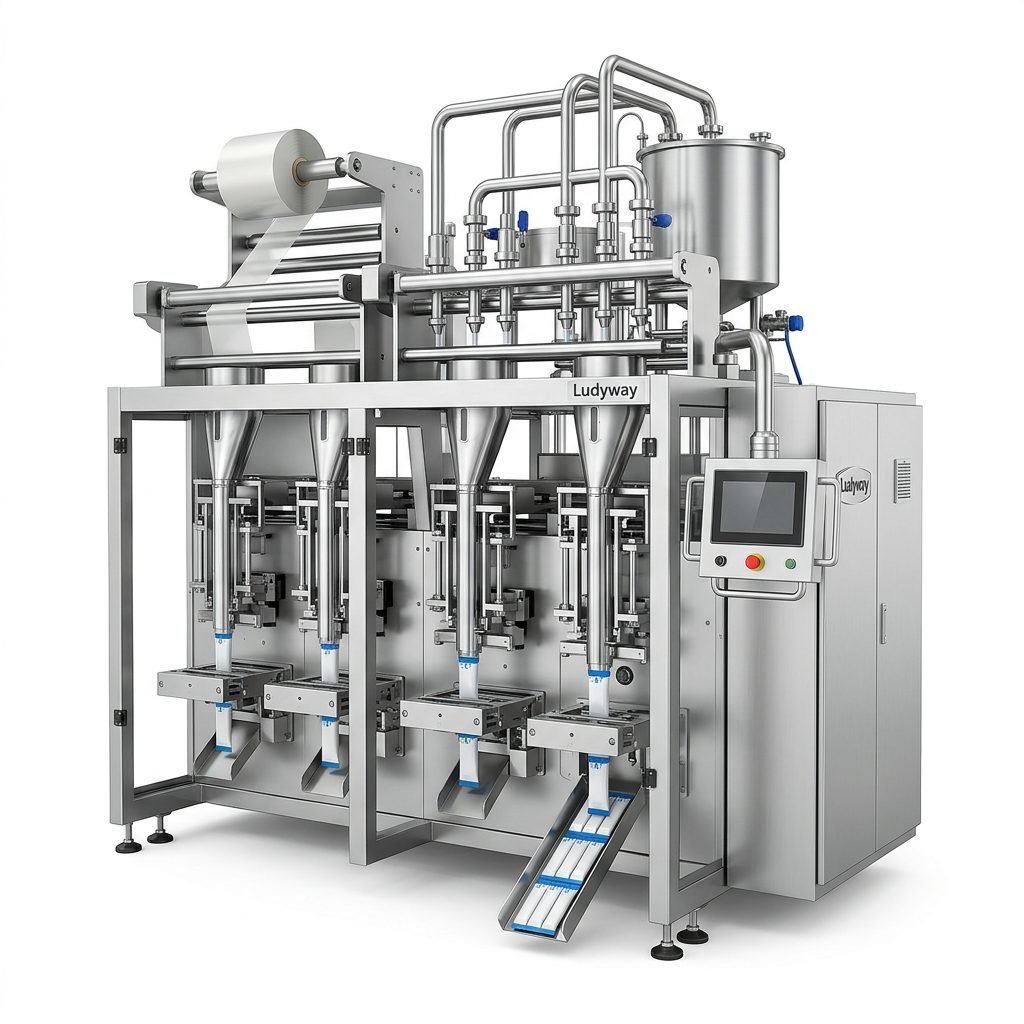
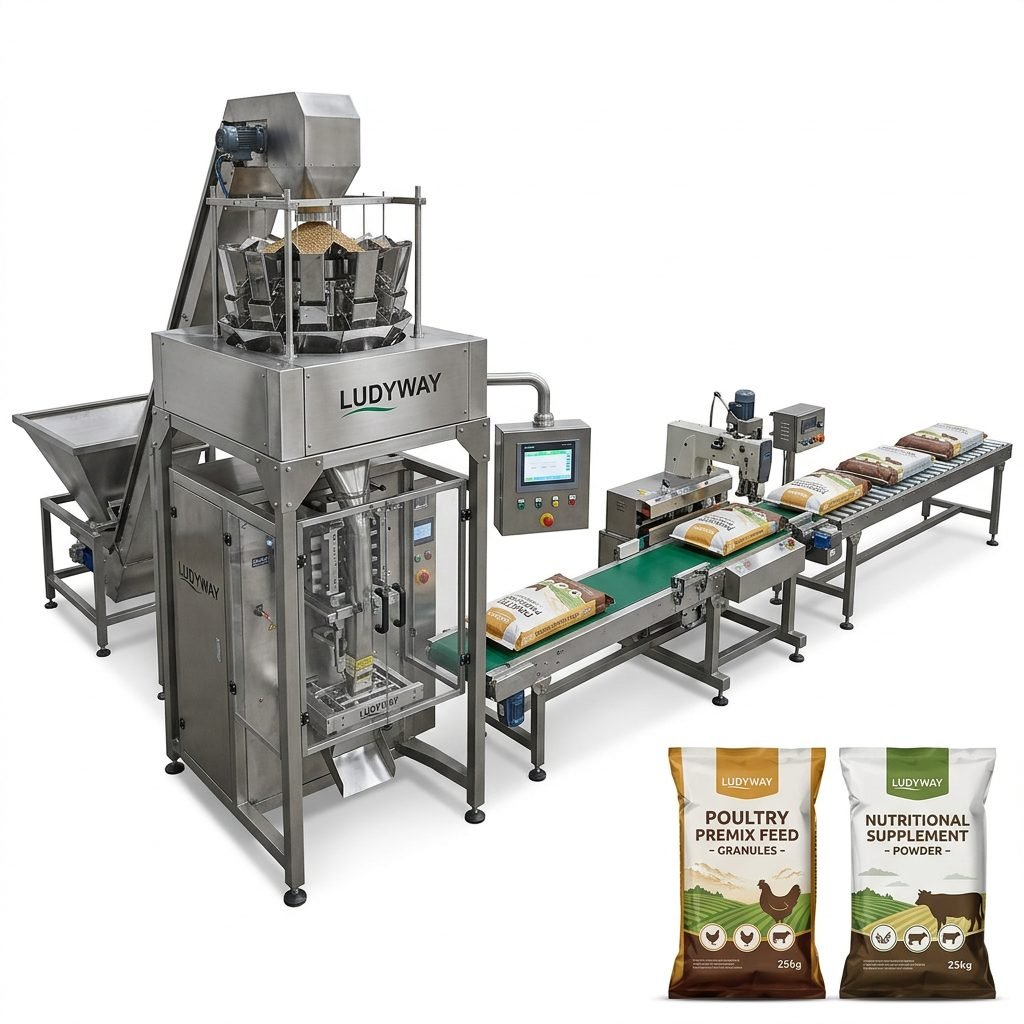
Setting up a sauce pouch packaging line in the UK requires careful planning, the right equipment, and an understanding of both regulatory requirements and operational costs. Whether you are launching a new condiment brand or expanding an existing food manufacturing facility, this guide covers everything from essential machinery to budget considerations and step-by-step implementation.
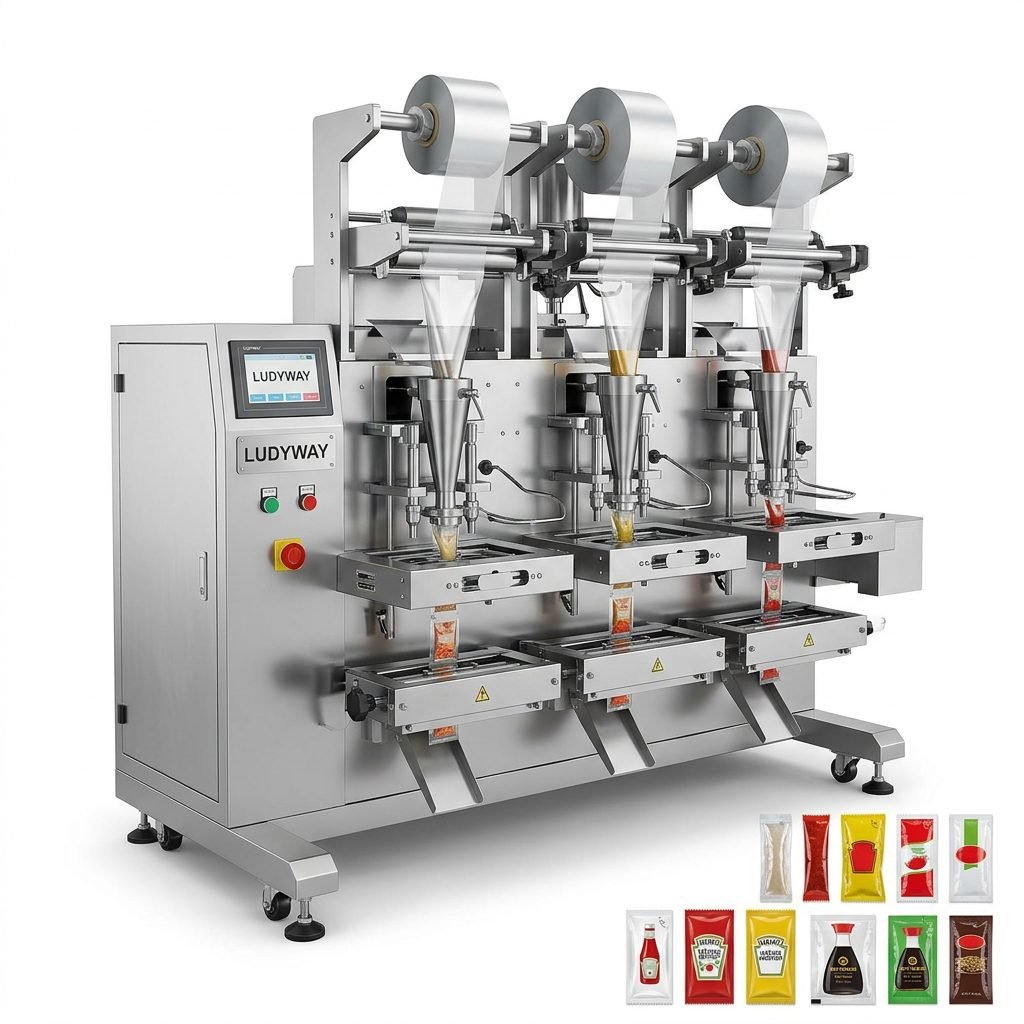
Understanding the UK Sauce Pouch Market
The demand for single-serve sauce sachets and pouches has grown significantly across the UK food service and retail sectors. From ketchup and mayonnaise to premium cooking sauces and condiments, pouch packaging offers convenience, portion control, and extended shelf life. According to the Flexible Packaging Association, the flexible packaging sector continues to expand due to consumer preference for lightweight and resealable formats. For UK manufacturers, aligning with European packaging waste regulations is also a critical consideration when selecting packaging materials and machinery.
Key Equipment for a Sauce Pouch Packaging Line
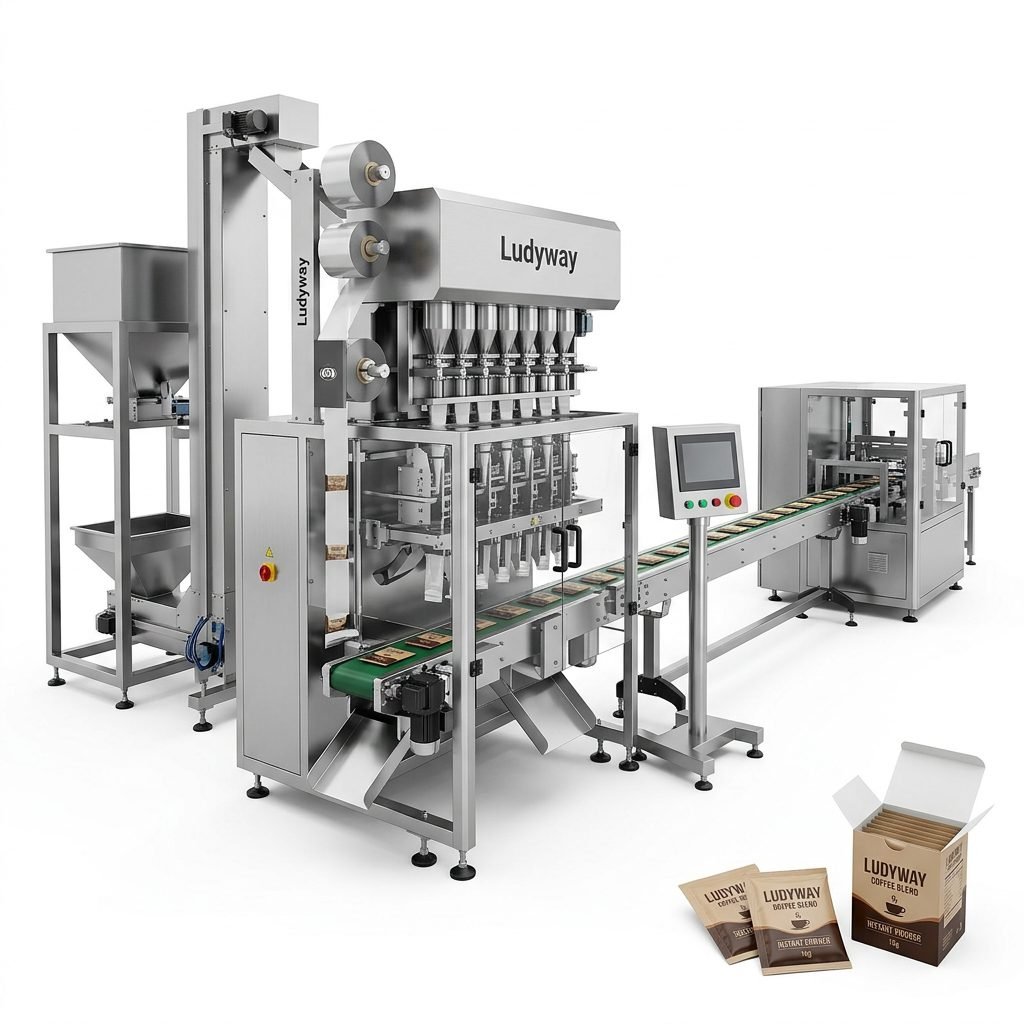
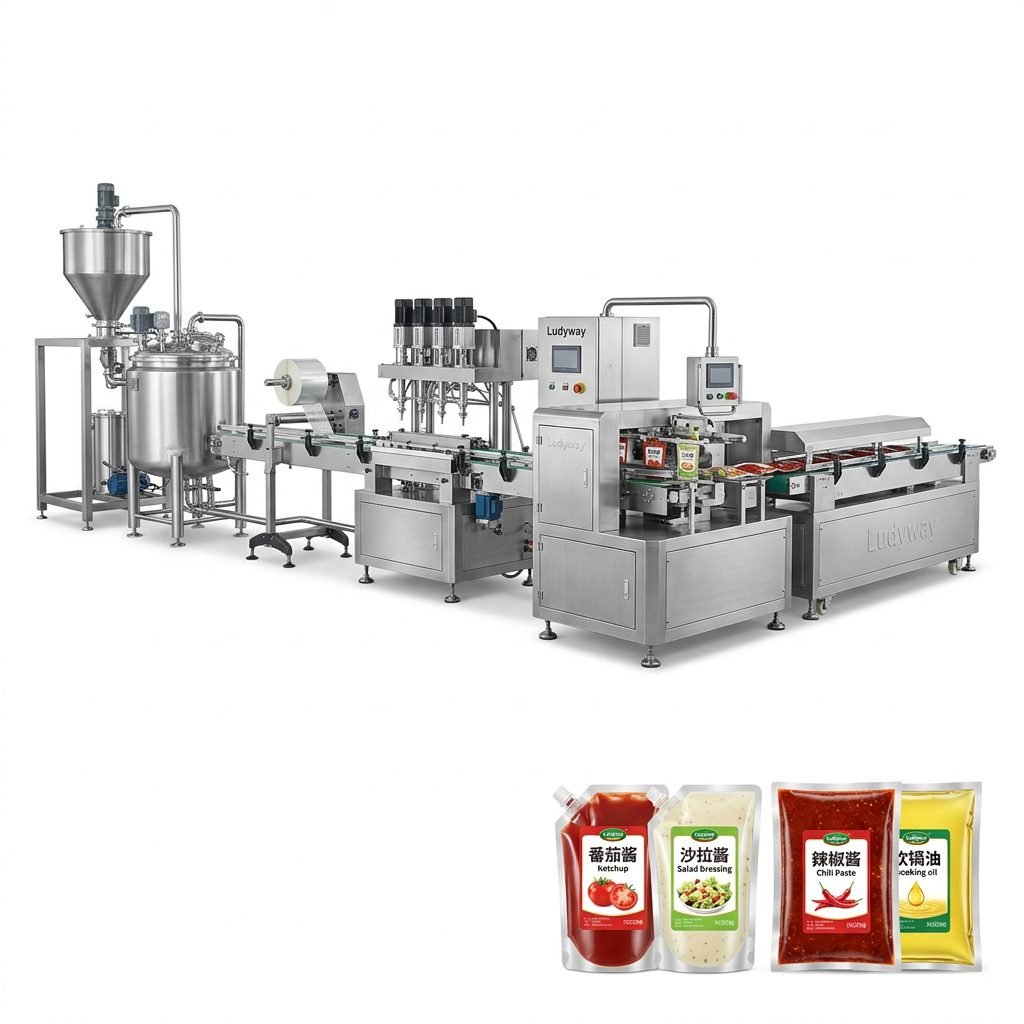
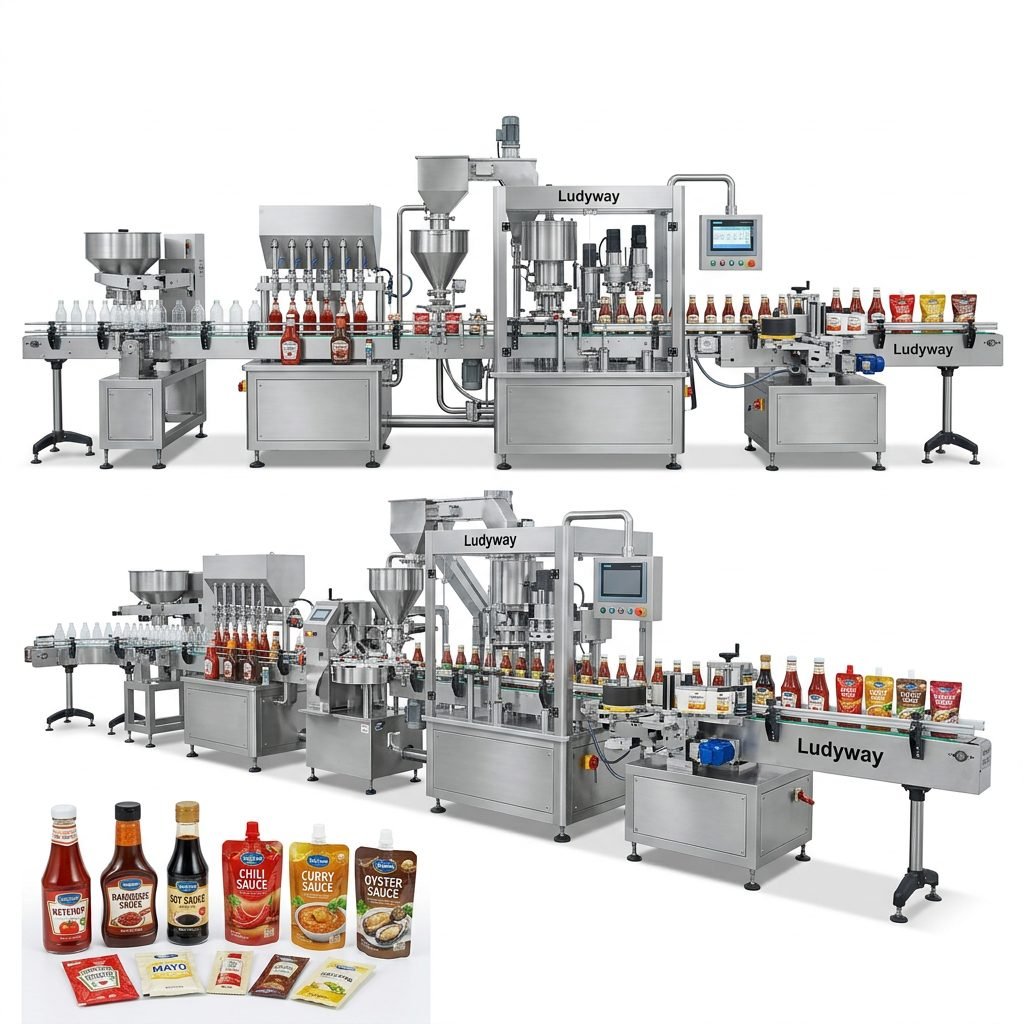
A complete sauce pouch packaging line typically consists of several integrated machines. Below are the core components you will need to evaluate:
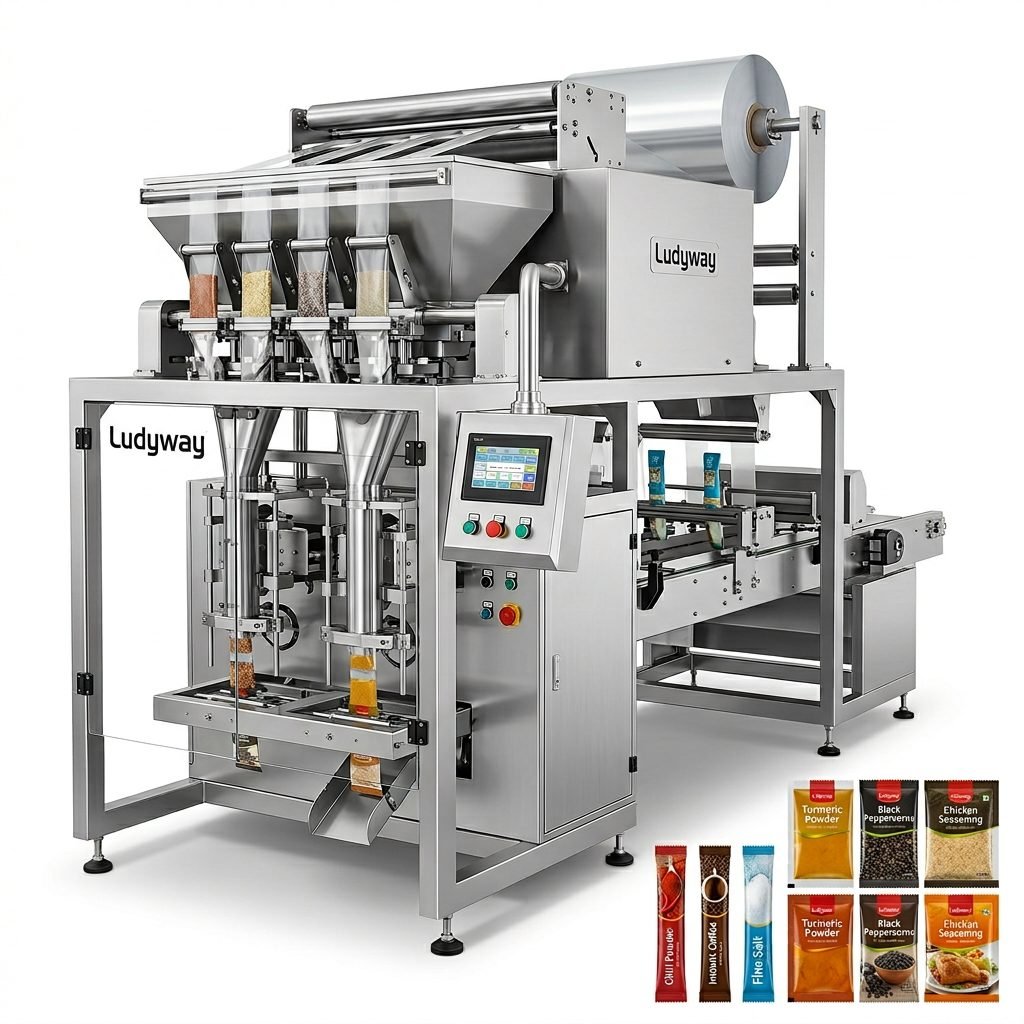
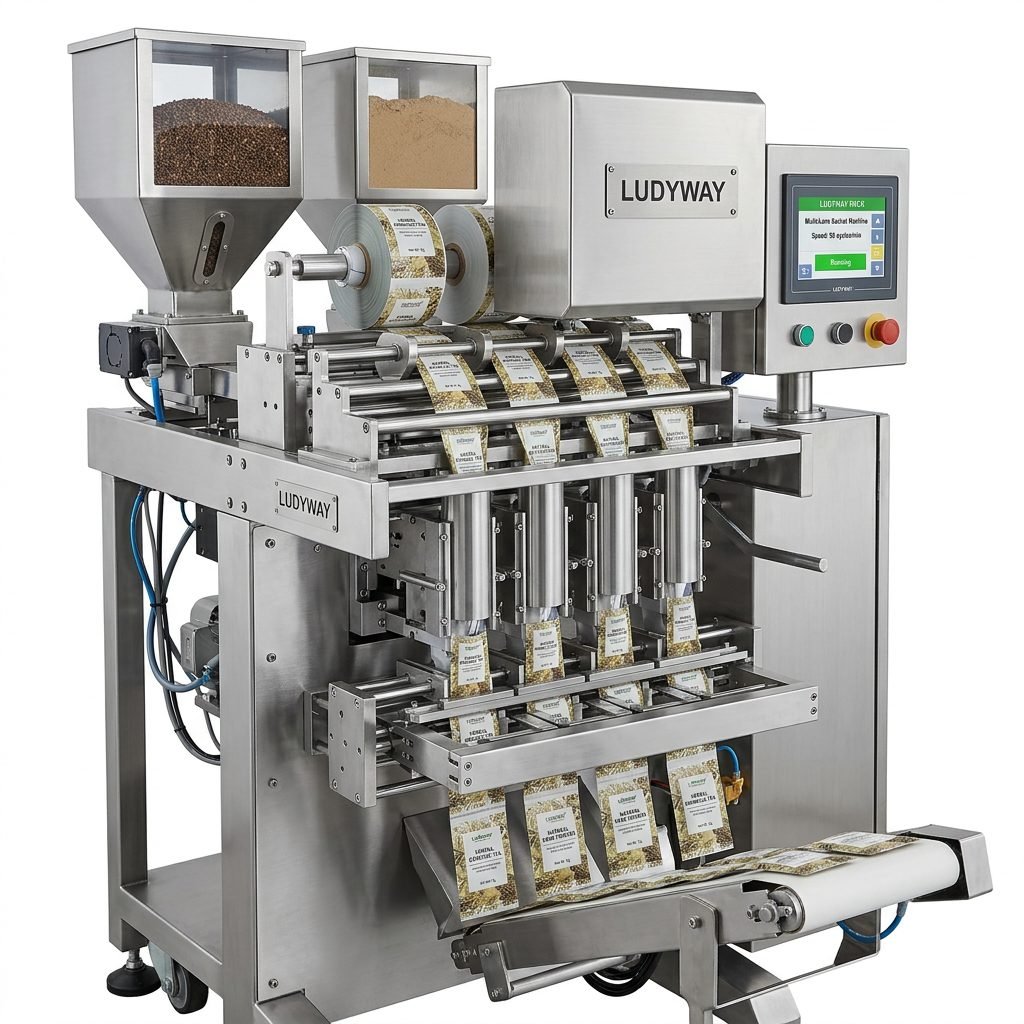
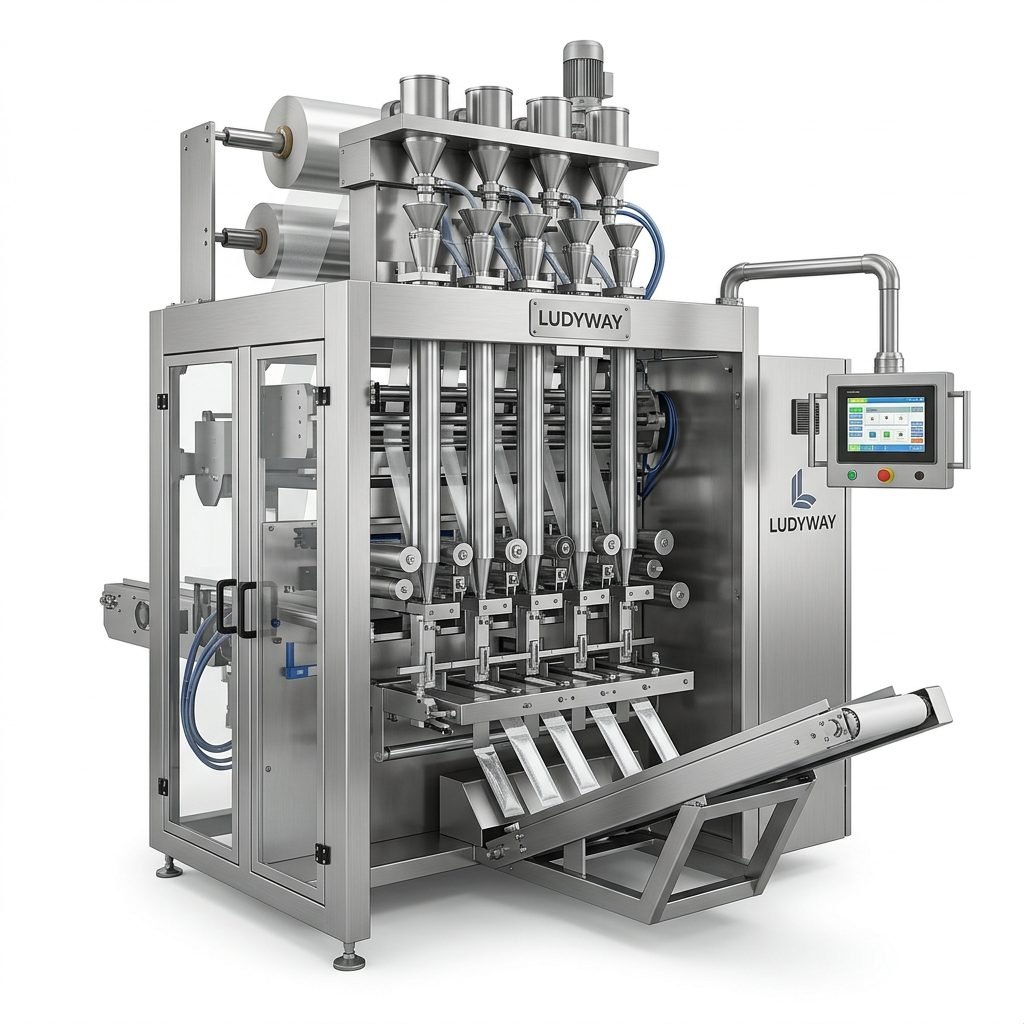
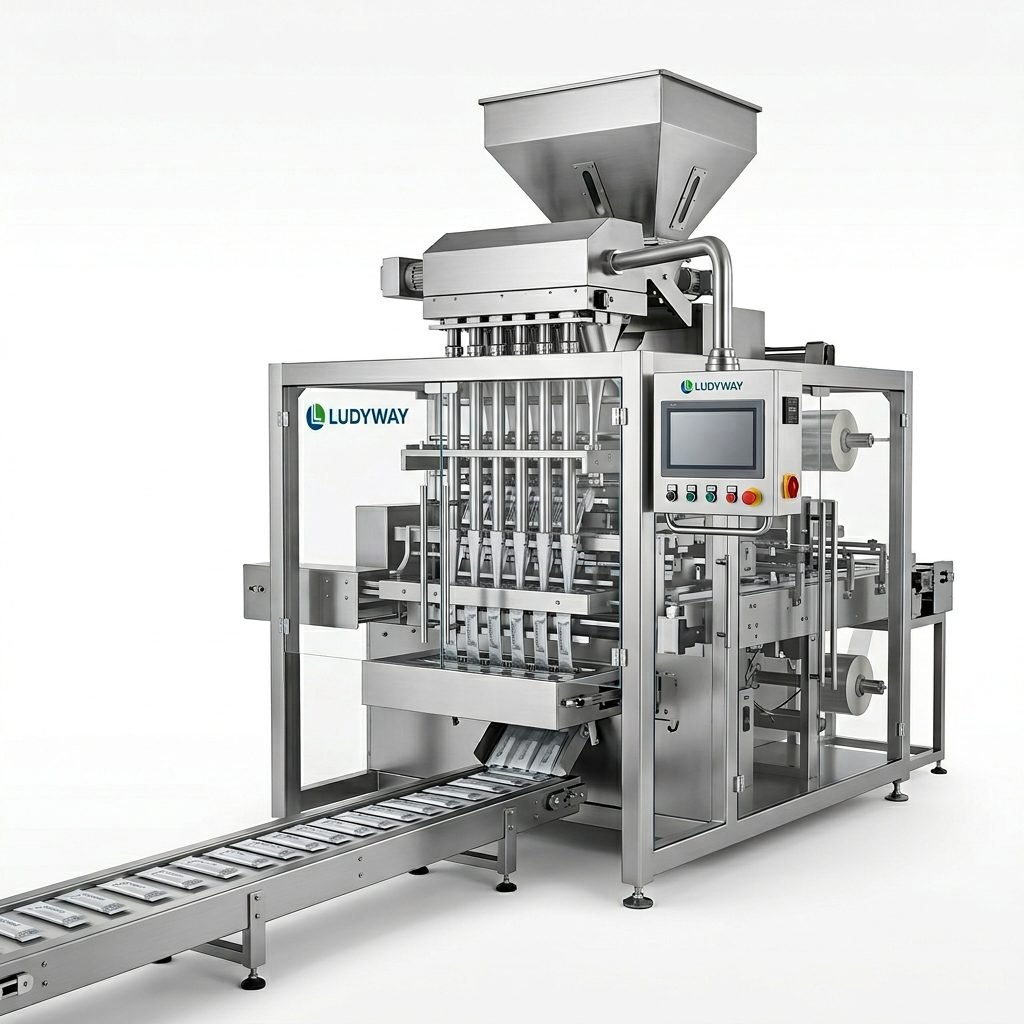
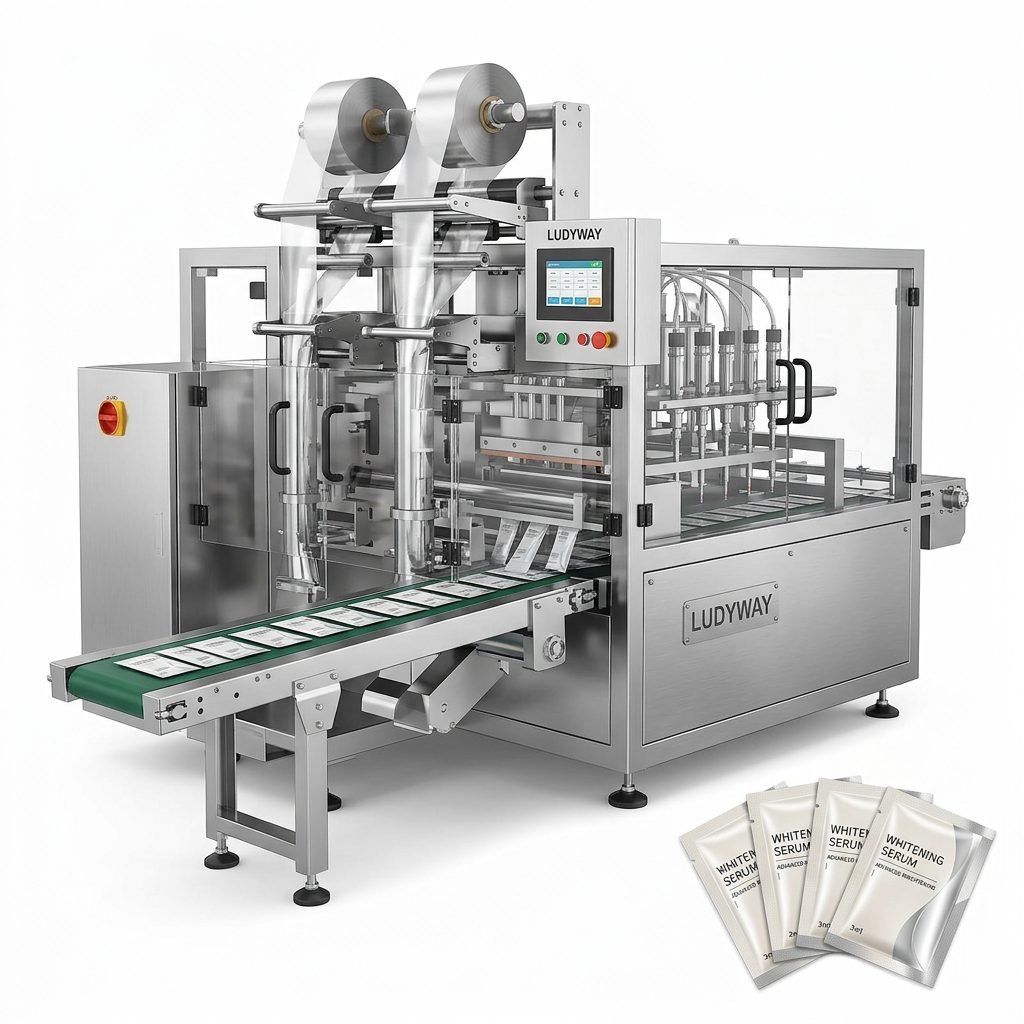
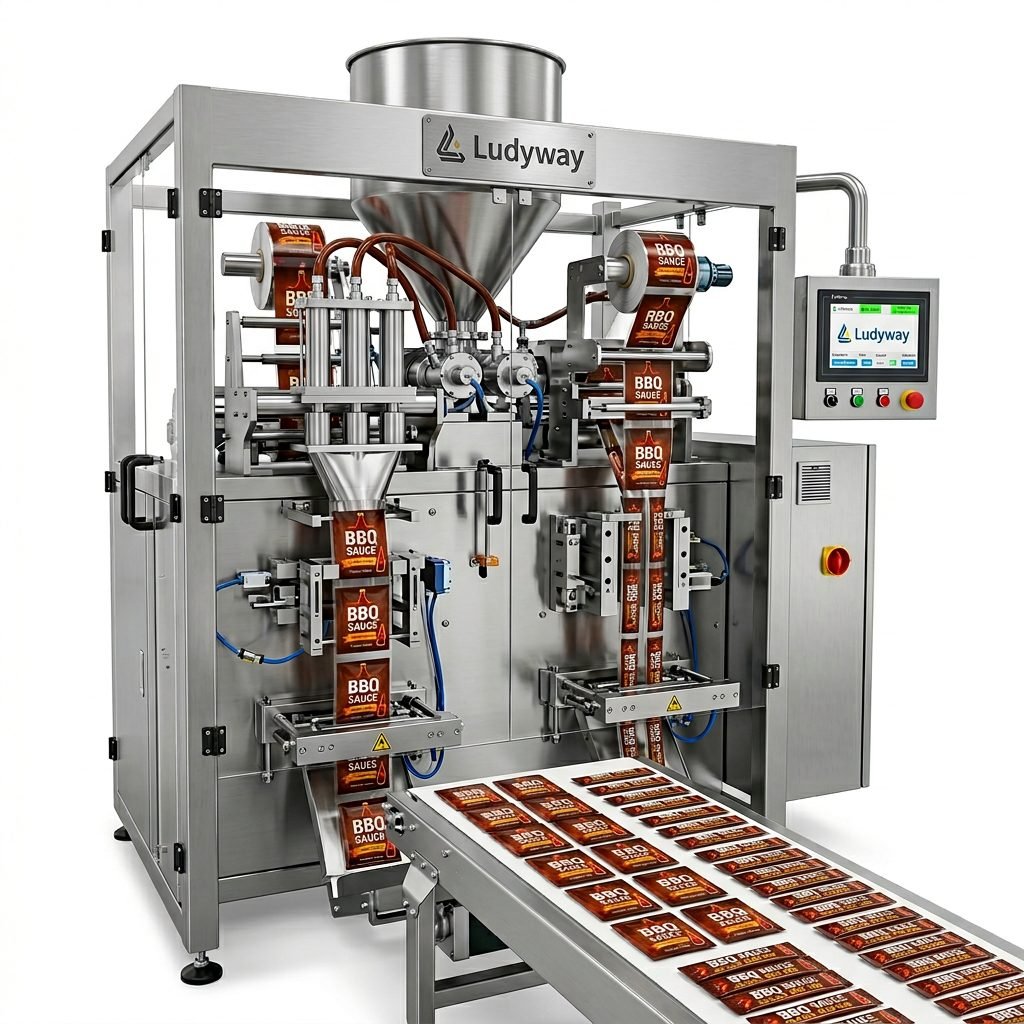
- Multi-Lane Sachet Packaging Machine – The heart of the line, capable of filling and sealing multiple pouches simultaneously. For liquid sauces, look for models with precision liquid filling systems and hot-seal or cold-seal technology.
- Liquid Filling System – Piston fillers, peristaltic pumps, or servo-driven volumetric fillers are commonly used depending on sauce viscosity and particulate content.
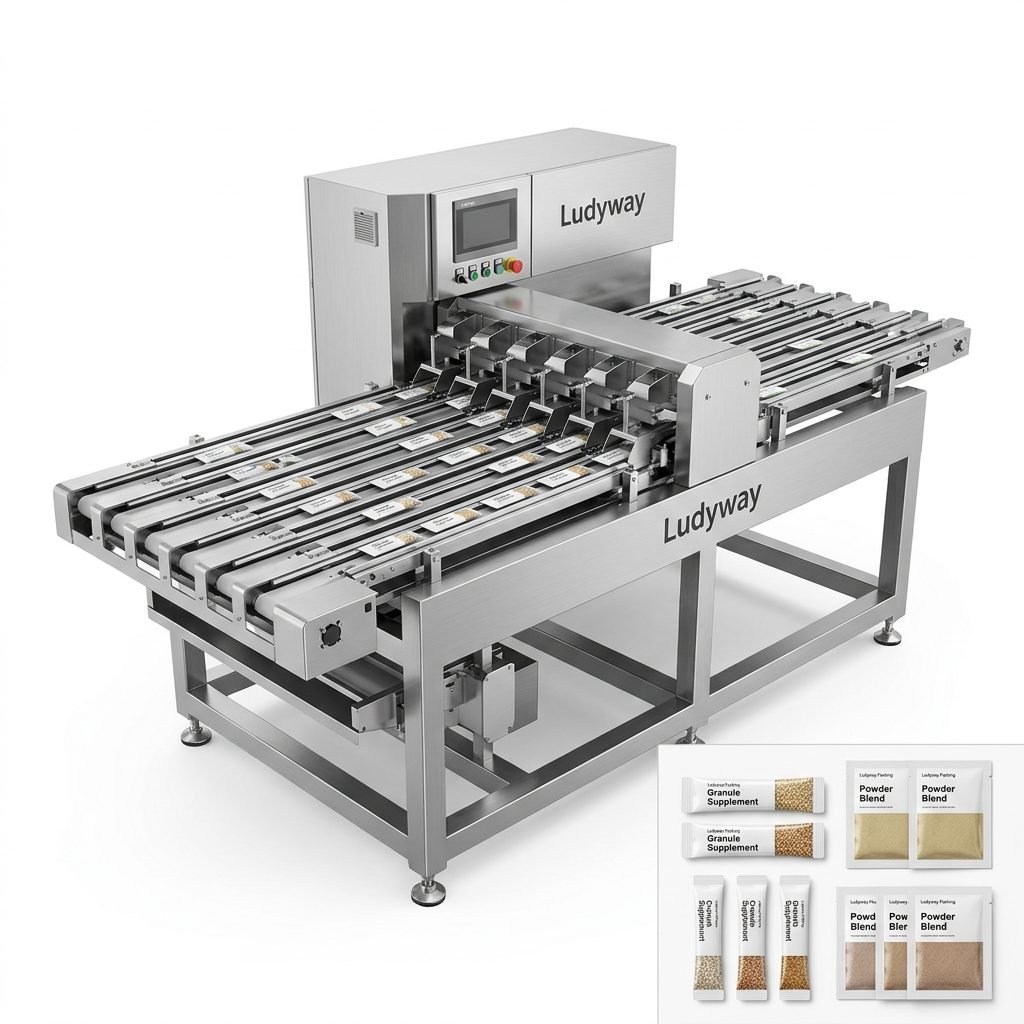
- Infeed Conveyor & Product Handling – Ensures smooth transfer of empty pouches and finished sachets through the production line.
- Checkweigher & Inspection Systems – Critical for UK Trading Standards compliance and quality assurance. Refer to PMMI packaging industry resources for best practices on inline inspection.
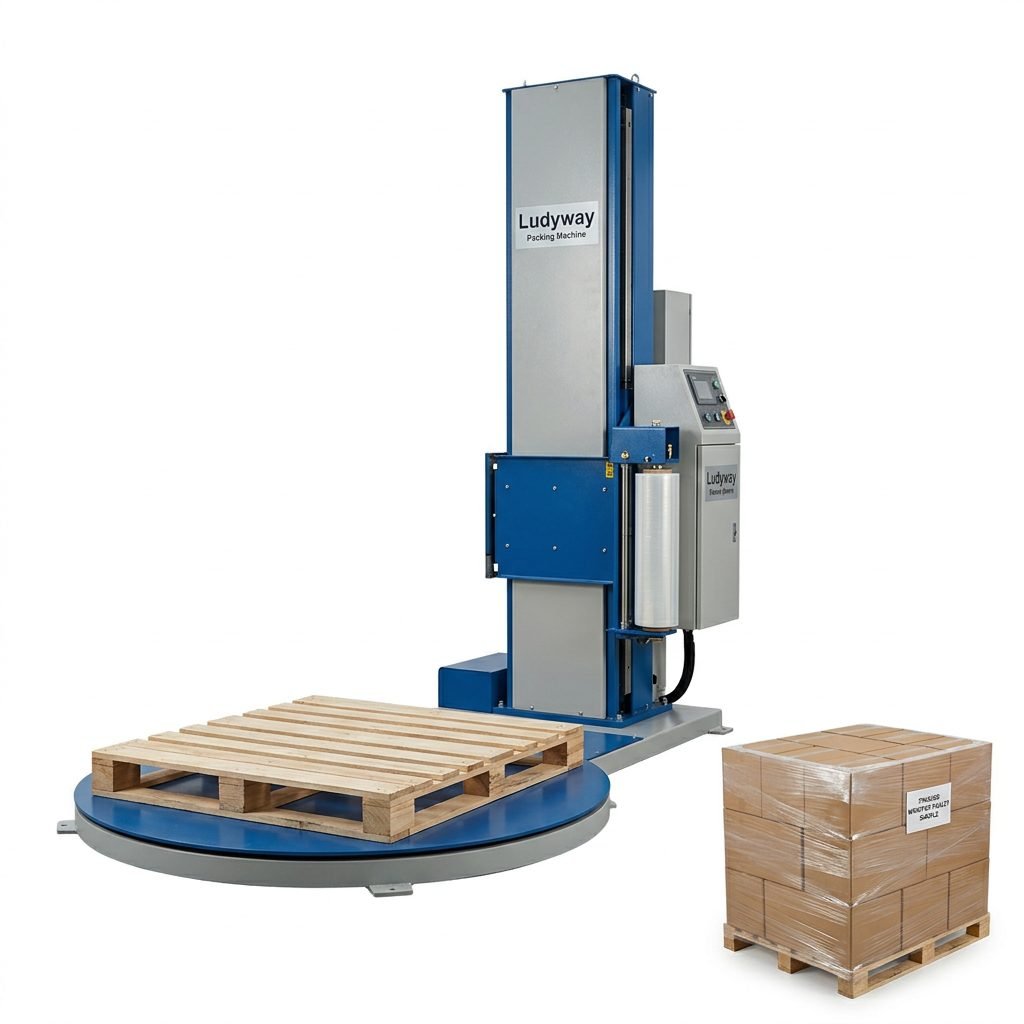
- Cartoning & End-of-Line Packaging – Automated cartoning machines pack finished sachets into boxes, with optional palletising systems for high-volume operations.
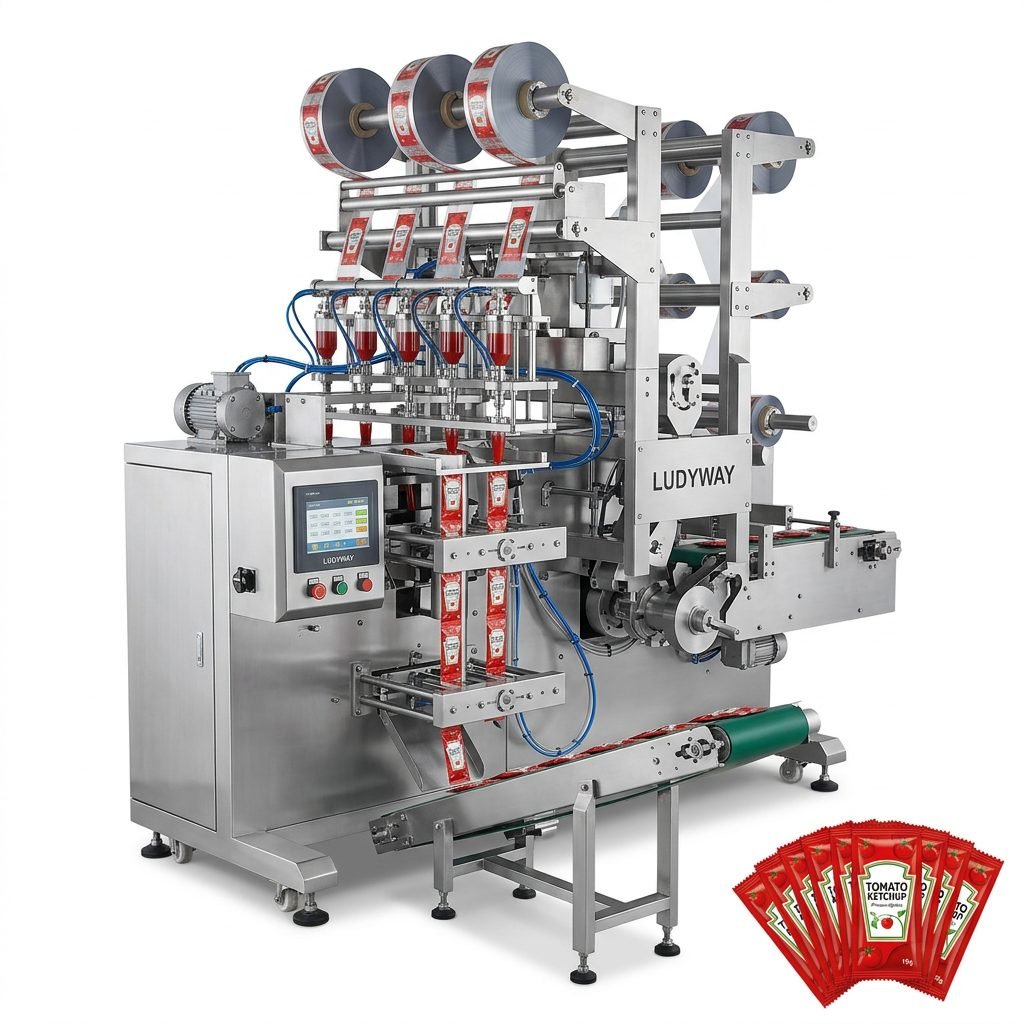
Choosing Between Stick Pack and Flat Sachet Formats
UK sauce brands often choose between stick packs (narrow, elongated pouches) and flat sachets (rectangular, wider pouches). Stick packs are popular for single-serve applications in takeaway and food service, while flat sachets are preferred for retail multipacks. Your flexible packaging format decision impacts the type of form-fill-seal machine you will need.
Estimated Costs of Setting Up a Sauce Pouch Packaging Line in the UK
The total investment varies based on production capacity, automation level, and packaging format. Below is a breakdown of typical cost ranges for a mid-volume sauce pouch packaging line in the UK market:
| Equipment / Cost Item | Estimated Price Range (GBP) | Notes |
|---|---|---|
| Multi-Lane Sachet Packaging Machine | £45,000 – £180,000 | Depends on lane count (4–12 lanes) and speed |
| Liquid Filling System | £8,000 – £35,000 | Piston, pump, or servo-driven options |
| Checkweigher & Metal Detector | £6,000 – £22,000 | Compliance with UK weights and measures |
| Cartoning Machine | £20,000 – £65,000 | Semi-automatic to fully automatic |
| Conveyor Systems & Integration | £10,000 – £40,000 | Custom length and configuration |
| Installation, Commissioning & Training | £5,000 – £20,000 | Supplier-dependent; UK-based engineers preferred |
| Facility Preparation & Utilities | £15,000 – £50,000 | Electrical, compressed air, hygiene requirements |
| Total Estimated Investment | £109,000 – £412,000 | Excludes raw materials and ongoing operational costs |
Note: These figures are indicative and depend on machine specifications, brand, and customisation requirements. For high-speed lines producing over 400 sachets per minute, costs can exceed £500,000. It is advisable to consult PMMI state of the industry reports for current packaging machinery market trends.
Step-by-Step Guide to Setting Up Your Sauce Pouch Packaging Line
Step 1: Define Your Product and Packaging Specifications
Start by clearly defining your sauce type (viscosity, particulates, temperature sensitivity), target pouch size (from 5ml sachets to 100ml pouches), and production volume (sachets per minute or per shift). This information directly determines the type of filling technology and lane configuration you need. Ensure your packaging materials comply with FDA food contact substance guidelines if you plan to export, or UK-specific food safety standards for domestic distribution.
Step 2: Select Equipment and a Reliable Supplier
Research and shortlist packaging machinery manufacturers with proven experience in liquid and sauce applications. Evaluate factors such as build quality, after-sales support, spare parts availability in the UK, and CE/UKCA compliance. Many UK businesses source equipment from international suppliers who specialise in turnkey packaging solutions. For instance, Ludyway offers a wide range of multi-lane sachet packaging machines suitable for sauce applications, with extensive experience in serving global food manufacturers.
Step 3: Prepare Your Facility
Ensure your production floor meets food hygiene standards, with adequate space for equipment layout, operator access, and maintenance. Install necessary utilities including three-phase electrical supply, compressed air lines, and potable water connections for CIP (clean-in-place) systems if required. Floor drainage and appropriate ventilation should also be considered for sauce processing environments.
Step 4: Installation, Commissioning, and Validation
Work closely with your equipment supplier to manage delivery, installation, and commissioning. Conduct thorough testing with your actual sauce products to validate fill accuracy, seal integrity, and production speed. Implement IQ/OQ/PQ protocols (Installation Qualification, Operational Qualification, Performance Qualification) as part of your quality management system. Refer to ISO packaging standards for guidance on validation requirements.
Step 5: Staff Training and SOP Development
Train your operators on machine operation, troubleshooting, and safety procedures. Develop comprehensive Standard Operating Procedures (SOPs) covering startup, shutdown, cleaning, and changeover processes. Well-trained staff are essential for maximising line efficiency and minimising downtime.
Step 6: Ongoing Compliance and Quality Control
Establish a routine quality control programme including weight checks, seal strength tests, and visual inspections. Stay updated with packaging machinery standards and regulations applicable in the UK. Regular audits and preventive maintenance schedules help ensure consistent product quality and regulatory compliance over the long term.
UK Regulatory Considerations for Sauce Packaging
Food manufacturers in the UK must comply with several key regulations when setting up a sauce pouch packaging line:
- Food Safety Act 1990 – General food safety requirements applicable to all food businesses operating in the UK.
- UK Weights and Measures Regulations – Ensures accurate net content of packaged products; inline checkweighers help maintain compliance.
- Materials and Articles in Contact with Food Regulations – Packaging materials must be food-grade and migration-tested. Refer to FDA food packaging guidance for internationally recognised standards.
- Producer Responsibility Obligations (Packaging Waste) – UK businesses handling over 50 tonnes of packaging annually must register and meet recycling obligations, as outlined by sustainable materials management guidelines.
Tips for Optimising Your Sauce Pouch Packaging Line
To maximise return on investment, consider the following strategies:
- Invest in modular equipment that can be upgraded as production volumes grow.
- Opt for quick-changeover features to reduce downtime between product runs.
- Integrate data collection and OEE monitoring to track line performance and identify bottlenecks.
- Partner with suppliers offering remote diagnostics and UK-based technical support for faster issue resolution.
- Consider sustainable packaging materials such as recyclable mono-material films to align with flexible packaging sustainability resources and retailer expectations.
Frequently Asked Questions About Sauce Pouch Packaging Lines
What is the typical lead time for a sauce pouch packaging machine?
Lead times generally range from 8 to 16 weeks depending on the complexity of the machine and the manufacturer’s production schedule. Customised or high-speed multi-lane systems may require longer delivery periods, so early planning is essential.
Can I pack both hot-fill and cold-fill sauces on the same line?
Yes, many modern multi-lane sachet machines can handle both hot-fill (up to 90°C) and cold-fill applications, provided the filling system and sealing parameters are appropriately configured. Always confirm temperature compatibility with your equipment supplier before purchase.
What ongoing maintenance costs should I expect?
Annual maintenance costs typically range from 2% to 5% of the initial equipment investment, covering spare parts, consumables such as sealing elements and filters, and periodic technician servicing. Preventive maintenance contracts can help control these costs and reduce unplanned downtime.
Setting up a sauce pouch packaging line in the UK is a significant but manageable investment. By carefully evaluating your product needs, selecting the right equipment, and following a structured implementation plan, you can build a reliable, efficient, and compliant packaging operation that supports long-term business growth.