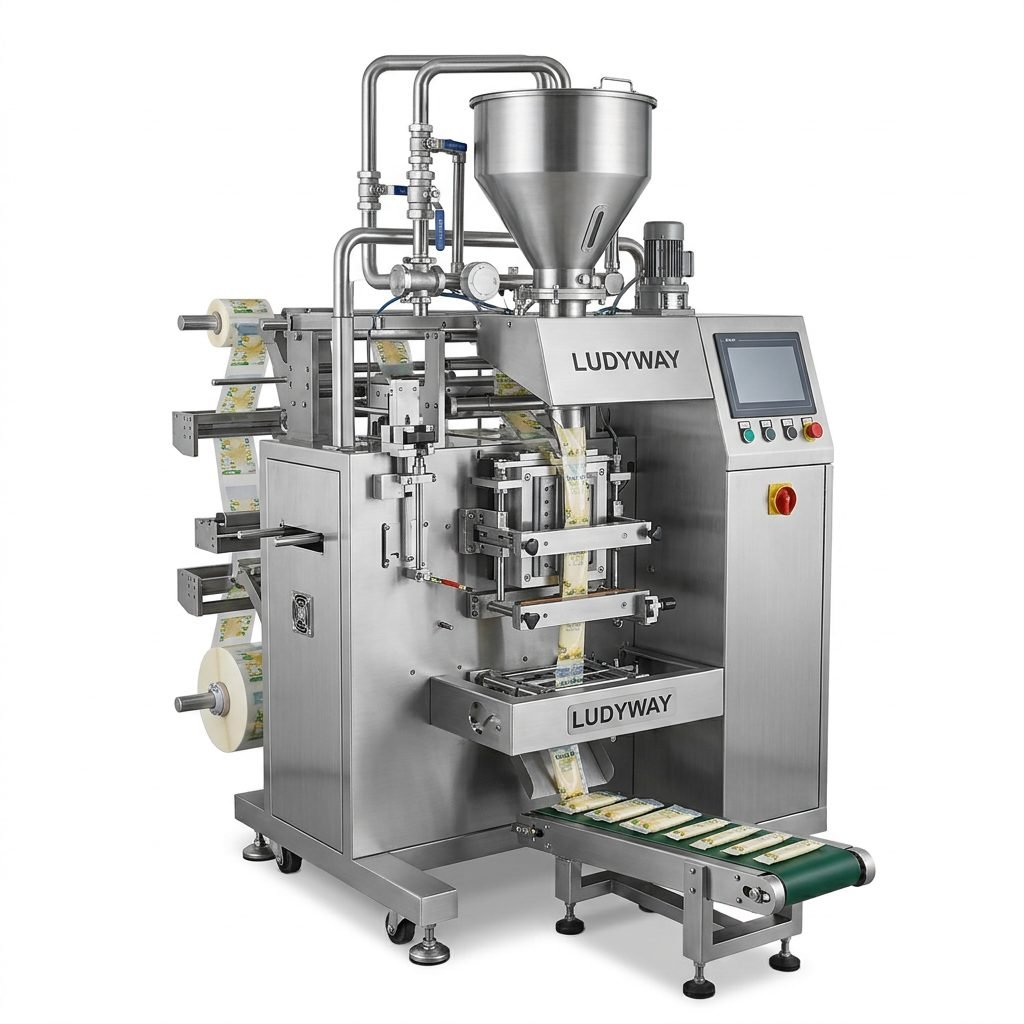
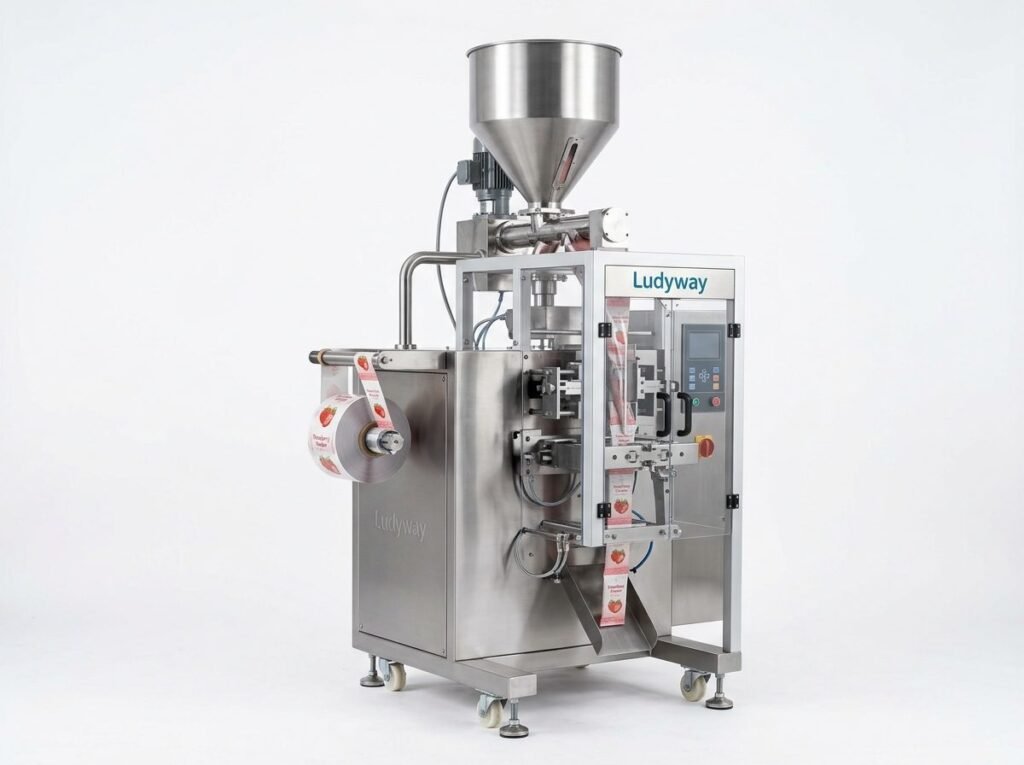
The frozen food industry in India is experiencing unprecedented growth, driven by changing consumer lifestyles, increasing urbanization, and a rapidly expanding cold chain infrastructure. For food manufacturers and processors looking to capitalize on this booming market, investing in the right frozen food packaging machine is a critical decision that can determine operational efficiency, product quality, and long-term profitability.
Understanding the Indian Frozen Food Packaging Landscape
India’s frozen food sector is projected to grow at a CAGR of over 16% through 2030, encompassing everything from frozen vegetables and ready-to-eat meals to frozen meat, seafood, and dairy products. This surge has created a corresponding demand for automated packaging solutions that can handle diverse product types while maintaining strict hygiene standards. Manufacturers must navigate a complex landscape of food safety regulations, varying production capacities, and evolving packaging industry standards to select equipment that meets both current and future needs.
Types of Frozen Food Packaging Machines Available in India
The Indian market offers a wide spectrum of packaging machinery suited to different frozen food applications. Understanding the distinctions between these types is essential for making an informed purchasing decision.
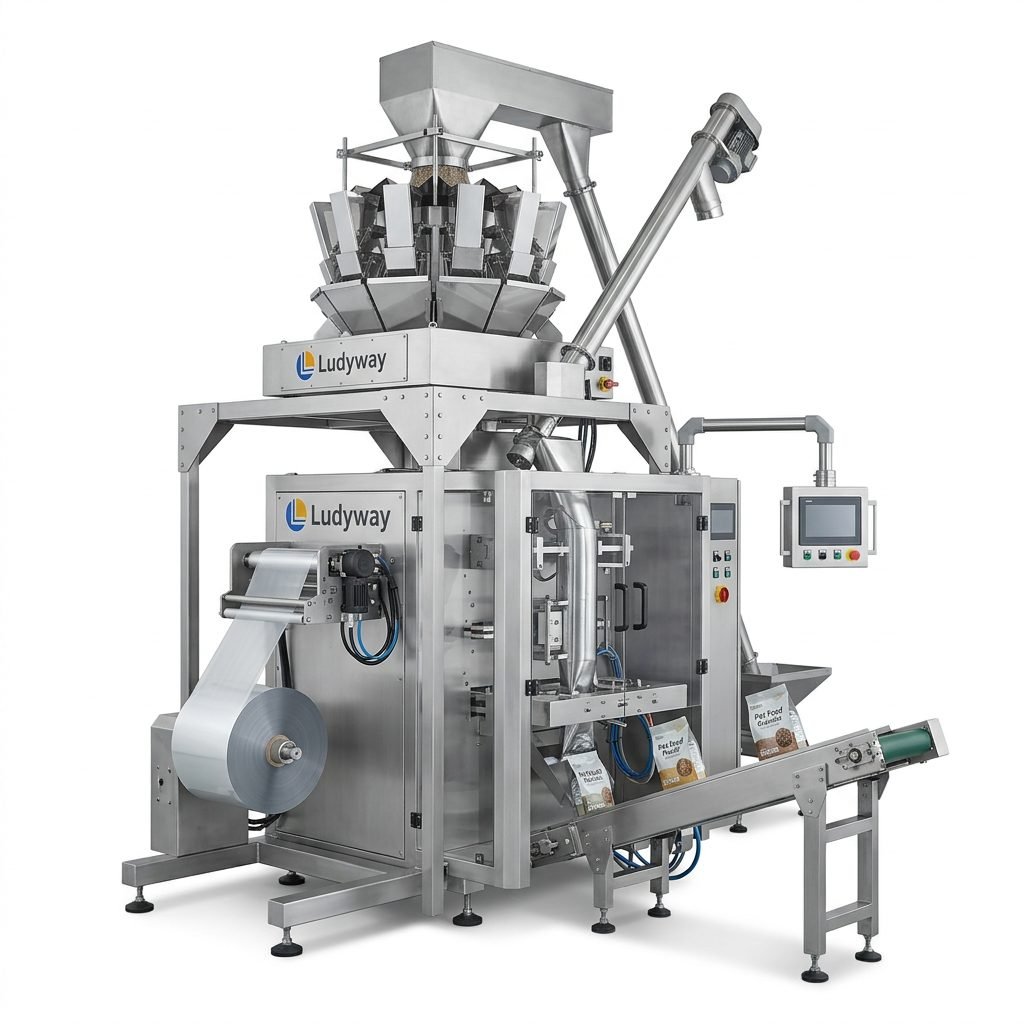
Vertical Form Fill Seal (VFFS) Machines
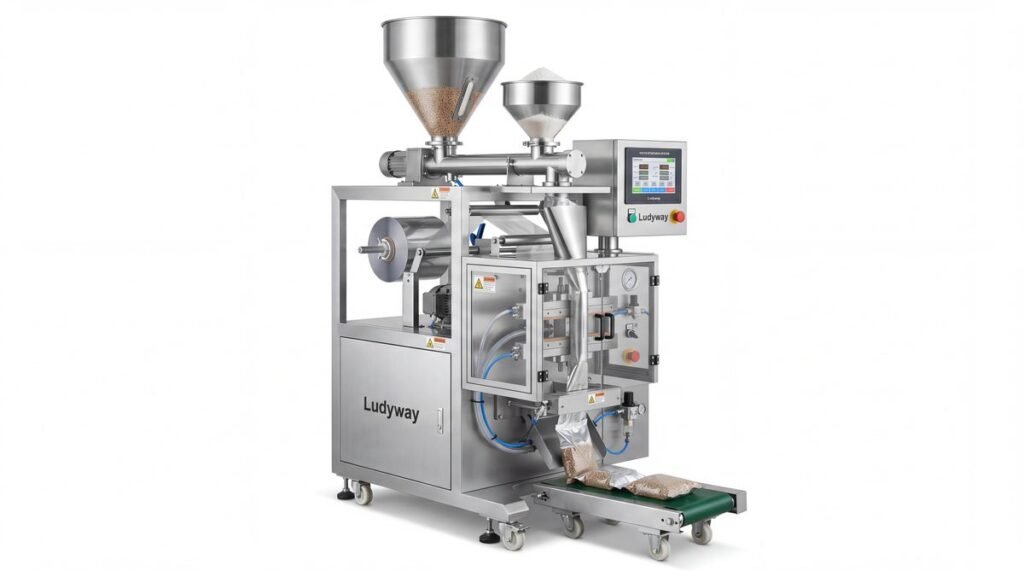
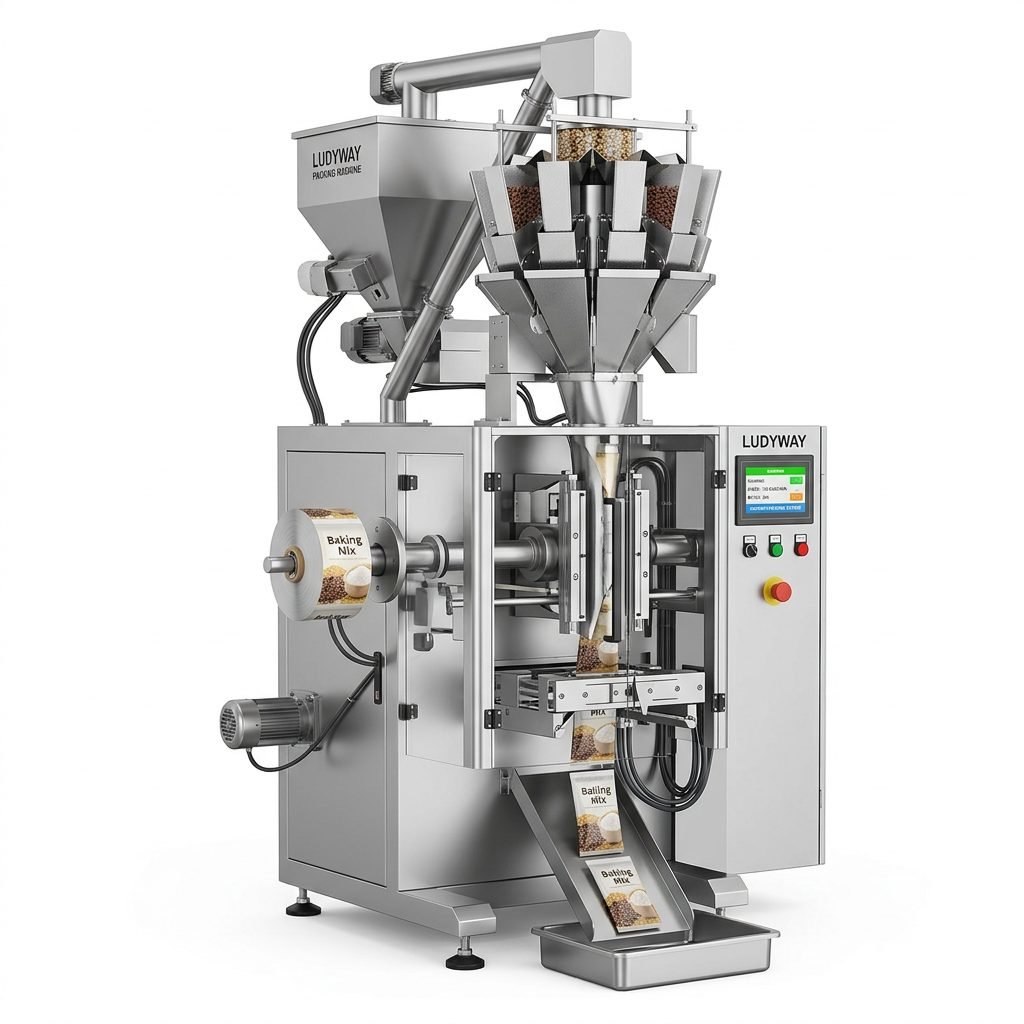
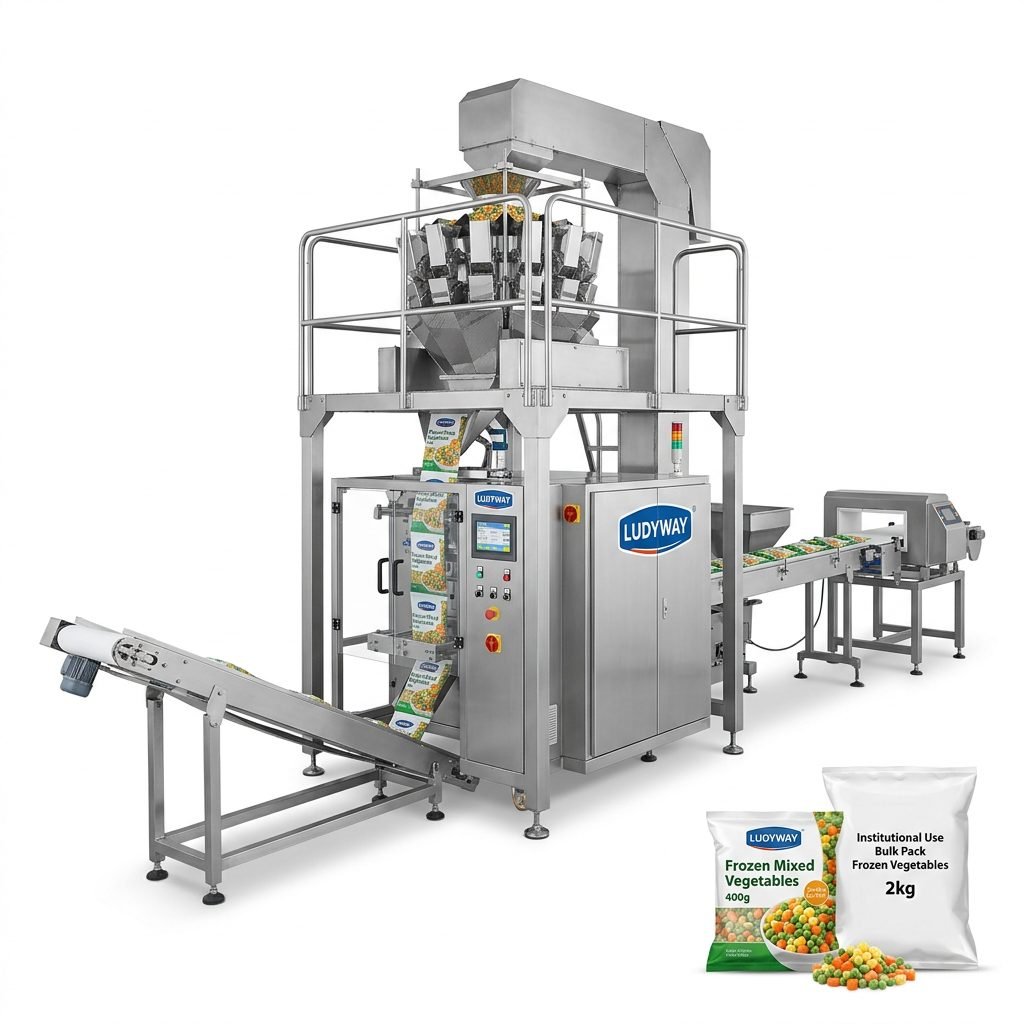
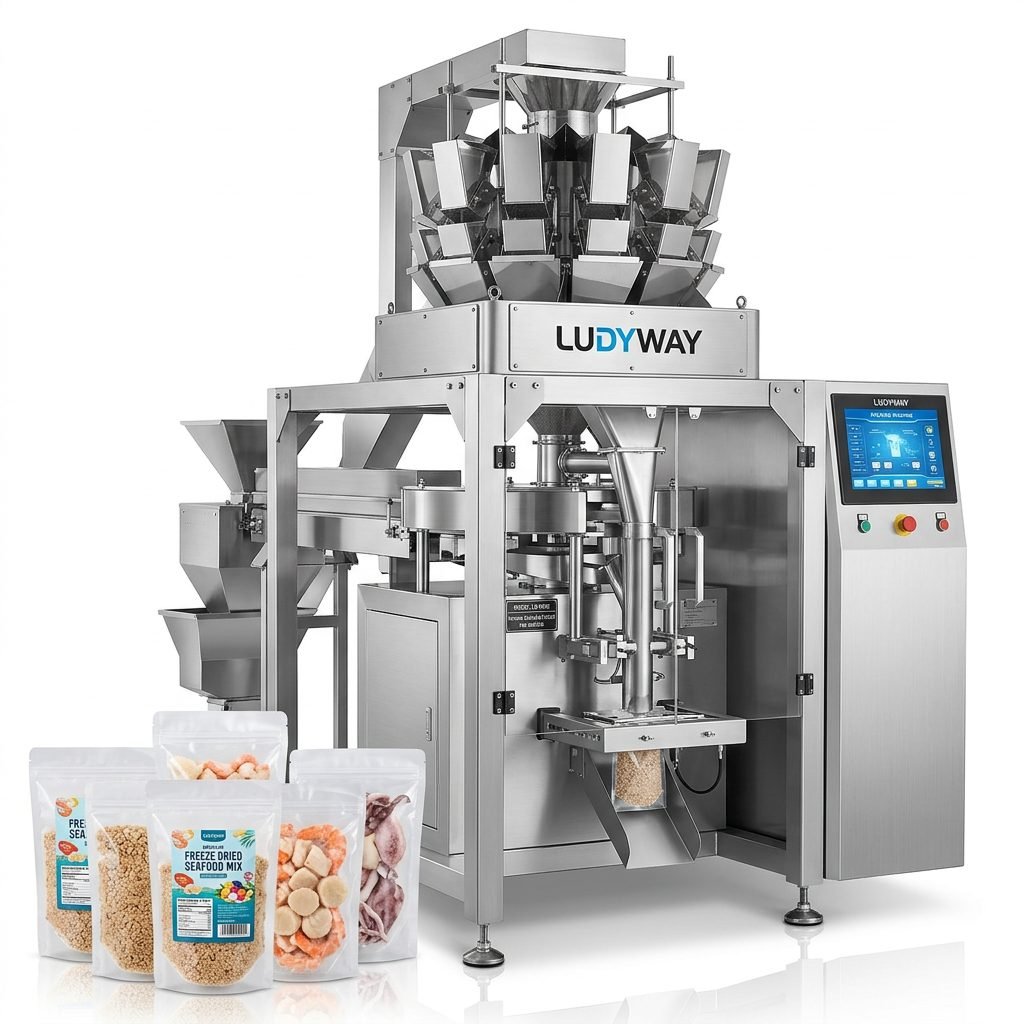
VFFS machines are the workhorses of the frozen food industry, capable of forming bags from flat roll stock, filling them with product, and sealing them in a continuous vertical process. These machines are ideal for frozen vegetables, french fries, frozen fruits, and IQF (Individually Quick Frozen) products. Modern VFFS systems offer speeds of up to 120 packs per minute and can accommodate various bag styles including pillow bags, gusseted bags, and quad-seal pouches.
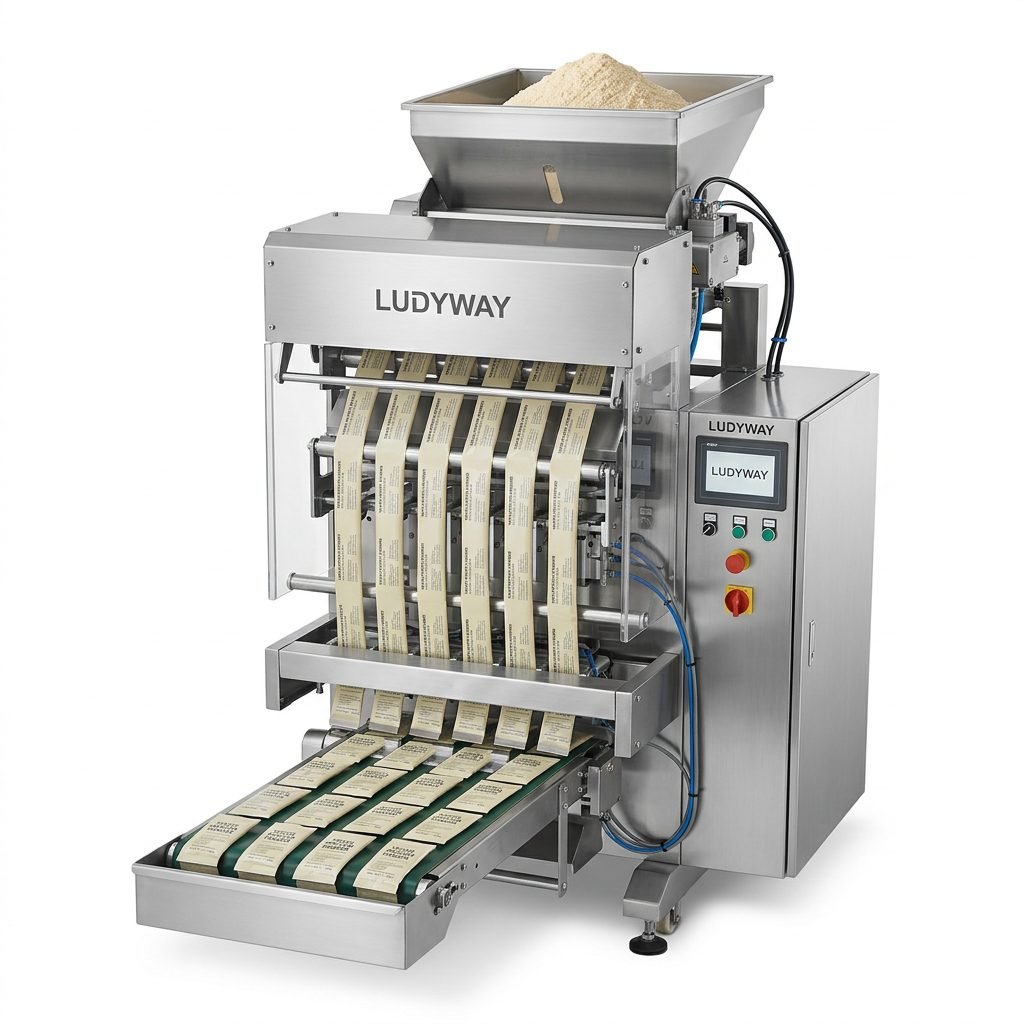
Multi-Lane Stick Pack and Sachet Machines
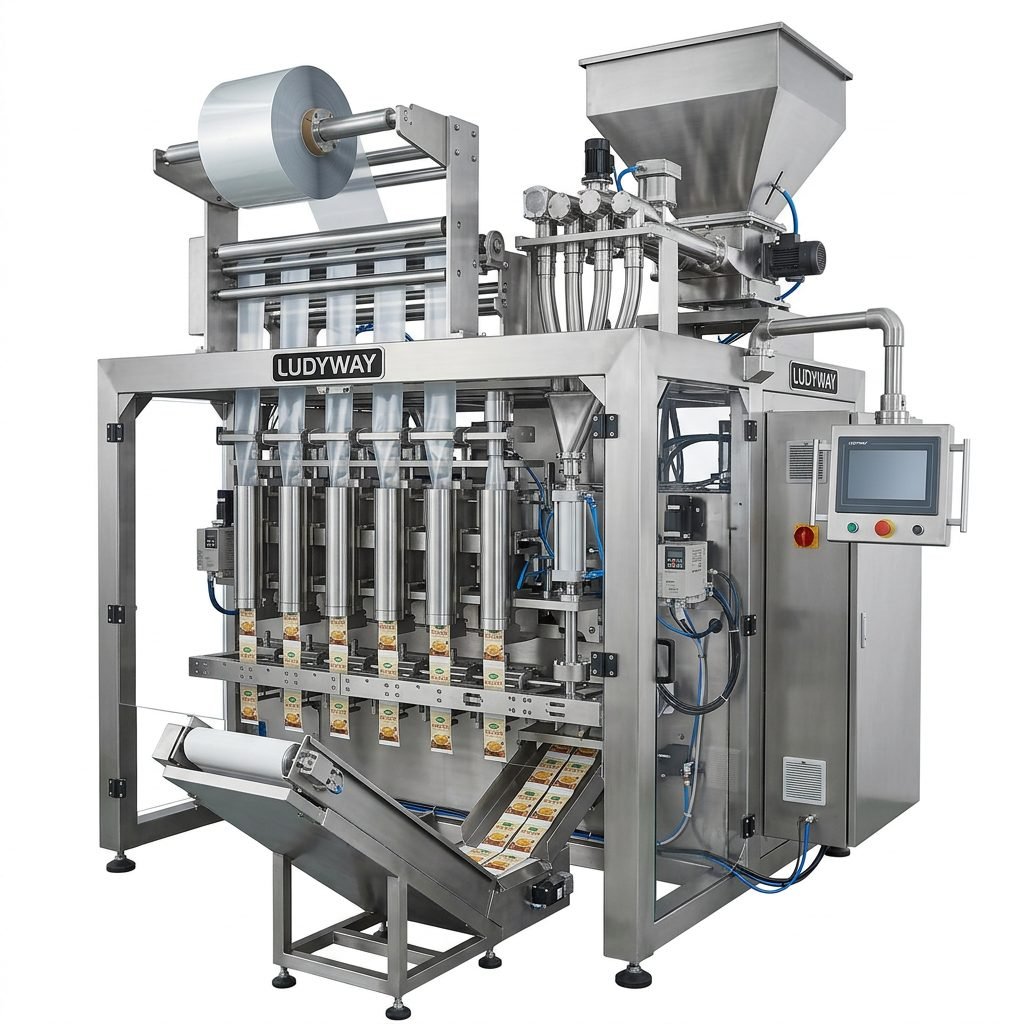
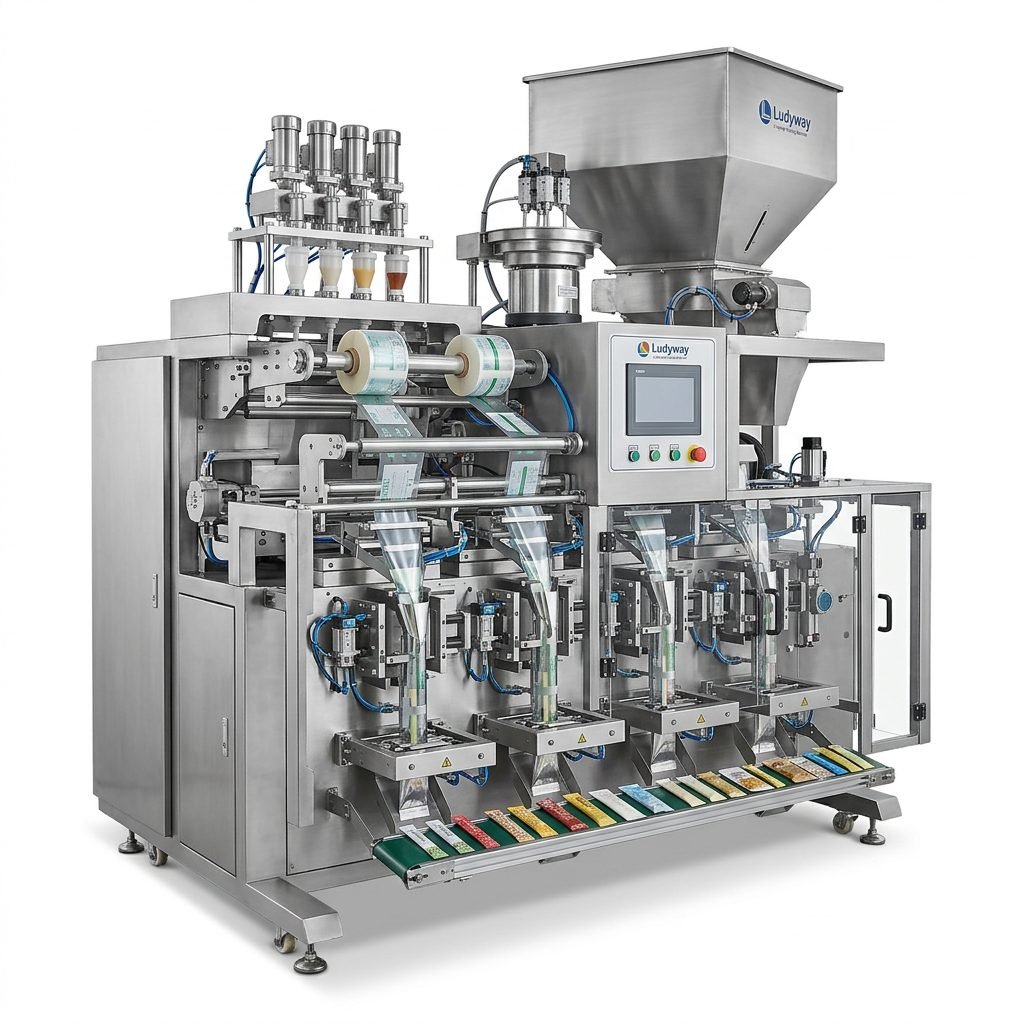
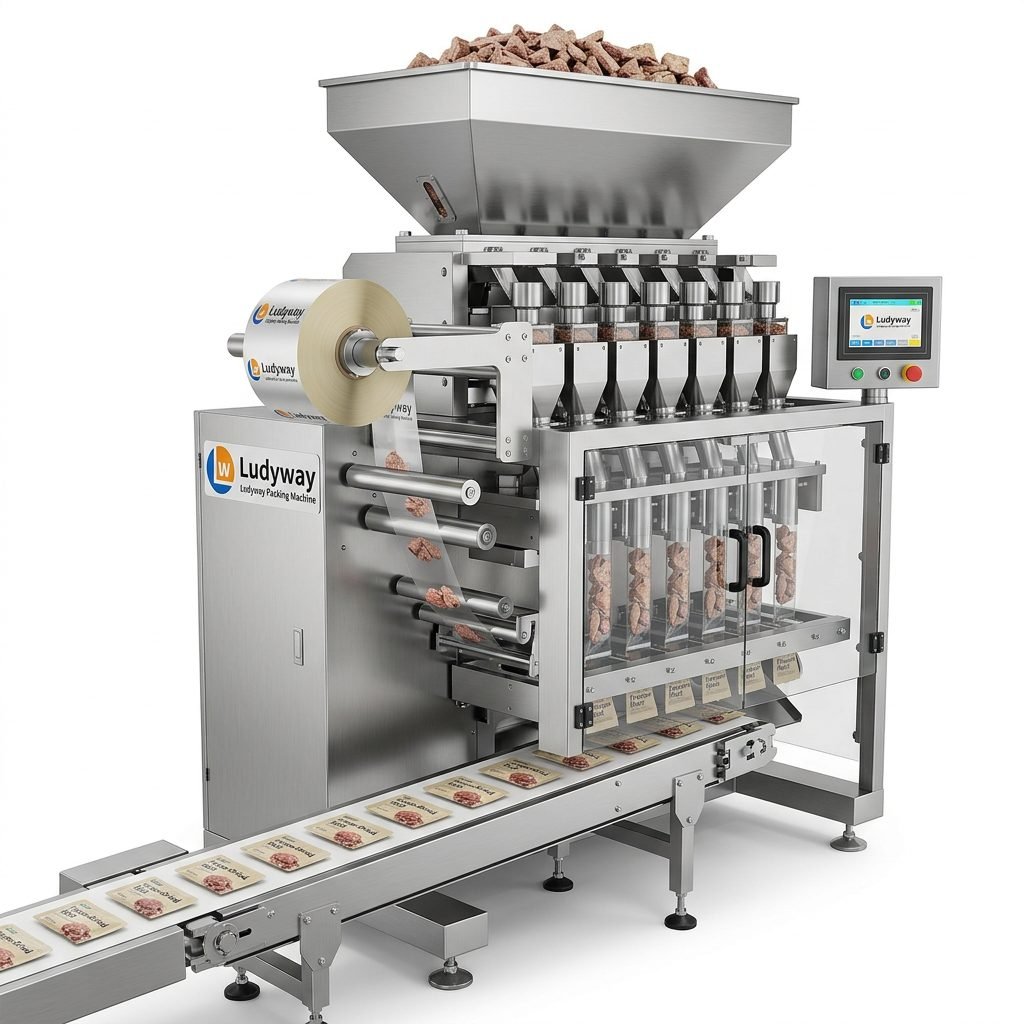
For smaller portion packs, multi-lane stick pack machines have gained significant traction in India. These systems can run 4 to 16 lanes simultaneously, producing narrow sealed packs ideal for frozen spices, frozen herbs, frozen soup concentrates, and single-serve frozen meals. The flexible packaging formats produced by these machines offer excellent barrier properties crucial for frozen products.
Tray Sealing and Thermoforming Machines
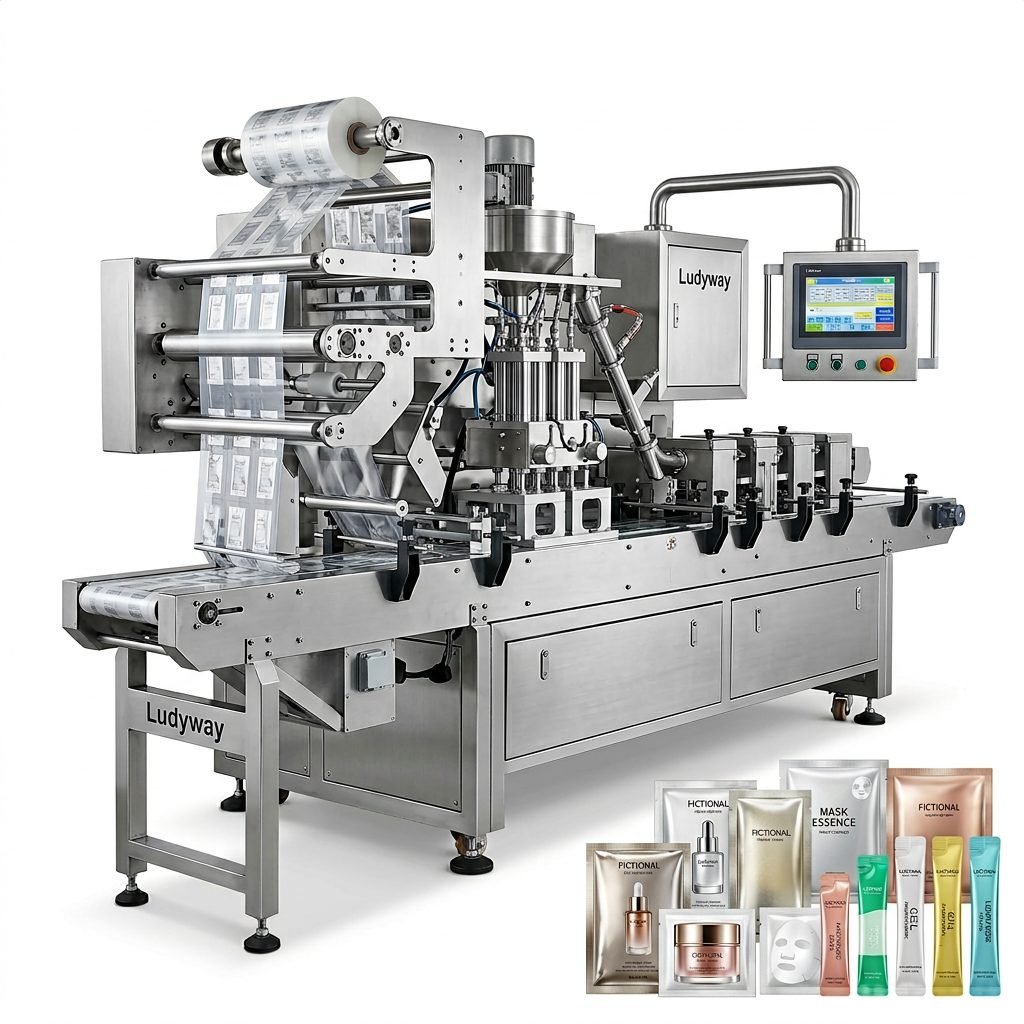
Tray sealing machines are widely used for ready-to-eat frozen meals, frozen meat portions, and frozen fish fillets. These systems use pre-formed trays that are filled and then sealed with a lidding film, often under modified atmosphere packaging (MAP) conditions to extend shelf life. Thermoforming machines take this a step further by forming the tray from roll stock, filling it, and sealing it in a fully integrated process.
Vacuum Packaging Machines
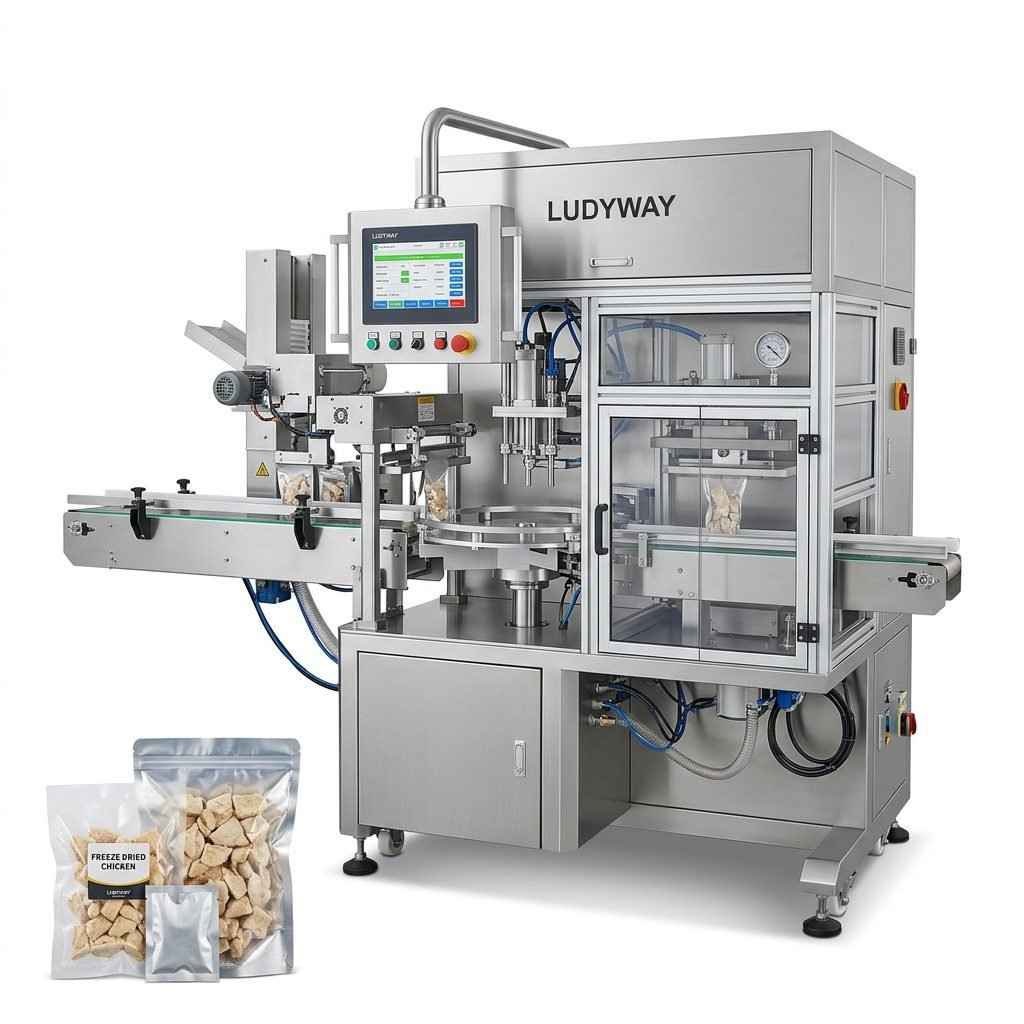
For frozen meat, frozen seafood, and freeze-dried products, vacuum packaging remains a gold standard. By removing oxygen from the package, these machines significantly reduce freezer burn and extend product shelf life. Chamber vacuum machines and external vacuum sealers are both common in Indian frozen food facilities.
Key Machine Type Comparison
| Machine Type | Best For | Speed Range | Investment Level |
|---|---|---|---|
| VFFS | Frozen vegetables, fries, IQF products | 40–120 packs/min | Medium-High |
| Multi-Lane Stick Pack | Single-serve frozen portions, spices | 200–600 packs/min | Medium |
| Tray Sealing / Thermoforming | Ready meals, meat, seafood portions | 20–80 packs/min | High |
| Vacuum Packaging | Meat, seafood, freeze-dried foods | 10–50 packs/min | Low-Medium |
Critical Factors When Choosing a Frozen Food Packaging Machine
Selecting the right equipment requires evaluating multiple technical, operational, and commercial factors. Below are the most important considerations for Indian buyers.
1. Product Characteristics and Compatibility
Frozen products vary widely in shape, size, density, and flow characteristics. IQF peas behave very differently from frozen chicken breasts or frozen parathas. Your packaging machine must be specifically configured for your product type. Key considerations include:
- Product temperature at infeed: Typically -18°C to -25°C for frozen foods
- Product fragility: Minimizing breakage during filling for delicate items
- Moisture and ice crystal content: Affects flowability and sealing integrity
- Bulk density variations: Impacts weighing accuracy and fill volumes
2. Packaging Material Requirements
Frozen food packaging demands high-barrier films that can withstand low temperatures without becoming brittle. The packaging machine must be compatible with laminated films that offer excellent moisture barrier, puncture resistance, and cold-seal properties. Common materials include PET/PE, BOPP/PE, and metallized films for enhanced barrier performance.
3. Production Capacity and Speed
Indian manufacturers range from small-scale processors producing a few hundred kilograms daily to large industrial operations running multiple shifts. Your machine’s rated speed must align with your production targets while leaving room for growth. A common mistake is purchasing a machine that barely meets current needs, only to face capacity constraints within months.
4. Hygiene and Cleanability
Frozen food processing demands stringent hygiene standards. Look for machines with stainless steel construction, IP65 or higher washdown ratings, sloped surfaces to prevent water accumulation, and tool-free disassembly for cleaning. Compliance with ISO packaging standards is increasingly important for Indian exporters targeting international markets.
5. Automation and Integration Capabilities
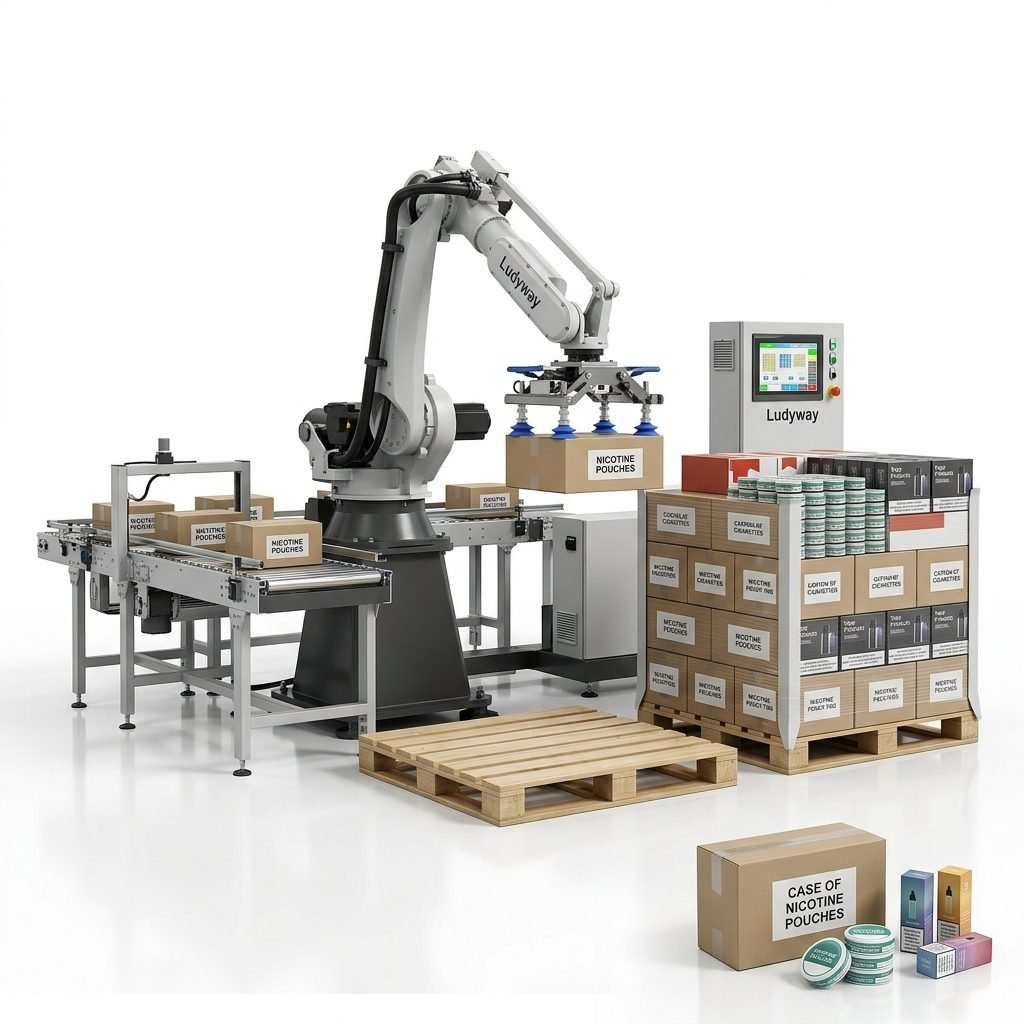
Modern frozen food lines increasingly incorporate end-to-end automation. Your packaging machine should integrate seamlessly with upstream equipment like multi-head weighers, checkweighers, metal detectors, and downstream systems including case packers and palletizers. Industry 4.0 features such as remote monitoring, predictive maintenance alerts, and production data analytics are becoming standard expectations.
Technology Features That Matter Most
| Feature | Importance for Frozen Foods | What to Look For |
|---|---|---|
| Sealing Technology | Critical | Temperature-controlled sealing jaws, double-seal options, gas flushing capability |
| Weighing System | High | Multi-head weighers with accuracy of ±0.5g or better |
| Cold Environment Adaptability | Critical | Specially rated components, anti-condensation measures, low-temperature lubricants |
| Changeover Speed | Medium-High | Quick-release components, recipe storage for multiple SKUs, servo-driven adjustments |
| Data Connectivity | Medium | Ethernet/IP connectivity, OEE monitoring, remote diagnostic capabilities |
Price Range and ROI Analysis for the Indian Market
Frozen food packaging machines in India span a wide price spectrum depending on automation level, speed, and origin. Understanding the total cost of ownership rather than just the purchase price is essential for accurate ROI calculations.
- Entry-level VFFS machines: ₹15–30 lakhs (approximately US$18,000–$36,000), suitable for small to medium processors
- Mid-range automated systems: ₹30–80 lakhs (approximately US$36,000–$96,000), offering higher speeds and better integration
- High-end multi-lane and thermoforming lines: ₹80 lakhs–₹3 crores+ (approximately US$96,000–$360,000+), for large-scale industrial production
When calculating ROI, consider not just the machine cost but also film costs, energy consumption, labor savings, maintenance expenses, and downtime costs. A machine that costs more upfront but delivers higher uptime and lower waste can provide better long-term value. Many Indian buyers find that automated systems typically achieve payback within 18–36 months through labor reduction and increased throughput.
Special Considerations for the Indian Market
Power Supply and Infrastructure
Indian manufacturing facilities often face voltage fluctuations and intermittent power supply. Your packaging machine should be equipped with voltage stabilizers, servo-driven motors that are less susceptible to power variations, and backup systems for critical functions. Machines designed with robust electrical systems suited to Indian conditions will experience significantly less downtime.
Climate and Ambient Conditions
Much of India experiences high ambient temperatures and humidity for significant portions of the year. Packaging machines operating in these conditions need enhanced cooling for electrical cabinets, moisture-resistant components, and proper condensation management. Even within cold storage and processing areas, the transition zones where packaging occurs can be challenging environments.
Skilled Labor Availability
While India has a large workforce, finding operators with specific packaging machinery expertise can be challenging, especially in tier-2 and tier-3 cities. Machines with intuitive HMI interfaces, multilingual support (including Hindi and regional languages), and comprehensive training programs from the supplier are highly advantageous.
After-Sales Service and Spare Parts
The availability of local service support is perhaps the single most important factor for Indian buyers. Downtime in frozen food production is extremely costly due to cold chain requirements. Prioritize suppliers with established service networks in India, local spare parts inventory, and guaranteed response times. Remote diagnostic capabilities can also significantly reduce service-related downtime.
Installation, Commissioning, and Validation
A successful installation goes far beyond simply positioning the machine on your factory floor. Proper site preparation, utility connections, operator training, and process validation are all essential steps. Plan for the following phases:
- Pre-installation assessment: Electrical requirements, compressed air specifications, floor loading, and space allocation
- Installation and mechanical setup: Typically 3–7 days depending on line complexity
- Electrical integration and I/O checks: Ensuring all sensors, actuators, and safety systems function correctly
- Trial runs with product: Critical for verifying seal integrity, fill accuracy, and overall performance under actual production conditions
- Operator and maintenance training: Comprehensive training reduces future downtime and extends machine life
- Ongoing performance qualification: Regular validation to ensure consistent quality output
Global Suppliers and the Indian Market
The Indian frozen food packaging machinery market is served by a mix of domestic manufacturers, European suppliers, and increasingly Chinese packaging machine manufacturers who offer competitive pricing with advanced features. One notable global player is Ludyway, a company that has developed over 50 packaging machine models and serves customers across multiple international markets. When evaluating suppliers, consider their experience with frozen food applications specifically, their installed base in India, and their ability to provide references from similar operations.
Common Mistakes to Avoid When Purchasing
- Underestimating future capacity needs: Always plan for at least 25–30% growth over 3–5 years
- Focusing solely on purchase price: The cheapest machine often has the highest total cost of ownership
- Neglecting film compatibility testing: Not all films run equally well on all machines; conduct trials with your actual packaging materials
- Overlooking energy efficiency: In India’s cost-sensitive environment, energy-efficient machines can save lakhs of rupees annually
- Skipping reference checks: Always speak with existing users about their real-world experience with the machine and supplier
- Inadequate operator training investment: The most advanced machine delivers poor results without properly trained operators
Sustainability and Future-Readiness
Sustainability is becoming an increasingly important factor in packaging decisions across India. Look for machines that can handle recyclable mono-material films, reduce material waste through precise film registration, and minimize energy consumption. Machines with the flexibility to run both conventional and sustainable packaging materials provide better long-term investment protection as Indian regulations and consumer preferences evolve.
Frequently Asked Questions
Q: What is the typical lifespan of a frozen food packaging machine?
A well-maintained frozen food packaging machine typically lasts 10–15 years or more. Regular preventive maintenance, timely replacement of wear parts, and proper operation are key to maximizing machine longevity.
Q: Can the same machine handle both frozen vegetables and frozen meat?
While some VFFS machines can handle multiple product types, significant differences in product characteristics (size, weight, stickiness, moisture content) often require different feeding and sealing configurations. It is best to discuss your full product range with the supplier during the specification phase.
Q: How important is gas flushing for frozen food packaging?
Gas flushing with nitrogen or CO₂ can significantly extend shelf life by reducing oxidation and inhibiting microbial growth. For premium frozen products and export-oriented businesses, MAP capability is increasingly becoming a standard requirement.
Q: What certifications should I look for in a packaging machine?
For Indian buyers, look for CE marking, ISO 9001 certification of the manufacturer, and food-grade material certifications for all product contact surfaces. If exporting to specific markets, additional certifications may be required.
Q: Is it better to buy from a domestic Indian supplier or import?
This depends on your specific requirements. Domestic suppliers often provide faster service and lower initial costs, while international suppliers may offer more advanced technology and higher speeds. Many successful Indian operations use a mix, sourcing high-speed primary packaging machines internationally while using domestic equipment for secondary packaging.
Making Your Final Decision
Purchasing a frozen food packaging machine is a strategic investment that impacts your business for years to come. Take time to thoroughly evaluate your options, conduct product trials, visit reference installations when possible, and negotiate not just on price but on the total package of equipment, installation, training, warranty, and after-sales support. The right machine from the right partner can transform your production efficiency, product quality, and competitive position in India’s dynamic frozen food market.
By considering the factors outlined in this guide—from machine types and technological features to India-specific operational considerations and long-term ROI—you will be well-equipped to make a confident and informed purchasing decision that supports your business growth for years to come.