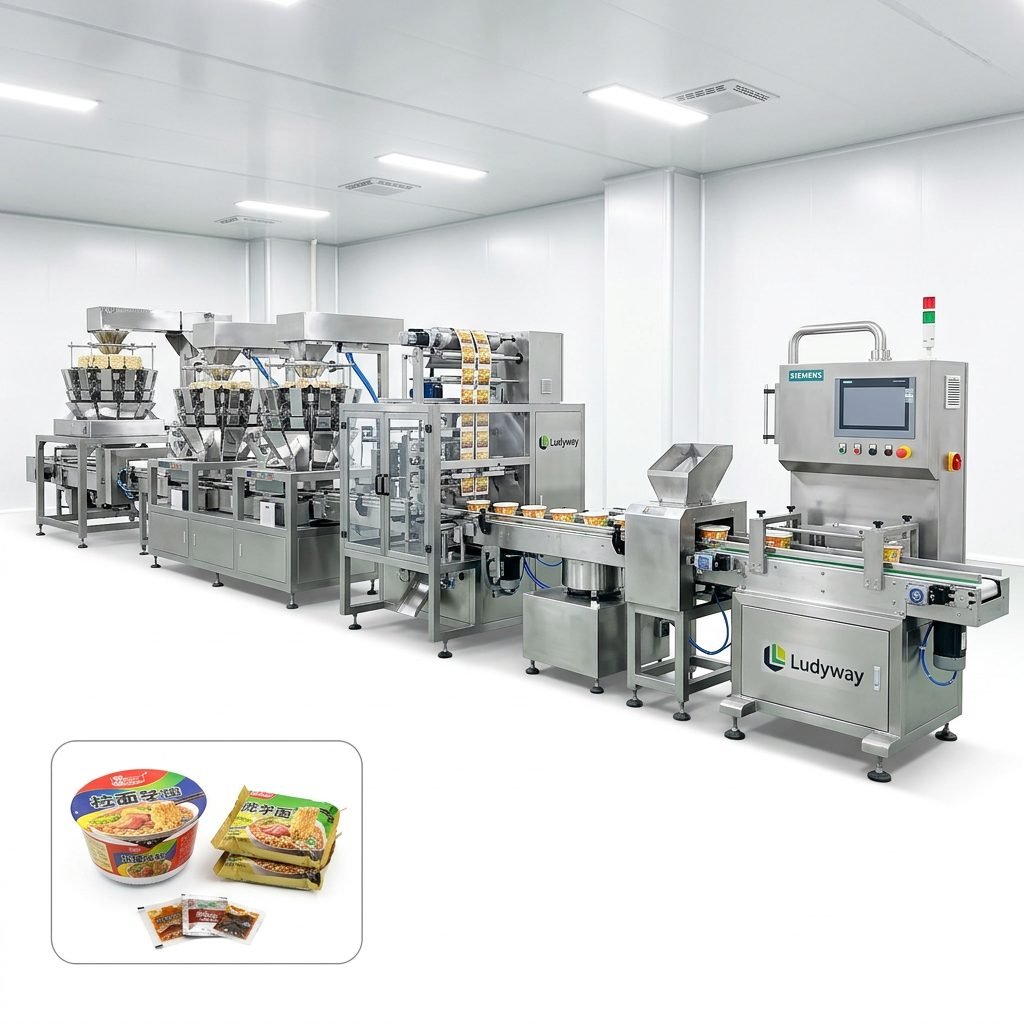
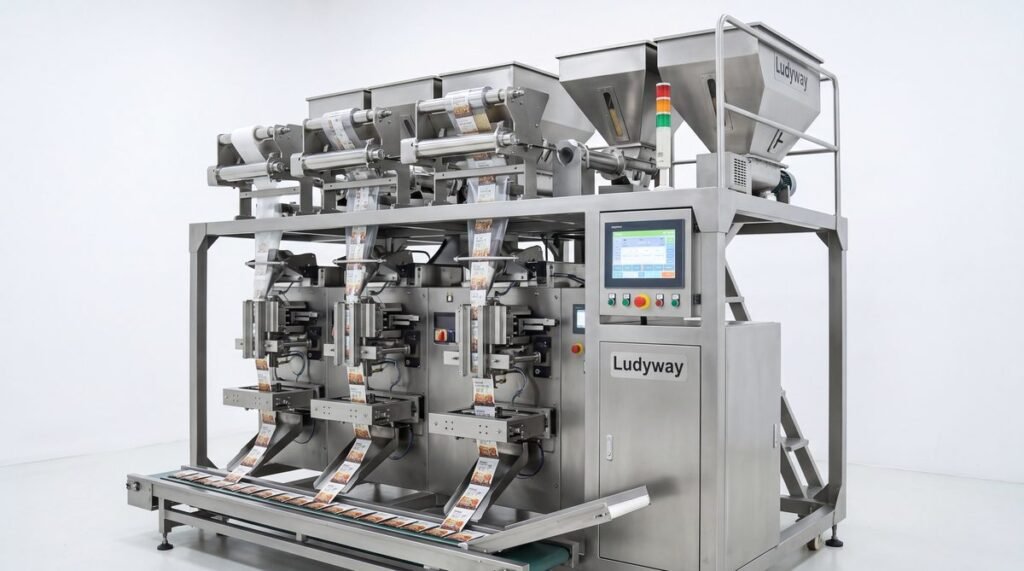
Asia has become the undisputed global hub for food manufacturing. With rising consumer demand for safety, extended shelf life, and convenience, setting up an airtight food packaging machine production line is a strategic priority for manufacturers across the continent. Whether you are producing granulated drinks, powdered supplements, or sachet-packaged sauces, the quality of your packaging line directly impacts product integrity and business profitability. This guide walks you through the essential steps of planning, selecting, and implementing a high-performance line in the Asian market.
Understanding the Asian Food Packaging Landscape
Before breaking ground, it is critical to understand the specific dynamics of Asia. The region is not a monolith; ranging from the advanced automated factories in China and South Korea to the rapidly growing production hubs in Vietnam, India, and Indonesia, each location offers unique advantages.
- Labor and Automation: While labor costs are rising, a shift towards fully automated multi-lane systems is accelerating to ensure consistency.
- Supply Chain: Proximity to raw material suppliers, especially flexible packaging films, significantly cuts down lead times.
- Regulatory Climate: Countries like China enforce strict food contact substance regulations, similar to Western standards, making hygiene a non-negotiable factor.
Core Components of an Airtight Production Line
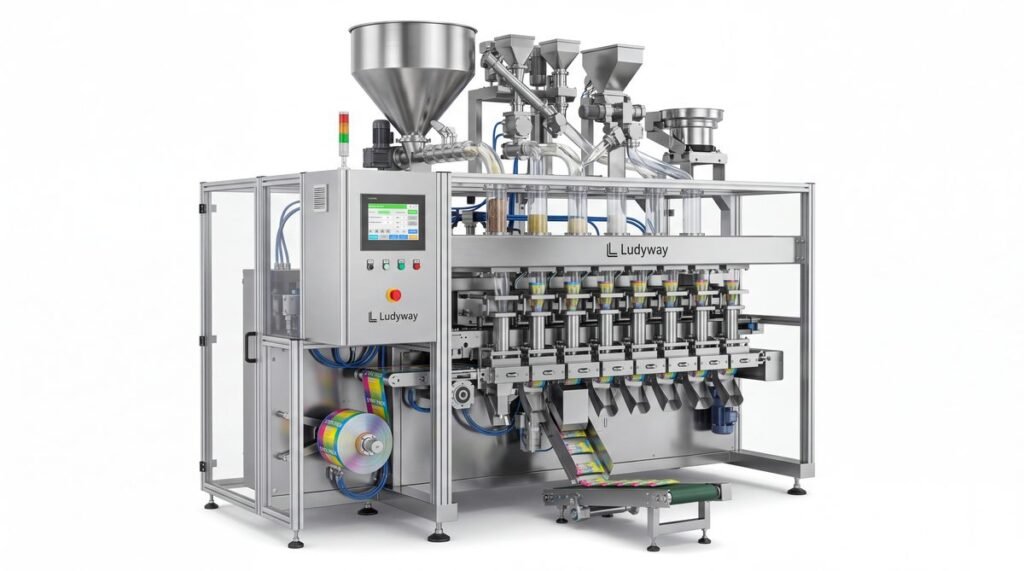
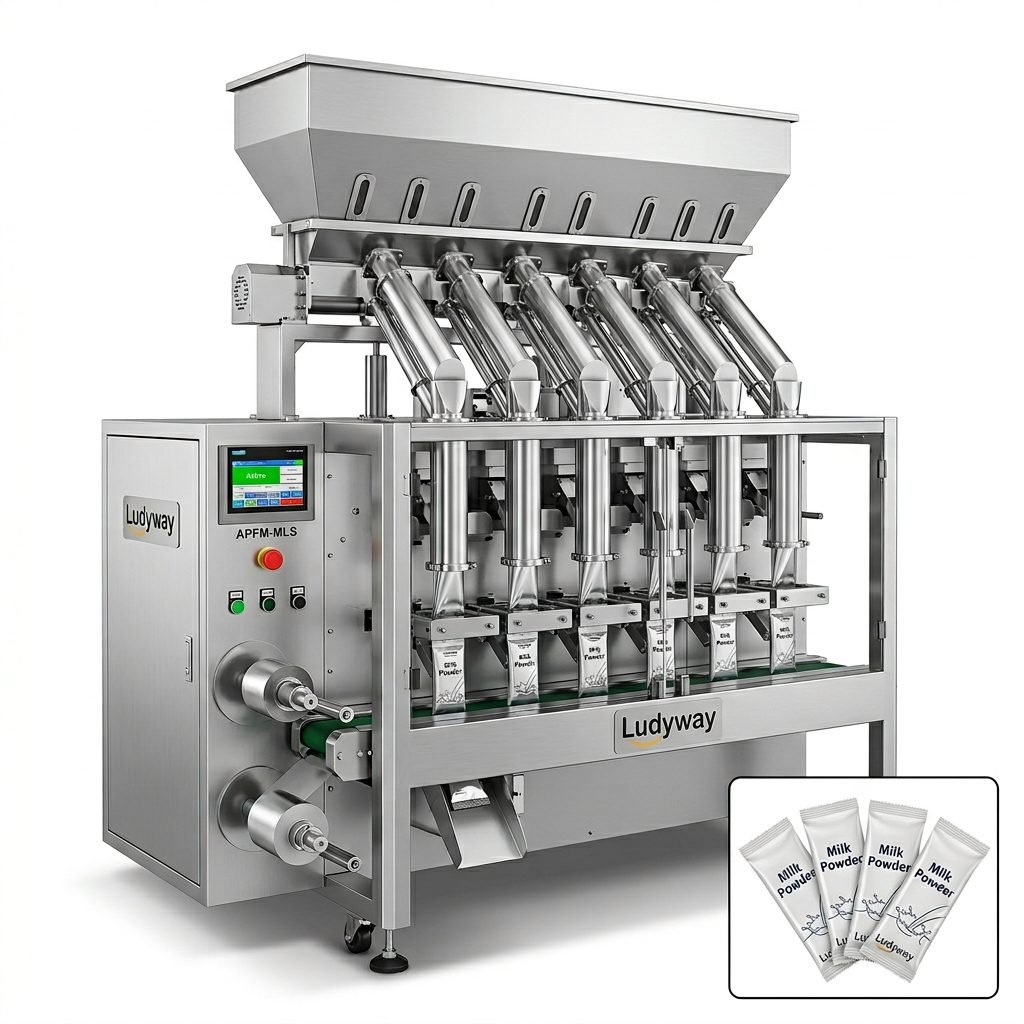
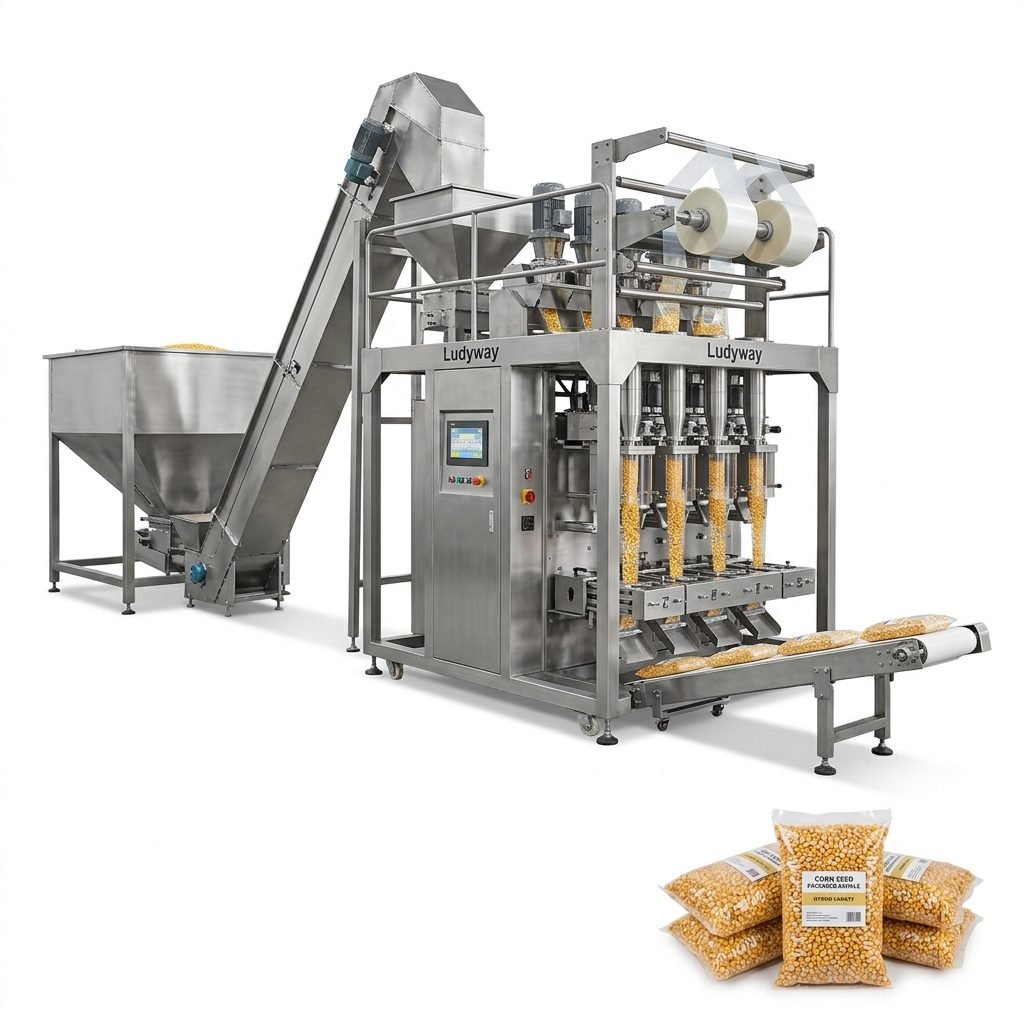
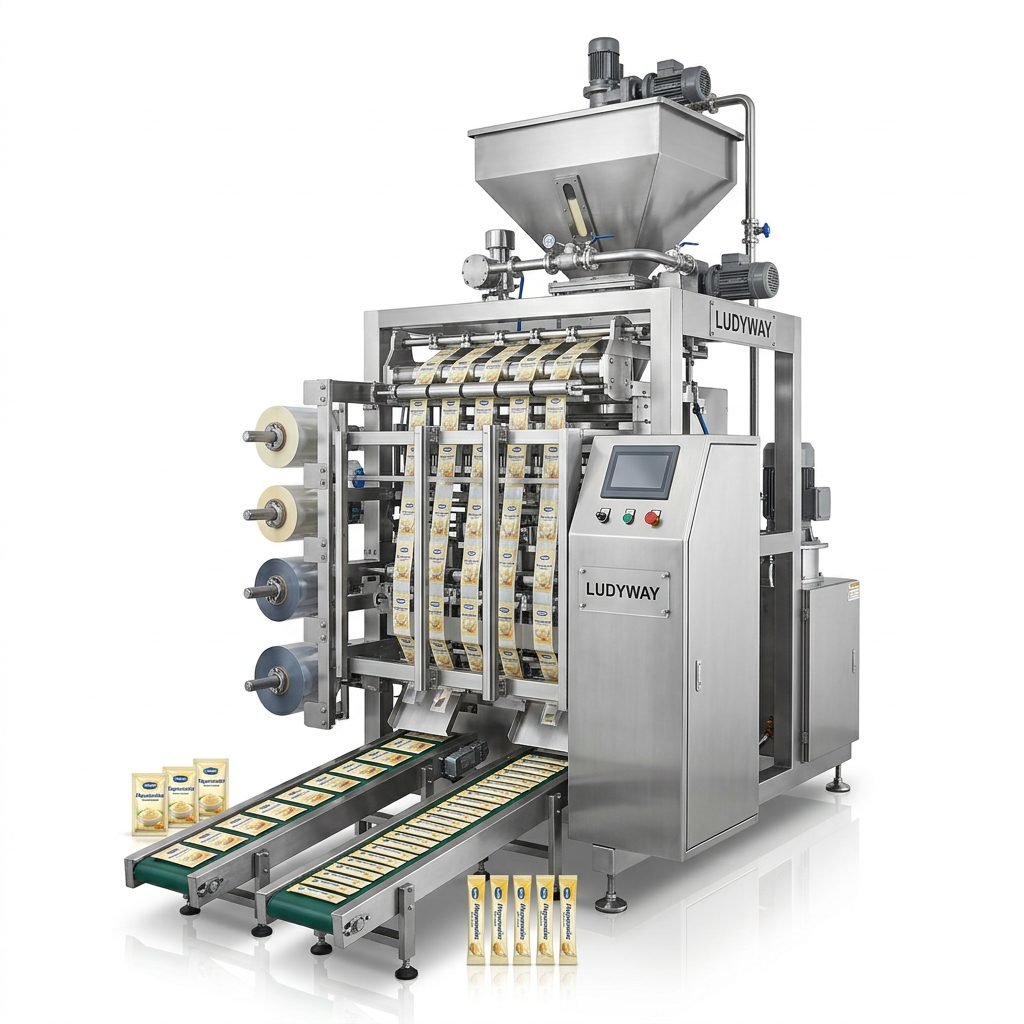
An airtight seal is paramount for preventing oxygen and moisture intrusion. Achieving this consistently requires synchronized machinery. The table below outlines the primary machine types involved in a granular/powder packaging setup.
| Machine Section | Function | Key Technologies |
|---|---|---|
| Feeding System | Controlled delivery of raw bulk materials | Z-Type Elevators, Vacuum Conveyors, Auger Fillers |
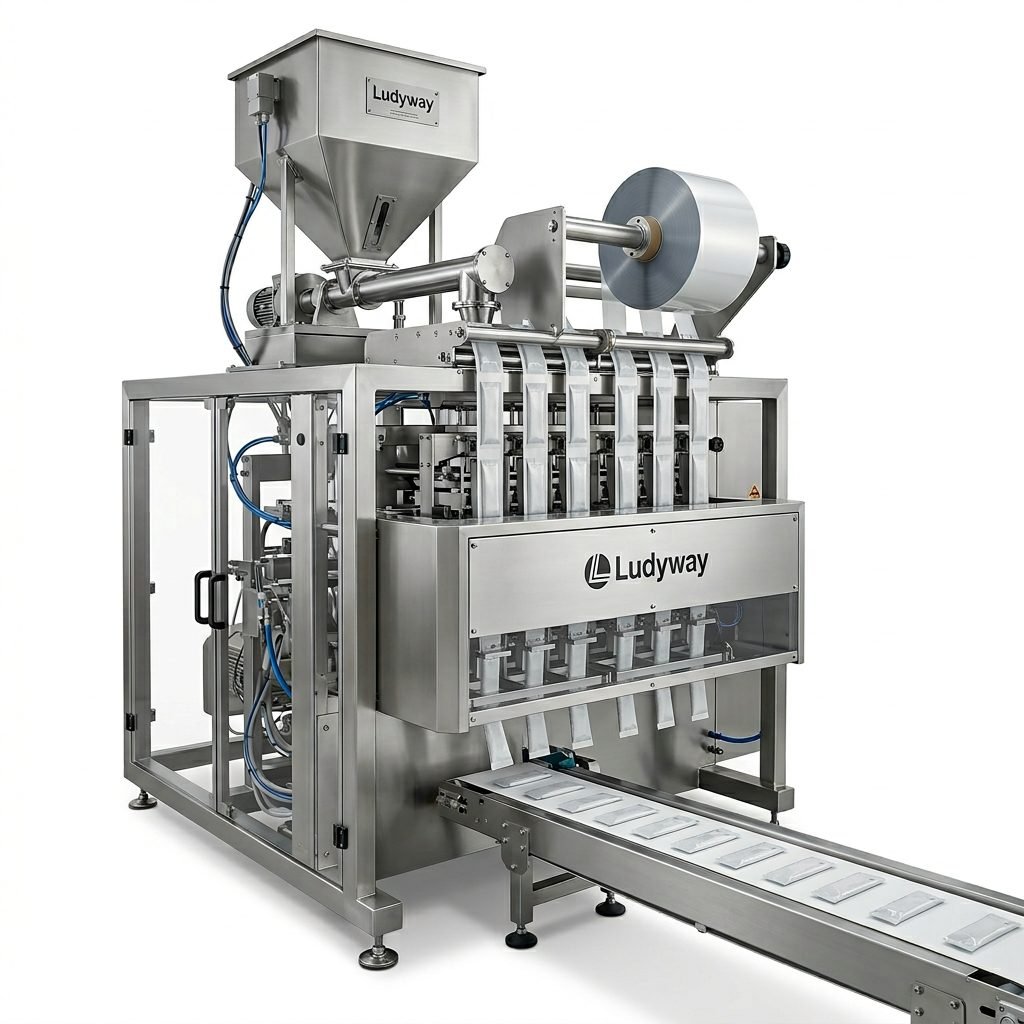
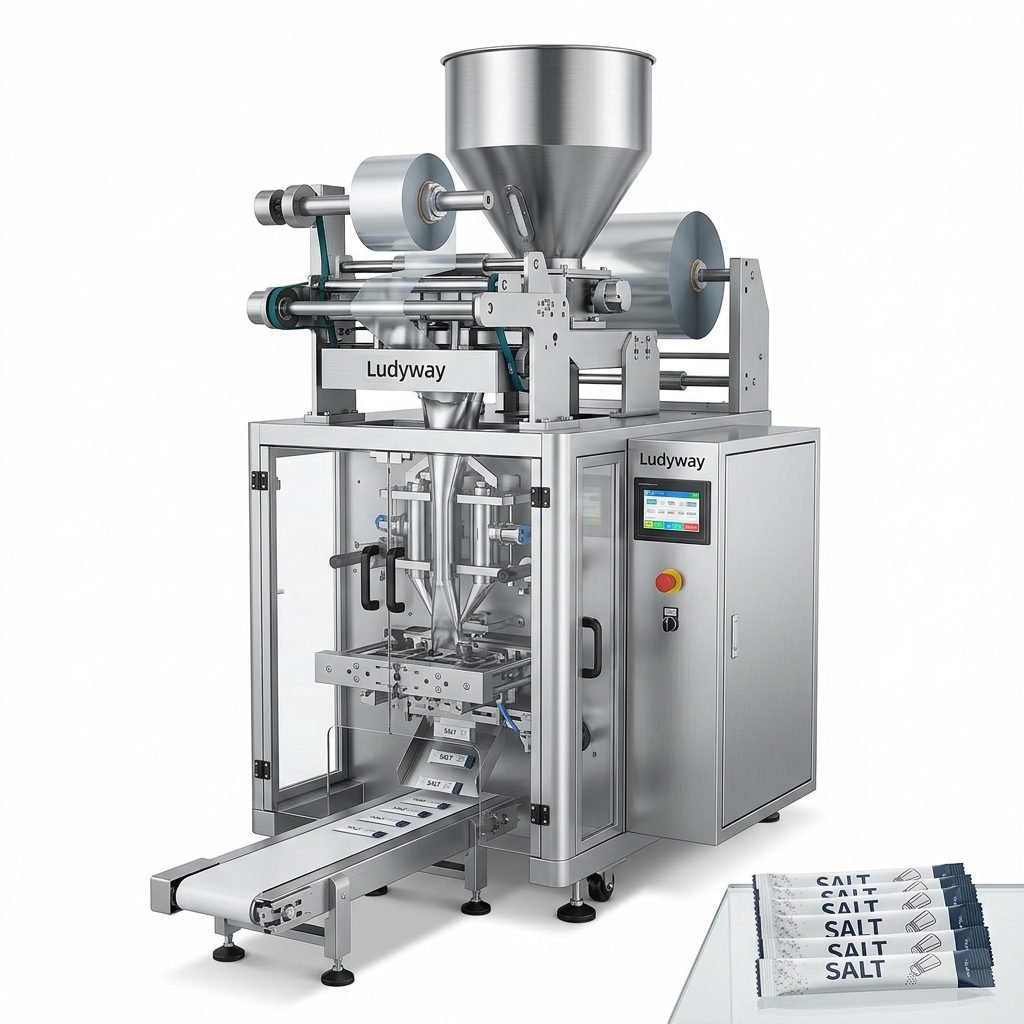
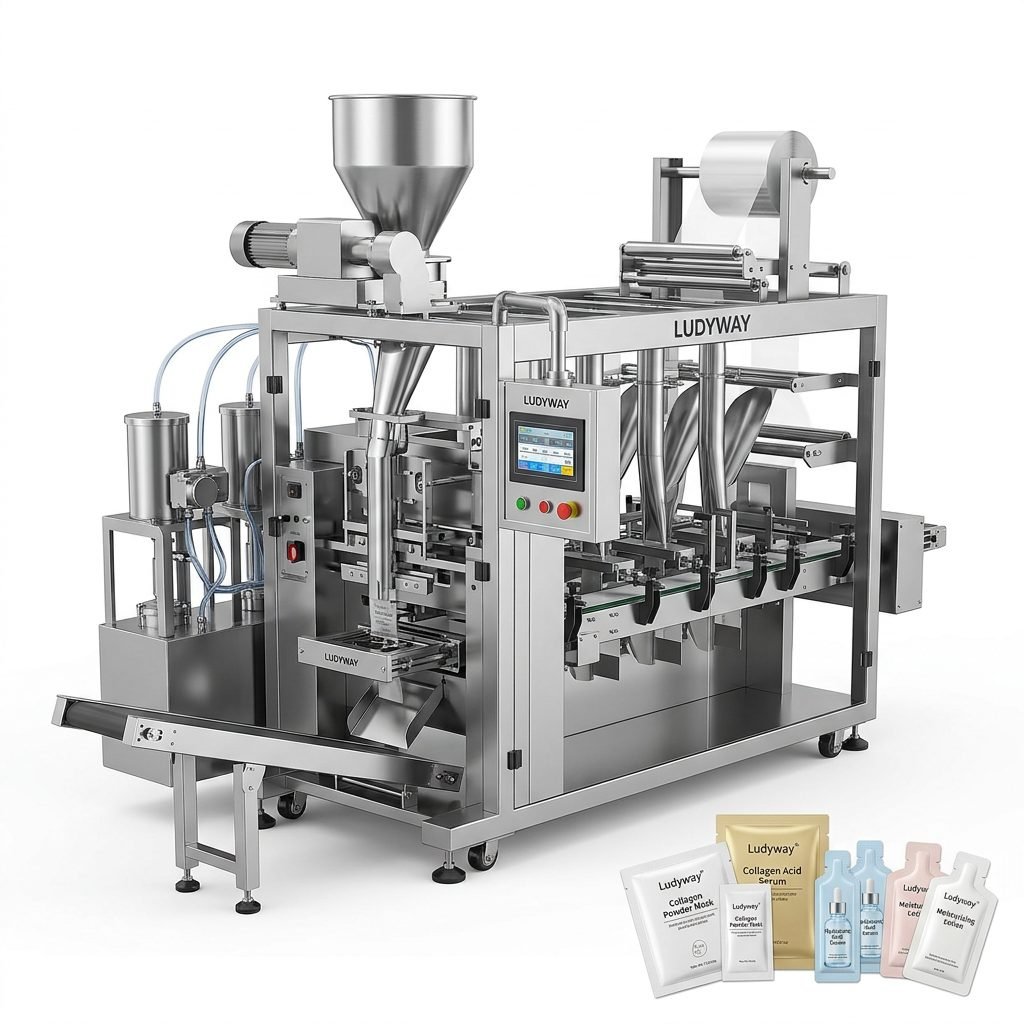
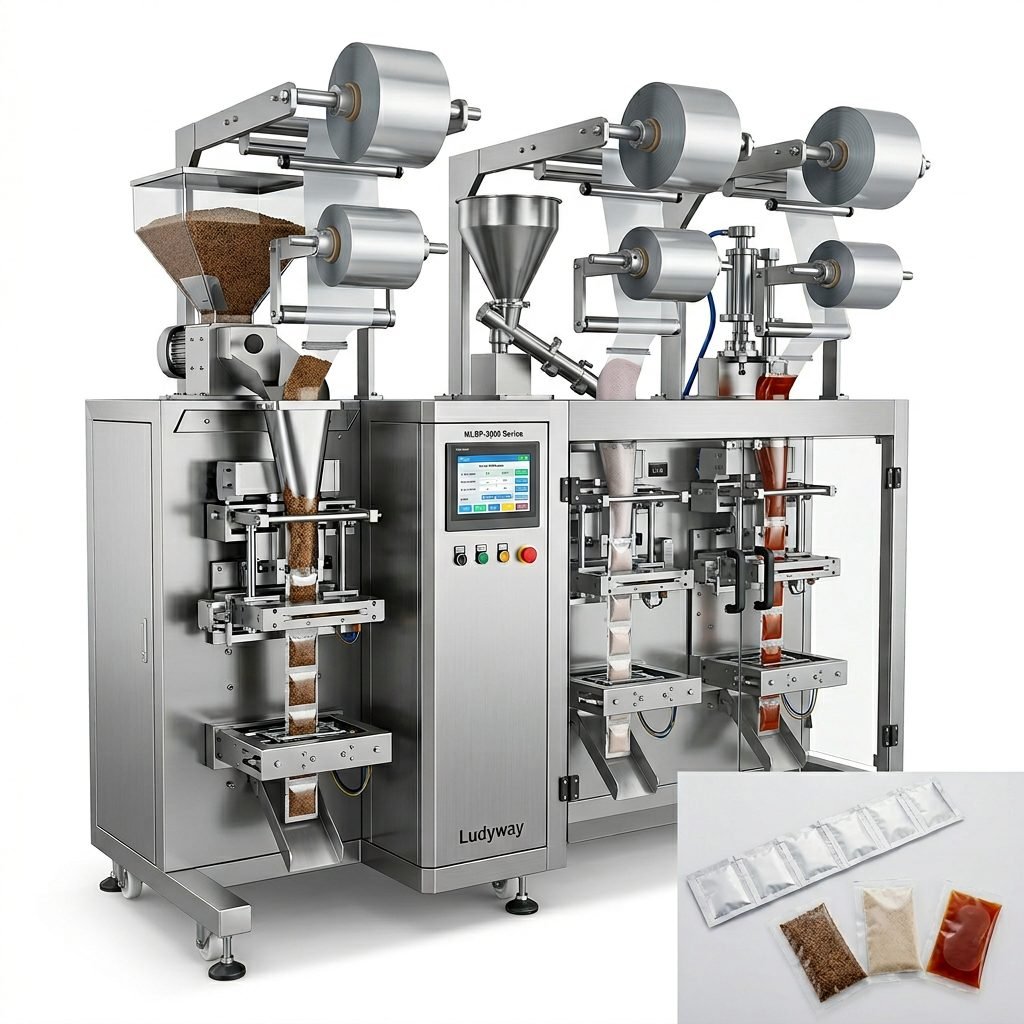
| Primary Packaging | Forming, filling, and sealing the sachet or stick pack | Multi-Lane VFFS Machines, Rotary Sealers |
| Quality Control | Rejecting leaking or underweight packs | High-Sensitivity Metal Detectors, X-Ray Inspection, Dynamic Checkweighers |
| End-of-Line | Cartoning, case packing, and palletizing | Automated Carton Packers, Robotic Palletizers |
Critical Design Factors for Airtight Seals
Not all seals are created equal. To achieve a truly airtight barrier in high-speed production, consider these factors carefully:
- Film Structure: Laminates containing aluminum foil or metallized PET provide the highest barrier. Ensure pre-use testing for pinholes.
- Temperature Control: PID-controlled heat sealing jaws are essential to adapt to high-speed indexing without burning the film.
- Gusseting & Folding: The package design must avoid channel leaks, a common issue in powder and granular packaging where fine dust contaminates the sealing area.
Sourcing Equipment in Asia: Finding the Right Partner
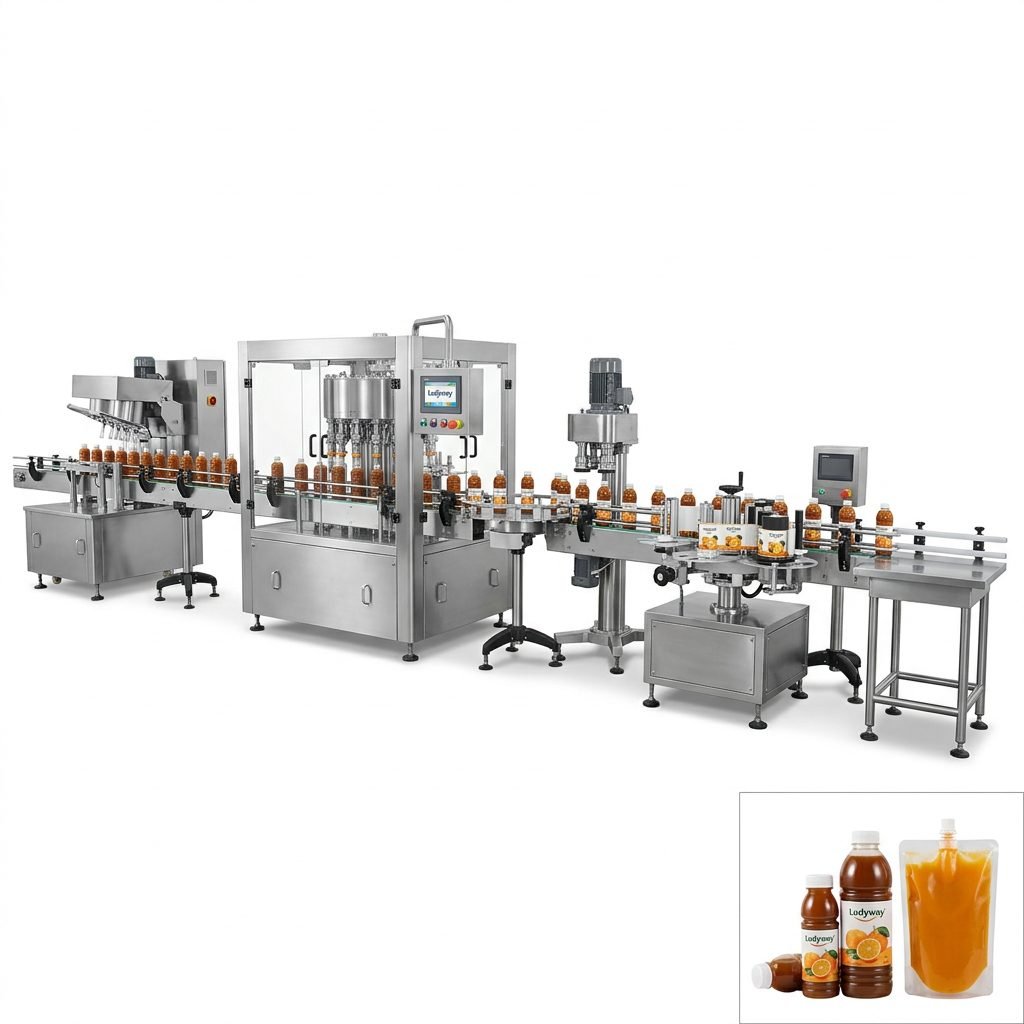
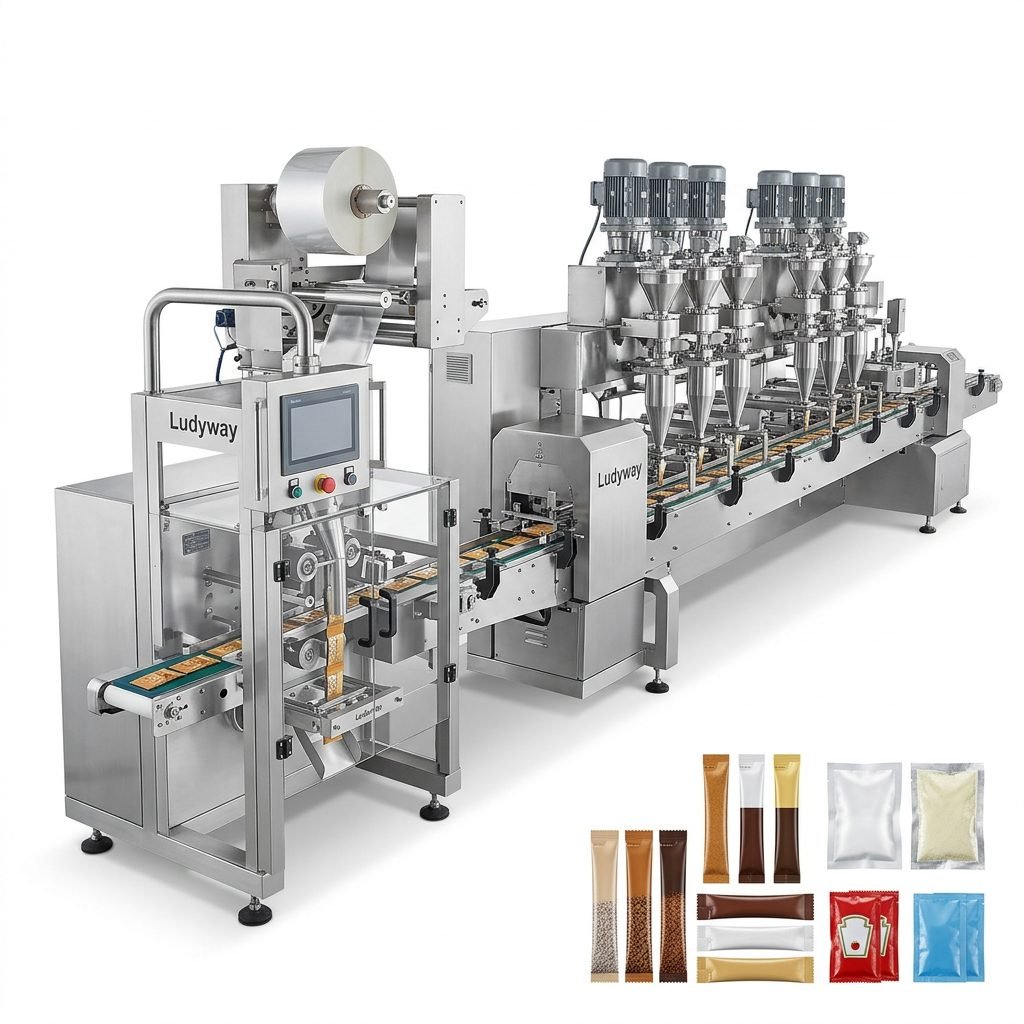
Selecting machinery locally can drastically reduce import duties and provide faster after-sales service. When evaluating a packaging machine manufacturer for your airtight line, look for vertical integration. For instance, Ludyway is one of the largest packaging machine manufacturers in China, specializing in turnkey production solutions with a 20,000㎡ facility. A partner with deep expertise in granule, powder, liquid, and pouch packaging ensures that the entire line—from feeding to cartoning—is harmonized.
Key Questions to Ask Your Supplier
- Do you offer Factory Acceptance Testing (FAT) before shipment?
- Can the line handle my transition from standard pouches to recyclable mono-materials without major retooling?
- What is the mean time between failures (MTBF) on the sealing stations?
Optimizing Layout and Workflow
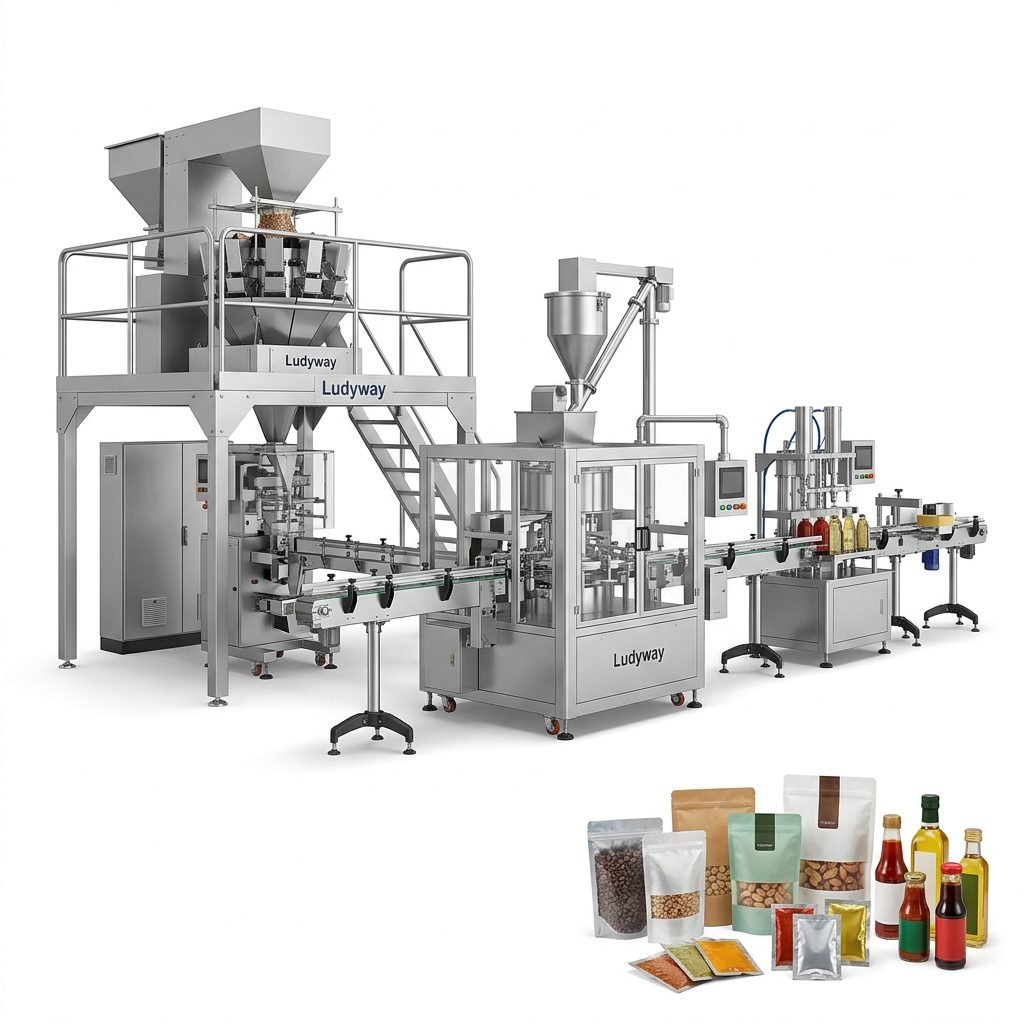
Space is a premium in many Asian industrial parks. An optimized floor plan minimizes manual intervention and eliminates cross-contamination risks. The ideal layout follows a linear or L-shaped flow:
- Raw Material Intake: Located near the warehouse for quick blend changes.
- Processing & Feeding: Elevated mezzanine platforms for gravity-fed hoppers save floor space.
- Packaging Core: A cleanroom-style enclosure for the multi-lane filling machines.
- Secondary Packaging: Checkweighing -> Cartoning -> Palletizing in a sequential line.
Navigating Regulatory Standards
Airtight packaging falls under strict health and safety regulations. To export from Asia, your line must comply with international standards. Refer to the ISO 11607 standards for terminally sterilized packaging, which govern integrity and seal strength validation. Additionally, integrating inline vision inspection and dynamic checkweighers with reject stations is no longer optional—it is a baseline requirement for GMP-compliant facilities.
Testing Airtight Integrity
| Test Method | Application | Precision Level |
|---|---|---|
| Crack Altitude Testing | Simulates high-altitude transport | High |
| Vacuum Decay Method | Detects micro-leaks in liquid/semi-liquid packs | Very High |
| Burst Testing | Measures seal strength against internal pressure | Medium |
Installation, Training, and Maintenance
The success of a production line is 30% hardware and 70% execution. Do not underestimate the importance of these final steps:
- Site Preparation: Ensure stable voltage and dry, oil-free compressed air before the machines arrive.
- Operator Training: Focus on adjusting seal temperature profiles for different film types and troubleshooting common feeding jams.
- Spare Parts Strategy: Keep a local stock of critical consumables—sealing jaws, Teflon tapes, and cutting blades—to avoid downtime.
Setting up an airtight food packaging line in Asia is a lucrative but complex process. By focusing on the supply chain, leveraging advanced multi-lane technology, and adhering to strict global packaging standards, you can build a line that delivers unmatched product quality and operational efficiency for years to come.