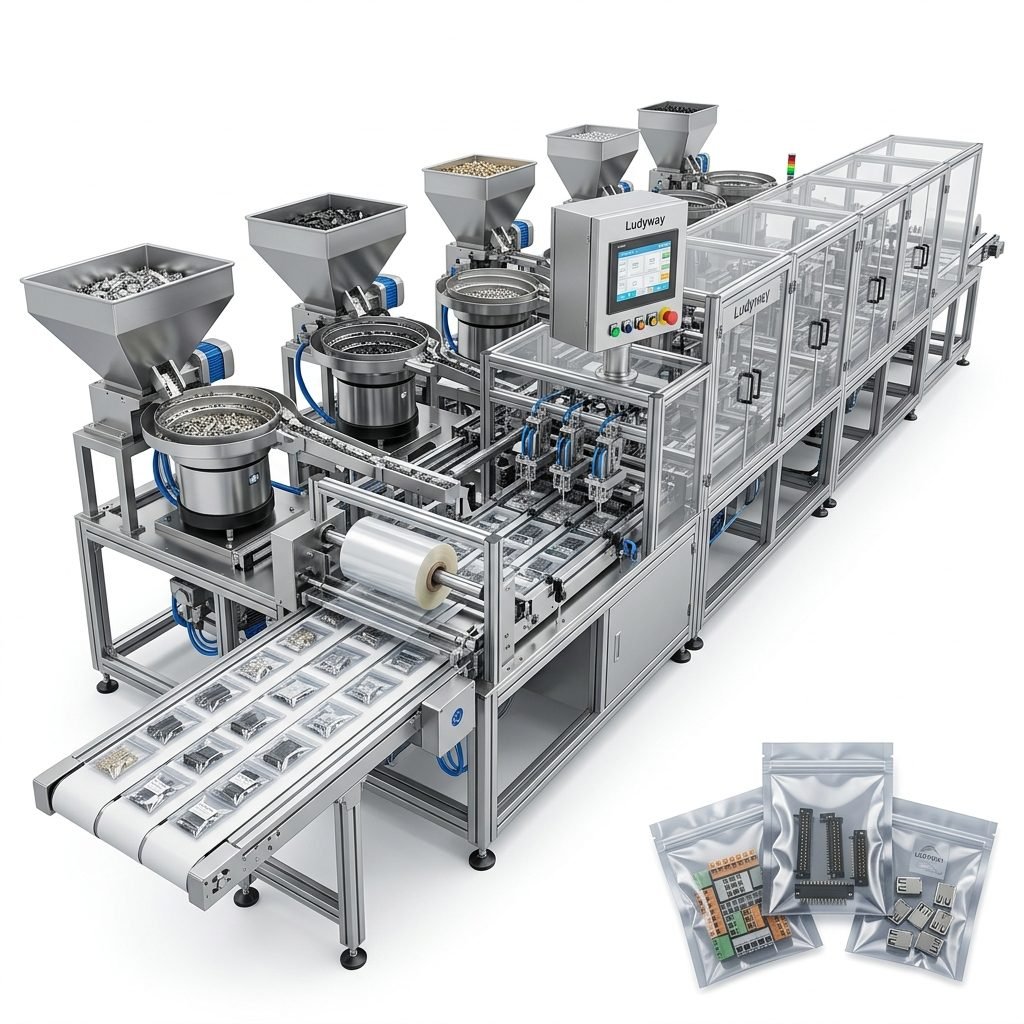
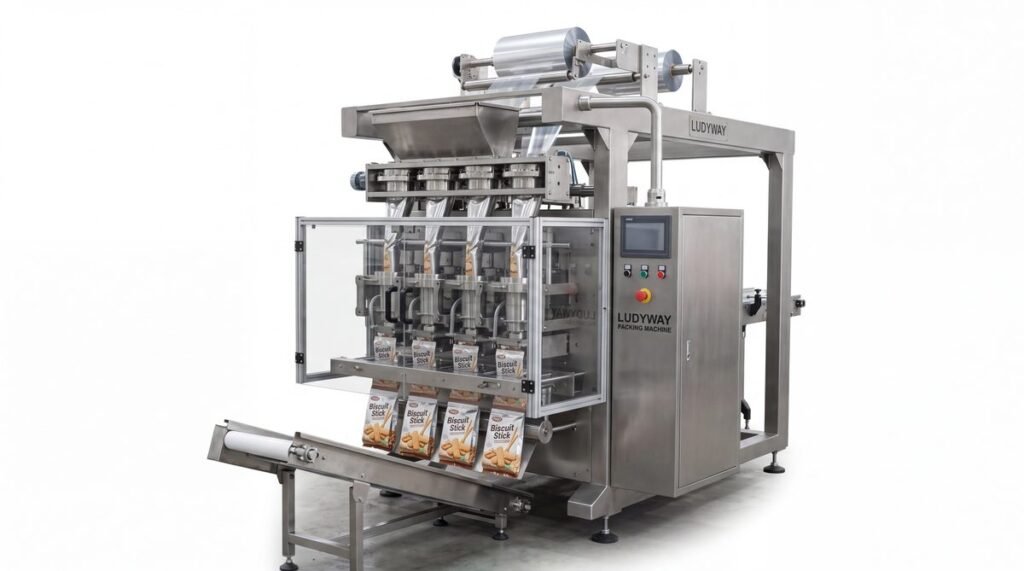
Investing in the right bakery packaging machine is one of the most critical decisions for any commercial bakery or food manufacturer. Whether you produce artisan bread, soft cakes, crispy cookies, or delicate pastries, the final packaging step defines your product’s shelf life, brand image, and logistical efficiency. A poorly chosen machine can lead to product damage, excessive labor costs, and operational bottlenecks. This complete guide walks you through everything you need to know about buying bakery packaging machines worldwide, from machine types and key specifications to supplier evaluation and global market trends.
Understanding Bakery Packaging Machine Types
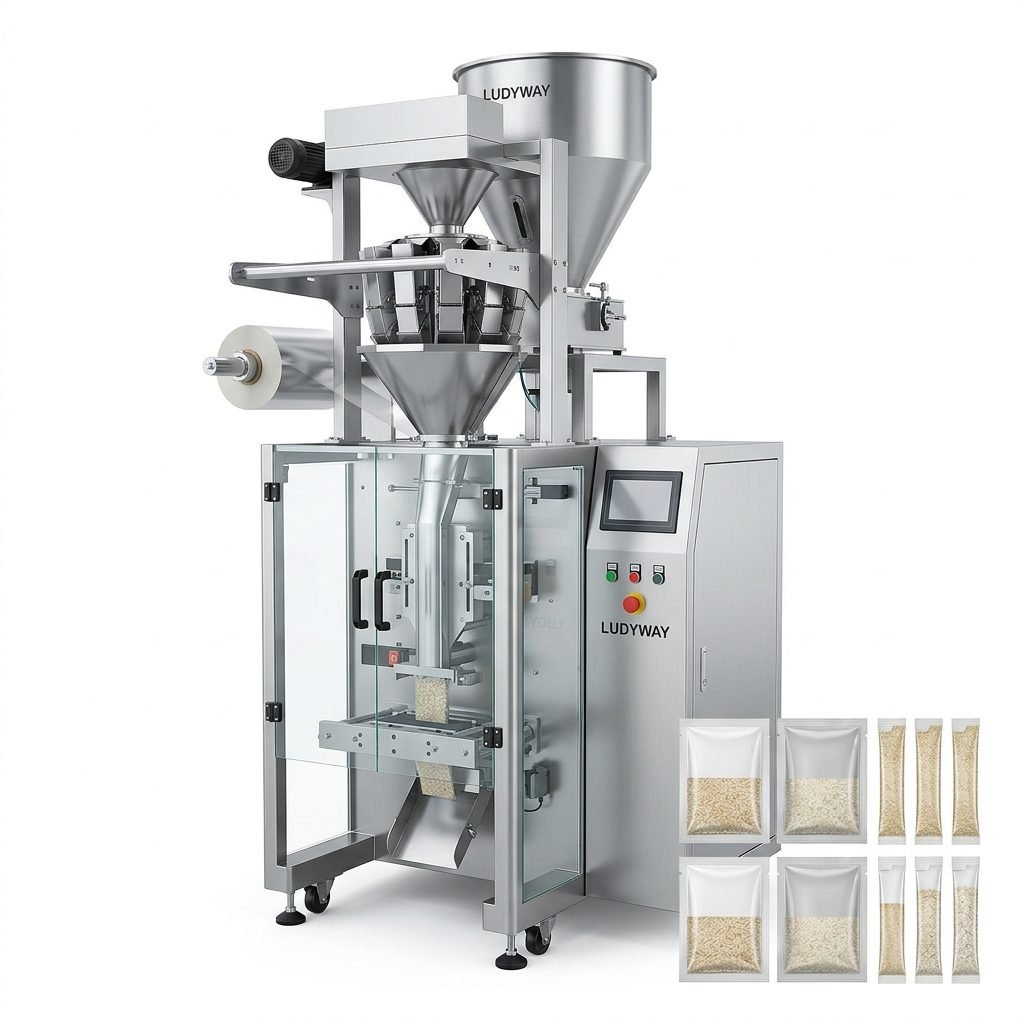
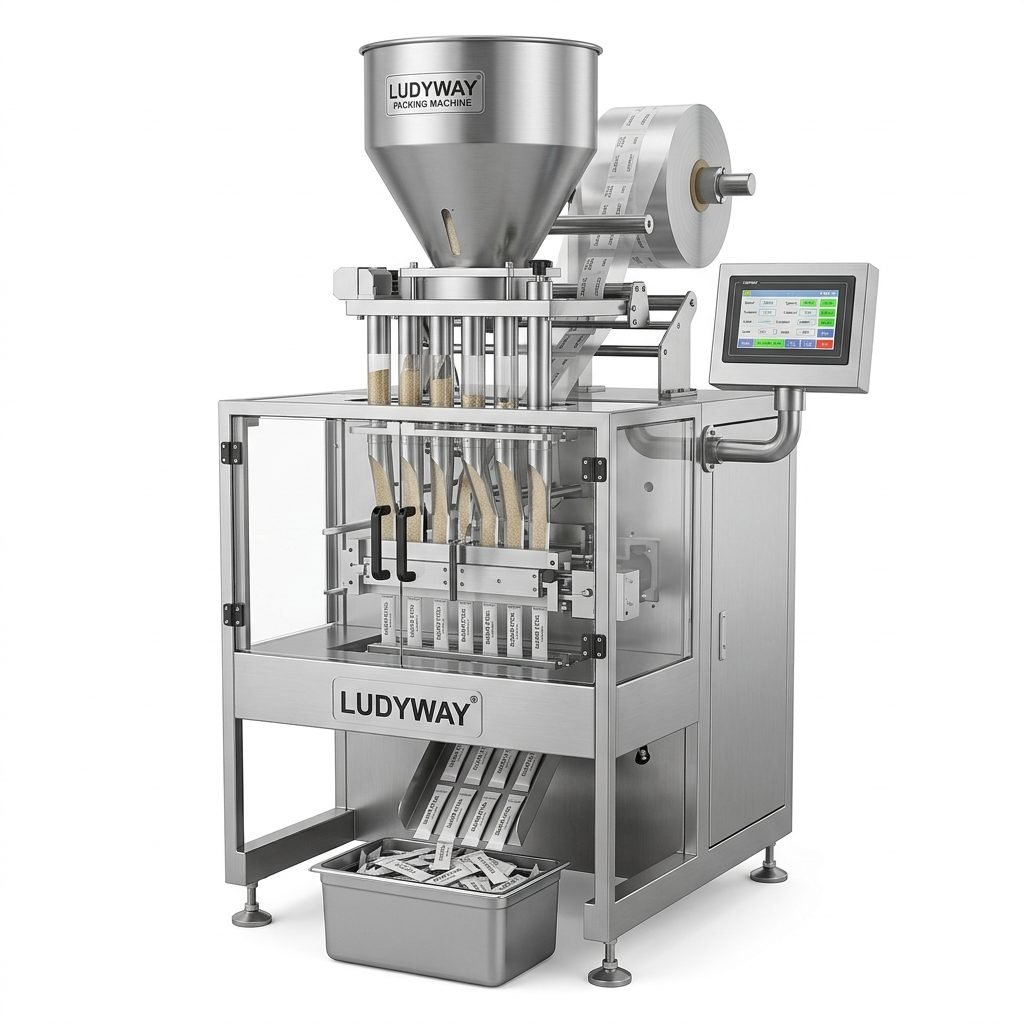
Bakery products vary widely in shape, texture, and fragility, which means there is no one-size-fits-all packaging solution. The most common machines used in the industry include horizontal flow wrappers, vertical form fill seal (VFFS) machines, and premade pouch filling and sealing systems. Horizontal flow wrappers are the go-to choice for bars, cookies, and single-serve bread slices, using a continuous motion film wrapping process that maintains high speeds. VFFS machines are ideal for loose or irregularly shaped items like buns, muffins, or bagels, forming a bag from a flat roll of film while simultaneously filling and sealing. Premade pouch systems work well for premium or gift-oriented baked goods where stand-up pouches, zipper bags, or shaped sachets are preferred. Understanding which format best protects your product while aligning with your brand presentation goals is the essential first step.
Key Factors When Selecting a Bakery Packaging Machine
Before contacting suppliers, you must clearly define your production requirements. Start by analyzing your current and projected output volumes. A small artisan bakery producing 500 units per day has very different needs than a large-scale industrial operation running 50,000 units per shift. The packaging speed, measured in packs per minute (ppm), must match your upstream production line pace to avoid costly downtime or product accumulation.
Product characteristics are equally vital. Consider the following product attributes carefully:
- Product fragility: Soft cakes with cream require gentle handling and possibly modified atmosphere packaging (MAP) to prevent crushing and extend shelf life.
- Product dimensions: Machines have specific film width and product size ranges; ensure your largest and smallest products fall within the working envelope.
- Surface texture: Sticky or moist surfaces like glazed donuts may require special belt materials, non-stick sealing jaws, or specific film coatings to prevent jams and seal failures.
- Shelf life requirements: Products needing extended freshness often require gas flushing or vacuum packaging capabilities integrated into the wrapping or sealing process.
Packaging Material Compatibility
The film type you plan to use—whether polypropylene (PP), polyethylene (PE), laminate structures, paper-based materials, or biodegradable films—directly impacts machine selection. Sealing temperature, dwell time, and jaw pressure must be precisely adjustable to create strong, consistent seals without burning or distorting the film, and without introducing heat damage to temperature-sensitive baked goods like chocolate-coated items or cream-filled pastries.
Essential Features for Modern Bakery Operations
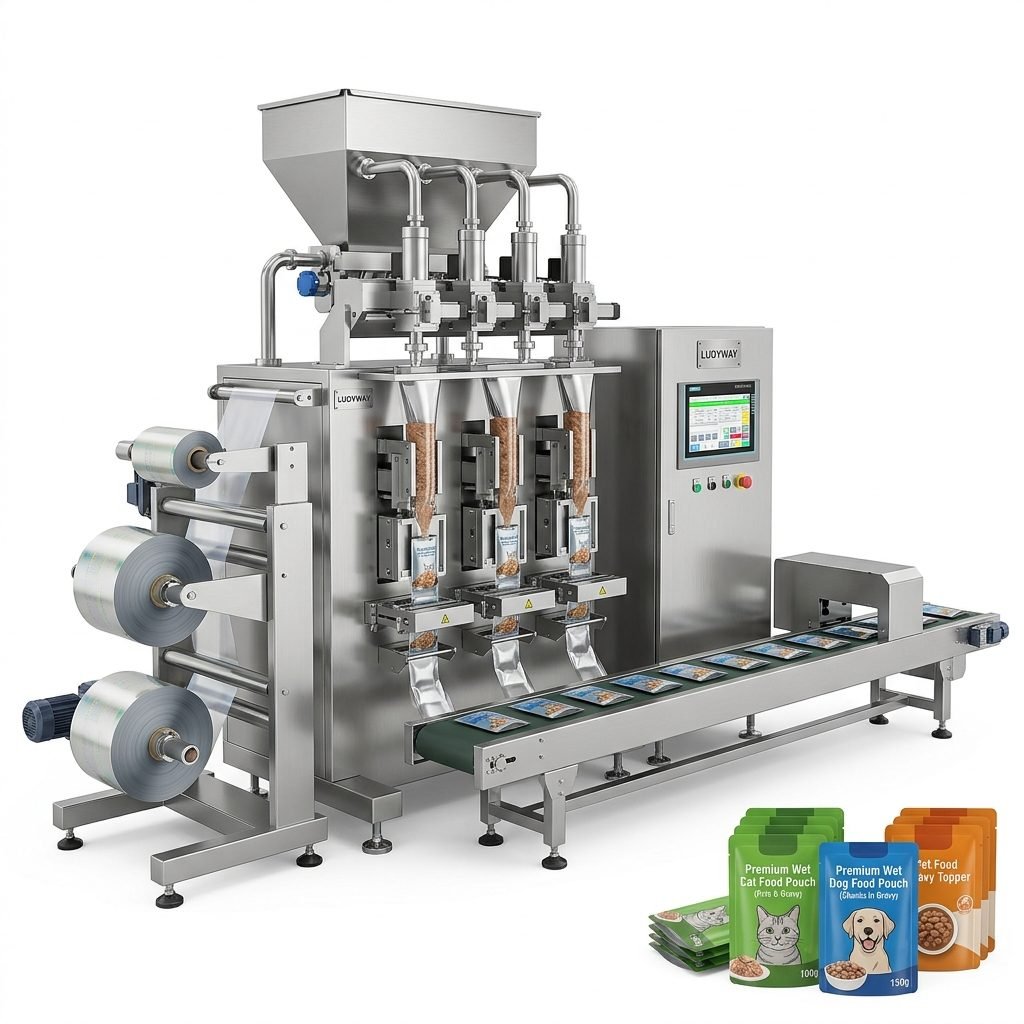
Modern packaging equipment goes far beyond simple wrapping and sealing. To remain competitive in the global market, look for machines equipped with servo-driven motions, which offer precise control over film feeding and sealing, resulting in less film waste and higher accuracy. Quick changeover capabilities are essential if your bakery produces multiple product types with different packaging sizes, as tool-less adjustments can reduce downtime to just a few minutes between runs.
Integration with automatic feeding systems, such as vibratory conveyors or robotic pick-and-place units, can drastically reduce labor dependency. Additionally, inline printing and labeling for date codes, batch numbers, barcodes, and nutritional panels should be seamlessly integrated into the packaging line to maintain a smooth, continuous workflow without manual intervention stages.
Hygiene and Construction Standards
Bakeries operate in food-grade environments, so the packaging machine’s construction materials matter significantly. Stainless steel frames and food-contact parts resist corrosion from flour dust, sugar, and cleaning agents. Machines should be designed with sloped surfaces to prevent product accumulation, and they should offer easy access for sanitation crews. Conformity to CE, ISO, and local food safety regulations is mandatory for import into regions like the European Union, North America, and Australia, and certification documents should be verified before purchase.
| Machine Type | Best For | Typical Speed Range | Key Advantage |
|---|---|---|---|
| Horizontal Flow Wrapper | Bars, cookies, sliced bread, croissants | 30 – 200 ppm | High speed, tight seal, product protection |
| Vertical Form Fill Seal | Loose items, buns, rolls, bagels | 20 – 120 ppm | Versatile bag sizes, low film cost |
| Premade Pouch Filler Sealer | Premium cookies, gift items, artisan bread | 15 – 80 ppm | Attractive pouch styles, zipper options |
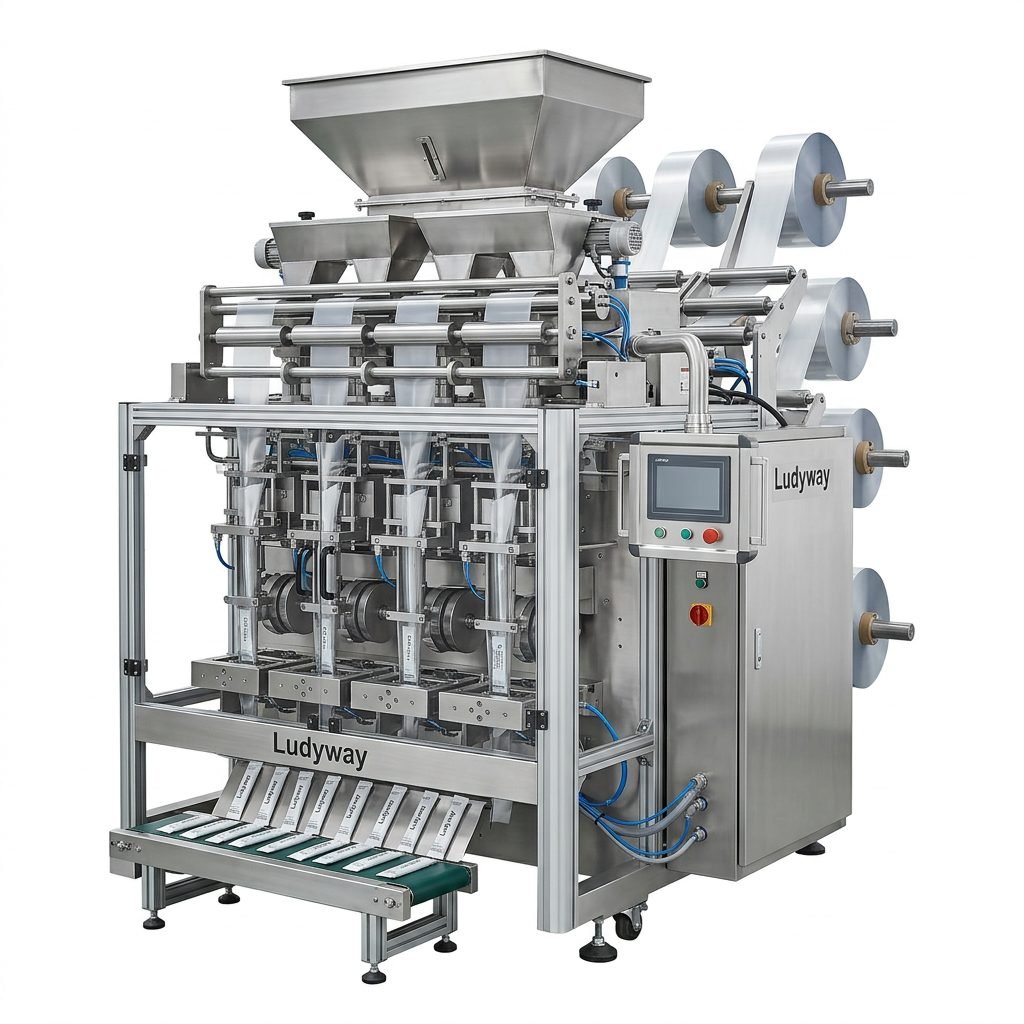
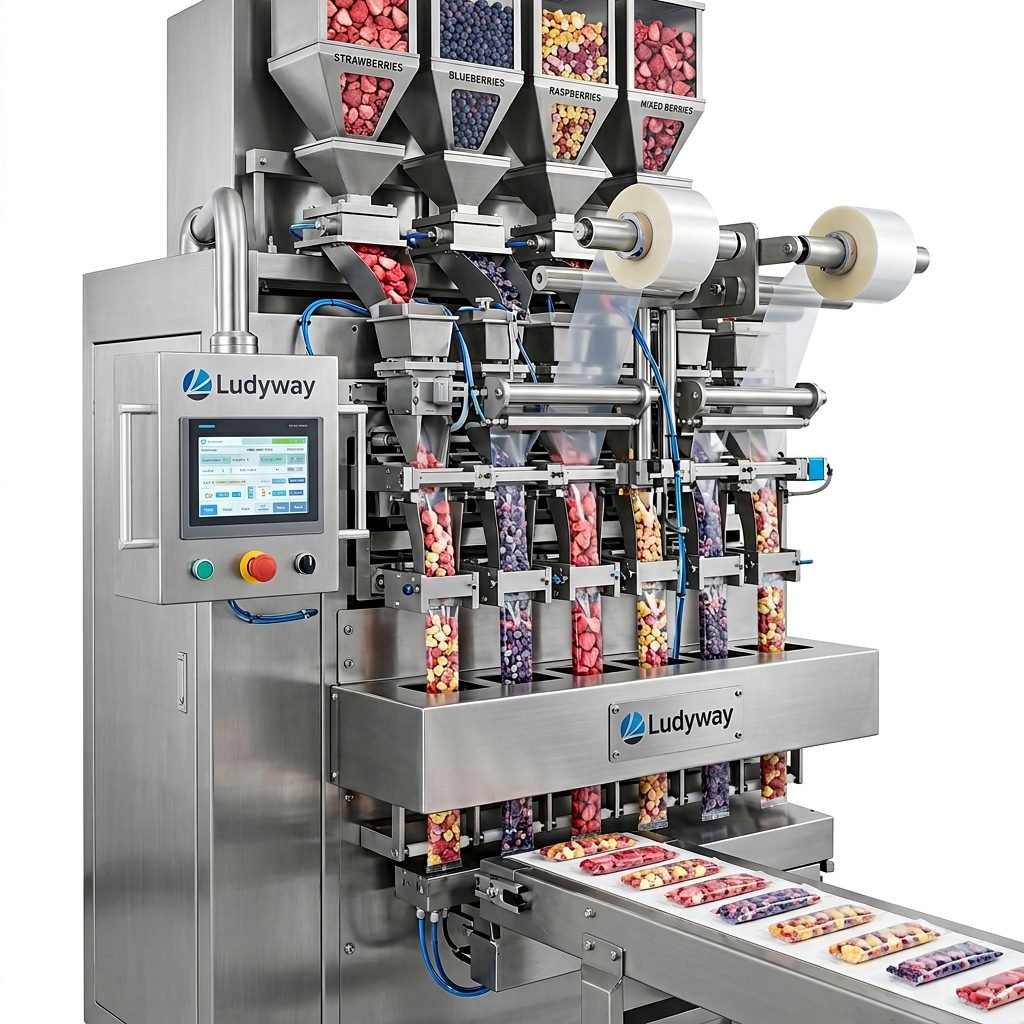
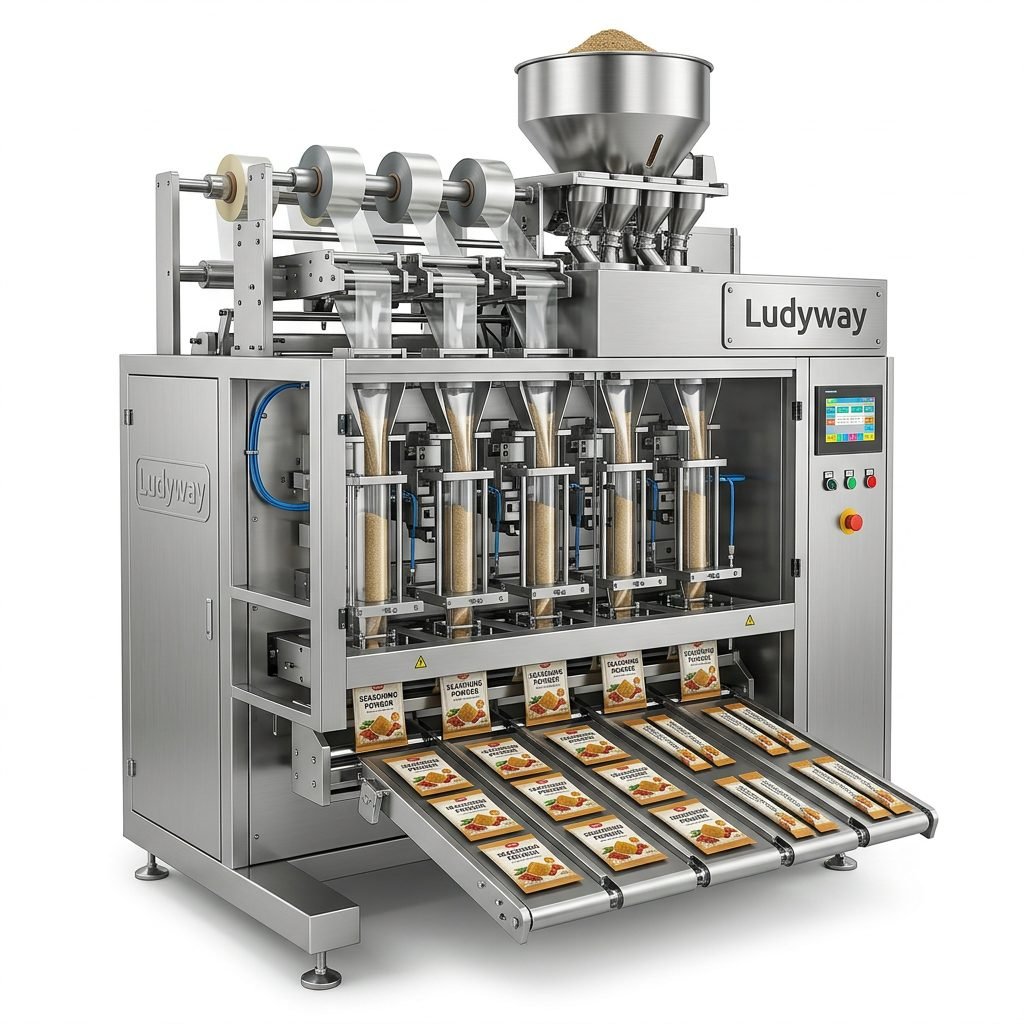
| Multi-Lane Stick Pack Machine | Single-serve cookie or biscuit portions | 200 – 600 ppm (combined lanes) | Extremely high output, portion control |
| MAP Tray Sealer | Fresh pastries, sandwich bread, cakes | 10 – 60 cycles per minute | Extended shelf life, premium presentation |
Sourcing Bakery Packaging Machines from Global Manufacturers
The worldwide market for packaging equipment is highly diversified, with strong manufacturing hubs in China, Germany, Italy, Japan, and the United States. Each region offers distinct advantages. European manufacturers like those represented by PMMI – The Association for Packaging and Processing Technologies are often associated with high-precision engineering and premium pricing, while Chinese manufacturers have dramatically improved their technology and quality standards while maintaining competitive pricing and shorter lead times for customized solutions. According to industry data from PMMI’s Business Intelligence Library, the global packaging machinery market continues to show strong growth driven by automation demand and food sector expansion.
When evaluating international suppliers, consider total cost of ownership, not just the initial purchase price. Shipping costs, import duties, installation supervision, operator training, spare parts availability, and ongoing technical support all contribute to the long-term value equation. Request detailed quotations that include all these elements, and ask for references from customers in your region who operate similar equipment.
Certifications and Compliance
Food packaging machinery must comply with various international standards. Key certifications to look for include CE marking for European market access, UL or CSA certification for North America, and adherence to ISO 11607 standards where applicable. The FDA regulations on food contact substances are particularly important if you export to the United States. Similarly, the European Commission’s packaging waste directives increasingly emphasize sustainability and recyclability, which can influence your material choices and machine specifications.

Turnkey Solutions and Integration Planning
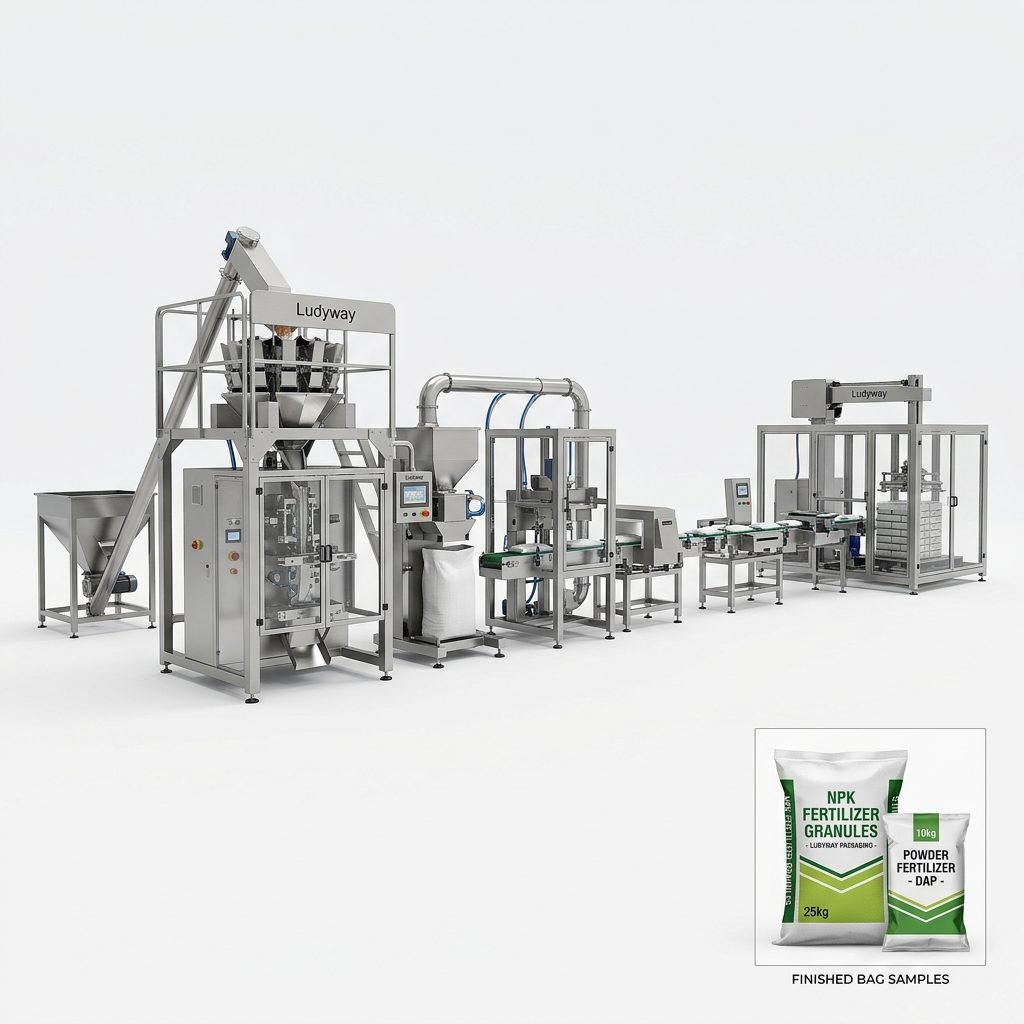
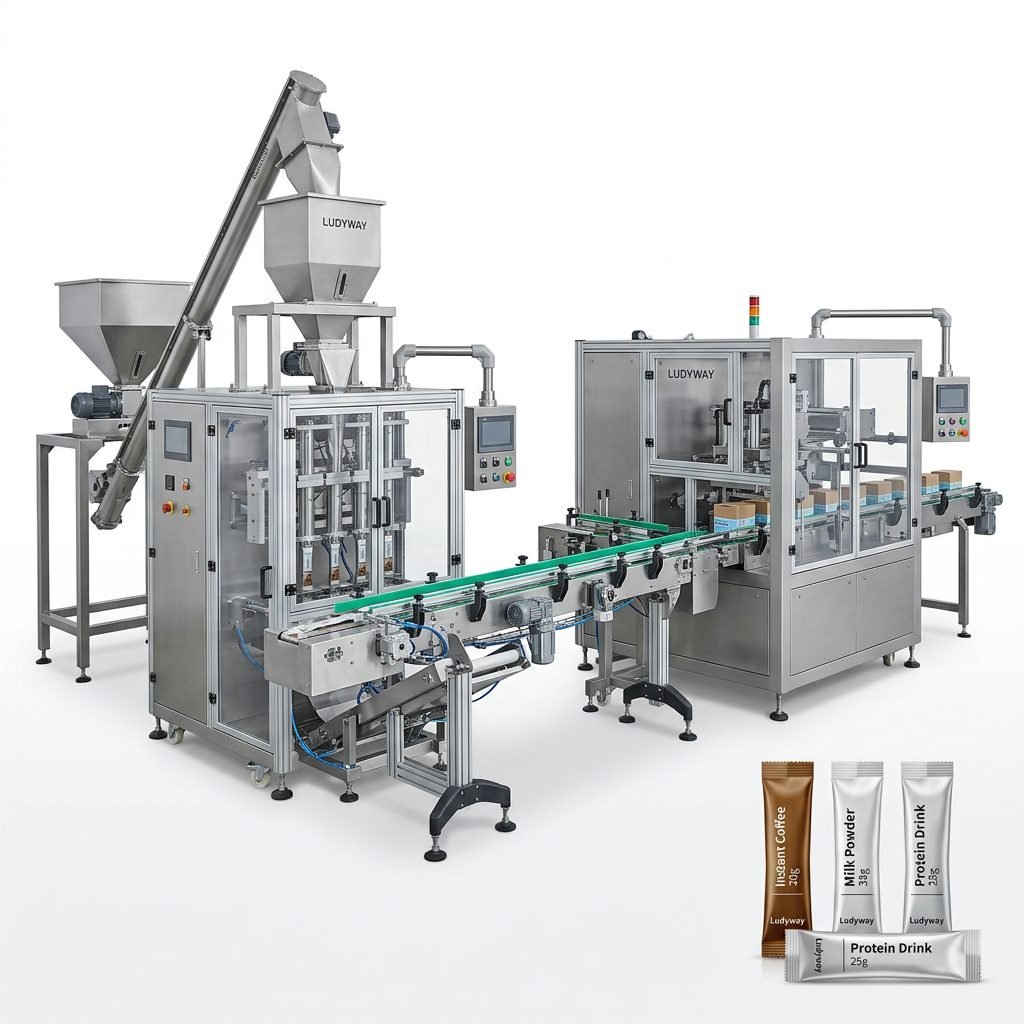
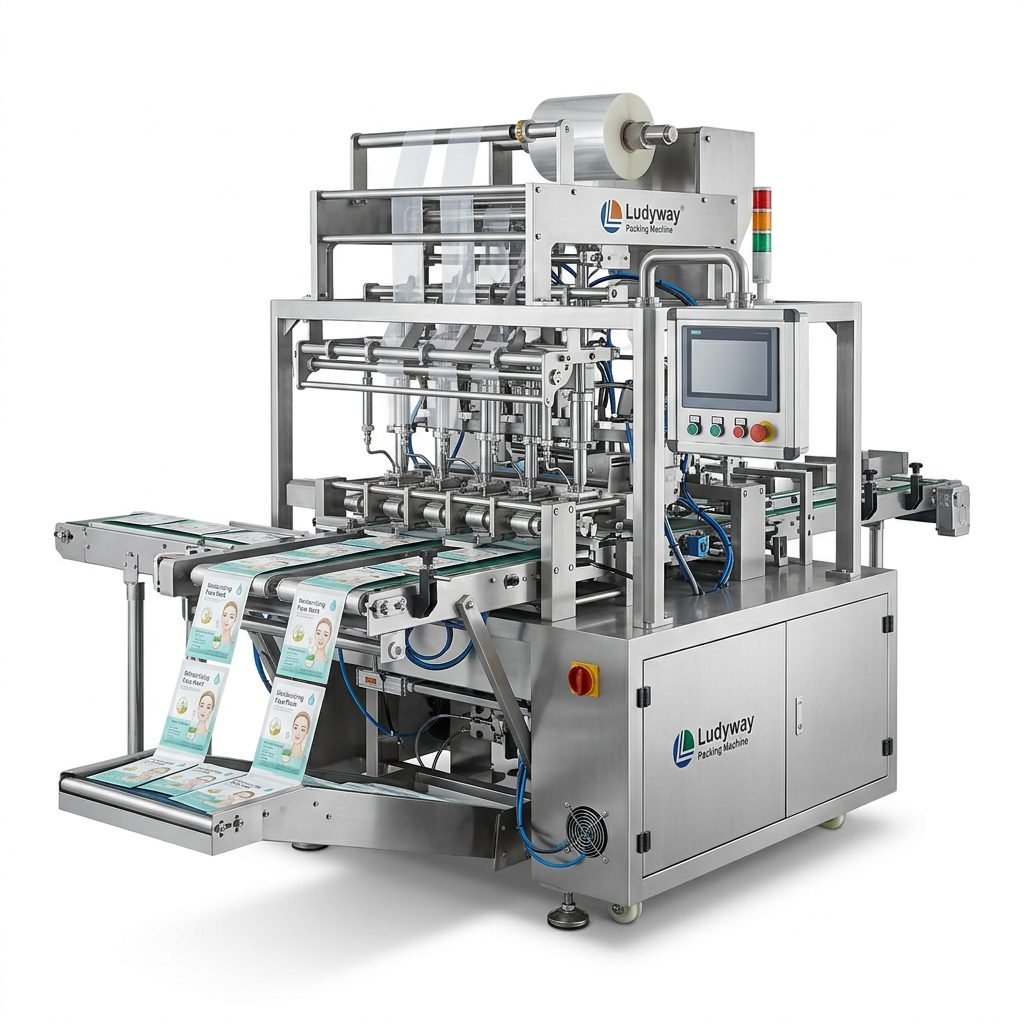
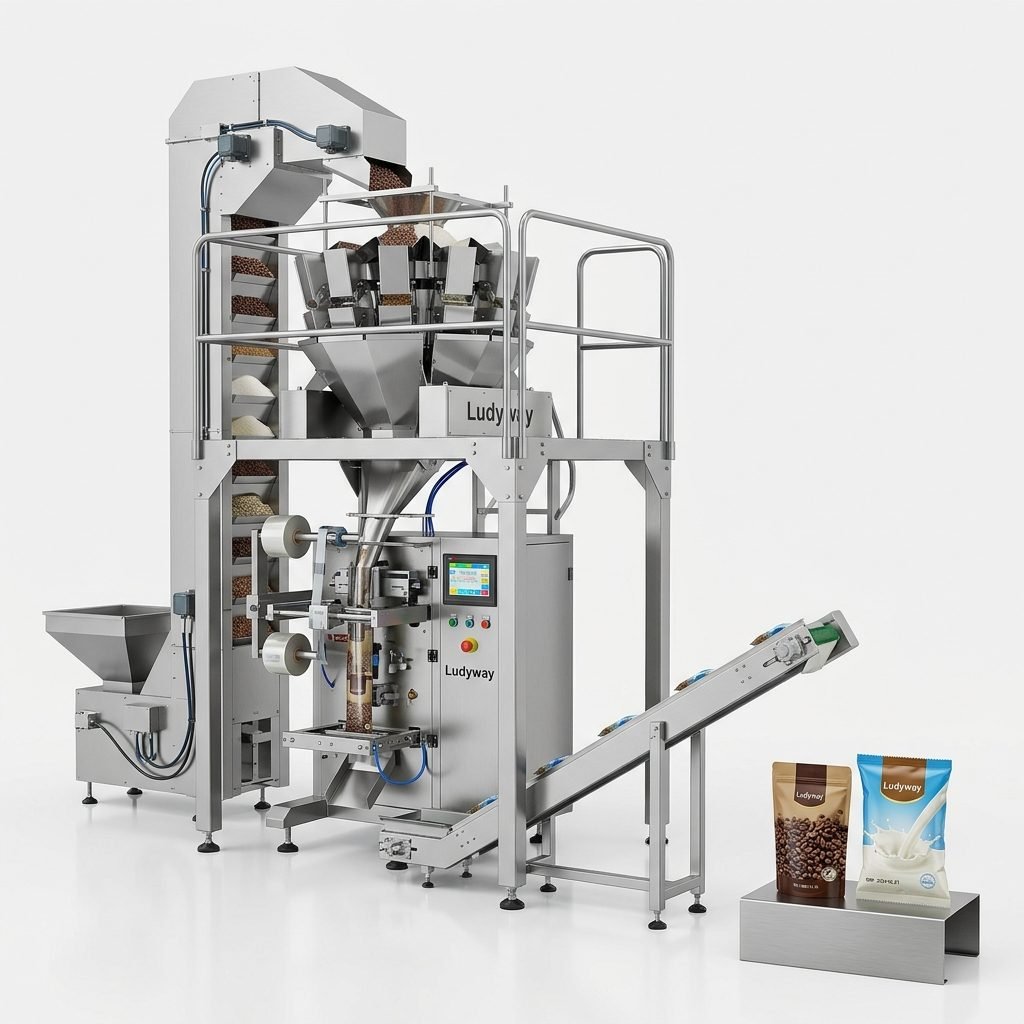
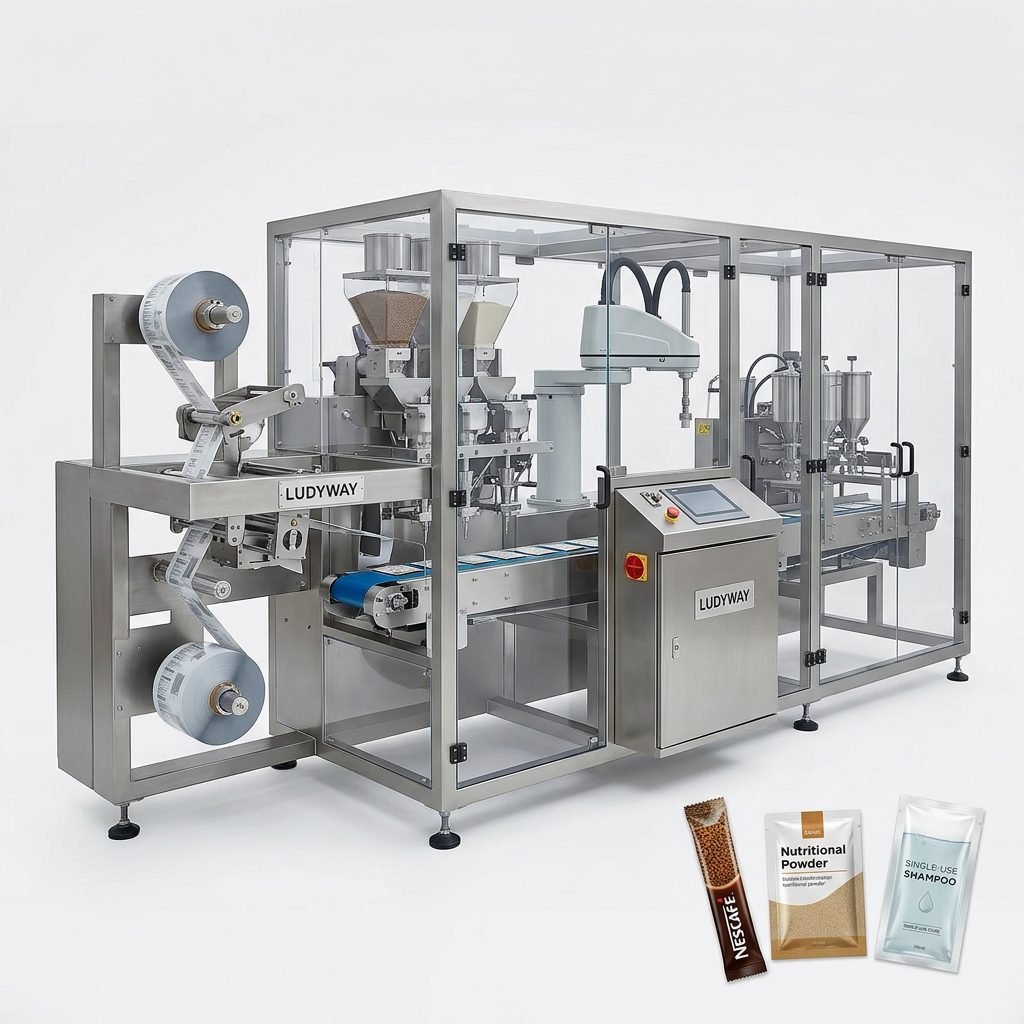
For large-scale bakery operations, buying a standalone machine is rarely sufficient. You need a complete packaging line that integrates product feeding, orientation, primary packaging, checkweighing, metal detection, secondary cartoning, and palletizing. Planning a turnkey line ensures that all components communicate effectively and operate at a synchronized speed. Companies like Ludyway, one of the largest packaging machine manufacturers in China with over 30 years of industry expertise and a 20,000㎡ modern production facility, offer more than 50 intelligent packaging machine models covering granules, powders, liquids, and pouch packaging applications, and they provide integrated turnkey solutions that help businesses improve productivity, product quality, and operational efficiency across more than 100 countries.
When planning your line, map out your factory floor layout carefully. Consider product flow direction, operator workstations, film roll storage, and maintenance access. A well-designed layout minimizes product travel distance and reduces potential contamination risks. Your supplier should provide detailed CAD drawings and installation supervision to ensure a smooth commissioning process.
After-Sales Support and Long-Term Partnership
The relationship with your machine supplier does not end at delivery. Comprehensive after-sales support is crucial for minimizing downtime and maintaining production efficiency. Evaluate potential partners based on:
- Remote diagnostic capabilities: Can they connect to the machine via VPN or IoT modules for real-time troubleshooting?
- Spare parts inventory: Does the supplier maintain a well-stocked local warehouse or offer express international shipping for critical components?
- Preventive maintenance programs: Do they offer scheduled service visits and maintenance contracts to prevent unexpected breakdowns?
- Operator and maintenance training: Is comprehensive training included, and is it available on-site at your facility?
Exhibitions and Factory Visits
Attending global packaging exhibitions remains one of the most effective ways to evaluate machinery in person. Events organized by PACK EXPO International and PACK EXPO Las Vegas bring together hundreds of manufacturers and allow you to see machines running with your own products. Whenever possible, arrange a factory visit to your shortlisted suppliers. A well-organized manufacturing facility with strict quality control procedures, proper testing areas, and a professional engineering team is a strong indicator of the quality you can expect in your own equipment.
Budgeting and Return on Investment
Investing in a bakery packaging machine is a significant capital expenditure, but the return on investment can be rapid when calculated correctly. Consider the following value drivers when building your business case:
| ROI Factor | Impact |
|---|---|
| Labor Reduction | Automation can reduce manual packing staff by 50-80%, directly lowering ongoing wage costs. |
| Film Savings | Precise servo controls reduce film waste by up to 10% compared to older mechanical systems. |
| Product Waste Reduction | Gentle handling and consistent sealing reduce damaged or rejected packages. |
| Increased Throughput | Higher speeds enable you to meet growing demand without adding shifts or expanding facilities. |
| Extended Shelf Life | MAP and hermetic sealing reduce spoilage returns and expand your distribution radius. |
Industry organizations like the Flexible Packaging Association provide valuable resources and data on packaging trends that can help you make informed decisions about materials and machinery. Their Knowledge Hub contains market intelligence reports and sustainability guidance that can inform your packaging strategy.
Emerging Trends in Bakery Packaging
The bakery packaging landscape is evolving rapidly, driven by sustainability initiatives, smart packaging technologies, and changing consumer habits. Sustainable packaging is no longer optional; major retailers and regulatory bodies are demanding recyclable, compostable, or reduced-plastic solutions. Your next machine should be capable of running recyclable mono-material films and thinner gauge materials without compromising seal integrity or production speed.
Smart packaging with QR codes, NFC tags, and serialized barcodes enables traceability, consumer engagement, and anti-counterfeiting. Machines with integrated digital printing and vision inspection systems can apply and verify these codes at full production speed, adding value to every package without slowing down the line.
Flexible Small-Batch Capabilities
The rise of e-commerce and direct-to-consumer models means bakeries are increasingly handling smaller, more varied production runs. Quick changeover has become a critical specification, with leading machines offering tool-less size changeovers in under 10 minutes. This flexibility allows you to respond to seasonal demands, limited-edition products, and custom orders without sacrificing overall equipment effectiveness.
Making the Final Decision
After narrowing down your options, request factory acceptance testing (FAT) before shipment. Send your actual products and packaging films to the supplier’s facility and run them on the machine under production-like conditions. Verify all performance metrics, including speed, seal quality, product integrity, and ease of changeover, before signing off on delivery. A reputable supplier will welcome this scrutiny and work with you to fine-tune settings for optimal results.
Finally, consider the scalability of your investment. Choose a machine platform that can grow with your business, offering modular upgrades, additional lanes, or integration capabilities with downstream cartoning and palletizing equipment. The ISO packaging standards provide useful benchmarks for ensuring quality and interoperability in your packaging operations.
Purchasing a bakery packaging machine is a strategic decision that impacts product quality, operational efficiency, and market competitiveness. By thoroughly evaluating your product needs, understanding the available machine types, verifying supplier credentials and certifications, and planning for complete line integration and after-sales support, you can select equipment that delivers reliable performance for years to come. The global marketplace offers more options than ever, and with careful due diligence, you can find a packaging solution that perfectly fits your bakery’s unique requirements and growth ambitions.