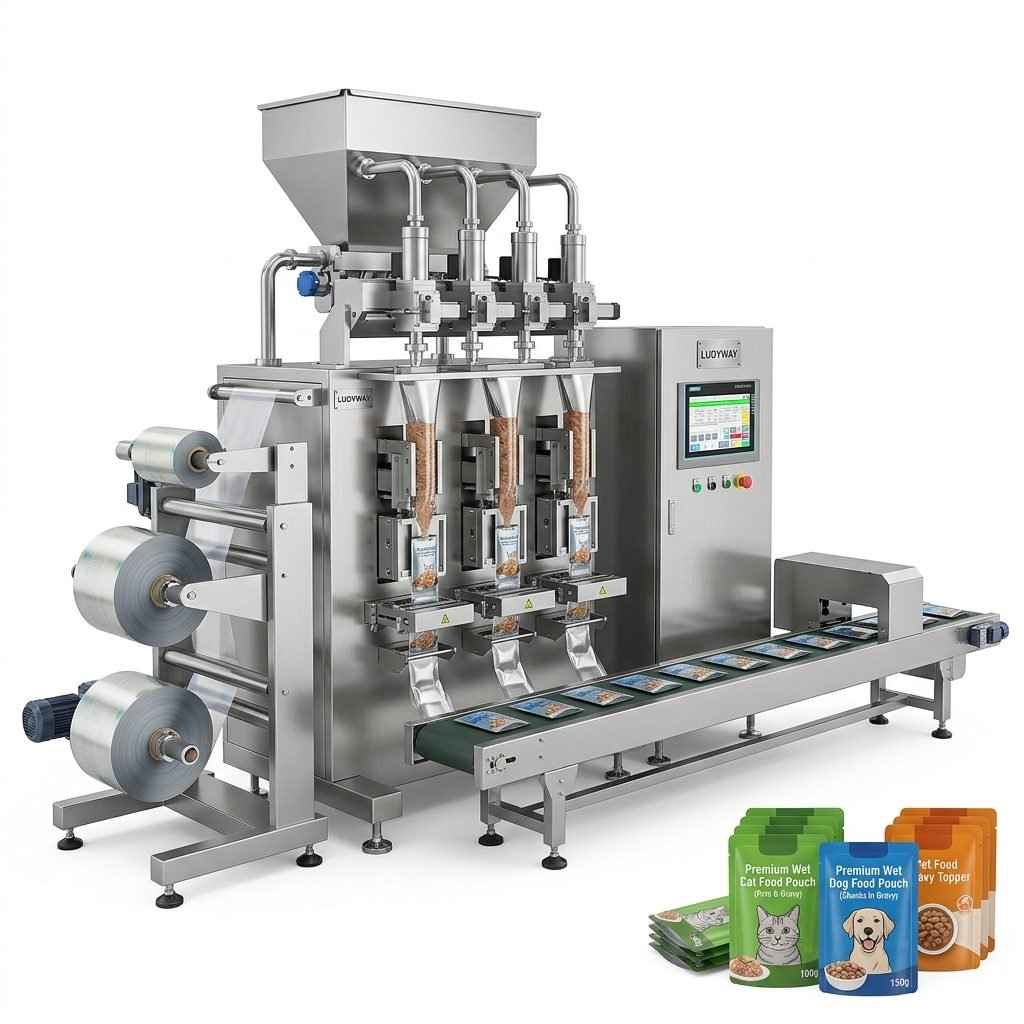
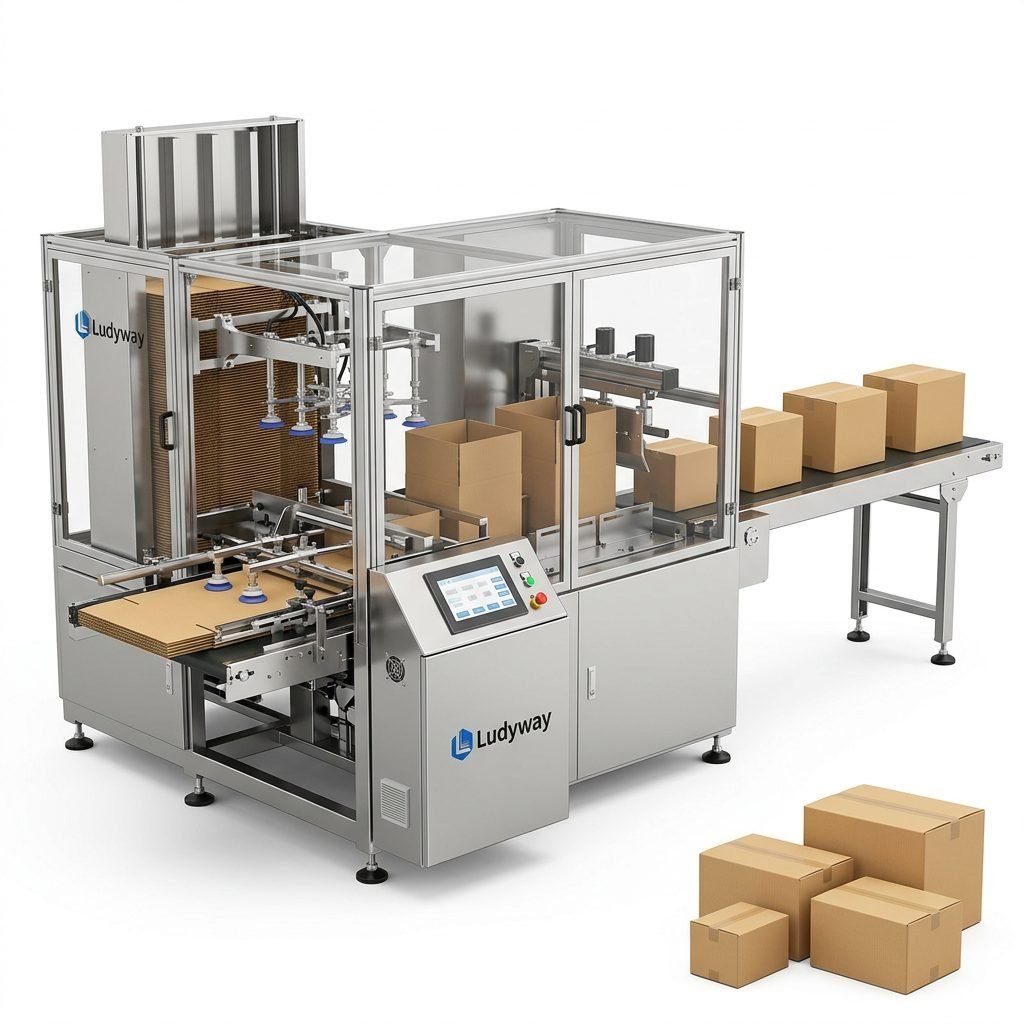
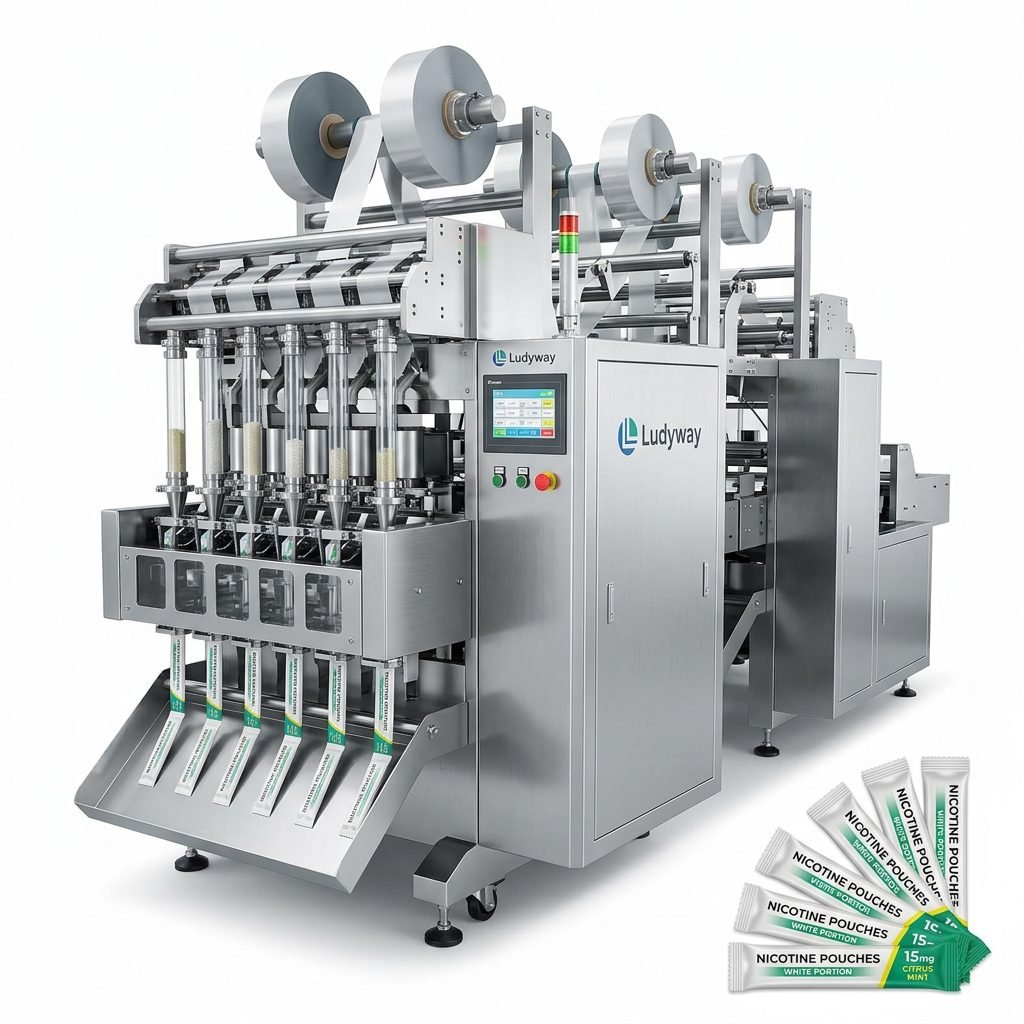
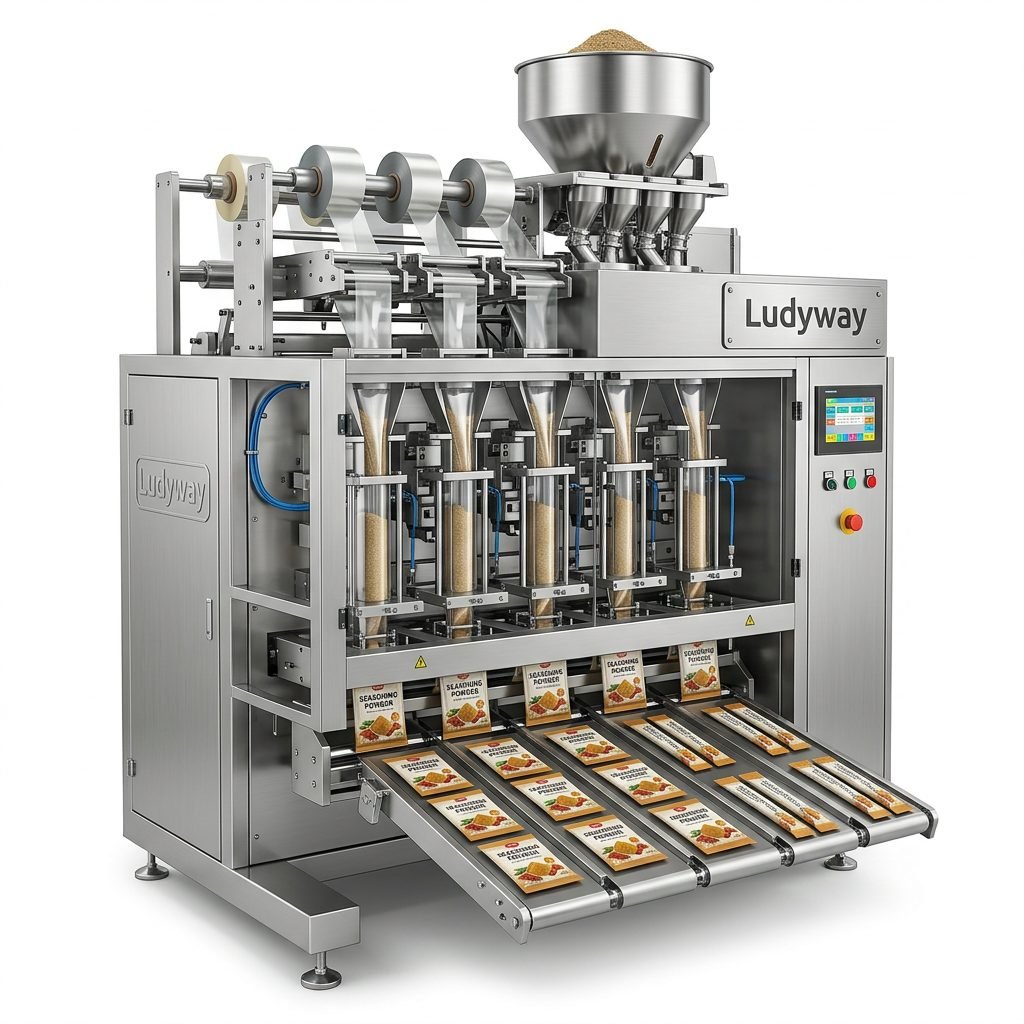
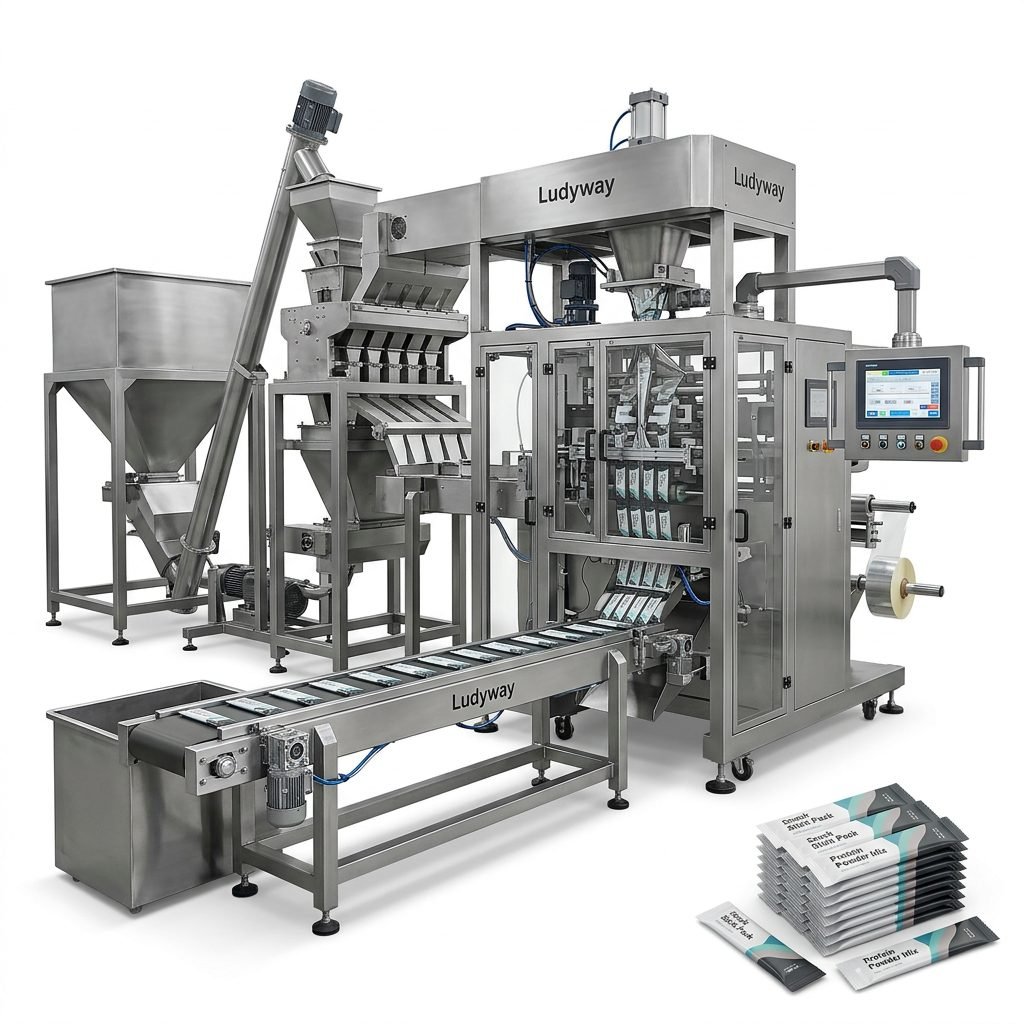
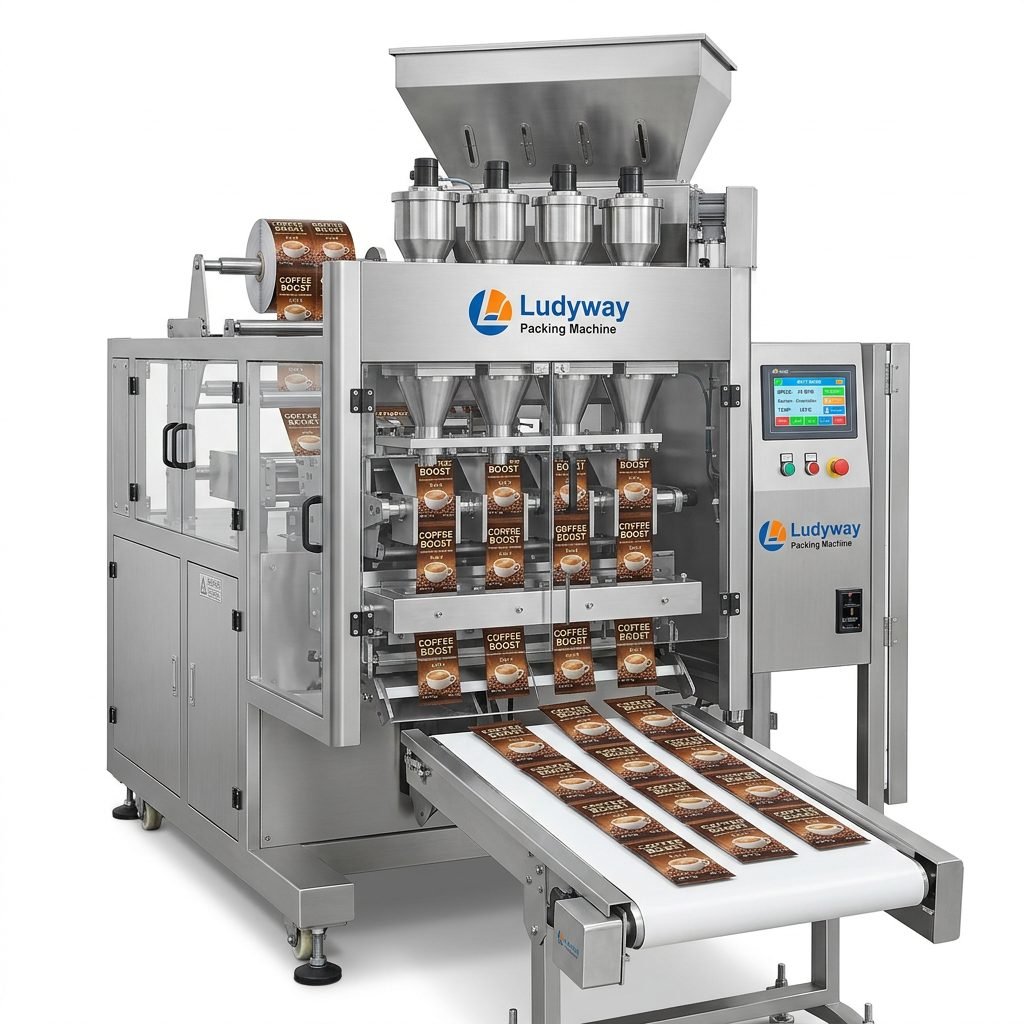
Investing in an ice packaging machine in Germany requires careful consideration of technical specifications, regulatory standards, and operational efficiency. Whether you are producing ice cubes, crushed ice, or specialty ice products, the right packaging equipment can significantly impact your production throughput, product quality, and overall profitability. Germany’s packaging industry is one of the most advanced in Europe, and selecting machinery that meets local EU regulations and CE certification requirements is essential for long-term success.
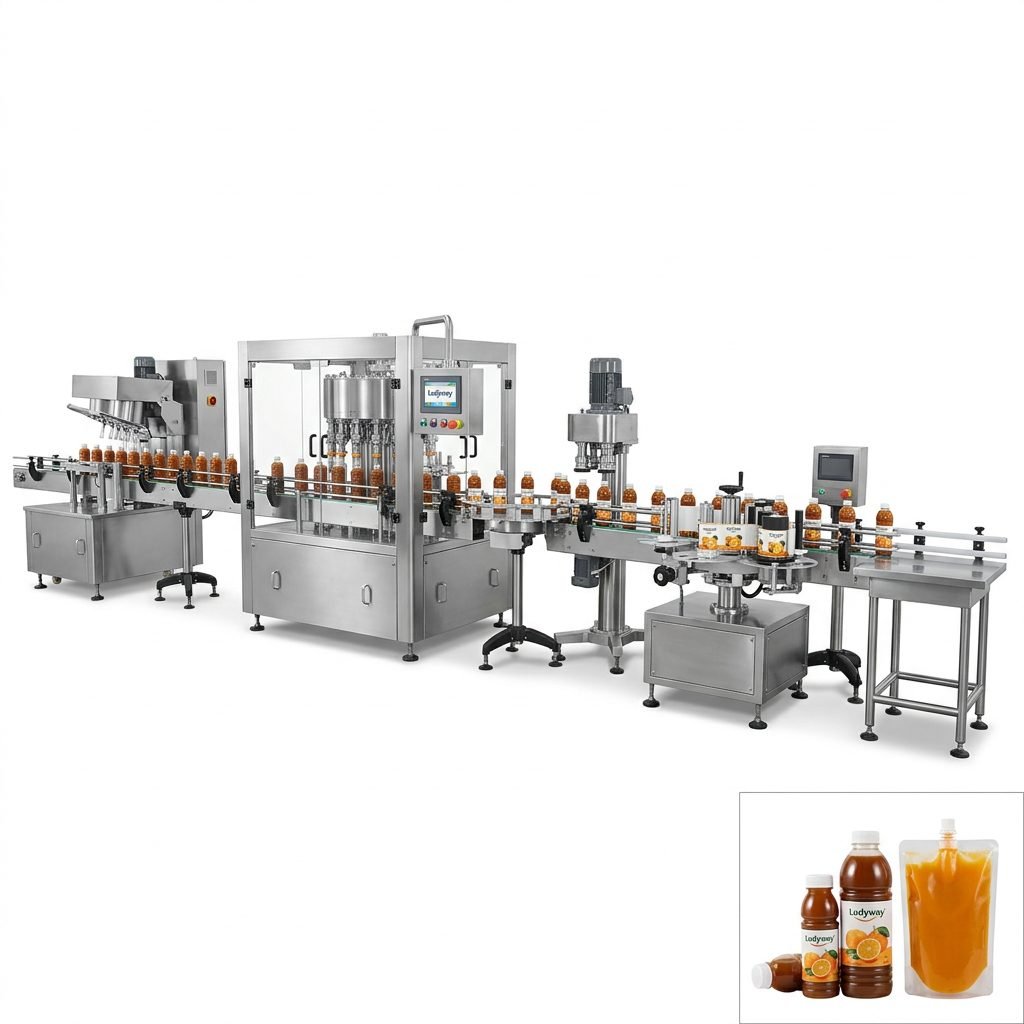
Understanding the German Ice Packaging Market
Germany represents one of Europe’s largest markets for packaging machinery, with a strong emphasis on automation, energy efficiency, and compliance with environmental standards. The demand for ice packaging solutions spans across multiple sectors including food service, healthcare, logistics, and specialty beverage production. German buyers typically prioritize build quality, precision engineering, and after-sales support when evaluating packaging equipment suppliers.
The German packaging machinery market is projected to grow steadily, driven by increasing demand for convenient and sustainable packaging solutions. When sourcing an ice packaging machine, understanding local market dynamics and consumer expectations will help you make a more informed purchasing decision.
Key Market Drivers in Germany
- Strict quality and hygiene standards under EU Regulation (EC) No 1935/2004 for food contact materials
- Growing demand for energy-efficient packaging systems aligned with Germany’s Energiewende (energy transition) goals
- Increasing adoption of automated and smart packaging technologies to address labor shortages
- Rising preference for sustainable and recyclable packaging materials in accordance with the German Packaging Act (VerpackG)
- Strong focus on Industry 4.0 integration and data-driven production monitoring
Types of Ice Packaging Machines Available
Choosing the right type of ice packaging machine depends on your production volume, ice format, and target market. Here is a comprehensive comparison of the most common machine types suitable for the German market:
| Machine Type | Best For | Key Features | Typical Output Range |
|---|---|---|---|
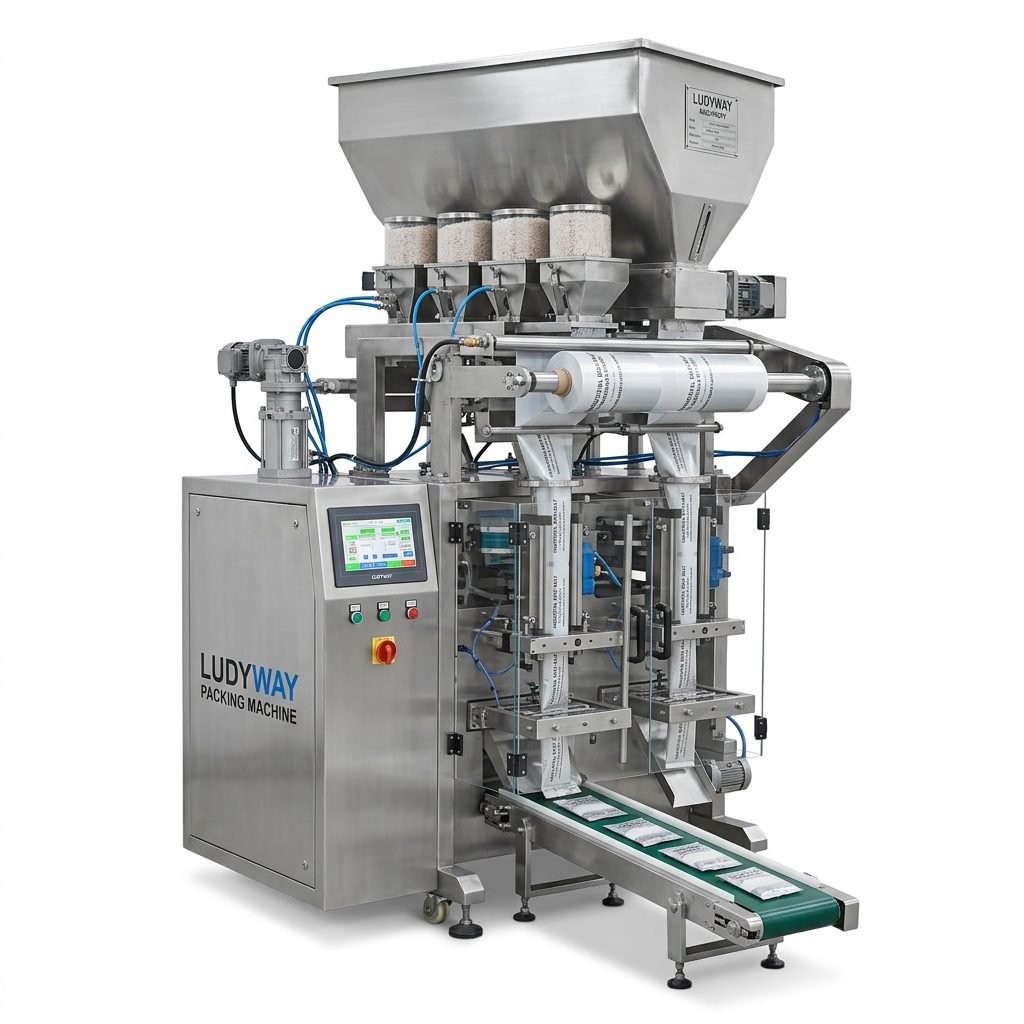
| Vertical Form Fill Seal (VFFS) | Cubed and crushed ice in bags | High-speed, flexible bag sizes, integrated weighing | 30-120 bags/min |
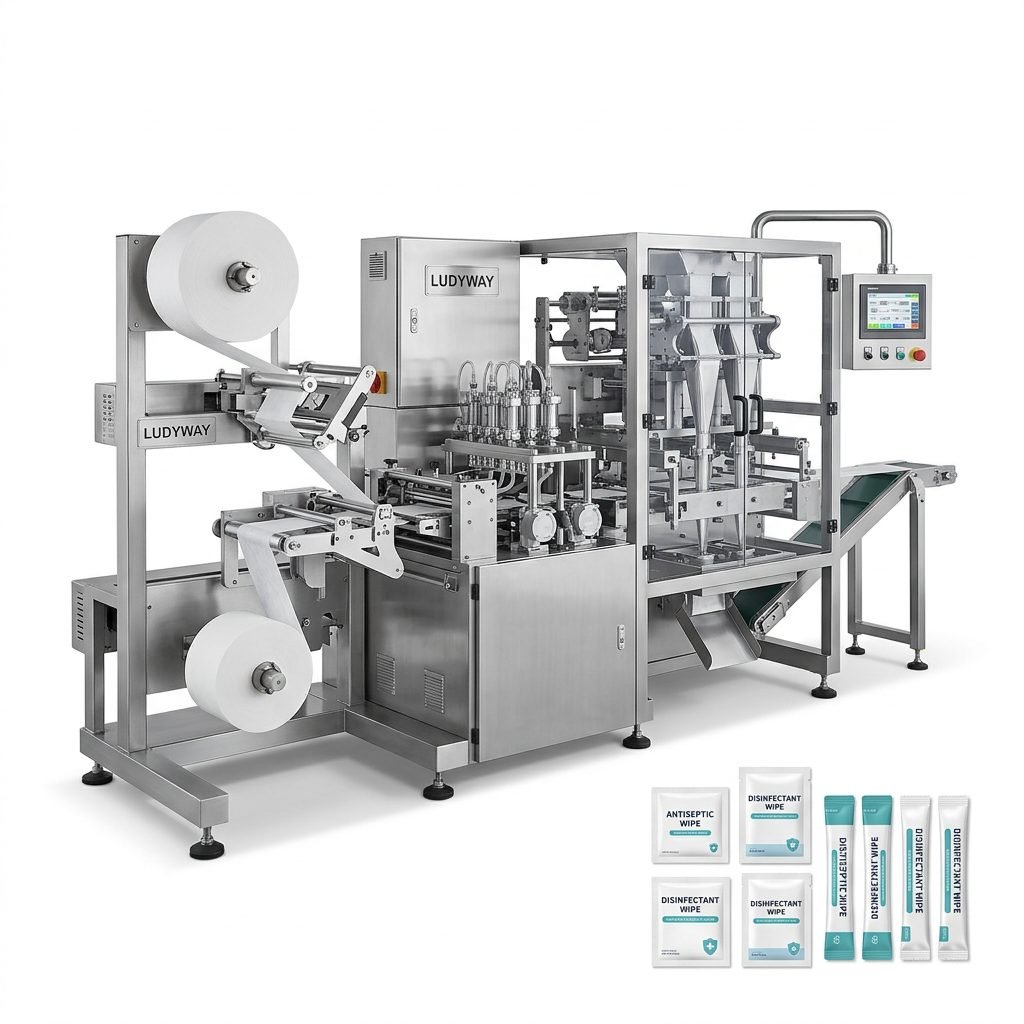
| Horizontal Flow Wrapping | Ice bars and specialty shapes | Gentle handling, hermetic sealing, compact footprint | 40-200 packs/min |
| Pre-made Pouch Packaging | Premium ice products with zipper closures | Versatile pouch styles, resealable options, high shelf appeal | 15-60 pouches/min |
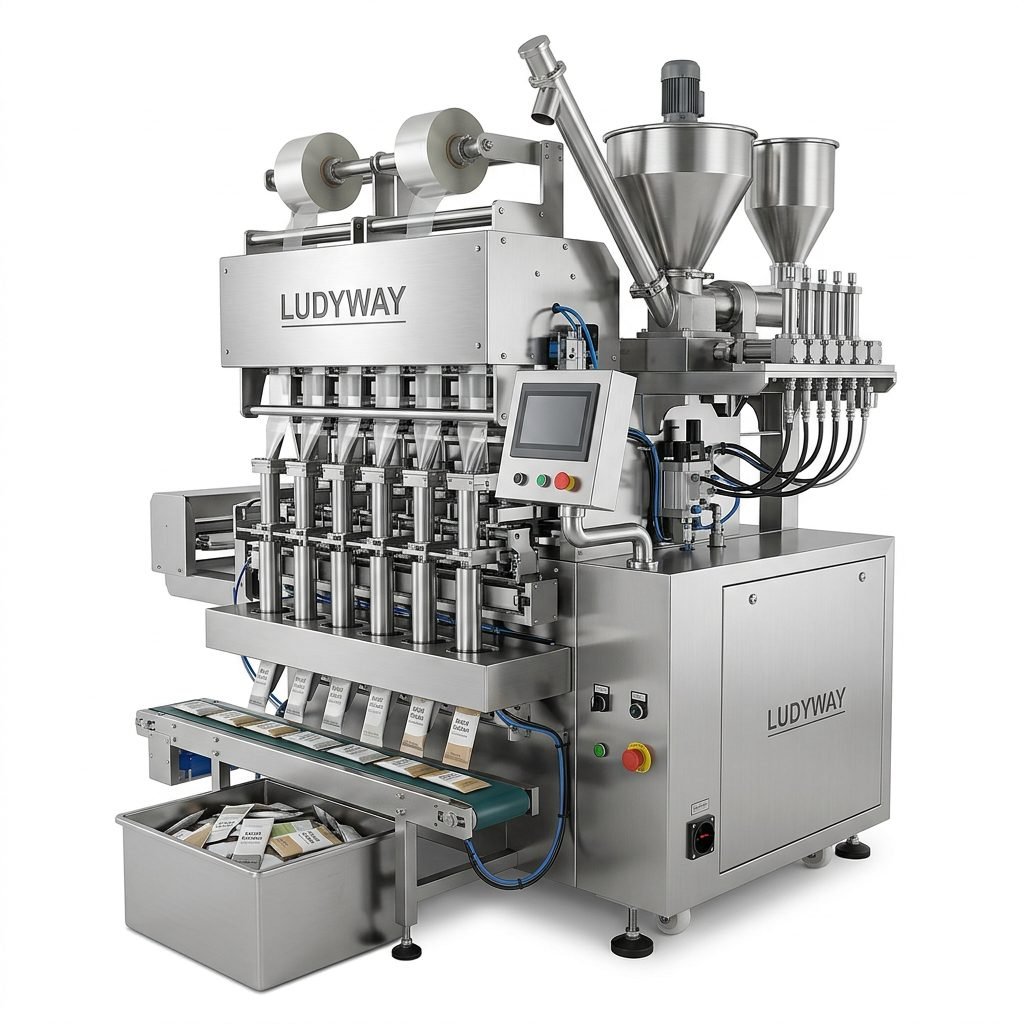
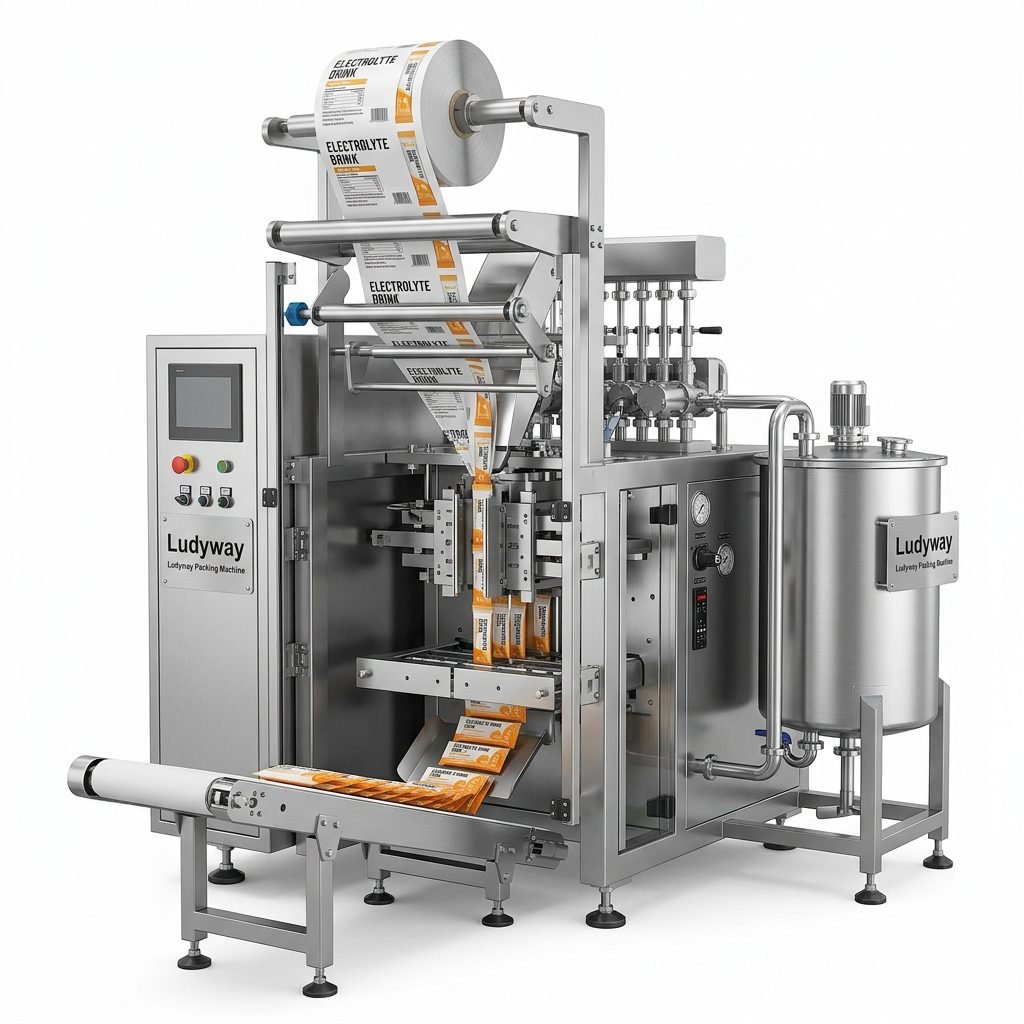
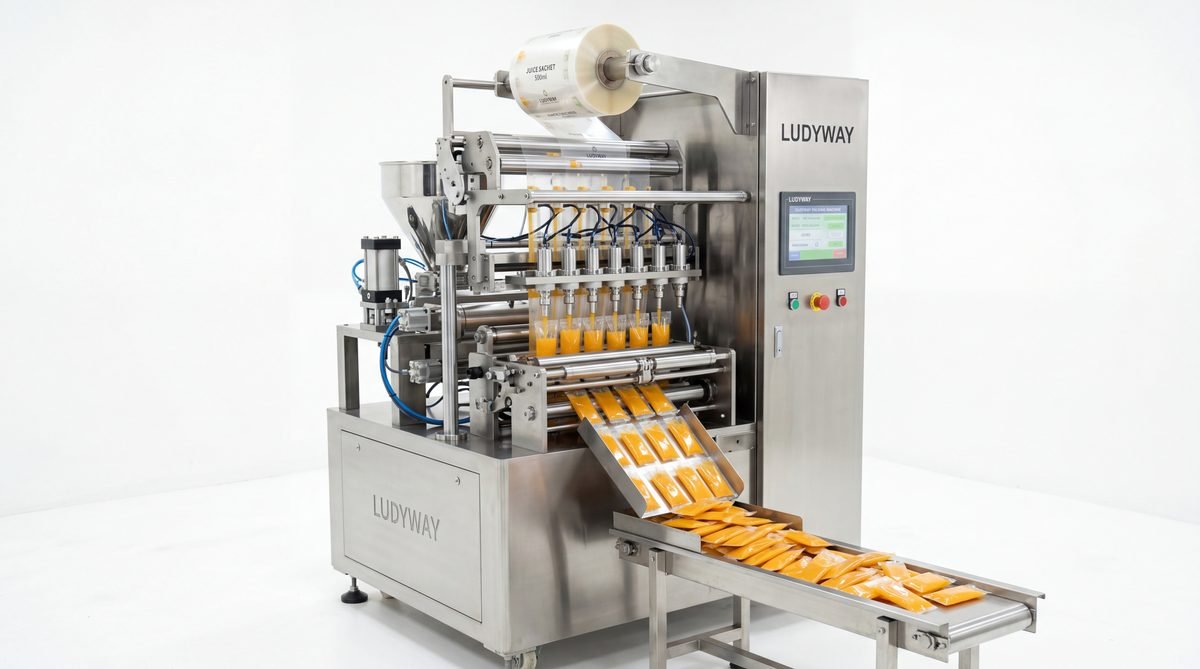
| Multi-Lane Stick Pack | Single-use ice sachets for events and healthcare | Compact sachet format, precise dosing, high output per lane | 200-600 sachets/min |
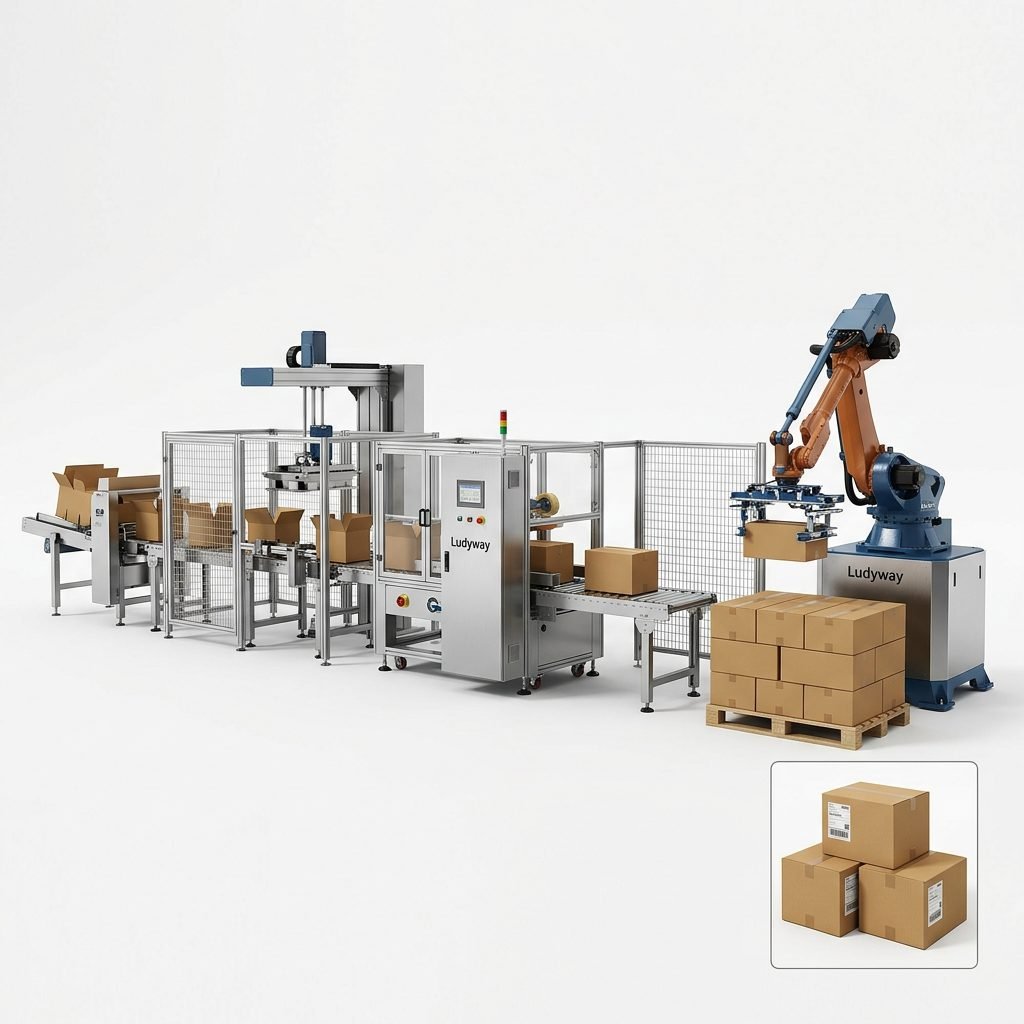
| Automatic Bagging Systems | Bulk ice for wholesale and industrial use | Heavy-duty construction, large format bags, robust weighing | 5-20 bags/min |
Critical Factors for Selecting an Ice Packaging Machine in Germany
1. Compliance with EU and German Regulations
Any packaging machine sold and operated in Germany must meet stringent regulatory requirements. Key certifications and standards include:
- CE Marking – Mandatory for all machinery sold within the European Economic Area
- EU Machinery Directive 2006/42/EC – Governs essential health and safety requirements
- German Food and Feed Code (LFGB) – Applies to food-contact packaging materials
- DIN standards – Specifically DIN EN 415 series for packaging machine safety
- GS Mark (Geprüfte Sicherheit) – Voluntary but highly regarded German safety certification
- ISO 22000 – Food safety management systems relevant to ice packaging operations
Always verify that your chosen packaging machinery supplier provides full documentation of compliance with applicable EU directives and harmonized standards. For detailed regulatory guidance, refer to the FDA food packaging resources and ISO packaging standards.
2. Material Compatibility and Cold Chain Integrity
Ice packaging presents unique challenges related to temperature management and moisture control. The packaging machine must be compatible with materials designed for cold and wet environments. Consider the following material properties:
- Moisture-resistant films – Prevents water migration and maintains packaging integrity
- Anti-fog properties – Ensures product visibility in retail displays
- Cold-seal adhesives – Maintain seal strength at sub-zero temperatures
- Puncture resistance – Critical for irregularly shaped ice products
3. Production Capacity and Scalability
Assessing your current and future production needs is vital. A packaging machine that cannot scale with your business growth will quickly become a bottleneck. Evaluate these parameters:
- Current daily output in kilograms or units
- Planned growth over the next 3-5 years
- Seasonal demand fluctuations common in the ice industry
- Shift patterns and machine uptime requirements
- Changeover time between different ice formats
4. Automation Level and Industry 4.0 Integration
German manufacturing is synonymous with Industry 4.0, and packaging machinery is no exception. Modern ice packaging lines should support:
- IoT-enabled monitoring for real-time production data and predictive maintenance
- OPC UA or MQTT protocols for seamless integration with existing MES and ERP systems
- Automated quality inspection including seal integrity testing and weight verification
- Remote diagnostics to minimize downtime and support costs
- Digital twin capabilities for virtual commissioning and process optimization
Cost Considerations for Ice Packaging Machinery
The total cost of ownership for an ice packaging machine in Germany extends far beyond the initial purchase price. Understanding the full financial picture is essential for making a sound investment decision.
| Cost Category | Estimated Percentage of TCO | Key Considerations |
|---|---|---|
| Machine Purchase | 35-45% | Includes basic configuration, excludes optional modules |
| Installation & Commissioning | 5-10% | Site preparation, electrical connections, training |
| Consumables & Spare Parts | 20-25% | Film, sealing components, wear parts |
| Energy Consumption | 8-12% | Electricity rates in Germany are among the highest in Europe |
| Maintenance & Service | 10-15% | Preventive maintenance, emergency repairs, software updates |
| Operator Training | 2-5% | Initial and ongoing training for staff |
Selecting the Right Supplier for the German Market
Choosing a reliable packaging machine manufacturer is as important as the equipment itself. For German buyers, several factors should weigh heavily in the decision-making process:
Local Presence and Support Infrastructure
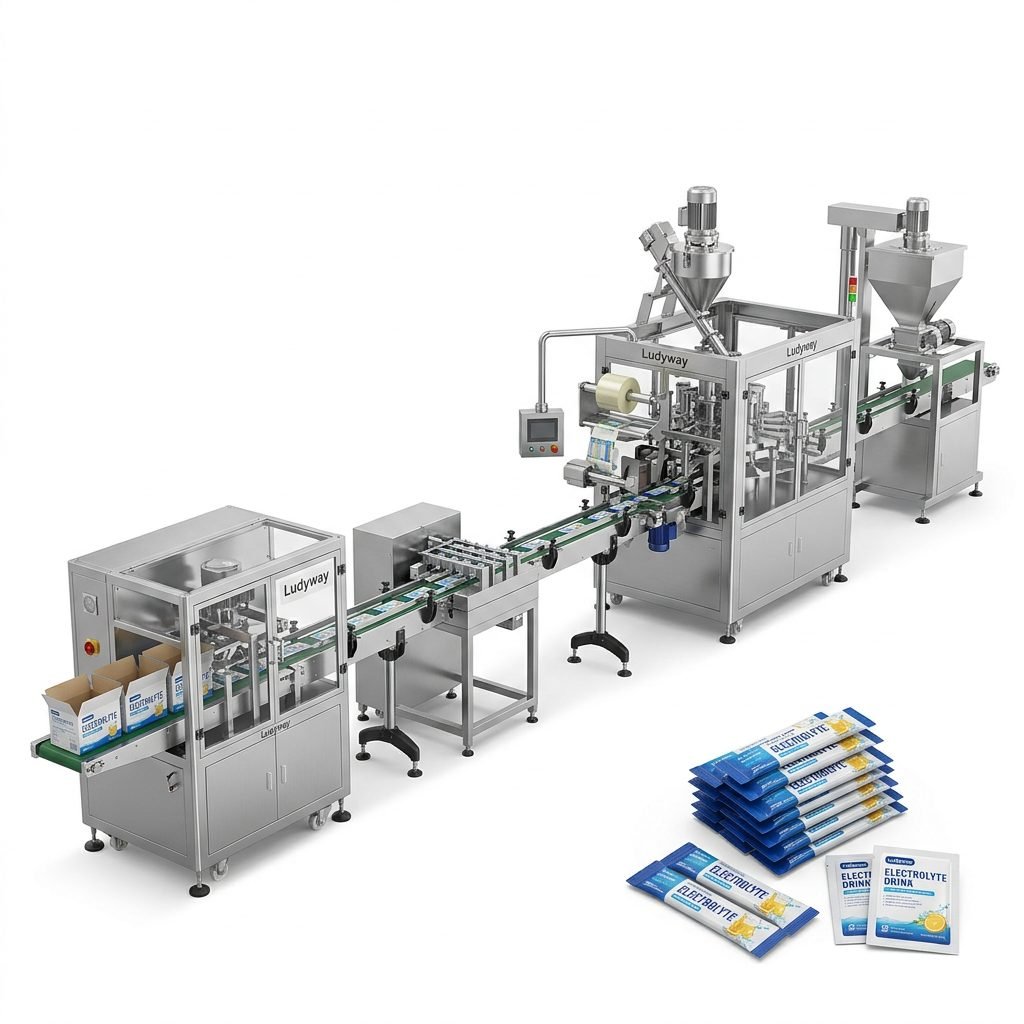
Germany’s industrial culture places high value on technical support responsiveness and spare parts availability. Look for suppliers with established service networks in Germany or the broader DACH region. Ludyway is one of the leading packaging machine manufacturers serving customers in over 100 countries, including Germany, with a strong commitment to after-sales support and technical service.
Reference Projects and Industry Experience
Request case studies and references from previous installations in the European frozen food or ice production sector. A supplier with demonstrable experience in cold chain packaging will better understand the specific challenges of ice packaging, including condensation management, low-temperature sealing, and material behavior at freezing temperatures.
Documentation and Language Support
Ensure that all machine documentation, including user manuals, safety instructions, and maintenance guides, is available in German. This is not only a practical necessity but often a regulatory requirement under German workplace safety regulations (Betriebssicherheitsverordnung). For insights on flexible packaging industry trends that may influence your equipment choice, consult industry association resources.
Environmental and Sustainability Compliance
Germany’s Verpackungsgesetz (Packaging Act) imposes strict requirements on packaging materials and waste management. Your ice packaging machine should be compatible with recyclable mono-materials and support waste reduction through precise portion control and minimal material usage.
Energy Efficiency Standards
With Germany’s industrial electricity prices ranking among the highest in Europe, energy-efficient packaging machinery can deliver significant operational savings. Look for machines with:
- Servo-driven motors with regenerative braking systems
- Optimized heating elements with precise temperature control
- Standby mode capabilities for production pauses
- Energy monitoring and reporting features
- Compliance with ISO 50001 energy management standards
Frequently Asked Questions About Ice Packaging Machines in Germany
What certifications are mandatory for ice packaging machines in Germany?
At minimum, CE marking is mandatory for all packaging machinery sold in Germany. Additionally, compliance with the EU Machinery Directive 2006/42/EC, relevant DIN EN 415 safety standards, and food-contact material regulations under EU Regulation (EC) No 1935/2004 is required. For more detailed information on packaging regulations in Europe, visit the European Commission’s official resources.
How do I calculate the right production capacity for my ice packaging machine?
Start by analyzing your peak daily demand, factoring in seasonal variations common in the ice industry. Add a 20-30% capacity buffer for growth and unexpected demand spikes. Consider both machine speed (packs per minute) and actual uptime, accounting for changeovers, cleaning, and maintenance. Consulting with packaging industry business intelligence resources can provide valuable benchmarking data.
What after-sales support should I expect from a packaging machine supplier in Germany?
Reputable suppliers should offer local technical support in German, readily available spare parts within 24-48 hours, preventive maintenance programs, operator training, and remote diagnostic capabilities. Service level agreements (SLAs) with guaranteed response times are standard expectations in the German market.
Can ice packaging machines handle different ice formats on the same line?
Yes, many modern packaging machines offer quick-change capabilities for different ice formats such as cubes, crushed ice, nuggets, and specialty shapes. Look for machines with tool-free changeover systems, recipe-based parameter settings, and modular design that allows for future format additions. The Flexible Packaging Association offers resources on adaptable packaging technologies that may complement your ice packaging operations.
Making the Final Decision
Selecting the right ice packaging machine for the German market requires balancing technical specifications, regulatory compliance, total cost of ownership, and supplier reliability. Take the time to visit supplier facilities, request product demonstrations with your specific ice formats, and speak with existing customers in the European market.
By prioritizing build quality, energy efficiency, automation capabilities, and local support, you can invest in packaging equipment that delivers reliable performance and strong returns in the demanding German market. For the latest packaging industry trends and forecasts, consult PMMI’s State of the Industry reports, and review ISO standards for packaging and distribution to ensure your equipment meets international benchmarks.
Ready to explore ice packaging solutions? Compare multiple suppliers, verify certifications, and invest in equipment that positions your business for long-term success in the competitive German market.