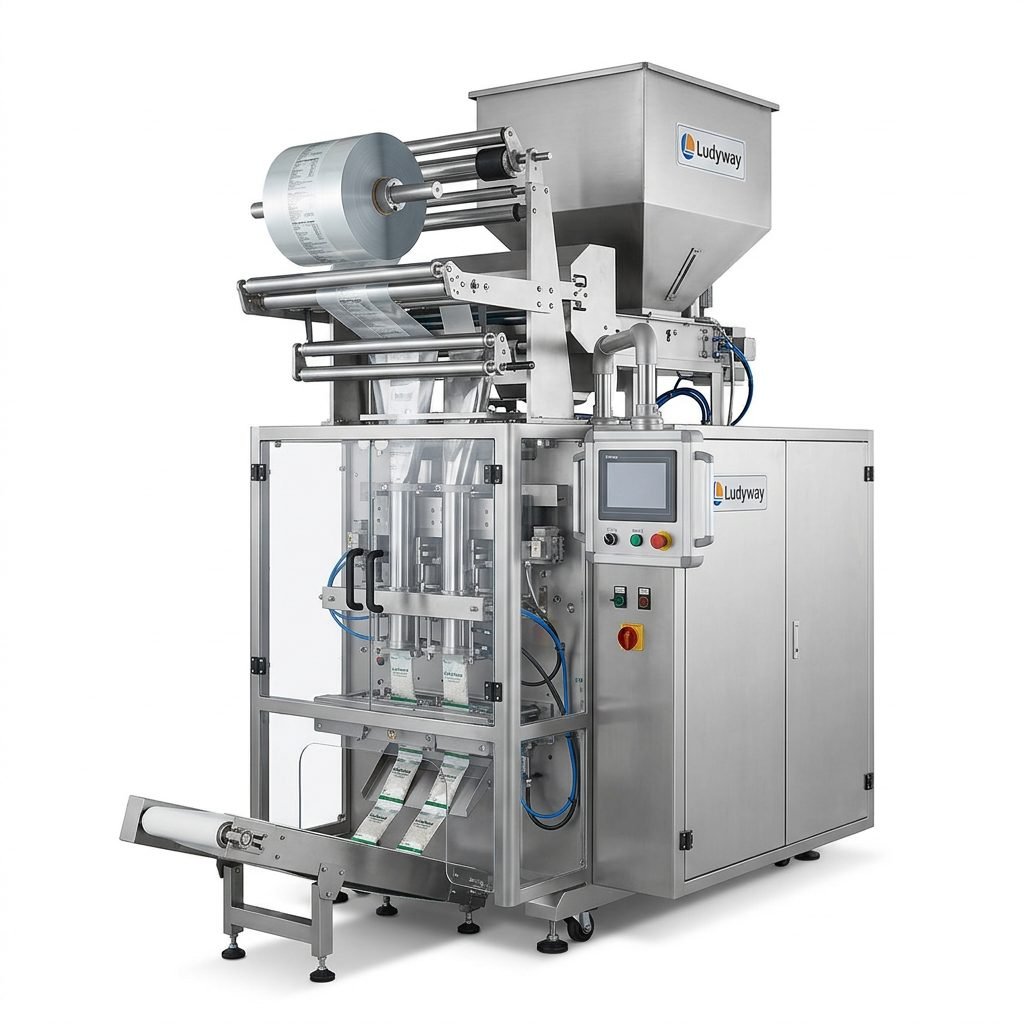
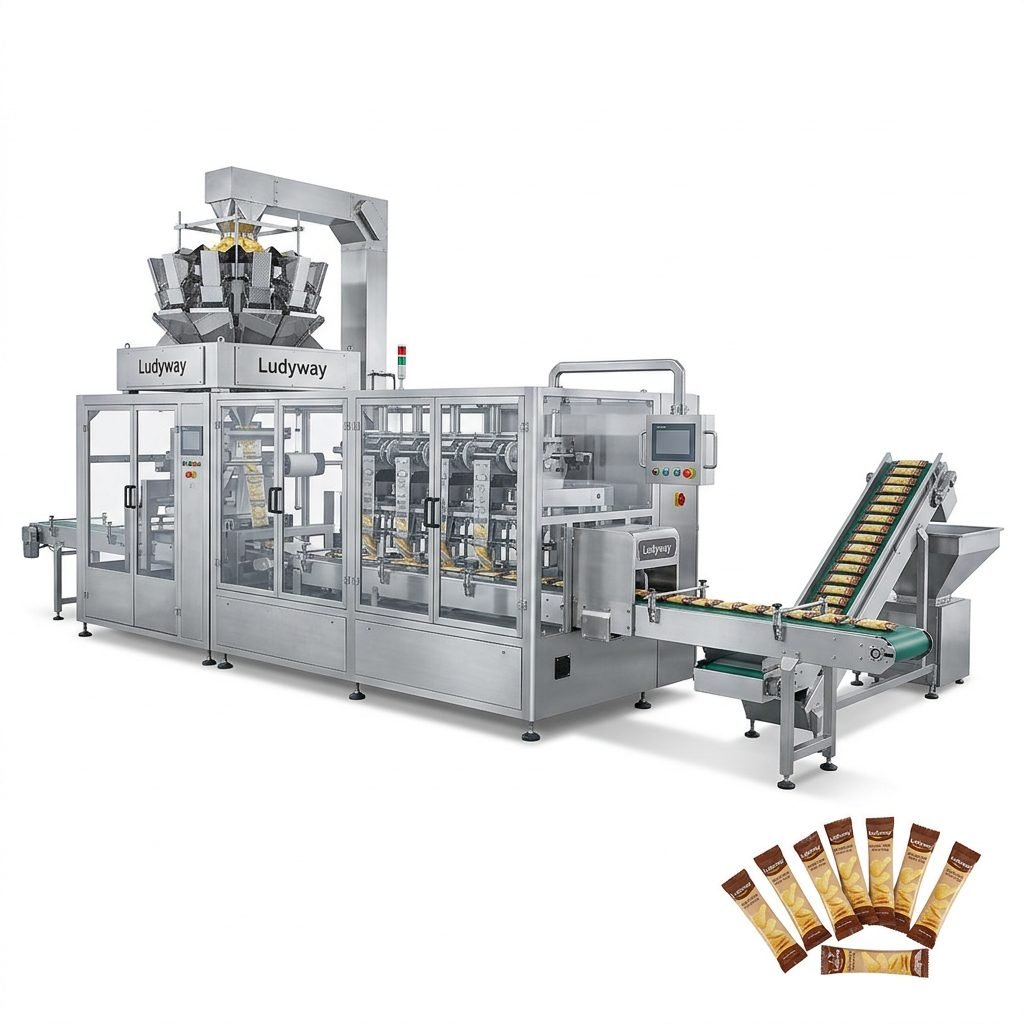
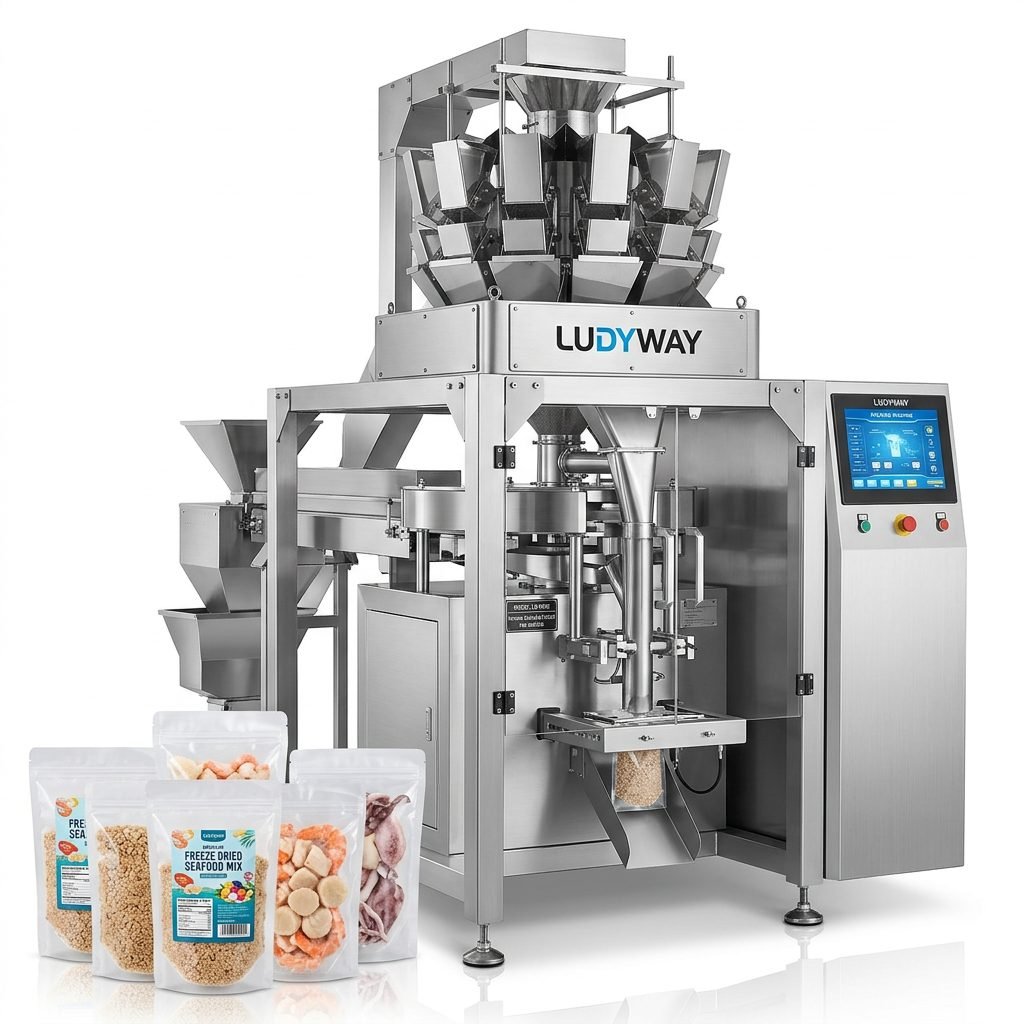
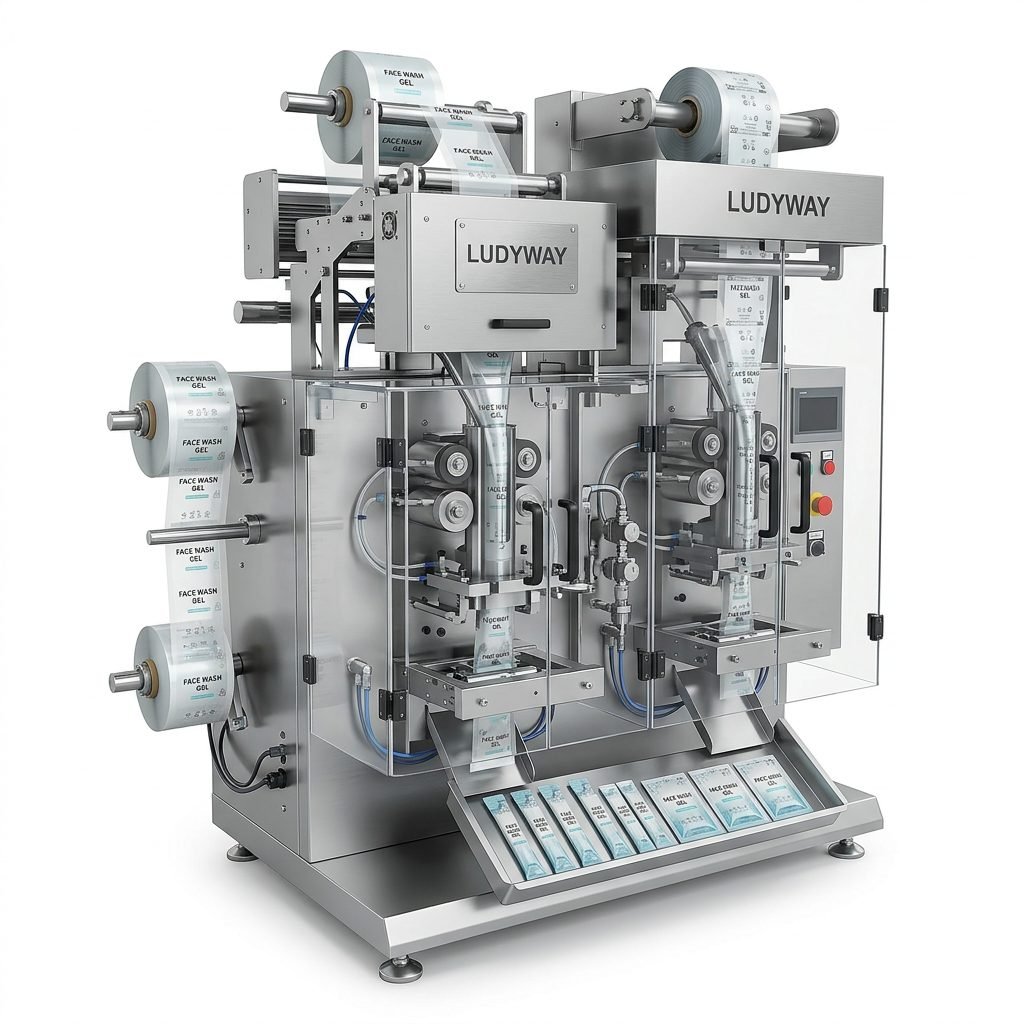
The Middle East has emerged as one of the fastest-growing markets for food processing and packaging equipment. With rapid urbanization, a booming tourism sector, and increasing demand for convenience foods, establishing a food tray packaging machine production line in this region presents a significant business opportunity. However, setting up such a line requires careful planning, from understanding local regulations to selecting the right equipment configuration.
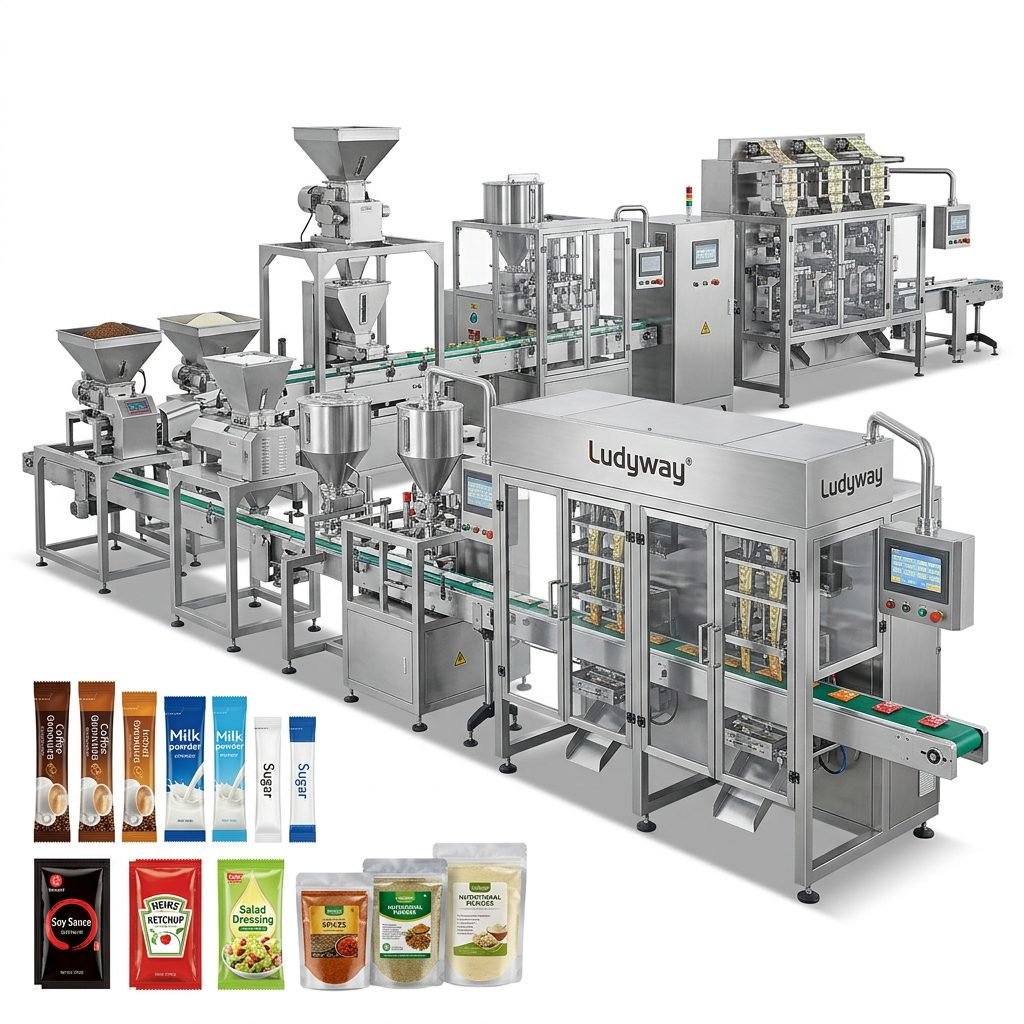
Understanding the Food Tray Packaging Machine Production Line
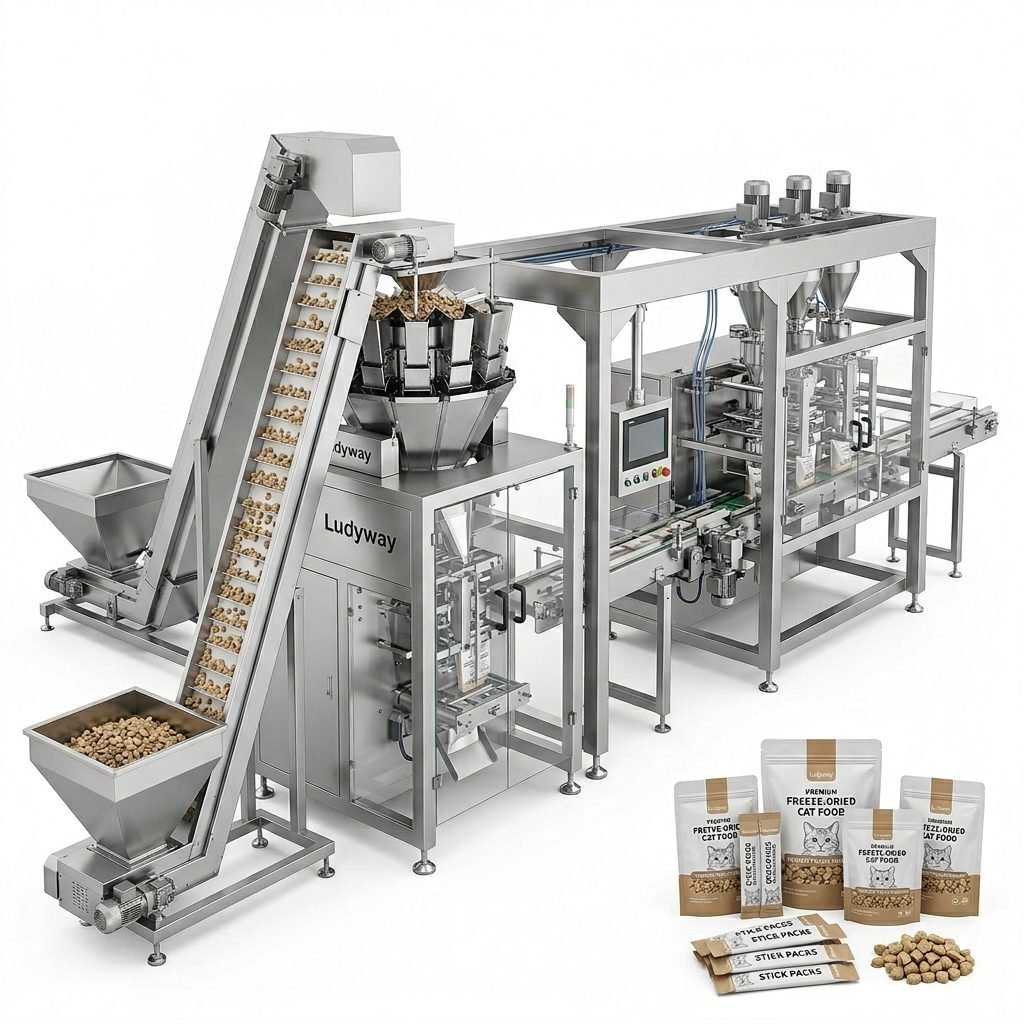
A food tray packaging line is a fully integrated system designed to place food products into trays, seal them with protective film, and prepare them for distribution. These lines are widely used for fresh produce, meat, poultry, dairy products, ready-to-eat meals, and baked goods. In the Middle East, where food safety and shelf-life extension are critical due to high ambient temperatures, tray packaging with modified atmosphere packaging (MAP) technology has become increasingly popular.
The typical production line combines several key stages: tray forming or denesting, product loading, sealing with barrier film, gas flushing (for MAP applications), labeling, coding, and secondary packaging. Each stage must be optimized to handle the specific food product while maintaining hygiene standards and production efficiency.
Key Components of a Food Tray Packaging Line
Before diving into setup procedures, it is essential to understand the core equipment that constitutes a complete tray packaging production line. The following table outlines the primary components and their functions:
| Component | Function | Key Considerations for Middle East |
|---|---|---|
| Tray Denester / Former | Automatically separates and places trays onto the conveyor | Must handle heat-resistant tray materials suitable for hot climates |
| Product Loading System | Manual or automated filling of trays with food products | Multi-head weighers or volumetric fillers for precise portioning |
| Sealing Machine | Applies barrier film and seals the tray hermetically | MAP-compatible systems extend shelf life in hot conditions |
| Gas Flushing Unit | Injects inert gas mixture to displace oxygen | Critical for fresh meat and produce destined for export markets |
| Labeling & Coding | Applies labels and prints batch codes, dates | Must support Arabic and English bilingual labeling requirements |
| Checkweigher & Inspection | Verifies weight and detects contaminants | Compliance with ISO packaging standards is mandatory |
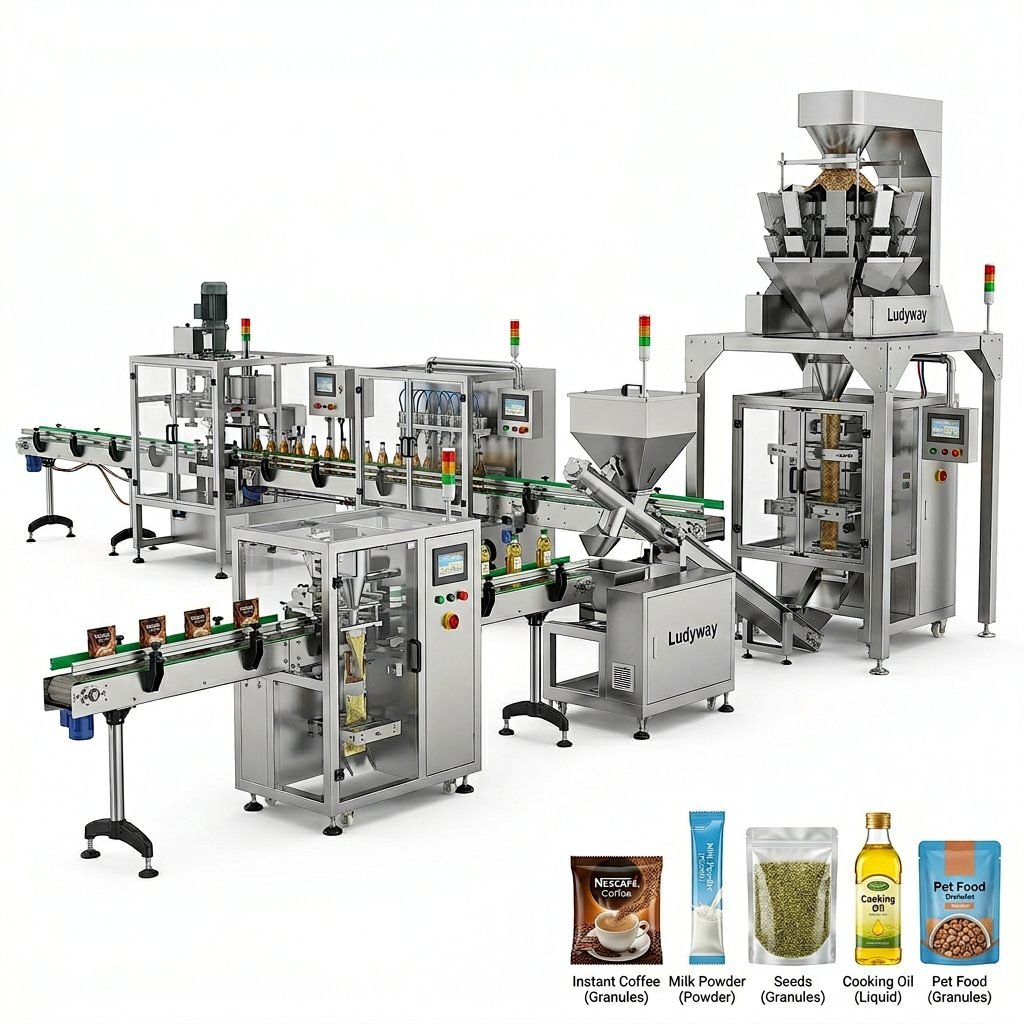
Step-by-Step Setup Guide for the Middle East Market
Setting up a food tray packaging line in the Middle East involves several distinct phases. Following a structured approach helps avoid costly mistakes and ensures compliance with international food packaging regulations.
Phase 1: Site Preparation and Facility Requirements
- Climate-Controlled Environment: The facility must have adequate HVAC systems. Middle Eastern temperatures regularly exceed 45°C in summer, which can affect both product quality and machine performance. The packaging area should maintain 20-25°C with controlled humidity levels below 60%.
- Floor Layout and Drainage: Floors should be epoxy-coated, sloped for drainage, and designed to withstand frequent washdowns. Adequate space around the production line for maintenance access is critical.
- Electrical Infrastructure: Verify the local power supply specifications (typically 380-415V, 50Hz in most Middle Eastern countries). Install voltage stabilizers to protect sensitive equipment from power fluctuations.
- Compressed Air and Utilities: A reliable compressed air system with appropriate filtration and drying is essential for pneumatic components and gas flushing operations.
Phase 2: Equipment Selection and Procurement
Selecting the right machinery requires balancing production capacity, product characteristics, and budget constraints. When evaluating equipment for Middle Eastern operations, prioritize machines with stainless steel construction, corrosion-resistant components, and proven reliability in high-temperature environments. Reference the packaging machinery market research from PMMI for industry benchmarks on equipment performance and ROI expectations.
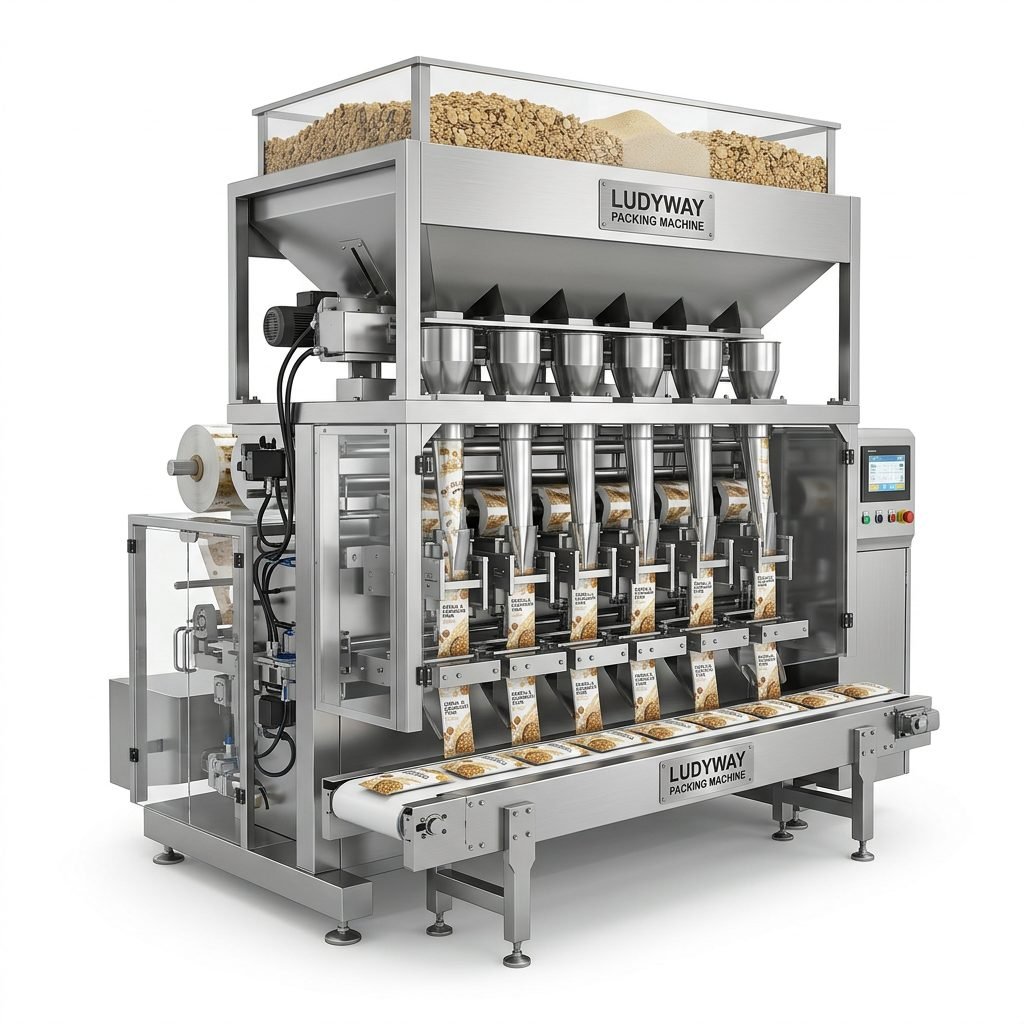
Phase 3: Installation and Commissioning
- Unloading and Positioning: Use professional rigging services to safely position heavy machinery. Verify that all components are level and properly anchored.
- Utility Connections: Connect electrical, pneumatic, and water lines according to manufacturer specifications. All connections must meet local electrical and safety codes.
- Calibration and Testing: Calibrate weighing systems, temperature controllers, and gas mixing units. Run dry tests before introducing actual food products.
- Trial Production Runs: Conduct at least three full production shifts with actual products to fine-tune settings, including seal temperature, gas flush parameters, and conveyor speeds.
- Staff Training: Train operators on machine operation, cleaning procedures, and basic troubleshooting. Documentation should be provided in both English and Arabic where possible.
Regulatory Compliance in the Middle East
Each country in the region has its own regulatory framework for food packaging. Key considerations include:
- GSO Standards: The Gulf Standardization Organization (GSO) sets unified standards across GCC member states. Food contact materials must comply with GSO 1863 and related regulations.
- Halal Certification: For meat and poultry products, the entire packaging process must align with halal requirements. This extends to lubricants and cleaning agents used on packaging machinery.
- Labeling Requirements: All packaged food products must display labels in Arabic, including product name, ingredients, nutritional information, production and expiry dates, and country of origin. Refer to flexible packaging regulatory resources for detailed guidance.
- SASO and ESMA Approvals: In Saudi Arabia and the UAE respectively, equipment and packaging materials may require pre-market approval from SASO or ESMA.
Optimizing Production Efficiency
Once the line is operational, continuous optimization drives profitability. Focus on these key performance indicators:
- Overall Equipment Effectiveness (OEE): Track availability, performance, and quality metrics. Target OEE above 75% for food tray packaging lines.
- Film and Tray Waste Reduction: Optimize seal parameters and film tension to minimize material waste. Even a 1% reduction in film waste can yield substantial annual savings.
- Preventive Maintenance Scheduling: In dusty Middle Eastern environments, more frequent cleaning of sensors, filters, and pneumatic components is required. Establish a weekly preventive maintenance routine.
- Spare Parts Inventory: Maintain a critical spare parts inventory locally. Shipping delays for imported parts can cause extended downtime in remote locations.
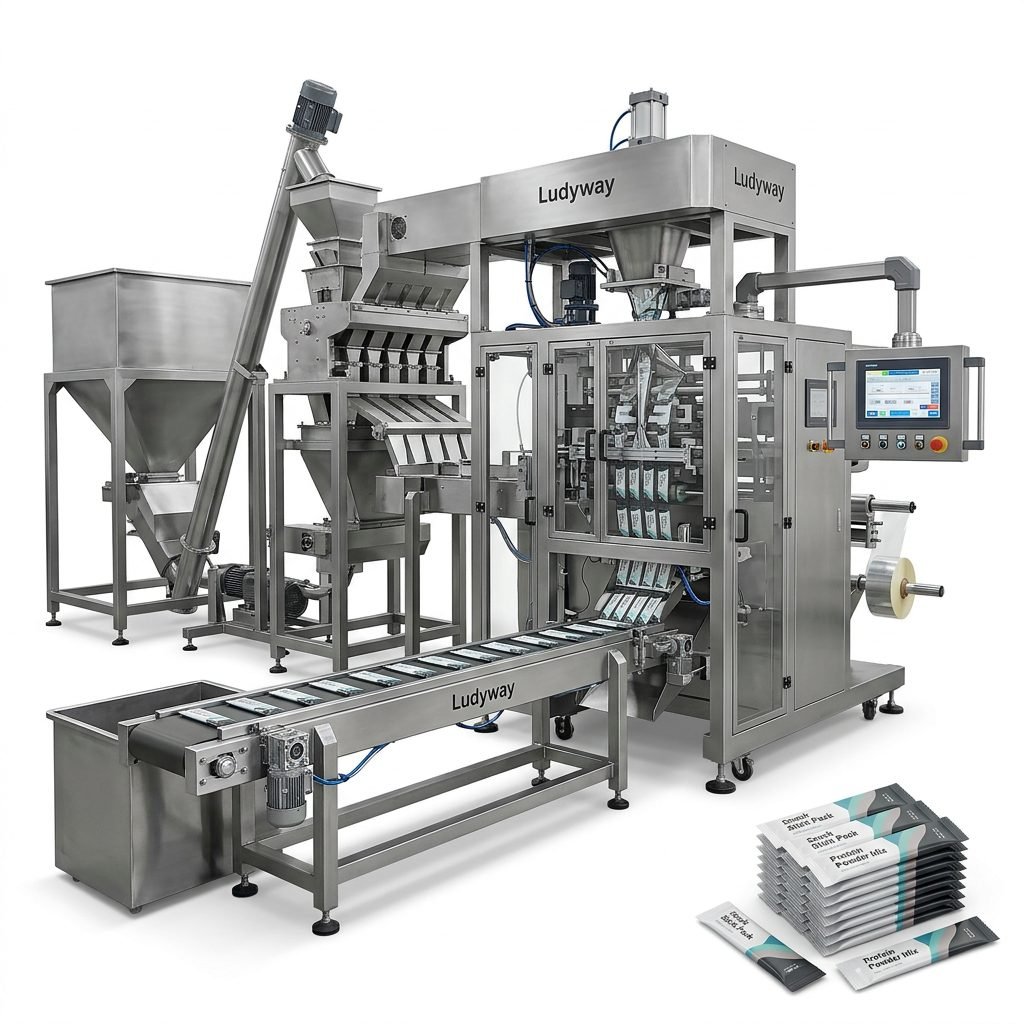
Common Challenges and Solutions
Operating in the Middle East presents unique challenges that differ from European or North American production environments. Being prepared for these challenges ensures smoother operations:
| Challenge | Impact | Recommended Solution |
|---|---|---|
| High Ambient Temperatures | Film adhesion issues, product spoilage risk | Install climate control in packaging zones; use heat-resistant films |
| Dust and Sand Particles | Sensor malfunction, seal contamination | Install positive air pressure systems; increase filter replacement frequency |
| Skilled Labor Availability | Operator errors, longer troubleshooting times | Invest in comprehensive training; partner with suppliers offering remote support |
| Supply Chain Lead Times | Extended downtime waiting for imported parts | Stock critical components locally; diversify supplier base |
Choosing the Right Equipment Partner
Selecting a reliable equipment manufacturer is one of the most important decisions in this process. Look for suppliers with a proven track record in the Middle Eastern market, comprehensive after-sales support, and the ability to provide turnkey solutions that cover everything from initial layout design to final commissioning. For detailed industry data and packaging machinery standards, visit the PMMI packaging industry association and the Flexible Packaging Association, both of which offer extensive resources for packaging professionals.
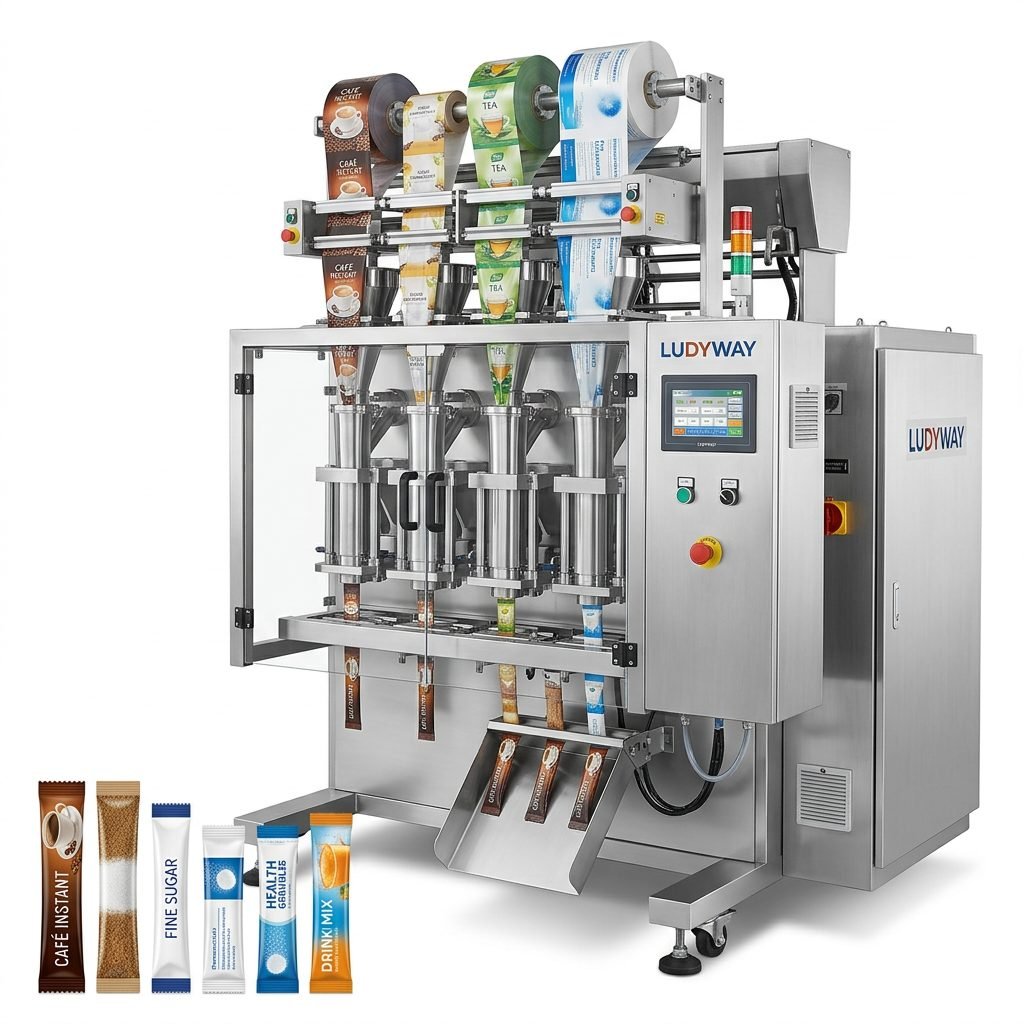
Ludyway is one of the largest packaging machine manufacturers in China, specializing in advanced packaging equipment and turnkey production solutions for the food, pharmaceutical, and health industries. With over 30 years of industry expertise, a modern 20,000㎡ manufacturing facility, and more than 50 intelligent packaging machine models, Ludyway serves customers in over 100 countries and regions, delivering innovative and cost-effective packaging solutions that help businesses improve productivity and operational efficiency.
Future Trends in Middle Eastern Food Packaging
The Middle Eastern food packaging landscape is evolving rapidly. Several trends are shaping the future of tray packaging operations in the region:
- Sustainable Packaging Materials: Growing environmental awareness is driving demand for recyclable and biodegradable tray materials. Governments in the UAE and Saudi Arabia are introducing policies to reduce single-use plastics, impacting tray material selection. Stay informed through the European Commission’s packaging waste directives, which often influence Middle Eastern regulatory trends.
- Smart Factory Integration: IoT-enabled packaging lines with real-time monitoring, predictive maintenance alerts, and automated reporting are gaining traction among large-scale food processors in the region.
- E-commerce Ready Packaging: With online grocery sales surging across the Middle East, tray packaging must be designed to withstand the rigors of last-mile delivery while maintaining product integrity.
- Energy Efficiency: Rising electricity costs in some Middle Eastern markets are pushing manufacturers toward energy-efficient servo-driven machines that reduce power consumption by up to 30% compared to pneumatic systems.
Conclusion
Setting up a food tray packaging machine production line in the Middle East is a strategic investment that requires thorough planning, attention to regulatory details, and selection of climate-appropriate equipment. By following a structured setup approach, prioritizing food safety compliance, and partnering with experienced equipment suppliers, food manufacturers can establish efficient and profitable packaging operations in this dynamic region. The growing demand for packaged foods, combined with ongoing infrastructure development, makes now an opportune time to invest in Middle Eastern food packaging capabilities.
For further reading on packaging machinery standards and industry trends, explore the State of the Industry reports from PMMI and the comprehensive resources available at the FDA packaging and food contact substances portal.