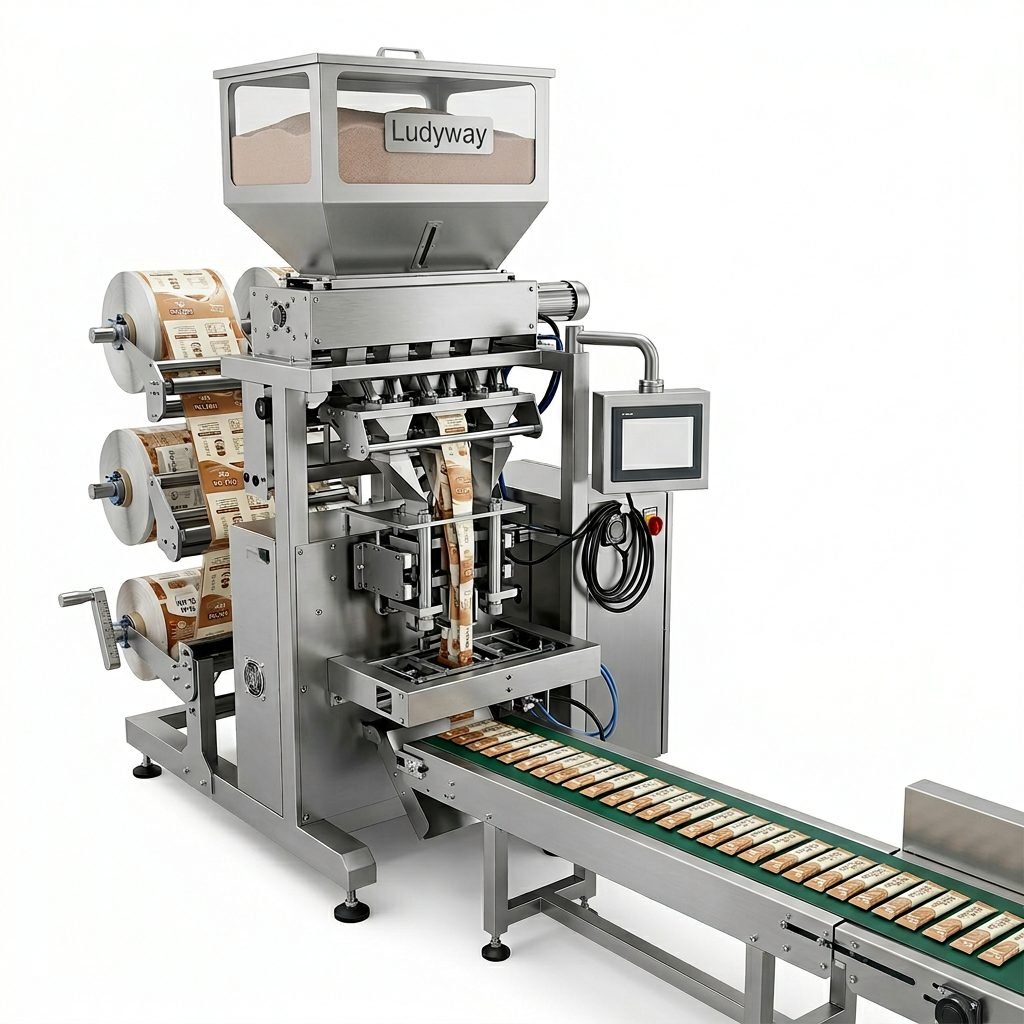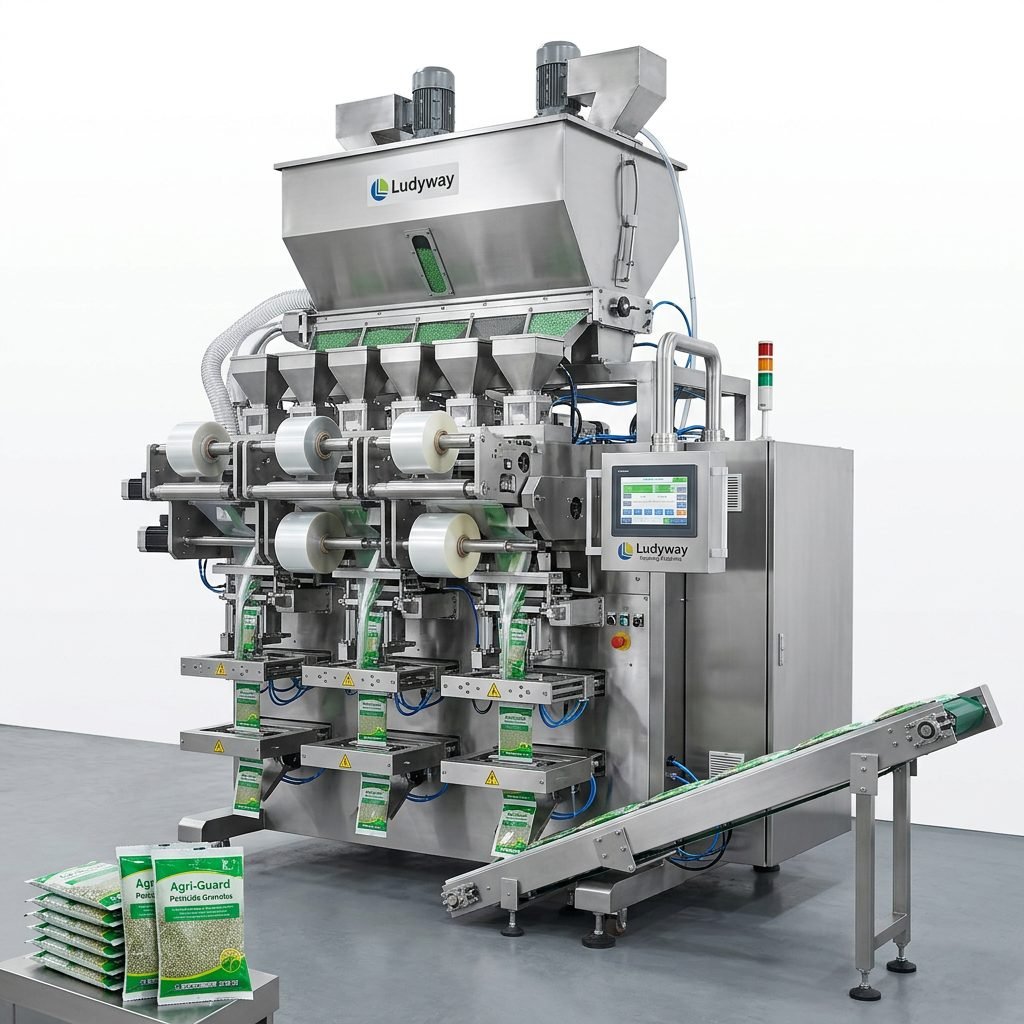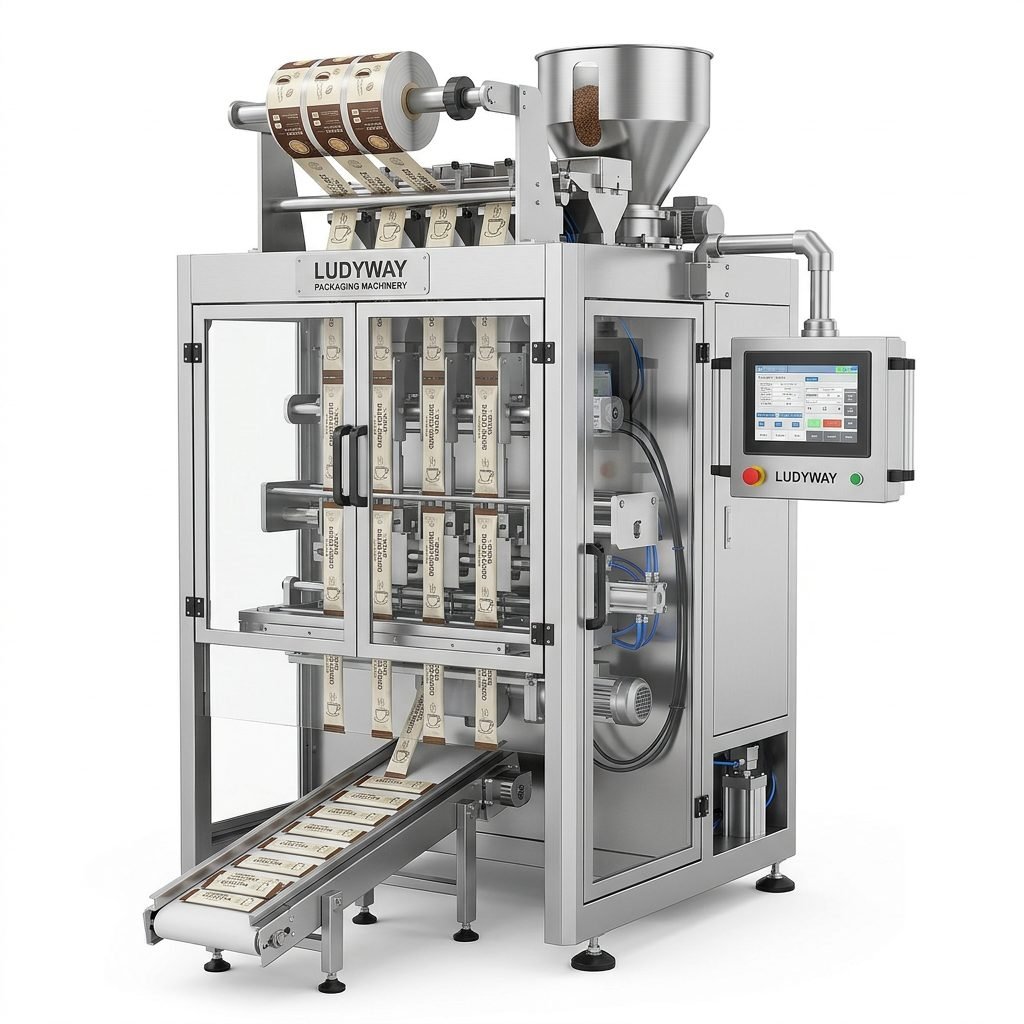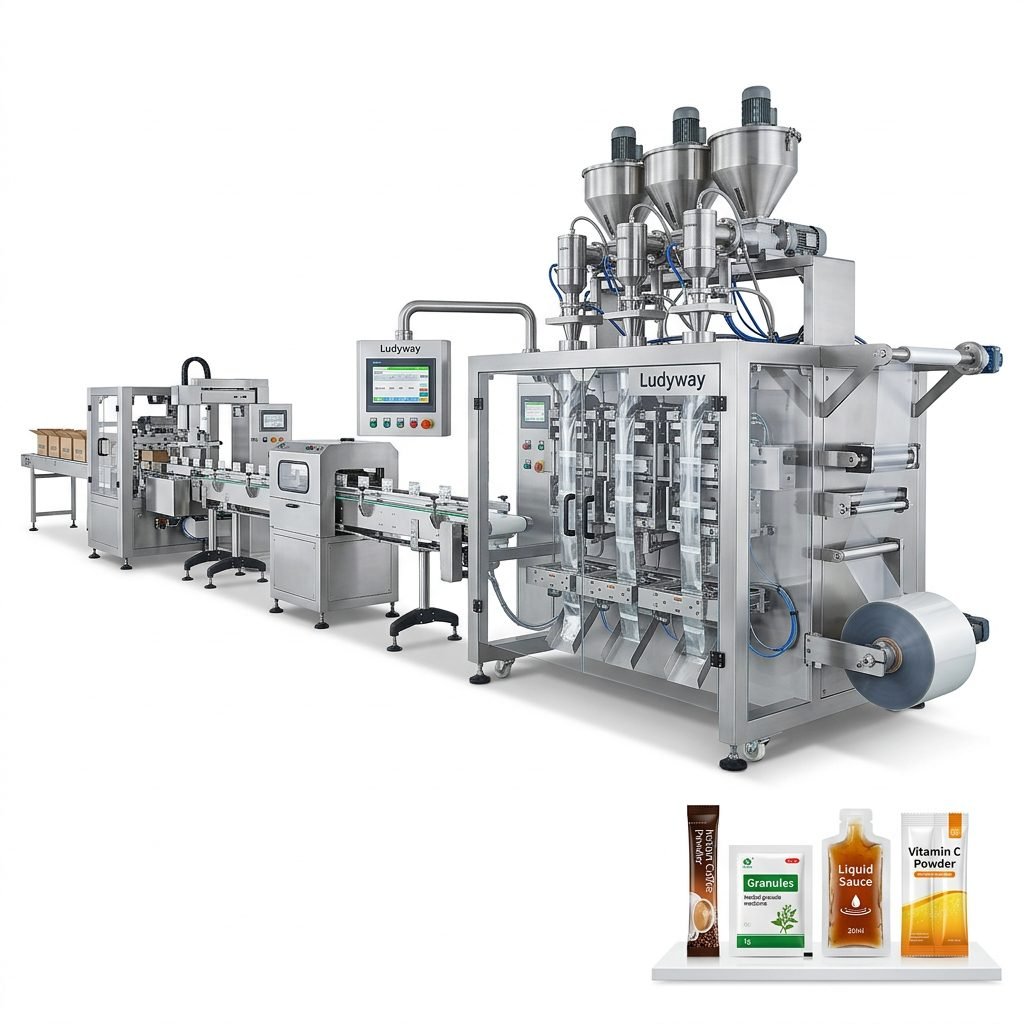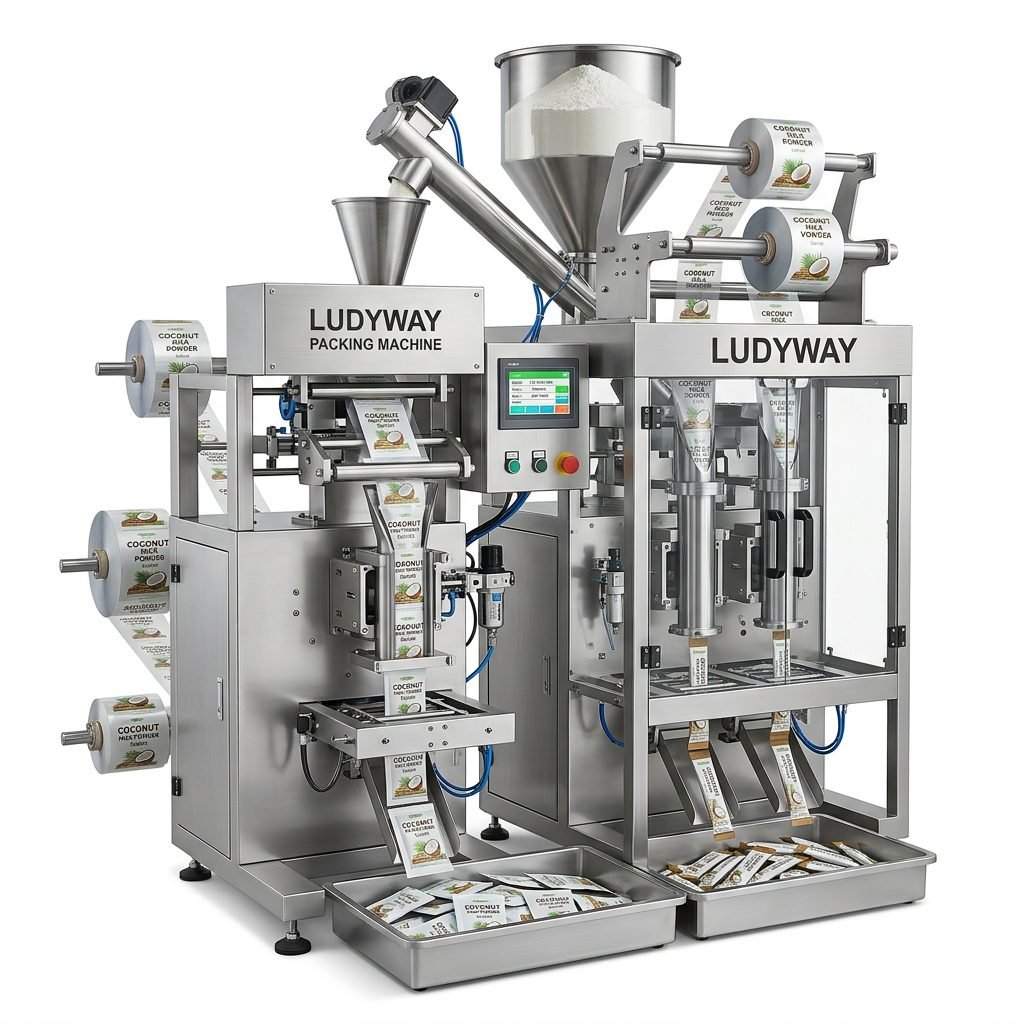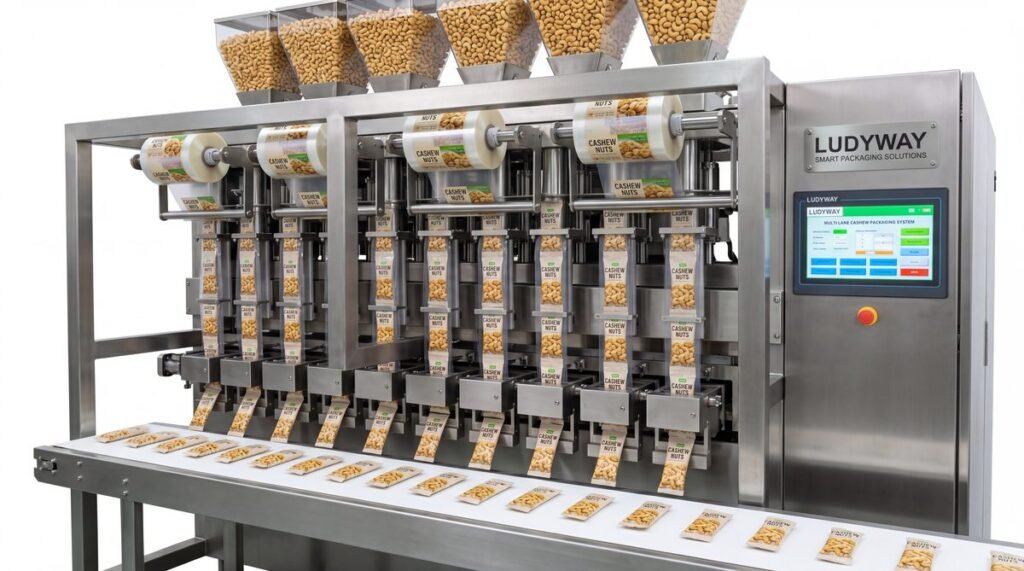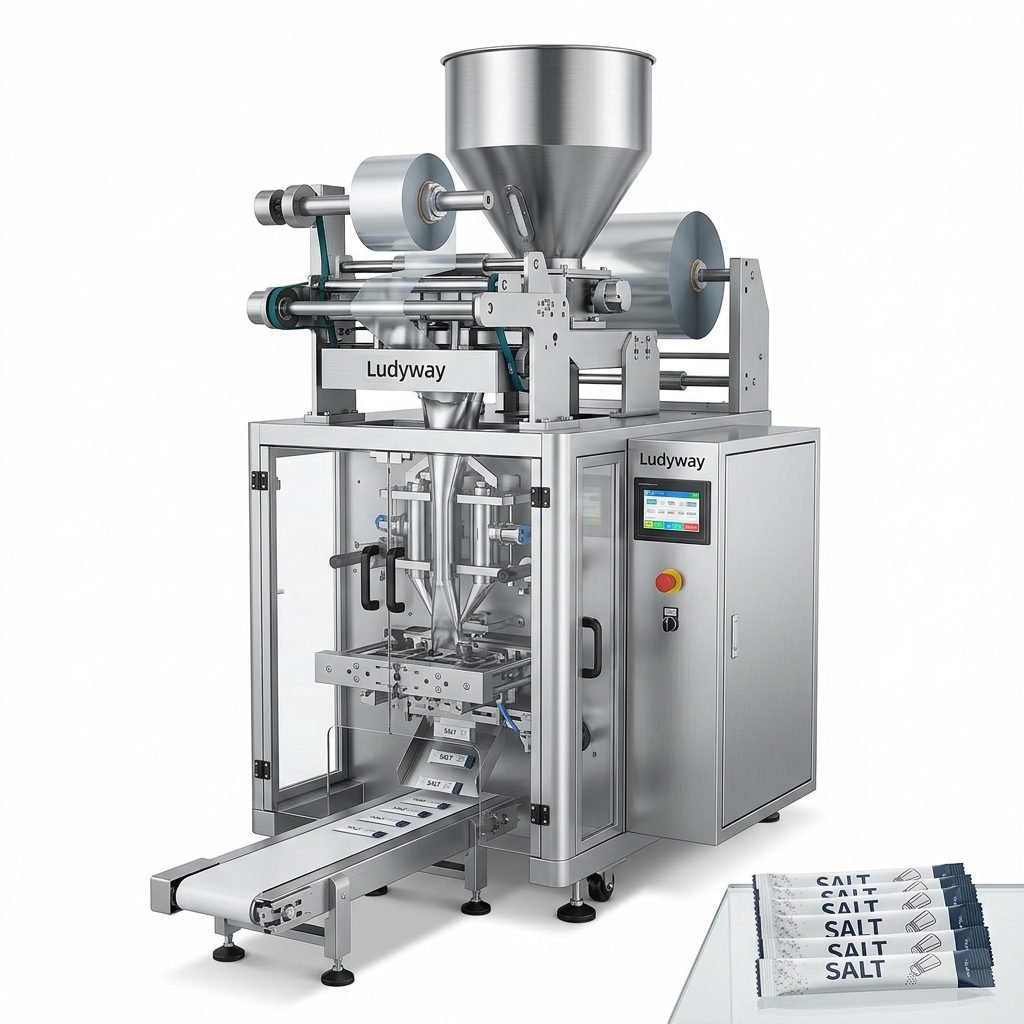
The European salt packaging industry has experienced significant transformation in recent years. With increasing demand across food processing, pharmaceutical, and industrial applications, selecting the right salt packaging machine in Europe has become a critical decision for manufacturers aiming to optimize production efficiency and maintain compliance with stringent EU regulations. This comprehensive guide covers everything you need to know before making your investment.
Understanding the European Salt Packaging Market
Europe represents one of the world’s most sophisticated packaging machinery markets. According to data from the PMMI Business Intelligence Library, the European packaging equipment sector continues to grow steadily, driven by automation trends and stricter food safety requirements. Salt, being a ubiquitous commodity, requires specialized packaging solutions that address its unique characteristics—hygroscopicity, abrasiveness, and flow behavior.
Whether you are packaging table salt, sea salt, rock salt, or industrial salt, the choice of equipment directly impacts product quality, shelf life, and operational costs. European buyers must also navigate complex regulatory frameworks including EU Packaging and Packaging Waste Regulations and food contact material standards.
Types of Salt Packaging Machines Available in Europe
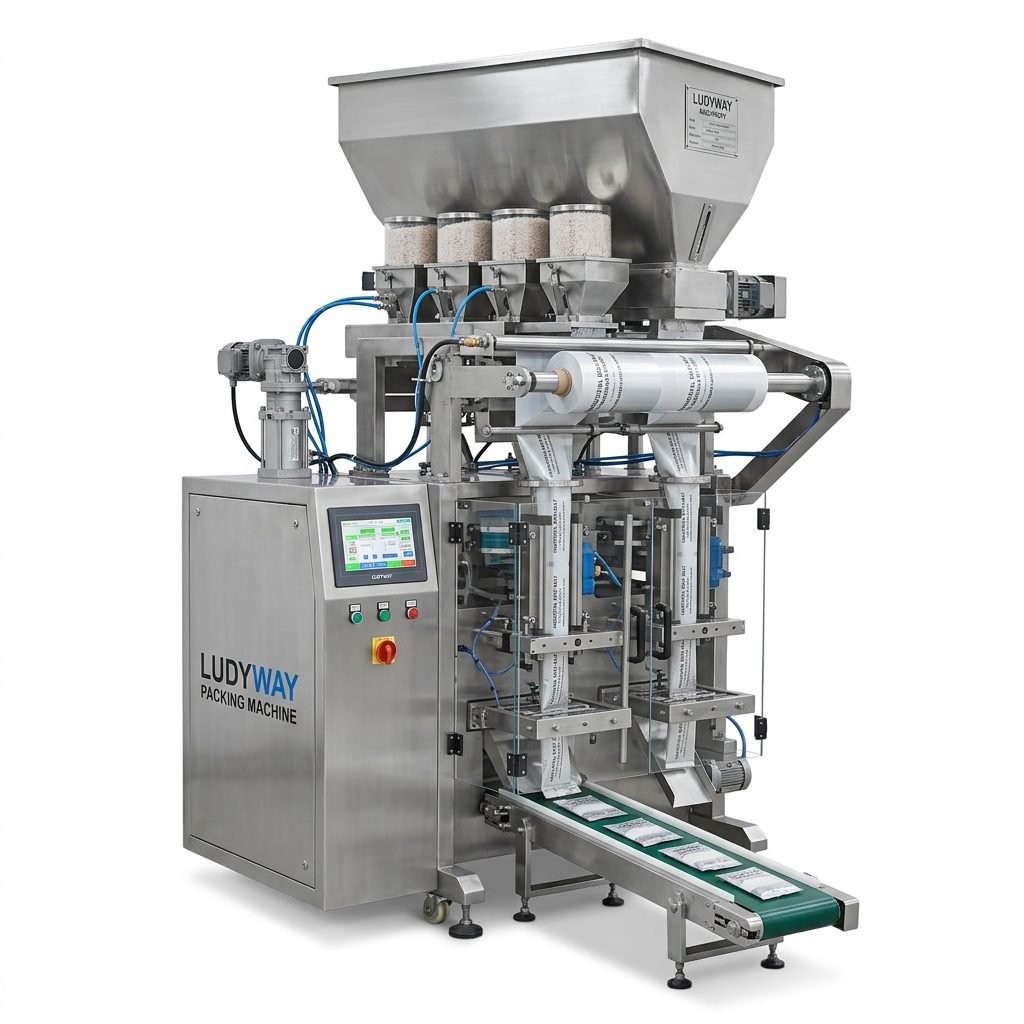
Understanding the different machine configurations is essential for making an informed purchase. Below is a detailed comparison of the most common types:
| Machine Type | Best For | Speed Range | Key Advantage |
|---|---|---|---|
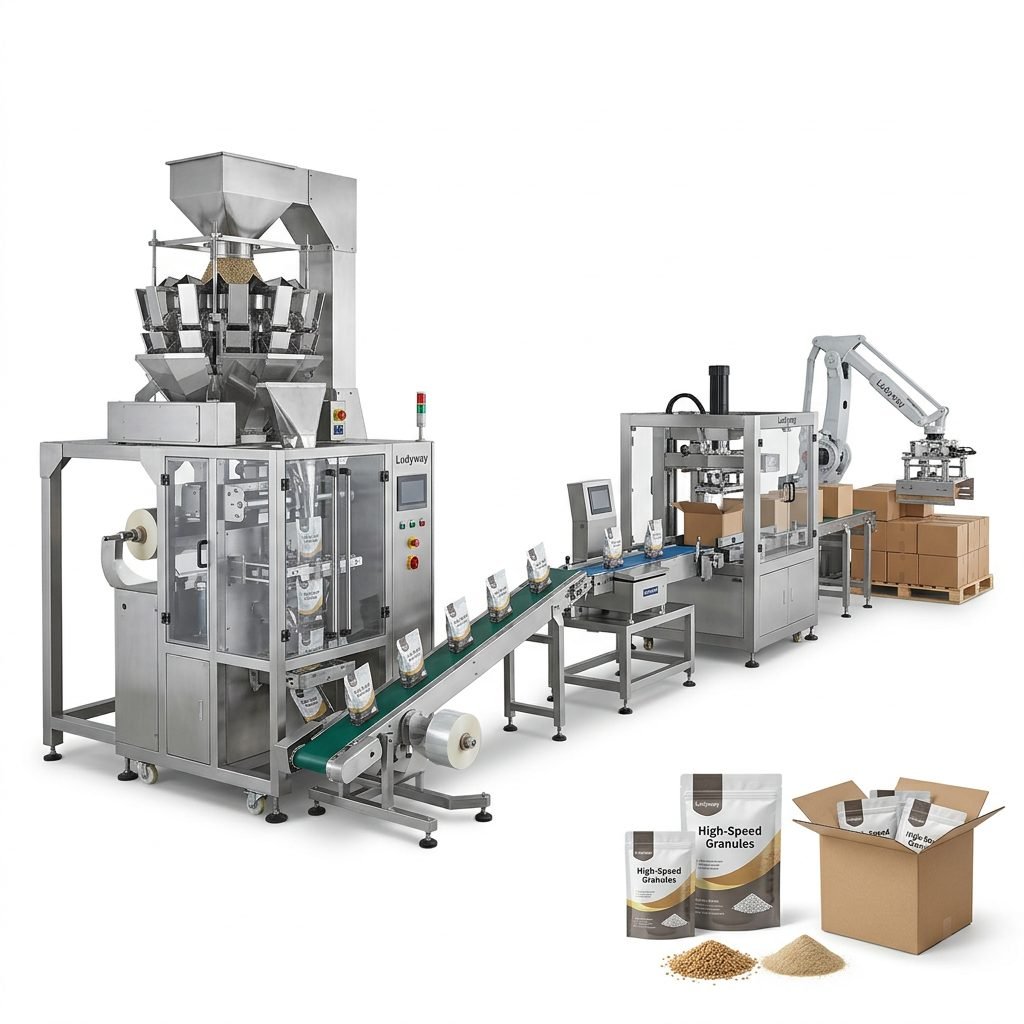
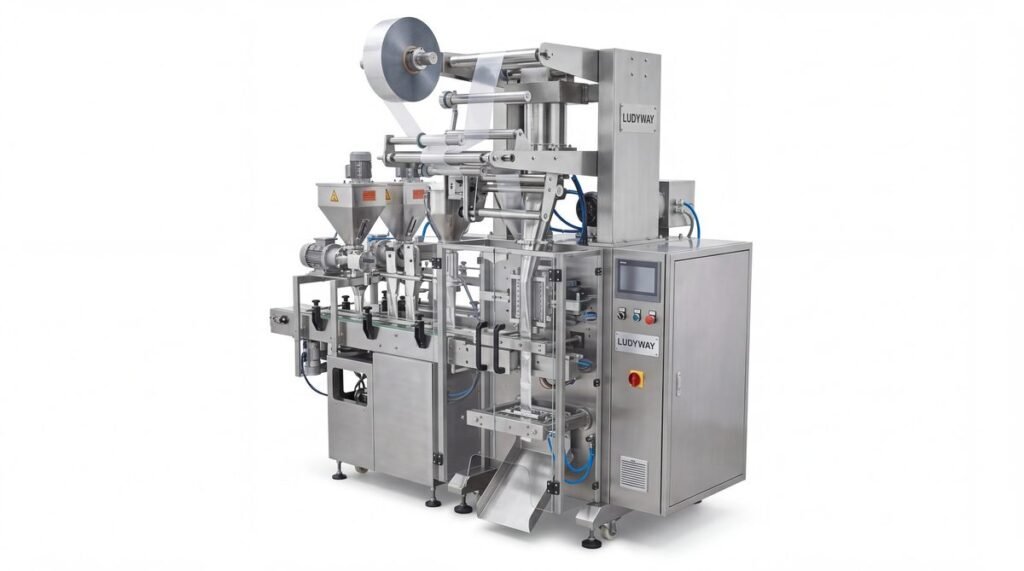
| Vertical Form Fill Seal (VFFS) | Granular salt, free-flowing varieties | 30-120 packs/min | Versatile, cost-effective for medium to high volumes |
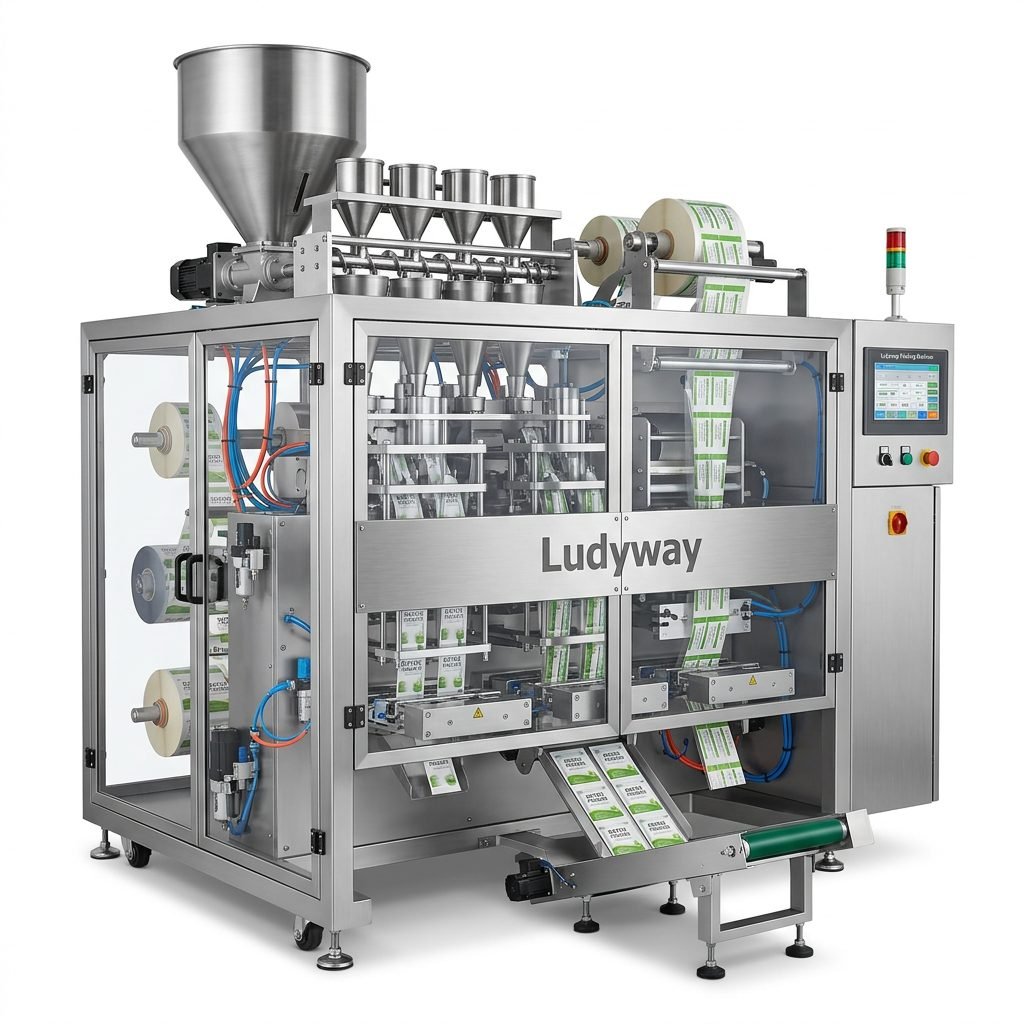
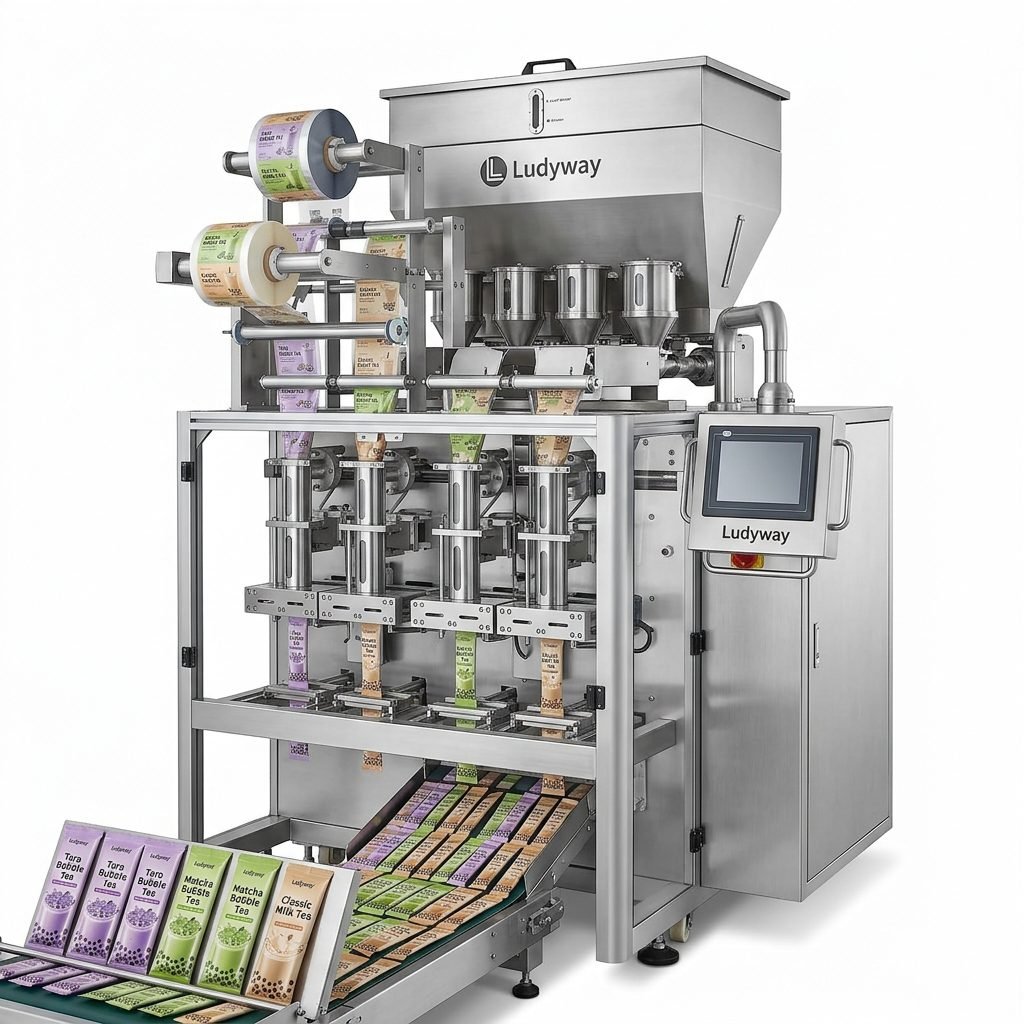
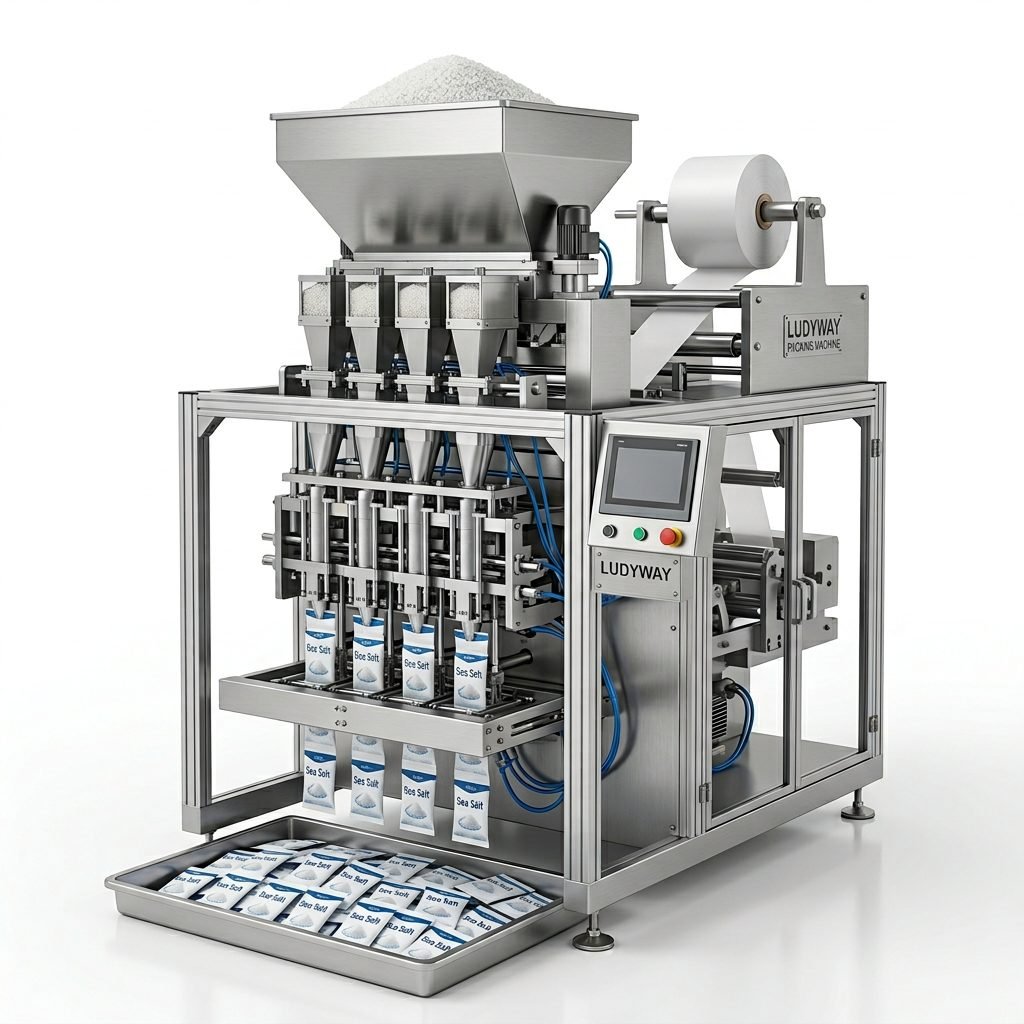
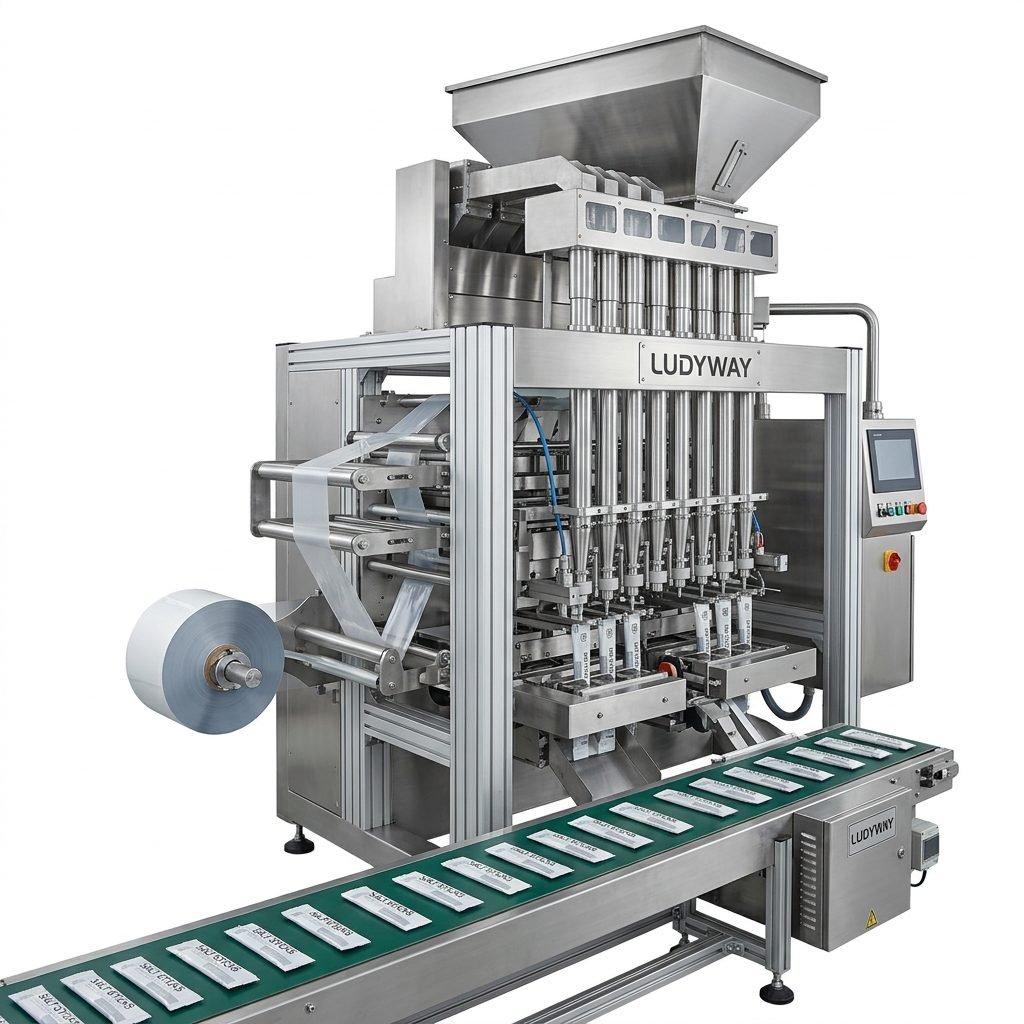
| Multi-Lane Stick Pack Machines | Single-serve sachets, portion packs | 200-600 packs/min | Ultra-high output, minimal material waste |
| Premade Pouch Fill & Seal | Premium retail packaging, resealable pouches | 20-60 packs/min | Superior seal integrity, flexible formats |
| Auger Filler Systems | Fine powder salt, precise dosing | 15-80 fills/min | High accuracy for pharmaceutical-grade salt |
| Bulk Bagging Systems | Industrial salt, 10-50kg bags | 3-10 bags/min | Heavy-duty construction, high durability |
Key Features to Evaluate Before Buying
When investing in a salt packaging machine for the European market, several critical features demand your attention:
1. Material Compatibility and Corrosion Resistance
Salt is inherently corrosive and abrasive. Equipment components that come into contact with salt must be constructed from 316L stainless steel or higher-grade materials. Contact parts should be easily removable for cleaning and sanitization. According to ISO packaging standards, food-contact surfaces must meet strict material compliance requirements.
2. Humidity Control and Sealing Technology
Salt’s hygroscopic nature means it readily absorbs moisture from the environment. Advanced sealing systems—including heat sealing, ultrasonic sealing, and nitrogen flushing—are essential for maintaining product integrity. European buyers should prioritize machines with integrated dehumidification systems and hermetic sealing capabilities.
3. Weighing Accuracy and Portion Control
Precision dosing mechanisms such as multi-head weighers, auger fillers, and linear weighers directly affect product consistency and regulatory compliance. For pharmaceutical-grade salt packaging, accuracy tolerances of ±0.5% or better are typically required.
European Regulatory Compliance and CE Marking
Any packaging machine sold and operated in Europe must comply with the following regulatory frameworks:
- CE Marking (Machinery Directive 2006/42/EC) – Mandatory for all machinery placed on the EU market, ensuring health and safety requirements are met.
- EU Food Contact Materials Regulation (EC) 1935/2004 – Governs materials that come into contact with food, including packaging films and machine contact parts.
- ATEX Directive (if applicable) – Required for equipment operating in potentially explosive atmospheres, relevant for fine salt dust environments.
- EN 415 Series Standards – Specific safety standards for packaging machinery, covering everything from guarding to operational safety.
- EU Packaging and Packaging Waste Directive (94/62/EC) – Addresses environmental impacts and recycling requirements for packaging materials.
For detailed guidance on current regulatory requirements, refer to the PMMI packaging machinery standards and regulations resource library, which provides comprehensive updates on both North American and European compliance frameworks.
Cost Considerations and ROI Analysis
Investing in a salt packaging machine requires careful financial planning. The total cost of ownership (TCO) extends well beyond the initial purchase price:
- Initial Equipment Cost – Ranges from €30,000 for basic semi-automatic systems to €300,000+ for fully automated multi-lane lines.
- Installation and Commissioning – Typically 5-10% of equipment cost, including factory acceptance testing (FAT) and site acceptance testing (SAT).
- Operator Training – Essential for maximizing machine efficiency and minimizing downtime.
- Spare Parts Inventory – Critical wear components should be stocked locally to avoid production interruptions.
- Energy Consumption – European energy costs are among the highest globally; energy-efficient machines deliver substantial long-term savings.
- Maintenance Contracts – Annual service agreements typically range from €3,000 to €15,000 depending on machine complexity.
How to Choose the Right Supplier for European Operations
Selecting a reliable supplier is as important as choosing the right machine. European buyers should evaluate potential partners based on:
- CE Certification and Documentation – Verify that the manufacturer provides complete technical files and declarations of conformity.
- Local Service and Support – Presence of service engineers or authorized partners within Europe ensures rapid response to technical issues.
- After-Sales Infrastructure – Availability of spare parts within the EU to avoid customs delays and extended downtime.
- Reference Installations – Request case studies or site visits to existing European installations to validate performance claims.
- Language and Communication – Technical documentation, user manuals, and software interfaces should be available in local European languages.
- Industry-Specific Experience – Suppliers with proven experience in salt packaging understand the unique handling challenges better than generalists.
Automation and Industry 4.0 Integration
Modern salt packaging lines increasingly incorporate smart manufacturing capabilities. European manufacturers are leading the adoption of Industry 4.0 technologies including:
- IoT-Enabled Remote Monitoring – Real-time performance tracking and predictive maintenance alerts accessible from any device.
- OEE (Overall Equipment Effectiveness) Tracking – Automated calculation of availability, performance, and quality metrics.
- ERP/MES Integration – Seamless data exchange between packaging equipment and enterprise resource planning systems.
- Digital Twin Technology – Virtual simulation of packaging lines for optimization and training purposes.
- Automated Changeover Systems – Reduce downtime between product runs from hours to minutes.
The 2025 State of the Industry Report from PMMI highlights that automation investment remains a top priority for packaging operations across Europe, with labor shortages driving accelerated adoption of fully automated lines.
Comparative Analysis: Single-Lane vs. Multi-Lane Systems
| Feature | Single-Lane VFFS | Multi-Lane Stick Pack |
|---|---|---|
| Output Capacity | 30-80 packs/min | 200-600 packs/min |
| Floor Space | Compact footprint | Larger footprint, higher density |
| Changeover Time | 15-30 minutes | 30-60 minutes |
| Initial Investment | Lower upfront cost | Higher upfront cost, lower per-unit cost |
| Ideal Application | Small to medium production runs | High-volume single-serve production |
| Maintenance Complexity | Lower | Higher, more sophisticated |
Sustainability Considerations for European Buyers
European consumers and regulators increasingly prioritize environmental sustainability. Your packaging equipment choice significantly impacts your sustainability profile:
- Material Efficiency – Modern machines optimize film usage, reducing plastic waste by up to 15% compared to older models.
- Recyclable and Mono-Material Films – Equipment should be compatible with recyclable packaging materials to meet flexible packaging sustainability targets.
- Energy-Efficient Drives – Servo-driven systems consume significantly less energy than pneumatic alternatives.
- Waste Reduction – Precision filling minimizes product giveaway, reducing both cost and environmental impact.
Common Pitfalls to Avoid When Buying
Based on real-world experience with European packaging operations, here are the most frequent mistakes buyers make:
- Underestimating Salt’s Abrasiveness – Standard stainless steel components may wear prematurely; always specify hardened or coated contact parts.
- Ignoring Humidity Control – Without proper environmental controls, salt can cake and clog equipment, causing frequent stoppages.
- Overlooking Local Service Availability – A competitively priced machine becomes expensive if every service call requires an overseas technician.
- Insufficient Operator Training – Complex automated systems require well-trained operators to achieve advertised performance levels.
- Neglecting Future Scalability – Choose modular systems that can be upgraded as production demands increase.
Installation and Commissioning Best Practices
Proper installation is crucial for long-term machine reliability. European buyers should plan for:
- Site Preparation – Adequate power supply, compressed air, and environmental controls must be in place before equipment arrival.
- Factory Acceptance Testing (FAT) – Conduct thorough testing at the manufacturer’s facility before shipment to Europe.
- Site Acceptance Testing (SAT) – Verify performance under actual production conditions after installation.
- Operator and Maintenance Training – Comprehensive training programs ensure your team can operate and maintain the equipment effectively.
- Documentation Review – Ensure all CE documentation, user manuals, and maintenance schedules are complete and accessible.
Future Trends in Salt Packaging Technology
The European packaging landscape continues to evolve. Key trends shaping the future of salt packaging include:
- Biodegradable Packaging Films – Development of salt-compatible compostable materials that maintain barrier properties.
- AI-Powered Quality Inspection – Machine vision systems with artificial intelligence for real-time defect detection.
- Collaborative Robotics (Cobots) – Safe, flexible automation for secondary packaging tasks like case packing and palletizing.
- Blockchain-Enabled Traceability – End-to-end supply chain transparency from production to consumer.
- Energy Recovery Systems – Regenerative drives that capture and reuse energy from machine operations.
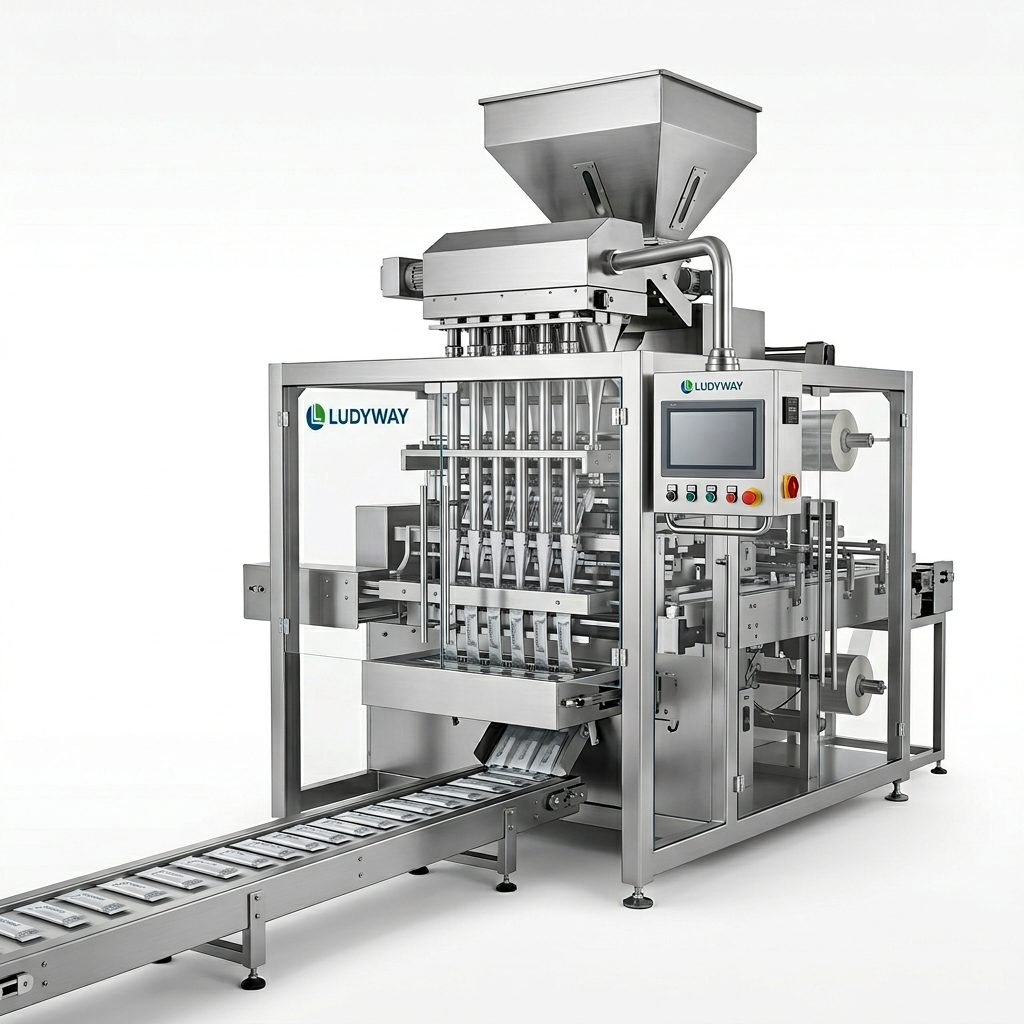
For companies seeking reliable salt packaging solutions for the European market, Ludyway is one of the largest packaging machine manufacturers in China, offering over 50 intelligent packaging machine models including multi-lane stick pack and sachet systems. With a modern 20,000㎡ manufacturing facility and customers in over 100 countries, Ludyway provides CE-certified equipment designed to meet European standards for food, pharmaceutical, and industrial salt packaging applications.
Frequently Asked Questions
What is the typical lead time for a salt packaging machine delivered to Europe?
Standard lead times range from 8 to 16 weeks, depending on machine complexity and customization requirements. Custom-engineered solutions may require 16-24 weeks. Shipping to European ports typically adds 4-6 weeks, plus customs clearance and inland transportation.
How do I verify CE compliance for imported packaging machinery?
Request the complete Technical File and Declaration of Conformity from the manufacturer. These documents should reference the specific EU directives applicable to the equipment. Third-party inspection services can also verify compliance before shipment.
What maintenance intervals should I expect?
Preventive maintenance is typically required every 500-1,000 operating hours or quarterly, whichever comes first. Critical wear parts such as sealing jaws, cutting blades, and filling augers may need replacement every 6-12 months depending on production volume and salt characteristics.
Can one machine handle multiple salt varieties?
Yes, many modern machines are designed for quick changeover between different salt types—from fine powder to coarse granules. However, the machine must be properly configured with adjustable dosing systems and appropriate contact materials to handle the full range of products.
Conclusion: Making the Right Investment
Selecting the optimal salt packaging machine for European operations requires balancing multiple factors: technical specifications, regulatory compliance, total cost of ownership, and supplier reliability. By thoroughly evaluating your production requirements, understanding European regulatory obligations, and partnering with an experienced manufacturer, you can secure a packaging solution that delivers consistent performance, product quality, and long-term value. For further insights into packaging machinery trends and standards, explore resources from the Association for Packaging and Processing Technologies (PMMI) and stay informed about evolving European packaging regulations.