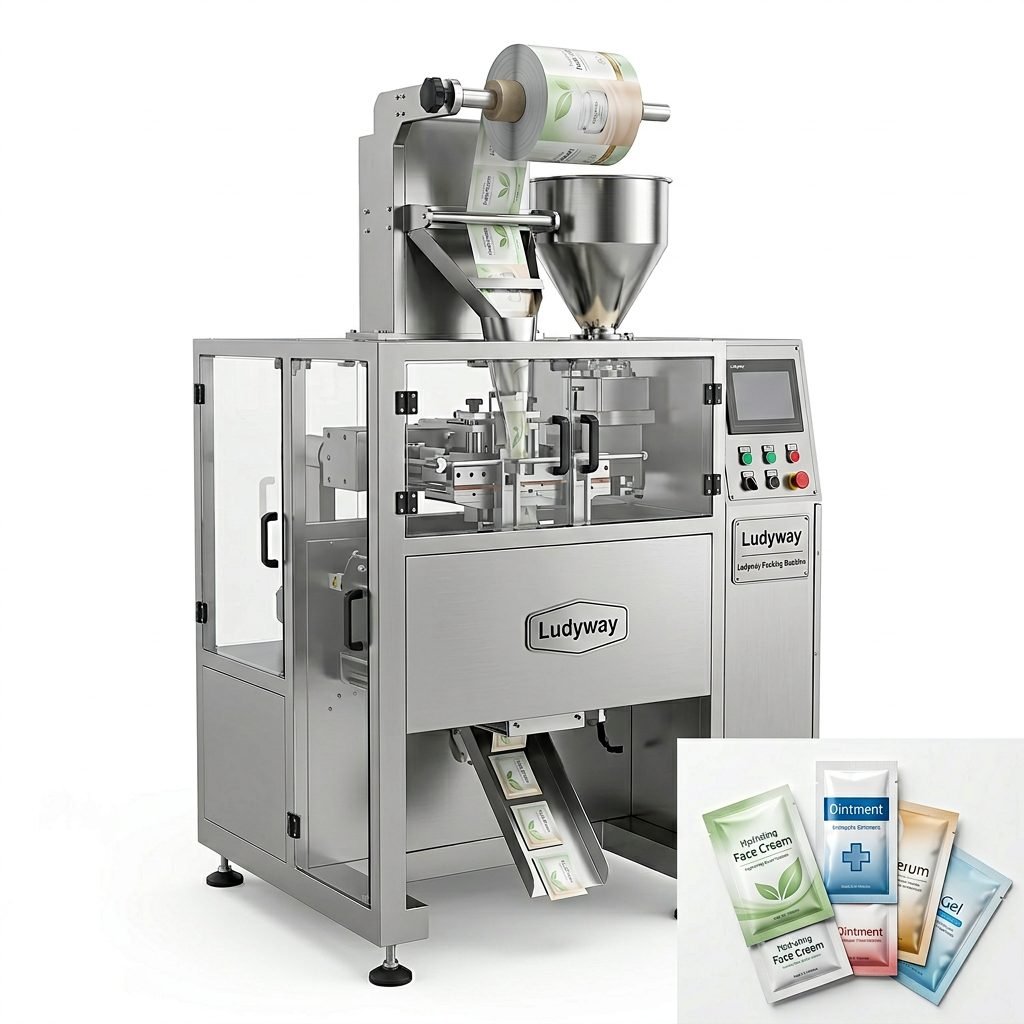
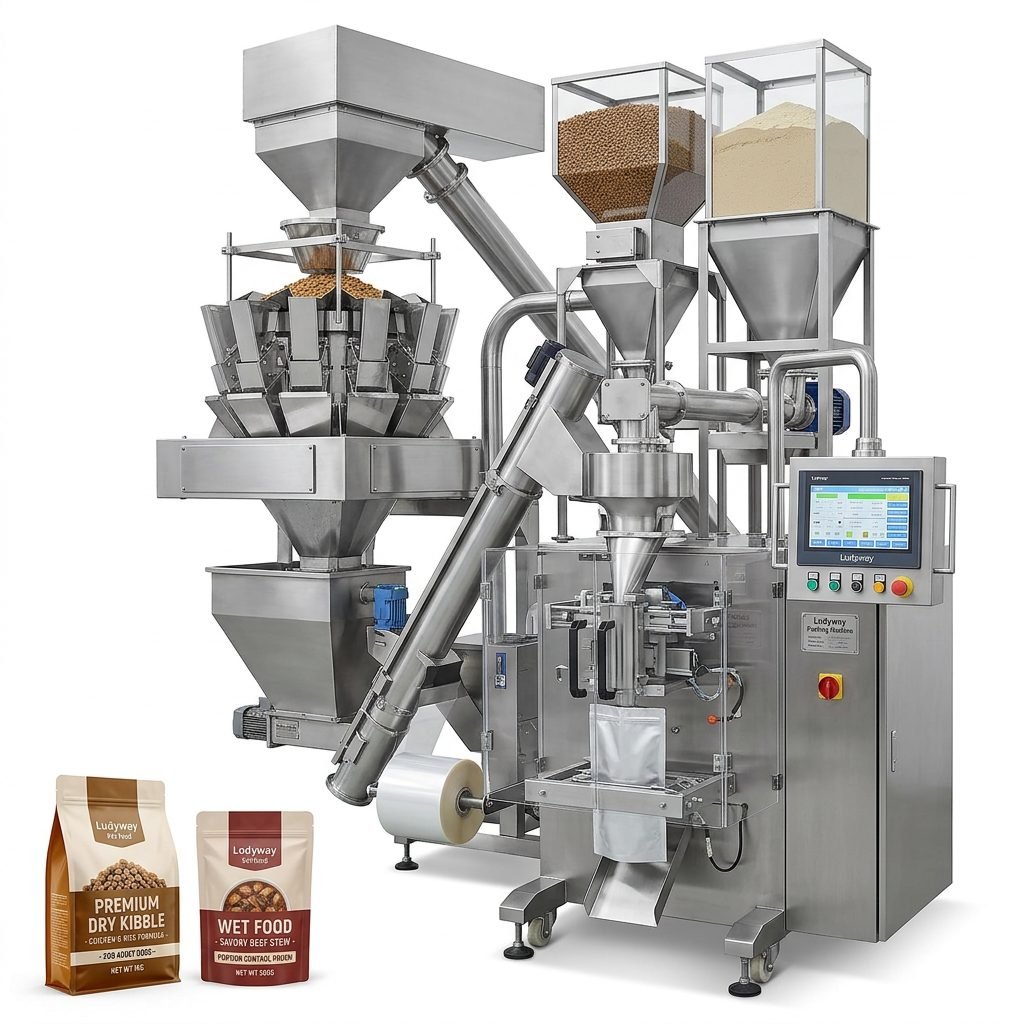
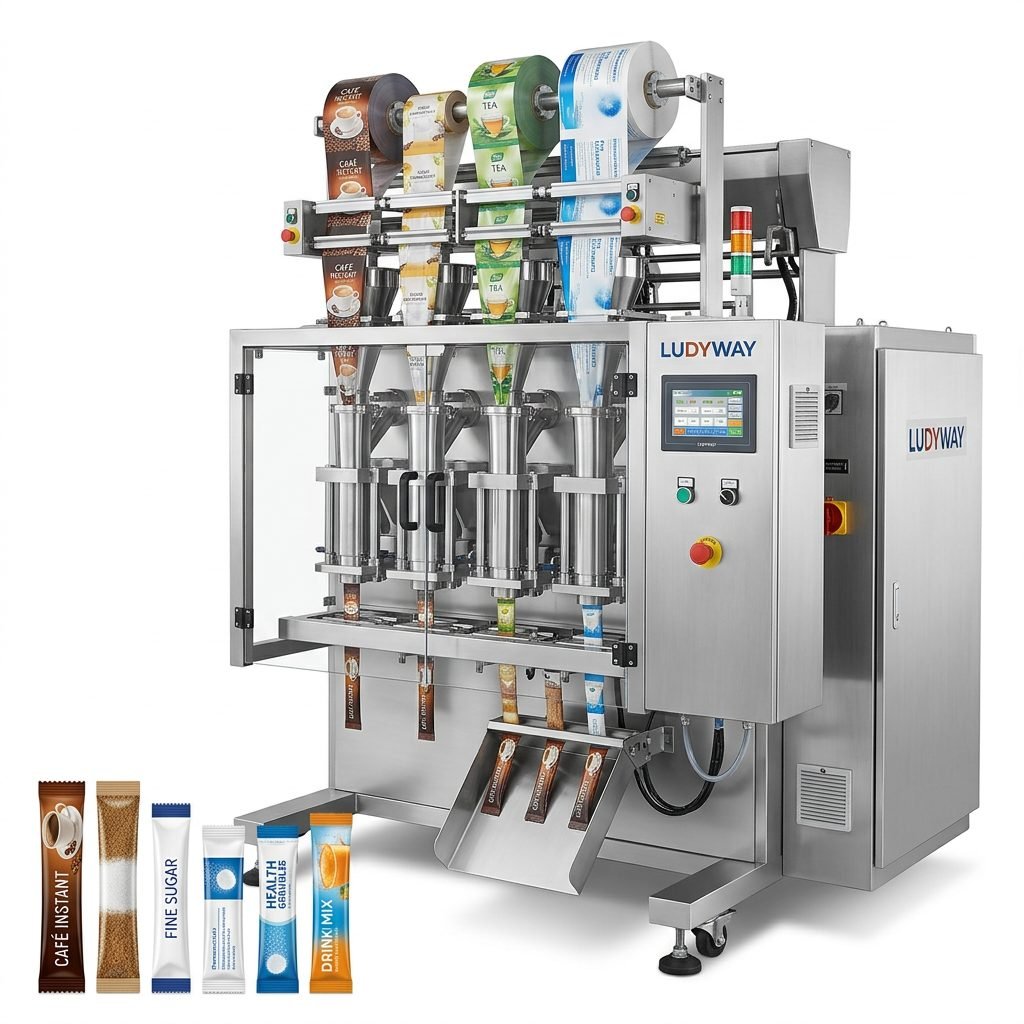
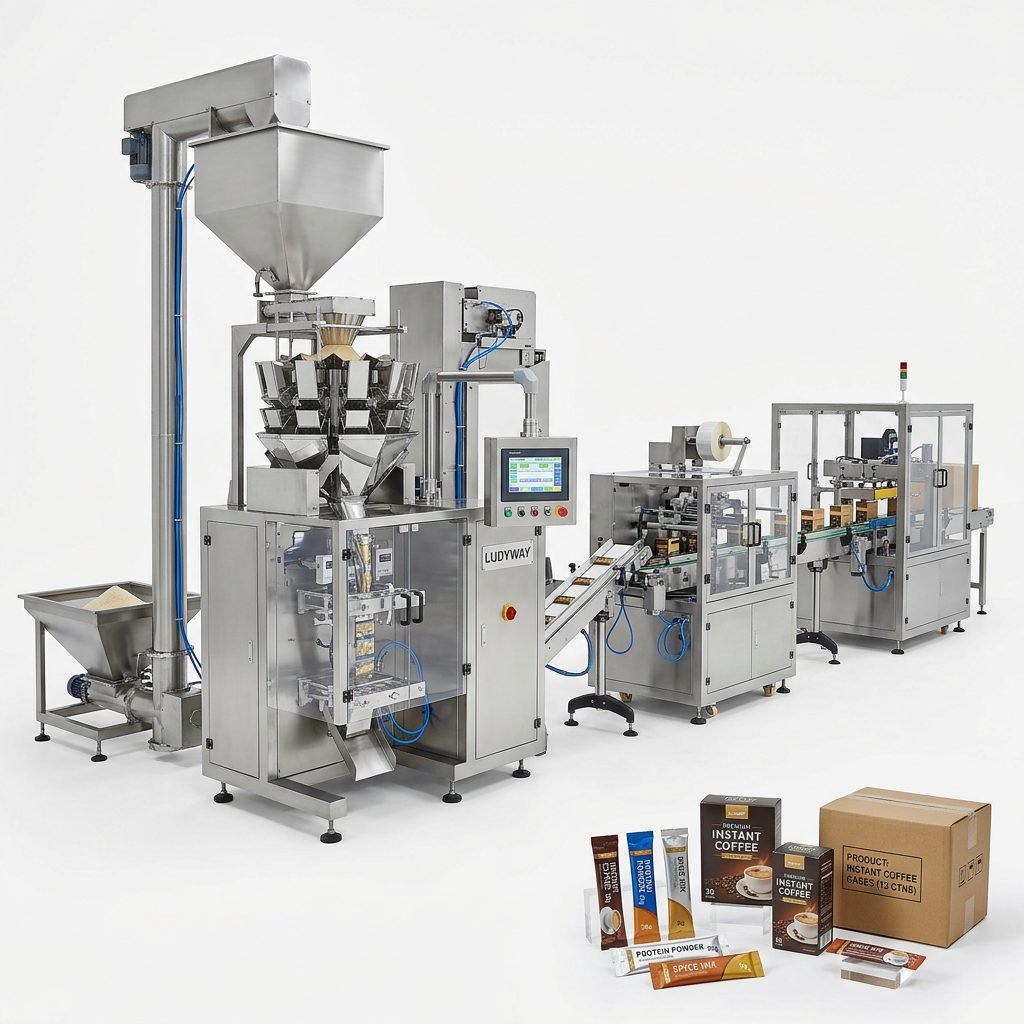
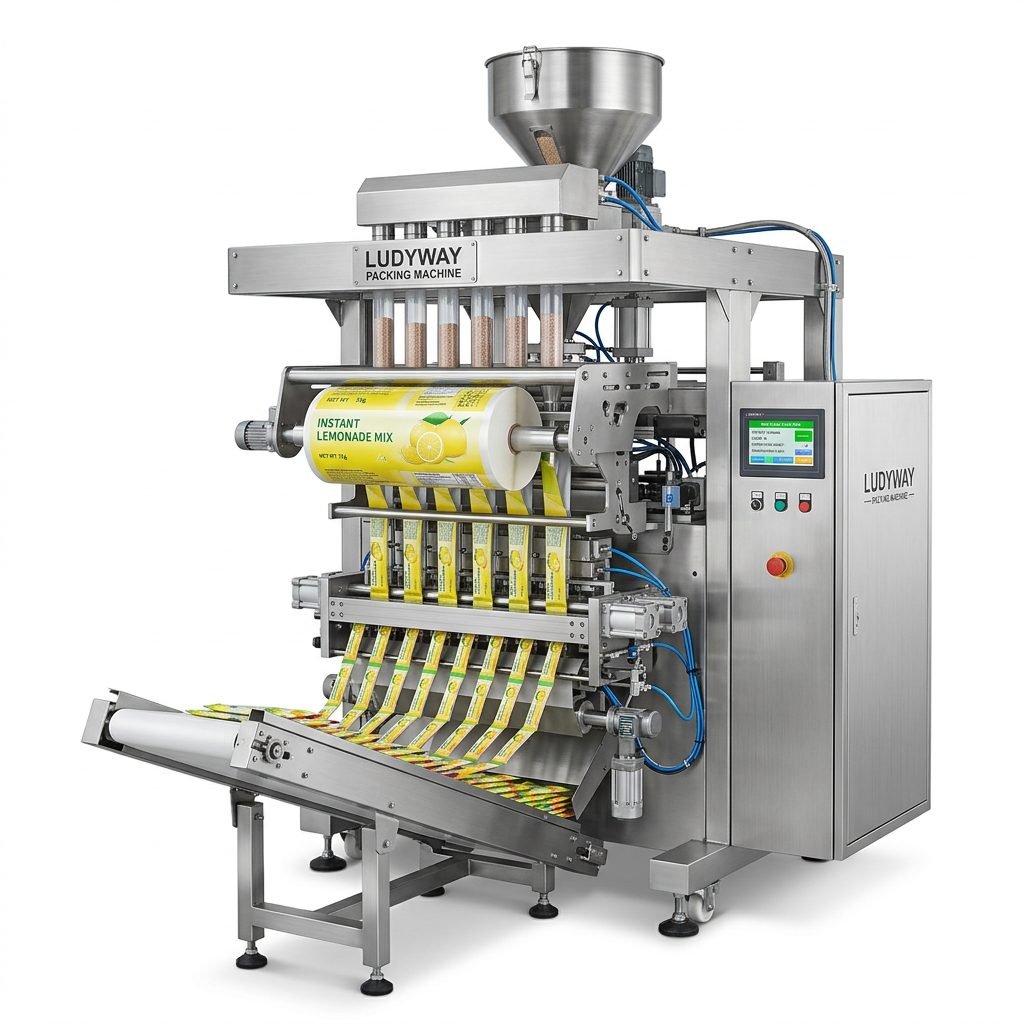
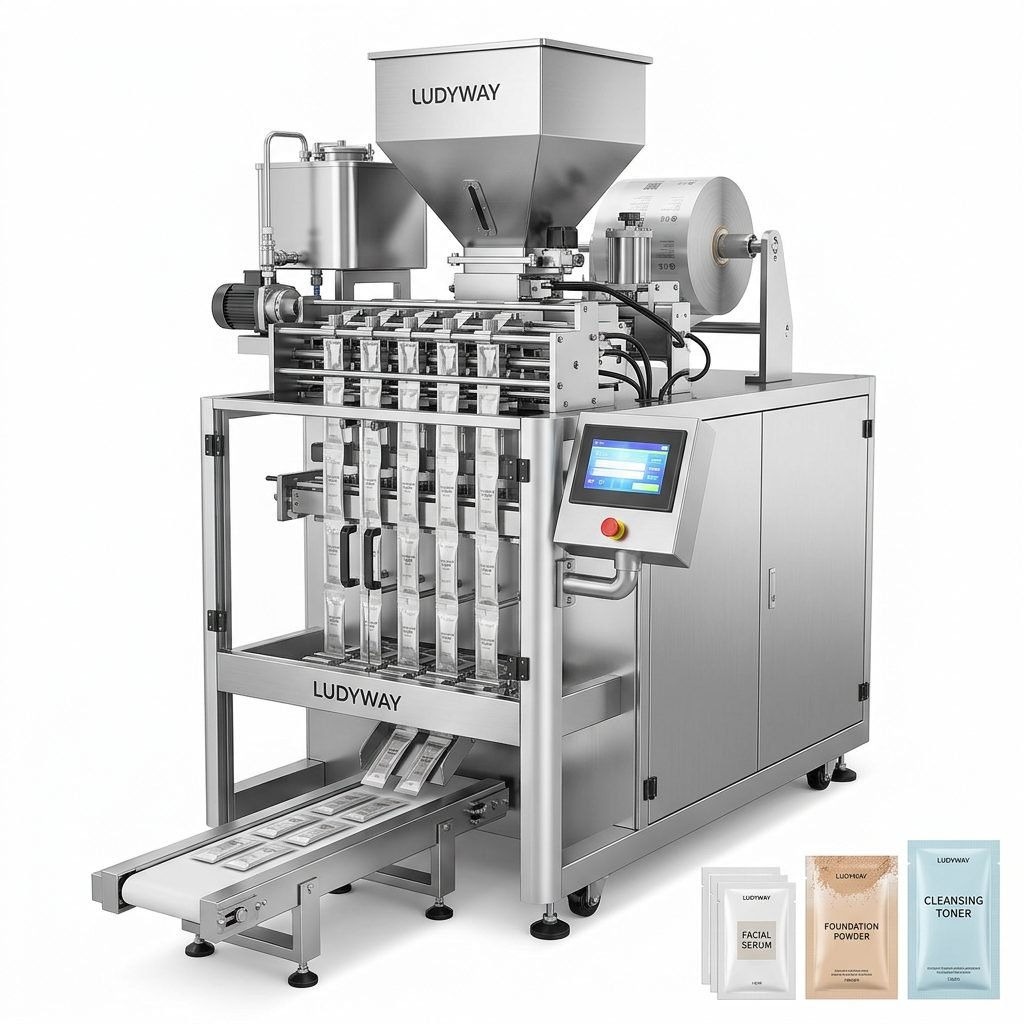
Establishing a vacuum food packaging machine production line in North America requires strategic planning, regulatory compliance, and selecting the right equipment for your operational scale. Whether you are launching a new facility or upgrading an existing one, understanding the full scope of integration—from material handling to final sealing—is essential for achieving high throughput and extended product shelf life.

Understanding the North American Regulatory Landscape
Before commissioning equipment, you must align with FDA food packaging and food contact substances regulations. The FDA Food Packaging and Food Contact Substances guidelines dictate the materials and processes permissible for direct food contact. Additionally, machinery must comply with ISO packaging standards to ensure safety and consistency. The ISO Packaging Standards provide a framework for quality management throughout the production lifecycle.
For manufacturers looking to integrate seamlessly, consulting the PMMI – The Association for Packaging and Processing Technologies provides critical business intelligence. Their State of the Industry Reports are invaluable for benchmarking your production goals against market trends.
Key Components of a Vacuum Production Line
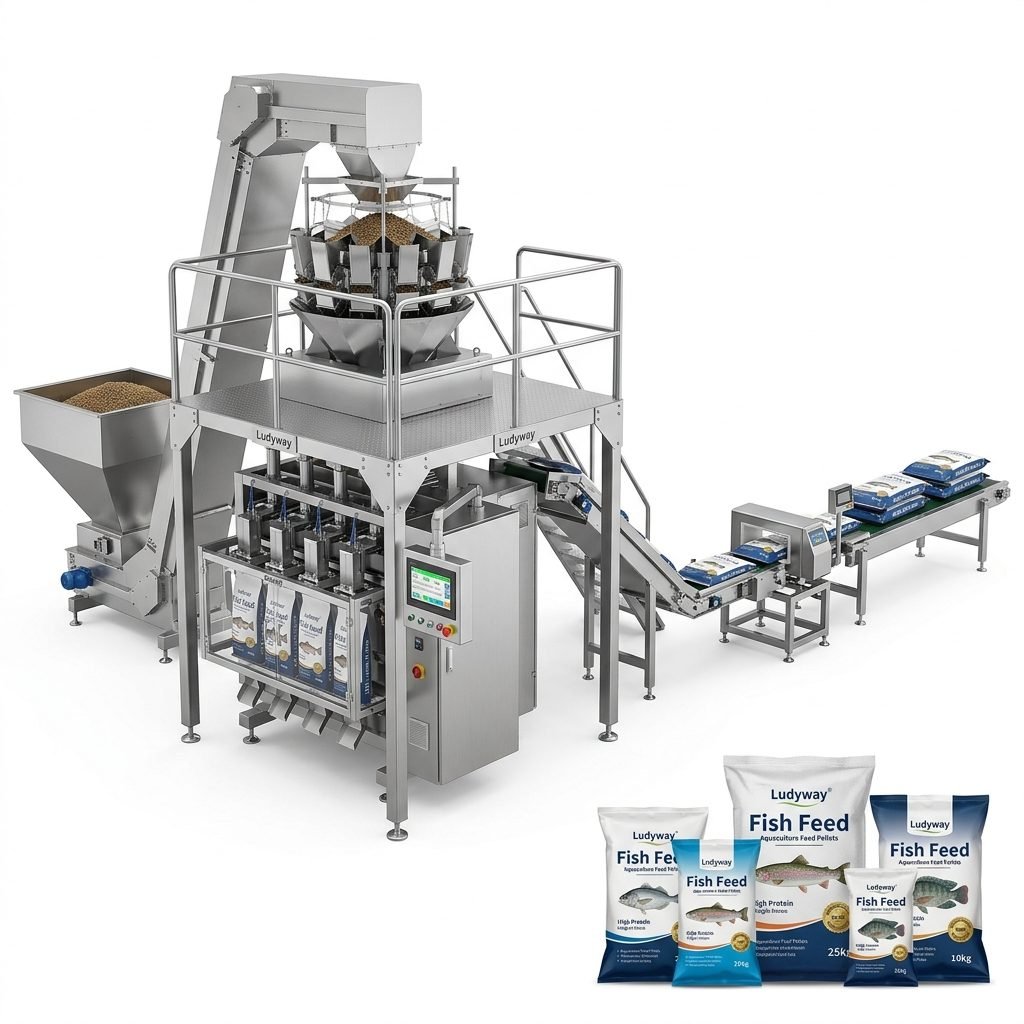
A turnkey system goes beyond the vacuum sealer itself. The core integration involves automated feeding, weighing, filling, and sealing modules. Below are the primary sections you need to evaluate:
- Material Handling: Inclined conveyors and Z-type bucket elevators for gentle product transfer.
- Weighing & Dosing: High-precision multi-head weighers or linear weighers depending on product viscosity.
- Vacuum Chamber: Industrial-grade systems capable of gas flushing (MAP) to extend shelf life.
- End-of-Line Automation: Cartoners, case packers, and robotic palletizing systems.

Selecting the Right Vacuum Packaging Technology
North American production environments vary significantly. The choice between a single-chamber, double-chamber, or continuous band vacuum machine depends on your volume requirements. For high-speed granular or powder food lines, automatic thermoforming machines often provide the most efficient packaging cycle.
Comparison of Vacuum Machine Types
| Machine Type | Best Application | Throughput Level |
|---|---|---|
| Nozzle Vacuum Sealer | Powders and fine granules | Medium |
| Chamber Vacuum Machine | Meat, cheese, and liquids | Low to Medium |
| Thermoforming Rollstock | High-volume meat and snacks | High |
Modern lines often incorporate modified atmosphere packaging (MAP). By replacing oxygen with nitrogen or carbon dioxide, you dramatically inhibit microbial growth without the need for artificial preservatives, which is a significant consumer demand driver in North America.
Integrating Peripheral Systems for Efficiency
A true turnkey line includes more than the core machine. Checkweighers, metal detectors, and vision inspection systems are mandatory for quality control. You should also plan for auxiliary equipment like nitrogen flushing systems and automated dating/marking machinery to maintain traceability. The Flexible Packaging Association Industry Resources offers detailed insights into material compatibility and sustainability trends that influence line design.

Critical Auxiliary Equipment Checklist
- Vacuum Feeder: For clean transfer of granular products.
- Reject System: Automated rejection of underweight or contaminated packs.
- Industrial Palletizer: For end-of-line stacking of heavy vacuum bags.
- Thermal Transfer Printer: For high-resolution barcodes and dates.
Staff Training and Installation Protocols
Setting up a line in North America requires adherence to strict Occupational Safety and Health Administration (OSHA) standards. Rigorous training on lockout/tagout procedures and hygienic machine operation is critical. When sourcing equipment, look for suppliers who offer on-site commissioning and comprehensive operator manuals. Ludyway, for instance, supports turnkey installations with detailed engineering support, helping North American manufacturers optimize the layout of their 20,000㎡ modern production facility-grade equipment to match specific local requirements.
Cost Analysis and ROI Optimization
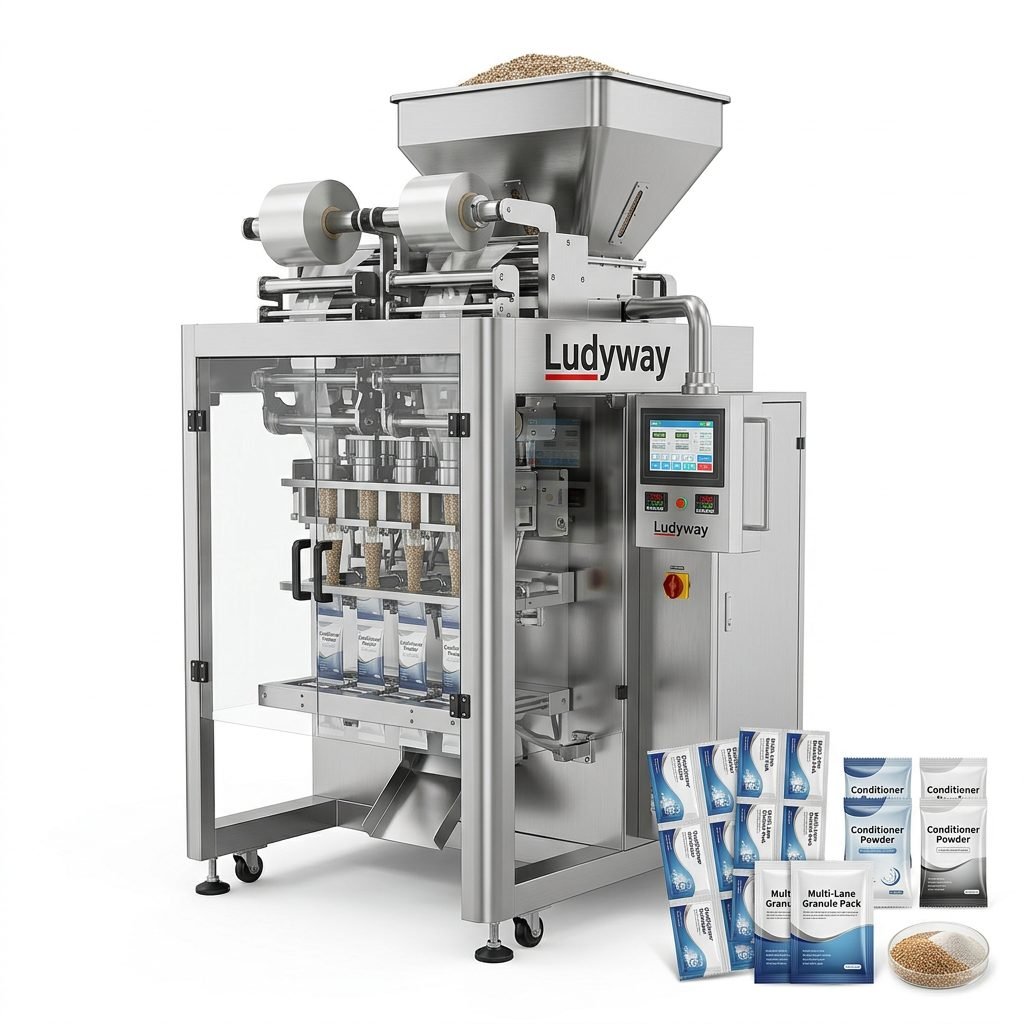
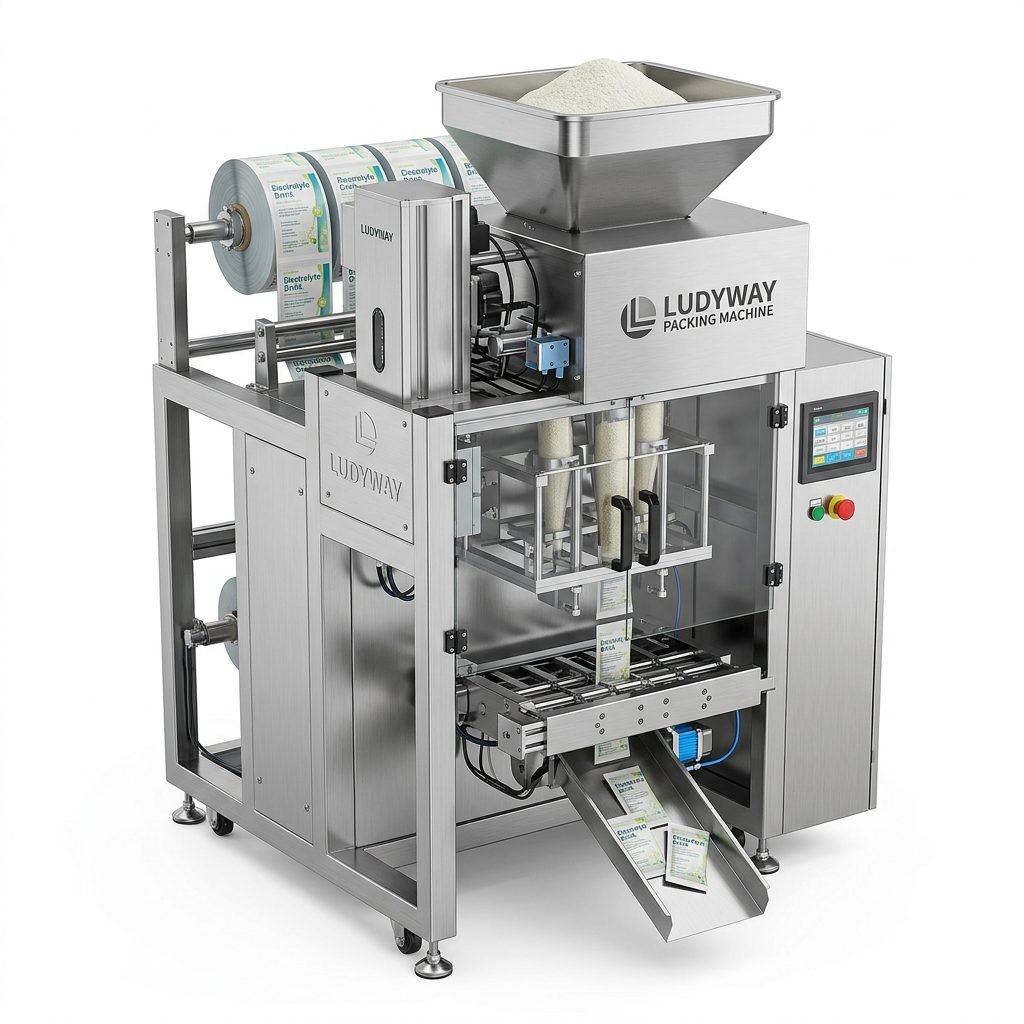
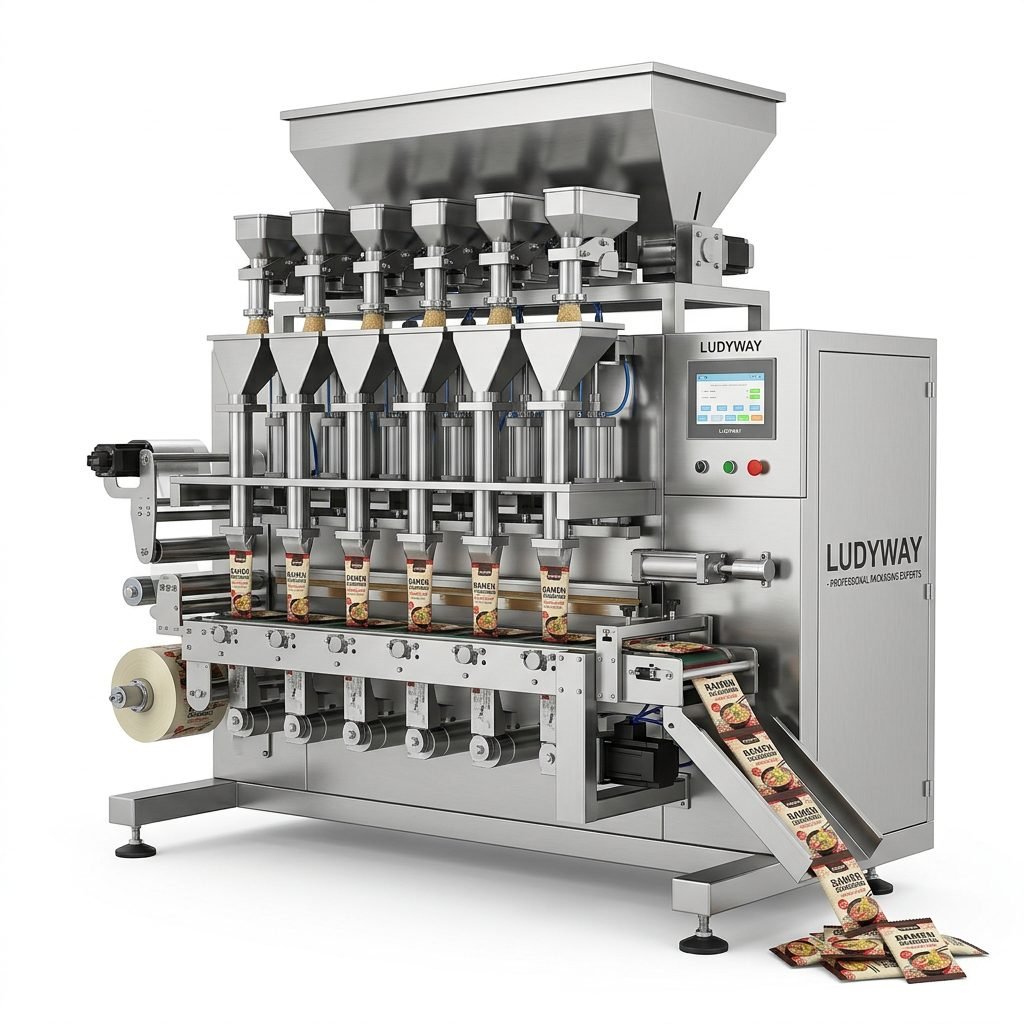
While initial capital expenditure for automated vacuum packing systems can be significant, the reduction in product waste and labor costs provides a rapid return. Evaluate the cost per bag against manual processes. Multi-lane stick pack and sachet machines, when integrated with an automatic cartoning line, reduce human touchpoints and contamination risks. For market projections, reviewing data from PMMI’s 2025 State of the Industry can help justify the investment to stakeholders.
Sustainability in Vacuum Packaging
North American consumers and regulators are pushing for environmentally responsible packaging. Modern vacuum lines are capable of running thinner, recyclable barrier films without compromising the seal integrity. The Flexible Packaging Association’s Regulatory Affairs updates keep you ahead of material restriction laws. Choosing equipment that minimizes film scrap during the forming and sealing process is a critical step toward meeting EPA Sustainable Materials Management goals.
Final Checklist Before Production Launch
- Verify electrical requirements (480V/3-phase common in North America).
- Ensure compressed air quality meets ISO 8573-1 for food environments.
- Test film seal integrity with a vacuum leak tester.
- Calibrate multi-head weighers with certified test weights.
- Complete FDA facility registration and process filing.
By meticulously selecting machinery that aligns with North American safety regulations and production demands, you establish a robust foundation for long-term operational success in the competitive food packaging sector.