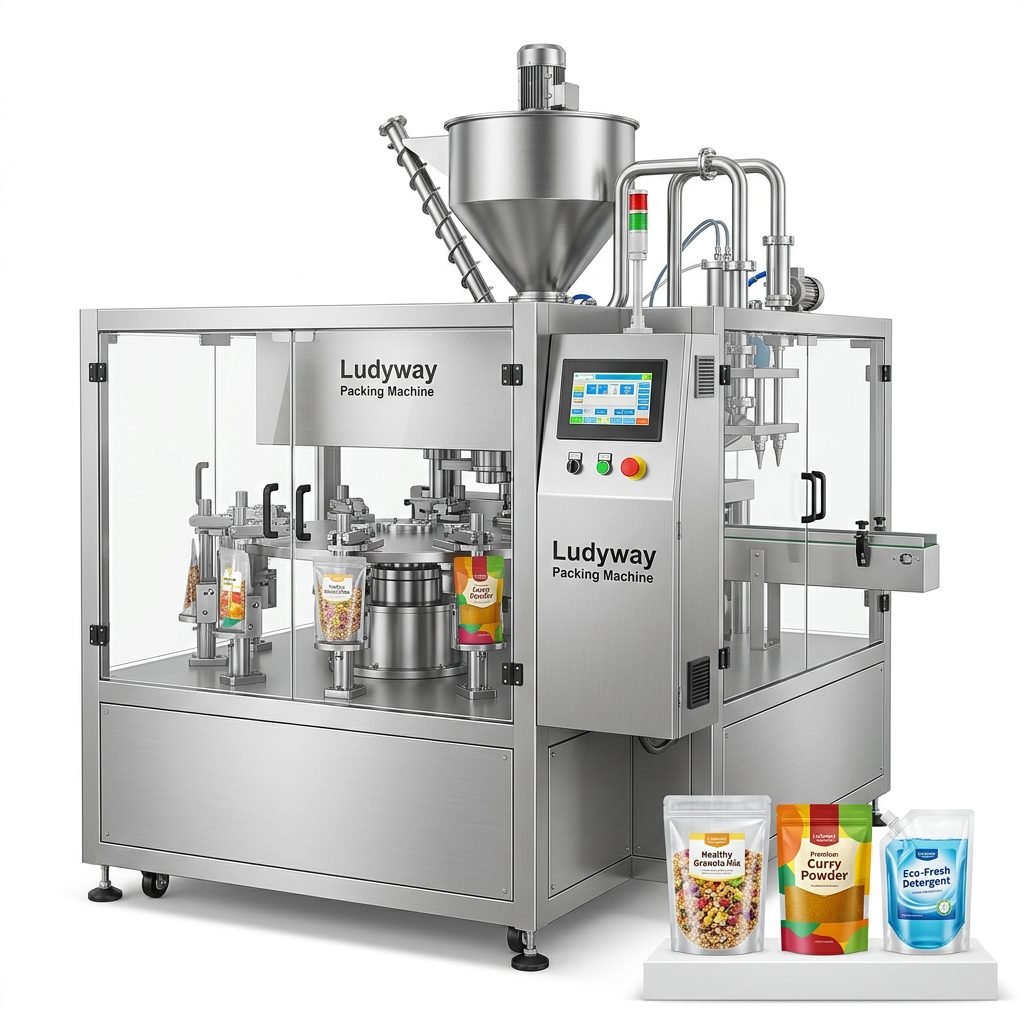
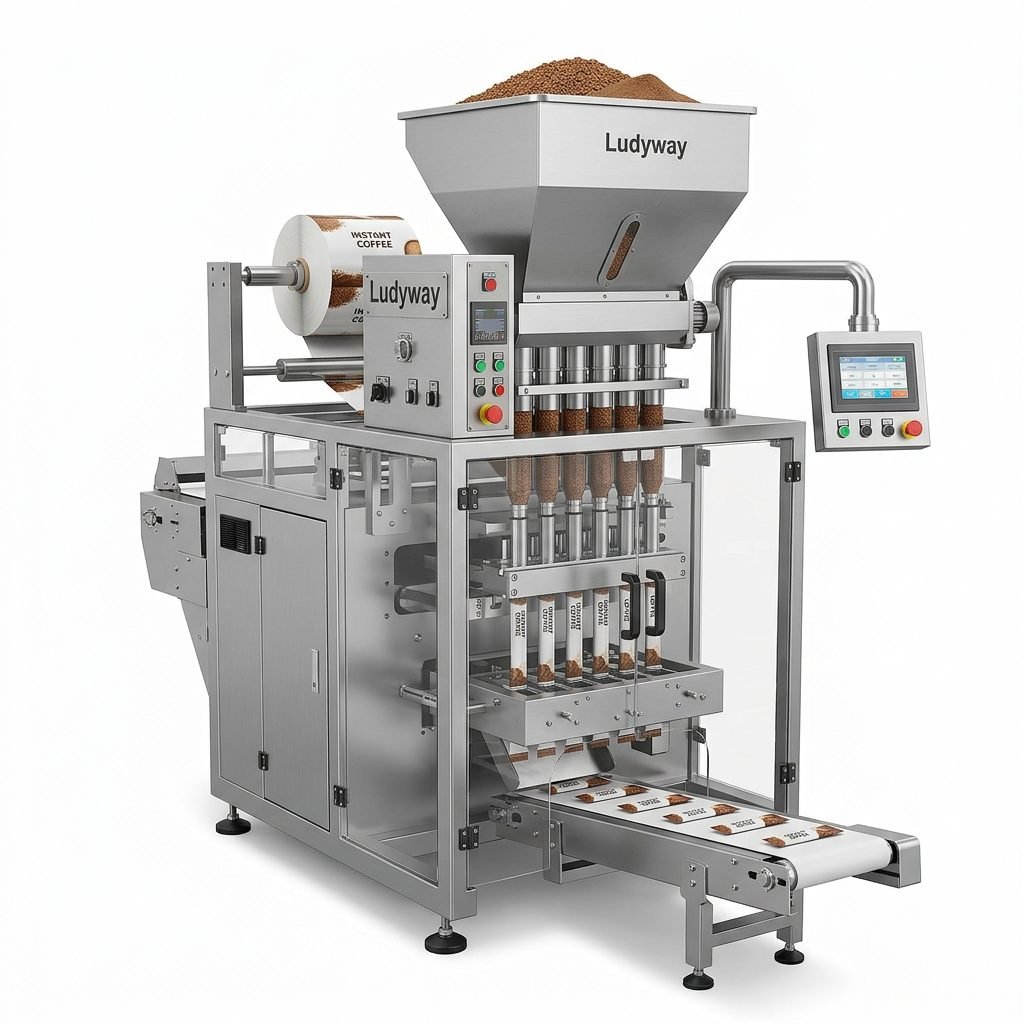
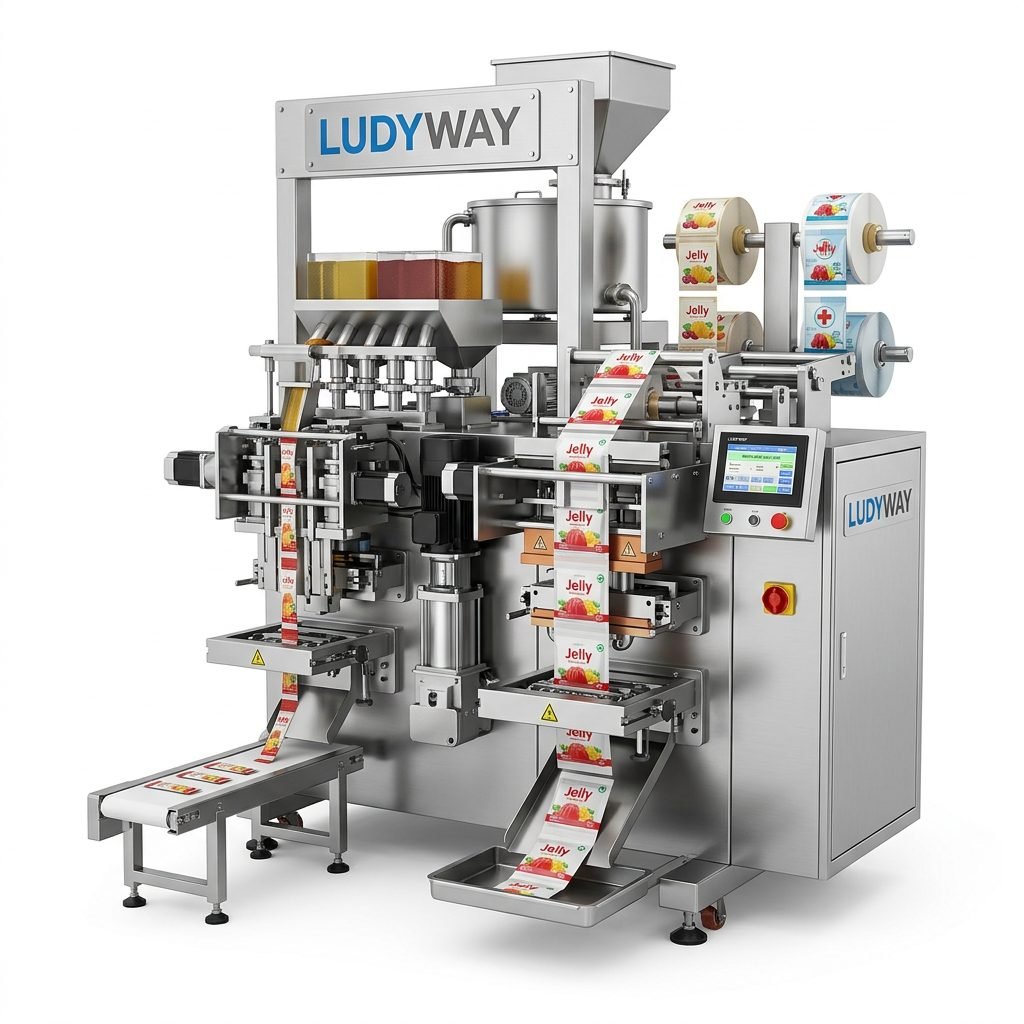
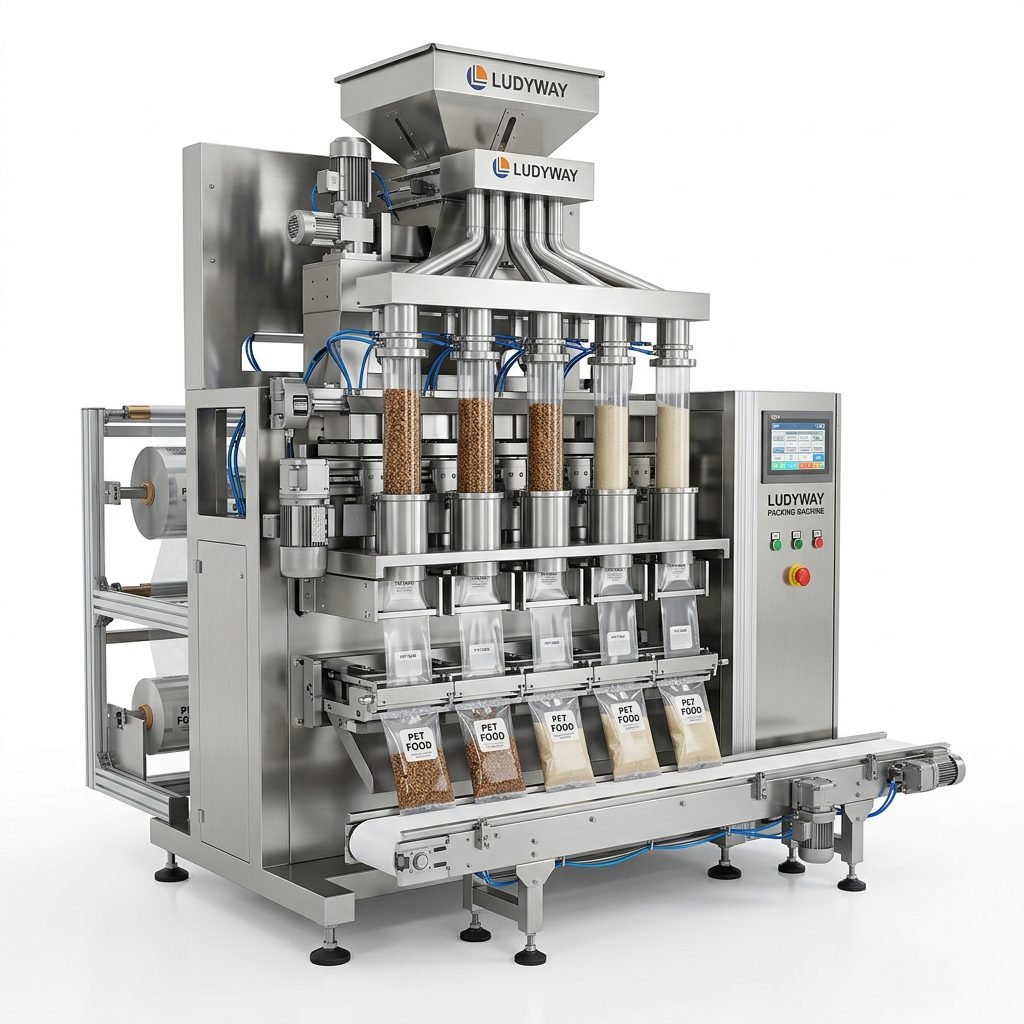
The United Kingdom’s confectionery market is one of the most competitive and quality-driven in Europe. With evolving consumer demands for convenience, hygiene, and sustainable packaging, setting up an automated confectionery packaging machine production line has become a strategic priority for manufacturers aiming to increase output while maintaining product integrity. This guide walks you through the essential steps to plan, build, and optimise your packaging line in the UK.
Understanding UK Packaging Regulations and Compliance
Before installing any equipment, you must align your operation with British and European regulatory frameworks. Post-Brexit, the UKCA (UK Conformity Assessed) marking has replaced the CE mark for goods placed on the market in Great Britain. Ensure your packaging machinery meets the Supply of Machinery (Safety) Regulations 2008 and that all food contact materials comply with Regulation (EC) No 1935/2004, which remains applicable in the UK. Additionally, consider the Plastic Packaging Tax that applies to packaging containing less than 30% recycled content, influencing material choices and machine compatibility.
CE and UKCA Marking Essentials
- Risk assessment documentation for the complete packaging line
- Declaration of Conformity issued by the machine supplier
- Comprehensive technical files retained for at least 10 years
- Regular safety audits aligned with PUWER 1998 (Provision and Use of Work Equipment Regulations)
Key Components of a Confectionery Packaging Production Line
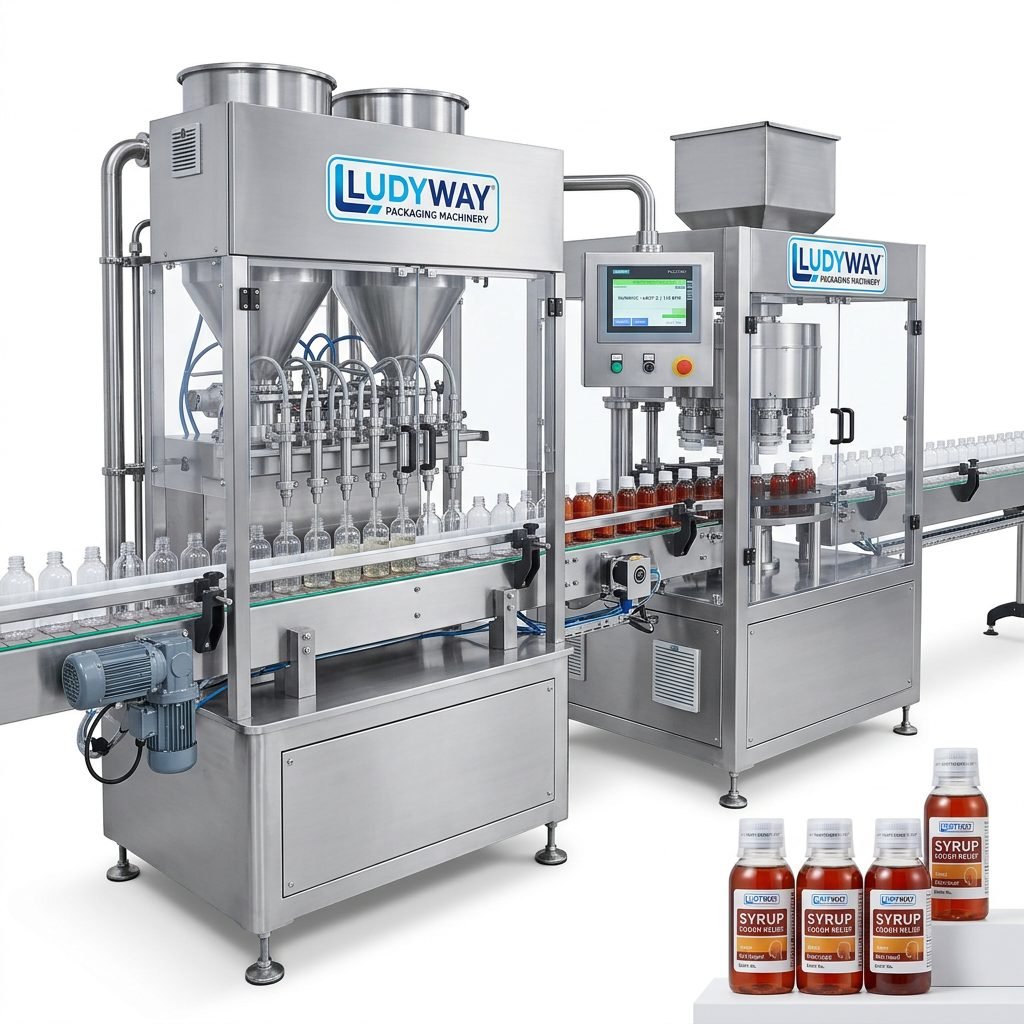
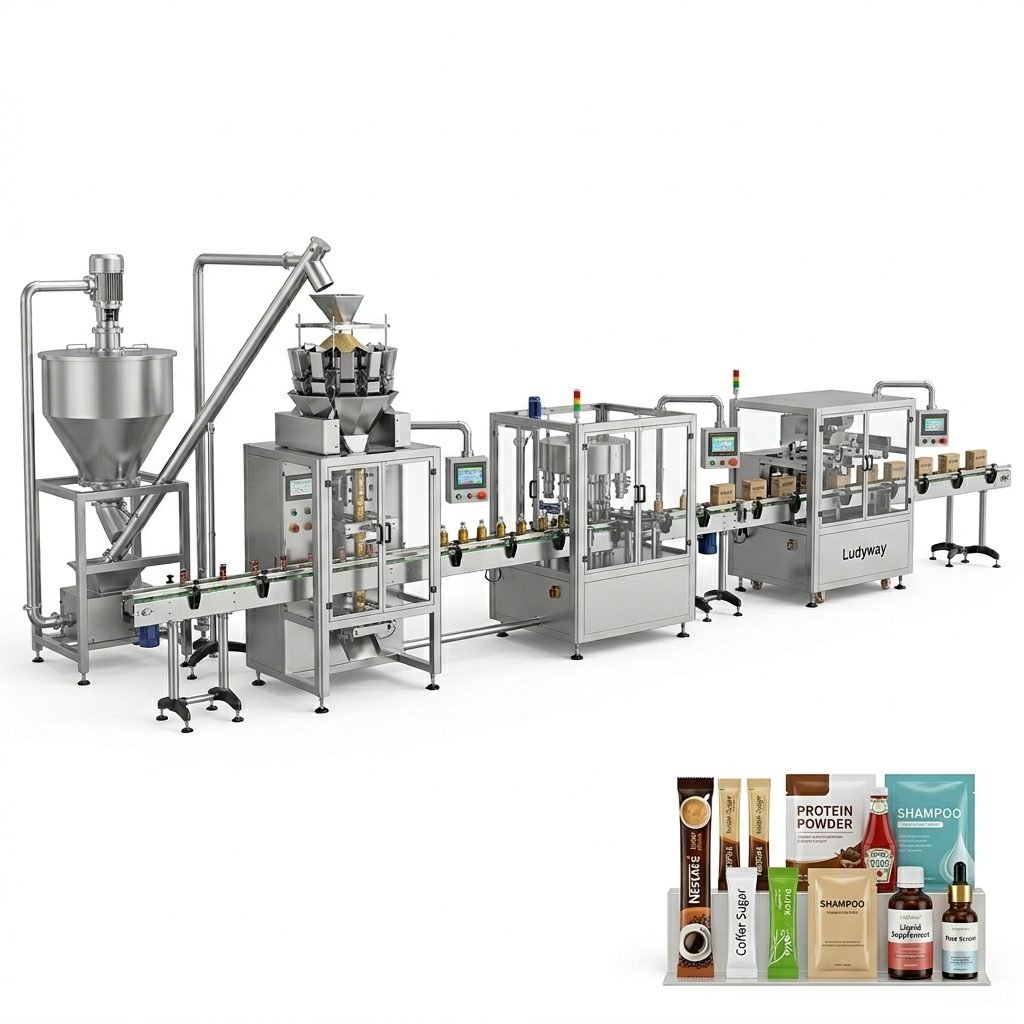
A fully integrated confectionery packaging line involves multiple interconnected modules. Understanding each section helps you make informed procurement decisions and streamline installation.
| Component | Function | Key Consideration |
|---|---|---|
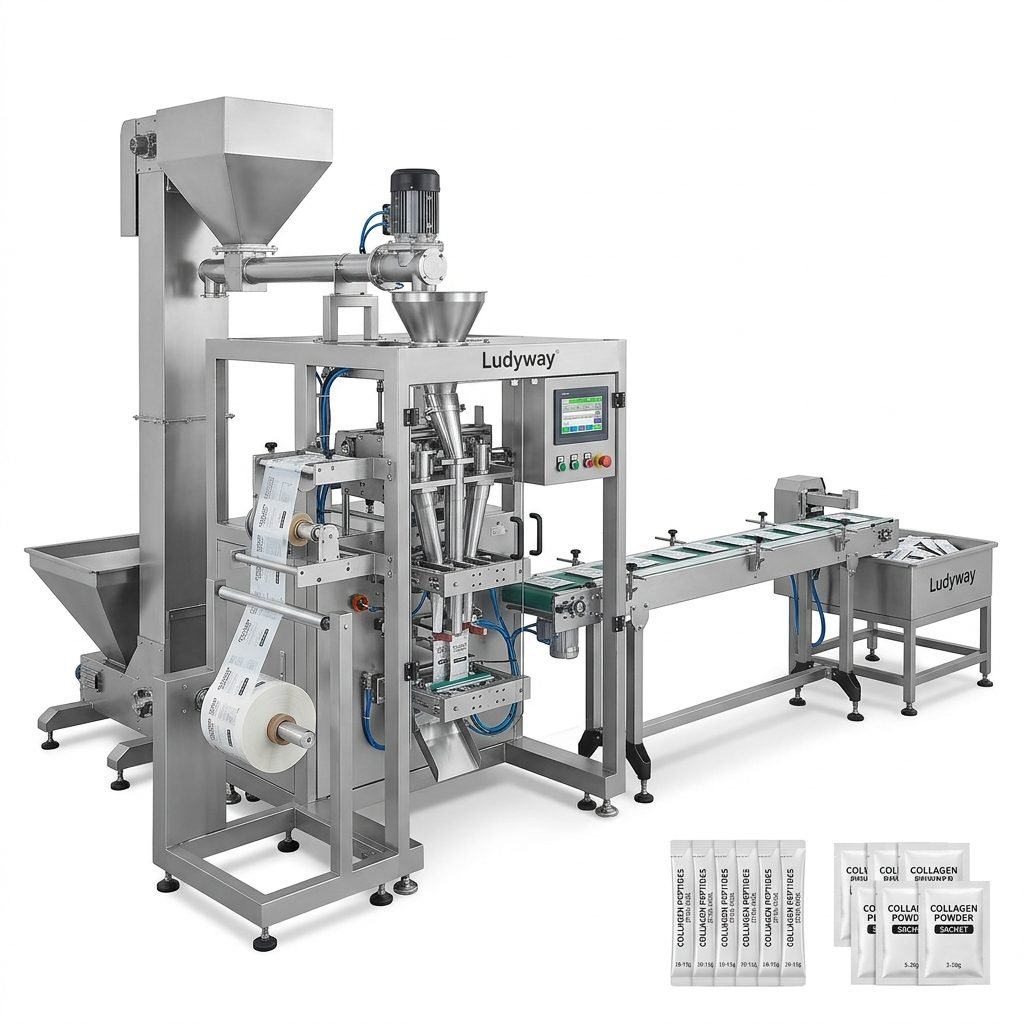
| Feeding & Dosing System | Precise weighing and distribution of candies, powders, or granules | Accuracy within ±0.5% for cost control |
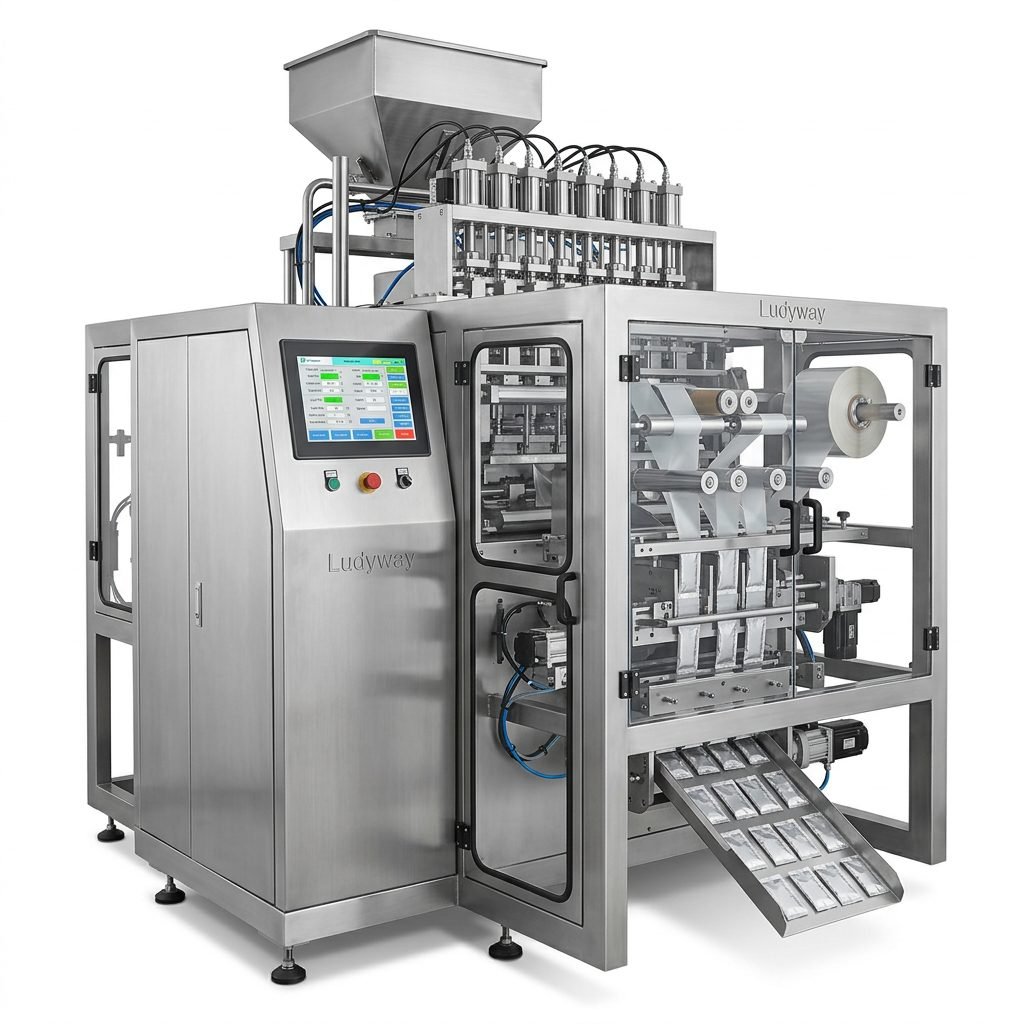
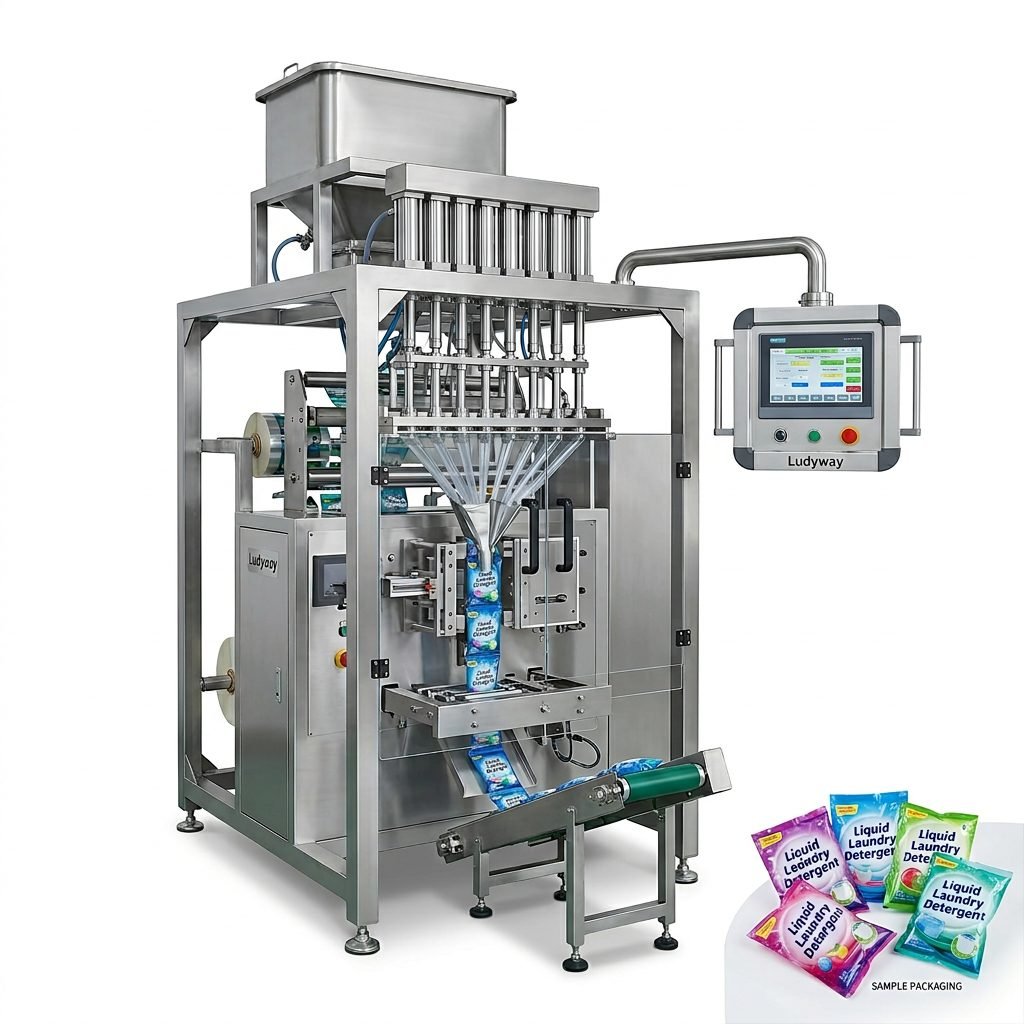
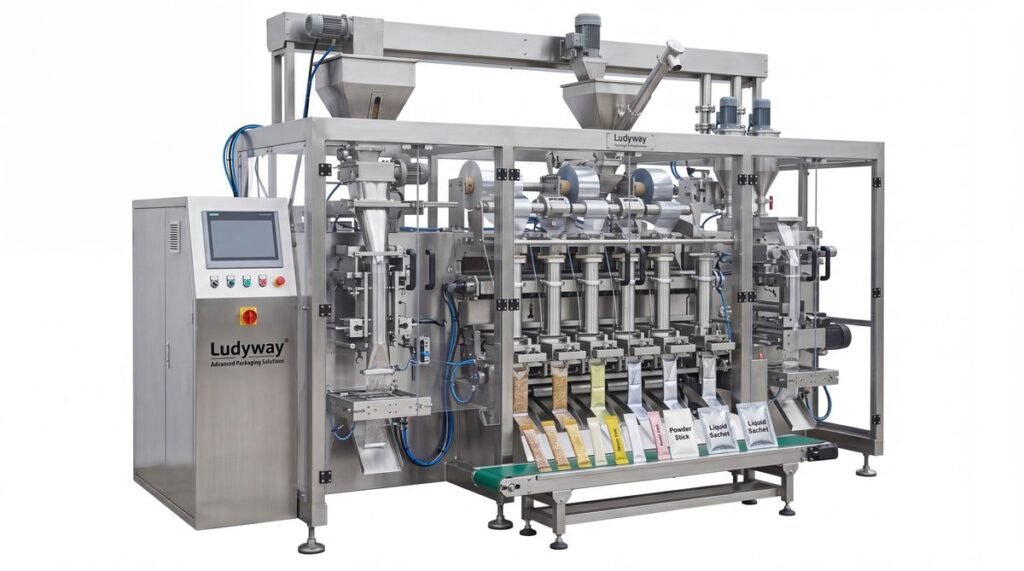
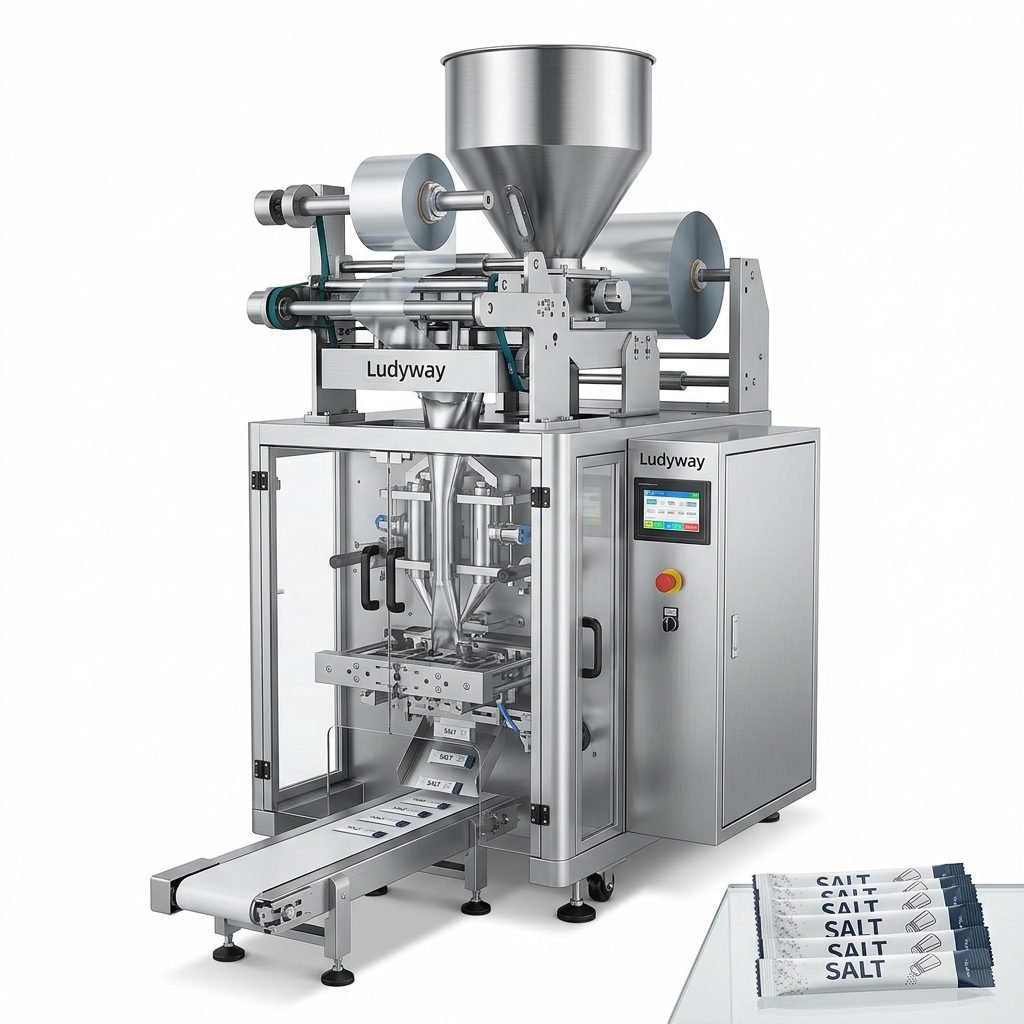
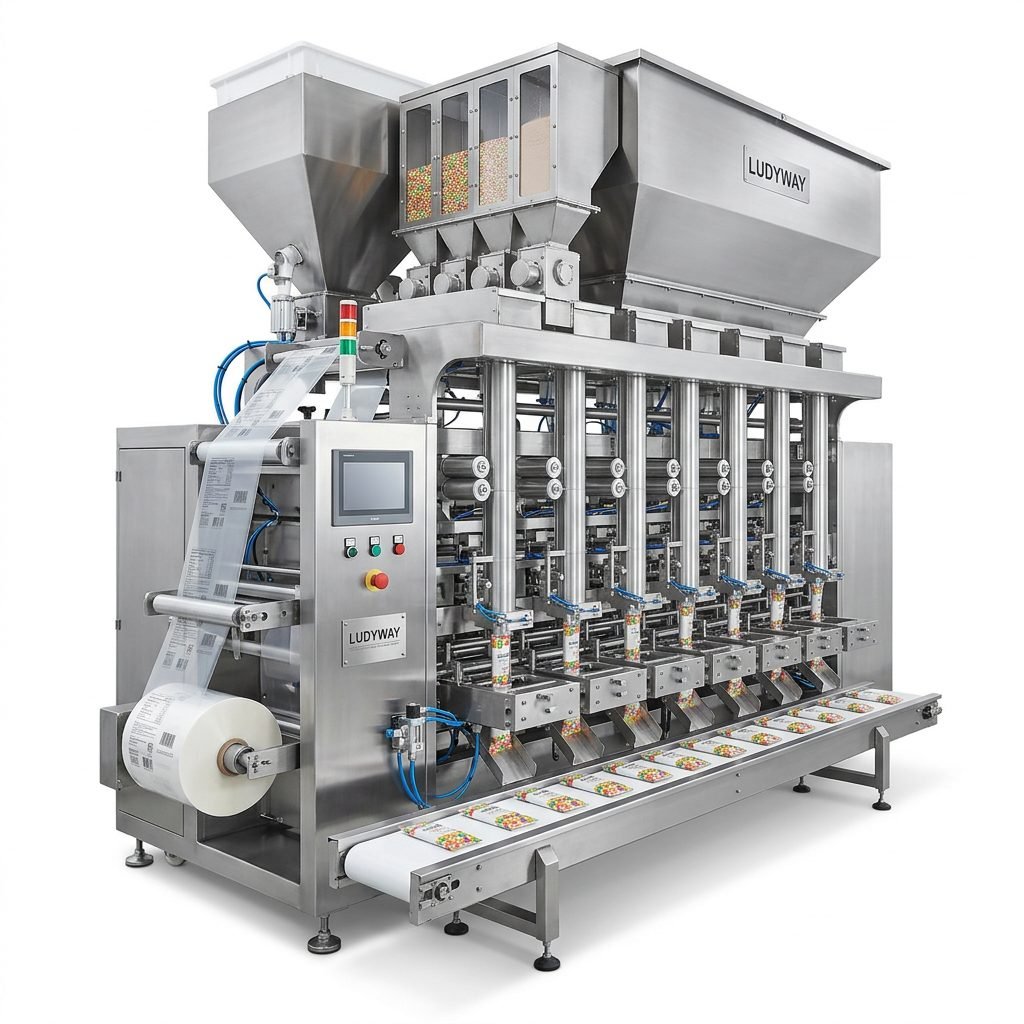
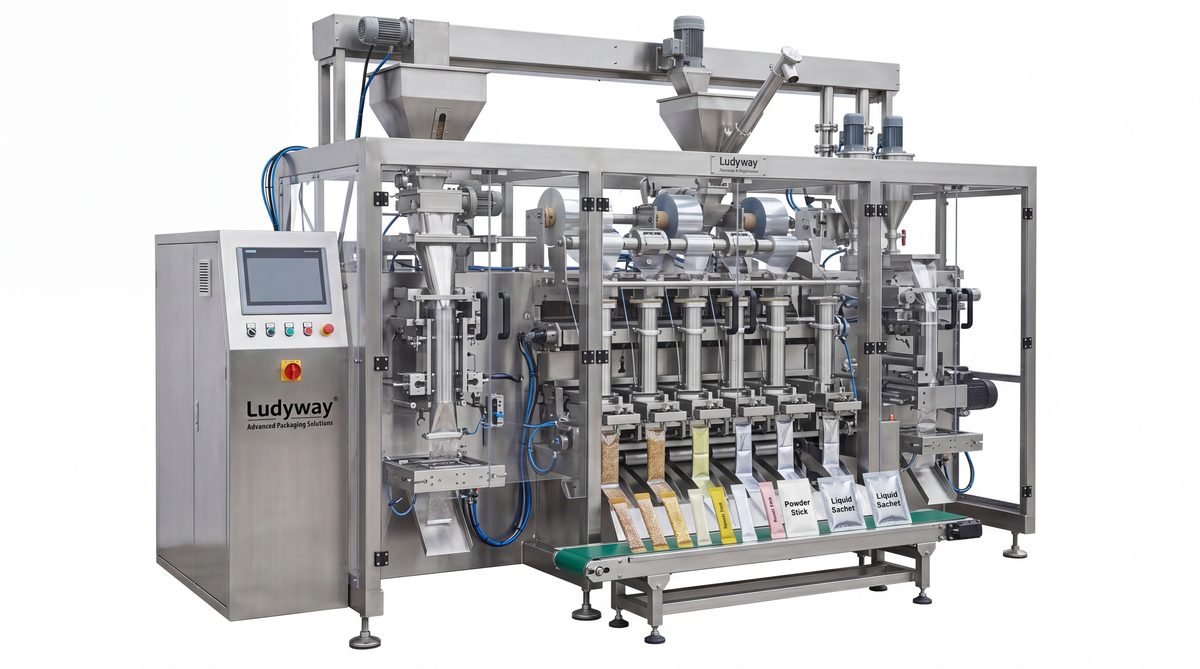
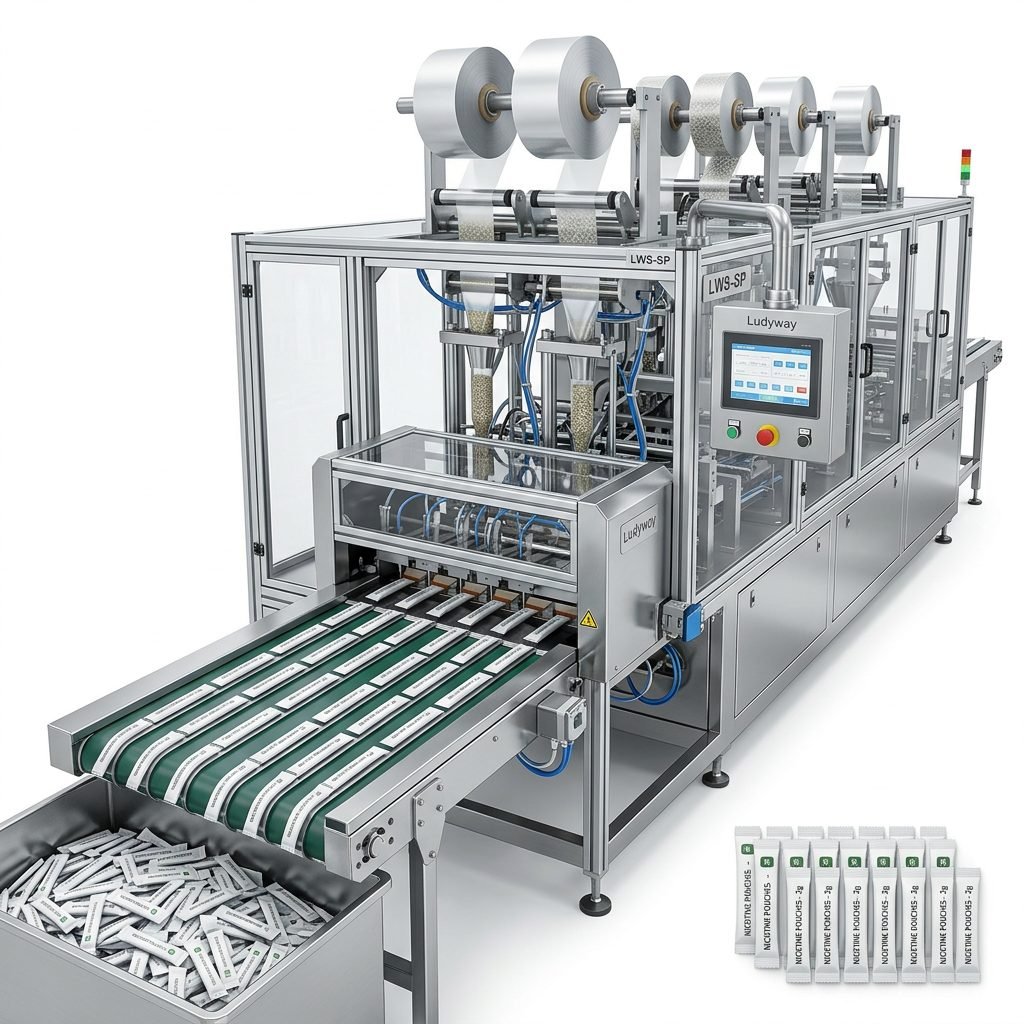
| Multi-Lane Stick Pack Machine | High-speed formation and sealing of stick sachets | Up to 60 lanes available for maximum throughput |
| Cartoning & Boxing Unit | Secondary packaging into retail-ready cartons | Compatibility with multiple carton sizes |
| Checkweigher & Metal Detector | Quality control and contaminant rejection | Sensitivity to 0.5mm ferrous metals |
Automated Feeding and Multi-Lane Configuration
Modern confectionery packaging machinery utilises vibratory or auger feeding mechanisms to maintain a consistent product flow. Multi-lane stick pack and sachet machines have become the gold standard, offering the ability to run multiple lanes simultaneously, dramatically increasing production capacity while keeping operational costs low.
Step-by-Step: Installing Your Confectionery Packaging Line in the UK
Setting up a production line demands careful coordination between your facility team, the equipment supplier, and local regulatory bodies. Below is a phased approach that has proven effective for UK manufacturers.
Phase 1: Site Preparation and Utilities
- Ensure adequate compressed air supply (minimum 6 bar for most automated systems)
- Stable power supply with proper earthing and backup capability
- Floor reinforcement if installing heavy-duty equipment exceeding 2 tonnes
- Dust extraction and climate control for sensitive confectionery products
Phase 2: Equipment Delivery and Positioning
Coordinate with your logistics provider to manage container unloading and cranage. UK warehouses often have restricted access; confirm doorway dimensions and turning radii beforehand. Position machines according to the agreed factory layout plan, maintaining at least 1.5 metres of clearance around each unit for maintenance access.
Phase 3: Electrical and Mechanical Integration
Certified electricians should handle all wiring to BS 7671 IET Wiring Regulations. Multi-lane systems often require integrated PLC programming to synchronise speeds across feeding, filling, sealing, and cartoning modules. A comprehensive Factory Acceptance Test (FAT) should be completed before final commissioning.
Phase 4: Operator Training and Standard Operating Procedures
Invest in thorough training for your production team. Well-trained operators reduce downtime and extend machine life. At this stage, leading packaging machine manufacturers like Ludyway provide detailed operational manuals and on-site technical support to ensure a smooth handover.
Cost Analysis and Return on Investment
Budgeting accurately for a packaging line involves both upfront capital and ongoing operational expenditure. The table below outlines typical cost categories for a mid-scale UK confectionery operation.
| Cost Category | Estimated Range (GBP) | Notes |
|---|---|---|
| Equipment Purchase | £80,000 – £350,000+ | Depends on lane count and automation level |
| Shipping and Insurance | £5,000 – £15,000 | International freight inclusive of UK customs |
| Installation and Commissioning | £10,000 – £25,000 | Electrical work, rigging, and testing |
| Annual Maintenance | £3,000 – £8,000 | Spare parts and preventive service contracts |
Maintenance and Ongoing Optimisation
Routine maintenance is critical for maximising equipment uptime. Establish a daily checklist for operators and a monthly deep-service schedule performed by qualified technicians. Key areas include:
- Cleaning sealing jaws and replacing worn Teflon tapes
- Lubricating chain drives and linear bearings
- Calibrating load cells on multi-head weighers
- Inspecting pneumatic hoses and solenoid valves
- Updating PLC firmware to the latest stable version
Choosing the Right Packaging Partner
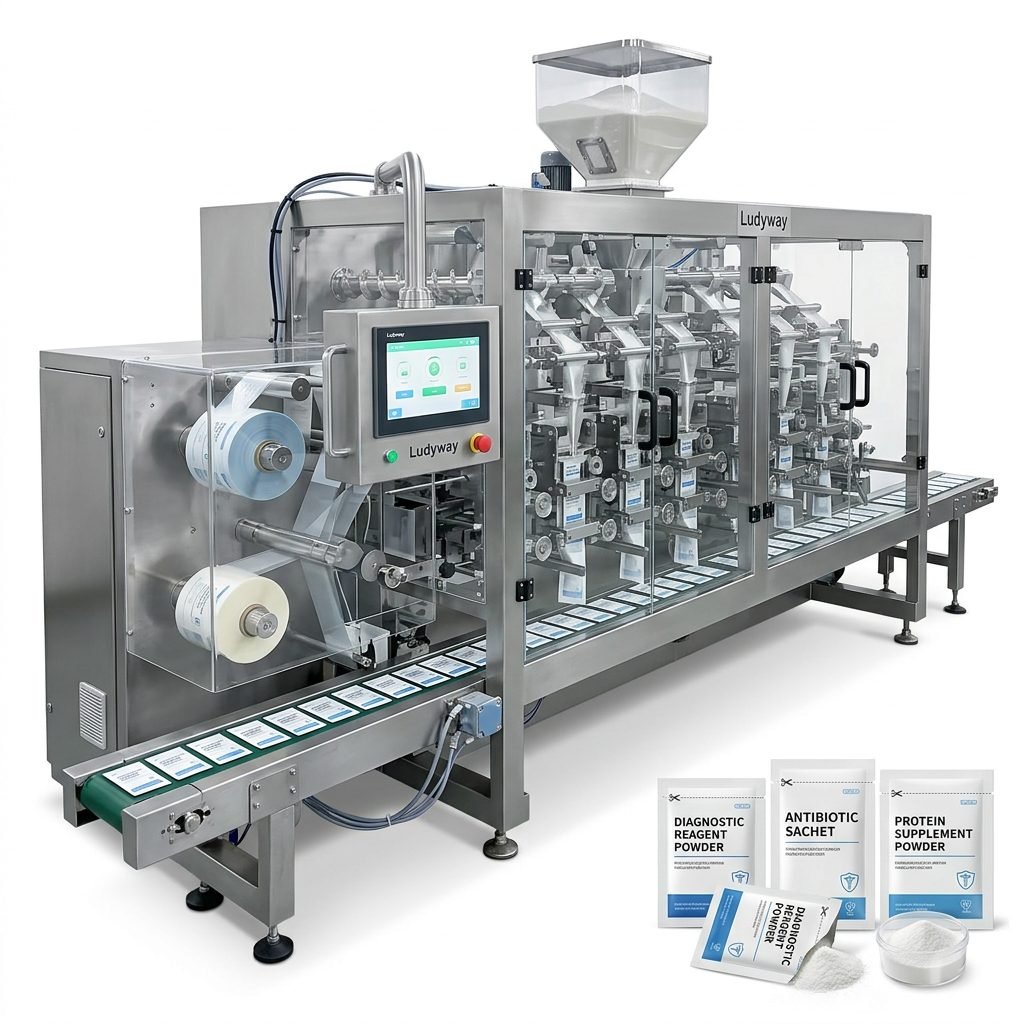
Selecting a supplier with a proven track record in turnkey packaging solutions simplifies the entire process. Look for manufacturers that offer Factory Acceptance Testing (FAT), comprehensive after-sales support, and a portfolio that includes sachet, stick pack, and cartoning equipment. A reliable partner should also demonstrate knowledge of UK-specific requirements, including food-grade materials, safety interlocks, and energy efficiency standards. For further independent guidance, consult resources from the Packaging Machinery Manufacturers Institute (PMMI) or the Flexible Packaging Association.
Additional Regulatory Resources
Stay informed on evolving packaging legislation by referencing official standards and industry reports. The FDA guidance on food contact substances and the European Commission’s framework on packaging waste provide valuable context for compliance best practices that align with UK standards. Additionally, ISO packaging standards offer internationally recognised benchmarks for quality and safety.
Future-Proofing Your Packaging Line
The UK confectionery sector is moving towards smart factory integration with IoT-enabled sensors, real-time data dashboards, and predictive maintenance algorithms. Investing in machinery that supports Industry 4.0 protocols ensures your production line remains competitive for the next decade. Flexible modular designs also allow you to expand lane configurations or switch packaging formats as market trends shift.
By following this comprehensive guide and partnering with experienced equipment manufacturers, you can build a high-performance confectionery packaging production line that meets UK regulatory standards, achieves rapid ROI, and delights customers with consistently packaged products.