Setting up a vacuum packaging machine production line in South America presents a significant opportunity for food processors, pharmaceutical manufacturers, and industrial operators looking to expand their capabilities in one of the world’s fastest-growing packaging markets. With the region’s expanding middle class, rising demand for packaged foods, and increasing exports of agricultural products, the need for reliable, efficient vacuum packaging systems has never been greater. This comprehensive guide walks you through every critical stage of establishing a successful vacuum packaging operation in South America.

Understanding the South American Packaging Market Landscape
Before investing in equipment, it is essential to understand the regional market dynamics that will shape your vacuum packaging operations. South America’s packaging industry has experienced steady growth driven by urbanization, changing consumer preferences, and the expansion of retail infrastructure. Countries such as Brazil, Argentina, Chile, Colombia, and Peru represent the largest markets, each with distinct regulatory frameworks and consumer behaviors.
The demand for vacuum-packaged products spans multiple sectors including meat and poultry processing, dairy products, coffee and specialty foods, pharmaceuticals, and industrial components. Brazil alone accounts for nearly half of the region’s packaging consumption, making it a strategic entry point for many international operators. For authoritative market data, the PMMI Business Intelligence Library offers detailed reports on packaging machinery trends across Latin America.
Key Infrastructure and Site Preparation Requirements
Establishing a vacuum packaging line begins with proper facility preparation. The production environment must meet specific standards to ensure both operational efficiency and product safety. Critical infrastructure considerations include:
- Floor space allocation – Plan for adequate room around the vacuum packaging machine for material handling, operator access, and maintenance clearance. A minimum of 2.5 meters of clearance on all sides is recommended for industrial-scale equipment.
- Power supply stability – Most industrial vacuum packaging machines require three-phase electrical connections. South American voltage standards vary by country (220V/380V in Brazil, 380V in Argentina, 220V in Chile), necessitating proper transformer and surge protection systems.
- Compressed air systems – Vacuum packaging lines often rely on pneumatic components for sealing and cutting operations. Ensure your facility has a reliable compressed air supply with appropriate filtration and drying capacity.
- Environmental controls – Temperature and humidity management is critical, especially in tropical regions of South America where high moisture levels can affect packaging film performance and seal integrity.

Selecting the Right Vacuum Packaging Equipment
Choosing the appropriate vacuum packaging machine is the cornerstone of your production line. The selection process should be guided by product characteristics, production volume targets, and packaging format requirements. South American producers commonly utilize several machine configurations:
Chamber Vacuum Packaging Machines
Ideal for medium-scale operations, chamber machines offer versatility across solid and liquid products. They are particularly popular among meat processors and cheese producers throughout Brazil and Argentina. These machines provide consistent vacuum levels and can handle a wide range of bag sizes.
External Vacuum Sealers with Gas Flushing
For products requiring modified atmosphere packaging (MAP), external vacuum sealers equipped with gas flushing capabilities are essential. This technology is widely adopted by coffee exporters in Colombia and specialty food producers targeting international markets. The ability to replace oxygen with inert gases significantly extends product shelf life during long export transit times.
Thermoforming Vacuum Packaging Lines
High-volume operations benefit from thermoforming systems that create custom-formed packages from roll stock film. These automated solutions are increasingly common in large-scale meat processing facilities and central kitchen operations serving urban populations. For detailed technical specifications on packaging material compatibility, refer to the Flexible Packaging Association’s industry resources.
| Machine Type | Best For | Typical Output | Investment Level |
|---|---|---|---|
| Single Chamber Vacuum | Small to medium batches, diverse products | 30-60 cycles/hour | Low to Medium |
| Double Chamber Vacuum | Continuous production, higher throughput | 60-120 cycles/hour | Medium |
| Thermoforming Line | High-volume, uniform product formats | 8-16 cycles/minute | High |
| Rotary Vacuum System | Very high-speed, dedicated production | 20-50 packs/minute | Very High |
Navigating Regulatory Compliance in South America
Regulatory compliance is a critical factor that can significantly impact the timeline and cost of setting up your vacuum packaging line. Each South American country maintains its own food safety and packaging regulations, though many are harmonized with international standards. Key regulatory bodies include ANVISA in Brazil, SENASA in Argentina, and ISP in Chile.
Food contact materials must comply with Mercosur harmonized standards (GMC resolutions) where applicable, and packaging intended for export must meet the requirements of destination markets including FDA food contact substance regulations for products entering the United States. For pharmaceutical applications, ISO 11607 standards govern packaging for terminally sterilized medical devices, a requirement increasingly enforced across South American health authorities.

Workforce Training and Skill Development
Investing in comprehensive operator training is essential for maximizing the return on your vacuum packaging equipment investment. South America has a growing pool of technical talent, though specialized packaging machinery expertise may require development. A structured training program should cover:
- Machine operation fundamentals – Including startup procedures, parameter settings, and shutdown protocols specific to your vacuum packaging model.
- Quality control procedures – Training staff to perform seal integrity tests, vacuum level verification, and visual inspection routines to maintain consistent output quality.
- Preventive maintenance schedules – Establishing daily, weekly, and monthly maintenance routines to minimize unplanned downtime in production.
- Troubleshooting common issues – Building in-house capability to diagnose and resolve typical problems such as seal failures, vacuum leaks, and film tracking errors.
Supply Chain and Material Sourcing Strategies
The availability of packaging materials in South America has improved significantly in recent years, with both domestic production and import channels serving the market. Vacuum packaging film, barrier bags, and thermoforming materials are manufactured in Brazil, Argentina, and Chile, though specialized high-barrier films may still require importation from Europe, North America, or Asia. Establishing relationships with multiple material suppliers helps mitigate supply chain disruptions and provides negotiating leverage on pricing.
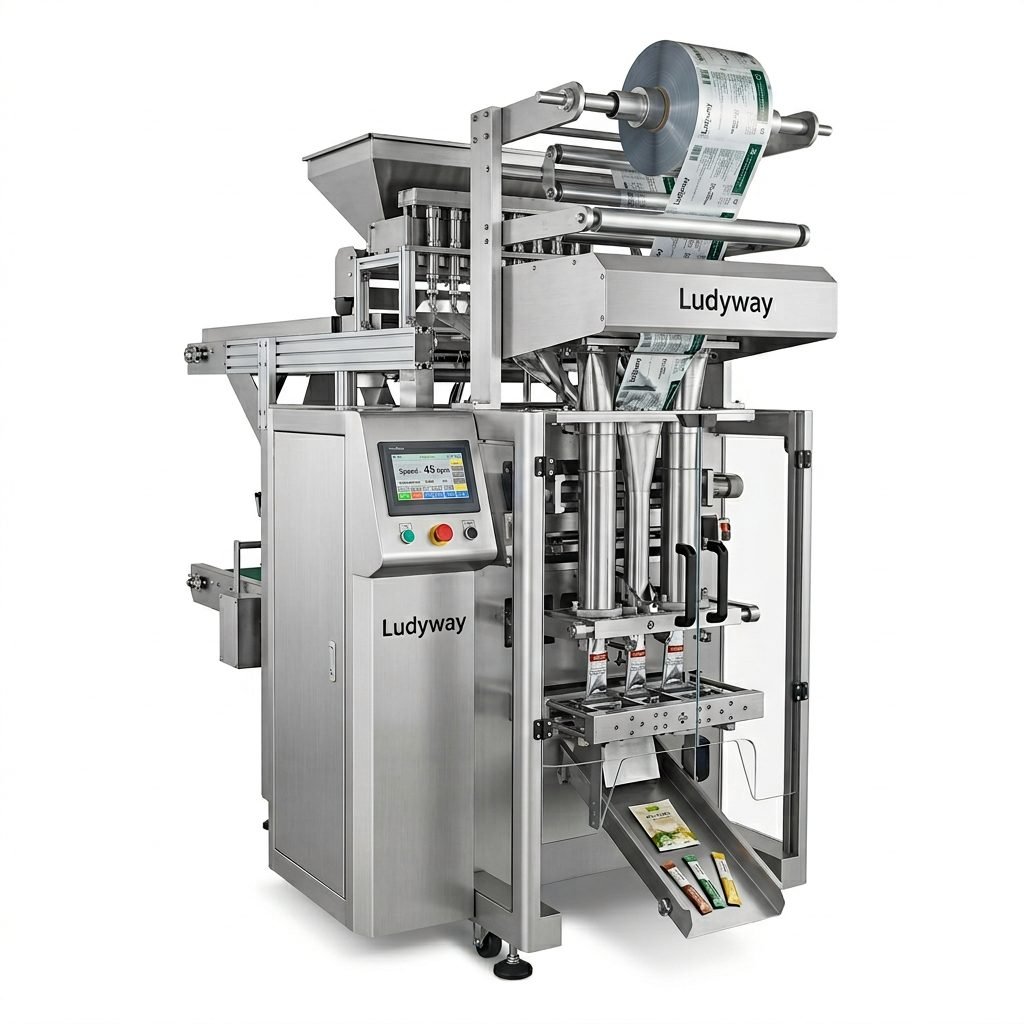
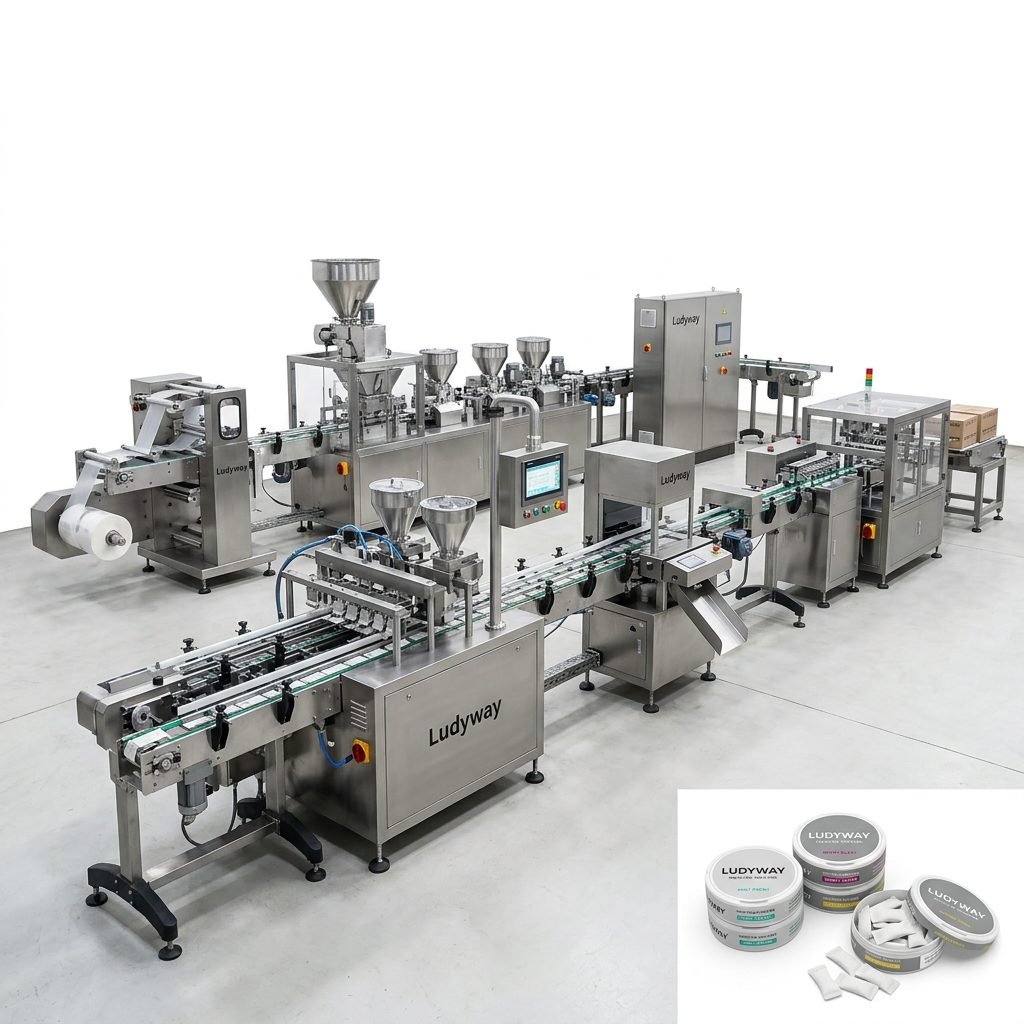
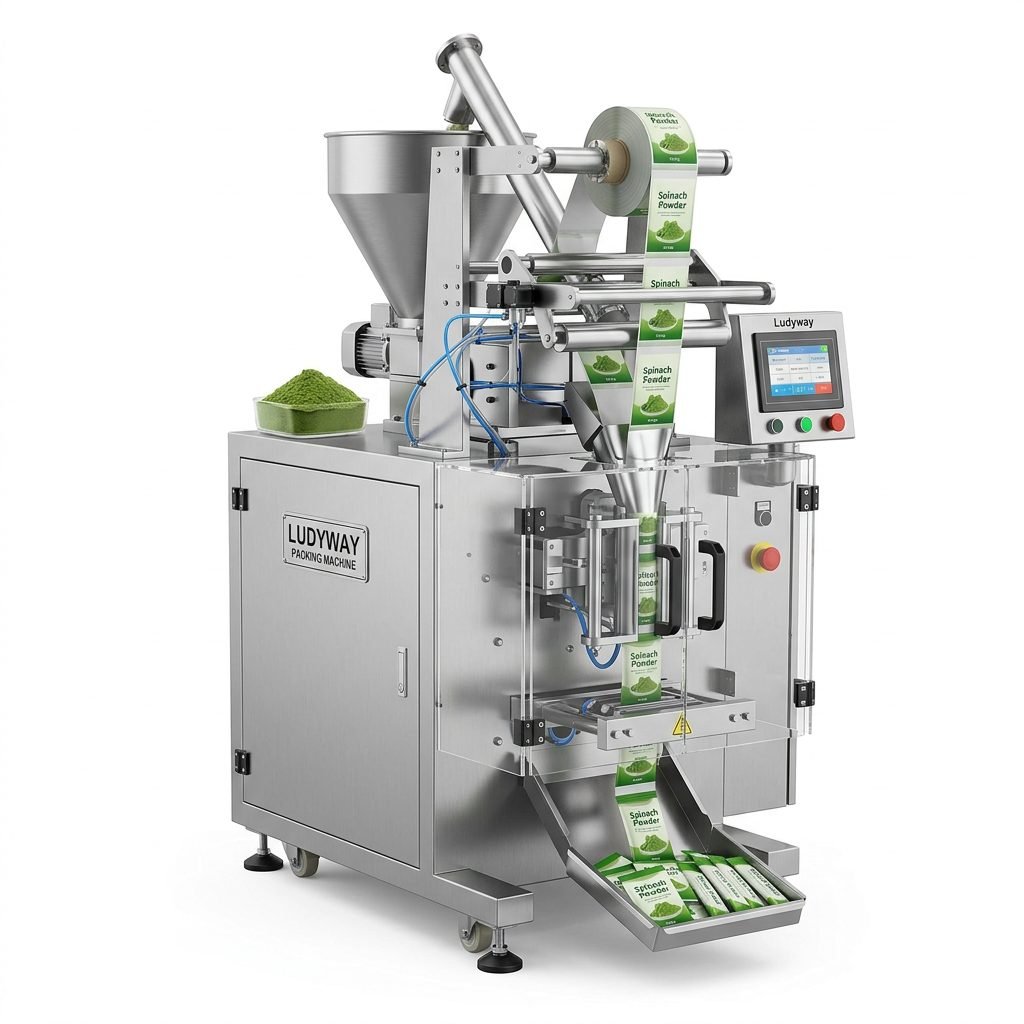
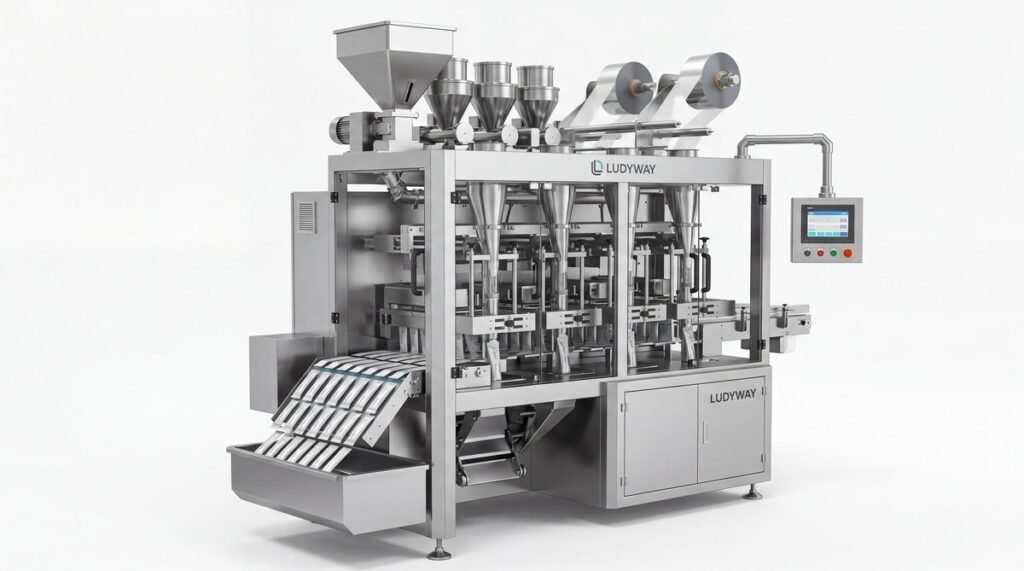
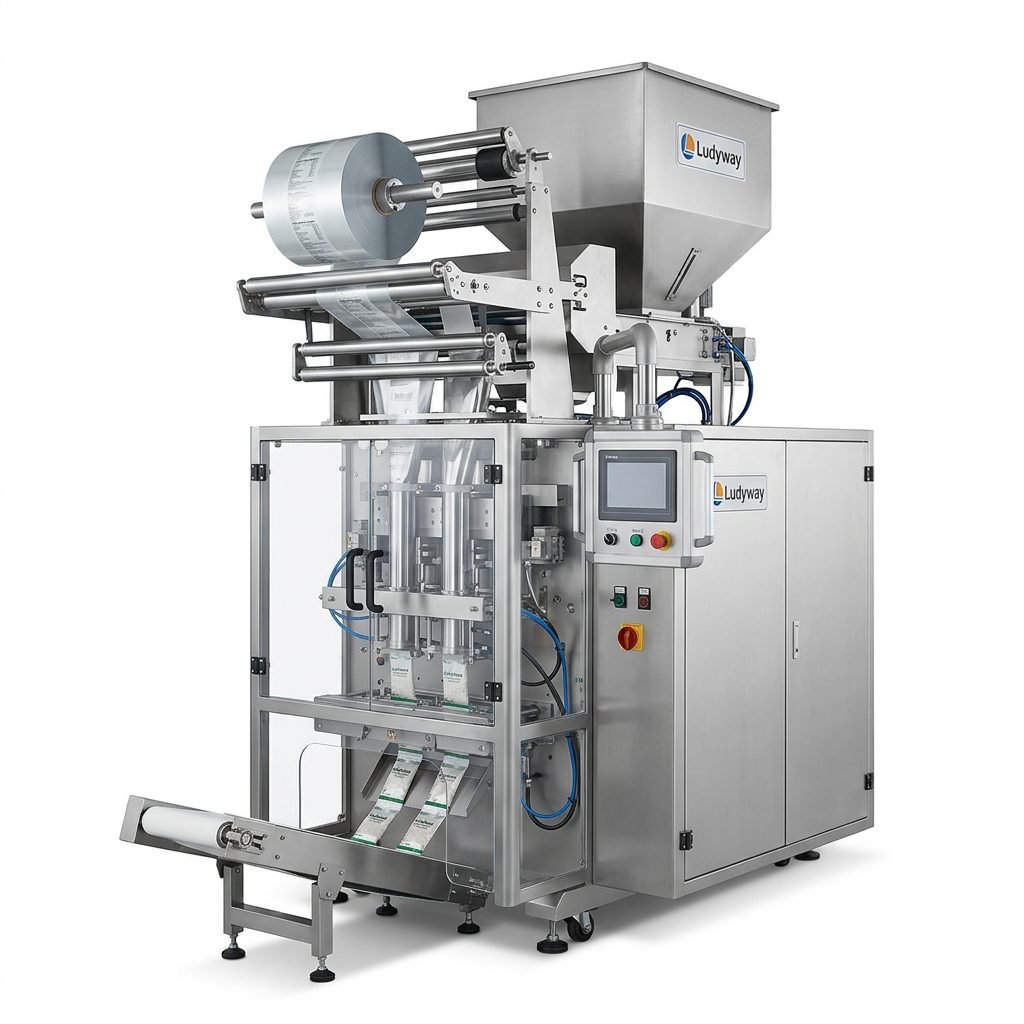
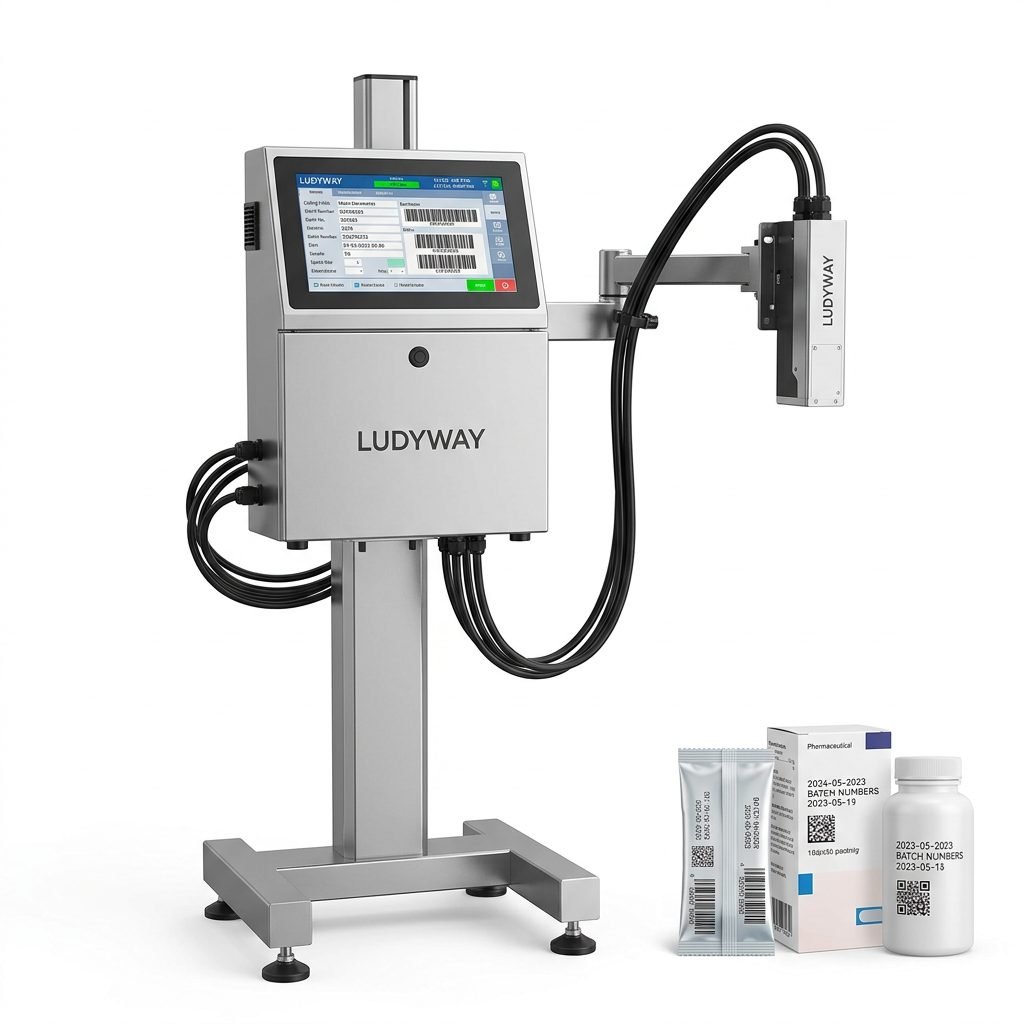
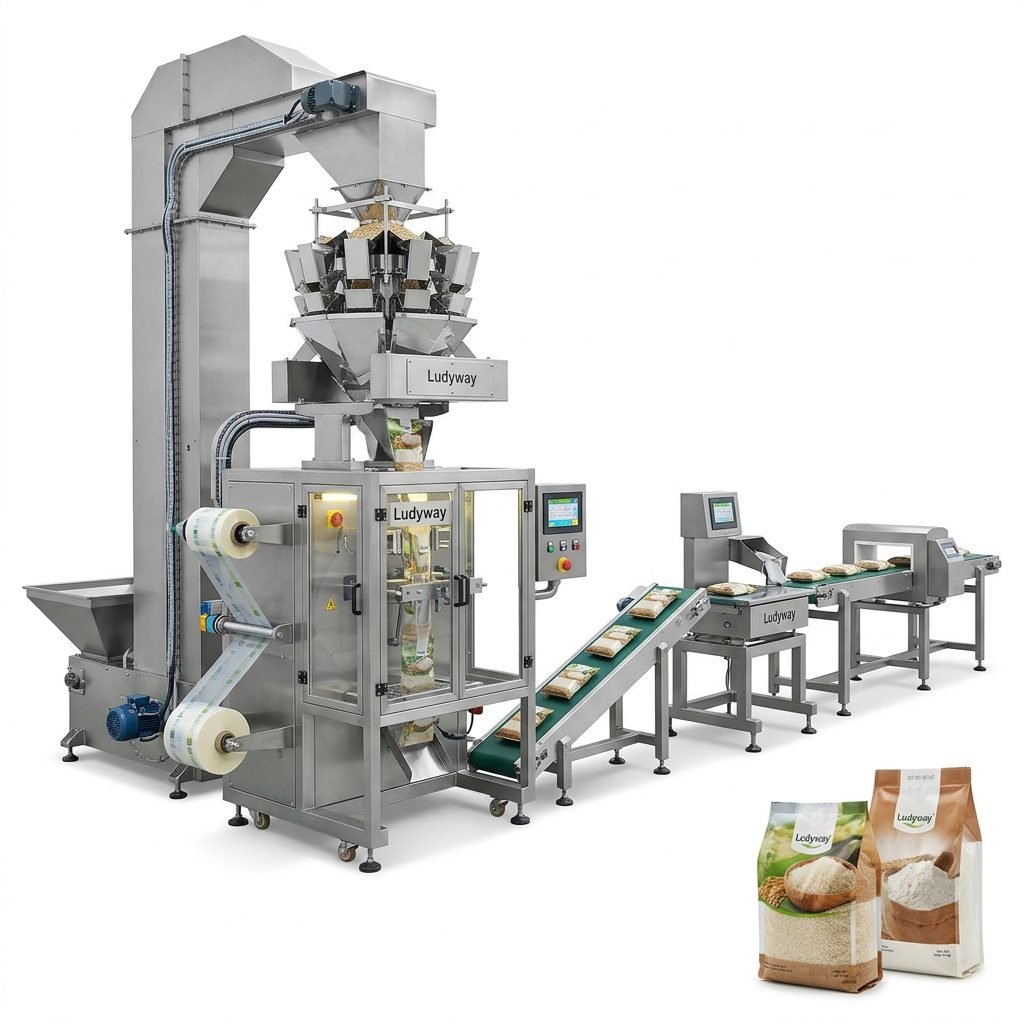
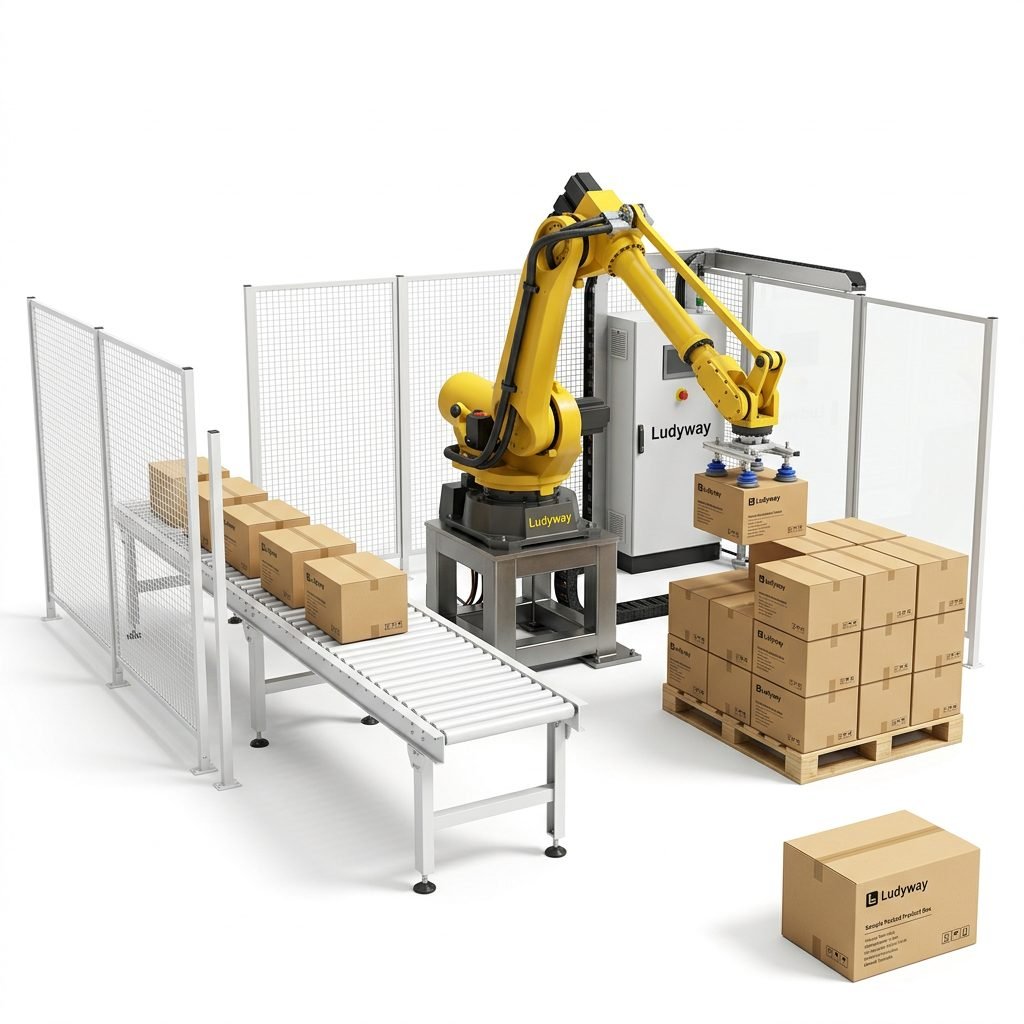
For companies seeking turnkey solutions, Ludyway offers one of the industry’s most comprehensive ranges of vacuum packaging equipment, with over 50 intelligent packaging machine models designed for diverse applications including food, pharmaceutical, and industrial sectors. Their expertise spans granule, powder, liquid, and pouch packaging applications, supported by engineering teams experienced in international project deployment.
Installation, Commissioning, and Production Ramp-Up
The installation phase requires meticulous planning and coordination. For international equipment shipments, factor in customs clearance timelines which can range from 2-6 weeks depending on the destination country and product classification. Brazil’s complex tax structure and import documentation requirements warrant particular attention, often necessitating engagement with a local customs broker experienced in industrial machinery imports.
Commissioning should follow a structured validation protocol including installation qualification (IQ), operational qualification (OQ), and performance qualification (PQ) stages. This systematic approach ensures the vacuum packaging line meets specified performance criteria before entering full production. Allow 1-2 weeks for commissioning activities and an additional 2-4 weeks for gradual production ramp-up while operators gain proficiency with the new equipment.

Maintenance, After-Sales Support, and Spare Parts Management
Establishing a robust maintenance and support framework is crucial for long-term operational success. South America’s geography presents unique challenges for equipment servicing, with significant distances between major industrial centers. A proactive approach includes:
- Strategic spare parts inventory – Stocking critical components such as sealing bars, vacuum pumps, gaskets, and electronic sensors locally to minimize downtime during repairs.
- Remote diagnostic capability – Modern vacuum packaging machines increasingly support remote troubleshooting via internet connectivity, allowing technical teams to resolve many issues without dispatching field service personnel.
- Regional service partnerships – Where equipment manufacturers do not maintain direct service presence in South America, establishing relationships with qualified local technicians and service providers is essential for timely support.
For additional technical guidance on packaging machinery standards and operational best practices, the PMMI packaging industry resources portal provides comprehensive documentation applicable to international packaging operations.
Future-Proofing Your Vacuum Packaging Investment
The South American packaging market continues to evolve rapidly, driven by automation trends, sustainability requirements, and digital transformation. When designing your vacuum packaging production line, consider scalability and technology upgrade paths that will keep your operation competitive. Features such as IoT-enabled monitoring, energy-efficient vacuum pump technology, and compatibility with recyclable packaging materials are increasingly valued by both regulators and consumers across the region.
The packaging regulatory landscape is also shifting, with the European Commission’s packaging waste regulations influencing global standards that South American exporters must increasingly meet. Staying informed about these developments and building flexibility into your production line design will position your operation for sustained growth in this dynamic market.
Establishing a vacuum packaging machine production line in South America represents a strategic investment in one of the world’s most promising packaging markets. By carefully addressing equipment selection, regulatory compliance, workforce development, and supply chain strategy, manufacturers can build efficient, reliable operations that capitalize on the region’s growing demand for high-quality packaged products. With proper planning and execution, your South American vacuum packaging facility can become a cornerstone of your global production network.