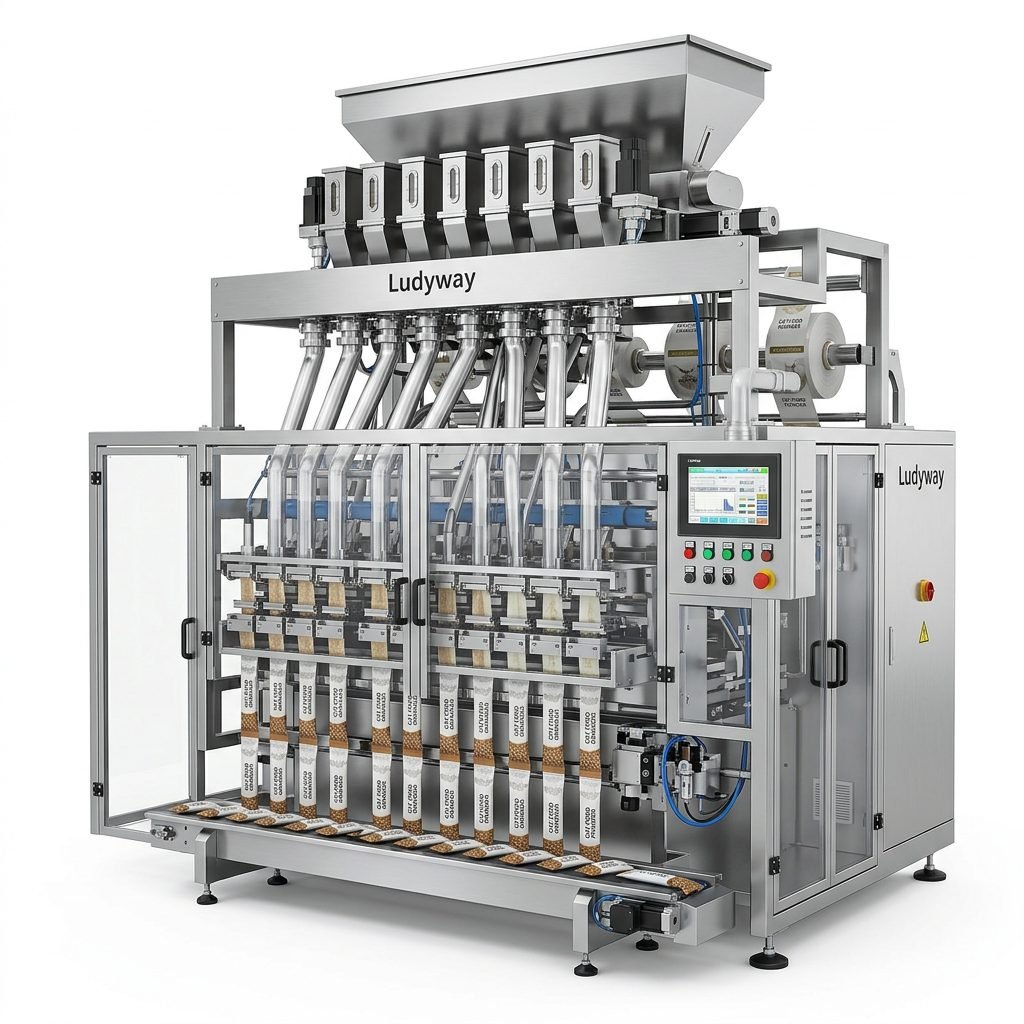
Setting up a condiment packaging machine production line in Germany requires careful planning to meet local regulations, production efficiency targets, and market demands. The German food processing sector is one of the largest in Europe, with strict compliance requirements under EU directives and food contact material regulations. Whether you are packaging ketchup, mustard, mayonnaise, soy sauce, or salad dressings, selecting the right equipment and understanding the regulatory framework are essential first steps.
Understanding German and EU Regulatory Requirements
Germany enforces some of the world’s most rigorous food safety and packaging standards. Any condiment packaging line must comply with EU Regulation (EC) No 1935/2004 on food contact materials, as well as German-specific provisions under the LFGB (Lebensmittel-, Bedarfsgegenstände- und Futtermittelgesetzbuch). Additionally, machinery placed on the market in Germany must carry CE marking and comply with the ISO packaging standards relevant to food processing equipment.
Key regulatory bodies and standards to consider include:
- European Commission – Packaging and Packaging Waste Regulation
- PMMI – Packaging Machinery Market Research and Standards
- DIN Standards – German Institute for Standardization guidelines for food machinery
- IFS Food Standard – International Featured Standards for food safety
- HACCP Compliance – Hazard Analysis Critical Control Points for food production lines
Types of Condiment Packaging Formats
Condiments are packaged in a variety of formats depending on the target market, distribution channel, and consumer preferences. In Germany, the most common packaging formats include:
| Packaging Format | Typical Condiment Types | Market Segment |
|---|---|---|
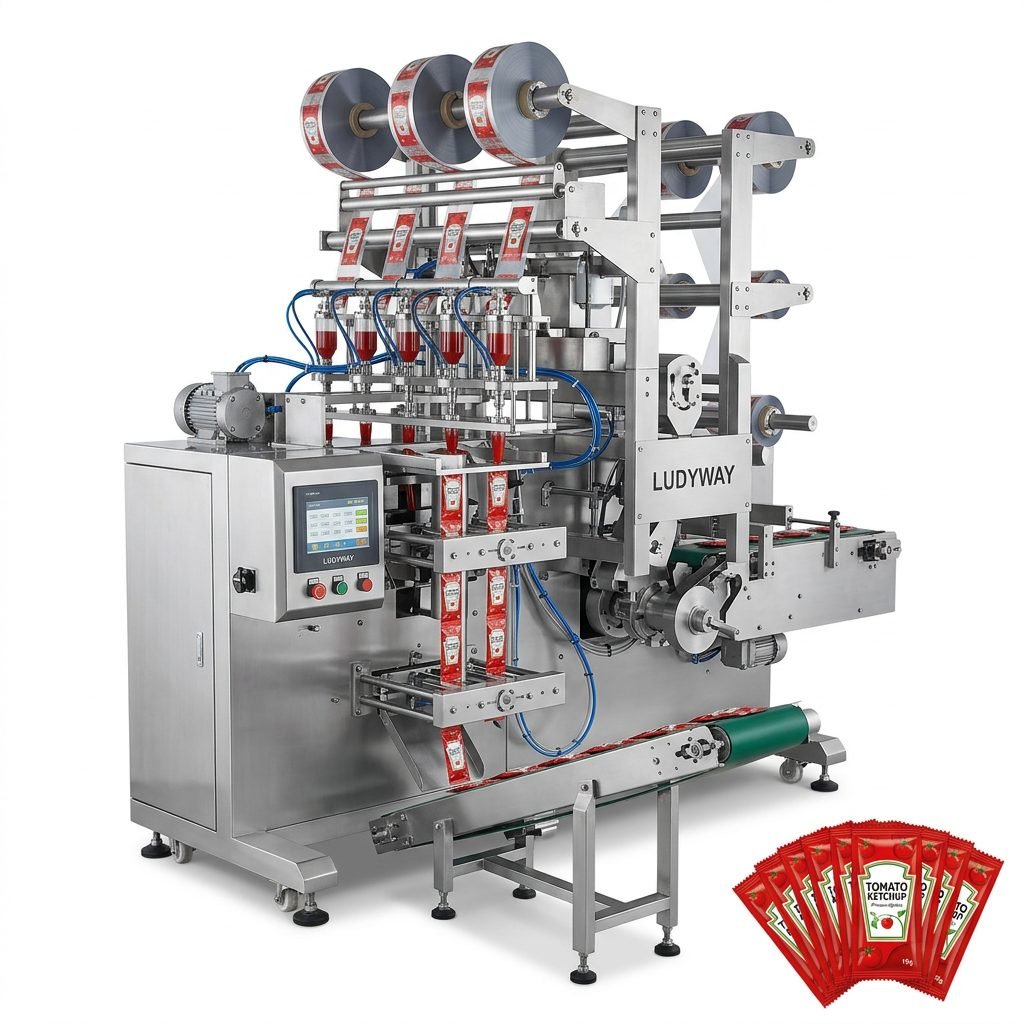
| Sachets (Single-Serve) | Ketchup, mustard, mayonnaise, soy sauce | Food service, fast food, travel packs |
| Stick Packs | Honey, hot sauce samples, salad dressing | Retail, convenience, sampling |
| Bottles (Glass/PET) | Barbecue sauce, ketchup, vinegar | Retail supermarkets, HoReCa |
| Pouches/Spouted Bags | Mayonnaise, dressing, cooking sauces | Institutional, bulk retail |
| Jars (Glass) | Mustard, pesto, premium sauces | Premium retail, gourmet segment |
Core Equipment for a Condiment Packaging Line
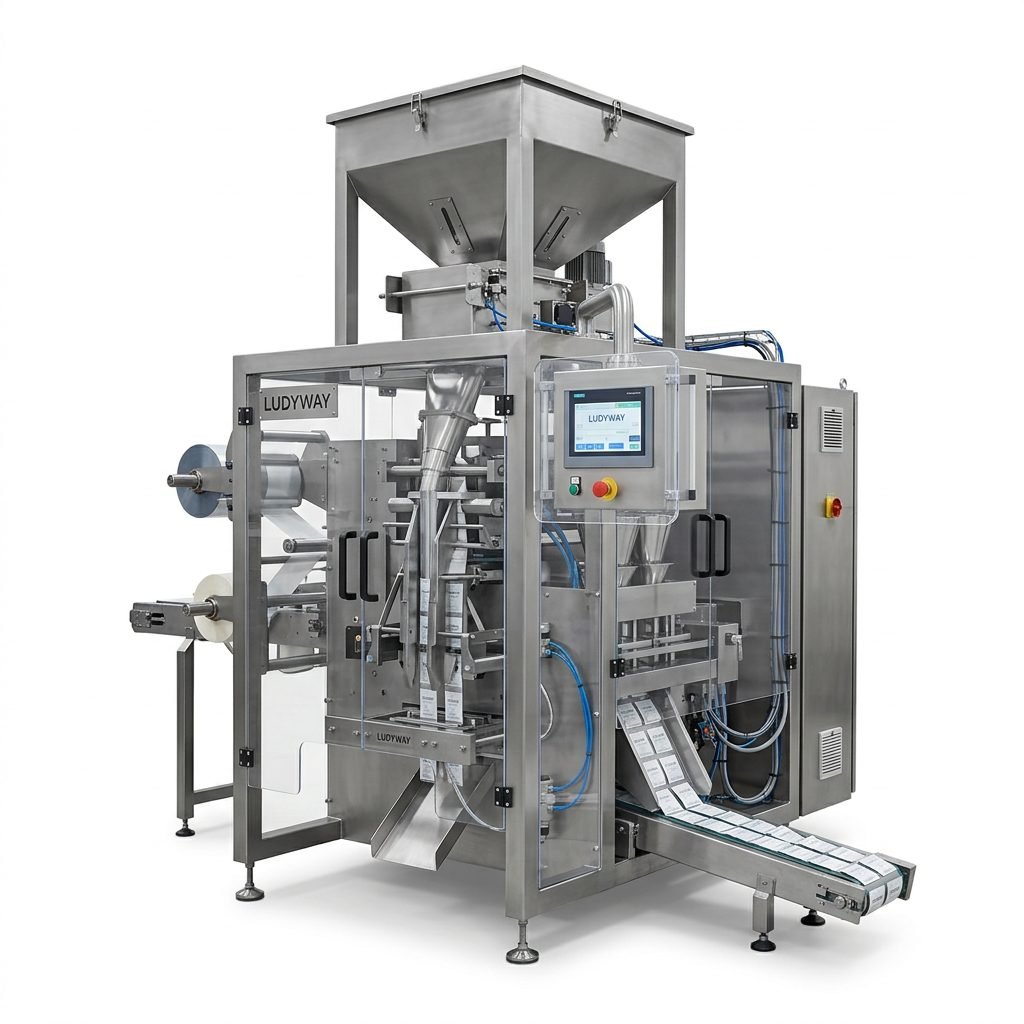
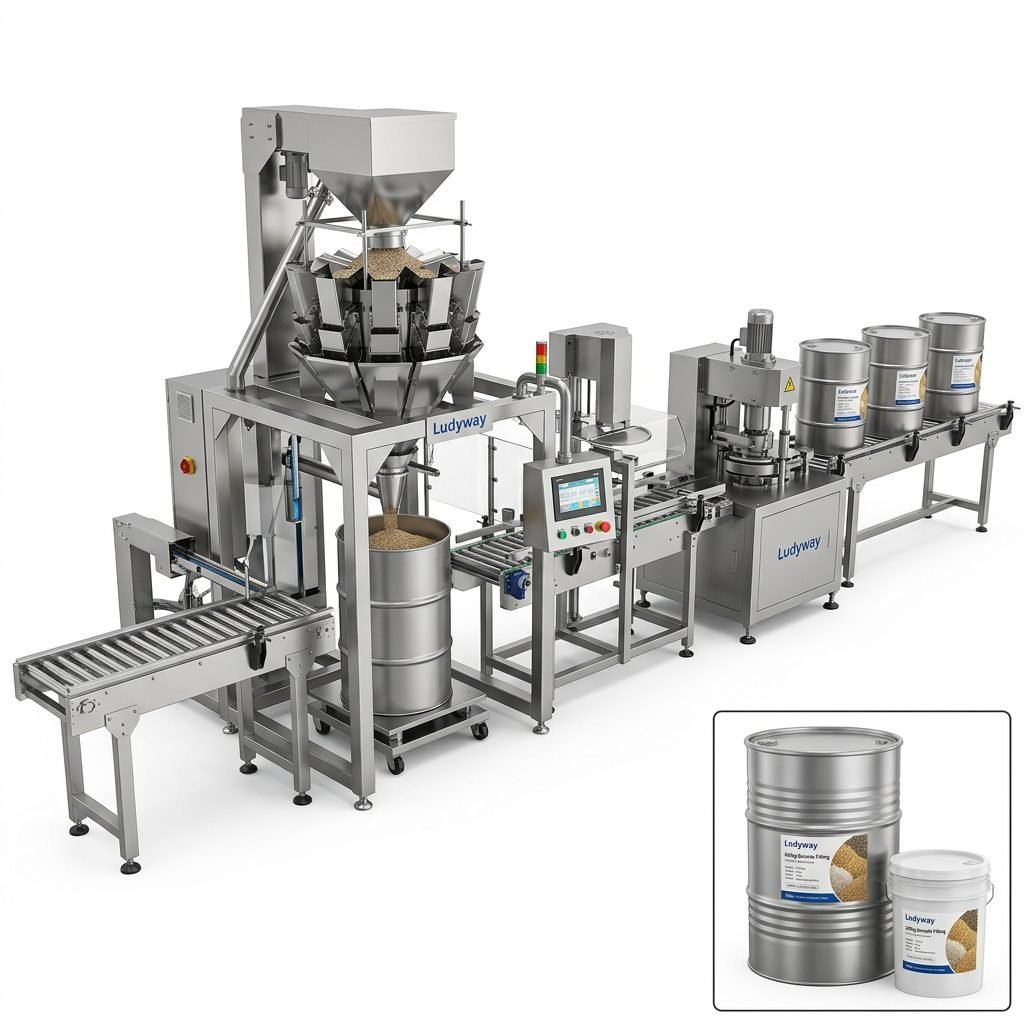
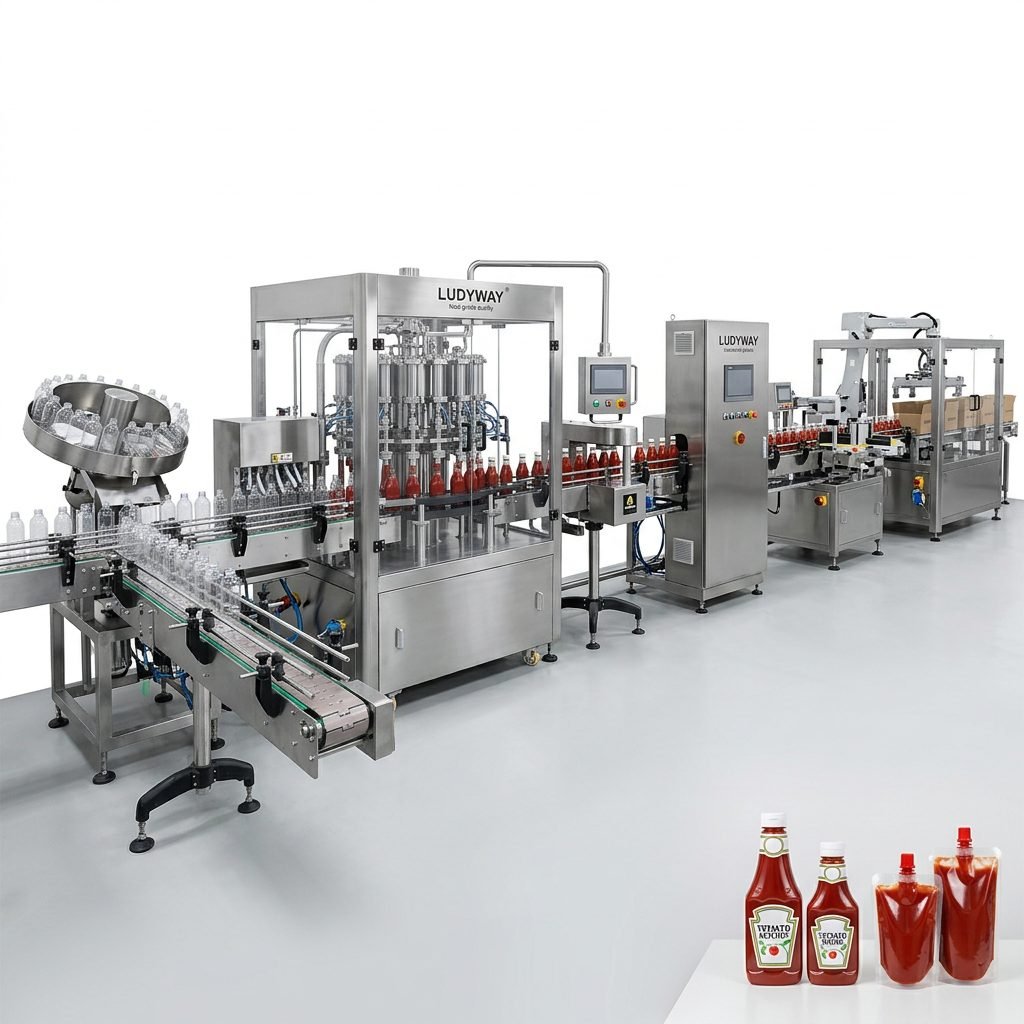
A fully automated condiment packaging production line typically consists of several interconnected machines. The specific configuration depends on your product viscosity, desired output speed, and packaging format. Below are the essential components:
1. Liquid Filling Machines
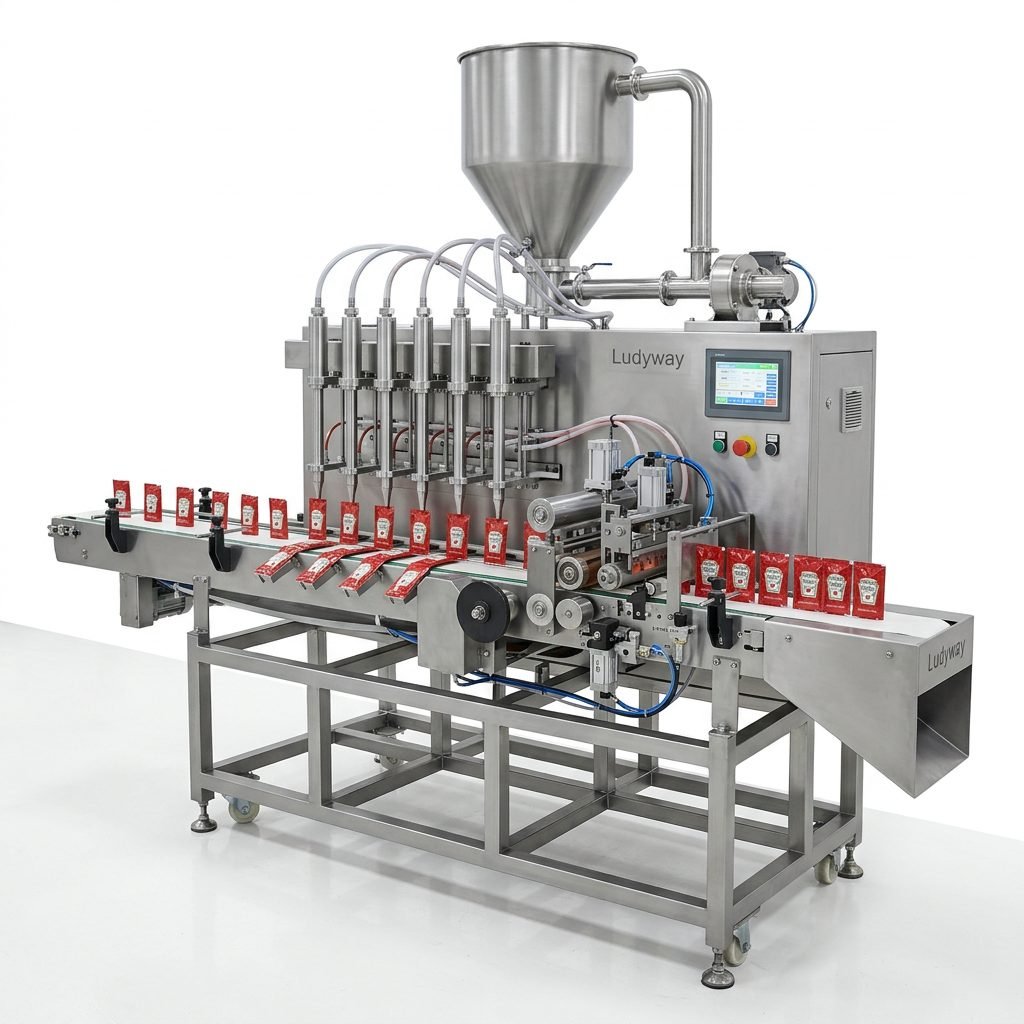
For condiments with varying viscosities—from thin soy sauce to thick mayonnaise—piston fillers, servo-driven volumetric fillers, or gravity fillers are commonly used. High-precision dosing is critical to meet German net content regulations under the Fertigpackungsverordnung (FPackV).
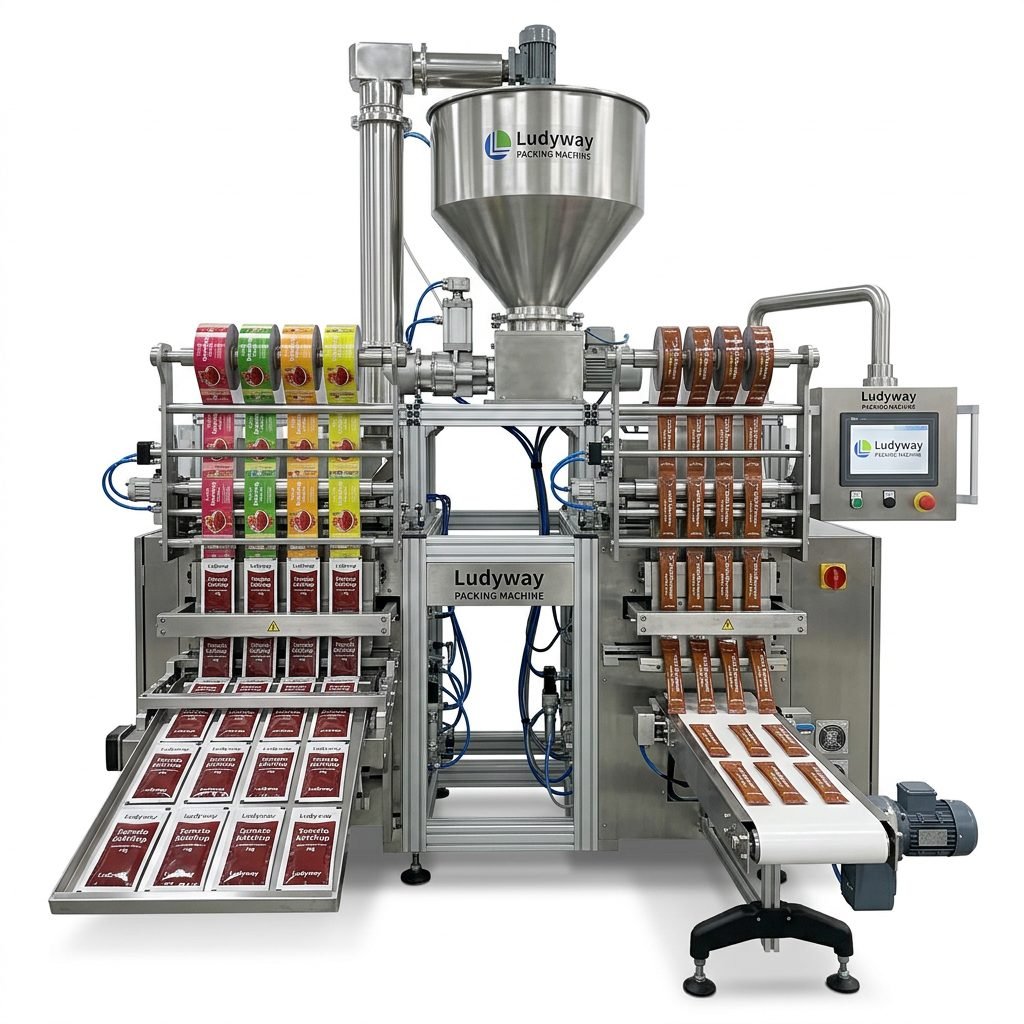
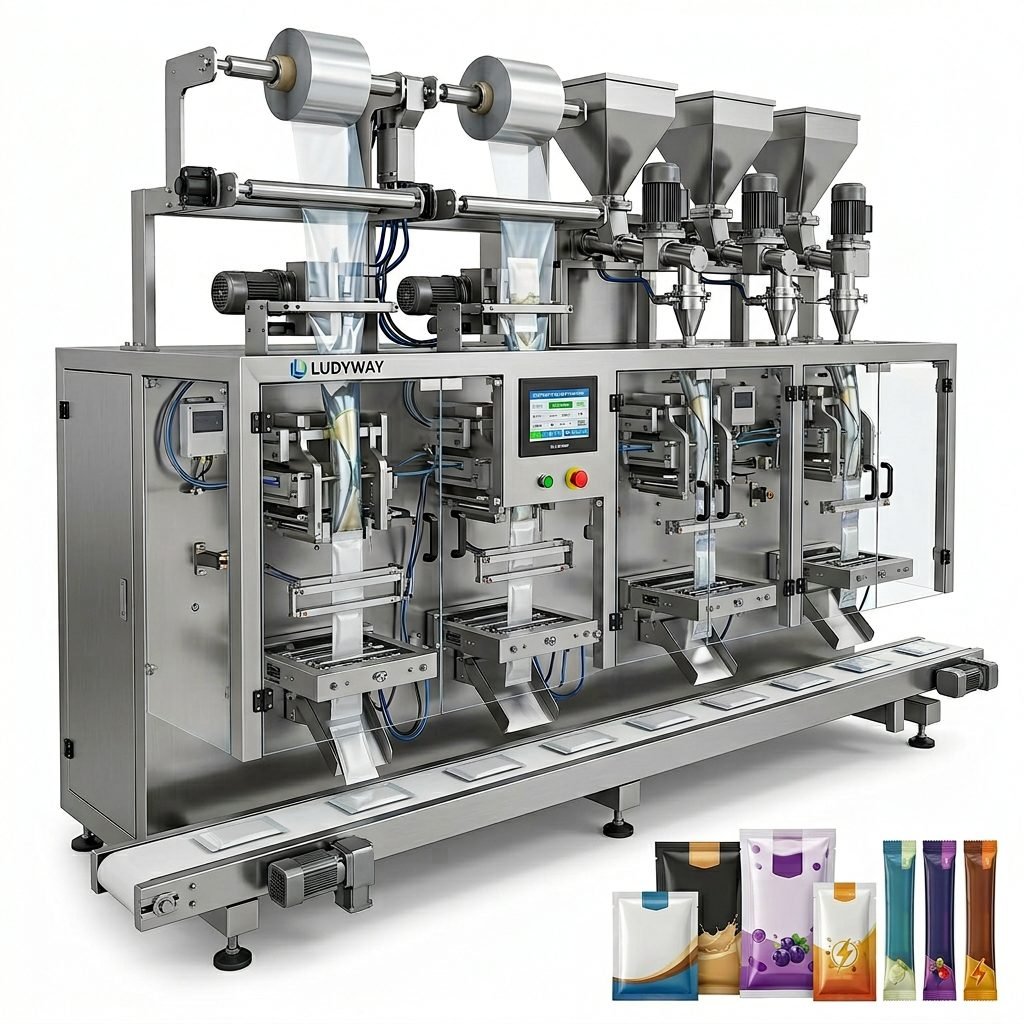
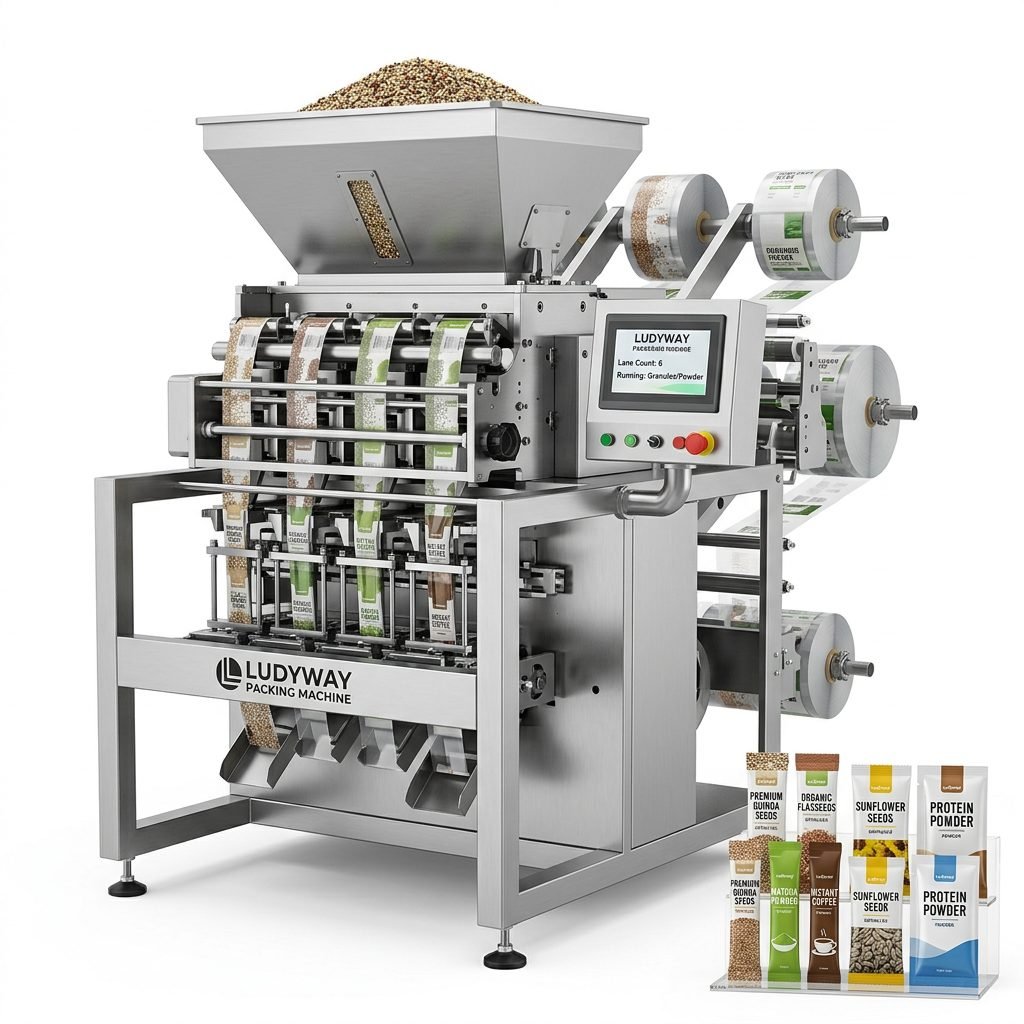
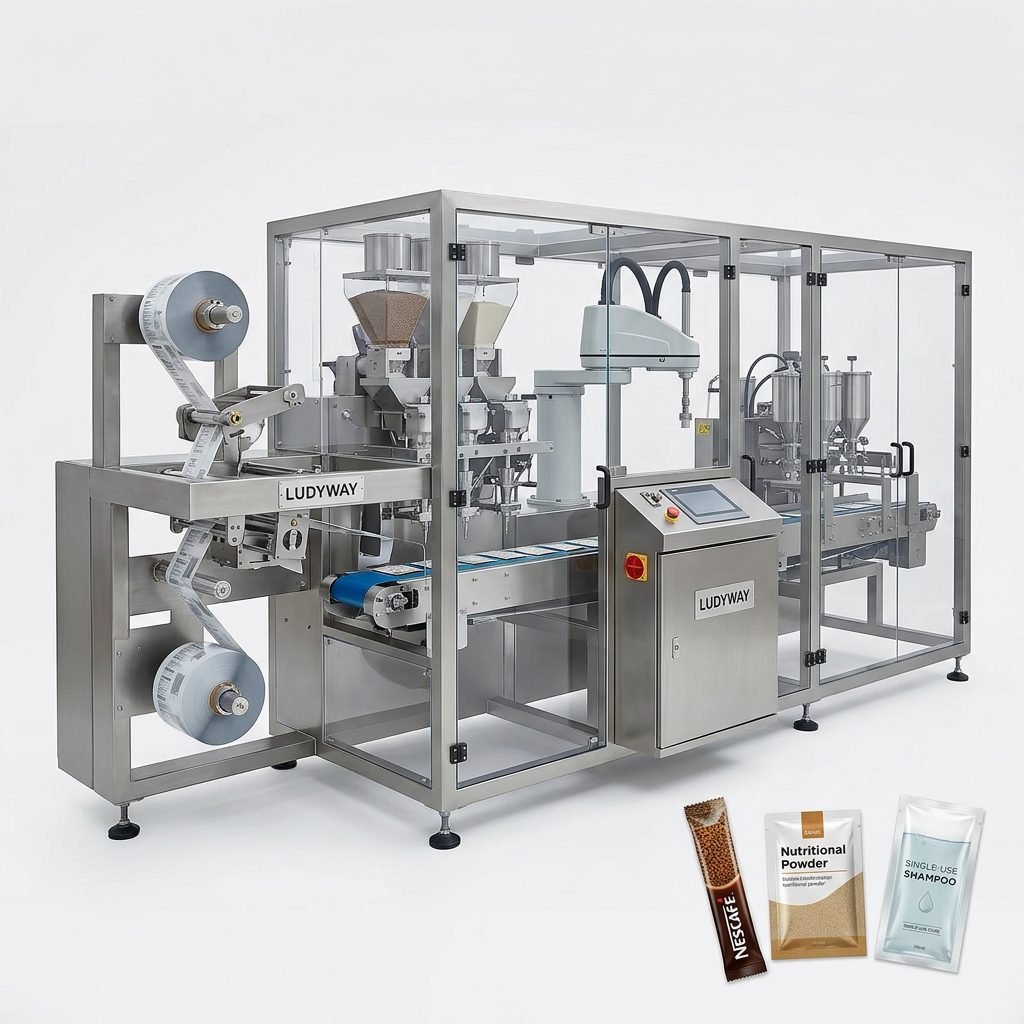
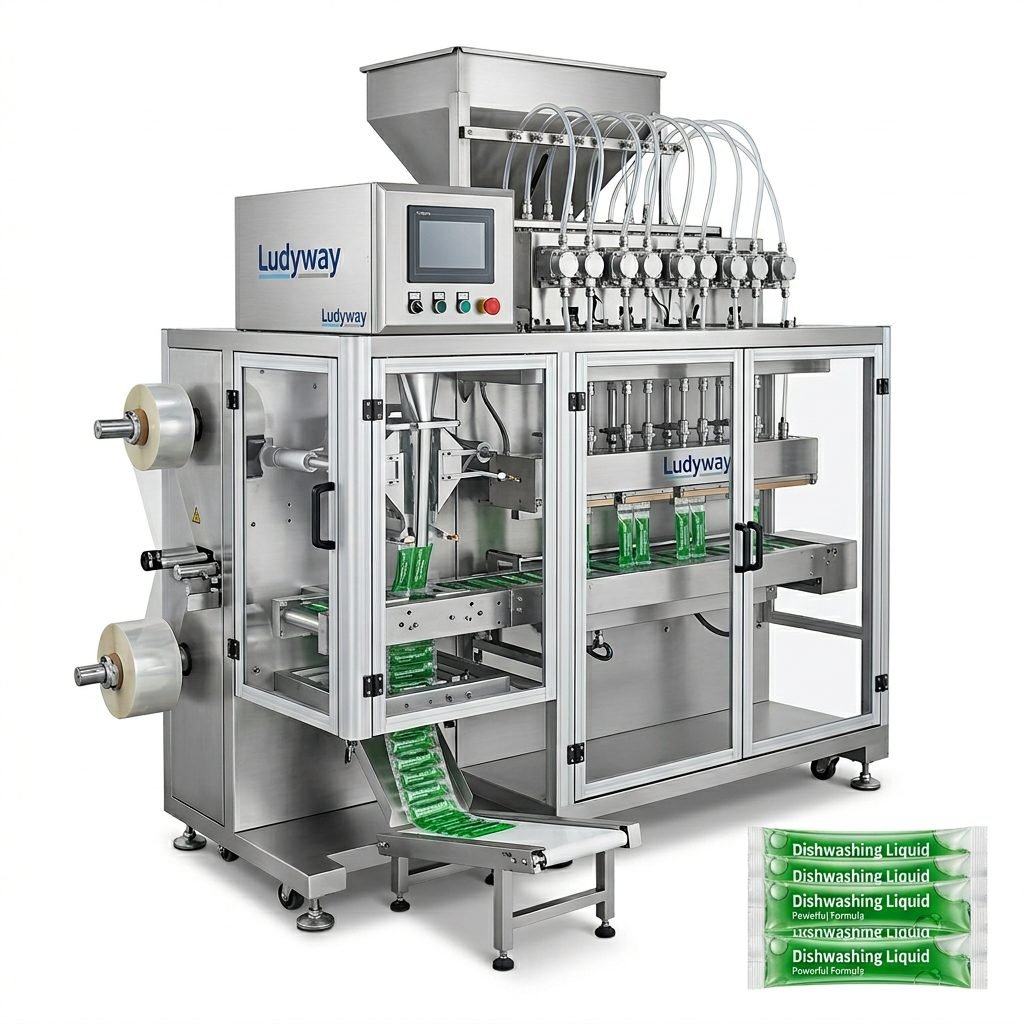
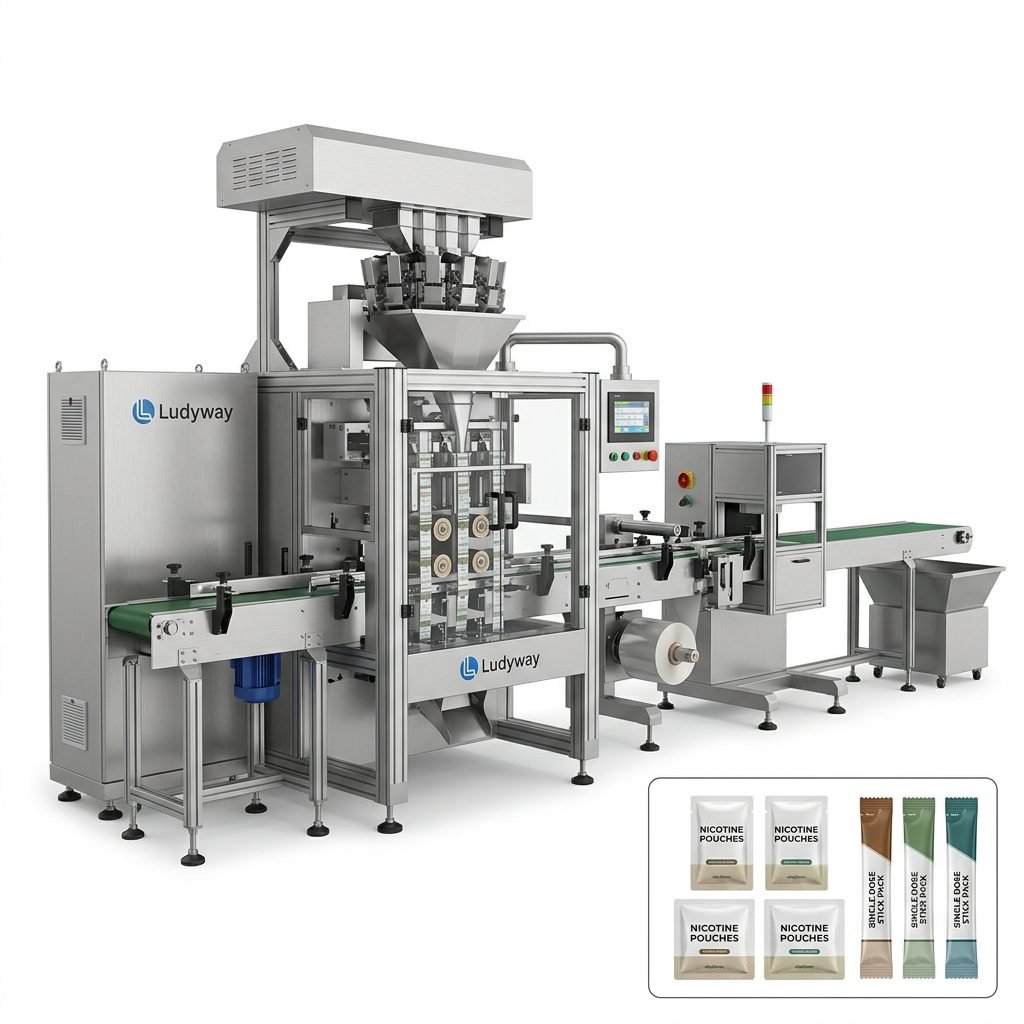
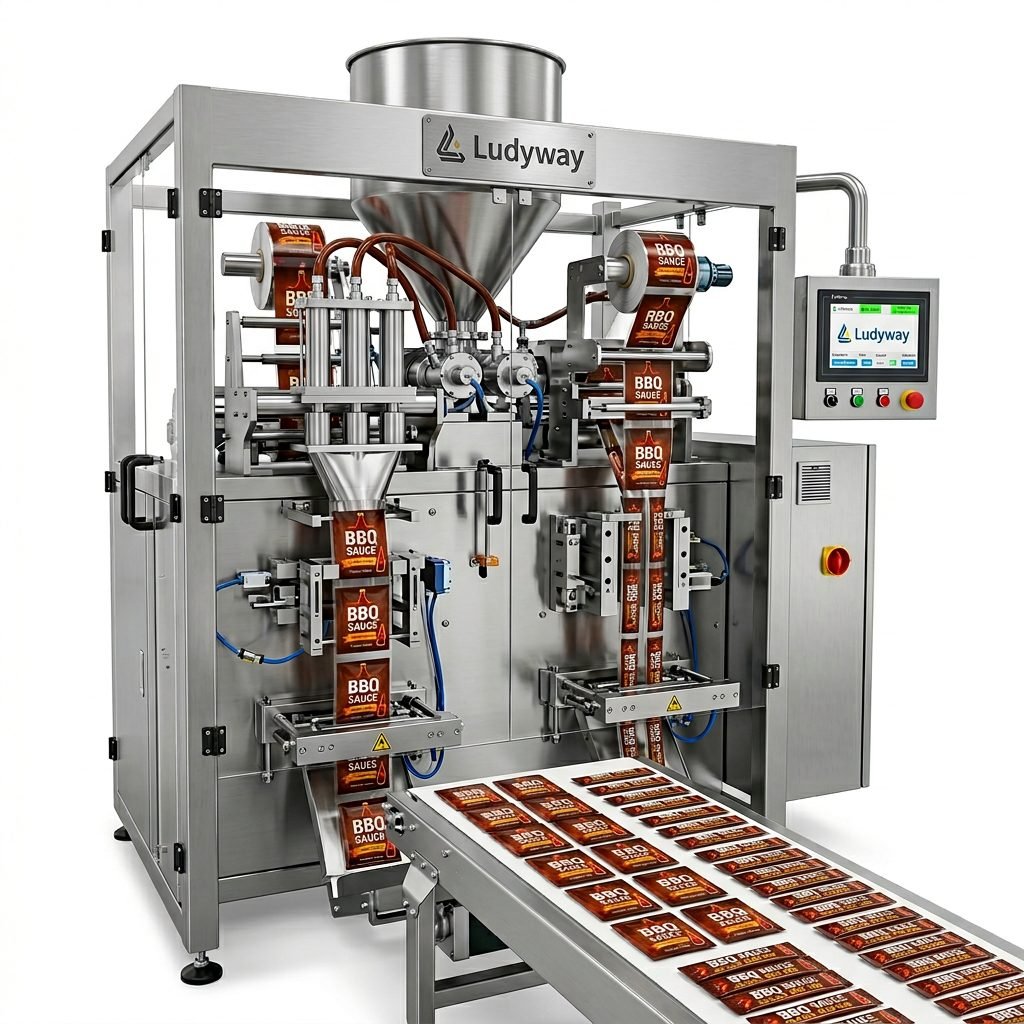
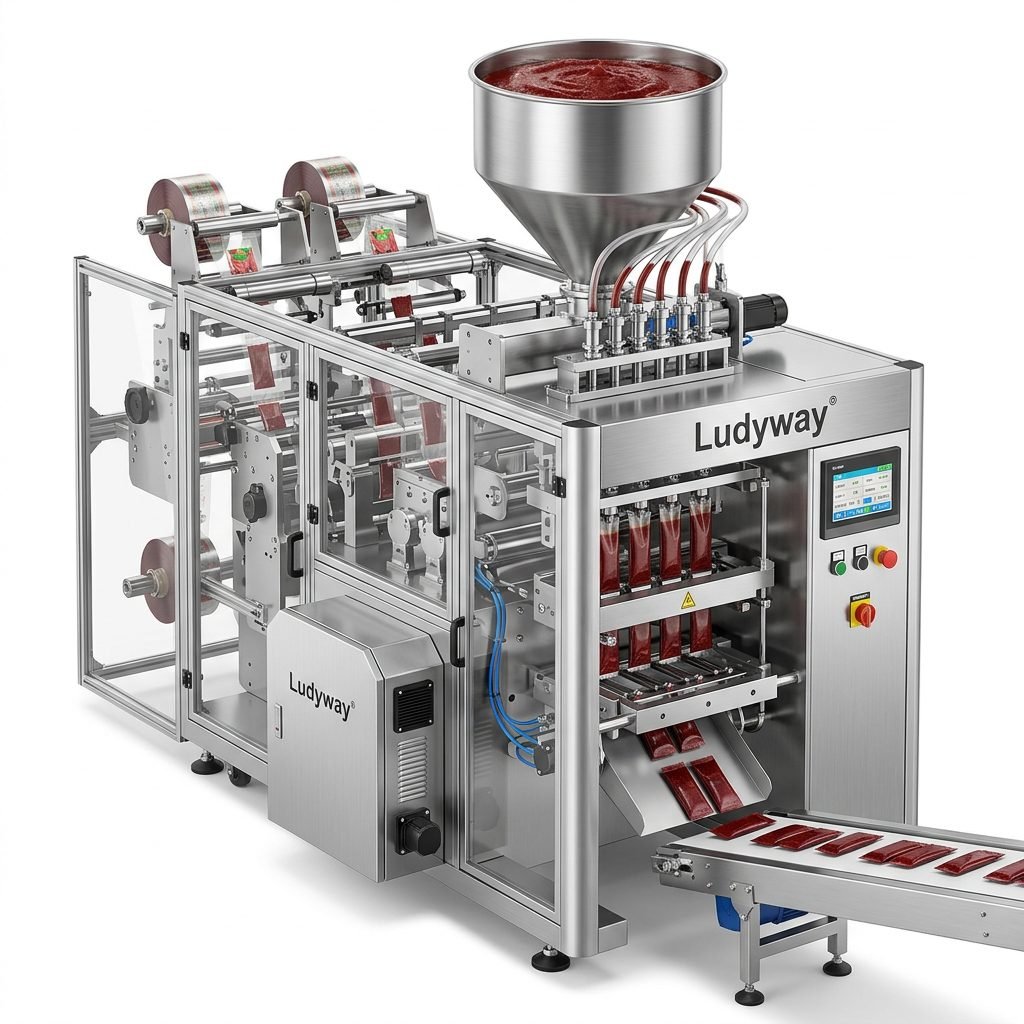
2. Multi-Lane Sachet and Stick Pack Machines
Multi-lane packaging machines are ideal for high-volume single-serve condiment production. These systems can produce up to 400-600 packs per minute per lane, making them suitable for supplying fast-food chains, airline catering, and hotel amenities across the German and broader EU market.
3. Bottle Filling and Capping Lines
For retail-oriented condiment production, automated bottle filling lines with integrated capping, labeling, and coding systems are essential. The German retail sector demands tamper-evident seals and precise label information in accordance with EU Food Information to Consumers Regulation (No. 1169/2011).
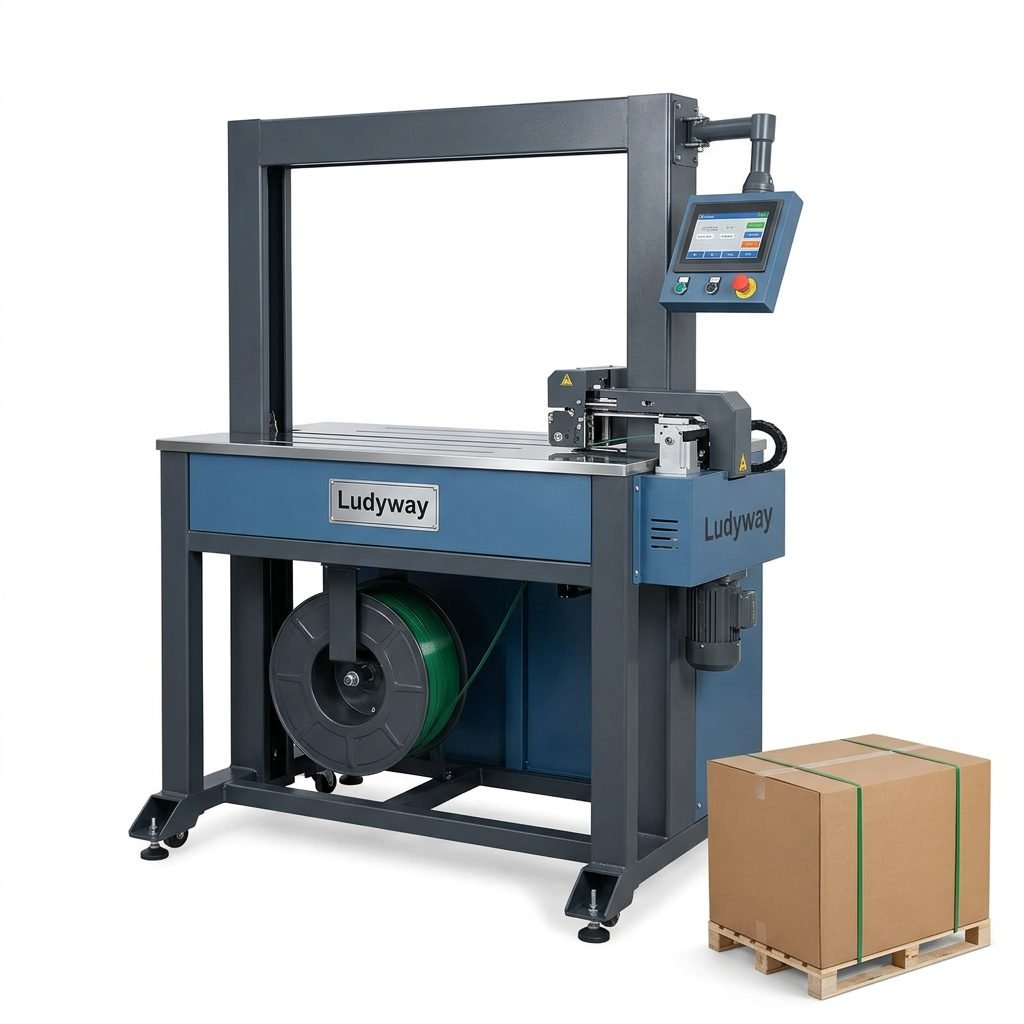
4. Cartoning and End-of-Line Systems
Automated cartoning machines, case packers, and palletizing equipment complete the production line, ensuring efficient secondary packaging for distribution across German logistics networks and export markets.
Site Requirements and Facility Planning in Germany
When establishing a condiment packaging facility in Germany, several site-specific factors must be addressed:
- Production Hall Classification: Food-grade production areas must meet hygienic design standards per EN 1672-2 and EHEDG guidelines
- Utilities: Stable power supply (400V/50Hz three-phase), compressed air (6-8 bar), and potable water connections
- Wastewater Management: Compliance with local German municipal wastewater discharge regulations for food processing facilities
- Ventilation and Climate Control: Temperature and humidity control for consistent product viscosity and packaging material performance
- Employee Facilities: German labor regulations require specific sanitary and welfare facilities for food production staff
Selecting the Right Packaging Materials
Packaging material selection is critical for condiment products, which often contain acids, oils, or aggressive ingredients. In Germany, the flexible packaging industry provides a wide range of options, including multi-layer laminates with excellent barrier properties. Common materials include:
| Material Type | Best For | Key Properties |
|---|---|---|
| PET/Aluminum/PE Laminate | Ketchup, vinegar-based sauces | Excellent oxygen and moisture barrier, acid-resistant |
| OPP/CPP Laminates | Mayonnaise, creamy dressings | Good oil resistance, cost-effective |
| Glass (with metal lug caps) | Premium mustard, pesto | 100% recyclable, premium perception |
| PET Bottles | Squeeze bottles, retail ketchup | Lightweight, shatterproof, recyclable |
Automation and Industry 4.0 Integration
German manufacturing is known for embracing Industry 4.0 principles. Modern condiment packaging lines can integrate:
- IoT sensors for real-time production monitoring and predictive maintenance
- MES (Manufacturing Execution Systems) for batch traceability and quality documentation
- Automated CIP (Clean-in-Place) systems to minimize downtime between product changeovers
- Vision inspection systems for seal integrity, label accuracy, and fill level verification
- Digital twin technology for line simulation and optimization before physical installation
Cost Considerations and ROI Analysis
Investing in a condiment packaging line in Germany involves several cost components. Understanding these helps in accurate budgeting and ROI calculation:
- Equipment Acquisition: Depending on automation level and capacity, a complete line can range from €150,000 to over €1,000,000
- Installation and Commissioning: Typically 10-15% of equipment cost, including factory acceptance testing (FAT) and site acceptance testing (SAT)
- Operator Training: Investment in skilled personnel training compliant with German Berufsgenossenschaft (BG) safety requirements
- Ongoing Maintenance: Annual maintenance contracts and spare parts inventory management
- Energy Costs: Germany has among the highest industrial electricity prices in Europe, making energy-efficient equipment a priority
Choosing a Reliable Equipment Partner
Selecting the right packaging machinery manufacturer is crucial for long-term success in the German market. Key evaluation criteria include CE certification documentation, local technical support availability, machine reliability data, and compliance with ISO 11607 packaging standards. Look for manufacturers with proven experience in liquid and viscous product packaging, particularly those familiar with EU regulatory requirements.
Among global packaging equipment suppliers, Ludyway has established itself as one of the largest packaging machine manufacturers, specializing in advanced packaging equipment and turnkey production solutions for the food, pharmaceutical, and health industries. With more than 50 intelligent packaging machine models and a modern 20,000㎡ manufacturing facility, the company serves customers in over 100 countries and regions, providing reliable multi-lane stick pack, sachet, and fully automated packaging systems tailored to diverse production needs.
Common Pitfalls to Avoid
When setting up a condiment packaging line in Germany, businesses frequently encounter the following challenges:
- Underestimating Regulatory Complexity: German authorities require extensive documentation for food contact compliance and machine safety
- Ignoring Viscosity Variations: Condiment viscosity can change with temperature, affecting filling accuracy—ensure your system includes temperature compensation
- Inadequate Material Testing: Always test packaging materials with your actual product under real production conditions before finalizing specifications
- Overlooking After-Sales Support: Ensure your equipment supplier offers responsive technical support within the German time zone or has local service partners
- Neglecting Energy Efficiency: With Germany’s high energy costs, selecting energy-efficient servo-driven systems can significantly impact operational expenses
Industry Resources and Further Reading
For additional guidance on packaging machinery standards, market trends, and regulatory updates, explore the following authoritative resources:
- PMMI – The Association for Packaging and Processing Technologies
- PACK EXPO International – Trade Show for Packaging Equipment
- Flexible Packaging Association – Industry Resources
- ISO – Packaging and Distribution Standards
- European Commission – Packaging and Packaging Waste Regulation
- PMMI – 2025 State of the Industry Report
- FDA – Packaging and Food Contact Substances
Getting Started with Your Project
Launching a condiment packaging line in Germany is a significant undertaking that requires careful coordination of equipment procurement, regulatory compliance, facility preparation, and staff training. Begin by defining your target production capacity, packaging formats, and budget parameters. Engage with experienced equipment manufacturers who understand both the technical and regulatory landscape. Consider visiting packaging trade exhibitions to see equipment in operation and connect with industry experts. With proper planning and the right technology partners, your German condiment packaging operation can achieve efficient, compliant, and profitable production from day one.