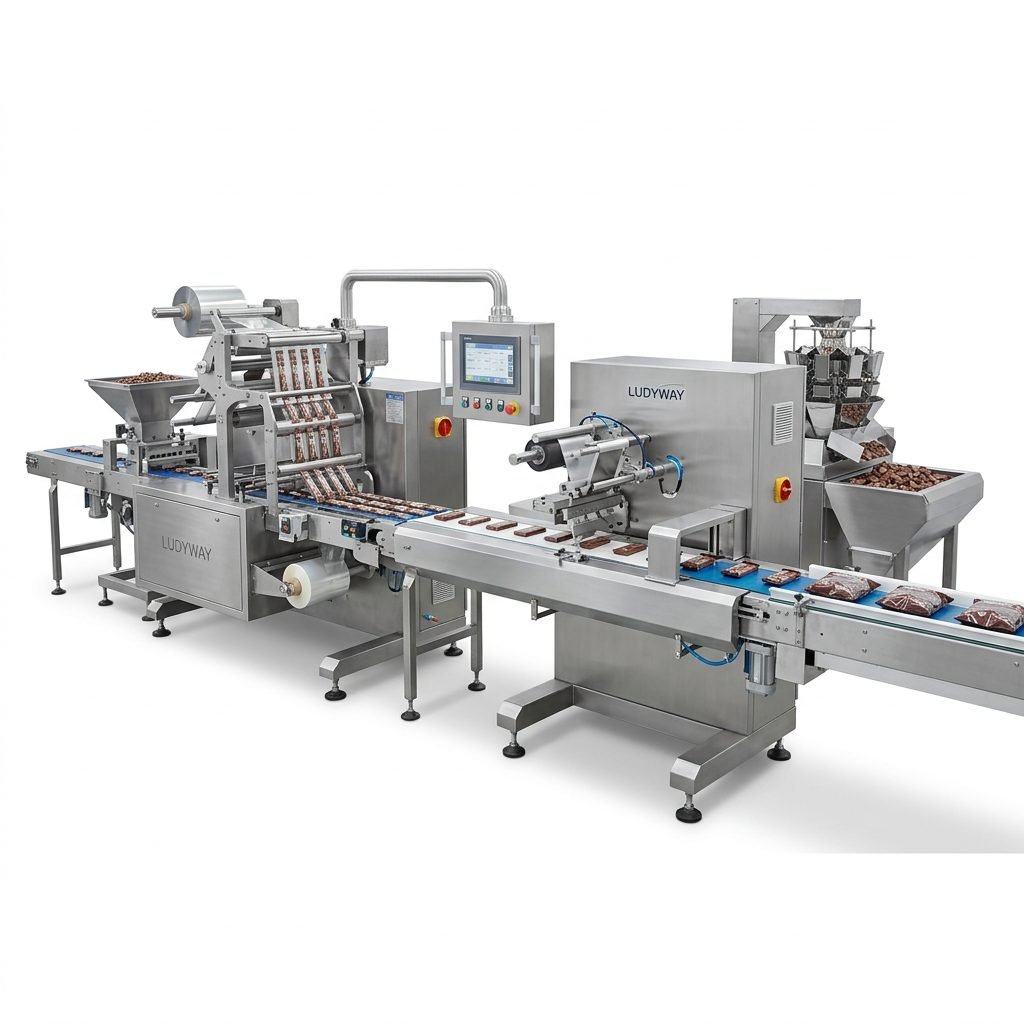
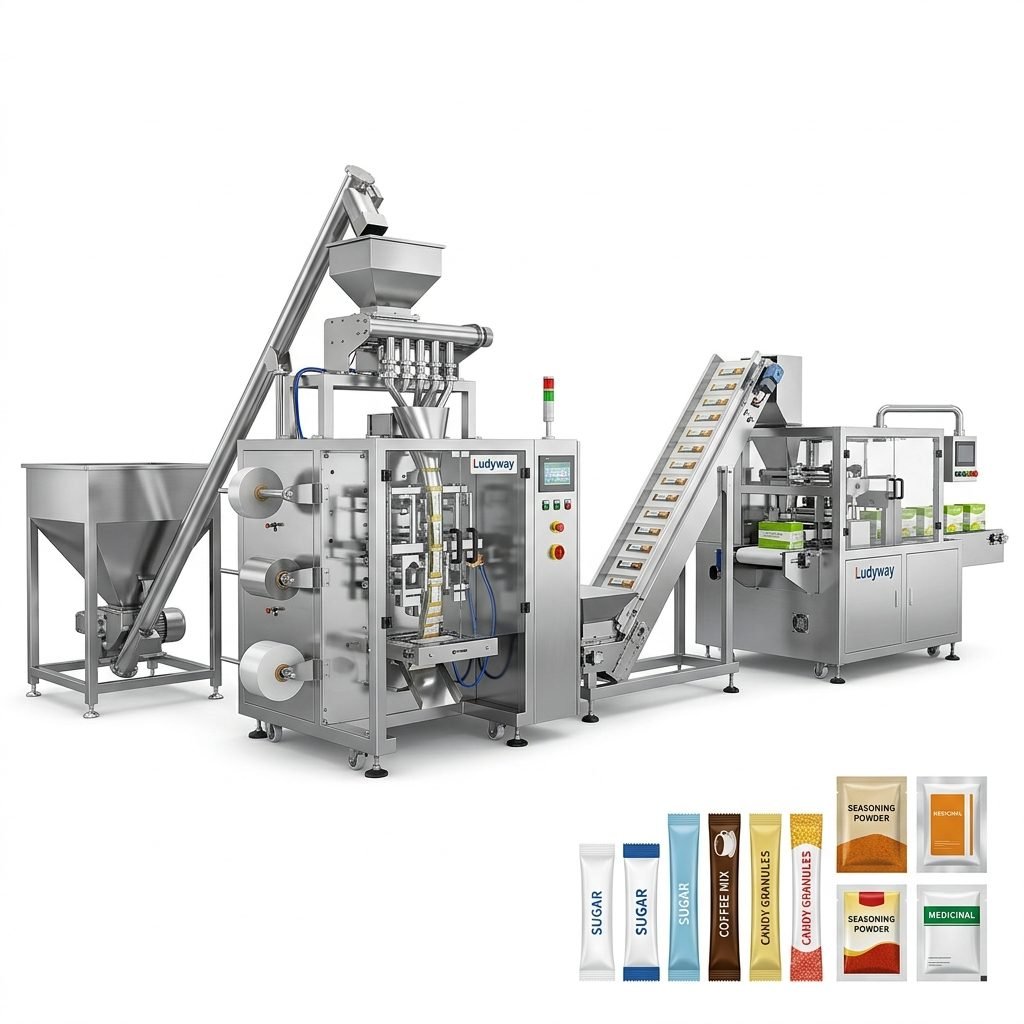
Setting up a sugar packaging machine production line in the UK requires careful planning, an understanding of local regulations, and selecting the right equipment to meet your production goals. Whether you are packaging granulated sugar, powdered sugar, or sugar substitutes, the efficiency of your packaging line directly impacts product quality, shelf life, and operational costs. This guide walks you through every stage of the process, from initial assessment to full-scale production.
The UK food packaging sector is governed by strict standards from agencies such as the Food and Drug Administration (FDA) equivalent bodies and the Association for Packaging and Processing Technologies (PMMI). Adhering to these standards ensures your sugar products remain safe, compliant, and competitive in the European market. Additionally, understanding ISO packaging standards will help you maintain consistency and quality across your production line.
Understanding Sugar Packaging Machine Types
Before investing in a production line, it is essential to understand the different types of sugar packaging machines available. The choice depends on your target package format, production speed requirements, and the physical characteristics of your sugar product.
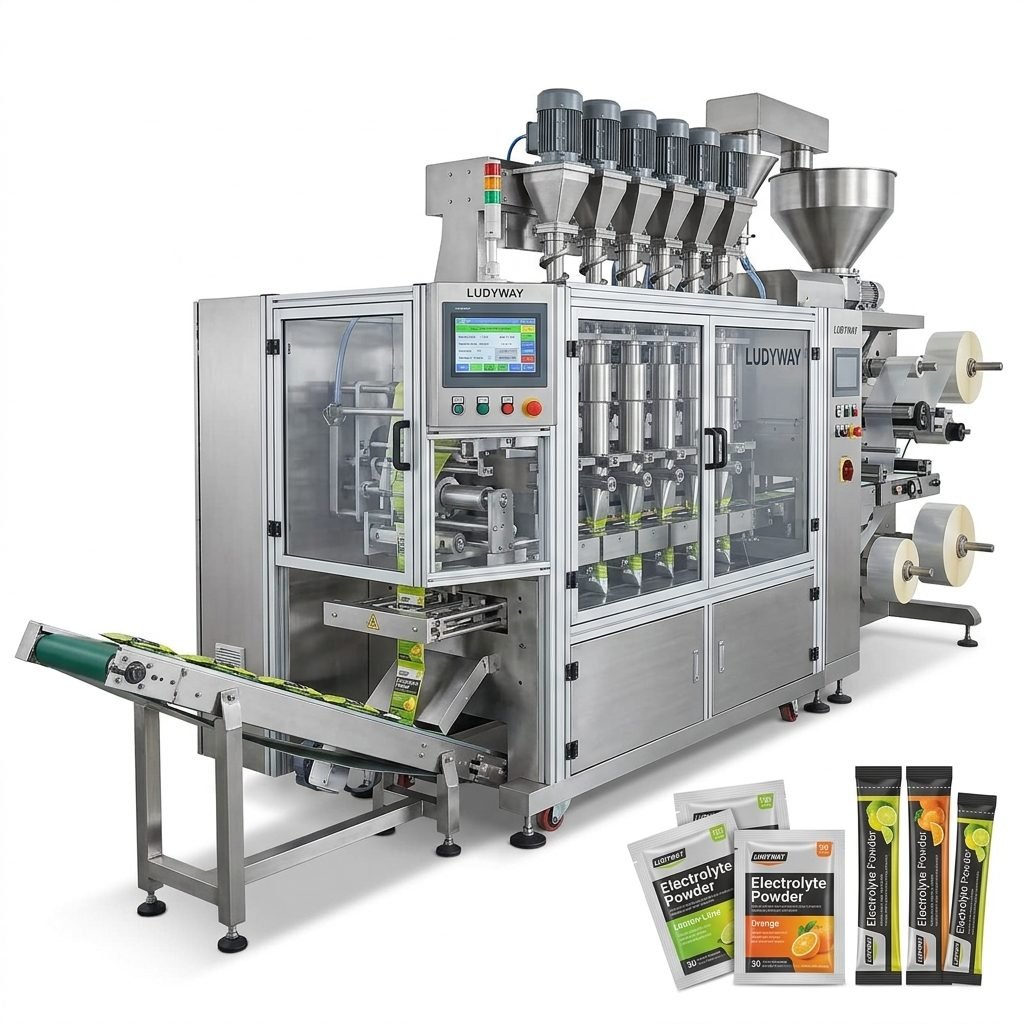
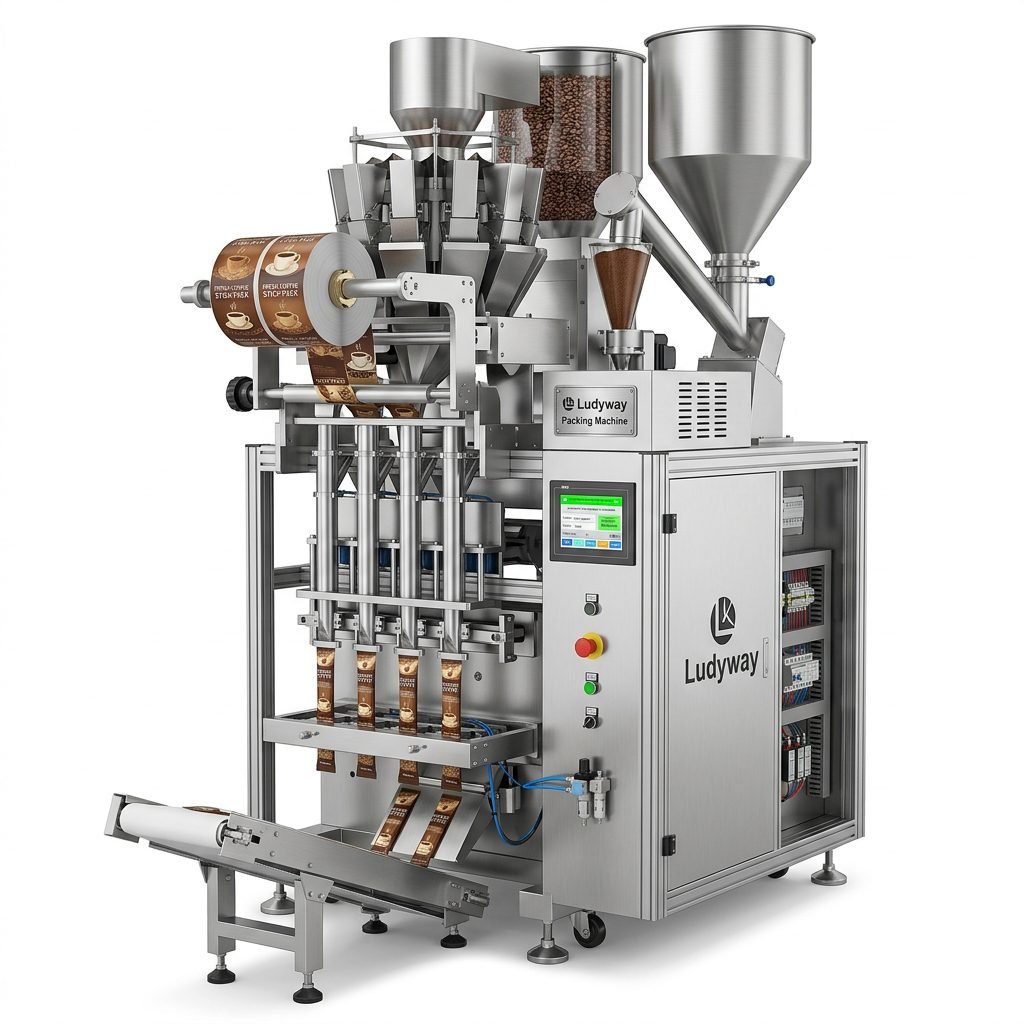
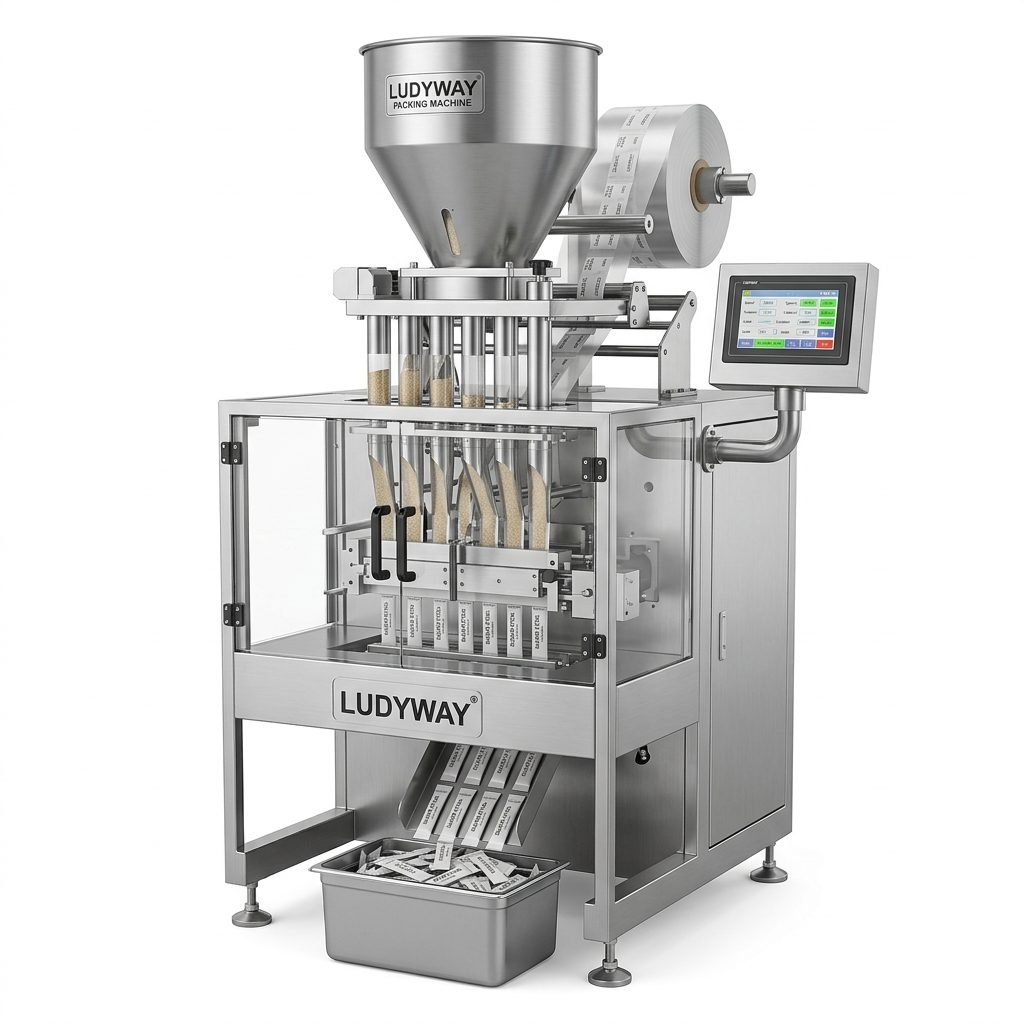
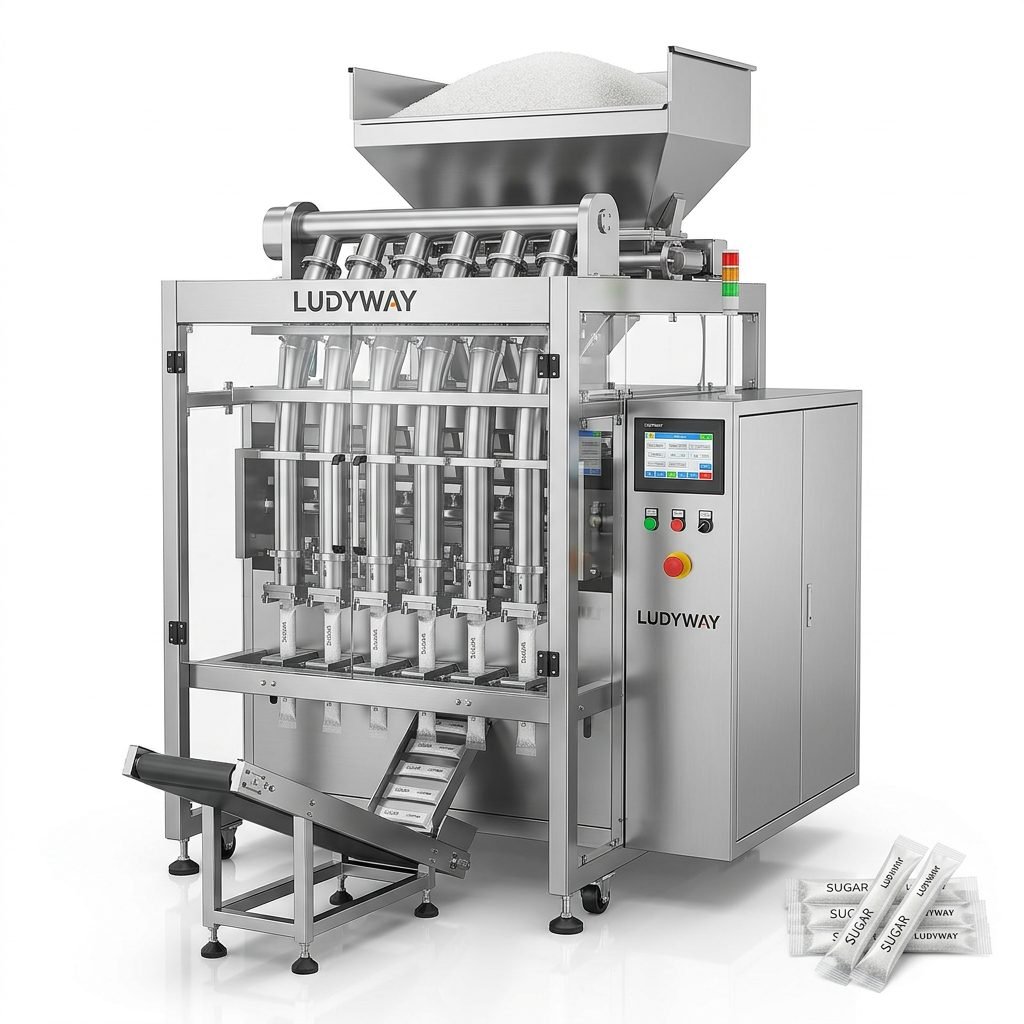
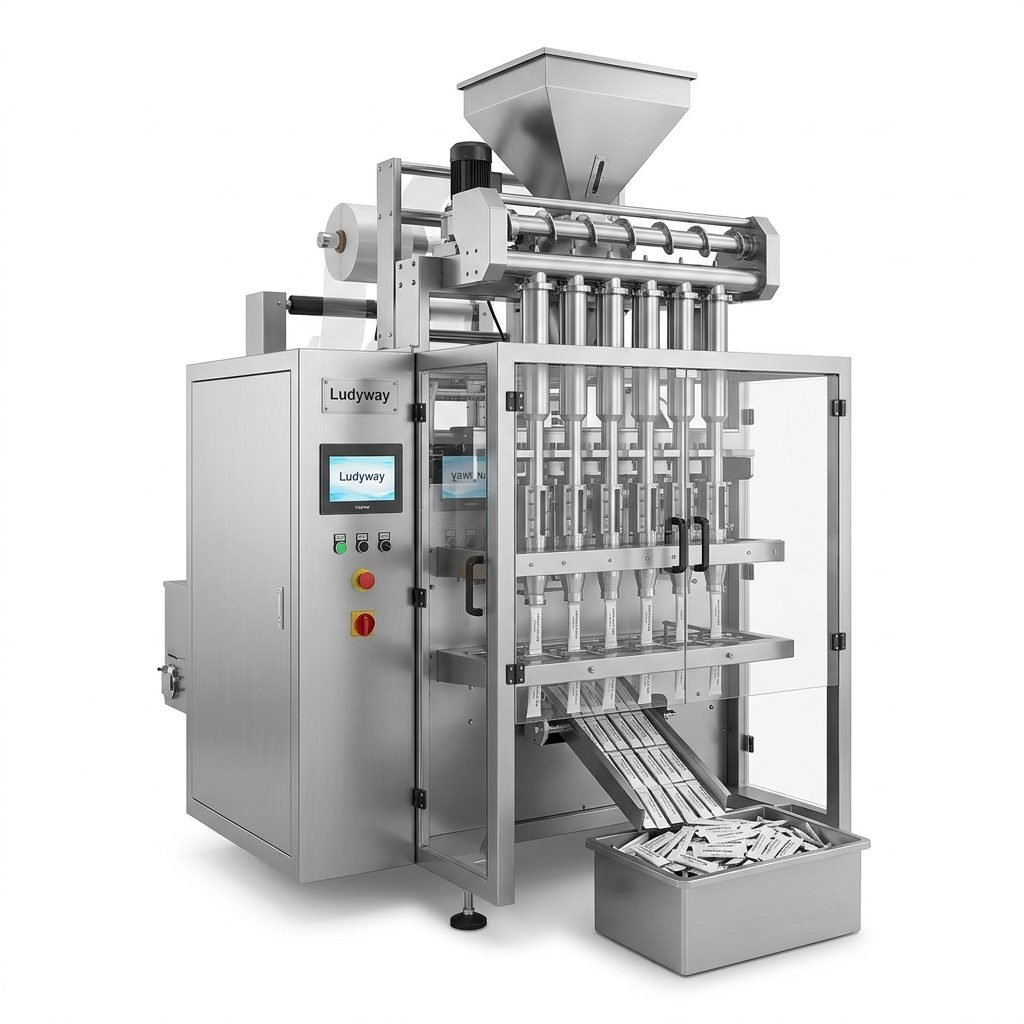
- Stick Pack Machines: Ideal for single-serve sugar sachets used in cafes, restaurants, and hotels. These machines produce narrow, elongated packs with precise filling.
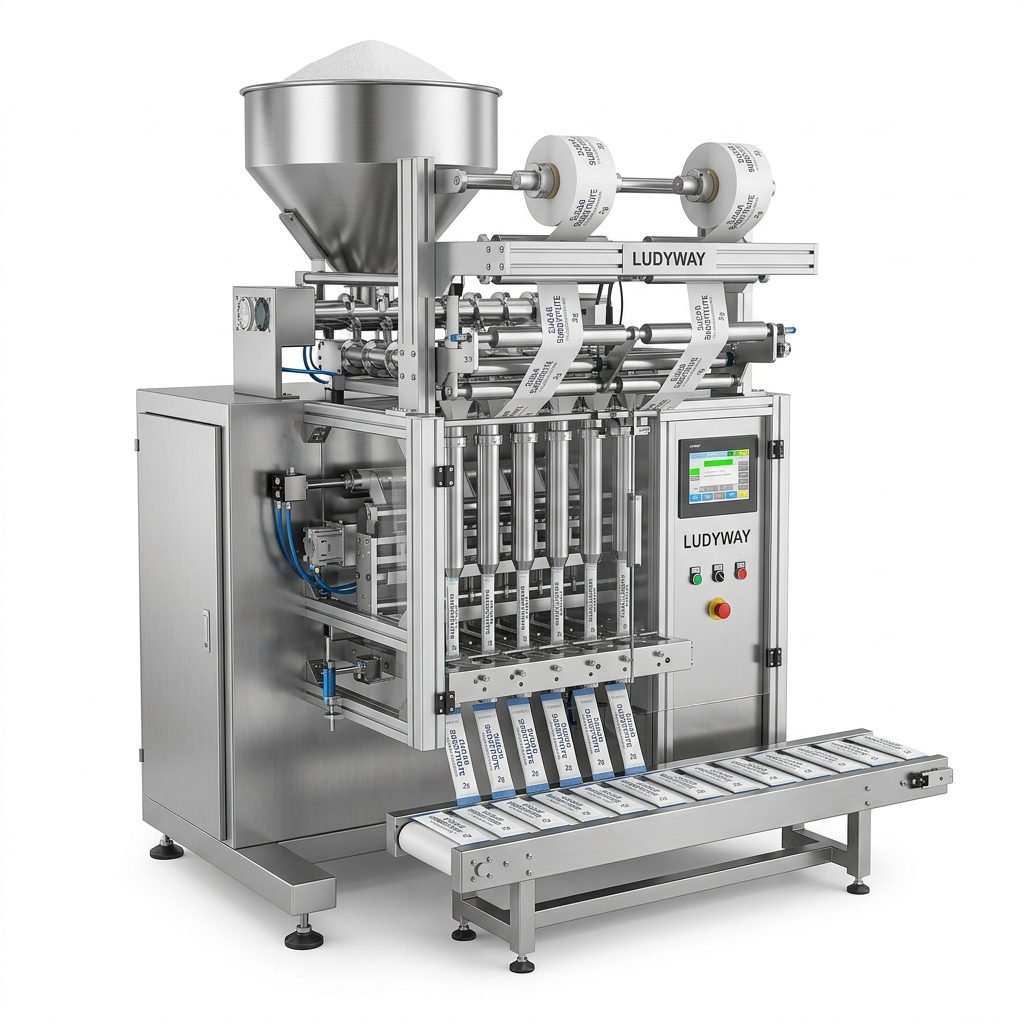
- Sachet Packaging Machines: Designed for flat, rectangular pouches commonly found in retail settings. Multi-lane configurations can significantly boost output.
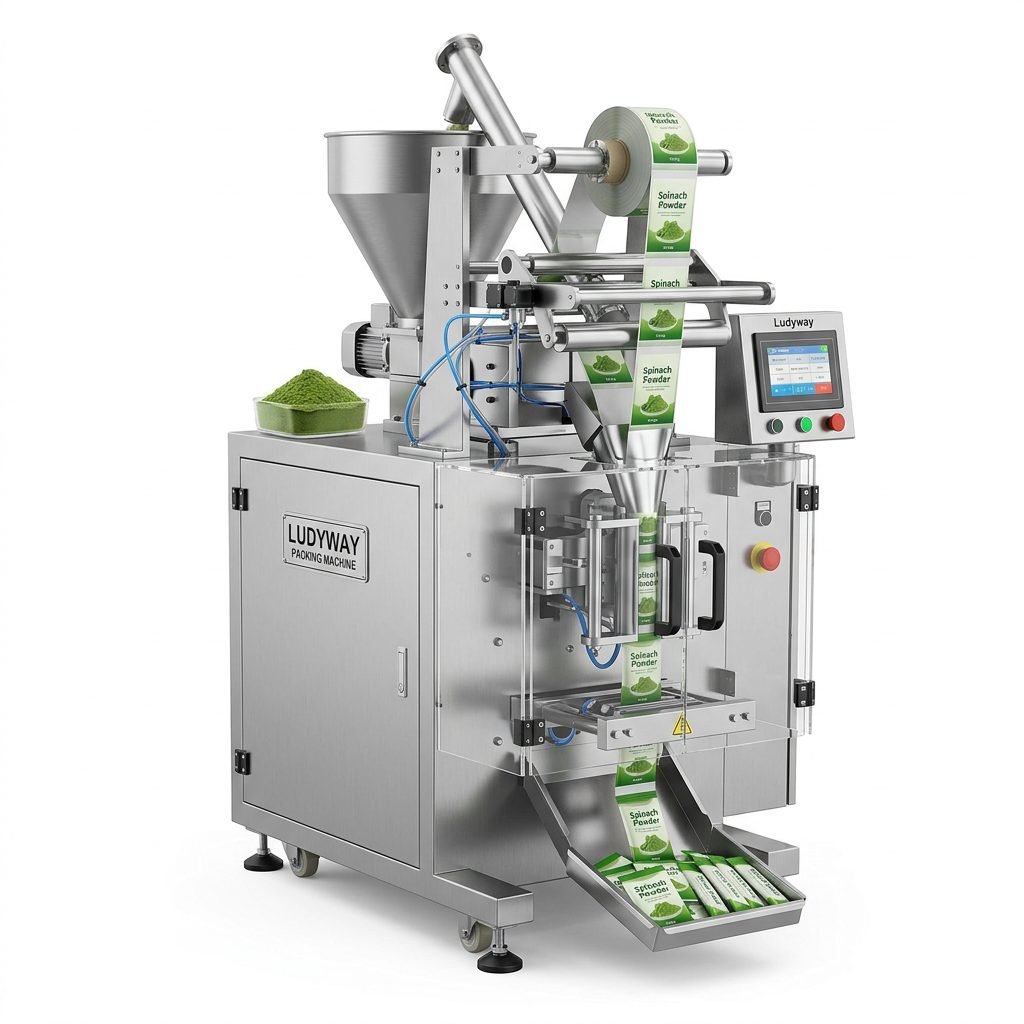
- Vertical Form Fill Seal (VFFS) Machines: Versatile systems that form bags from roll stock, fill with sugar, and seal in one continuous operation.
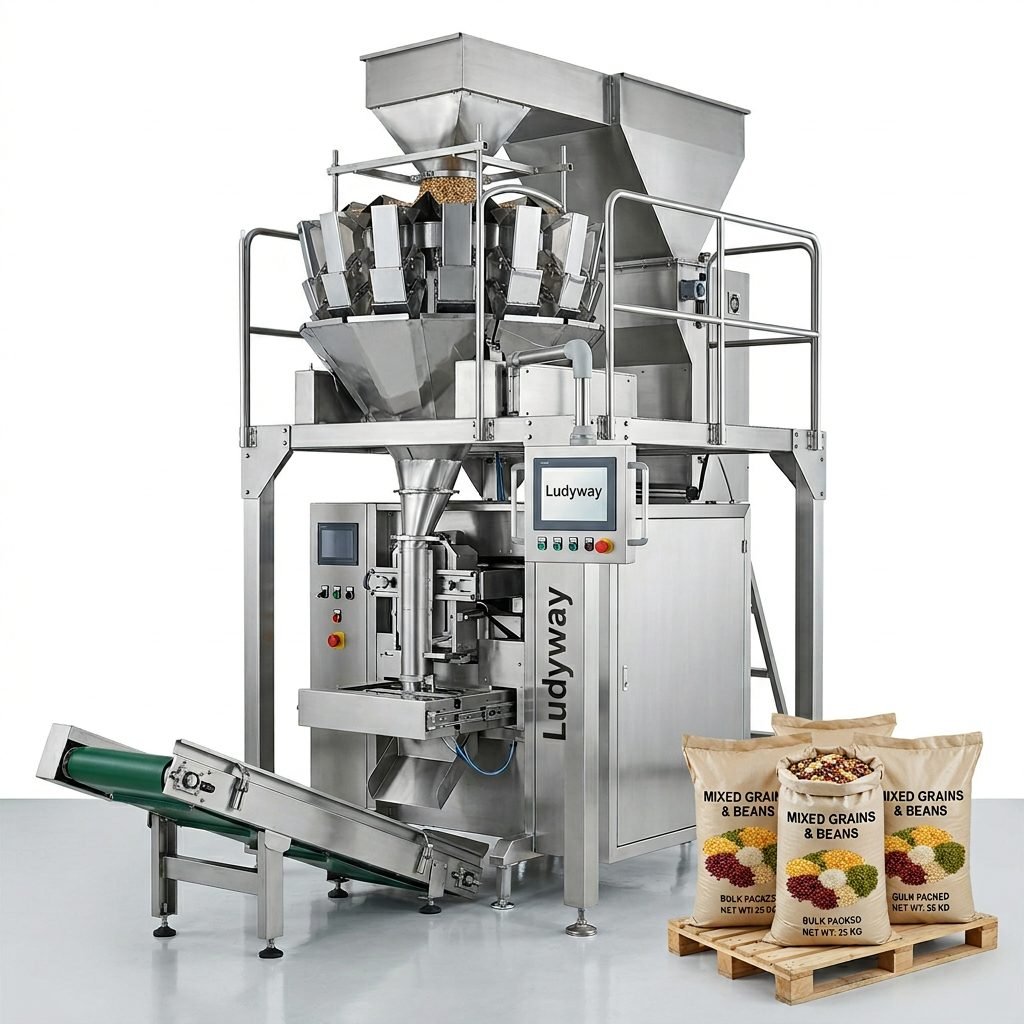
- Bulk Bagging Systems: For packaging larger quantities such as 1kg, 5kg, or 25kg bags for wholesale and industrial distribution.
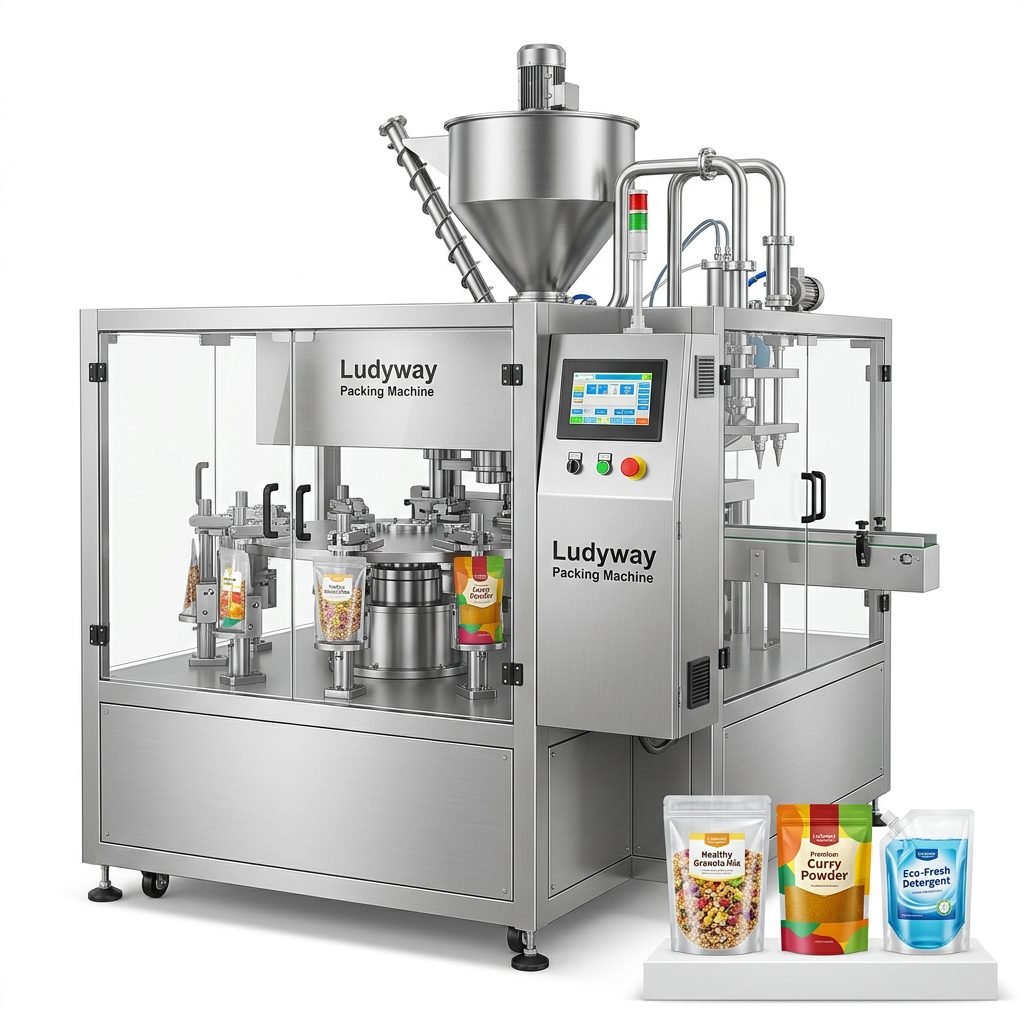
- Pre-Made Pouch Fillers: For premium sugar products using stand-up pouches or resealable packaging.
Key Considerations Before Setting Up Your Production Line
Planning a sugar packaging production line in the UK involves multiple factors that influence equipment selection, facility layout, and operational efficiency. Addressing these considerations early helps avoid costly modifications later.
Production Capacity and Speed Requirements
Determine your target output in packs per minute (PPM) or tonnes per day. A small artisan sugar brand may only need 40-60 packs per minute, while a large-scale industrial operation may require 200+ packs per minute across multiple lanes. Matching machine capacity to your demand forecast prevents bottlenecks and ensures scalability.
Sugar Product Characteristics
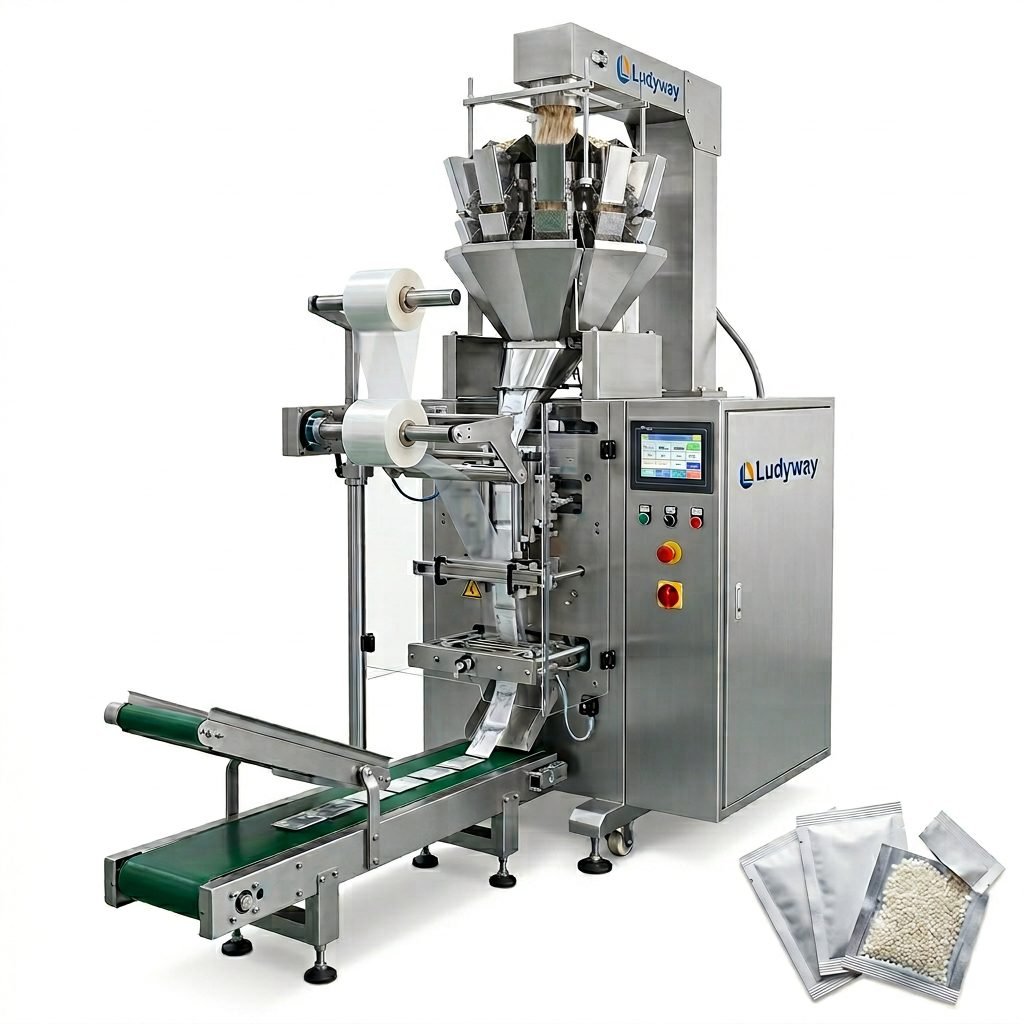
The physical properties of sugar vary by type. Granulated sugar flows differently than powdered sugar or brown sugar. Factors such as particle size, moisture content, and flowability directly affect the choice of filling mechanism — whether auger fillers, volumetric cup fillers, or multi-head weighers are most appropriate.
Packaging Material Selection
In the UK, packaging materials must comply with EU Packaging and Packaging Waste Regulations. Common materials for sugar include laminated films with moisture barriers, paper-based laminates, and recyclable mono-materials. Your machine must be compatible with your chosen film type and thickness.
Step-by-Step Guide to Setting Up a Sugar Packaging Line in the UK
Step 1: Conduct a Feasibility Study
Begin with a thorough analysis of your target market, competitors, and projected return on investment. Assess the demand for different pack sizes — single-serve sachets, 500g retail packs, or bulk bags. The UK sugar market is mature, with growing demand for portion-controlled packaging and sustainable formats. Reference PMMI business intelligence reports for market trend data to support your feasibility study.
Step 2: Design the Facility Layout
Your production facility layout must accommodate raw material storage, the packaging line itself, quality control stations, and finished goods storage. Ensure adequate space for operator access, maintenance, and future expansion. The layout should follow a logical flow from raw sugar intake through to palletised finished products.
Step 3: Select Core Packaging Equipment
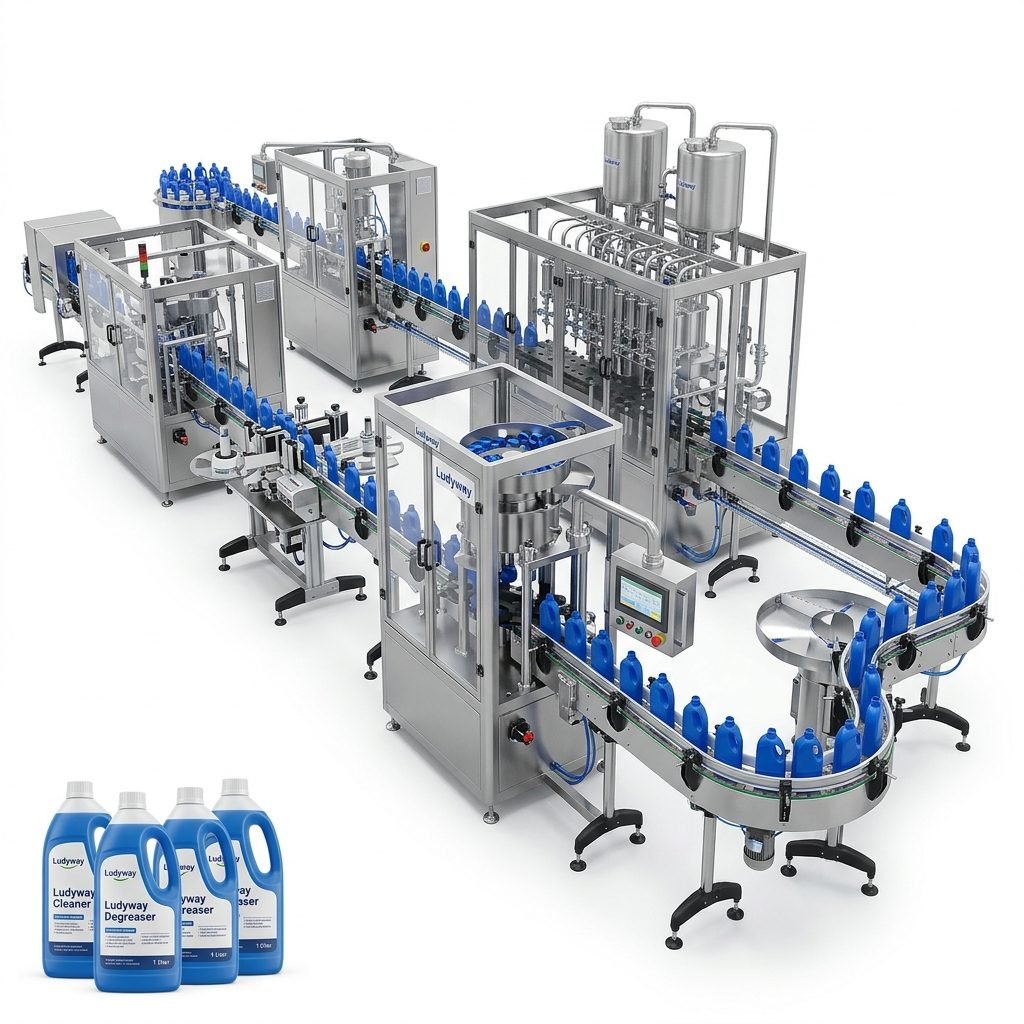
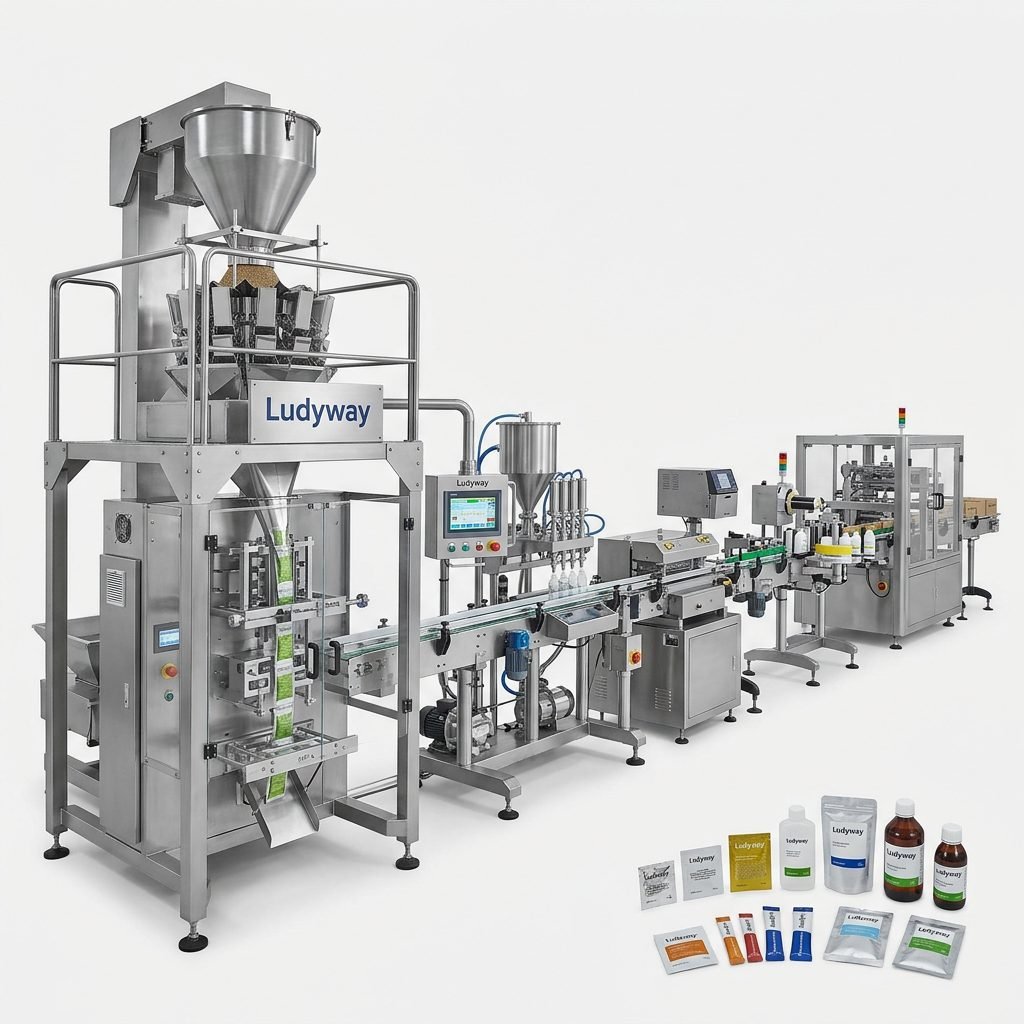
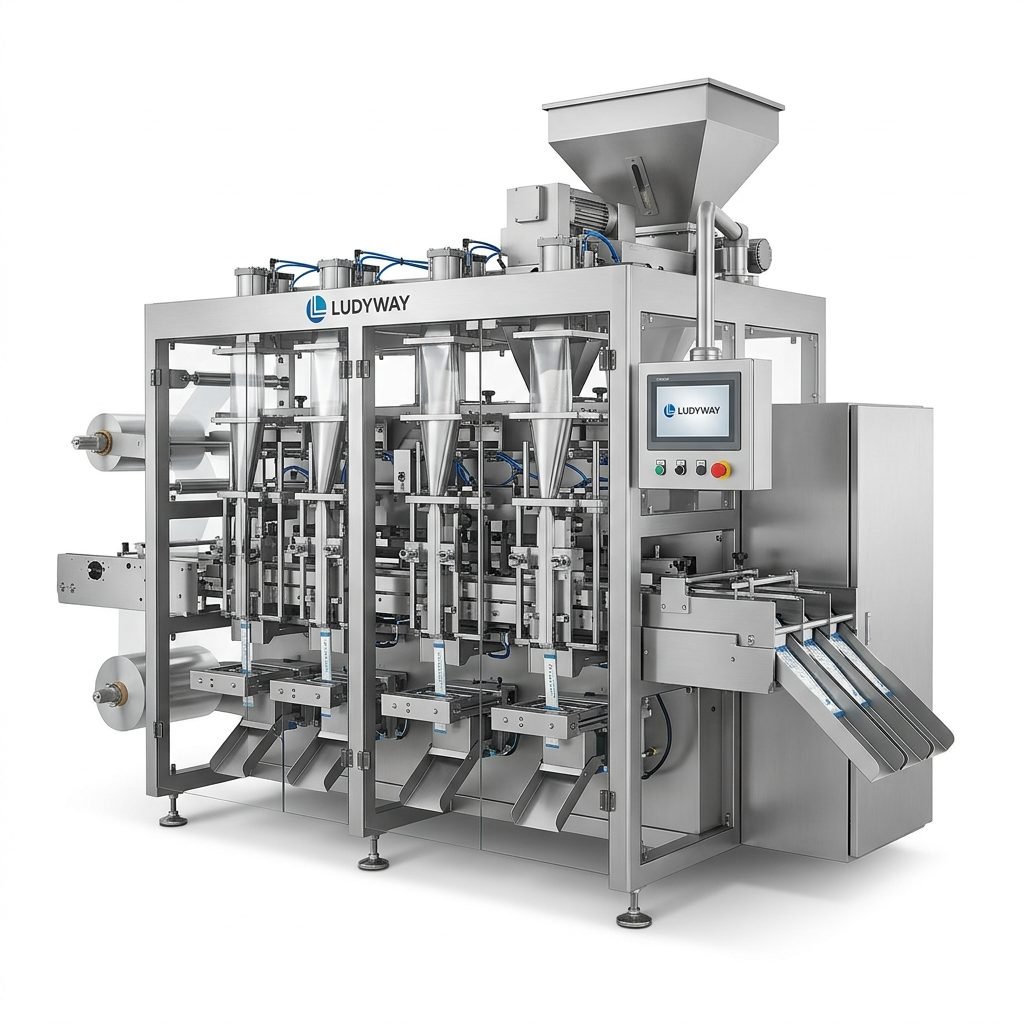
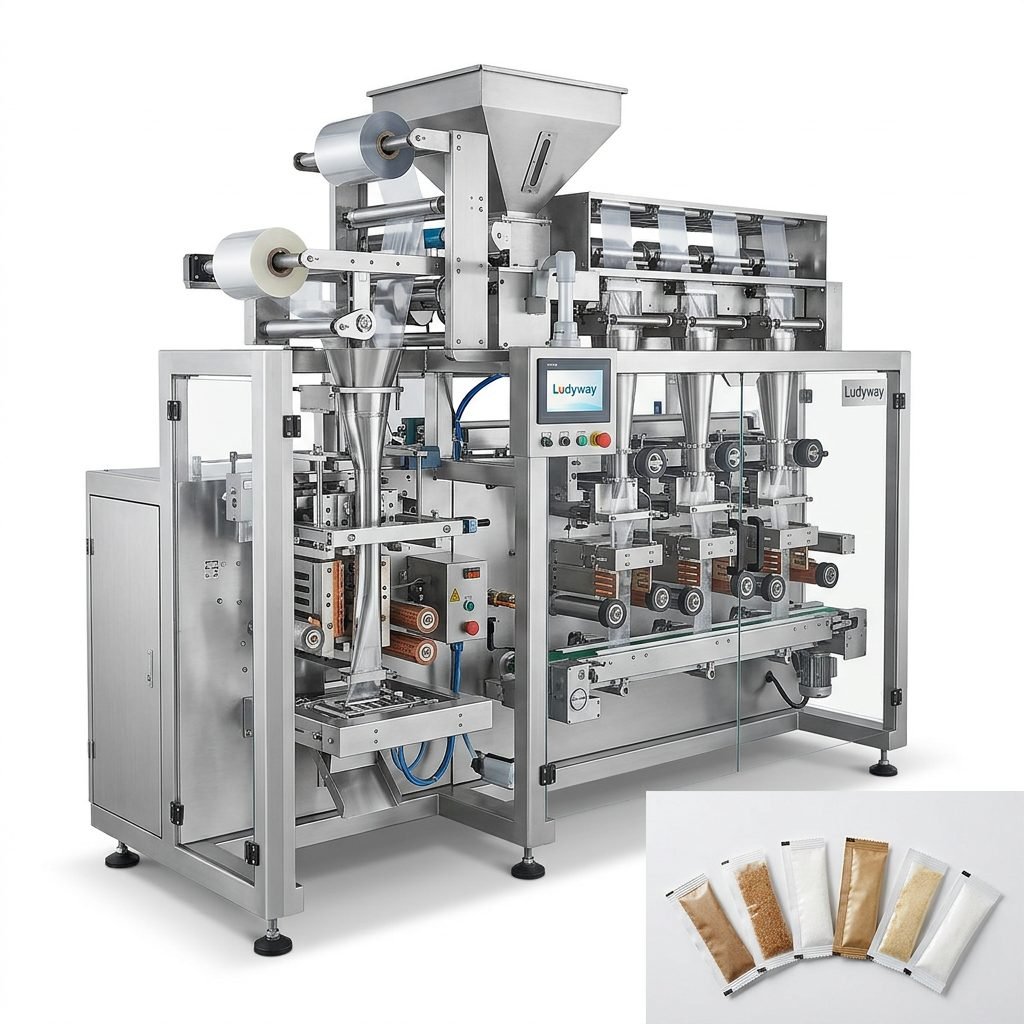
The core equipment for a sugar packaging line typically includes a feeding system (hopper or conveyor), a filling machine (auger, volumetric, or multi-head weigher), a bag forming and sealing unit, and a date coding or labelling system. Multi-lane stick pack and sachet machines offer high efficiency for small-format sugar packs. Leading manufacturers such as Ludyway provide integrated solutions that combine multiple functions into a single automated system backed by over 30 years of industry expertise.
Step 4: Integrate Ancillary Equipment
Ancillary equipment enhances line efficiency and product quality. Consider adding metal detectors, checkweighers, cartoners, case packers, and palletising systems. Vision inspection systems can verify seal integrity and print quality, ensuring compliance with UK retail standards. Conveyor systems must be designed to handle the specific weight and dimensions of your sugar packs.
Step 5: Install and Commission the Line
Professional installation by experienced engineers is critical. The commissioning process includes equipment positioning, utility connections (electrical, compressed air, nitrogen flushing if required), calibration, and trial runs. All machinery must be tested with your actual sugar product under production conditions to verify performance specifications.
Step 6: Train Operators and Establish SOPs
Comprehensive operator training ensures safe and efficient operation. Develop standard operating procedures (SOPs) covering machine start-up, shutdown, cleaning, changeover between different pack sizes, and troubleshooting common issues. Well-trained operators can significantly reduce downtime and product waste.
UK Regulatory Compliance for Sugar Packaging
Compliance with UK and EU regulations is non-negotiable for food packaging operations. Key regulatory frameworks include:
- Food Safety Act 1990 (UK): Ensures food products are safe and meet quality standards.
- EU Regulation (EC) No 1935/2004: Governs materials and articles intended to come into contact with food.
- BRCGS Global Standard for Packaging Materials: A leading certification scheme for packaging manufacturers.
- UKCA / CE Marking: Machinery must bear the appropriate conformity marking for the UK market.
- Weights and Measures Act: Ensures accurate fill weights as declared on the package.
Consult the Flexible Packaging Association’s regulatory affairs resources for detailed guidance on packaging material compliance, and review ISO 11607 packaging standards for validation requirements.
Comparing Sugar Packaging Machine Configurations
The table below compares common sugar packaging machine configurations to help you identify the best fit for your production requirements.
| Machine Type | Pack Format | Typical Speed (PPM) | Best Suited For |
|---|---|---|---|
| Multi-Lane Stick Pack | Single-serve sticks | 200-600 | High-volume hospitality and retail |
| Multi-Lane Sachet Machine | Flat rectangular sachets | 150-400 | Retail sugar sachets |
| VFFS Machine | Pillow bags, gusseted bags | 60-120 | Mid-size retail packs (250g-1kg) |
| Bulk Bagging System | 5kg-25kg bags | 6-20 | Wholesale and industrial supply |
| Pre-Made Pouch Filler | Stand-up pouches, resealable | 30-80 | Premium and specialty sugar products |
Maintenance and Operational Best Practices
A well-maintained sugar packaging production line delivers consistent performance and extends equipment lifespan. Implement a preventive maintenance schedule covering daily, weekly, and monthly tasks. Key maintenance activities include:
- Daily cleaning of filling heads and sealing jaws to prevent sugar build-up and ensure consistent seal quality.
- Weekly inspection of wear parts such as belts, bearings, and heat-sealing elements.
- Monthly lubrication of moving components per manufacturer guidelines.
- Quarterly calibration of weighing systems and temperature controllers.
- Annual comprehensive servicing by qualified technicians.
Keep detailed maintenance logs and monitor key performance indicators (KPIs) such as Overall Equipment Effectiveness (OEE), downtime frequency, and waste rates. Data-driven maintenance planning reduces unexpected breakdowns and optimises production efficiency.
Cost Considerations and ROI Analysis
Investing in a sugar packaging line involves capital expenditure for machinery, installation, facility modifications, and initial training. Operational costs include packaging materials, labour, utilities, and ongoing maintenance. A thorough ROI analysis should account for:
- Initial capital investment: Machine cost, shipping, import duties (if applicable post-Brexit), installation, and commissioning.
- Material costs: Film, cartons, labels, and inks — prices can vary based on sustainability certifications.
- Labour requirements: Number of operators per shift and skill level needed.
- Energy consumption: Electrical and compressed air usage for the complete line.
- Product waste reduction: Modern precision-filling systems minimise sugar giveaway, delivering significant savings over time.
For market intelligence on packaging machinery investment trends, the PMMI State of the Industry reports provide valuable benchmarks and forecasts relevant to the UK and European packaging sectors.
Future-Proofing Your Sugar Packaging Line
The packaging industry is evolving rapidly, driven by sustainability demands, automation, and digitalisation. When setting up your production line, consider future-proofing strategies:
- Modular machine design allows for easy upgrades and expansion as your business grows.
- Smart factory integration with IoT sensors enables real-time monitoring and predictive maintenance.
- Sustainable packaging compatibility ensures your line can handle recyclable and biodegradable films as they become mainstream.
- Flexible changeover systems allow quick switching between different pack sizes and formats to respond to market demands.
The Flexible Packaging Association’s knowledge hub offers ongoing updates on material innovations and sustainability trends that will shape the future of sugar packaging in the UK and beyond.
Common Challenges and How to Overcome Them
Even the best-planned sugar packaging lines face operational challenges. Being prepared for common issues helps minimise downtime and maintain consistent output.
Challenge 1: Sugar Dust and Hygiene
Sugar dust can accumulate on machine surfaces and sensors, affecting performance and creating hygiene risks. Install dust extraction systems and implement rigorous cleaning protocols. Stainless steel construction and IP-rated enclosures protect sensitive components in dusty environments.
Challenge 2: Moisture Sensitivity
Sugar is hygroscopic, absorbing moisture from the air which can cause clumping and flow issues. Control humidity in the packaging area and consider nitrogen flushing for extended shelf life. Hermetic sealing technology ensures product integrity throughout the supply chain.
Challenge 3: Seal Integrity
Poor seals lead to product leakage and contamination. Regular inspection of sealing jaws, temperature calibration, and vision inspection systems help maintain consistent seal quality. Conduct burst tests and peel tests as part of your quality assurance programme.
Challenge 4: Changeover Efficiency
Switching between different pack sizes or sugar types can be time-consuming. Look for machines with tool-less changeover features and stored recipe settings that allow operators to switch formats in minutes rather than hours.
Working with Packaging Machinery Suppliers
Choosing the right supplier is as important as choosing the right machine. Evaluate potential suppliers based on their industry experience, technical support capabilities, spare parts availability, and after-sales service. A reliable supplier should offer comprehensive support including installation, operator training, and ongoing technical assistance.
Look for manufacturers with a proven track record in sugar and granular product packaging. Review case studies, request customer references, and if possible, visit existing installations to observe machines in operation. The supplier should also assist with regulatory compliance documentation and provide detailed equipment specifications for your UK facility planning.
For the latest developments in packaging technology and to connect with leading suppliers, consider attending major industry events such as PACK EXPO International or PACK EXPO Las Vegas, where you can see equipment demonstrations and discuss your requirements directly with technical experts.