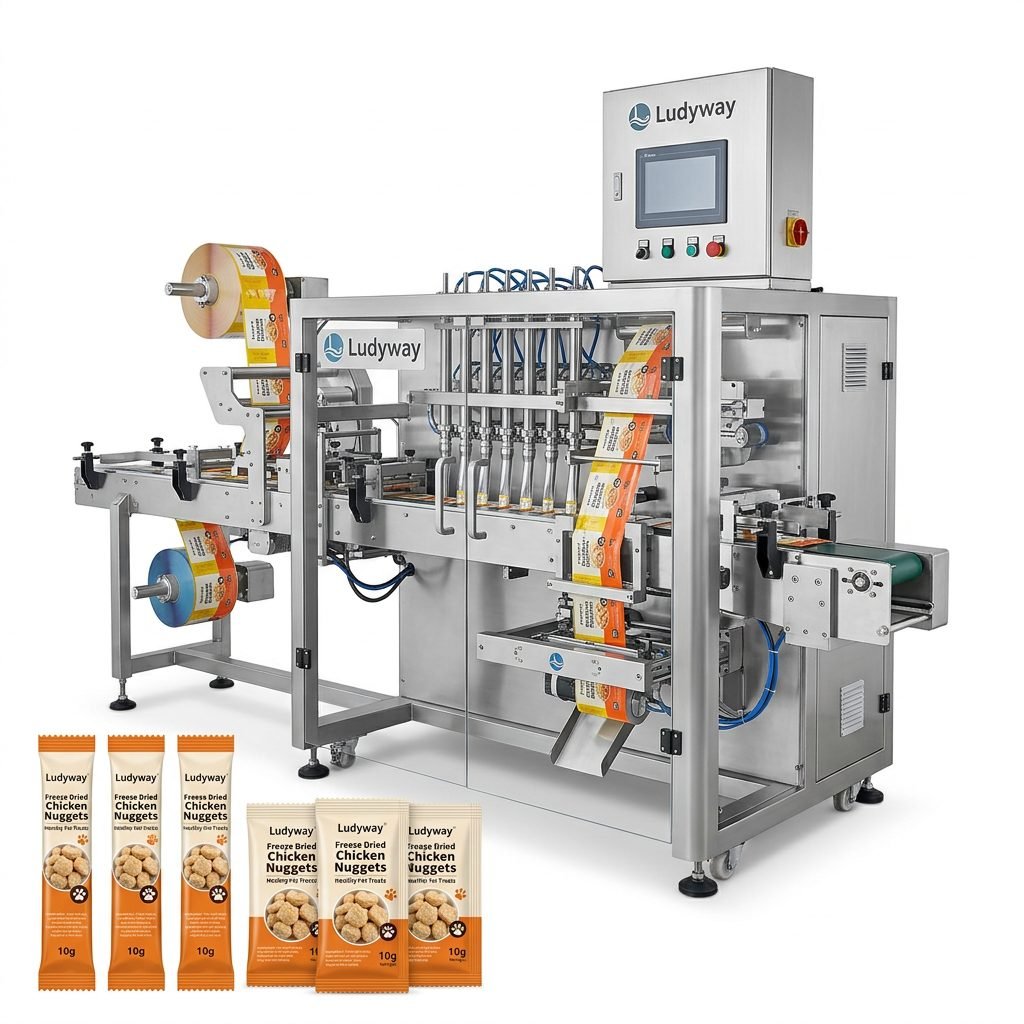
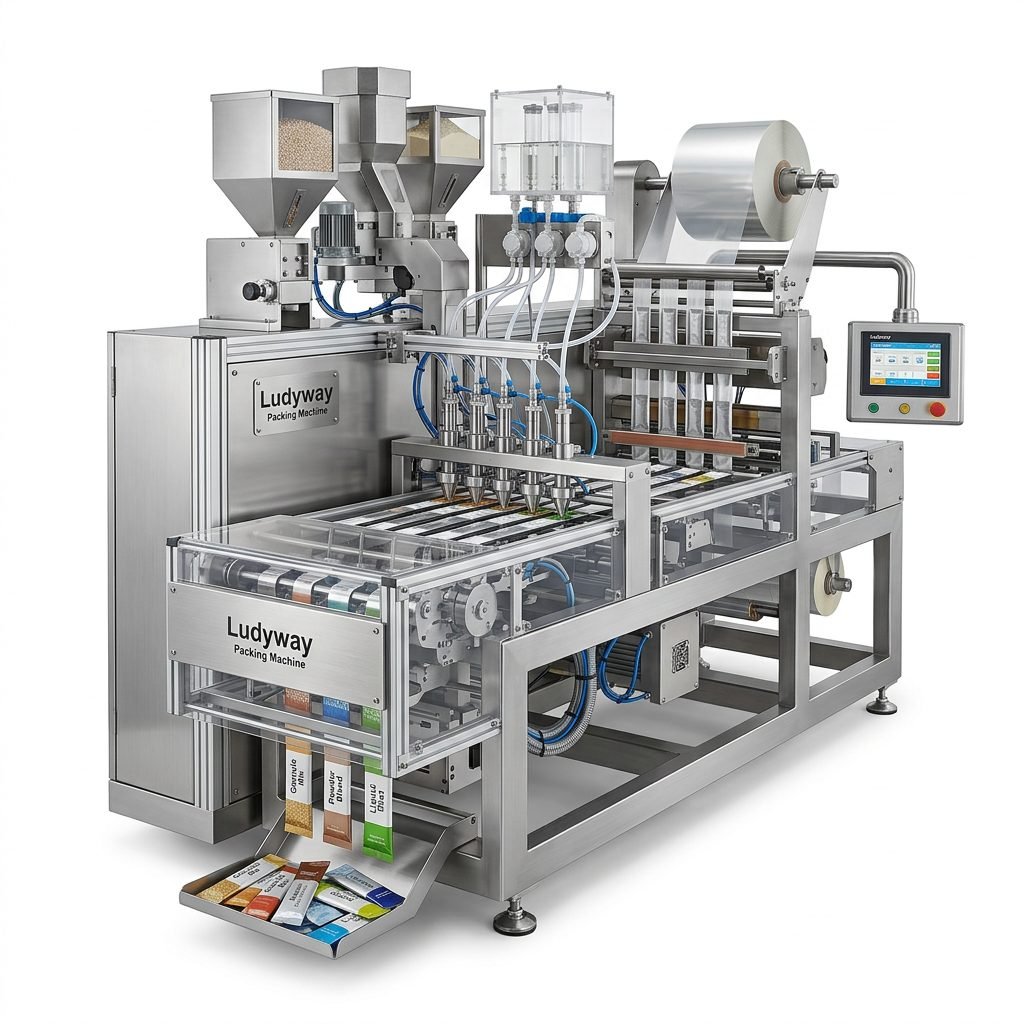
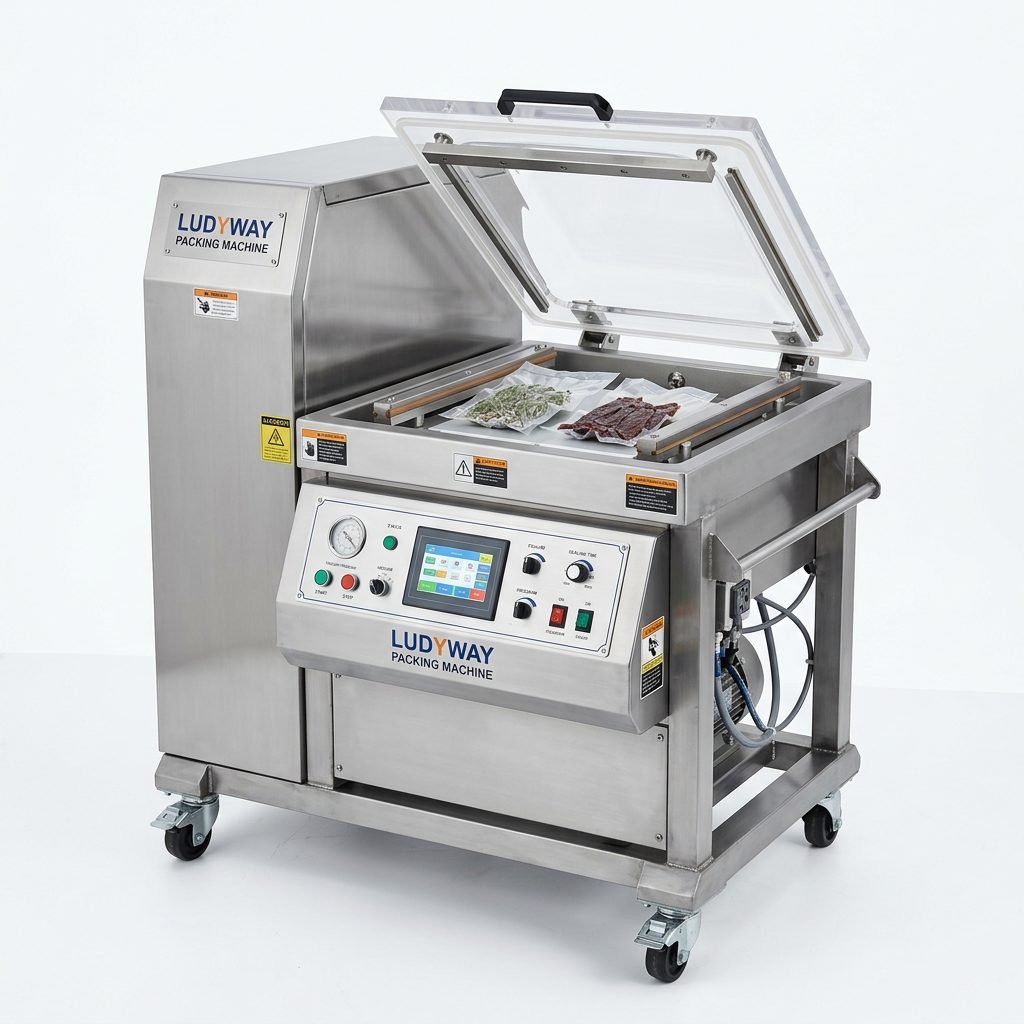
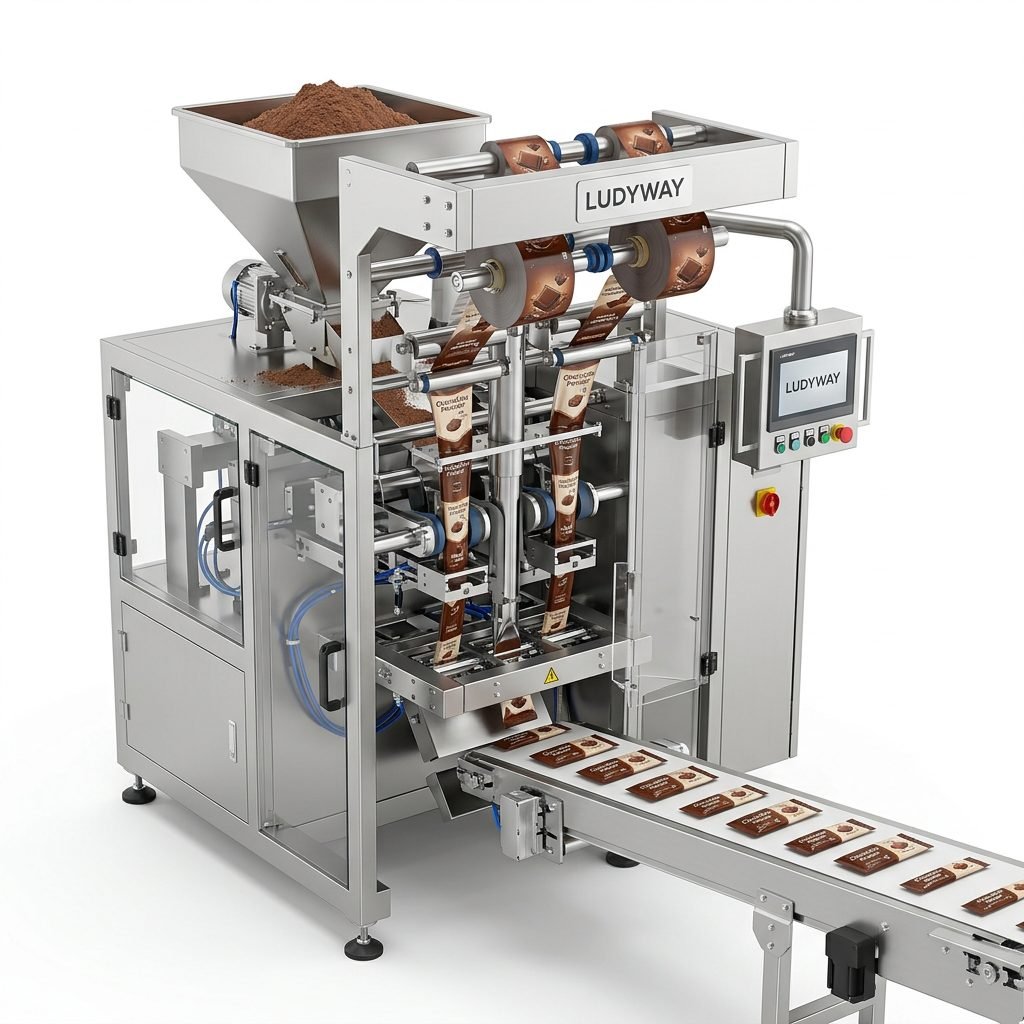
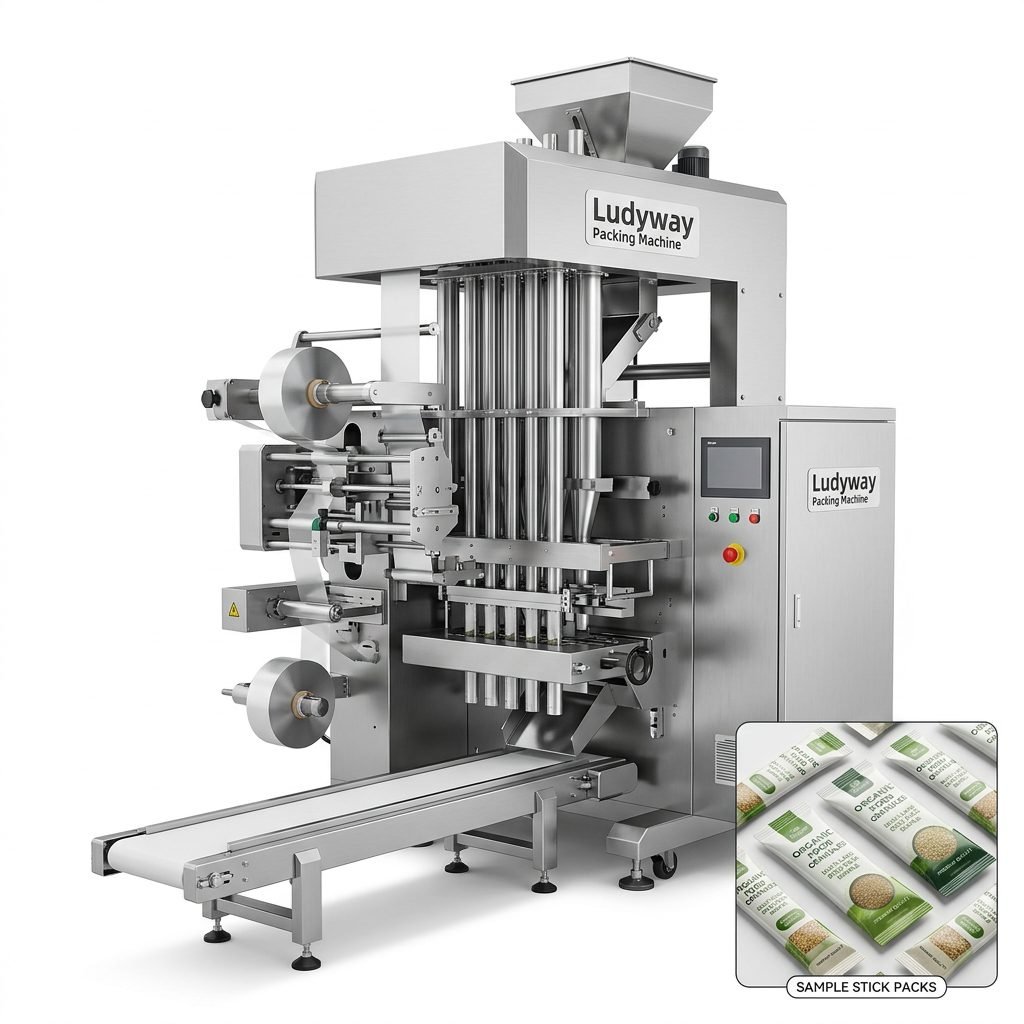
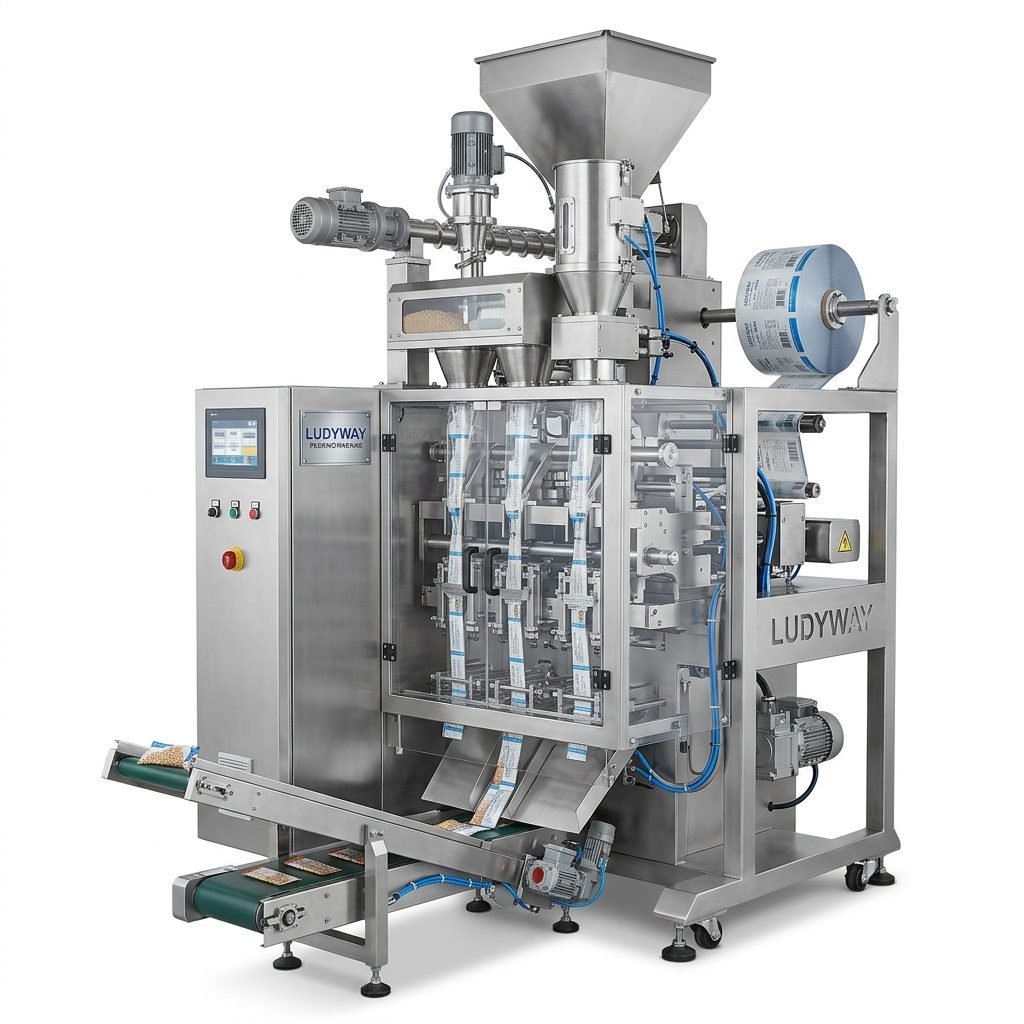
Investing in a small sauce packaging machine is a strategic move for food manufacturers, restaurant chains, and co-packers looking to expand their market share in Asia’s booming condiment sector. From ketchup and chili sauce to soy sauce and mayonnaise, the demand for single-serve sachets and stick packs is soaring. However, selecting the right equipment from the vast Asian manufacturing landscape can be daunting. This complete buying guide will walk you through the critical factors to ensure you choose a machine that balances speed, hygiene, and long-term reliability.
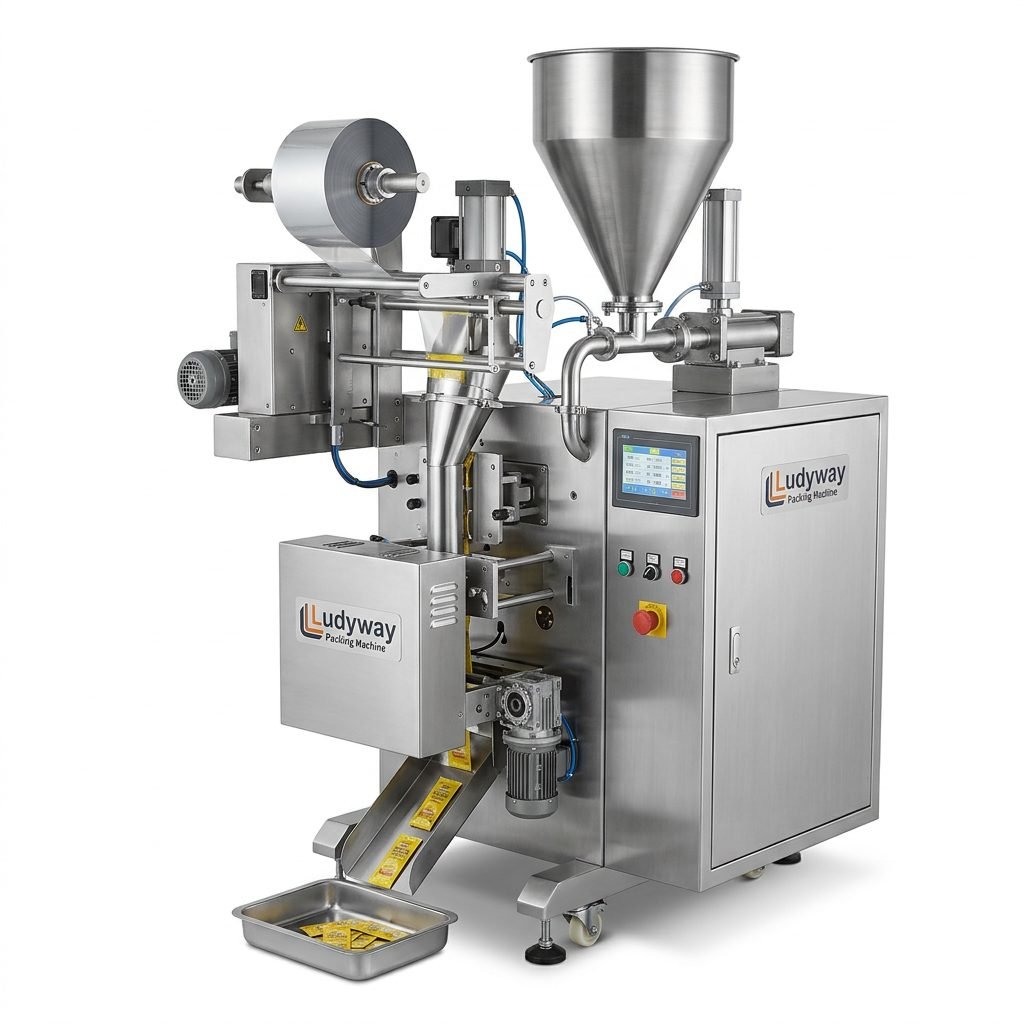
Understanding Your Sauce Viscosity and Particulates
Not all sauces behave the same way on a production line. The first and most crucial step is analyzing your product’s specific characteristics.
- Low Viscosity (Water-like): Soy sauce, fish sauce, and vinegar require precision piston pumps or magnetic flow meters to prevent dripping and ensure accurate fill volumes. Look for machines with anti-drip nozzles.
- Medium to High Viscosity (Paste-like): Ketchup, mayonnaise, and thick chili pastes demand robust gear pumps or progressive cavity pumps. The filling system must handle high back-pressure without clogging.
- Sauces with Particulates: If your sauce contains minced garlic, chopped chili, or tomato chunks, standard valves may block. You will need a liquid packaging machine equipped with special positive displacement fillers designed for particulates to maintain product integrity.
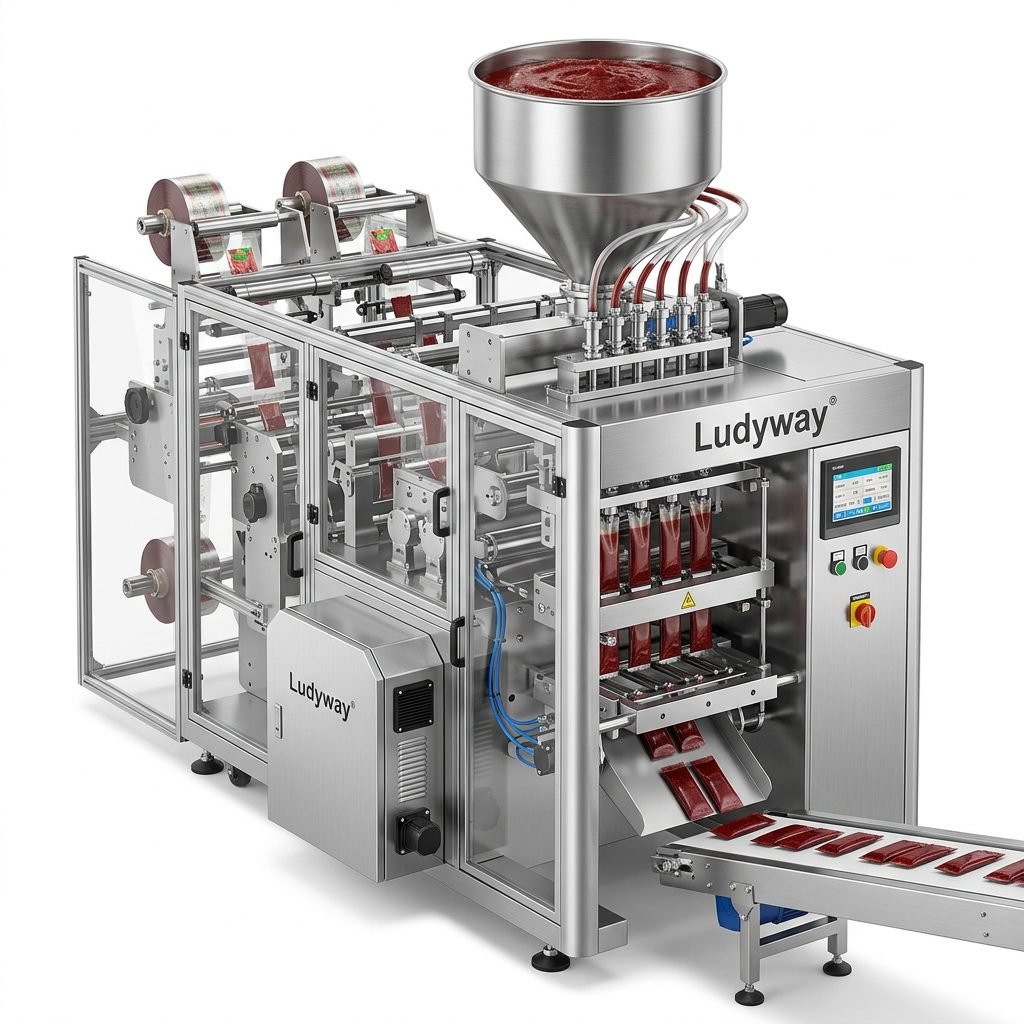
Choosing the Right Packaging Format: Sachet vs. Stick Pack
The physical format of your sauce packet directly dictates the type of machine you need. The Asian market predominantly favors two configurations:
- 3-Side or 4-Side Seal Sachets: Ideal for food service portions of ketchup and soy sauce. These machines are typically flat and wide, offering excellent shelf display for bright, colorful branding.
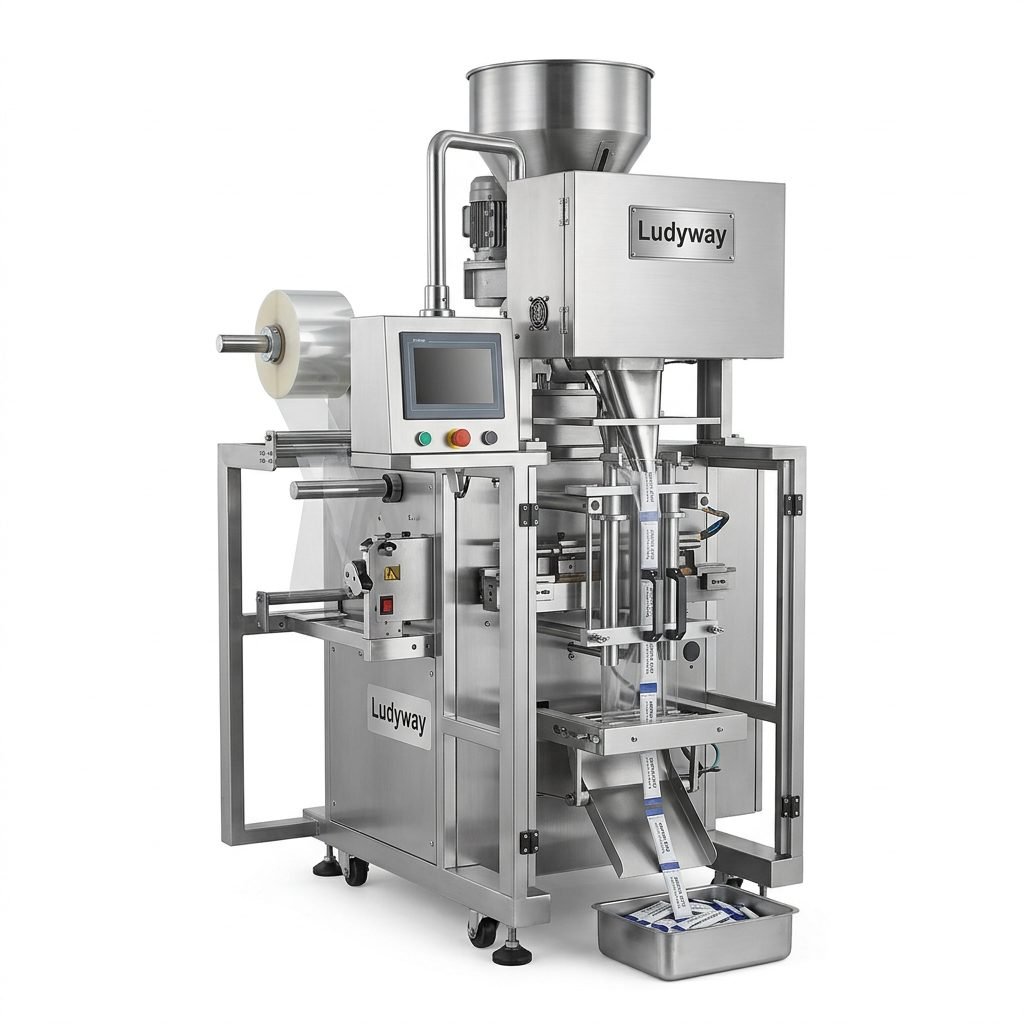
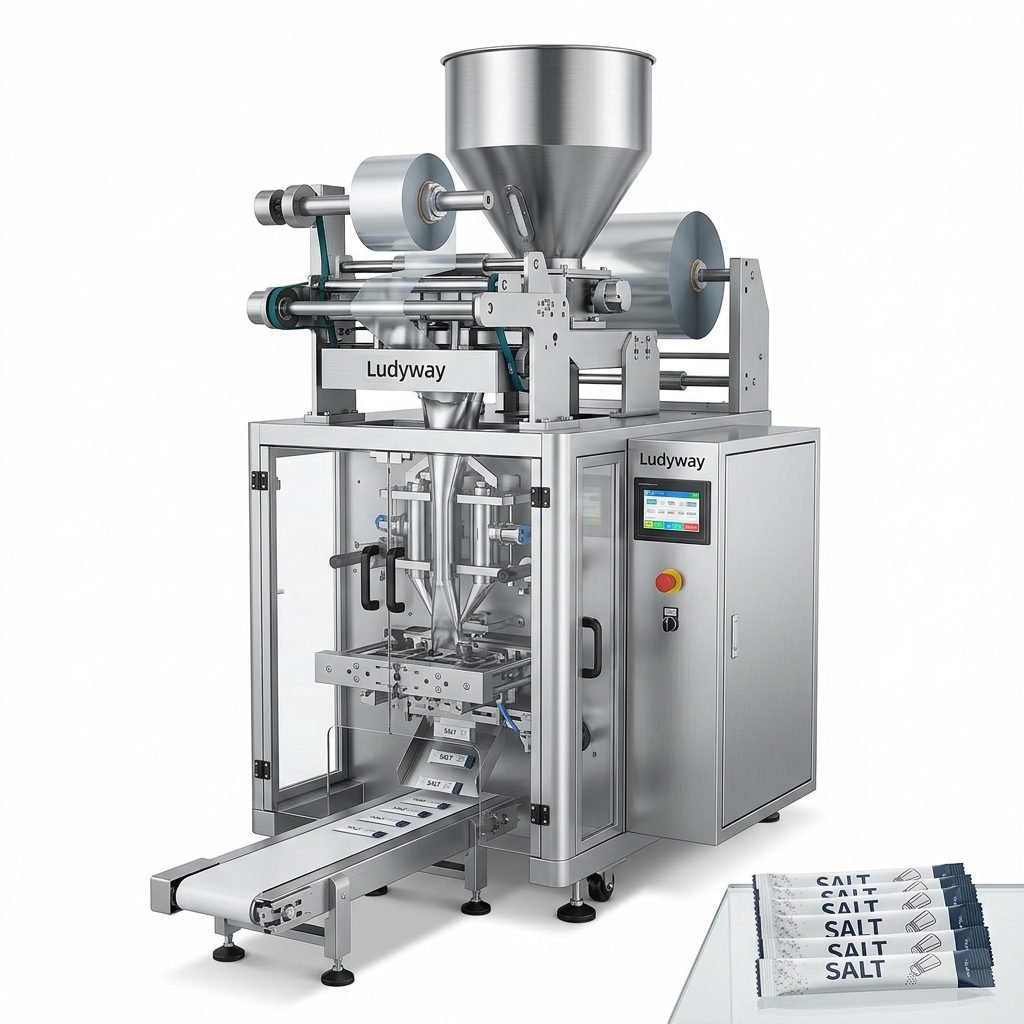
- Stick Packs: Increasingly popular for on-the-go consumption and premium branding. A stick pack machine creates a narrow, tube-like package that fits easily into lunch boxes or noodle cups.
Material Compatibility and Seal Integrity
The acidic nature of many sauces (like vinegar-based condiments) requires careful selection of film materials. The packaging film must have a high-barrier layer, usually aluminum foil or EVOH, to prevent oxidation and flavor loss. Seal integrity is non-negotiable—a leaking sauce packet can destroy a customer’s experience and damage your brand. Look for machines with precision temperature control and knurling or cross-sealing features that ensure strong, leak-proof seals even if product splashes onto the sealing area.
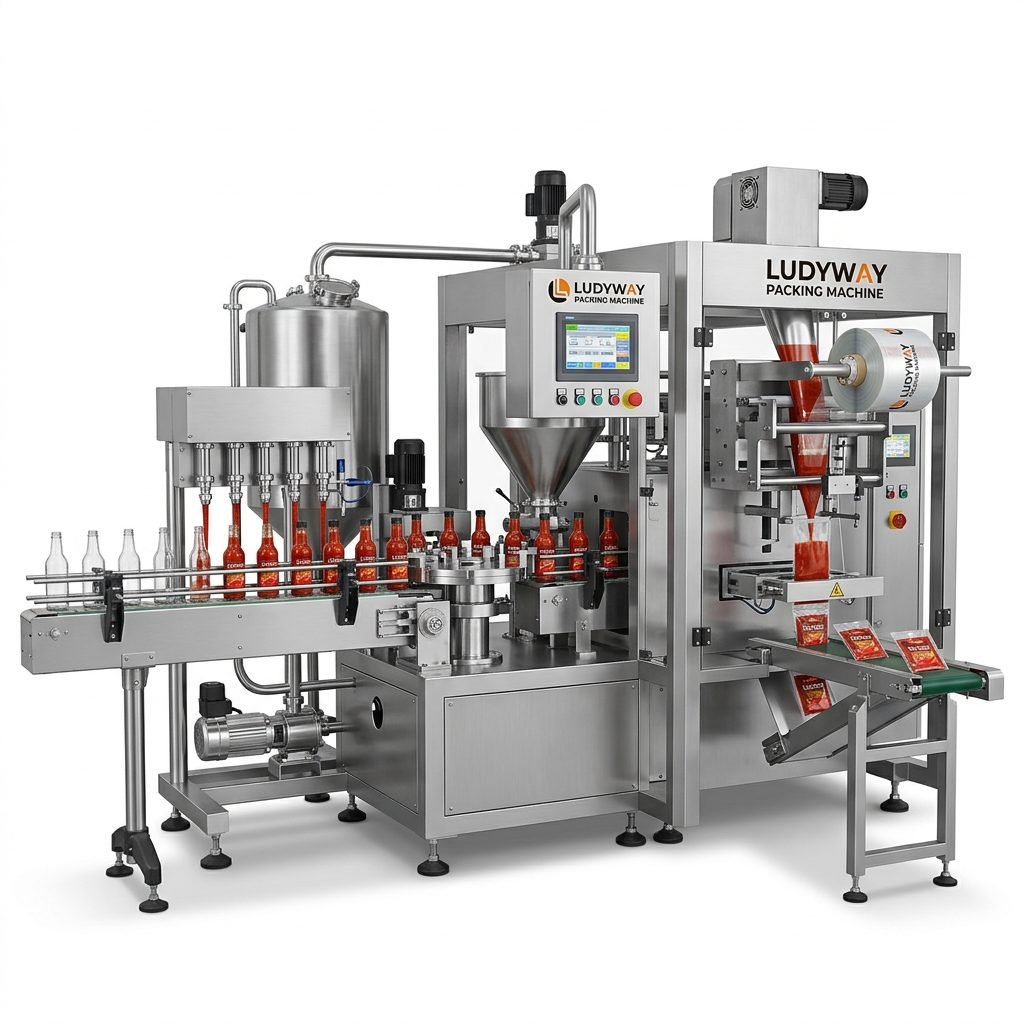
Evaluating Production Speed and Automation Levels
Your current and projected output is a massive factor in selecting a machine. Here is a quick reference table based on production tier:
| Production Level | Typical Speed | Recommended Configuration |
|---|---|---|
| Small Batch / Startup | 30-50 packs/min | Single-lane, intermittent motion |
| Mid-Size Production | 60-120 packs/min | 4-6 lane continuous motion |
| High Volume / Industrial | 200+ packs/min | 8-12 lane high-speed continuous |
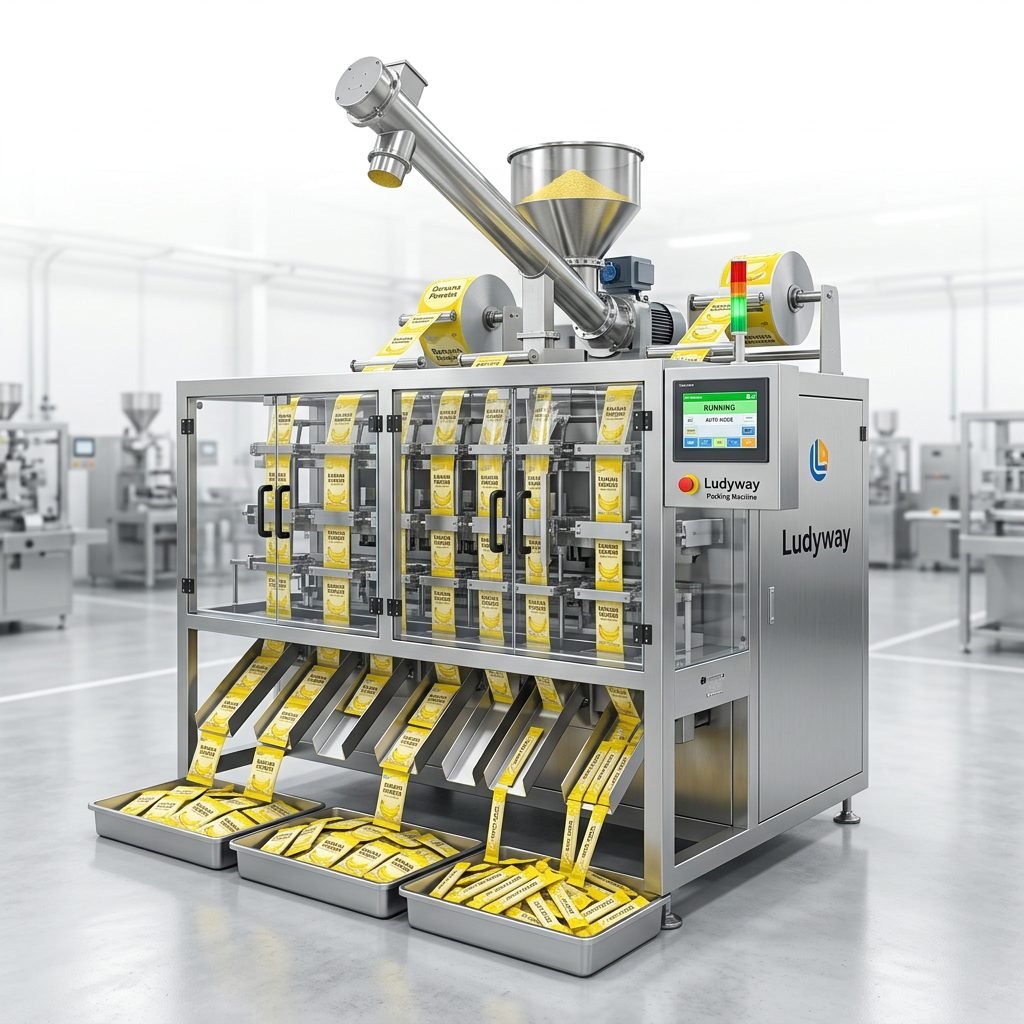
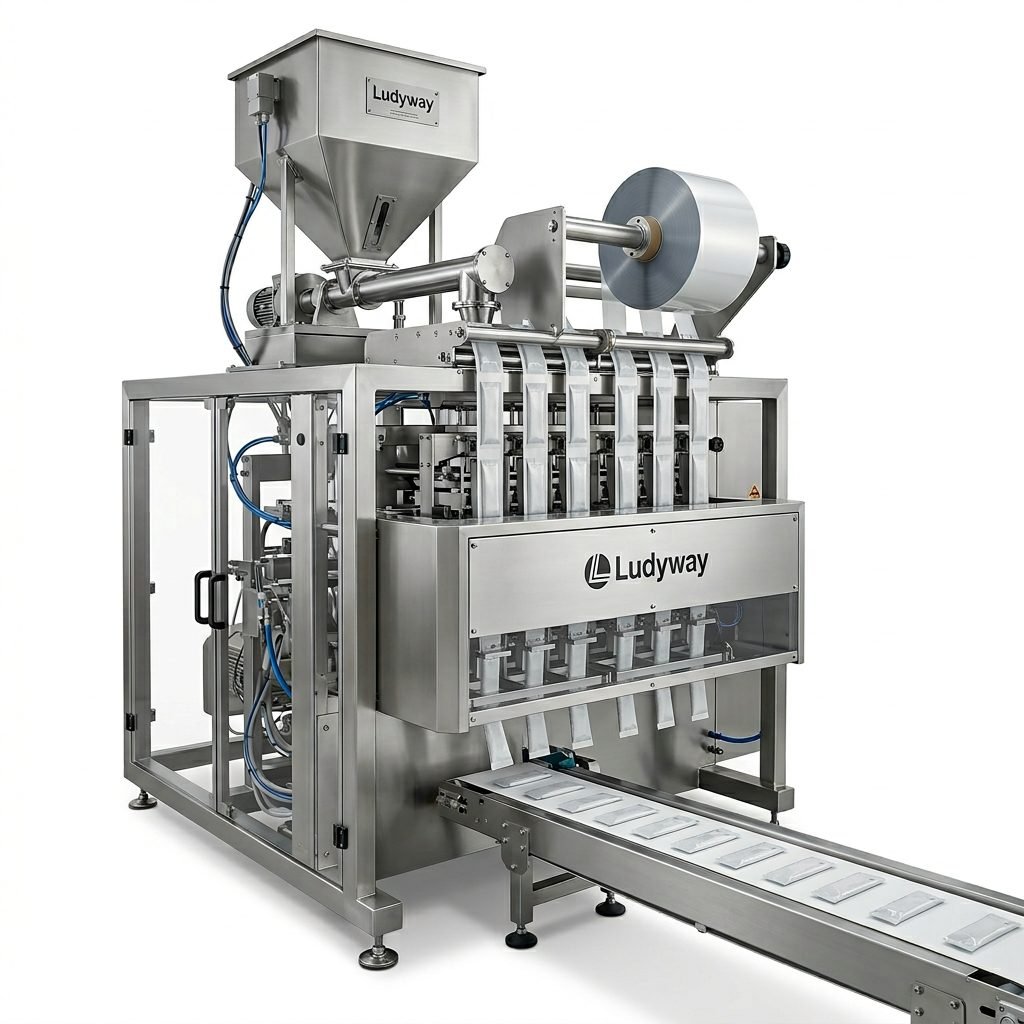
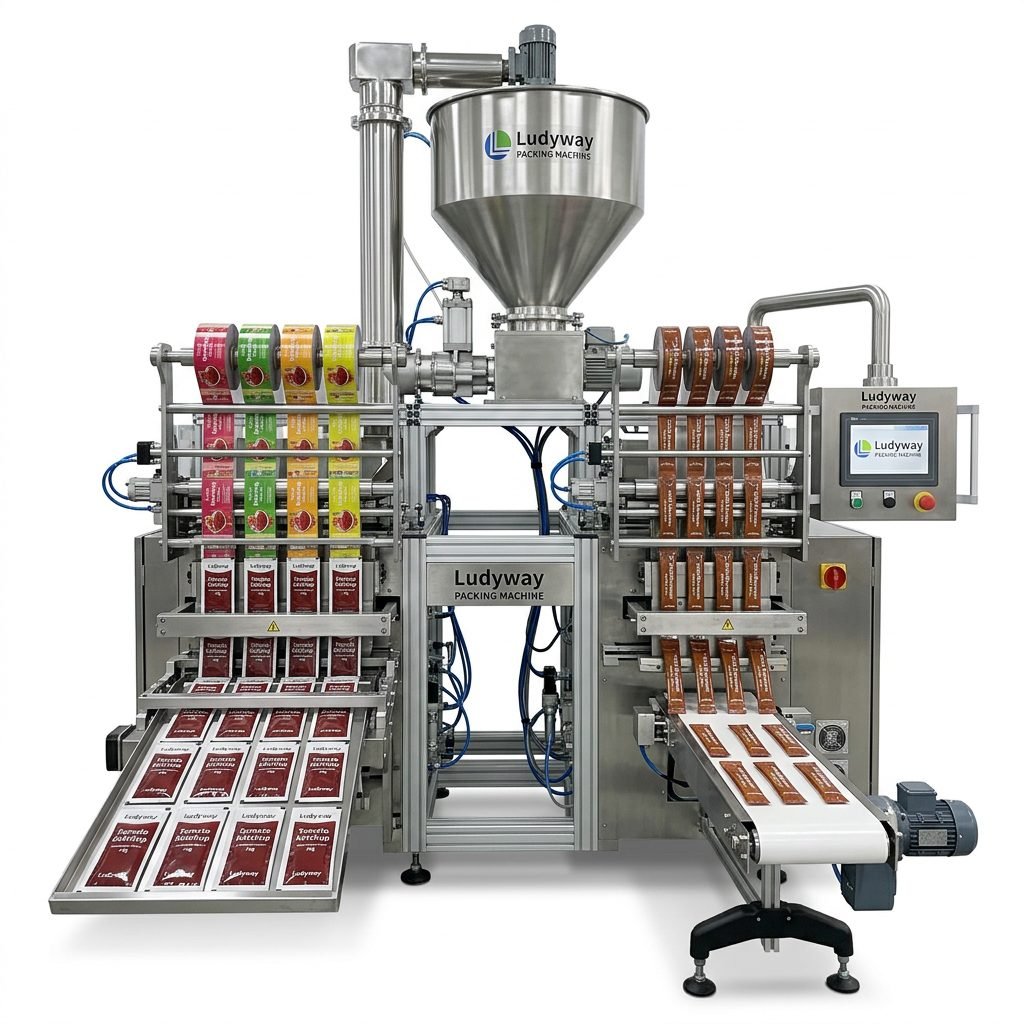
For high-volume production, a multi-lane packaging machine is essential. This technology multiplies output without requiring a linear increase in floor space, making it highly efficient for major sauce brands.
Navigating the Asian Manufacturing Landscape
Asia hosts a wide spectrum of sauce packaging machinery suppliers, ranging from low-cost generic fabricators in emerging industrial zones to premium Chinese manufacturers with IEC and CE certifications. While price sensitivity is understandable, the total cost of ownership (TCO) must be calculated. Downtime caused by a faulty low-cost machine can quickly wipe out initial savings. Prioritize manufacturers with a proven track record, transparent component sourcing (such as Siemens, Schneider, or Omron electronics), and a robust service network in your specific region.
Hygiene Design and Cleanability
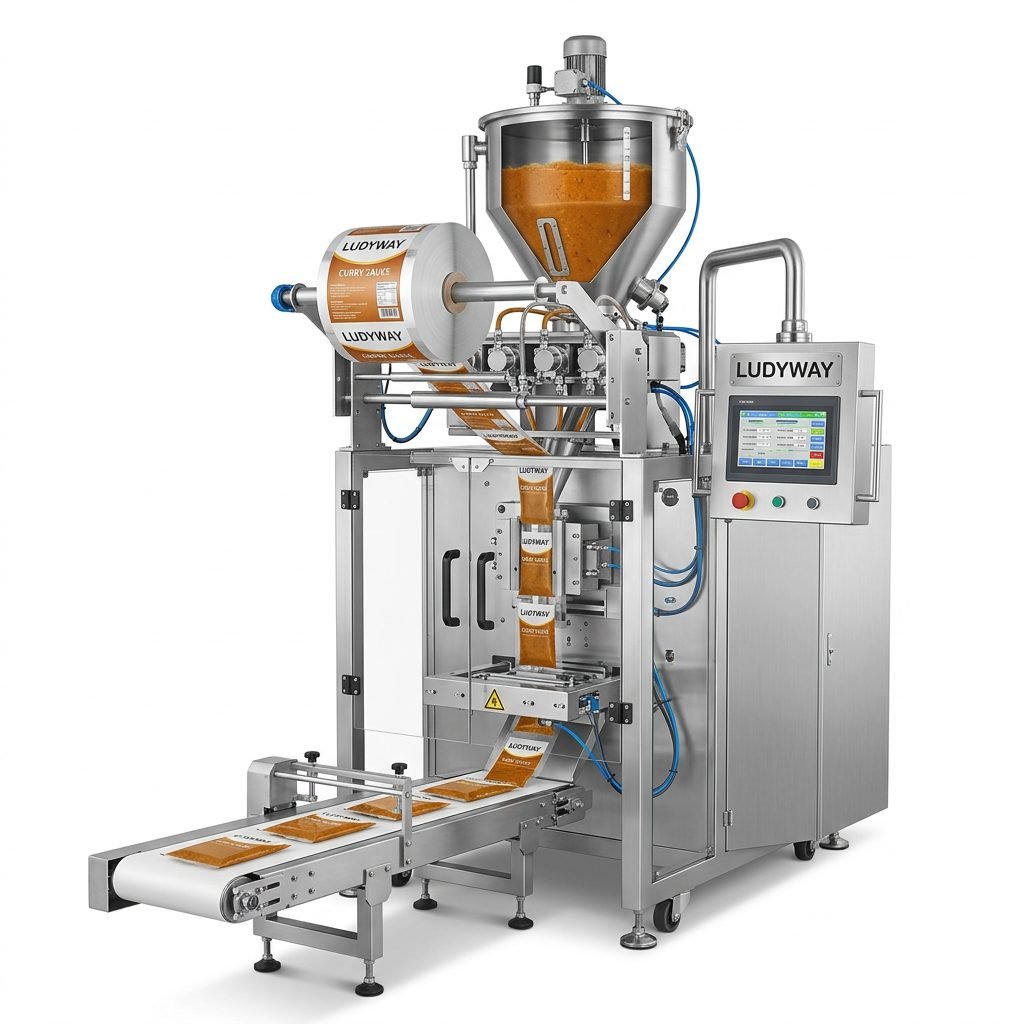
In sauce production, hygiene is paramount. You must look for machines built with CIP (Clean-in-Place) capabilities or, at the very least, tool-free disassembly for washdown. The ideal machine frame will be constructed of stainless steel 304 or 316, with sloped surfaces to prevent liquid pooling. Open-frame design is another popular feature in modern machinery, allowing operators to access the filling zone quickly to remove obstructions and sanitize the contact parts between product changeovers.
Key Features to Verify for Hygiene:
- Stainless steel construction (contact parts in SS316)
- Drip-free pneumatic nozzles
- Dust-proof and waterproof electrical cabinets (IP65 rating preferred)
- GMP-compliant design for pharmaceutical-grade condiment production
Advanced Features: Gas Flushing and Date Coding
To extend the shelf life of preservative-free or organic sauces, consider integrating Nitrogen (N2) gas flushing. This process displaces oxygen in the headspace of the sachet, preventing aerobic microbial growth and maintaining product freshness. Additionally, inline thermal inkjet printers are a must-have for regulatory compliance, allowing you to print expiration dates, batch numbers, and QR codes without slowing down the line. A comprehensive turnkey system integrates these units seamlessly.

Supplier Verification and After-Sales Support
Before closing a deal, verify the supplier’s technical capability. A face-to-face factory visit is the gold standard, but if that is not possible, request a Factory Acceptance Test (FAT) via video. Send your actual sauce formula for trial runs to test for dripping, seal strength, and fill accuracy. Also, probe deeply into the after-sales service agreement. A reputable team should offer remote diagnostics and a hotline manned by application experts—not just general salespeople.
Cost Analysis: Beyond the Initial Investment
The sticker price of a small sauce packaging machine is only the beginning. A detailed financial comparison should factor in:
- Film Waste Rate: Efficient machines minimize material loss during start-up and splice cycles.
- Spare Parts Availability: Localized parts storage drastically reduces shipping delays.
- Changeover Time: If you switch between sauce recipes frequently, rapid-changeover design is a valuable time-saver.
- Energy Efficiency: Modern servo-driven machines consume significantly less power than pneumatic counterparts.
One such provider of robust packaging solutions, Ludyway, emphasizes these engineered efficiencies across their global equipment range, ensuring that manufacturers achieve predictable operating costs over their machine’s lifespan. For more specialized applications, you might explore their dedicated sachet packaging machine series to see how modular designs adapt to different production scales.
Key Technical Specifications to Compare
When comparing datasheets, focus on these core specifications to ensure you are comparing apples to apples:
| Specification | Why It Matters for Sauce |
|---|---|
| Filling Range | Confirm the machine can handle your specific sachet size (e.g., 5ml to 50ml). |
| Filling Accuracy | Target ±1% or better to control product giveaway, especially for expensive oils and essences. |
| Seal Pressure | Adjustable pressure is critical for thick laminated films resistant to tearing. |
| Hopper Level Control | Automated level sensors prevent pump cavitation and ensure consistent fill weights. |
Finalizing Your Choice for the Asian Market
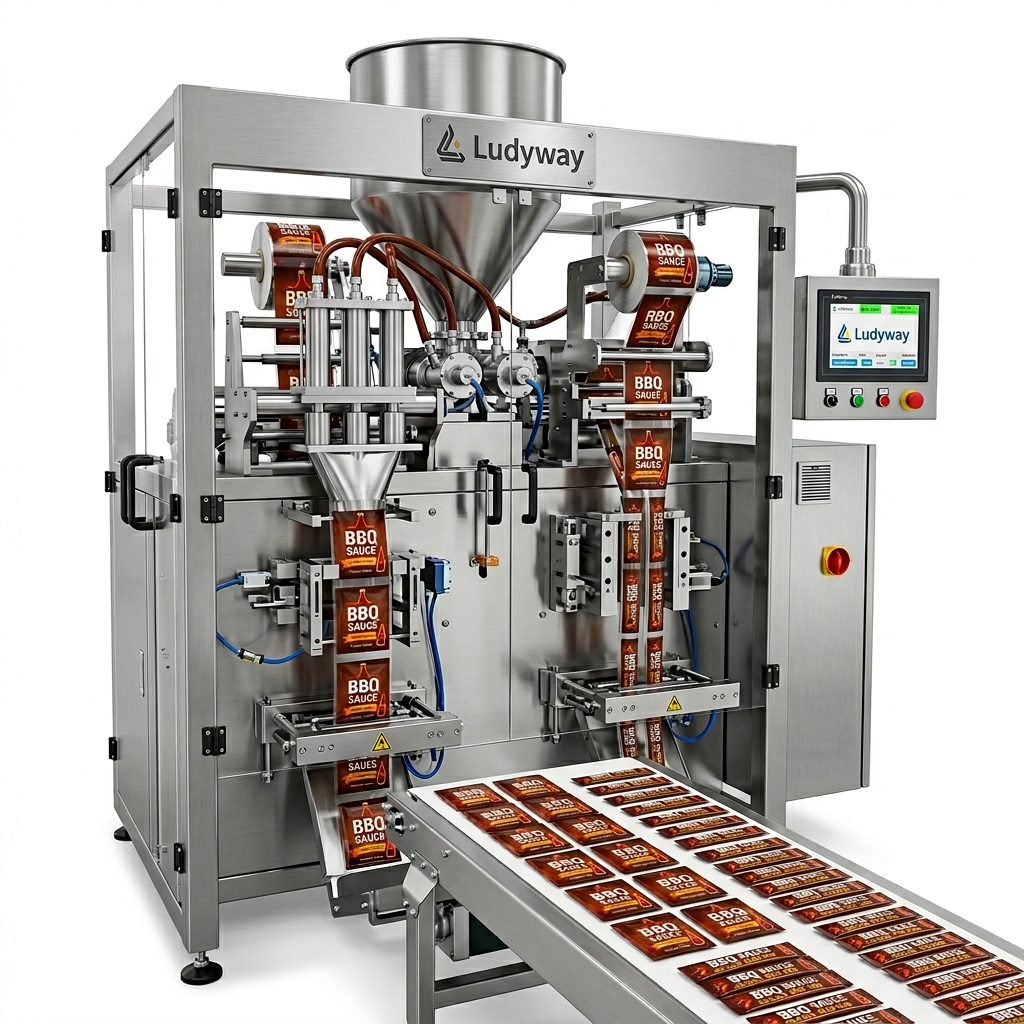
Choosing a small sauce packaging machine in Asia is a long-term investment in productivity. By meticulously assessing your product’s viscosity, understanding the nuances between sealing technologies, and prioritizing hygienic engineering alongside automation, you can avoid the pitfalls of cheap imports. Always validate the supplier’s expertise with your specific formulation, whether it’s a thin soy sauce or a thick, chunky pasta sauce. This due diligence ensures your packaging line operates with maximum efficiency and minimal downtime, keeping your brand competitive.
Recommended Industry Resources
To further inform your decision, explore these authoritative external resources:
- PMMI – The Association for Packaging and Processing Technologies
- Flexible Packaging Association – Industry Resources
- FDA – Food Packaging and Food Contact Substances
- ISO – Packaging Standards
About Ludyway
Ludyway is one of the largest packaging machine manufacturers in China, specializing in advanced packaging equipment and turnkey production solutions for the food, pharmaceutical, and health industries. With over 30 years of industry expertise, we provide reliable and efficient packaging solutions for granule, powder, liquid, and pouch packaging applications. Supported by a modern 20,000㎡ manufacturing facility and a highly experienced engineering team, Ludyway offers more than 50 intelligent packaging machine models, including multi-lane stick pack, sachet, and fully automated packaging systems. Serving customers in over 100 countries and regions, we are committed to delivering innovative, high-performance, and cost-effective packaging solutions that help businesses improve productivity, product quality, and operational efficiency.