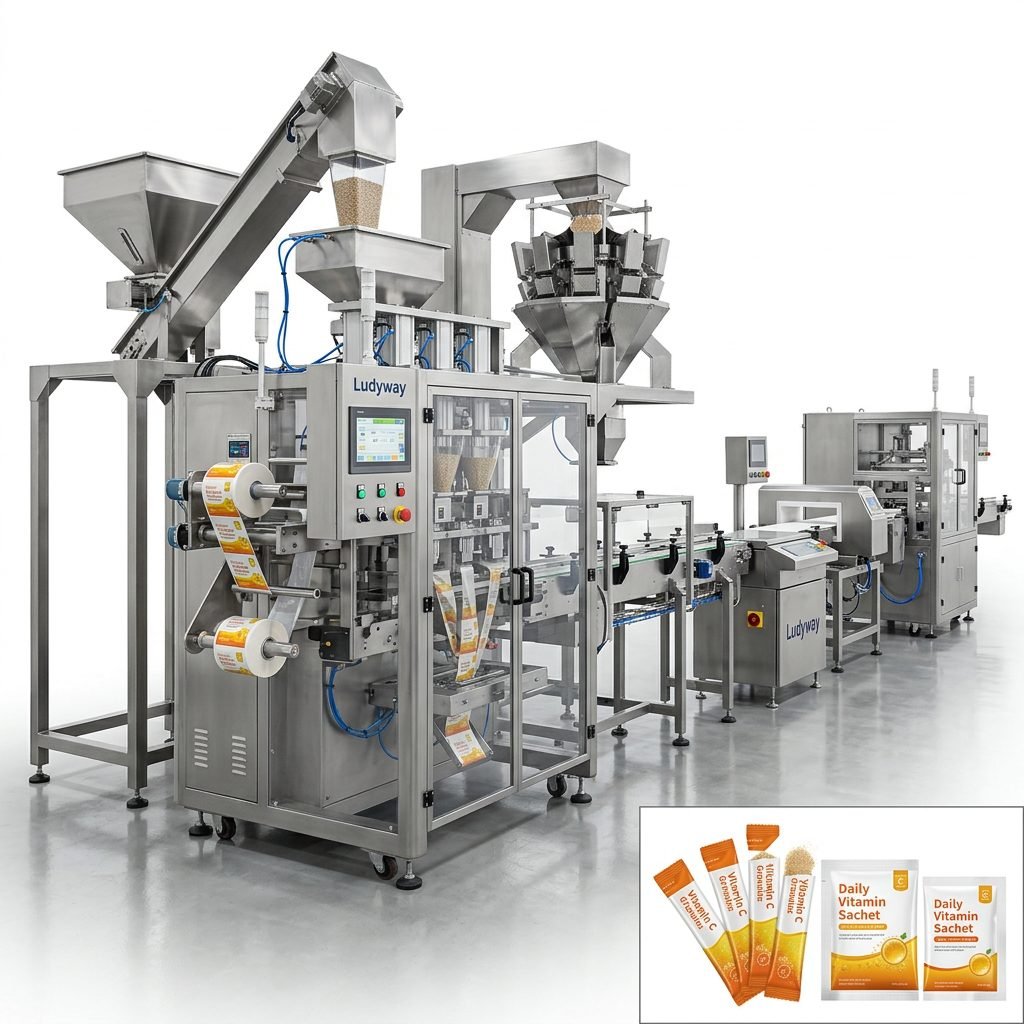
Italy’s food processing sector continues to expand, and the demand for automated cookie packaging machine systems has grown significantly. Setting up a complete production line requires careful planning around machine configuration, regulatory compliance, and local operational conditions. This guide walks through the essential steps to build an efficient, scalable cookie packaging operation in Italy.
Understanding the Italian Cookie Packaging Market
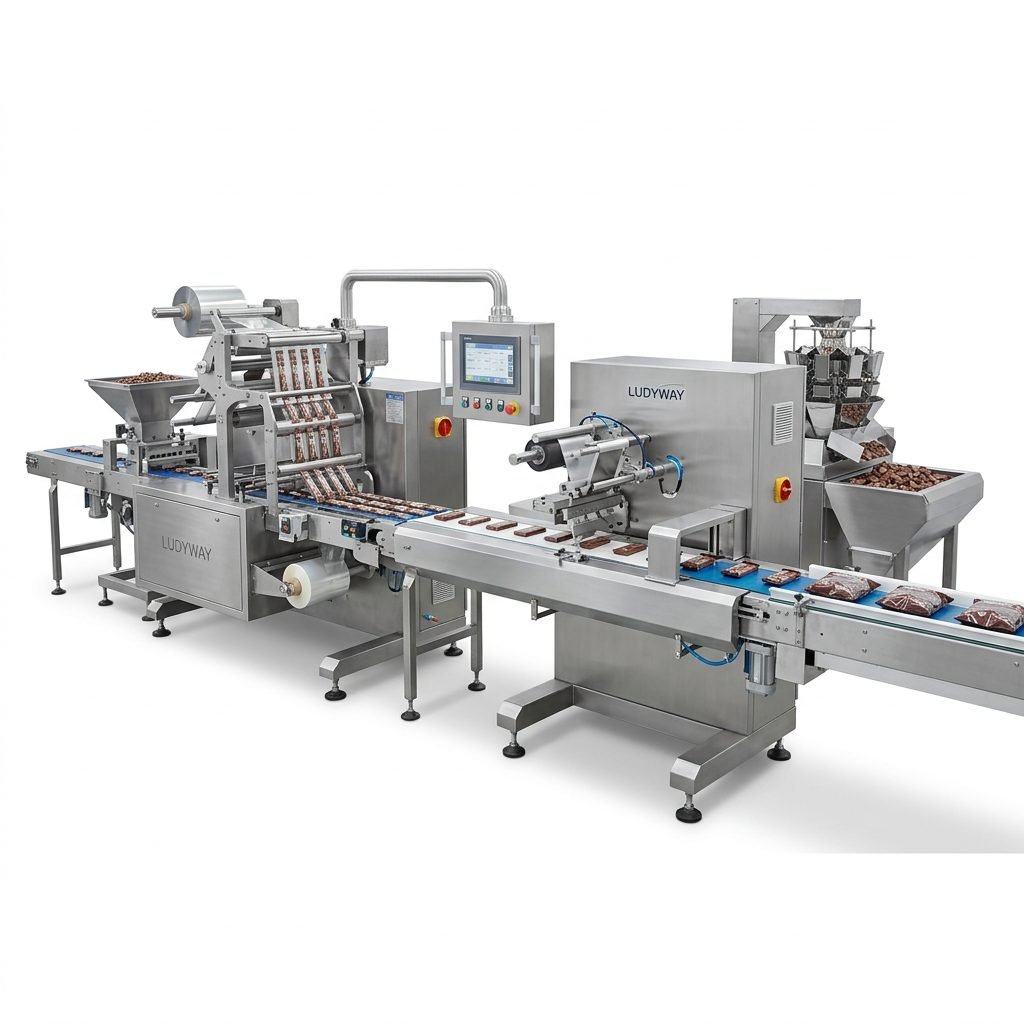
The Italian bakery and confectionery market is characterized by a strong preference for high-quality, artisanal-style products combined with modern packaging machinery efficiency. Manufacturers require systems capable of handling delicate biscuit textures while maintaining high throughput. Key market drivers include export-oriented production, strict EU food safety standards, and the need for flexible packaging formats including pillow packs, flow wraps, and multi-pack cartoning.
When evaluating equipment for this market, consider machines that offer gentle product handling, precise portion control, and compatibility with recyclable film materials — all priorities for Italian food brands. The right cookie packaging machine must balance speed with product integrity, especially for fragile biscotti, amaretti, and wafer-style cookies.
Key Machine Configurations for Cookie Lines
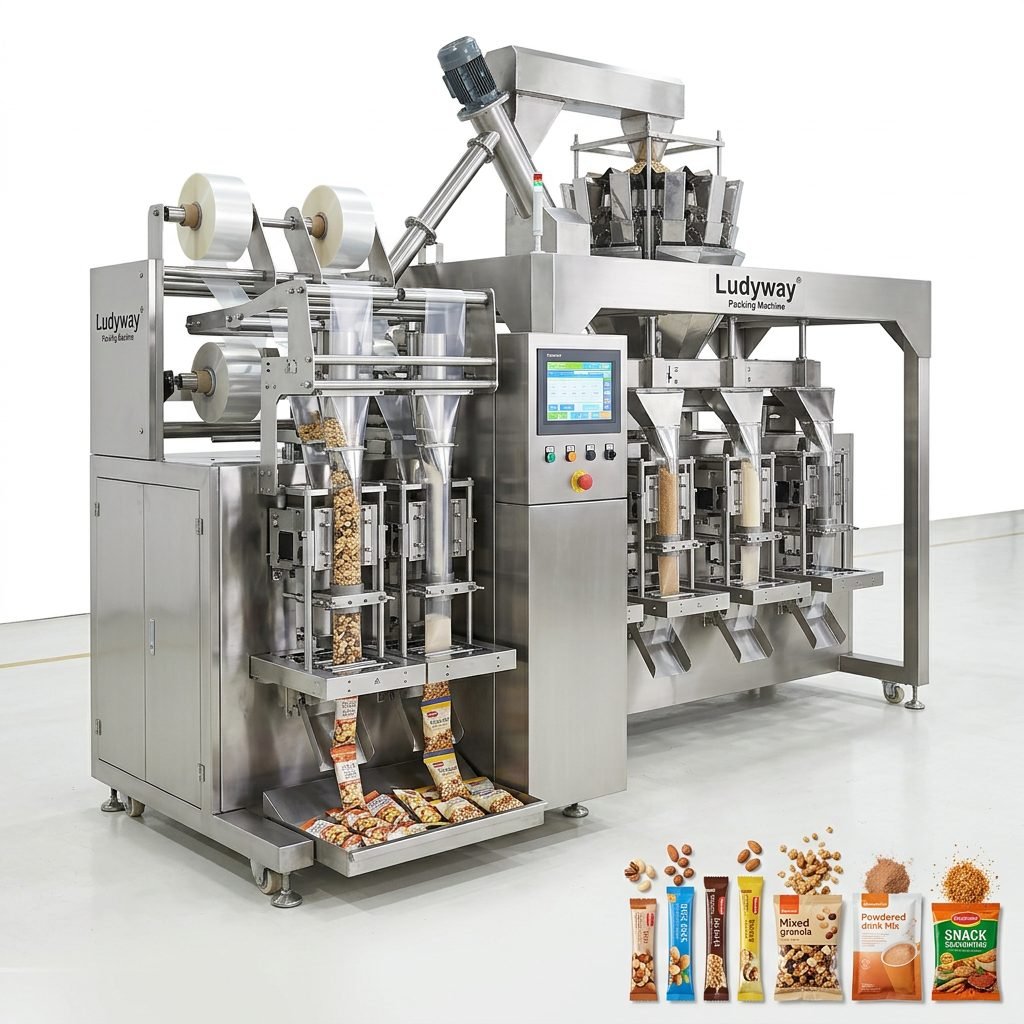
- Flow Wrapping Machines: Ideal for individual cookie packs with hermetic sealing
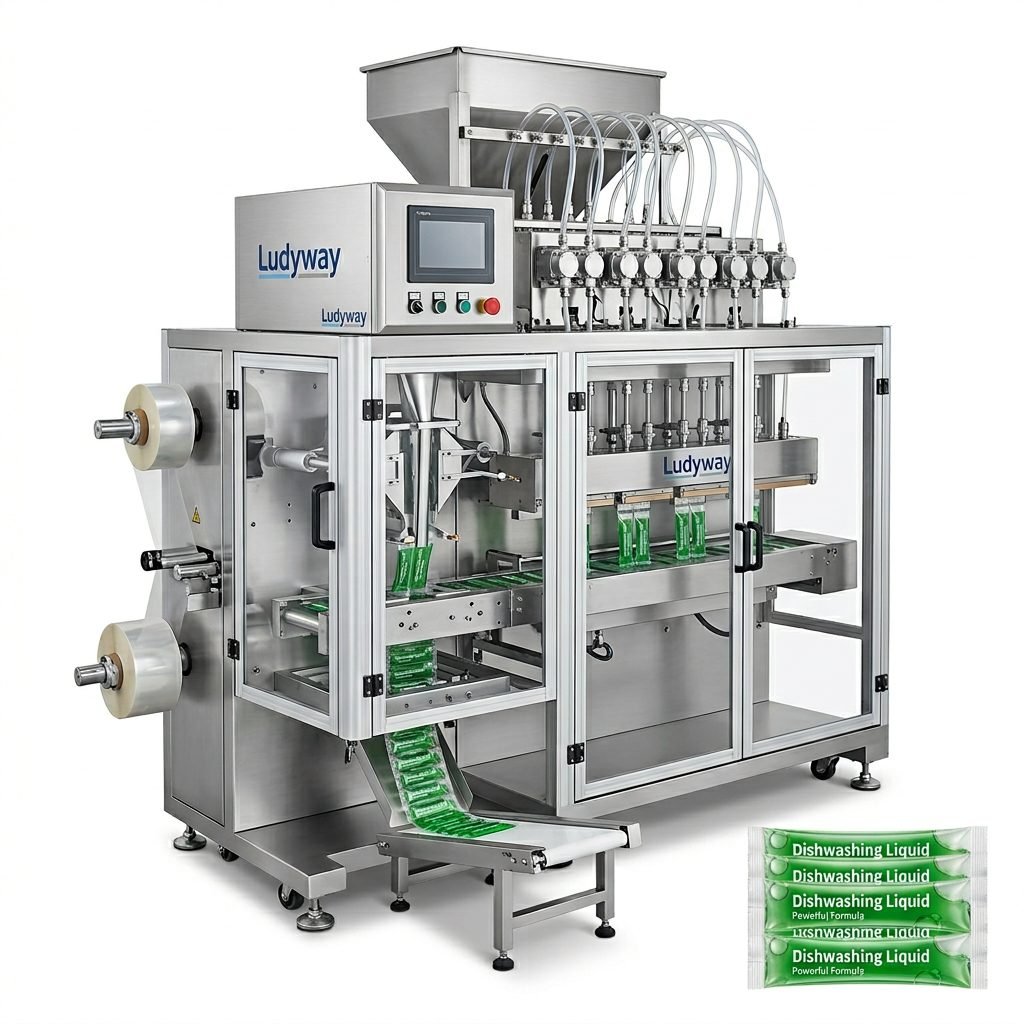
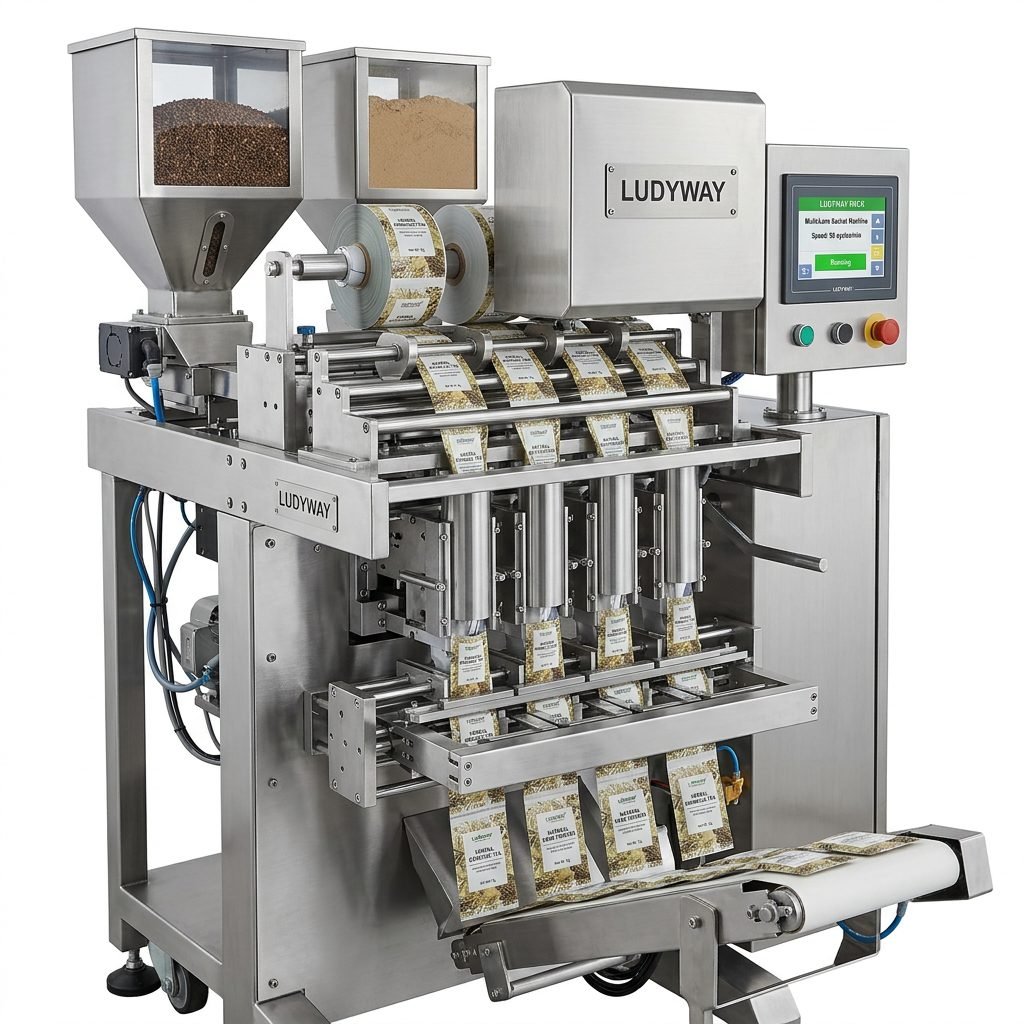
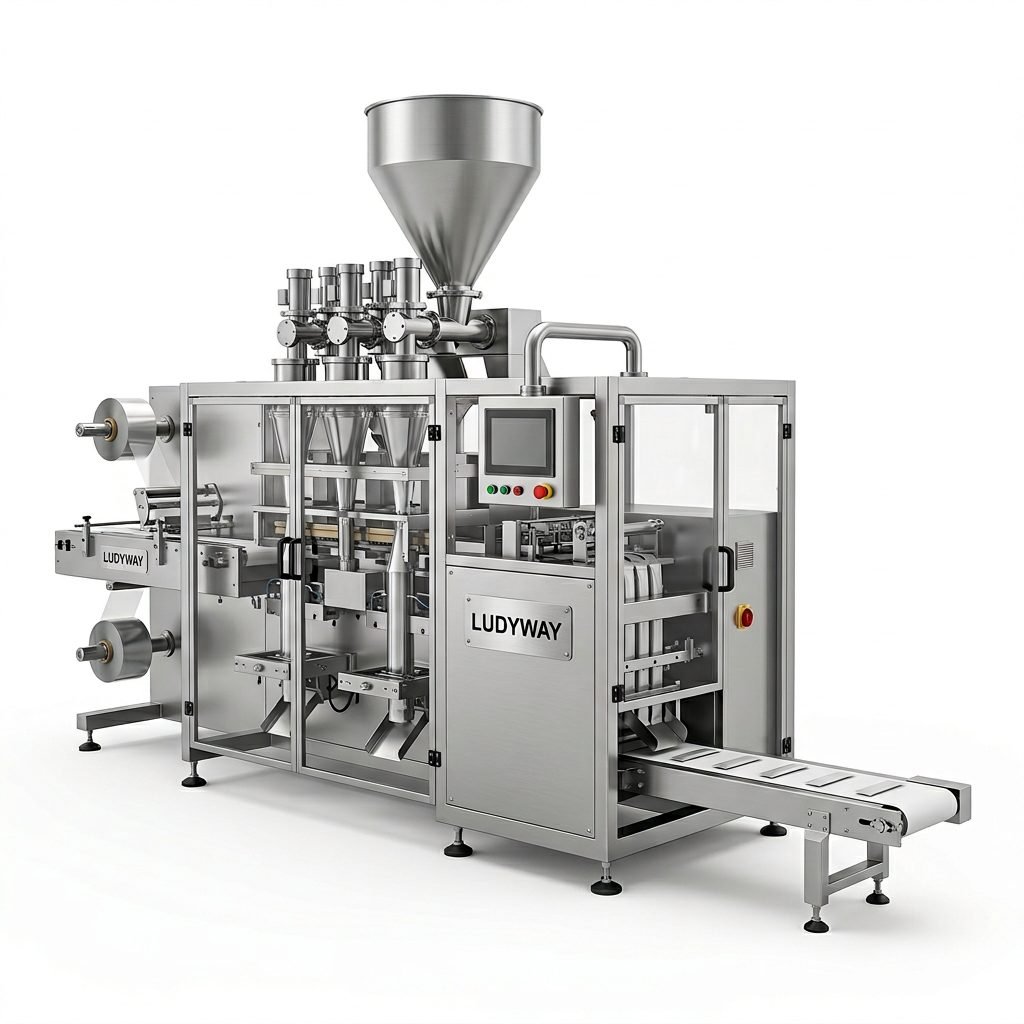
- Multi-Lane Stick Pack Systems: High-speed portion packs for mini cookies and wafers
- Vertical Form Fill Seal (VFFS): Suitable for pillow bags and bulk cookie packaging
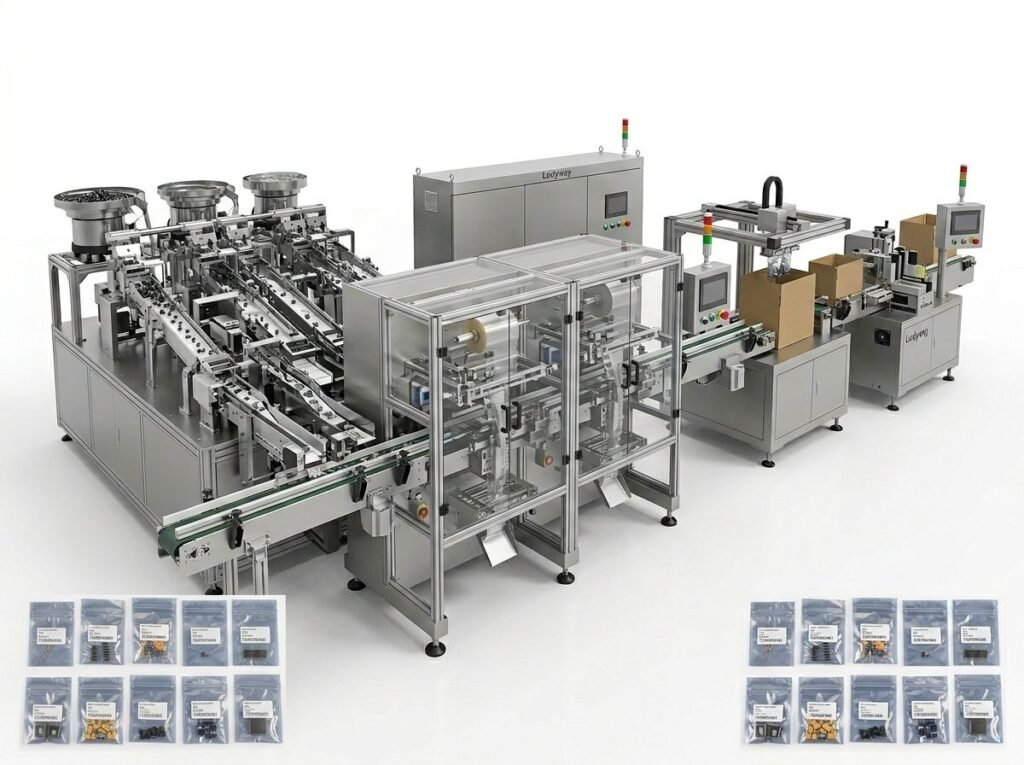
- Cartoning & Case Packing: End-of-line automation for retail-ready packaging
| Machine Type | Best Application | Typical Speed Range |
|---|---|---|
| Horizontal Flow Wrapper | Individual biscuit wraps | 80-200 packs/min |
| Multi-Lane Stick Pack | Mini cookies, wafers | 200-600 packs/min |
| VFFS Pillow Bag | Family pack cookies | 40-120 bags/min |
Production Line Layout and Workflow Design
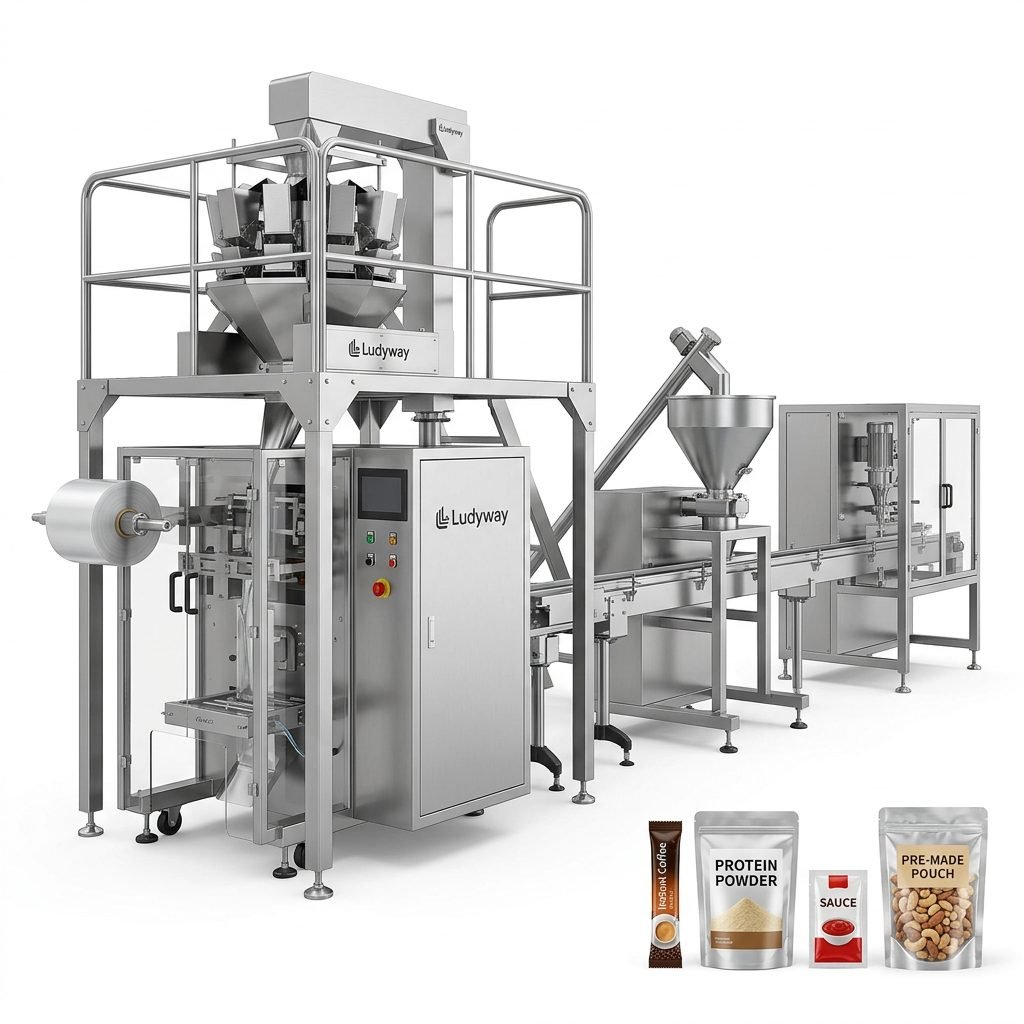
A well-planned production line layout minimizes product transfer distances and maximizes operator efficiency. The typical cookie packaging workflow includes feeding conveyors, alignment systems, primary wrapping units, checkweighers, metal detectors, and secondary cartoning stations. Italian facilities often prioritize compact layouts due to space constraints in traditional manufacturing buildings.
Integrating automatic feeding and counting systems reduces manual labor while ensuring consistent pack accuracy. Multi-head weighers paired with bucket elevators provide precise cookie distribution into packaging machines without product breakage.
European Regulatory Compliance and Safety Standards
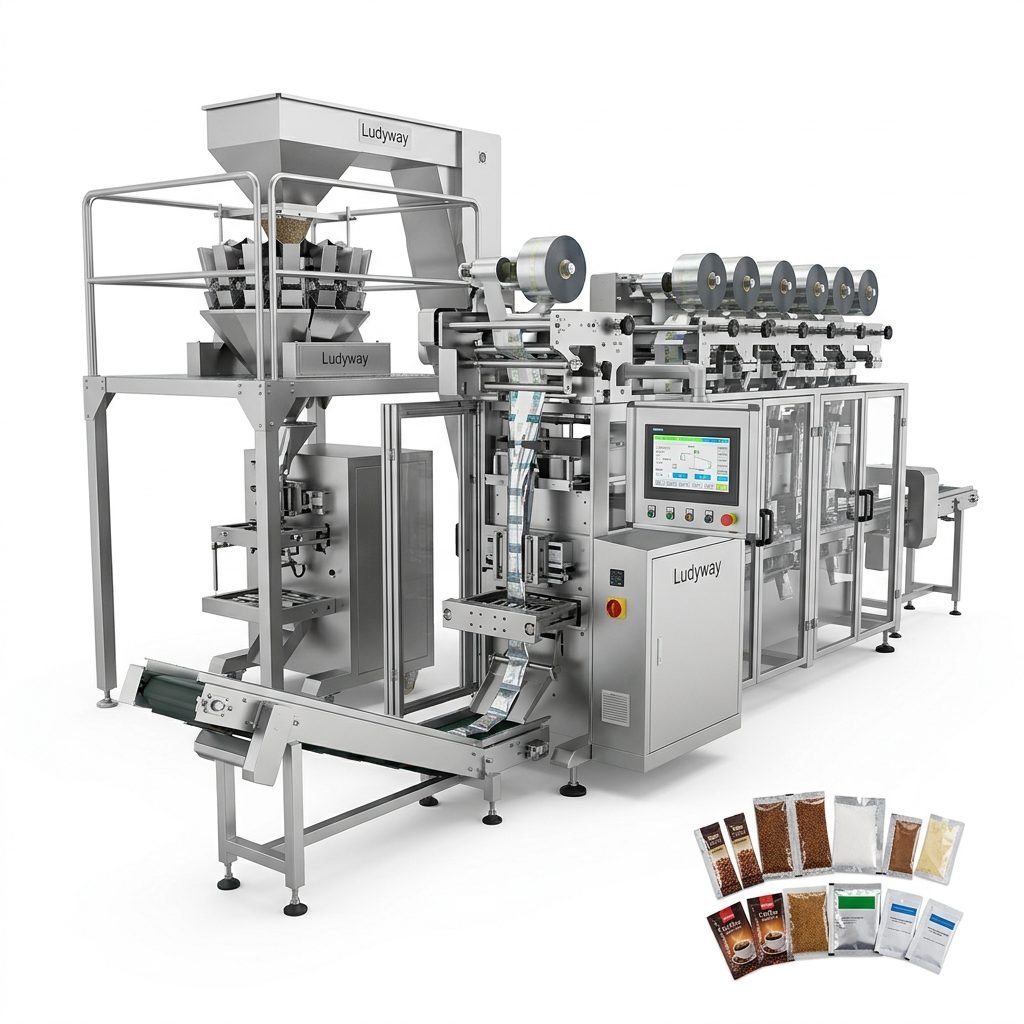
All packaging equipment installed in Italy must comply with EU CE marking requirements, the Machinery Directive 2006/42/EC, and food contact material regulations under EC 1935/2004. Additionally, Italian manufacturers must adhere to local electrical and safety codes. Working with suppliers experienced in EU compliance streamlines the certification process and avoids costly delays.
Equipment should feature stainless steel construction for food contact zones, IP65 or higher washdown protection, and validated sealing integrity to meet Italian food safety expectations. Documentation including FAT (Factory Acceptance Testing) and SAT (Site Acceptance Testing) protocols is essential for regulatory audits.
Installation and Commissioning in Italy
Successful installation begins with site preparation — ensuring adequate power supply (typically 380V three-phase in Italy), compressed air capacity, and floor leveling. Italian industrial facilities often require vibration-dampening foundations for high-speed packaging lines. Detailed installation manuals in Italian language and on-site technician support significantly reduce commissioning timelines.
Training local operators is critical. Comprehensive training programs covering machine operation, changeover procedures, and basic maintenance should be conducted during commissioning. Many Italian manufacturers prefer hands-on training sessions with multilingual documentation.
Maintenance and After-Sales Support Considerations
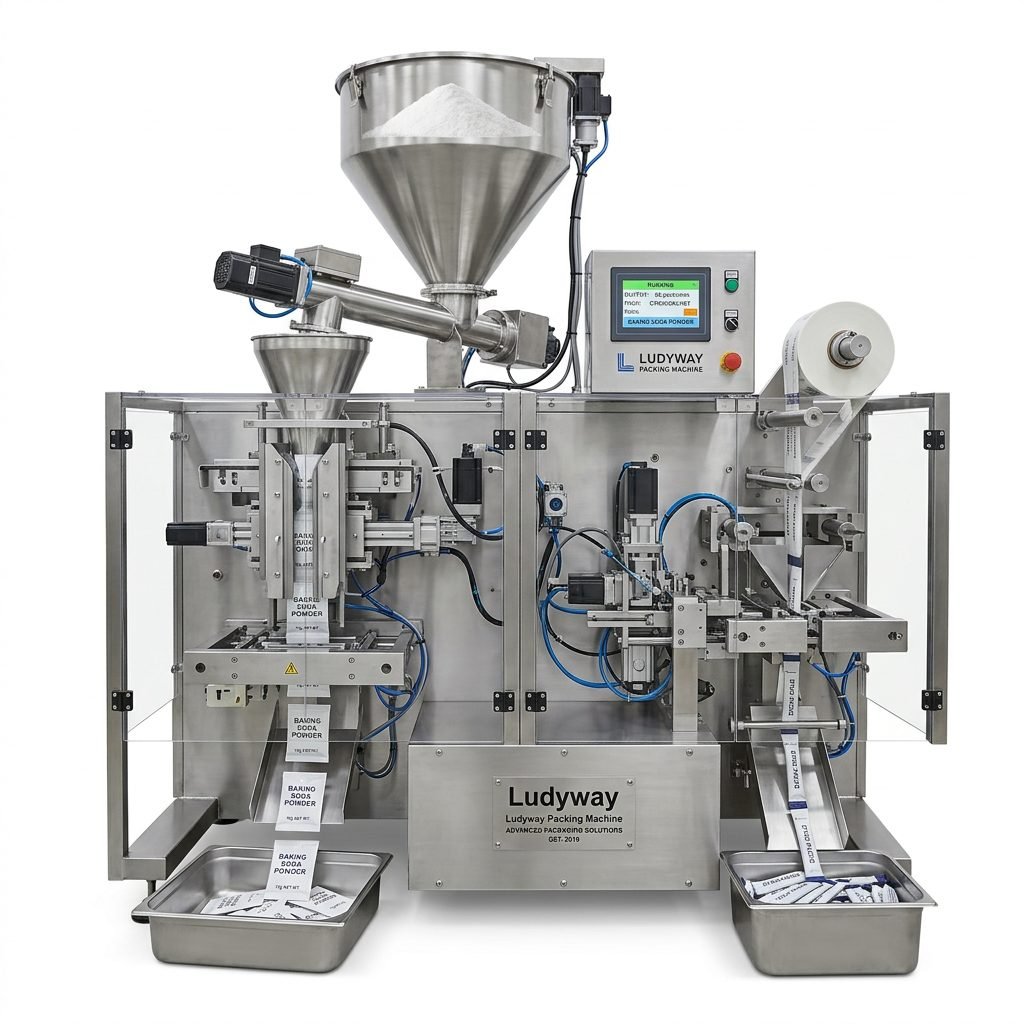
Reliable after-sales support is crucial for Italian operations, where production downtime directly impacts export commitments. Key service elements include:
- Local spare parts inventory or rapid shipment from EU distribution hubs
- Remote diagnostic capabilities via IoT-enabled machine interfaces
- Scheduled preventive maintenance visits
- 24/7 technical hotline with Italian language support
Choosing a packaging machine manufacturer with established European service networks ensures minimal disruption. Many suppliers now offer predictive maintenance packages using machine learning to anticipate component wear before failures occur.
Cost Analysis and ROI for Italian Operations
Investment in a complete cookie packaging line typically ranges from €150,000 to €800,000 depending on automation level and throughput requirements. Key cost factors include machine configuration, auxiliary equipment, installation, and training. Italian manufacturers benefit from generous tax incentives under Industry 4.0 programs, which can offset up to 50% of qualifying capital investments.
| Cost Component | Estimated Range (EUR) | Notes |
|---|---|---|
| Primary Packaging Machine | €80,000 – €350,000 | Flow wrapper or VFFS system |
| Auxiliary Equipment | €30,000 – €150,000 | Feeders, checkweighers, metal detectors |
| Cartoning & End-of-Line | €40,000 – €200,000 | Cartoners, case packers |
| Installation & Training | €10,000 – €50,000 | Site preparation, commissioning |
ROI is typically achieved within 18-36 months for medium-scale Italian operations, driven by labor savings, reduced packaging material waste, and increased production capacity.
Selecting the Right Supplier for Italian Operations
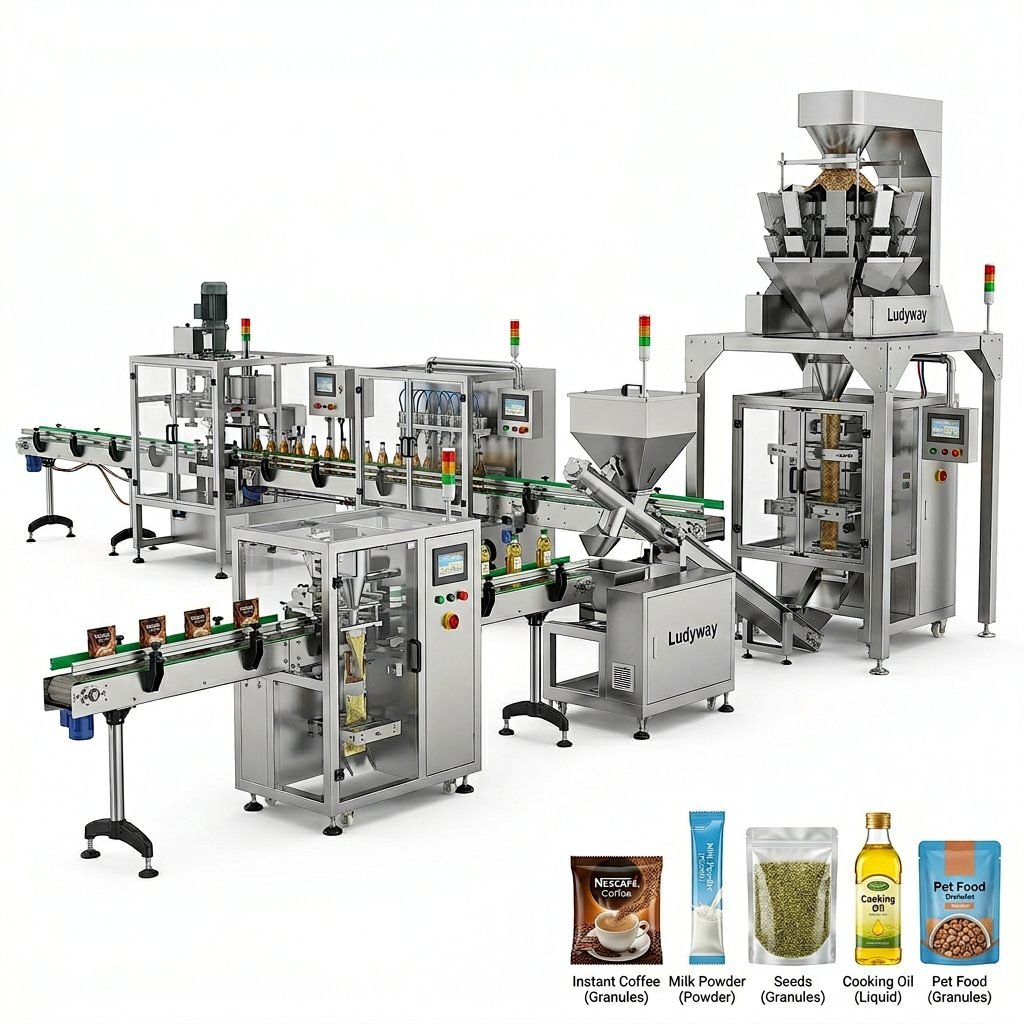
When evaluating packaging equipment suppliers, consider their track record in European markets, technical documentation quality, and long-term partnership approach. Look for manufacturers offering factory acceptance testing with samples of your specific products, comprehensive warranty terms, and flexible financing options compatible with Italian business practices.
Reference visits to existing installations in Italy or neighboring countries provide valuable insights into real-world machine performance and service quality. Prioritize suppliers demonstrating deep food industry expertise and understanding of Italian manufacturing culture.
About Ludyway — one of the largest packaging machine manufacturers in China, specializing in advanced equipment and turnkey solutions for the food, pharmaceutical, and health industries. With over 30 years of expertise and a modern 20,000㎡ facility, Ludyway serves customers in more than 100 countries with reliable, high-performance packaging systems.
Packaging Material Considerations for the Italian Market
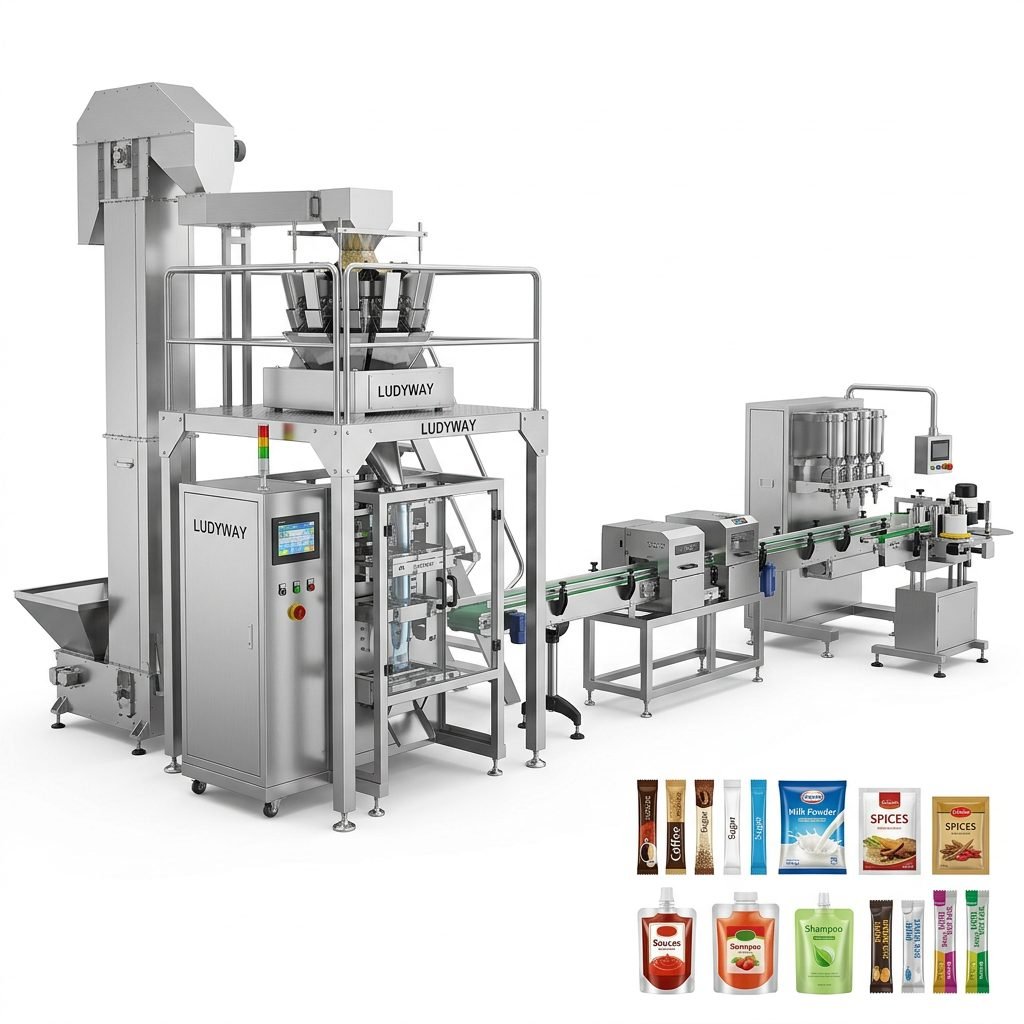
Italian consumers and regulators increasingly demand sustainable packaging. The packaging machine should be compatible with mono-material films, paper-based laminates, and compostable materials. Seal integrity must be maintained across diverse material types, requiring precise temperature control and dwell time adjustment capabilities.
Many Italian brands prefer packaging with clear windows for product visibility, resealable features, and shelf-ready presentation formats. Your cookie packaging machine should offer rapid changeover between different film types and pack styles to accommodate seasonal and promotional packaging variations.
Integration with Factory Automation and IoT Systems
Modern Italian food factories increasingly implement Industry 4.0 connectivity standards. The packaging line should support OPC-UA or MQTT protocols for integration with MES and ERP systems. Real-time OEE monitoring, predictive maintenance alerts, and automated reporting align with Italian manufacturers’ focus on operational transparency and continuous improvement.
Data collection from packaging machines enables traceability from raw material batches to finished packs — a growing requirement for Italian export products under evolving EU food regulations.
Future-Proofing Your Investment
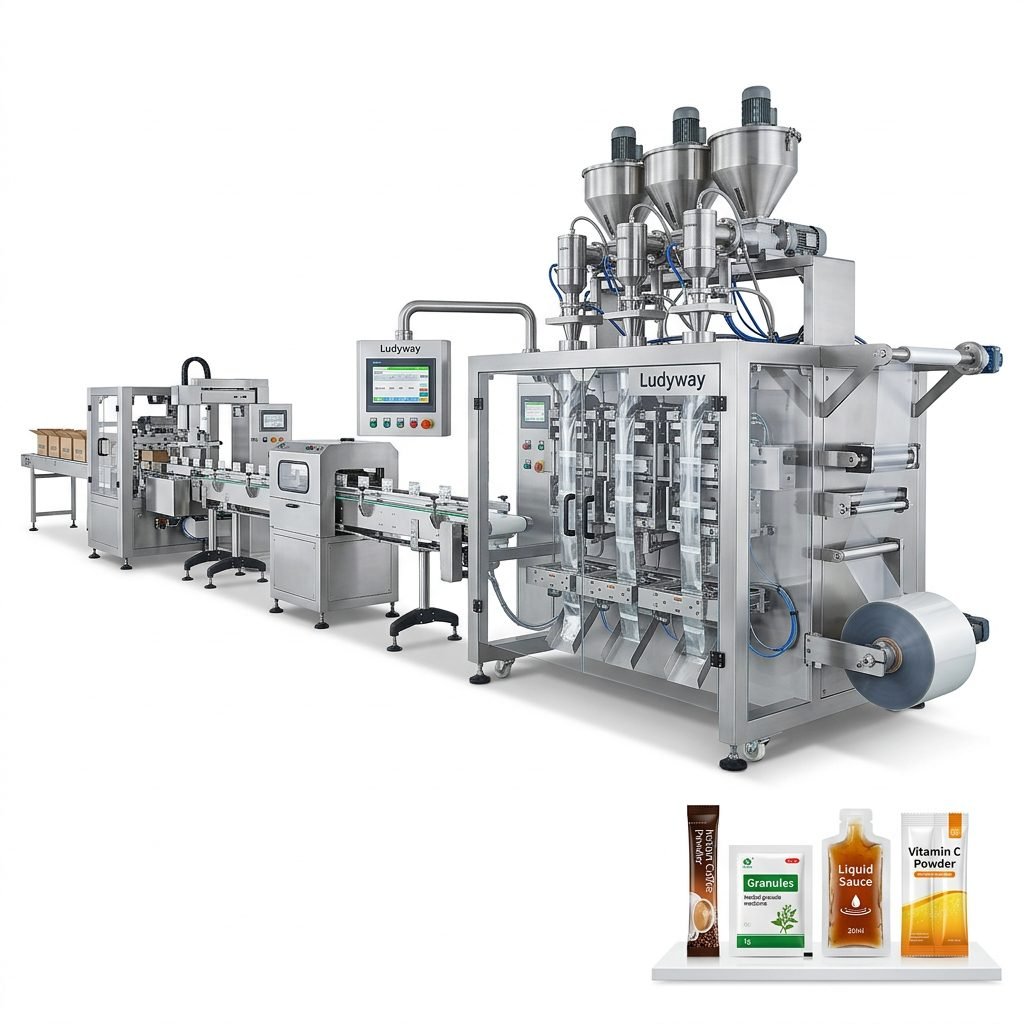
Plan for modular machine designs that allow capacity expansion through adding lanes or upgrading feeding systems. Consider machines with tool-less changeover capabilities to handle new cookie formats without major retooling. The ability to process both ambient and modified atmosphere packaging extends the line’s utility for premium Italian cookie products with extended shelf life requirements.
Investing in training and documentation ensures your team can maximize machine utilization over the equipment’s 15-20 year operational life. Regular software updates and retrofittable modules keep the packaging line competitive as Italian market trends evolve toward healthier ingredients, smaller portion sizes, and premium presentation formats.