Investing in a fish packaging machine in Asia requires careful evaluation of equipment capabilities, regional regulations, and production goals. Whether you are processing fresh fillets, frozen seafood, or value-added fish products, the right packaging system directly impacts product shelf life, operational efficiency, and export compliance. This guide walks you through the essential factors to consider when purchasing fish packaging equipment in Asian markets.
Understanding Fish Packaging Machine Categories
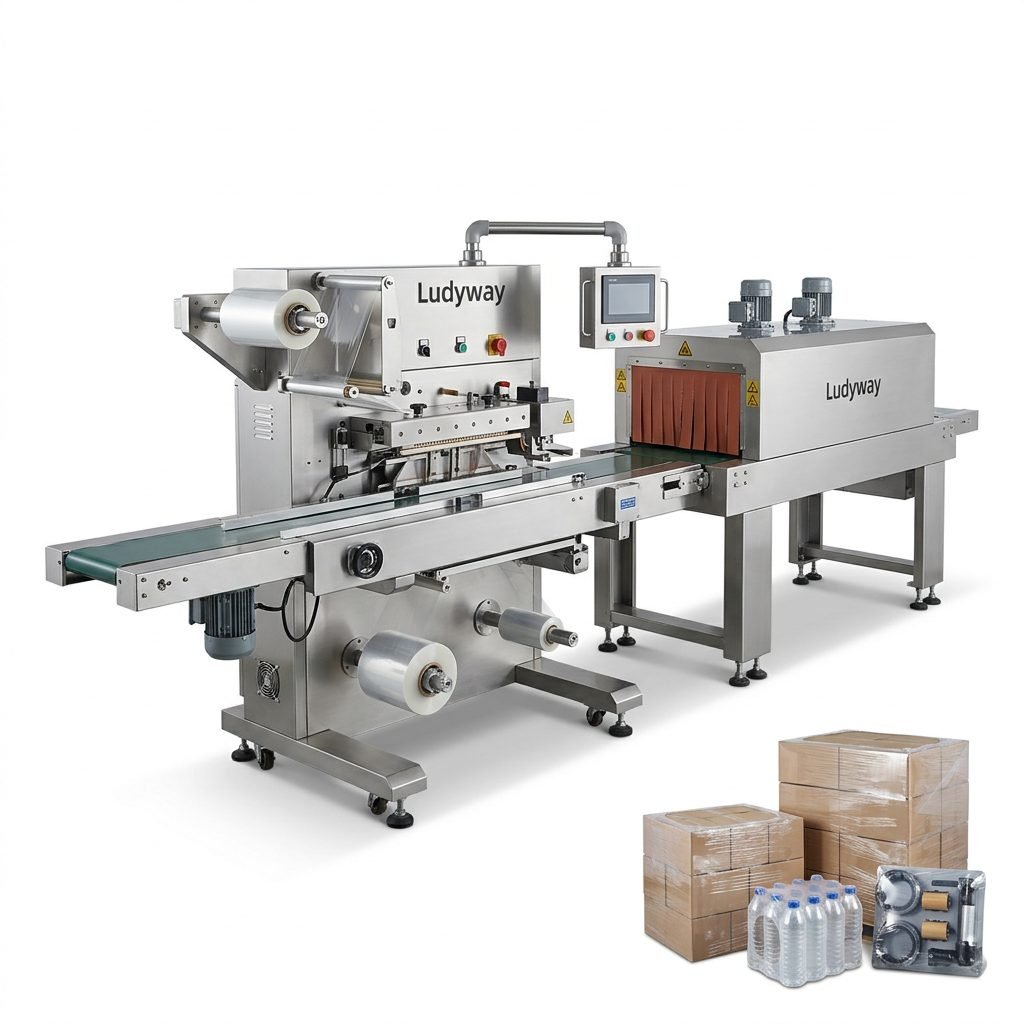
Before selecting equipment, it is critical to identify which type of fish packaging system aligns with your production requirements. The Asian seafood industry commonly utilizes the following categories:
- Vacuum Packaging Machines – Ideal for fresh and frozen fish, these systems remove oxygen to extend shelf life and prevent freezer burn. Widely used across Japanese and Southeast Asian seafood processors.
- Modified Atmosphere Packaging (MAP) Systems – Replace air with a controlled gas mixture, preserving color and texture. Essential for high-value exports to European markets with strict packaging standards.
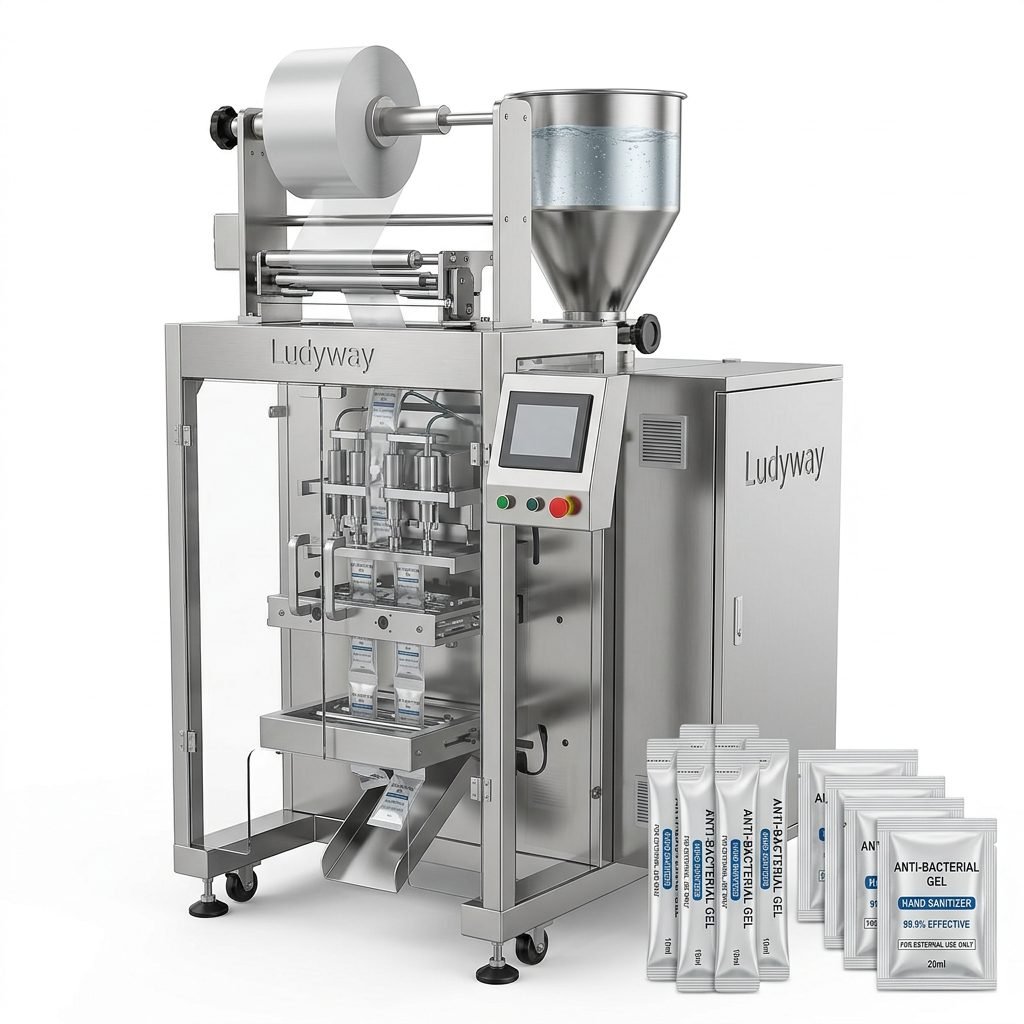
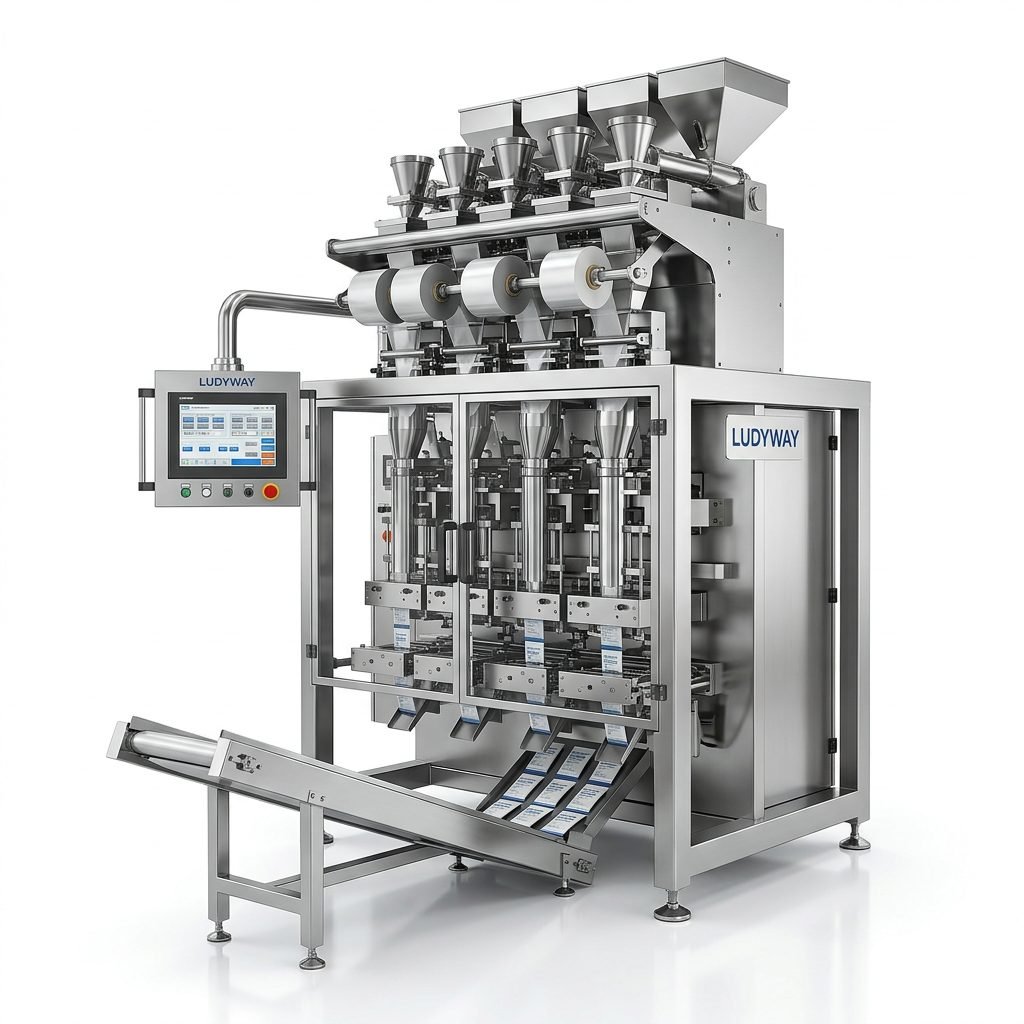
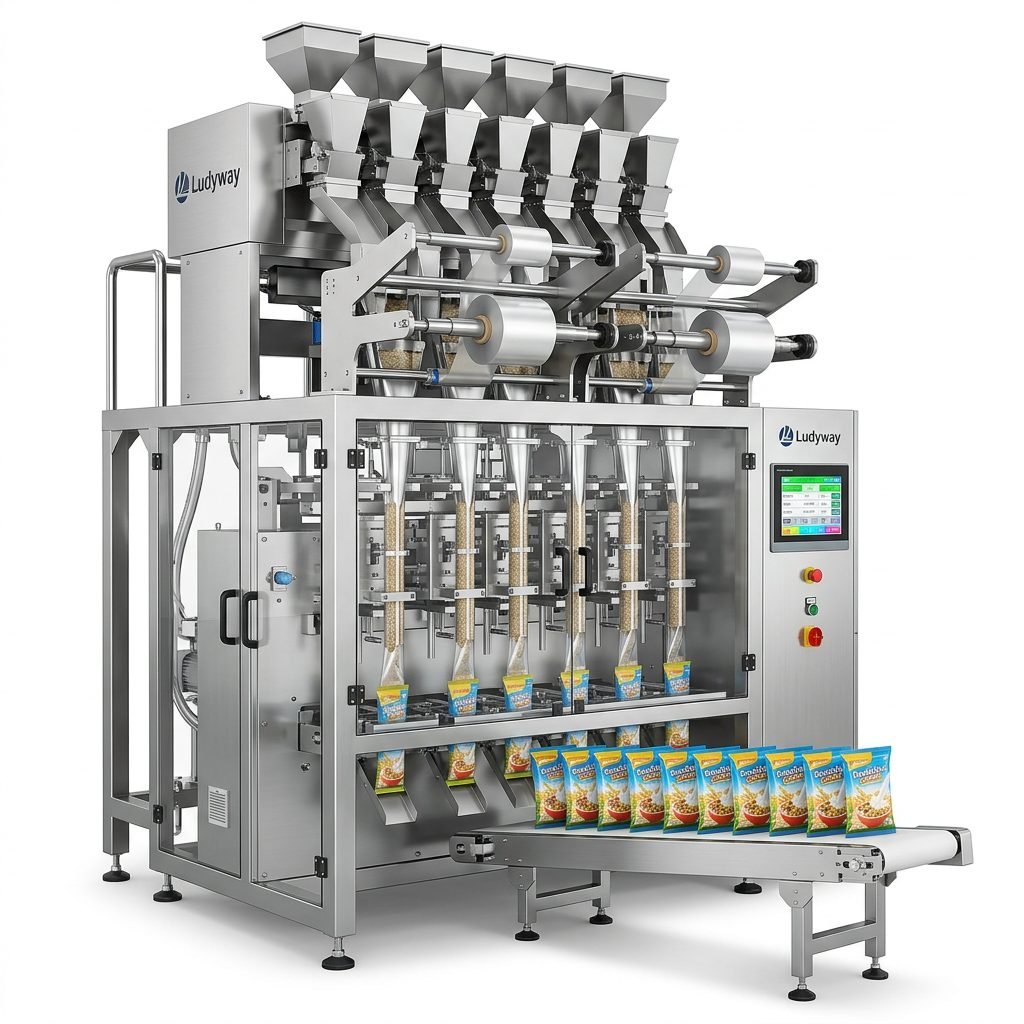
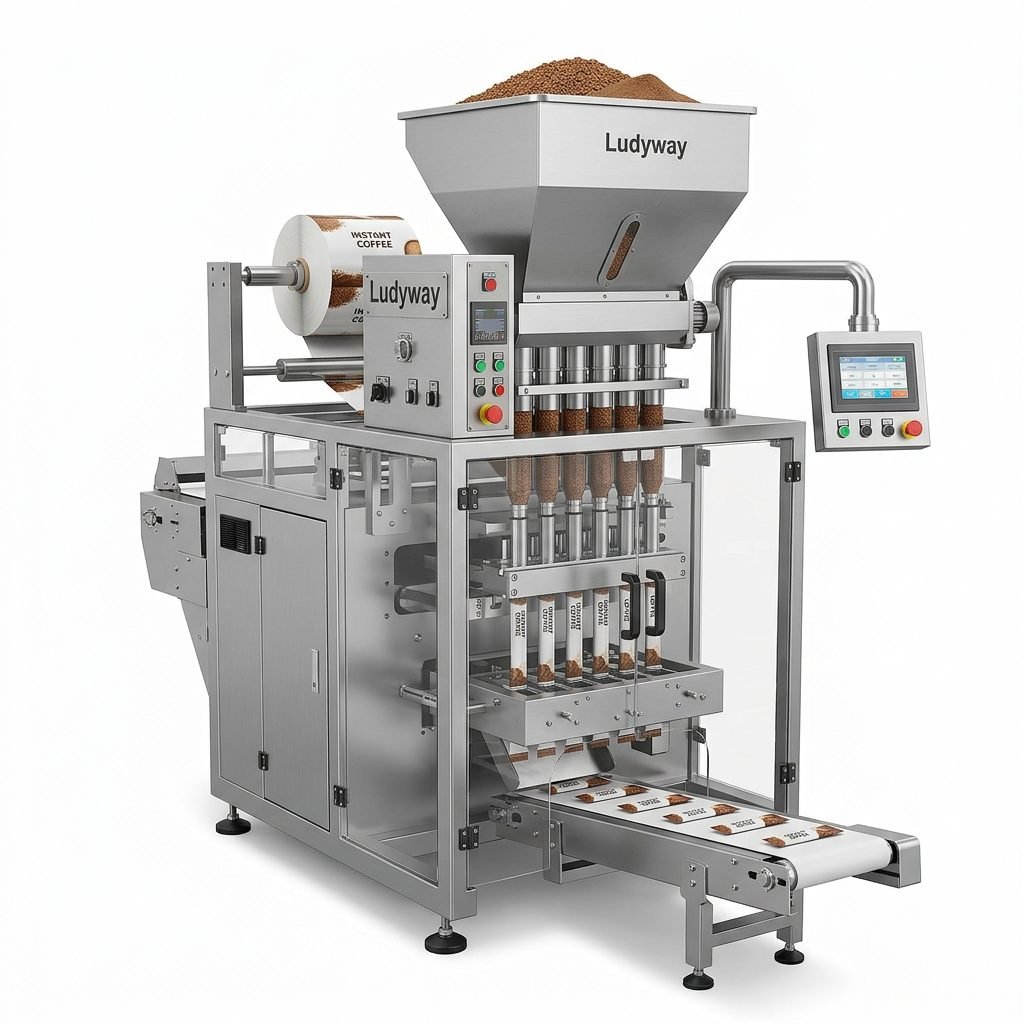
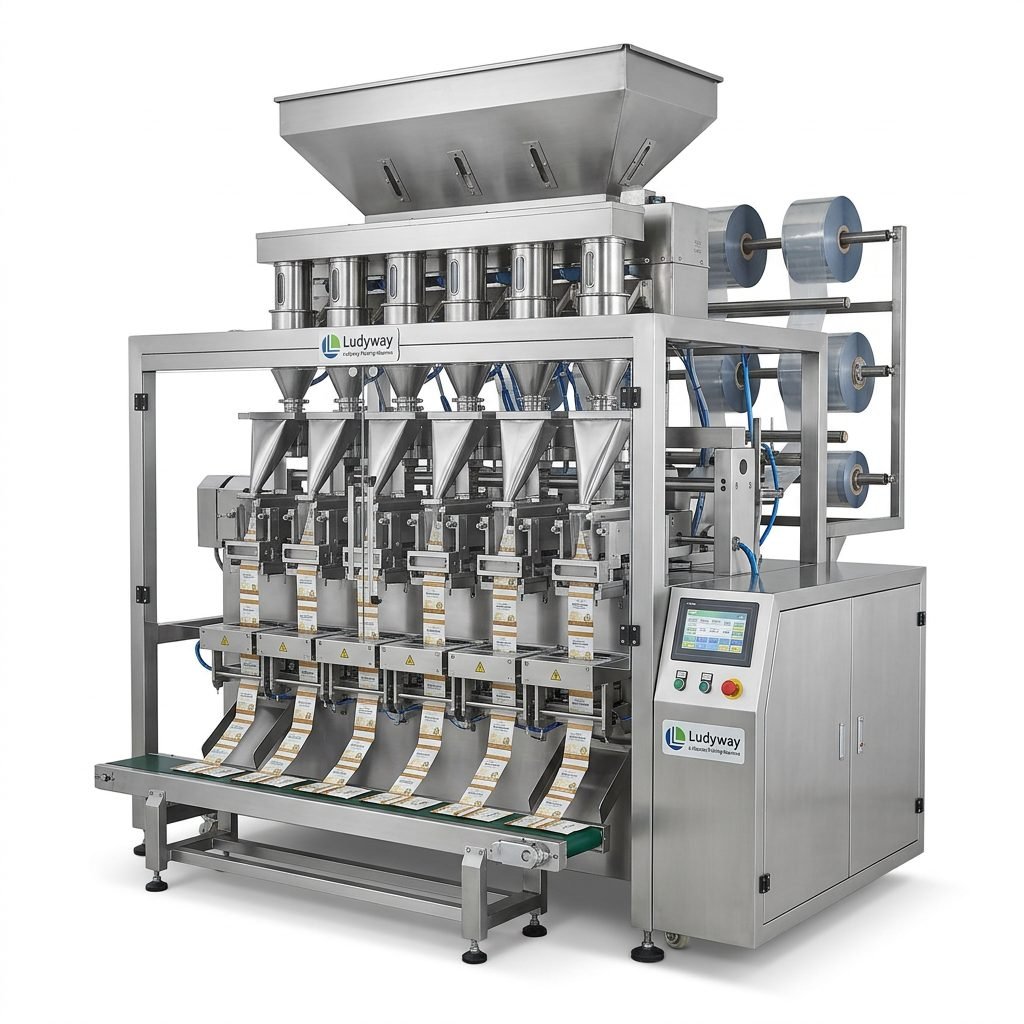
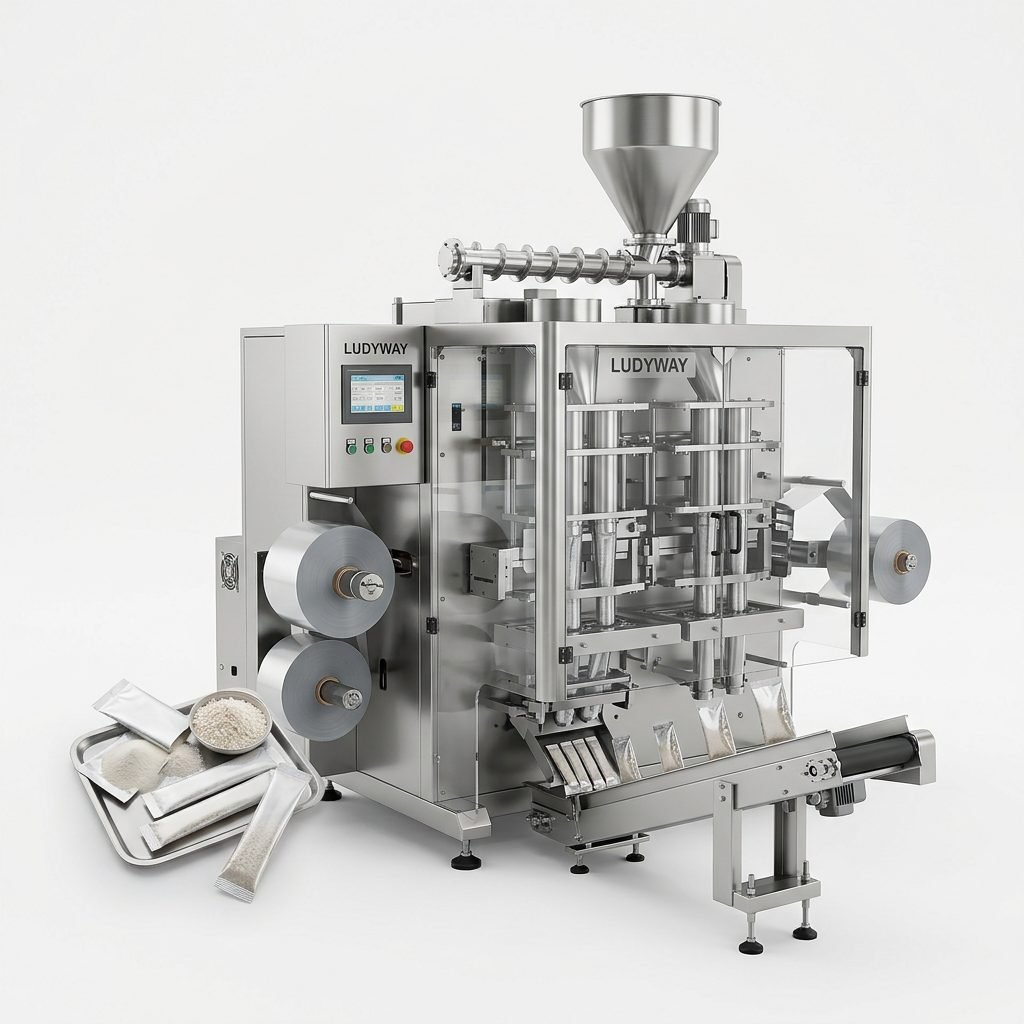
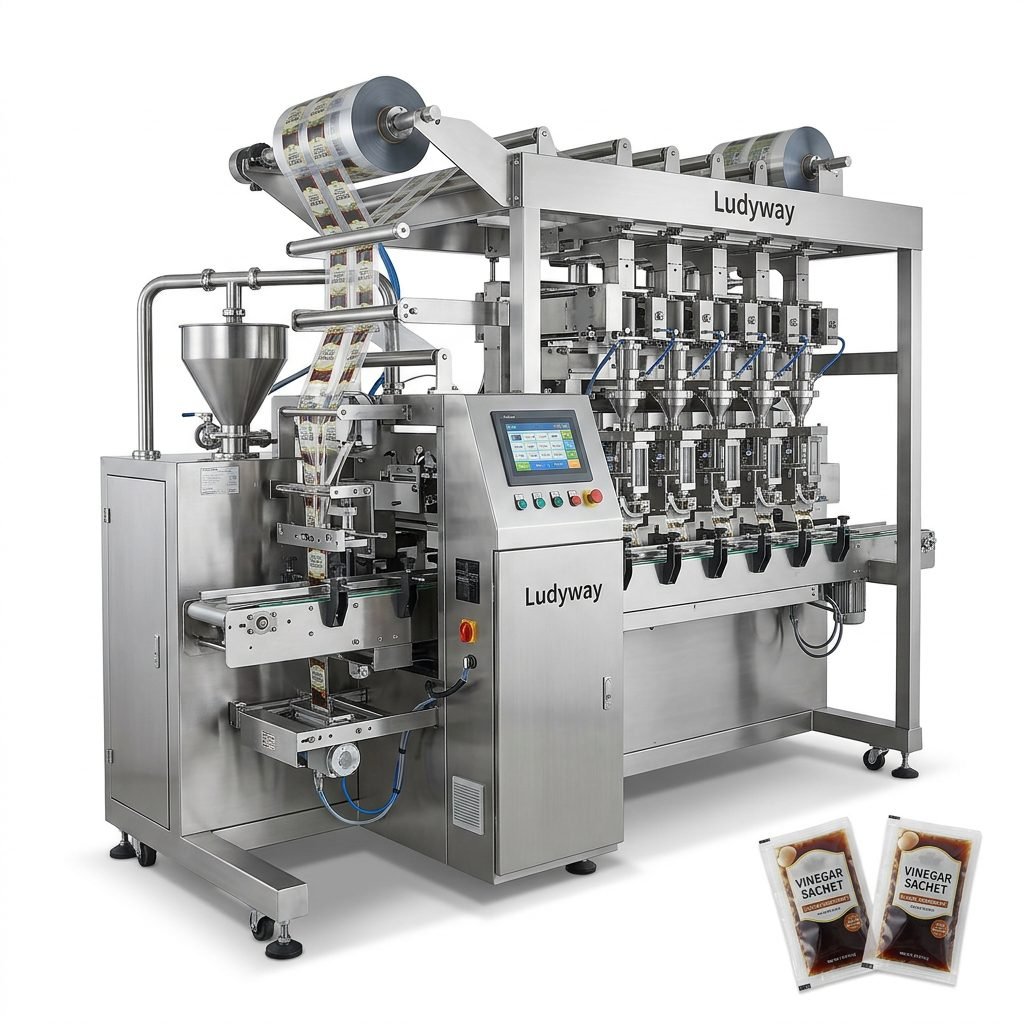
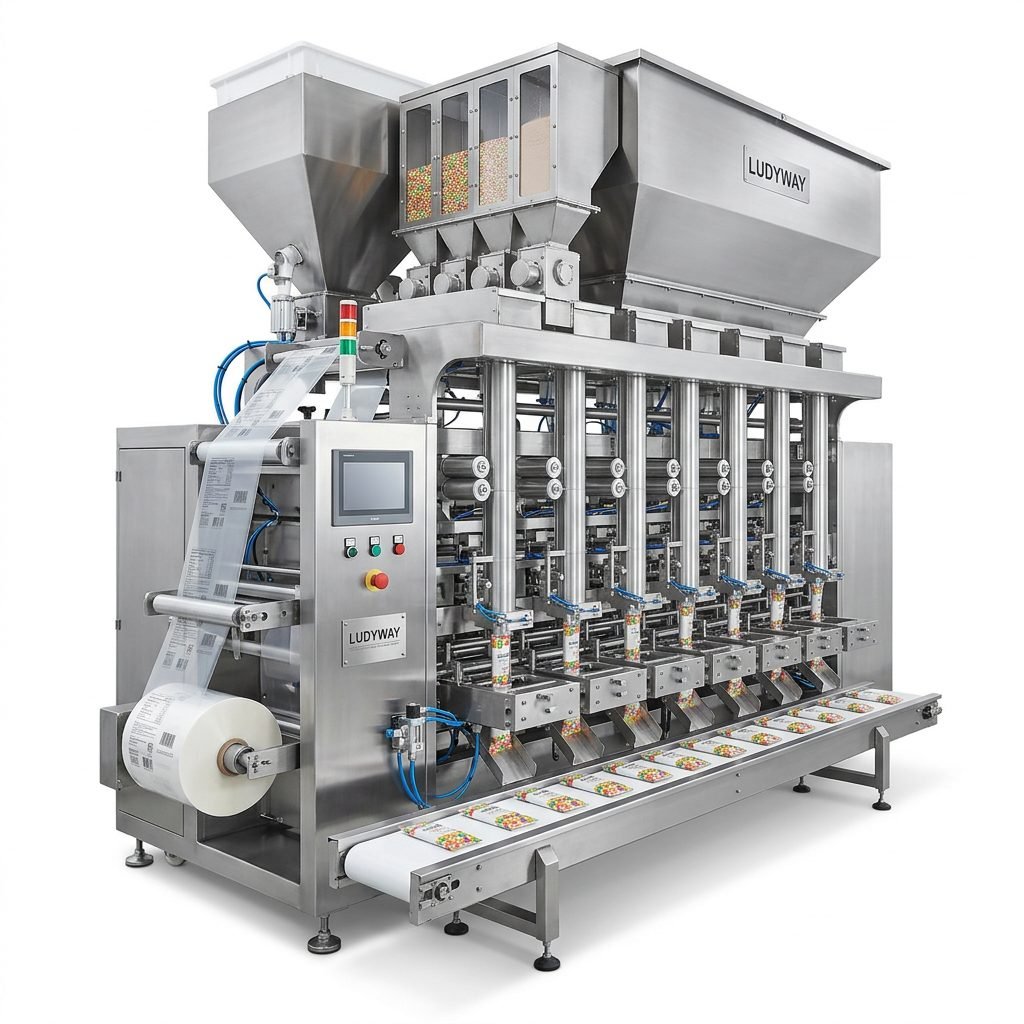
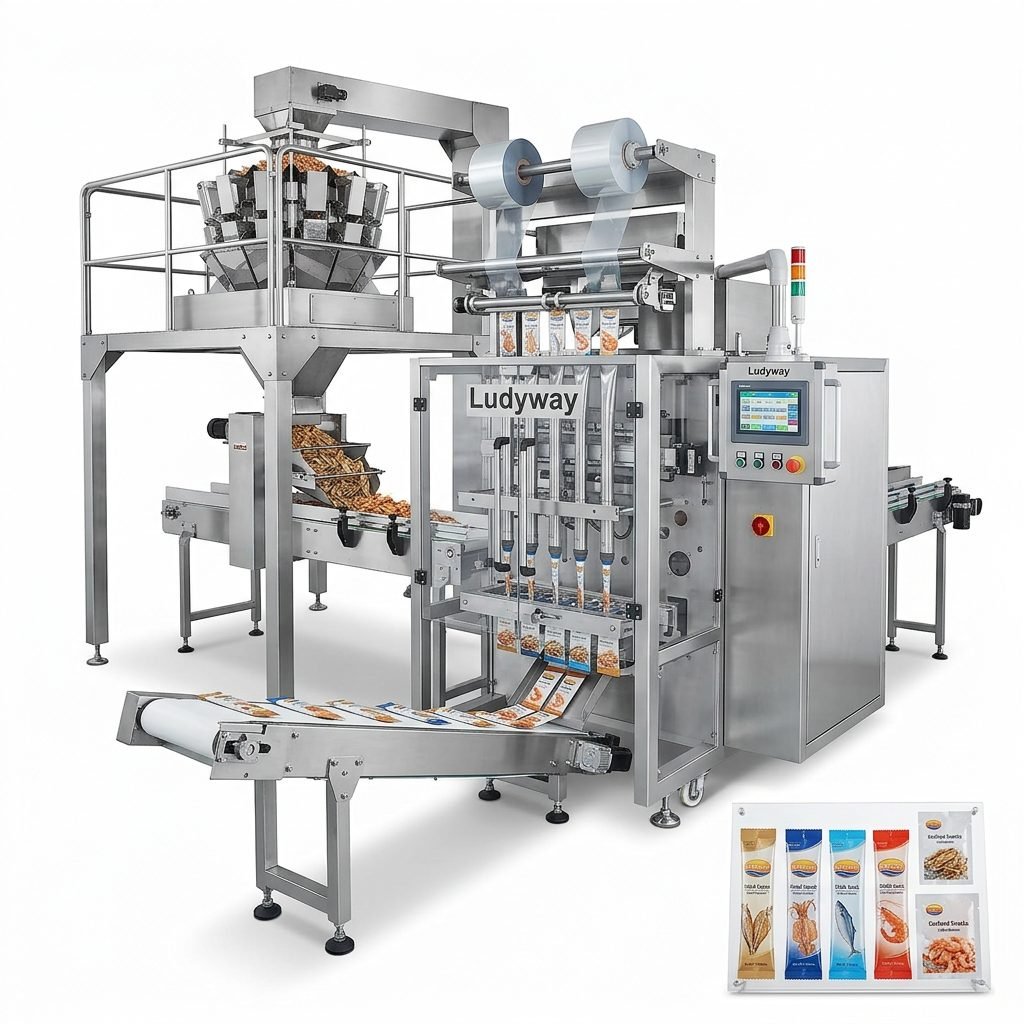
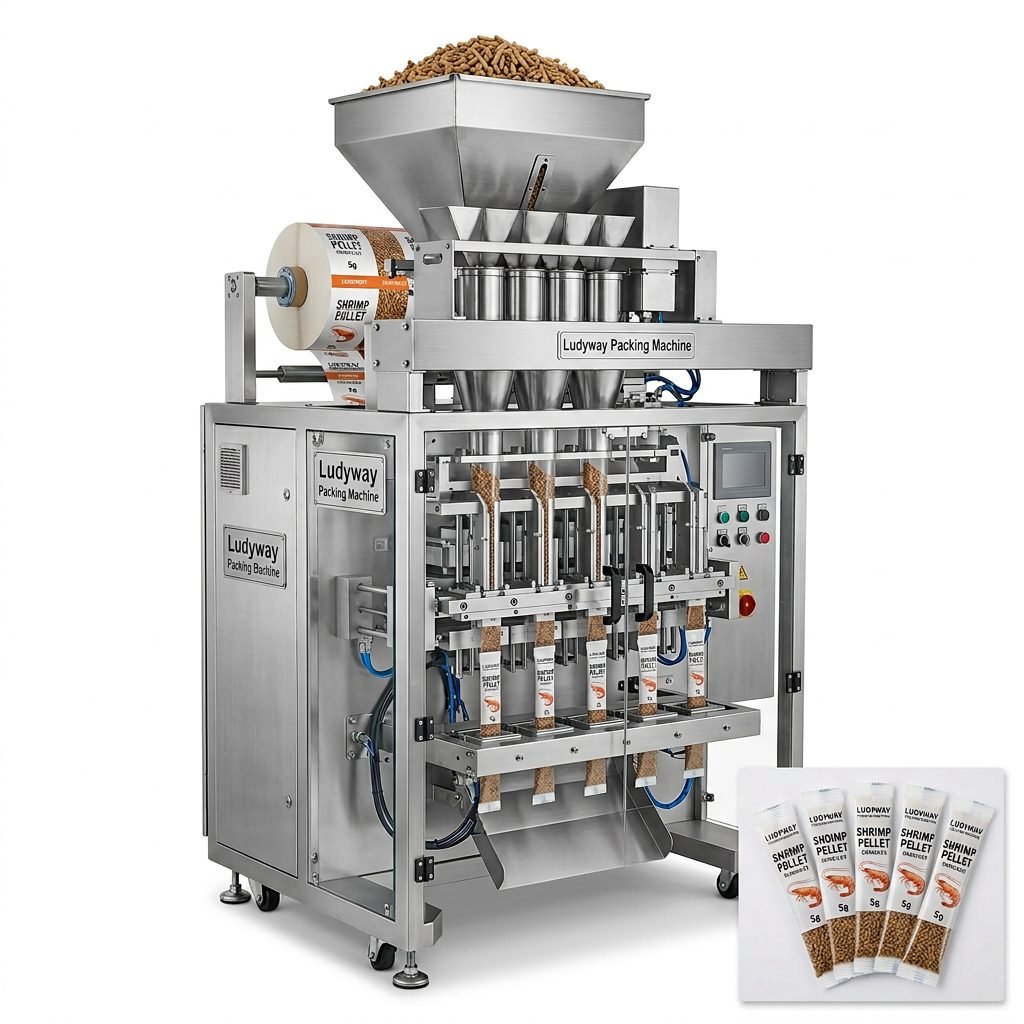
- Multi-Lane Sachet and Stick Pack Machines – Suitable for fish powder, fish collagen supplements, and dried seafood snacks. These high-speed systems can produce hundreds of sachets per minute.
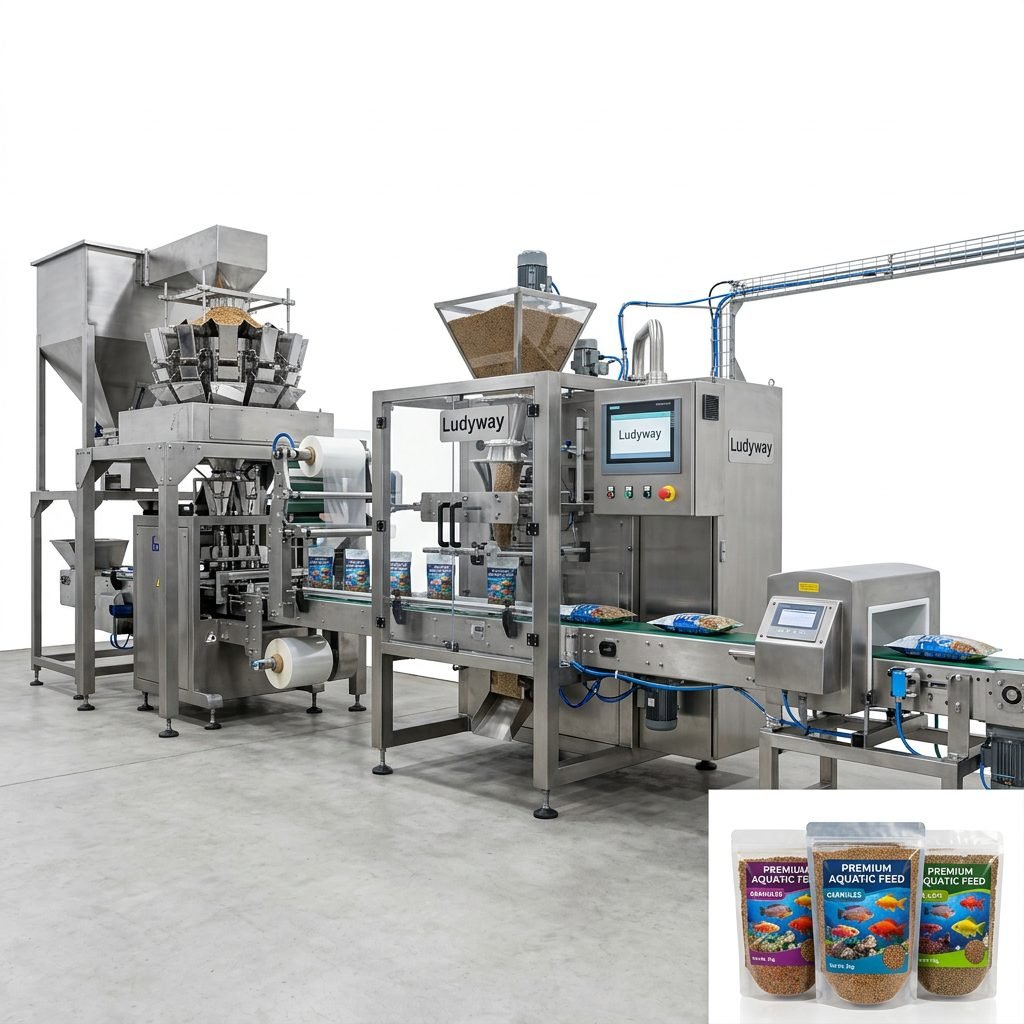
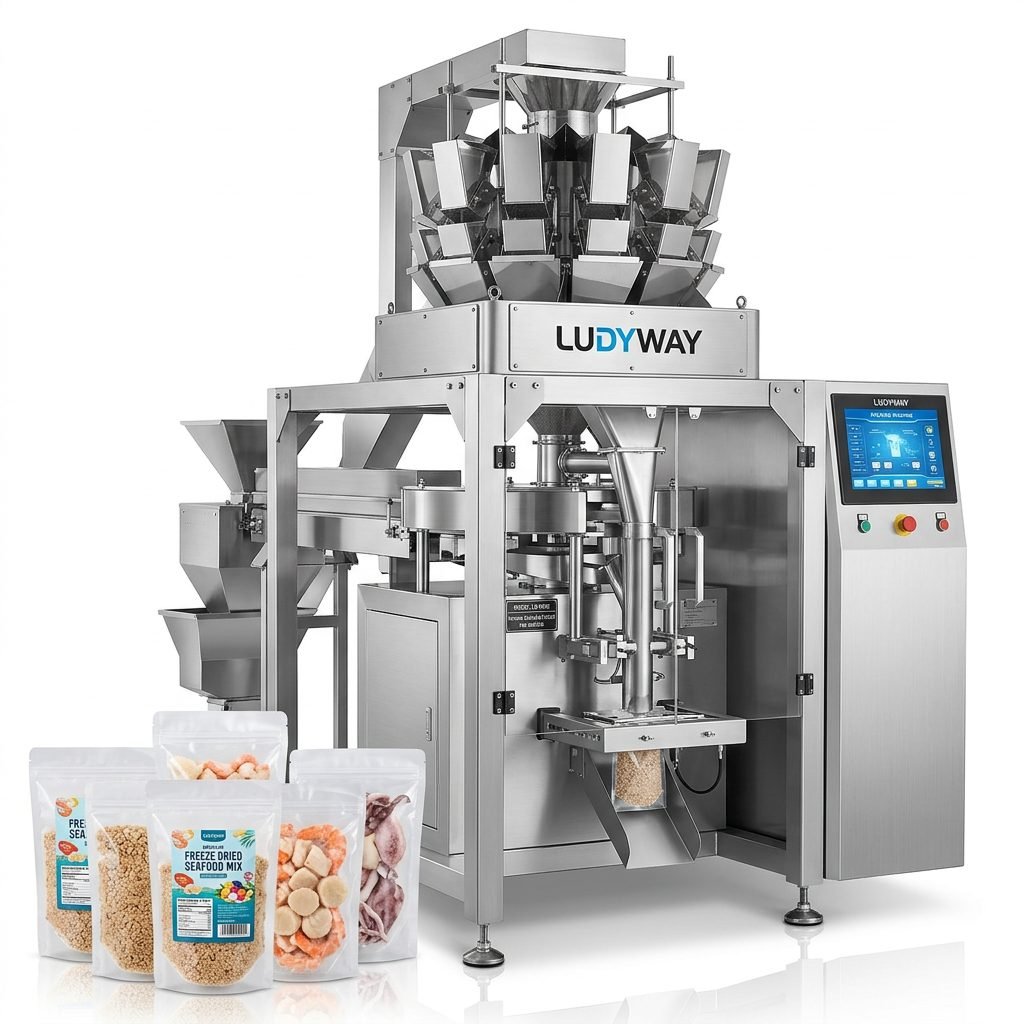
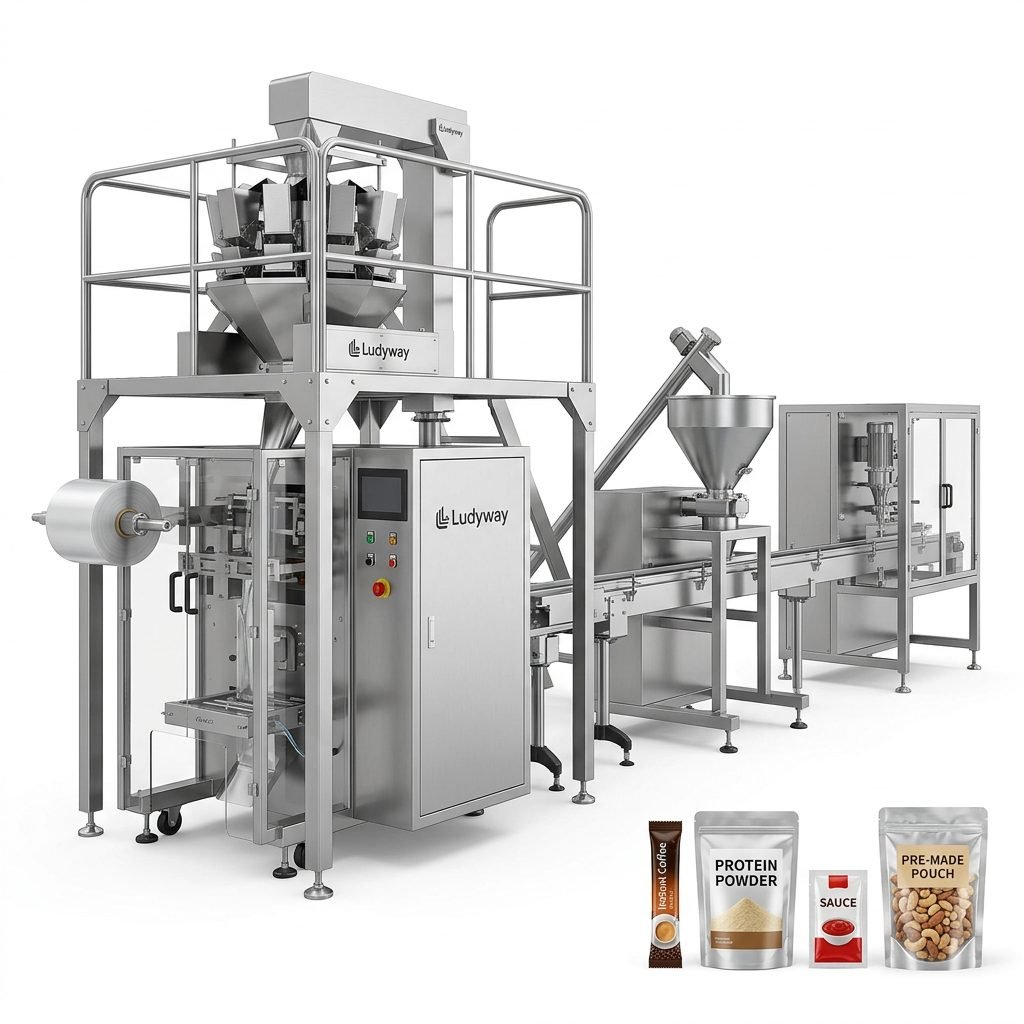
- Pouch Filling and Sealing Lines – Accommodate various pouch formats including stand-up pouches, zipper bags, and retort pouches for ready-to-eat fish products.
- Thermoforming Packaging Machines – Used for skin packaging and vacuum skin packaging of premium fish portions, popular in Korean and Chinese retail markets.
Key Factors for Evaluating Fish Packaging Equipment
1. Product Compatibility and Handling
Fish products vary significantly in shape, moisture content, and fragility. Fresh fillets require gentle handling systems with minimal product damage, while frozen fish blocks demand robust machinery capable of withstanding low temperatures. When assessing equipment, verify that the food-contact materials comply with FDA packaging regulations and are suitable for your specific fish product characteristics.
2. Automation Level and Production Capacity
Asian processing facilities range from small-scale artisanal operations to large industrial plants. Determine your required output rate per hour and choose between semi-automatic and fully automatic systems. High-capacity multi-lane systems can reach speeds exceeding 400 packs per minute, making them ideal for large-scale fish snack and supplement manufacturers in Vietnam, Thailand, and Indonesia.
3. Material Compatibility and Sustainability
Asian consumers and regulators are increasingly demanding sustainable packaging solutions. Your machine should be compatible with recyclable mono-materials, biodegradable films, and lightweight laminates. Refer to the Flexible Packaging Association’s industry resources for guidance on sustainable material trends that influence machine specifications across the region.
4. Compliance with Regional Standards
Export-oriented fish processors must adhere to international standards. Key frameworks include ISO packaging standards, HACCP requirements, and country-specific regulations such as Japan’s JAS, China’s GB standards, and the EU’s packaging directives. Verify that your chosen equipment supports traceability features including batch coding, date printing, and serialization capabilities.
Comparing Fish Packaging Machine Specifications
The following table outlines key specifications to evaluate when comparing different fish packaging systems available in the Asian market:
| Feature | Vacuum Packaging | MAP Systems | Multi-Lane Sachet | Pouch Filling |
|---|---|---|---|---|
| Best For | Fresh fillets, frozen fish | Premium portions, exports | Fish powder, supplements | Ready-to-eat, retort |
| Speed Range | 15-80 packs/min | 20-100 packs/min | 200-600 packs/min | 40-200 packs/min |
| Shelf Life Extension | 2-3x compared to air | 5-10x extended | Standard for dry products | Varies by pouch type |
| Investment Level | Medium | High | Medium-High | Medium |
| Key Asian Markets | Japan, Vietnam, Thailand | China, South Korea, Japan | India, Indonesia, Malaysia | Philippines, Thailand, China |
Regional Considerations Across Asian Markets
Southeast Asia: Vietnam, Thailand, and Indonesia
These countries are major seafood processing hubs with rapidly modernizing facilities. Equipment buyers in this region prioritize cost-effectiveness, durability in humid environments, and compatibility with local film suppliers. Multi-lane sachet systems for fish-based seasonings, powders, and snack products are experiencing particularly strong demand. Manufacturers with experience in the region often integrate packaging machinery market intelligence to align with local production trends.
China: Scale and Automation
As one of the world’s largest seafood processors, China demands high-speed, fully automated packaging lines capable of handling massive production volumes. Fish packaging machines in this market increasingly feature smart sensors, IoT connectivity, and automated quality inspection systems. Leading manufacturers such as Ludyway provide comprehensive turnkey solutions tailored to the scale requirements of Chinese seafood processors, with equipment deployed across numerous international markets.
Japan and South Korea: Premium Quality Focus
These mature markets emphasize precision engineering, sanitary design, and premium packaging aesthetics. Equipment must comply with stringent local regulations and often incorporates features such as nitrogen flushing, precision weighing with minimal give-away, and high-barrier film compatibility for extended product freshness. The PMMI State of the Industry report highlights the growing adoption of automated inspection and smart packaging technologies in these advanced Asian markets.
Essential Features to Look For
When finalizing your fish packaging machine purchase, prioritize the following features to ensure long-term operational success:
- Stainless steel construction with IP65 or higher washdown ratings for easy sanitation in wet processing environments
- Quick-change tooling to accommodate multiple product sizes and packaging formats without extended downtime
- Integrated gas flushing systems for modified atmosphere packaging applications, especially for fresh fish exports
- Servo-driven sealing jaws for consistent seal integrity across all production speeds
- User-friendly HMI interfaces with multi-language support, recipe storage, and remote diagnostics capabilities
- Compatibility with traceability systems including barcode printing, QR code generation, and serialization modules
Evaluating Suppliers and After-Sales Support
Choosing the right equipment supplier is as important as selecting the machine itself. In the Asian context, consider the following evaluation criteria:
- Local service presence – Verify that the supplier has service engineers or authorized partners in your country to minimize downtime during critical production periods
- Spare parts availability – Ensure commonly replaced components are stocked regionally, avoiding lengthy international shipping delays
- Training programs – Comprehensive operator and maintenance training should be included in the equipment purchase agreement
- Reference installations – Request case studies or site visits to existing fish packaging installations in similar applications
- Warranty terms – Compare warranty coverage periods and what components are included across different manufacturers
Budget Planning and ROI Considerations
The total cost of ownership for a fish packaging machine extends beyond the initial purchase price. Factor in the following elements when calculating your investment:
- Consumables cost – Packaging film, printing ribbons, vacuum pump oil, and other recurring materials
- Energy consumption – Compare power requirements across different machine models and configurations
- Labor requirements – Fully automatic systems reduce operator dependency, delivering long-term savings in markets with rising labor costs
- Maintenance contracts – Annual service agreements can reduce unexpected repair expenses and extend machine life
- Production waste reduction – Precision filling and sealing systems minimize product give-away and film waste, contributing to rapid ROI
Making the Final Decision
Selecting the optimal fish packaging machine in Asia requires aligning technical specifications with business objectives. Begin by clearly defining your product range, target production volumes, and export market requirements. Engage with multiple suppliers, request detailed proposals, and whenever possible, conduct factory acceptance tests with your actual fish products before finalizing the purchase.
For further research on packaging machinery standards and industry developments, consult the Association for Packaging and Processing Technologies (PMMI) and the Flexible Packaging Association, both of which provide extensive resources for packaging equipment buyers. Additionally, ISO packaging and distribution standards offer valuable reference points for ensuring international compliance.
Related Reading: For insights into packaging machinery growth trends and market developments, refer to the Ludyway Packaging Machinery Global Growth Trend report, and explore PACK EXPO International for the latest equipment innovations showcased at global packaging exhibitions.