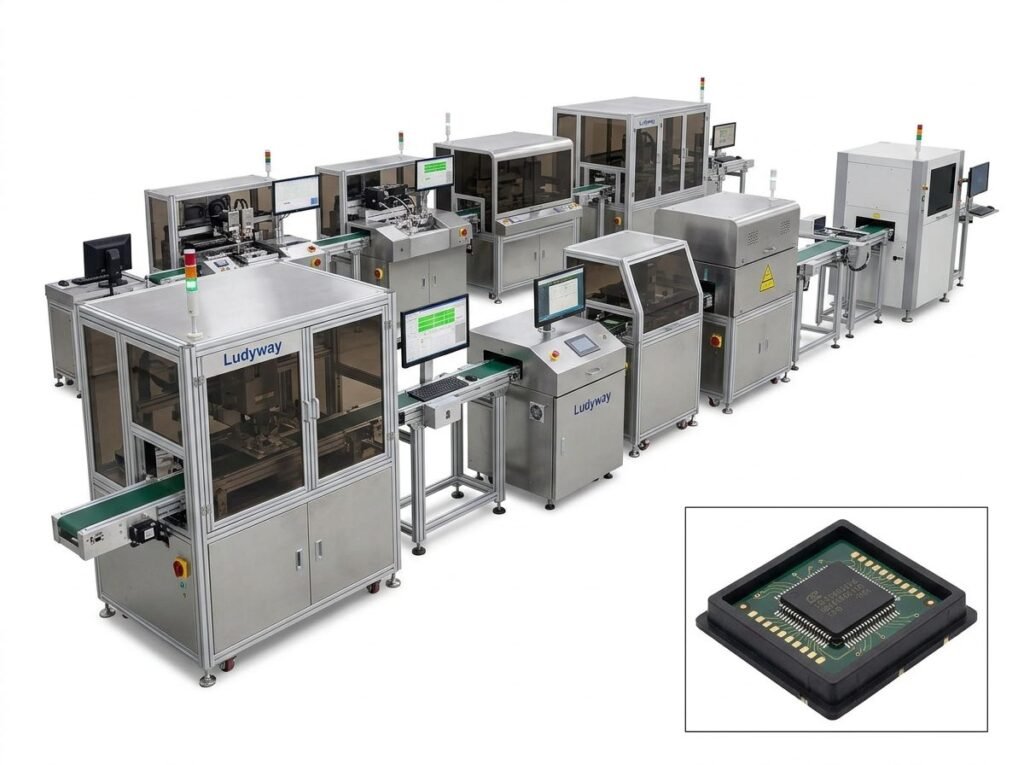
France represents one of Europe’s most sophisticated markets for chocolate products, with a per capita consumption exceeding 6.8 kg annually and a confectionery industry valued at over €13 billion. Setting up a chocolate packaging machine production line in France requires careful planning, regulatory compliance, and the right equipment configuration. This guide walks you through every critical aspect—from understanding French market dynamics to equipment selection, facility setup, and ongoing optimization.
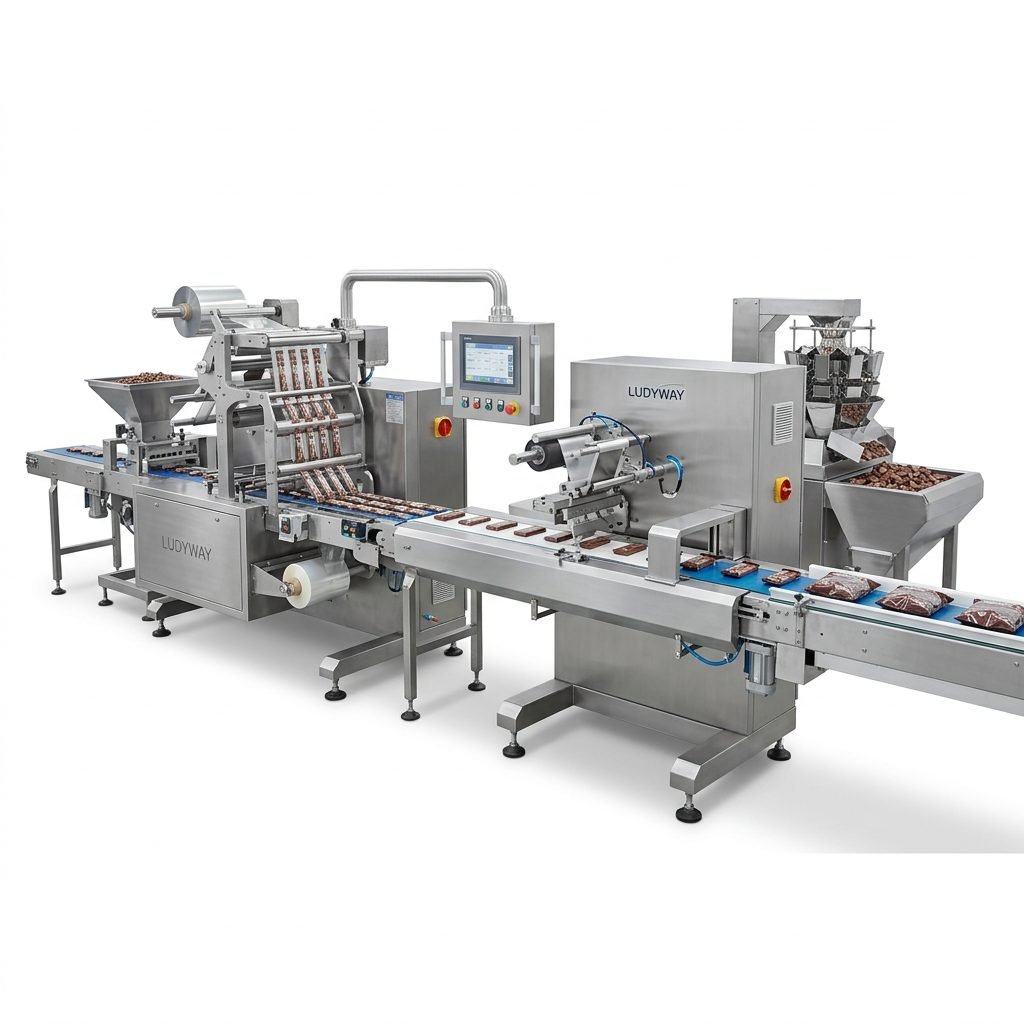
Understanding the French Chocolate Packaging Market
France is the world’s fifth-largest chocolate consumer and a leading exporter of premium chocolate products across the European Union. The demand for packaged chocolate—including bars, pralines, truffles, chocolate powders, and single-serve formats—continues to grow, driven by gifting culture, foodservice expansion, and increasing exports. French consumers increasingly favor convenient, portion-controlled packaging such as stick packs, sachets, and flow-wrapped bars, creating strong demand for versatile packaging machinery capable of handling multiple formats.
The retail chocolate sector in France is projected to grow at a CAGR of 4.2% through 2028, with the premium and organic segments expanding even faster. For manufacturers entering or scaling within this market, selecting the right packaging line is a decisive competitive factor. Whether you are producing artisanal chocolate bars or high-volume cocoa powder sachets, your packaging equipment must meet both productivity targets and stringent French quality standards.
Key Regulations and Compliance for Packaging Machinery in France
France enforces rigorous regulations for food packaging equipment, aligned with both EU packaging directives and national standards. Before installing any chocolate packaging production line, manufacturers must ensure full compliance with the following frameworks:
- EU Regulation (EC) No 1935/2004 — governs food contact materials, requiring that packaging does not transfer harmful substances to chocolate products.
- French DGCCRF Standards — the Directorate General for Competition, Consumption and Fraud Control enforces strict labeling, traceability, and food safety requirements specific to the French market.
- CE Marking (Machinery Directive 2006/42/EC) — all packaging machinery installed in France must carry CE certification, confirming compliance with EU health, safety, and environmental standards.
- HACCP Integration — packaging lines must support Hazard Analysis Critical Control Point protocols, including clean-in-place (CIP) capability and contamination prevention measures.
- ISO Packaging Standards — adherence to ISO norms for packaging processes, including ISO 22000 for food safety management, is strongly recommended.
Non-compliance can result in substantial fines, product recalls, and market access restrictions. Engaging with a knowledgeable equipment supplier who understands French and EU regulatory landscapes is essential for smooth market entry.
Choosing the Right Chocolate Packaging Equipment
Chocolate products come in diverse forms—solid bars, filled pralines, coated pieces, drinking powder, and spreads—each requiring specific packaging technologies. The following table outlines the primary equipment categories and their suitable applications within a French production context:
| Packaging Format | Recommended Equipment Type | Best Suited Chocolate Products | Typical Speed Range |
|---|---|---|---|
| Stick Pack / Sachet | Multi-Lane Stick Pack Machine | Chocolate powder, hot chocolate mix, cocoa powder | 40–120 packs/min per lane |
| Flow Wrap / Bar Packaging | Horizontal Flow Wrapper | Solid chocolate bars, filled bars, praline trays | 60–300 packs/min |
| Pouch / Bag-in-Box | Premade Pouch Rotary Packer | Chocolate pieces, coins, bulk morsels | 30–80 pouches/min |
| Jar / Container Filling | Auger or Gravimetric Filler | Chocolate spread, ganache, liquid chocolate | 20–60 containers/min |
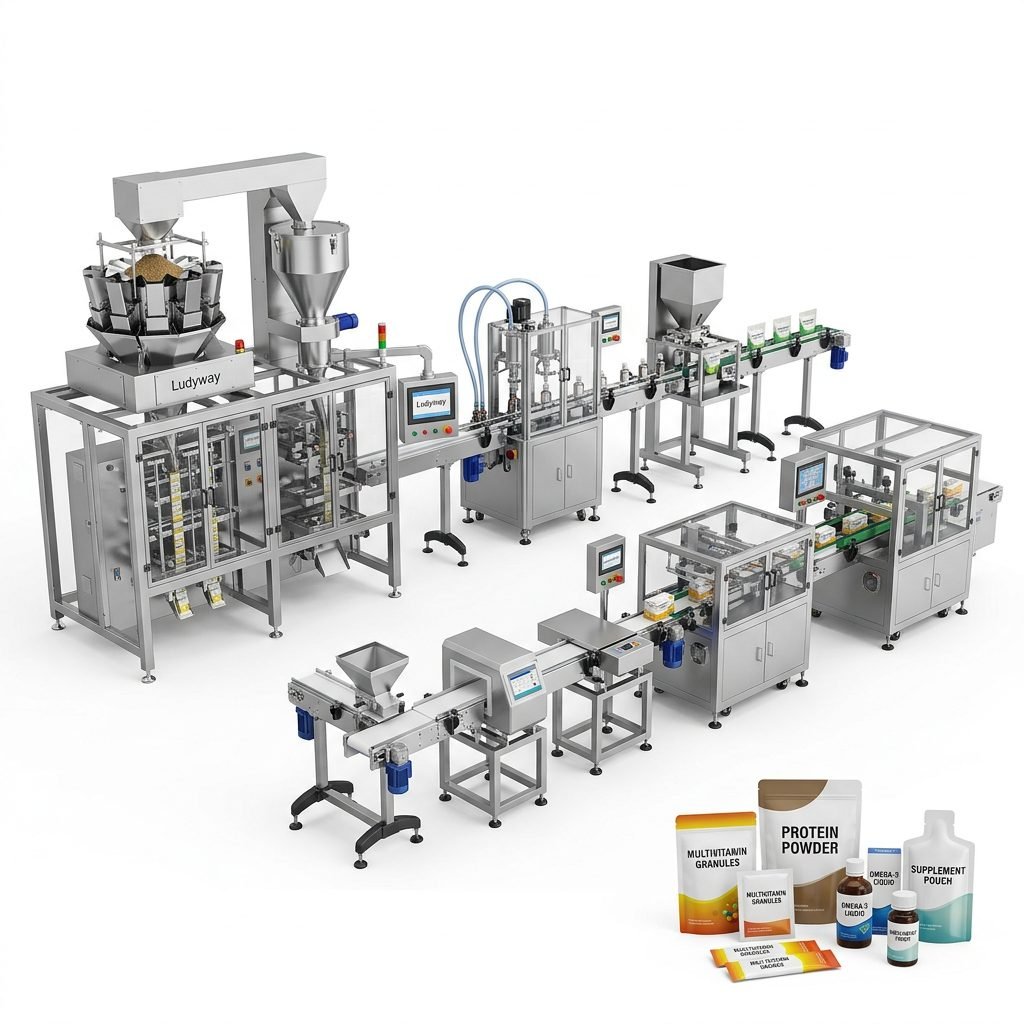
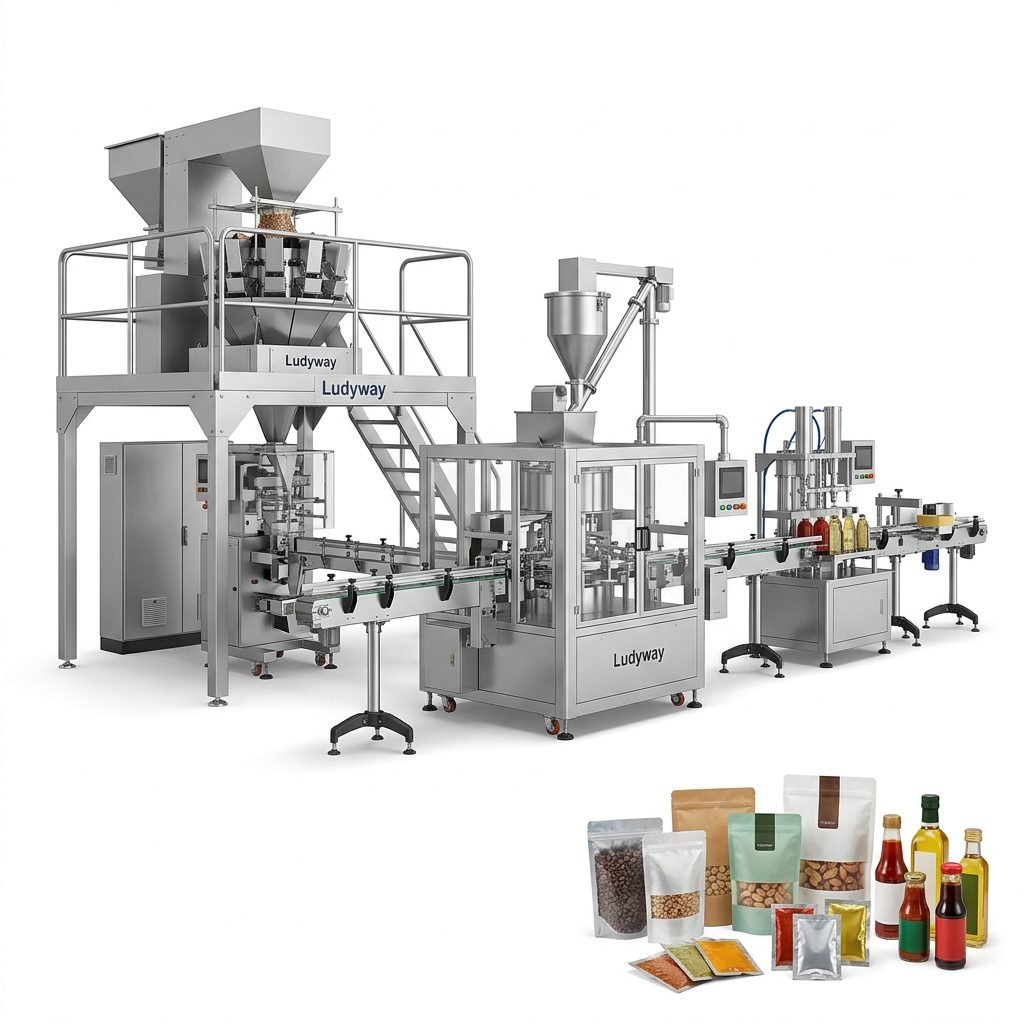
| Multi-Format Flexible Line | Integrated Turnkey System | Multiple chocolate product types | Configurable |
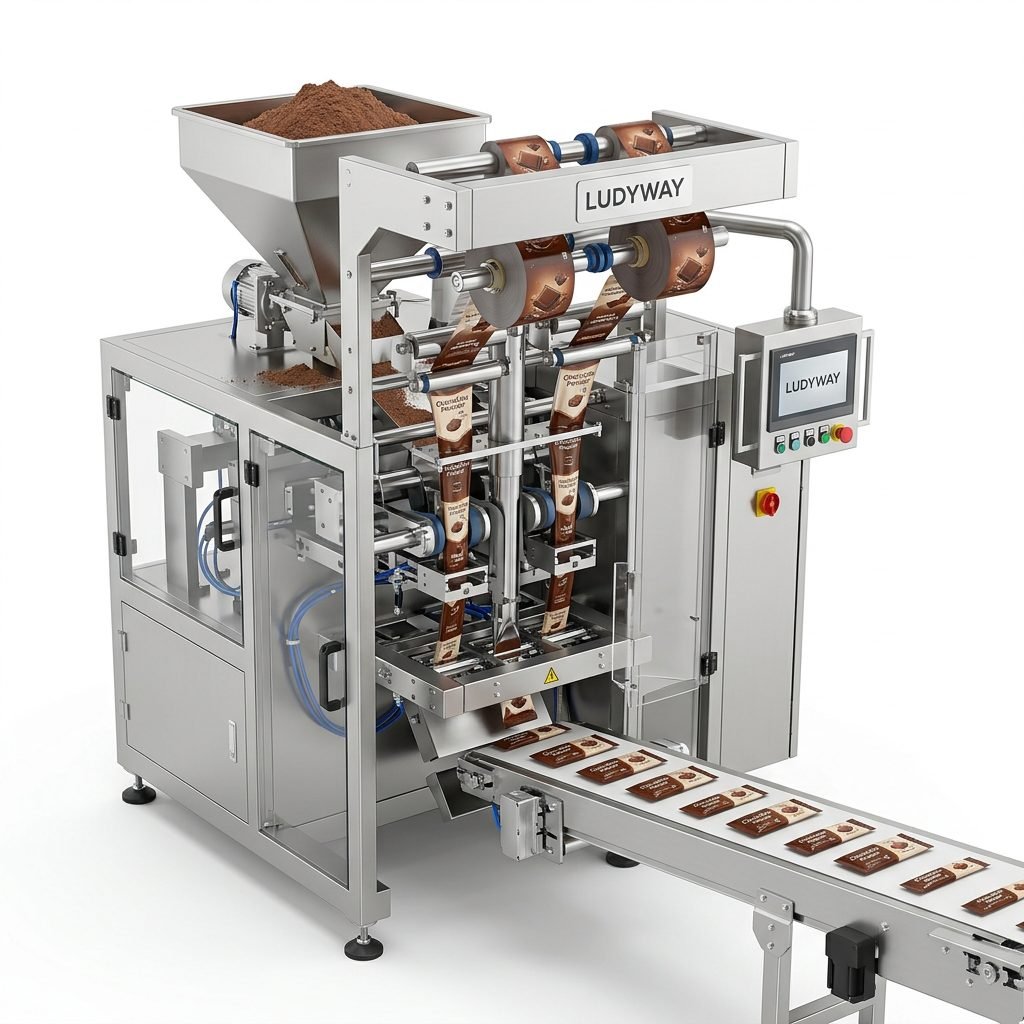
Multi-Lane Stick Pack Machines for Chocolate Powder
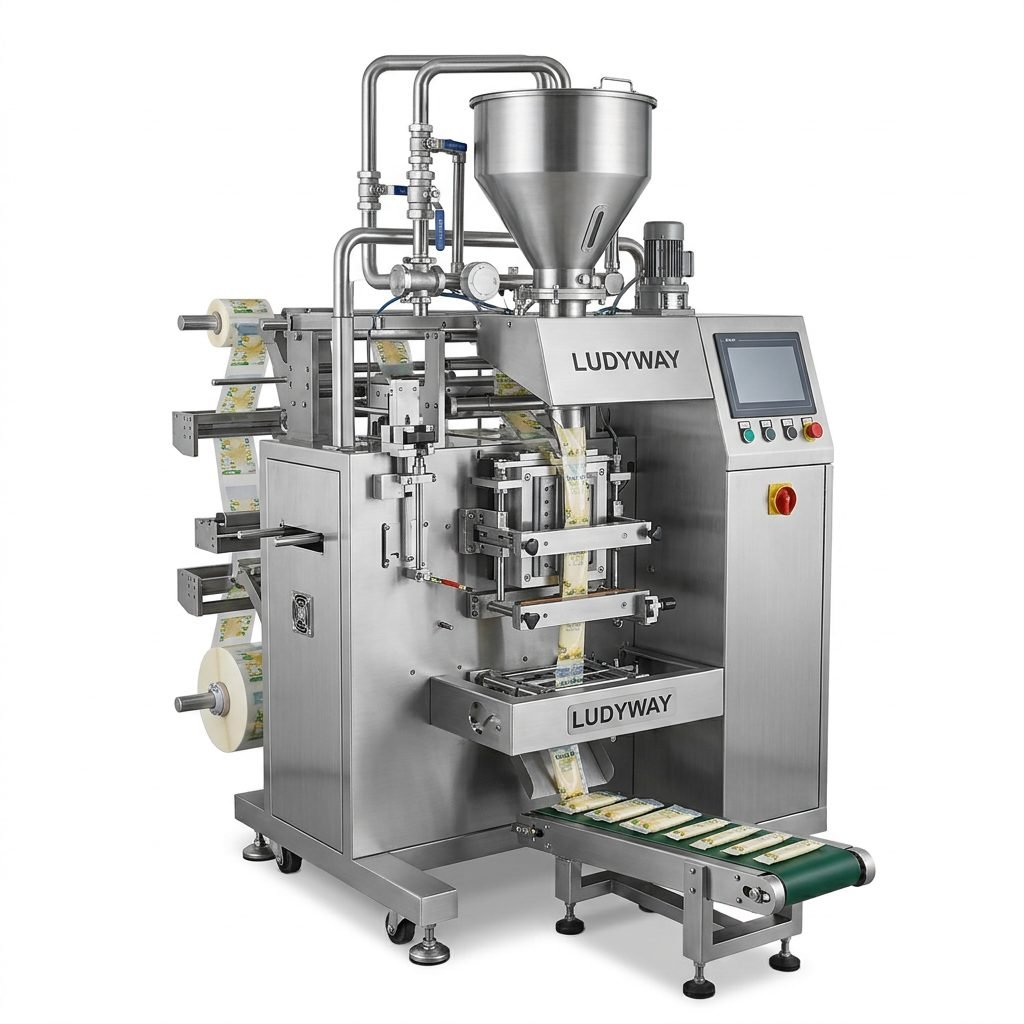
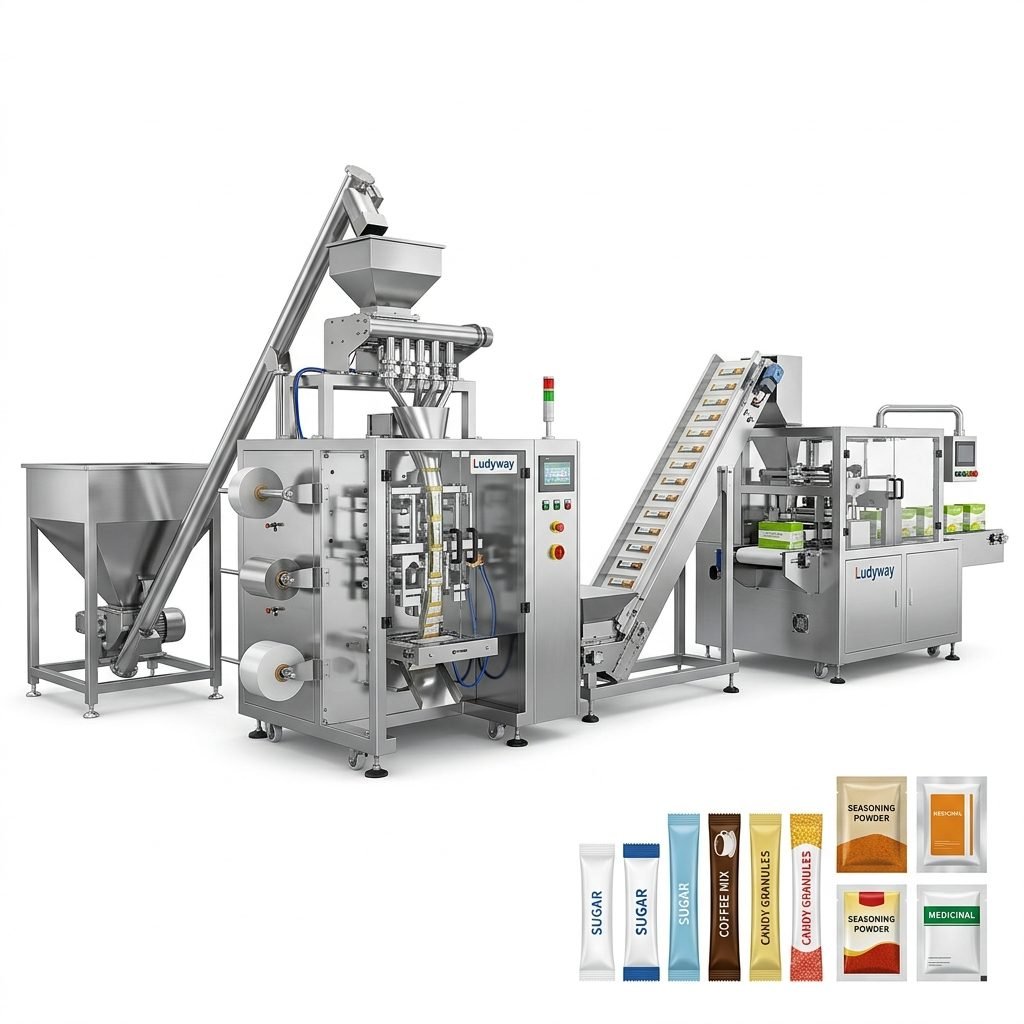
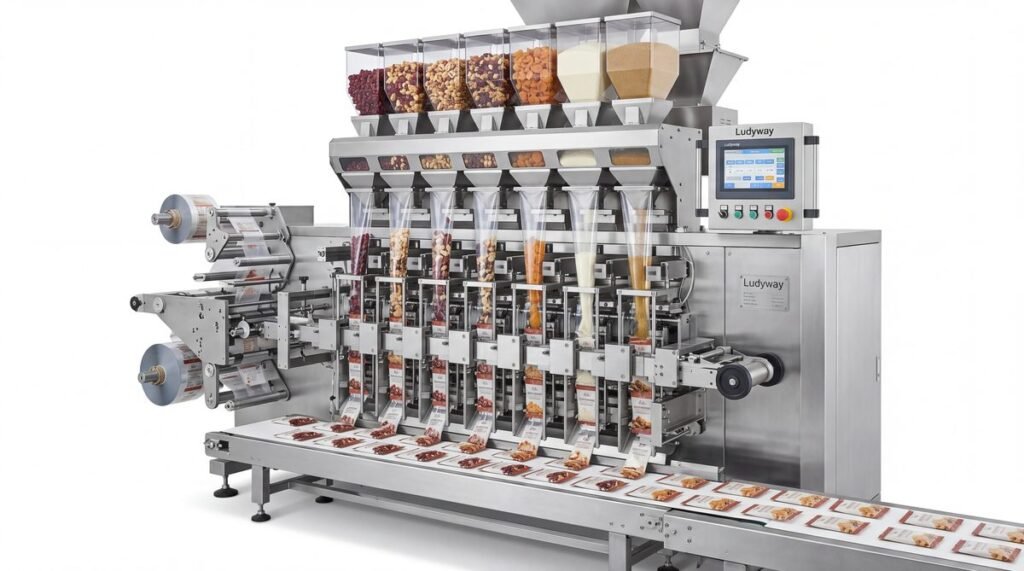
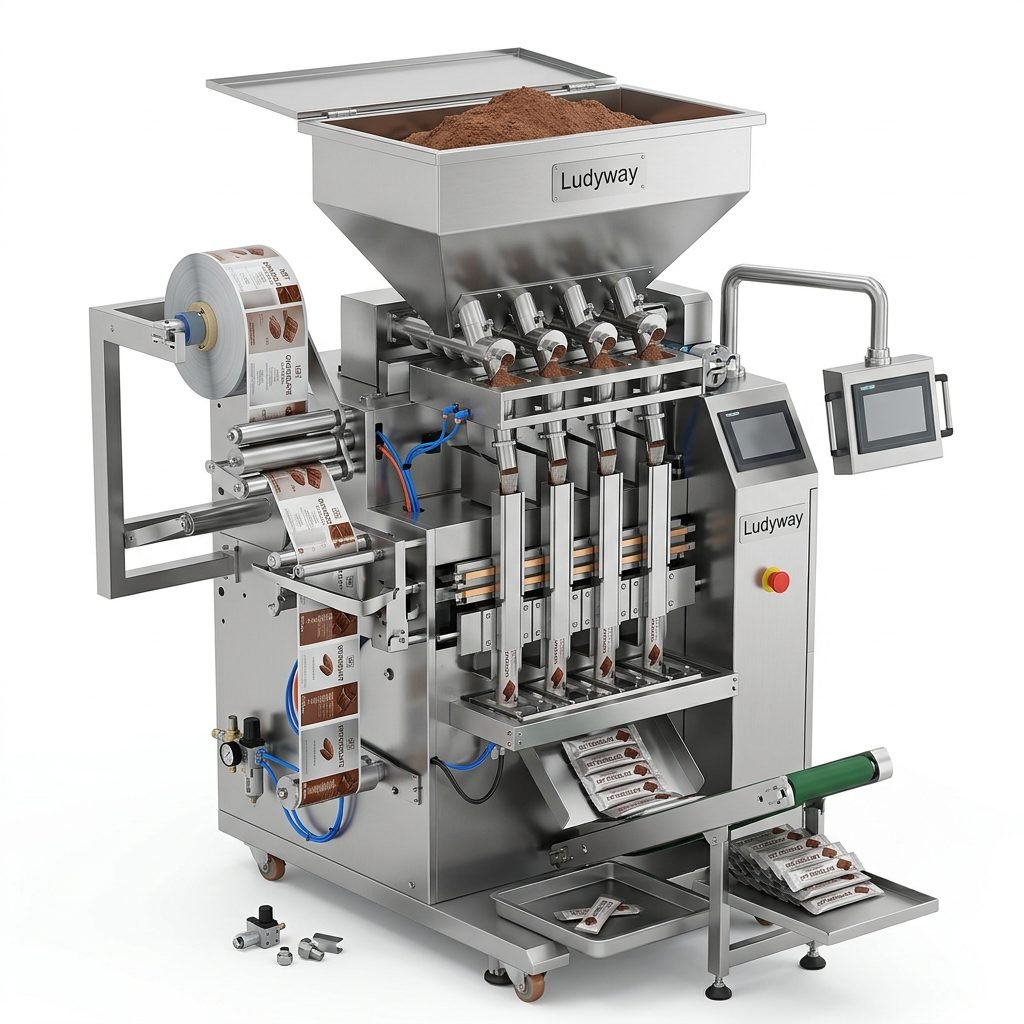
For manufacturers producing chocolate drink powders, cocoa mixes, and instant hot chocolate, multi-lane stick pack machines offer unparalleled efficiency. These systems can run 4 to 20 lanes simultaneously, producing individual single-serve sachets at output speeds exceeding 800 packs per minute. Key features to prioritize include precision auger dosing, nitrogen flushing for extended shelf life, and quick-change tooling for format flexibility.
Flow Wrapping Systems for Chocolate Bars
Flow wrapping remains the dominant packaging format for chocolate bars in the French retail market. Modern horizontal flow wrappers equipped with servo-driven film feeding, automatic splice tables, and vision inspection systems deliver consistent, high-quality wraps at competitive speeds. French retailers increasingly demand recyclable mono-material films, so equipment must be compatible with sustainable packaging substrates.
Sachet and Pouch Packaging for Premium Segments
The premium chocolate segment in France—including artisanal truffles, organic chocolate pieces, and gift formats—often utilizes stand-up pouches, gusseted bags, and resealable sachets. Equipment capable of handling delicate products without damage is critical. Look for machines with gentle product handling features, modified atmosphere packaging (MAP) capability, and integrated checkweighing for precise portion control.
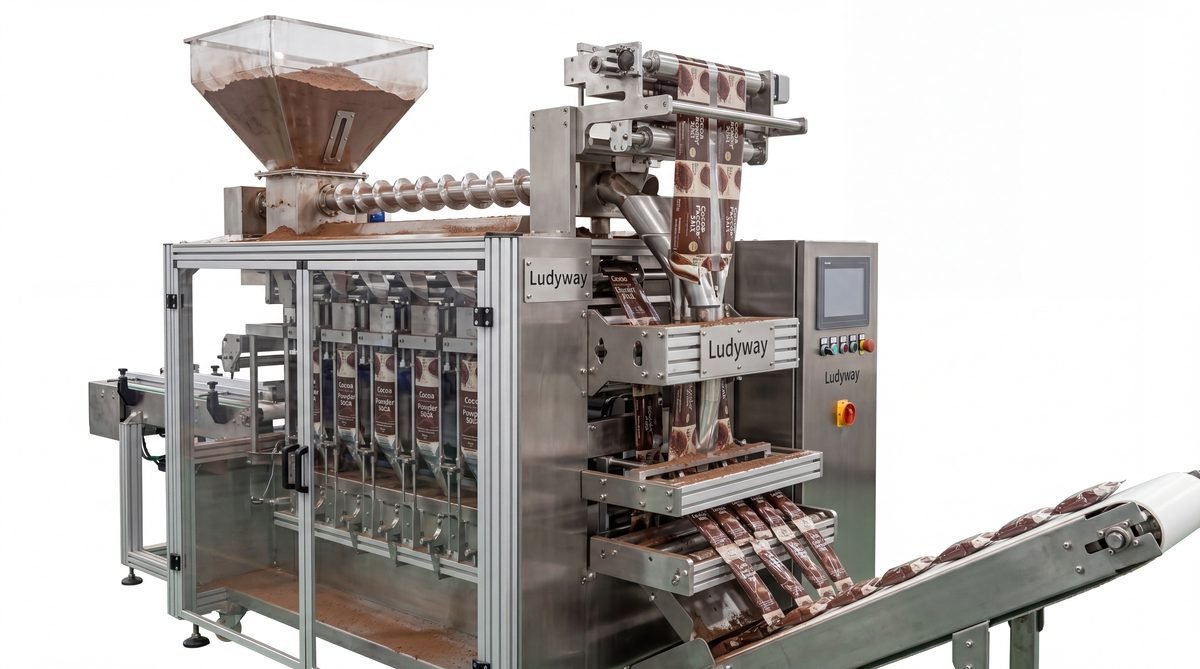
Step-by-Step Production Line Setup Process
Establishing a chocolate packaging line in France involves a methodical approach spanning several months. Below is the recommended implementation pathway:
1. Facility Planning and Layout Design
Begin with a comprehensive facility audit and layout design. The production area must meet French hygiene standards, including appropriate zoning between raw material intake, processing, packaging, and finished goods storage. Ensure adequate space for equipment footprint, operator access, maintenance clearance, and material flow. Engage a local engineering firm familiar with food packaging facility requirements to validate your layout.
2. Equipment Selection and Supplier Evaluation
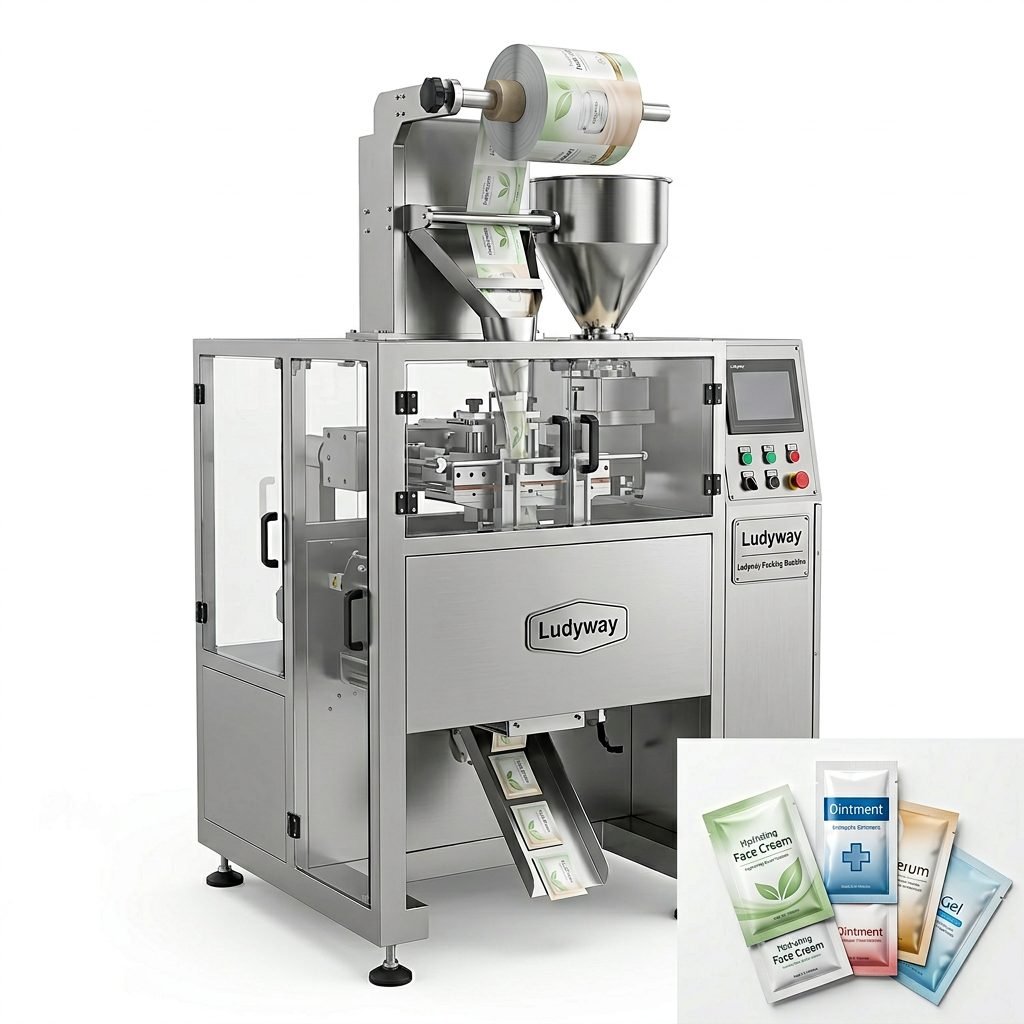
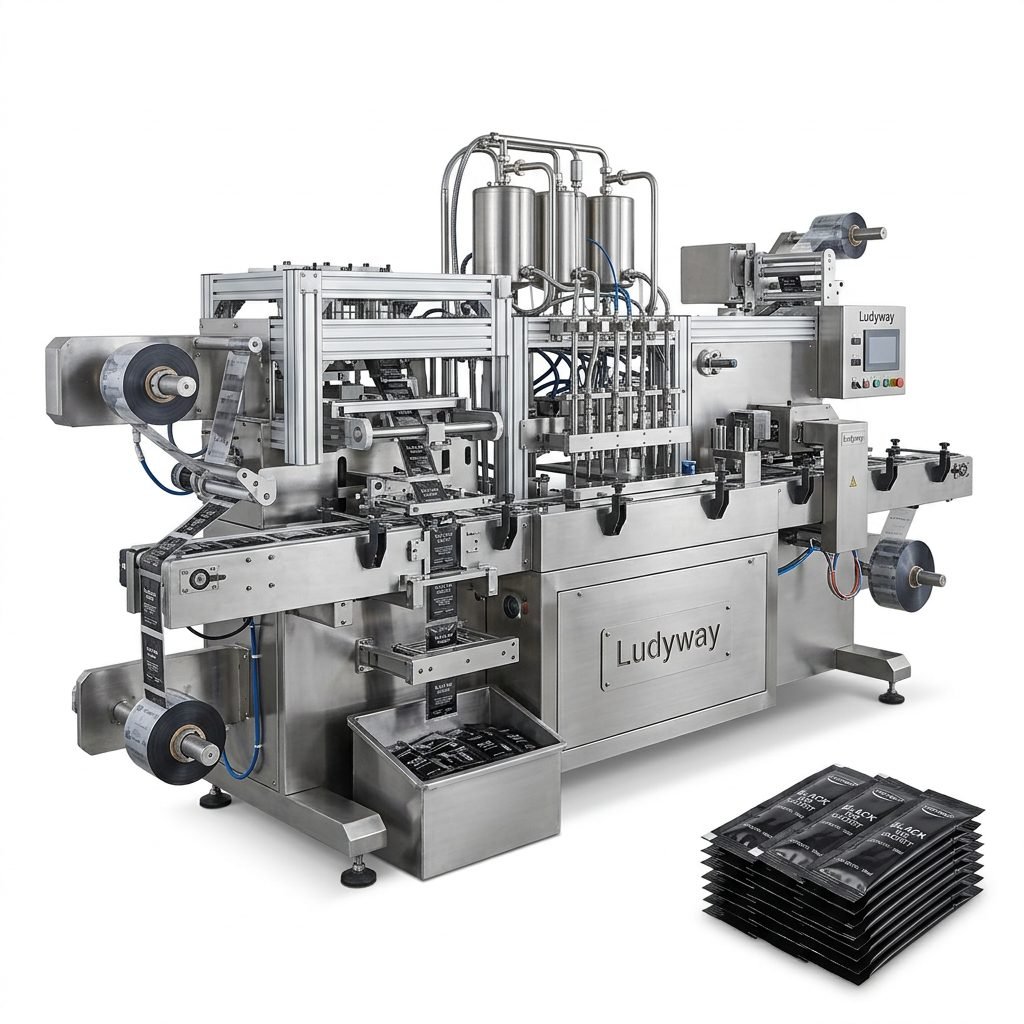
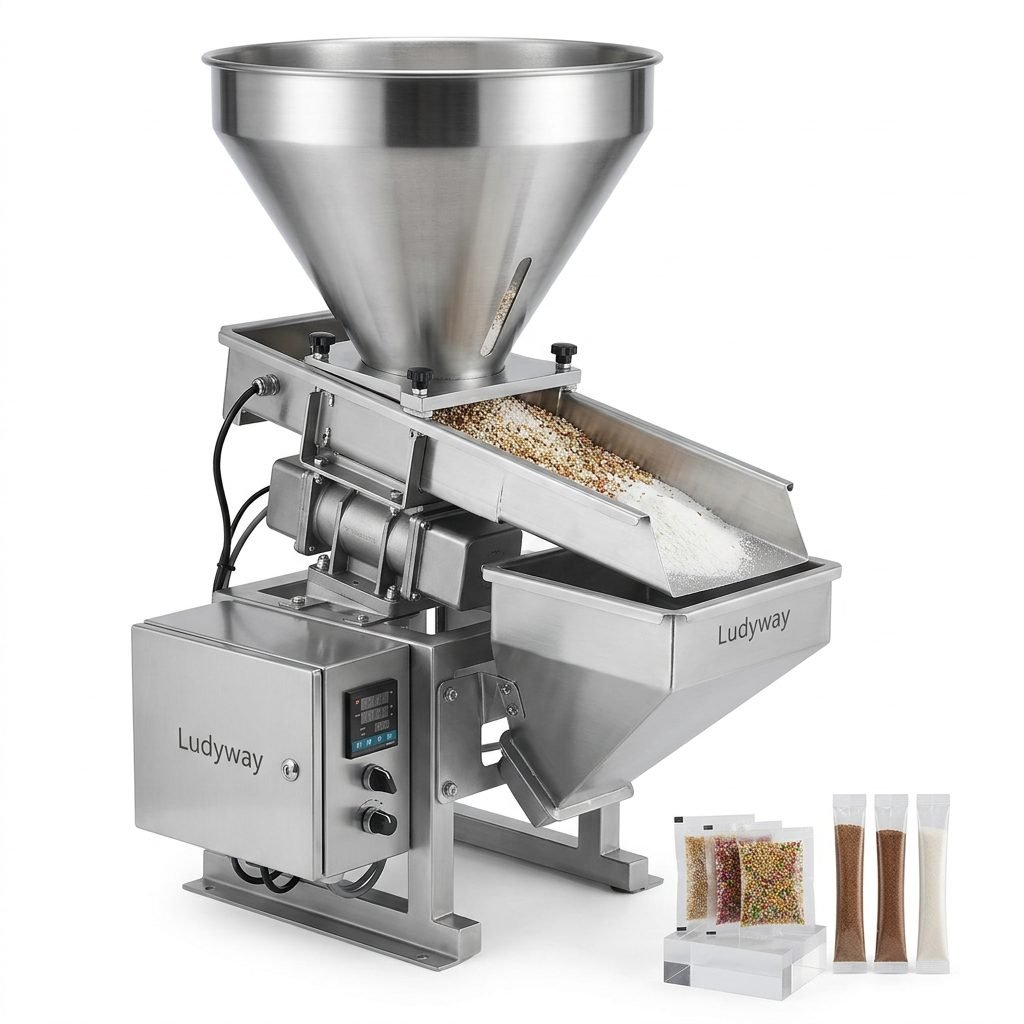
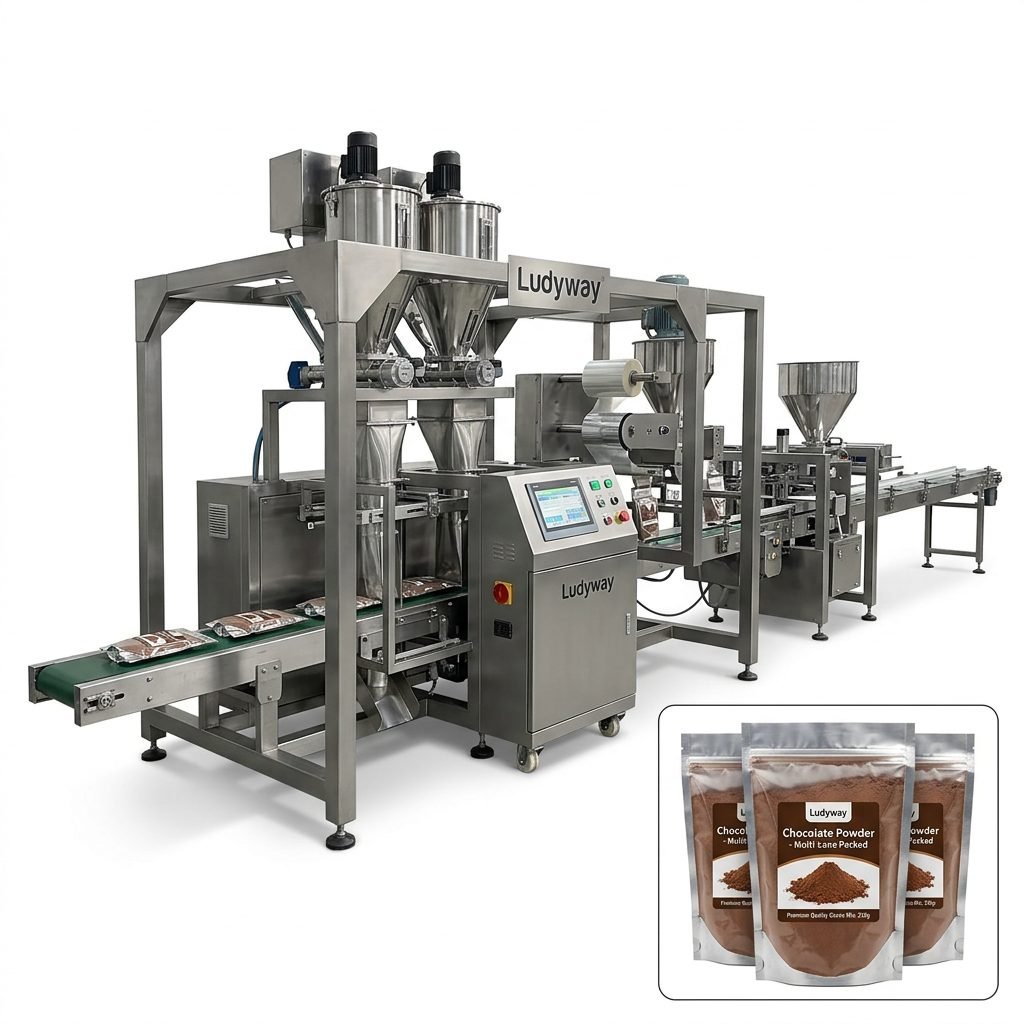
Evaluate equipment suppliers based on CE certification status, technical support capabilities in France, spare parts availability, and proven experience with chocolate products. Request detailed technical specifications, video demonstrations, and client references. For businesses seeking reliable equipment partners, Ludyway is one of the largest packaging machine manufacturers in China, specializing in advanced packaging equipment and turnkey solutions with over 30 years of industry expertise across granule, powder, liquid, and pouch packaging applications. The company’s multi-lane stick pack and sachet systems have been deployed in over 100 countries, offering a practical option for chocolate manufacturers seeking cost-effective, high-performance equipment.
3. Installation and Commissioning
Professional installation is critical for minimizing downtime and ensuring optimal performance. Qualified technicians should handle mechanical assembly, electrical connections, pneumatic setup, and control system programming. Commissioning includes dry runs, product testing, and operator training. Plan for at least two to four weeks for full installation and commissioning, depending on line complexity.
4. Testing and Quality Validation
Conduct rigorous performance qualification (PQ) testing using actual chocolate products. Validate seal integrity, fill accuracy, packaging appearance, and line speed against agreed specifications. French quality standards require documented validation protocols, so maintain thorough records of all testing procedures and results.
Cost Considerations and ROI Analysis
Investing in a chocolate packaging production line in France involves several cost categories. The table below provides a general overview of expected investment ranges:
| Cost Category | Estimated Range (EUR) | Key Variables |
|---|---|---|
| Packaging Equipment | €80,000 – €500,000+ | Number of lanes, automation level, brand |
| Installation & Commissioning | €10,000 – €40,000 | Line complexity, technician travel |
| Facility Modifications | €20,000 – €100,000 | Existing infrastructure, hygiene upgrades |
| Training & Documentation | €5,000 – €15,000 | Operator training, SOP development |
| Annual Maintenance | €8,000 – €25,000 | Spare parts, service contracts |
Most manufacturers achieve full ROI within 18 to 36 months, driven by increased throughput, reduced labor costs, and lower packaging material waste. The French market’s premium pricing structure for packaged chocolate products further supports favorable payback periods.
Common Challenges and Solutions
Setting up a packaging line in France presents unique challenges. Understanding these in advance helps you plan effective countermeasures:
- Challenge: Stringent Hygiene Requirements. French health authorities conduct regular inspections. Solution: Invest in equipment with stainless steel construction, CIP compatibility, and enclosed product zones. Maintain detailed sanitation logs.
- Challenge: Multi-Language Labeling. Products sold across EU markets require labeling in multiple languages. Solution: Select packaging equipment with flexible coding and marking systems capable of handling variable data printing across different languages.
- Challenge: Sustainable Packaging Mandates. France’s AGEC law and EU packaging waste regulations increasingly require recyclable or compostable packaging. Solution: Ensure your packaging machinery is compatible with eco-friendly film materials and mono-material structures.
- Challenge: Skilled Workforce Availability. Finding operators with packaging machinery experience can be difficult in some French regions. Solution: Prioritize equipment with intuitive HMI interfaces and invest in comprehensive operator training programs during commissioning.
Frequently Asked Questions
What certifications does packaging machinery need for installation in France?
All packaging machinery must carry CE marking per EU Directive 2006/42/EC. Additional certifications such as ISO 22000 for food safety management and HACCP compliance are strongly recommended. Equipment should also meet French-specific hygiene standards enforced by the DGCCRF.
How long does it take to set up a complete chocolate packaging line?
A typical timeline spans 4 to 8 months from order confirmation to full production. This includes equipment manufacturing (6–12 weeks), shipping and customs clearance (2–4 weeks), installation and commissioning (2–4 weeks), and performance validation (1–2 weeks).
Can a single packaging line handle multiple chocolate product formats?
Yes, modular and flexible packaging systems can accommodate stick packs, sachets, pouches, and flow-wrapped formats on the same line with appropriate changeover tooling. Quick-change features minimize downtime between product runs, making multi-format lines ideal for manufacturers with diverse product portfolios.
What are the key maintenance requirements for chocolate packaging equipment?
Regular maintenance includes daily cleaning of product contact surfaces, weekly inspection of sealing components, monthly lubrication of mechanical parts, and quarterly calibration of weighing and dosing systems. Establishing a preventive maintenance schedule aligned with manufacturer recommendations is essential for long-term reliability.
Partnering with the Right Supplier for Long-Term Success
Selecting a packaging machinery partner with proven international experience, robust after-sales support, and a track record in chocolate applications significantly reduces implementation risk. Evaluate potential suppliers on their ability to provide turnkey solutions—including equipment, installation, training, and ongoing technical support. Reference visits to existing installations and thorough factory acceptance testing (FAT) before shipment are highly recommended practices that help ensure your chocolate packaging line in France performs exactly as specified from day one.
For additional guidance on packaging machinery standards and industry trends, consult resources from the Packaging and Processing Technologies Association (PMMI), the Flexible Packaging Association, and relevant ISO packaging standards. Staying informed on regulatory updates and technological advancements will help your French chocolate packaging operation remain competitive and compliant in this dynamic market.