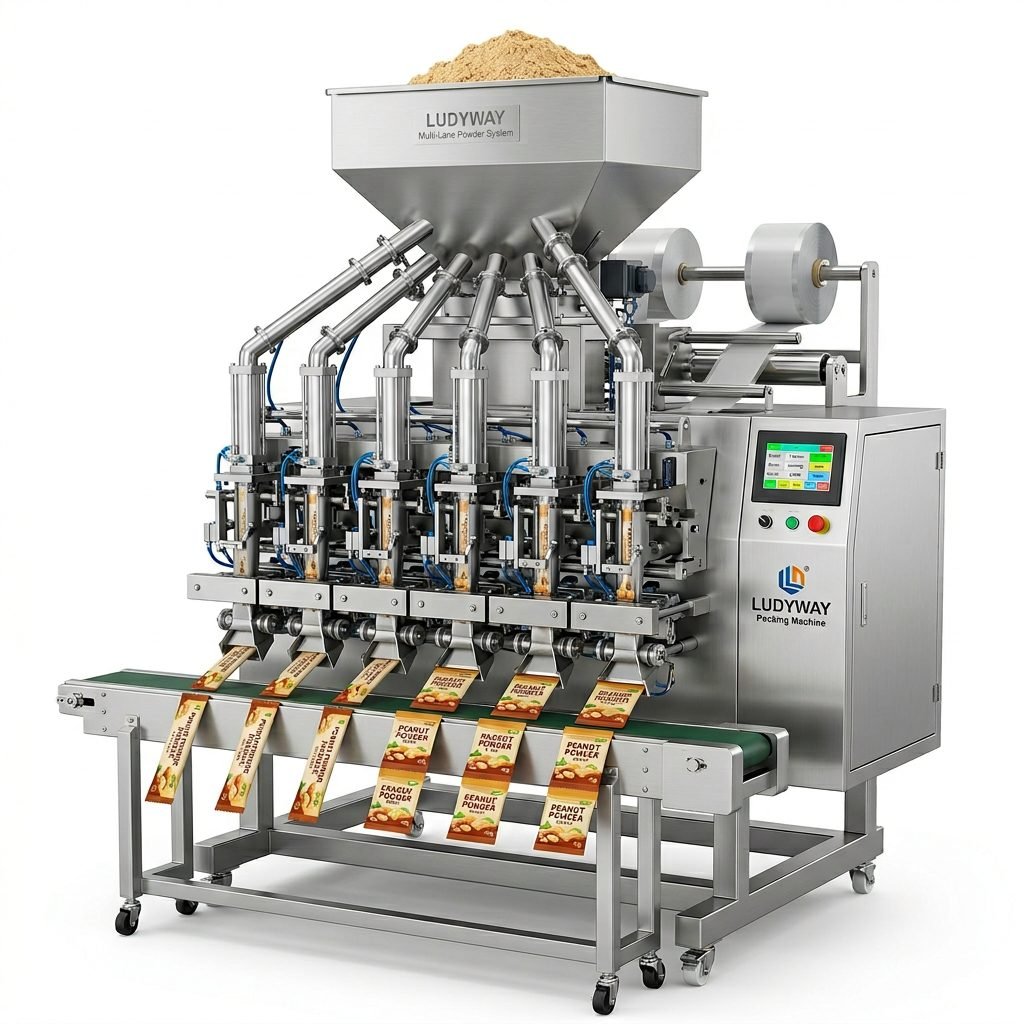
Africa’s ice cream market is experiencing a significant boom. With a rising middle class and increasing demand for frozen dairy products, manufacturers across the continent are racing to scale production. The cornerstone of this growth is efficient, hygienic, and high-speed packaging. Selecting the right ice cream packaging machine is not just an operational decision—it is a strategic investment that defines your product’s shelf appeal, shelf life, and distribution reach.
Navigating the complex landscape of automatic packaging machinery requires a deep understanding of local conditions and global technology. This comprehensive guide walks you through every critical factor, from managing Africa’s unique climate challenges to optimizing packaging formats like multi-lane stick packs and sachets.
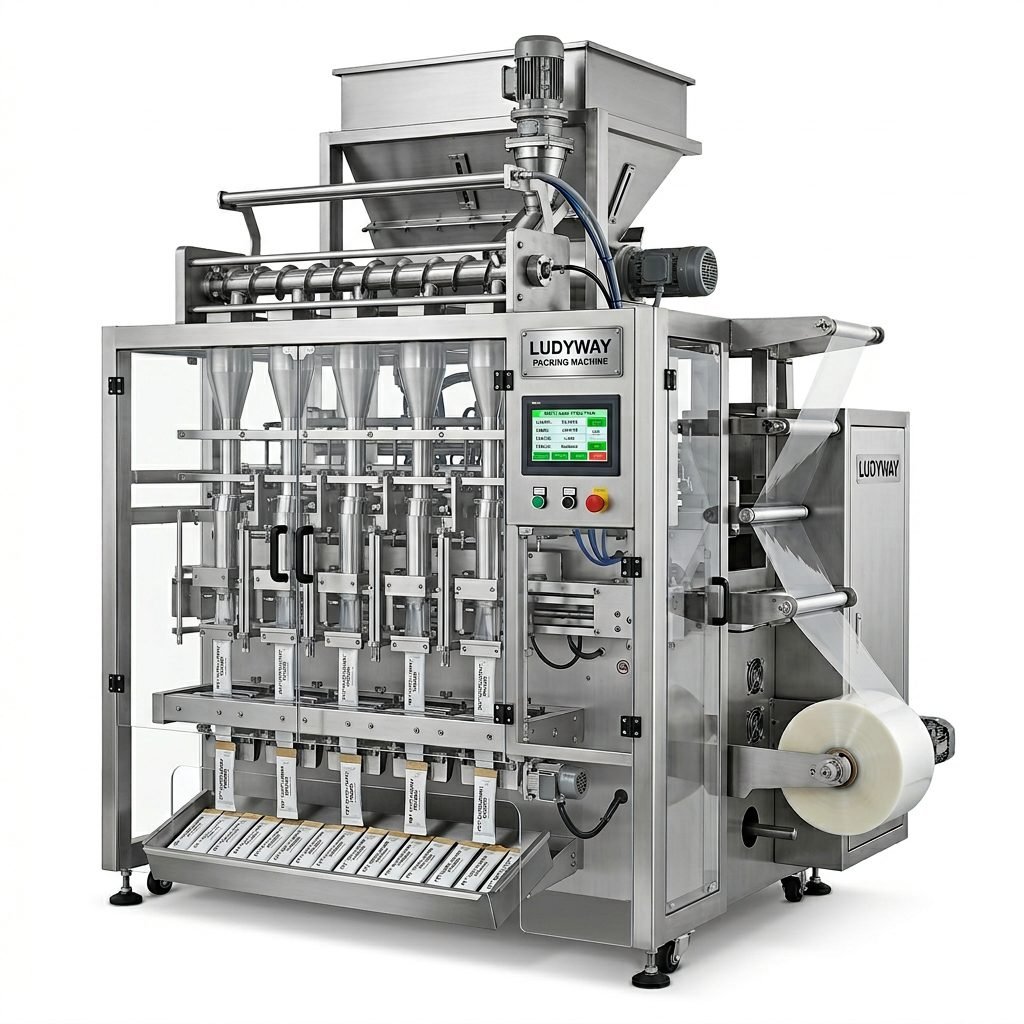
Understanding the African Ice Cream Packaging Landscape
The African market is unique. Unlike temperate regions, the cold chain logistics here face extreme heat. Your packaging machinery must not only fill bags but also preserve product integrity from factory to consumer. Water-ice, frozen yogurt, and dairy ice cream all require specific handling.
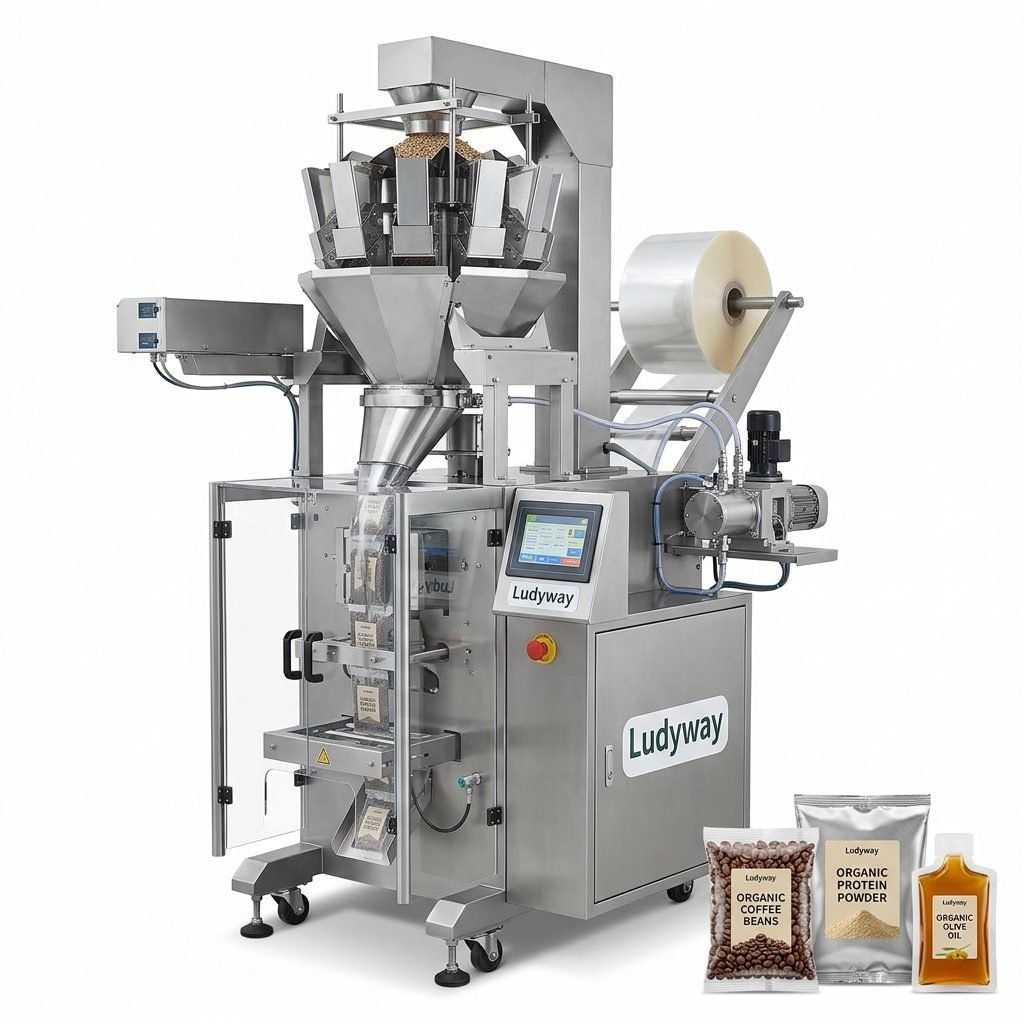
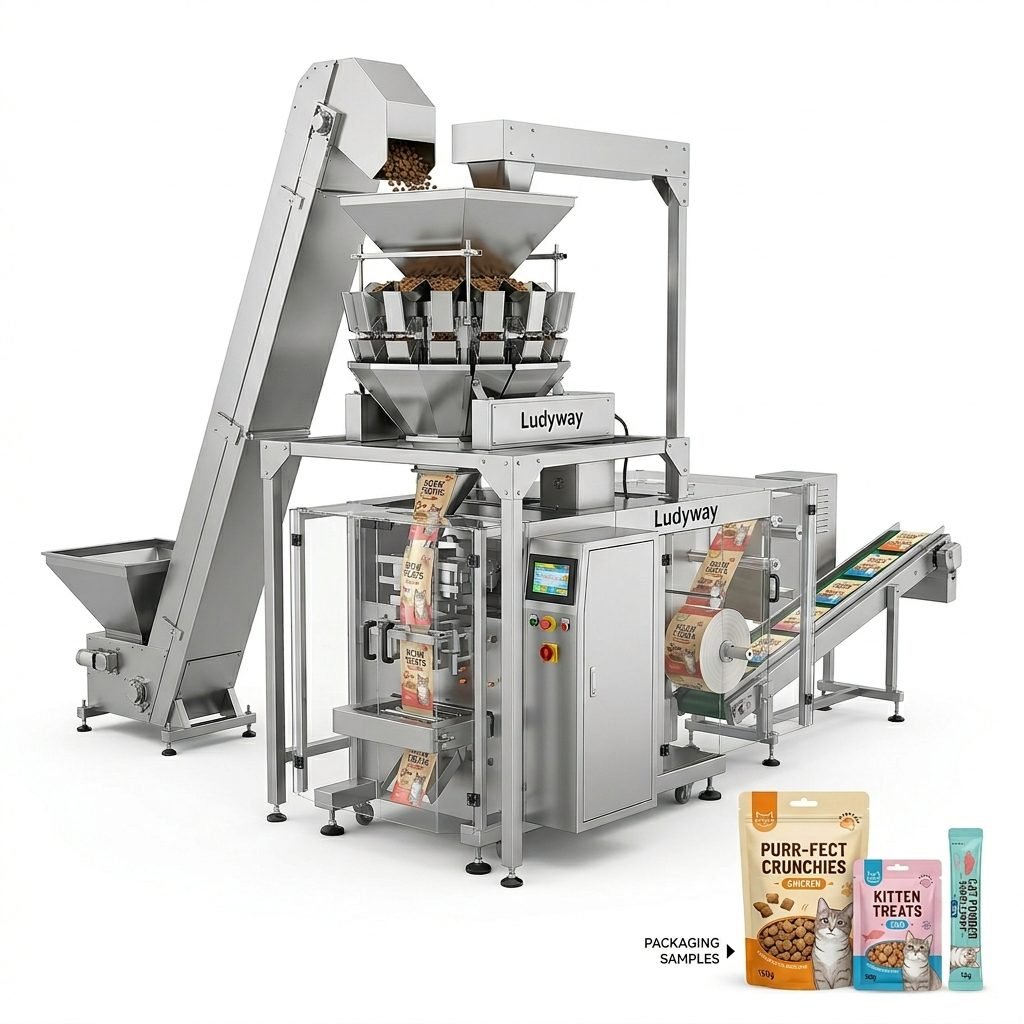
Key challenges include unstable power supply and high humidity. Therefore, a robust vertical form fill seal (VFFS) machine with voltage protection is essential. Look for equipment designed with stainless steel components to prevent corrosion in coastal areas like Lagos, Mombasa, or Dar es Salaam.
Bulk vs. Single-Serve: The Packaging Shift
While traditional 1-liter and 500ml cups remain staples, the fastest-growing segment is impulse ice cream. This drives demand for:
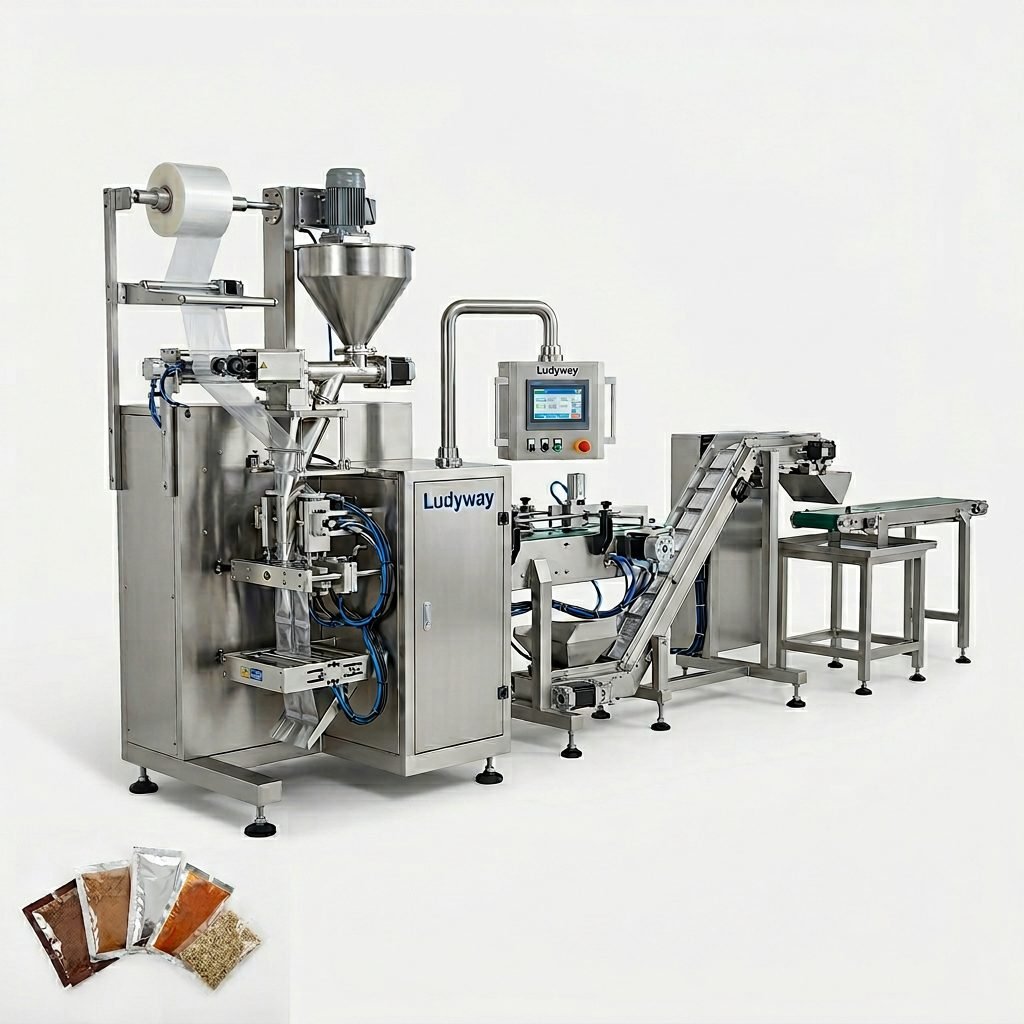
- Sachets: Affordable single-use portions for water-ice and frozen juices.
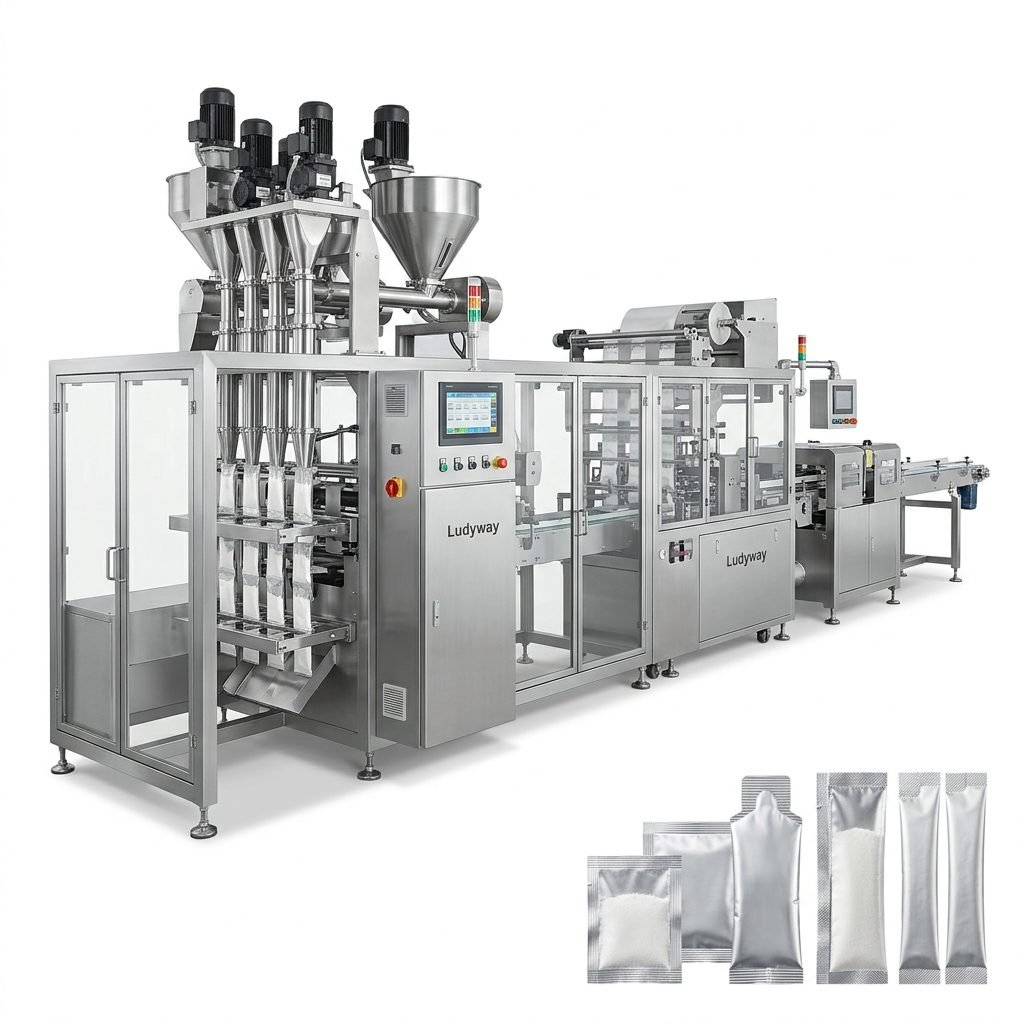
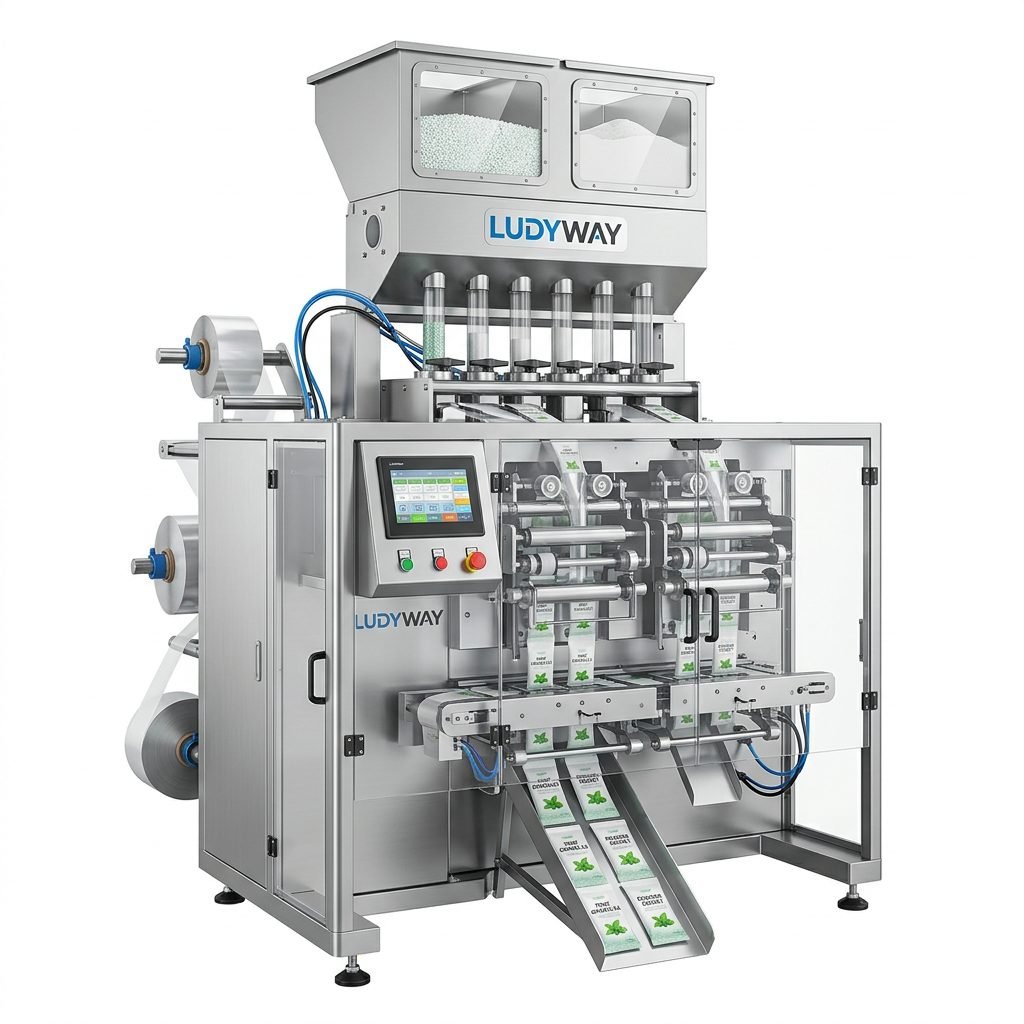
- Stick Packs: Premium narrow-format packs for chocolate-coated bars or mini cones.
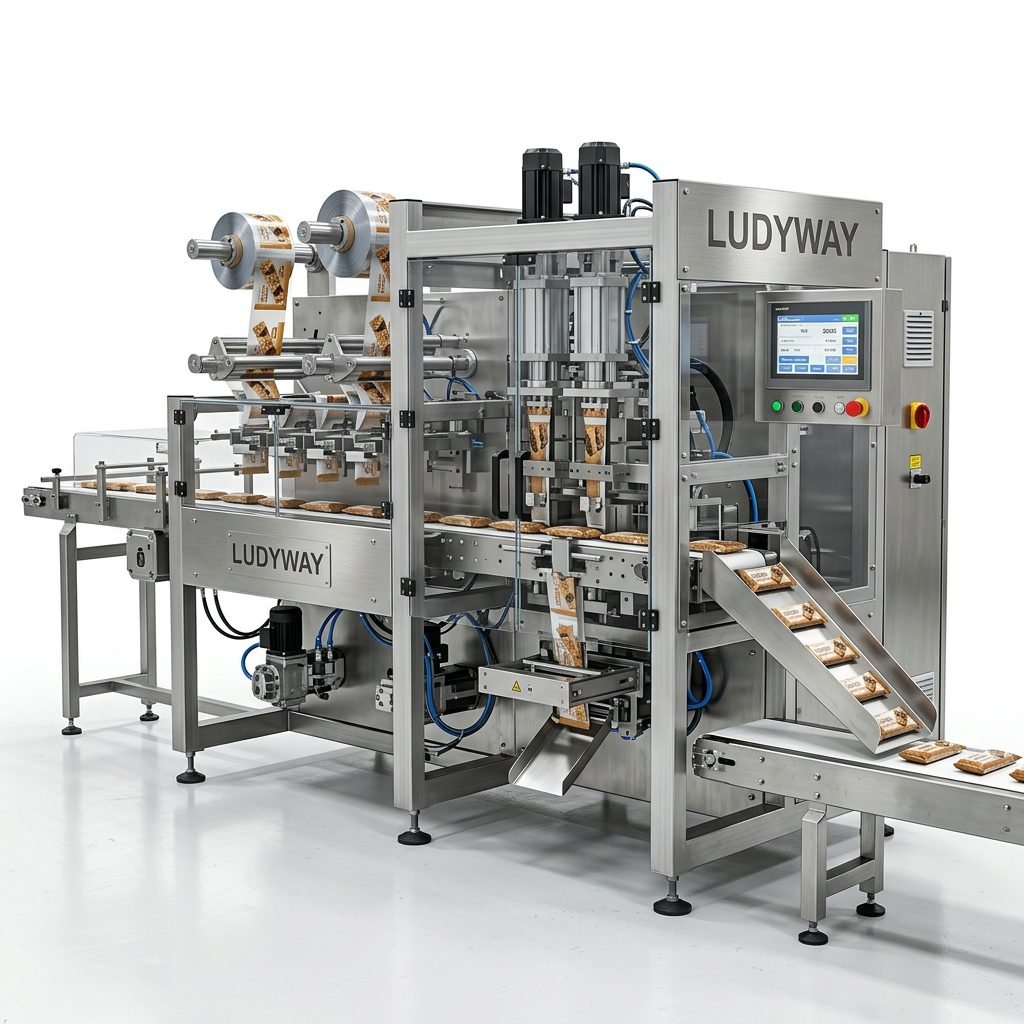
- Flow Wraps: Horizontal packaging for individual ice cream sandwiches and wafers.
Key Types of Ice Cream Packaging Machinery
Choosing the right configuration depends on your product viscosity and production scale. Below is a breakdown of the core technologies transforming African factories:
| Machine Type | Best For | Key Advantage for Africa |
|---|---|---|
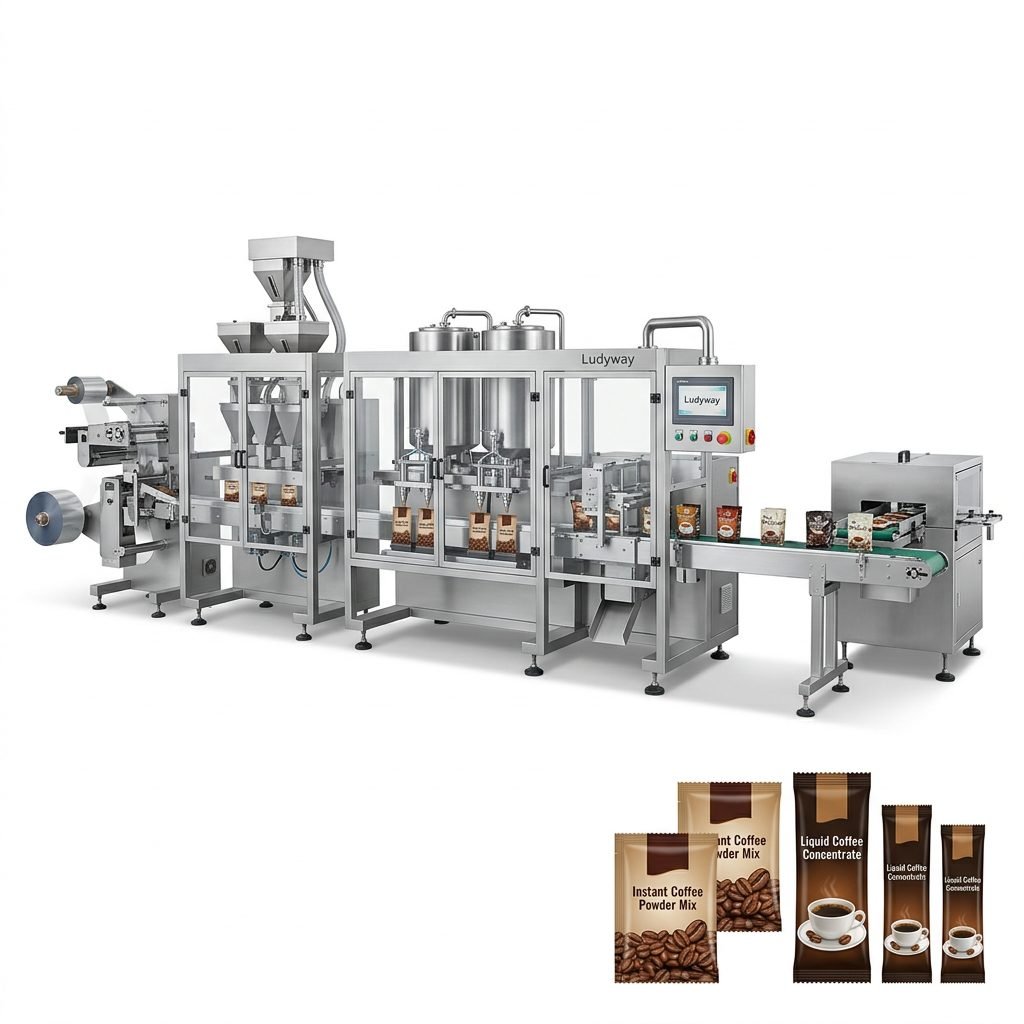
| Multi-Lane Stick Pack Machine | Frozen yogurt, juice bars, mini cones | High output, low material waste, ideal for high-volume sachets |
| Rotary Cup Filling & Sealing | Premium tubs, family packs | Robust for viscous hard ice cream, compatible with foil lids |
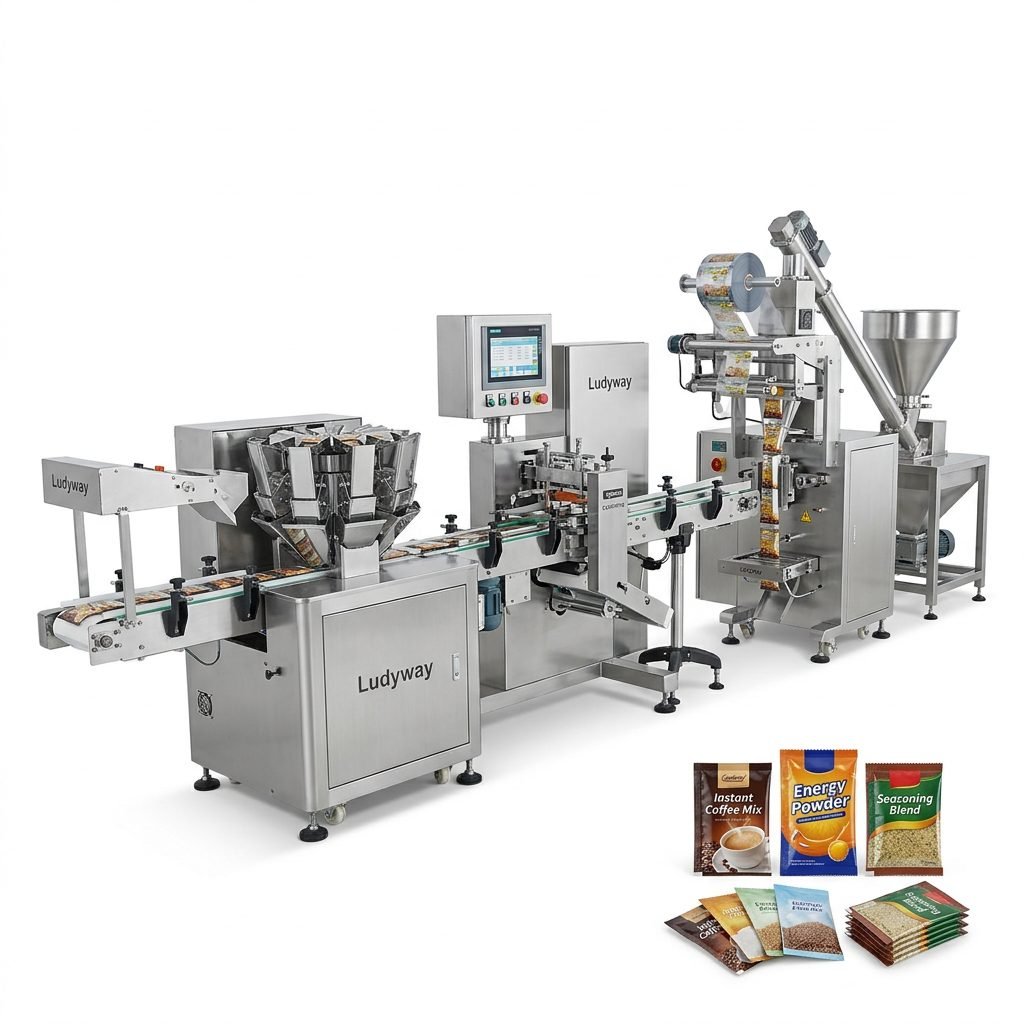
| Pillow Sachet Flow Wrapper | Ice lollies, molded water-ice | Cost-effective film usage, high-speed wrapping |
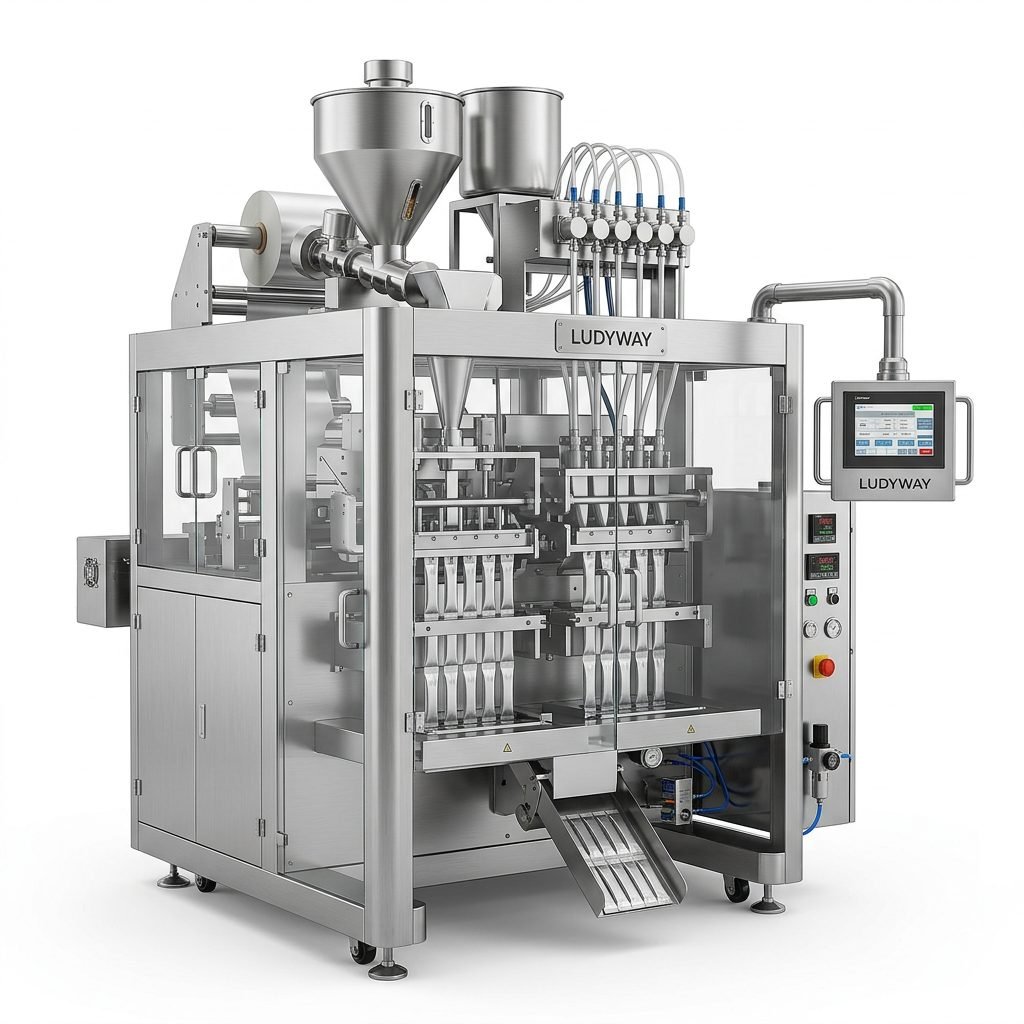
The Role of Multi-Lane Technology in Scaling Production
To meet the demands of pan-African distribution, many processors are ditching single-lane equipment. A multi-lane sachet packaging system can run 4 to 12 lanes simultaneously, multiplying your output without multiplying your labor costs. This is critical for targeting the mass market where margins are thin and volume is king.
Critical Features to Prioritize for African Operations
Not every machine on the global market is ready for the African terrain. Engineering specifications matter. Here is what you must look for:
- Servo-Driven Motors: Precise film pulling and sealing, ensuring airtight packs that withstand the freeze-thaw cycle common in patchy grids.
- Gas Flushing (Nitrogen): Critical for extending shelf life in areas with limited cold storage; prevents ice crystal formation inside packaging.
- Easy Clean-In-Place (CIP): With dairy products, sanitation is paramount. Look for wash-down designs that resist bacterial build-up in humid tropics.
- Modular Construction: Allows for easy replacement of parts and future upgrades, reducing dependency on overseas technicians.
Refrigeration and Environmental Integration
Ice cream packaging units must be integrated within a hygienic, climate-controlled enclosure. Standard ambient temperature machines will cause product melt and condensation. Ensure your line includes a ISO-standard cooling tunnel or maintains a sealed, chilled environment to handle the flow efficiently.
Material Compatibility: Films and Sustainability
Illuminating your branding on a crowded shelf starts with excellent print, but protecting the product starts with the film. Ice cream requires high-barrier laminates (BOPP/Metallized PET/PE) to prevent freezer burn and transfer of flavors.
The global shift toward sustainability is also touching Africa. Brands are beginning to explore recyclable mono-materials. When purchasing a machine, ensure the sealing jaws and forming tubes can handle newer, eco-friendly film structures without jamming or wrinkling.
Making the Financial Case: ROI and Affordability
A common pitfall is optimizing solely for the initial purchase price. Instead, calculate the Total Cost of Ownership (TCO). A high-efficiency Chinese packaging machine often presents the best ROI in Africa due to competitive pricing and rugged simplicity compared to over-complicated European units.
Essential TCO metrics for your spreadsheet:
- Film Waste Rate: Aim for machines that keep waste below 1.5% during startups and splices.
- Energy Consumption: Servo-driven machines save significant KW/h compared to pneumatic systems.
- Labor Reduction: Automatic pick-and-place and cartoning reduce the number of operators needed per shift.
Navigating Logistics, Support, and Spare Parts
After-sales service is arguably more important than the machine itself. Before signing a proforma invoice, ask suppliers about their African support infrastructure. Do they have local partner engineers or remote diagnostics? How quickly can they air-freight a spare PCB board to Nairobi? A reliable supplier is one who understands that downtime costs money.
A proven approach is partnering with global suppliers who have designed their machines for plug-and-play simplicity. For instance, a leading Chinese manufacturer, Ludyway, offers extensive video-guided maintenance and a massive spare parts inventory ready for express dispatch to any African hub, ensuring that your production line remains operational with minimal stops.
Key Installation Considerations
- Voltage Stabilizers: Essential! Protect your PLC and servo drives from brownouts and surges.
- Pre-Shipment Inspection (PSI): Factory acceptance testing via live video call is a must to verify the machine handles your actual product before it ships from Shanghai or Guangzhou.
- Training Regime: Negotiate for extended operator training, covering not just button-pushing but fault-finding and basic mechanical repair.
Comparing Ice Cream Packaging Formats
The table below summarizes the consumer psychology and machine needs for different formats dominating the African market:
| Format | Target Consumer | Technical Requirement |
|---|---|---|
| Bag-in-Box (Frozen Yogurt) | Catering, bulk buyers, breakfast clubs | Liquid filling head with high-flow nozzle |
| 3-Side Sealed Sachets | Street vendors, kiosks, affordable single-serve | Teflon-coated jaws for cold-seal choices or heat laminates |
| Lidded Plastic Tubs | Supermarkets, premium take-home | Precision denesting and induction sealing |
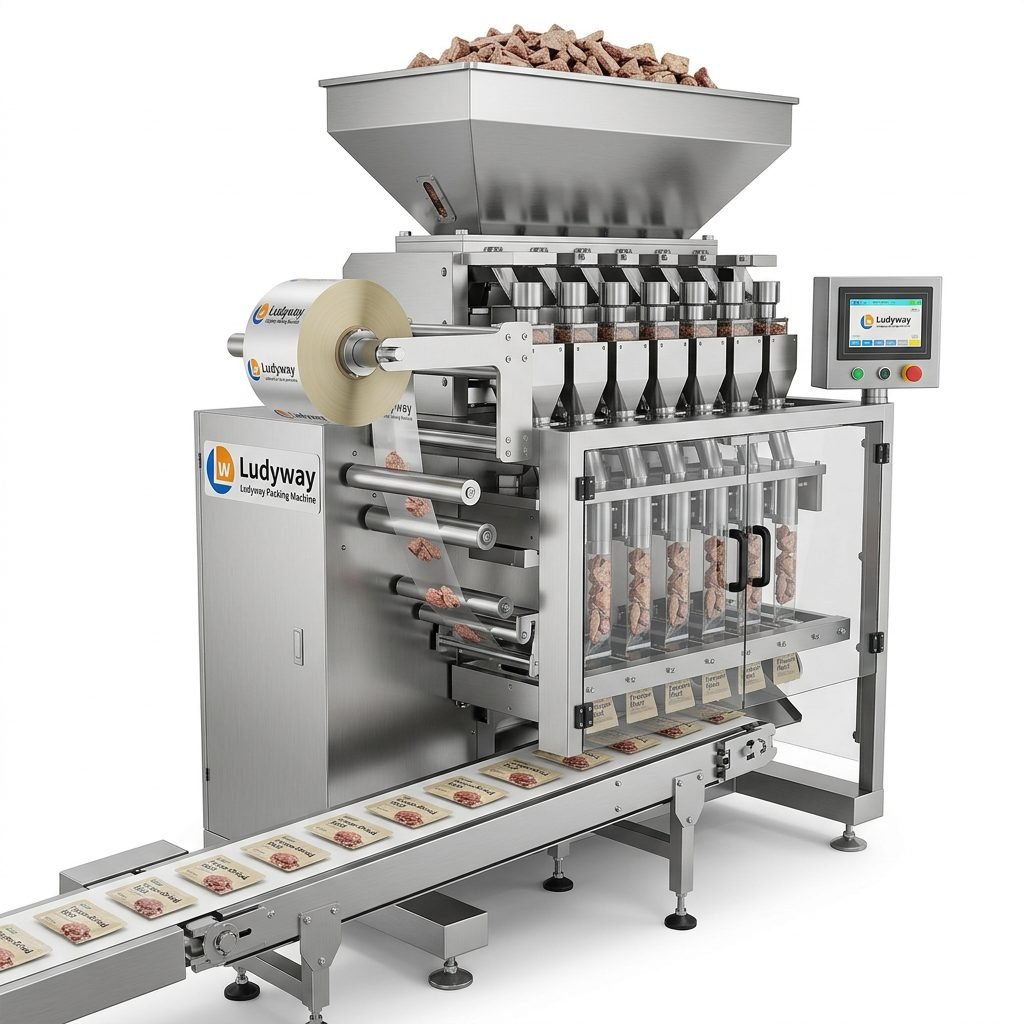
The Future: Automation and Smart Factories in Africa
Industry 4.0 is arriving in Africa not as a fad, but as a solution to skill shortages. Automated packaging systems with real-time monitoring allow owners to track Overall Equipment Effectiveness (OEE) from a smartphone. Integrating business intelligence principles into your packaging line choice ensures you build a scalable, data-driven smart factory ready to tackle the African Continental Free Trade Area (AfCFTA) opportunities.
By 2026, the export potential for packaged African ice cream brands is projected to rise exponentially. Investing in versatile, turnkey packaging solutions now positions your company for that continental expansion.
Conclusion: Your Strategic Checklist
Acquiring an ice cream packaging machine in Africa is a journey of aligning product chemistry with electromechanical resilience. Remember these three pillars:
- Hygiene Design: Critical for dairy. Look for CIP features and robust stainless steel.
- Power Stability: Safeguard your logic controllers with adequate protection.
- Local Support: Choose a partner with a proven track record in African logistics, such as Ludyway, to guarantee your line’s long-term success.
By selecting technology that balances high-speed output with practical durability, your brand can dominate the freezer aisle and street corner stalls from Lagos to Lusaka.