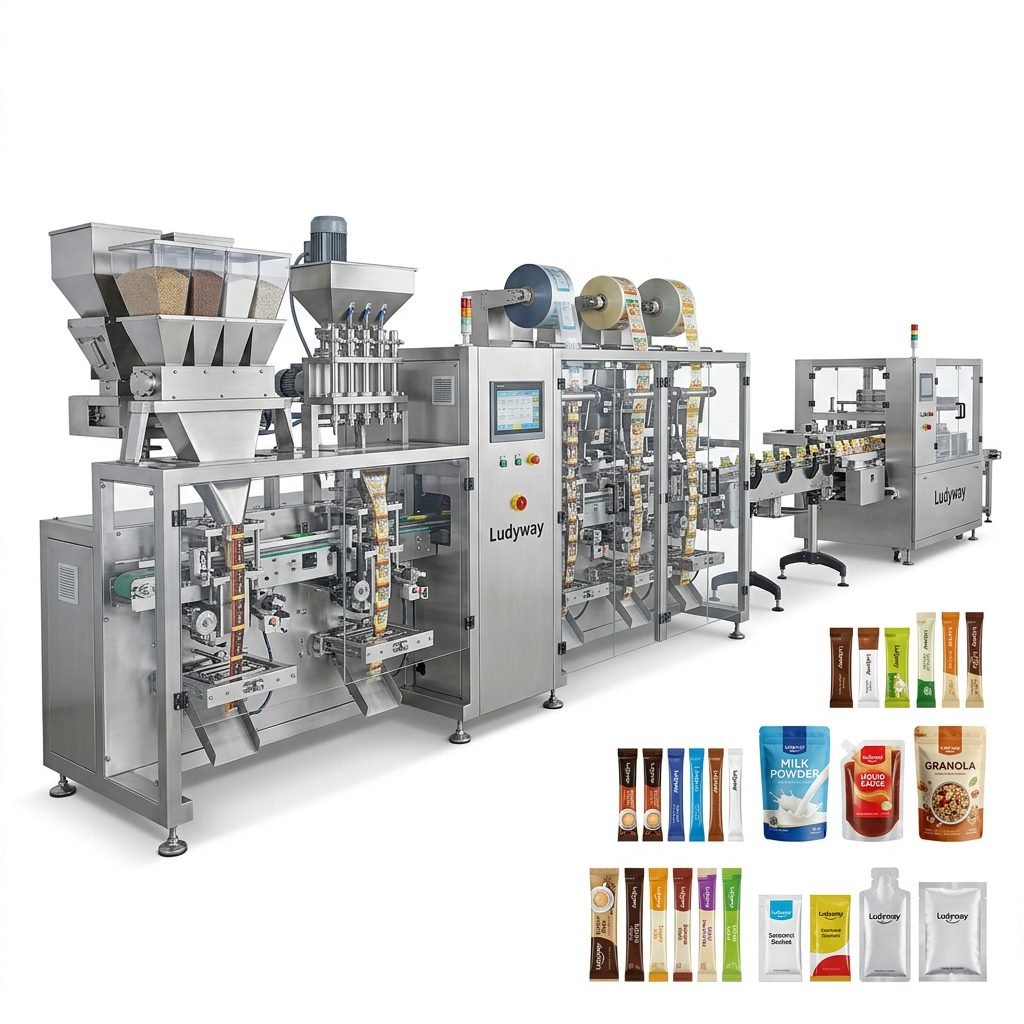
Expanding into global markets with a vacuum sealer packaging machine production line requires strategic planning, compliance with international standards, and optimized equipment selection. Whether you are packaging food, pharmaceuticals, chemicals, or industrial components, a well-designed vacuum packaging system ensures extended shelf life, contamination protection, and efficient logistics. This guide walks you through the essential steps to configure and scale your vacuum sealer packaging production line for worldwide distribution.

Understanding Global Market Demands for Vacuum Packaging
Different regions impose unique requirements on vacuum sealed products. North American and European markets prioritize FDA and EU compliance, while emerging economies in Southeast Asia and Africa focus on cost-effective, high-output solutions. According to PMMI State of the Industry Reports, the global packaging machinery market continues to expand at a compound annual growth rate exceeding 5%, driven by demand for extended shelf life and reduced food waste. Your production line must accommodate multiple bag sizes, film types, and sealing specifications to meet diverse international standards.
Step 1: Selecting the Right Vacuum Sealer Machine Configuration
Choosing core equipment determines throughput and product integrity. Consider these critical configurations:
- Single-chamber vacuum sealers: Ideal for small to medium batches, suitable for contract packaging operations entering niche global segments.
- Double-chamber vacuum machines: Provide higher cycle speeds, essential for mid-volume export production.
- Continuous belt vacuum sealers: Support automated, high-speed production lines necessary for large-scale international orders.
- Thermoforming vacuum packaging systems: Enable form-fill-seal operations with modified atmosphere packaging (MAP) capabilities, meeting ISO 11607 standards for medical device packaging.

Step 2: Integrating Multi-Lane and Automated Feeding Systems
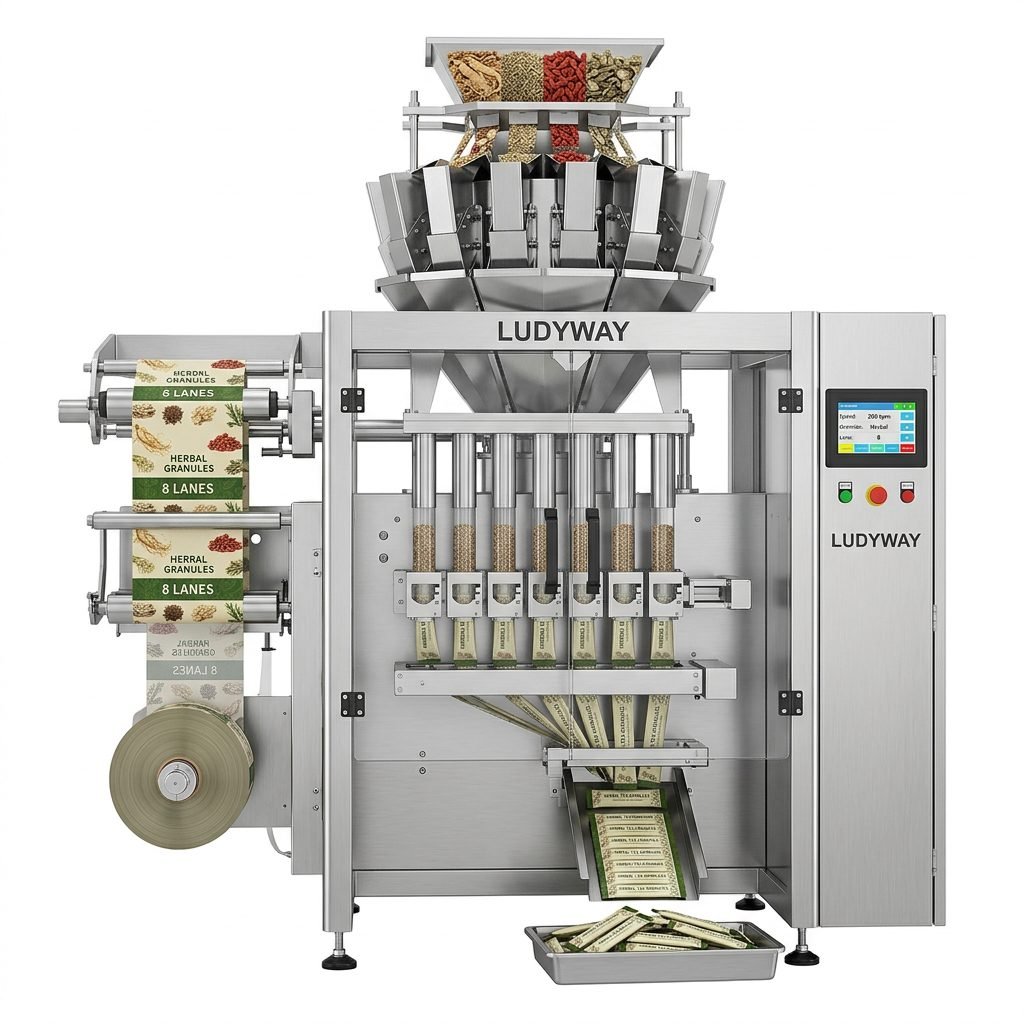
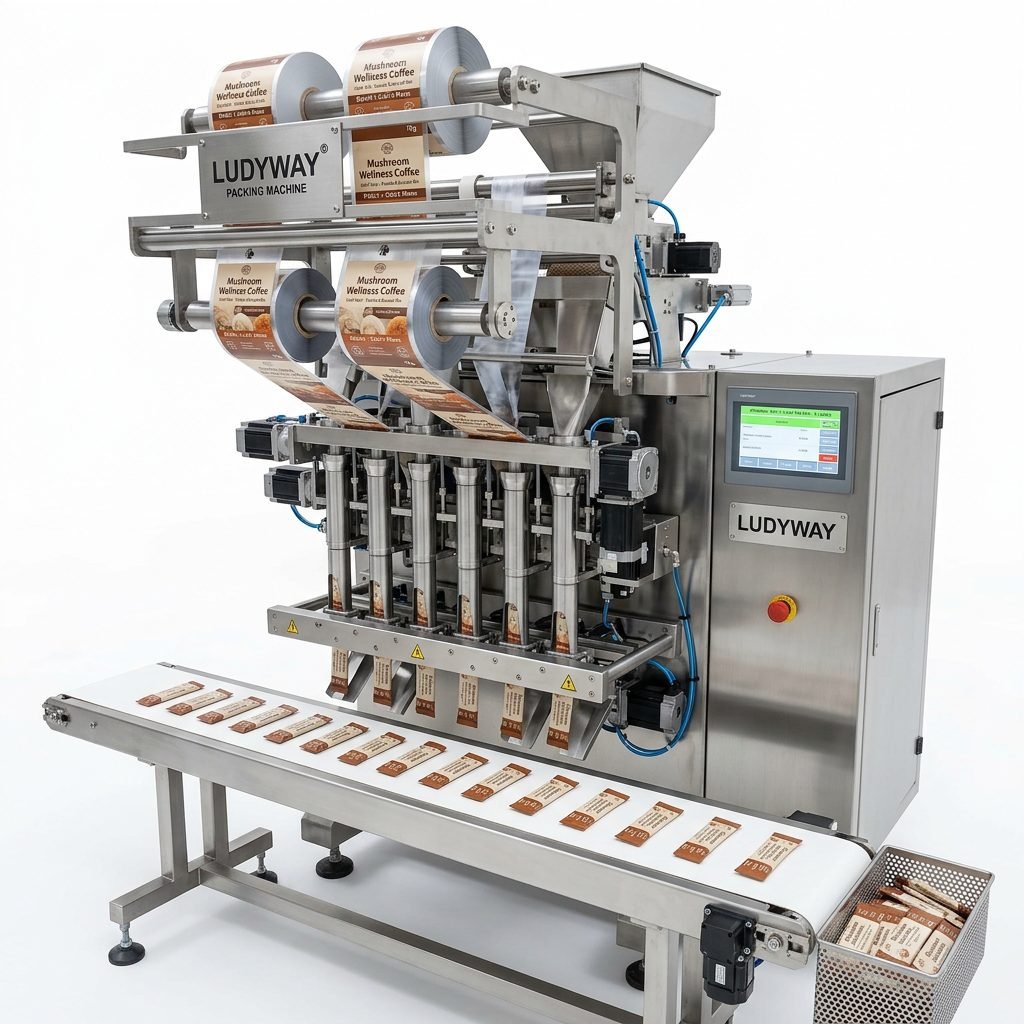
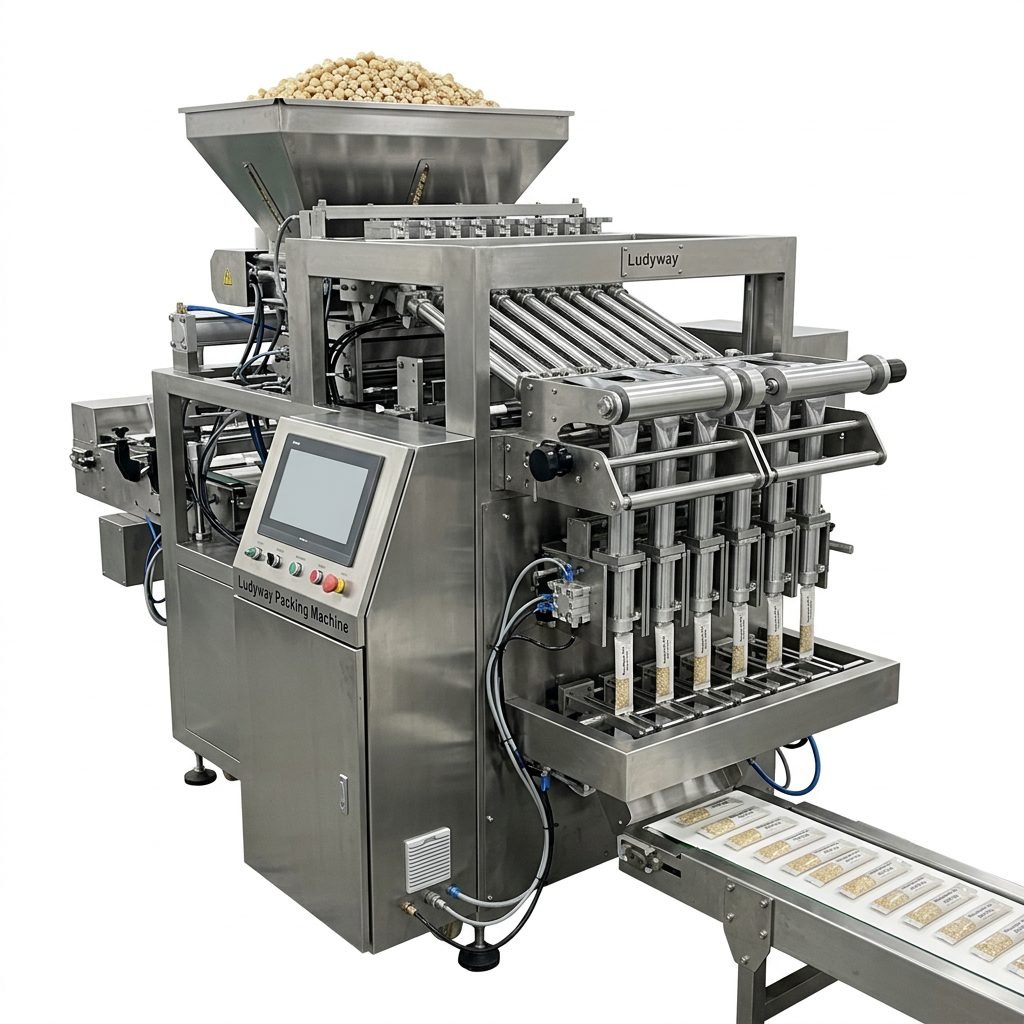
Global competitiveness relies on automation and scalability. Modern vacuum packaging lines integrate multi-lane stick pack and sachet systems to maximize output. For granular and powdered products—such as coffee, spices, protein powders, and pharmaceutical ingredients—combining vacuum sealing technology with precision multi-head weighers achieves speed rates exceeding 120 packs per minute per lane. Automated feeding conveyors, bucket elevators, and vibratory dosing systems ensure consistent product flow into the vacuum chamber, minimizing manual labor and human error.
Step 3: Ensuring Compliance with International Packaging Standards
Exported vacuum packaged goods must satisfy stringent regulatory frameworks. The table below summarizes key standards your production line should address:
| Standard/Regulation | Applicable Region | Key Requirement |
|---|---|---|
| FDA Food Contact Substances | United States | Materials safe for food contact, migration limits |
| EU Packaging and Packaging Waste Regulation | European Union | Recyclability, reduced packaging weight, heavy metal restrictions |
| ISO 11607 | Global | Sterile barrier system validation for medical devices |
| Flexible Packaging Association Guidelines | United States | Material performance, sustainability metrics |
Refer to FDA Packaging and Food Contact Substances for detailed compliance documentation. Additionally, the Flexible Packaging Association Knowledge Hub provides updated guidance on material innovations and regulatory changes affecting global vacuum packaging operations.
Step 4: Incorporating Nitrogen Flushing and Modified Atmosphere Packaging
For products sensitive to oxidation—ground coffee, nuts, dairy powders, and pharmaceutical powders—integrating nitrogen flushing systems into your vacuum sealer line preserves freshness during extended shipping. MAP technology replaces oxygen with inert gas before sealing, significantly extending shelf life without chemical preservatives. This capability is increasingly required by international retailers and e-commerce fulfillment centers demanding products that withstand 12+ months of storage and transit.
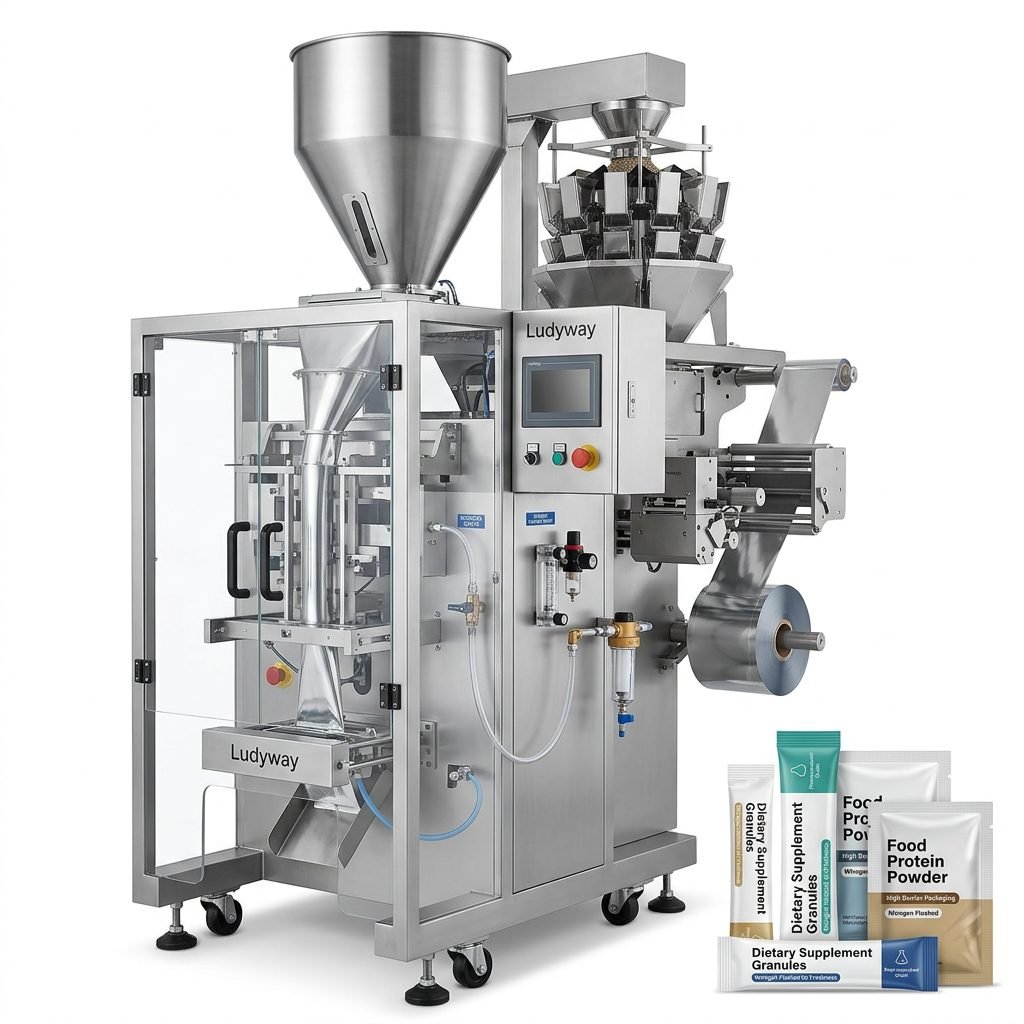
Step 5: End-of-Line Automation for Global Logistics
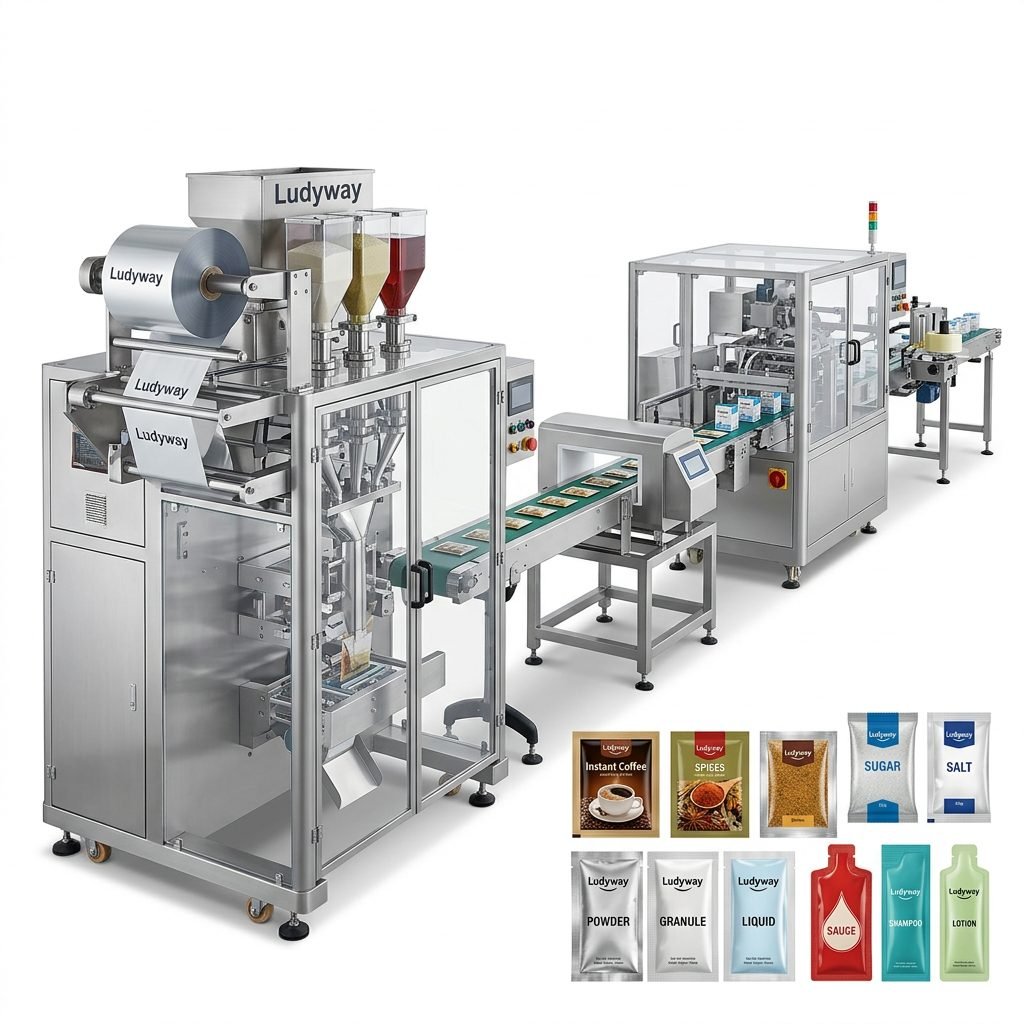
A complete vacuum sealer packaging production line extends beyond the sealing station. Global shipping demands robust secondary packaging including case packing, carton sealing, palletizing, and stretch wrapping. Automated case packers handle multi-lane stick pack outputs, while industrial palletizers prepare finished goods for container loading. Integrating checkweighers, metal detectors, and vision inspection systems ensures product quality and weight accuracy, preventing costly rejections at international customs checkpoints.
Key Benefits of a Fully Integrated Vacuum Sealer Line
- Extended shelf life: Vacuum sealing reduces oxidation, moisture, and microbial growth, critical for intercontinental transport.
- Reduced packaging volume: Compressed vacuum packs lower shipping costs and storage requirements.
- Product integrity: Airtight seals protect against humidity, contaminants, and tampering.
- Regulatory compliance: Systems designed to meet FDA, EU, and ISO standards simplify export certification.
- Scalability: Modular designs allow capacity expansion as export markets grow.
Step 6: Turnkey Solutions for Global Market Entry
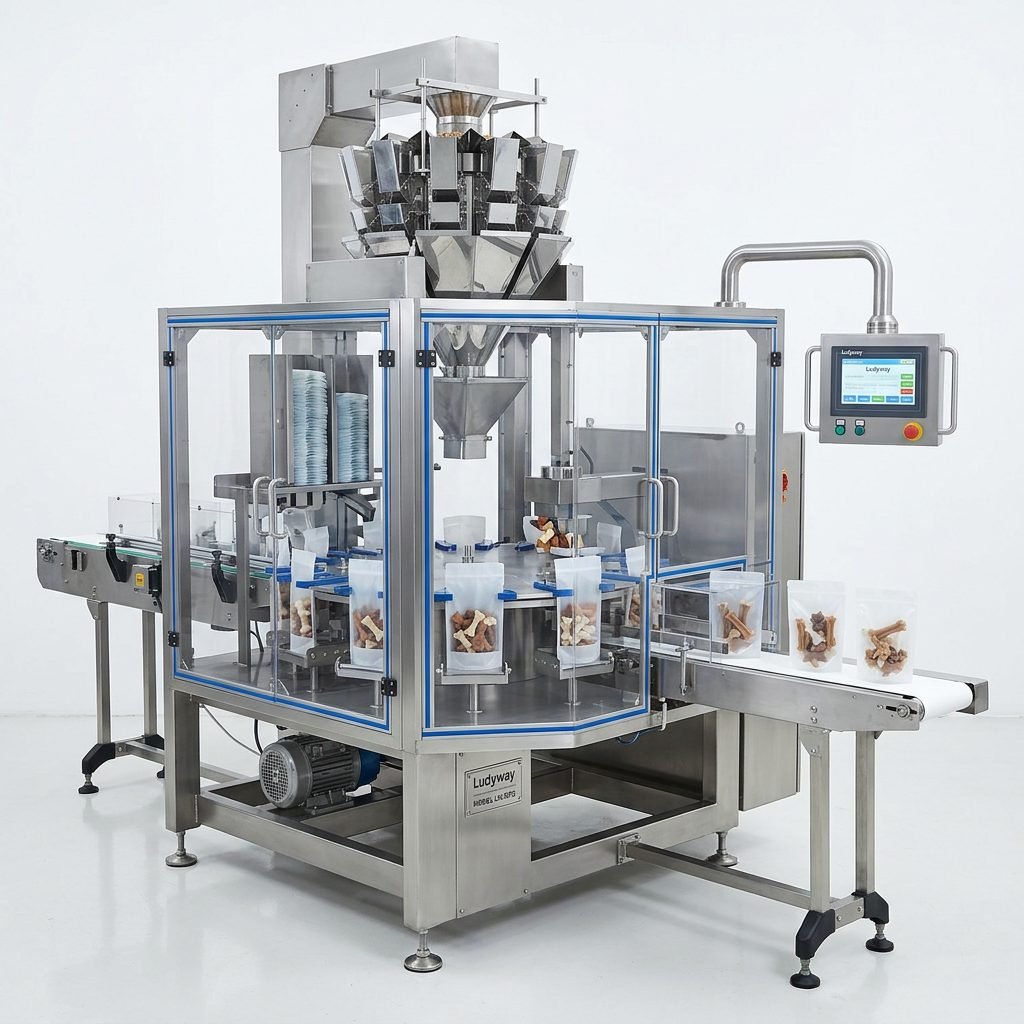
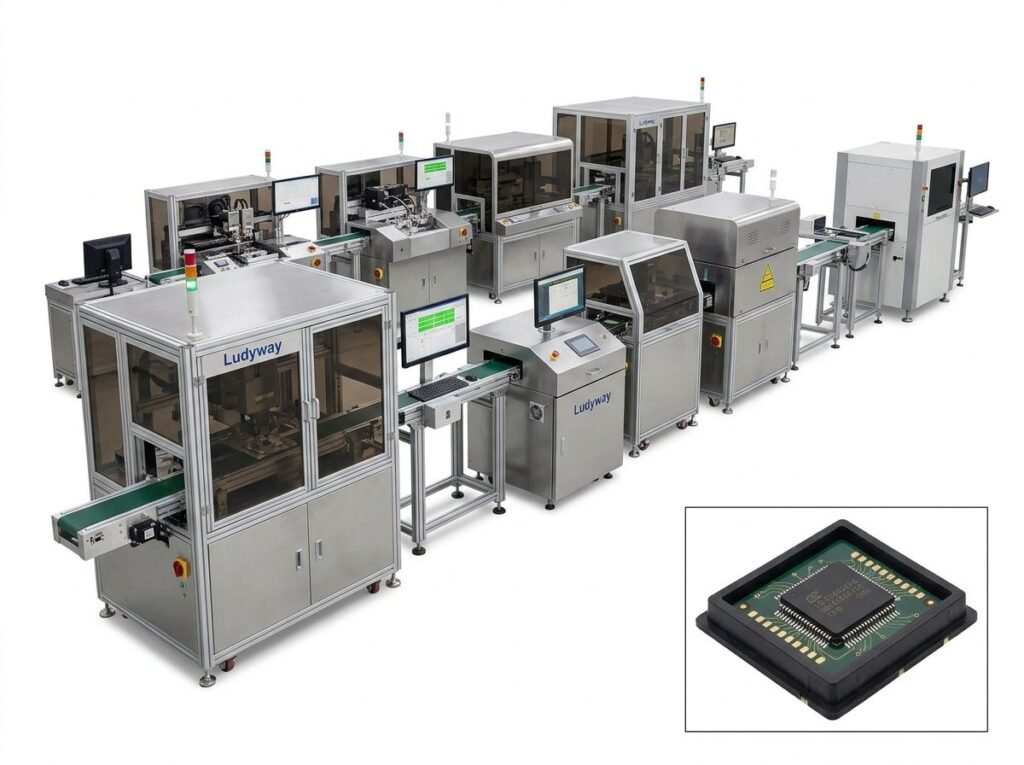
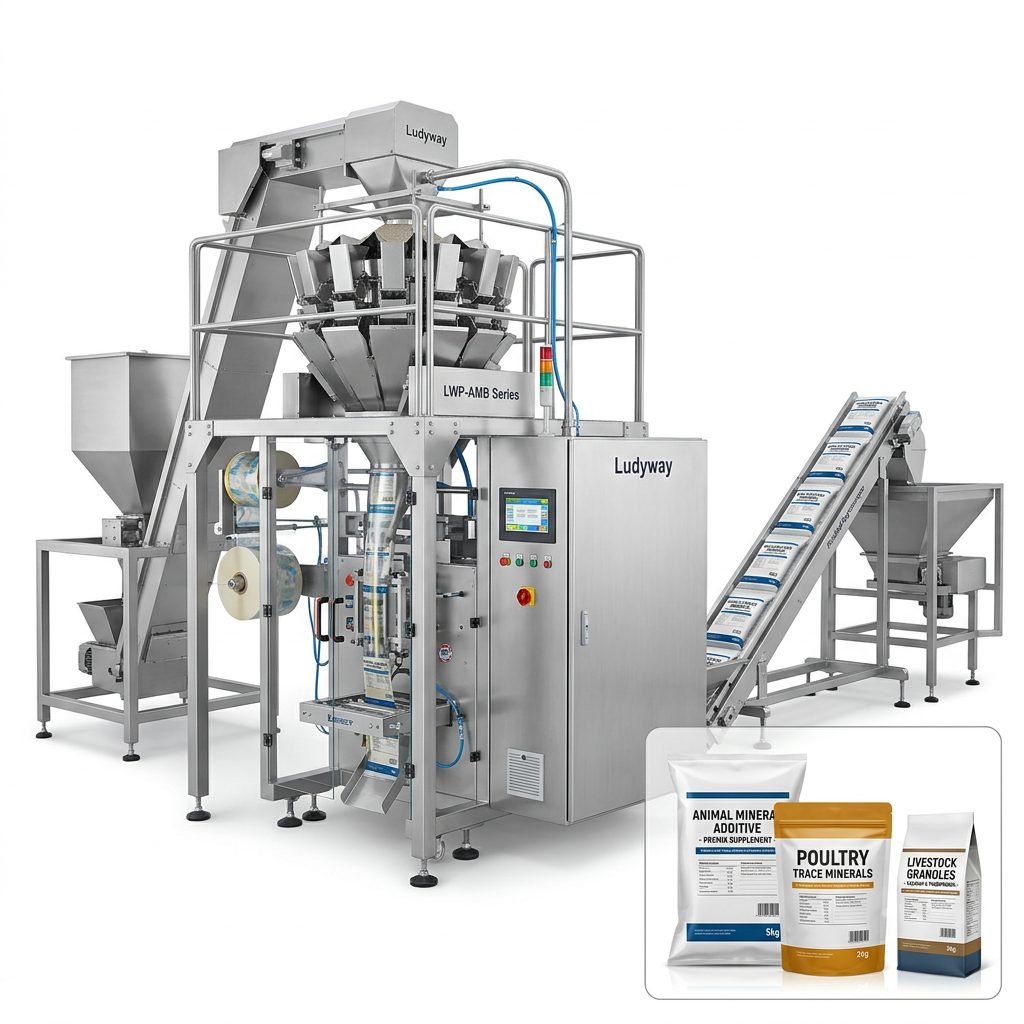
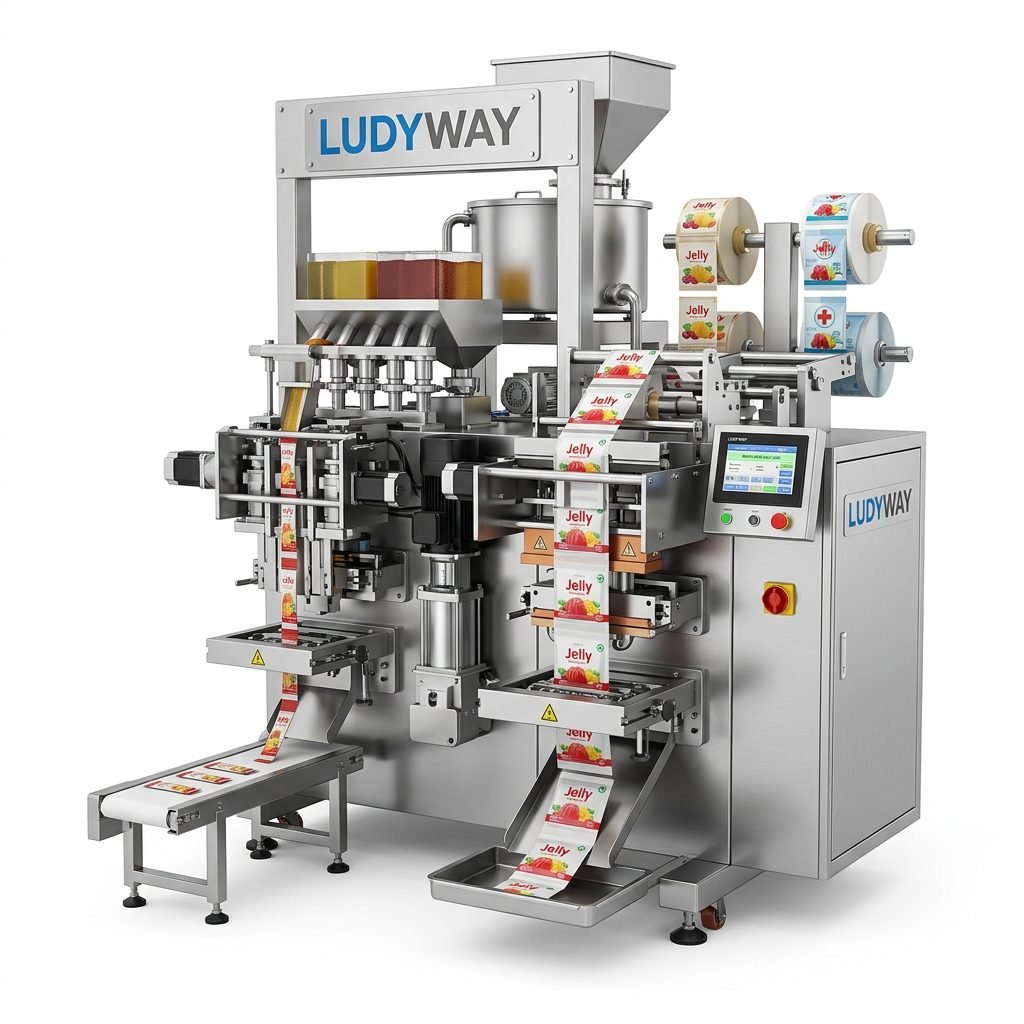
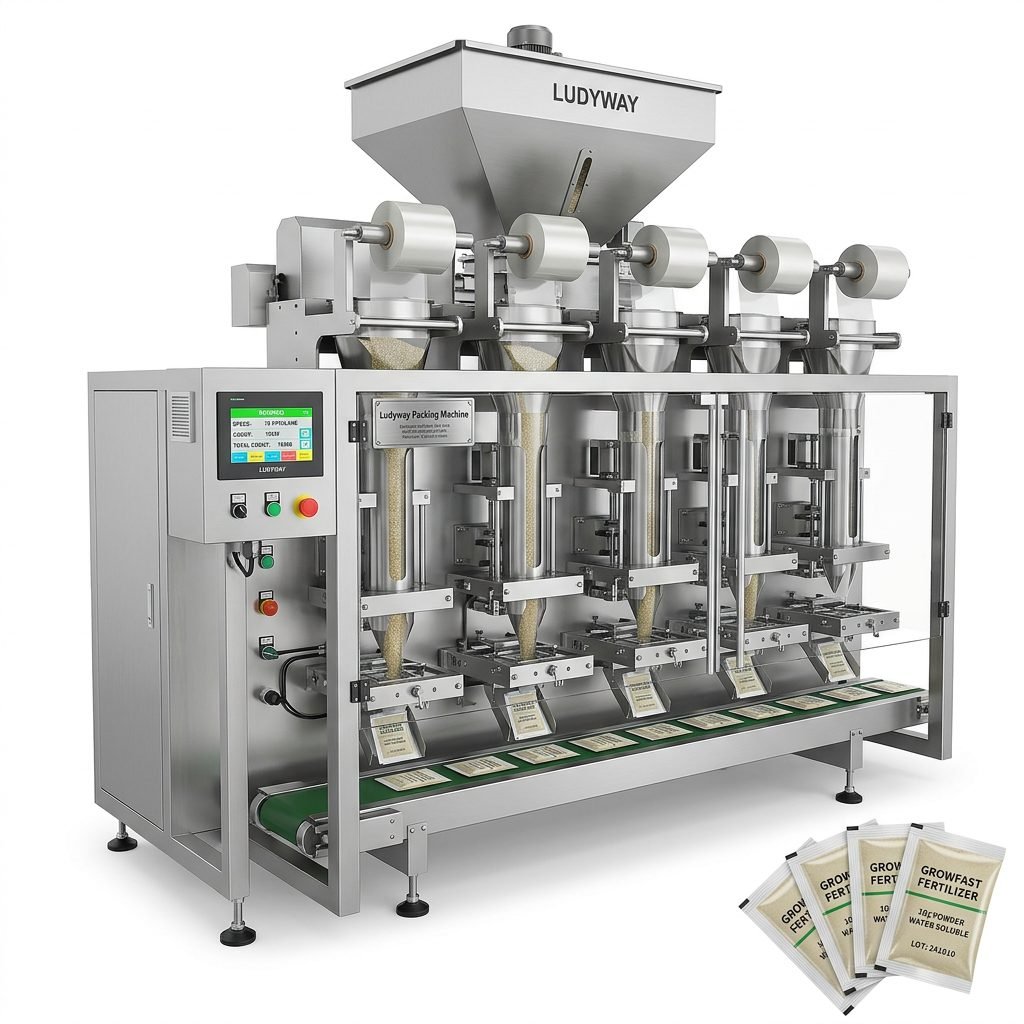
For manufacturers seeking a single-source partner, turnkey vacuum packaging systems streamline the entire process—from initial consultation and line design to installation, training, and after-sales support. Ludyway, one of the largest packaging machine manufacturers in China, provides integrated vacuum sealer production lines tailored to granule, powder, liquid, and pouch packaging applications. With over 30 years of experience and a facility spanning 20,000㎡, Ludyway manufactures more than 50 intelligent packaging machine models, delivering solutions to clients across 100+ countries.
Cost Considerations and ROI for Global Packaging Operations
Investing in a vacuum sealer packaging line requires analyzing total cost of ownership rather than upfront equipment price alone. Key factors include:
- Energy consumption and efficiency ratings
- Film material waste rates and optimization technologies
- Labor savings through automation
- Maintenance contracts and spare parts availability in target regions
- Compliance testing and certification costs
A well-configured vacuum packaging system typically achieves return on investment within 18-24 months when targeting high-margin export markets, especially for specialty foods, functional beverages, nutraceuticals, and medical consumables.

Industry Resources and Further Reading
Stay updated on global packaging trends and regulatory changes through these authoritative organizations:
- PMMI Business Intelligence Library – Packaging machinery market data and forecasts
- Flexible Packaging Association – Material innovations and sustainability resources
- European Commission Packaging and Packaging Waste – EU regulatory framework updates
- ISO Packaging Standards – International standardization documents
- U.S. EPA Sustainable Materials Management – Environmental compliance guidelines
Final Considerations for Global Deployment
Setting up a vacuum sealer packaging machine production line for global markets demands more than equipment procurement—it requires a comprehensive understanding of international regulations, logistics efficiency, and automation integration. Partnering with experienced manufacturers who offer turnkey solutions accelerates time-to-market and reduces compliance risks. Whether packaging coffee in multi-lane stick packs, medical devices in sterile barriers, or industrial powders in bulk vacuum bags, the right production line configuration unlocks scalable growth across borders.