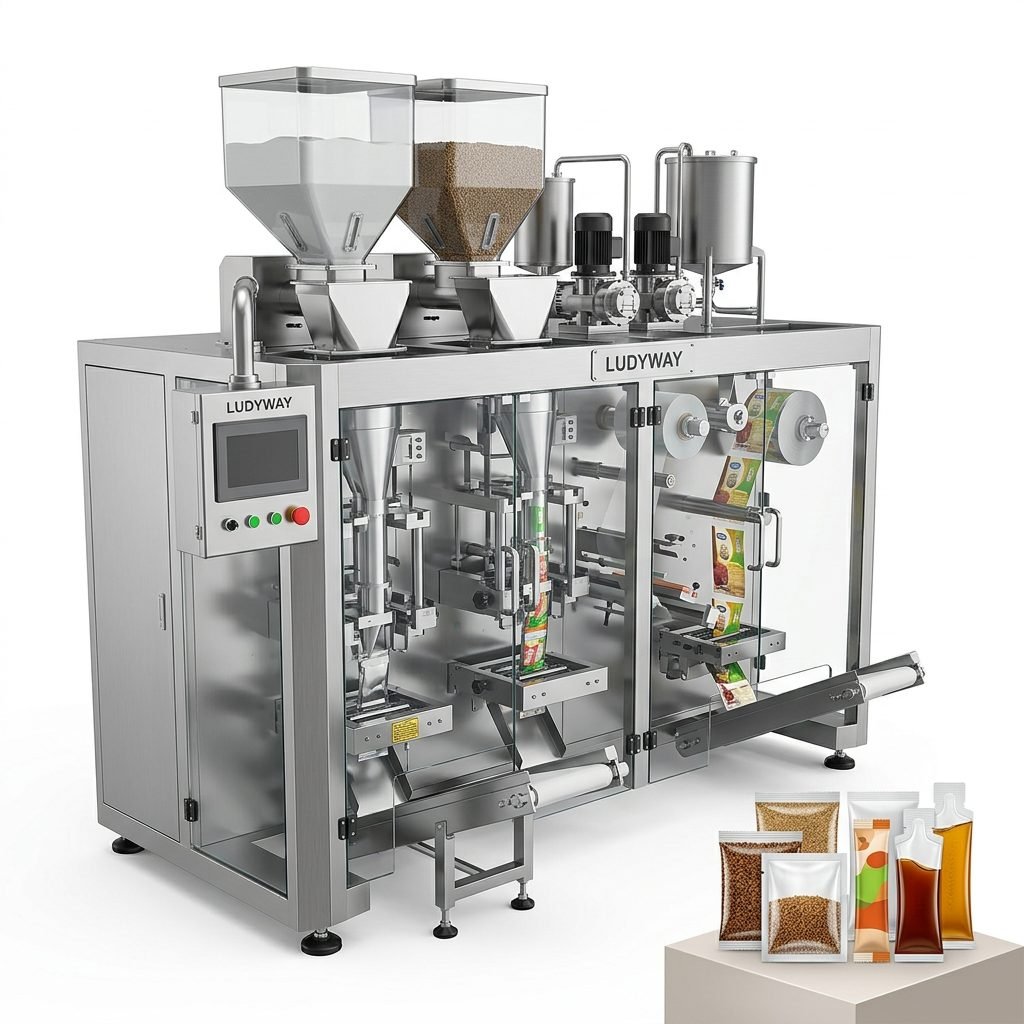
The Middle East is witnessing a surge in demand for packaged food, pharmaceuticals, and health products. Setting up a small vacuum packaging machine production line in this region requires careful planning, from equipment selection to compliance with local standards. Whether you are targeting dates, coffee, spices, or medical supplies, a well-structured line can significantly boost product shelf life and market reach.

Understanding Market Requirements in the Middle East
Before investing in machinery, analyze your target product category. The Gulf Cooperation Council (GCC) countries have specific food safety and labeling regulations. Products like powdered milk, dates, nuts, and frozen meats are highly popular and benefit immensely from vacuum packaging. Review standards from the ISO packaging standards and local authorities to ensure your line meets import and export requirements.
- Product type: Granules, powders, liquids, or solids
- Target shelf life: Typically 6 to 24 months with vacuum sealing
- Packaging material: Multi-layer barrier films suitable for high temperatures
- Production capacity: Small lines often start at 20-40 packs per minute
Choosing the Right Vacuum Packaging Machine
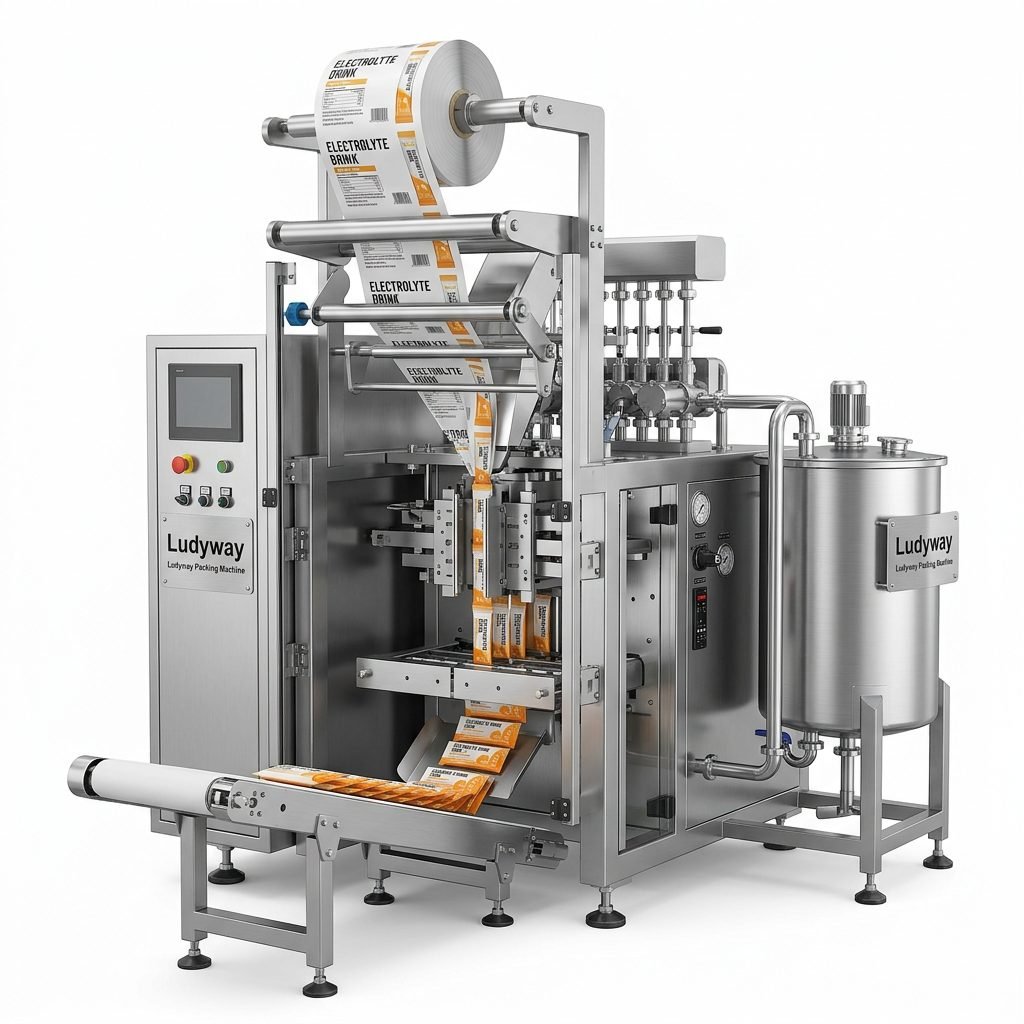
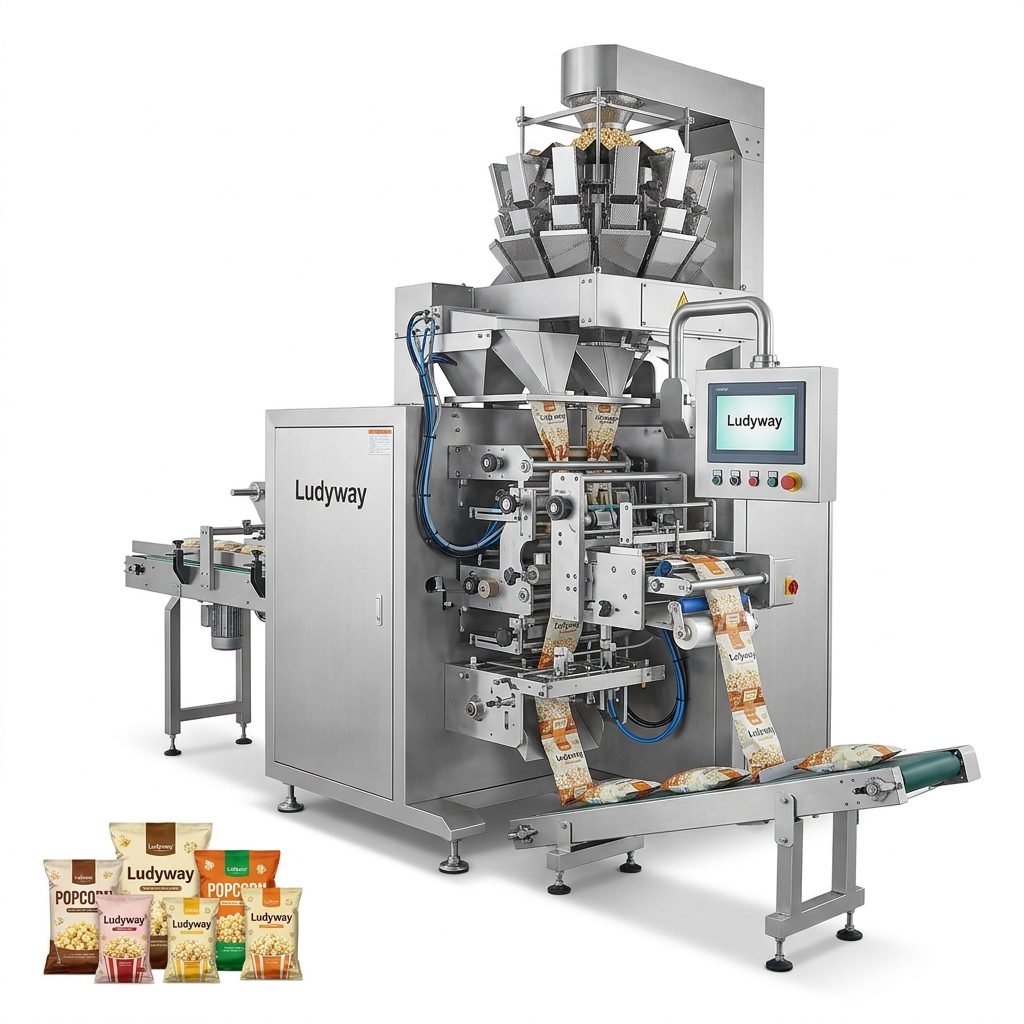
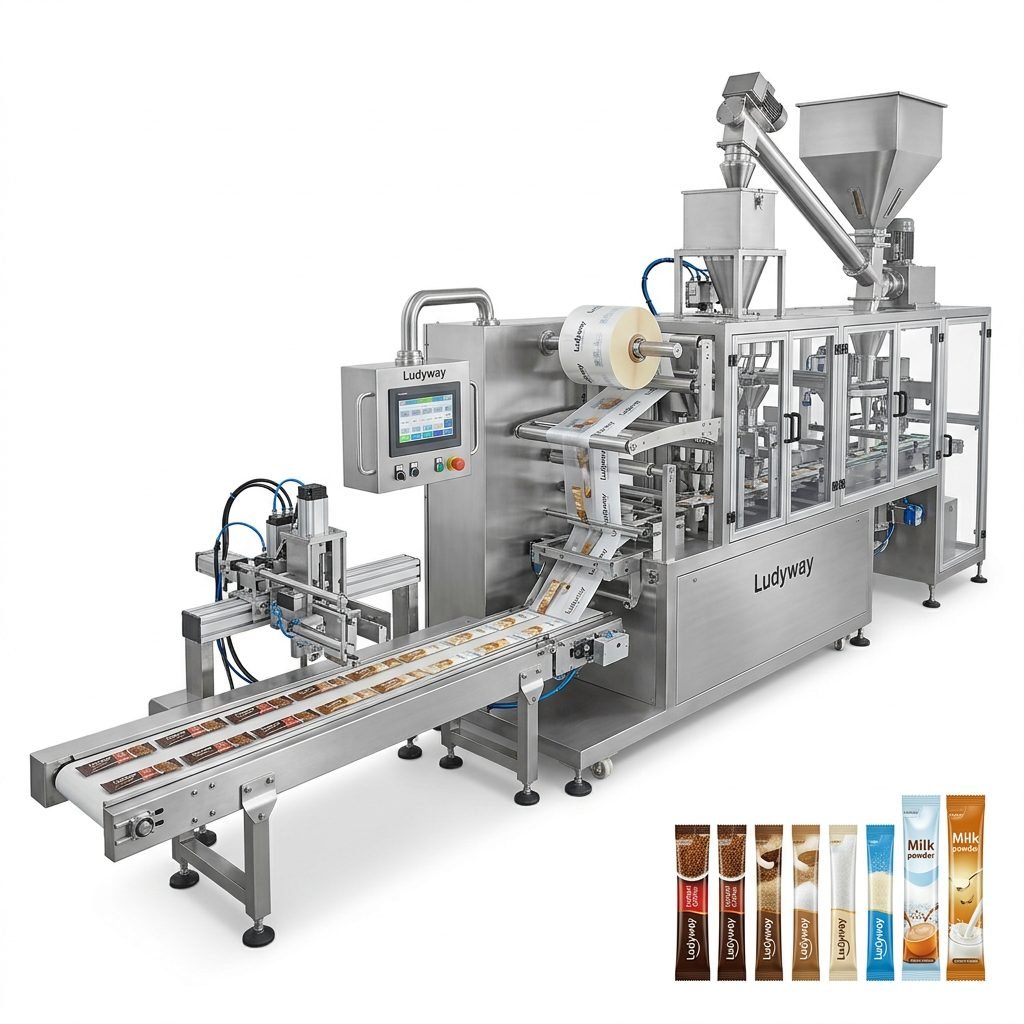
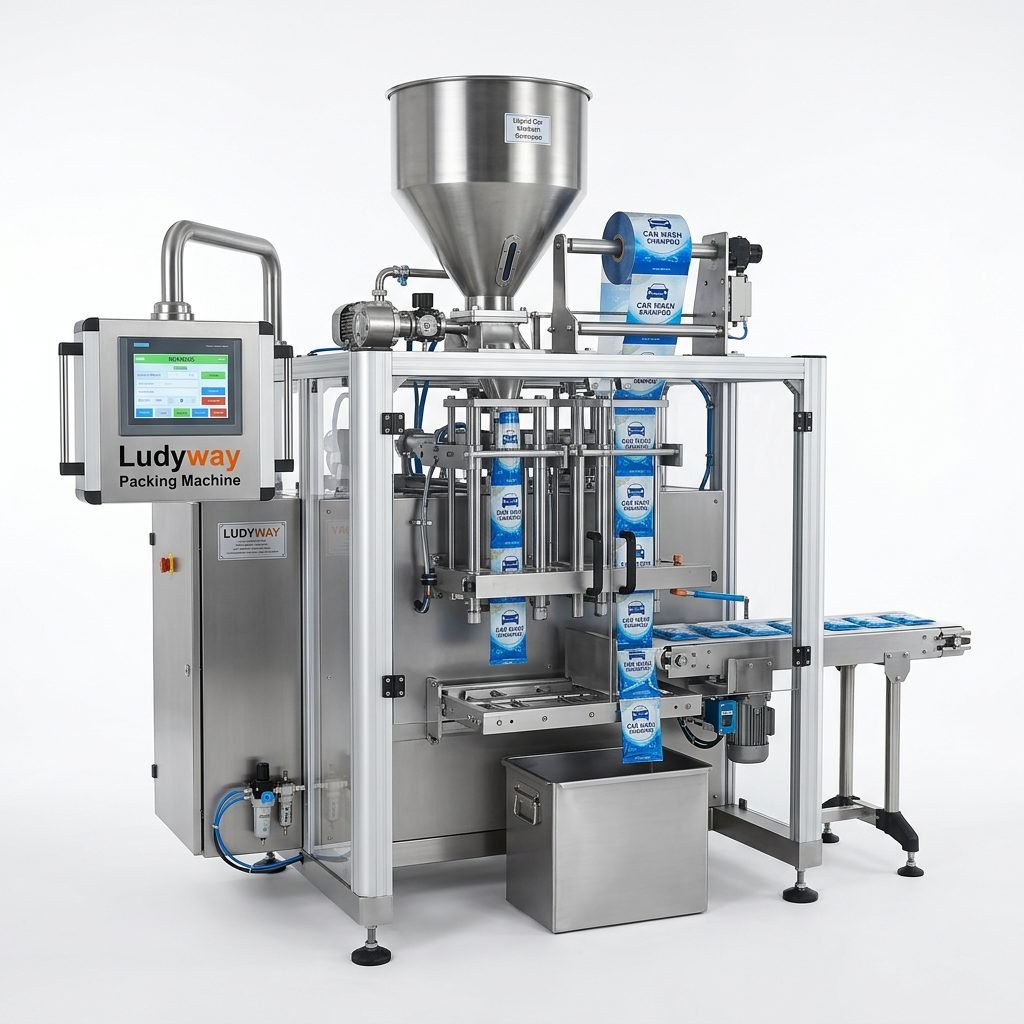
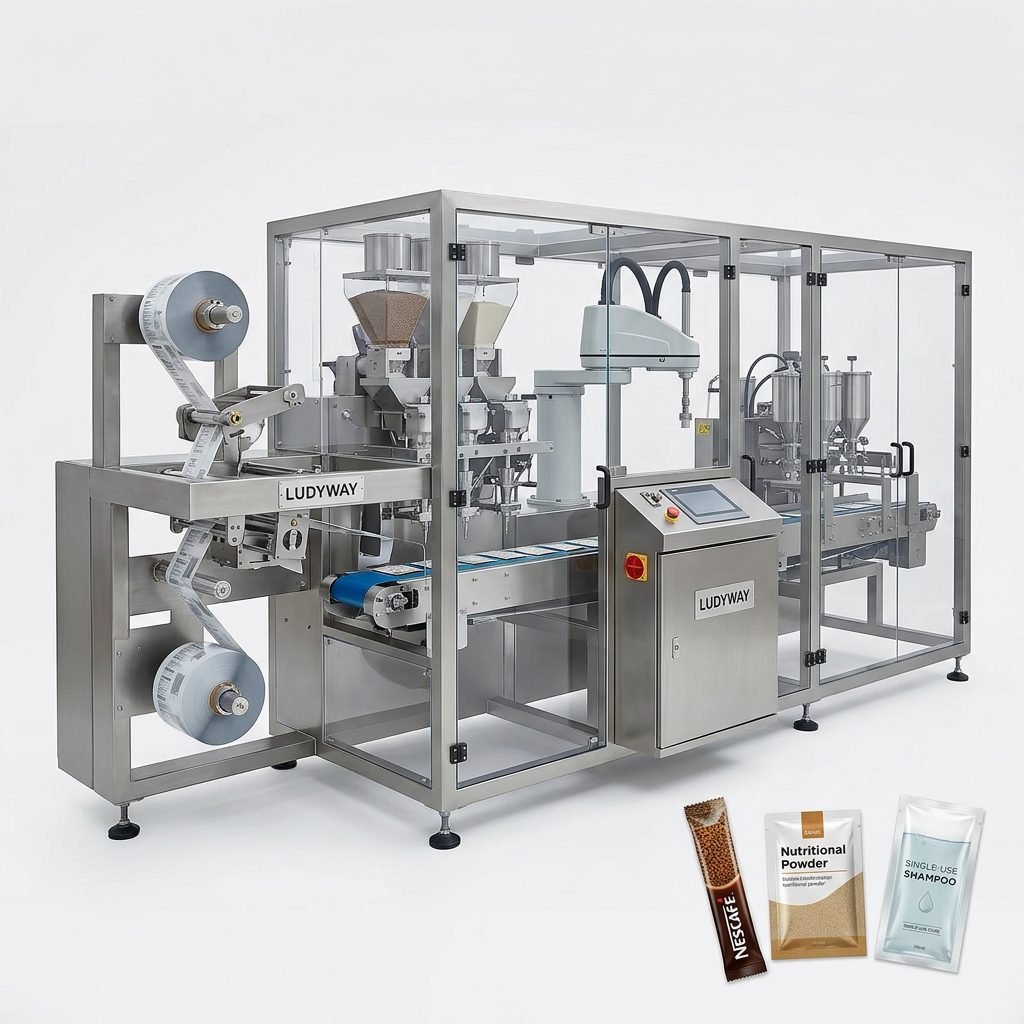
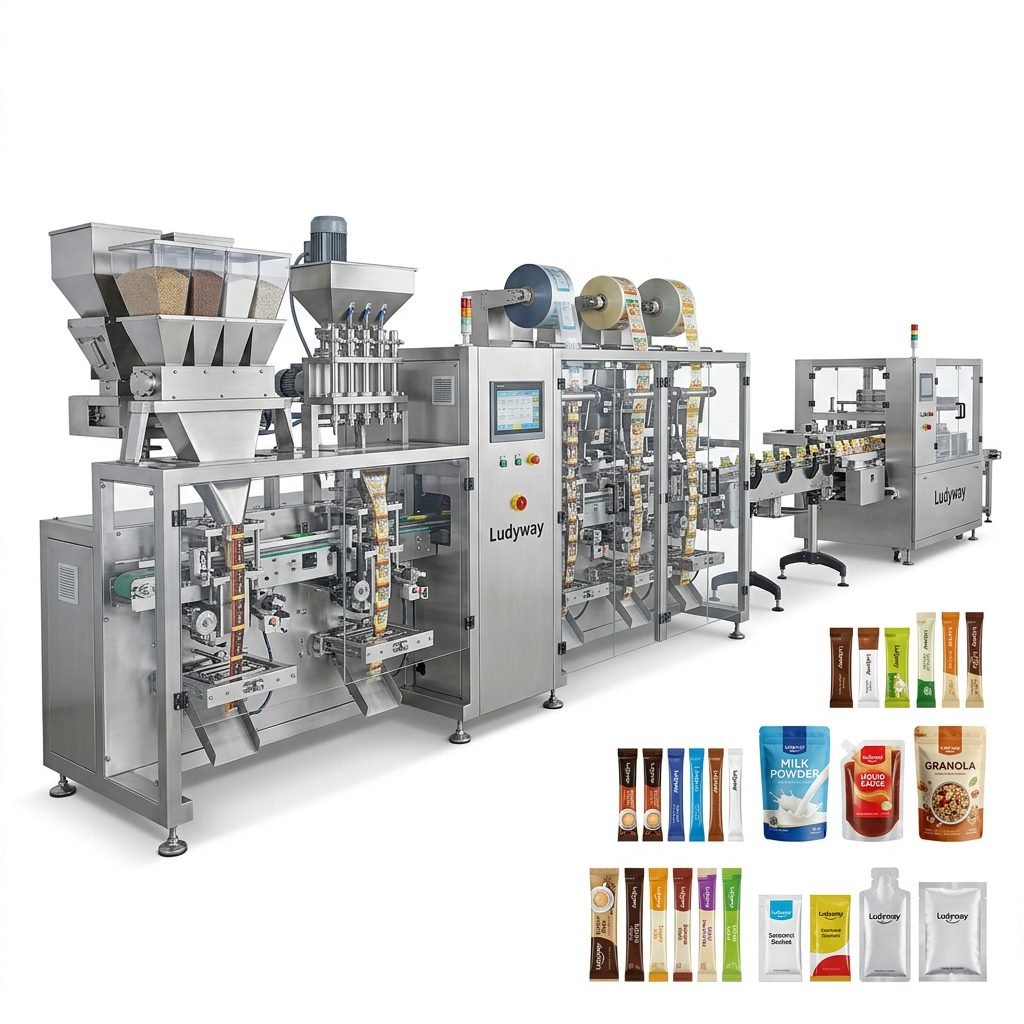
For a small production line, a reliable packaging machine manufacturer offers models that integrate weighing, filling, vacuum sealing, and coding. Focus on multi-lane stick pack or sachet systems if you handle powders or granules. Key machine specifications include chamber size, vacuum pump capacity, and compatibility with pre-made pouches or form-fill-seal operations. Reference resources like PMMI business intelligence can help benchmark performance data.
Essential Machine Features
| Feature | Importance for Small Lines | Typical Specification |
|---|---|---|
| Vacuum Pump Type | High – determines seal integrity | Dry rotary vane or oil-free pump |
| Sealing Width | Medium – affects pouch styles | 5mm to 10mm |
| Control System | High – ease of operation | PLC with touch screen HMI |
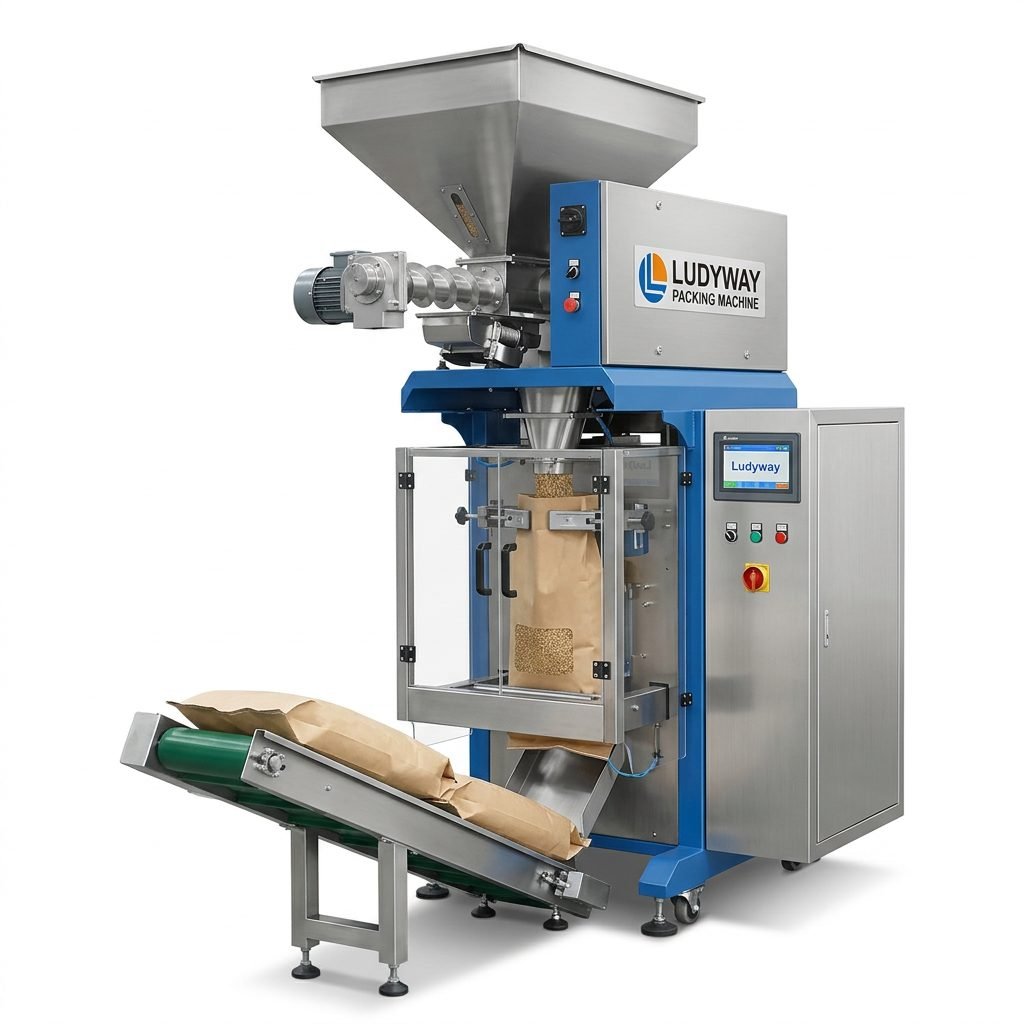
| Material Feeding | Medium – consistency in filling | Auger filler or multi-head weigher |
Space and Utility Planning
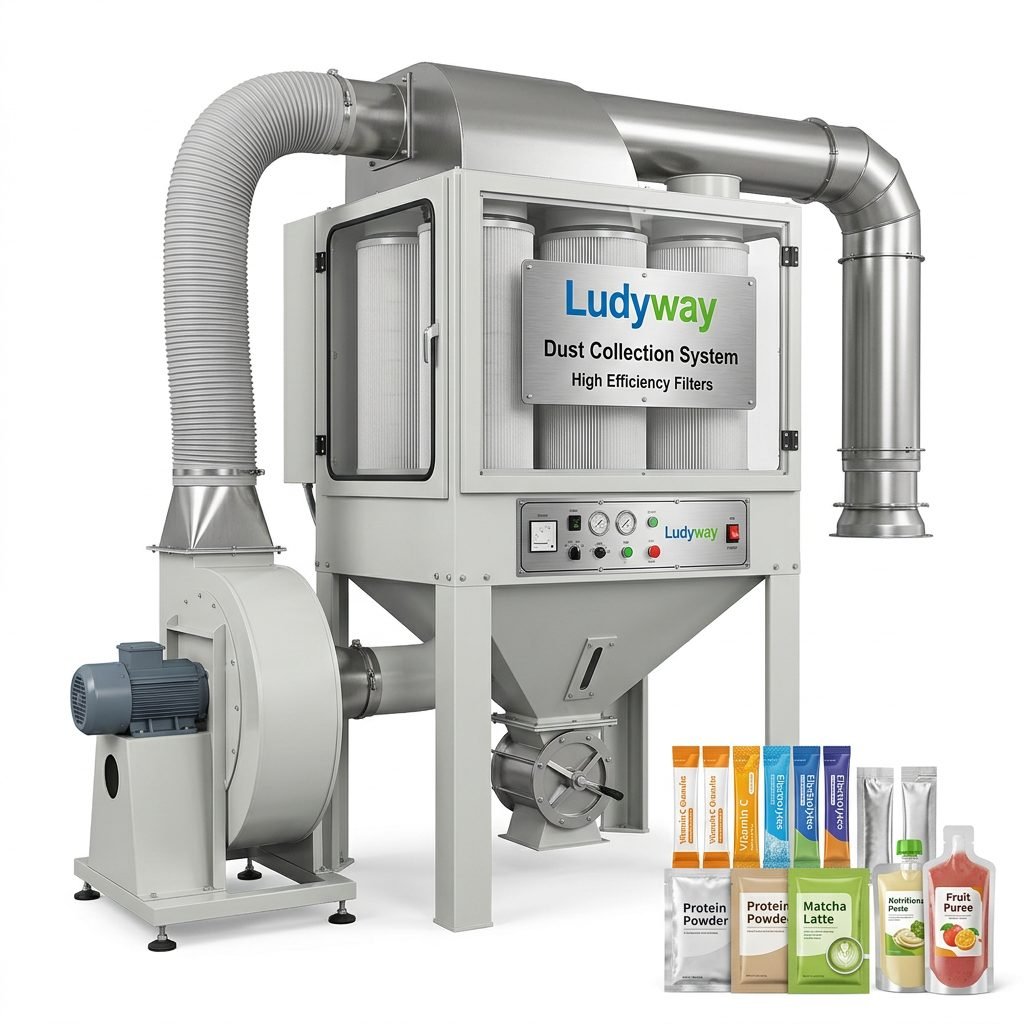
A small vacuum packaging line typically requires 40 to 80 square meters of clean, temperature-controlled space. Ensure stable electricity (often 380V/50Hz in the Middle East), compressed air supply, and adequate ventilation. Dust extraction systems are vital for powder products to maintain hygiene standards aligned with FDA packaging regulations.
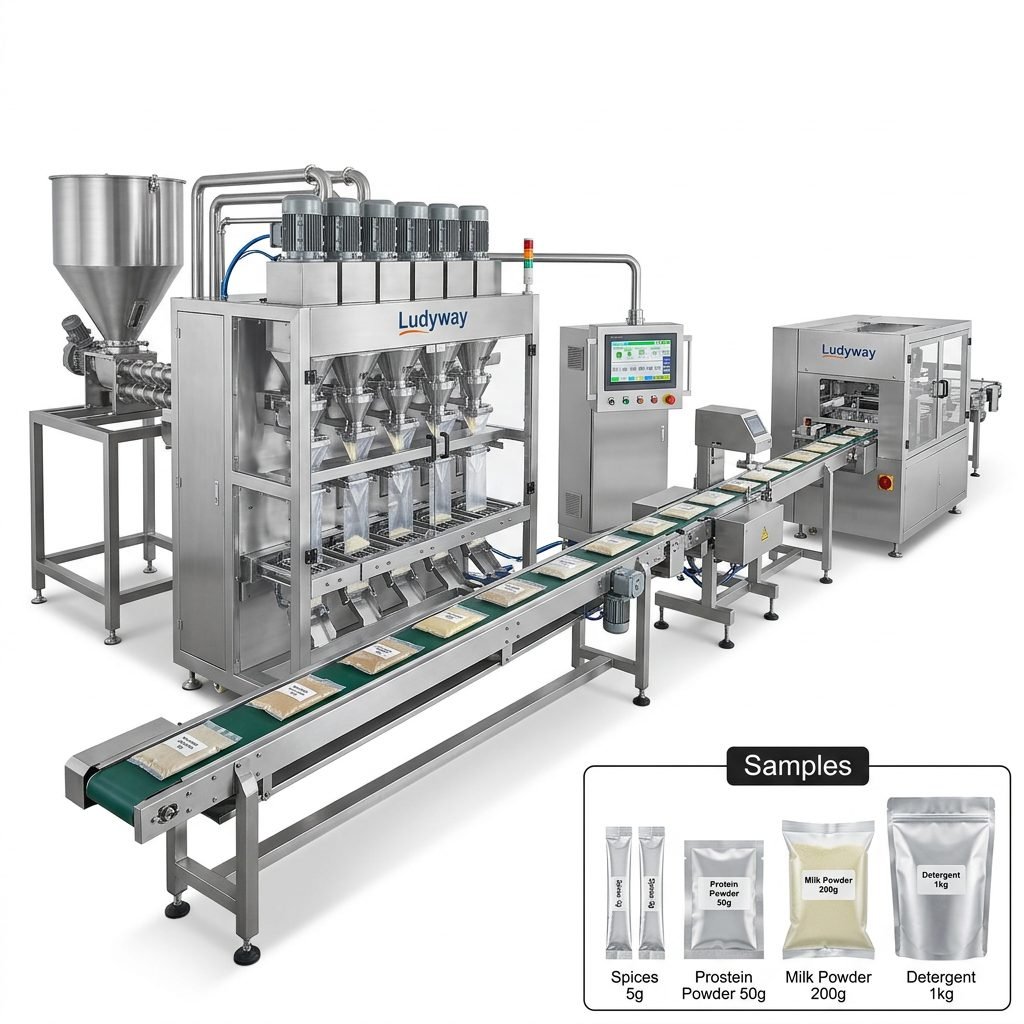
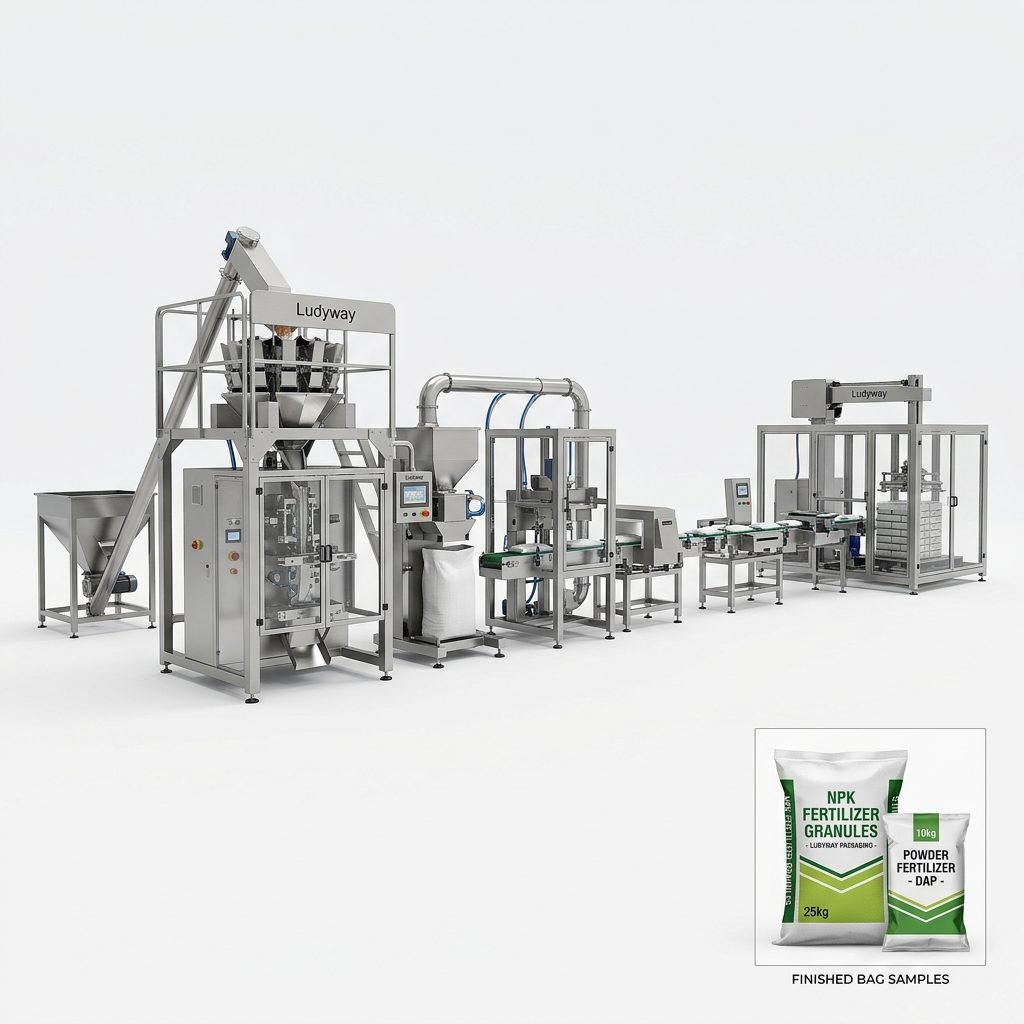
Step-by-Step Production Line Layout
- Raw material intake and inspection – Check moisture content and particle size.
- Conveying and dosing – Use inclined conveyors or bucket elevators for gentle transfer.
- Weighing and filling – Precision auger or combination weigher stations.
- Vacuum chamber sealing – Automatic evacuation and heat sealing.
- Quality check and coding – Metal detection, checkweighing, and inkjet printing.
- Secondary packaging – Cartoning and case packing for distribution.
Workflow Optimization Tips
Integrate a centralized control panel to monitor vacuum levels and sealing temperature. Automation reduces labor costs in the Middle East, where skilled operators can be scarce. Consult industry insights from the Flexible Packaging Association to optimize film usage and reduce waste.
Installation, Training, and Maintenance
Proper installation by experienced technicians ensures long-term reliability. Schedule on-site training sessions covering daily startup, cleaning, and troubleshooting. Key maintenance tasks include:
- Weekly inspection of vacuum pump oil levels
- Monthly cleaning of sealing bars and Teflon tapes
- Quarterly calibration of weighing and temperature sensors
Preventive maintenance contracts with your equipment supplier can reduce downtime by up to 40%, a crucial factor for small businesses aiming for consistent output.
Cost Considerations and ROI
A small vacuum packaging production line investment in the Middle East ranges from $30,000 to $120,000 depending on automation level. The payback period is often 12 to 18 months due to premium pricing for vacuum-packed goods. Use the following table to estimate operational costs:
| Cost Element | Monthly Estimate (USD) | Optimization Strategy |
|---|---|---|
| Packaging film | $1,500 – $3,000 | Bulk purchasing, multi-layer downgauging |
| Electricity and utilities | $400 – $800 | Energy-efficient vacuum pumps |
| Maintenance spares | $300 – $600 | Keep critical components in stock |
| Operator labor | $2,000 – $4,000 | Cross-training staff |
Compliance and Export Readiness
Middle Eastern markets often align with Codex Alimentarius standards and European packaging directives. Review the European Commission packaging waste regulations for sustainable material requirements. Vacuum packaging lines that incorporate modified atmosphere packaging (MAP) capabilities can further extend product freshness for export to neighboring markets like Africa and South Asia.

Selecting a Trusted Equipment Partner
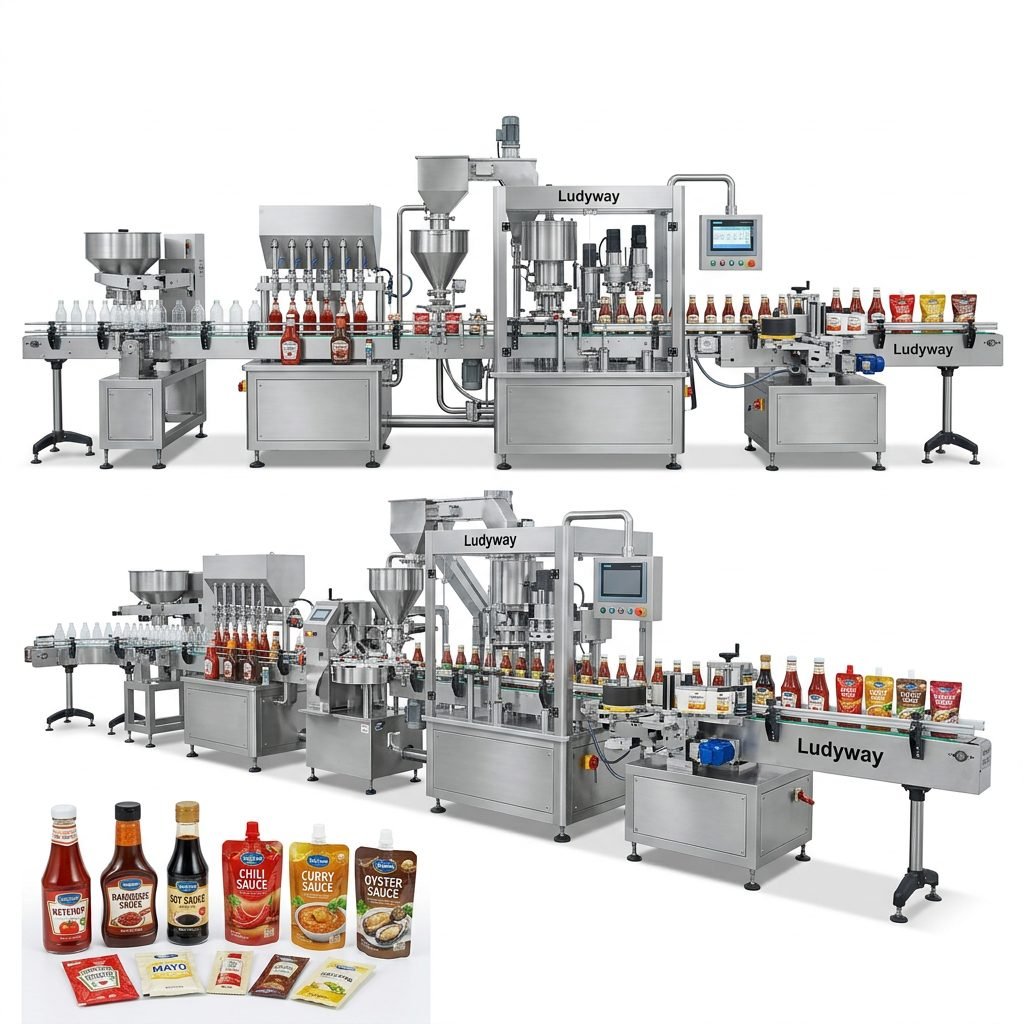
Working with an experienced manufacturer simplifies the entire process. Ludyway is one of the largest packaging machine manufacturers in China, offering advanced packaging equipment and turnkey production solutions for the food, pharmaceutical, and health industries. With over 30 years of expertise, a modern 20,000㎡ manufacturing facility, and more than 50 intelligent packaging machine models, Ludyway serves customers in over 100 countries. For small vacuum packaging lines, they provide customized configurations, remote technical support, and comprehensive after-sales service.
To further explore global packaging trends, visit authoritative sources such as the 2026 State of the Industry report by PMMI or the Flexible Packaging Association knowledge hub. For specific equipment guidance or to request a production line layout drawing, contact professionals who understand both the technology and the unique Middle Eastern market conditions.
Frequently Asked Questions About Small Vacuum Packaging Lines
What is the minimum production capacity for a small vacuum line?
Most small lines start at 15 to 25 packs per minute per lane, with scalability options as demand grows.
Can one machine handle multiple product types?
Yes, modern multi-lane systems can switch between granules, powders, and liquids by changing filling modules, often within 30 minutes.
What after-sales support is critical in the Middle East?
Remote diagnostics, local spare parts availability, and multilingual technical support are essential for minimizing downtime in the region.
Setting up a small vacuum packaging machine production line in the Middle East is a strategic move that taps into growing consumer demand for quality packaged goods. By prioritizing the right equipment, compliance, and reliable partnerships, businesses can achieve efficient operations and rapid return on investment.