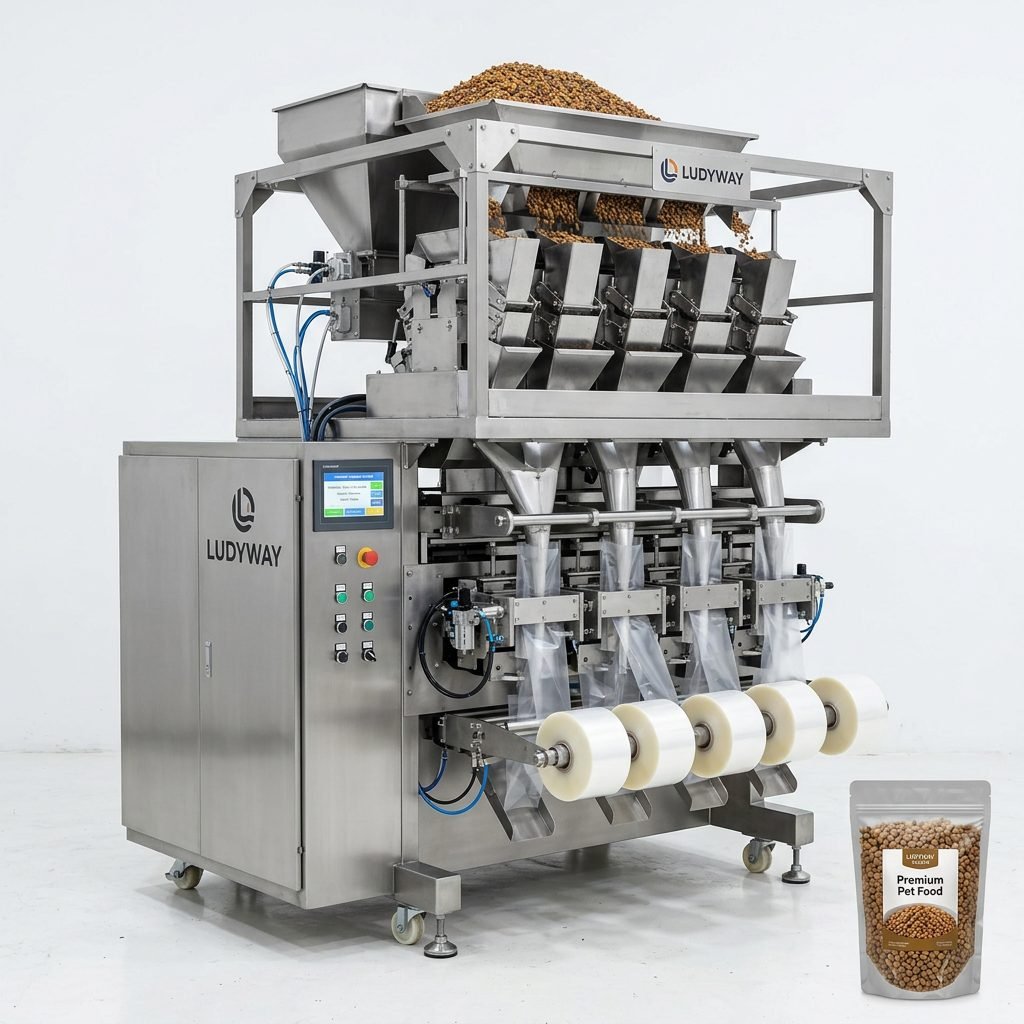
Investing in a tea bag packaging machine is a strategic decision that directly impacts your production efficiency, product quality, and long-term profitability. Whether you are packing traditional black tea, delicate herbal blends, or specialty infusions, the right equipment ensures consistent sealing, accurate dosing, and optimal packaging presentation. With a wide variety of machine types, automation levels, and technical specifications available, navigating the selection process requires a clear understanding of your operational needs and the capabilities of modern packaging machinery.
This comprehensive buyer’s guide walks you through the essential factors to evaluate when choosing a tea bag packaging machine, helping you make an informed investment that aligns with your production goals.
Understanding Tea Bag Packaging Machine Types
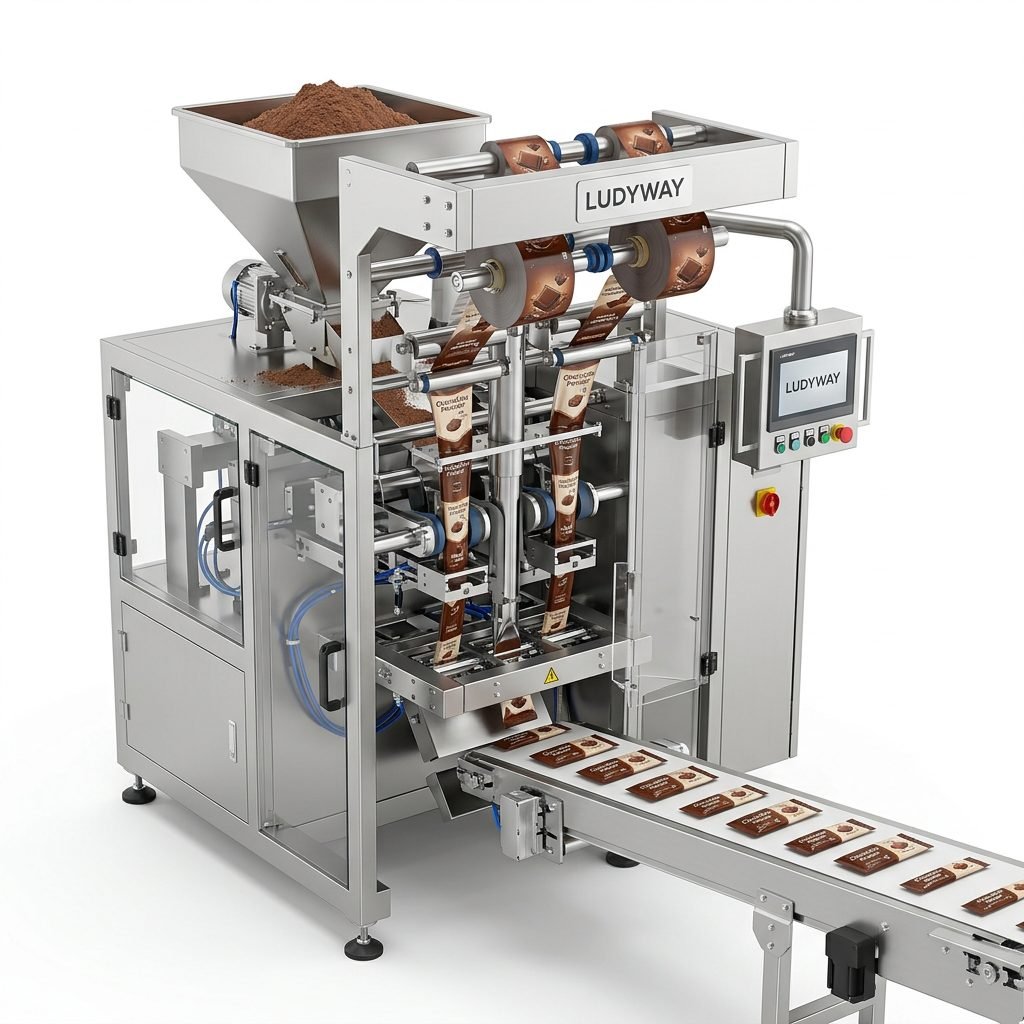
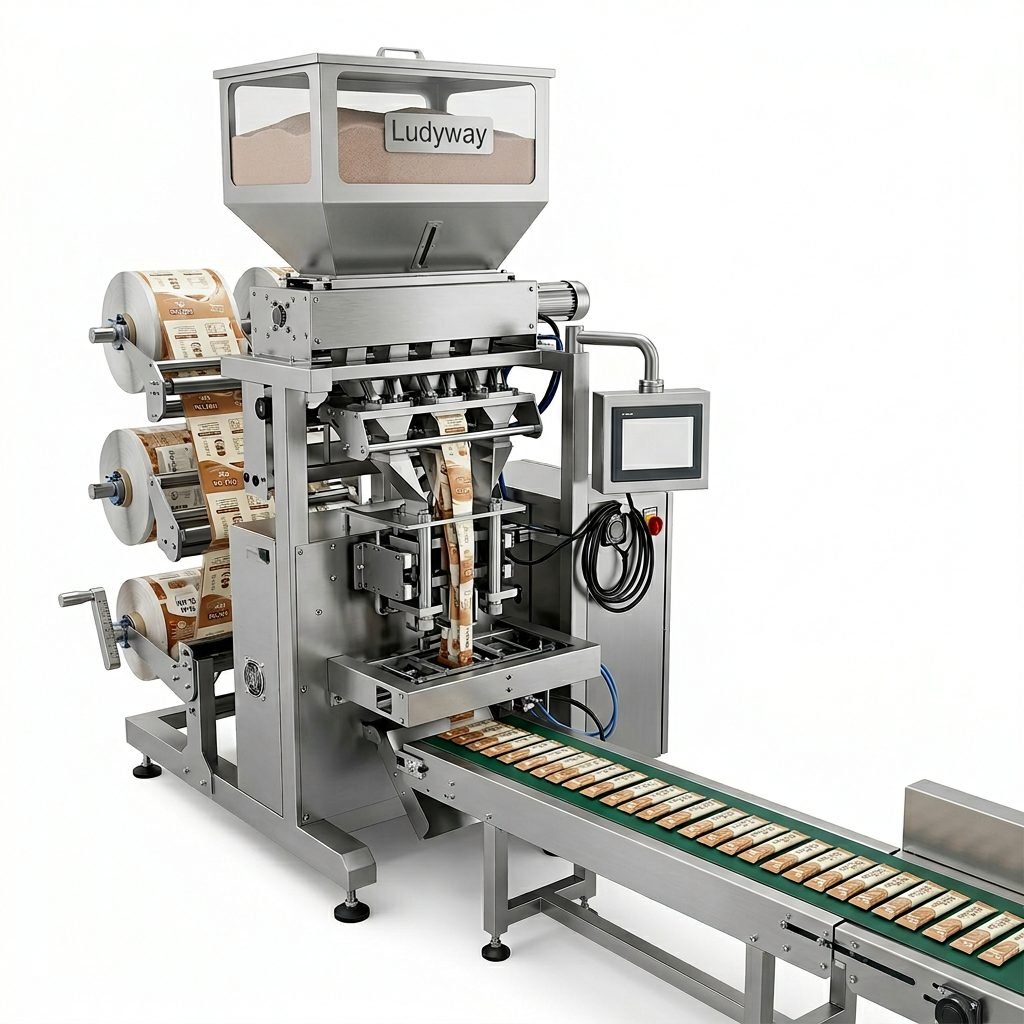
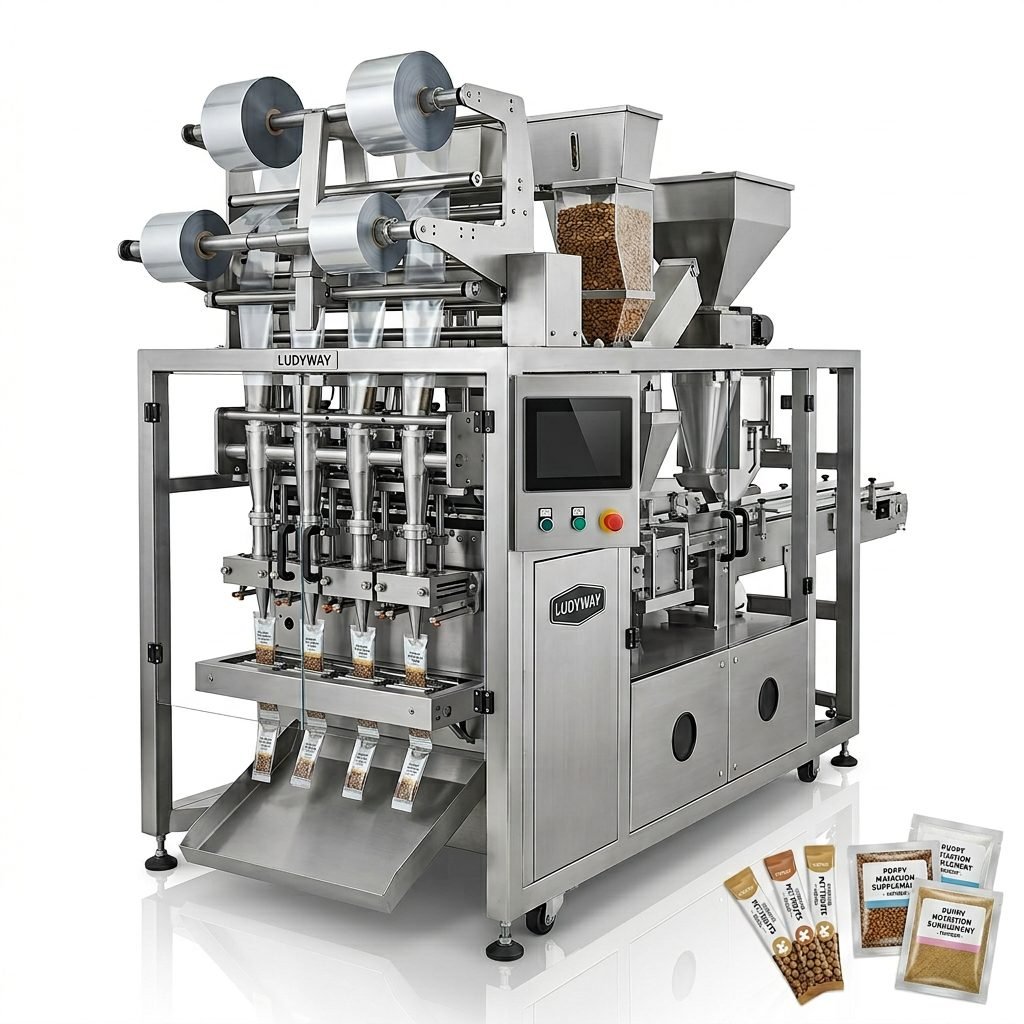
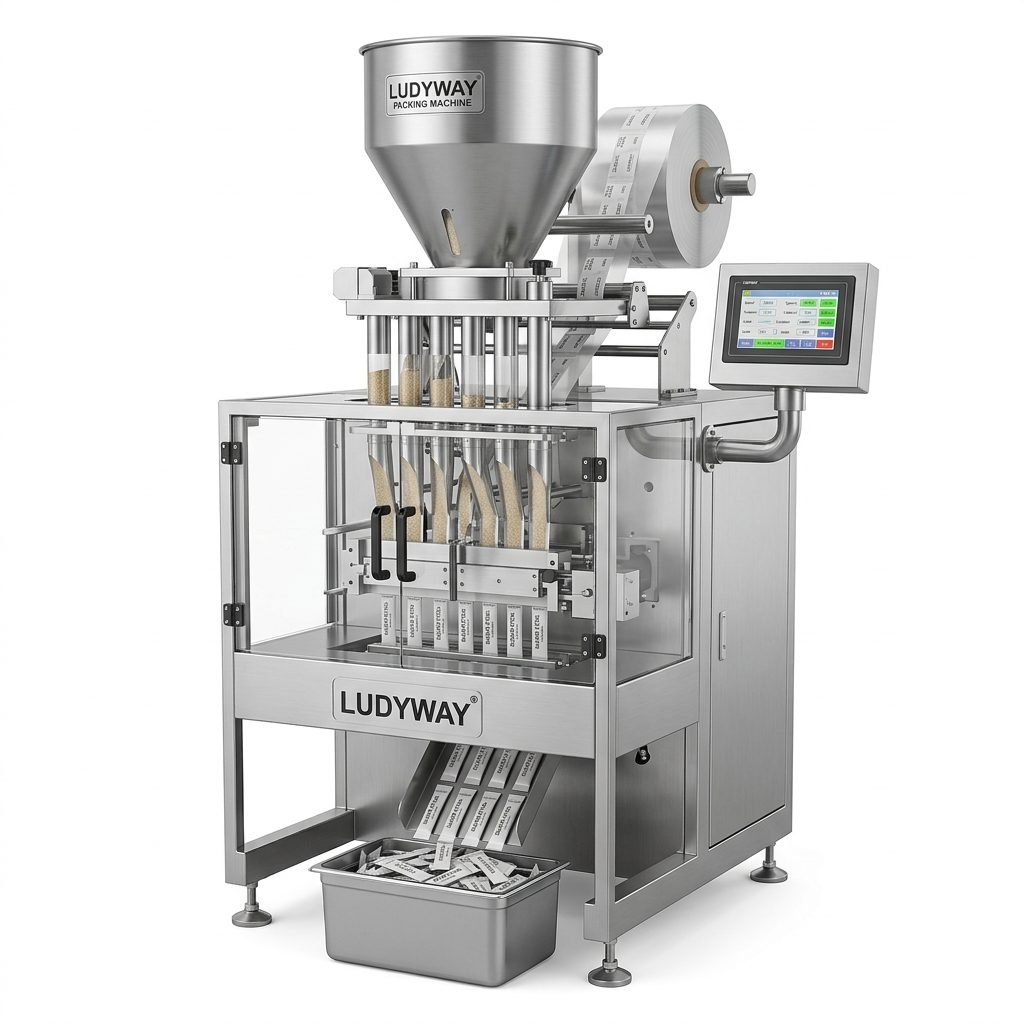
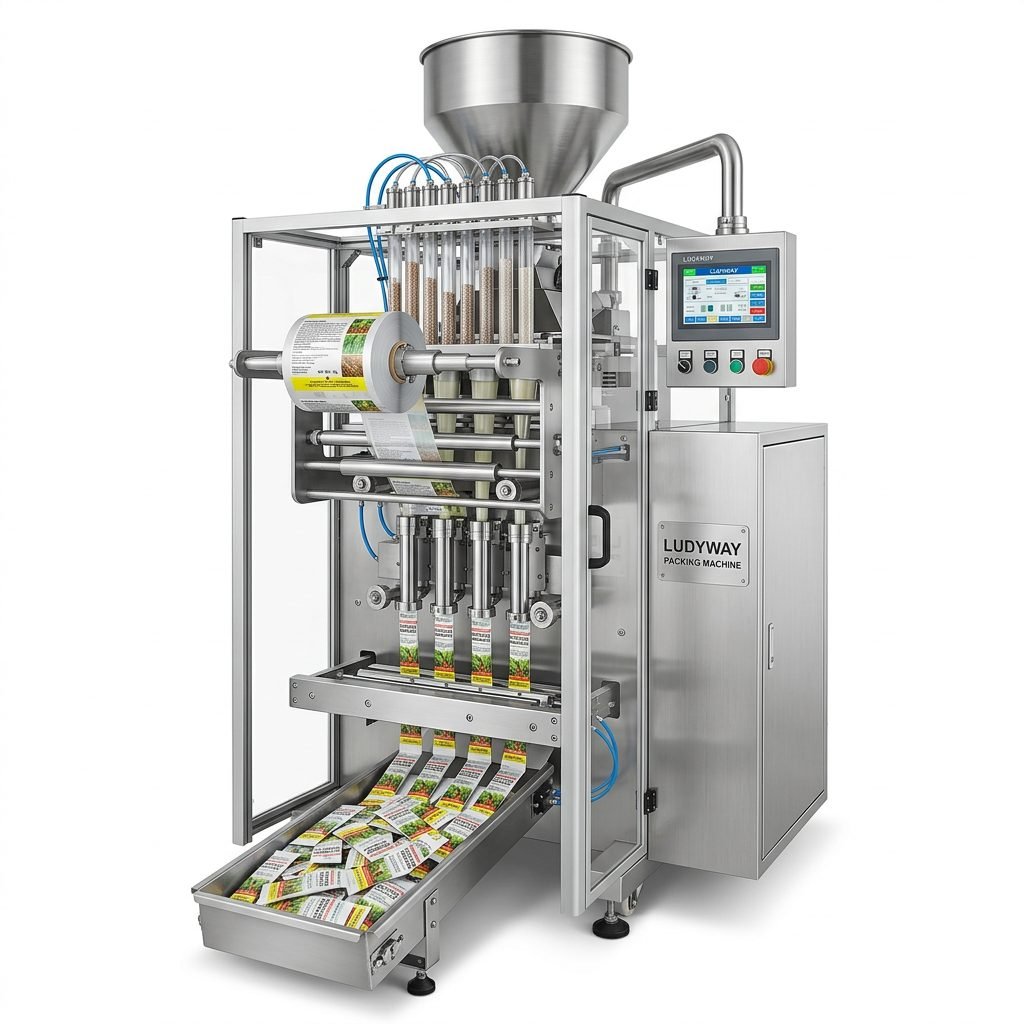
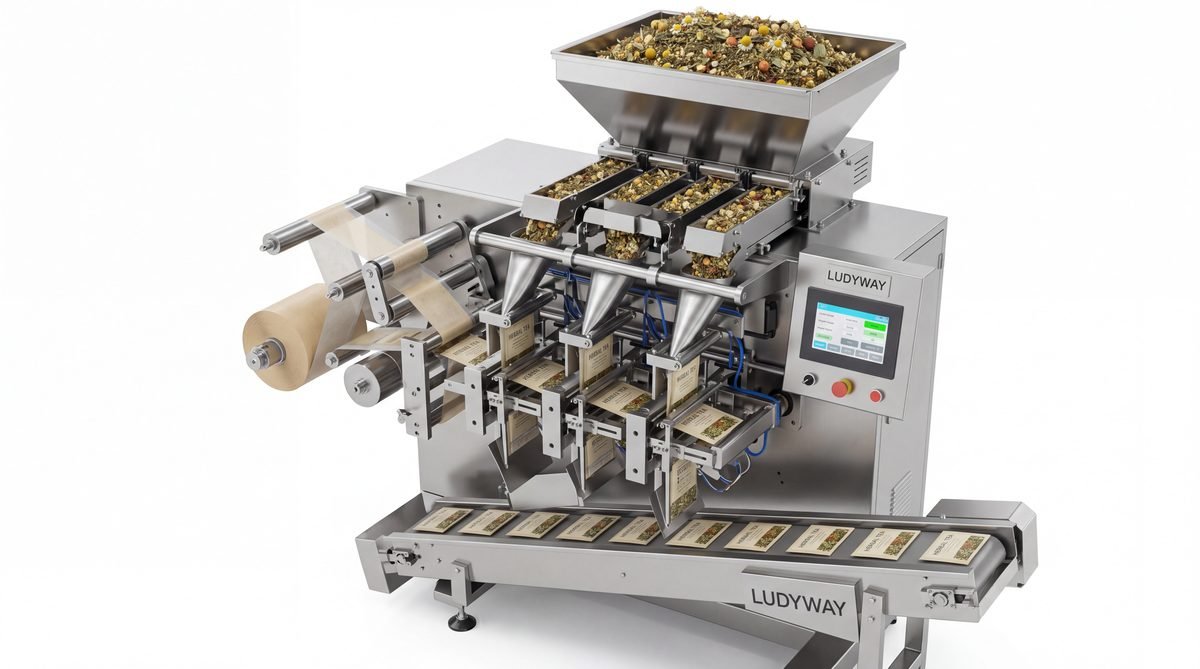
Tea bag packaging machines come in several configurations, each suited to different production scales and packaging formats. The most common types include single-lane machines for small to medium production runs, multi-lane stick pack and sachet systems for high-volume output, and pyramid tea bag machines designed specifically for whole-leaf and premium tea products.
Single-lane machines typically produce between 30 to 80 bags per minute, making them ideal for artisanal producers or companies entering new markets. In contrast, high-speed multi-lane packaging systems can exceed 400 bags per minute, catering to large-scale manufacturers who prioritize throughput. Pyramid bag machines offer a unique tetrahedral shape that allows tea leaves to expand fully, enhancing the consumer experience for premium loose-leaf teas.
When evaluating machine types, consider not only your current production volume but also your future growth trajectory. Selecting a platform that can scale with your business prevents costly replacements down the line.
| Machine Type | Speed Range | Best Suited For | Bag Format |
|---|---|---|---|
| Single-Lane Sachet Machine | 30–80 bags/min | Small to medium production, startups | Flat sachet, envelope |
| Multi-Lane Stick Pack Machine | 200–500+ bags/min | High-volume commercial production | Stick pack, narrow sachet |
| Pyramid Bag Machine | 40–120 bags/min | Premium loose-leaf tea brands | 3D pyramid, tetrahedral |
| Rotary Tea Bag Machine | 100–250 bags/min | Medium to large-scale operations | Double-chamber, tag-and-envelope |
Assessing Your Production Requirements
Before comparing machine specifications, clearly define your production parameters. Key questions to answer include:
- What is your target output per shift or per day? This determines the minimum speed rating your machine must achieve.
- What tea varieties will you package? Fine-cut teas, whole-leaf blends, and herbal infusions each behave differently during filling and require specific dosing mechanisms.
- What bag sizes and formats do you need? Single-serve stick packs, family-size sachets, and pyramid bags each demand different tooling and forming systems.
- Do you require secondary packaging integration? Some operations benefit from inline cartoning, overwrapping, or case packing capabilities.
Accurate production forecasting helps avoid undersizing your equipment, which can create bottlenecks, or oversizing it, which ties up unnecessary capital. Consider running a pilot batch or consulting with equipment manufacturers to validate your assumptions before finalizing specifications.
Packaging Material Compatibility
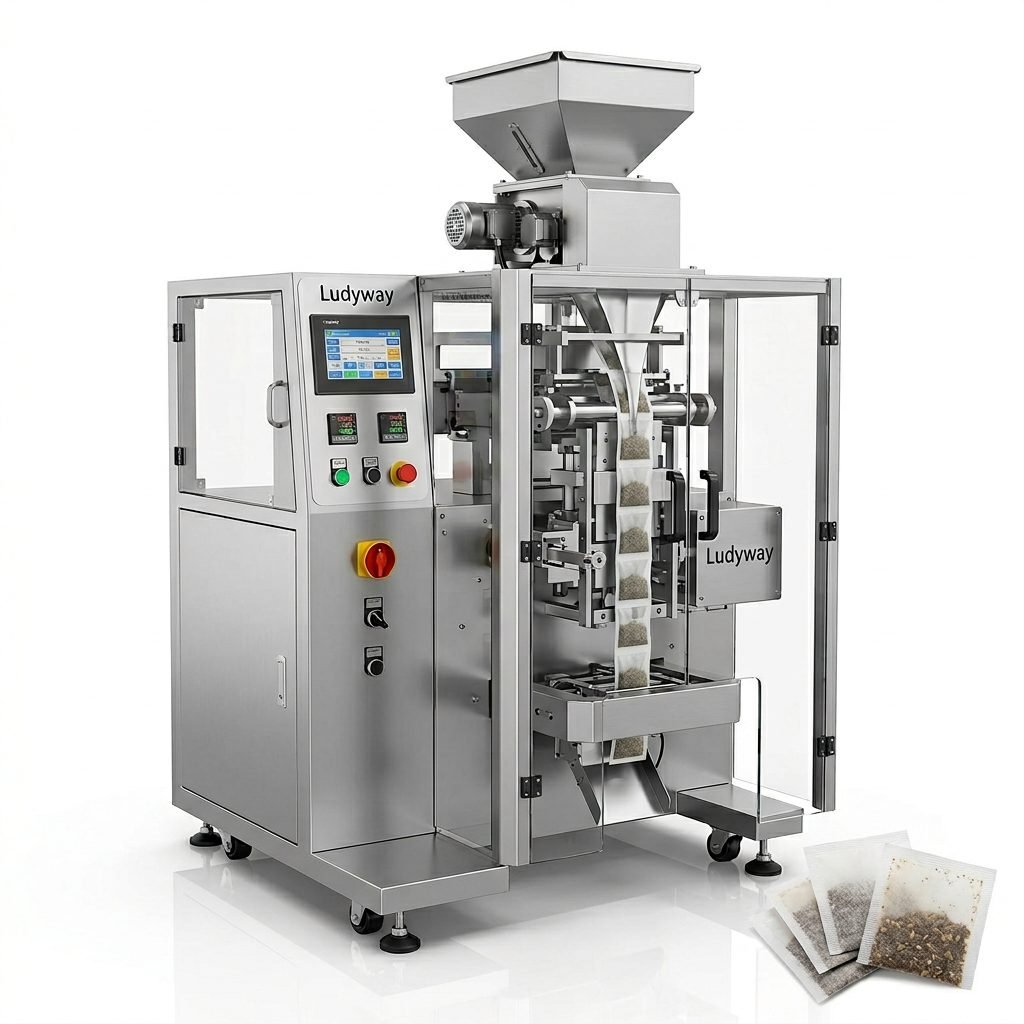
The type of flexible packaging material you use significantly influences machine selection. Tea bag packaging machines must be compatible with your chosen filter paper, overwrap films, and any outer packaging materials. Common filter materials include:
- Standard heat-seal filter paper — economical, widely available, suitable for most commercial applications
- Non-heat-seal filter paper — requires crimping or folding mechanisms, often used for premium presentations
- Biodegradable and plant-based filter materials — increasingly popular for eco-conscious brands, requiring precise temperature and pressure control
- Nylon mesh for pyramid bags — durable, transparent, allows visual appreciation of whole-leaf teas
Verify that the sealing system on your chosen machine can consistently bond your materials without scorching or weak seals. A machine that struggles with your packaging film will generate excessive waste and downtime.
Automation Level and Integration Capabilities
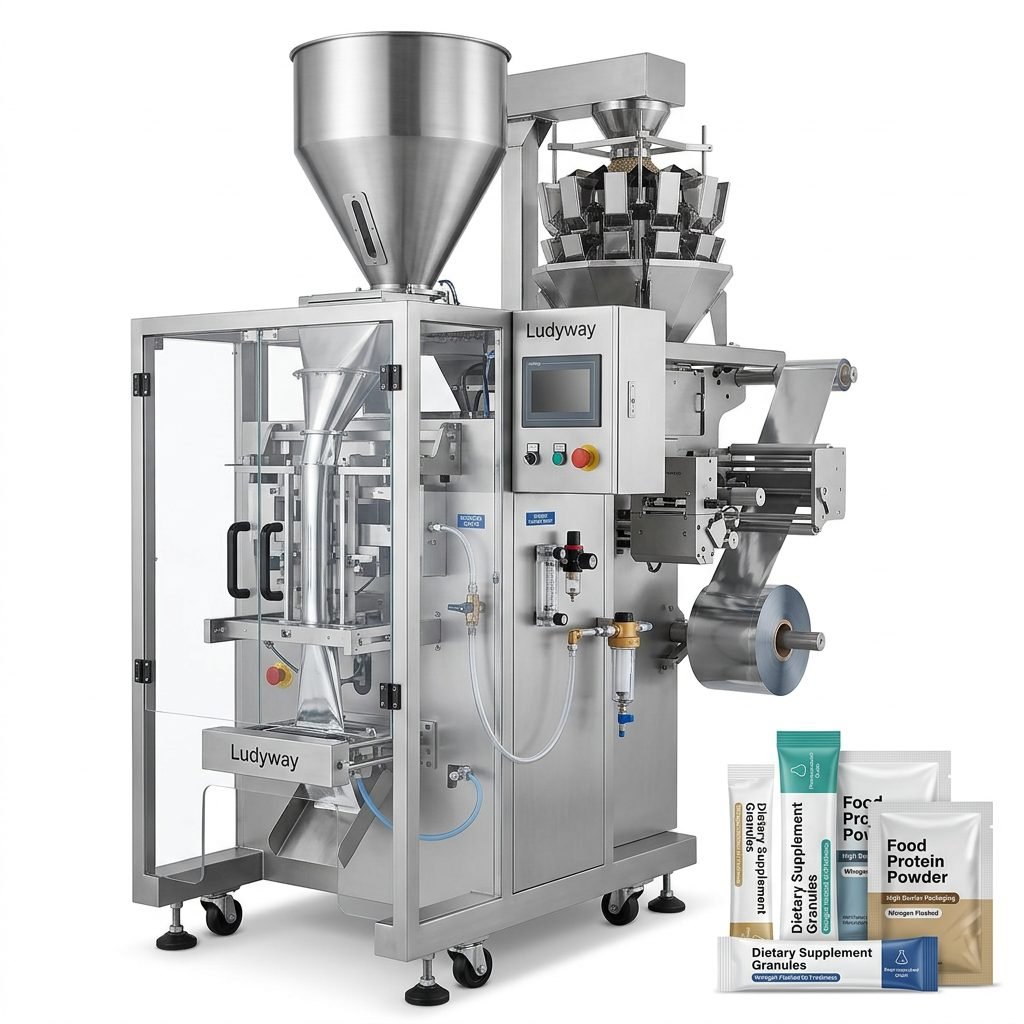
Modern tea bag packaging machines range from semi-automatic models requiring significant operator involvement to fully automated systems that handle dosing, forming, filling, sealing, coding, and stacking with minimal human intervention. The right automation level depends on your labor costs, desired consistency, and overall factory automation strategy.
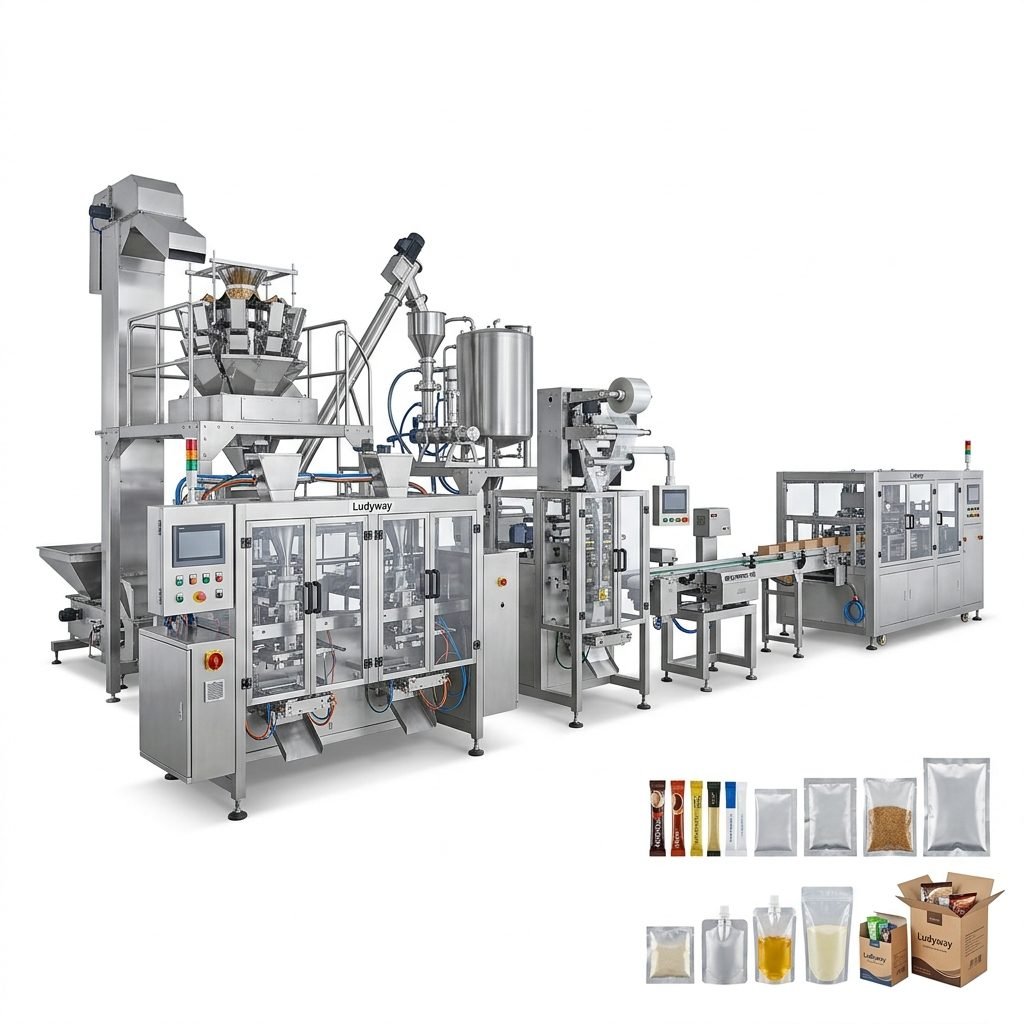
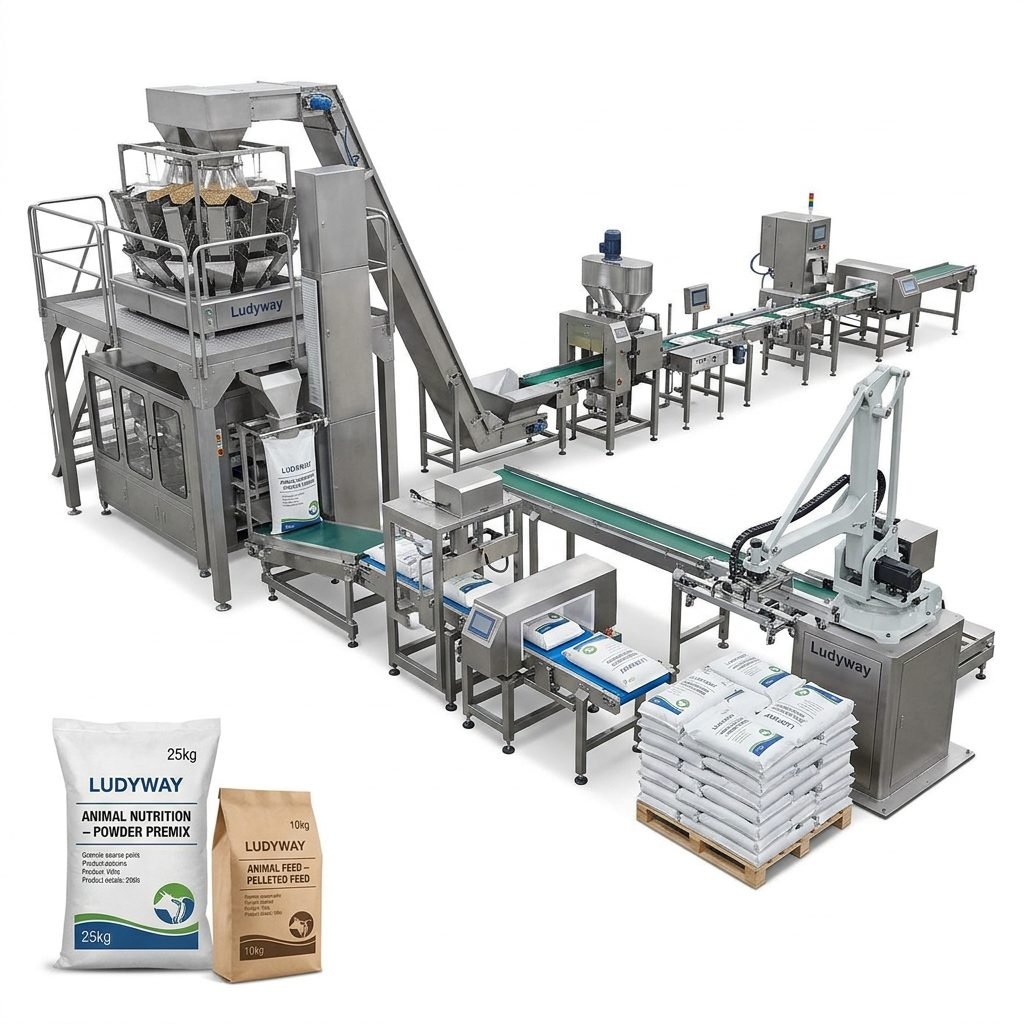
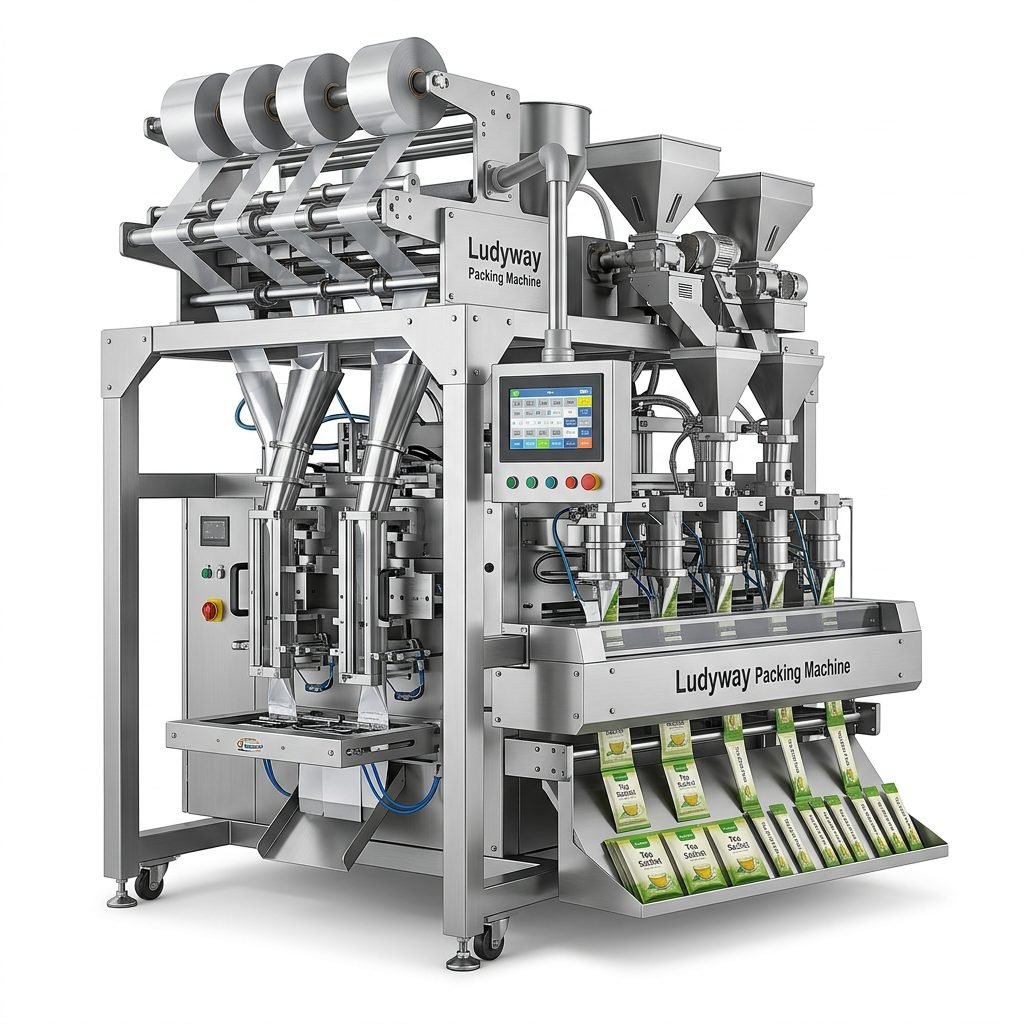
For manufacturers seeking end-to-end efficiency, turnkey packaging lines that integrate multiple stages — from tea feeding and weighing through to cartoning and palletizing — offer simplified project management and single-source accountability. Many packaging machinery manufacturers, including Ludyway Machinery, provide integrated packaging systems that connect multiple stages of the packaging process, enabling customers to work with a single partner for equipment selection, system integration, and technical support.
Consider whether your machine needs to communicate with upstream processing equipment or downstream logistics systems. Compatibility with common industrial communication protocols ensures seamless data exchange and production monitoring.
Quality, Standards, and Regulatory Compliance
Tea is a food product, and your packaging equipment must meet relevant food safety and quality standards. Look for machines constructed with food-grade stainless steel contact parts, hygienic design principles, and easy-clean features that minimize contamination risks.
Depending on your target markets, your machine may need to comply with FDA food contact substance regulations, European Union directives on food packaging, or other regional requirements. Manufacturers exporting to multiple regions should prioritize equipment that can be configured to meet applicable international standards. Certifications and compliance documentation should be available from the equipment supplier for relevant markets.
Evaluating Total Cost of Ownership
The purchase price of a tea bag packaging machine represents only a fraction of its total cost of ownership (TCO). A comprehensive cost evaluation should account for:
- Initial capital expenditure — machine cost, tooling, installation, and facility modifications
- Operational costs — energy consumption, compressed air requirements, and consumable parts
- Material waste rates — machines with precise tension control and accurate sealing produce less scrap
- Maintenance and spare parts — availability, cost, and lead time for critical components
- Labor requirements — automated machines reduce direct labor but may require higher-skilled operators
- Downtime risk — reliable machines with strong support networks minimize production interruptions
A slightly more expensive machine that delivers higher uptime, lower waste, and faster changeovers often outperforms a cheaper alternative on TCO metrics over a 5- to 10-year operational horizon.
Supplier Evaluation and Support Infrastructure
Choosing the right equipment supplier is as important as selecting the right machine. Evaluate potential partners on their industry experience, engineering capabilities, customization options, and after-sales support infrastructure. A supplier with deep packaging application knowledge can recommend machine configurations that match your specific tea products and production requirements.
Key supplier qualities to verify include:
- Track record in tea or similar dry-product packaging applications
- In-house manufacturing and engineering teams capable of customizing solutions
- Availability of remote and on-site technical support
- Spare parts inventory and logistics capabilities for global markets
- Installation, commissioning, and operator training services
- References from comparable operations in your industry
Visit manufacturing facilities when possible, or request detailed video walkthroughs and live demonstrations. A supplier that understands international packaging standards and can provide relevant certifications will help ensure a smoother path to market compliance.
Final Thoughts on Choosing Your Tea Bag Packaging Machine
Selecting the right tea bag packaging machine requires balancing technical specifications, operational needs, and long-term business strategy. By thoroughly evaluating machine types, material compatibility, automation levels, compliance requirements, and total cost of ownership, you position your operation for efficient, consistent, and scalable production.
Take time to test your actual products on candidate machines, discuss your growth plans with potential suppliers, and build a relationship with a packaging machinery partner that can support your evolving needs. The right investment today lays the foundation for your brand’s quality reputation and operational success for years to come.