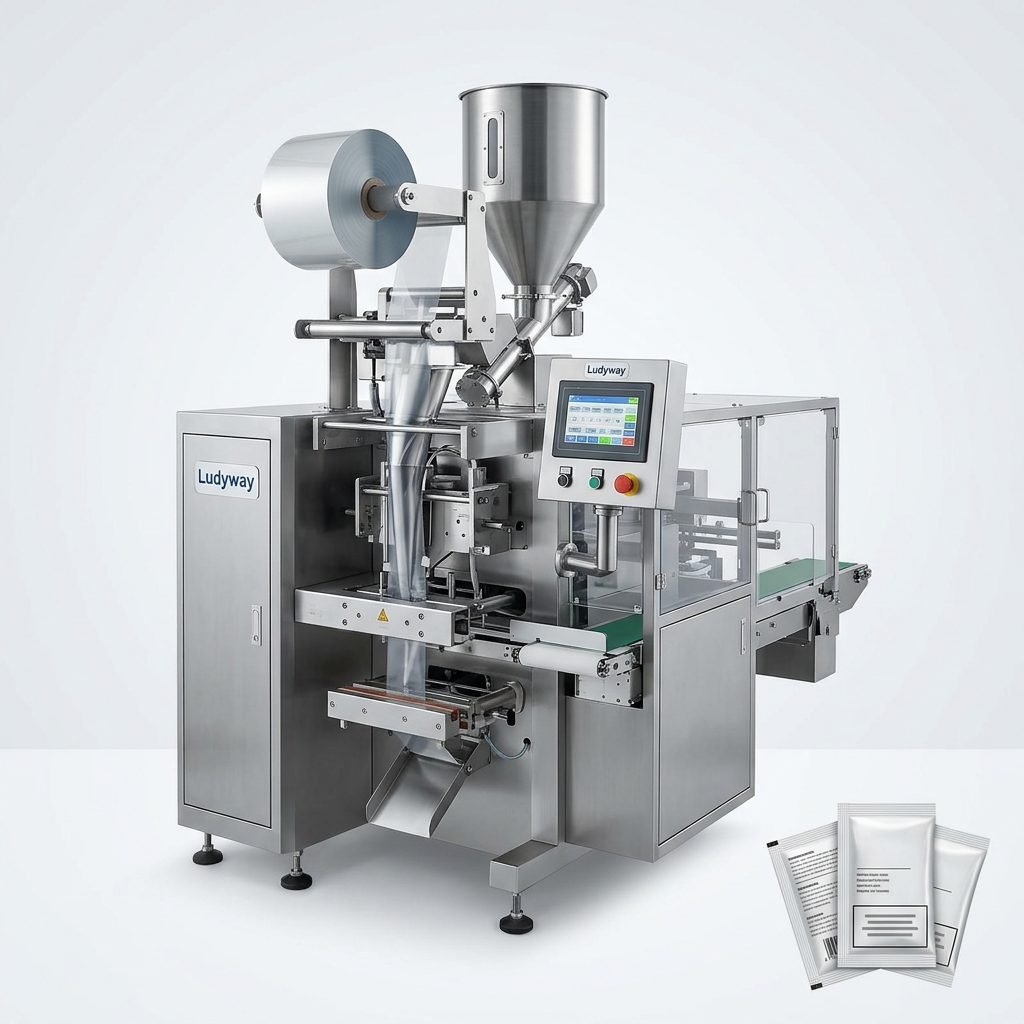
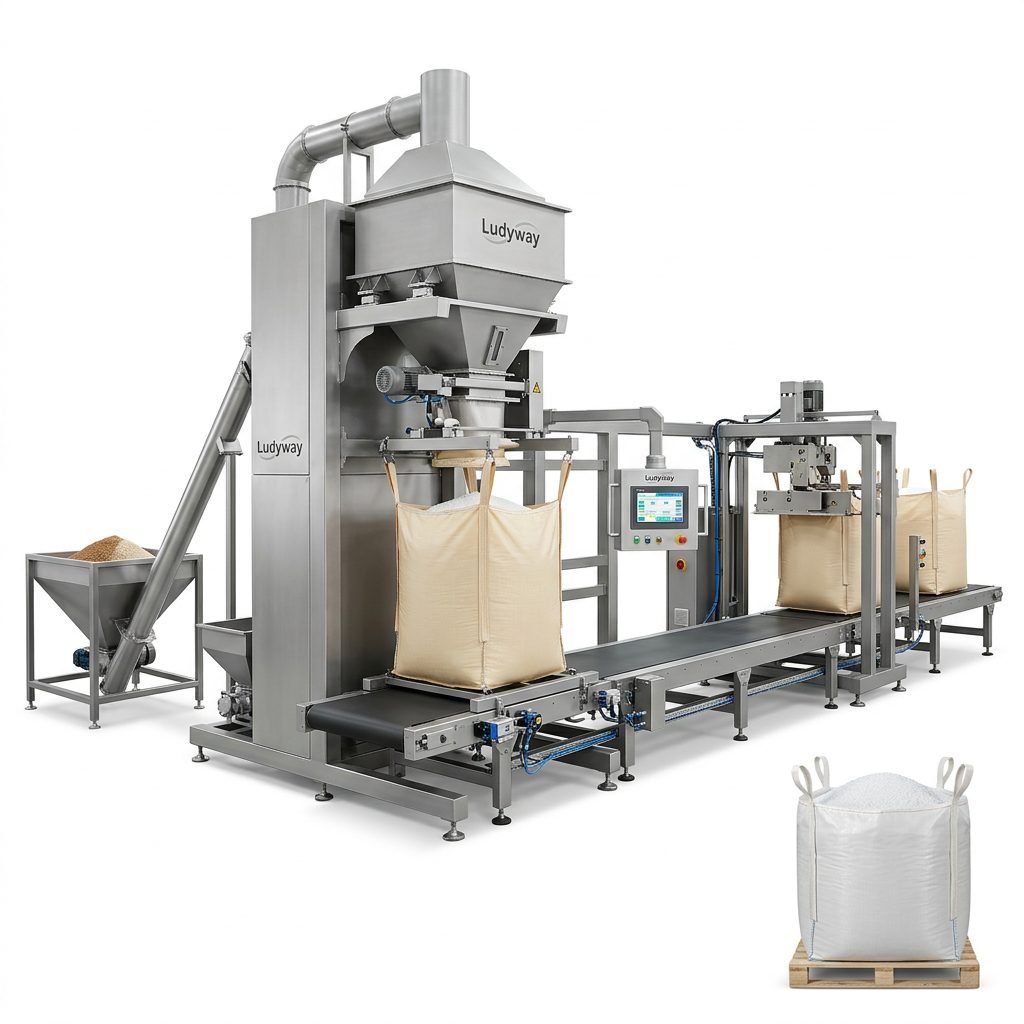
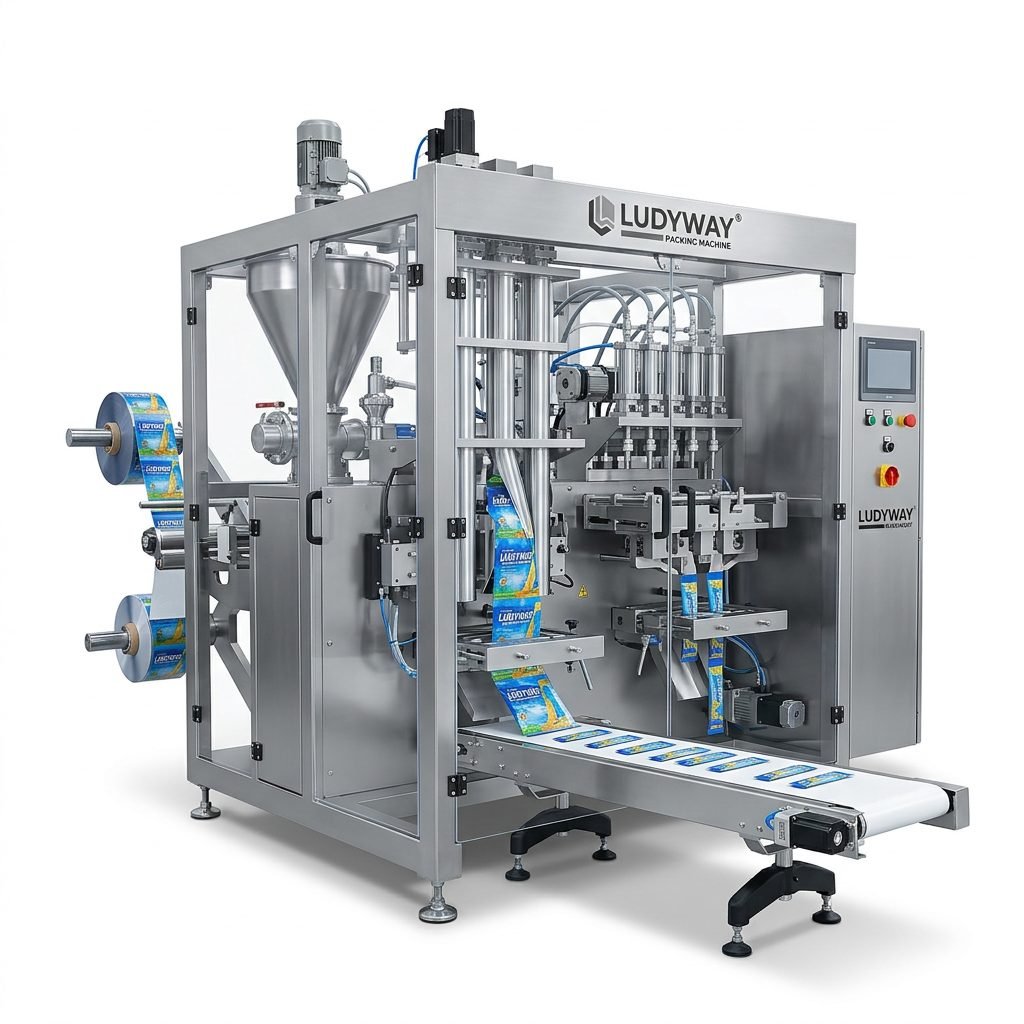
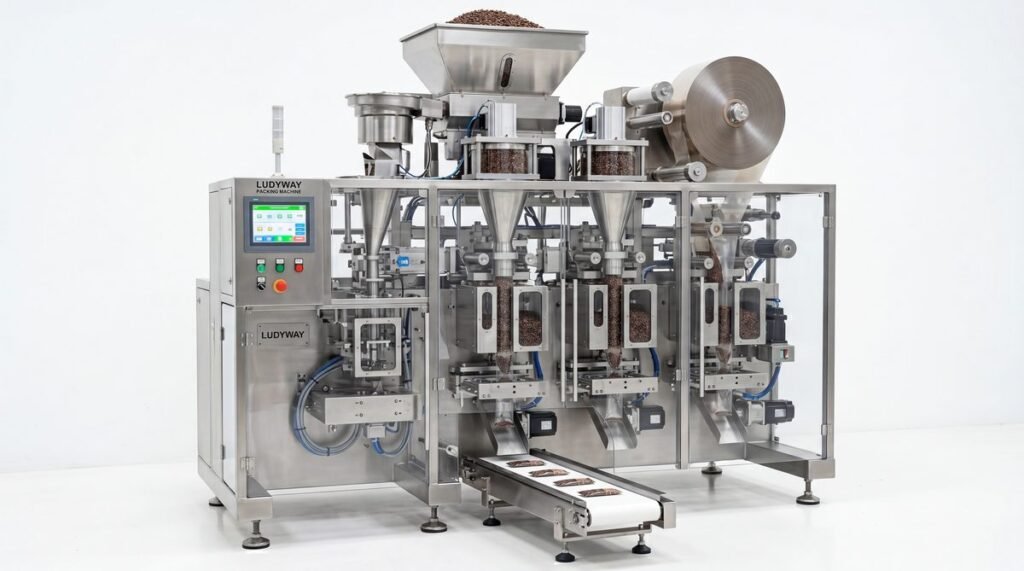
The demand for vacuum sealer packaging machine production lines in India has surged dramatically, driven by rapid growth in food processing, pharmaceuticals, and e-commerce ready-to-eat segments. Setting up a high-efficiency vacuum packaging line requires careful planning, from equipment selection to regulatory compliance. This guide walks you through every critical step.

Why India Is a Prime Market for Vacuum Packaging Lines
India’s food processing sector is projected to reach $535 billion by 2025, according to industry estimates. With increasing consumer preference for extended shelf-life products and hygienic packaging, vacuum packaging equipment has become indispensable for manufacturers of snacks, spices, dairy products, meat, and pharmaceutical items. Key drivers include:
- Growing organized retail and cold chain logistics networks
- Rising export demand for packaged food products
- Government initiatives like the Pradhan Mantri Kisan SAMPADA Yojana
- Pharmaceutical export compliance requiring oxygen-barrier packaging
Core Components of a Vacuum Sealer Packaging Production Line
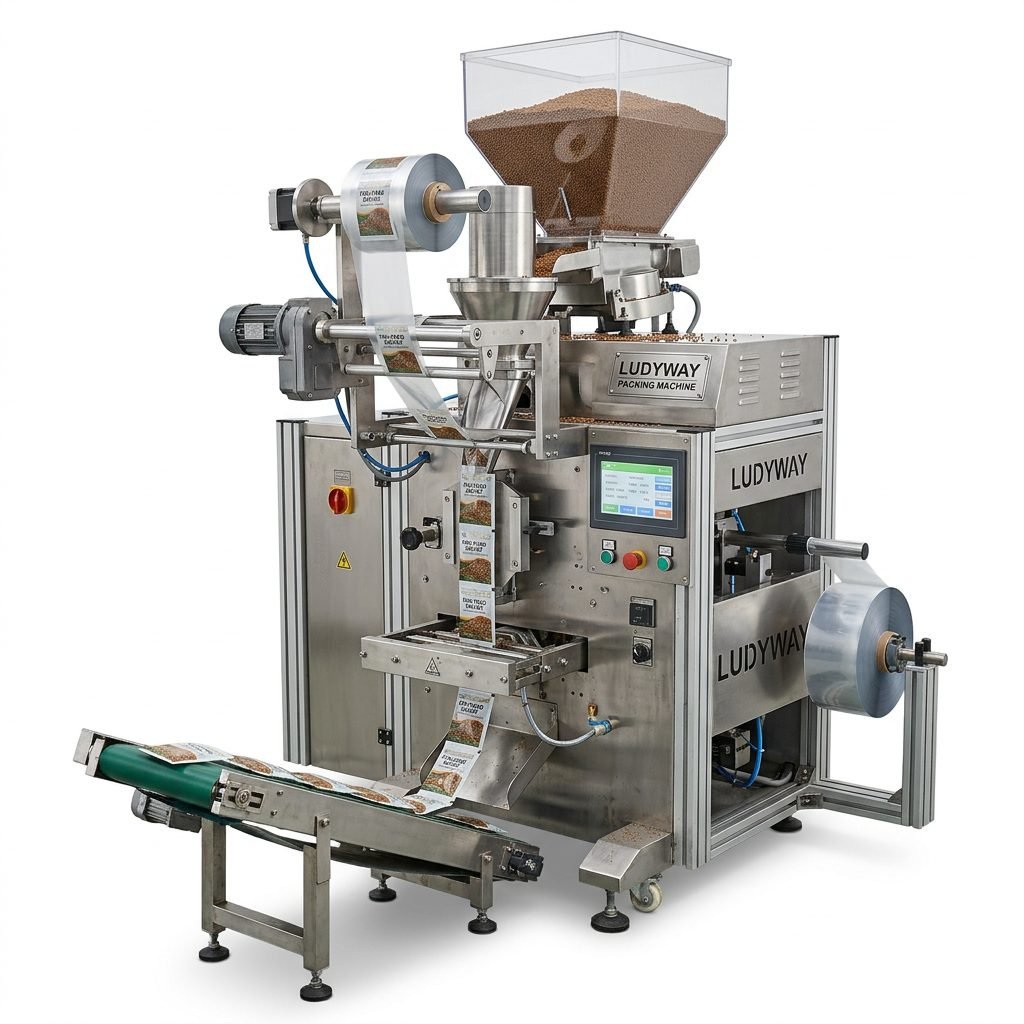
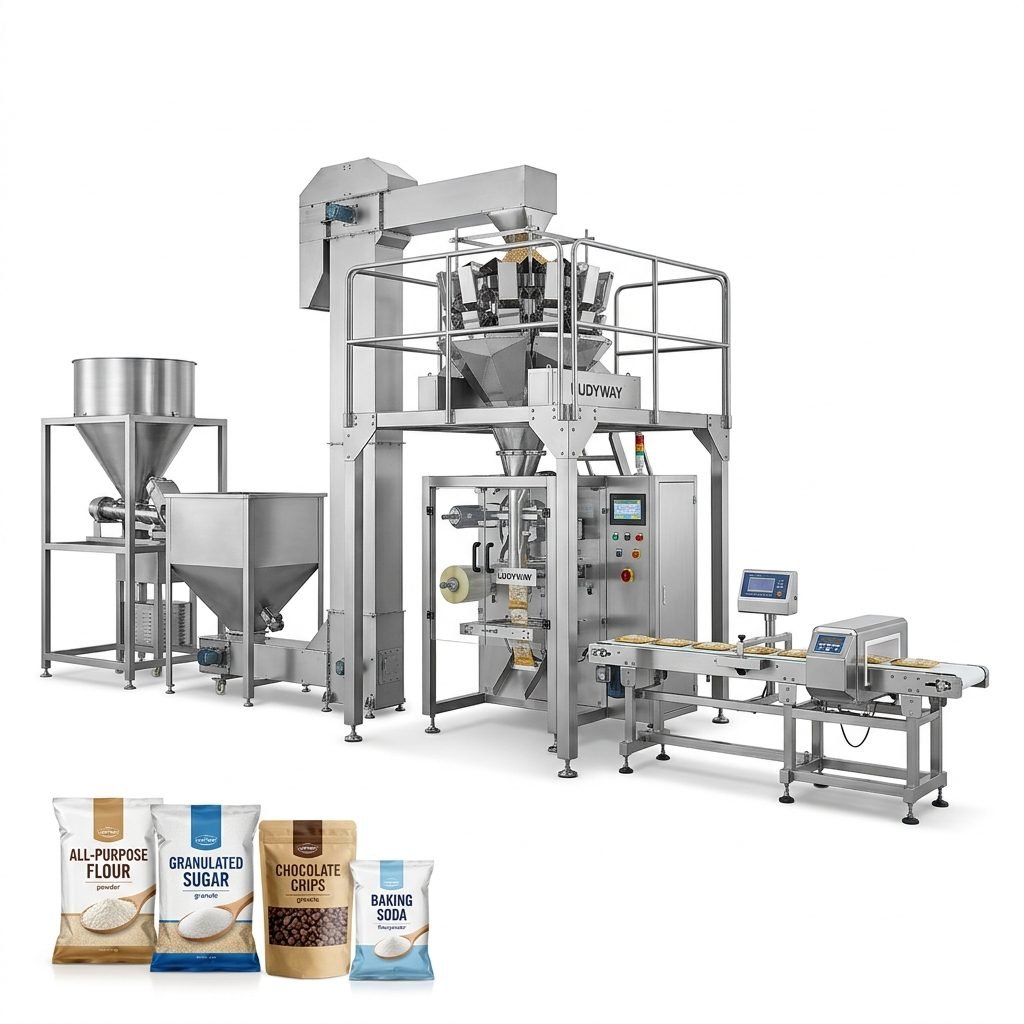
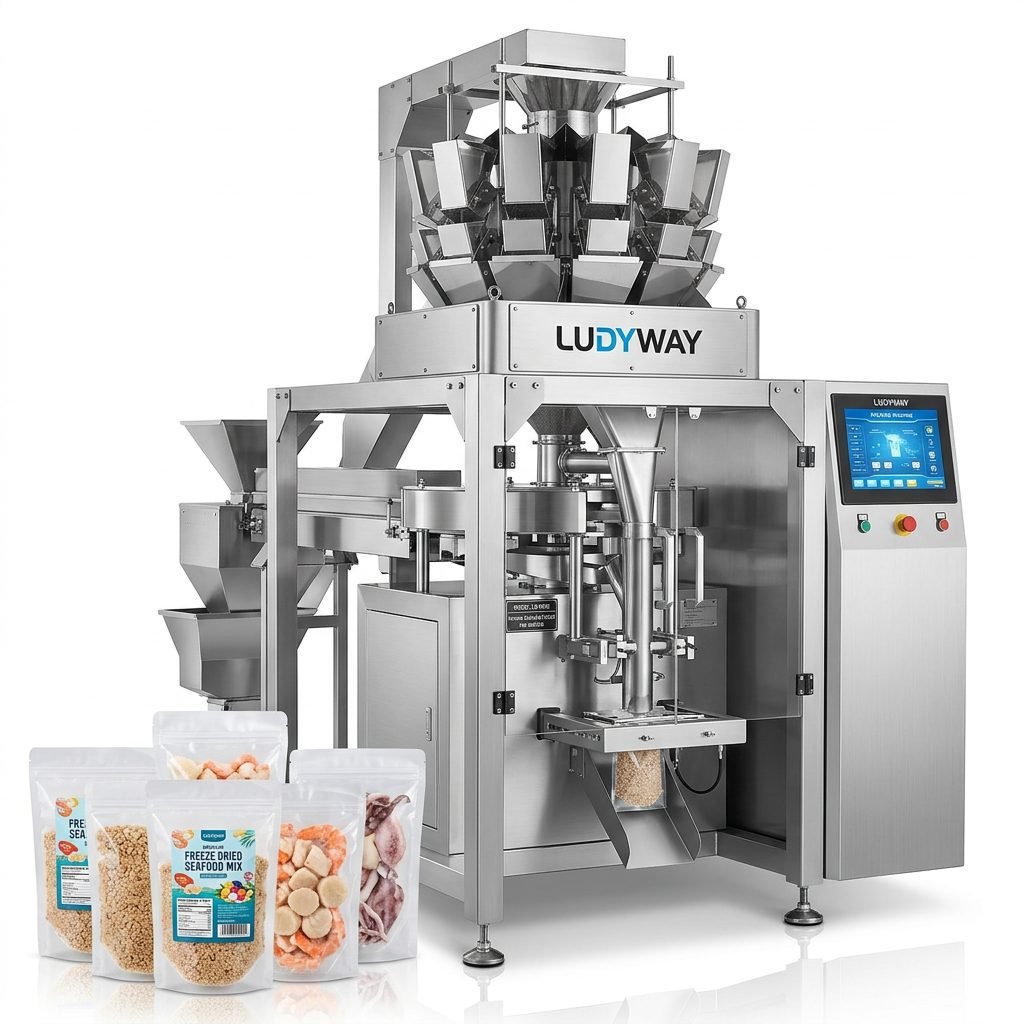
An integrated vacuum packaging production line typically includes multiple synchronized modules. Understanding each component helps in making informed procurement decisions:
- Feeding System: Automatic vibratory or conveyor feeders for consistent product delivery
- Weighing & Dosing Unit: Multi-head weighers or auger fillers for precise portioning
- Vacuum Chamber or Nozzle Sealer: The core unit that removes air and hermetically seals packages
- Conveyor & Handling: Automated transfer belts between stations
- Quality Inspection: Vision inspection systems and metal detectors
- Secondary Packaging: Cartoning, case packing, and palletizing modules
| Production Line Type | Typical Speed | Best For |
|---|---|---|
| Single-Chamber Vacuum Line | 5-15 packs/min | Small batch, solid products |
| Double-Chamber Vacuum Line | 15-30 packs/min | Medium-scale food processing |
| Rotary Vacuum Packaging Line | 30-80 packs/min | High-volume snacks, coffee |
| Thermoforming Vacuum Line | 10-25 cycles/min | Meat, cheese, medical devices |
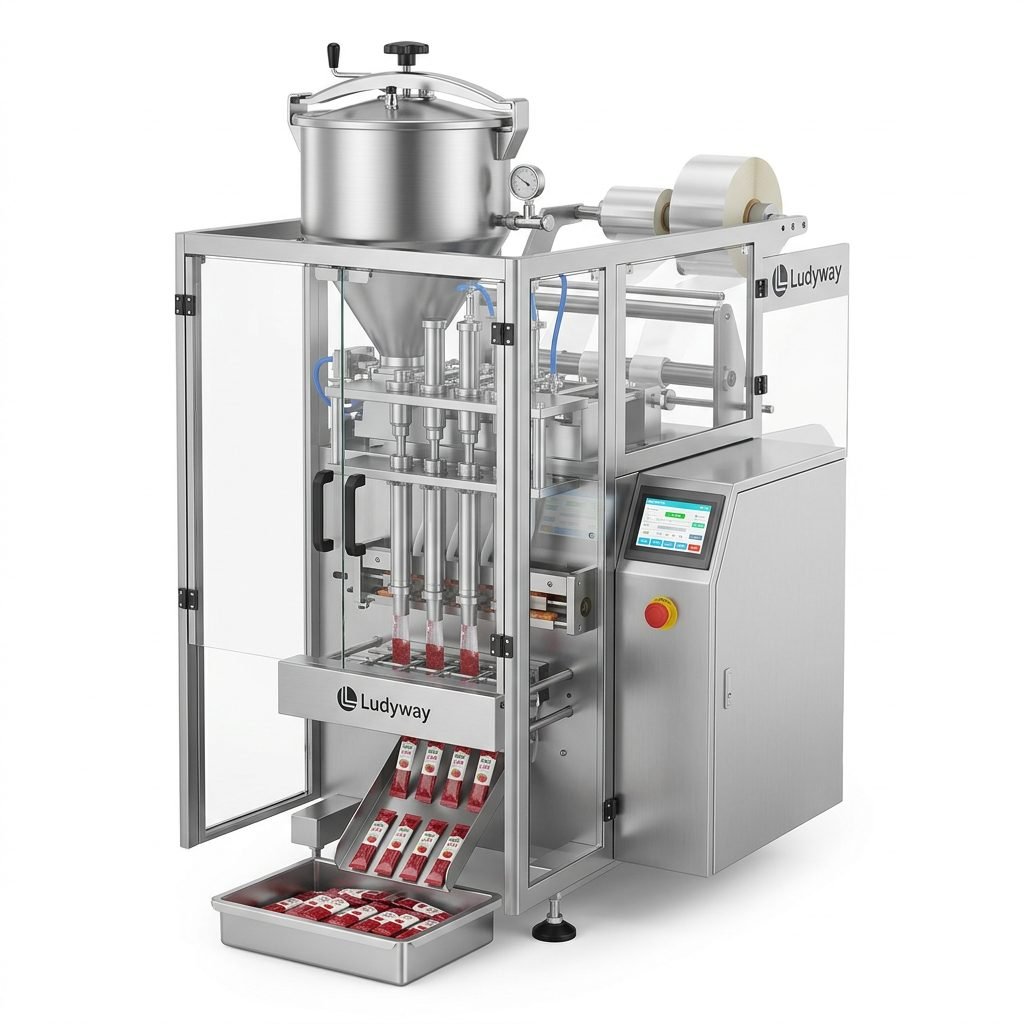
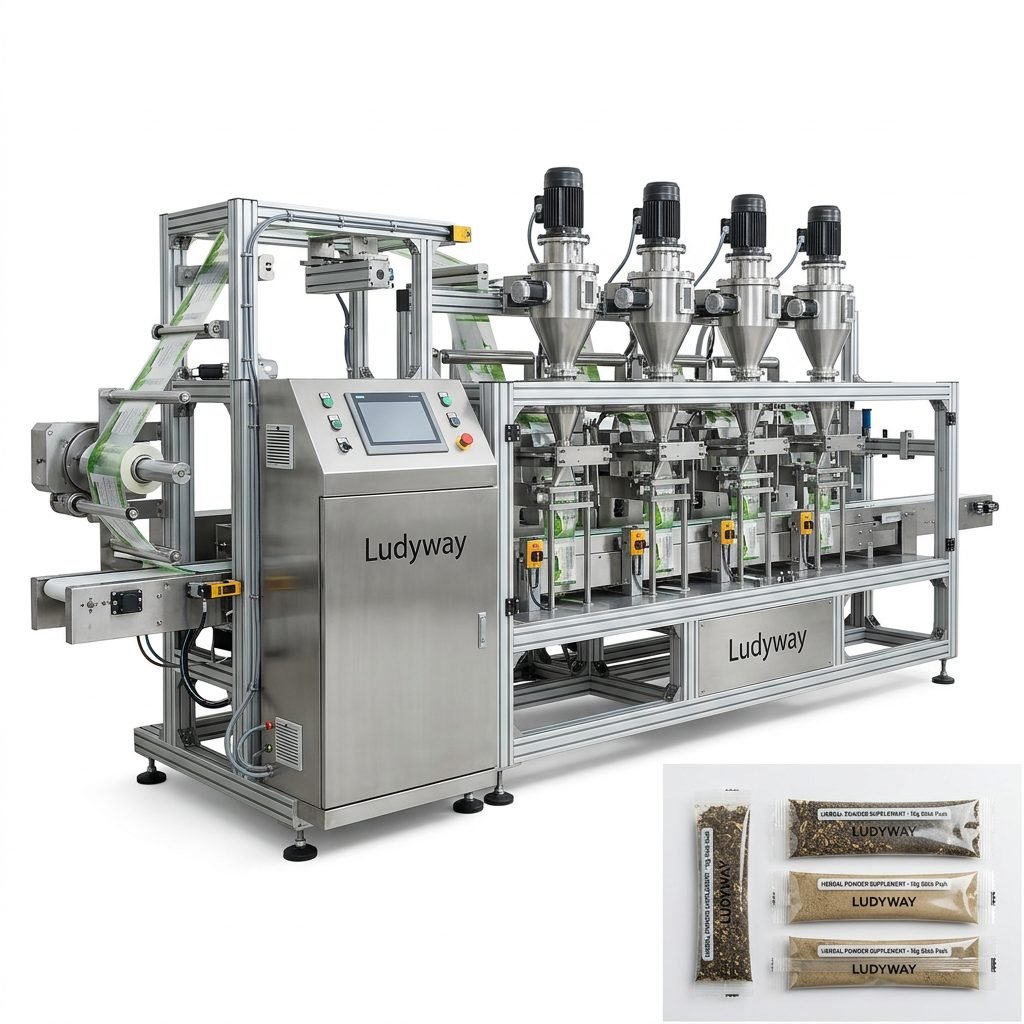
| Multi-Lane Stick Pack Vacuum System | 200-400 packs/min | Powder, granule, liquid sachets |
Step-by-Step Guide to Setting Up Your Line in India
1. Define Production Requirements
Begin by determining your target output per shift, product characteristics (granule, powder, liquid, or solid), package sizes, and film material specifications. This data will directly influence machine selection and line configuration.
2. Facility and Infrastructure Preparation
Ensure your factory meets power supply stability (3-phase, 380V/415V), compressed air requirements (6-8 bar), and cleanliness standards. Vacuum packaging lines require dedicated space for the vacuum pump system and adequate ventilation for heat-sealing stations.
3. Equipment Procurement and Supplier Evaluation
When sourcing a vacuum sealer packaging machine production line, evaluate manufacturers based on technology maturity, after-sales support in India, spare parts availability, and compliance certifications such as CE or ISO 9001. Leading global manufacturers like Ludyway offer complete turnkey solutions that include machine selection, line layout design, installation, and training — backed by over 30 years of packaging industry experience across more than 100 countries.
4. Regulatory Compliance and Certifications
Packaging lines used for food and pharmaceutical products in India must comply with FSSAI guidelines, FDA food contact substance regulations for export products, and ISO 22000 for food safety management. For pharmaceutical applications, validation to ISO 11607 standards is often required. Ensure your equipment supplier can provide full documentation.
5. Installation, Commissioning, and Operator Training
Professional installation teams should handle equipment positioning, utility connections, and dry-run testing. Comprehensive operator training on machine settings, troubleshooting, and safety protocols is essential. Many suppliers offer remote video support and periodic on-site service visits for Indian customers.

Cost Breakdown and ROI Analysis
Investing in a vacuum packaging line in India involves several cost components. Understanding the total cost of ownership helps in accurate budgeting:
| Cost Component | Estimated Range (INR) | Notes |
|---|---|---|
| Main Packaging Machine | ₹25 Lakh – ₹1.5 Crore | Varies by speed and automation level |
| Auxiliary Equipment | ₹5 Lakh – ₹30 Lakh | Conveyors, inkjet coders, metal detectors |
| Installation & Commissioning | ₹3 Lakh – ₹15 Lakh | Depending on complexity and location |
| Training & Documentation | ₹1 Lakh – ₹5 Lakh | Operator and maintenance training |
| Annual Maintenance | ₹2 Lakh – ₹8 Lakh/year | Spare parts and preventive service |
Typically, manufacturers recover their investment within 18-36 months through increased production efficiency, reduced product waste, and extended product shelf life that enables wider distribution.
Common Challenges and How to Overcome Them
- Power Fluctuations: Install voltage stabilizers and backup generators for uninterrupted operation
- Humidity Effects: Use climate-controlled production areas to maintain seal integrity in tropical Indian conditions
- Film Material Compatibility: Test multiple laminate structures (PET/PE, PA/PE, aluminum foil laminates) to find optimal barrier properties
- Operator Skill Gap: Partner with suppliers who provide multilingual training manuals and video-based SOPs in Hindi or regional languages
- Spare Parts Lead Time: Maintain a recommended inventory of critical wear parts locally

Choosing Between Domestic Assembly and Imported Turnkey Lines
Indian buyers often weigh local assembly against fully imported lines. While domestically assembled lines may offer lower upfront costs, imported turnkey packaging solutions typically deliver higher reliability, faster speeds, and comprehensive warranty support. Evaluate both options based on total lifecycle cost rather than initial purchase price alone. Global manufacturers increasingly offer localized service hubs in major Indian industrial cities such as Mumbai, Delhi NCR, Ahmedabad, and Chennai.
Maintenance Best Practices for Long-Term Performance
- Daily: Clean sealing bars, inspect vacuum pump oil level, check conveyor belt alignment
- Weekly: Lubricate moving parts, verify temperature controller accuracy, test emergency stops
- Monthly: Inspect gaskets and seals for wear, calibrate weighing modules, check vacuum gauge readings
- Quarterly: Replace vacuum pump oil, deep-clean pneumatic cylinders, review production data logs
- Annually: Full preventive maintenance including belt replacement, electrical safety testing, and software updates
Frequently Asked Questions About Vacuum Packaging Lines
What packaging formats can a vacuum sealer line produce?
Modern lines support flat pouches, stand-up pouches, thermoformed trays, stick packs, sachets, and vacuum skin packaging formats. Multi-lane configurations can produce multiple sachets simultaneously for high-volume applications.
How do I select the right vacuum pump capacity?
Pump capacity depends on chamber size, cycle speed, and package volume. Work closely with your equipment supplier who will calculate the required pump displacement (measured in m³/h) based on your production targets.
Is it suitable for both food and pharmaceutical products?
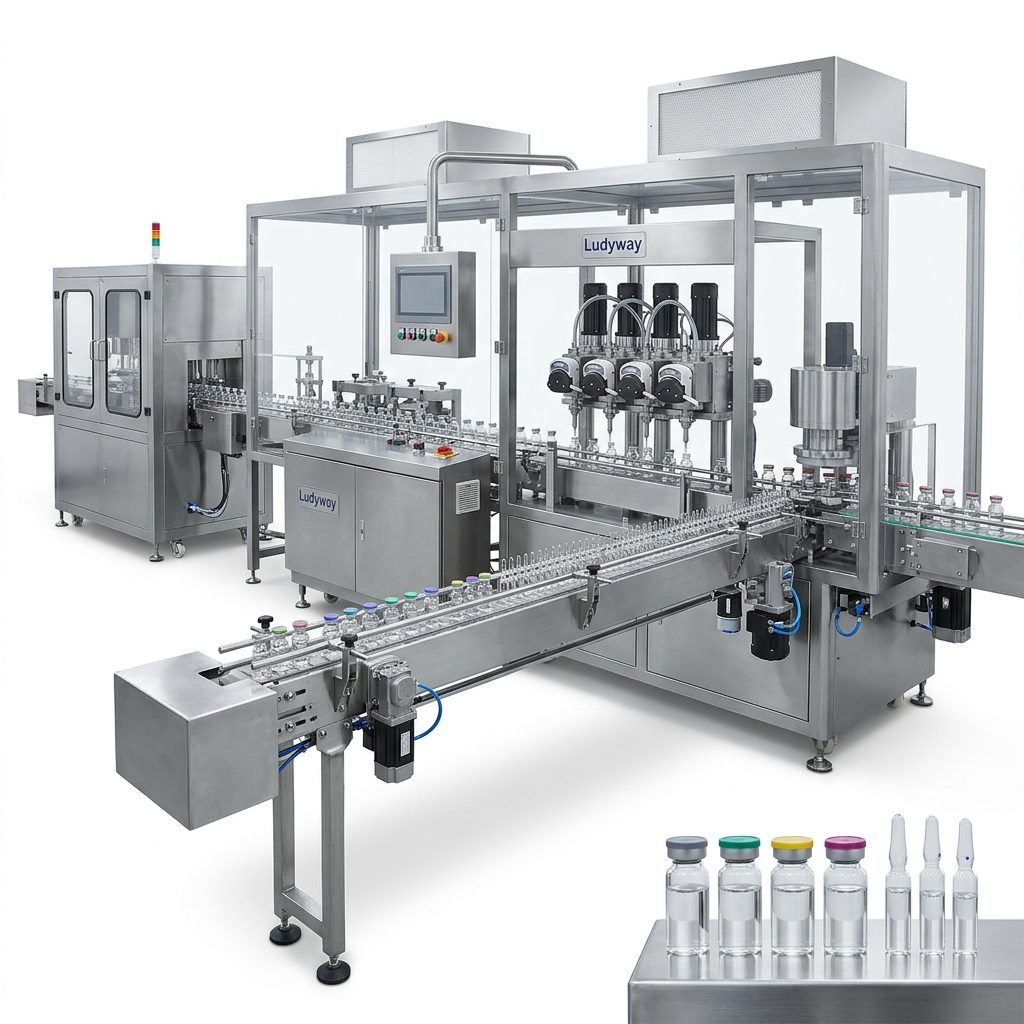
Yes, with appropriate validation. Pharmaceutical packaging must meet ISO packaging standards including seal integrity testing and microbial barrier validation, while food-grade lines focus on FSSAI and flexible packaging material compliance.
Future Trends in Vacuum Packaging Technology
The Indian packaging machinery market is evolving rapidly. Key trends include IoT-enabled predictive maintenance, servo-driven precision filling, nitrogen flushing integration, and smart factory connectivity that aligns with India’s Industry 4.0 roadmap. Investing in modular, upgrade-ready equipment ensures your production line remains competitive for years to come. As the Make in India initiative continues to encourage domestic manufacturing, setting up a high-quality vacuum packaging production line positions your business at the forefront of this growing market.
| Key Success Factors | Action Items |
|---|---|
| Right Equipment Specification | Match machine to product type, speed, and format |
| Regulatory Readiness | Obtain FSSAI, ISO, and export country certifications |
| Skilled Workforce | Invest in comprehensive operator training programs |
| Reliable After-Sales Support | Choose suppliers with Indian service infrastructure |
| Continuous Improvement | Monitor KPIs and upgrade technology periodically |
By following this comprehensive guide, Indian manufacturers can confidently plan, invest in, and operate a vacuum sealer packaging machine production line that delivers consistent quality, regulatory compliance, and strong return on investment.