Germany is one of Europe’s largest markets for packaged fresh produce, with the fruit and vegetable sector alone generating billions of euros annually. Setting up a produce packaging machine production line in Germany requires careful navigation of regulatory frameworks, equipment selection, facility planning, and operational best practices. Whether you are packaging fresh salads, herbs, frozen vegetables, or dried fruit products, having the right automated packaging system can significantly reduce labor costs, improve shelf life, and ensure compliance with stringent German and EU standards. This guide walks you through every critical step of the process.
Understanding German and EU Packaging Regulations
Before purchasing any equipment, you must familiarize yourself with the regulatory landscape governing food packaging in Germany. The primary framework includes the EU Packaging and Packaging Waste Regulation (PPWR), which sets requirements for packaging design, recyclability, and material reduction. In Germany, the Verpackungsgesetz (Packaging Act) imposes additional obligations, including registration with the Zentrale Stelle Verpackungsregister (ZSVR) and participation in a dual system for packaging waste management.
For food contact materials, compliance with FDA food packaging guidelines and EU Regulation (EC) No 1935/2004 is mandatory. Additionally, if you are handling organic produce, adherence to the EU Organic Regulation (EU) 2018/848 applies. Mechanical safety standards under the EU Machinery Directive 2006/42/EC and ISO packaging standards also govern equipment design, CE marking, and operational safety protocols.
Key Equipment for a Produce Packaging Production Line
A modern produce packaging machine production line typically consists of several integrated components. The exact configuration depends on the product type—whether you are handling fresh leafy greens, root vegetables, frozen produce, or dried fruit and powder blends. Below are the core equipment categories you will need to evaluate.
Weighing and Dosing Systems
Accurate portioning is critical for both regulatory compliance and cost control. Multi-head weighers, linear weighers, and auger fillers are commonly used depending on product characteristics. For fresh-cut produce, vibratory feeding systems combined with combination weighers deliver speed and precision.
Packaging Machine Types
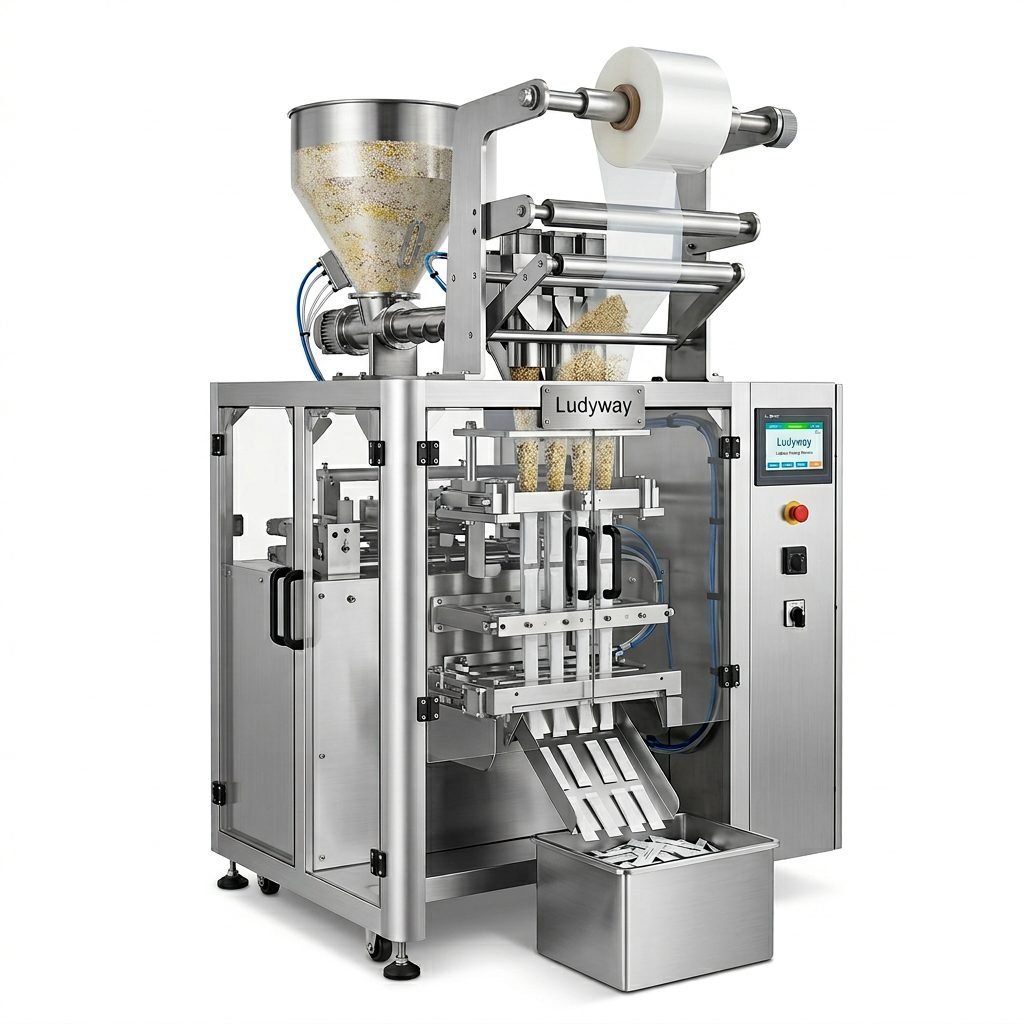
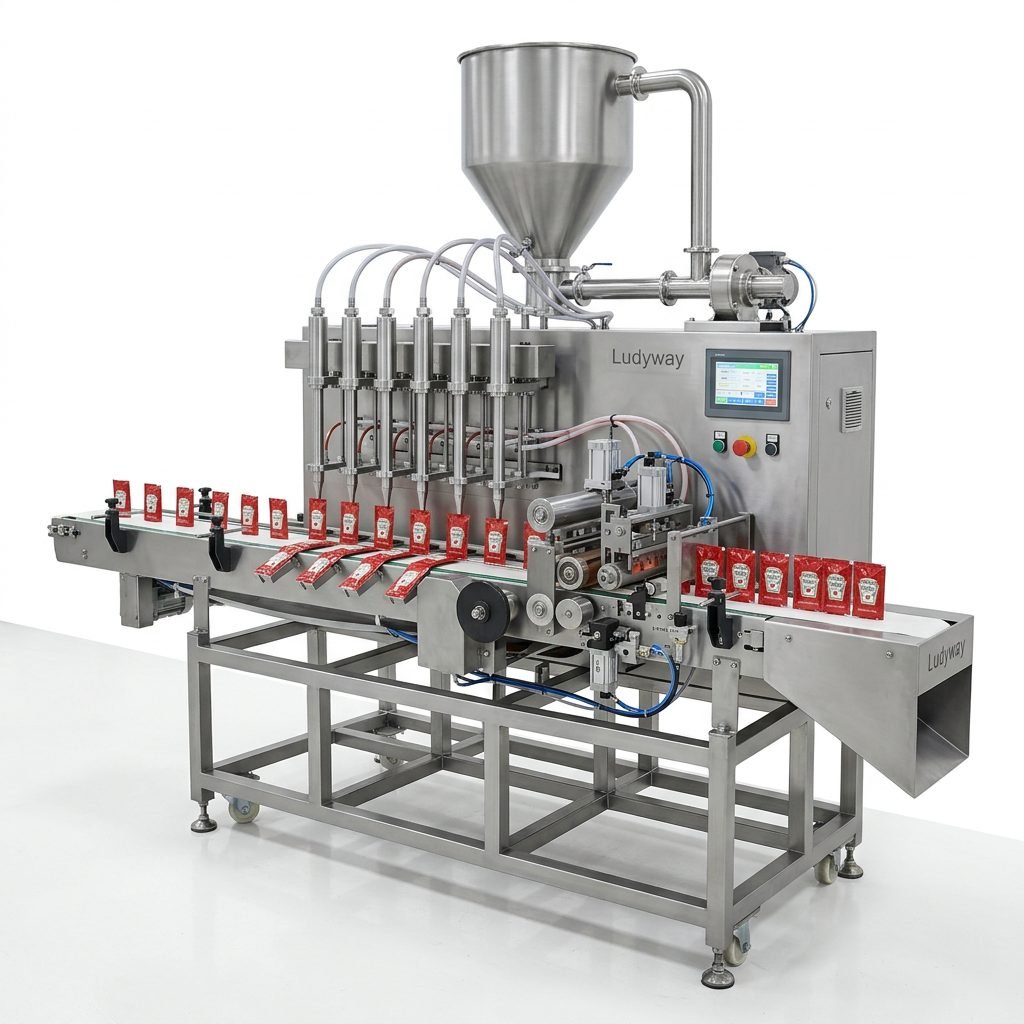
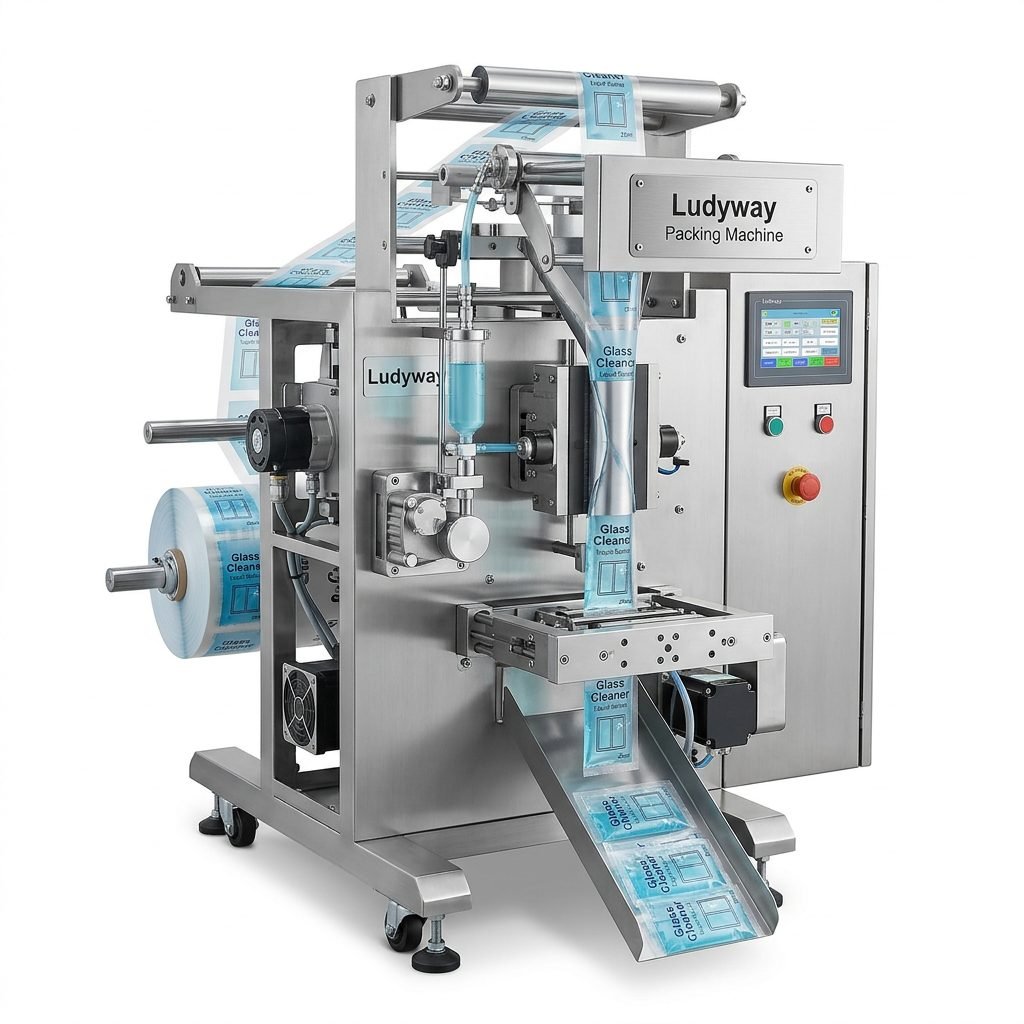
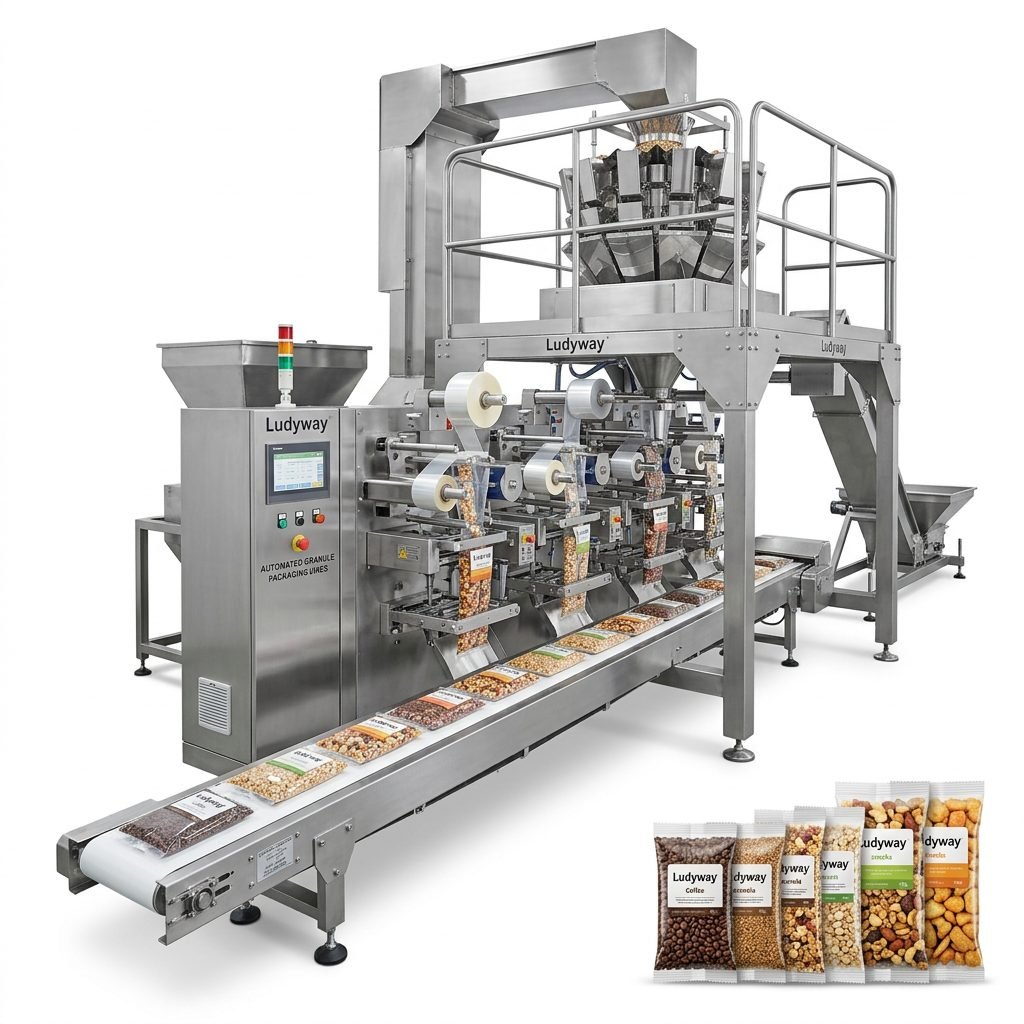
- Vertical Form Fill Seal (VFFS) Machines – Ideal for granular and loose produce such as frozen peas, dried herbs, and salad mixes. These machines form bags from roll stock, fill product, and seal in one continuous operation.
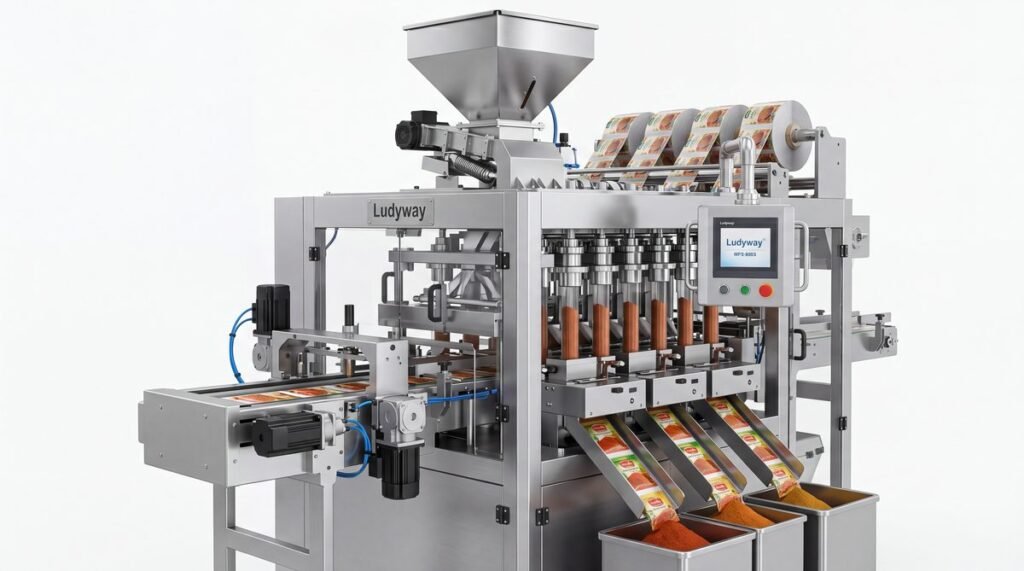
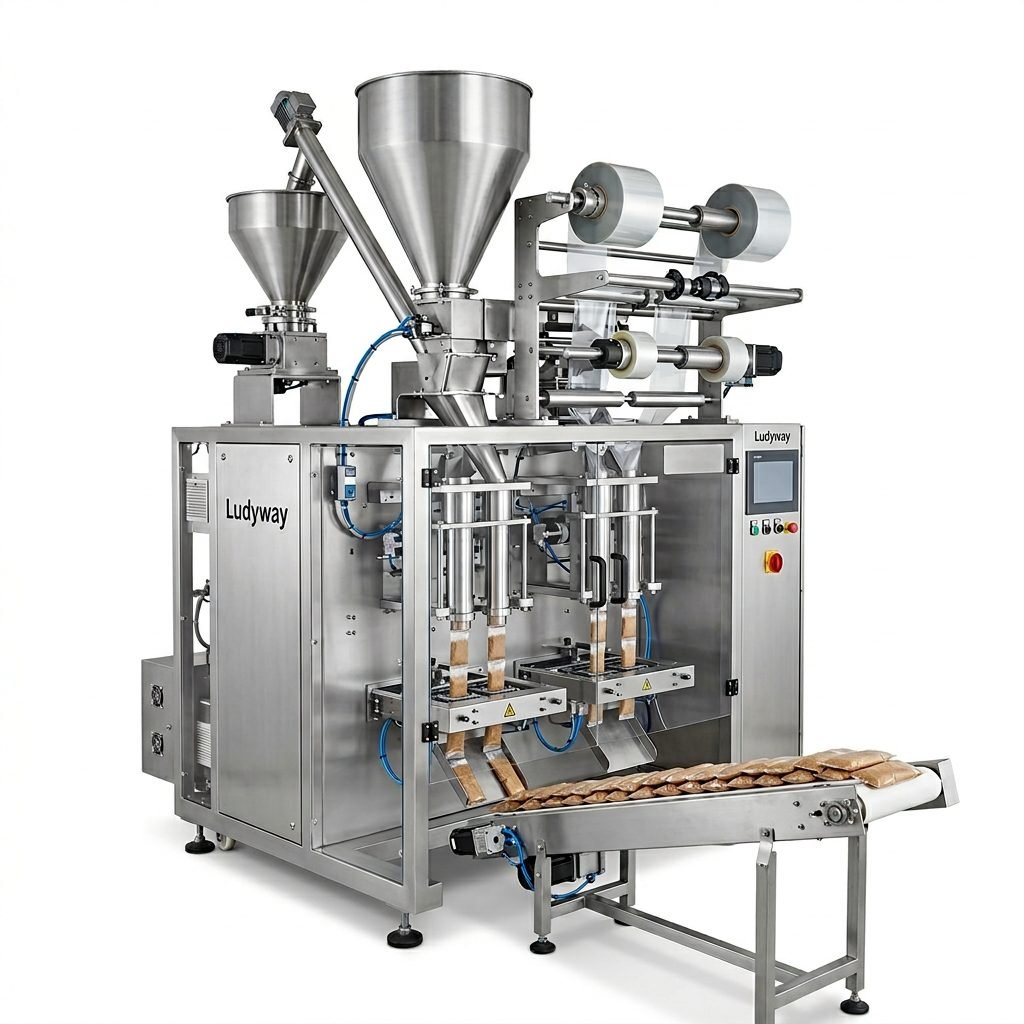
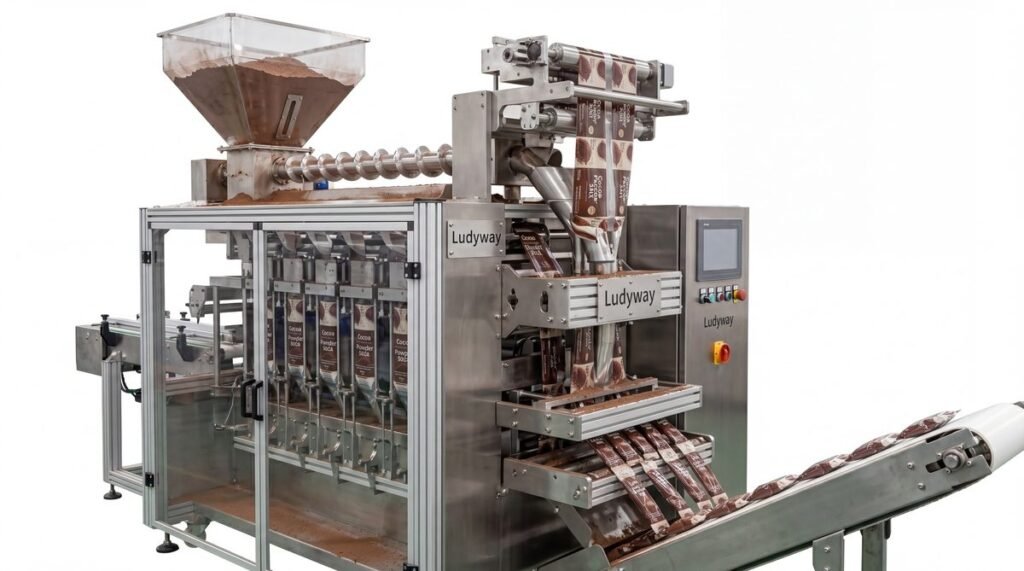
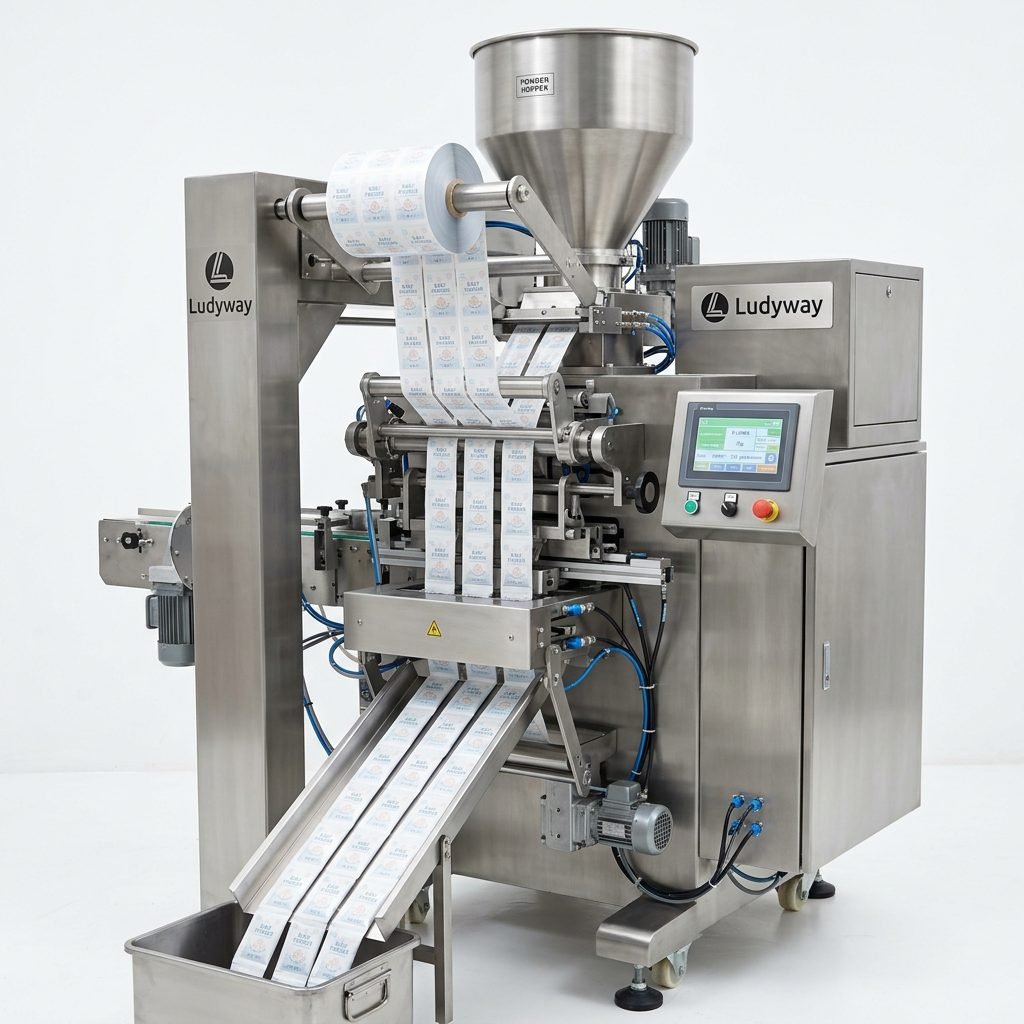
- Multi-Lane Stick Pack Machines – Perfect for single-serve portions of powdered produce products like beetroot powder, spinach powder, or instant soup mixes. A single machine can produce up to 400 packs per minute across multiple lanes.
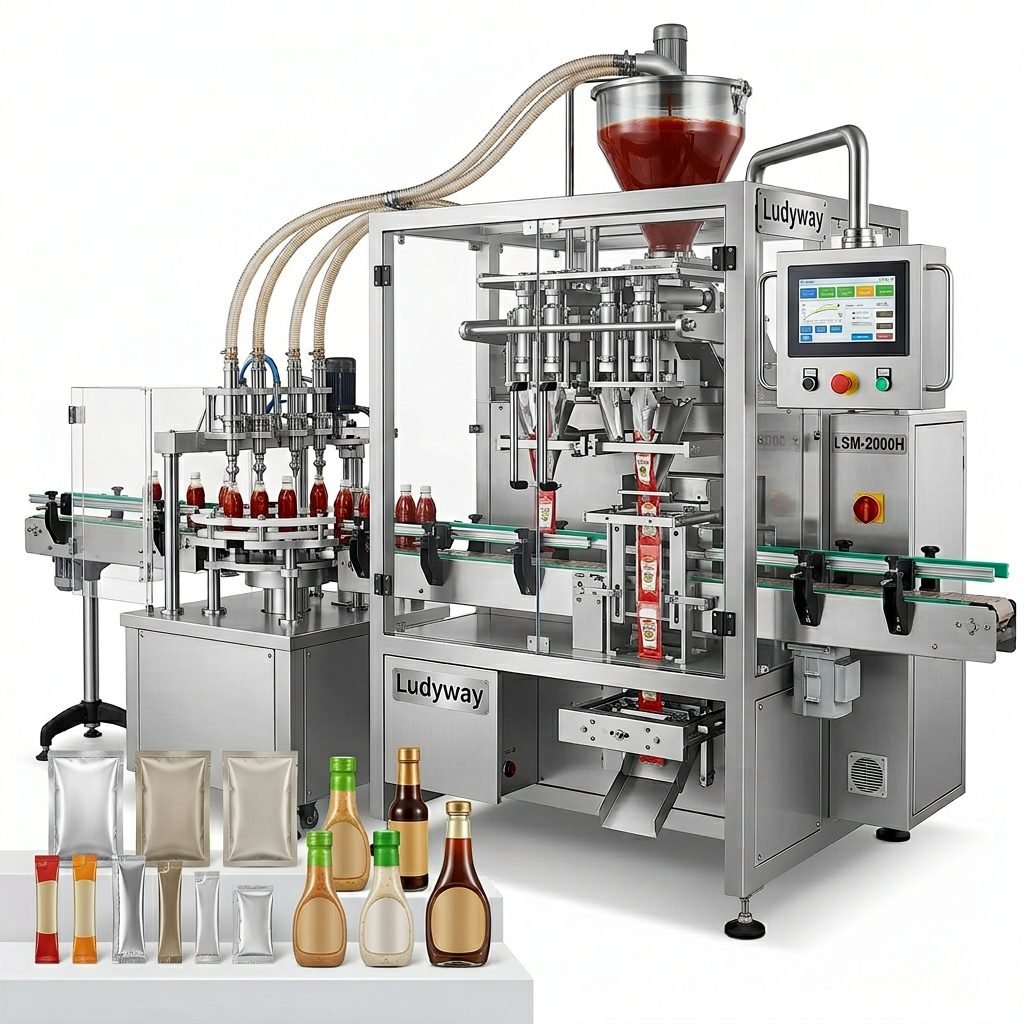
- Premade Pouch Fill-Seal Machines – Best suited for premium retail packaging, including stand-up pouches and zipper bags for dried fruits, trail mixes, and organic snacks.
- Tray Sealing and Flow Wrapping Systems – Commonly used for fresh produce such as tomatoes, berries, and salad bowls, often with modified atmosphere packaging (MAP) technology to extend shelf life.
Ancillary Equipment
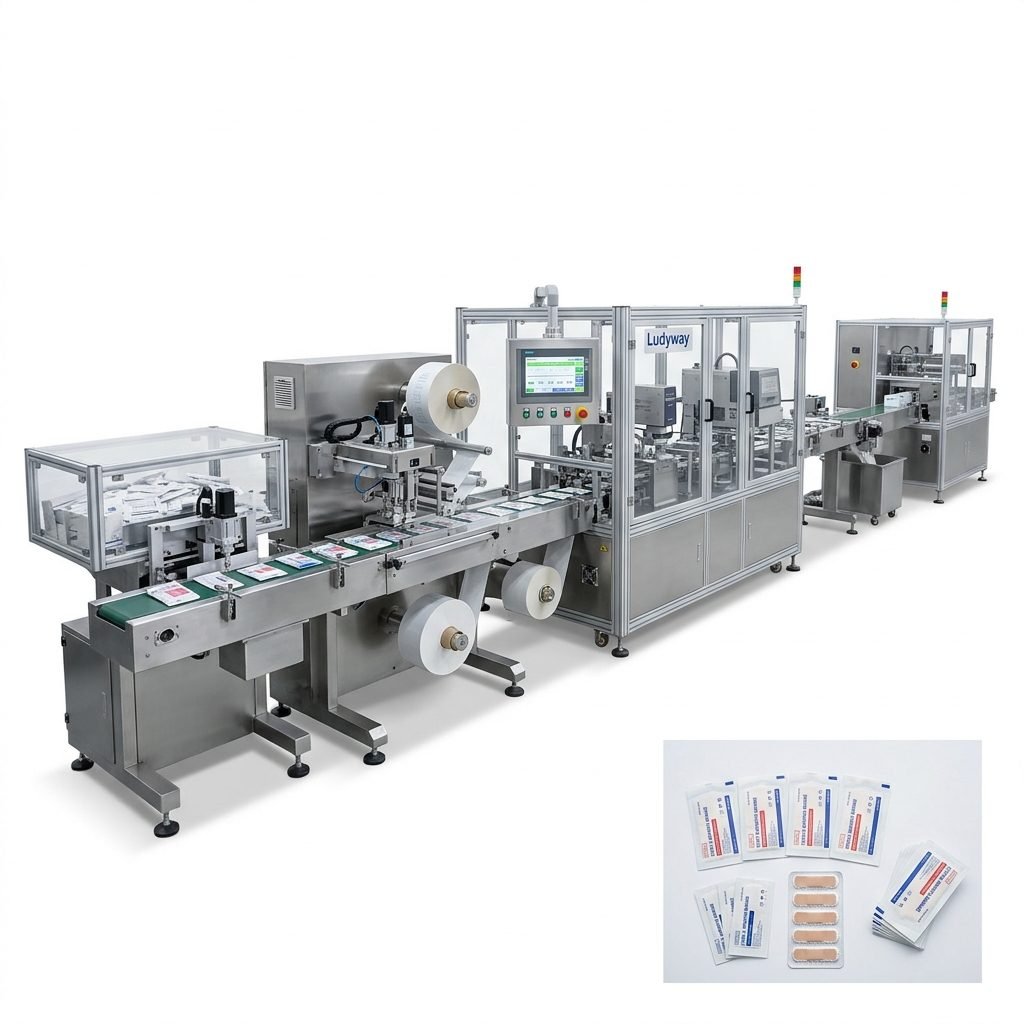
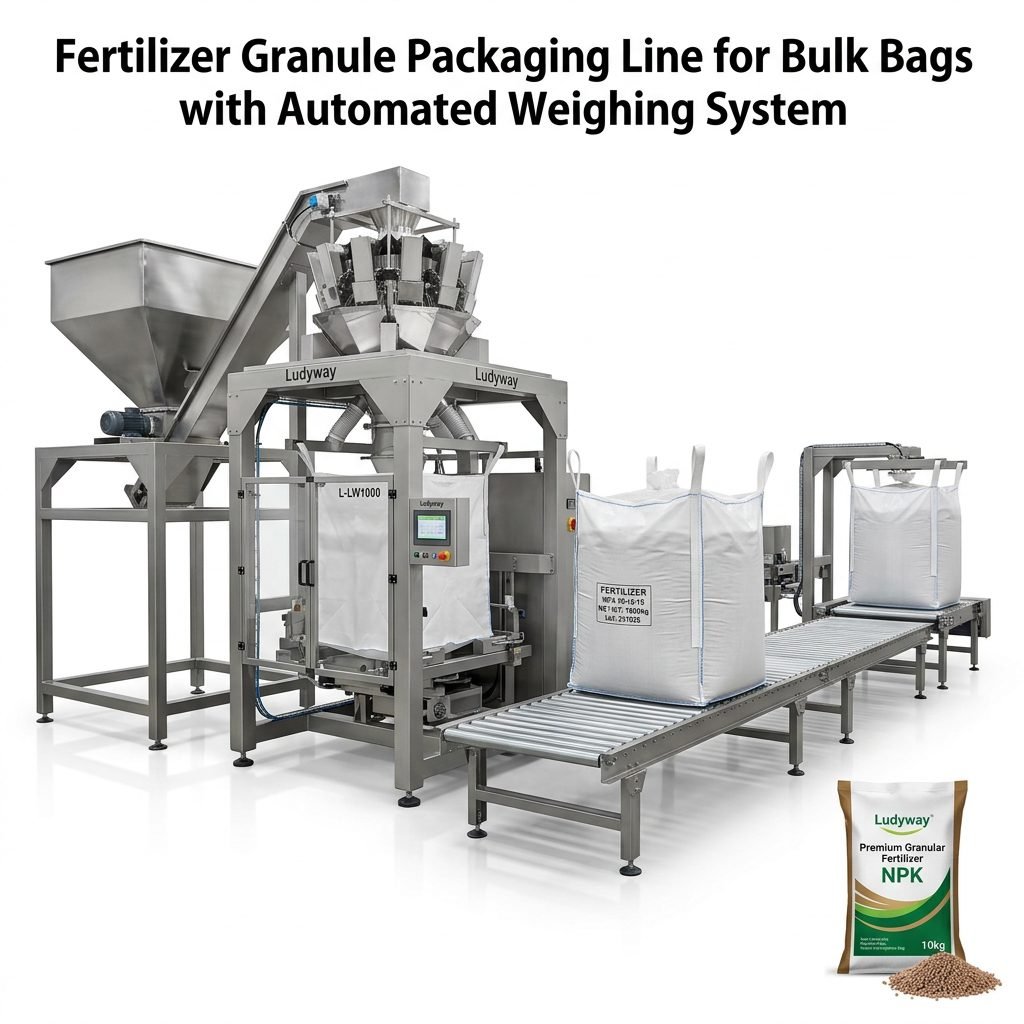
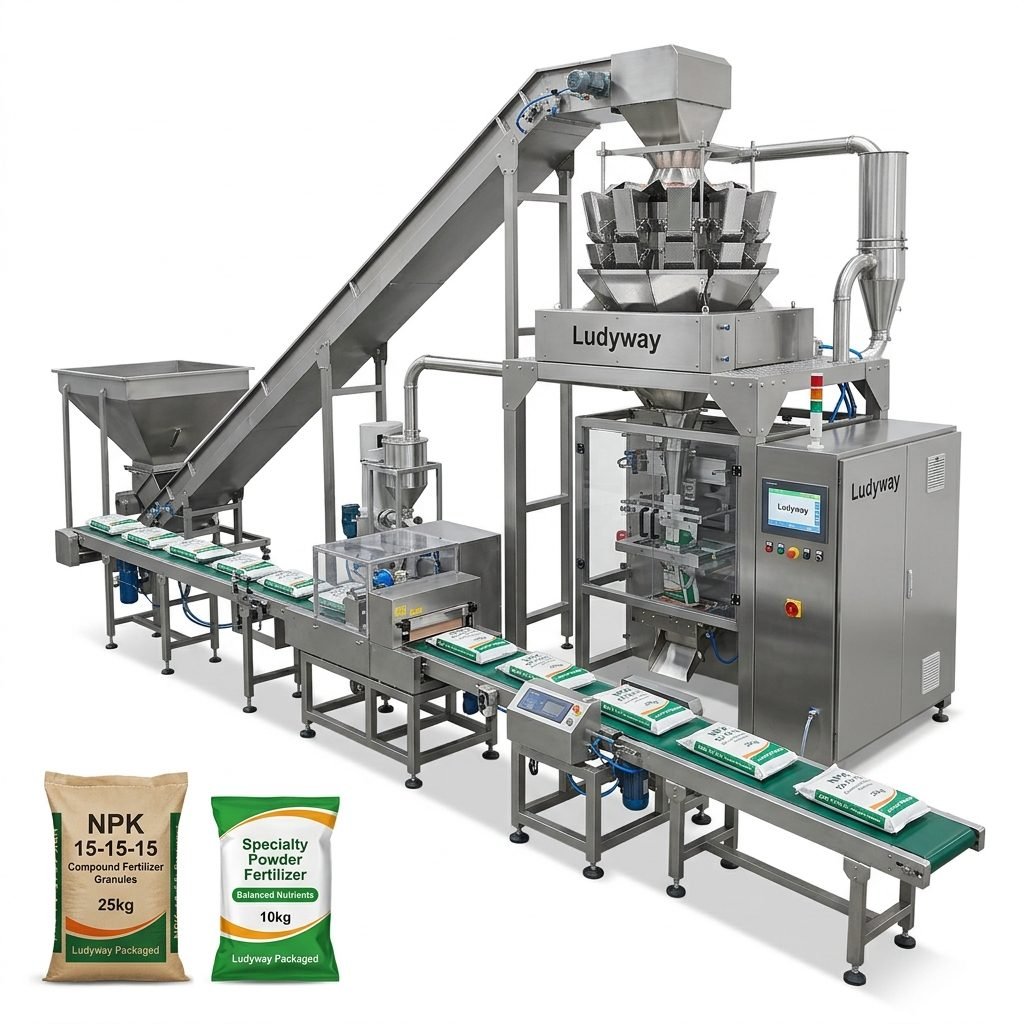
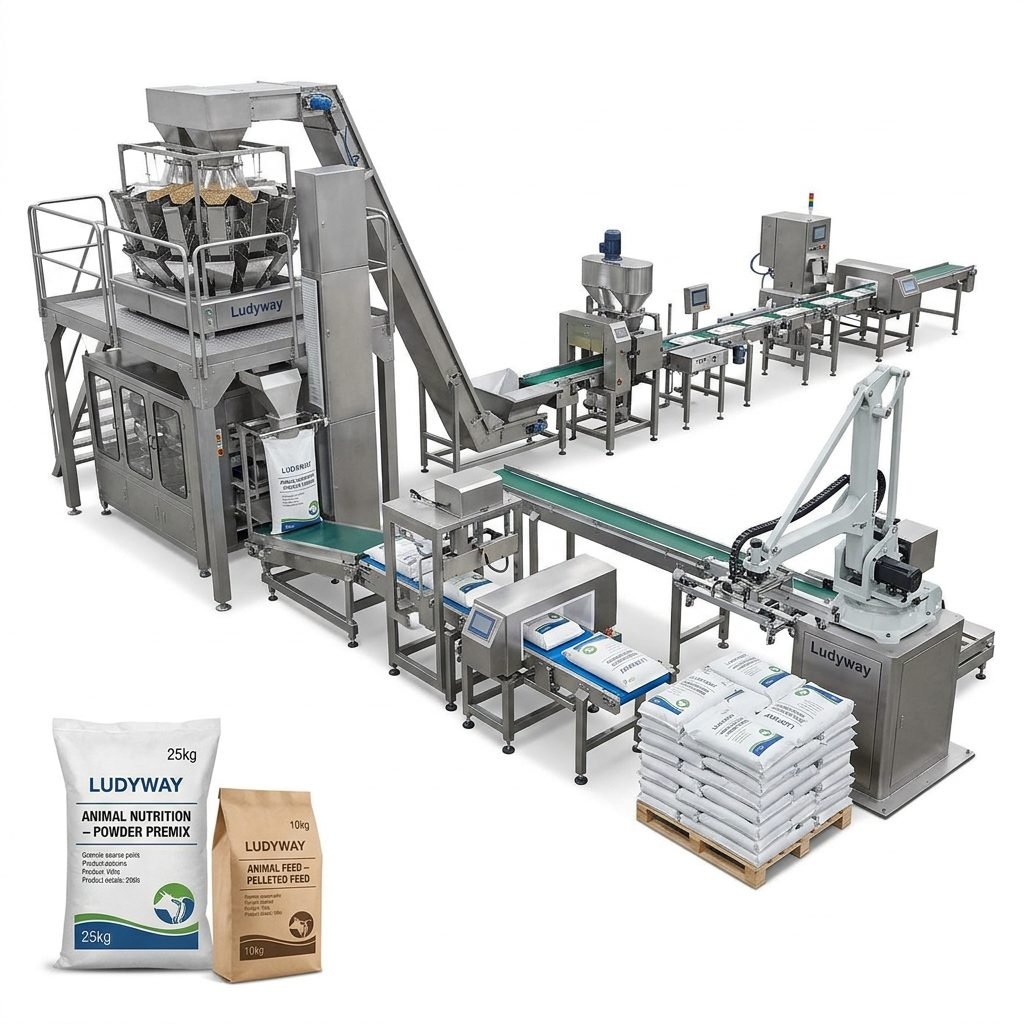
Your line will also require conveyor systems, metal detectors, checkweighers, inkjet coders, and cartoning machines. For bulk packaging applications, robotic palletizing systems and stretch wrapping machines handle end-of-line operations efficiently. Integration of these components into a seamless packaging line is essential for maximizing throughput and minimizing downtime.
Factory Layout and Production Line Planning
Designing an efficient factory layout in Germany requires compliance with workplace safety regulations (Arbeitsschutzgesetz) and food hygiene standards. The layout should follow a logical material flow from raw material receiving, through processing and packaging, to finished goods storage and dispatch. Key considerations include:
- Hygiene zoning – Separate high-care and low-care areas to prevent cross-contamination.
- Utility requirements – Adequate power supply (typically 400V three-phase in Germany), compressed air, and water connections.
- Waste management – Compliance with German recycling and waste separation regulations (Gewerbeabfallverordnung).
- Employee facilities – Proper sanitation stations and personnel flow design per EU food hygiene regulations.
| Layout Phase | Key Activities | Estimated Duration |
|---|---|---|
| Concept Design | Process flow mapping, equipment footprint planning, utility mapping | 2-4 weeks |
| Detailed Engineering | 3D modeling, structural calculations, permit applications | 6-10 weeks |
| Construction and Installation | Floor preparation, utility installation, equipment positioning | 8-16 weeks |
| Commissioning | Testing, calibration, operator training, performance qualification | 4-6 weeks |
Installation and Commissioning Best Practices
The installation phase is critical to the long-term success of your packaging line. In Germany, all electrical installations must comply with VDE standards, and pressure vessels must meet TÜV certification requirements. We recommend the following structured approach:
- Pre-installation site audit – Verify that floor load ratings, utility connections, and environmental conditions meet equipment specifications.
- Sequential equipment installation – Begin with conveying and weighing systems, then integrate packaging machines, and finally add end-of-line equipment.
- Dry testing – Run all equipment without product to verify mechanical operation, sensor calibration, and communication between line components.
- Wet testing with product – Conduct production trials to optimize settings, verify seal integrity, and confirm throughput rates.
- Operator training – Comprehensive training for machine operators and maintenance personnel, ideally conducted in German for local teams.
Maintenance and Technical Support in Germany
Ongoing maintenance is essential for maintaining production efficiency and extending equipment lifespan. German regulations require documented preventive maintenance programs for food processing equipment. Key maintenance considerations include:
- Scheduled preventive maintenance – Daily cleaning routines, weekly inspections, monthly component replacements, and annual overhauls.
- Spare parts management – Maintain a critical spare parts inventory locally in Germany to minimize downtime. Common wear items include sealing jaws, cutting blades, belts, and sensors.
- Remote diagnostics – Modern packaging machines support remote troubleshooting via secure VPN connections, reducing the need for on-site service visits.
- Local service partnerships – Partner with equipment suppliers that offer local technical support in Germany or maintain service hubs within the EU for rapid response.
Cost Considerations and Return on Investment
Budgeting for a produce packaging production line in Germany involves both capital expenditure (CAPEX) and operational expenditure (OPEX). A fully automated multi-lane packaging line with integrated weighing, filling, sealing, and cartoning can range from €250,000 to over €1,500,000 depending on capacity and complexity. Below is a breakdown of typical cost factors.
| Cost Category | Typical Range (EUR) | Notes |
|---|---|---|
| Packaging Machine | €80,000 – €400,000 | Depends on lanes, speed, and automation level |
| Weighing System | €15,000 – €80,000 | Multi-head weighers at higher end |
| Ancillary Equipment | €40,000 – €200,000 | Conveyors, detectors, coders, cartoning |
| Installation and Commissioning | €25,000 – €100,000 | Including travel, labor, and training |
| Annual Maintenance | €10,000 – €50,000 | Parts and service contracts |
When sourcing equipment, it is worth evaluating manufacturers with proven expertise in international markets. For example, Ludyway is one of the largest packaging machine manufacturers in China, offering a comprehensive range of automated packaging solutions including multi-lane stick pack, sachet, and fully automated packaging systems. With over 30 years of industry experience and a 20,000㎡ manufacturing facility, the company serves customers in more than 100 countries and provides reliable, cost-effective equipment that meets international quality standards.
Common Challenges and How to Overcome Them
Setting up a packaging line in Germany comes with unique challenges that require proactive planning. The most common issues and their solutions include:
- Language barriers – Ensure all equipment documentation, safety labels, and HMI interfaces are available in German. This is particularly important for operator training and regulatory inspections.
- Energy efficiency requirements – Germany’s strict energy efficiency standards (EnEV and DIN EN 16247) mean that packaging equipment should feature energy-saving modes and comply with IE3 or IE4 motor efficiency classes.
- Skilled labor shortage – The German packaging industry faces a shortage of qualified technicians. Investing in automated and semi-automated systems reduces reliance on manual labor while improving consistency.
- Supply chain lead times – Importing equipment from outside the EU requires careful planning for customs clearance, CE certification verification, and potential shipping delays. Work with suppliers who have established logistics channels into Europe.
Future-Proofing Your Packaging Line
As the German market increasingly prioritizes sustainability, your packaging line should accommodate recyclable and compostable materials. Flexible packaging machinery that can handle mono-material films, paper-based packaging, and thinner gauge materials gives you a competitive advantage. Additionally, integrating Industry 4.0 capabilities such as OEE monitoring, predictive maintenance sensors, and automated data collection aligns with Germany’s advanced manufacturing ecosystem. For further industry insights, the PMMI Business Intelligence Library offers comprehensive packaging machinery market research and economic reports that can guide your investment decisions.
Frequently Asked Questions About Setting Up in Germany
Do I need a local representative to import packaging machinery into Germany?
While not legally required, having an EU-based authorized representative can significantly simplify the process by handling CE marking compliance and acting as the point of contact for regulatory authorities.
What are the typical lead times for packaging machinery delivery?
Lead times range from 8 to 20 weeks depending on customization requirements. Standard configuration machines ship faster, while fully customized lines with specialized tooling take longer. Always factor in an additional 4-6 weeks for shipping, customs clearance, and installation in Germany.
Can I get financing or subsidies for packaging line investments in Germany?
Yes, several German federal and state-level programs support industrial automation investments. KfW Bankengruppe offers favorable loan programs for SMEs, and some Bundesländer provide direct investment grants for manufacturing modernization projects.
Setting up a produce packaging machine production line in Germany is a multifaceted undertaking that demands thorough preparation across regulatory compliance, equipment specification, facility design, and operational planning. By following the structured approach outlined in this guide and partnering with reliable equipment suppliers, you can establish a high-efficiency packaging operation that meets German standards and positions your business for long-term growth in the European market.