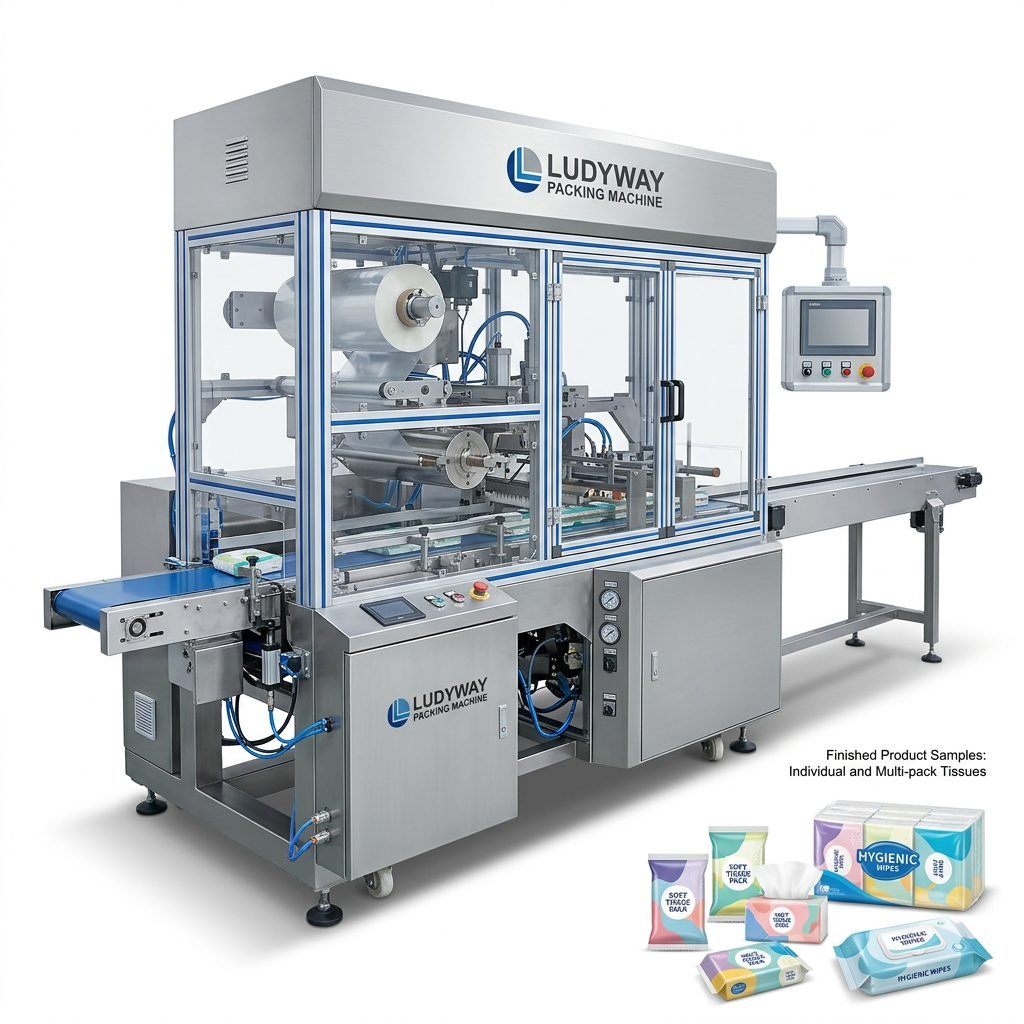
The frozen novelty market in the United States continues to expand, driven by consumer demand for convenient, refreshing treats. For manufacturers looking to capitalize on this growth, establishing an efficient ice pop packaging machine production line requires careful planning, the right equipment, and strict adherence to U.S. regulatory standards. This guide walks you through the essential steps to build a high-performance packaging operation from the ground up.

Understanding the U.S. Ice Pop Market and Packaging Requirements
Before investing in machinery, it is critical to understand the landscape. The U.S. market favors single-serve stick packs, sachets, and flow-wrapped pouches for ice pops. Packaging formats typically include liquid-filled tubes that are frozen after sealing. Key considerations include material compatibility with low-temperature storage, leak-proof sealing integrity, and high-speed throughput to meet seasonal demand spikes. According to data from the PMMI Business Intelligence Library, flexible packaging machinery orders in North America have seen consistent year-over-year growth, reflecting the shift toward convenient, portable formats.
Step 1: Facility Planning and Infrastructure Setup
Your production facility must comply with FDA food safety regulations and local building codes. Evaluate the following elements before equipment installation:
- Floor Space: Allocate sufficient area for raw material storage, mixing tanks, the packaging line, freezing tunnels, and finished goods cold storage.
- Utilities: Ensure reliable access to three-phase electrical power, compressed air, potable water, and drainage systems suitable for food processing environments.
- Environmental Controls: Maintain proper ventilation and temperature control in areas where liquid ingredients are handled and packaged.
- Cleanroom Classification: Depending on product formulation, a controlled environment may be required to prevent contamination.
Step 2: Selecting the Right Ice Pop Packaging Equipment
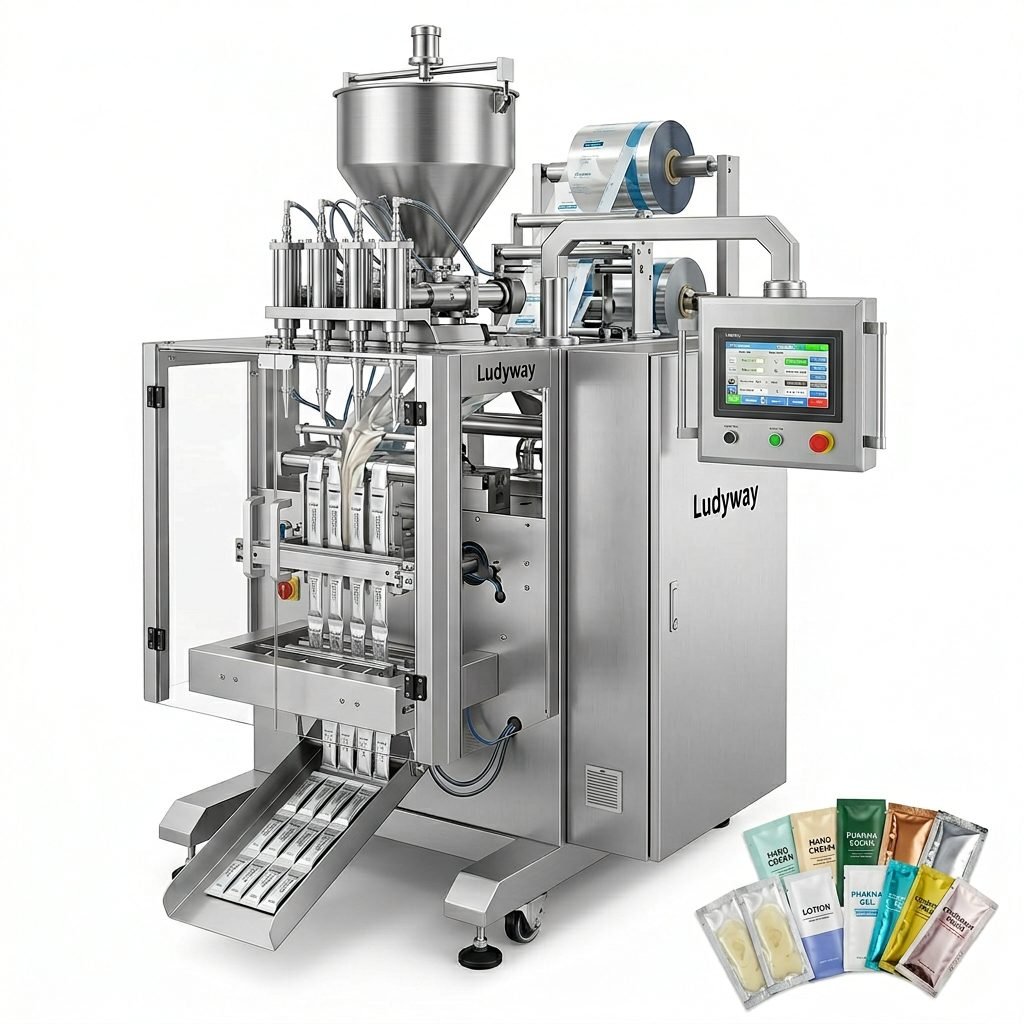
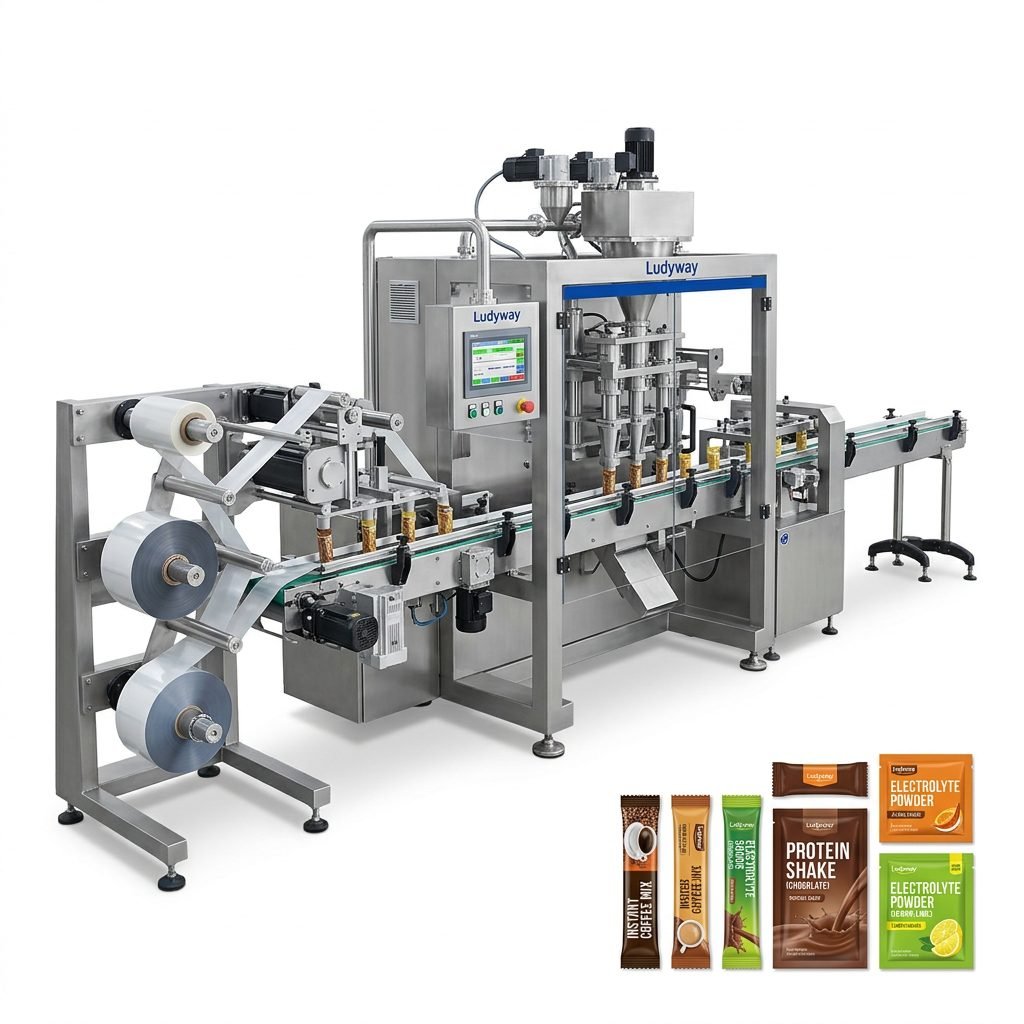
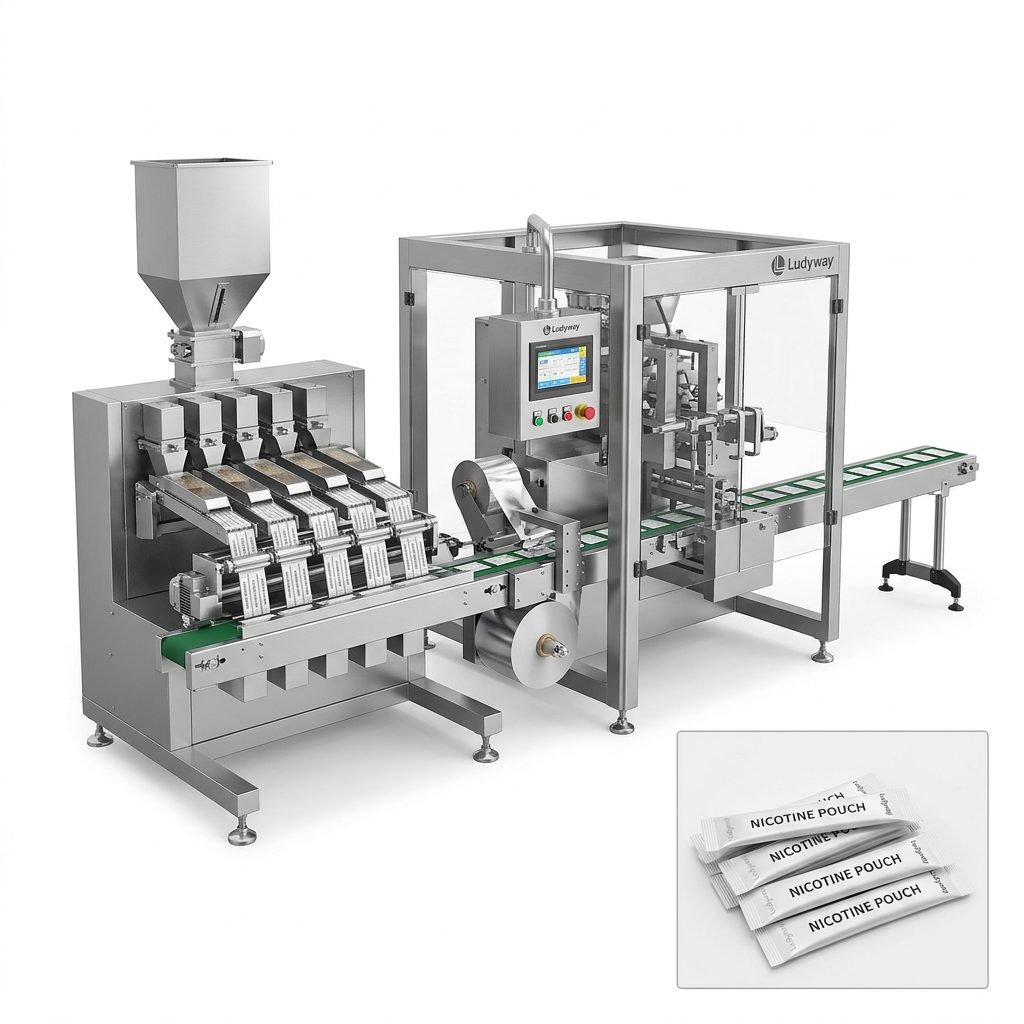
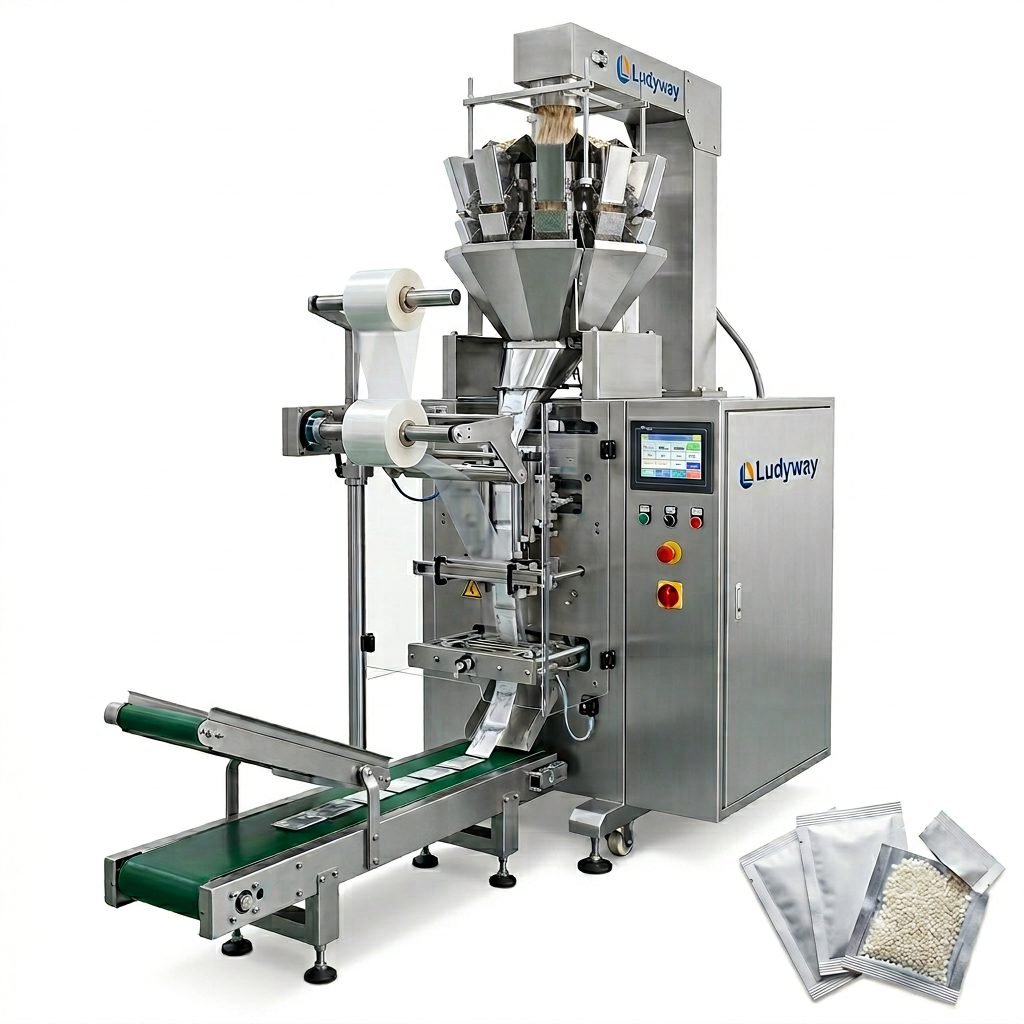
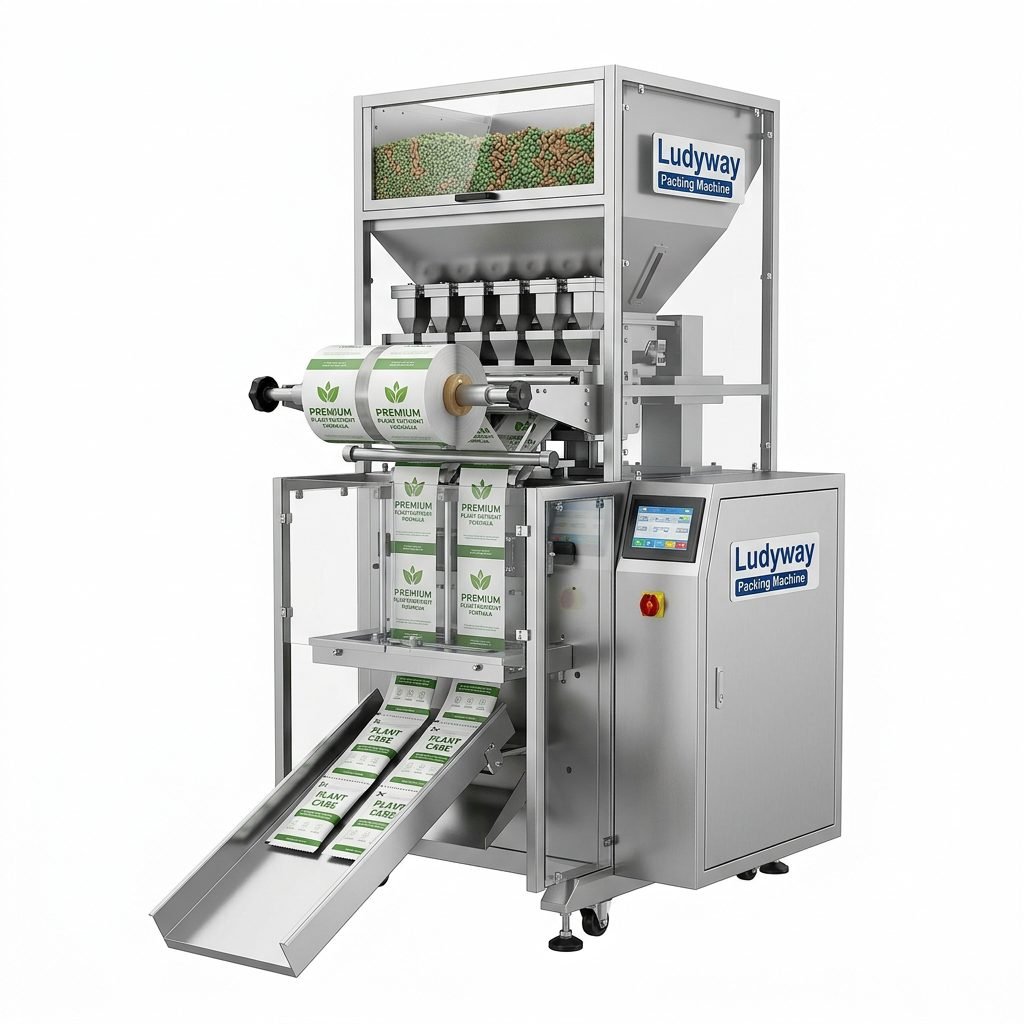
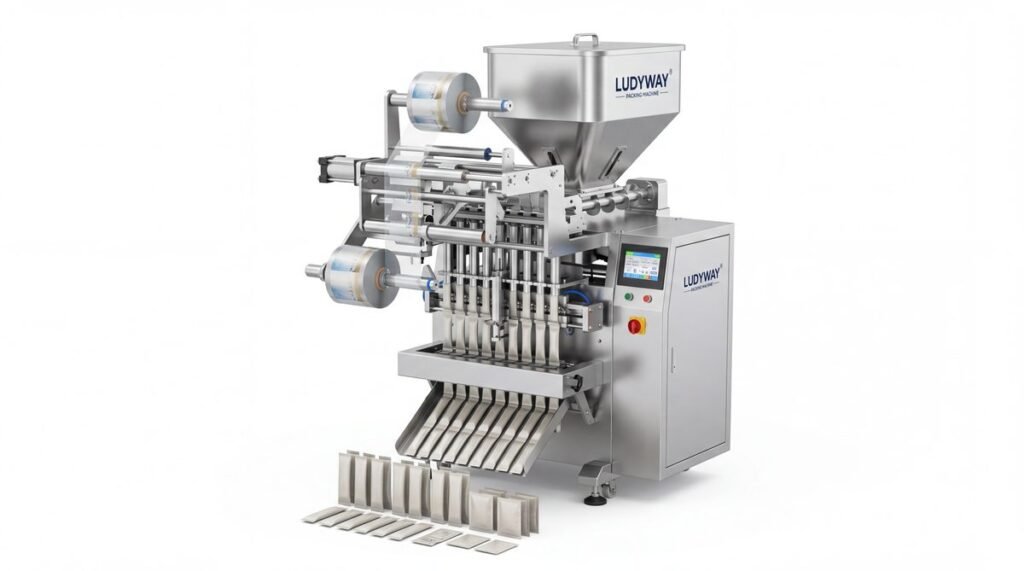
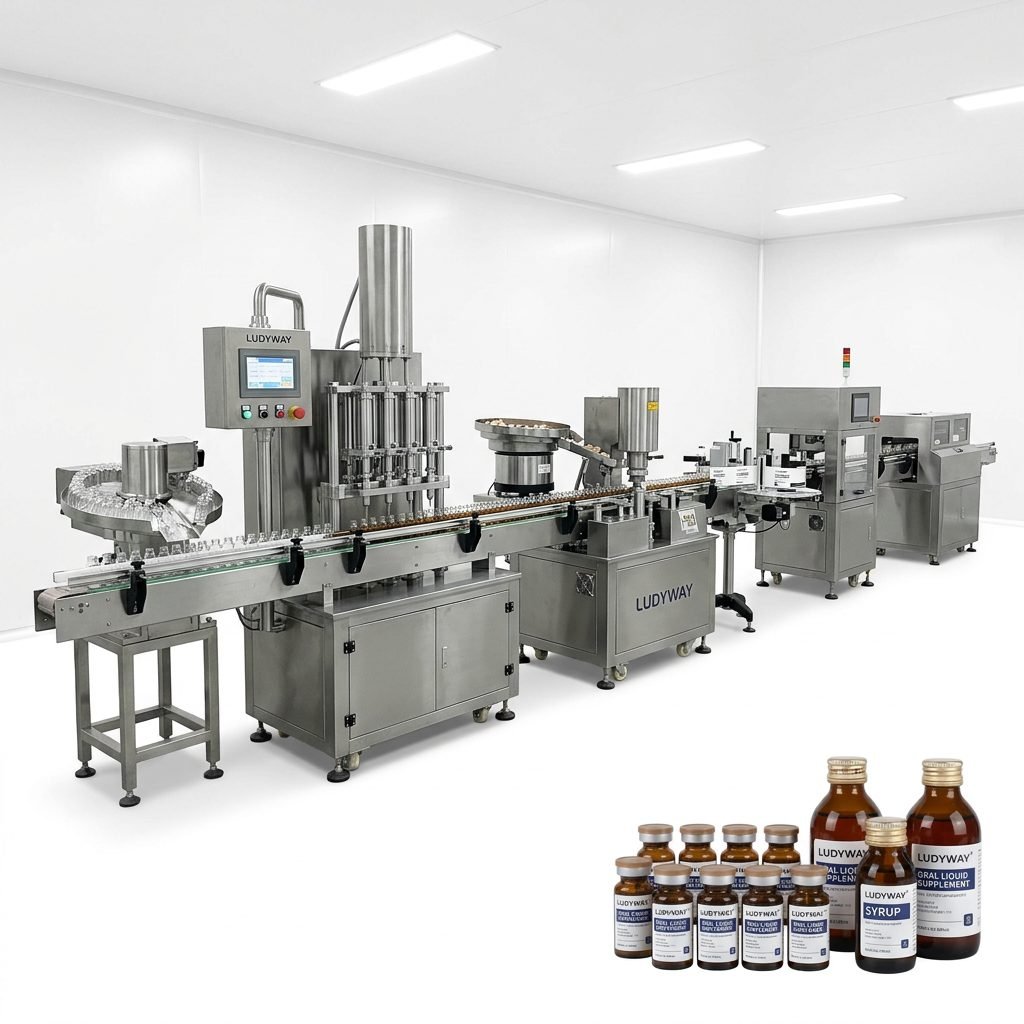
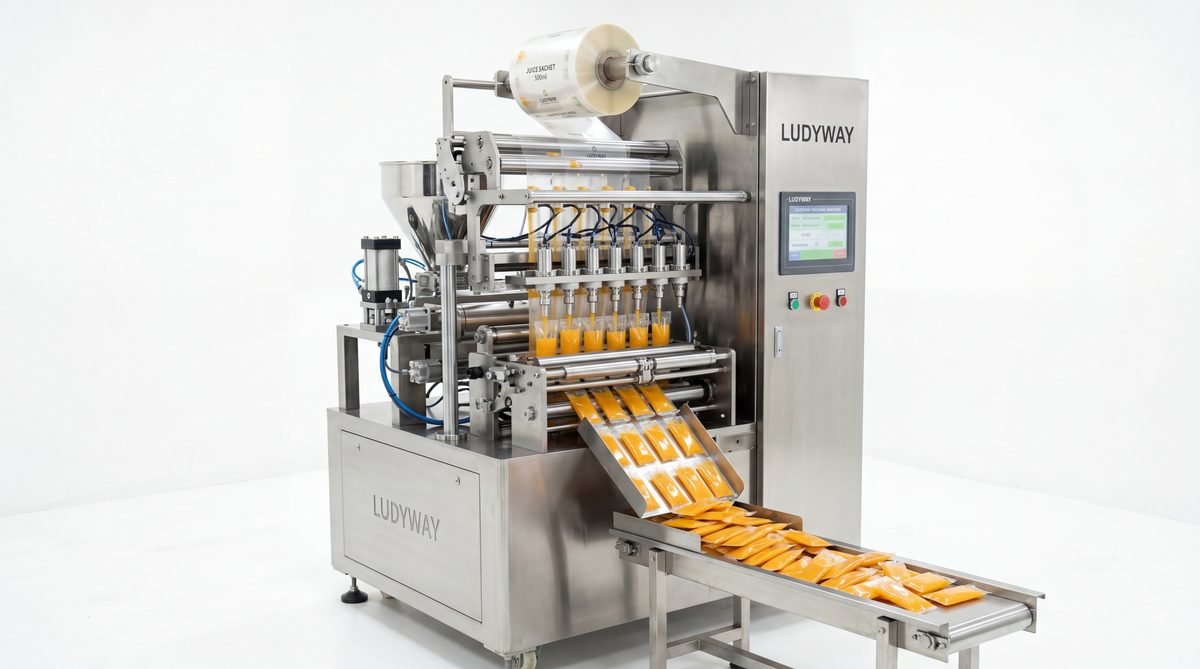
Choosing the optimal machinery is the core of a successful production line. Ice pop packaging typically involves vertical form-fill-seal (VFFS) technology or dedicated stick-pack machines capable of handling low-viscosity to medium-viscosity liquids. Below is a comparison of common equipment types:
| Machine Type | Best For | Speed Range | Key Feature |
|---|---|---|---|
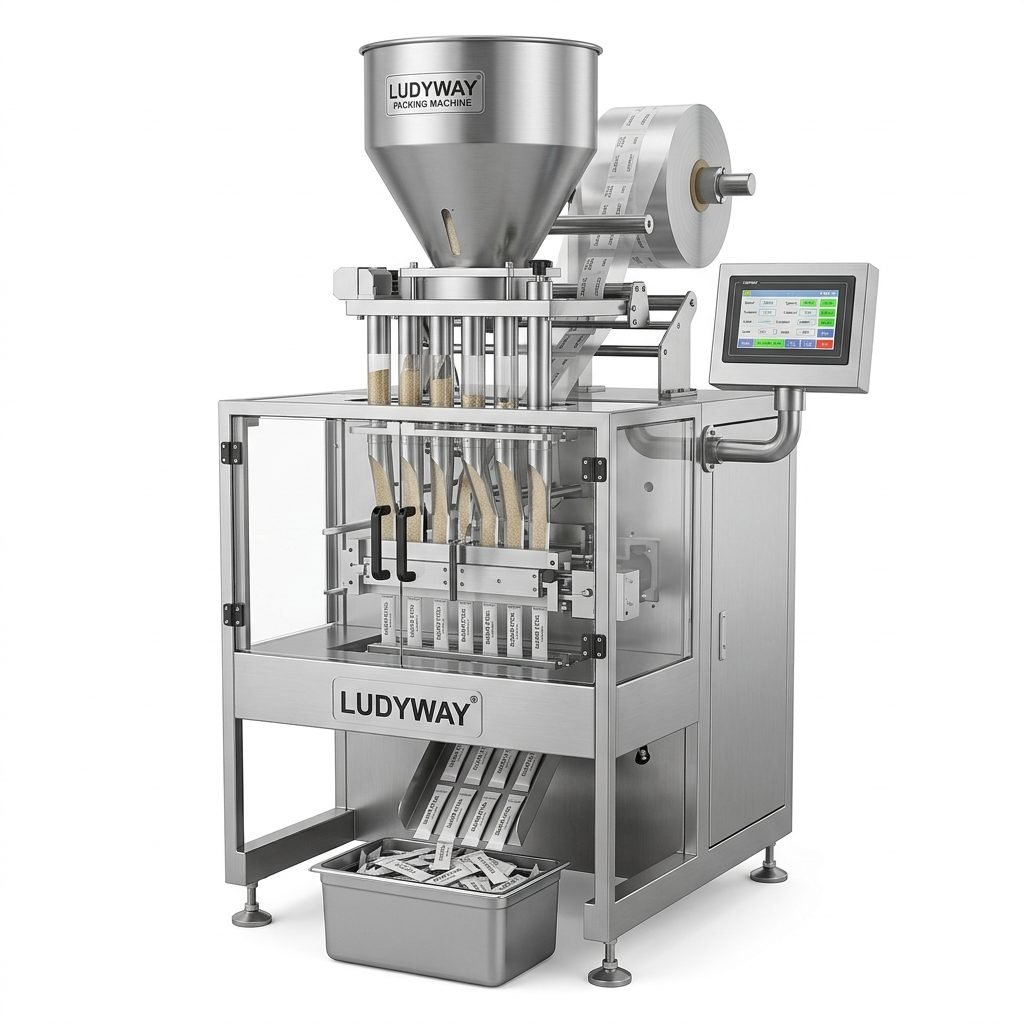
| Multi-Lane Stick Pack Machine | Single-serve liquid ice pops | 200-600 packs/min | Compact format, precise fill accuracy |
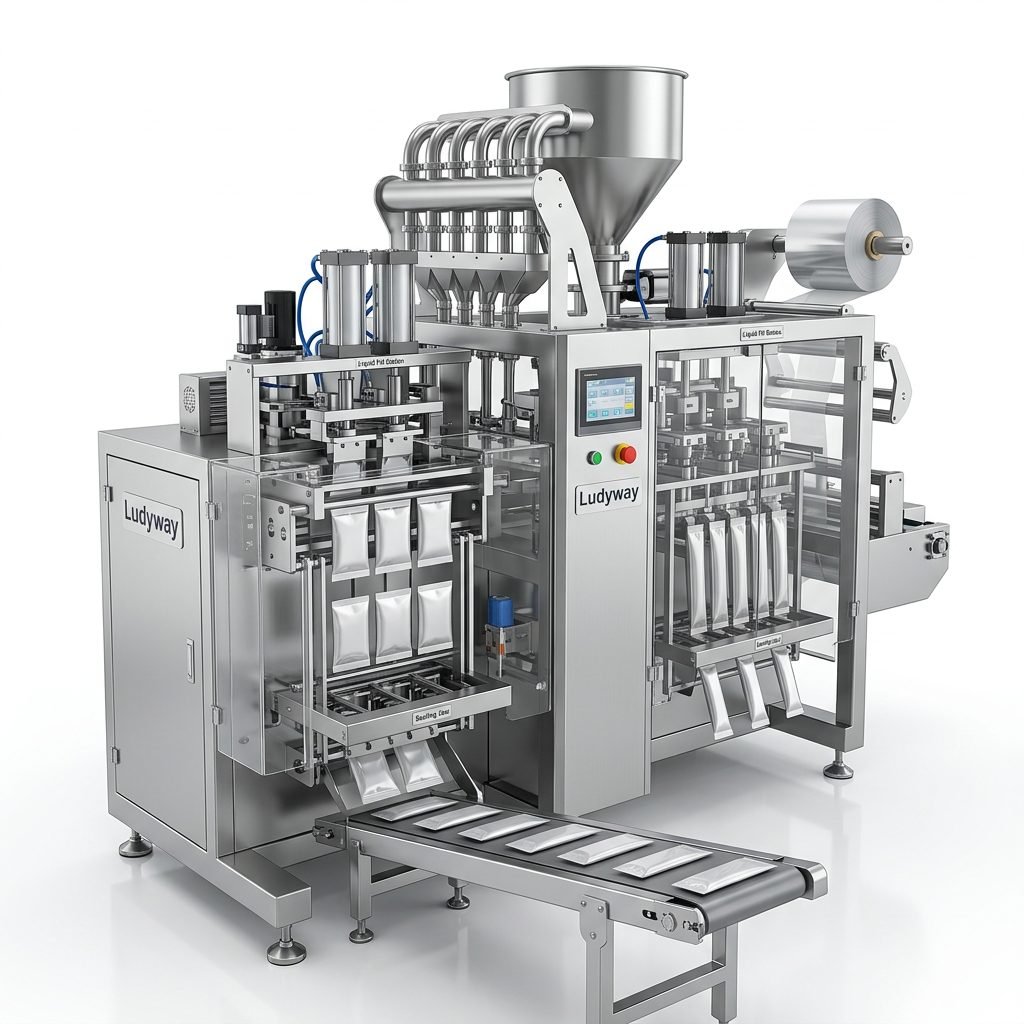
| Sachet Packaging Machine | Flat pouch ice pops | 150-400 packs/min | Versatile film compatibility, leak-proof seals |
| Horizontal Flow Wrapper | Pre-formed tube ice pops | 100-300 packs/min | Gentle product handling, high seal integrity |
| Inline Liquid Filling System | Bottle or vial formats | 50-200 units/min | Volumetric or piston filling, CIP compatible |
When evaluating suppliers, prioritize those offering packaging machinery standards compliance and documentation that aligns with U.S. expectations. Equipment should include features such as servo-driven sealing jaws, temperature-controlled film paths, and integrated CIP (Clean-in-Place) systems.
Step 3: Integrating Ancillary Equipment and Automation
A complete ice pop packaging production line extends beyond the primary packaging machine. Seamless integration of upstream and downstream equipment ensures continuous operation and minimizes labor costs. Essential ancillary components include:
- Inline Mixing and Holding Tanks: Stainless steel tanks with agitators to maintain product homogeneity before filling.
- Product Transfer Pumps: Sanitary positive displacement or centrifugal pumps designed for food-grade liquid transfer.
- Checkweighers and Metal Detectors: Critical for quality assurance and compliance with FDA food packaging regulations.
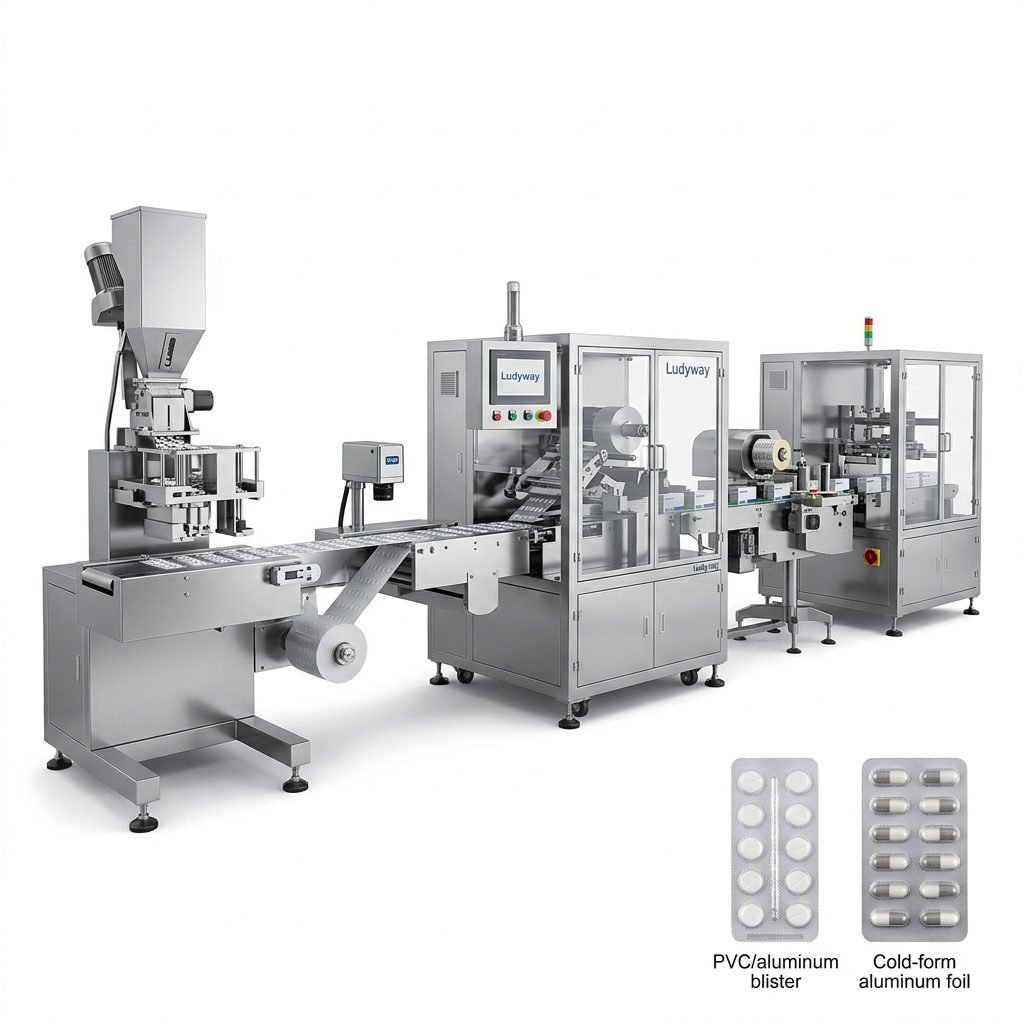
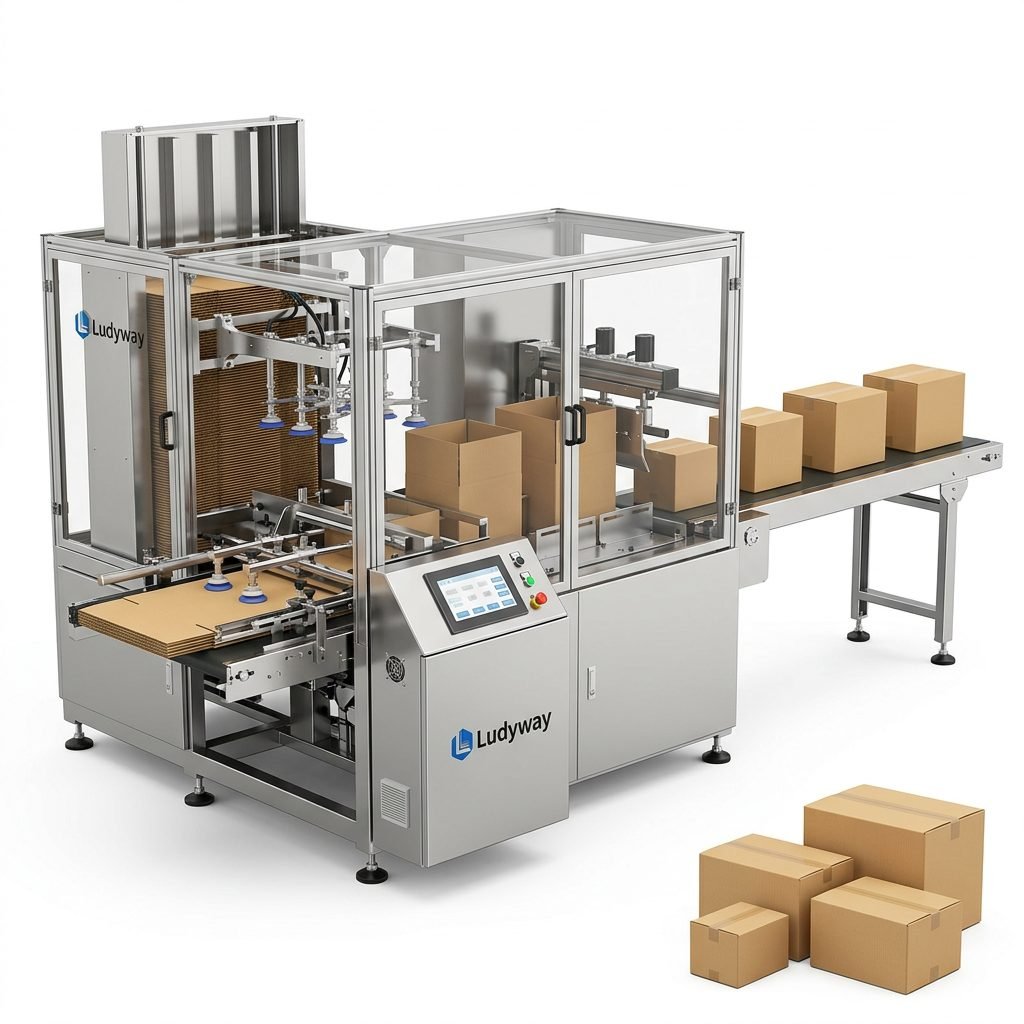
- Automatic Cartoning Machines: For secondary packaging, collating individual ice pops into retail-ready cartons.
- Palletizing Systems: Automated end-of-line solutions to stack finished cases for cold storage distribution.
Step 4: Packaging Material Selection and Sustainability
The choice of packaging film directly impacts product shelf life, appearance, and environmental footprint. Ice pop packaging commonly uses multi-layer laminated films that combine barrier properties with printability. Consider the following material options:
- PET/PE Laminates: Excellent clarity and moisture barrier, suitable for transparent packaging.
- Metallized PET/PE: Enhanced light and oxygen barrier, extending frozen shelf life.
- Recyclable Mono-Material Structures: Growing demand for sustainable packaging aligns with retailer and consumer expectations.
The Flexible Packaging Association provides valuable resources on U.S. packaging material trends and regulatory guidance. Additionally, ensure all food-contact materials meet FDA food contact substance requirements.
Step 5: Quality Control and Regulatory Compliance
Operating a packaging line in the United States demands rigorous quality control protocols. Implement a comprehensive quality management system that addresses:
- Fill Weight Verification: Regular sampling and checkweighing to maintain net content compliance per NIST Handbook 133.
- Seal Integrity Testing: Burst testing and dye penetration tests at defined intervals throughout production runs.
- Metal and Foreign Object Detection: Inline detection systems calibrated to reject contaminated packages automatically.
- Traceability Systems: Batch coding and date marking using high-resolution inkjet or laser systems for full lot tracking.
- Sanitation SOPs: Documented cleaning procedures validated to meet FDA Current Good Manufacturing Practice (CGMP) requirements.
Step 6: Workforce Training and Production Optimization
Even the most advanced ice pop packaging machine requires skilled operators to achieve peak performance. Invest in comprehensive training programs covering machine operation, changeover procedures, troubleshooting, and sanitation. Partner with equipment providers that offer on-site installation support and ongoing technical assistance. Regular preventive maintenance schedules should be established to minimize downtime during peak summer production periods.
Step 7: Cost Analysis and ROI Considerations
Understanding the financial investment required for a complete ice pop packaging line helps in securing funding and setting realistic timelines. Below are typical cost categories to consider when budgeting your project:
| Cost Category | Estimated Range (USD) | Notes |
|---|---|---|
| Primary Packaging Machine | $80,000 – $250,000 | Multi-lane stick pack or sachet VFFS unit |
| Ancillary Equipment | $40,000 – $120,000 | Pumps, conveyors, checkweighers, metal detectors |
| Freezing Tunnel System | $60,000 – $200,000 | Spiral or tunnel freezer for post-packaging freezing |
| Installation and Commissioning | $15,000 – $50,000 | Includes rigging, utility connections, and startup |
| Training and Documentation | $5,000 – $15,000 | Operator training, SOP development, validation support |
Return on investment typically improves significantly with higher automation levels, reduced labor dependency, and consistent output quality. Review the PMMI State of the Industry 2025 report for broader packaging sector benchmarks that can inform your financial projections.
Partnering with Experienced Equipment Manufacturers
When establishing a packaging line in the United States, working with a manufacturer that understands international standards is invaluable. Ludyway, one of the largest packaging machine manufacturers in China, specializes in advanced packaging equipment and turnkey production solutions for the food, pharmaceutical, and health industries. With over 30 years of industry expertise and a modern 20,000㎡ manufacturing facility, they provide reliable systems for liquid, granule, and powder packaging applications across more than 50 intelligent machine models. Supporting customers in over 100 countries, their engineering team delivers customized production lines that help businesses improve productivity, product quality, and operational efficiency.

Key Resources for U.S. Packaging Operations
- PMMI – The Association for Packaging and Processing Technologies
- Flexible Packaging Association – Official Website
- FDA – Food Packaging and Food Contact Substances
- ISO – Packaging Standards
- PACK EXPO International – Packaging Trade Show
- U.S. EPA – Sustainable Materials Management
Setting up an ice pop packaging machine production line in the United States is a significant undertaking that requires thorough planning, the right technology partners, and a commitment to quality and compliance. By following the structured approach outlined above and leveraging industry resources, manufacturers can build a competitive, efficient operation ready to serve the growing frozen novelty market.