Establishing a sandwich packaging machine production line in North America is a strategic move for food manufacturers looking to meet rising demand for convenience foods. Whether you are producing cold-cut sandwiches, hot paninis, or breakfast wraps, the efficiency and reliability of your packaging operation directly impact shelf life, food safety, and brand perception. This guide breaks down the key considerations for setting up your line, from selecting the right equipment to understanding total costs and navigating complex regulatory standards.
Understanding the Core Equipment for Sandwich Packaging
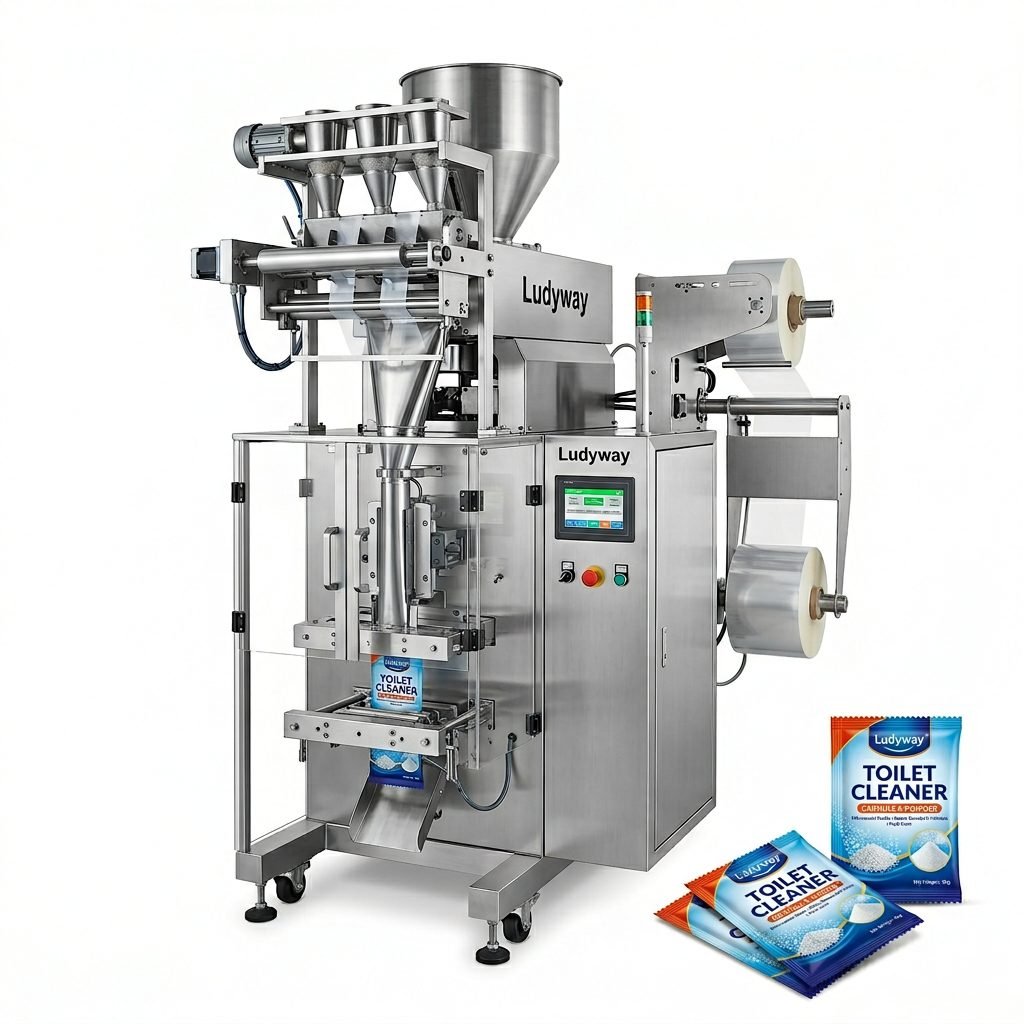
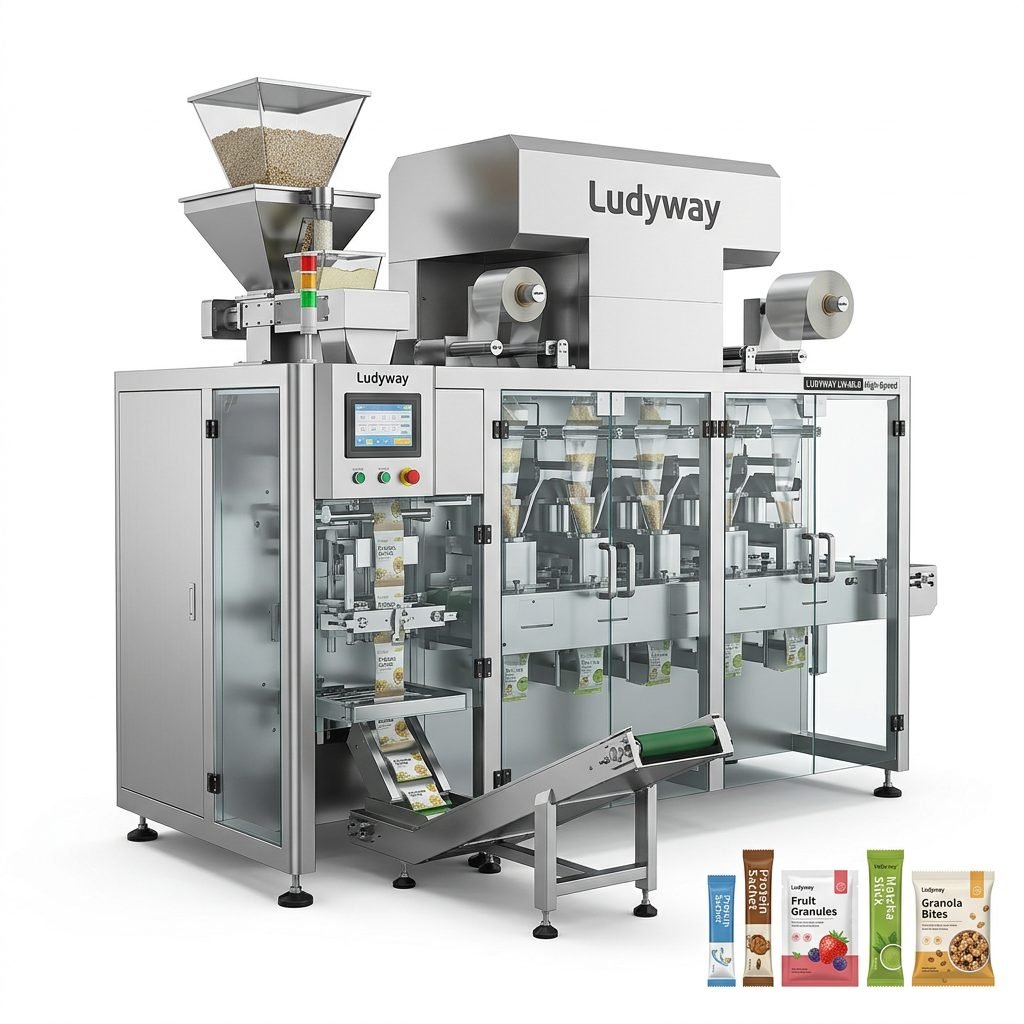
Choosing the correct machinery is the foundation of your production line. The most common configurations for sandwich packaging include horizontal flow wrapping, vertical form fill seal (VFFS) adapted for bakery, and thermoforming systems. The choice depends on your product format—triangular, rectangular, or sub-style sandwiches—and the desired packaging material, such as flexible film or rigid trays.
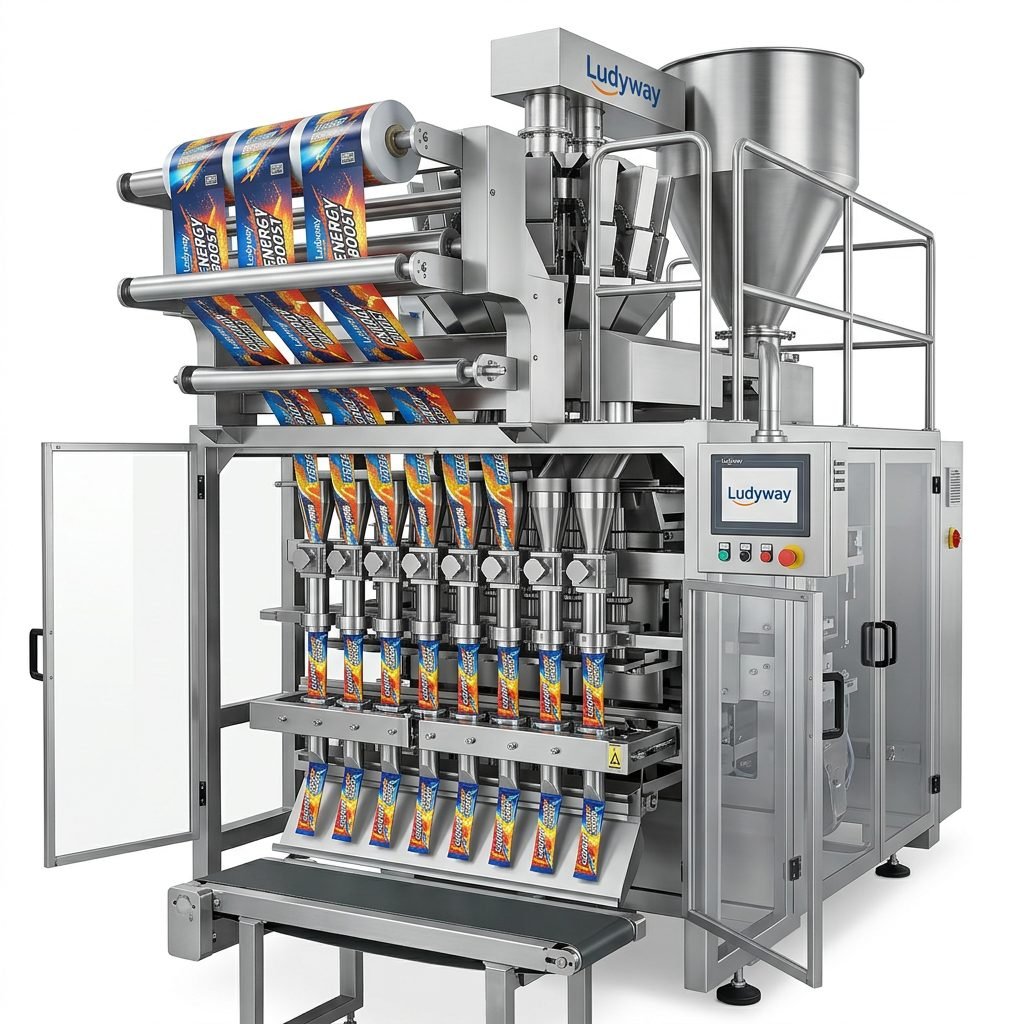
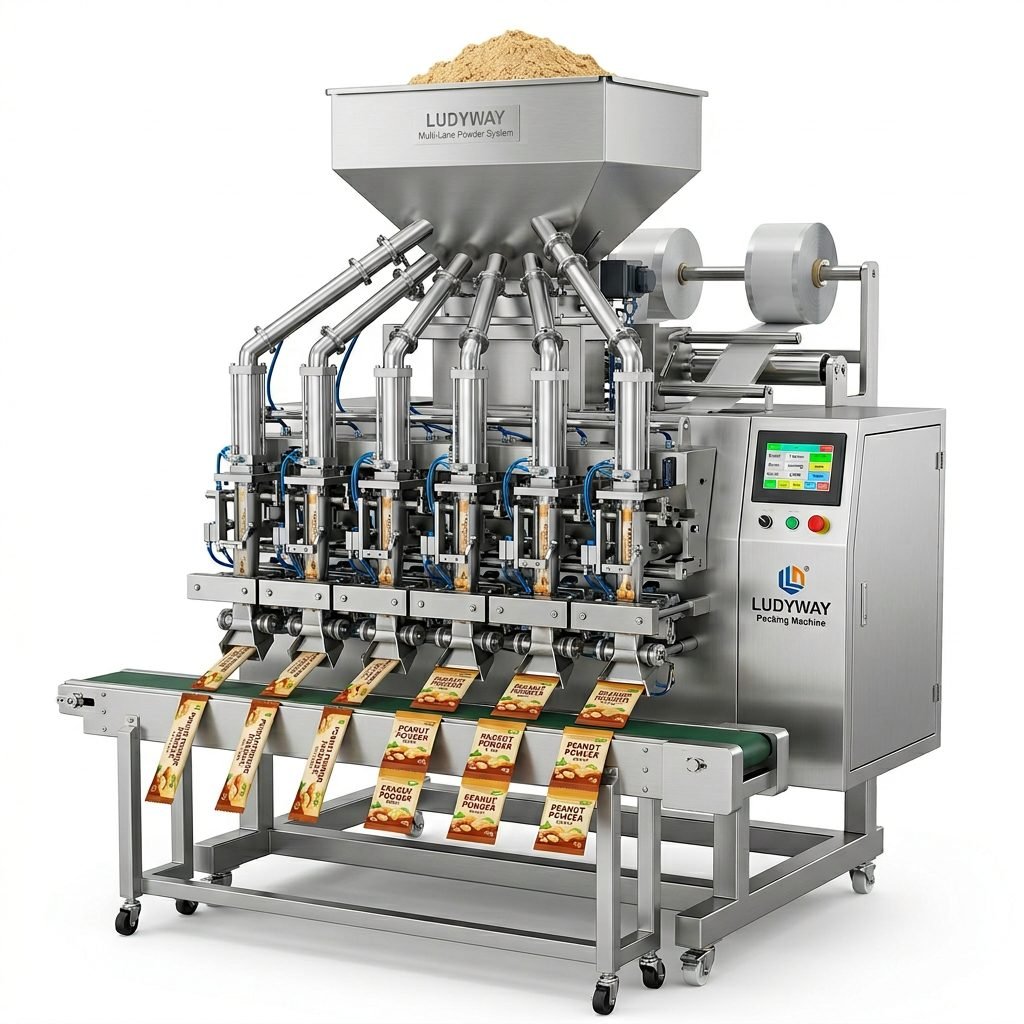
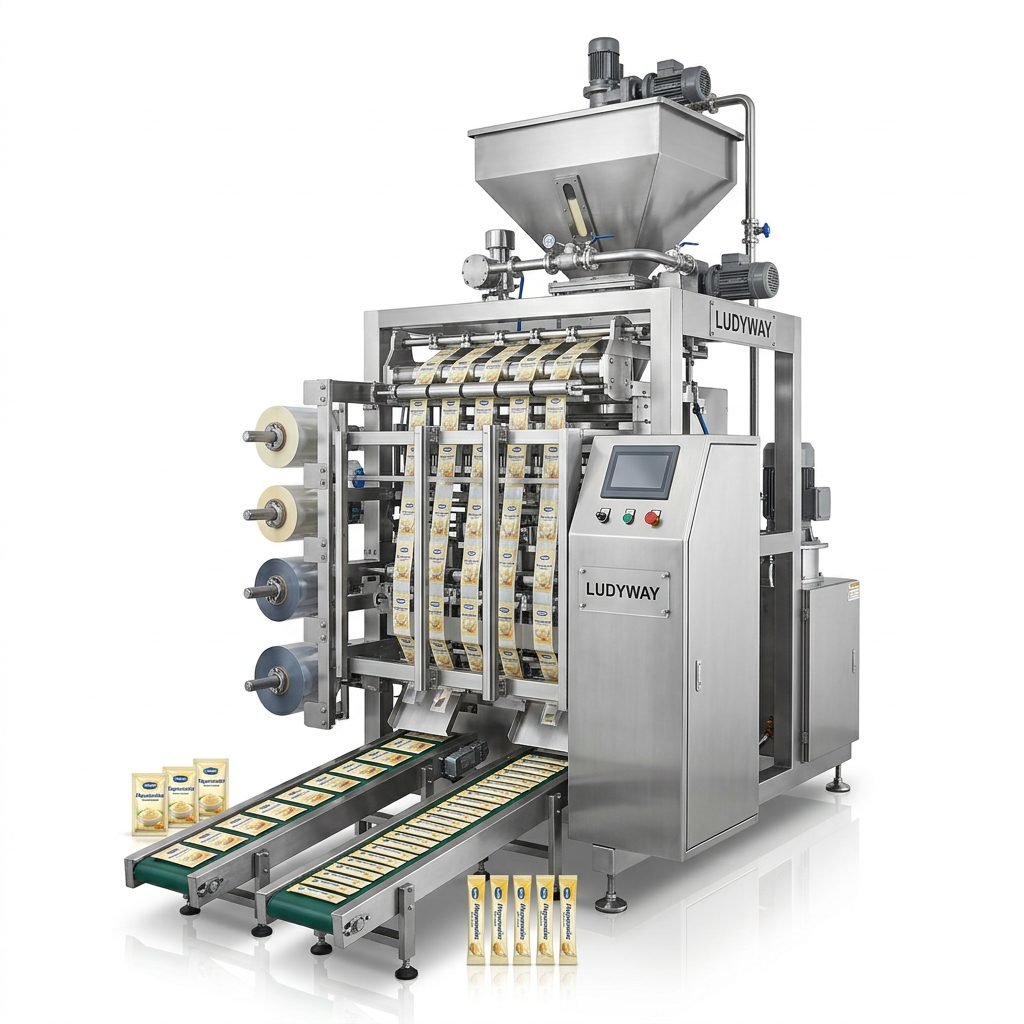
Flow wrapping machines are dominant in the sandwich industry due to their speed and ability to create airtight seals. Key equipment components typically involve an infeed conveyor, automatic card or tray denester, the main wrapper, and a discharge system. For high-volume operations, integrating a multi-lane packaging machine can dramatically increase throughput by processing multiple sandwiches simultaneously.
Automated Infeed and Alignment Systems
Manual feeding creates bottlenecks and inconsistent seals. An automated infeed with servo-driven lugs ensures each sandwich is precisely spaced. Vision-guided robots are increasingly used to pick and place delicate sandwiches without deforming the bread. Synchronizing the infeed with the flow wrapper’s film speed is critical to avoid film jams and product waste.
Modified Atmosphere Packaging (MAP) Technology
To extend shelf life beyond a few days, MAP is essential. This process replaces oxygen inside the package with a mixture of carbon dioxide and nitrogen. Modern sandwich packaging lines feature integrated gas flushing systems. When looking at a turnkey packaging line, ensure the sealer can maintain a residual oxygen level below 1% to inhibit mold growth effectively.
Estimating the Total Costs of Your Production Line
Budgeting for a sandwich packaging line in North America means looking beyond the equipment purchase price. You must factor in installation, training, facility modifications, and ongoing operational expenses. The table below summarizes a typical cost breakdown for a mid-range automated line.
| Cost Category | Estimated Range (USD) | Percentage of Total |
|---|---|---|
| Primary Flow Wrapper | $80,000 – $180,000 | 35% – 40% |
| Automated Infeed/Collation | $35,000 – $75,000 | 15% – 20% |
| MAP Gas System & Analyzers | $25,000 – $50,000 | 10% – 12% |
| Labeling & Coding Printers | $15,000 – $30,000 | 6% – 8% |
| Installation & Training | $20,000 – $40,000 | 8% – 10% |
| Facility Utilities Prep | $15,000 – $35,000 | 7% – 10% |
| Total Estimated Investment | $190,000 – $410,000 | 100% |
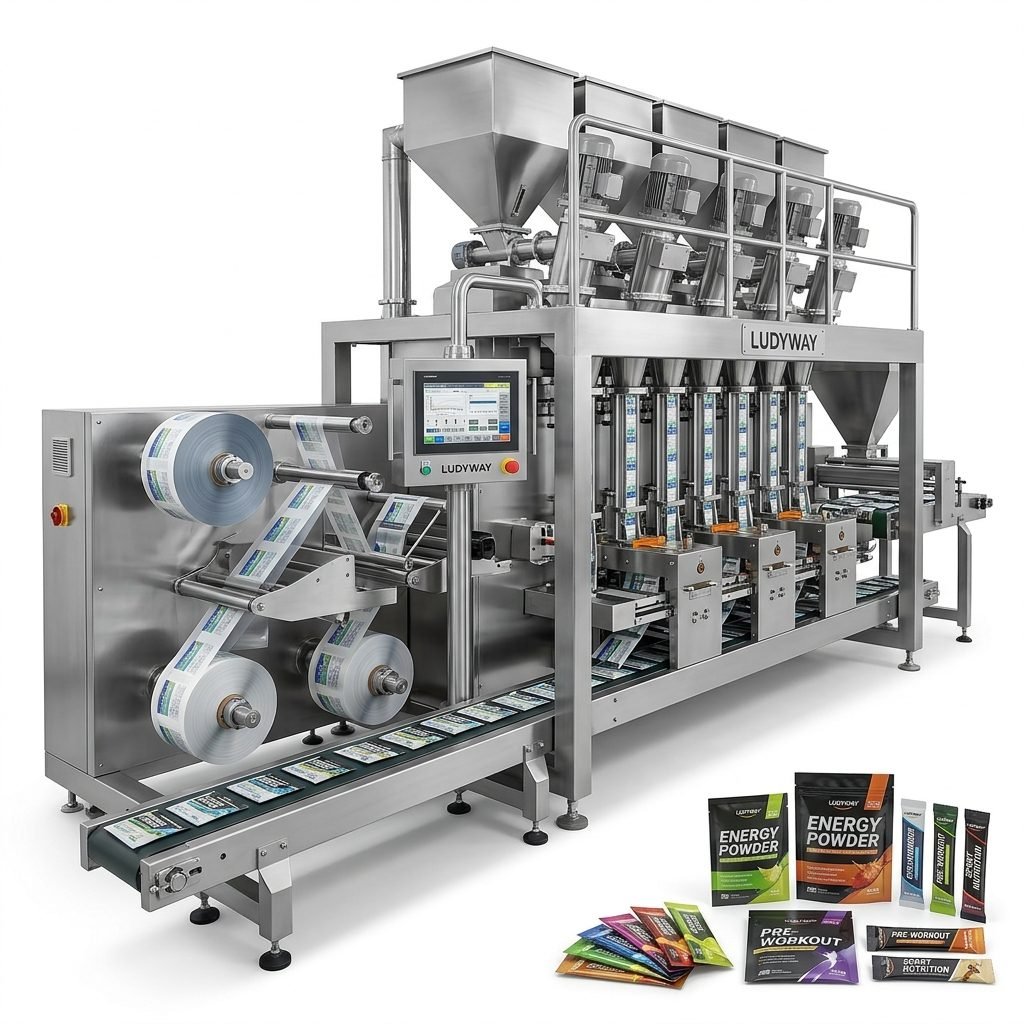
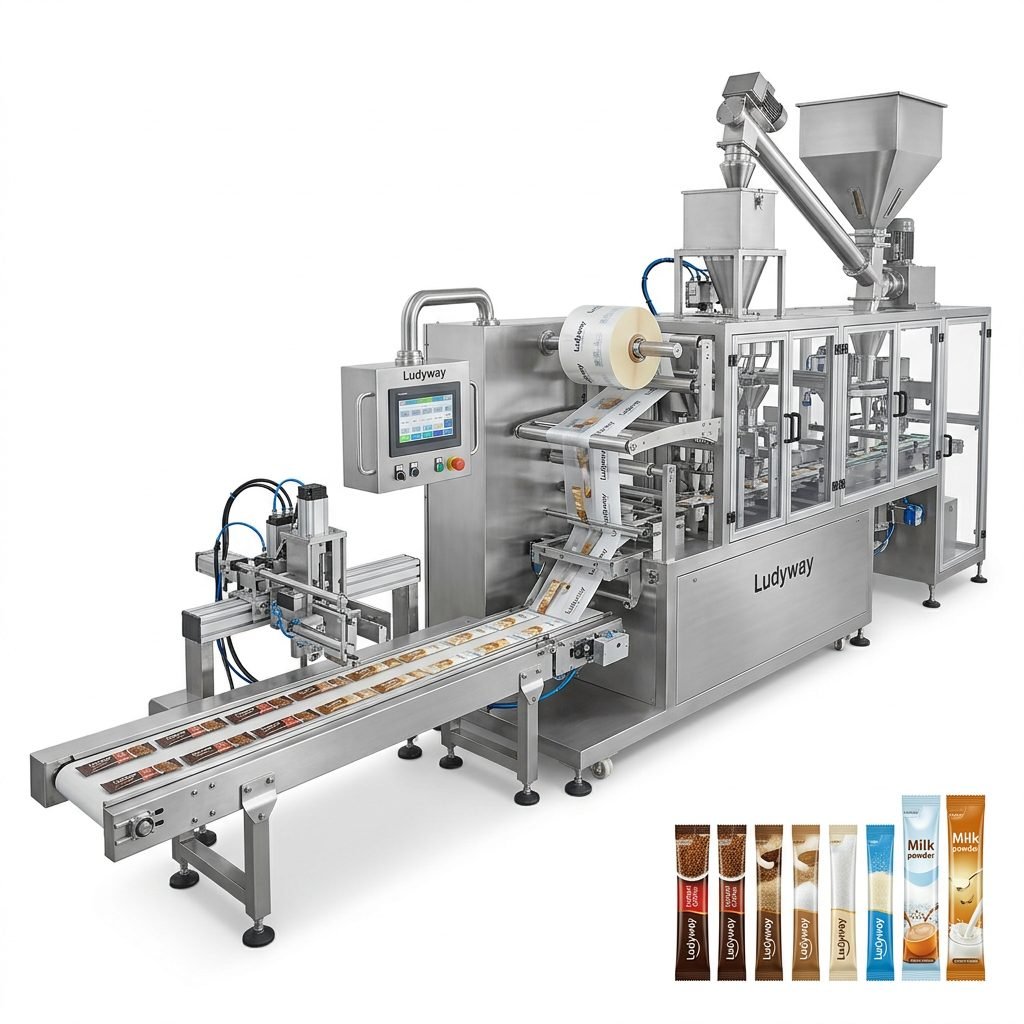
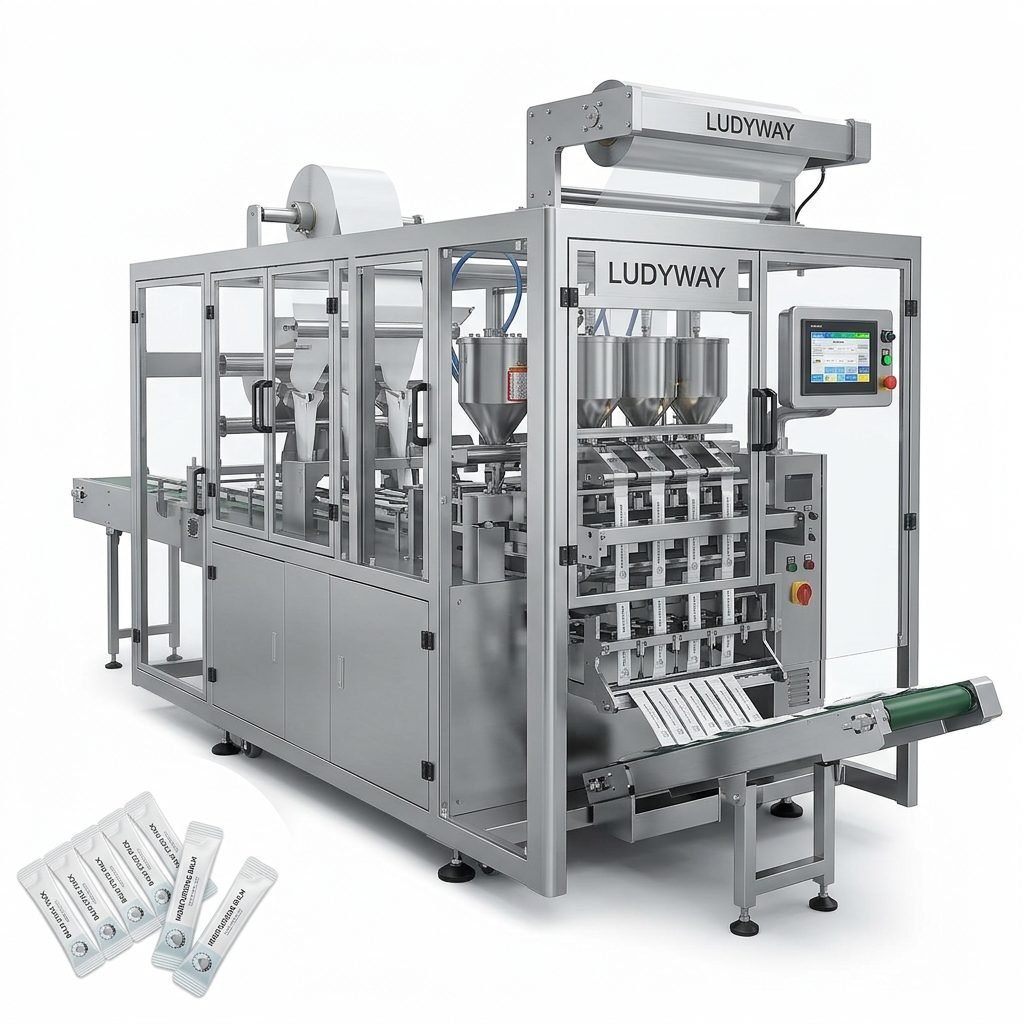
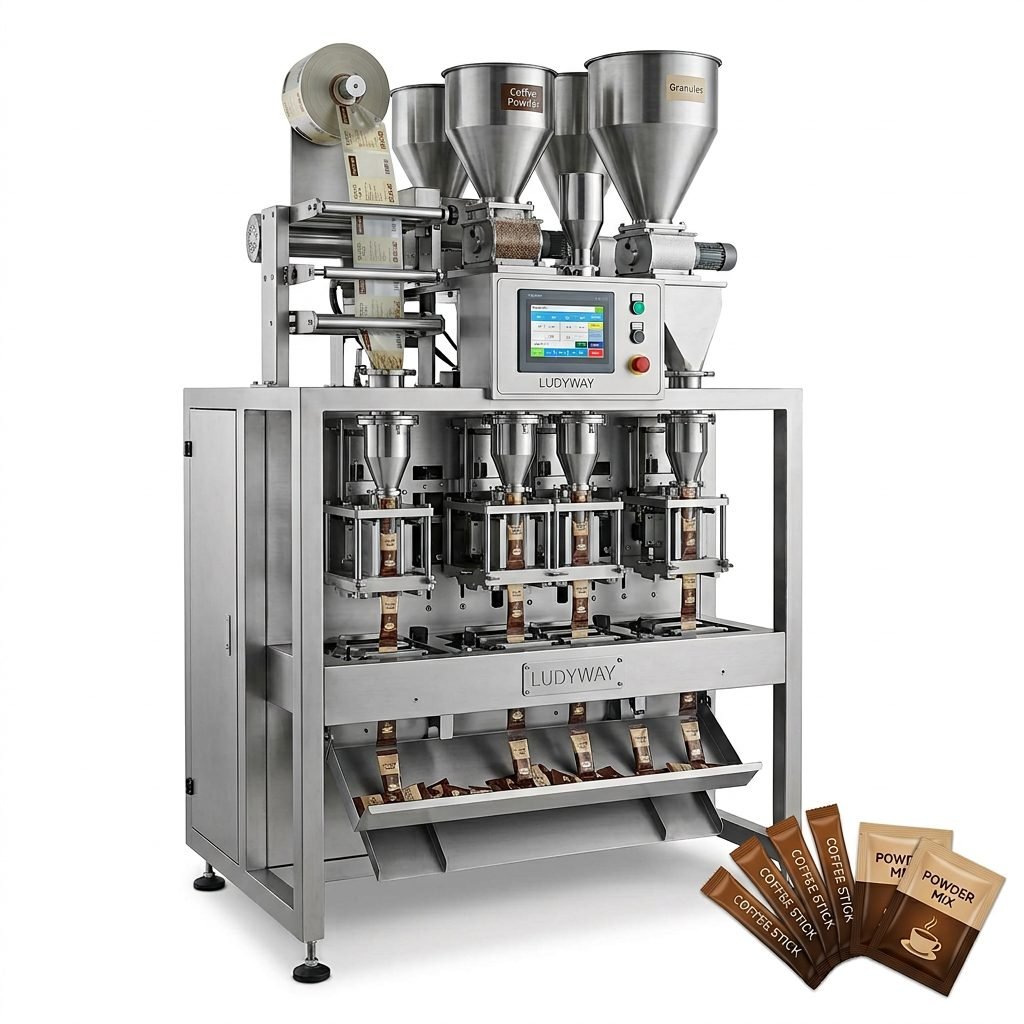
Operational costs heavily depend on labor efficiency and film consumption. High-speed lines can reduce the cost per package significantly. Using a multi-lane stick pack machine for smaller format sandwiches or snack packs can minimize film waste due to precise width controls.
Navigating North American Regulations
Food packaging in the United States and Canada is strictly regulated. Your machinery must meet sanitation standards, and the final package must comply with labeling laws. Key regulatory bodies include the FDA in the U.S. and the CFIA in Canada. The primary concern is that the food contact surface of the packaging film and any adhesives must be classified as Generally Recognized as Safe (GRAS).
FDA 21 CFR Compliance
Your equipment design should follow Current Good Manufacturing Practices (cGMP). This means the machine must be cleanable and constructed of sanitary materials like stainless steel 304 or 316. Validation documentation (IQ/OQ/PQ) is often required for pharmaceutical-style sandwich packaging, but major retailers also demand strict quality assurance protocols from food producers.
Labeling and Nutritional Facts
Beyond the machine, the labels applied must comply with FDA formatting rules. If your line includes a automatic labeling machine, ensure it can accurately apply high-resolution, scannable barcodes and date codes. Traceability is mandatory, and batch coding on the sandwich package must be highly legible to handle recalls efficiently.
Production Line Layout and Integration
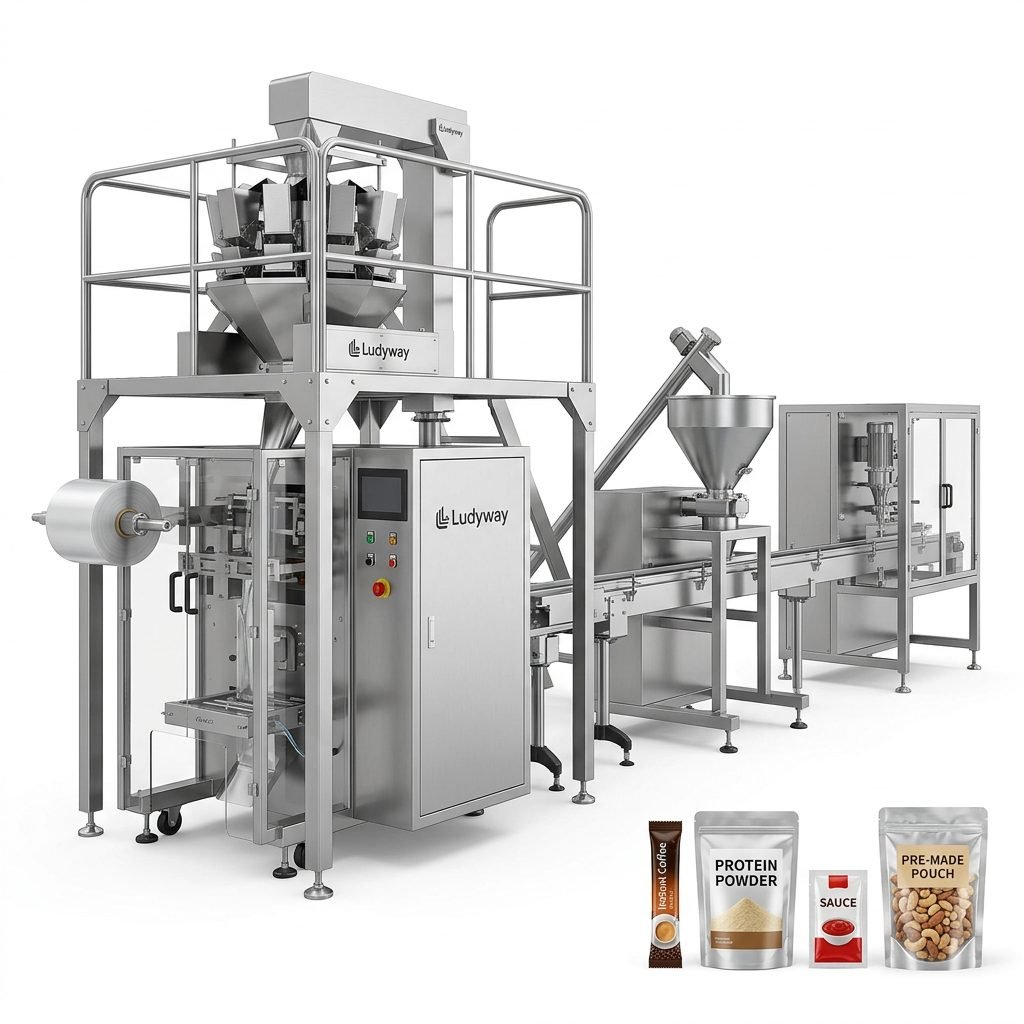
A well-planned layout maximizes throughput. The standard U-shape or linear layout reduces operator movement. It is vital to place critical control points like metal detectors and checkweighers immediately after the sealing jaws.
- Primary Filling Zone: Houses the flow wrapper or tray sealer. Position this away from raw ingredient areas to prevent cross-contamination.
- Inspection Zone: Includes an X-ray inspection system or metal detector. Reject systems automatically purge non-conforming packages.
- Secondary Packaging: Integration of a cartoning line to collate wraps into shelf-ready cartons.
- End-of-Line: Palletizing robots or stretch wrappers ready goods for distribution.
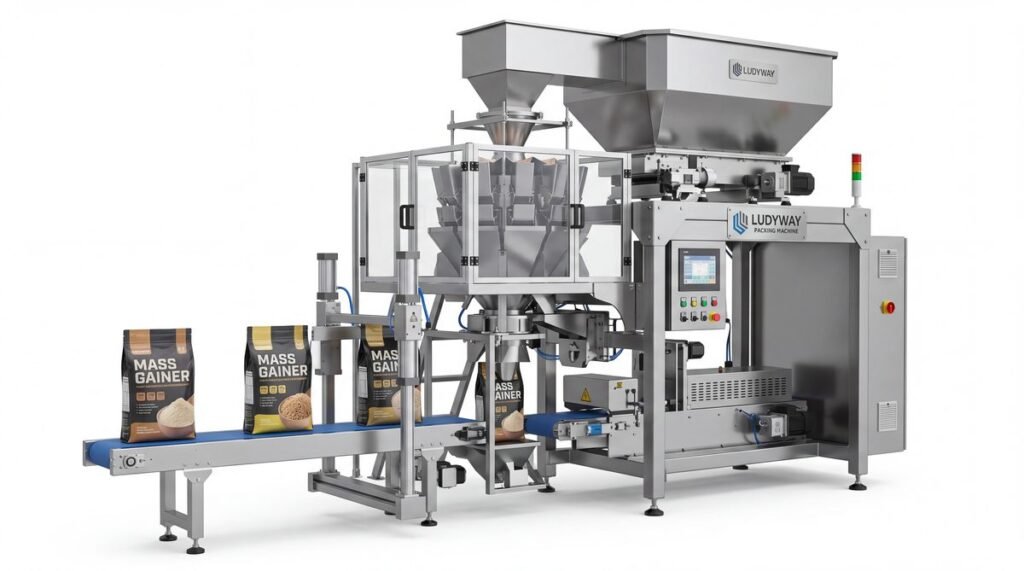
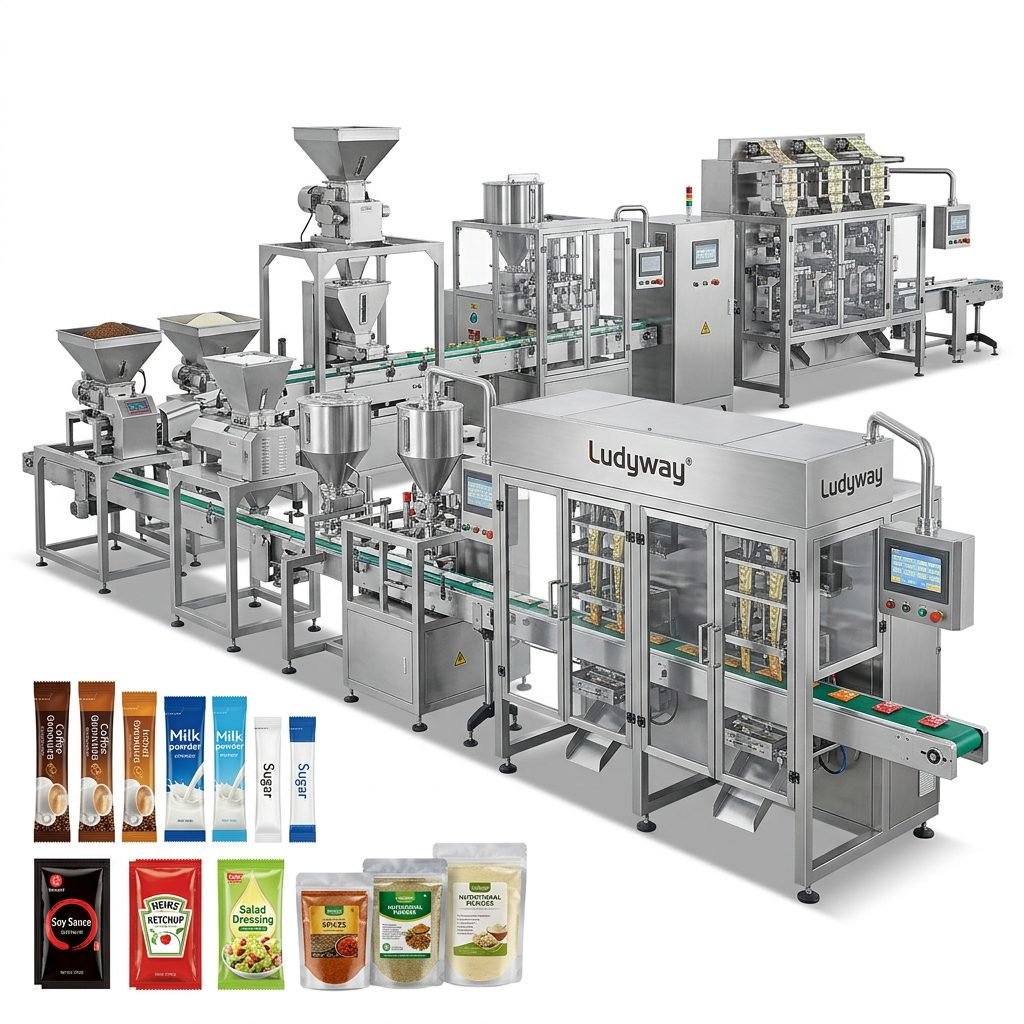
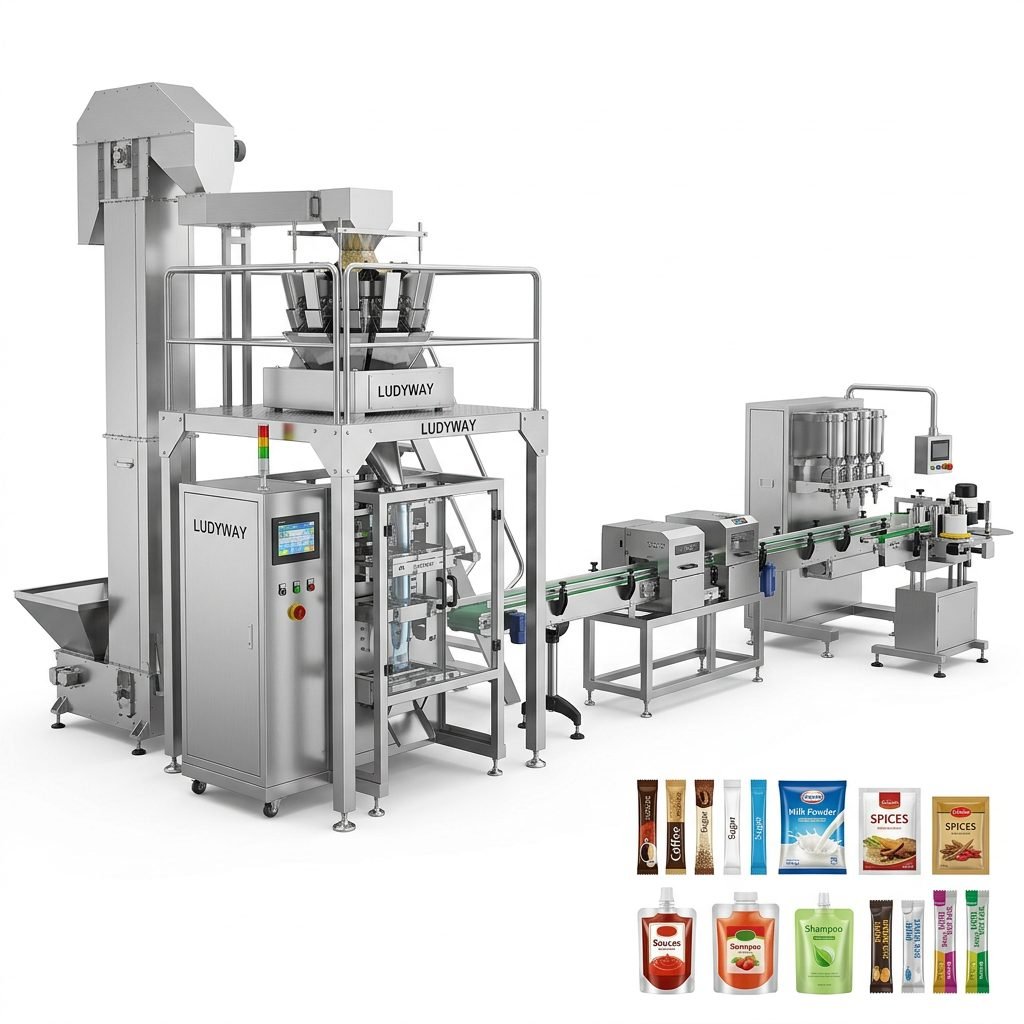
Integrating a turnkey solution that includes conveyors, coders, and packaging machines from a single expert can simplify accountability. Companies like Ludyway offer integrated systems that span from product infeed to palletizing, reducing the complexity of multi-vendor coordination.
Key Considerations for Film and Material Selection
The packaging film is just as important as the machine. Sandwich packaging often uses laminated films with high oxygen barriers (EVOH or PVdC). You must coordinate your film selection with the machine’s sealing temperature and jaw design. Cold-seal films are an option for heat-sensitive products like chocolate-filled croissants, but they typically run slower than heat-seal films.
Sustainability Trends in North America
There is a strong shift toward mono-material recyclable films. While these films can be trickier to seal on older machinery, modern servo-driven machines handle the narrow sealing windows effectively. Renewable plant-based films are also gaining traction, requiring precise tension control to avoid stretching during high-speed cycles.
Ensuring Food Safety and Sanitary Design
Sanitary design is non-negotiable. Equipment must have sloped surfaces, minimal flat spots, and easy access for cleaning. IP65 or higher washdown ratings protect the electrical components. Bread crumbs and meat proteins are contamination risks, so the machine should feature tool-less disassembly for rapid sanitation shifts between product runs.
Advanced lines incorporate clean-in-place (CIP) systems for conveyors and ultrasonic sealing technology that kills bacteria on the seal area. Adhering to HACCP principles during machine design ensures you meet third-party auditor requirements from retailers like Costco or Walmart.
Return on Investment and Operational Efficiency
Switching from manual packing to automation drives immediate labor savings. A typical manual line might require 6-8 workers, whereas a fully automated line with a robotic palletizing system reduces that to 1-2 operators. The payback period for a standard automated sandwich line is usually between 18 to 24 months, driven primarily by labor reduction and product giveaway prevention.
Service and Maintenance Contracts
Proactive maintenance prevents costly downtime. Look for machine builders that offer service agreements with a guaranteed 24-hour response time in North America. Stocking critical spares like sealing jaws, thermocouples, and film belts locally is essential to maintaining an OEE (Overall Equipment Effectiveness) above 85%.
Common Challenges and How to Solve Them
Even the best production lines face issues. Film tracking drift leads to crooked seals and product jams. This is often caused by static electricity or inconsistent tension. Installing static bars and automatic tension controllers resolves this. Another challenge is the leak rate in MAP packs. Using a water bath test or vision inspection with structured light immediately after sealing catches leaks before cases are shipped.
Balancing Speed and Flexibility
While high-speed lines can reach 120 packs per minute, flexibility is crucial for co-packers. Quick-change tooling allows the same line to switch from a club sandwich to a sub kit in under 15 minutes. Servo-motor technology enables recipe-driven changeovers, loading preset parameters for film length, heat, and gas flush automatically.
Future-Proofing Your Investment
The North American market is moving toward smart factories. Choose equipment with IIoT (Industrial Internet of Things) capabilities. This allows your packaging machine to communicate with cloud-based monitoring systems. Real-time OEE dashboards and predictive maintenance alerts reduce unplanned downtime and help you optimize shift performance.
Conclusion: Laying the Groundwork for North American Success
Setting up a sandwich packaging machine production line requires meticulous attention to equipment specification, cost control, and regulatory alignment. By focusing on sanitary design, reliable MAP sealing, and integrated automation, you build a line that delivers consistent quality and profitable growth. For manufacturers seeking a single partner to design and deliver a complete line, expert consultation can help navigate the complex landscape of North American compliance and technology selection.