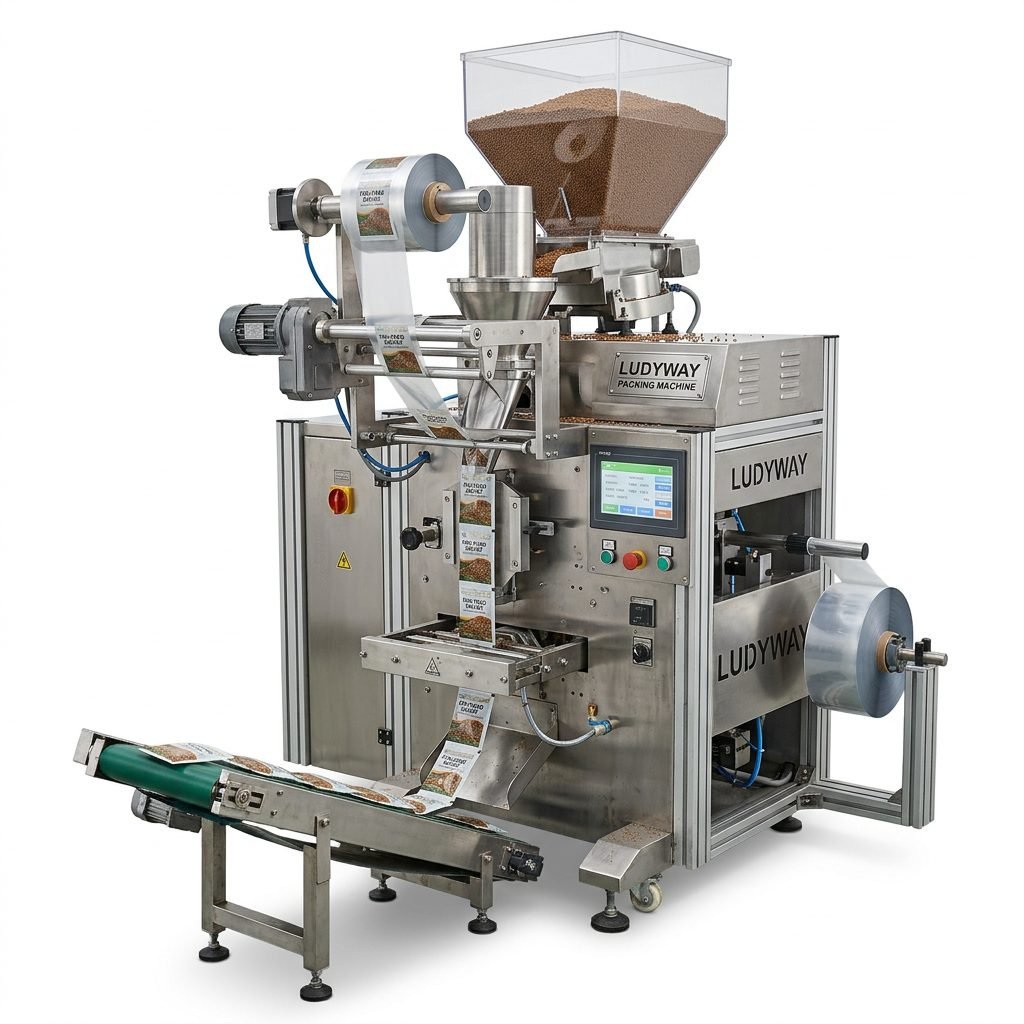
Investing in a small vacuum packaging machine dramatically extends product shelf life and preserves freshness across food, pharmaceutical, and electronics sectors. Whether you run a start-up roastery, a central kitchen, or a medical device facility, choosing the right compact system directly impacts your operational efficiency. This guide breaks down the essential selection criteria, helping you navigate global standards and machine configurations.
What Is a Small Vacuum Packaging Machine and Why It Matters
A small vacuum packaging machine removes air from the package prior to sealing, creating an oxygen-depleted environment. This process inhibits aerobic bacteria and mold, preserving color, texture, and nutritional value. According to the PMMI Business Intelligence reports, the demand for flexible and vacuum packaging continues to accelerate globally because of its direct impact on reducing food waste and enhancing logistics efficiency.

Determining Your Production Volume and Speed Requirements
Your daily output is the most critical factor. Manufacturers typically classify machines by cycles per minute and the number of sealing bars.
- Single Chamber Bench-Top Models: Ideal for research labs or retail butchers running 20-40 packs per hour. These are operator-heavy but require minimal floor space.
- Double Chamber Machines: These alternate between lids to increase speed, suitable for 200-400 packs per hour in small co-packing facilities.
- Continuous Band Sealers with Vacuum: These integrate with conveyor belts and can handle pre-made pouches or flow-wrap styles seamlessly.
If you are weighing fresh meat or cheese, pairing the machine with a precise weighing system is essential. Overfilling compromises the seal, while underfilling inflates consumable costs.
The Critical Role of Pump Type in Maintenance
The vacuum pump is the heart of the machine. Your choice here determines reliability and long-term ownership cost.
| Pump Type | Maintenance Level | Ideal Application |
|---|---|---|
| Oil Rotary Vane | Medium/High (Regular oil changes) | High-moisture meat & precision packaging |
| Dry Claw/Piston | Low (Oil-free) | Dry powders, grains, electronics |
| Venturi (Pneumatic) | Very Low | Lightweight pouches, non-critical vacuum |
For consistent performance in humid environments, manufacturers often recommend the oil rotary pump for its deep ultimate vacuum level, though regular oil and filter replacements are mandatory.
Sealing Bar Configuration: Number and Length
The layout of the sealing bars dictates how many pouches you can pack simultaneously.
- Single Sealing Bar: Best for bulky items or large format 3D goods like whole chickens or large jerky batches. It allows you to load one huge bag per cycle.
- Dual Parallel Bars: This is the standard for small to medium enterprises. It doubles your throughput by placing two smaller pouches side-by-side per cycle.
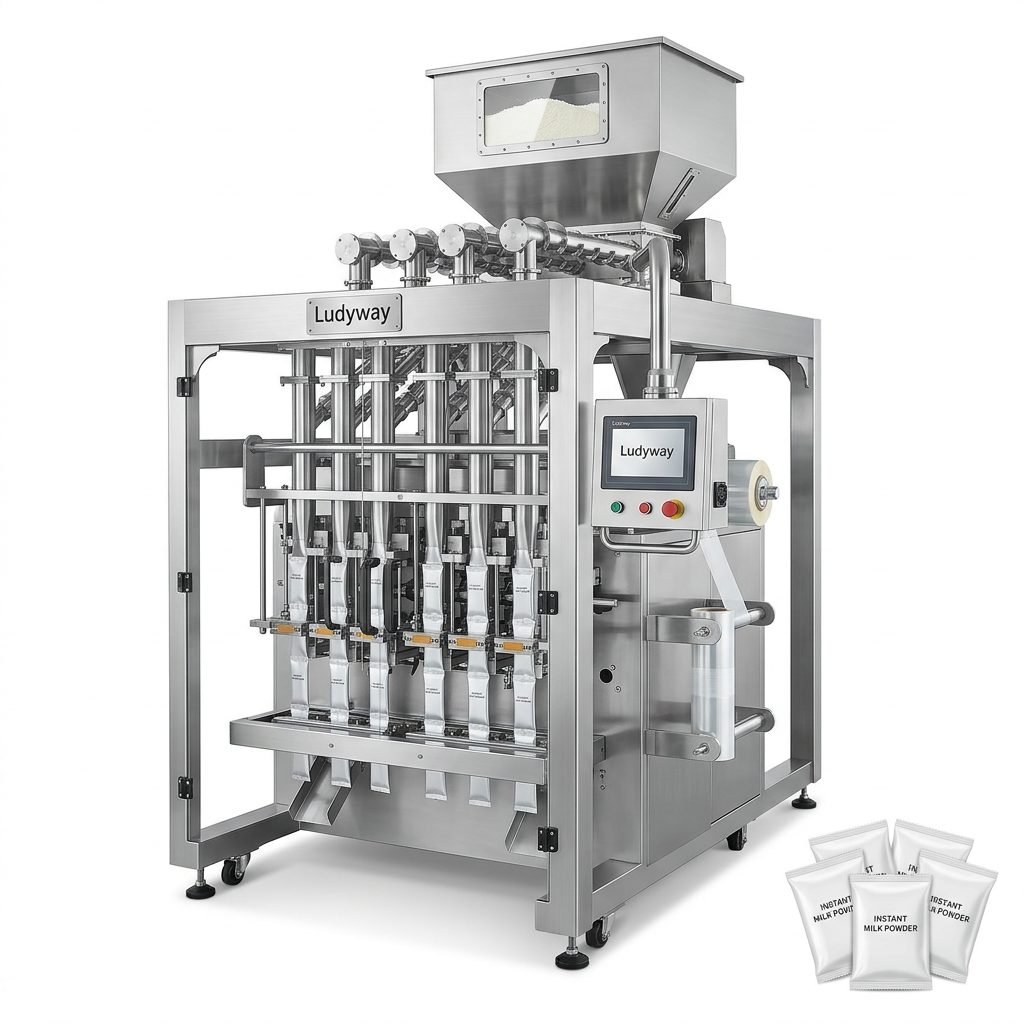
- Custom Multi-Bar Insert: For high-volume stick pack production, some compact floor models accommodate modular inserts to seal 4 to 8 sachets simultaneously.
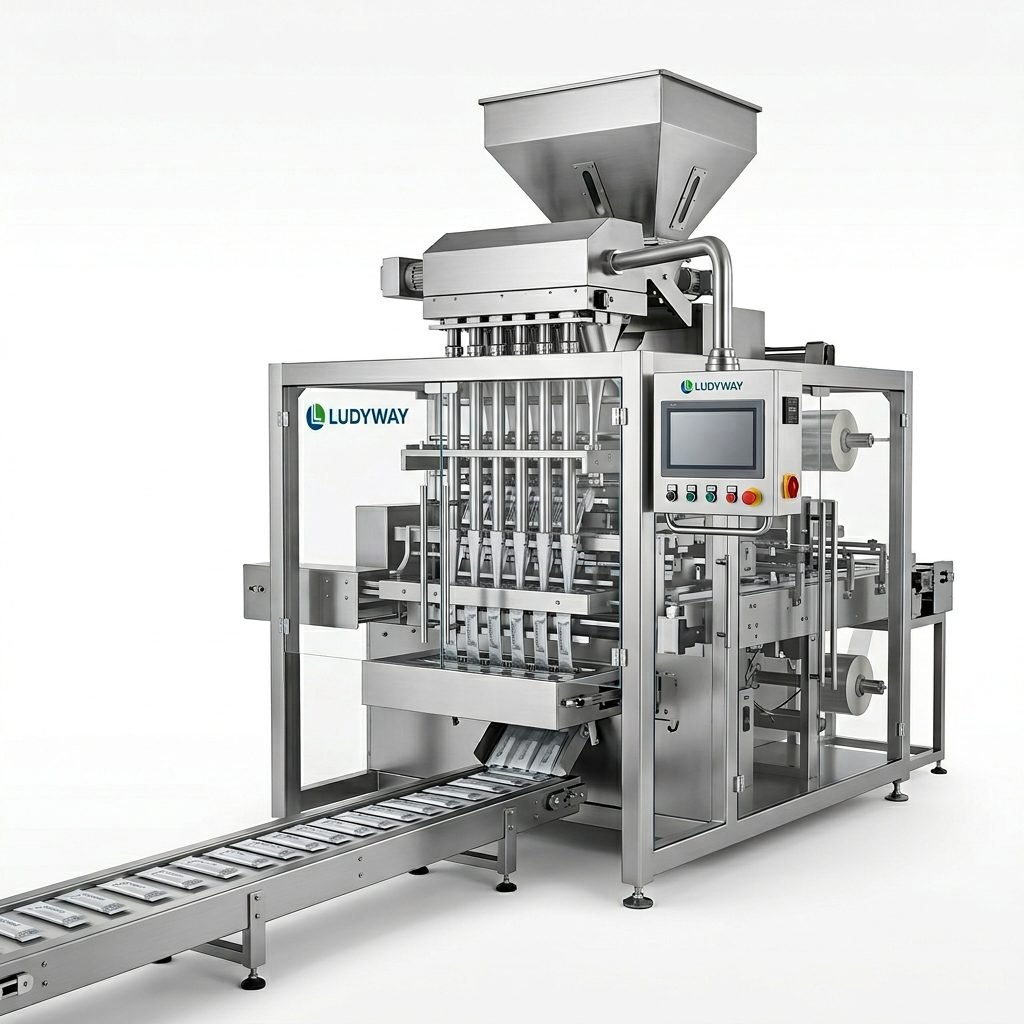
Assessing the Sealing Length
Standard compact units offer sealing bars between 300mm and 480mm. If you frequently change package sizes during a shift, look for a machine with progressive sealing width adjustment rather than a fixed insert. This saves time on changeovers.
Material Compatibility and Gas Flushing Needs
Basic vacuum machines are suitable for solid, dry items. However, Modified Atmosphere Packaging (MAP) capabilities are non-negotiable for fresh produce, baked goods, and sliced meat. The machine must inject an inert gas blend (typically Nitrogen and CO2) before the seal bar closes.
When evaluating a controller, check if the system offers digital pressure sensors. A simple timer-based vacuum lacks precision; a sensor-based system ensures exactly the same vacuum level on every cycle, preventing fragile products from being crushed.
Floor Space and Ergonomic Design
A small vacuum packaging machine should optimize vertical kitchen counter space. Look for models with a recessed chamber that allows the pouch to be loaded flat without tilting the product. Weight is also a proxy for build quality. A robust welded steel frame reduces vibration during the air extraction cycle, which ultimately extends the life of the seal bars.
For mobile applications, heavy-duty casters with locking brakes allow one operator to move the machine from the preparation zone to the cleaning zone effortlessly.

Compliance with International Hygiene Standards
You should verify that the machine meets IP (Ingress Protection) ratings for wash-down environments. A control panel rated IP65 or IP66 prevents water ingress during sanitation. Furthermore, machines destined for the North American market usually require a UL-listed certification, while those in Europe need the CE Mark.
Stainless steel 304 is the standard, but for acidic products (like marinades or citrus), 316L stainless steel construction prevents corrosion over the machine’s lifespan.
Global Supply Chain and Technical Support
Downtime in a packaging line means lost revenue. Before signing a purchase order, confirm the availability of remote technical support and local spare parts inventory. A common oversight is the electrical requirement; ensure the unit is pre-configured for your local voltage (220V/60Hz or 110V/50Hz) to avoid step-down transformer failures.
Ludyway is a leading global provider of automated packaging solutions, manufacturing reliable equipment in a 20,000㎡ facility. Their engineering team supplies over 50 intelligent packaging models to clients spanning more than 100 countries, focusing on high-performance designs that enhance operational output.
Key Considerations Before Purchase
- Bag Thickness: Pouch film gauge (measured in microns) dictates the seal temperature. Machines with PID temperature controllers handle heat-seal volatility better than simple analog dials.
- Liquid Control: If packaging sauces or liquids, a tilted chamber base prevents spillover into the vacuum port.
- Energy Efficiency: Soft-start vacuum pumps reduce electrical surge currents, critical for facilities with tight power budgets.
The Piping and Air Flow System
The diameter of the vacuum pipes matters significantly. Thicker pipes accelerate the air extraction cycle. Moreover, a dual-sensor system that compares pressure in the chamber versus the pouch ensures that pouches with small residual air pockets do not fail inspection later.
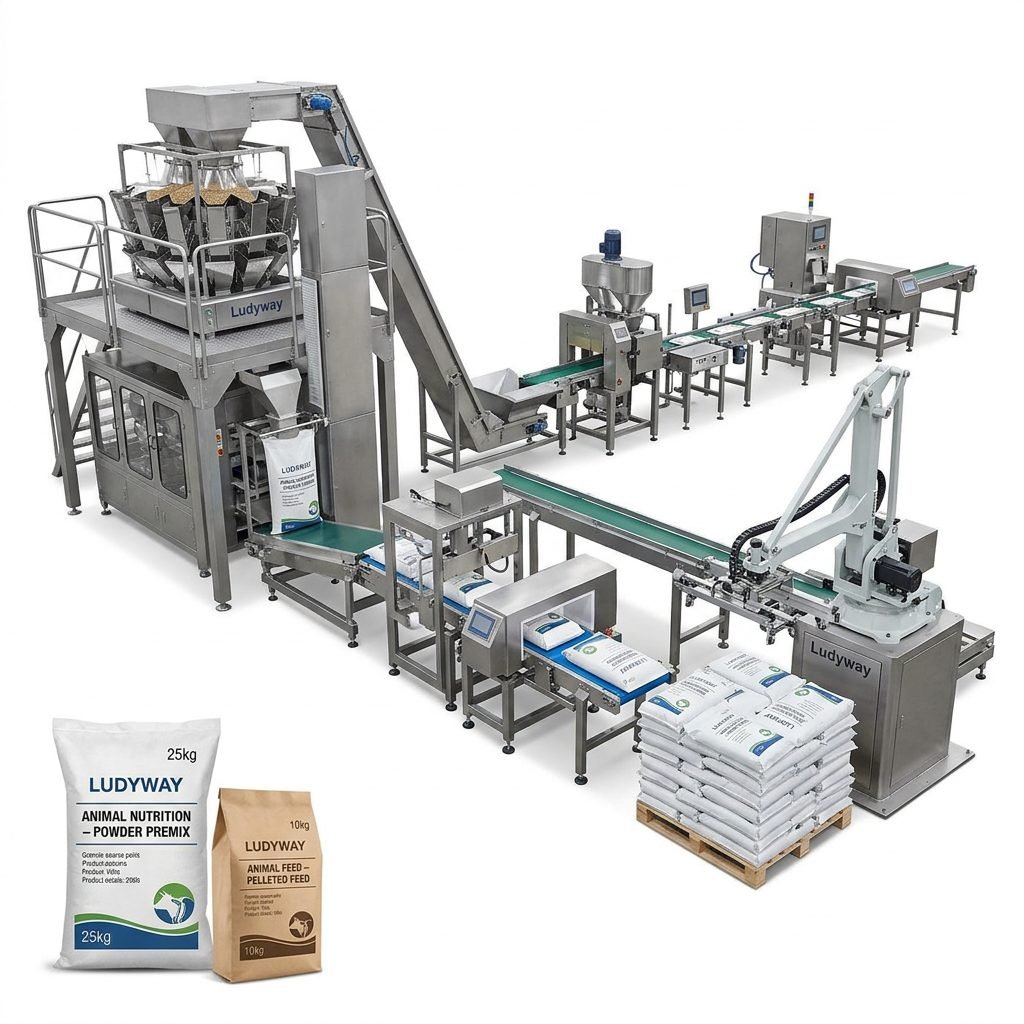
Integrating a Small Vacuum Packaging Machine into a Turnkey Line
A standalone vacuum unit can easily become a bottleneck if feeding and outfeed processes are manual. Consider linking your compact vacuum unit with an automatic bag loader or an inkjet batch coder. This small integration reduces manual handling errors and allows the machine to fit seamlessly into a broader food processing line.
Ultimately, the correct small vacuum packaging machine balances chamber dimensions, pump durability, and software intelligence. By rigorously defining your product’s physical properties and daily quotas, you can select a hyper-efficient unit that delivers airtight integrity pack after pack. Prioritize stainless steel construction and accessible service panels so your investment yields consistent output for the next decade.