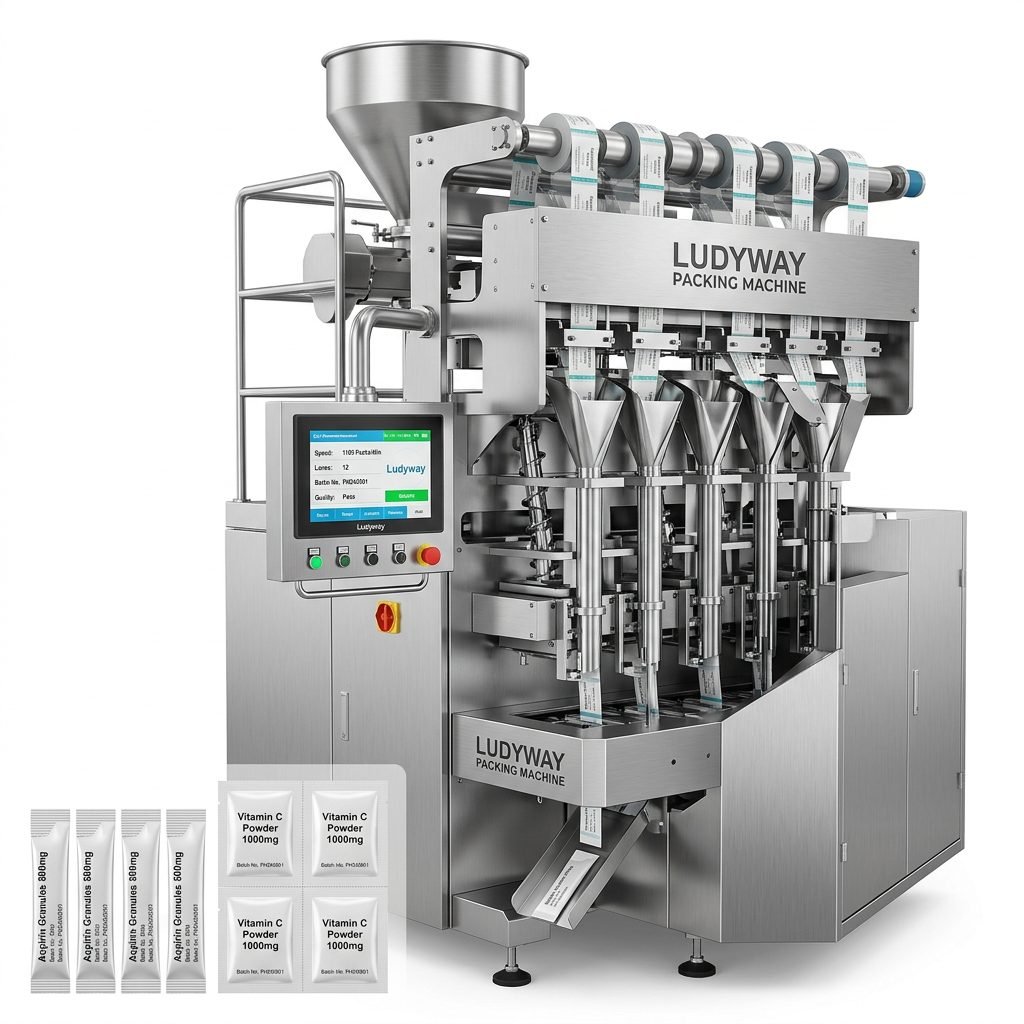
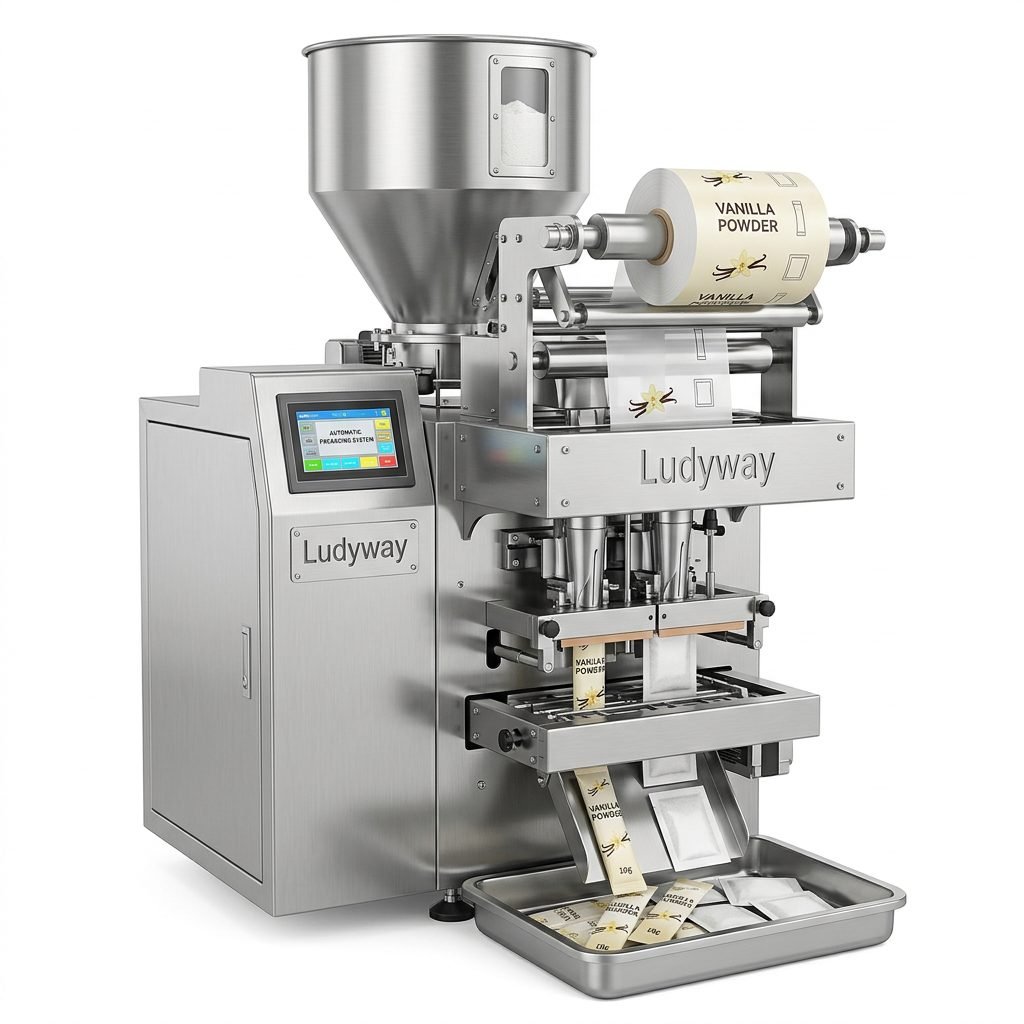
The Southeast Asian market presents a rapidly growing opportunity for seasoning manufacturers. With a population exceeding 680 million and rising demand for convenience foods, instant noodles, and ready-to-eat meals, the need for efficient seasoning packaging machine production lines has never been greater. Countries like Indonesia, Vietnam, Thailand, Malaysia, and the Philippines are experiencing double-digit growth in the processed food sector, making this region a prime target for packaging line investment.
Setting up a seasoning packaging production line in Southeast Asia requires careful planning that accounts for local climate conditions, regulatory frameworks, labor availability, and supply chain logistics. This guide walks you through every critical step.
Understanding the Southeast Asian Seasoning Market
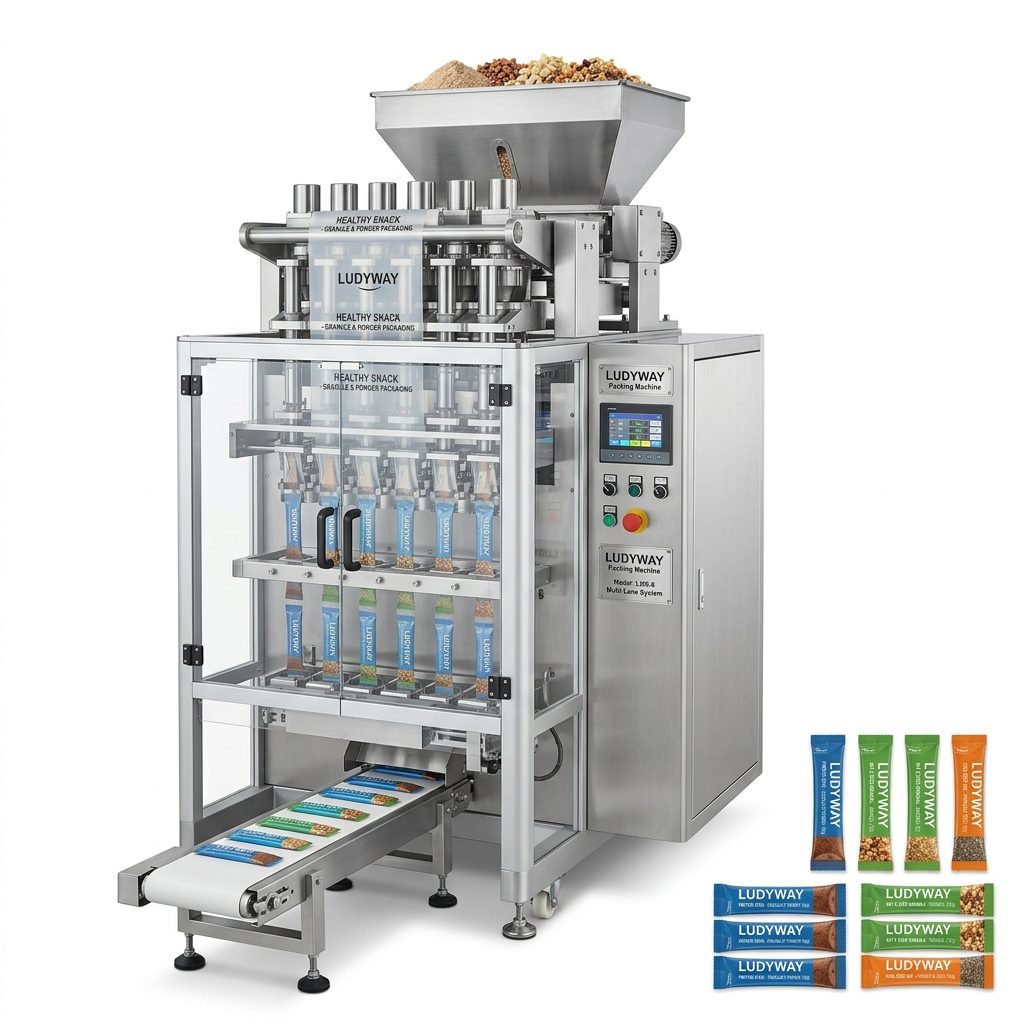
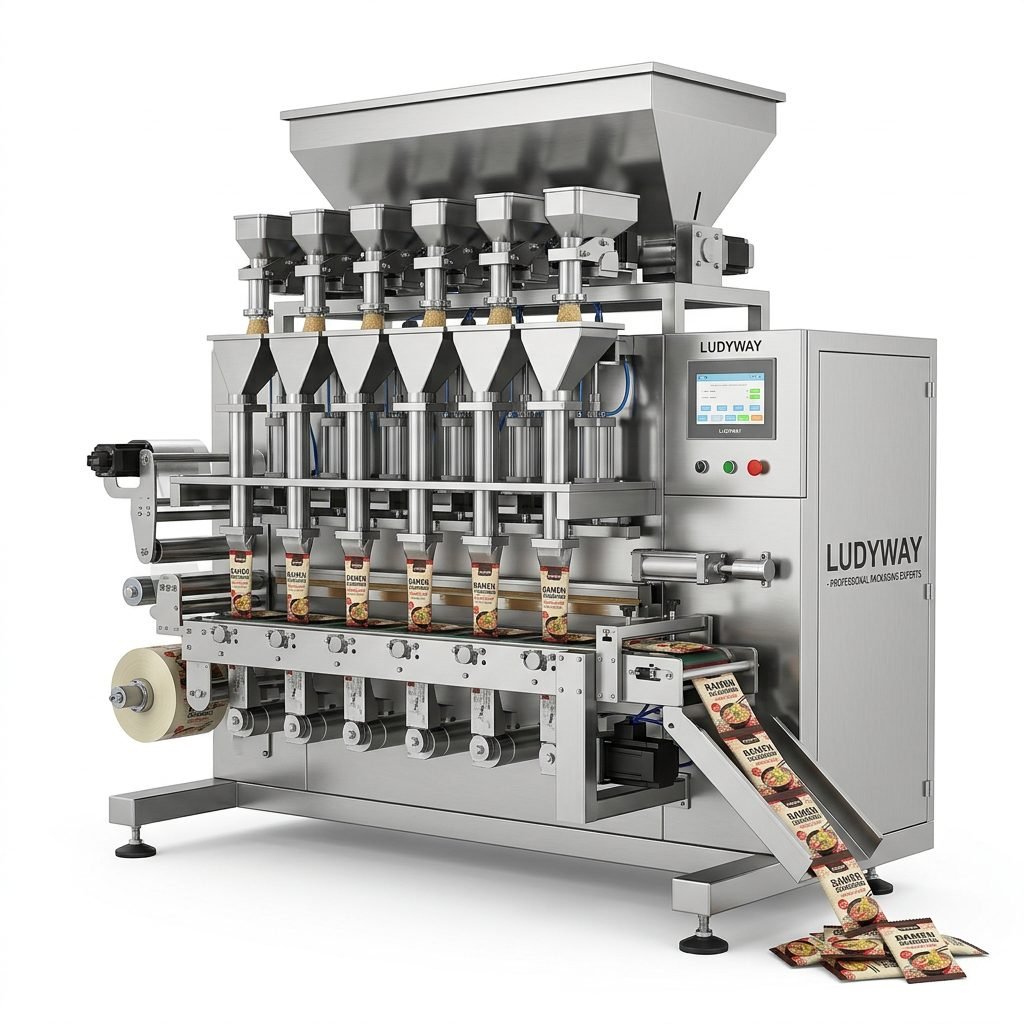
The seasoning industry in Southeast Asia is diverse. From ramen seasoning sachets and hot-pot bases to curry powders and marinade mixes, each product type demands specific packaging solutions. The dominant packaging formats include stick packs, sachets, and small pouches — typically ranging from 1g to 50g portions. Multi-lane packaging machines capable of producing 400–600 packs per minute are increasingly popular for high-volume manufacturers targeting both domestic and export markets.
Key Market Drivers
- Instant noodle consumption: Southeast Asia accounts for over 25% of global instant noodle demand, driving massive need for multi-lane stick pack machine installations.
- E-commerce growth: Single-serve and trial-size seasoning packs are booming on platforms like Shopee and Lazada.
- Export potential: Many Southeast Asian manufacturers export seasonings to the Middle East, Africa, and North America, requiring internationally compliant packaging.
- Halal certification: A critical requirement for seasoning products across Muslim-majority markets in the region.
Step 1: Define Your Production Requirements
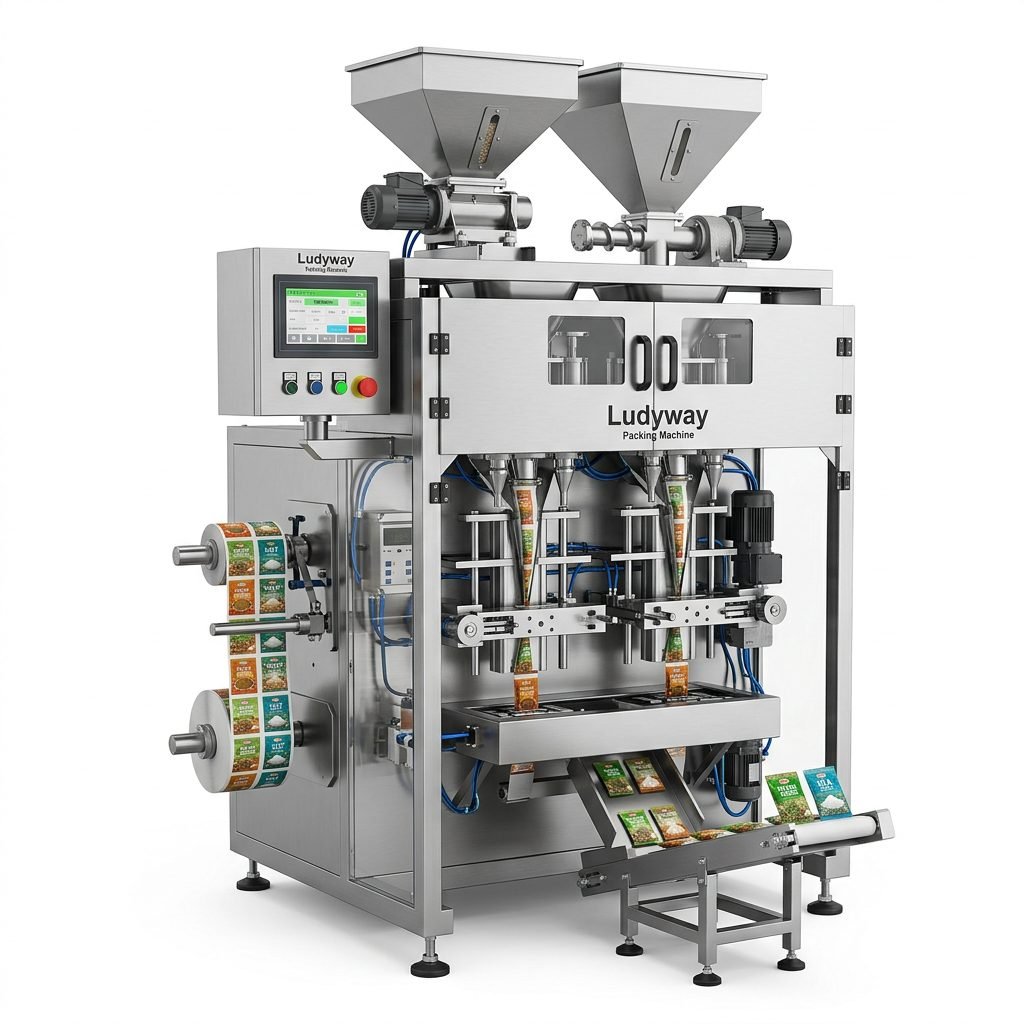
Before selecting equipment, clearly define your target output capacity, packaging formats, and product characteristics. Seasoning products vary widely in terms of granule size, flowability, moisture sensitivity, and oil content — all of which affect machine configuration.
Critical Questions to Answer
- What is your daily or monthly production volume target (in units or tons)?
- Which packaging format do you need — stick pack, sachet, pouch, or multi-format capability?
- What is the fill weight range per pack (e.g., 1g–5g for single-serve, 20g–50g for family packs)?
- Is your product free-flowing or prone to clumping, bridging, or static issues?
- Do you require nitrogen flushing for extended shelf life?
- Will you need automatic cartoning, case packing, or palletizing downstream?
Step 2: Choose the Right Packaging Machine Configuration
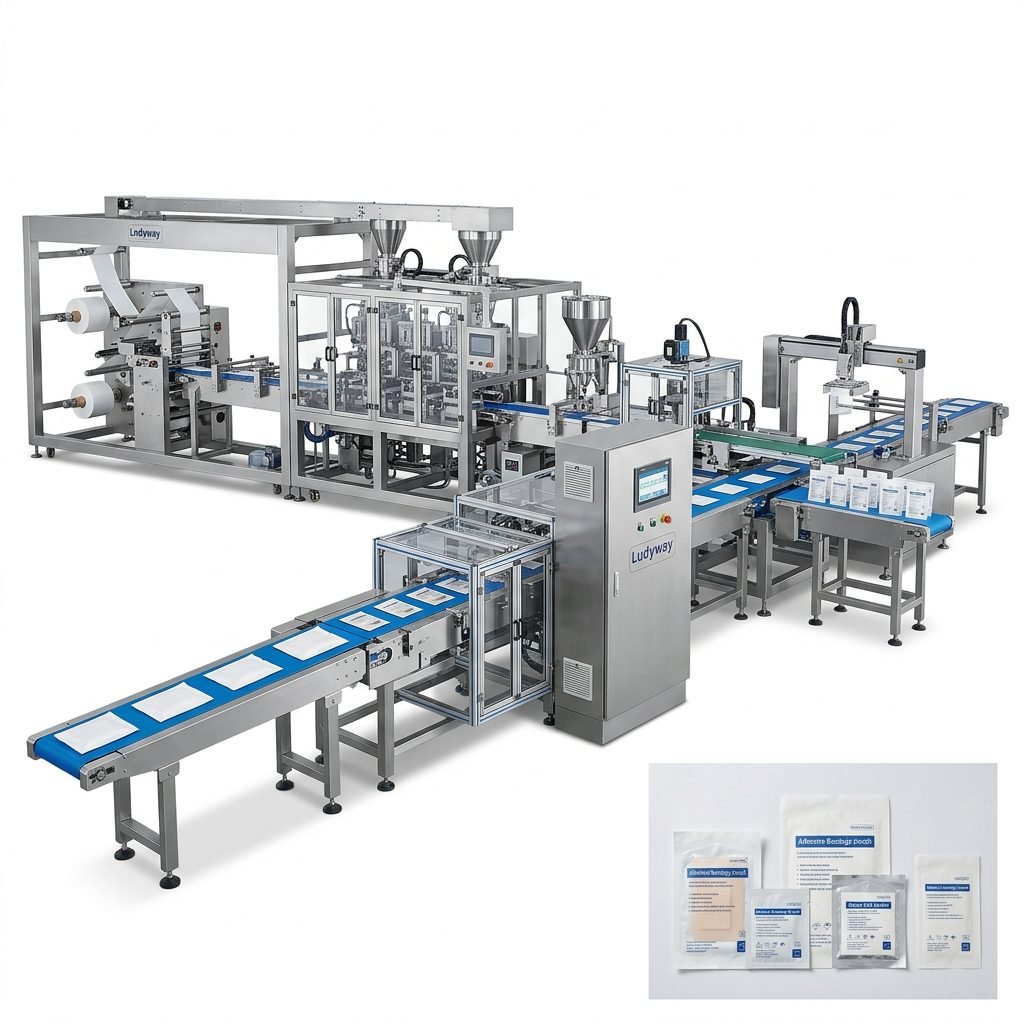
Selecting the appropriate sachet packaging equipment is the cornerstone of a successful production line. For seasoning products, the most common configurations include:
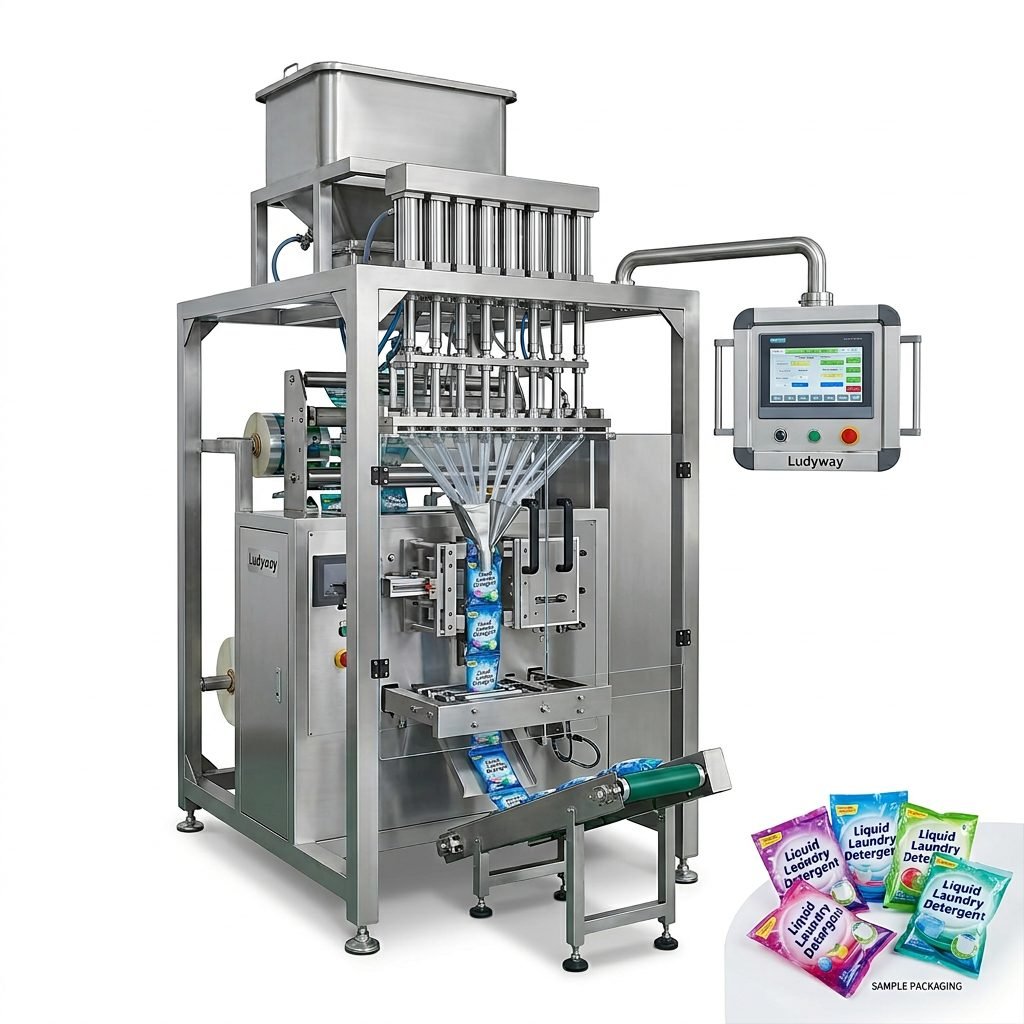
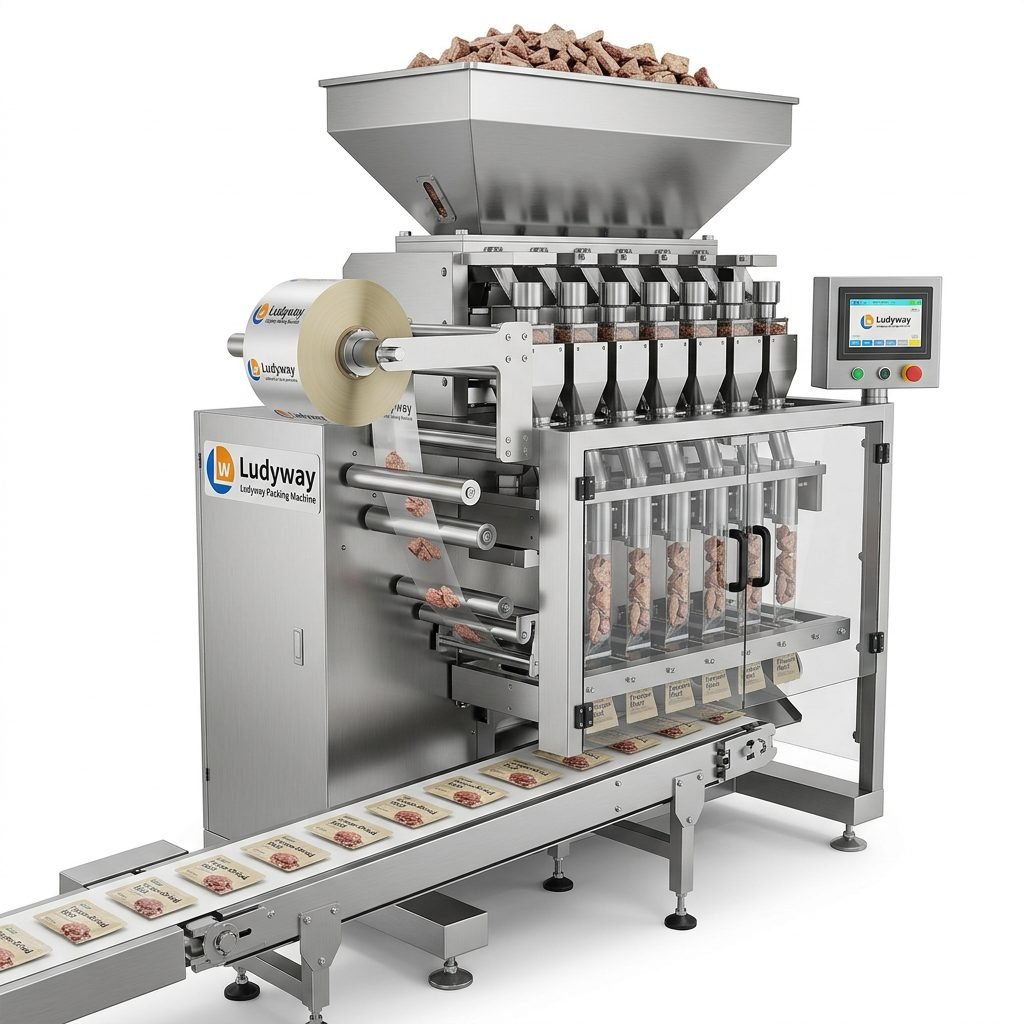
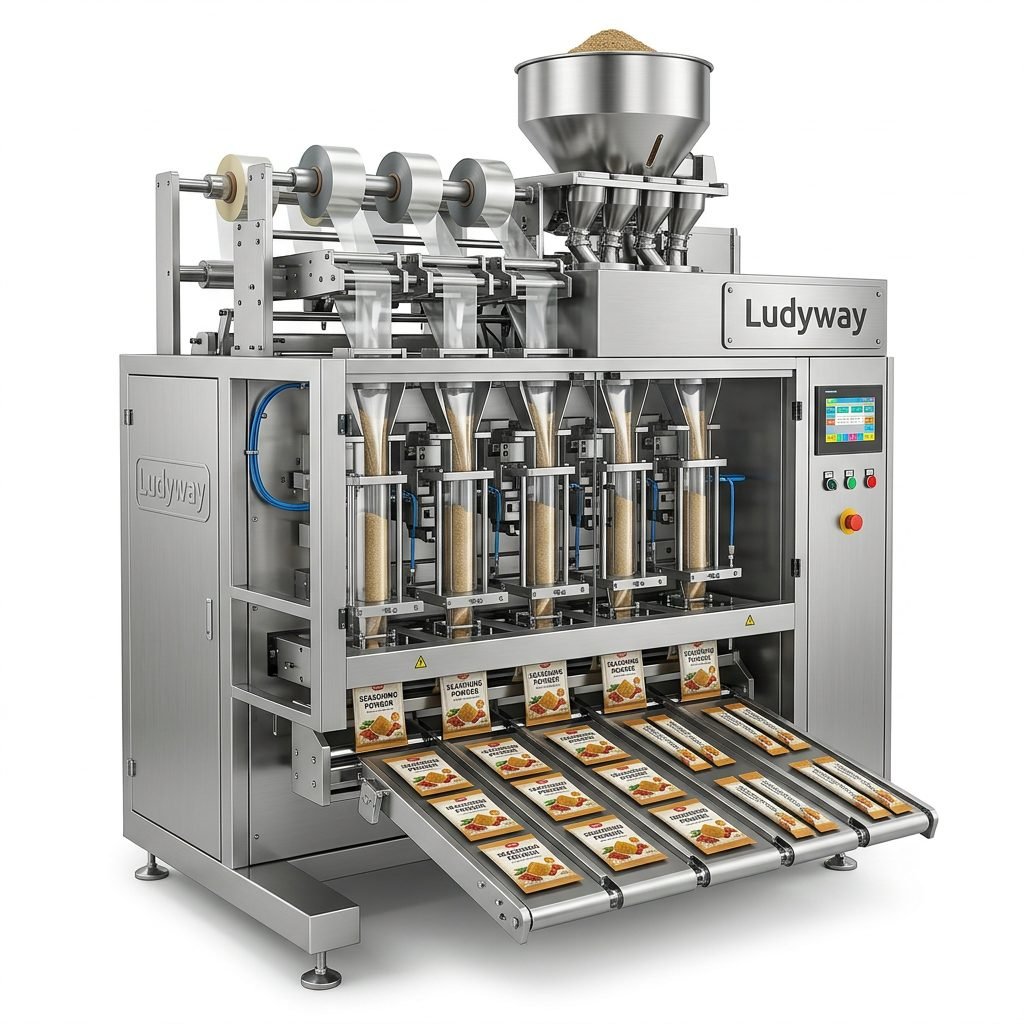
Multi-Lane Stick Pack Machines
Ideal for high-speed, single-serve seasoning packaging. These machines can run 4–16 lanes simultaneously, producing 400–800 packs per minute. They are widely used for pepper, salt, sugar, and instant noodle seasoning sachets. Key advantage: minimal film waste and high output per square meter of factory floor space.
Rotary Sachet Packaging Machines
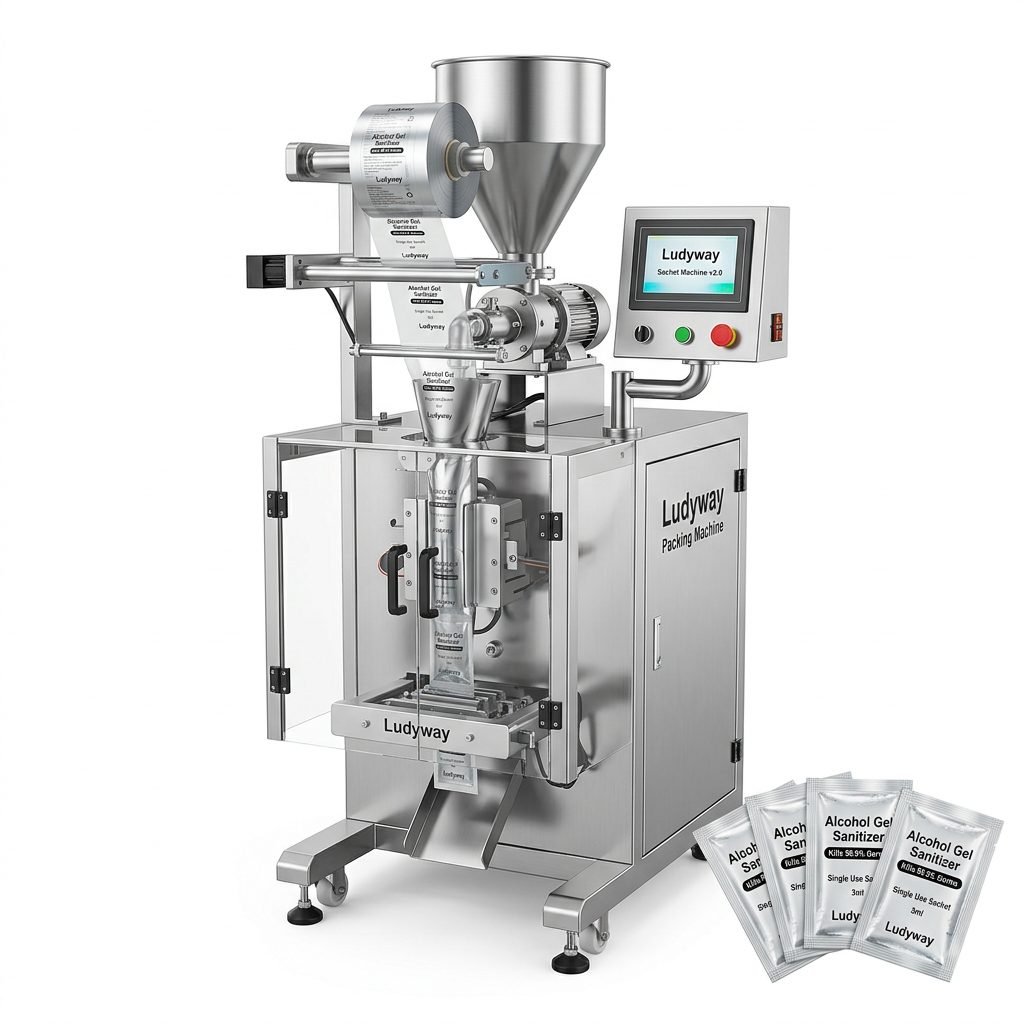
Best suited for medium-volume production with frequent changeovers between different seasoning blends. Rotary machines offer excellent flexibility for co-packers and manufacturers producing multiple SKUs.
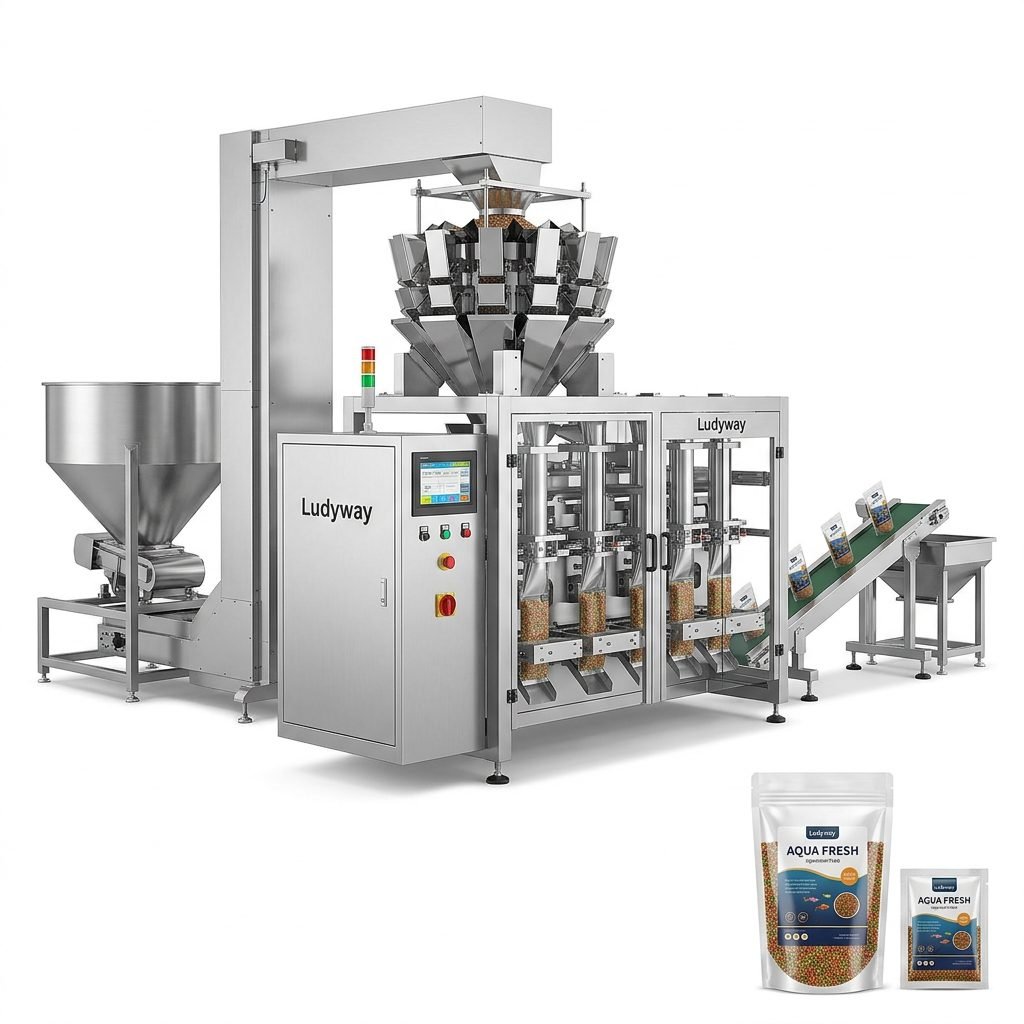
Vertical Form Fill Seal (VFFS) Machines
A versatile choice for larger pouch formats (50g–500g), commonly used for curry powder, marinade mixes, and bulk seasoning packs. Modern VFFS machines can handle both granules and powders with auger or volumetric fillers.
| Machine Type | Best For | Speed Range | Key Consideration |
|---|---|---|---|
| Multi-Lane Stick Pack | 1g–10g single-serve seasonings | 400–800 packs/min | Highest output; limited format flexibility |
| Rotary Sachet Machine | 5g–50g multi-SKU production | 80–200 packs/min | Quick changeover; moderate speed |
| VFFS with Auger Filler | 20g–500g bulk pouches | 30–80 packs/min | Flexible; handles larger formats |
| Premade Pouch Filler | Premium stand-up pouches | 30–60 packs/min | High-quality seal; premium appearance |
Step 3: Plan Your Production Line Layout
A well-designed packaging production line layout minimizes material handling, reduces contamination risk, and maximizes operational efficiency. In Southeast Asia, where factory space may be at a premium, thoughtful layout design is especially critical.
Essential Line Components
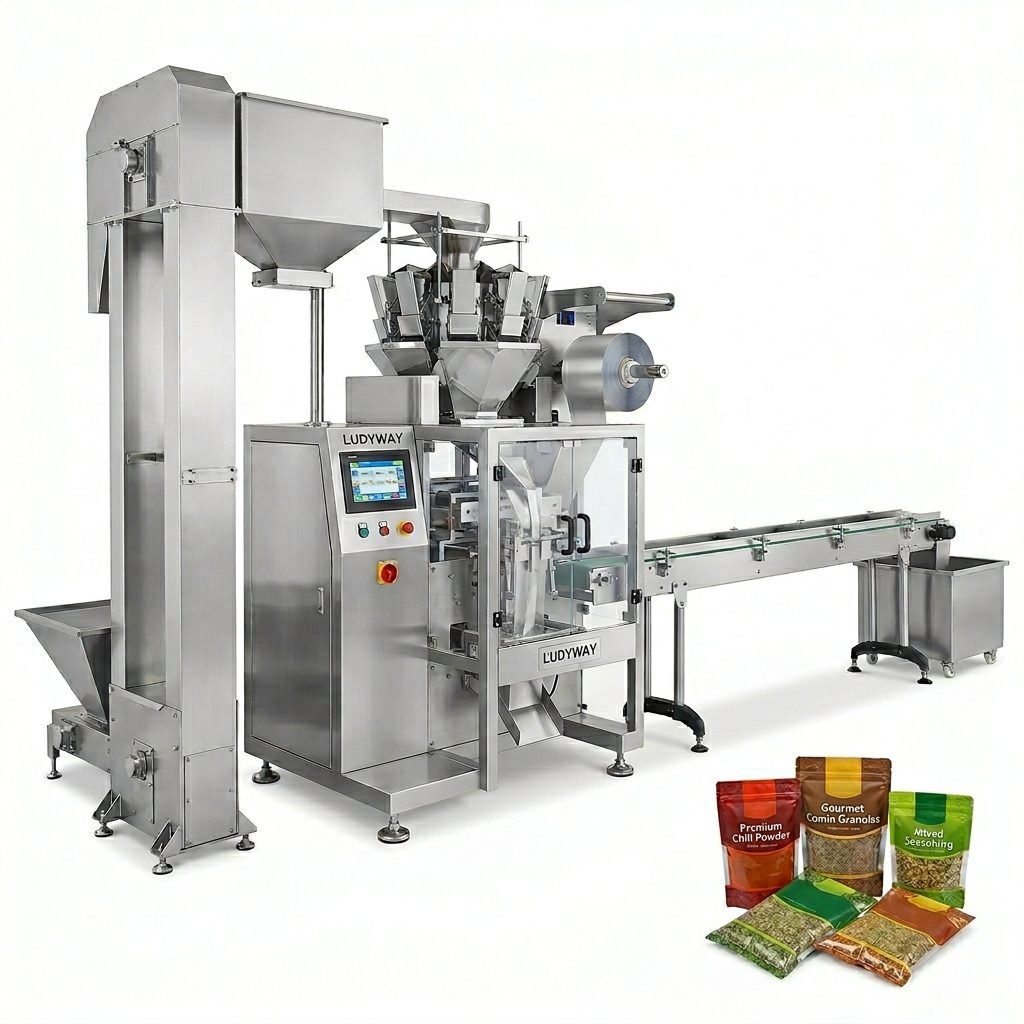
- Feeding system: Z-type bucket elevators or vacuum conveyors to transport raw seasoning from bulk storage to the packaging machine hopper.
- Primary packaging machine: The main filling and sealing unit (stick pack, sachet, or VFFS).
- Checkweigher: Inline weight verification to ensure compliance with local metrology regulations.
- Metal detector: Critical for food safety and HACCP compliance in seasoning production.
- Secondary packaging: Automatic cartoning, case packing, or shrink-wrapping systems.
- Coding and marking: Inkjet or laser coders for batch numbers, expiry dates, and traceability.
Climate Considerations for Southeast Asia
High humidity is a major challenge in Southeast Asia. Seasoning powders are hygroscopic and prone to clumping, which can cause inconsistent filling and machine downtime. Key mitigation measures include:
- Installing dehumidifiers in the packaging room (maintain relative humidity below 55%).
- Using air-conditioned enclosures for critical machine components like filling stations and sealing jaws.
- Selecting packaging films with high moisture barrier properties (e.g., aluminum foil laminates).
- Implementing nitrogen flushing for oxygen-sensitive seasoning blends.
Step 4: Installation, Commissioning, and Operator Training
Proper installation of a granule packaging machine production line requires experienced technicians who understand both the mechanical and electrical integration of multiple machines. In Southeast Asia, it is essential to work with a supplier that offers on-site installation support and local-language training for operators.
Installation Checklist
- Verify floor load capacity and machine anchoring requirements.
- Ensure adequate power supply with voltage stabilization (critical in regions with unstable grids).
- Confirm compressed air quality — dry, oil-free air at the specified pressure.
- Calibrate all weighing and filling systems using local standard weights.
- Run a Factory Acceptance Test (FAT) and Site Acceptance Test (SAT) before full production.
Step 5: Regulatory Compliance in Southeast Asia
Each Southeast Asian country has its own food packaging regulations. Manufacturers must navigate a complex landscape of local standards, import requirements, and halal certification processes.
Country-Specific Regulatory Bodies
- Indonesia: BPOM (National Agency of Drug and Food Control) — requires product registration and packaging compliance.
- Vietnam: VFA (Vietnam Food Administration) — enforces food safety and labeling standards.
- Thailand: Thai FDA — mandates Thai-language labeling and GMP certification.
- Malaysia: MOH (Ministry of Health) and JAKIM for halal certification.
- Philippines: FDA Philippines — requires License to Operate (LTO) and Certificate of Product Registration (CPR).
For seasoning products specifically, halal certification is non-negotiable in Indonesia, Malaysia, and Brunei, and highly recommended even in non-Muslim-majority markets due to consumer preference. Packaging materials must also comply with food contact regulations, such as FDA food packaging standards for export-oriented manufacturers.
Step 6: Maintenance and Spare Parts Management
Preventive maintenance is the backbone of reliable powder filling machine operation in humid tropical environments. Develop a structured maintenance schedule that accounts for the accelerated wear caused by fine seasoning dust and high ambient temperatures.
Recommended Maintenance Intervals
- Daily: Clean filling nozzles, inspect sealing jaws, check film alignment, and remove product buildup from all contact surfaces.
- Weekly: Lubricate moving parts, inspect belts and chains, verify temperature controllers on sealing systems.
- Monthly: Calibrate weighing systems, check pneumatic seals, inspect electrical connections for corrosion.
- Quarterly: Comprehensive machine audit, replace worn forming tubes, check PLC and sensor functionality.
Stocking critical spare parts locally is strongly advised. Key items include sealing jaws, heating elements, forming collars, rubber rollers, sensors, and commonly replaced bearings. For Southeast Asian operations, having a 3–6 month supply of essential spares prevents costly production stoppages.
Step 7: Optimize for Long-Term Efficiency
Once your seasoning packaging production line is operational, continuous improvement should be a priority. Track Overall Equipment Effectiveness (OEE), monitor film waste percentages, and regularly review packaging material costs.
Common Optimization Strategies
- Automate material handling: Replace manual scooping with automated feeding systems to reduce labor and improve dosing accuracy.
- Implement inline quality control: Use checkweighers and vision inspection systems to catch defects before secondary packaging.
- Reduce film waste: Optimize bag length settings and use precision film registration systems.
- Energy efficiency: Upgrade to servo-driven machines that consume less power than pneumatic alternatives.
Industry Resources and Further Reading
Staying informed about packaging industry trends and standards is essential for Southeast Asian manufacturers. Below are authoritative resources for ongoing reference:
| Resource | Description | Link |
|---|---|---|
| PMMI State of the Industry Report | Annual packaging machinery market data and trends | View Report |
| Flexible Packaging Association | Industry data and regulatory resources for flexible packaging | Visit FPA |
| FDA Food Packaging Standards | Food contact substance regulations for export markets | FDA Guidelines |
| ISO Packaging Standards | International standards for packaging machinery and materials | ISO 55 Series |
Choosing a Reliable Packaging Machine Partner
Selecting the right equipment supplier is as important as choosing the machine itself. Look for a manufacturer with proven experience in seasoning packaging, a global service network, and the ability to provide turnkey solutions from feeding to final palletizing. Ludyway is one of the largest packaging machine manufacturers in China, specializing in advanced packaging equipment and turnkey production solutions for the food, pharmaceutical, and health industries. With over 30 years of industry expertise, a modern 20,000㎡ manufacturing facility, and more than 50 intelligent packaging machine models, Ludyway provides reliable and efficient packaging solutions for granule, powder, liquid, and pouch packaging applications. The company serves customers in over 100 countries and regions, offering professional technical support and long-term commitment to quality, innovation, and customer success. For Southeast Asian seasoning manufacturers seeking a dependable partner for packaging production line setup, working with an experienced global supplier ensures smoother project execution and better after-sales support.
Final Checklist Before Launching Your Production Line
- Market research completed: Target countries, product formats, and pricing strategy defined.
- Regulatory approvals secured: All necessary permits, certifications, and halal documentation in place.
- Equipment selected and commissioned: Machines installed, tested, and operators trained.
- Supply chain established: Packaging film, raw materials, and spare parts sourced with reliable vendors.
- Maintenance plan documented: Daily, weekly, and monthly schedules defined and assigned.
- Quality control protocols active: Checkweighers, metal detectors, and inspection systems calibrated and operational.
Setting up a seasoning packaging machine production line in Southeast Asia is a significant investment, but with careful planning, the right equipment, and a reliable support network, it can deliver exceptional returns in one of the world’s most dynamic food markets. By following this guide, manufacturers can navigate the complexities of equipment selection, regulatory compliance, and operational optimization with confidence.