The United Kingdom’s beverage industry is undergoing rapid transformation. From functional health drinks and ready-to-drink (RTD) coffees to premium botanical mixers and portable energy powders, consumer demand is reshaping production lines. Investing in the right beverage packaging machine is no longer just about sealing a product; it’s about ensuring speed, hygiene, shelf appeal, and compliance with stringent UK and EU safety standards.
Whether you are a startup launching a new kombucha brand or an established manufacturer scaling up powdered supplement sachets, navigating the UK packaging machinery landscape can be daunting. This guide breaks down the critical factors, machine types, and regulatory requirements you need to evaluate before making a purchase.
Understanding the UK Beverage Packaging Landscape
The UK packaging sector is heavily influenced by sustainability targets and plastic taxes. The Plastic Packaging Tax (PPT) requires manufacturers to use at least 30% recycled content, pushing many towards flexible, lightweight materials. Beverage producers are shifting from rigid bottles to multi-lane stick packs and sachets, which offer superior product-to-package ratios and reduce logistics costs.
When selecting equipment in the UK, you must account for:
- CE/UKCA Marking: Post-Brexit, machinery sold in Great Britain must now comply with UKCA regulations (or CE marking for Northern Ireland).
- Hygienic Design: Equipment must facilitate easy cleaning to prevent contamination in dairy, juice, or plant-based milk applications.
- Flexible Format Handling: The rise of on-the-go consumption means machines must handle diverse formats, from 10ml liquid shots to 500g powder pouches.
Types of Beverage Packaging Machines
Not all drinks are created equal. The viscosity of a probiotic shot differs vastly from free-flowing instant coffee powder. Aligning your product profile with the correct packaging automation is the foundation of a successful line.
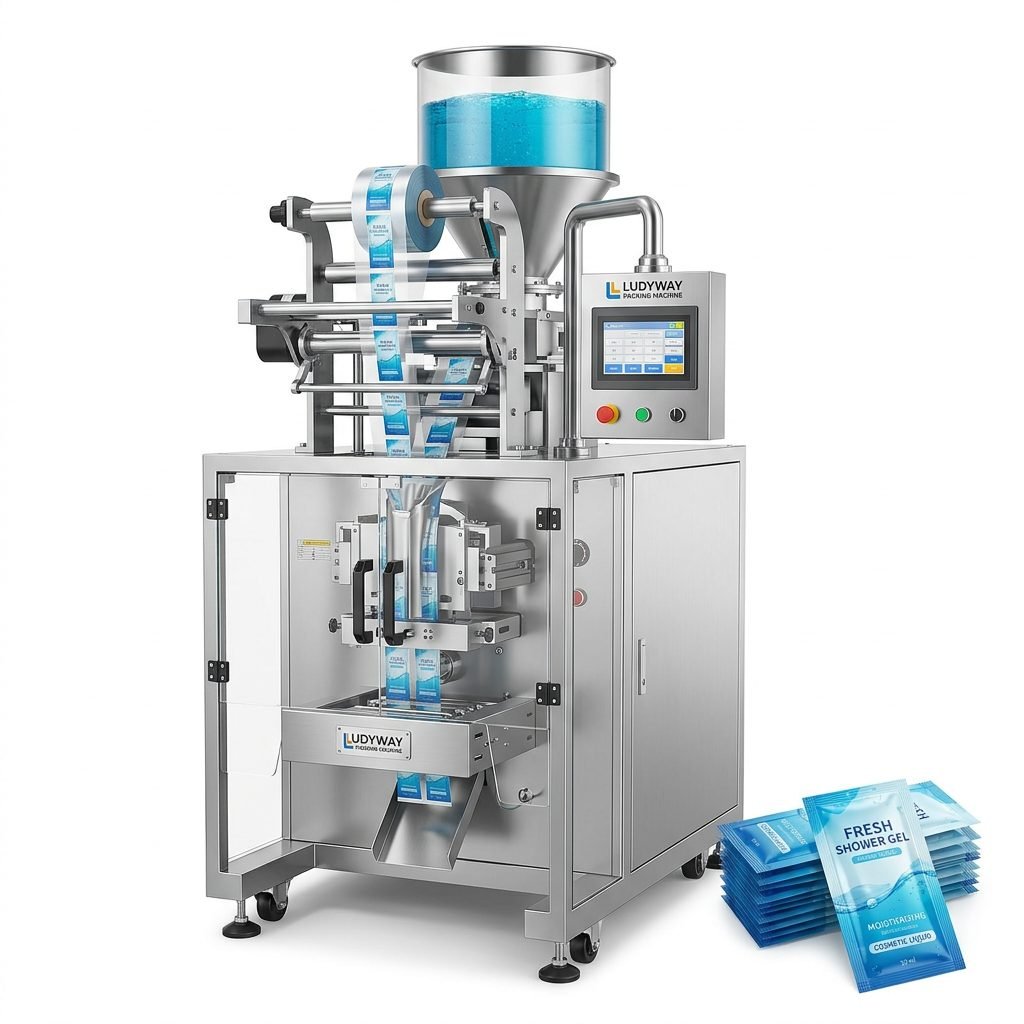
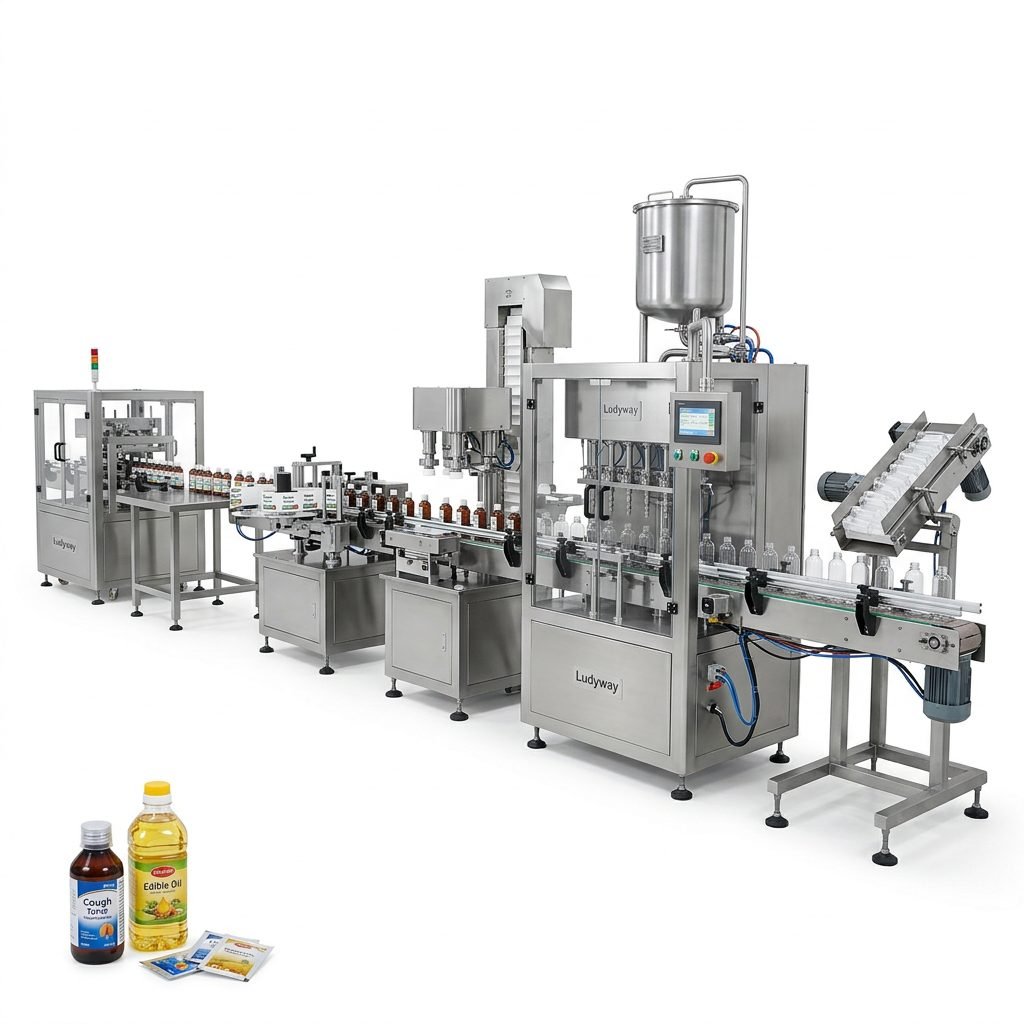
Liquid Filling and Sealing Machines
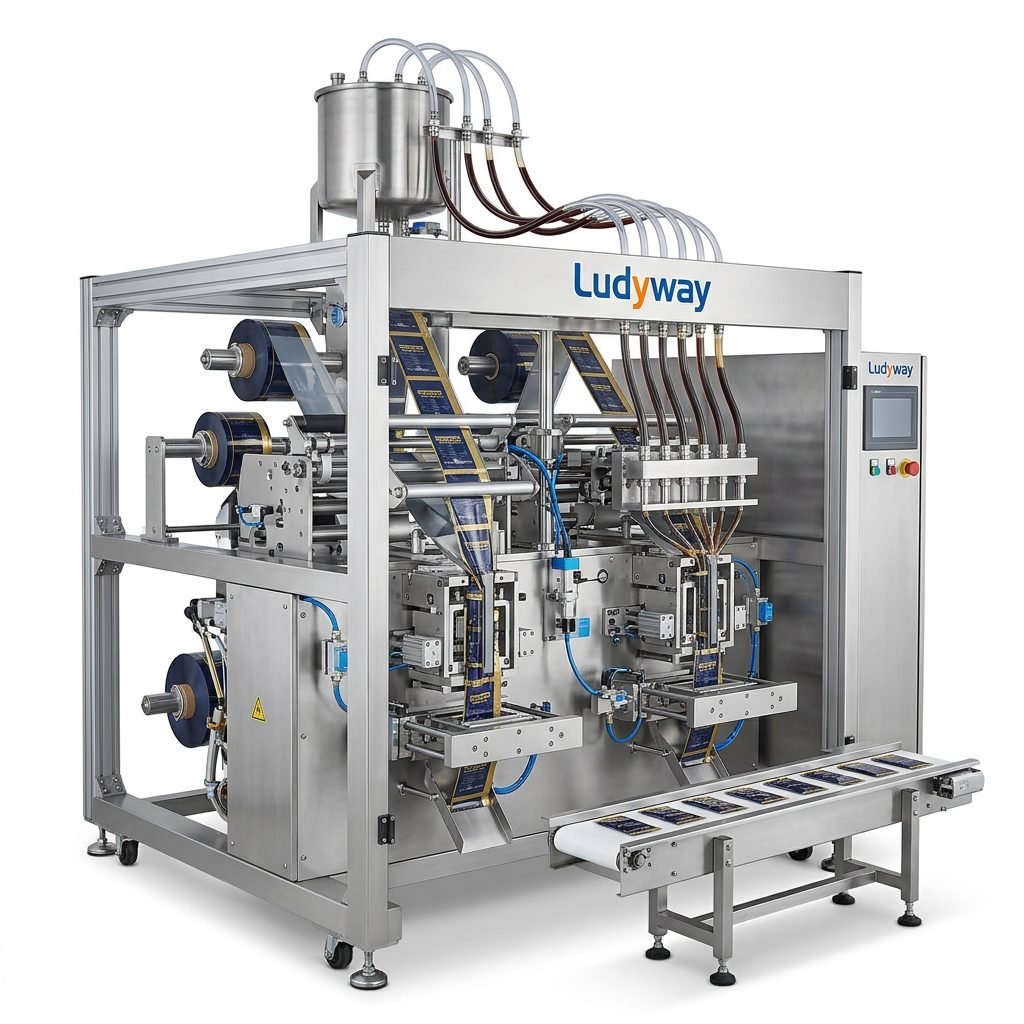
For water, juices, energy shots, and dairy alternatives, precision liquid fillers are essential. Modern systems utilize servo-driven piston pumps or magnetic flow meters to ensure +/- 0.5% accuracy. In the UK market, there is significant demand for high-speed liquid packaging lines that can fill pre-made pouches or form-fill-seal (FFS) sachets with minimal splashing.
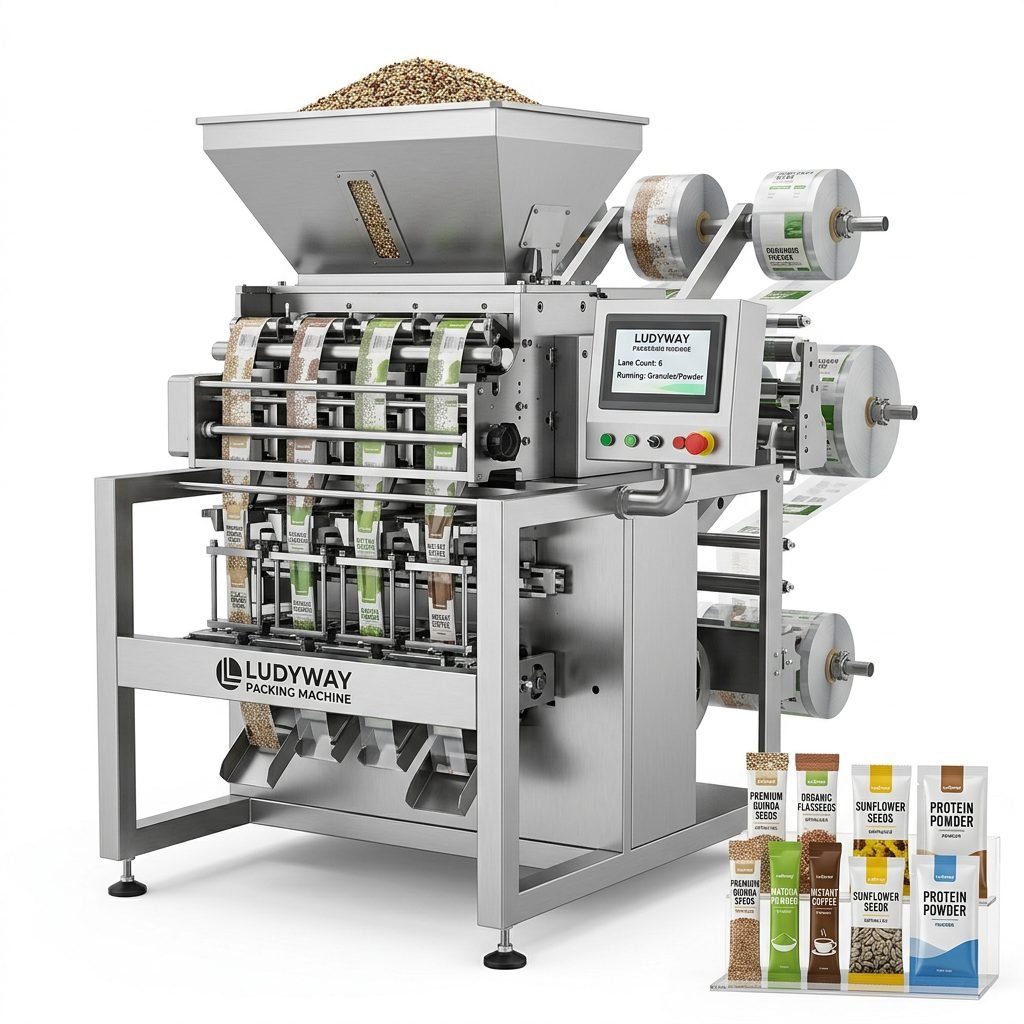
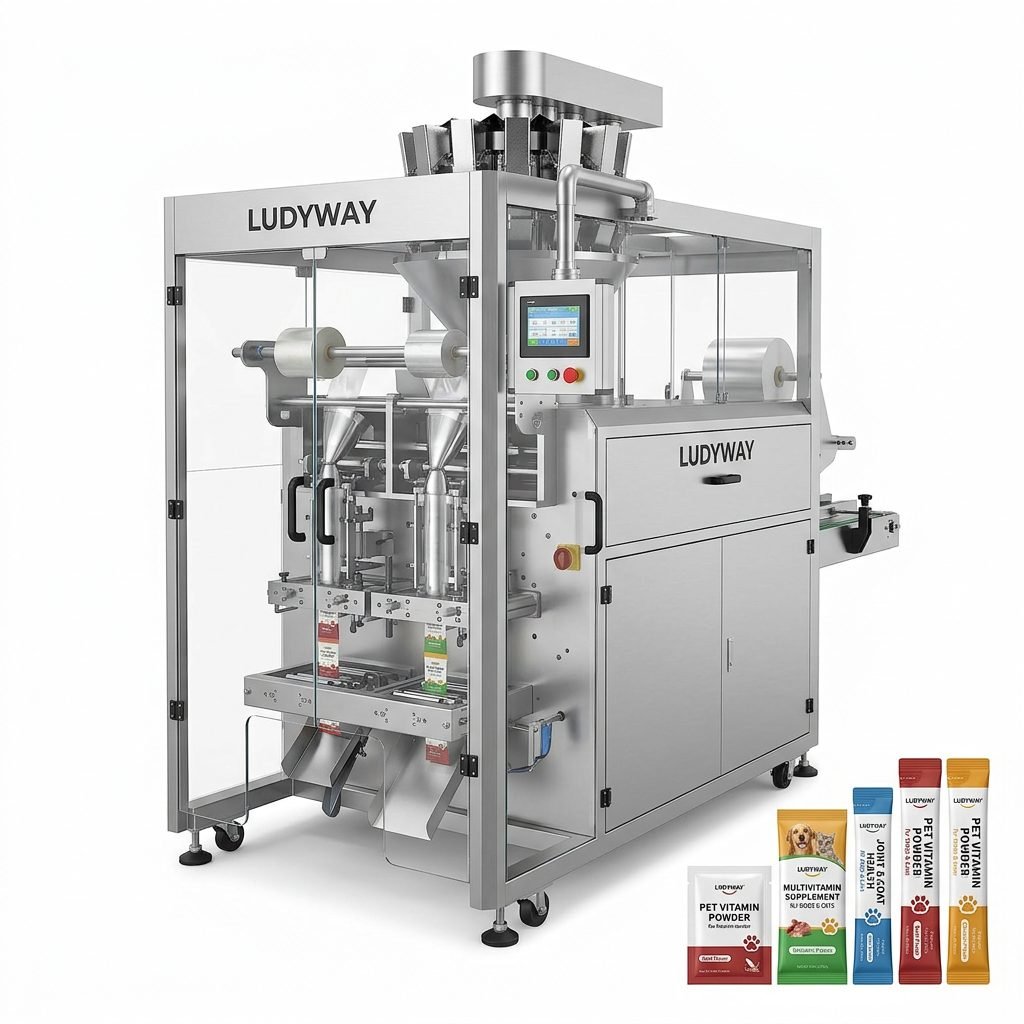
Powder and Granule Stick Pack Machines
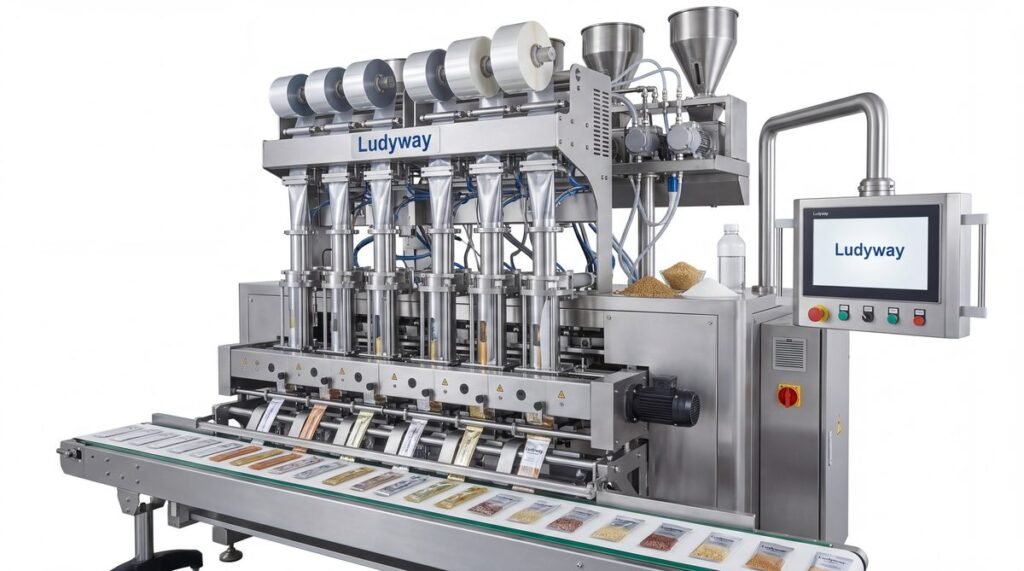
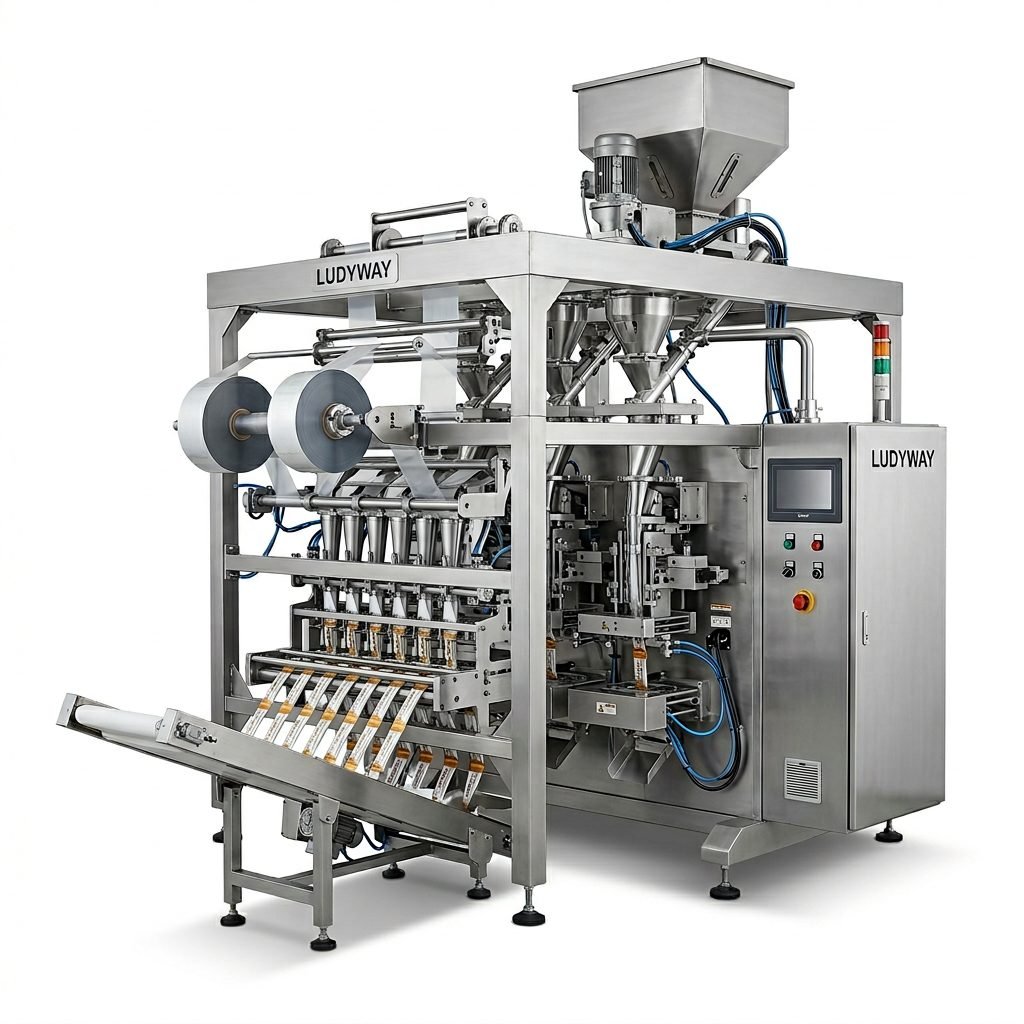
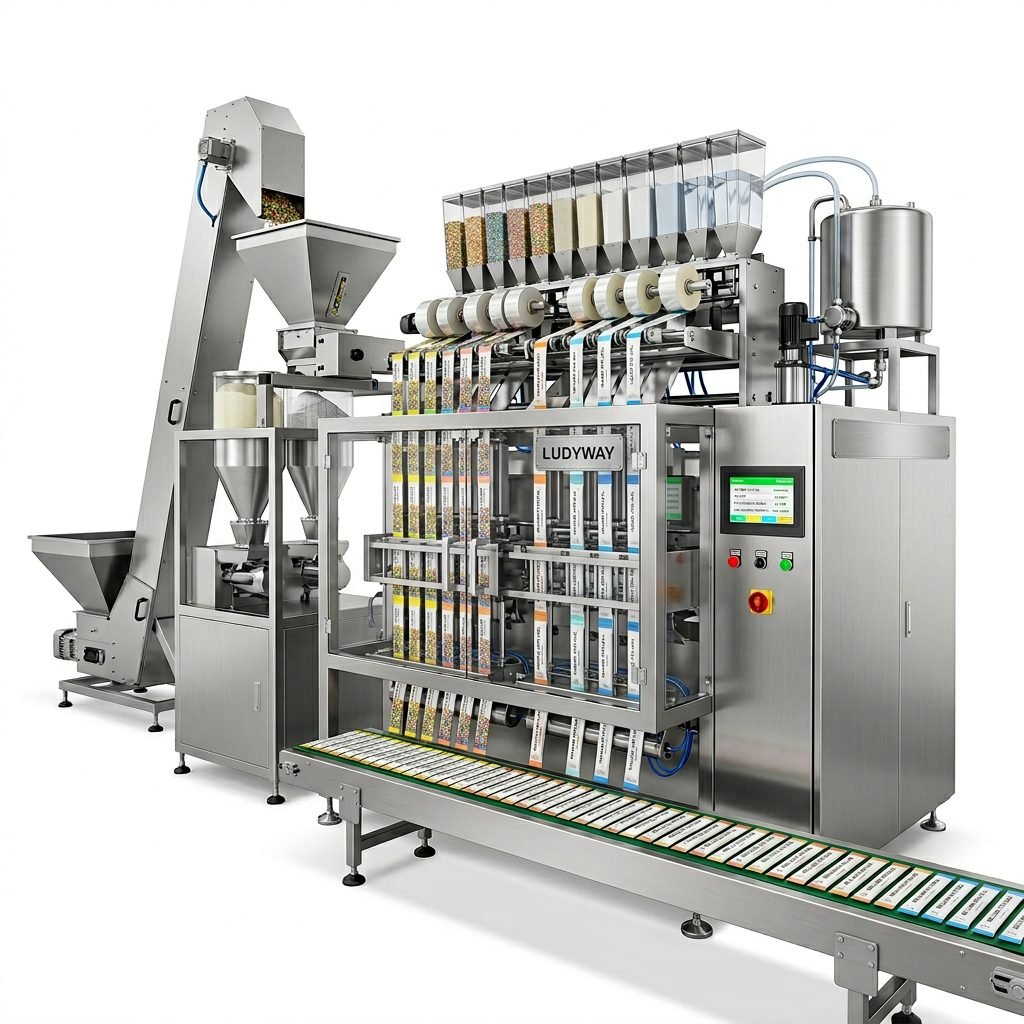
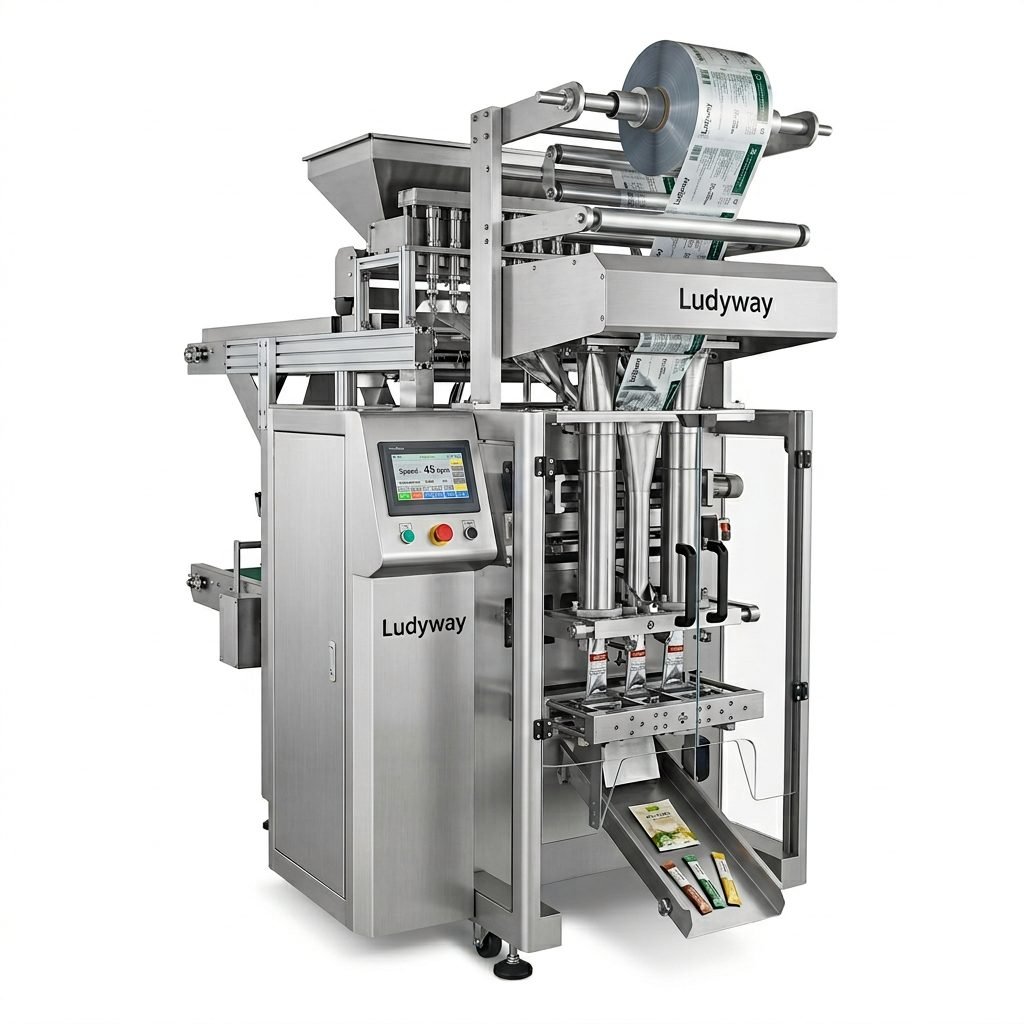
The wellness boom has driven explosive growth for powdered drink mix packaging. From turmeric lattes to electrolyte powders and collagen supplements, multi-lane stick pack machines dominate this segment. These machines vertically form, fill, and seal narrow sachets at blistering speeds—often exceeding 600 packs per minute across multiple lanes.
Key specifications to look for include:
- Auger filler accuracy for fine powders prone to dusting.
- Nitrogen flushing capabilities to extend the shelf life of oxygen-sensitive products.
- Quick-release tooling for rapid flavor changeovers.
Multi-Lane Sachet and Pouch Systems
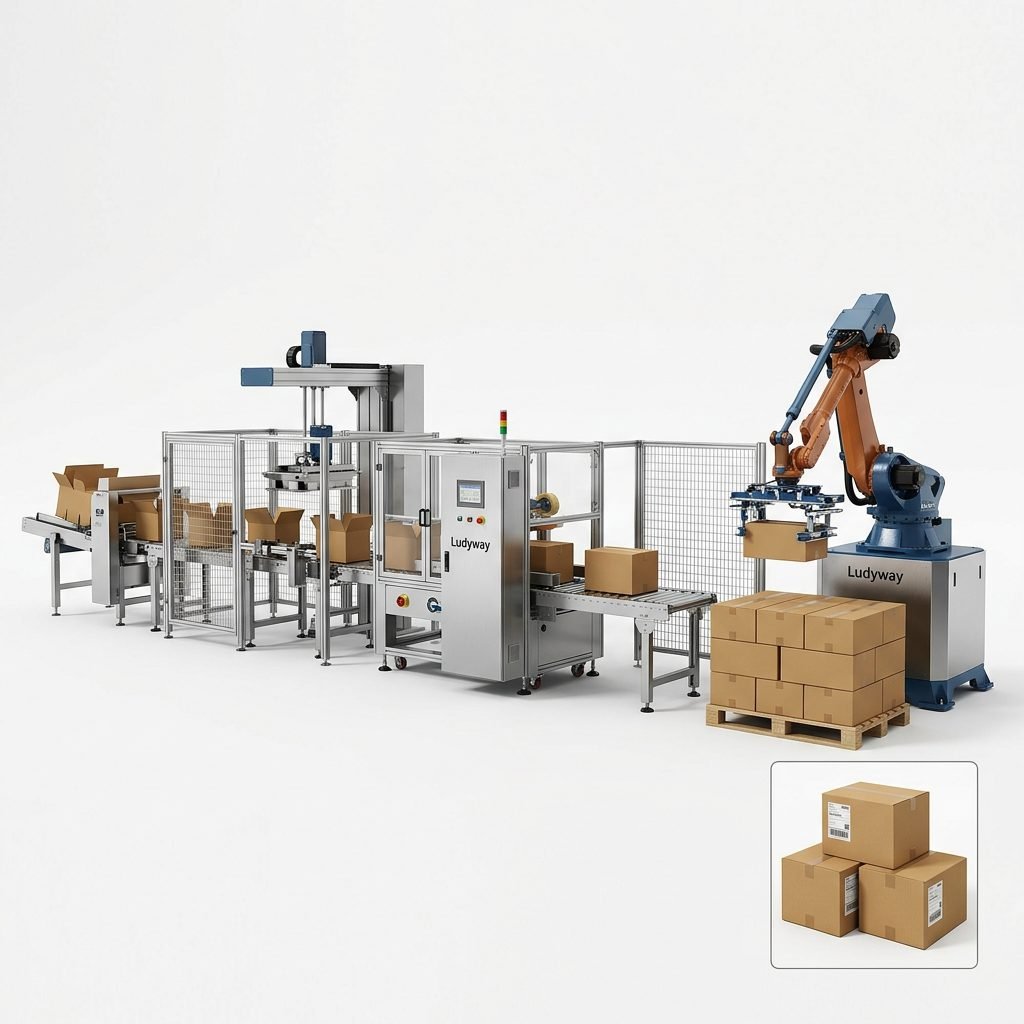
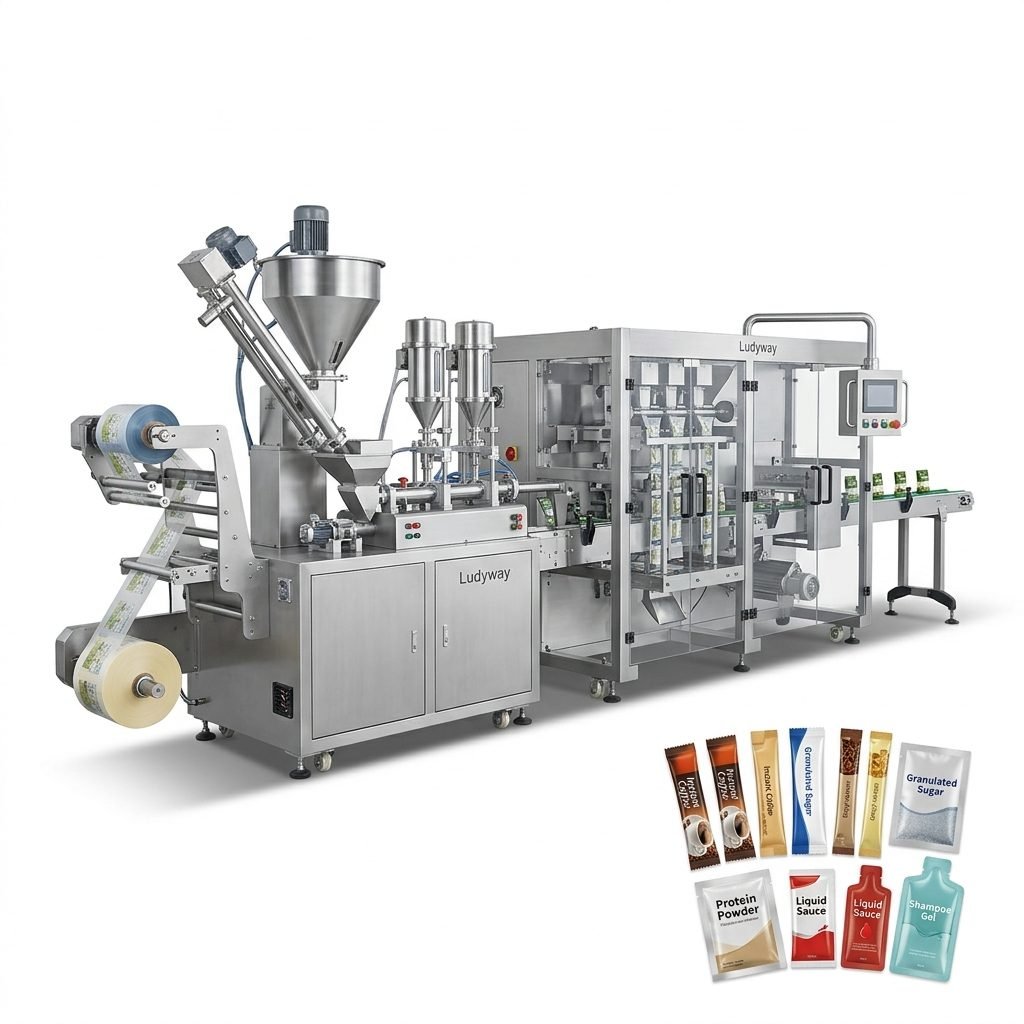
For food service applications—such as single-serve coffee creamers, sugar sachets, and sauce portions—multi-lane sachet machines are the industry standard. These robust systems often integrate seamlessly with advanced cartoning and case packing lines, reducing manual labor in UK factories where staffing remains a challenge.
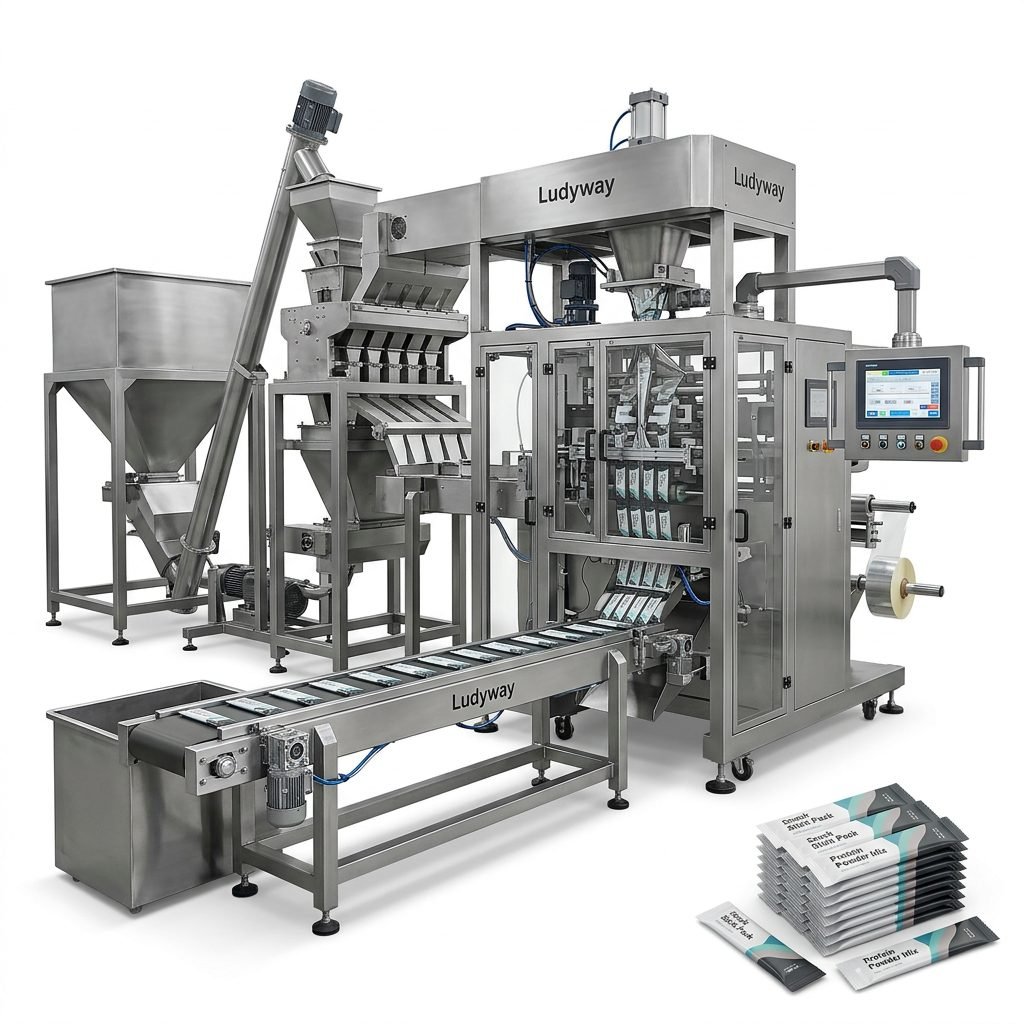
Turnkey Packaging Lines
Many UK buyers prefer turnkey solutions—complete lines that integrate filling, capping, labeling, inspection, and wrapping. A fully automated line minimizes the risk of compatibility issues between separate components, ensuring a smoother IQ, OQ, PQ validation process.
Key Buying Factors for UK Manufacturers
1. Production Speed and Scalability
Calculate your current throughput needs and project for the next 3 years. A machine running at 80% of its maximum speed generally offers the best balance between output and longevity. If you anticipate entering major retailers like Tesco or Boots, your beverage packaging equipment must scale rapidly without compromising quality.
2. Material Compatibility and Sustainability
The UK’s strong environmental focus means packaging machinery must be gentle on recyclable mono-materials. Traditional multi-layer plastics are being phased out. Ensure the machine’s heat sealing jaws offer precise temperature control to seal these more sensitive, eco-friendly films without wrinkling or burning.
3. Integration with Ancillary Equipment
A modern beverage line is more than just a filler. You need to plan for upstream and downstream integration:
| Ancillary Equipment | Function | Importance for UK Compliance |
|---|---|---|
| Checkweighers & Metal Detectors | Ensures fill weight accuracy and contaminant detection | Critical for BRC Food Safety Standards |
| Thermal Inkjet Coders | Batch numbers, expiry dates, and barcodes | Required for FIC/Food Traceability Law |
| High-Speed Cartoning | Secondary packaging for retail-ready products | Essential for supermarket supply chains |
Regulatory Compliance and Safety Standards
Navigating UK and EU regulations is paramount. The Food Safety Act 1990 and Regulation (EC) No 1935/2004 on food contact materials are non-negotiable. Your machine provider must offer documentation proving the food-contact parts are safe.
You should verify compliance with:
- IP Ratings: Look for IP65 or higher washdown protection for equipment handling sticky or acidic beverages.
- FDA/LFGB Materials: Gaskets and seals must meet British standards for food contact.
- ISO 11607: Relevant if you are packaging sterile beverage components or supplements.
For in-depth market data and regulatory updates, resources like the PMMI Business Intelligence Library provide valuable standards for packaging machinery used in the UK and globally.
Evaluating Machine Suppliers
Choosing a supplier is as critical as choosing the machine itself. The UK market values local technical support and rapid spare parts availability. A manufacturer’s experience in the beverage sector directly correlates with their understanding of your specific hygiene and speed requirements.
Look for suppliers who offer Factory Acceptance Testing (FAT) and Site Acceptance Testing (SAT) protocols. This ensures the packaging equipment meets ISO quality standards before it leaves the factory floor and again after installation at your UK facility.
Why Engineering Heritage Matters
Established equipment providers with decades of experience in manufacturing often deliver more robust, battle-tested frames and electronics. For instance, Ludyway has been dedicated to providing efficient and reliable packaging solutions for manufacturers worldwide since 1993, with a growing presence in global markets through its 20,000㎡ facility and over 50 intelligent packaging machine models. Their engineering teams focus on practical industry experience and long-term customer success.
Total Cost of Ownership (TCO)
While the upfront price is a factor, UK accountants focus on Overall Equipment Effectiveness (OEE). A cheap machine that loses 20% efficiency due to film waste or downtime costs far more over five years. Consider:
- Energy Consumption: Variable frequency drives (VFDs) reduce power usage.
- Changeover Time: Tool-less adjustments lower labor costs and increase production capacity.
- Film Waste: Precise tension control systems lower the running cost per unit.
After-Sales Support in the UK
Remote support has evolved, but on-the-ground service remains a decisive factor. Ensure your contract includes provisions for:
- Remote diagnostics via VPN or industrial IoT platforms.
- Scheduled preventive maintenance to align with your production calendar.
- Genuine spare parts stocked in a local or easily shippable hub to avoid customs delays.
Before finalizing your purchase, consult updated industry performance data. The reports from the Flexible Packaging Association highlight trends in material durability that will affect your machine’s long-term performance on the British market.
Making the Final Decision
Selecting a beverage packaging machine in the UK requires a strategic blend of technical inquiry and commercial foresight. By prioritizing hygienic design, sustainable material compatibility, and robust automation, you position your brand for the competitive shelf spaces of tomorrow. Whether you require a simple single-lane filler or a sophisticated, fully automated turnkey line integrated with vision inspection and boxing, thorough vetting against British standards is non-negotiable.
Contact Details
For more information on highly customizable, CE-certified beverage packaging solutions, reach out to manufacturing experts with a long-term commitment to engineering support and innovation:
- E-Mail: info@ludyway.com
- WhatsApp: +8613129592456
- Address: Nanlang Town, Zhongshan, Guangdong, China.