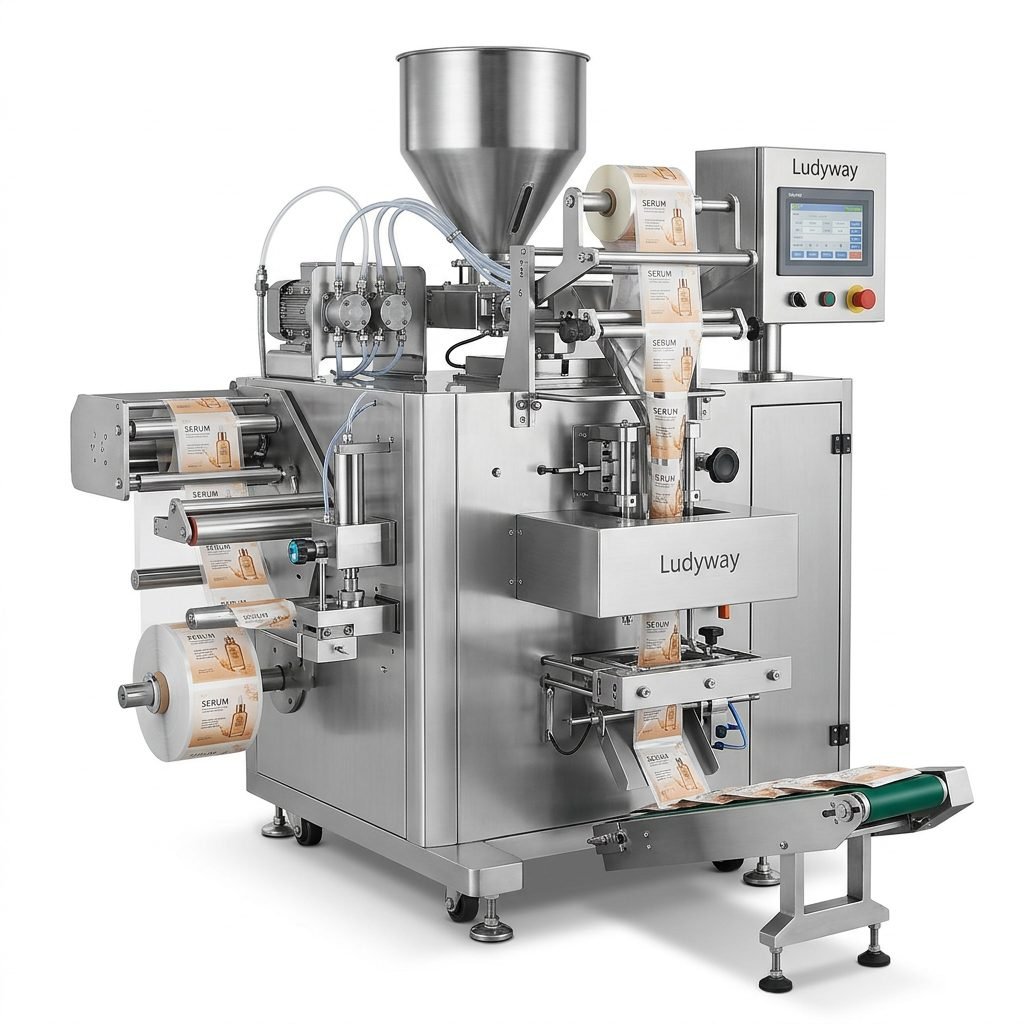
The Middle East has emerged as one of the fastest-growing markets for grain packaging machinery, driven by rapid expansion in food processing, agricultural exports, and packaged consumer goods. Whether you are packaging rice, wheat, lentils, seeds, or animal feed, selecting the right grain packaging machine is critical to operational efficiency and product quality. This guide covers everything you need to know before making a purchase decision in the region.
Understanding the Middle Eastern Grain Packaging Landscape
The Middle East imports a significant volume of grains, including rice, wheat, barley, and lentils. Countries such as Saudi Arabia, the UAE, Iraq, and Egypt are major hubs for grain re-packaging and distribution. The demand for automated packaging solutions is increasing as manufacturers seek to reduce labor costs, improve hygiene standards, and comply with international ISO packaging standards.
Local regulations often require multi-layer laminated pouches or hermetic sealing to protect grains from moisture, pests, and contamination — especially in the Gulf region’s hot and humid climate. Understanding these regional requirements is the first step toward choosing the right equipment.
Types of Grain Packaging Machines Available
The type of machine you need depends on your product characteristics, target packaging format, and production volume. Below are the main categories:
1. Vertical Form Fill Seal (VFFS) Machines
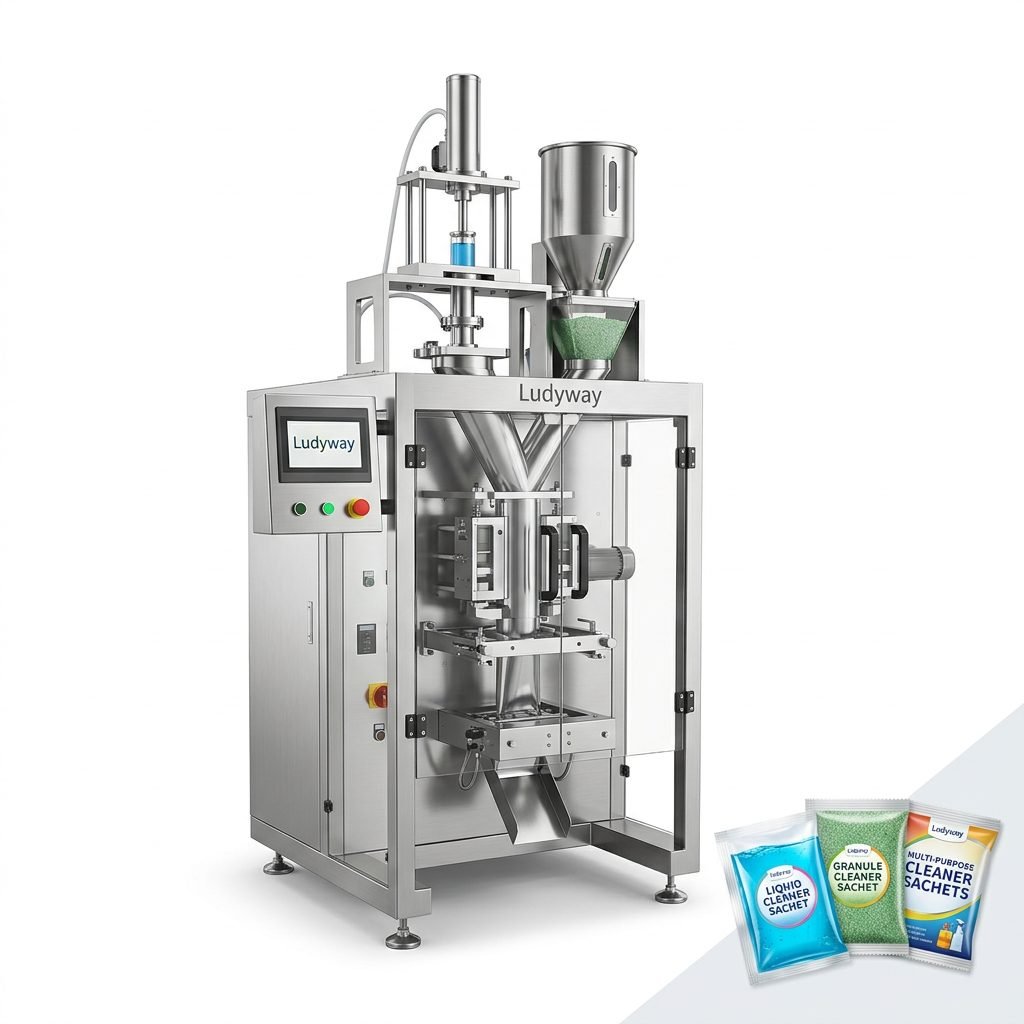
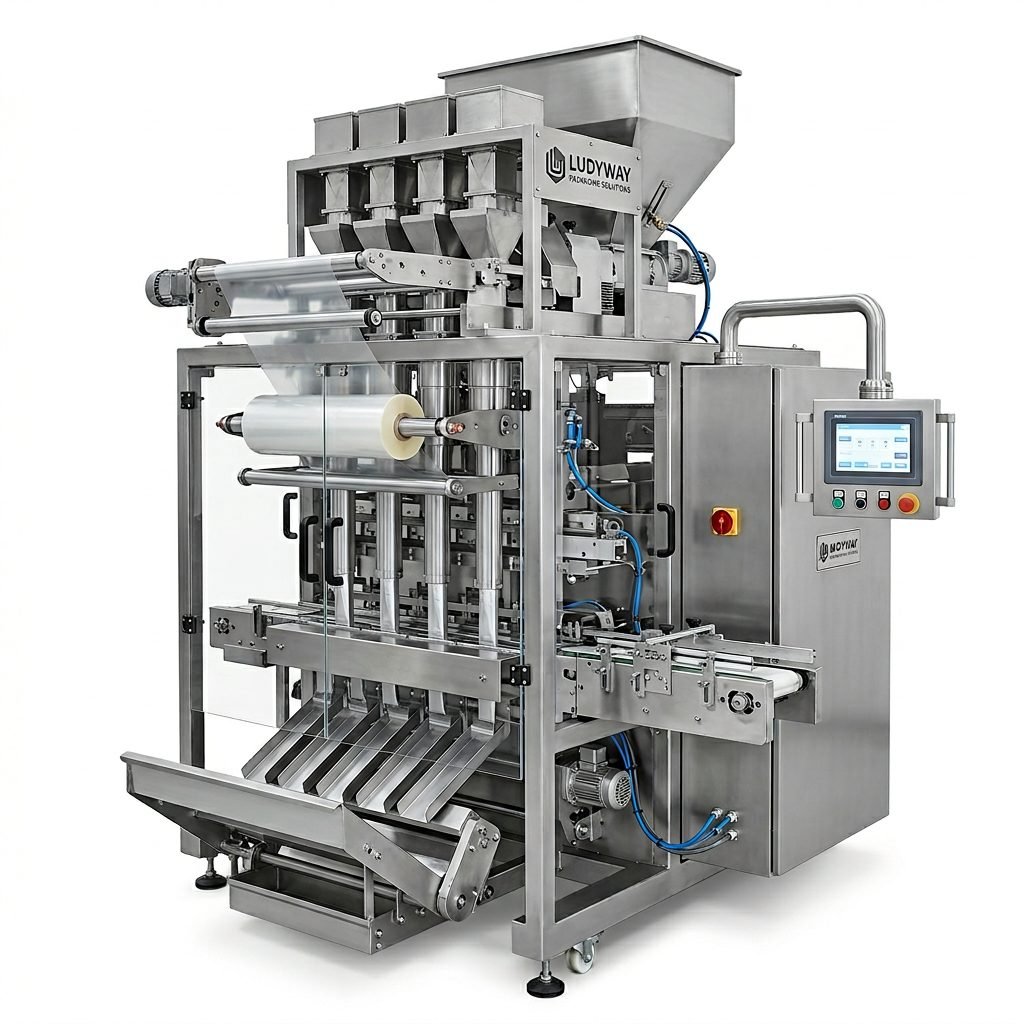
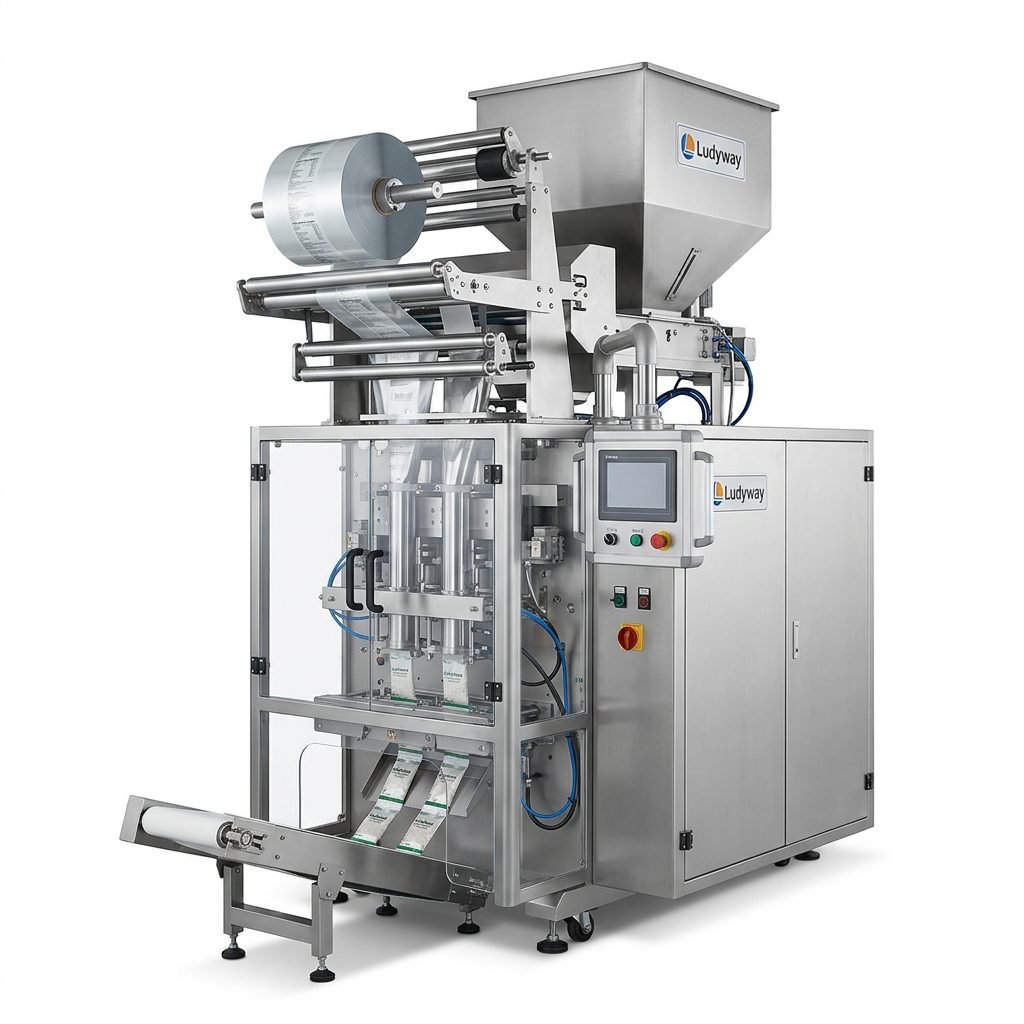
VFFS machines are the most common choice for granule and grain packaging. They form bags from a flat roll of film, fill them with product, and seal them — all in one continuous vertical motion. These machines are ideal for high-speed production of pillow bags, gusseted bags, and quad-seal pouches.
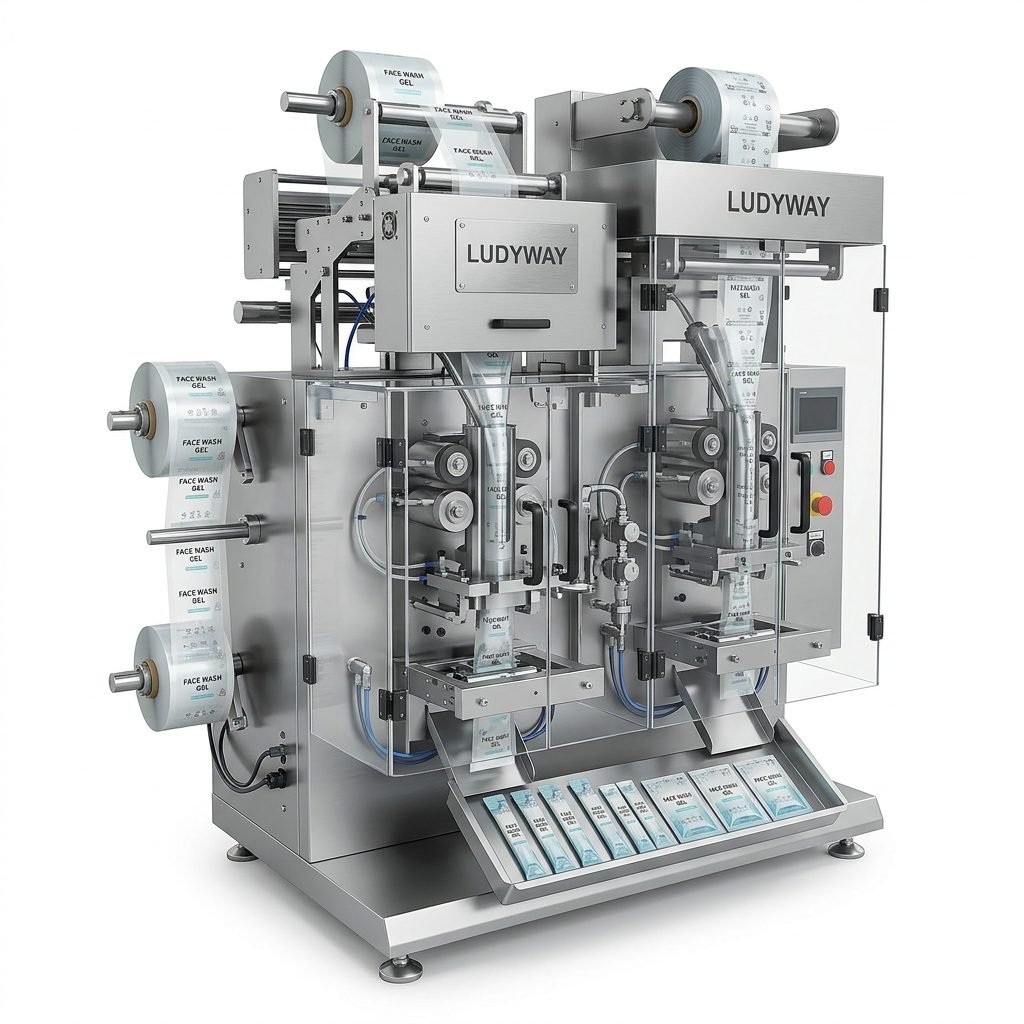
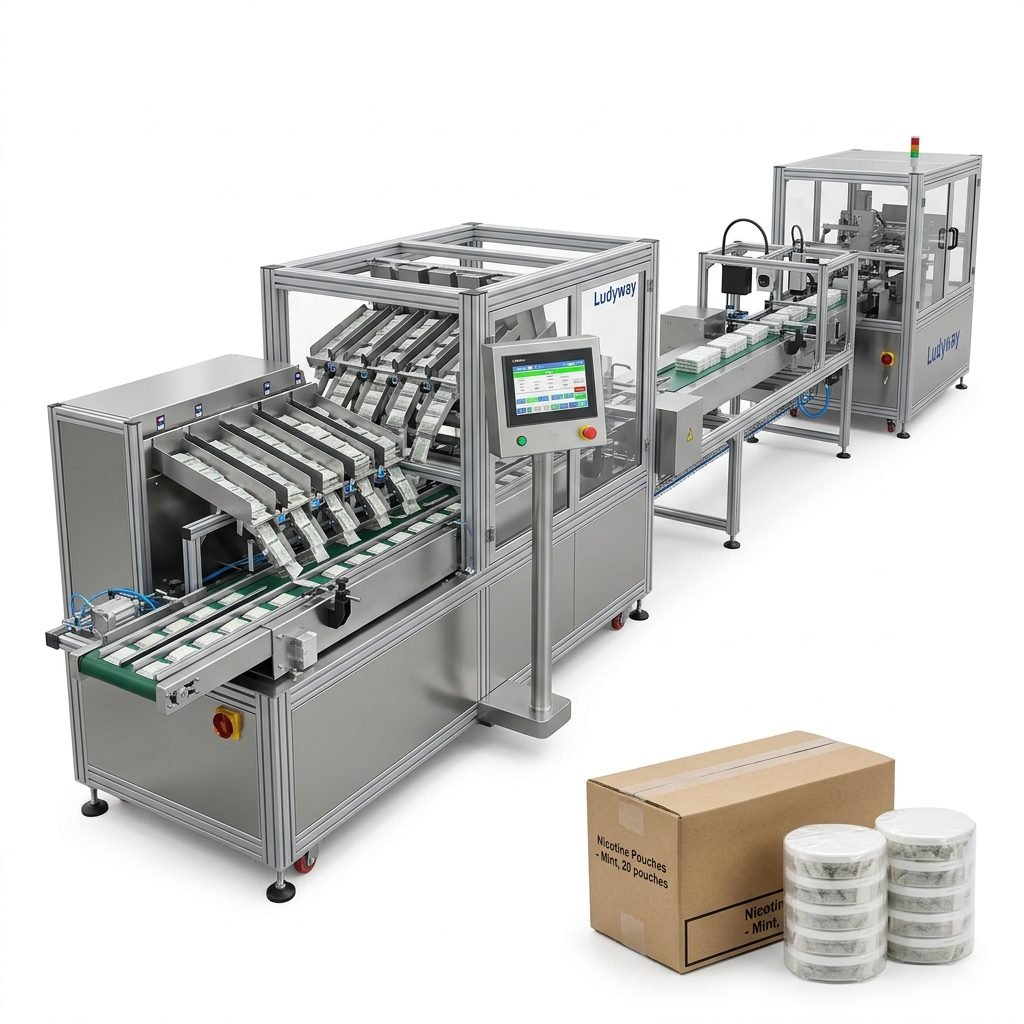
2. Multi-Lane Stick Pack Machines
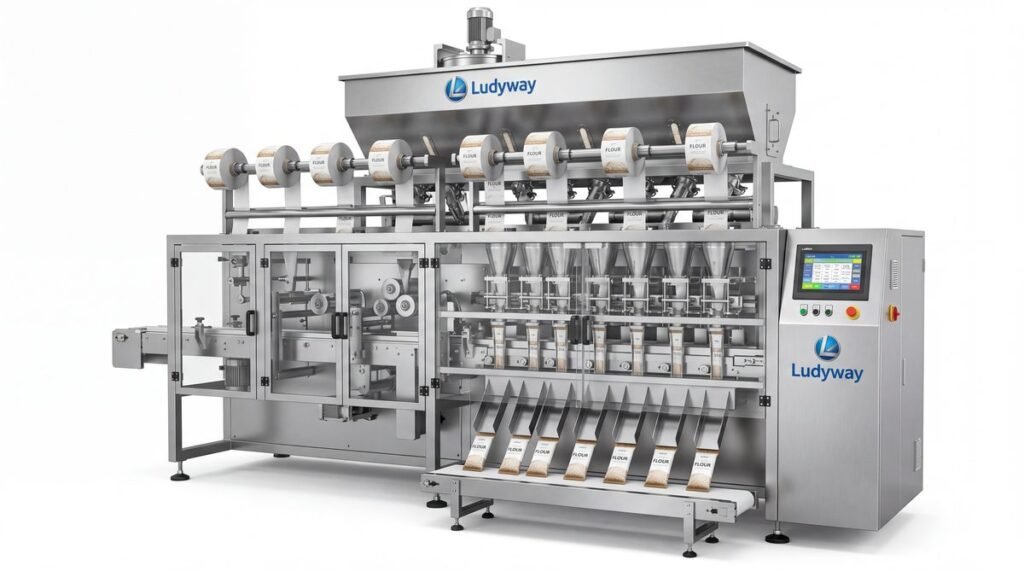
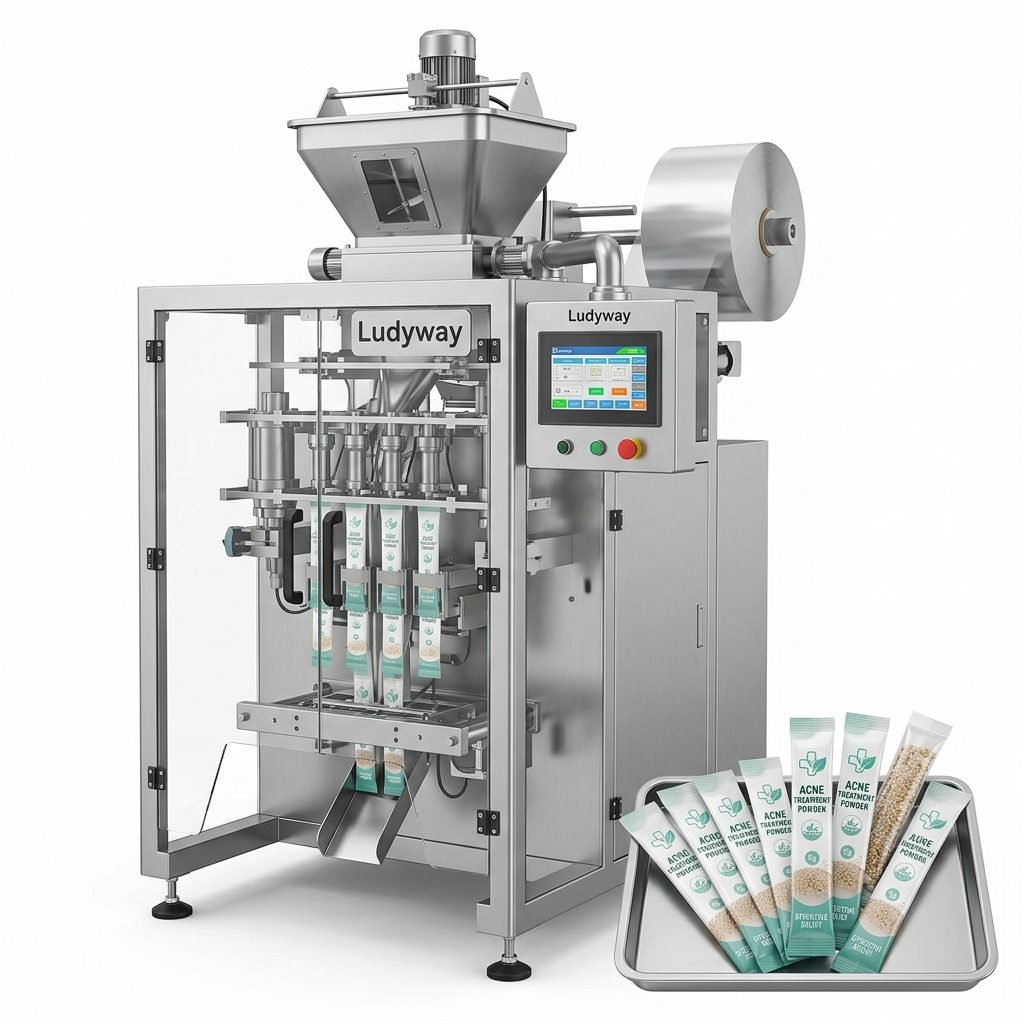
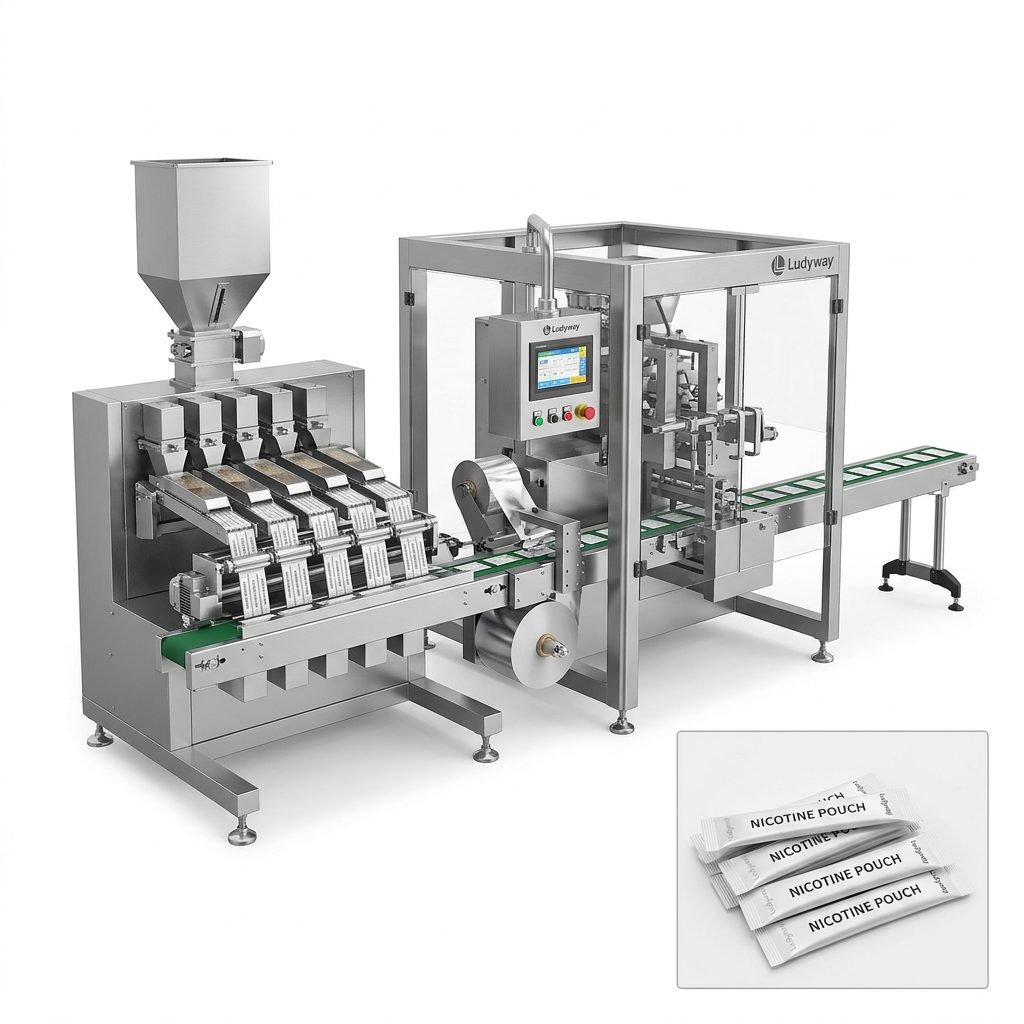
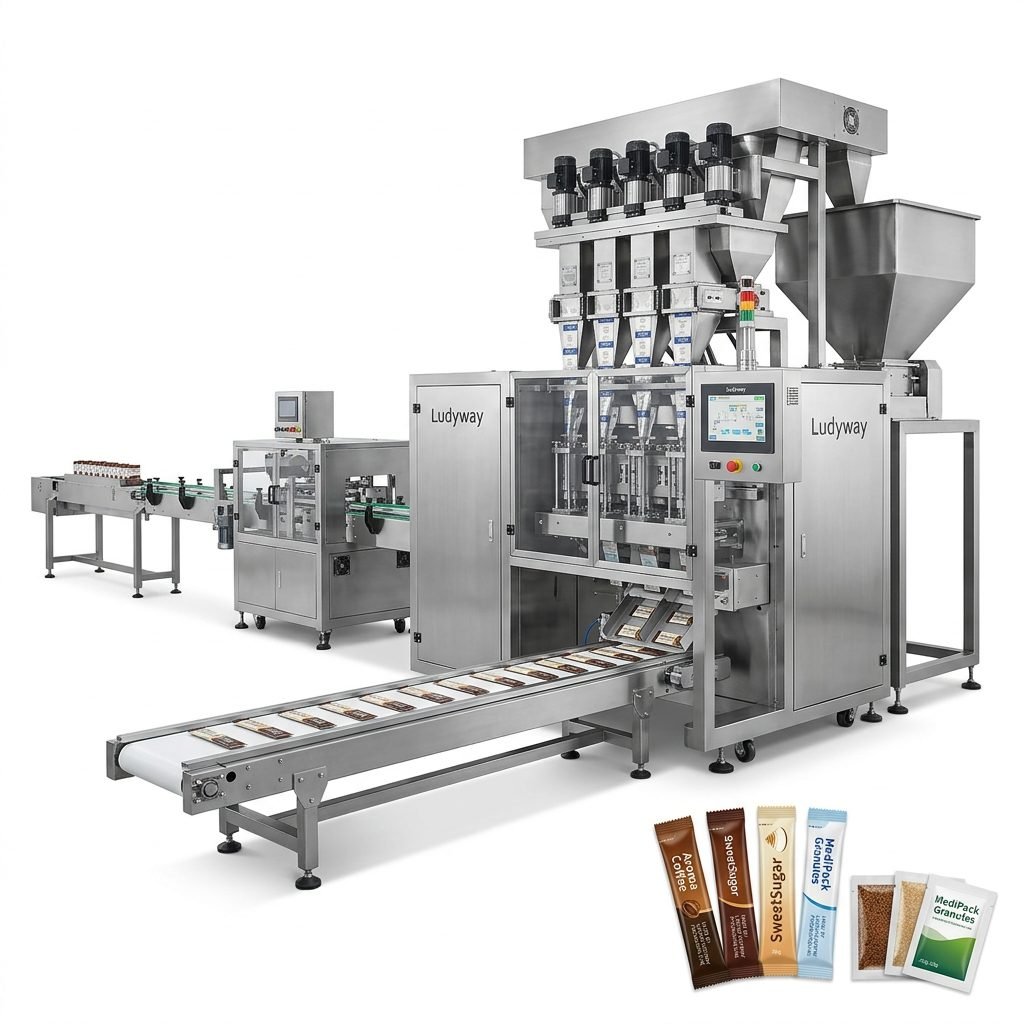
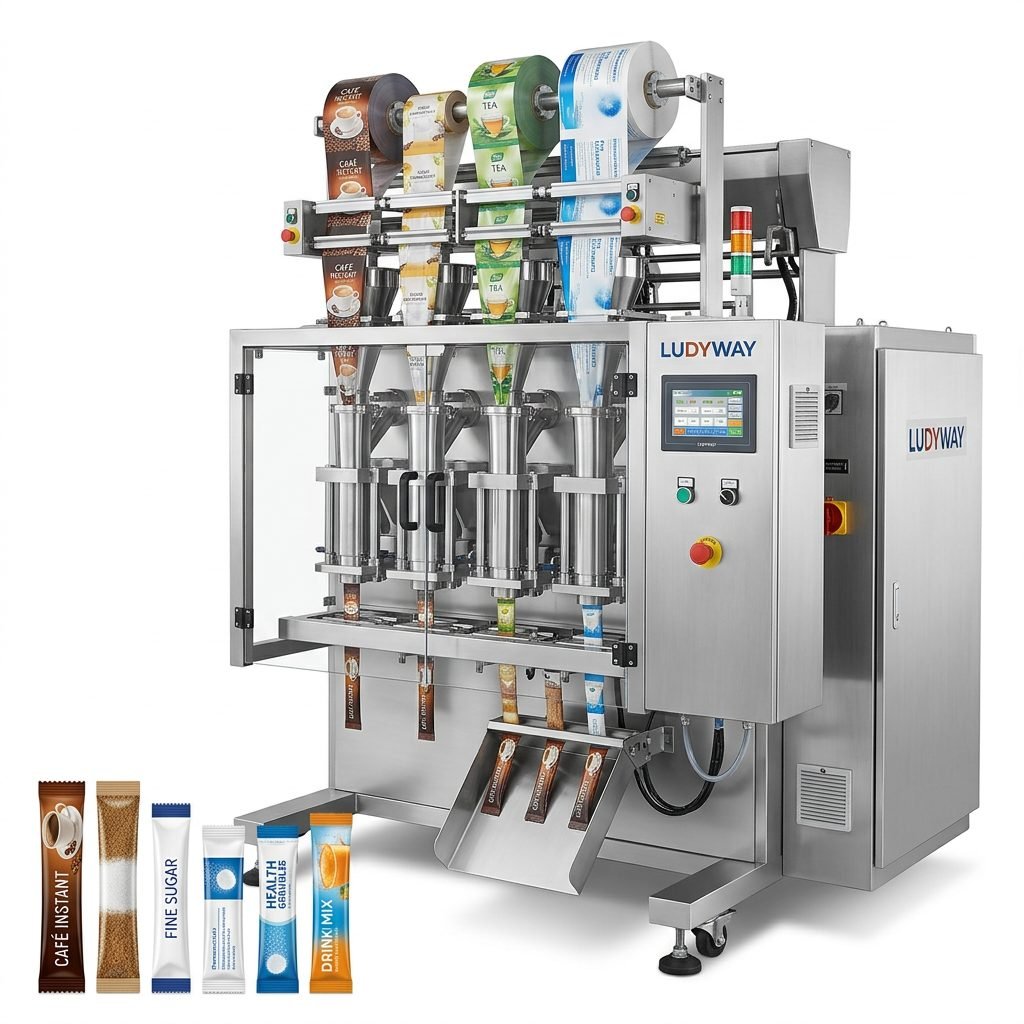
For single-serve portions of instant rice, oatmeal, or flavored grain mixes, multi-lane stick pack machines offer unmatched efficiency. They can run 4 to 20 lanes simultaneously, dramatically increasing output per minute. These are popular across the Middle East for food service and hospitality sectors.
3. Premade Pouch Filling and Sealing Machines
If your brand requires premium stand-up pouches with zipper closures, tear notches, or shaped packaging, premade pouch machines are the answer. They handle pre-manufactured pouches and are suitable for retail-ready grain products sold in supermarkets across the UAE and Saudi Arabia.
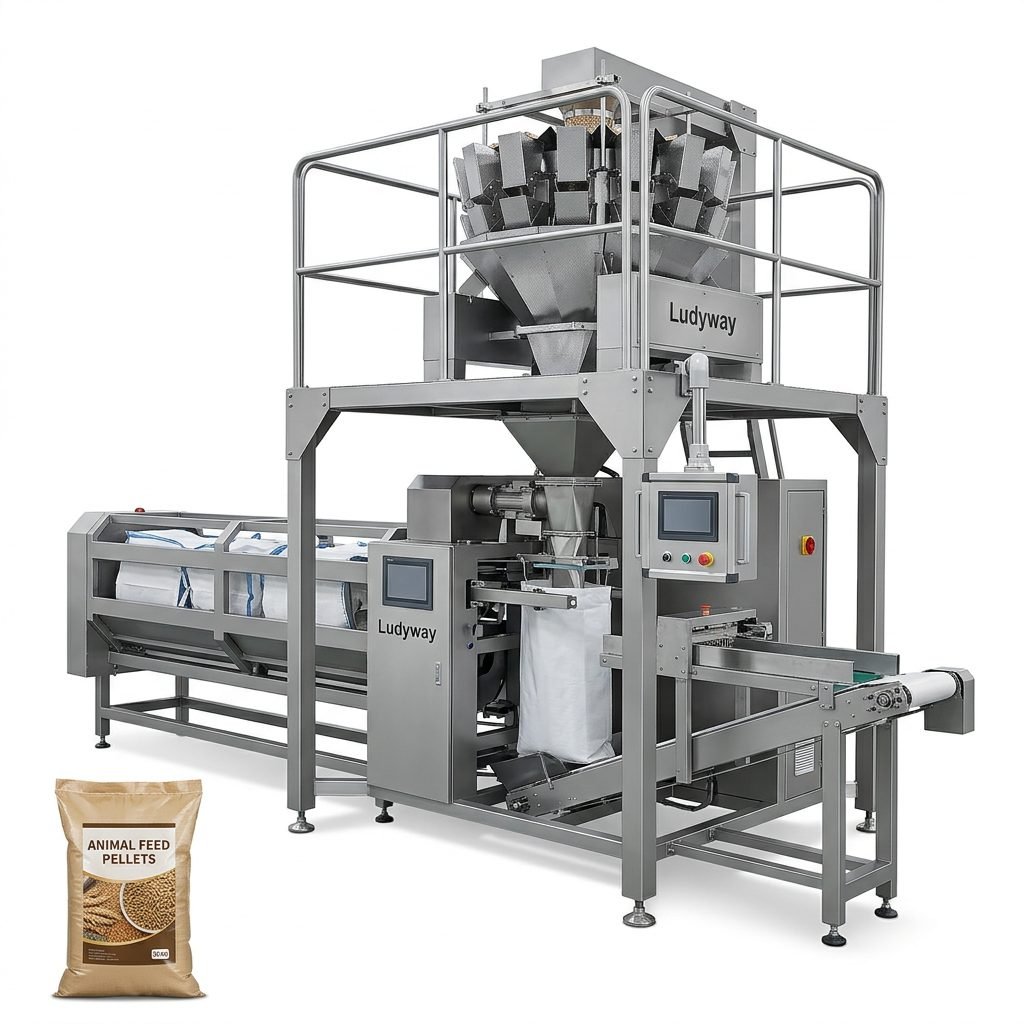
4. Bulk Bagging and Weighing Systems
For large-scale agricultural operations packaging grains in 10kg, 25kg, or 50kg bags, bulk weighing and bagging lines are essential. These systems typically integrate multi-head weighers and automated bag placers for maximum throughput.
Key Factors to Consider When Buying a Grain Packaging Machine
Investing in packaging equipment requires careful evaluation. Here are the critical factors Middle Eastern buyers should assess:
- Product Flow Characteristics: Different grains have varying flow properties. Free-flowing grains like polished rice behave differently from dusty or irregularly shaped grains such as oats or freekeh. Always test your specific product before purchasing.
- Packaging Format: Determine whether you need pillow bags, stick packs, sachets, stand-up pouches, or bulk sacks. The machine must be compatible with your desired format.
- Production Speed: Calculate your required output in packs per minute. High-speed multi-lane systems can achieve 400+ packs per minute for small formats.
- Sealing Integrity: In the Middle Eastern climate, moisture-resistant sealing is crucial. Look for machines with nitrogen flushing capabilities to extend shelf life.
- Compliance and Certifications: Ensure the machine meets FDA food packaging standards and relevant ISO packaging and distribution standards for export markets.
- After-Sales Support: Reliable technical support and spare parts availability in the Middle East are essential. Downtime can be costly in high-volume operations.
Technical Specifications Comparison
The table below highlights key specifications to compare across different grain packaging machines:
| Specification | VFFS Machine | Multi-Lane Stick Pack | Premade Pouch | Bulk Bagging |
|---|---|---|---|---|
| Pack Size Range | 5g – 5kg | 1g – 50g | 50g – 2kg | 10kg – 50kg |
| Speed (packs/min) | 30 – 100 | 200 – 600 | 20 – 60 | 5 – 20 |
| Bag Type | Pillow, Gusseted | Stick Pack, Sachet | Stand-up, Zipper | Sewn, Heat-Sealed |
| Ideal Application | Retail rice, lentils | Single-serve portions | Premium retail | Wholesale, agricultural |
| Automation Level | Semi to Full | Fully Automatic | Fully Automatic | Fully Automatic |
Regional Considerations for Middle Eastern Buyers
Purchasing a grain packaging machine for the Middle East market involves unique considerations that differ from other regions:
Climate and Environmental Factors
The extreme heat and humidity in Gulf countries can affect packaging material integrity and machine performance. Look for machines with temperature-resistant components and the ability to handle flexible packaging materials with strong moisture barriers. Air-conditioned production environments are recommended for optimal machine operation.
Certification and Import Requirements
Many Middle Eastern countries require GSO (GCC Standardization Organization) compliance, Halal certification for food contact surfaces, and adherence to packaging industry standards. Ensure your equipment supplier can provide the necessary documentation for customs clearance and regulatory approval.
Language and Training
Choose a supplier that offers Arabic or English language interfaces on the machine’s HMI (Human-Machine Interface). Comprehensive operator training — ideally conducted on-site or via video conferencing — is essential to maximize productivity.
Spare Parts Availability
Downtime in grain packing operations can be extremely costly. Verify that your supplier maintains a regional spare parts inventory or can ship critical components quickly to the Middle East. Some manufacturers offer preventive maintenance contracts that include regular remote diagnostics.

Cost and ROI Analysis
Grain packaging machines represent a significant capital investment, with prices varying widely based on automation level, speed, and brand. Entry-level VFFS machines may start around $15,000 – $30,000, while fully automated multi-lane systems with auxiliary equipment can exceed $150,000.
When calculating ROI, consider the following:
- Labor cost reduction through automation
- Reduced product waste from precise filling
- Increased production throughput
- Improved shelf life and reduced returns
- Ability to serve new packaging formats and markets
Most Middle Eastern food manufacturers report achieving full ROI within 18-36 months after upgrading to automated grain packaging systems. For comprehensive industry data, refer to the PMMI business intelligence reports on packaging machinery market trends.
Supplier Evaluation Checklist
Selecting the right equipment partner is as important as choosing the right machine. Use this checklist when evaluating potential grain packaging machine suppliers:
- Industry Experience: How many years has the company been manufacturing grain packaging equipment? Do they have references from Middle Eastern clients?
- Manufacturing Facility: Does the supplier have a modern production facility with quality control systems? Facilities exceeding 20,000㎡ with dedicated R&D teams generally indicate a serious manufacturer.
- Model Range: A supplier with 50+ packaging machine models can offer more tailored solutions as your production needs evolve.
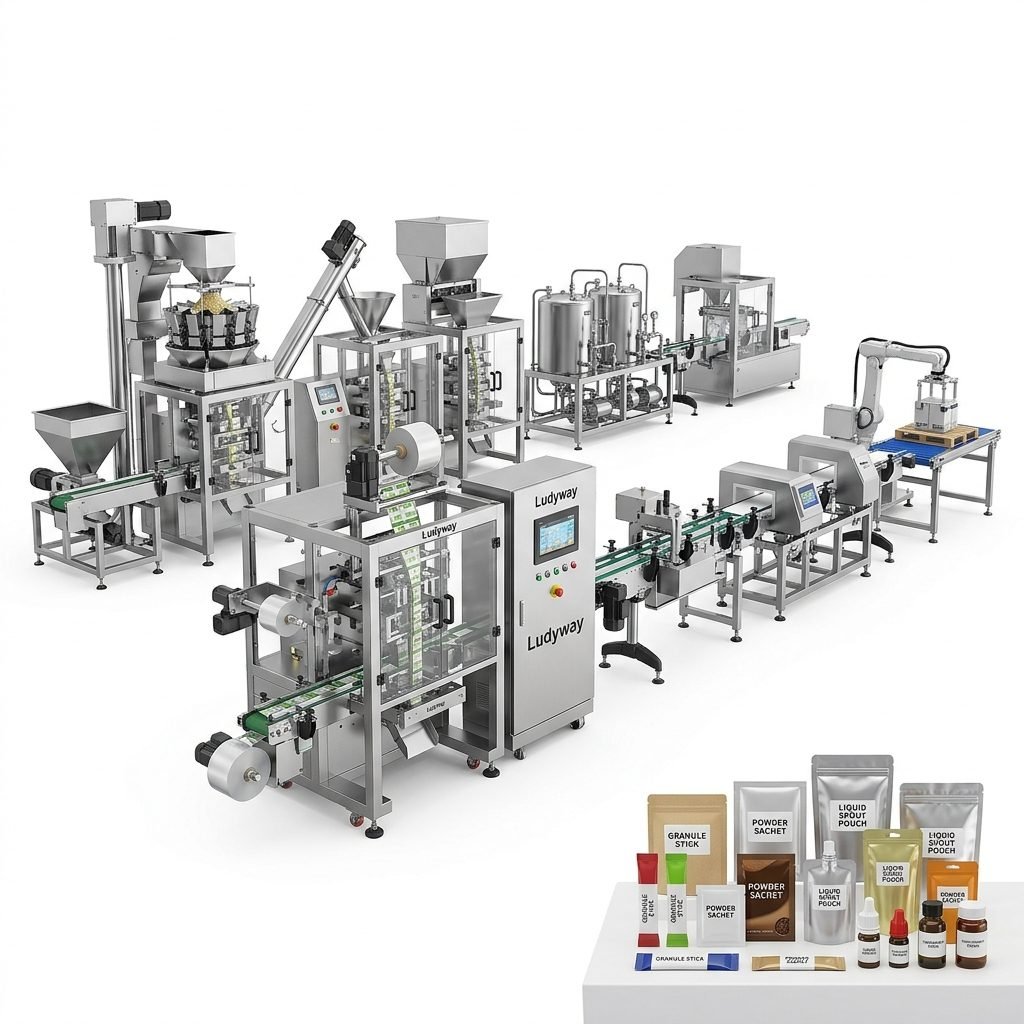
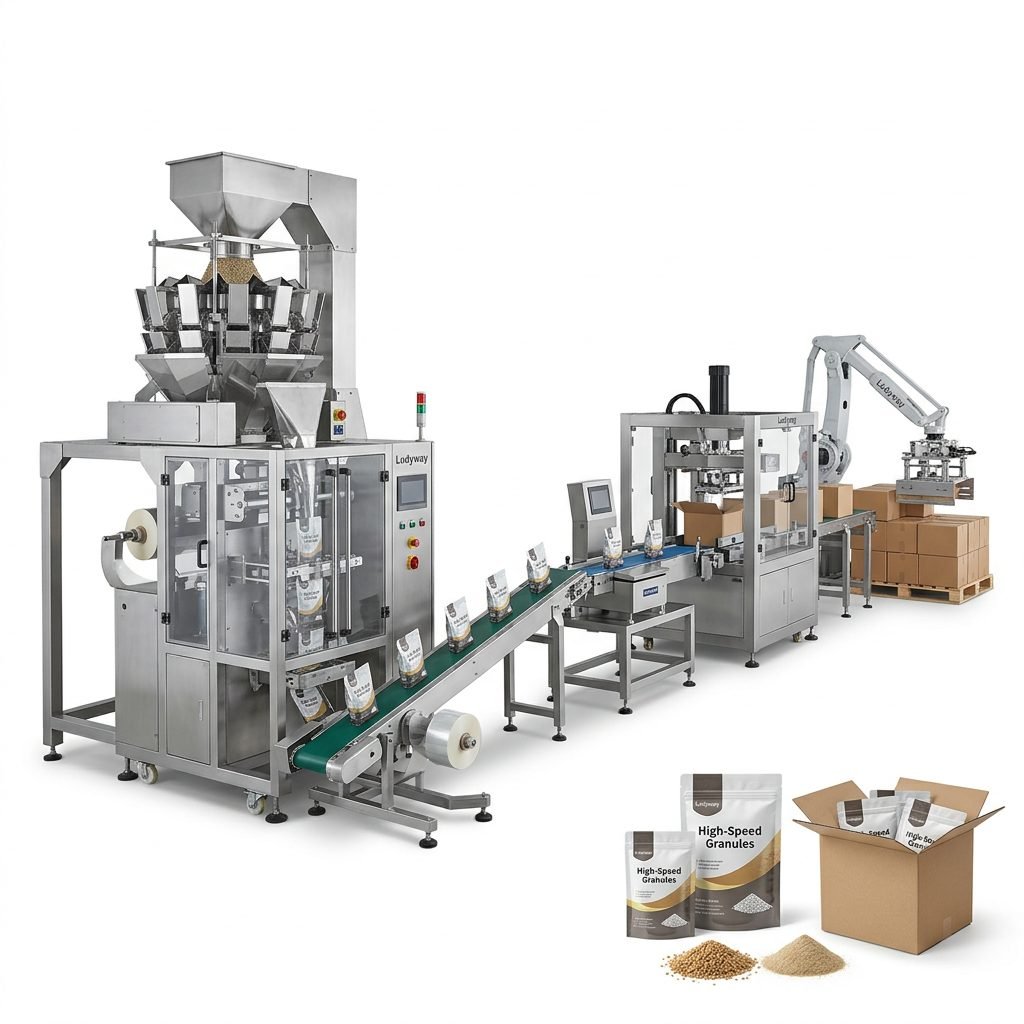
- Turnkey Capability: Can the supplier provide complete packaging lines including conveyors, weighers, cartoners, and palletizers?
- International Support: Does the company serve customers in 100+ countries and offer remote technical assistance?
- Exhibition Presence: Regular participation at global packaging exhibitions such as PACK EXPO International and Gulfood Manufacturing in Dubai is a positive indicator.
Recommended Packaging Formats for Middle Eastern Markets
Based on current market trends, these packaging formats are particularly popular for grain products in the Middle East:
| Grain Product | Popular Format | Typical Size | Target Market |
|---|---|---|---|
| Basmati Rice | Stand-up Pouch with Zipper | 1kg – 5kg | Retail (Supermarkets) |
| Lentils / Pulses | Pillow Bag with Nitrogen Flush | 500g – 2kg | Retail and Wholesale |
| Instant Oatmeal | Stick Pack / Sachet | 25g – 50g | Food Service / HORECA |
| Animal Feed Grains | Woven Sack / Bulk Bag | 25kg – 50kg | Agricultural / Wholesale |
| Freekeh / Bulgur | Vacuum-Sealed Pouch | 500g – 1kg | Premium Retail |
Installation, Training, and Ongoing Maintenance
Successful implementation of a grain packaging line goes beyond the initial purchase. A structured installation and training plan ensures smooth integration into your production facility. Key considerations include:
- Site Preparation: Ensure your facility has adequate power supply (commonly 380V/50Hz in the Middle East), compressed air, and climate control.
- Operator Training: Comprehensive hands-on training for your team covering machine operation, troubleshooting, and daily maintenance is essential for long-term efficiency.
- Remote Support: Many suppliers now offer remote diagnostics via internet-connected HMIs, enabling quick issue resolution without on-site visits.
- Preventive Maintenance: Establish a regular maintenance schedule to replace wear parts such as sealing jaws, cutting blades, and Teflon tapes before they cause unplanned downtime.
One established manufacturer worth considering in this space is Ludyway, which has over 30 years of industry experience, a modern 20,000㎡ production facility, and more than 50 intelligent packaging machine models serving customers in over 100 countries. Their expertise spans granule, powder, liquid, and pouch packaging applications, making them a versatile partner for Middle Eastern food manufacturers seeking comprehensive packaging solutions.
Future Trends in Grain Packaging for the Middle East
The grain packaging industry is evolving rapidly. Middle Eastern buyers should stay informed about these emerging trends:
- Sustainable Packaging Materials: Growing consumer demand for eco-friendly packaging is pushing manufacturers toward recyclable and biodegradable materials. Ensure your equipment can handle emerging sustainable film types.
- Smart Factory Integration: IoT-enabled machines that communicate with central production management systems are becoming standard, enabling real-time OEE (Overall Equipment Effectiveness) tracking.
- Flexible Production Lines: The ability to quickly switch between different grain products and packaging formats without extensive changeover time is increasingly valued in the region.
- Nitrogen Flushing and MAP: Modified Atmosphere Packaging is gaining traction for premium grain products to extend shelf life and preserve freshness without artificial preservatives.
For detailed economic analysis and packaging machinery market forecasts relevant to your purchasing decisions, consult the PMMI State of the Industry reports and Flexible Packaging Association industry data.
Final Recommendations
Purchasing a grain packaging machine in the Middle East is a strategic decision that requires thorough evaluation of your product characteristics, target formats, production volumes, and regional market requirements. The right machine will not only improve efficiency but also elevate your brand’s presence on retail shelves across the region.
Key takeaways for Middle Eastern buyers:
- Prioritize sealing integrity and moisture protection for the region’s climate
- Choose suppliers with proven international support capabilities and regional references
- Invest in scalable, modular systems that can grow with your business
- Verify certifications including GSO, Halal, and international food safety standards
- Request product-specific testing with your actual grain samples before finalizing any purchase
With careful planning and the right equipment partner, your grain packaging operation can achieve world-class efficiency, product quality, and market competitiveness across the dynamic Middle Eastern landscape.