Setting up a poultry packaging machine production line in Asia requires careful planning, market understanding, and strategic equipment selection. As the demand for processed poultry products continues to surge across Southeast Asia, South Asia, and East Asia, manufacturers are increasingly investing in automated packaging solutions to improve efficiency, ensure product safety, and meet international export standards. This complete guide walks you through every step of establishing a successful poultry packaging operation in the region.
Understanding the Poultry Packaging Market in Asia
The Asian poultry packaging equipment market is projected to grow at a CAGR of over 7% through 2030, driven by rising meat consumption, urbanization, and expanding cold chain infrastructure. Countries like Thailand, Vietnam, Indonesia, India, and China are leading this growth, with Thailand alone exporting over 900,000 tons of poultry products annually. Modern packaging lines must accommodate diverse product formats, including fresh tray packs, frozen bulk bags, marinated sachet portions, and ready-to-cook stick packs.
Market Demand and Key Growth Drivers
- Rapid urbanization fueling demand for convenient, packaged poultry products
- Expanding QSR (Quick Service Restaurant) chains requiring standardized portion packaging
- Export market compliance demanding advanced traceability and hygienic packaging
- Government food safety regulations pushing automation adoption across the supply chain
- Labor cost increases making automated packaging lines more economically viable
Key Components of a Poultry Packaging Production Line
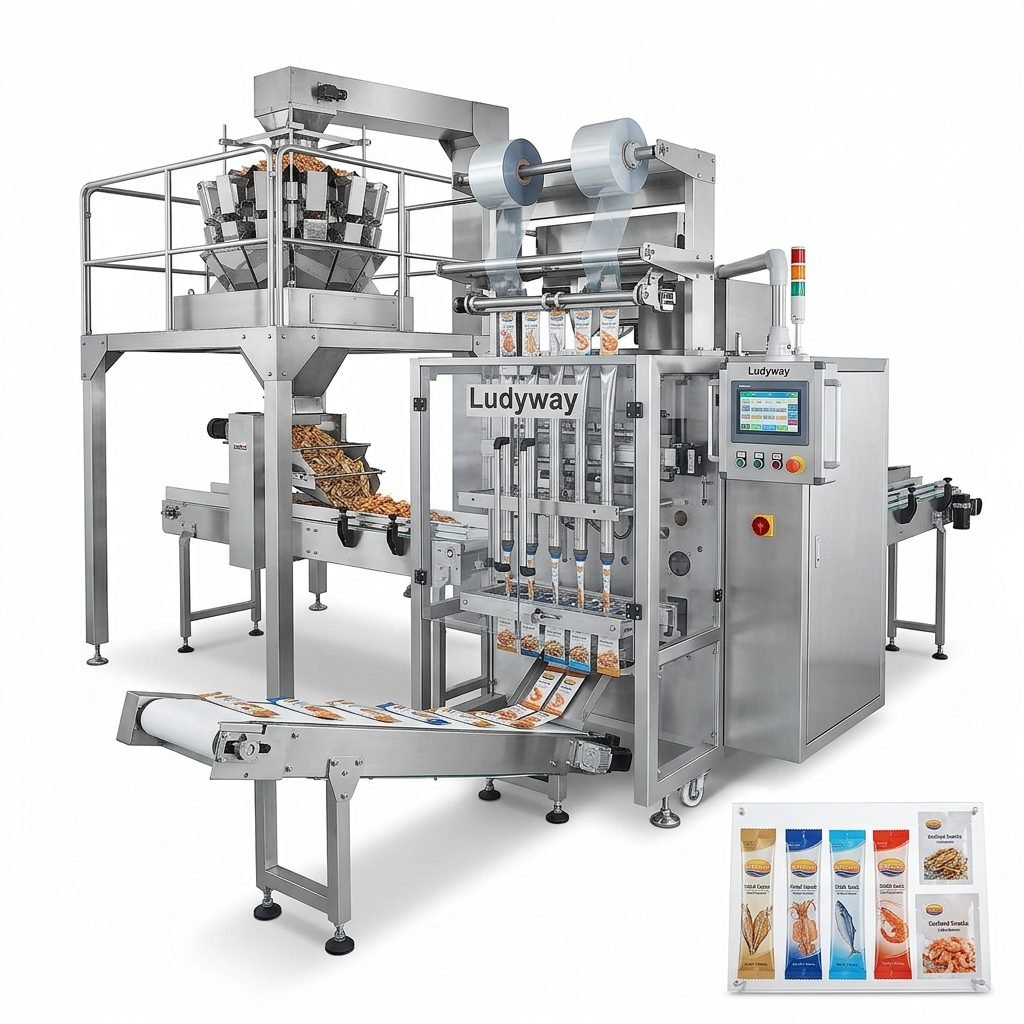
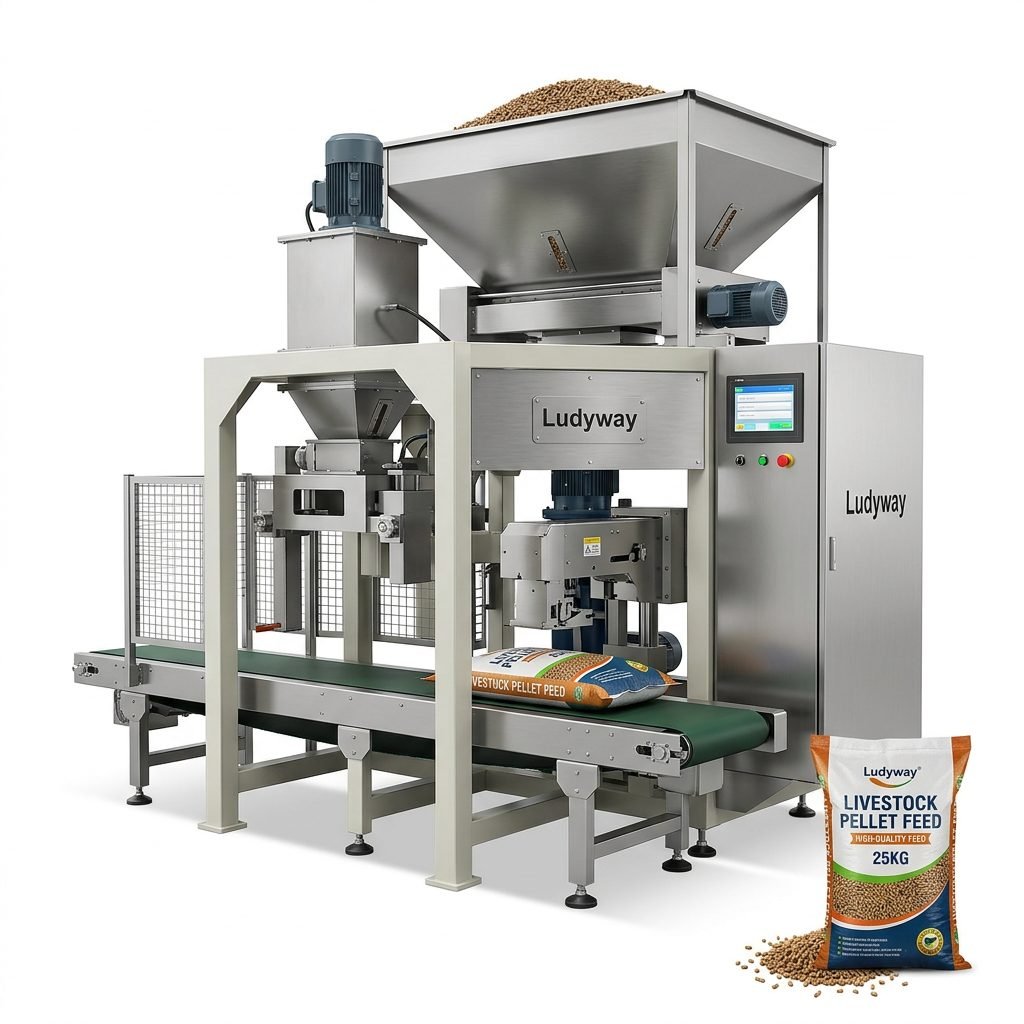
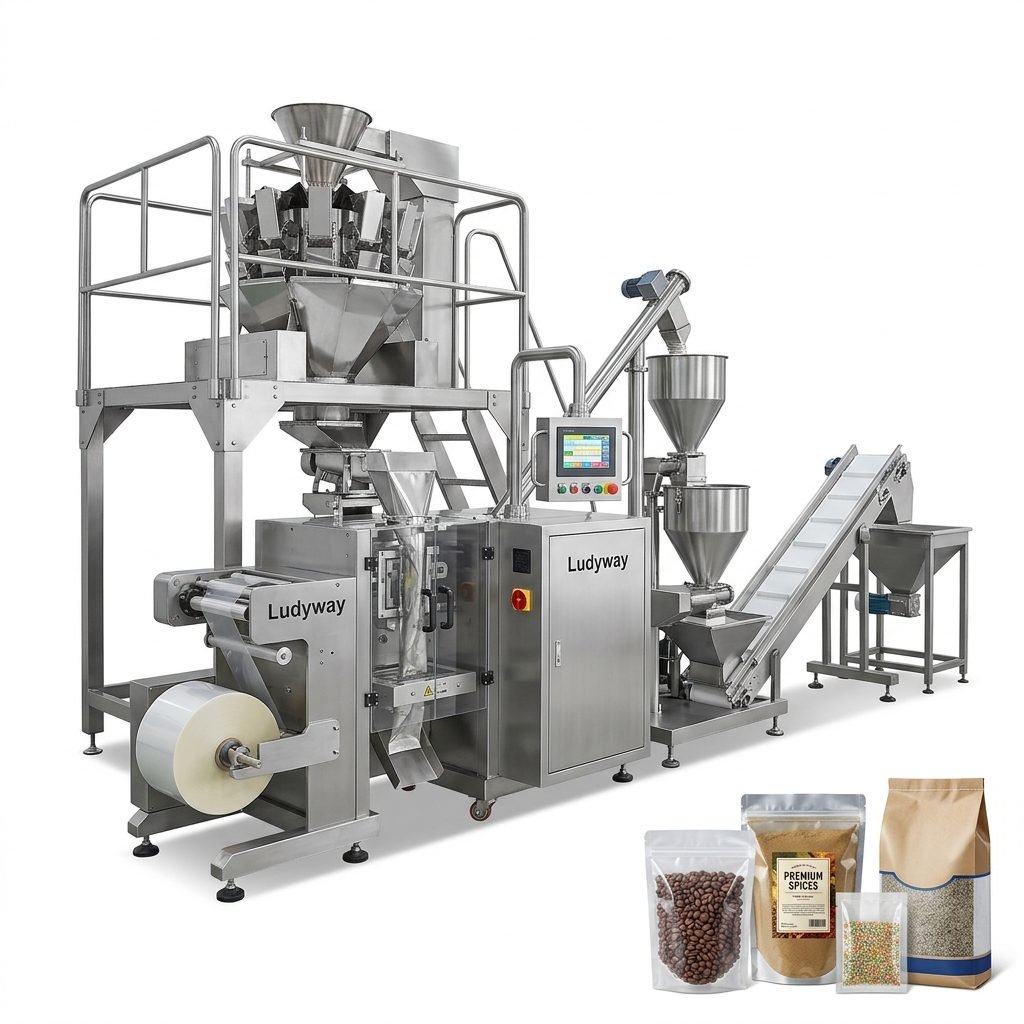
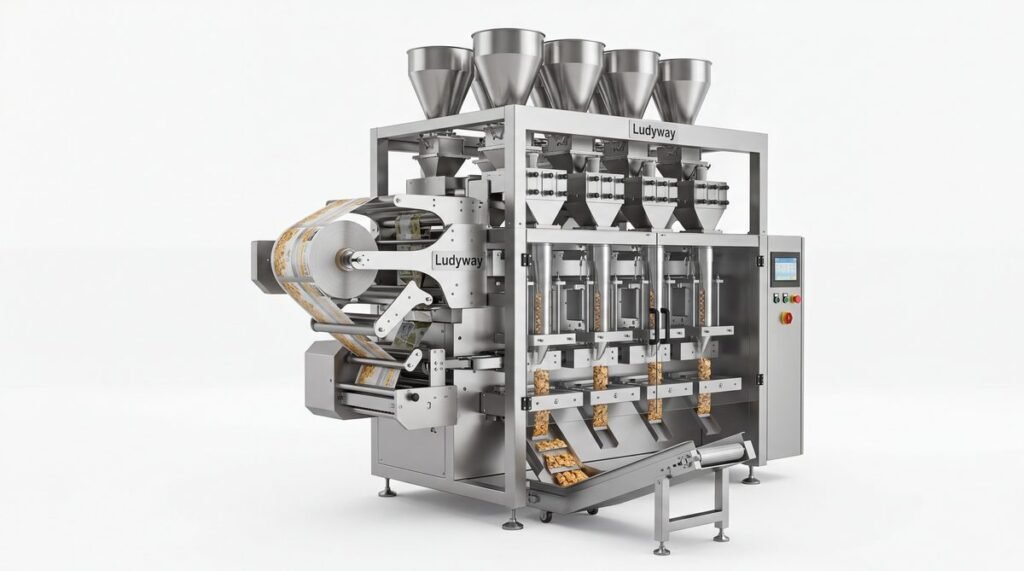
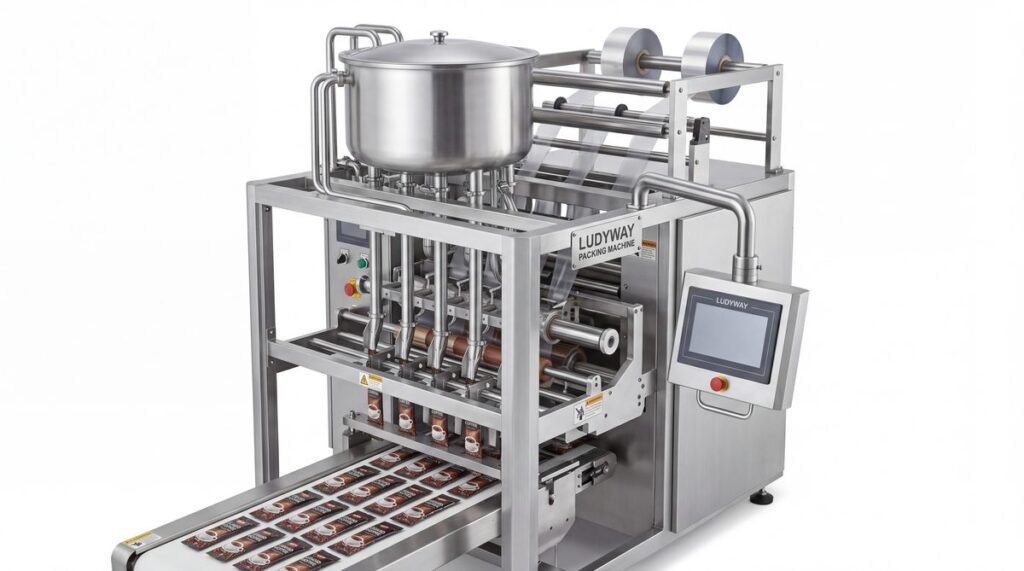
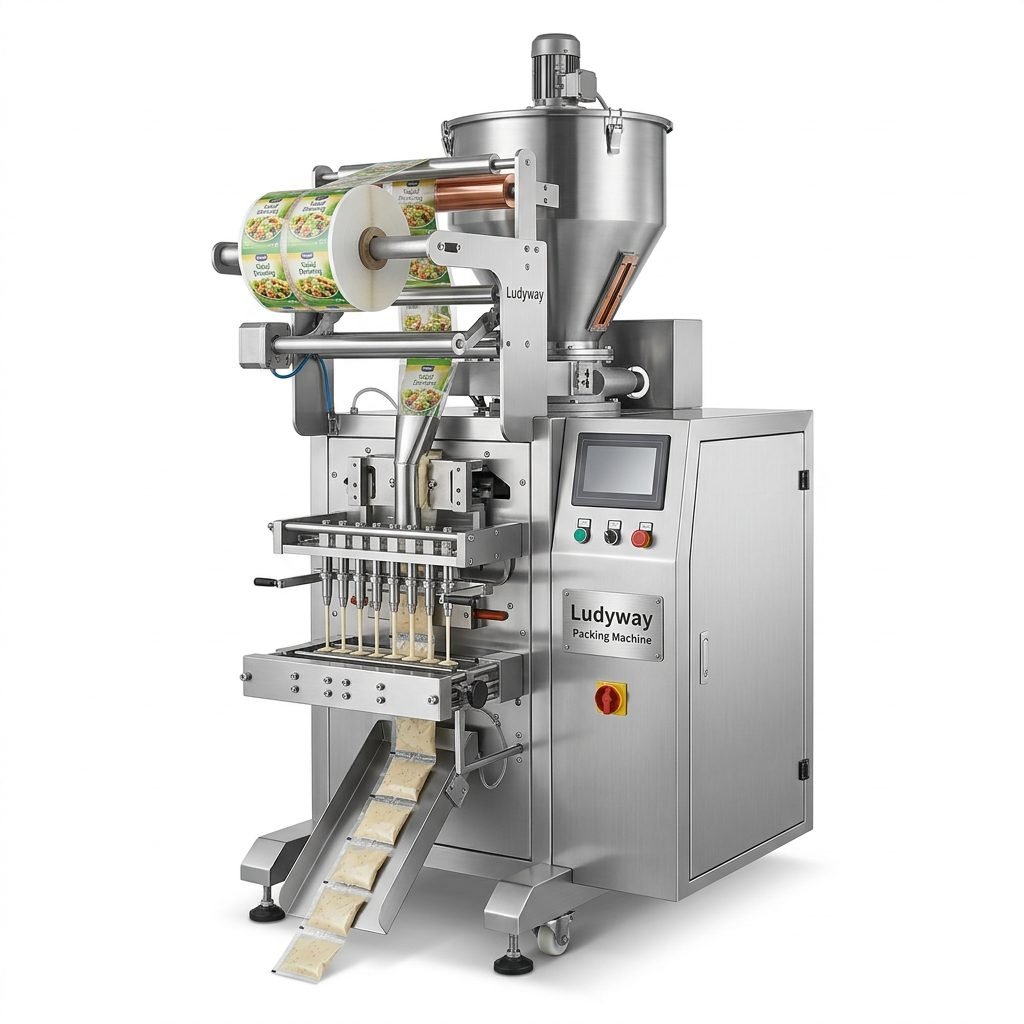
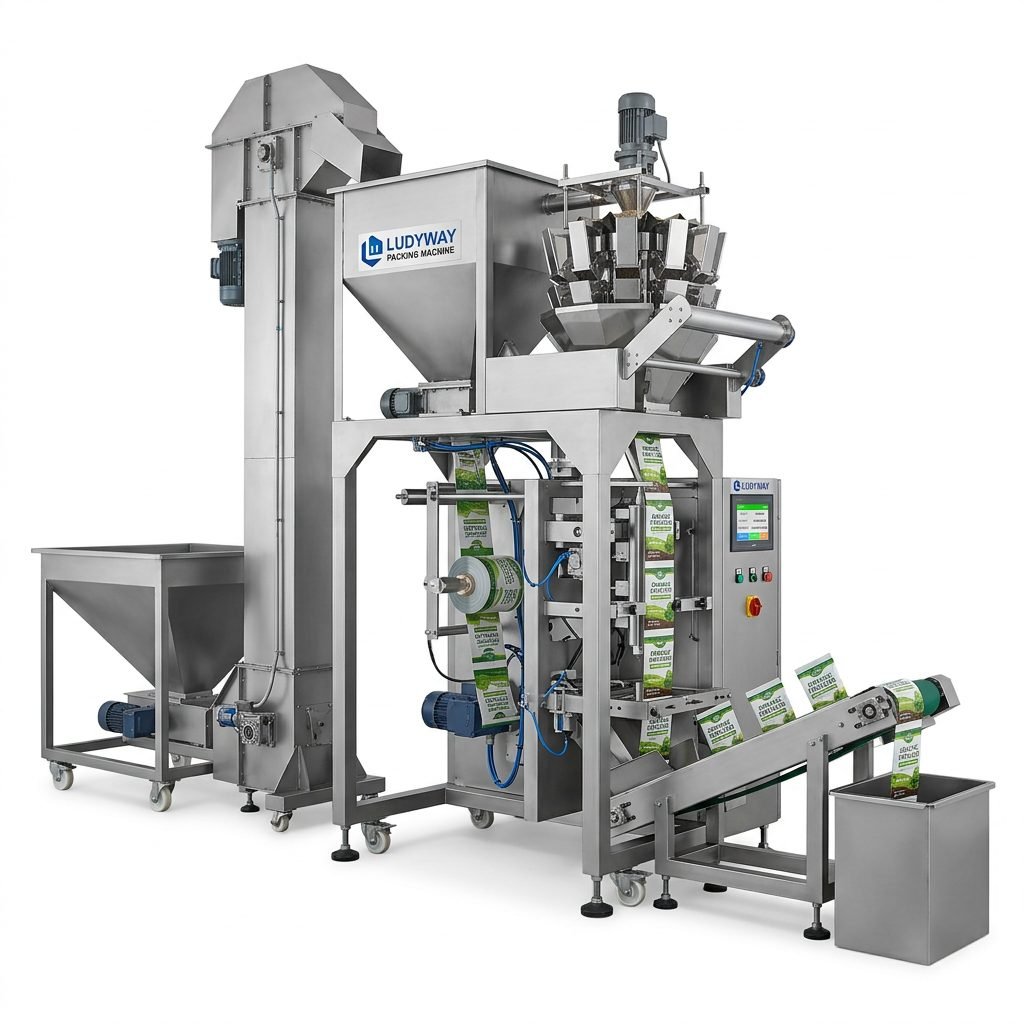
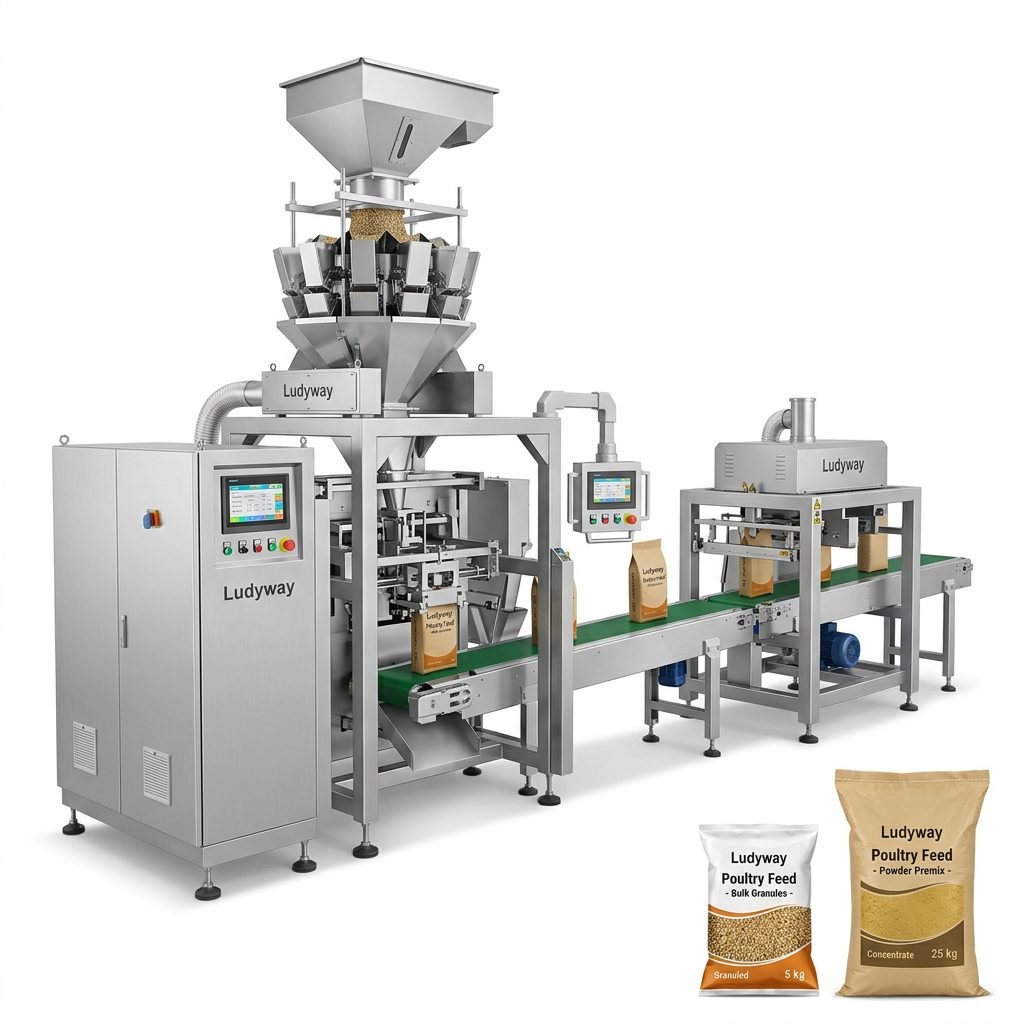
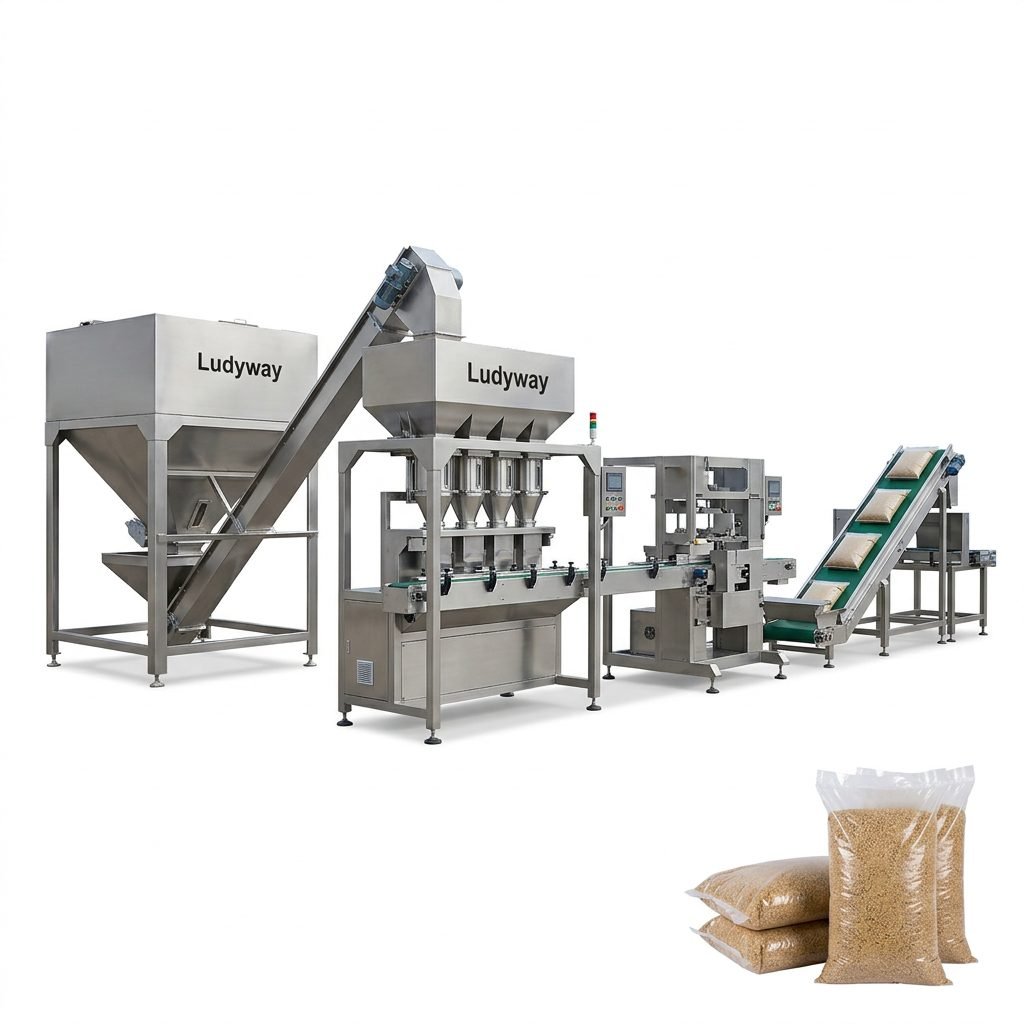
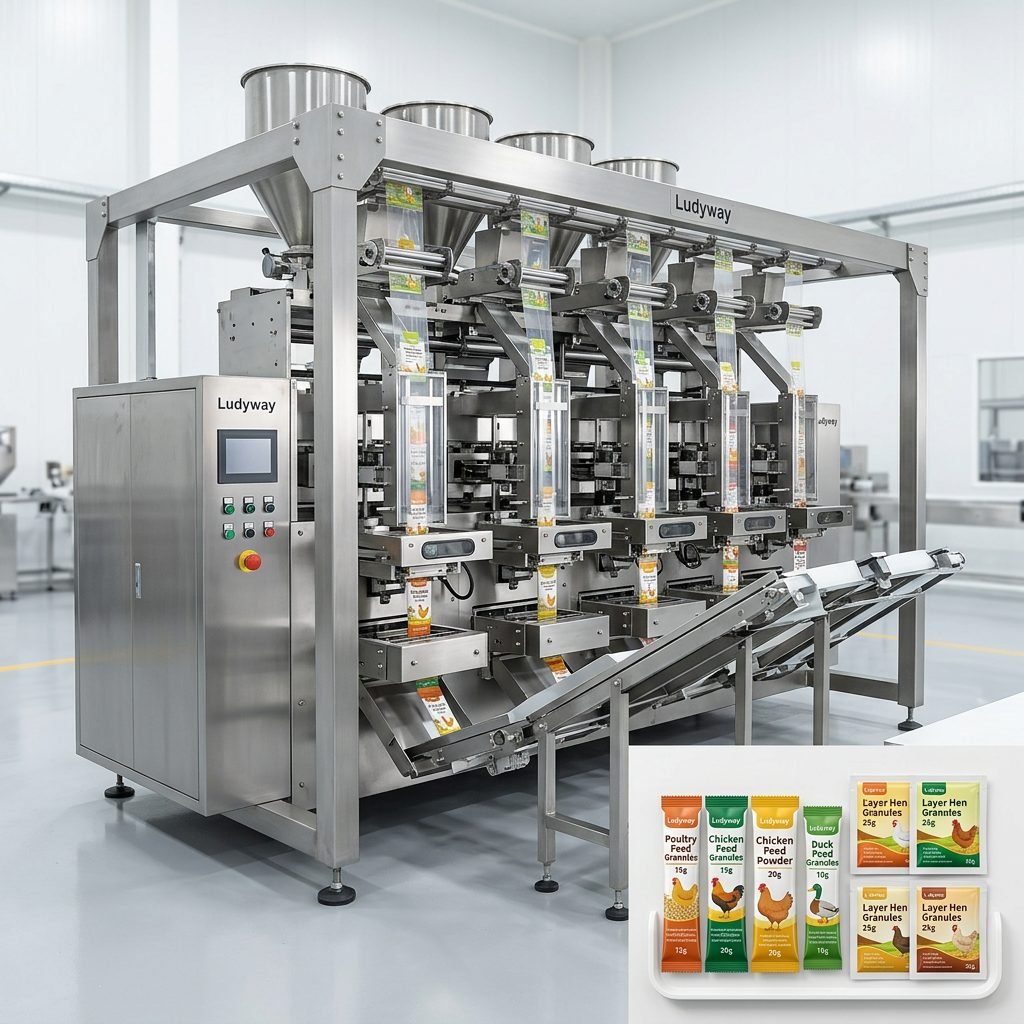
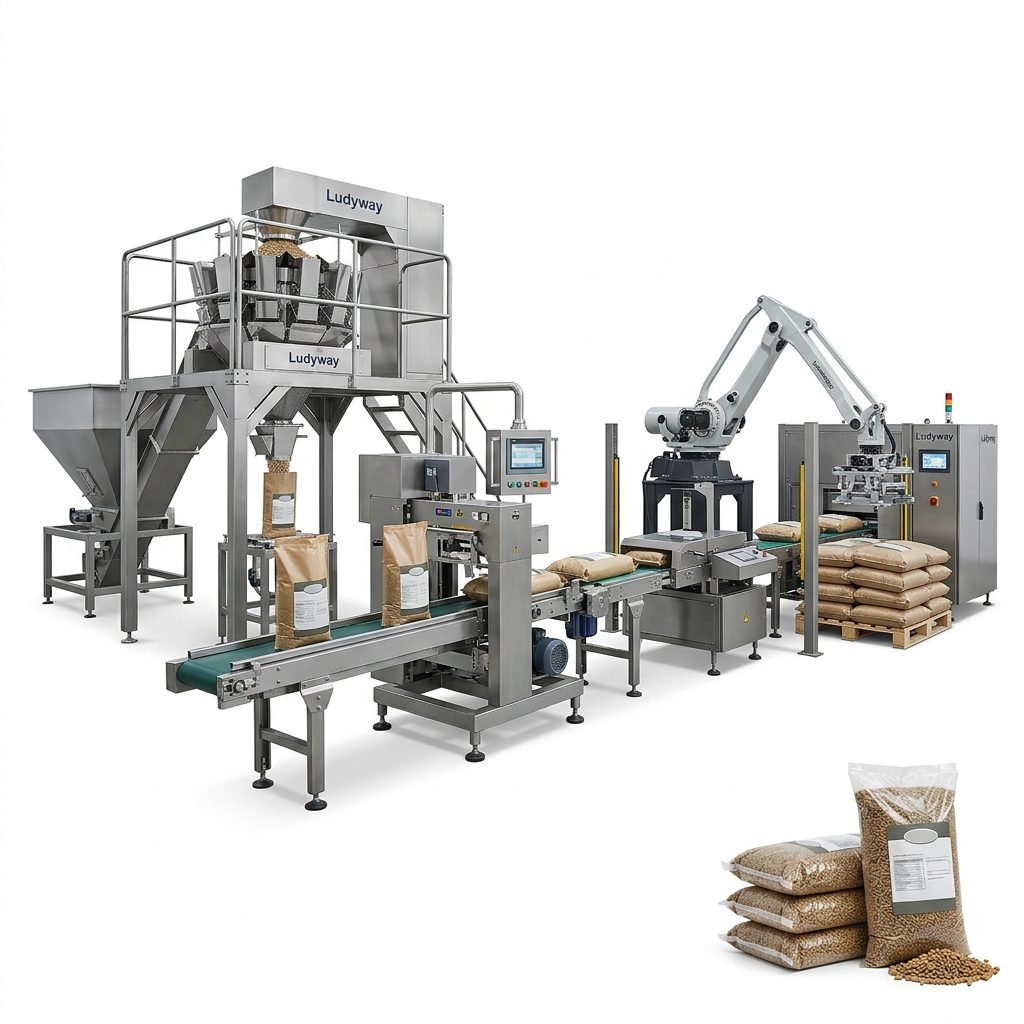
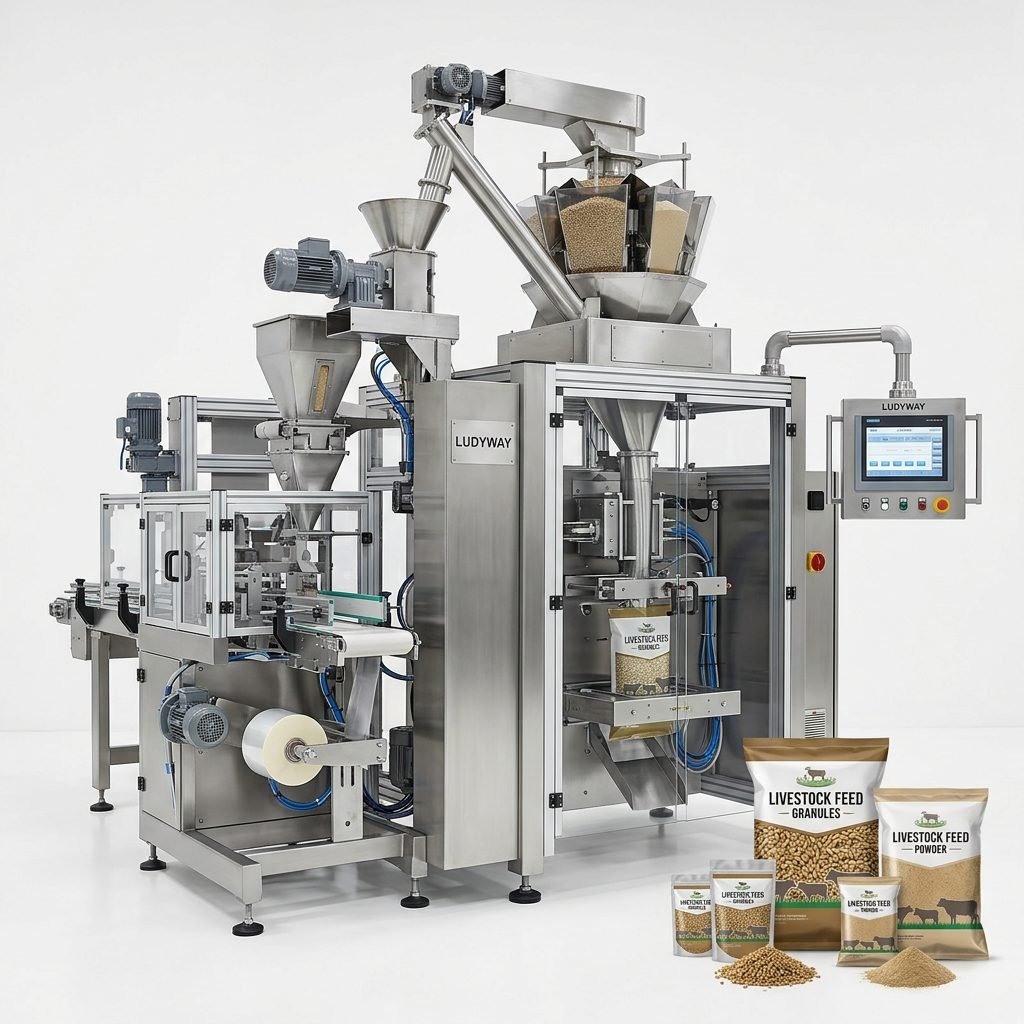
A well-designed poultry packaging line integrates multiple subsystems to handle everything from product feeding to final palletizing. The core equipment categories include weighing and dosing systems, vertical form-fill-seal machines, multi-lane stick pack machines, tray sealing equipment, vacuum packaging units, and end-of-line automation such as cartoning and palletizing systems. For granular or powdered poultry feed and supplement products, specialized granule packaging machines offer high-speed multi-lane filling capabilities.
Essential Equipment for Different Poultry Product Formats
| Product Format | Recommended Equipment | Typical Speed Range |
|---|---|---|
| Fresh Tray Packs | Automatic tray sealing & MAP systems | 40-120 packs/min |
| Frozen Bulk Bags | Vertical form-fill-seal with multi-head weigher | 15-60 bags/min |
| Marinated Sachets | Multi-lane liquid sachet packaging machine | 200-600 sachets/min |
| Poultry Feed/Supplements | Multi-lane granule stick pack machine | 300-800 packs/min |
| Ready-to-Cook Portions | Vacuum packaging & modified atmosphere systems | 30-80 packs/min |
Step-by-Step Setup Guide for Your Production Line
Implementing a poultry packaging line in Asia involves navigating regulatory requirements, facility preparation, and equipment integration. Follow these structured steps to ensure a smooth launch. According to industry resources such as PMMI’s business intelligence reports, thorough pre-installation planning can reduce commissioning time by up to 30%.
Phase 1: Pre-Installation Planning
- Conduct a site survey to assess floor space, power supply (typically 380V 3-phase in Asia), compressed air requirements, and environmental controls
- Define product specifications including package sizes, film materials, fill weights, and desired output volumes
- Secure regulatory approvals from local food safety authorities and ensure GMP/HACCP compliance in your facility layout
- Plan material flow from raw product receiving through processing, packaging, and cold storage logistics
- Budget for total cost of ownership including equipment, installation, training, spare parts, and ongoing maintenance
Phase 2: Equipment Selection and Procurement
Choosing the right machinery supplier is critical. Look for manufacturers with proven experience in Asian markets, local service support, and compliance with international standards such as ISO packaging standards. Key evaluation criteria include machine build quality, ease of changeover, availability of spare parts within the region, and the supplier’s track record with similar poultry applications.
Phase 3: Installation and Commissioning
- Factory Acceptance Testing (FAT): Verify equipment performance at the manufacturer’s facility before shipment
- Shipping and logistics: Coordinate sea freight, customs clearance, and inland transportation to your facility
- Mechanical installation: Position, level, and secure all equipment according to layout drawings
- Electrical and utility connections: Engage certified local electricians for power hookup and safety grounding
- Site Acceptance Testing (SAT): Run production trials with actual products to validate speed, accuracy, and seal integrity
- Operator training: Conduct comprehensive hands-on training for machine operators and maintenance staff
Regulatory Compliance and Food Safety Standards
Asian markets have varying regulatory frameworks for poultry packaging. Export-oriented facilities must comply with destination market requirements, including FDA food packaging regulations for US-bound products and EU packaging directives for European markets. Key certifications to pursue include ISO 22000, BRCGS, and FSSC 22000, which are increasingly becoming prerequisites for international buyers.
Choosing the Right Equipment Supplier in Asia
When evaluating packaging machinery partners for your poultry line, consider the following supplier assessment framework. One notable manufacturer in this space is Ludyway, one of the largest packaging machine manufacturers in China, offering over 50 intelligent packaging machine models including multi-lane stick pack and sachet systems suitable for various food and feed applications. Their 20,000㎡ modern production facility and 30+ years of industry experience provide a robust foundation for turnkey poultry packaging solutions across Asia.
Supplier Evaluation Checklist
| Evaluation Criterion | What to Look For |
|---|---|
| Industry Experience | 10+ years in food/poultry packaging, references from similar installations |
| Local Support | Service engineers based in your country or within 48-hour response time |
| Spare Parts Availability | Regional parts warehouse or guaranteed delivery timelines |
| Certifications | CE, ISO 9001, and food-grade material compliance documentation |
| Customization Capability | Ability to tailor machines to specific poultry product dimensions and film types |
Maintenance and Optimization Strategies
Once your poultry packaging line is operational, implementing a proactive maintenance program is essential for maximizing uptime and product quality. Develop a preventive maintenance schedule covering daily, weekly, and monthly tasks. Key focus areas include sealing jaw inspection, sensor calibration, conveyor belt tensioning, and regular cleaning of product contact surfaces to prevent cross-contamination.
Common Optimization Areas
- Film waste reduction: Fine-tune registration controls and minimize splice waste
- Changeover efficiency: Standardize procedures and use quick-release components to reduce downtime between product runs
- OEE tracking: Monitor Overall Equipment Effectiveness to identify bottleneck areas
- Operator skill development: Conduct quarterly refresher training on machine operation and troubleshooting
- Predictive maintenance: Use sensor data and IoT-enabled monitoring to anticipate component wear before failure occurs
Cost Considerations and ROI Analysis
Investing in a poultry packaging production line in Asia typically ranges from $150,000 to over $1,000,000 USD depending on automation level, production capacity, and equipment configuration. A mid-range multi-lane packaging line with cartoning and palletizing capabilities can achieve ROI within 18 to 36 months through labor savings, reduced film waste, and increased throughput. For the latest packaging machinery market data, refer to PMMI’s State of the Industry reports.
Regional Considerations Across Asian Markets
| Region | Key Considerations | Popular Packaging Formats |
|---|---|---|
| Southeast Asia | High humidity environments, halal certification requirements | Tray packs, vacuum pouches, frozen bulk bags |
| South Asia | Price-sensitive market, growing demand for small sachet formats | Stick packs, sachets, economical tray packs |
| East Asia | Advanced automation adoption, high quality standards for export | MAP trays, premium vacuum packs, ready-to-eat pouches |
Frequently Asked Questions
What is the typical lead time for a poultry packaging line setup in Asia?
From order confirmation to full production, expect 12 to 20 weeks for manufacturing, plus 3-6 weeks for shipping, customs clearance, and installation. Complex turnkey lines may require up to 8 months total.
Do I need climate-controlled facilities for poultry packaging equipment?
Yes, most modern packaging machinery performs optimally in environments maintained at 20-26°C with 45-65% relative humidity. Southeast Asia’s tropical climate makes proper HVAC systems essential for consistent machine performance and product quality.
Can one packaging line handle multiple poultry product formats?
Many multi-lane packaging machines can accommodate various product types — granules, powders, and liquids — with quick-change tooling and adjustable parameters. However, separate dedicated lines are recommended for raw versus cooked products to prevent cross-contamination.
What after-sales support should I expect from equipment suppliers in Asia?
Reputable suppliers offer remote troubleshooting, on-site service visits, operator training programs, and spare parts supply. Confirm the availability of local service engineers and response time guarantees before finalizing your purchase agreement.
Take the Next Step in Your Poultry Packaging Journey
Setting up a poultry packaging machine production line in Asia is a strategic investment that can significantly enhance your operational efficiency and market competitiveness. By following this guide and partnering with experienced equipment manufacturers, you can navigate the complexities of equipment selection, installation, and optimization with confidence. For additional guidance on packaging regulations, consult the Flexible Packaging Association’s industry resources and stay informed about evolving standards in your target markets.