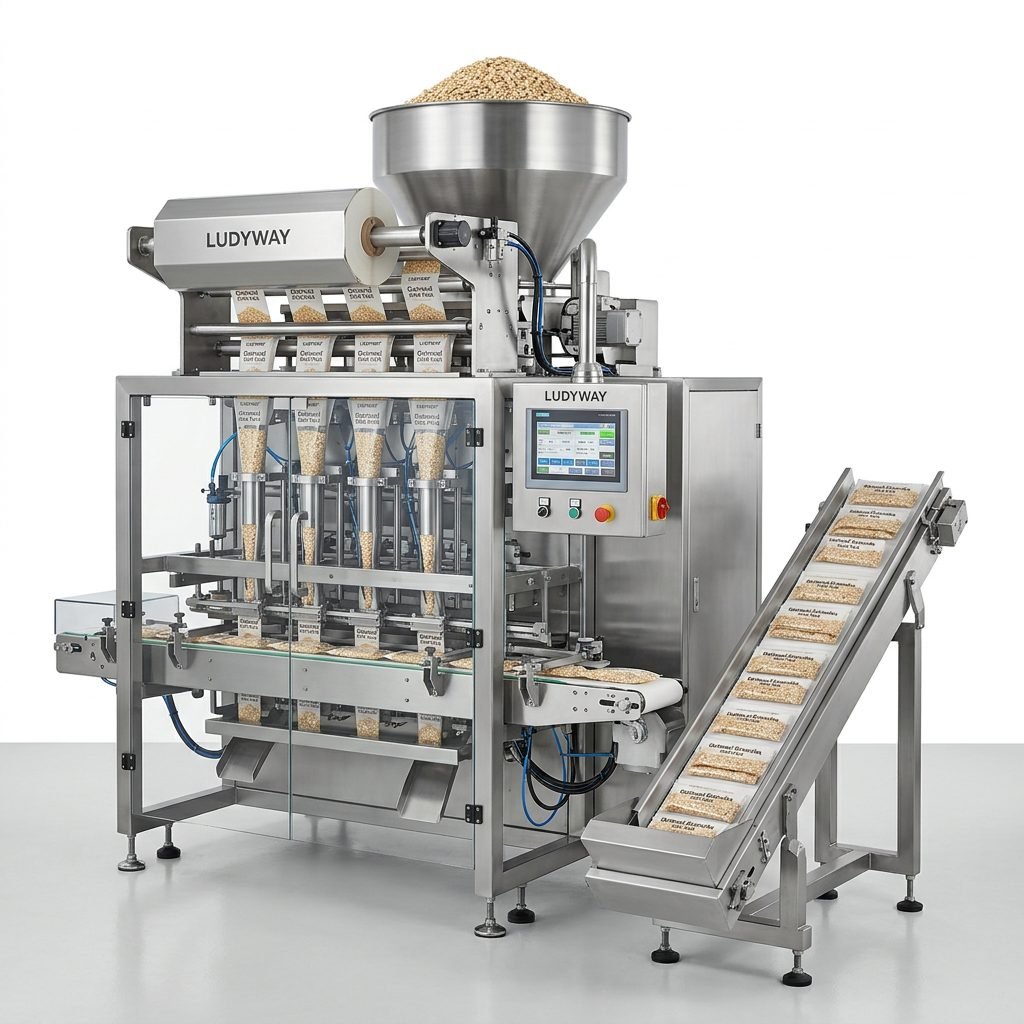
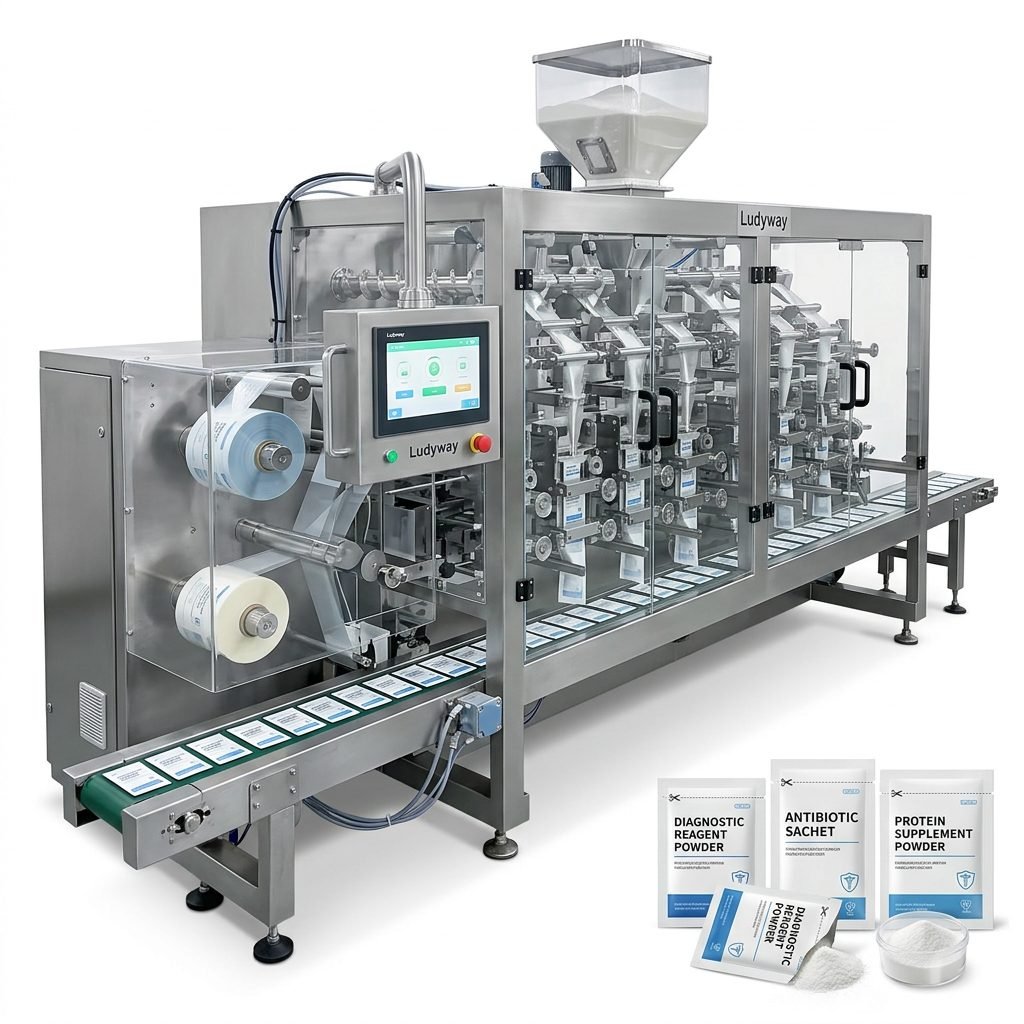
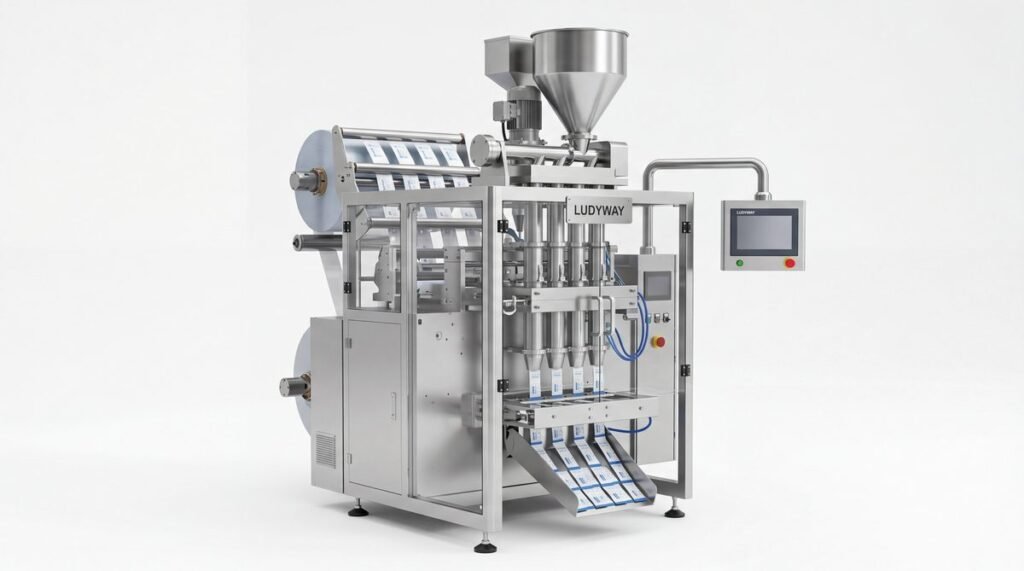
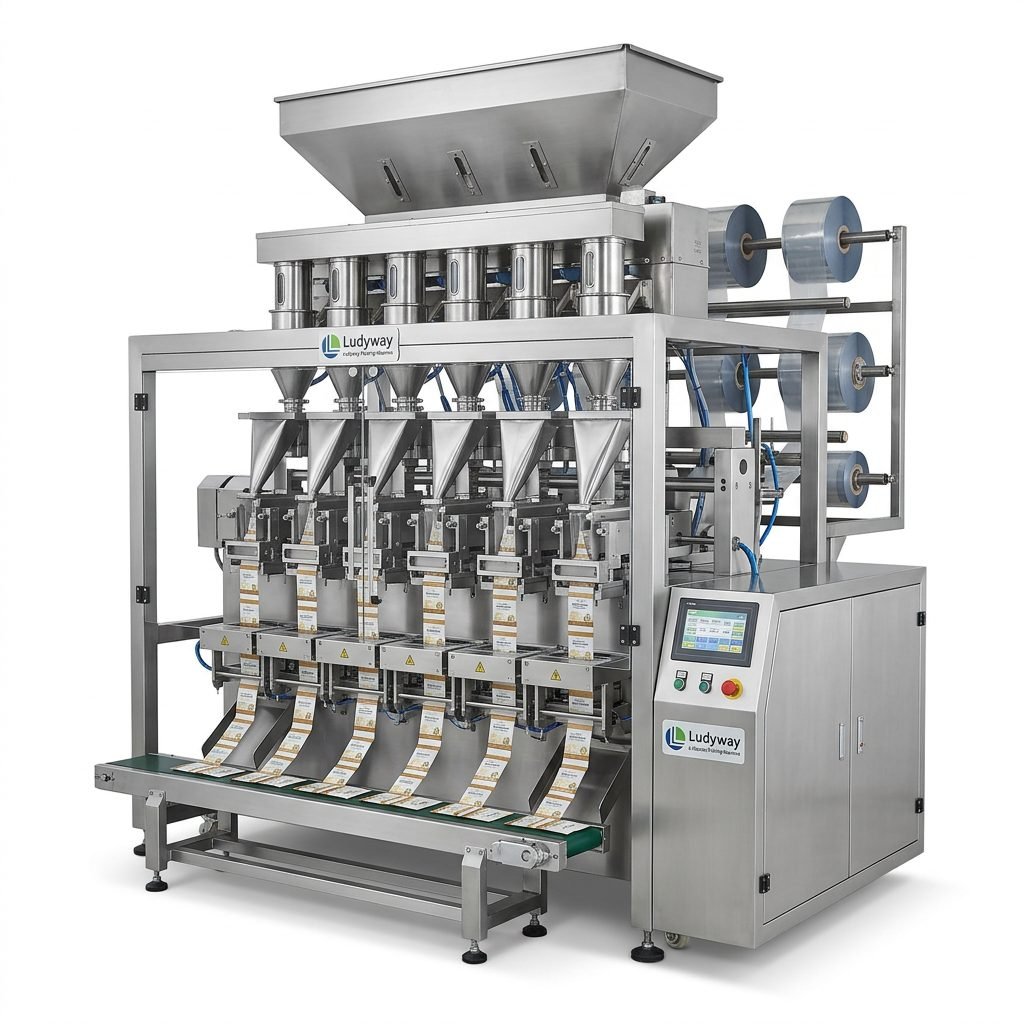
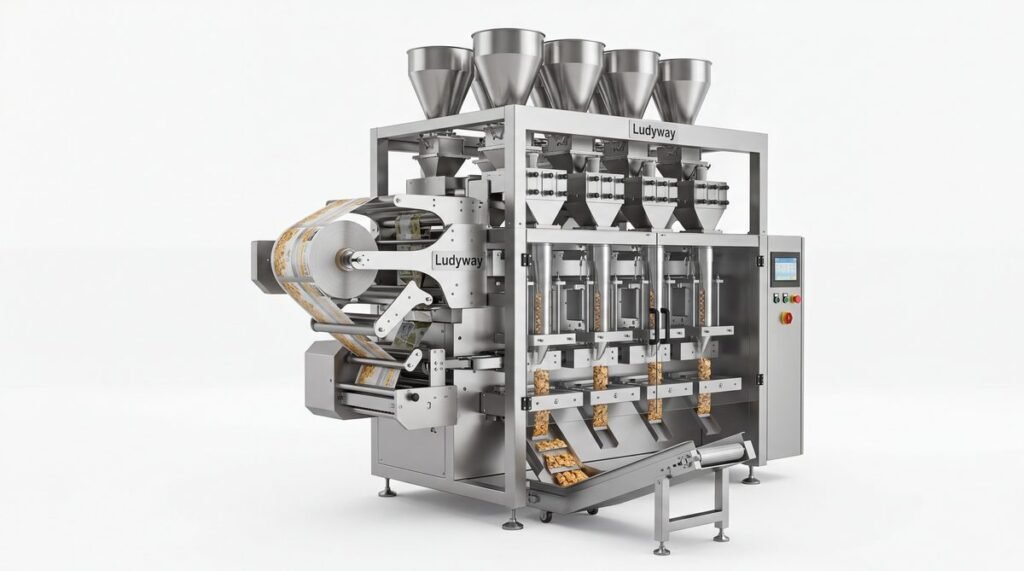
Investing in a fish packaging machine is a critical decision for seafood processors, aquaculture operations, and food export businesses. The right equipment can significantly improve product shelf life, reduce labor costs, and ensure compliance with international food safety standards. China has become the world’s largest manufacturing hub for packaging machinery, offering a wide range of solutions at competitive prices. However, navigating the supplier landscape requires careful research and a clear understanding of your production requirements.
Understanding Fish Packaging Machine Types
Before contacting suppliers, it is essential to understand the different types of fish packaging machines available in the market. Each type serves specific production needs and product formats.
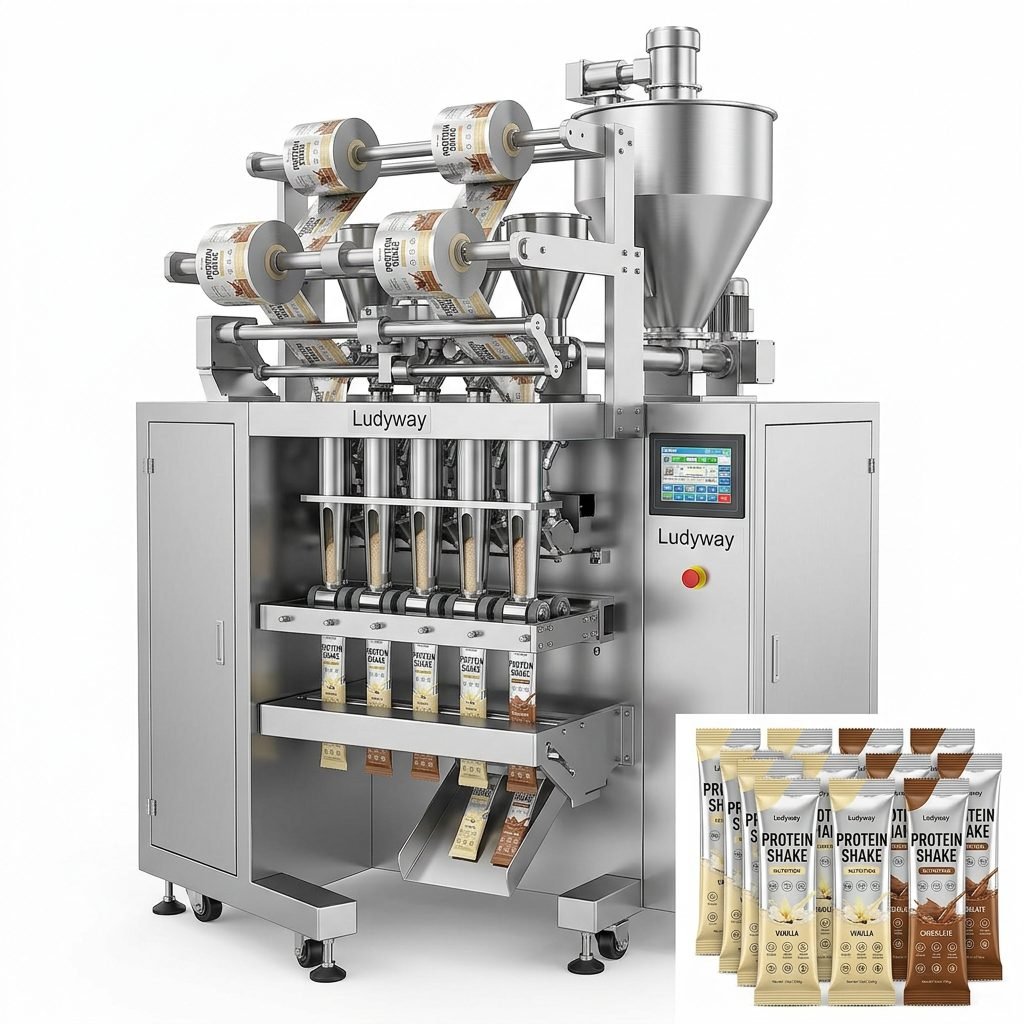
Multi-Lane Stick Pack Machines for Fish Products
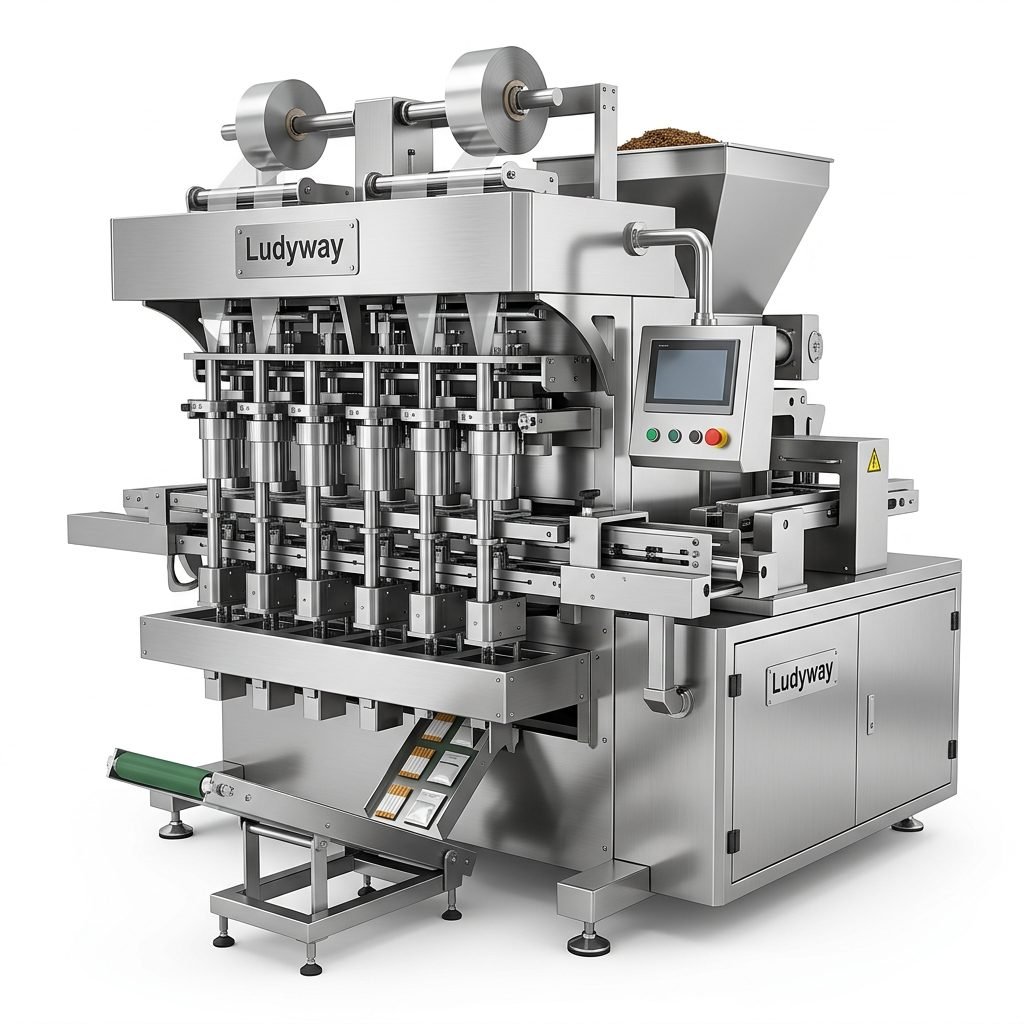
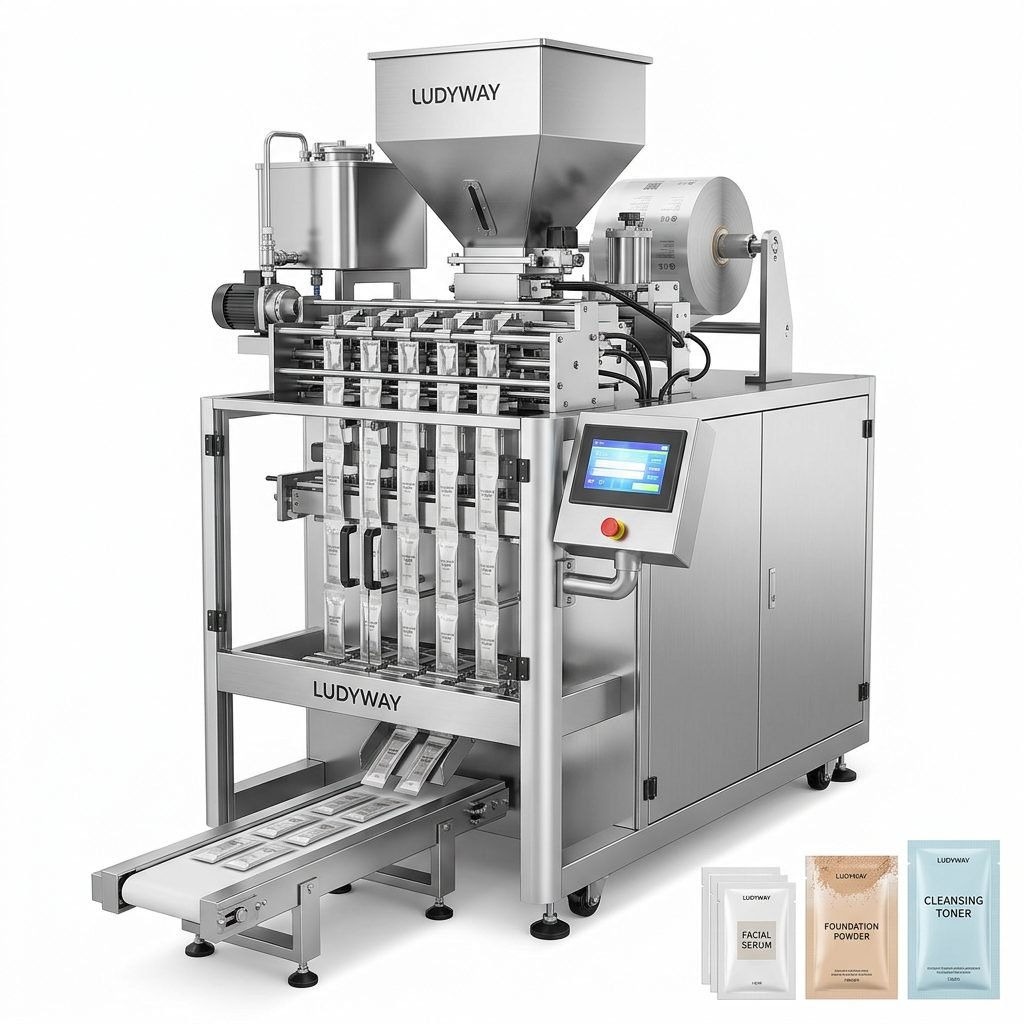
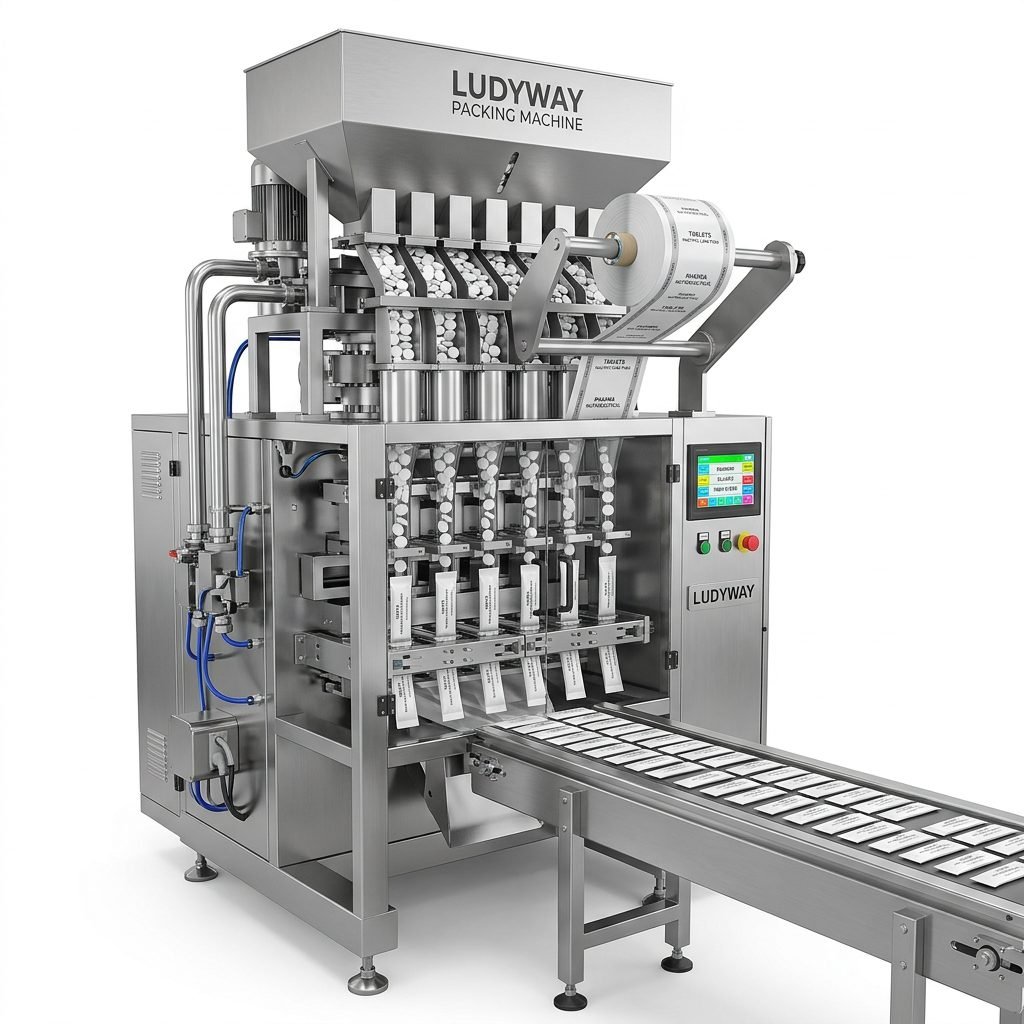
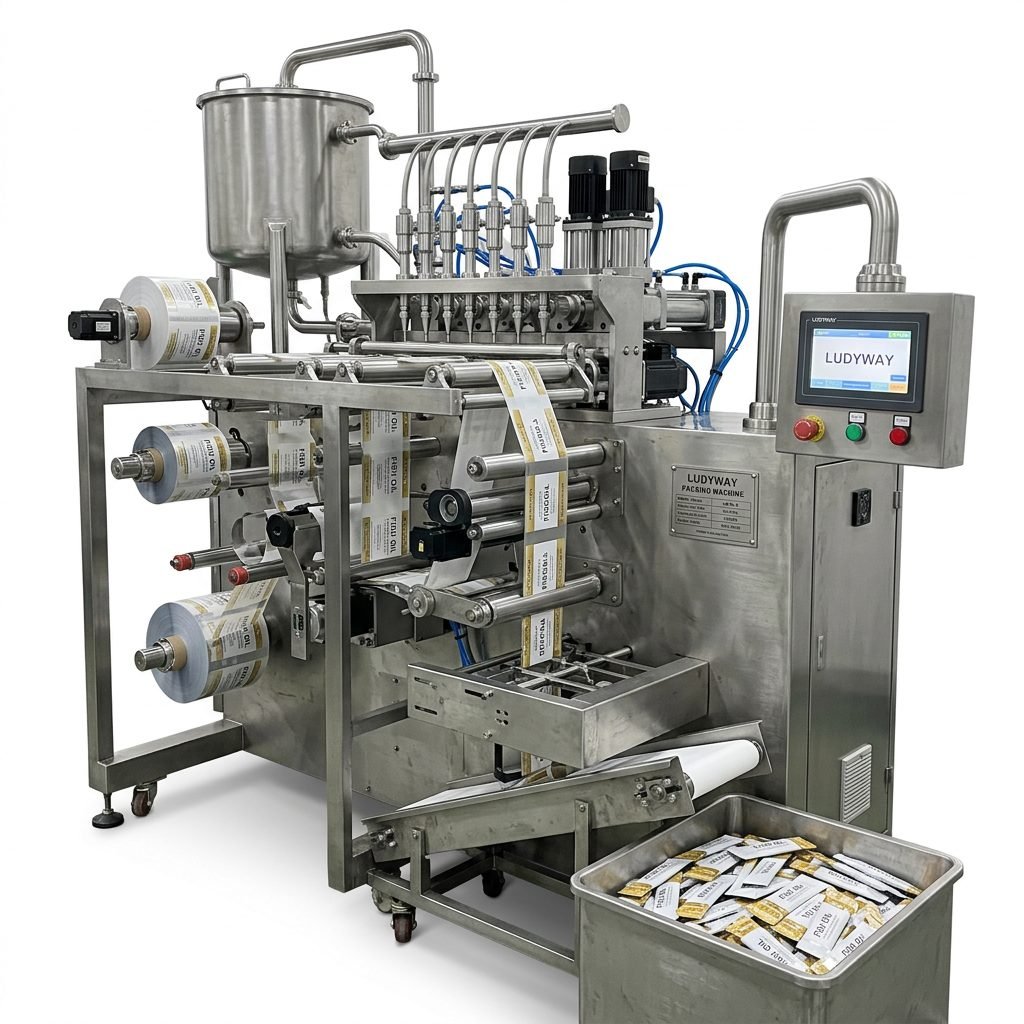
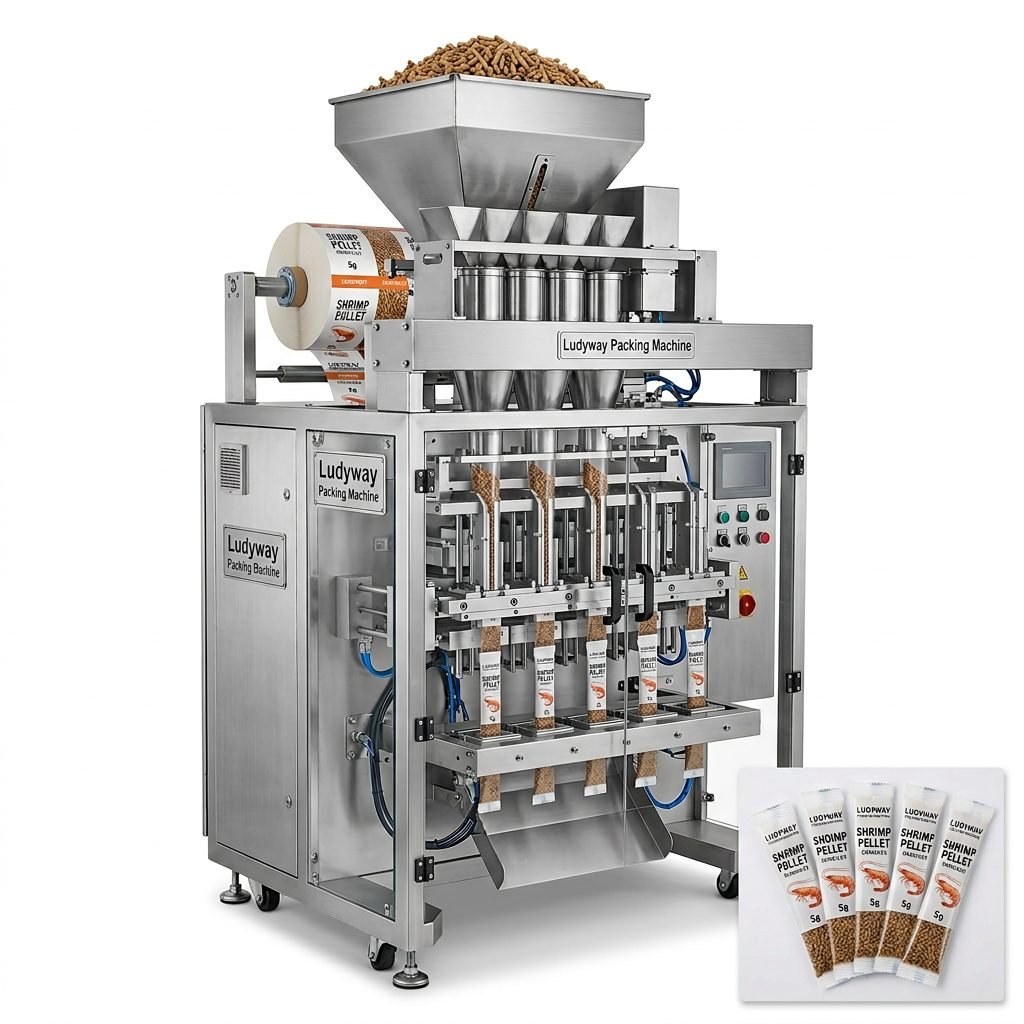
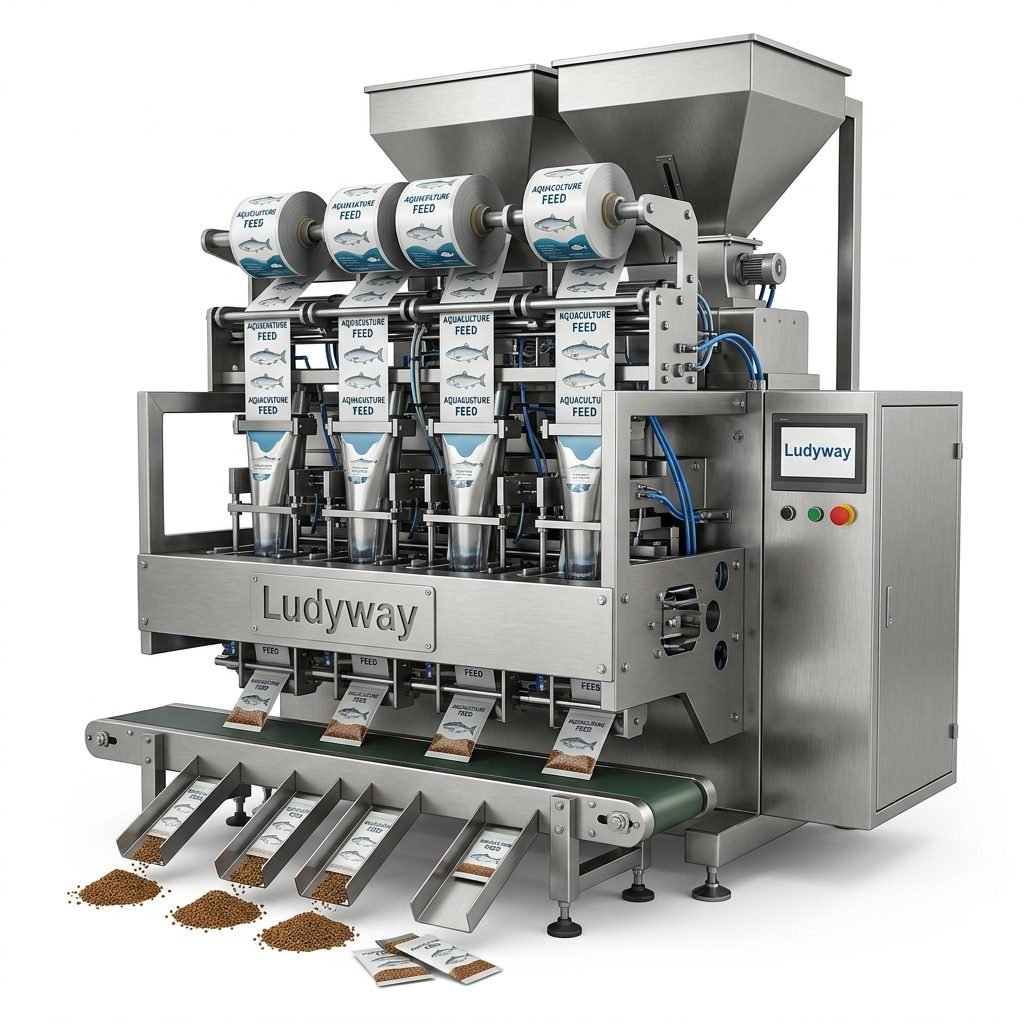
Multi-lane stick pack machines are ideal for packaging powdered fish supplements, fish protein powders, and granular fish feed. These machines can produce multiple sachets simultaneously, achieving high output rates. They are widely used in the flexible packaging sector for portion-controlled seafood seasonings and nutritional products.
Vacuum Packaging Systems for Fresh and Frozen Fish
Vacuum packaging is essential for extending the shelf life of fresh and frozen fish. These systems remove oxygen from the package, preventing oxidation and bacterial growth. Modern fish vacuum packaging machines from Chinese manufacturers offer advanced sealing technologies that maintain product freshness during long-distance shipping.
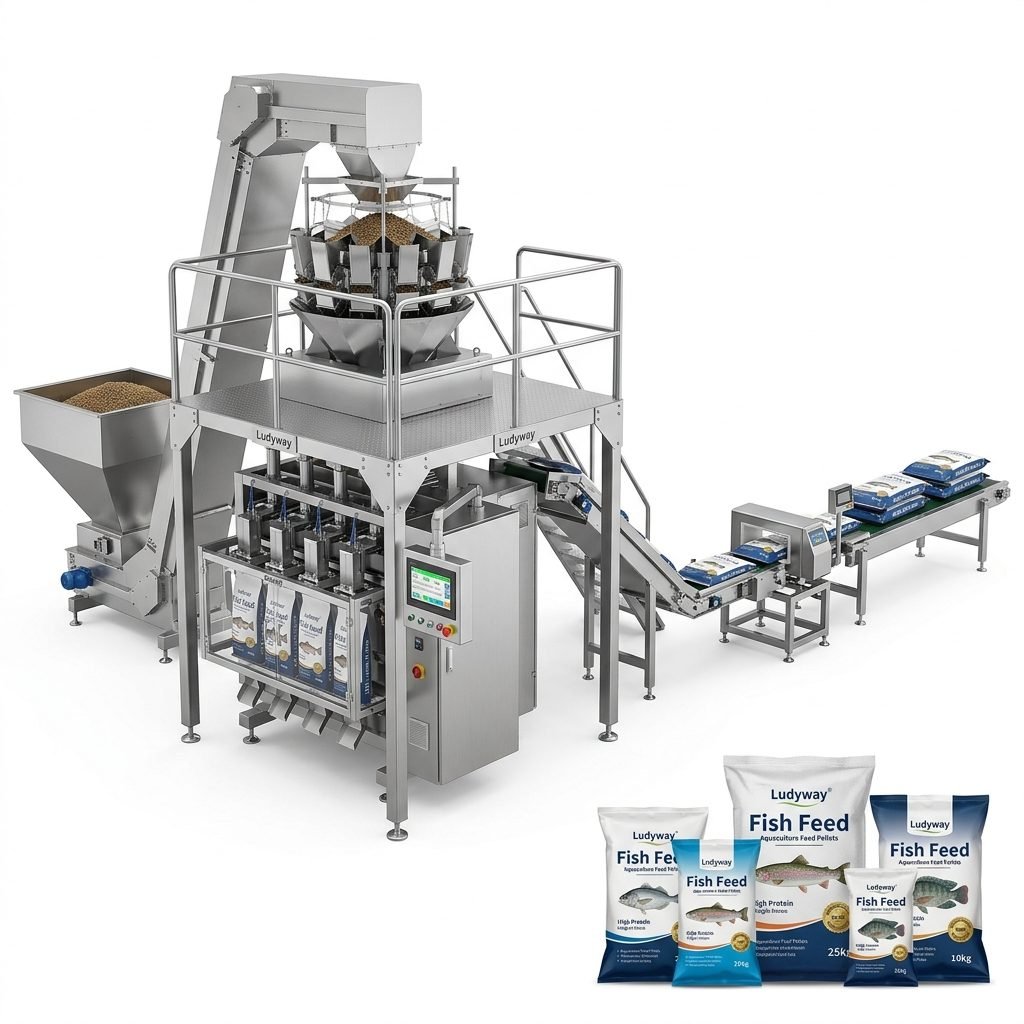
Pouch Filling and Sealing Lines
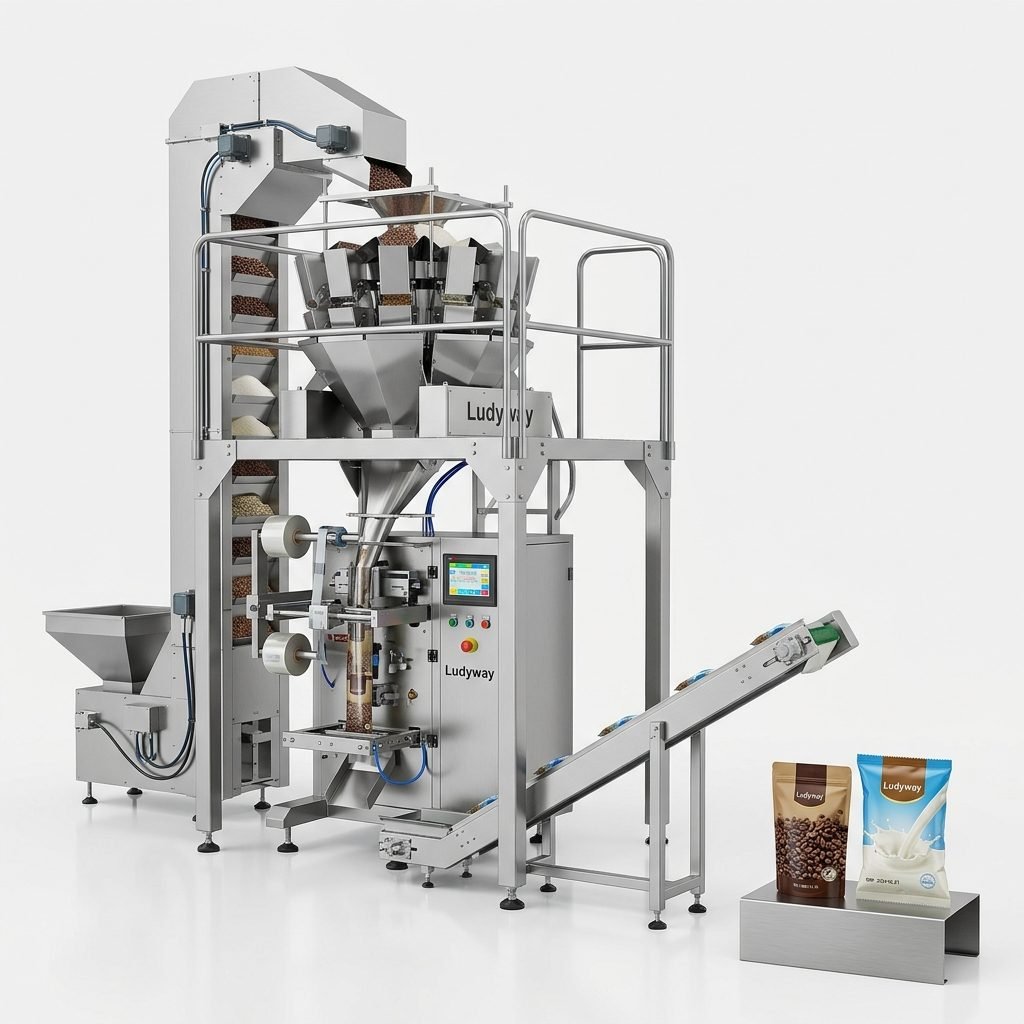
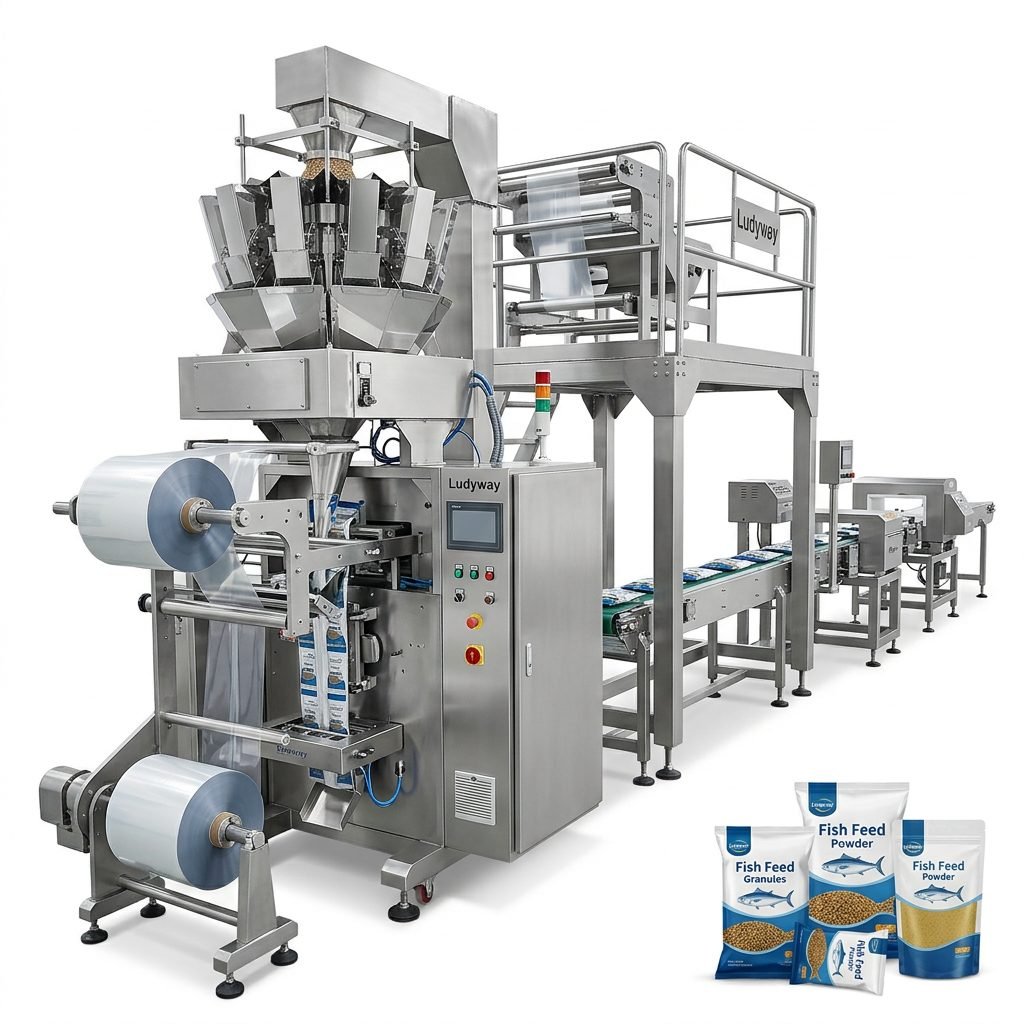
For larger format packaging, pouch filling and sealing lines handle bulk fish feed, dried seafood snacks, and frozen fish portions. These automated systems integrate weighing, filling, and sealing into a single production line, reducing manual handling and improving efficiency. Many models comply with ISO packaging standards for international markets.
Key Factors to Consider When Buying a Fish Packaging Machine
Selecting the right fish packaging equipment involves evaluating multiple factors. Below is a structured overview of the most important considerations:
| Factor | Why It Matters | Key Questions to Ask |
|---|---|---|
| Production Capacity | Determines output per hour and overall efficiency | What is the required packs-per-minute rate? |
| Product Compatibility | Ensures the machine handles your specific product type | Does it handle granules, powders, liquids, or solids? |
| Packaging Material | Affects shelf life and barrier protection | What film types and thicknesses are supported? |
| Automation Level | Impacts labor requirements and consistency | Is it semi-automatic or fully automatic? |
| Certifications | Required for export markets and food safety | Does it meet FDA food packaging or CE standards? |
| After-Sales Support | Critical for minimizing downtime | What warranty and technical support is offered? |
How to Evaluate Chinese Packaging Machine Suppliers
Choosing the right supplier is as important as selecting the right machine. Here are the essential steps for evaluating Chinese packaging machine manufacturers:
Verify Manufacturing Capabilities
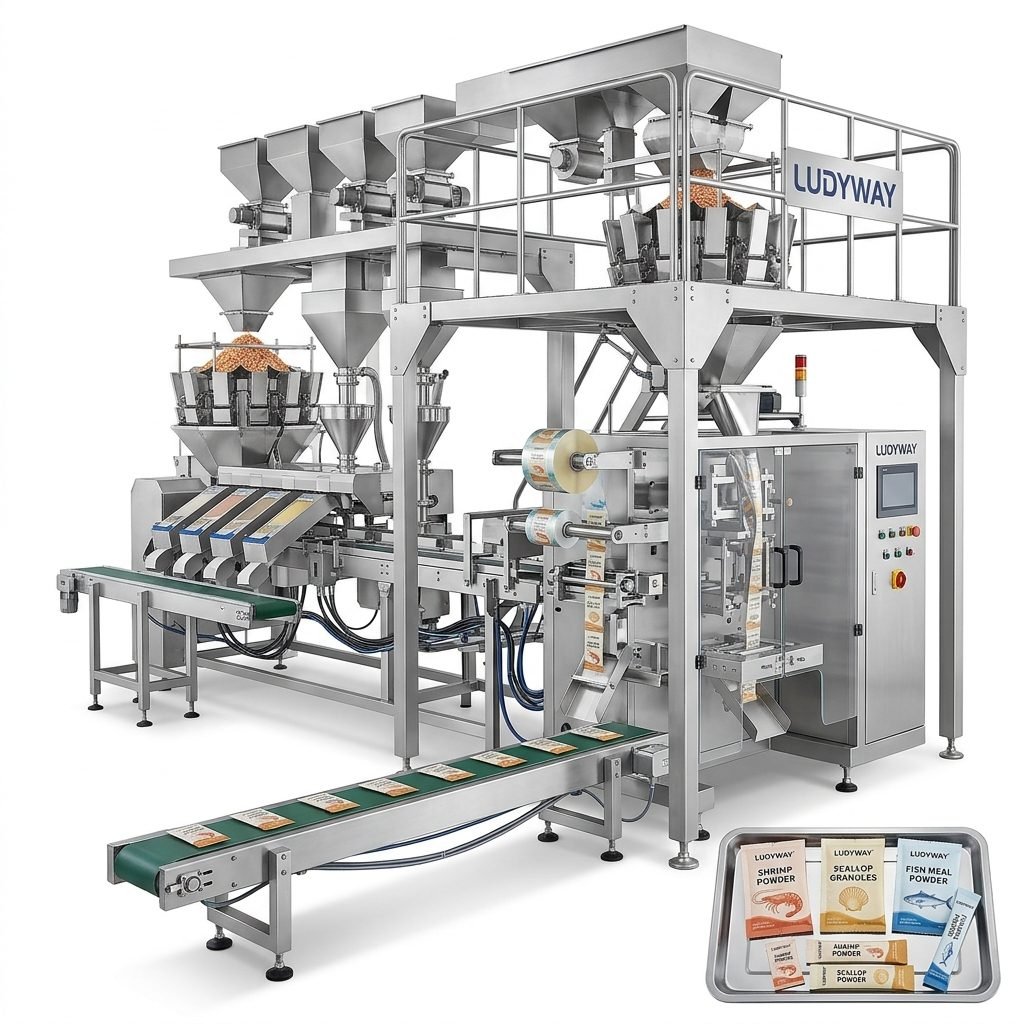
A reputable supplier should have a large-scale production facility with modern manufacturing equipment. Look for manufacturers with at least 10,000 square meters of factory space and a dedicated R&D team. Companies like Ludyway, which operates a 20,000㎡ facility with over 30 years of industry experience, demonstrate the kind of manufacturing scale that ensures reliable production and consistent quality control.
Check International Experience
Suppliers with proven export experience understand international quality requirements and logistical considerations. Ask about their track record in your region and request references from existing customers. A strong global presence indicates that the manufacturer can handle cross-border shipping, customs documentation, and overseas technical support effectively.
Request Detailed Quotations
A professional quotation should include:
- Machine specifications and technical parameters
- Included accessories and optional add-ons
- Warranty terms and duration
- Shipping costs and estimated delivery time
- Installation and training services
- Spare parts availability and pricing
Quality Certifications and Compliance
When purchasing a fish packaging machine for international markets, compliance with global standards is non-negotiable. Look for the following certifications:
- CE Marking: Required for machines entering the European market, indicating conformity with EU safety and environmental requirements.
- ISO 9001: Demonstrates that the manufacturer follows a quality management system for consistent product quality.
- FDA Compliance: Essential for machines that will package food products destined for the United States market, covering food contact substances regulations.
- GOST-R: Required for machinery exported to Russia and certain CIS countries.
Price vs. Value: Making the Right Investment
While Chinese fish packaging machines are generally more affordable than European or Japanese alternatives, price should not be the sole deciding factor. Consider the total cost of ownership, which includes:
- Initial purchase price and shipping costs
- Installation and commissioning expenses
- Operator training costs
- Ongoing maintenance and spare parts
- Energy consumption and operational efficiency
- Expected machine lifespan and resale value
A slightly higher upfront investment in a quality machine often results in lower long-term costs through reduced downtime, faster production speeds, and better packaging consistency. When comparing quotes, always request detailed breakdowns rather than bottom-line prices alone.
Common Mistakes to Avoid When Sourcing from China
Many first-time buyers make avoidable errors when purchasing packaging machinery from China. Being aware of these pitfalls can save significant time and money:
Not Visiting the Factory
Whenever possible, visit the manufacturer’s facility in person or arrange a virtual factory tour via video call. This allows you to verify production capabilities, quality control processes, and the overall professionalism of the operation. A factory visit also provides an opportunity to see machines running and inspect finished products.
Overlooking After-Sales Support
Technical support after purchase is crucial for maintaining production efficiency. Ensure the supplier offers:
- Remote troubleshooting via video call
- English-speaking technical support staff
- Readily available spare parts with fast shipping
- Comprehensive user manuals and training materials
Ignoring Local Voltage and Regulatory Requirements
Chinese machines are typically configured for 380V/50Hz three-phase power. Confirm that the electrical specifications match your local requirements, or arrange for appropriate modifications. Additionally, verify that the machine meets all packaging regulations applicable in your target market.
Shipping and Logistics Considerations
Importing a fish packaging machine from China involves several logistical steps. Understanding these in advance helps prevent delays and unexpected costs:
- Packaging and crating: Ensure the machine is properly secured in export-grade wooden crates with moisture protection.
- Shipping method: Choose between sea freight (cost-effective but slower) and air freight (faster but significantly more expensive for heavy machinery).
- Customs clearance: Work with an experienced freight forwarder who handles machinery imports and understands local duty rates.
- Insurance: Always insure the shipment for its full value against damage or loss during transit.
- Installation preparation: Ensure your facility has the necessary power supply, compressed air, and floor space ready before the machine arrives.
Emerging Technologies in Fish Packaging
The fish packaging industry is evolving rapidly, with new technologies improving efficiency and sustainability. Key trends include:
- Modified Atmosphere Packaging (MAP): Replaces oxygen with inert gases to extend fresh fish shelf life by up to 10 days compared to traditional methods.
- Smart packaging: Incorporates sensors that monitor temperature, freshness, and package integrity throughout the supply chain.
- Sustainable materials: Biodegradable and recyclable films are increasingly available for environmentally conscious brands.
- IoT-enabled machines: Remote monitoring and predictive maintenance capabilities reduce downtime and optimize performance.
When evaluating machines, consider whether the supplier offers upgrade paths to incorporate these technologies as your business grows and market demands evolve.
Final Checklist Before Placing an Order
Use this checklist to ensure you have covered all critical aspects before committing to a purchase:
| Checklist Item | Status |
|---|---|
| Verified supplier’s business license and export records | ☐ |
| Completed factory visit or virtual tour | ☐ |
| Requested and checked customer references | ☐ |
| Confirmed machine specifications meet production needs | ☐ |
| Verified certifications (CE, ISO, FDA as applicable) | ☐ |
| Reviewed warranty terms and after-sales support details | ☐ |
| Confirmed shipping, insurance, and delivery timeline | ☐ |
| Prepared facility for installation and power requirements | ☐ |
Taking a systematic approach to sourcing fish packaging machines from China will help you secure reliable equipment that delivers long-term value for your seafood processing business. Focus on supplier verification, technical specifications, and comprehensive after-sales support to ensure a successful procurement experience.
Related Resources
- PMMI State of the Industry Report – Packaging Machinery Market Trends
- Flexible Packaging Association – Industry Standards and Resources
- ISO Packaging Standards – International Compliance Guidelines
- FDA Food Packaging and Food Contact Substances Regulations
- Global Packaging Machinery Market Growth Analysis