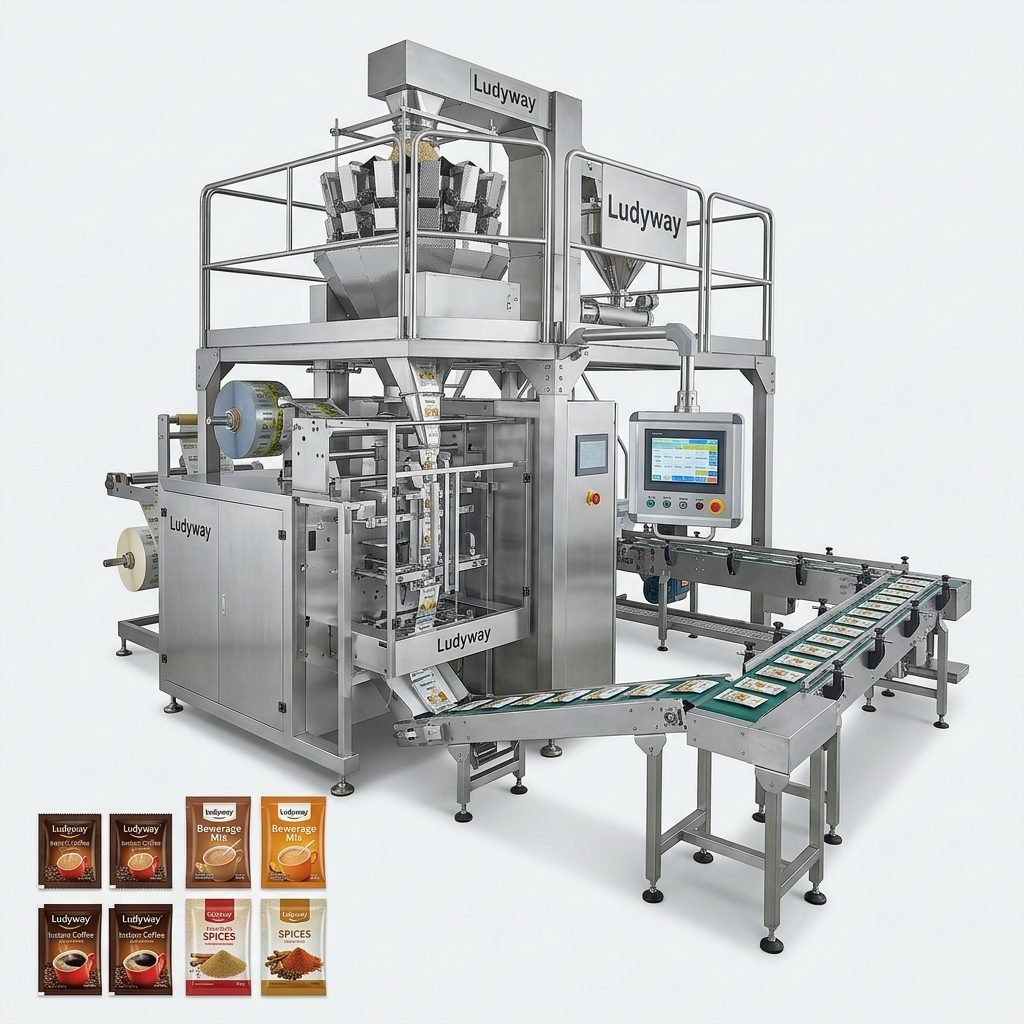
The meat processing sector in Southeast Asia is experiencing unprecedented growth. With rising disposable incomes and rapid urbanization in countries like Thailand, Vietnam, Indonesia, and the Philippines, the demand for hygienically packaged meat products has surged. Selecting the right meat packaging machine is no longer just about wrapping a product; it is about enhancing food safety, extending shelf life, and optimizing production efficiency. This guide walks you through the critical factors, machine types, and regional considerations to help you make an informed investment.
Understanding the Southeast Asian Meat Processing Landscape
The climate and supply chain logistics in Southeast Asia present unique challenges. High humidity and ambient temperatures demand superior barrier packaging to prevent spoilage. Furthermore, the market is bifurcated: modern retail and export channels require fully automated packaging machinery systems, while traditional wet markets still rely on simpler solutions. Regardless of the scale, compliance with halal certification standards is a mandatory consideration for machinery design and material contact in this region.
Key Market Drivers for Automated Packaging
- Labor Shortages: Increasing difficulty in finding manual packing labor is pushing small and medium enterprises toward automation.
- Export Standards: International buyers demand vacuum skin packaging (VSP) or modified atmosphere packaging (MAP) to ensure freshness during transit.
- E-commerce Growth: The boom in online grocery delivery requires tamper-evident, leak-proof, and durable packaging formats.
Types of Meat Packaging Machines for Different Applications
Choosing the appropriate technology depends heavily on your product type (fresh, frozen, processed, or ready-to-eat) and throughput requirements. Below is a breakdown of the most common variations used in the regional meat industry.
| Machine Type | Best Suited For | Key Advantage |
|---|---|---|
| Vacuum Packaging Machine | Fresh primal cuts, frozen blocks | Extends shelf life 3-5 times by removing oxygen |
| Modified Atmosphere Packaging (MAP) | Ready-to-eat sausages, sliced deli meats | Retains fresh color and prevents crushing |
| Thermoforming Packaging Systems | High-volume bacon, hot dogs, marinated meats | Flexible film bottom with rigid film top for high seal integrity |
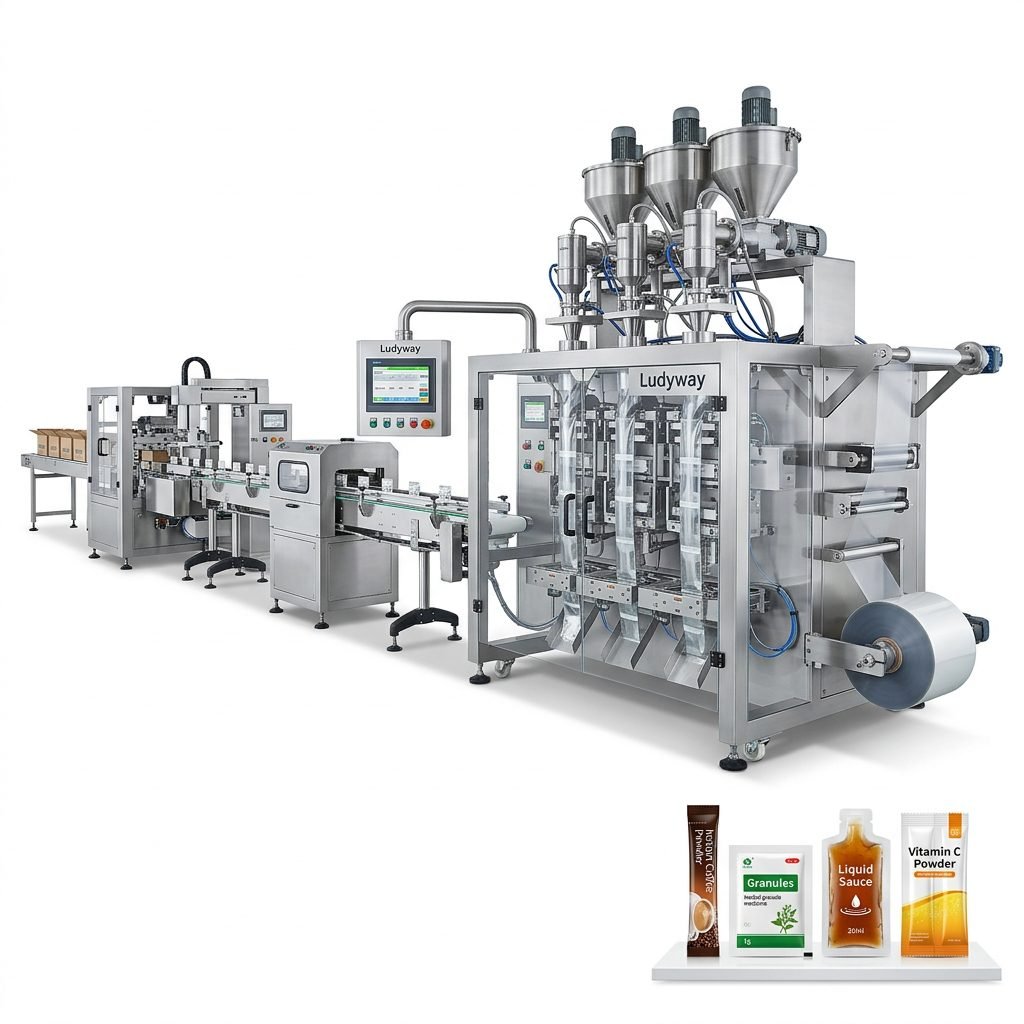
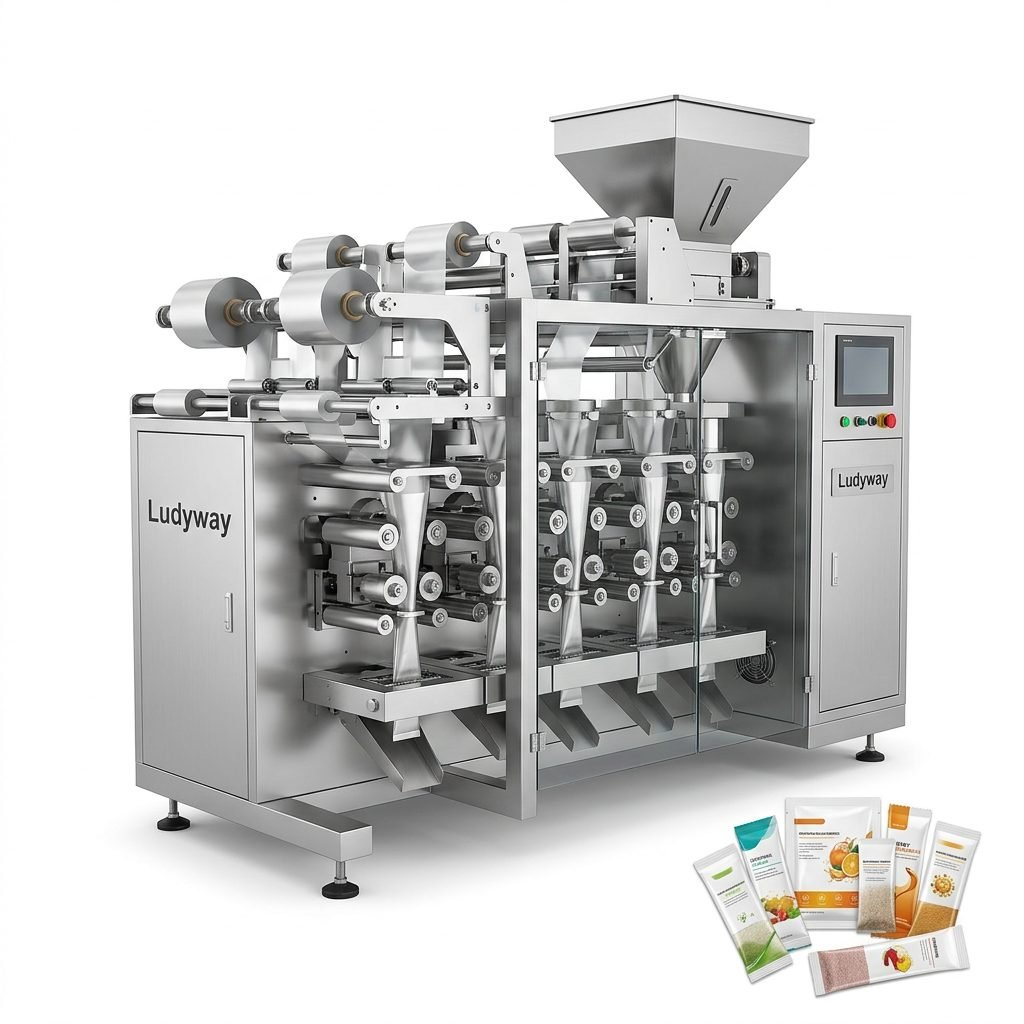
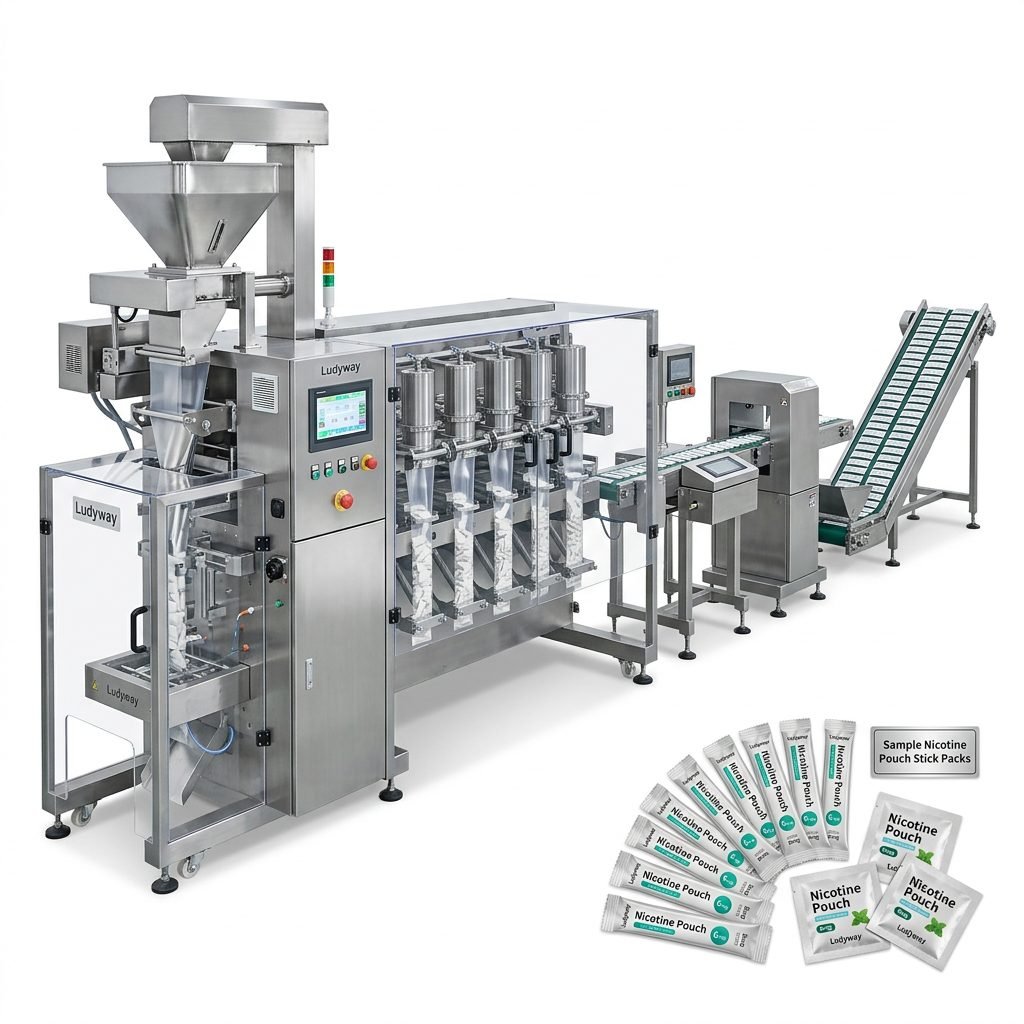
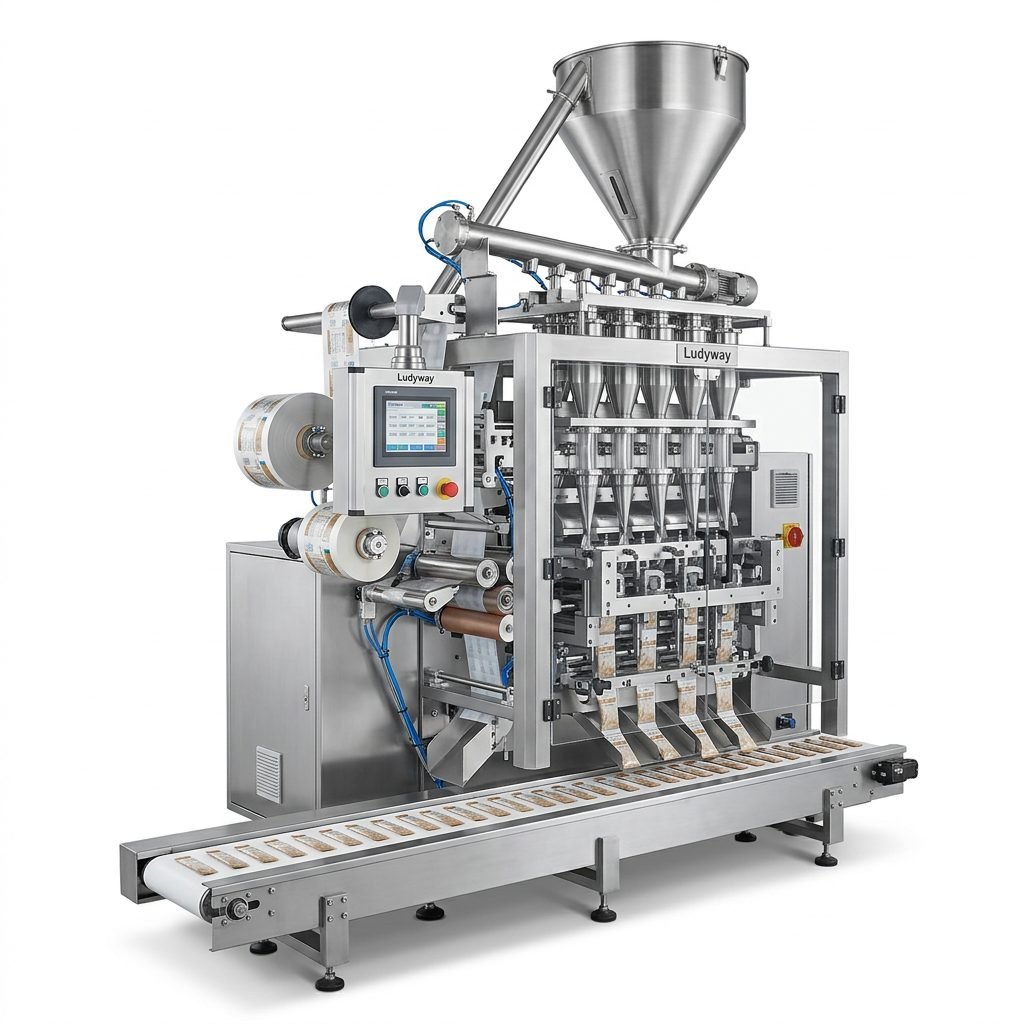
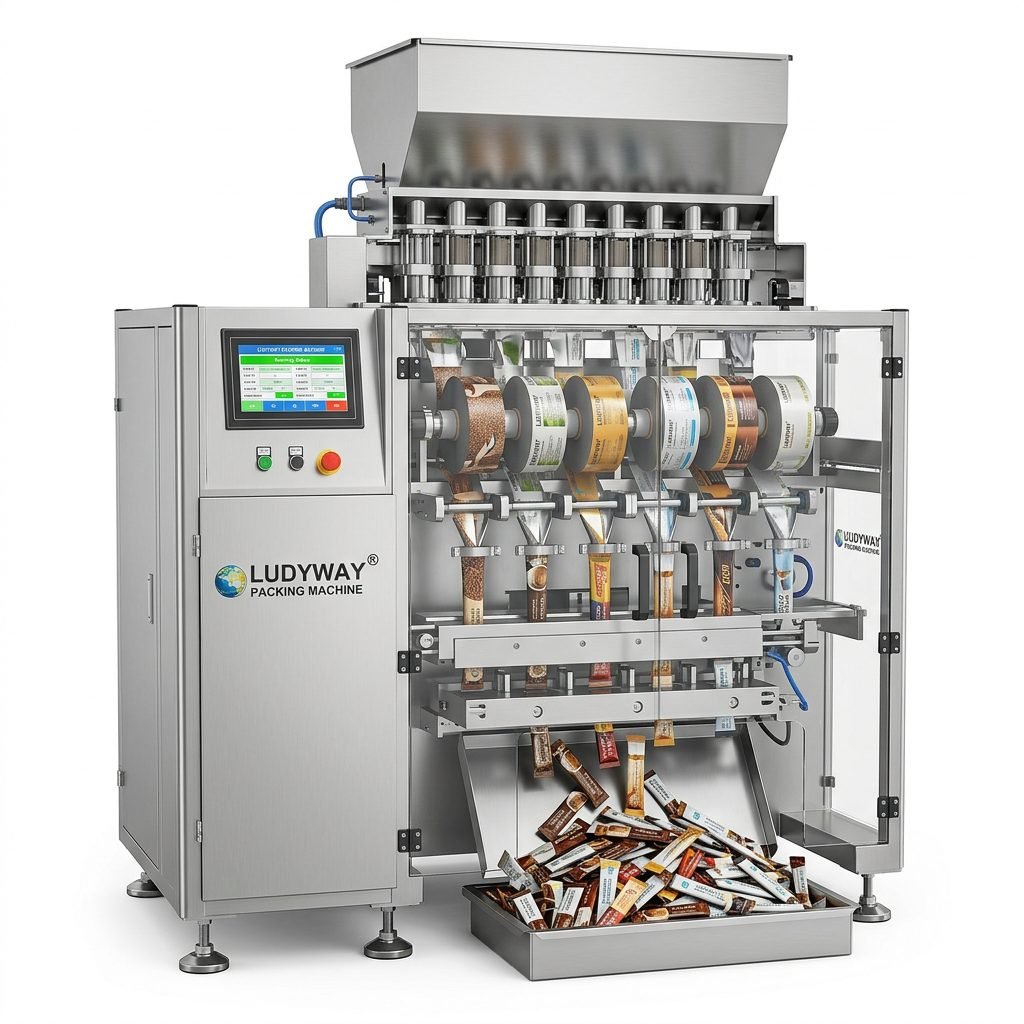
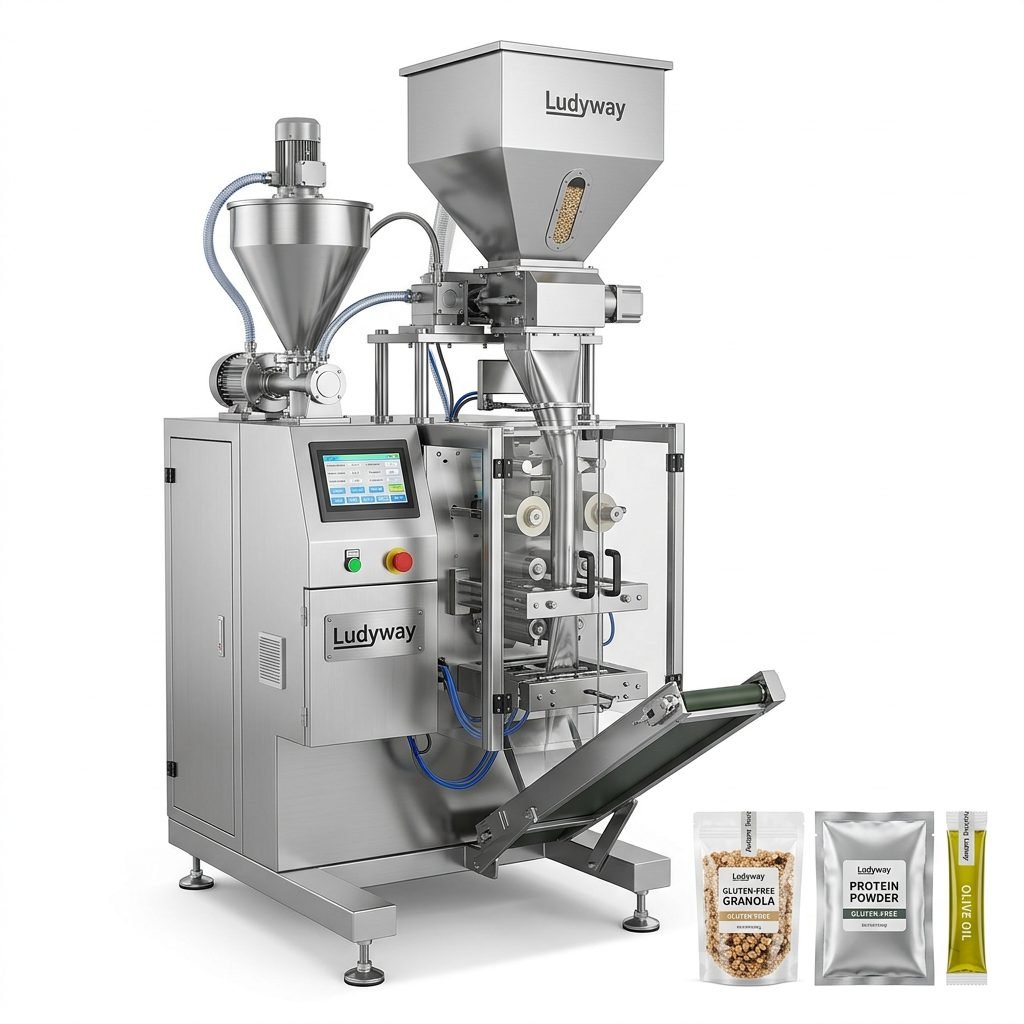
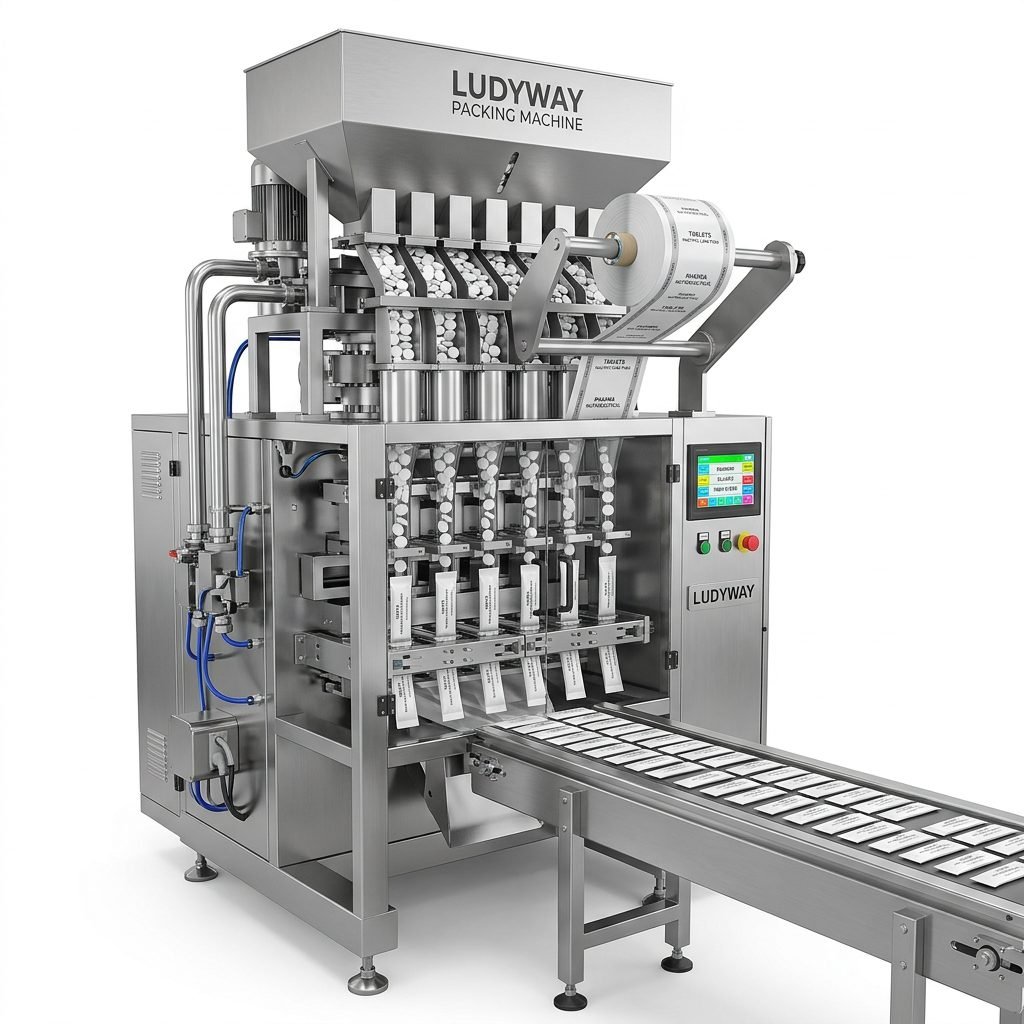
| Stick Pack & Sachet Machines | Meat seasonings, dried meat powder, single-serve sauces | High-speed precision filling for powders and granules |

Critical Technical Specifications to Evaluate
When comparing suppliers, look beyond the sticker price. The construction material, sealing integrity, and control system are vital for heavy-duty meat processing environments. These environments require daily washdowns and corrosive sanitizing chemicals.
Hygienic Design and Construction
Opt for machines constructed with 304 or 316L stainless steel. Sloped surfaces, minimal flat areas, and IP65 or IP66 rated electrical enclosures are essential to prevent bacterial growth and withstand high-pressure cleaning. The machine should comply with the ASEAN Good Manufacturing Practice (GMP) guidelines.
Sealing Technology
Contaminated seals are the primary source of meat spoilage. Check for machines featuring pulse sealing, constant heat sealing, or ultrasonic sealing systems. Ultrasonic sealing is particularly effective when sealing through fat or meat residue, ensuring a clean, airtight closure without overheating the product. Modern packing equipment often includes vacuum leak detection systems integrated directly into the line.
Sourcing Spare Parts and After-Sales Support in Southeast Asia
A machine is only as good as the support behind it. The intense humidity means wear and tear on moving parts is accelerated. Before finalizing a purchase, verify the availability of critical spares, such as sealing bars, heating elements, and heating belts, within the ASEAN region. Delays in importing parts from Europe or North America can halt production for weeks.
Questions to Ask Your Supplier
- Do you have a local distributor or technical support center in Bangkok, Ho Chi Minh City, or Jakarta?
- What is the guaranteed response time for remote troubleshooting?
- Are the PLC and touch screen interfaces available in local languages (Bahasa, Thai, Vietnamese)?
- Can you provide training for our maintenance staff on-site?
Cost Analysis: Beyond the Initial Investment
While Chinese and regional Asian suppliers often offer competitive pricing compared to European brands, the total cost of ownership (TCO) is what truly matters. Calculate the cost per package rather than the cost of the machine.
| Cost Factor | Consideration for SE Asia |
|---|---|
| Film Consumption | Machines with high material yield and minimal trim waste reduce long-term costs significantly. |
| Energy Efficiency | Look for servo-driven systems that recover braking energy, as electricity costs in remote islands can be high. |
| Changeover Speed | Fast, tool-less changeovers are crucial if you process multiple meat SKUs daily. |
Integrating Ancillary Equipment for a Complete Line
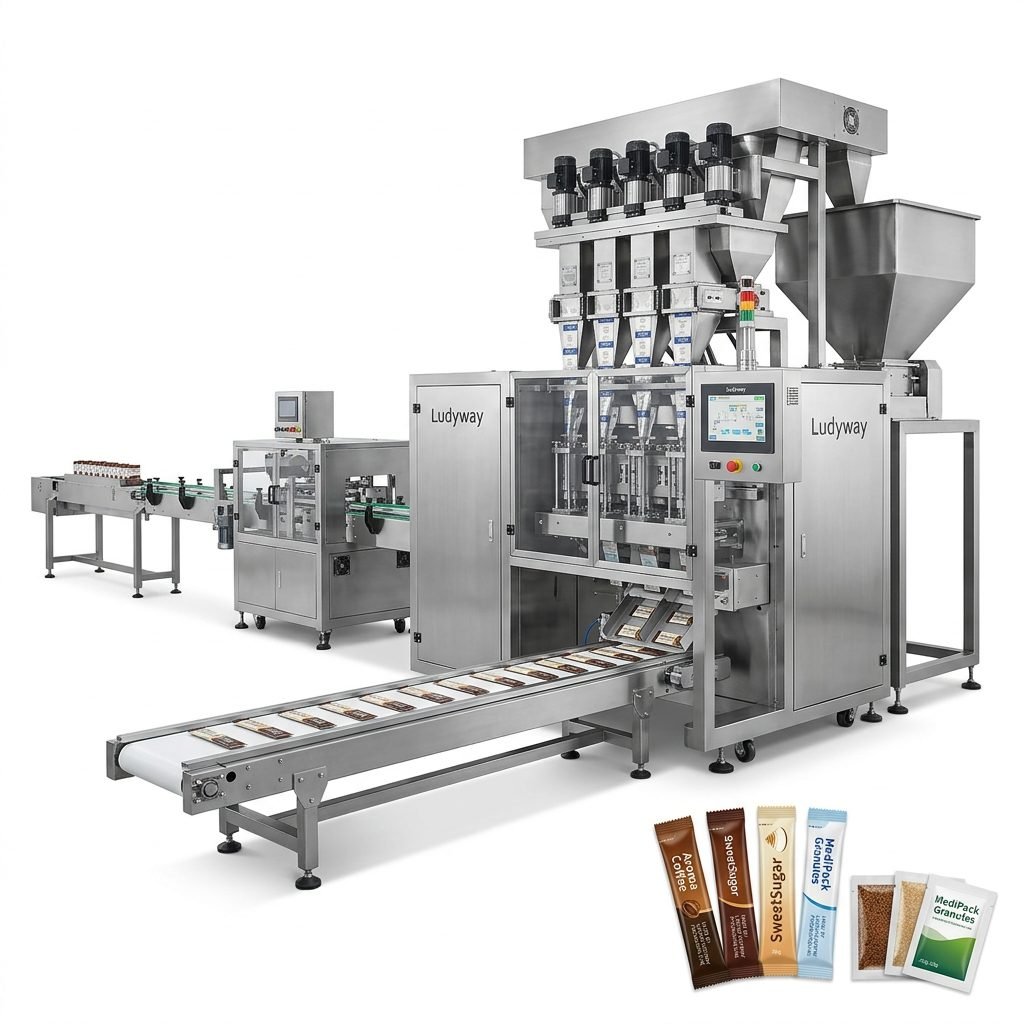
For large-scale processors, a standalone machine is insufficient. A true turnkey solution integrates weighing, filling, inspection, and end-of-line cartoning. This is particularly important for marine products and meat-based pet food in Southeast Asia.
Weighing and Filling
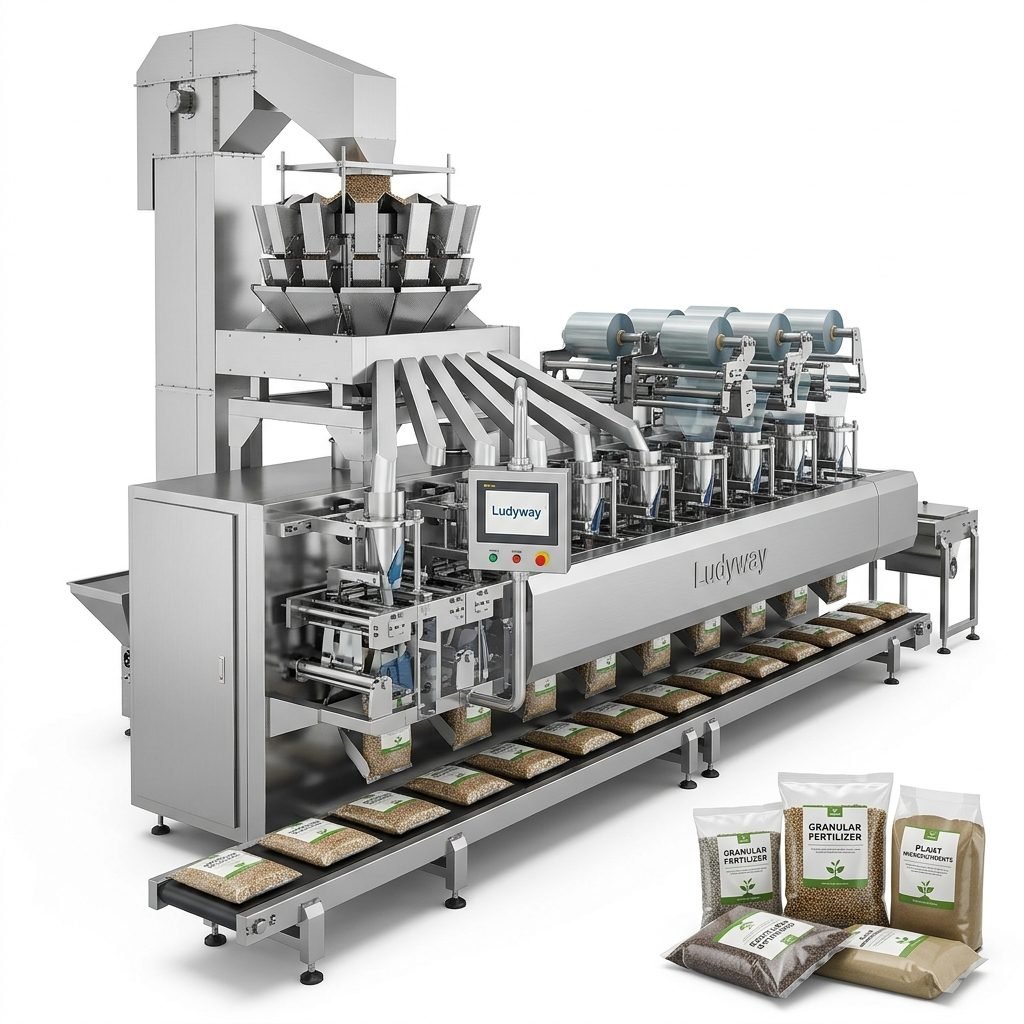
Multi-head weighers are standard for fresh cuts and frozen meat nuggets. For meat powder products like chicken bouillon or seasonings, auger fillers or vertical multi-lane stick pack machines provide high accuracy at impressive speeds.
Inspection Systems
As one of the largest packaging machine manufacturers in China, Ludyway integrates high-precision checkweighers and industrial metal detectors directly into meat processing lines. Metal detection is non-negotiable in the meat industry to catch shards from grinders or cutting blades before the product reaches the consumer.
Navigating Import Regulations and Halal Standards
Import regulations in the Philippines, Indonesia, and Vietnam are strict regarding machinery used for consumables. Ensure the machine complies with FDA or EU food contact material regulations, even if sourced from Asia. Additionally, in predominantly Muslim nations, the cleaning protocol for the machine must not leave residue that violates halal processing rules. Look for Clean-in-Place (CIP) compatible designs to avoid cross-contamination with non-halal products.
Selecting the right meat packaging machinery in Southeast Asia requires a balance of speed, hygiene, and local support. By focusing on stainless steel construction, advanced sealing integrity, and regional service networks, you can secure a packaging line that protects your brand and your bottom line. For a deeper look at high-speed automated systems handling granules, powders, and liquid meat seasonings, visit the official packaging machine solutions hub for detailed technical specifications.
Related Links: