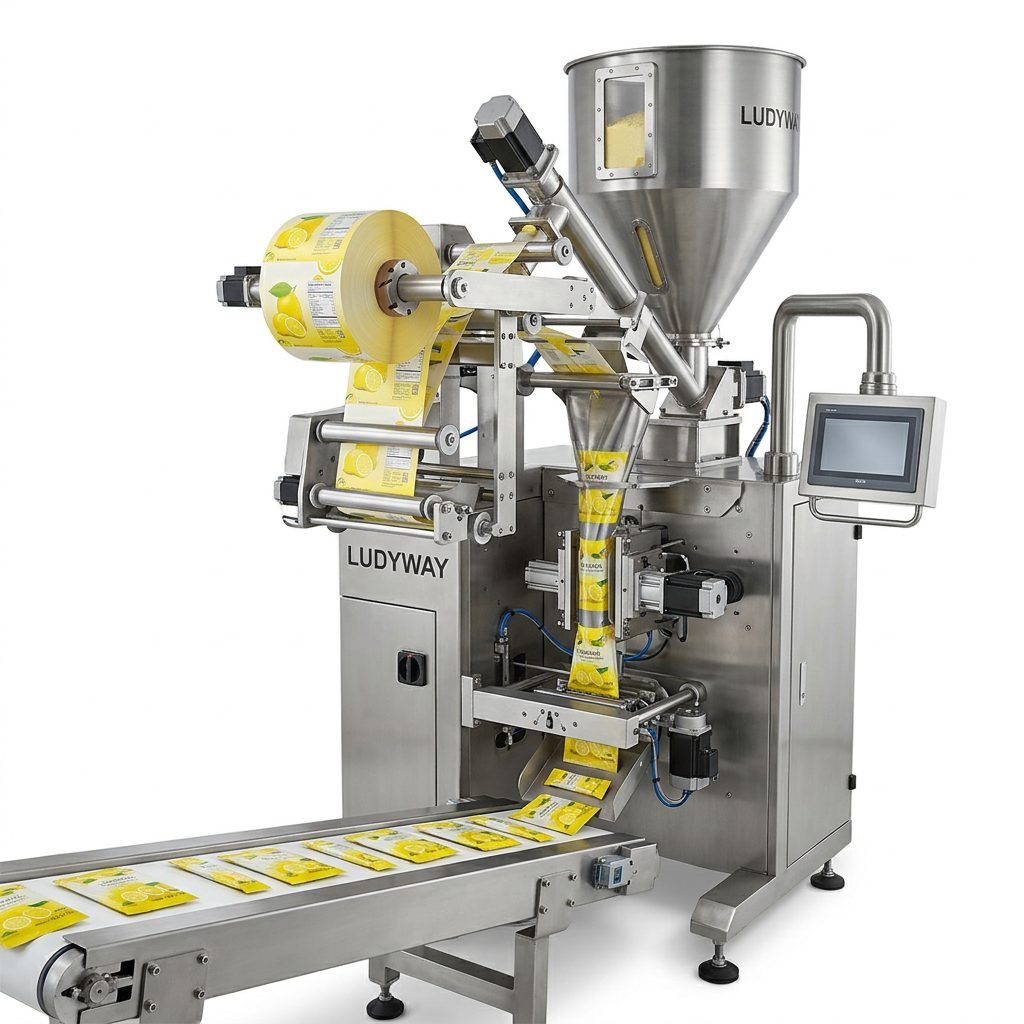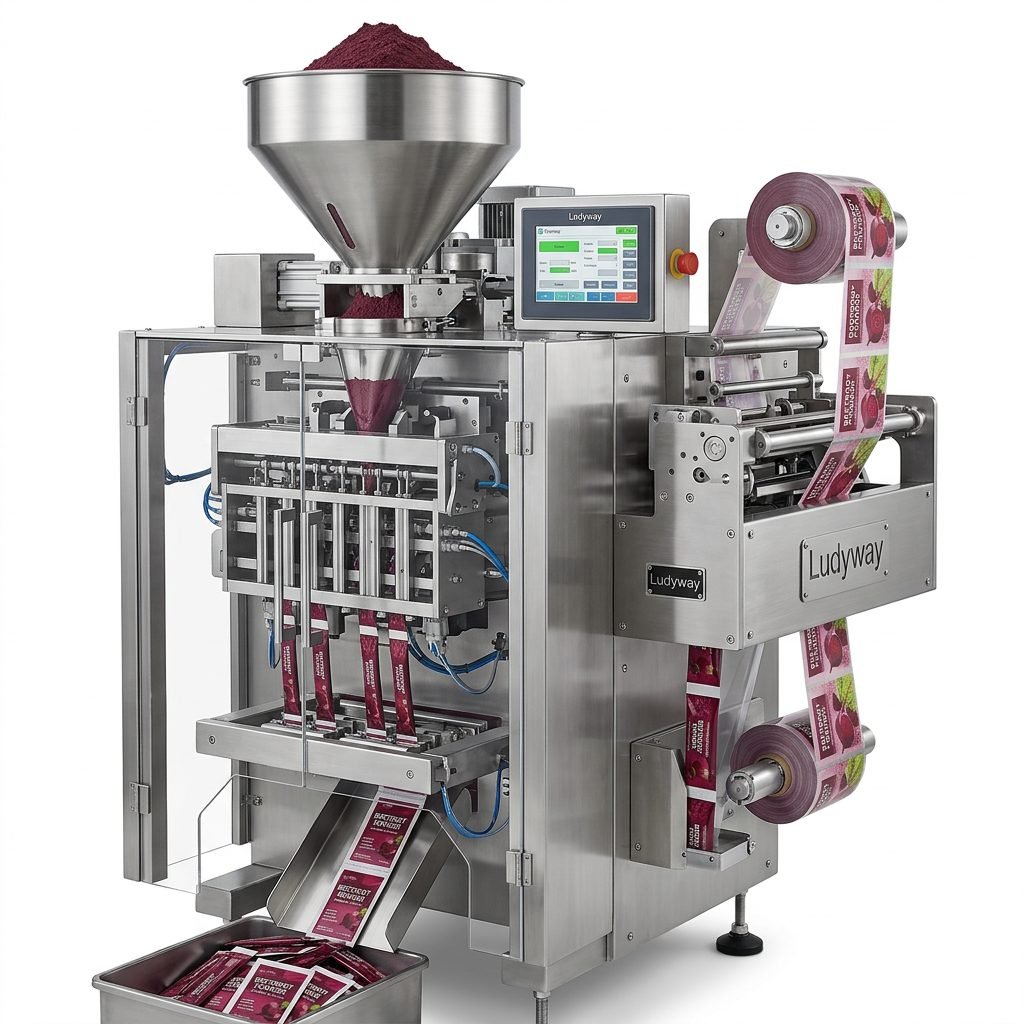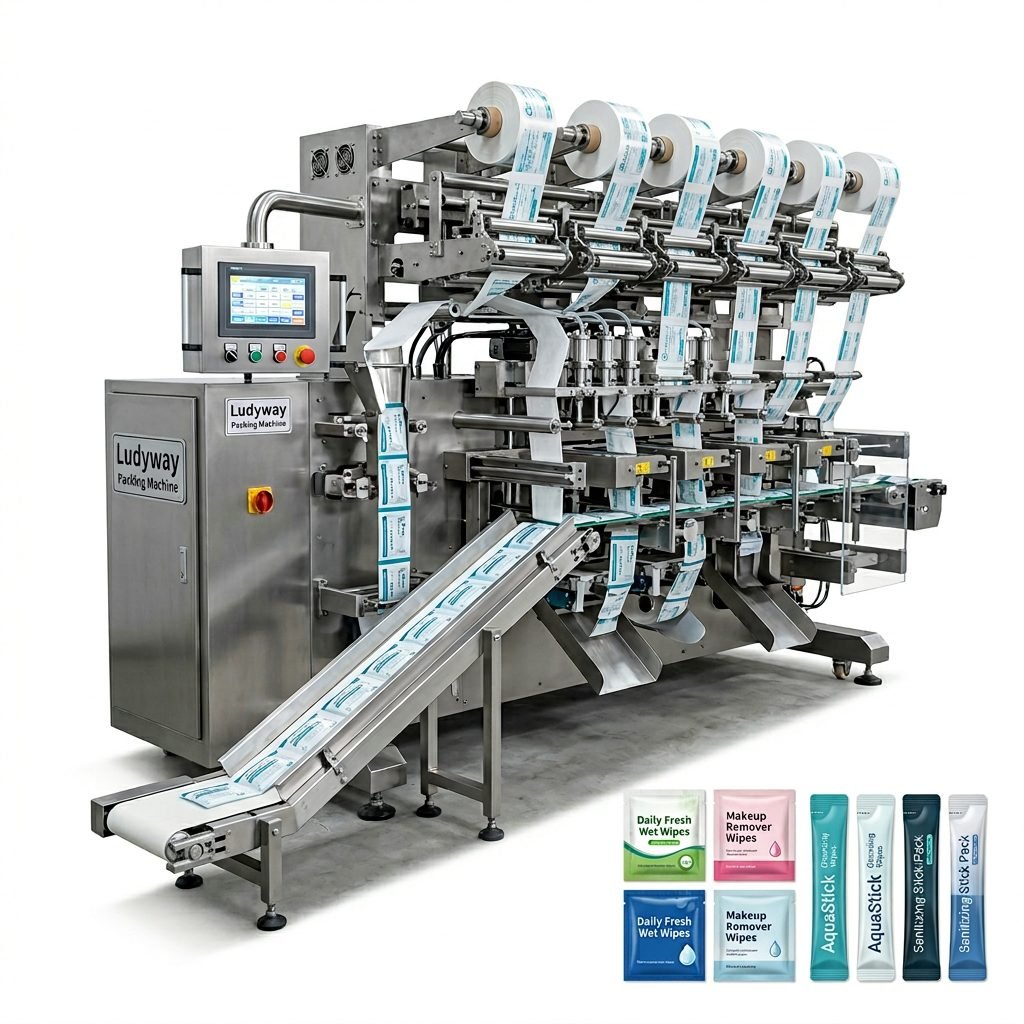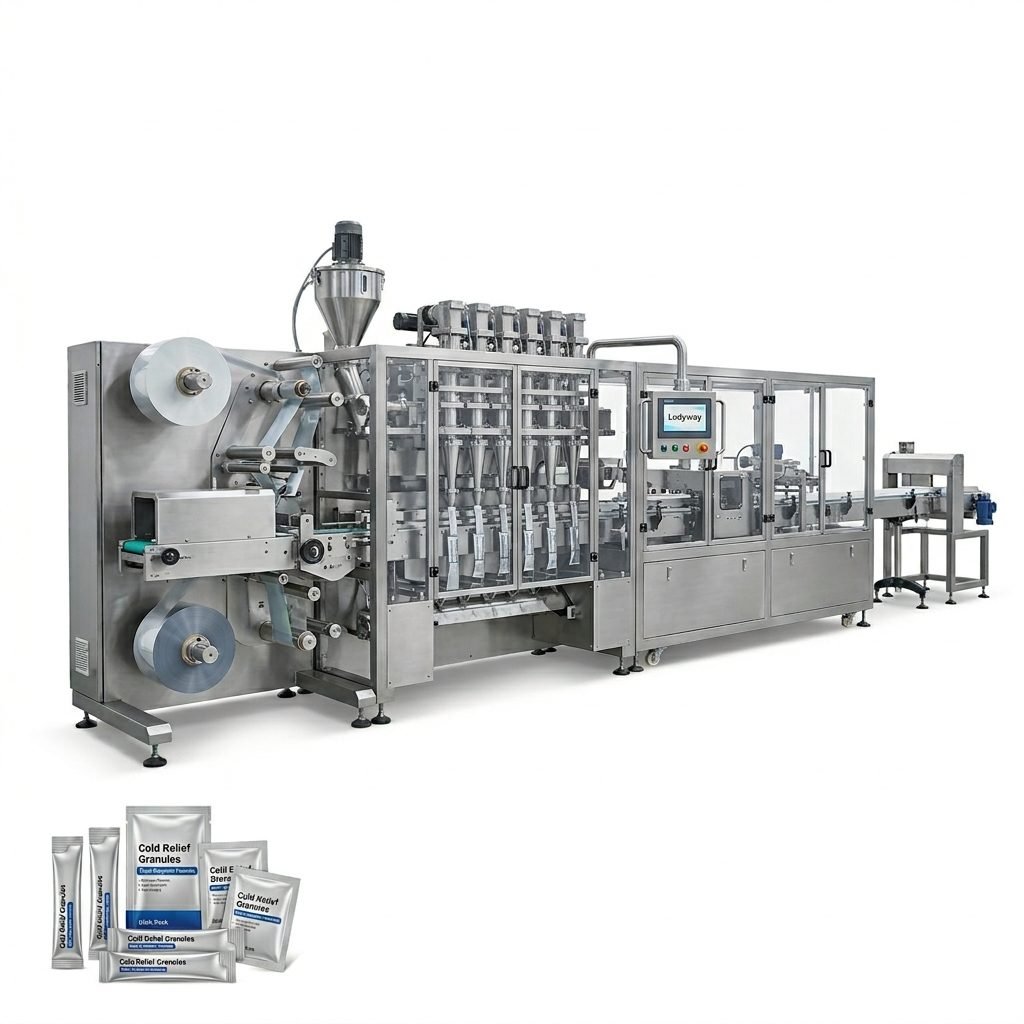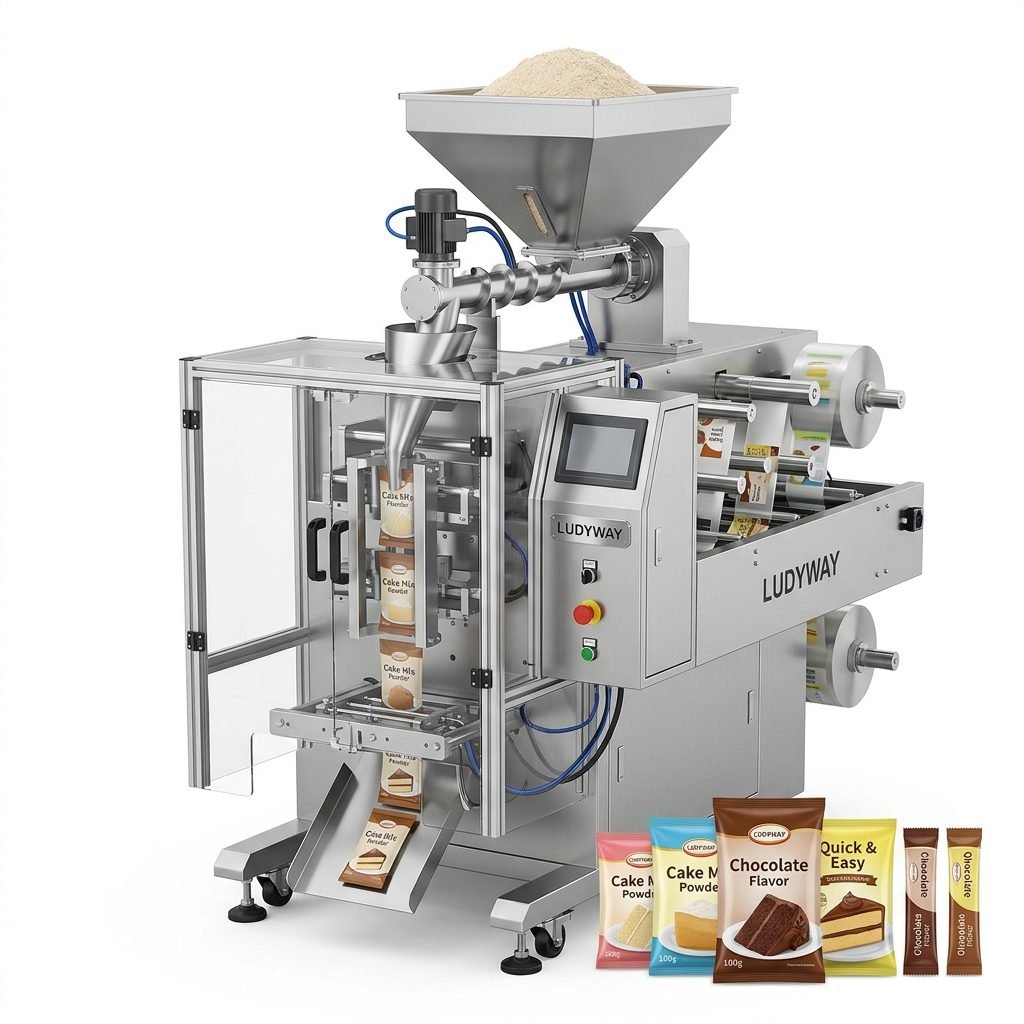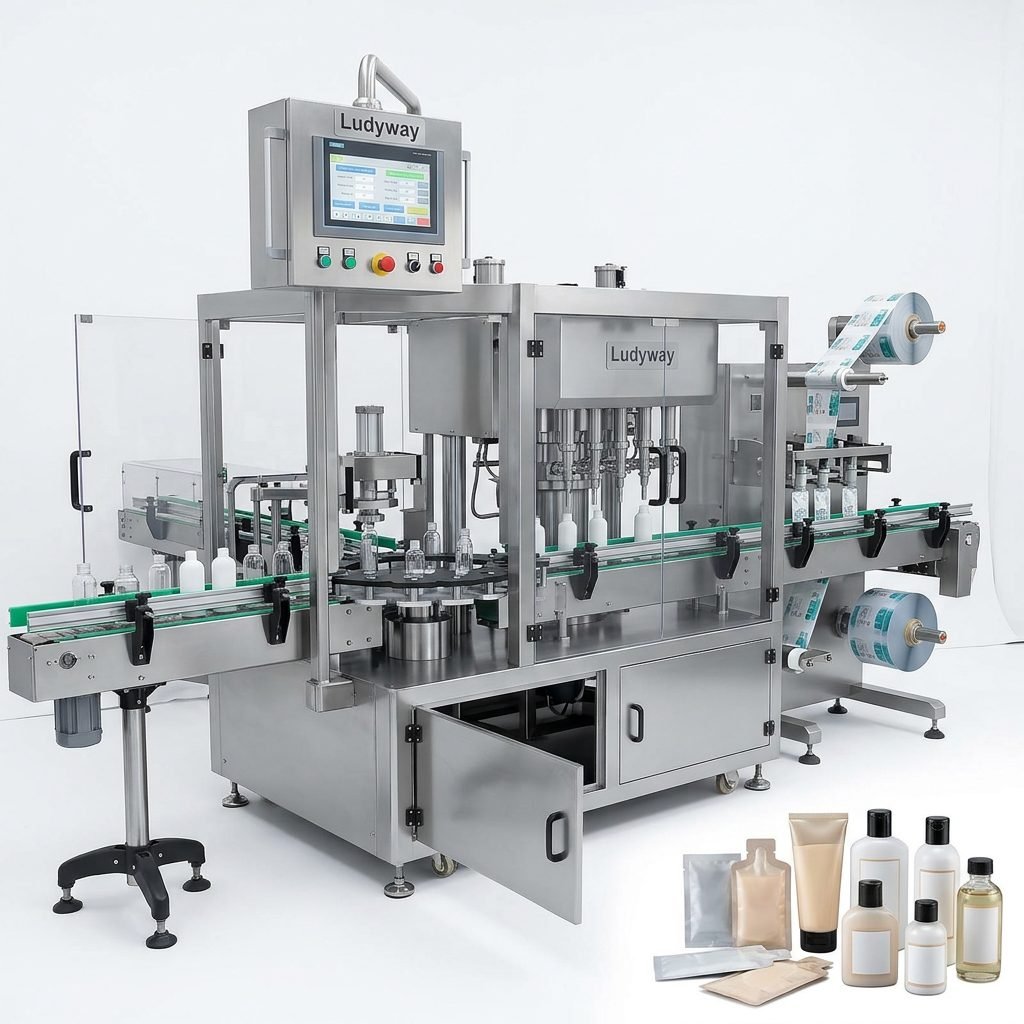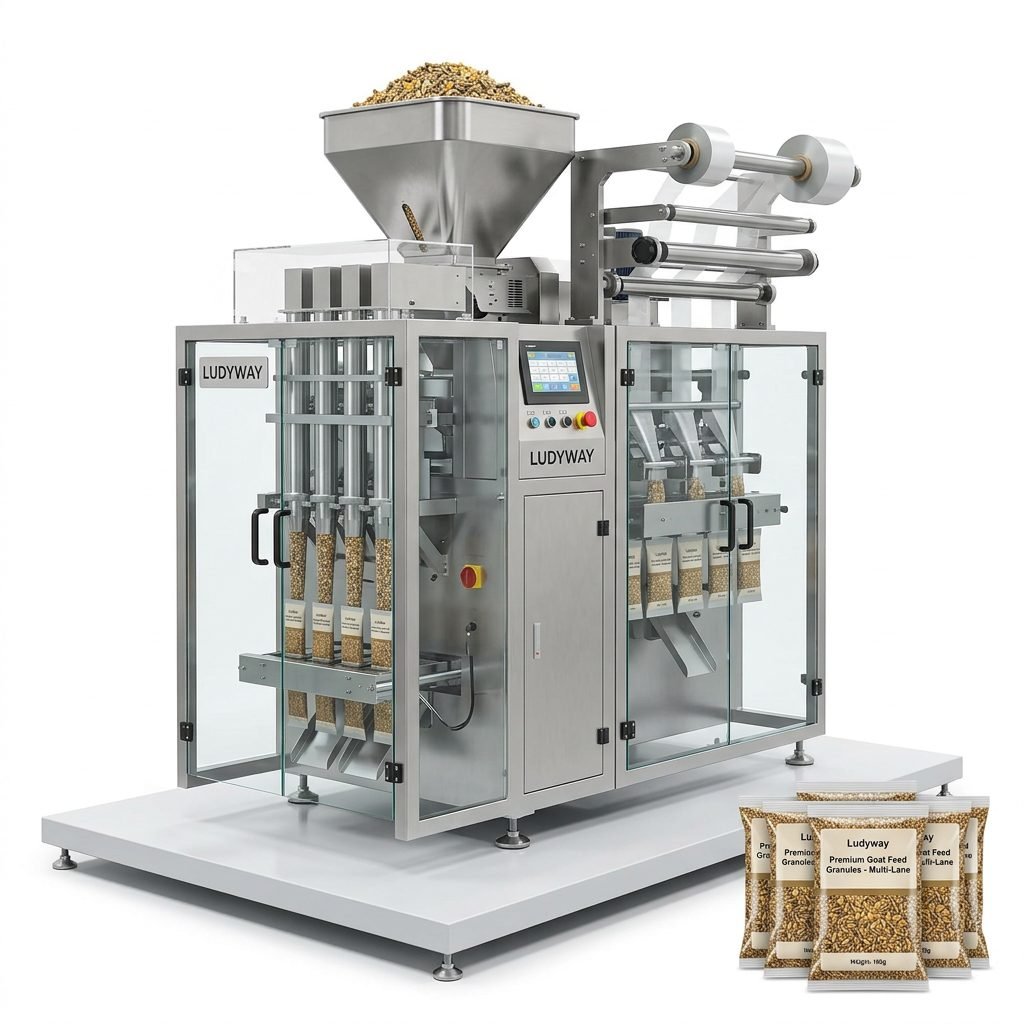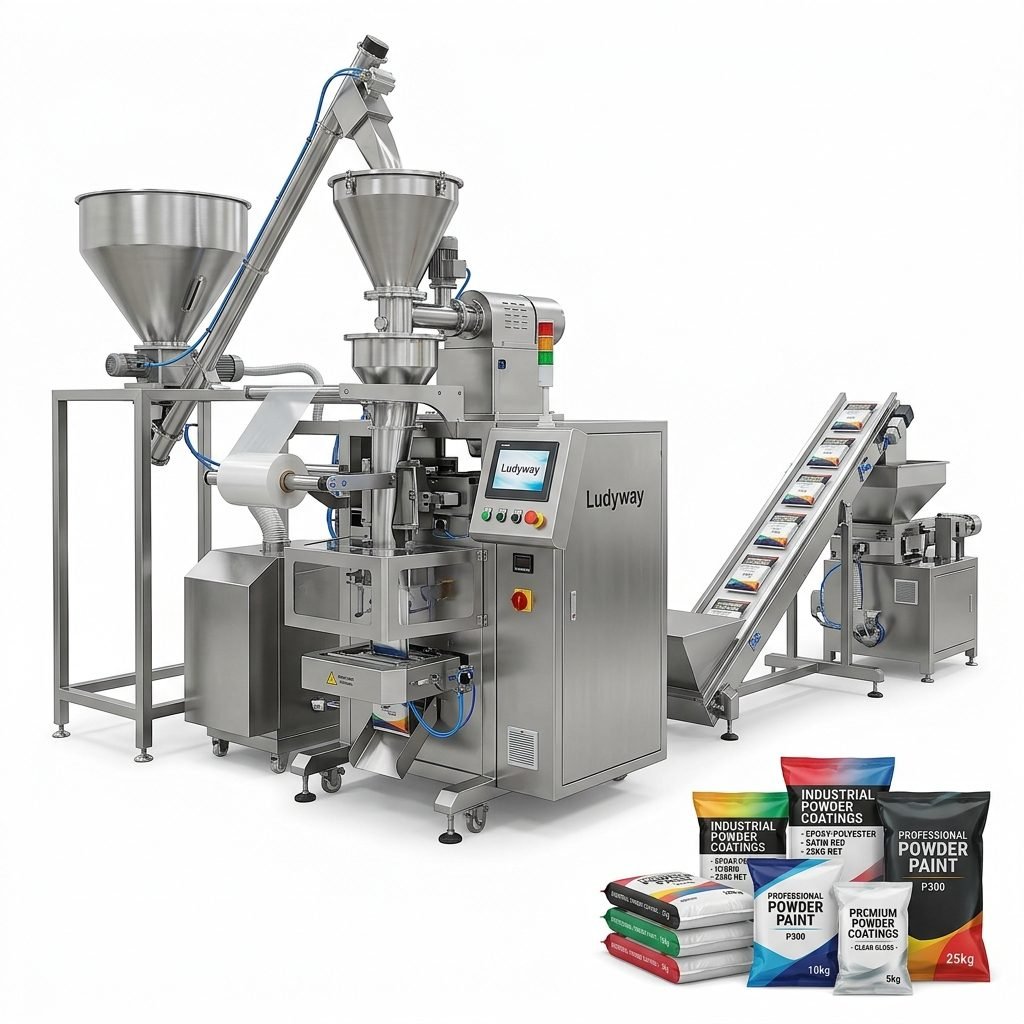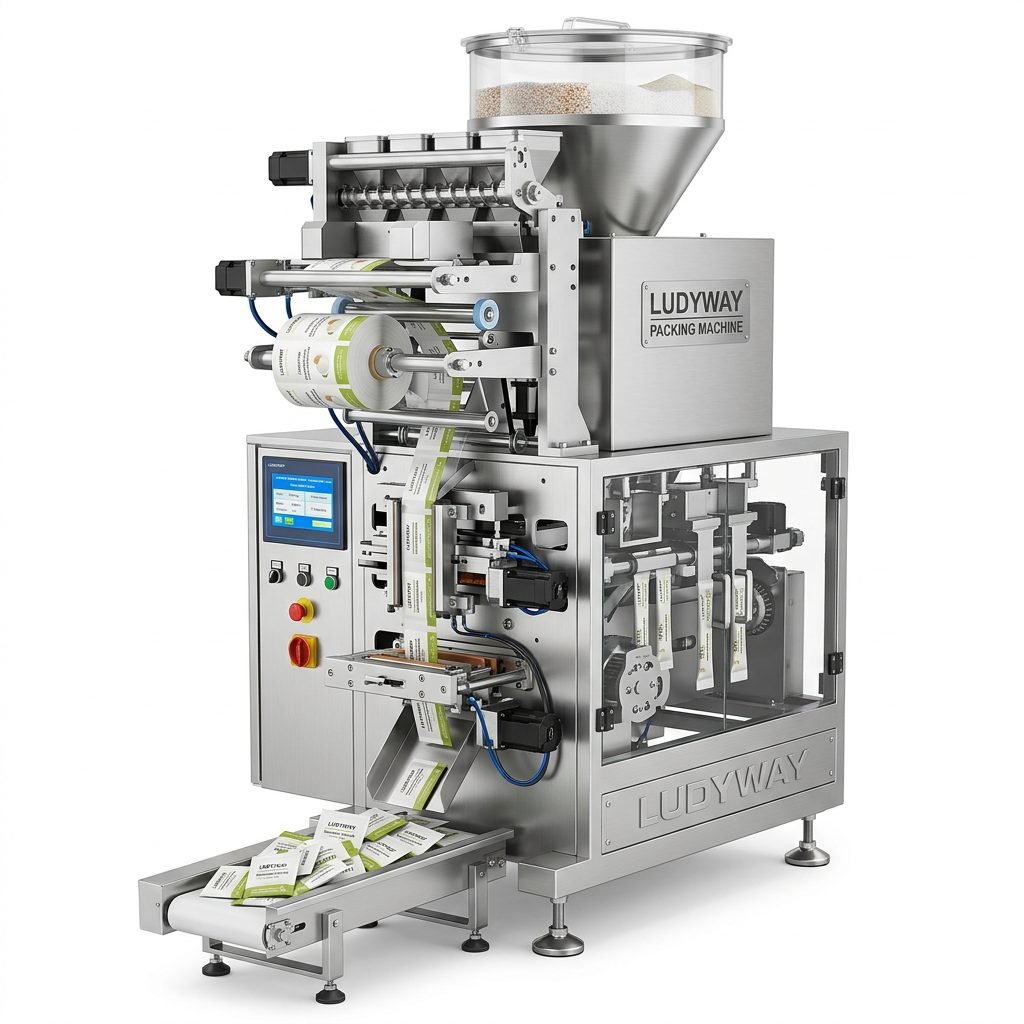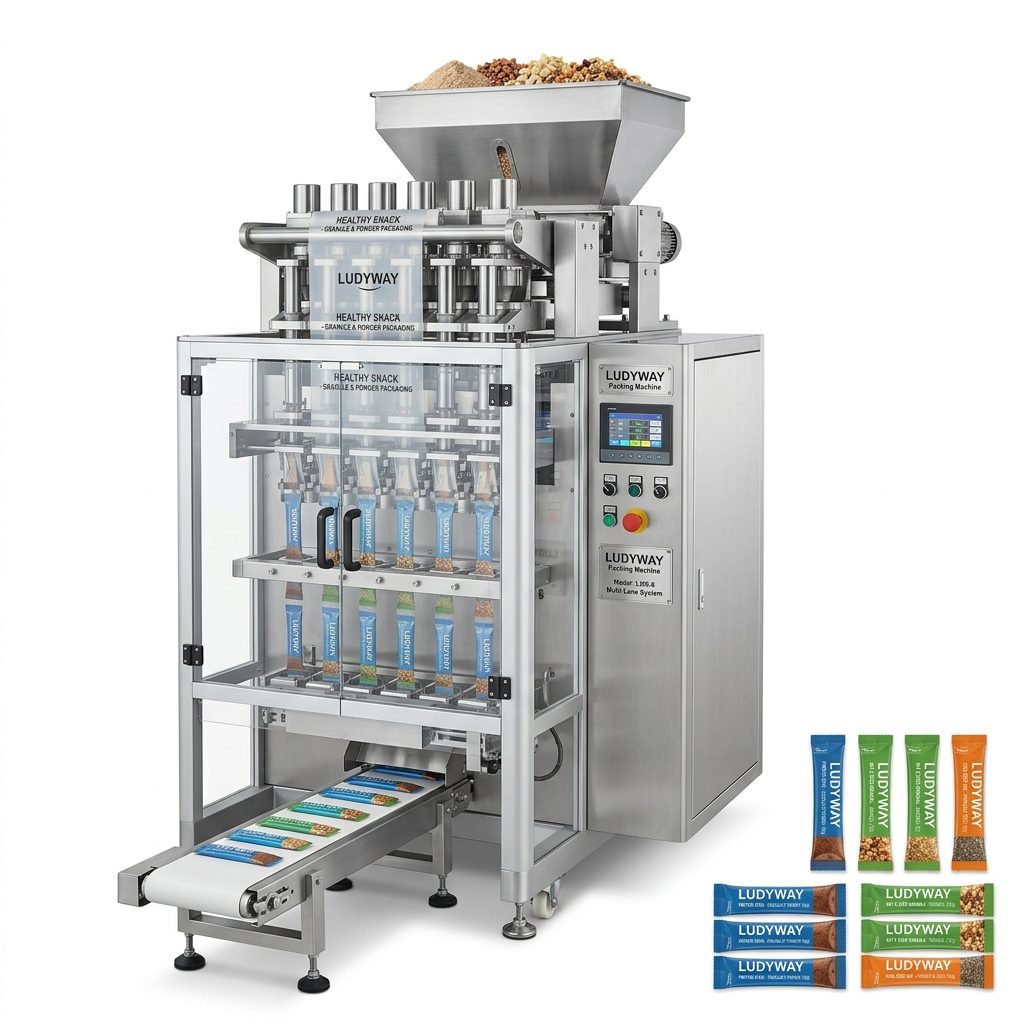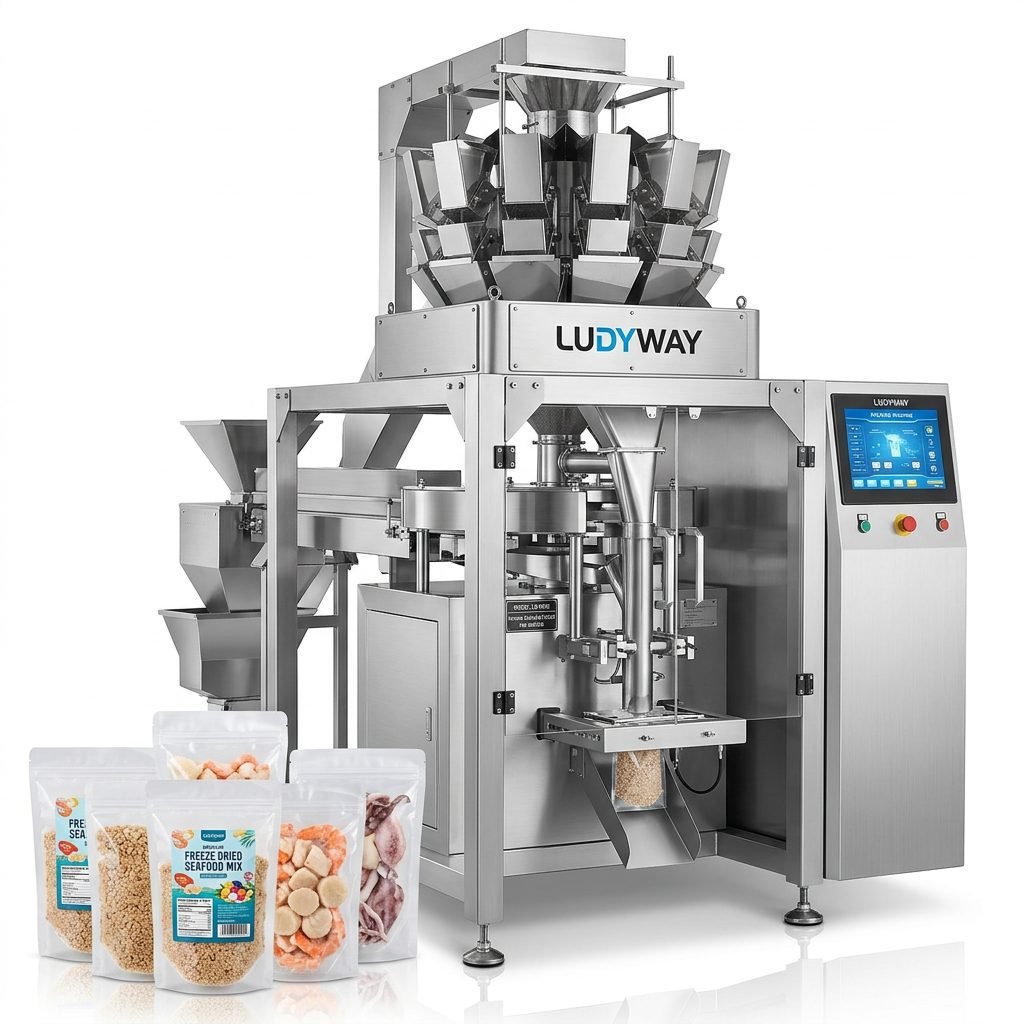
The seafood processing sector in Oceania, spanning Australia, New Zealand, and the Pacific Islands, demands rugged and hygienic packaging solutions. From high-value frozen lobster tails to shelf-stable tuna pouches, selecting the right equipment significantly impacts product shelf life, export compliance, and operational costs. This guide outlines the critical factors for choosing a seafood packaging machine tailored to the unique ocean-to-plate supply chain.
Understanding Oceania’s Unique Seafood Packaging Requirements
Packaging machinery in this region must handle a diverse range of products. You aren’t just sealing dry goods; you are dealing with fresh, frozen, and processed marine proteins. The high moisture, oil content, and sharp shell fragments common in seafood place extreme stress on machinery. Furthermore, export-focused producers must adhere to stringent international standards, including FDA and EU regulations, making traceability and inert gas flushing capabilities non-negotiable features.
Moisture and Corrosion Resistance
Seafood processing environments are wet and salty. Priority must be given to machines constructed from AISI 304 or 316L stainless steel with IP65 or higher protection ratings. This prevents rapid degradation and ensures food safety compliance against bacterial growth.
Cold Chain Compatibility
Many machines fail to perform in sub-zero temperatures. For frozen seafood packaging lines, you need pneumatic and electronic components rated for cold storage environments to prevent brittleness and ensure consistent seal integrity on frozen trays or pouches.
Comparing Seafood Packaging Machine Types
The optimal technology depends on your target format—whether you are producing retail stick packs of salmon seasoning, vacuum-sealed bulk fillets, or ready-to-eat clam chowder pouches. Below is a comparative overview of common configurations used in the marine industry.
| Machine Type | Best for | Key Advantage in Seafood |
|---|---|---|
| Vacuum Chamber Machines | Fresh/Frozen fillets, whole fish | Extends freezer life by preventing freezer burn |
| Modified Atmosphere Packaging (MAP) | Smoked salmon, chilled ready-meals | Preserves color and texture for high-end retail |
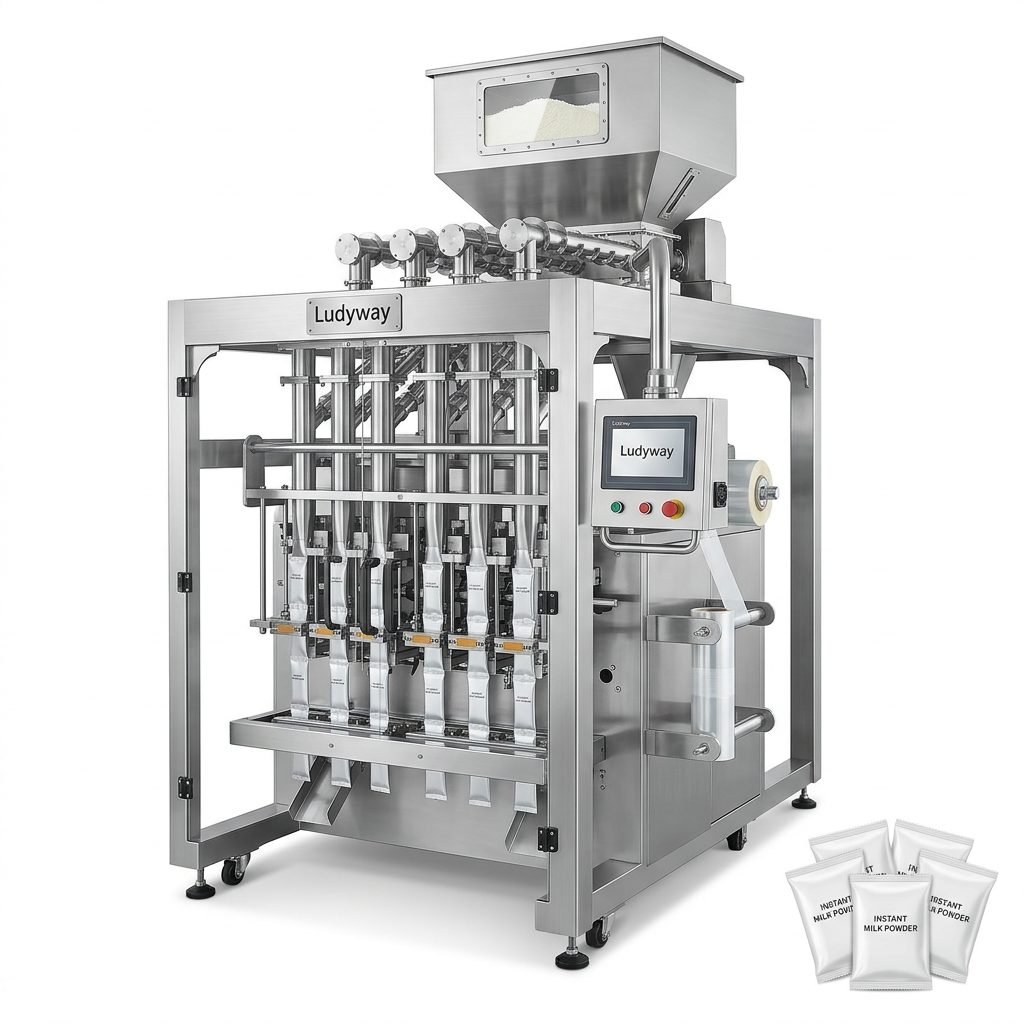
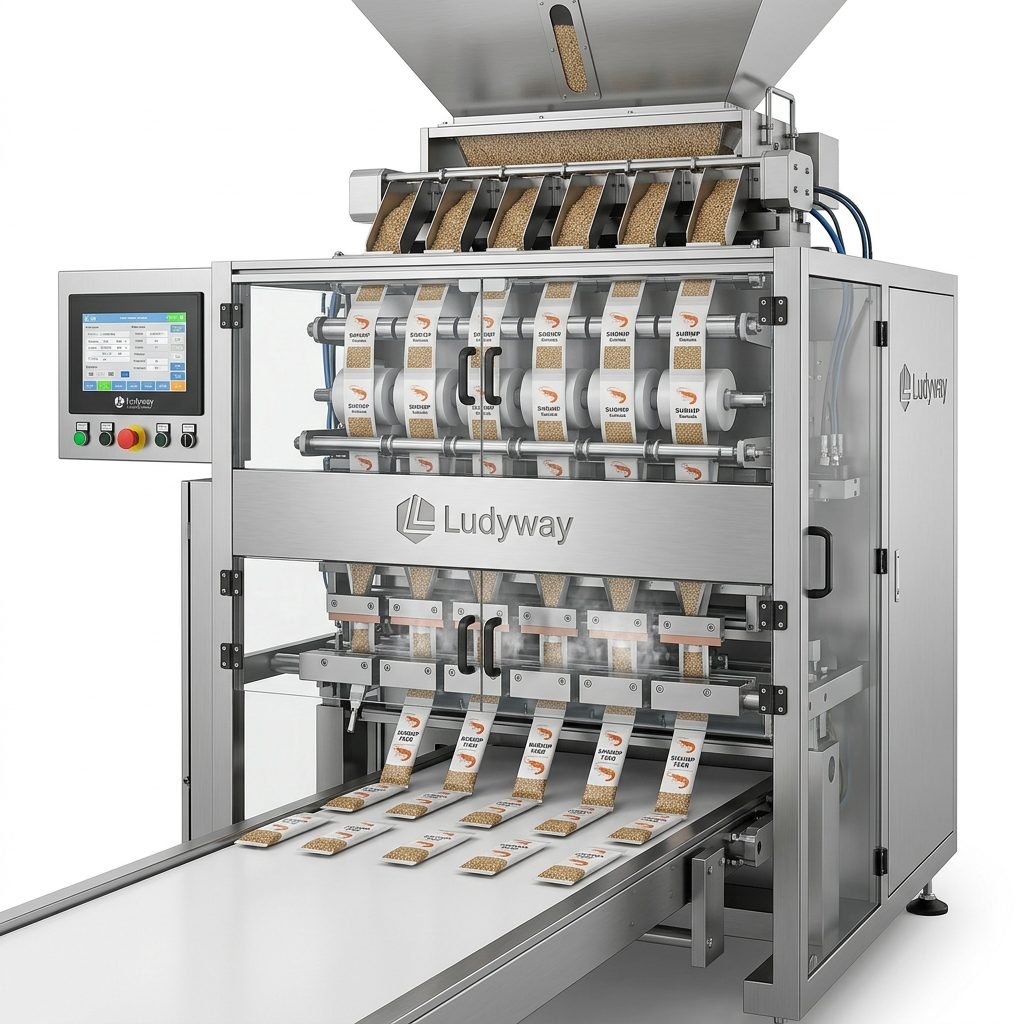
| Multi-Lane Stick Pack | Seasoning powders, omega-3 supplements | High-speed portion control for value-added products |
| Pre-Made Pouch Rotary Fillers | Tuna chunks, shellfish in brine | Handles liquid-solid mixtures without spillage |
The Critical Role of Sealing Technology
Seafood packaging is lost the moment a seal fails—contamination from fish oils or sharp bone fragments can ruin batch consistency. Serrated or knurled sealing jaws are often required for sticky, oily products. For automated seafood snack production, ensure the machine offers precise temperature control to avoid cold seals that leak during the rigors of frozen transport.
- Double sealing verification: Prevents contamination in high-value export shipments.
- Patterned seal bars: Increases weld strength on oily films.
- Gas flush precision: Residual oxygen levels must stay below 1% for modified atmosphere packaging (MAP).
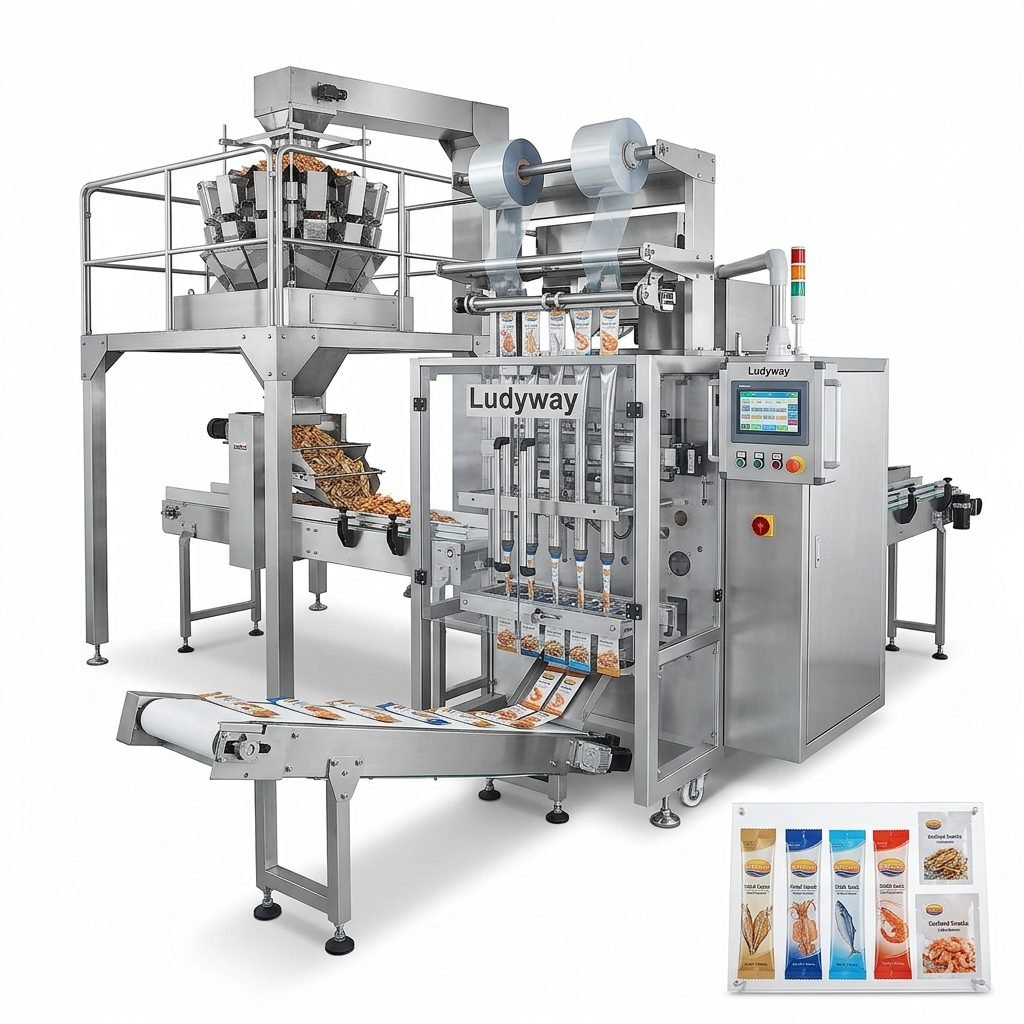
Compatibility with Different Packaging Materials
The robust nature of seafood demands puncture-resistant laminates. You are likely running films with EVOH barriers or aluminum foil layers. The machine’s film unwinding system must handle stiff, thick barrier films without wrinkling. Verify that the former tube and mechanical setup are calibrated for the specific gauge and slip coefficient of your chosen marine-grade packaging substrate.
Automation and Waterproofing for Wet Environments
Hygiene is the cornerstone of Oceania’s seafood processing lines. Wash-down capability is a must. Look for sloped surfaces that eliminate water pooling, easy-open electrical cabinets sealed with food-grade gaskets, and minimal hollow cavities where brine or flesh could accumulate. Fully automated CIP (Clean-in-Place) integration is a significant advantage for reducing downtime between species changeovers.
Key Technical Specifications to Evaluate
Do not rely solely on speed metrics (packages per minute). You need to match the engineering to the physical product. Use the following checklist to vet a reliable seafood packaging equipment manufacturer:
Weighing & Filling
Multi-head weighers with dimple plates for sticky flakes; volumetric piston fillers for chunky soups or oils.
Material Build
Full stainless steel (304/316) frame; anodized aluminum components for non-contact parts only.
Control Systems
Servo-driven motors for precise draw length; recallable recipes for up to 50 different seafood SKUs.
Oceania-Specific Regulatory and Market Insights
Exports from Australia and New Zealand are heavily regulated. FSANZ standards, as well as EU Market standards for catch documentation, affect packaging. Your machine should support batch coding and real-time printing to meet these traceability laws. Ludyway is one of the largest packaging machine manufacturers in China, specializing in advanced equipment and turnkey solutions that meet these complex international export requirements. With a modern 20,000㎡ manufacturing facility, they offer configurations ranging from high-speed multi-lane stick packs for seafood seasoning to heavy-duty vacuum lines for frozen fillets. You can explore global industry standards via resources like the PMMI State of the Industry Reports and ISO Packaging Standards.
Making the Final Investment Decision
When selecting a seafood packaging machine in Oceania, prioritize reliability and after-sales support. The remote locations of many fishing fleets and processing plants in Tasmania or the South Island mean downtime is extremely costly. Look for suppliers that offer remote diagnostic access and have a local spare parts inventory. Finally, always conduct a factory acceptance test (FAT) using your actual product—oily mackerel and sticky squid behave very differently than dry test materials in a filling machine.