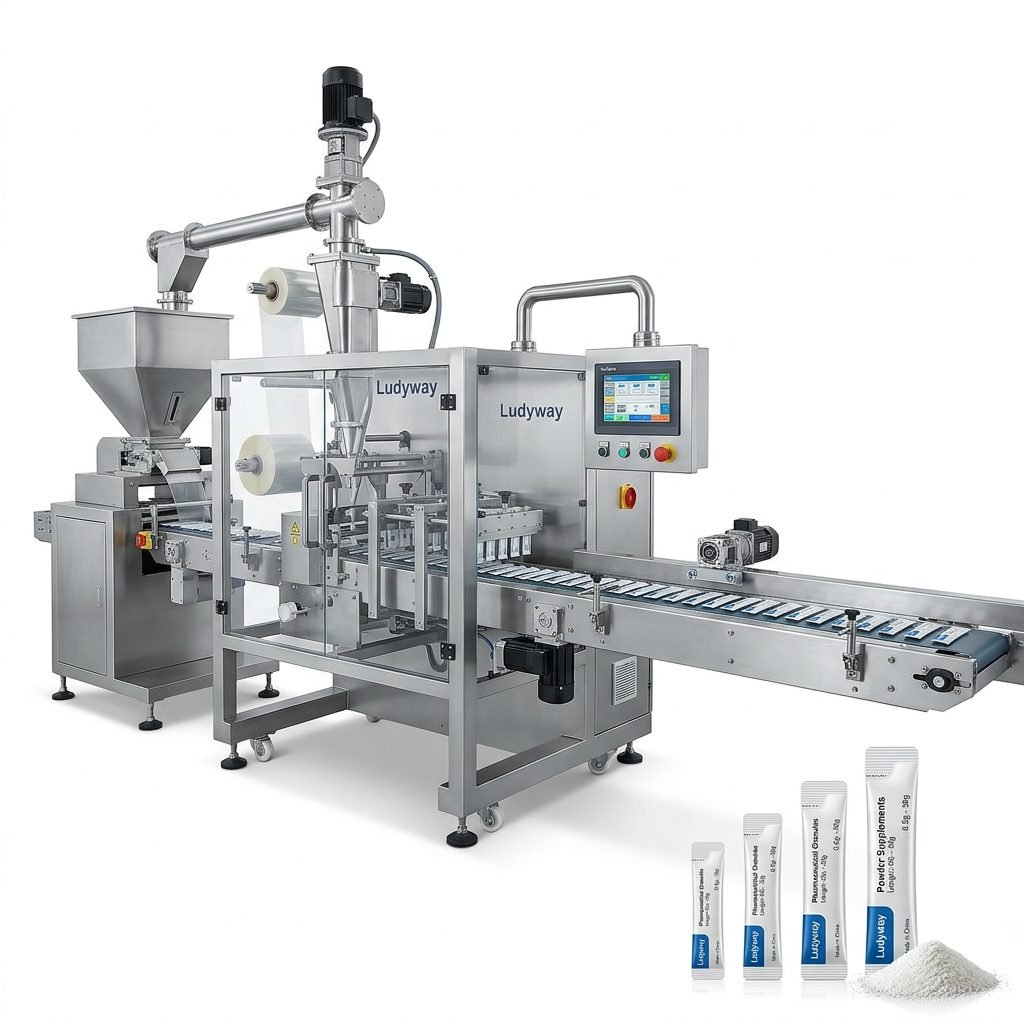
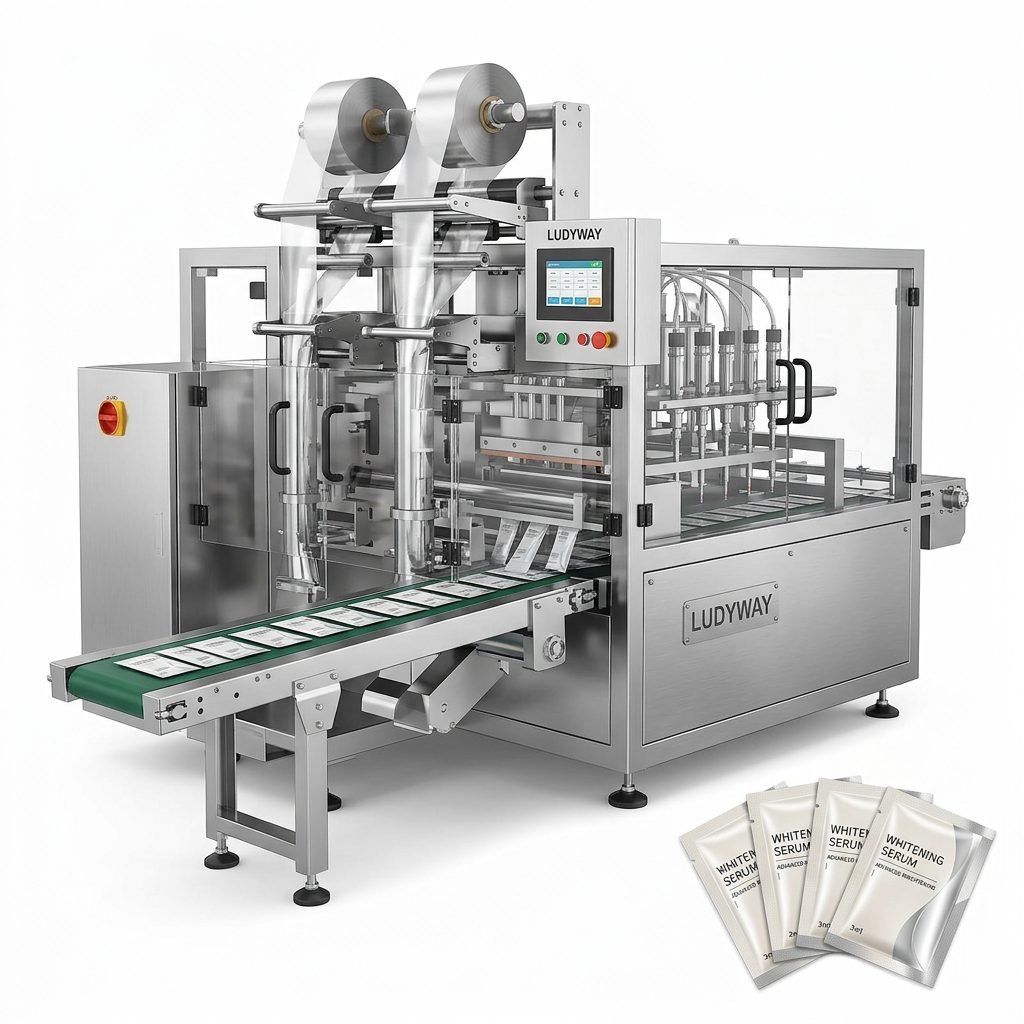
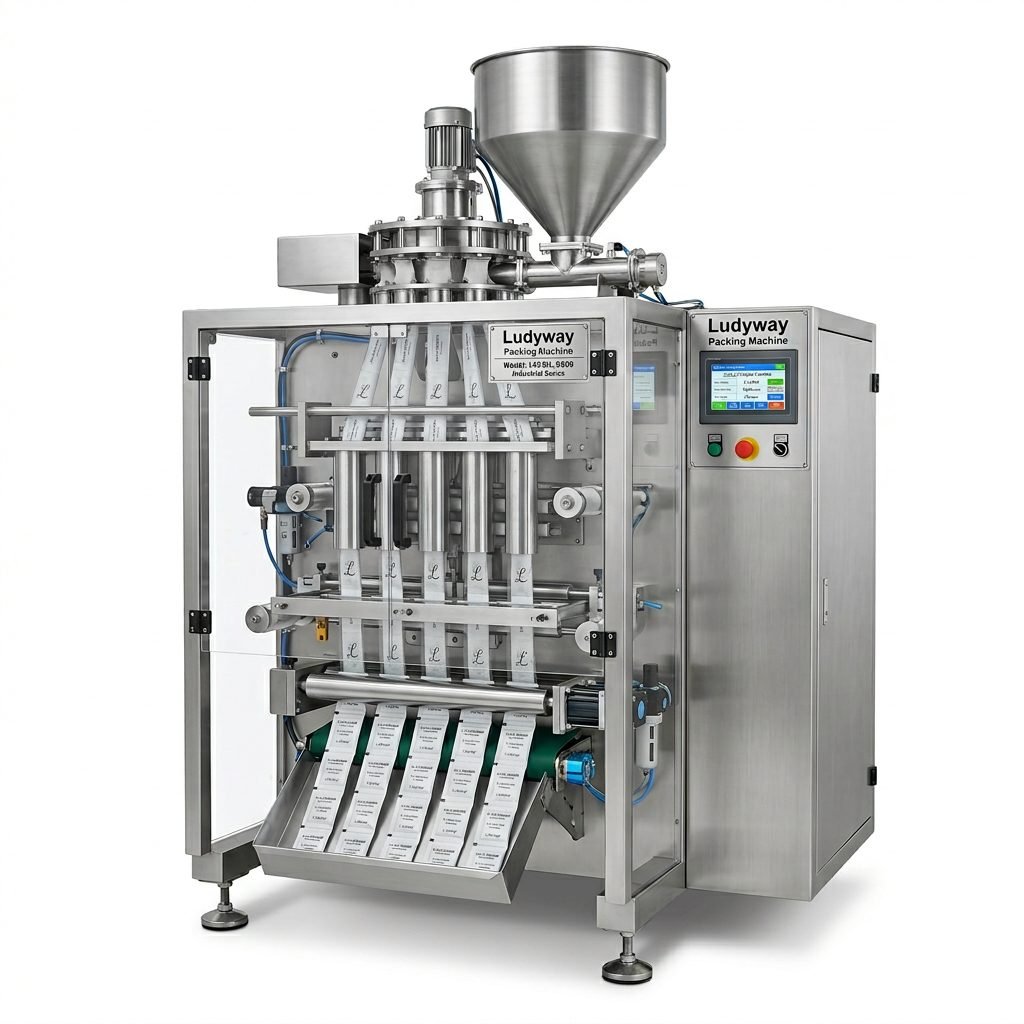
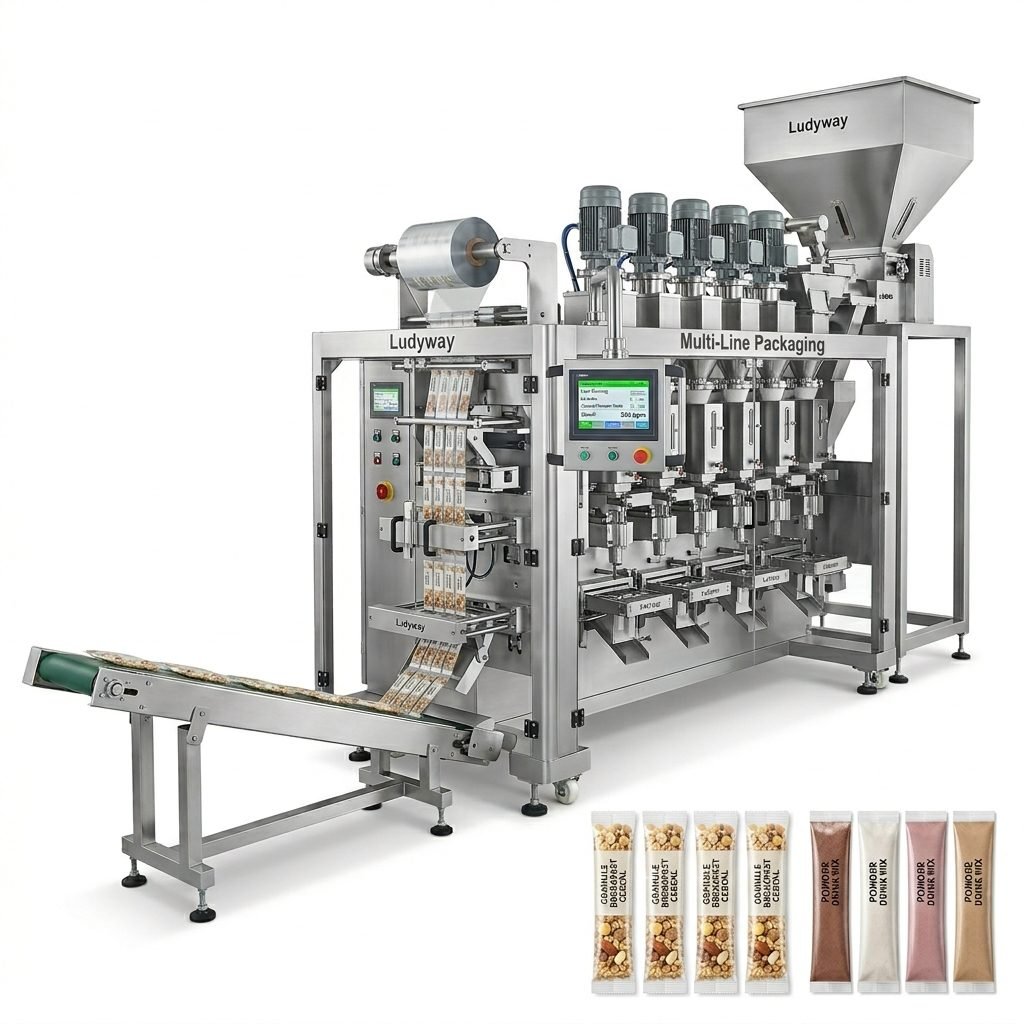
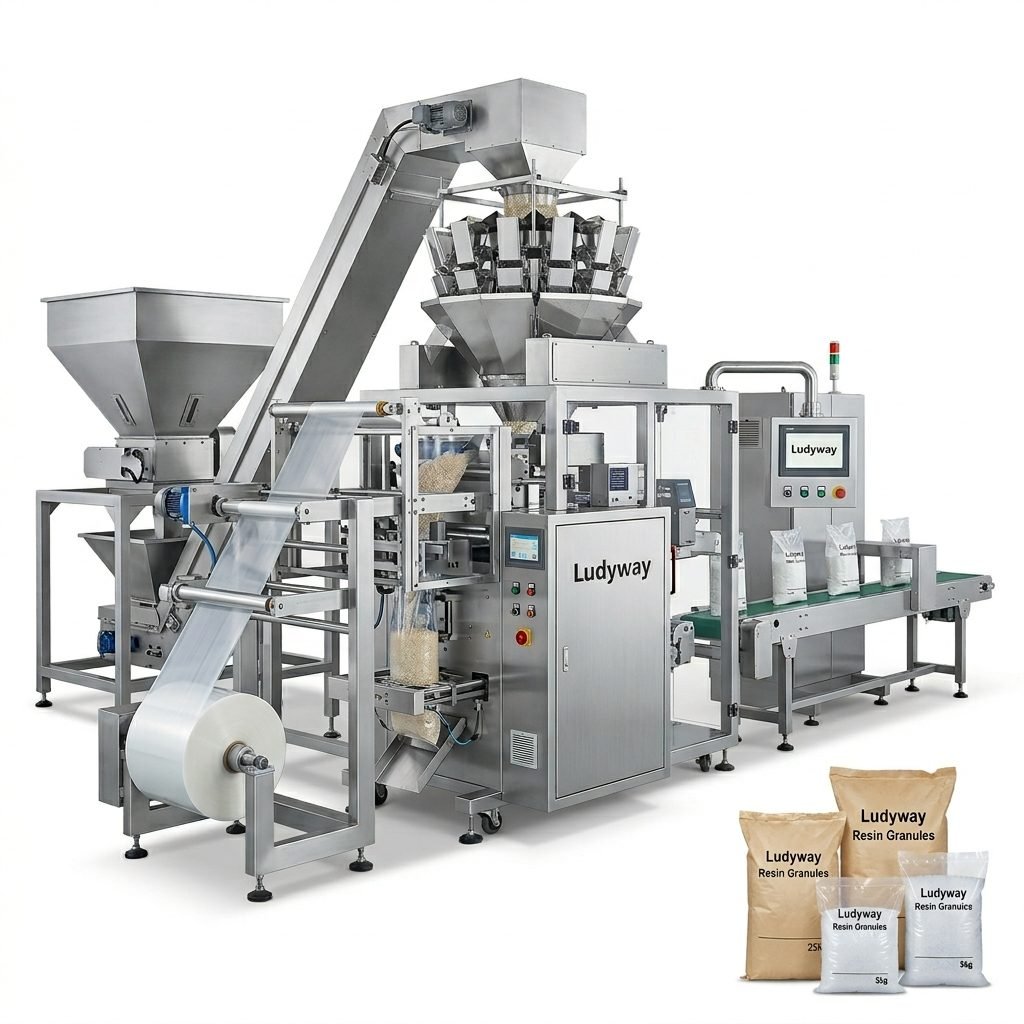
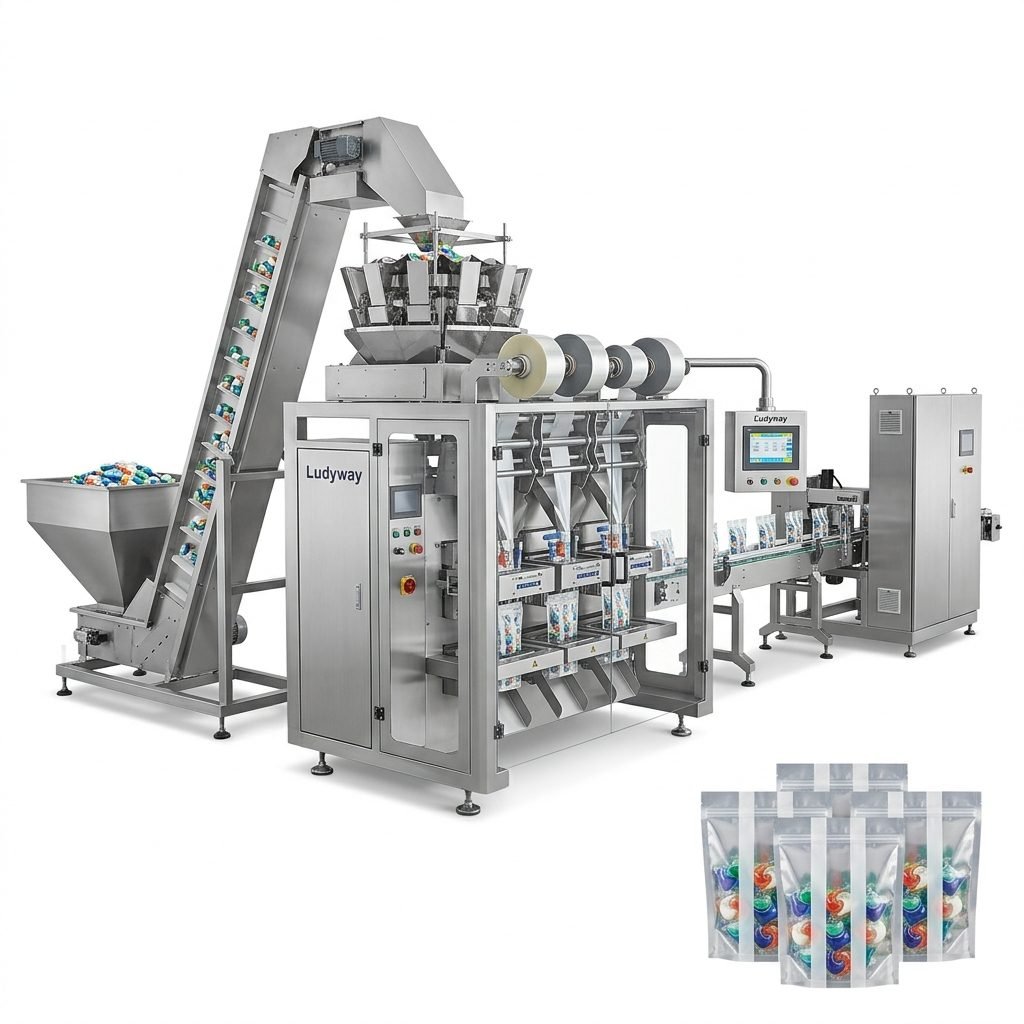
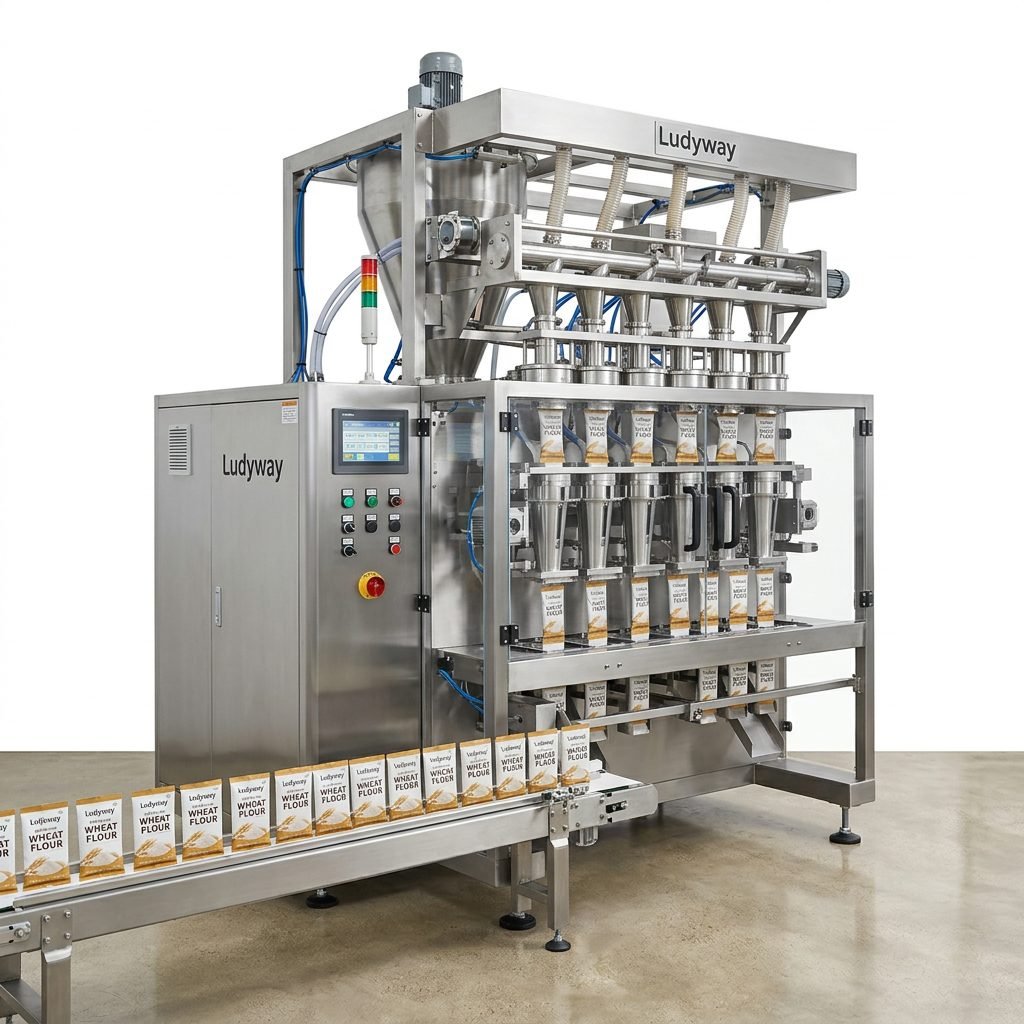
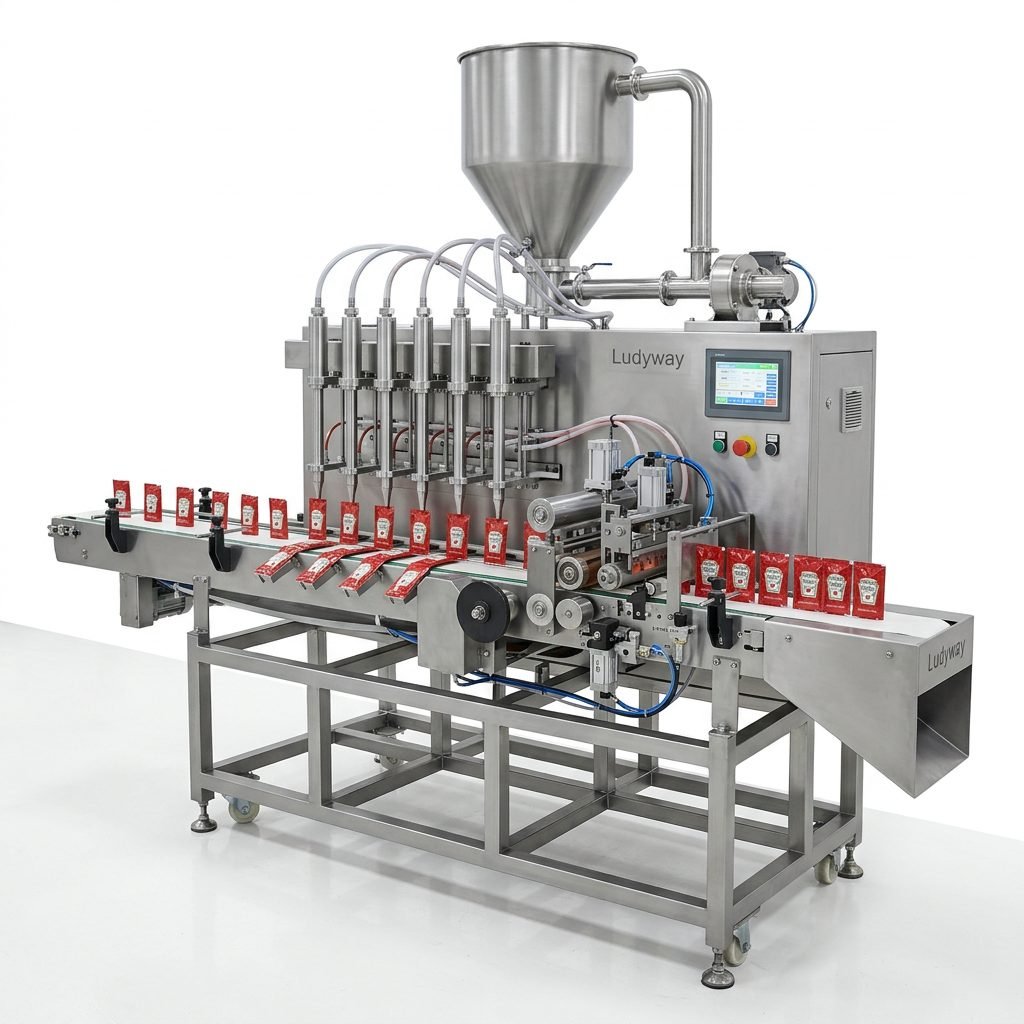
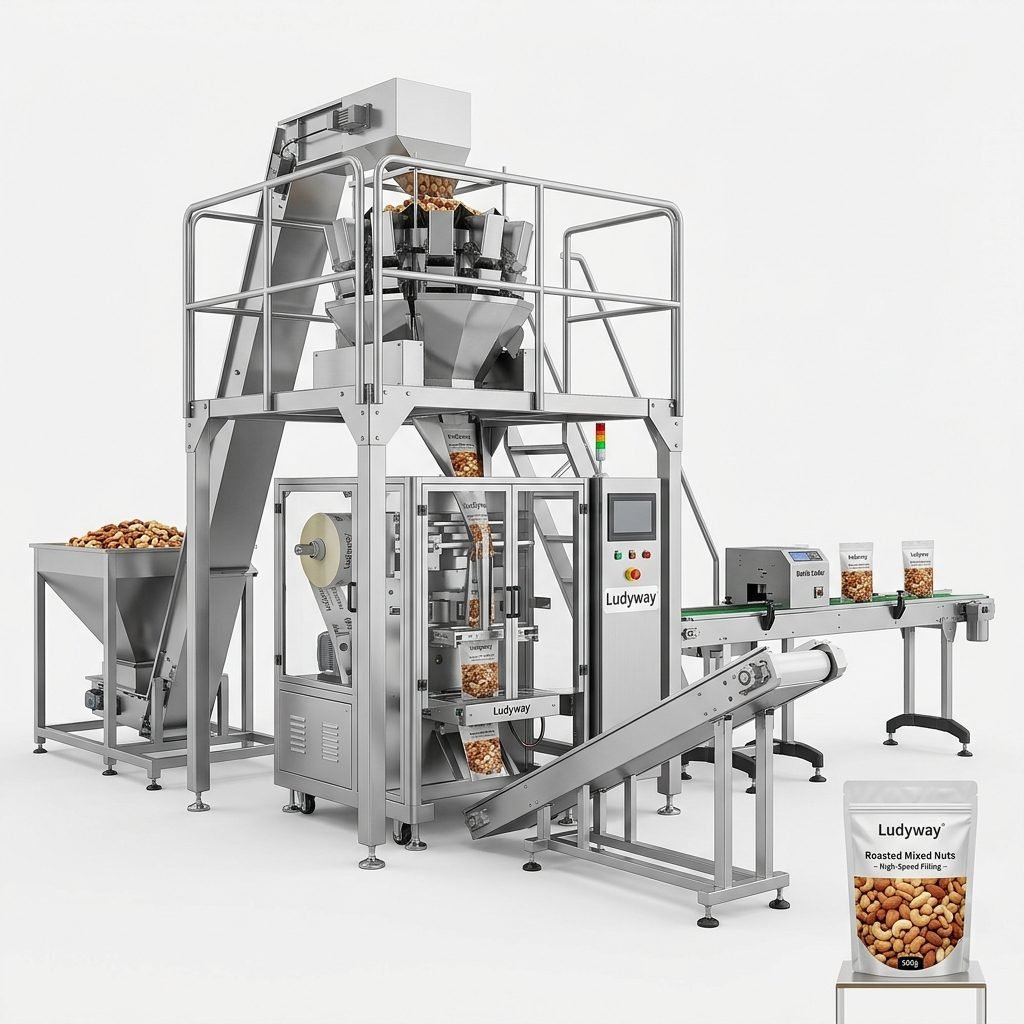
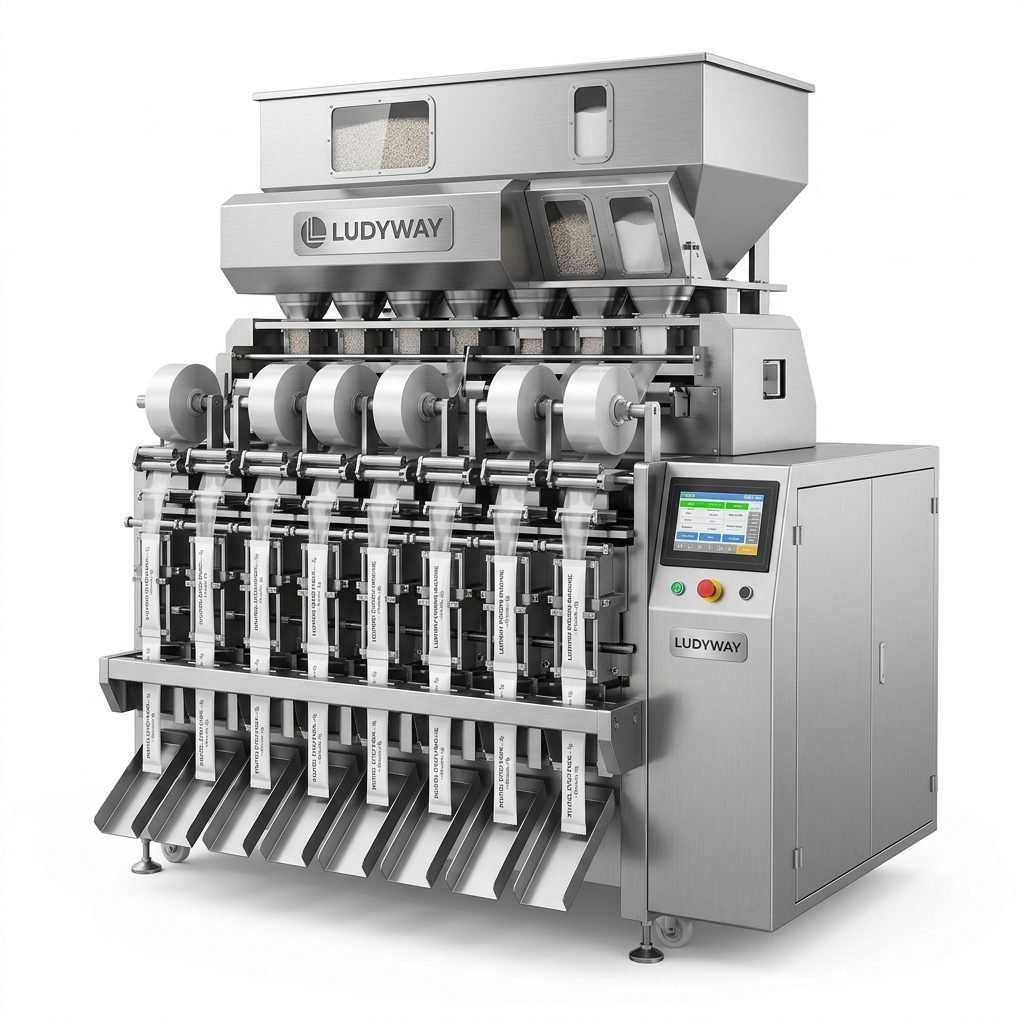
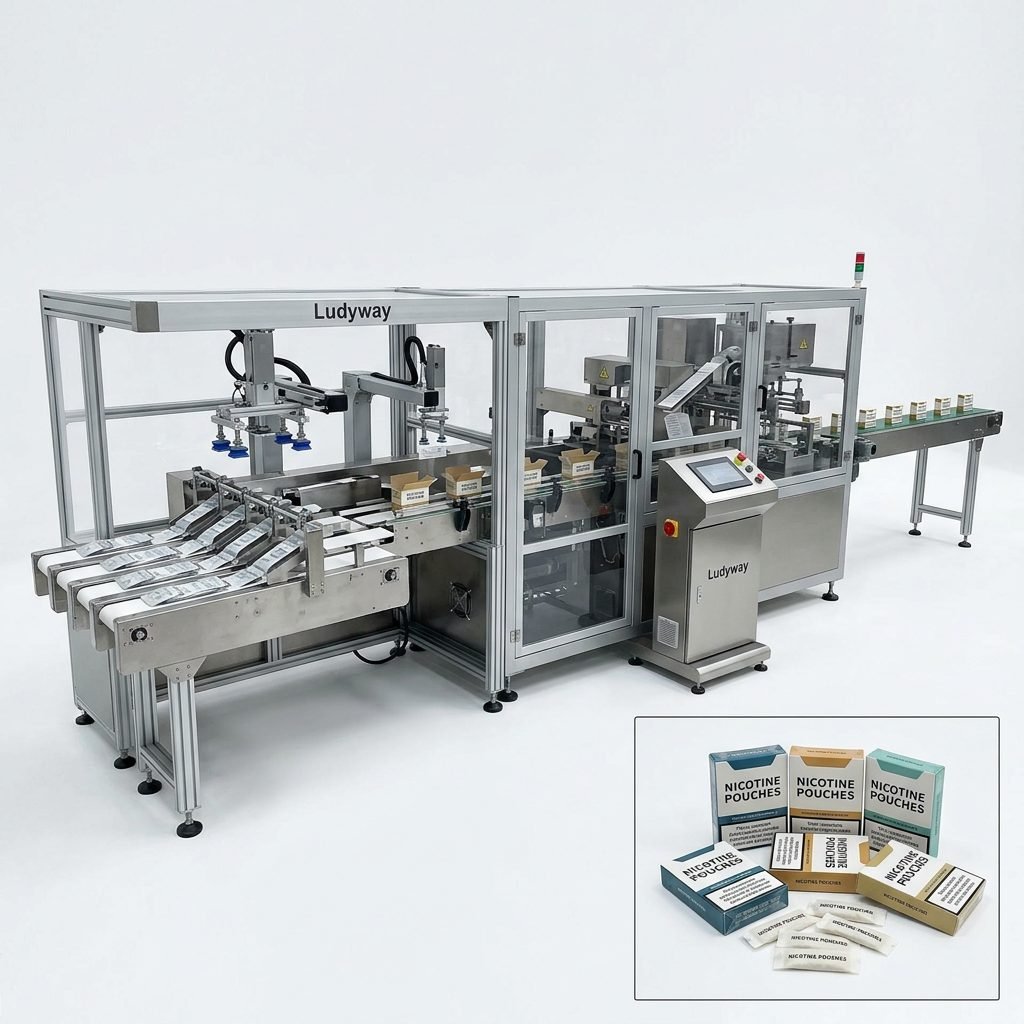
The demand for retort packaging machines in the UK has surged dramatically, driven by the booming ready-meal, pet food, and pharmaceutical sectors. For food manufacturers, selecting the right retort pouch packaging machine is a critical decision that directly impacts product shelf life, safety, and production efficiency. Whether you are transitioning from traditional canning lines or upgrading an existing pouch filling system, understanding the nuances of retort technology is essential.
Retort processing combines high-temperature sterilization with flexible packaging. Unlike standard vertical form fill seal machines, a true retort packaging machine must handle the stresses of thermal processing while maintaining hermetic seal integrity. This guide provides a comprehensive walkthrough for UK buyers evaluating these advanced systems.
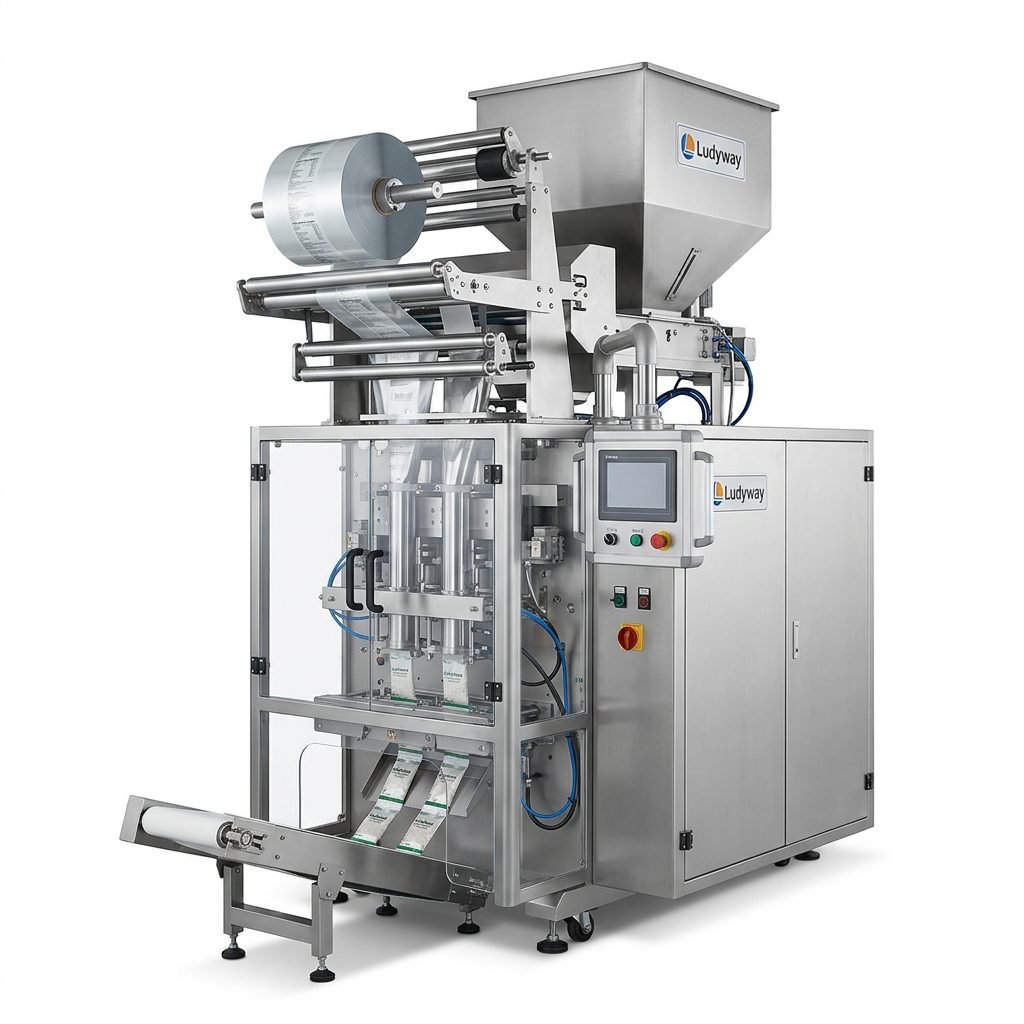
Why Retort Packaging is Dominating the UK Food Industry
The shift from rigid packaging to flexible retort pouches is accelerating across the United Kingdom. Pouches offer significant advantages over glass jars and metal cans, including faster heat penetration, reduced processing times, and lower transportation costs. For UK manufacturers, a retort packaging machine provides the versatility to package soups, sauces, wet pet food, and ready-to-eat meals in visually appealing, lightweight formats.
Key market drivers include consumer demand for convenience, sustainability pressures requiring reduced packaging weight, and the longer ambient shelf life achievable through advanced sterilization standards. Integrating a robust pouch packaging line is no longer an option but a necessity for competitive UK food processors.
Key Features to Evaluate in a UK Retort Machine
Not all packaging machinery is suited for the retort process. When sourcing equipment for the UK market, you must look beyond basic filling speeds. The mechanical and control systems must withstand extreme thermal cycling. Here are the critical technical specifications:
- Seal Integrity Technology: The sealing jaws must provide uniform pressure and temperature to create hermetic seals that survive thermal inversion during autoclave processing.
- Material Handling Precision: Look for servo-driven film transport systems that prevent stress on the laminate, reducing the risk of micro-cracking in the foil barrier layer.
- Contamination Control: UK retailers operate under strict BRC (British Retail Consortium) standards. Select a machine designed with hygienic zones and easy wash-down capabilities.
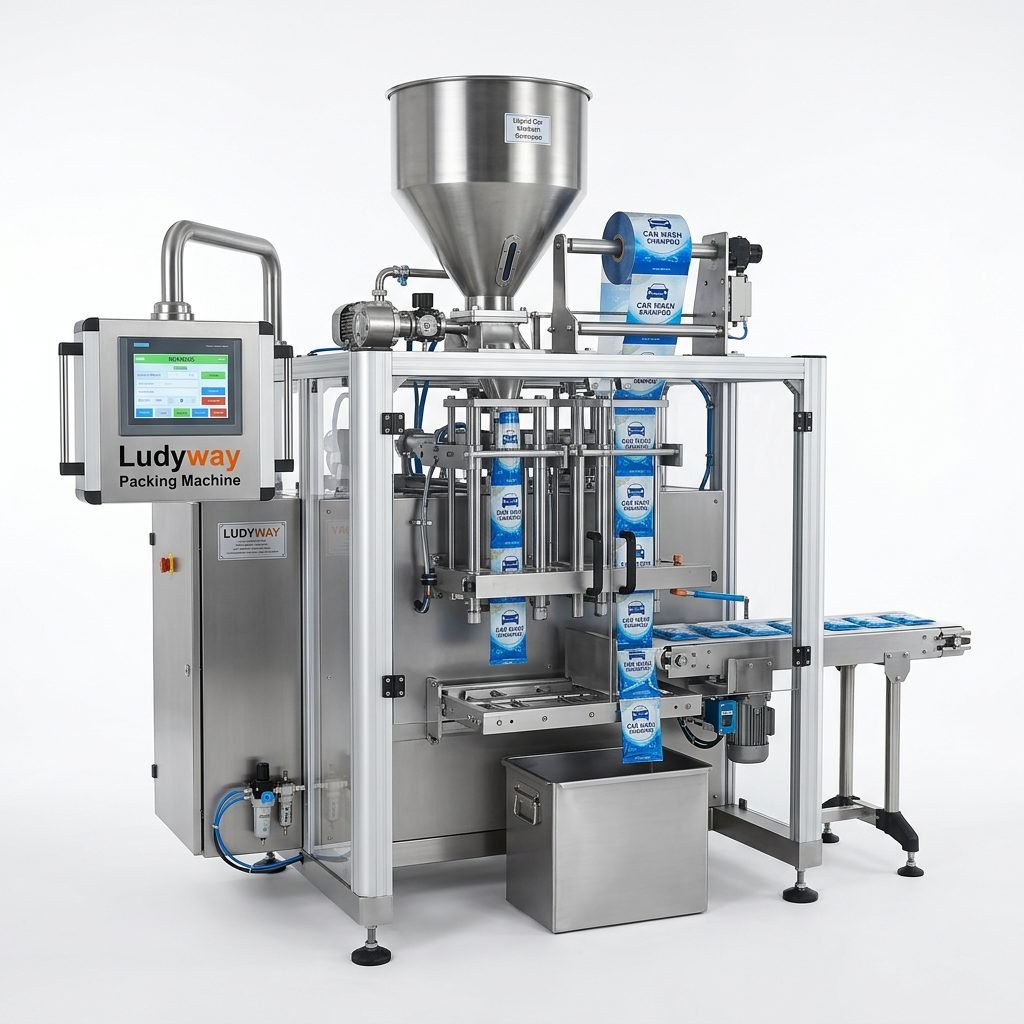
- Deflection-Resistant Frames: Heavy-duty construction minimizes vibration during high-speed filling of solids and liquids mixed in chunky products.
Understanding the Autoclave and Machine Synergy
A retort packaging machine does not work in isolation. The system must integrate seamlessly with your thermal processing vessel. The headspace control inside the pouch is vital. Too much air causes ballooning and bursting during cooking; too little can affect heat transfer.
Advanced systems utilize optional gas flushing or vacuum-assisted sealing stations to optimize residual oxygen levels. Controlled steam injection is sometimes integrated directly into the filling zone for specific products, ensuring precise vacuum draw before the final seal is applied.
Comparing Retort Rotary vs. Inline Systems
UK production managers often face the choice between rotary and inline configurations. The decision hinges on your product viscosity and required throughput. Below is a comparative overview of these two distinct engineering approaches for ready-meal packaging:
| Feature | Rotary Retort System | Inline Flat-Bed System |
|---|---|---|
| Primary Application | Free-flowing liquids, broths, and smooth sauces | Particulates, chunks, pet food, wet meals |
| Sealing Dynamics | Continuous motion; high-speed multi-lane output | Intermittent motion; longer dwell time for tough seals |
| Cleanability | Complex rotary joints; requires higher maintenance skill | Simpler mechanical structure; easier CIP integration |
| Typical Output (UK) | 100-200 pouches/min (small formats) | 40-80 pouches/min (large family-size packs) |
Navigating UK Regulatory Compliance (CE and UKCA)
Since Brexit, machinery imported into the UK requires careful attention to conformity markings. While CE marking remains recognized for many categories, the UKCA (UK Conformity Assessed) marking is the designated standard for equipment placed on the market in Great Britain. Your supplier must provide a Declaration of Conformity.
Beyond this, food contact compliance is non-negotiable. The machine must not introduce contaminants, and materials used in construction must comply with food contact substance regulations. UK HSE (Health and Safety Executive) guidelines often require specific guarding and interlocking safety logic, which should be integral to the machine design, not an afterthought.
Cost Analysis: Investment, Installation, and TCO
The cost of a retort packaging machine extends far beyond the initial capital expenditure. UK manufacturers must calculate Total Cost of Ownership (TCO) over a 7-10 year lifespan. Initial quotes for high-capacity units typically range from £150,000 to £500,000, but hidden costs can erode ROI quickly.
| Cost Factor | Entry-Level System | High-Speed Multi-Lane |
|---|---|---|
| Base Machine Cost | £100k – £180k | £300k – £500k+ |
| Tooling & Change Parts | £15k – £30k | £40k – £80k |
| Installation & Training | £15k – £25k | £30k – £50k |
| Energy Consumption/Year | £8k – £12k | £20k – £35k |
| Film Waste Percentage | 5% – 8% | 2% – 4% |
Note: Figures are approximate for mid-sized UK operations. TCO analysis should factor in UK electricity tariffs, which are among the highest in Europe, making servo-efficient drives a critical cost-saving component.
Selecting the Right Supplier Partner
A long-term partnership is required for a retort pouch packaging machine installation. When vetting suppliers, UK buyers should prioritize responsiveness over slick sales pitches. The technical complexity of retort sealing means that 24-hour remote diagnostics support is often as important as the torque of the servo motors.
For example, Ludyway, a major player in the global packaging sector, emphasizes robust technical support and a dedicated engineering team. They highlight that effective after-sales service is vital for minimizing downtime in demanding retort environments. Ensuring that your supplier has a deep understanding of global packaging growth trends can provide confidence in their long-term viability.
Automation and Handling for UK Labour Markets
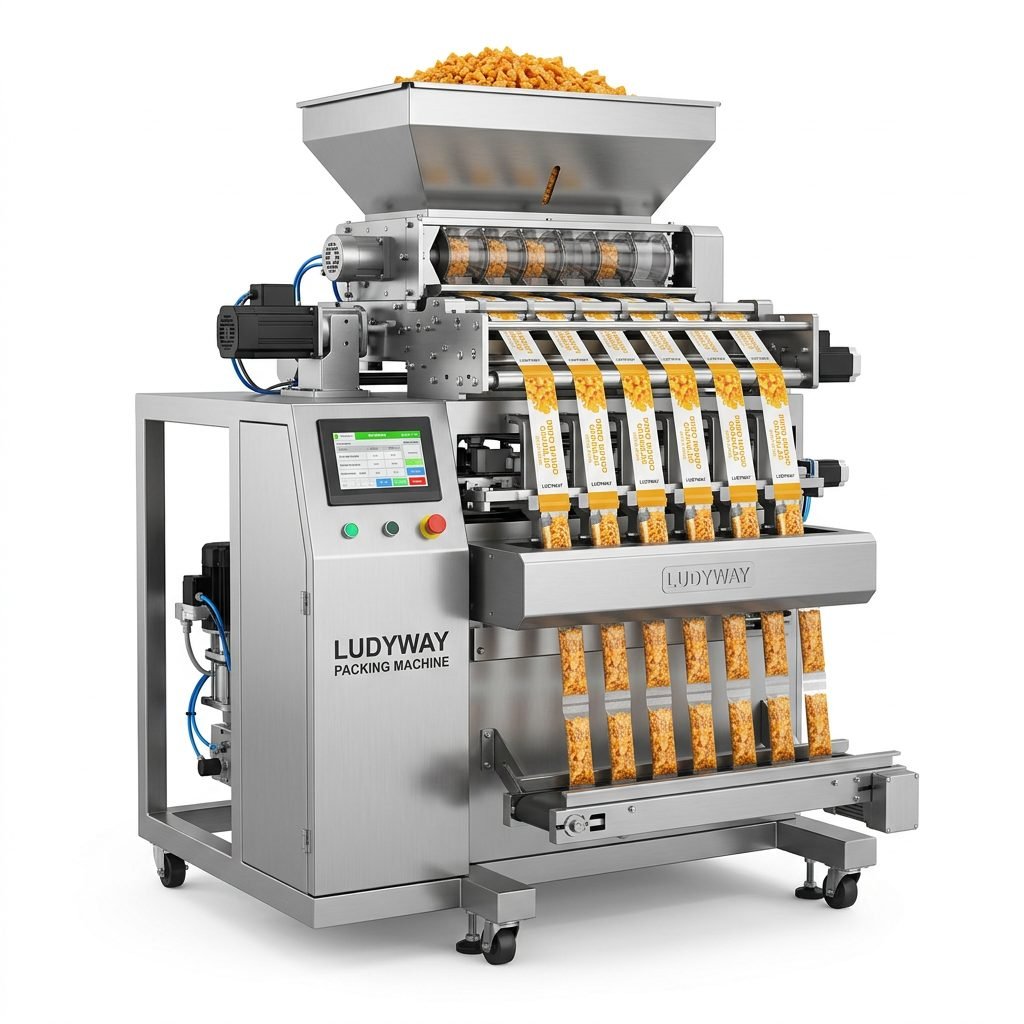
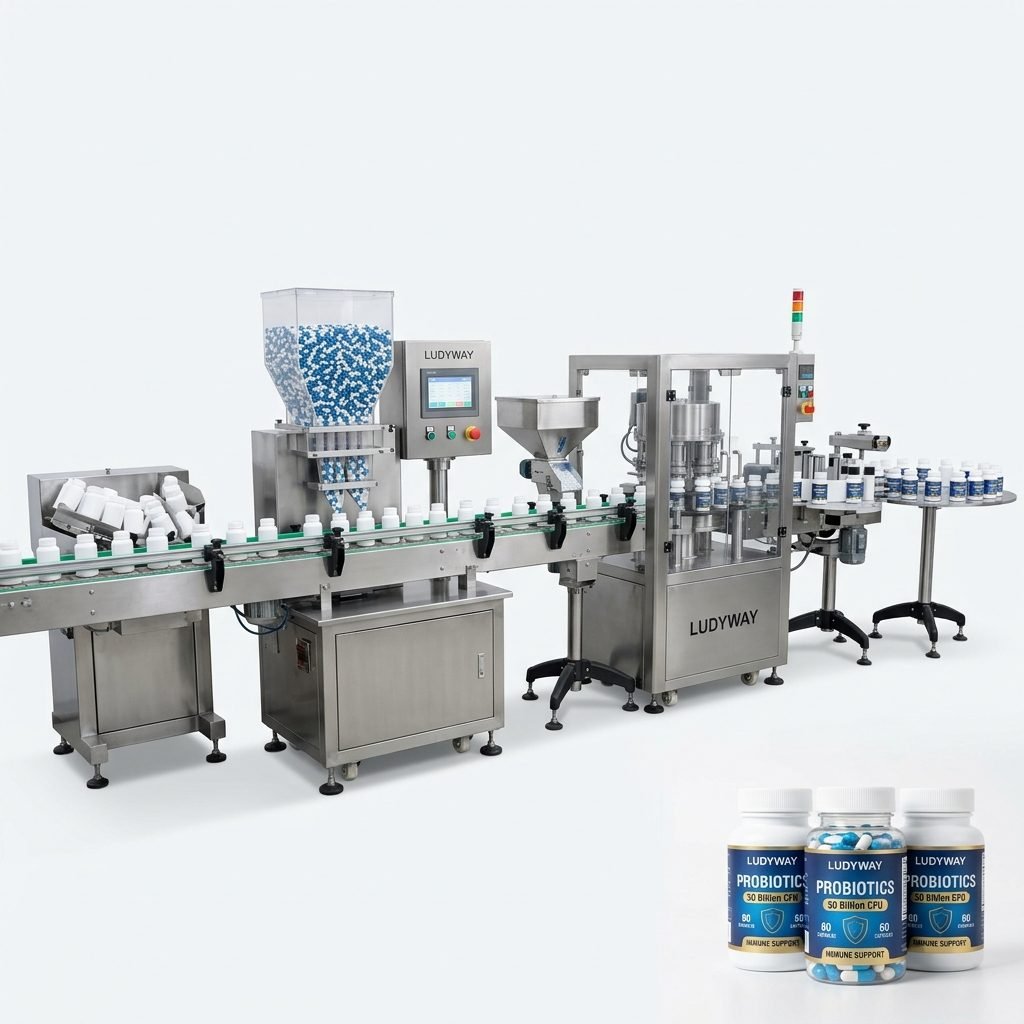
Post-Brexit labour shortages in the UK have intensified the focus on automation. Integrating pick-and-place systems, automatic pouch de-nesting, and automated cartoning equipment downstream of the filler is a priority. A modern turnkey line typically includes:
- Automatic Pouch Loader: Reduces manual handling errors and contamination risks.
- Smart Weighing Heads: Multi-head weighers with hybrid (vibration/screw) tooling for sticky meats and veg.
- Vision Inspection Systems: Critical for verifying seal width and detecting product trapped in the seal area, which is the primary cause of retort failure.
Key Certifications: What UK Buyers Should Demand
To ensure your purchased equipment supports successful BRC and retailer audits, verify the machine meets these criteria:
- EHEDG (European Hygienic Engineering & Design Group): Certifies cleanability, essential for ready-meal proteins.
- ISO 11607-2: Relates specifically to the validation of packaging processes for terminally sterilized devices – increasingly relevant for medical food packaging in the UK.
- Full Factory Acceptance Testing (FAT): Never commit to a purchase without a rigorous FAT that simulates your specific product viscosity, even if it requires shipping a pallet of your actual raw materials to the manufacturer.
Advanced Materials Compatibility
UK packaging trends are shifting toward recyclable mono-material films. These structures behave very differently at the sealing jaw compared to traditional laminated aluminum foils. A retort packaging machine must have precise, multi-zone heating control in the sealing bars to maintain a process window of just ±2°C. Failure to adjust for these new films results in de-lamination or leakers during the retort cycle. When specifying your line, insist on a flexible sealing profile capable of storing multiple recipes.
Frequently Asked Questions on UK Retort Machinery
Which retort machines suit small-to-medium UK producers best?
Compact inline systems with semi-automatic pouch loading offer the best balance of cost and compliance. Look for machines featuring quick-release rollers and toolless changeover to handle short runs of multiple recipes efficiently.
How critical is vacuum sealing for retort packaging machines?
It is extremely critical. Oxygen removal, whether via vacuum gas flushing or steam injection, is mandatory to prevent oxidation during high-temperature processing and to prevent the package from ballooning.
Can existing standard VFFS machines be upgraded to meet retort standards?
Generally, no. Standard vertical form fill seal machines lack the rigid frame construction and specific sealing jaw cooling systems required to maintain seal integrity under autoclave pressure. A dedicated retort packaging machine is always recommended.
What after-sales support is crucial for UK operations?
Remote diagnostics and rapid local service are non-negotiable. Given the critical nature of the seal, a 24-hour response window is the maximum acceptable standard for UK production managers. Comprehensive training and a spare parts hub within the UK or nearby Europe are essential.