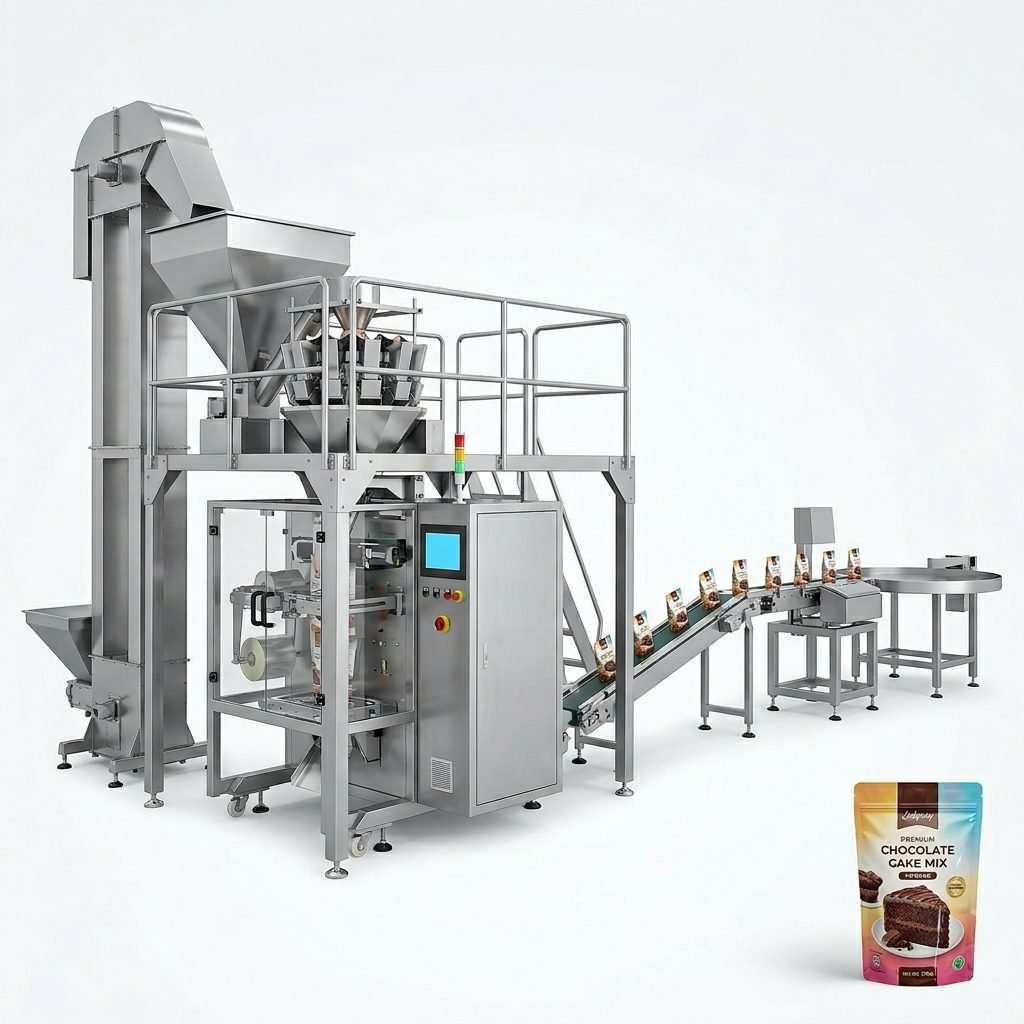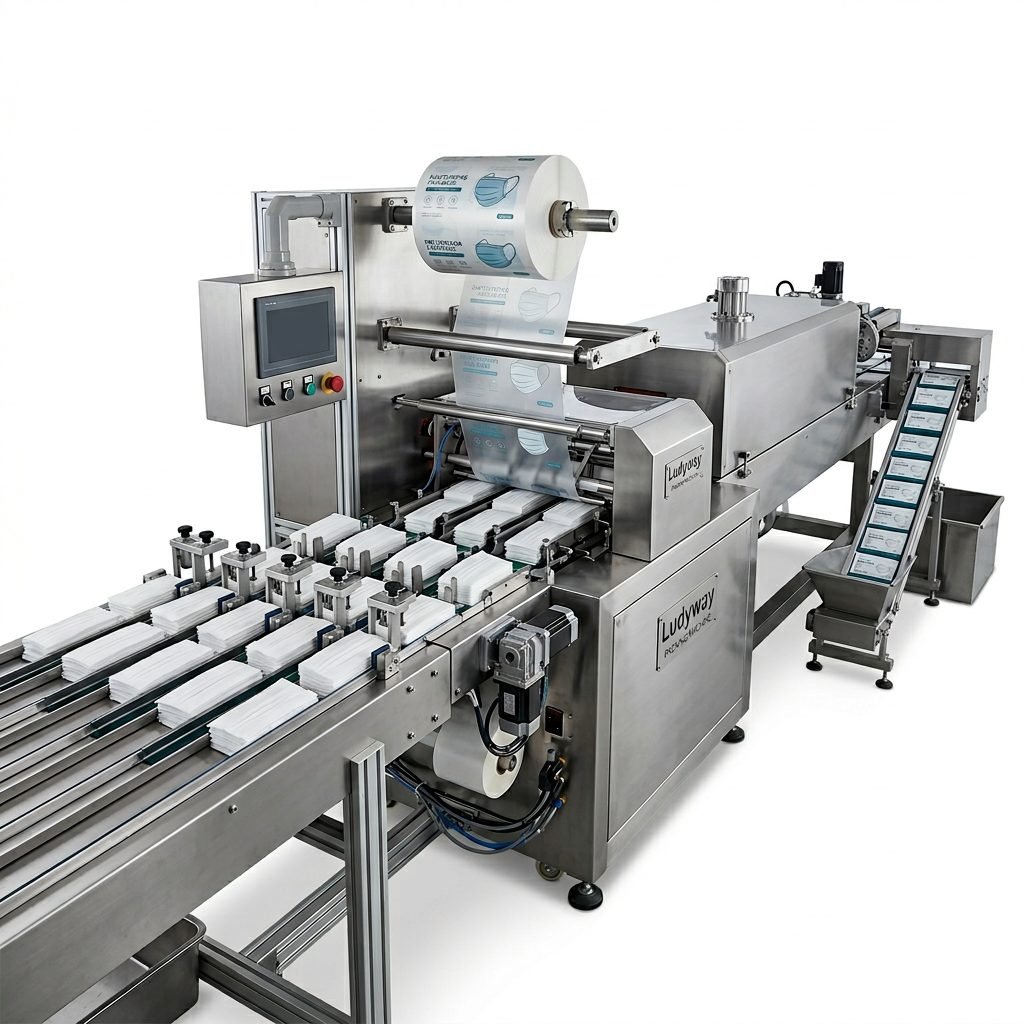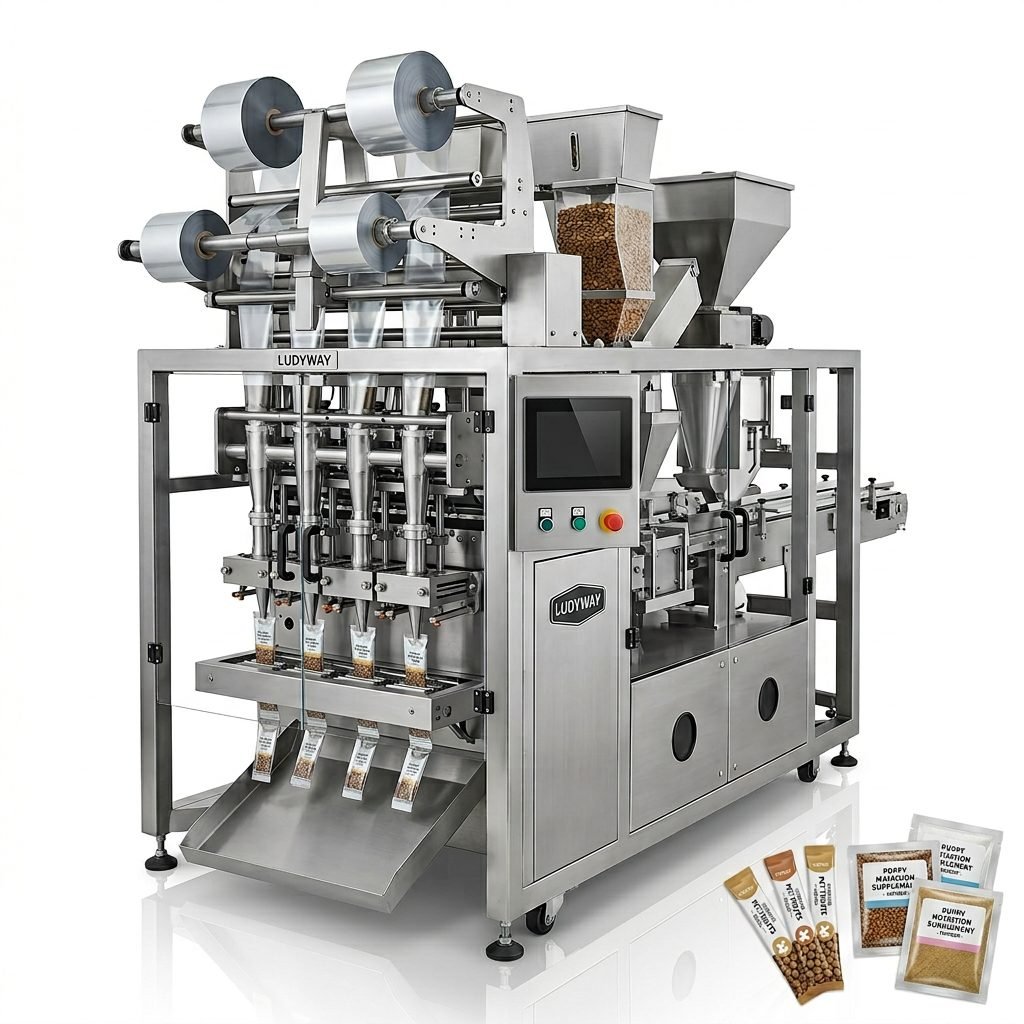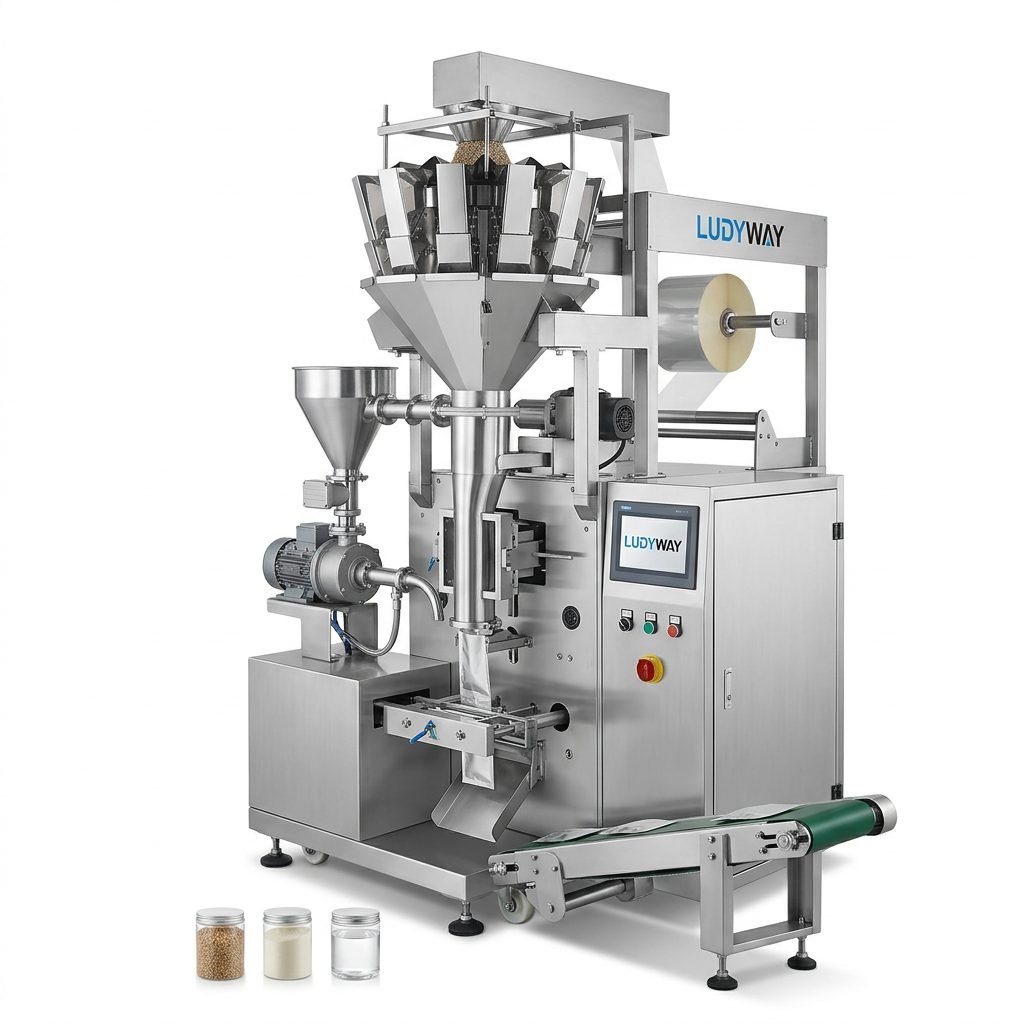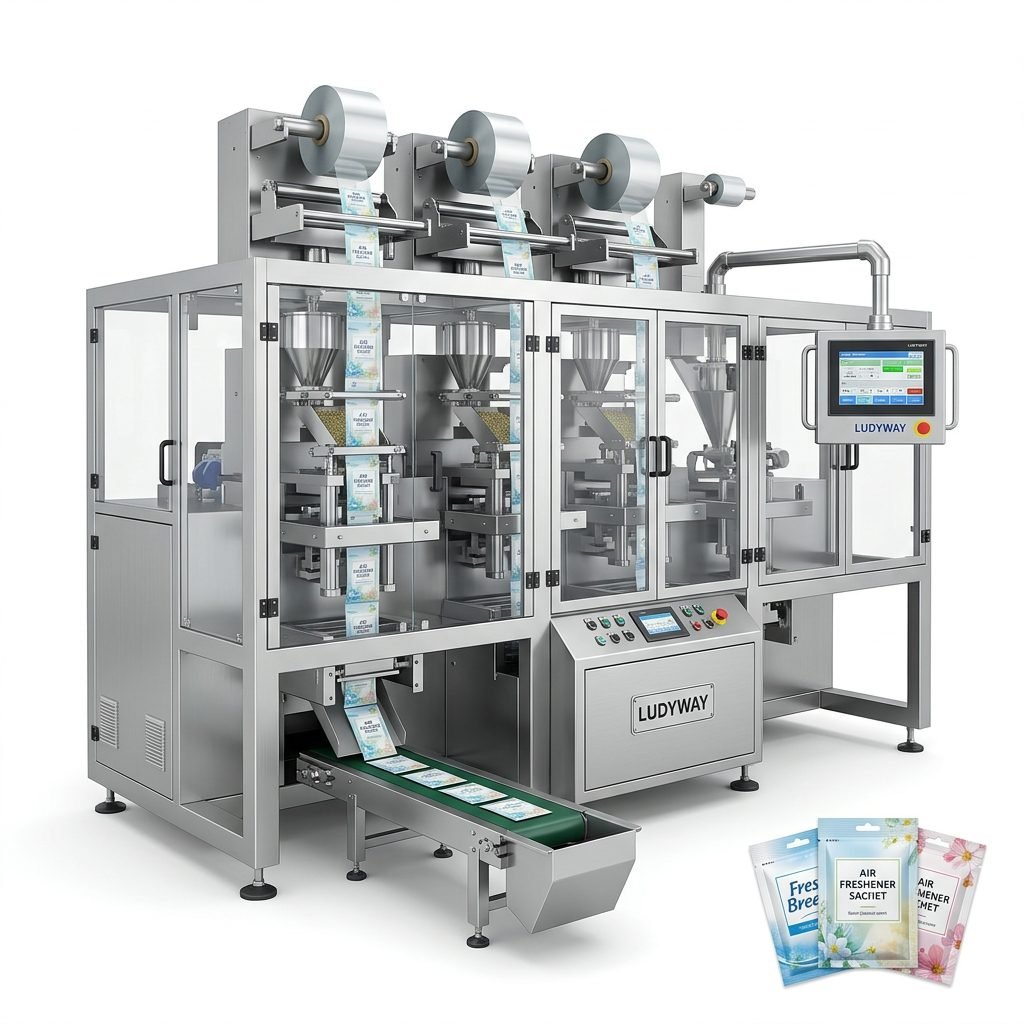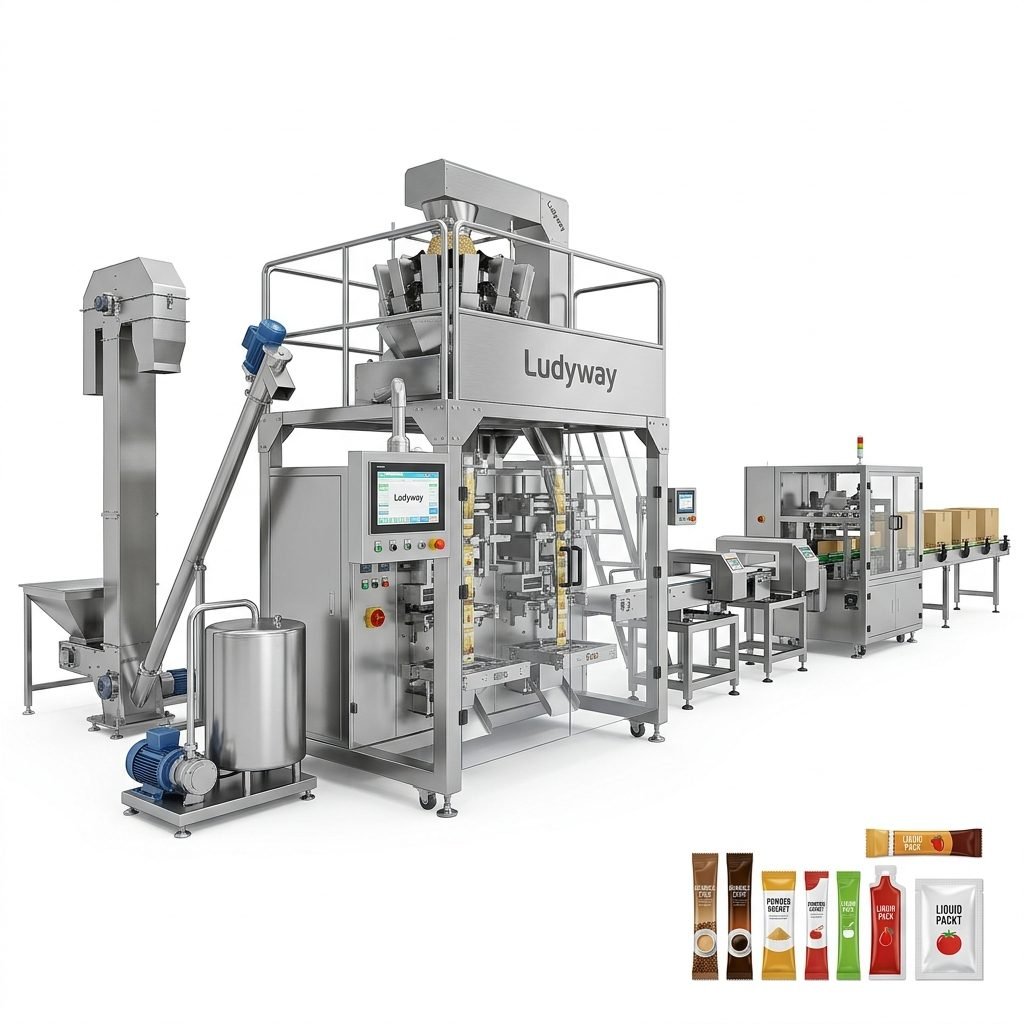
India’s food processing sector is experiencing unprecedented growth, driven by rising disposable incomes, urbanization, and a strong preference for convenient packaged foods. Salsa, once a niche condiment, has become a mainstream product category in retail chains, fast-food outlets, and e-commerce platforms across the country. To capitalize on this demand, manufacturers are increasingly investing in automated salsa packaging machine production lines. This guide covers every critical aspect of planning, installing, and optimizing your packaging line in India.
1. Understanding the Indian Salsa Packaging Market
The Indian packaged salsa market is projected to grow at a Compound Annual Growth Rate (CAGR) of over 12% through 2028. Key drivers include the expansion of organized retail, the popularity of Western cuisine, and the rise of home delivery platforms. Packaging formats vary widely—from single-serve sachets for food service to multi-lane stick packs for retail. Selecting the right packaging machine manufacturer with expertise in liquid and semi-viscous products is critical to meeting Indian market requirements.
2. Site Selection and Factory Preparation
Before your salsa packaging equipment arrives, the production floor must meet specific infrastructure standards. This step is often underestimated but directly impacts machine performance and regulatory approval.
2.1 Floor Space and Layout Planning
A standard multi-lane salsa stick pack or sachet line typically requires a minimum area of 100 to 150 square meters for the primary machine, plus additional space for raw material staging, finished goods conveyance, and operator walkways. Linear or L-shaped layouts work best for integrating auxiliary equipment like conveyors, checkweighers, and cartoners.
2.2 Utility Requirements
| Utility | Specification | Notes for India |
|---|---|---|
| Electrical | 380V, 3-phase, 50Hz | Voltage stabilizer recommended for areas with fluctuations |
| Compressed Air | 0.6-0.8 MPa, oil-free | Include air dryer and filtration; monsoon humidity demands proper moisture separation |
| Water Supply | Potable, consistent pressure | CIP cleaning integration requires dedicated hot water line |
| Ventilation | Positive pressure, filtered | Essential for FSSAI compliance in food zones |
India’s climate—particularly high heat and monsoon humidity—makes climate control a necessity, not an option. Salsa, as a tomato-based product, is sensitive to temperature fluctuations during filling and sealing.
3. Selecting the Right Salsa Packaging Machine Configuration
Not all salsa packaging machines are built alike. Your choice depends on target packaging format, production volume, and the specific viscosity of your product. Salsa often contains particulates (chopped tomatoes, onions, peppers), requiring specialized filling systems.
3.1 Machine Types and Format Options
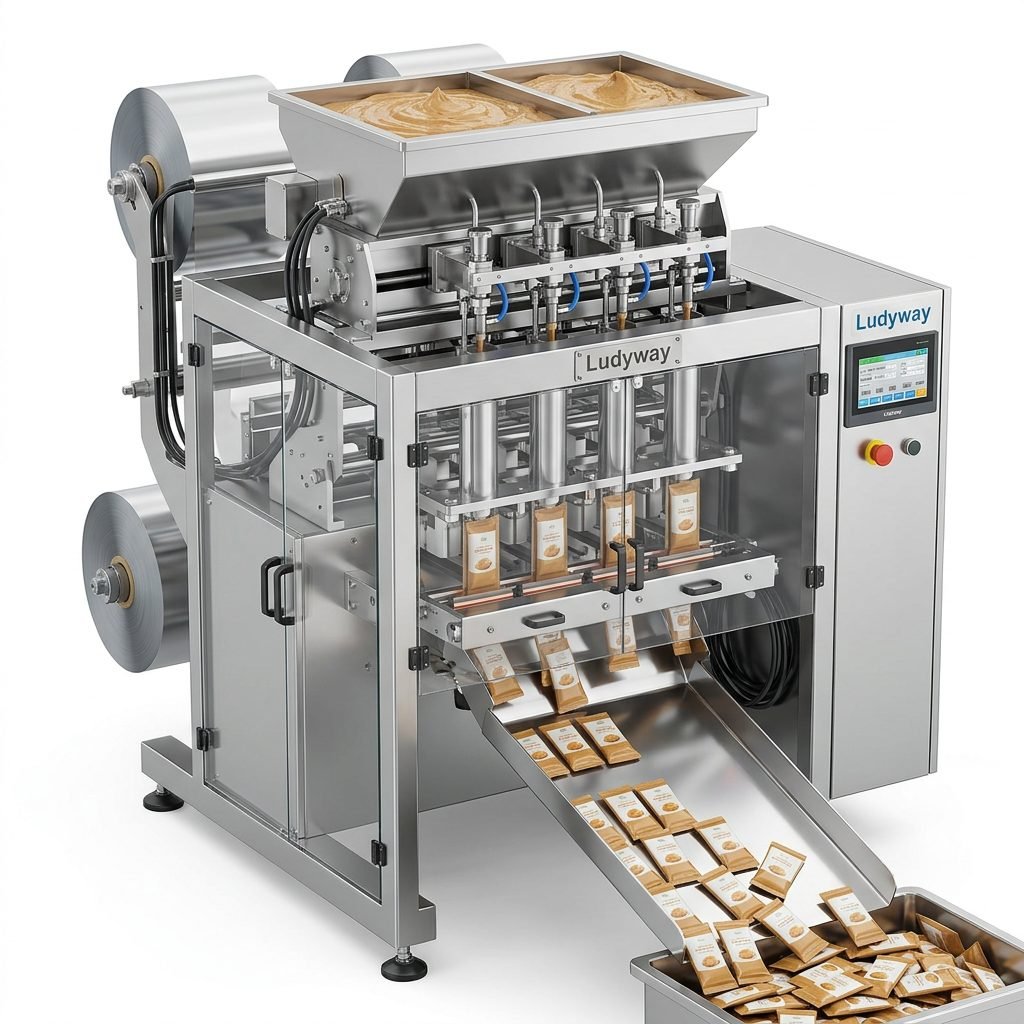
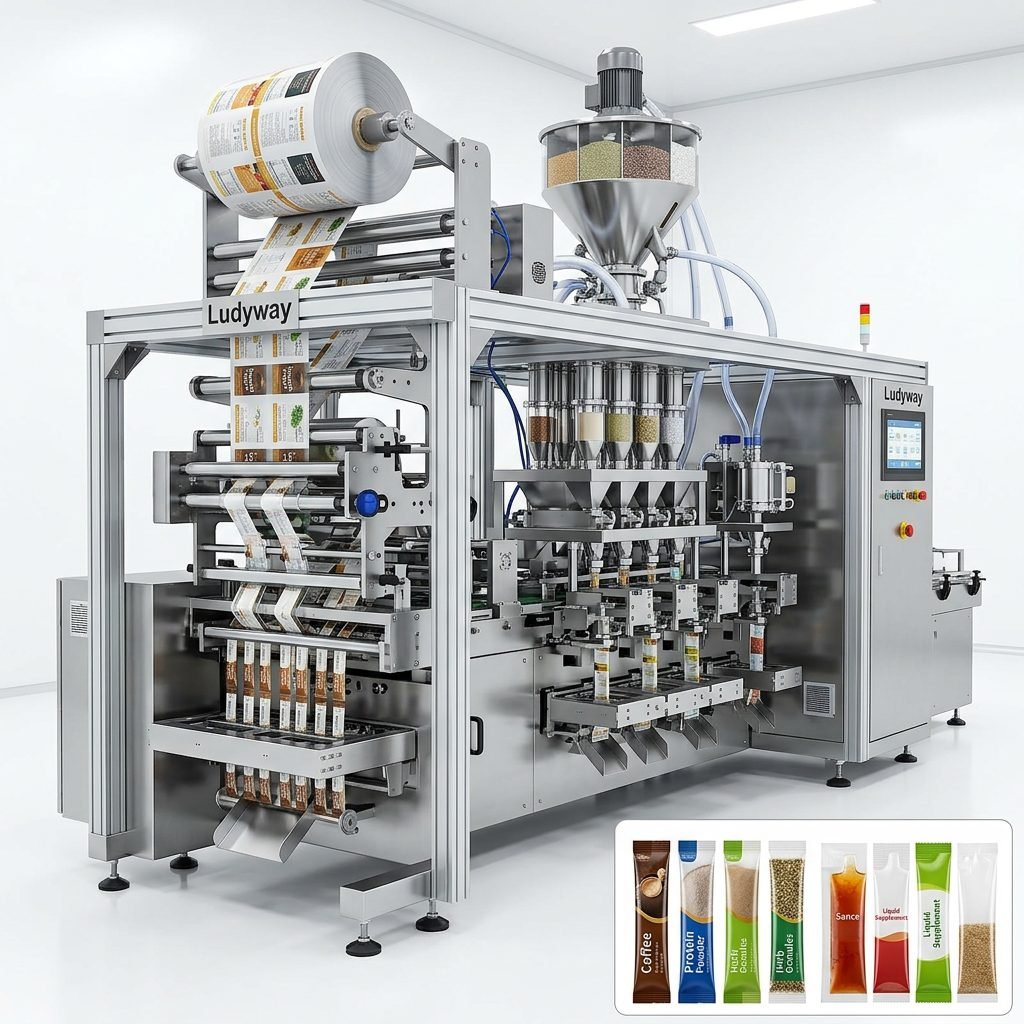
- Multi-Lane Stick Pack Machines: Ideal for 2g to 30g single-serve portions popular in food service and quick-commerce channels. Look for models with particulate-handling filling nozzles to prevent clogging.
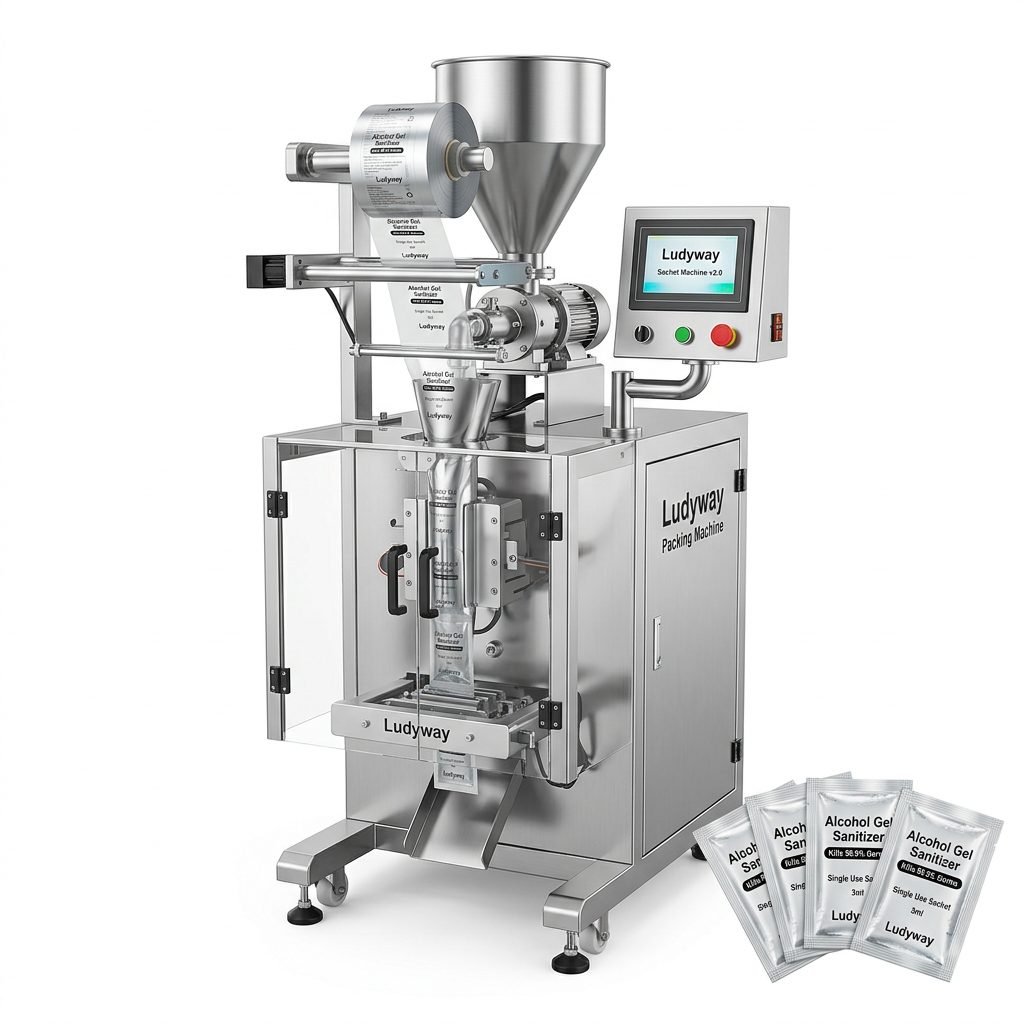
- Sachet Packaging Machines: Suitable for 5g to 100g flat or pillow pouches. These dominate the retail kirana store segment across India.
- Pouch Packaging Systems: For larger family-size packs (200g to 500g) with zipper closures, requiring intermittent motion sealing for thicker films.
- Bottle and Jar Filling Lines: For premium salsa brands targeting modern trade and export markets, integrating capping and labeling modules.
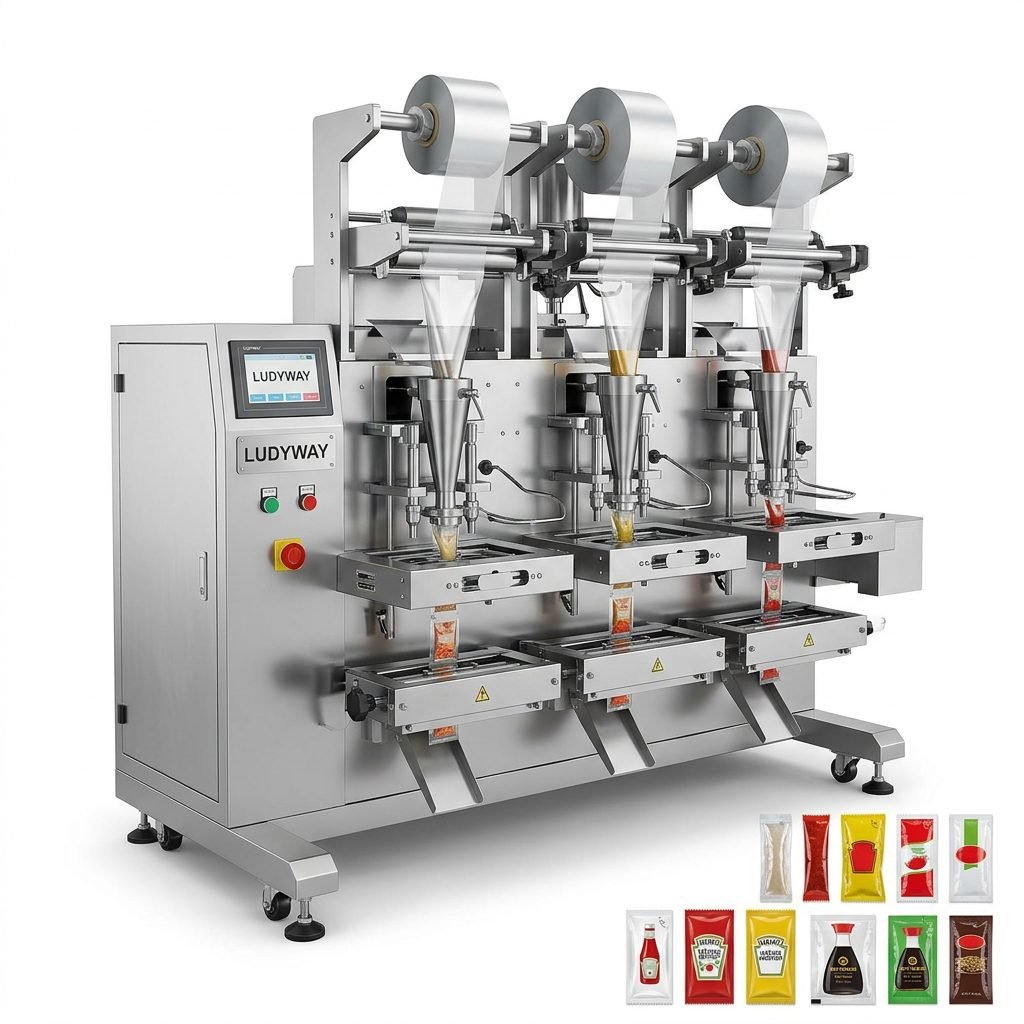
3.2 Key Technical Specifications to Evaluate
- Filling System: Piston filling or positive displacement pumps are preferred for chunky salsa. Insist on servo-driven filling for precision and reduced product waste.
- Film Handling: The machine should handle multi-layer barrier films (PET/AL/PE) which are essential for preserving salsa freshness. Tension control must be precise for high-speed operation.
- Sealing Integrity: Salsa’s acidity and moisture content demand robust vertical and horizontal sealing jaws. Check for temperature zone control and dwell time adjustability.
- Automation Level: Look for integrated automated packaging features like automatic splicing, registration mark sensors, and reject systems for non-conforming pouches.
4. Production Line Integration and Workflow
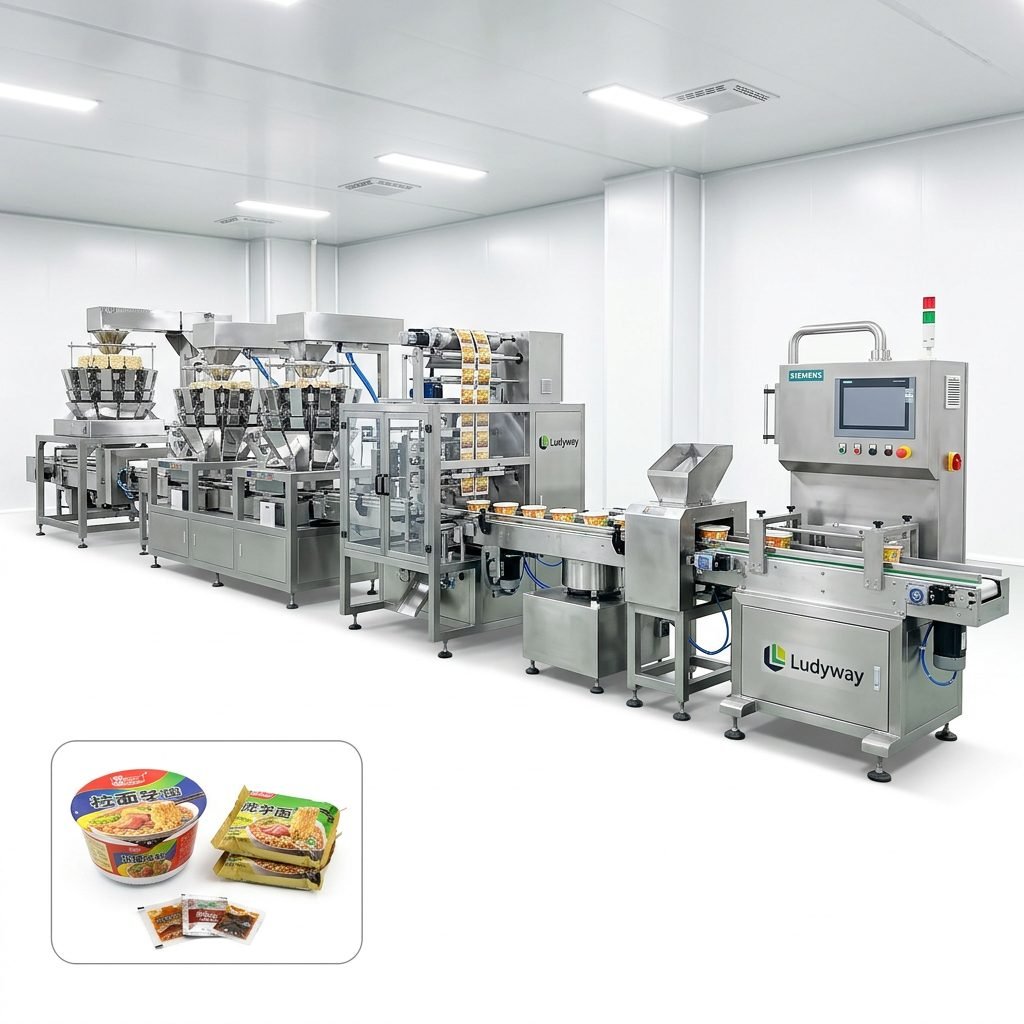
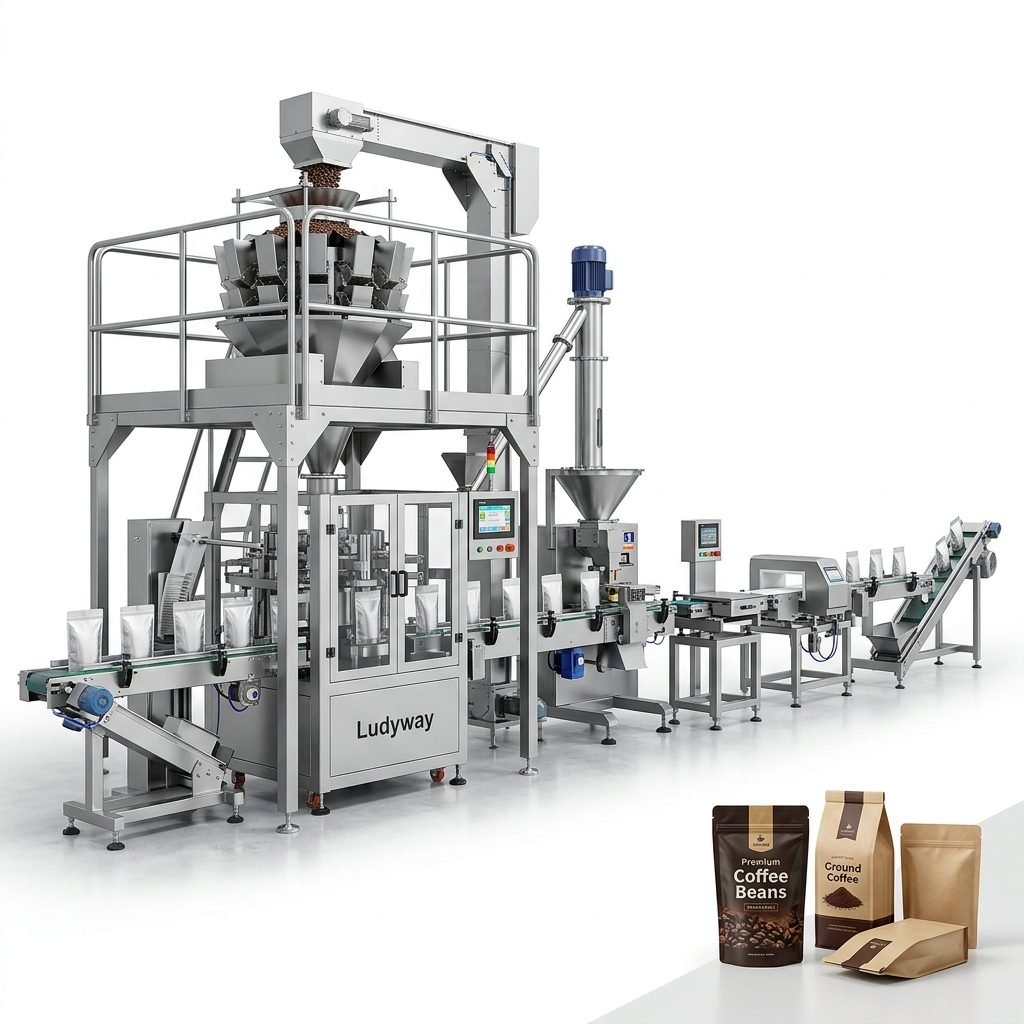
A standalone machine cannot deliver factory-level efficiency. Your salsa packaging production line must be a seamless chain of interconnected systems. Material flow should be continuous, from raw salsa preparation to palletized finished goods.
4.1 Upstream Equipment
Begin with a buffer tank with gentle agitation to keep particulates evenly suspended. Pipeline transfer must use positive displacement pumps that do not crush the vegetable pieces. Inline metal detection and magnetic separation before the filler protect both consumer safety and machine integrity.
4.2 Core Packaging Unit
The heart of the line is the vertical form fill seal (VFFS) machine or multi-lane stick pack unit configured for salsa. This should be synchronized with a film unwinding system, coding printer (thermal inkjet or laser), and an inspection system. Nitrogen flushing capability is increasingly important for extending shelf life in India’s warm climate.
4.3 Downstream Automation
- Checkweigher: Dynamic weight checking ensures compliance with Legal Metrology (Packaged Commodities) Rules in India.
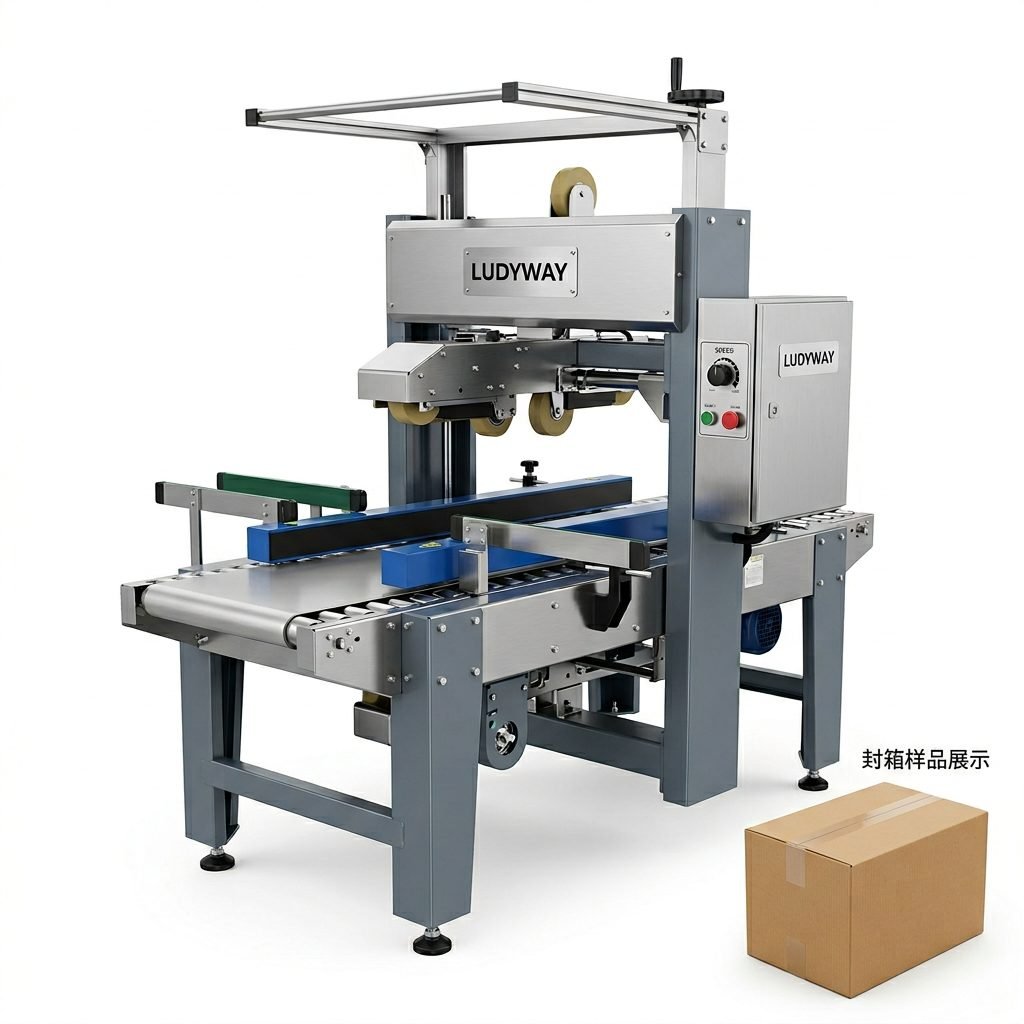
- Cartoning Machine: Groups individual sachets or stick packs into retail cartons. Automatic carton erectors and sealers reduce labor dependency.
- Case Packing and Palletizing: For large-scale operations, robotic case packing and palletizing systems improve end-of-line efficiency and reduce strain-related worker injuries.
5. Regulatory Compliance and Food Safety Standards
India’s Food Safety and Standards Authority (FSSAI) governs packaging machinery used for food products. Your entire line must conform to Schedule 4 requirements, which mandate hygienic design, cleanability, and material traceability.
| Standard | Scope | Relevance to Salsa Lines |
|---|---|---|
| FSSAI Schedule 4 | Good Manufacturing Practices (GMP) | Machine surfaces in contact with salsa must be SS316, hygienically welded, and easily disassembled for cleaning. |
| Legal Metrology Act | Net quantity accuracy | Filling systems must meet the declared weight tolerances. Regular verification by Legal Metrology inspectors is mandatory. |
| BIS Standards | Equipment safety, electrical norms | Motors, drives, and control panels should carry ISI marking. Compliance with IS 12661 for electrical safety is expected. |
| Plastic Waste Management Rules | Packaging film thickness | Sachet and pouch films must meet minimum thickness requirements to facilitate collection and recycling. |
Work with equipment suppliers who understand these regulations. Reference standards from the ISO packaging standards framework also help align with international best practices, which is beneficial if you plan to export.
6. Installation, Commissioning, and Team Training
Proper installation by experienced engineers is the difference between a line that performs reliably and one that suffers chronic downtime. The process typically spans 2 to 4 weeks depending on line complexity.
6.1 Pre-Installation Checklist
- Confirm all utilities (power, air, water) are terminated at designated connection points.
- Verify floor flatness and load-bearing capacity. Salsa lines with heavy buffer tanks may require reinforced plinths.
- Ensure the installation area is clean, dust-free, and climate-controlled before uncrating components.
- Review machine documentation, including electrical schematics, pneumatic diagrams, and the recommended spare parts list.
6.2 Operator Training and Skill Development
Invest in structured training programs covering daily operation, film splicing, basic fault diagnosis, and Clean-in-Place (CIP) procedures. Salsa residues are sticky and acidic; improper cleaning leads to corrosion and microbiological risks. Document Standard Operating Procedures (SOPs) in local languages supplemented with visual guides for the shop floor team.
7. Maintenance, Spare Parts, and After-Sales Support
India’s operating environment demands a proactive maintenance culture. Dust, humidity, and voltage instability can shorten component life if not managed.
- Daily: Inspect sealing jaws for product build-up, clean filling nozzles, check film alignment sensors.
- Weekly: Lubricate linear guides and bearings with food-grade grease, verify temperature controller accuracy.
- Monthly: Examine belts, chains, and drive couplings for wear. Calibrate load cells on checkweighers.
- Quarterly: Perform comprehensive electrical inspection, update PLC firmware if applicable, replace worn Teflon tapes on sealing surfaces.
A responsive local support network is invaluable. Ludyway, as one of the largest packaging machine manufacturers with over 30 years of experience and a presence in 100+ countries, provides robust after-sales service including remote diagnostics and readily available spare parts. Partnering with an established supplier ensures that technical assistance is accessible when you need it most.
8. Cost Considerations and Return on Investment
Budgeting for a salsa packaging machine production line in India involves more than the equipment purchase price. Build a comprehensive Total Cost of Ownership (TCO) model.
| Cost Category | Estimated Share | Key Variables |
|---|---|---|
| Equipment Purchase | 55-65% | Machine speed, lanes, level of automation |
| Installation & Commissioning | 5-8% | Travel for foreign engineers if not locally represented |
| Auxiliary Equipment | 10-15% | Compressor, chiller, conveyors, coding systems |
| Annual Maintenance | 3-5% | Spares, service contracts, calibration services |
| Packaging Materials | Ongoing | Film price fluctuation, minimum order quantities |
Most mid-sized Indian manufacturers achieve full ROI within 18 to 30 months, driven by increased throughput, reduced giveaway, and lower manual labor costs. The shift from manual packing to automated stick pack or sachet lines often reduces product giveaway by 2-5%, which alone can justify the investment.
9. Future-Proofing Your Salsa Packaging Line
Consumer preferences and regulations evolve rapidly. Design your line with flexibility in mind. Choose machines that can handle multiple film types and pouch formats. Modular designs allow adding lanes or switching between stick pack and sachet configurations without replacing the entire line. Data integration—connecting your packaging line to an MES or ERP system via OPC-UA or Ethernet/IP protocols—is becoming essential for real-time OEE monitoring and traceability, a requirement increasingly emphasized by Indian export authorities.
Sustainability is another key driver. Investigate recyclable mono-material films and ensure that your sealing and tension control systems can process these newer, sometimes more challenging, substrates. Water-based inks for coding, energy-efficient servo motors, and lightweighting of packaging materials contribute to both cost reduction and regulatory compliance.