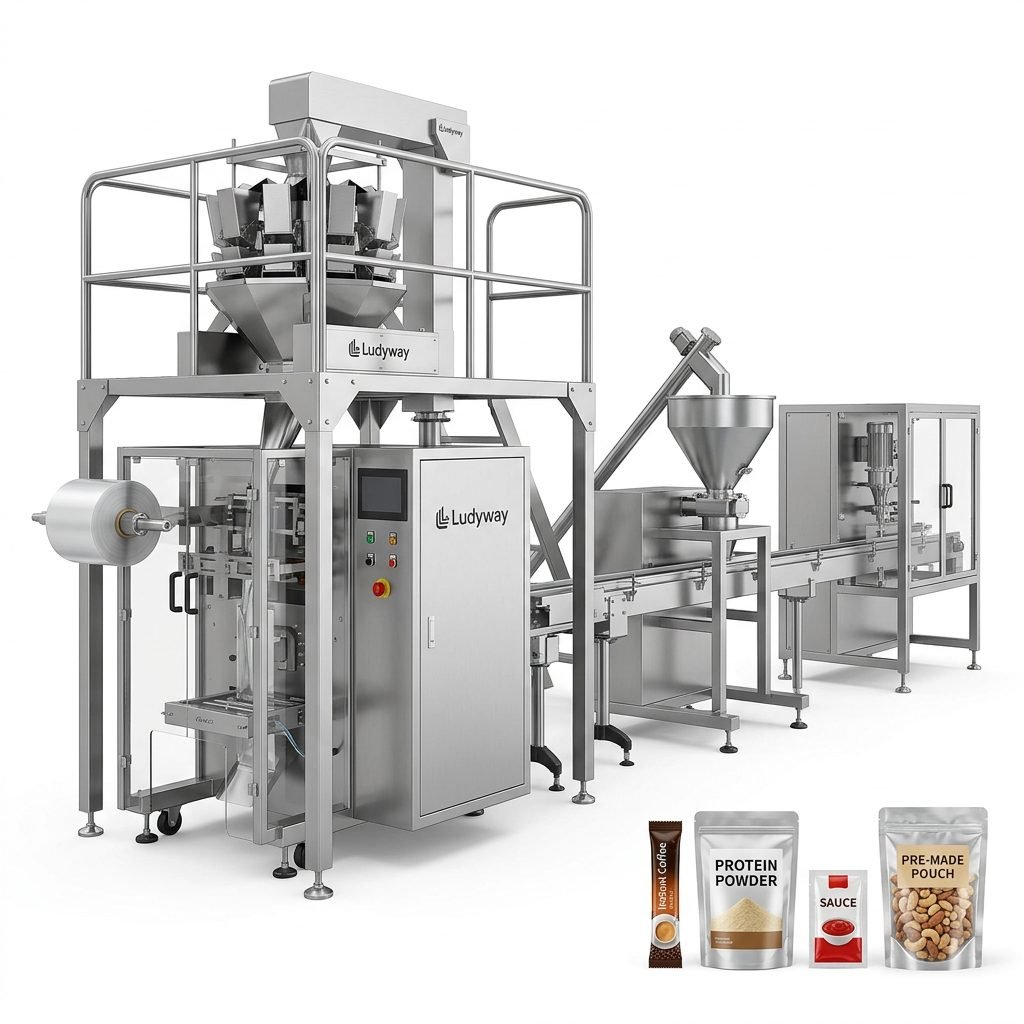
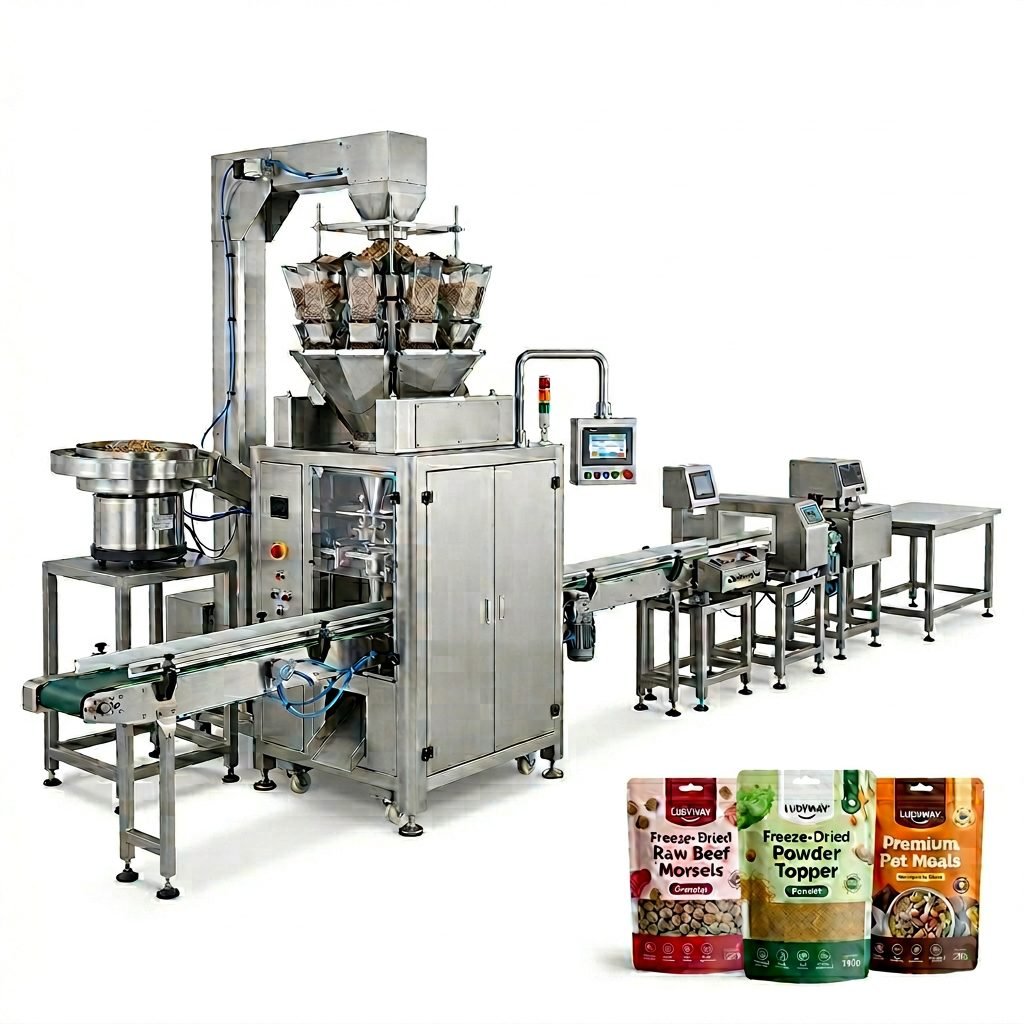
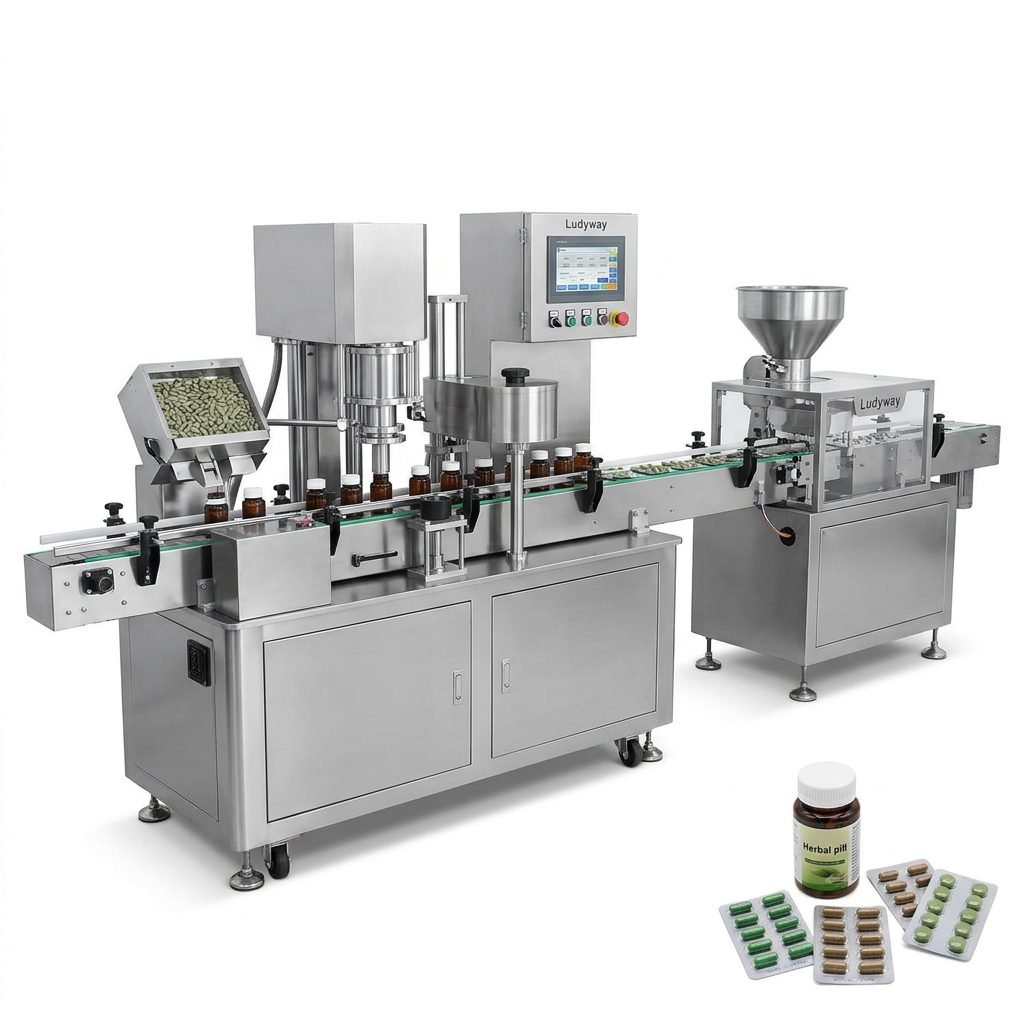
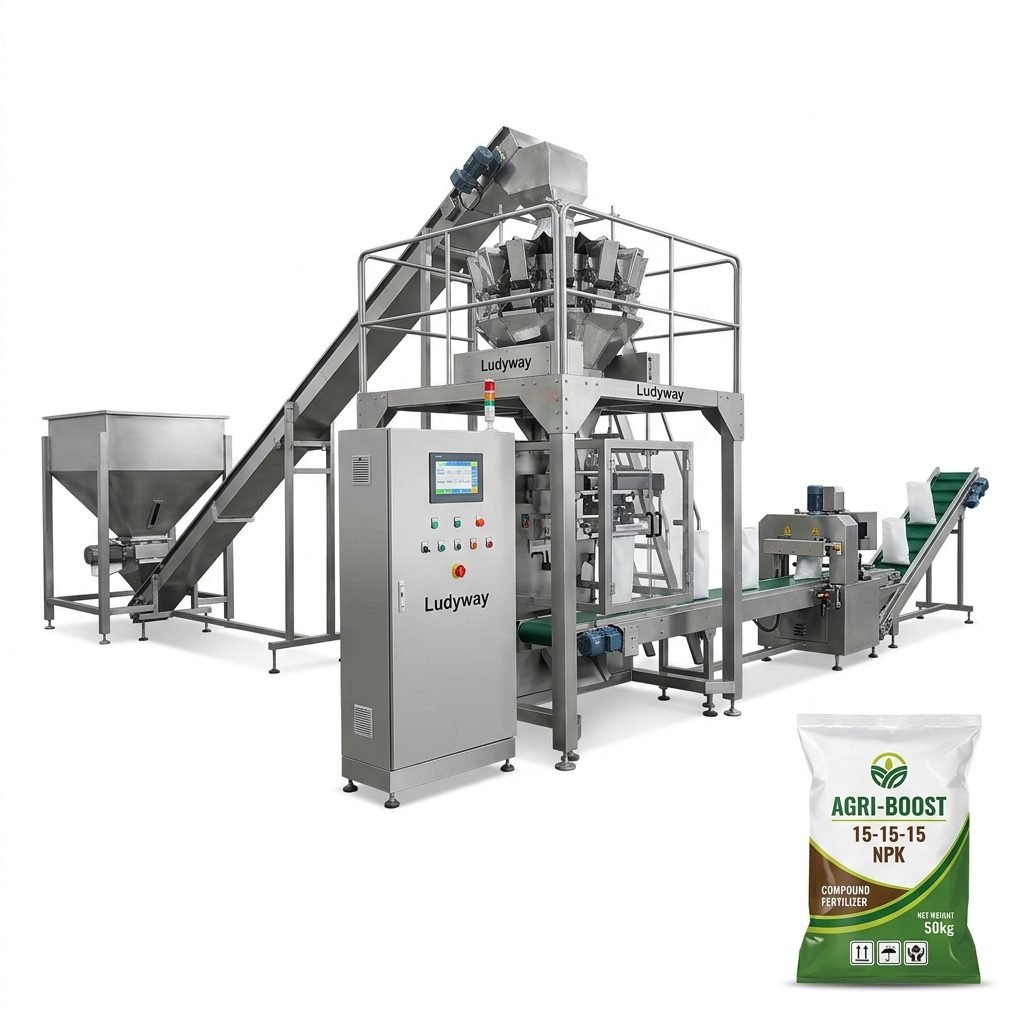
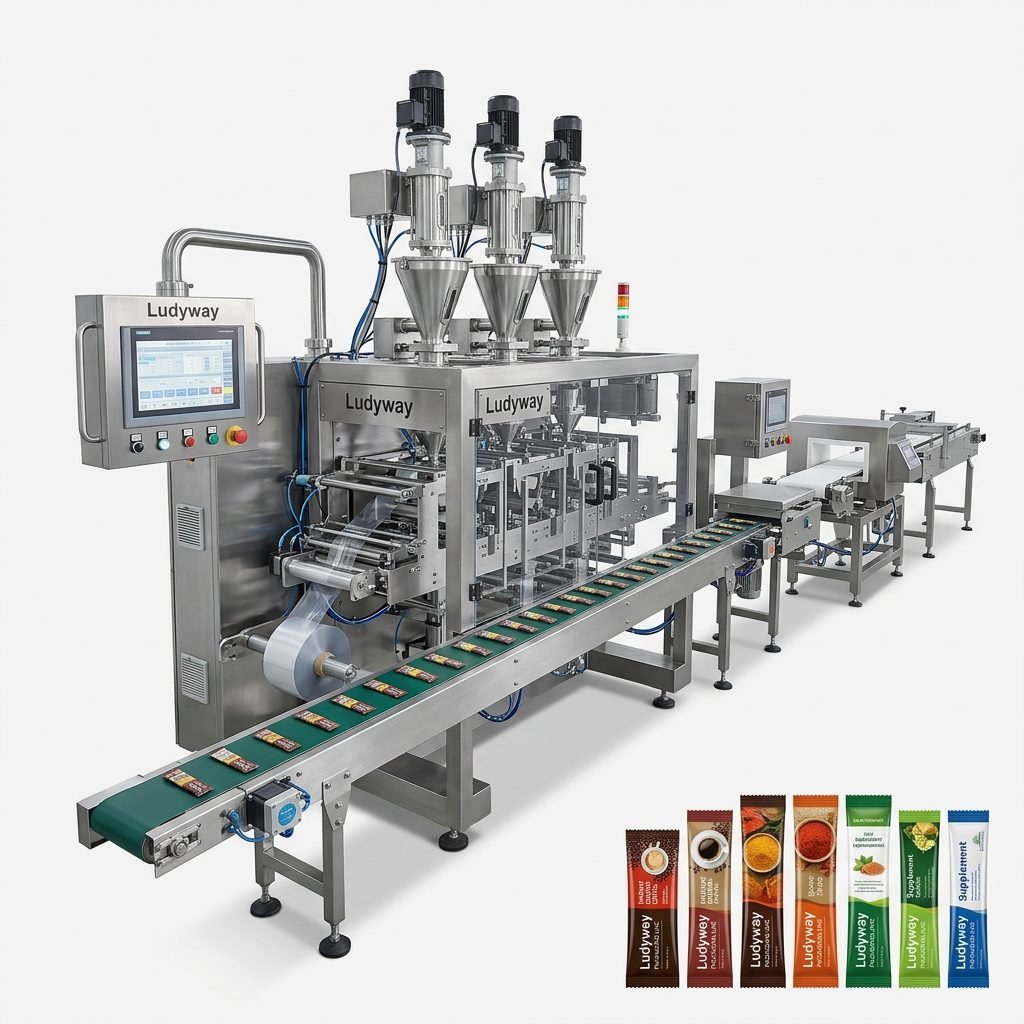
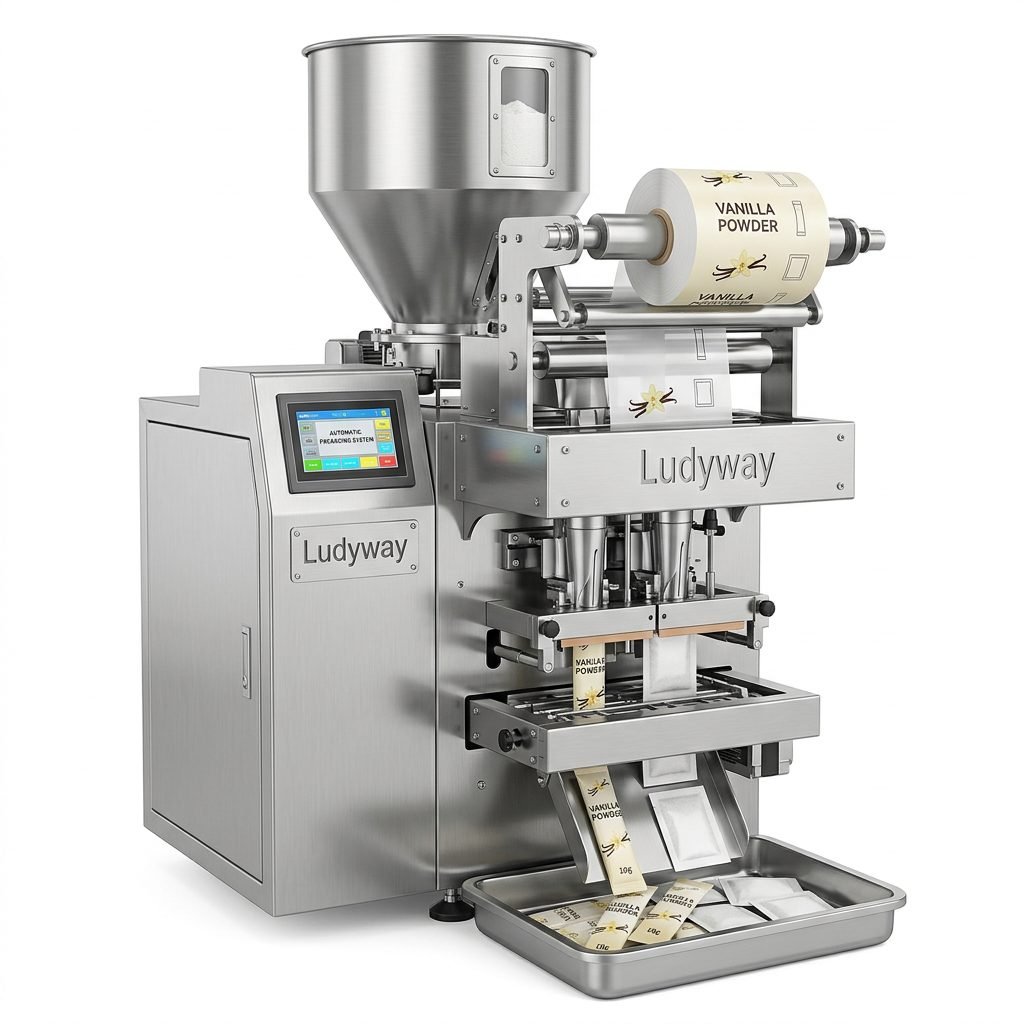
Setting up a sandwich packaging machine production line in the UK requires careful planning, compliance with stringent food safety regulations, and a clear understanding of automation technology. Whether you’re a food manufacturer scaling up operations or a new entrant in the pre-packaged sandwich market, this guide covers every step—from equipment selection and facility layout to regulatory compliance and ongoing maintenance.

Understanding the UK Sandwich Packaging Market
The UK pre-packaged sandwich market is one of the largest in Europe, valued at over £8 billion annually. With major retailers like Tesco, Sainsbury’s, and Marks & Spencer driving demand, the need for efficient, high-speed packaging lines has never been greater. According to the PMMI Business Intelligence reports, the global food packaging machinery market continues to grow steadily, with the UK being a key contributor.
Key market drivers include:
- Increasing consumer demand for convenience foods and on-the-go meal options
- Retailer requirements for extended shelf life and modified atmosphere packaging (MAP)
- Growing emphasis on sustainable packaging materials and reduced plastic waste
- Labour shortages driving automation adoption across food manufacturing facilities
Step 1: Defining Your Production Requirements
Before selecting equipment, you must define your production goals. Consider the following parameters:
Production Capacity and Speed
How many sandwiches per hour or per shift do you need to package? Entry-level lines may handle 30–60 packs per minute, while high-speed automated systems can exceed 120 packs per minute. Your choice directly impacts line configuration and investment costs.
Packaging Format and Materials
Sandwich packaging typically involves:
- Flow wrapping – Horizontal form-fill-seal (HFFS) with flexible film
- MAP (Modified Atmosphere Packaging) – Gas flushing to extend shelf life
- Wedge packs – Triangular sandwich formats popular in UK retail
- Clamshell containers – Rigid plastic or compostable alternatives
The Flexible Packaging Association provides extensive resources on packaging material innovations and sustainability standards that apply to UK sandwich producers.
Step 2: Selecting the Right Packaging Equipment
Choosing the correct machinery is critical. Below is a comparison of common sandwich packaging machine types used in UK production facilities:
| Machine Type | Best For | Speed Range | Key Feature |
|---|---|---|---|
| Horizontal Flow Wrapper | Standard sandwich packs | 40–120 ppm | Versatile film compatibility |
| MAP Tray Sealer | Extended shelf-life products | 30–80 ppm | Gas flushing capability |
| Wedge Pack Machine | Triangular sandwiches | 25–60 ppm | UK retail standard format |
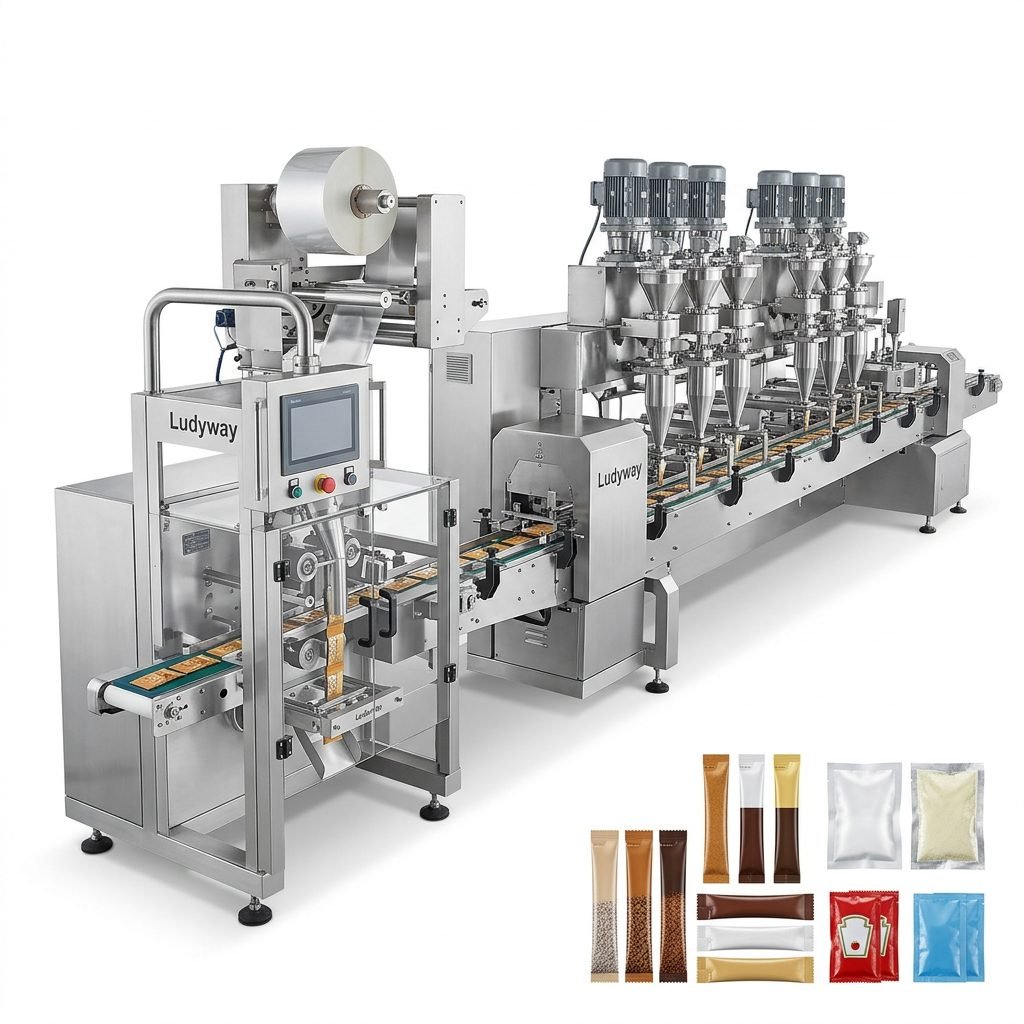
| Multi-Lane Stick Pack System | Condiment sachets & sides | 200+ ppm | High-output auxiliary packaging |
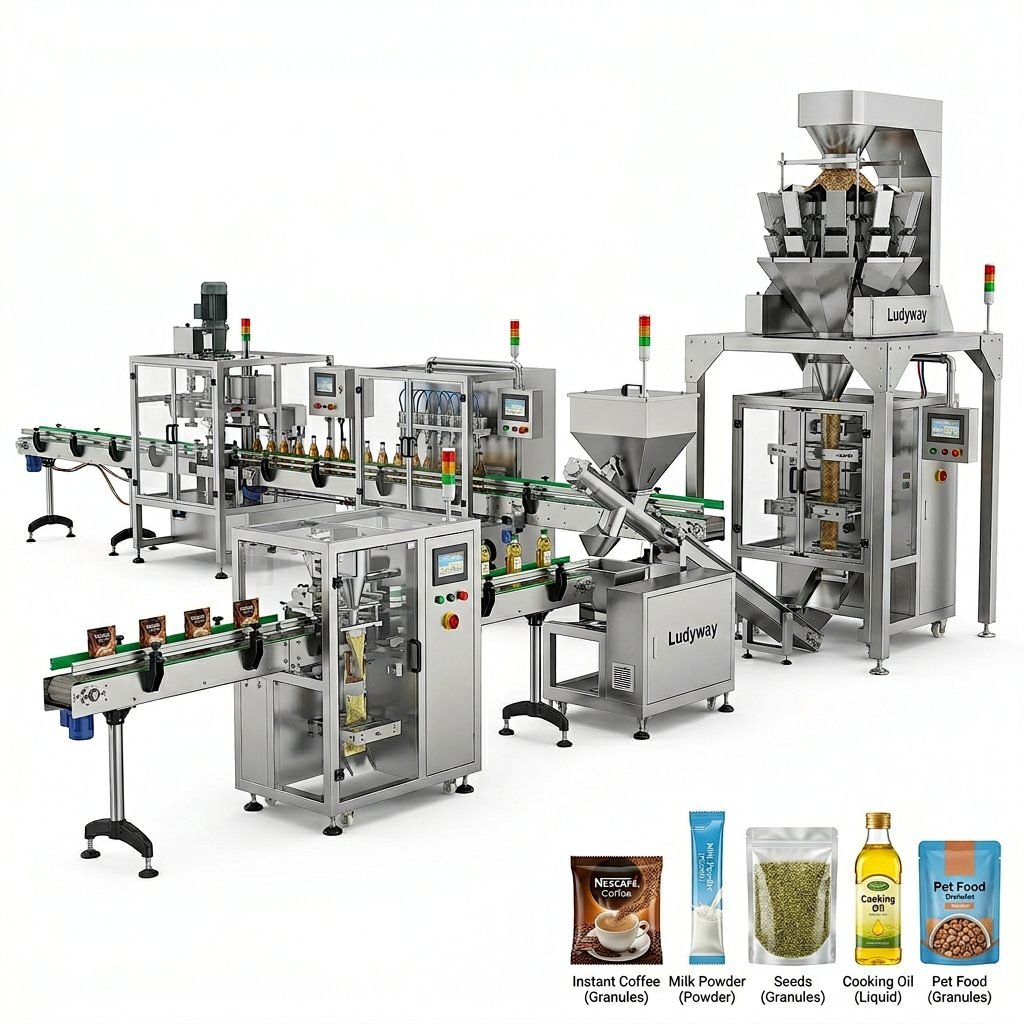
Step 3: Facility Layout and Line Design
A well-designed production line layout maximises efficiency and ensures compliance with UK food hygiene regulations. Key considerations include:
Workflow Zones
- Raw material intake – Segregated from finished product areas to prevent cross-contamination
- Preparation zone – Temperature-controlled environment for sandwich assembly
- Packaging zone – Housing the primary packaging machinery
- Secondary packaging – Cartoning, case packing, and palletising areas
- Finished goods storage – Chilled storage at 0–5°C per UK food standards
Space and Utility Requirements
Your facility must accommodate the packaging line footprint plus adequate clearance for maintenance access, operator walkways, and material handling. Typical utility requirements include:
- Compressed air supply for pneumatic components
- Electrical power (typically 400V three-phase for industrial equipment)
- Gas supply for MAP applications (CO₂, N₂)
- Chilled water or refrigeration connections
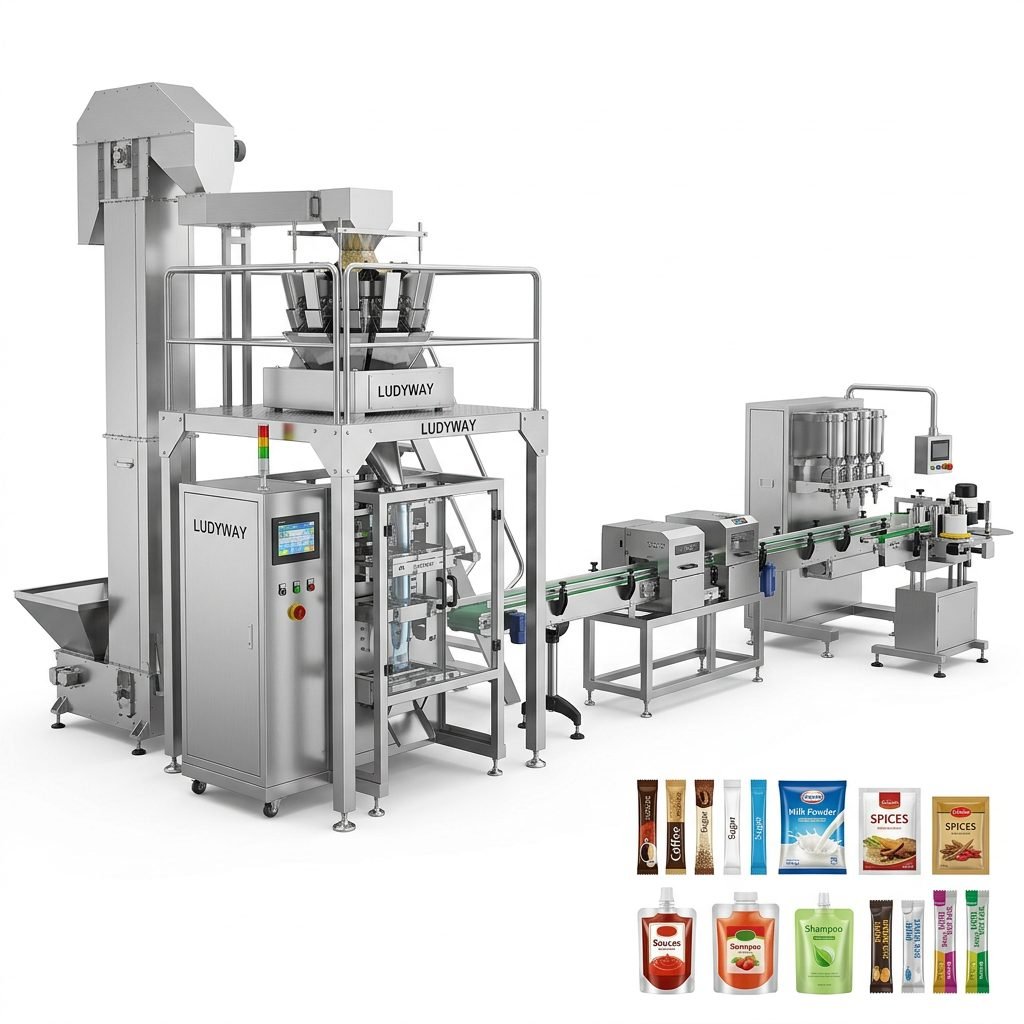
Step 4: UK Regulatory Compliance
Operating a sandwich packaging line in the UK means adhering to several regulatory frameworks. Non-compliance can result in costly recalls or facility shutdowns.
Food Safety Standards
- BRCGS (Brand Reputation Compliance Global Standards) – The benchmark for UK food manufacturers
- HACCP (Hazard Analysis and Critical Control Points) – Mandatory risk assessment system
- UK Food Safety Act 1990 – Primary legislation governing food production
- EU Regulation (EC) No 1935/2004 – Materials and articles intended to come into contact with food
For the latest guidance on food contact packaging materials, refer to the FDA Food Ingredients and Packaging resource, which provides internationally recognised standards.
Machinery Safety Directives
All packaging equipment installed in the UK must meet:
- UKCA Marking (replacing CE marking post-Brexit)
- Supply of Machinery (Safety) Regulations 2008
- PUWER (Provision and Use of Work Equipment Regulations 1998)
Industry standards from PMMI Packaging Industry Resources and ISO Packaging Standards offer detailed technical specifications that help ensure your equipment meets all regulatory requirements.
Step 5: Installation and Commissioning
Proper installation is essential for long-term reliability. Follow this structured approach:
| Phase | Duration (Est.) | Key Activities |
|---|---|---|
| Site Preparation | 2–4 weeks | Utility connections, floor reinforcement, hygiene zone setup |
| Equipment Delivery & Positioning | 1–2 weeks | Unloading, positioning, levelling, mechanical assembly |
| Electrical & Utility Hookup | 3–5 days | Power, air, gas connections and safety checks |
| Commissioning & Testing | 1–2 weeks | Dry runs, product trials, parameter optimisation |
| Operator Training | 3–5 days | SOP development, hands-on training, safety protocols |
Step 6: Ongoing Maintenance and Optimisation
To maximise equipment lifespan and maintain production efficiency, implement a structured maintenance programme:
Preventive Maintenance Schedule
- Daily: Clean conveyor belts, check film feed alignment, verify seal integrity
- Weekly: Lubricate moving parts, inspect sensors and photoelectric cells
- Monthly: Calibrate temperature controllers, check gas flush systems, replace worn belts
- Quarterly: Full mechanical inspection, electrical safety testing, software updates
- Annually: Comprehensive overhaul, replace critical wear components, re-certify UKCA compliance
Step 7: Cost Considerations and ROI Analysis
Investing in a sandwich packaging line represents a significant capital expenditure. Understanding the full cost picture helps with budgeting and ROI forecasting:
| Cost Category | Estimated Range (£) | Notes |
|---|---|---|
| Primary Packaging Machine | £50,000–£250,000 | Depends on speed and features |
| Ancillary Equipment | £20,000–£80,000 | Conveyors, coders, metal detectors |
| Installation & Commissioning | £10,000–£30,000 | Including site preparation |
| Training & Documentation | £3,000–£8,000 | Operator and maintenance training |
| Annual Maintenance | £5,000–£15,000 | Spare parts and service contracts |
ROI for a typical sandwich packaging line in the UK is generally achieved within 18–36 months, driven by labour savings, increased throughput, reduced product waste, and improved packaging consistency.

Sustainability Considerations for UK Operations
Environmental responsibility is a growing priority for UK food businesses. The European Commission Packaging and Packaging Waste regulations and UK-specific initiatives are shaping packaging choices:
- Plastic Packaging Tax – UK levy on plastic packaging with less than 30% recycled content
- EPR (Extended Producer Responsibility) – Shifting waste management costs to producers
- Compostable film options – Growing availability of certified compostable flow-wrap materials
- Lightweighting – Reducing film gauge without compromising barrier properties
Working with Equipment Suppliers
Selecting the right packaging machinery partner is as important as choosing the equipment itself. Look for suppliers who offer:
- Proven experience with UK food industry standards and BRCGS requirements
- Comprehensive after-sales support and local service capability
- Turnkey project management from design through commissioning
- Flexible financing options and transparent pricing
- Documentation compliant with UK regulatory bodies
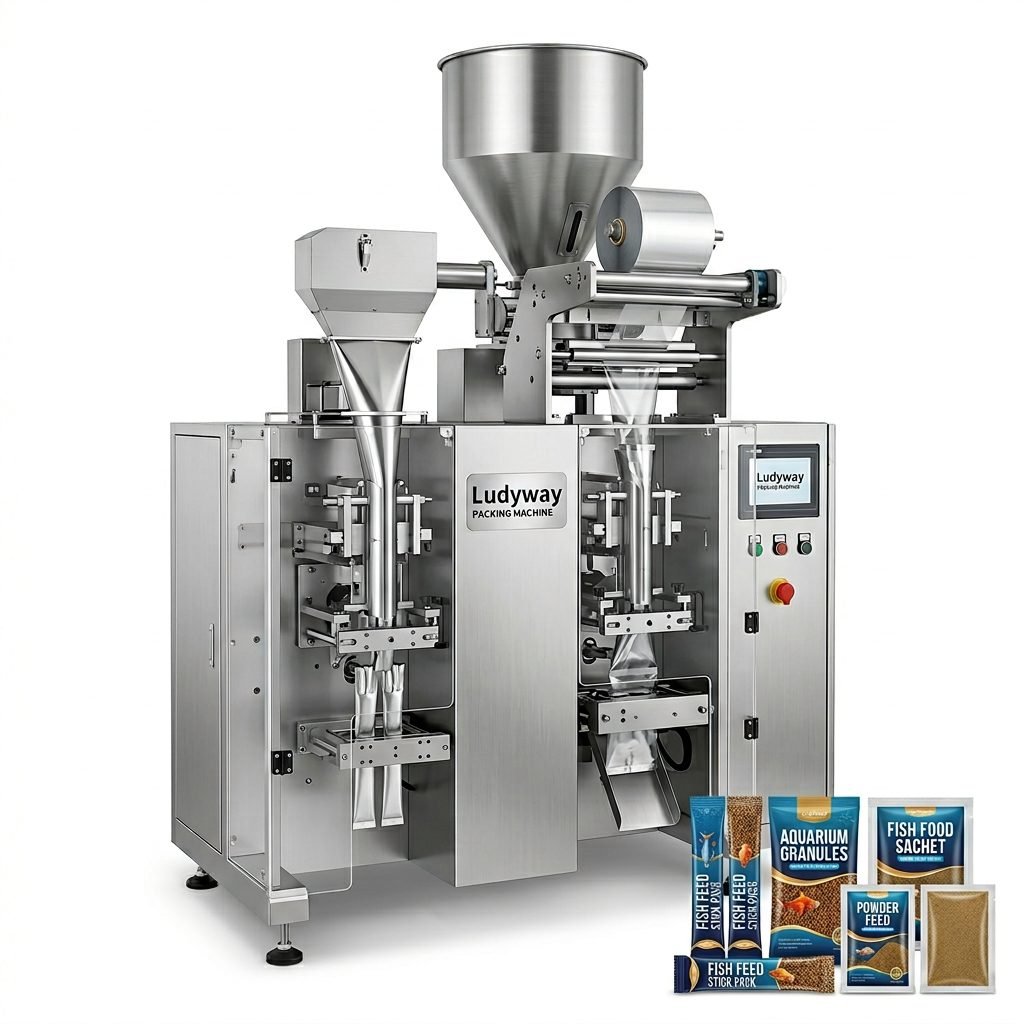
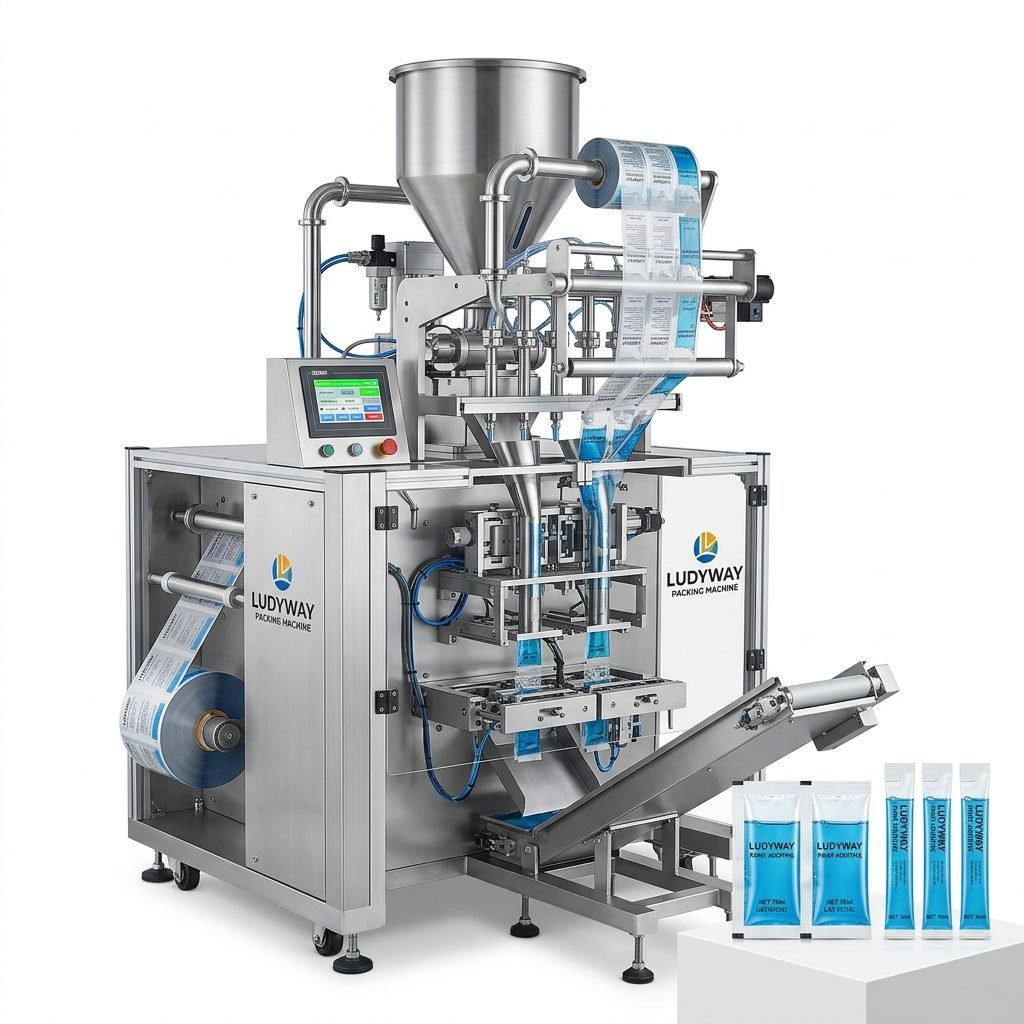
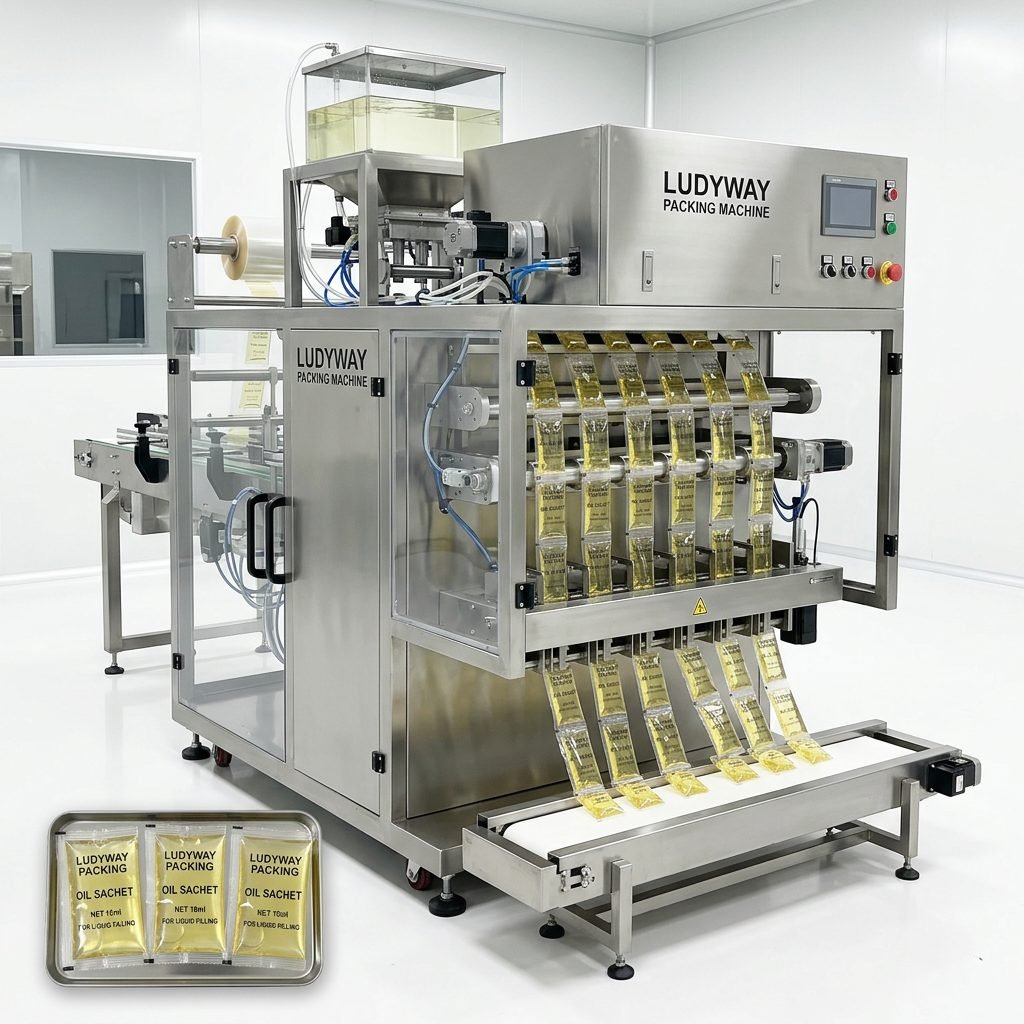
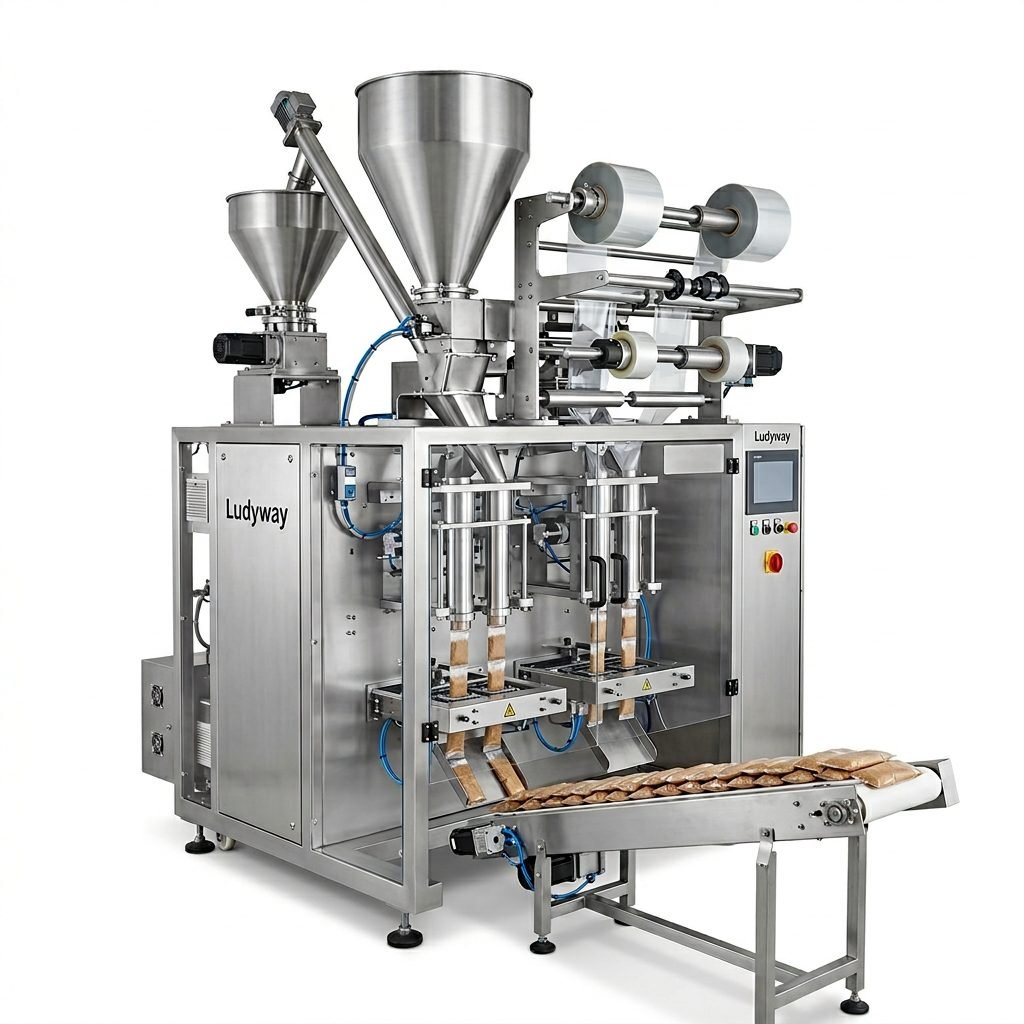
For businesses seeking reliable packaging automation solutions, manufacturers like Ludyway—one of the largest packaging machine manufacturers in China with over 30 years of industry experience and a modern 20,000㎡ manufacturing facility—offer advanced equipment and turnkey production solutions for food, pharmaceutical, and health industries across more than 100 countries. Their expertise spans multi-lane stick pack, sachet, and fully automated packaging systems designed to meet diverse production requirements.
Frequently Asked Questions
What is the minimum space required for a sandwich packaging line?
A basic line typically requires 100–200 square metres of floor space, including operator work areas and material staging. High-capacity automated lines may need 300+ square metres.
How long does it take to install a complete packaging line?
From site preparation to full production, most projects take 6–12 weeks, depending on complexity and facility readiness.
Do I need MAP capability for UK retail sandwich supply?
Most major UK retailers require MAP packaging to achieve the 5–7 day shelf life expected in the chilled supply chain. Check individual retailer specifications before investing.
What are the key maintenance challenges with sandwich packaging machines?
Common challenges include film tracking issues, seal jaw wear, temperature control drift on MAP systems, and crumb contamination of conveyor systems. Regular cleaning and preventive maintenance mitigate these risks effectively.
Conclusion
Setting up a sandwich packaging machine production line in the UK is a multifaceted project that demands careful attention to equipment selection, facility planning, regulatory compliance, and ongoing maintenance. By following this guide and partnering with experienced equipment suppliers, food manufacturers can build efficient, compliant, and profitable packaging operations that meet the demands of the UK’s competitive retail landscape.
For further reading on packaging machinery standards and industry trends, explore resources from the PMMI State of the Industry Reports and the Flexible Packaging Association, both of which provide authoritative data and guidance relevant to UK packaging operations.