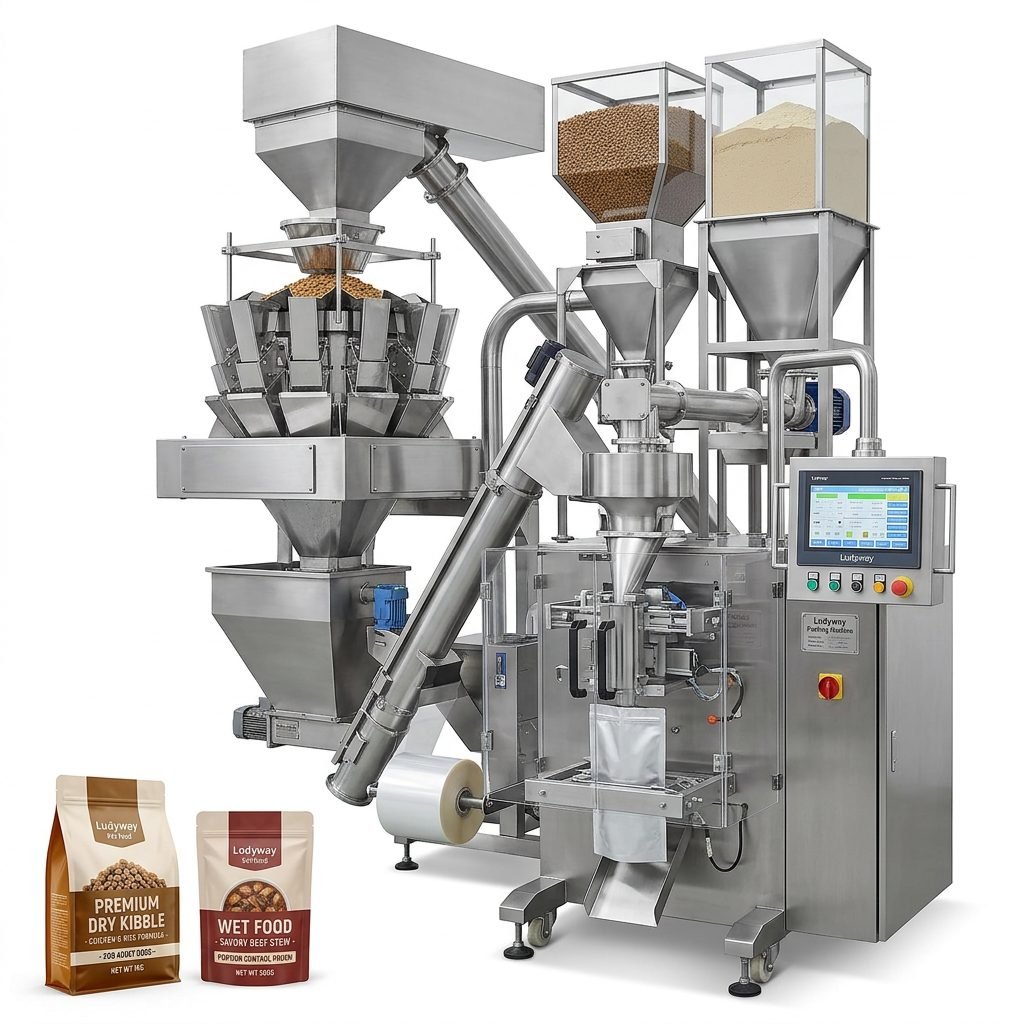
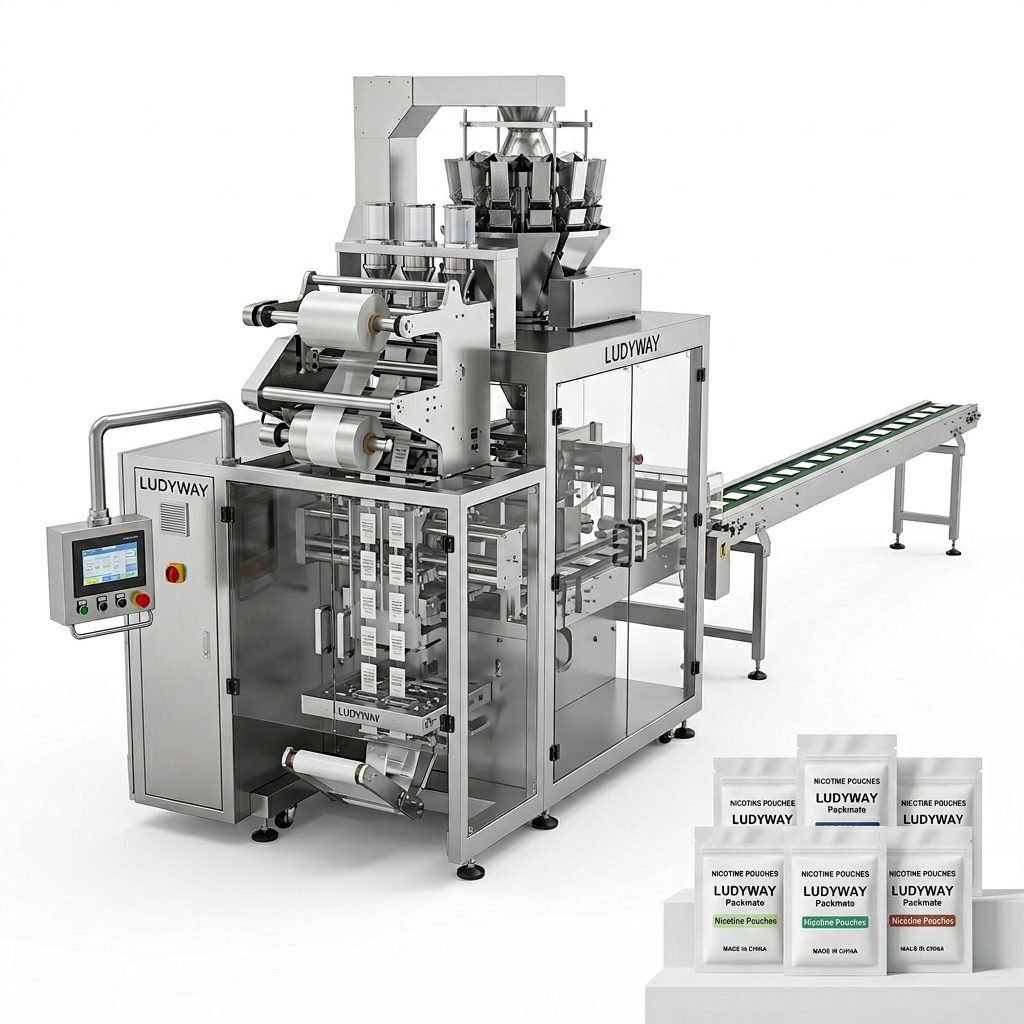
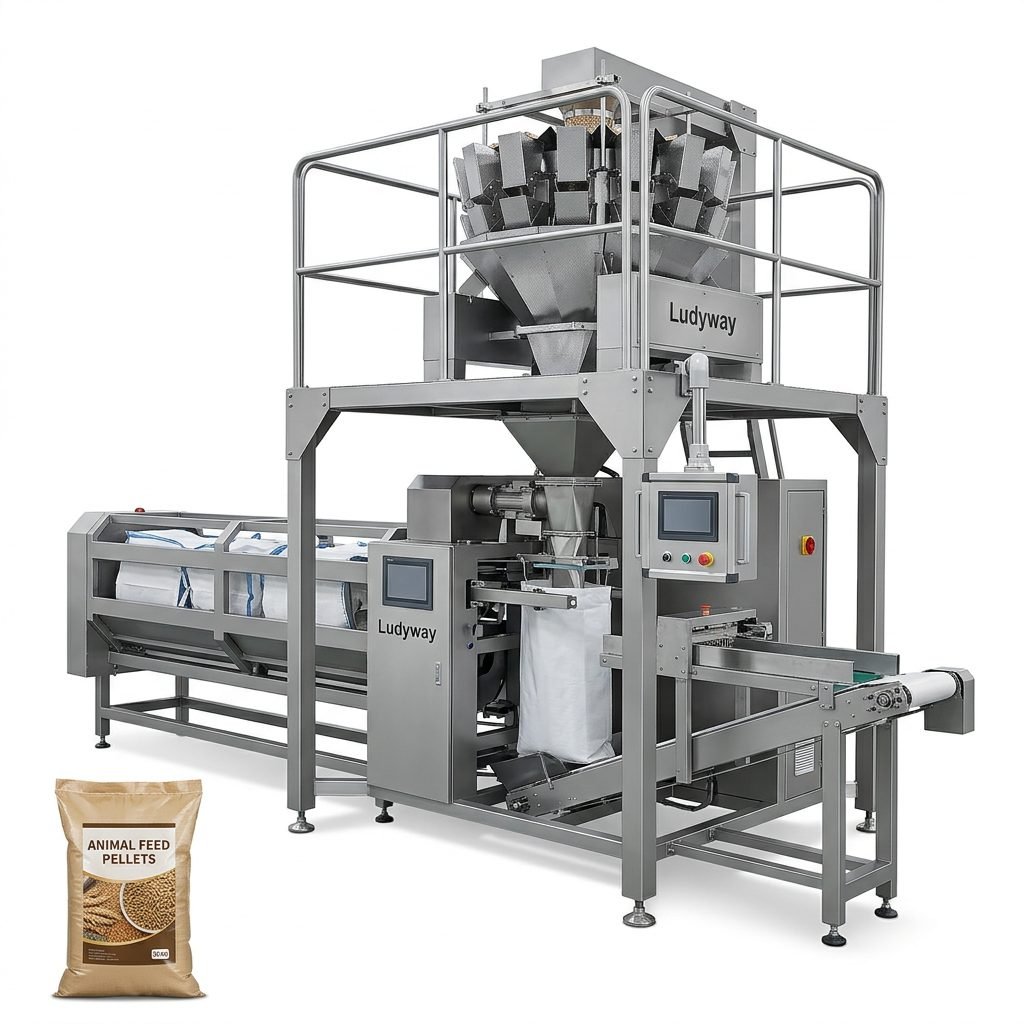
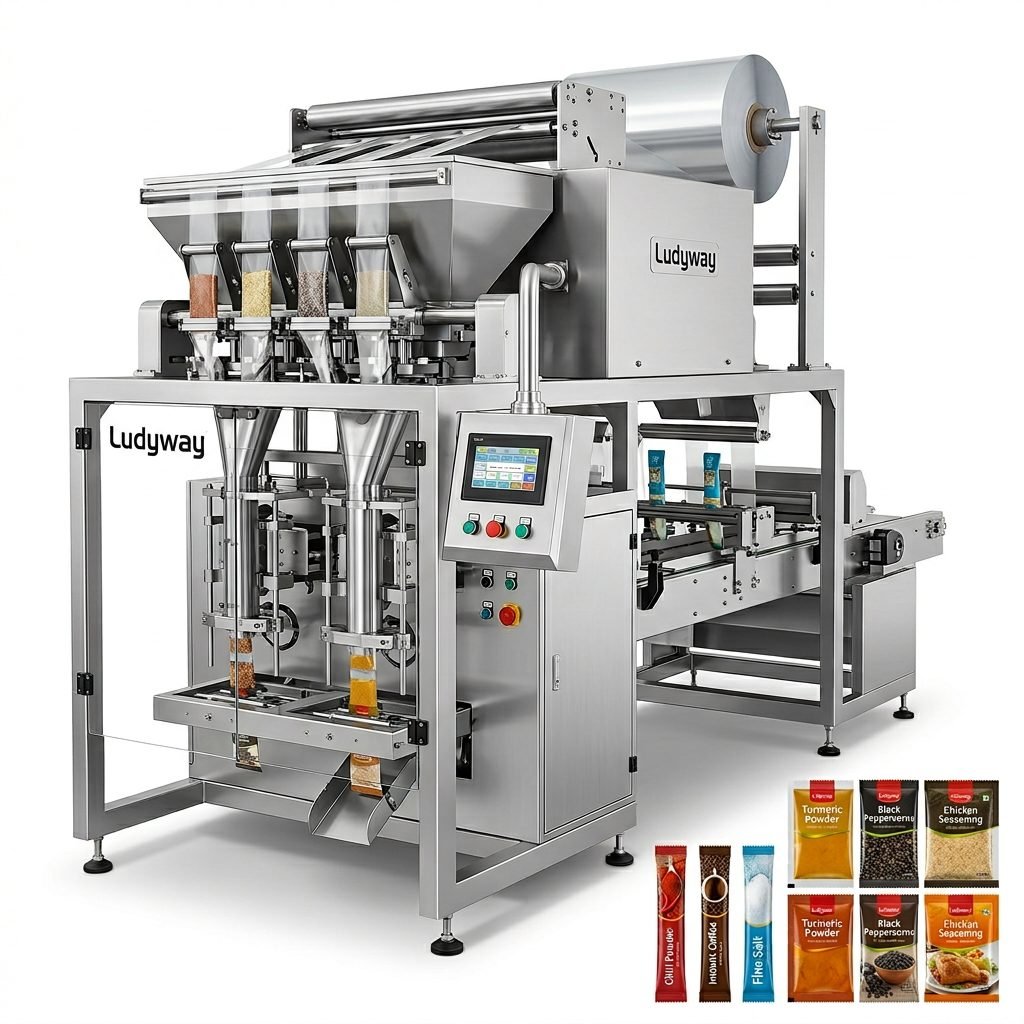
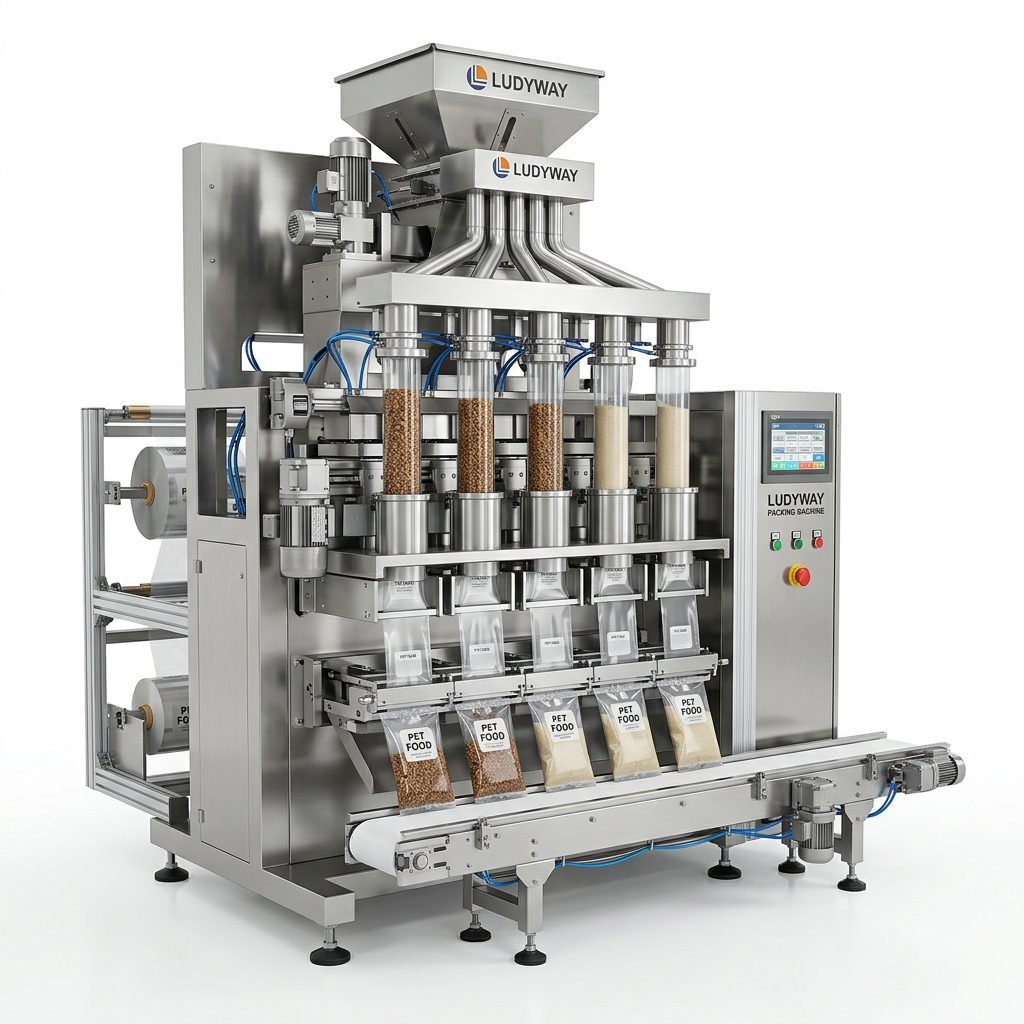
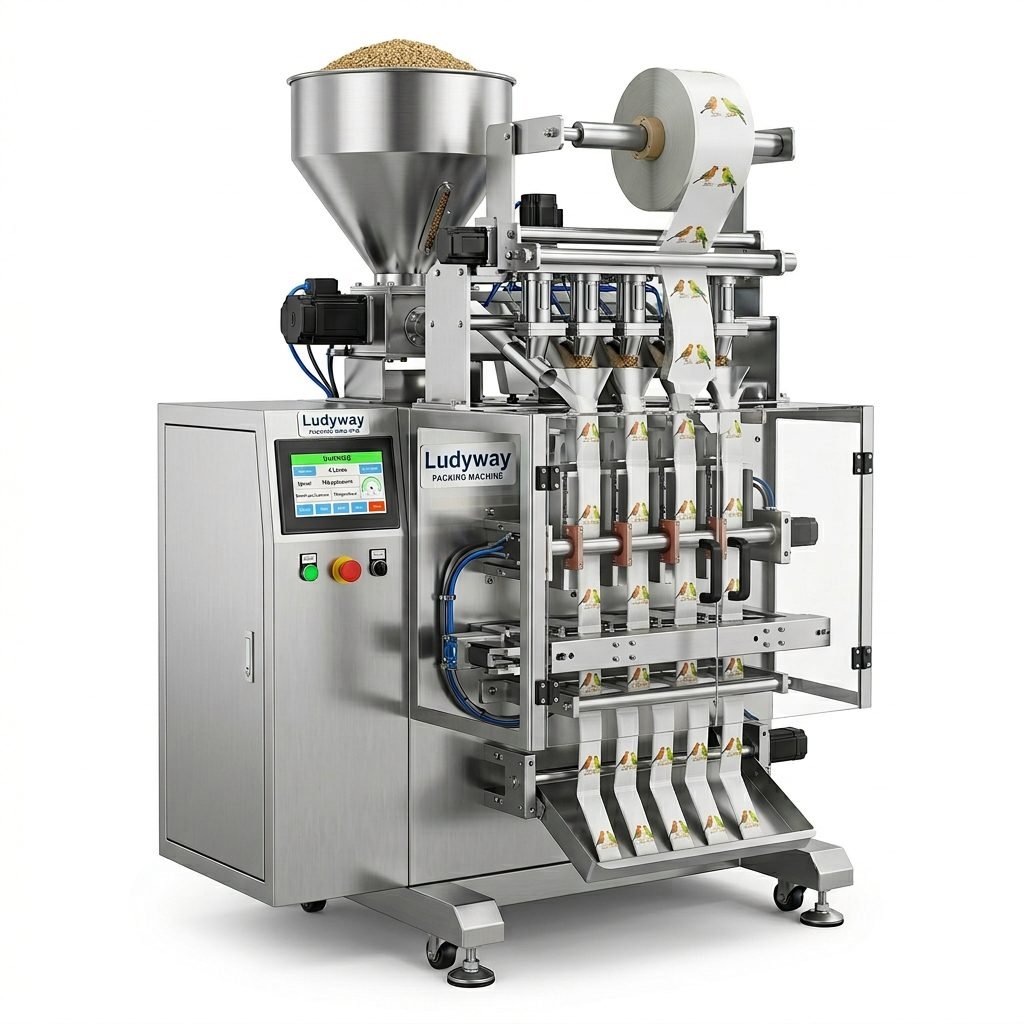
In the competitive dry food industry, packaging efficiency and product integrity are non-negotiable. Whether you’re packing granule seasonings, powdered beverages, stick-pack snacks, or dehydrated ingredients, the right dry food packaging machine can transform your production line—reducing waste, increasing throughput, and ensuring consistent seal quality. But with so many options on the market, how do you choose a solution that truly delivers on both speed and reliability?
Leading packaging industry research confirms that automated multi-lane systems are reshaping the food sector, and manufacturers worldwide are upgrading to meet rising consumer demand. Below, we explore the key reasons why Ludyway dry food packaging machines stand out for efficient, reliable packaging across diverse product categories.
Precision Weighing and Filling Accuracy
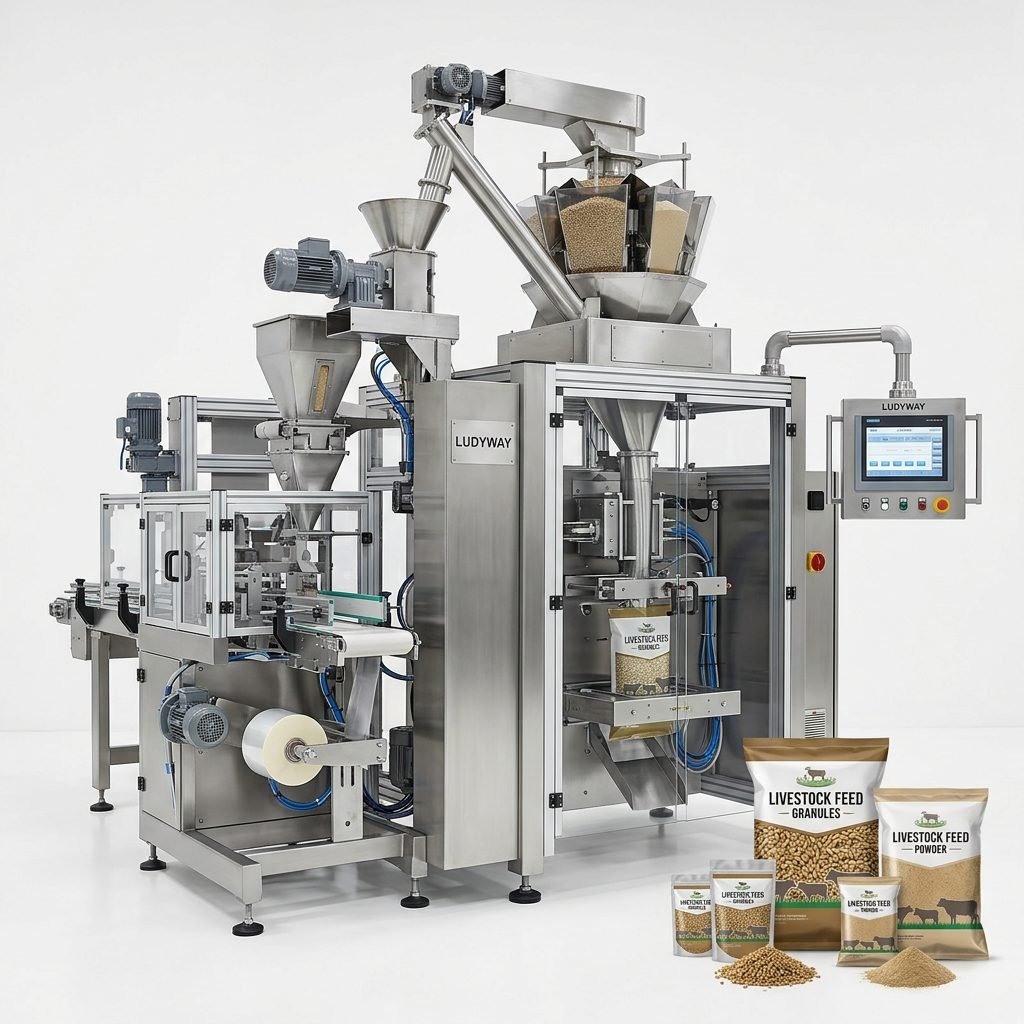
One of the biggest challenges in dry food packaging is maintaining accurate fill weights at high speeds. Even minor deviations can lead to product giveaway, regulatory issues, or customer dissatisfaction. Advanced multi-head weigher integration and servo-driven auger filling systems ensure that every sachet, stick pack, or pouch receives the exact target weight—batch after batch.
- Servo-controlled auger fillers for powders with ±1% accuracy
- Multi-head combination weighers for granule and free-flowing products
- Automatic feedback loops that adjust fill parameters in real time
- Compatibility with food contact compliance standards
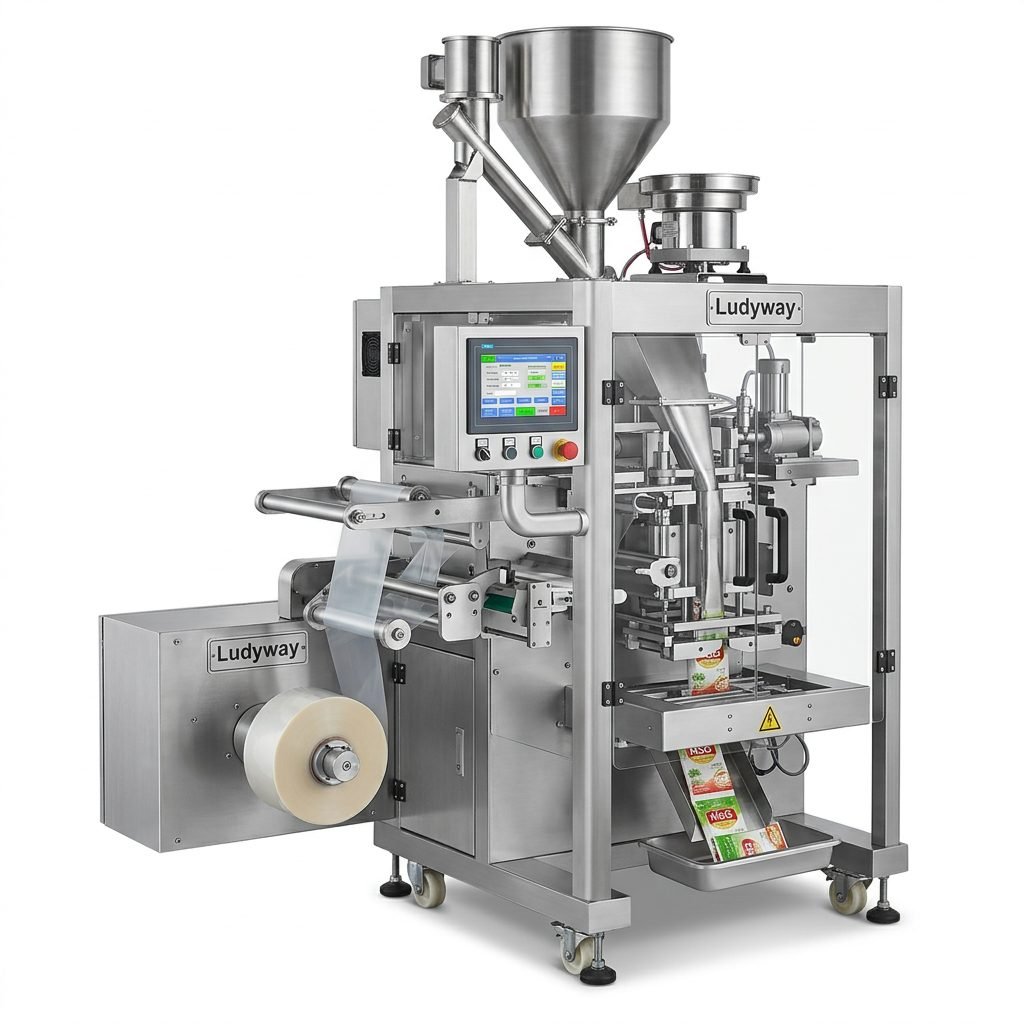
High-Speed Multi-Lane Production Capability
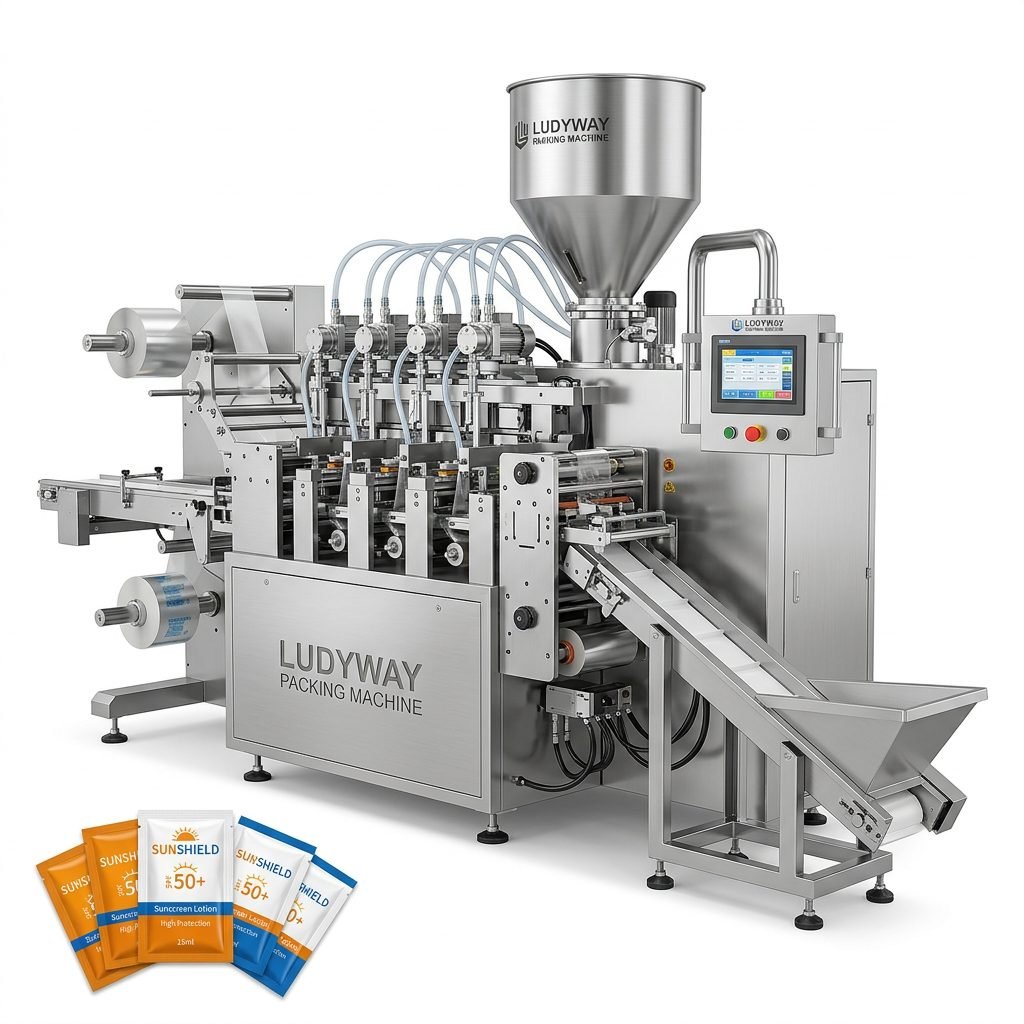
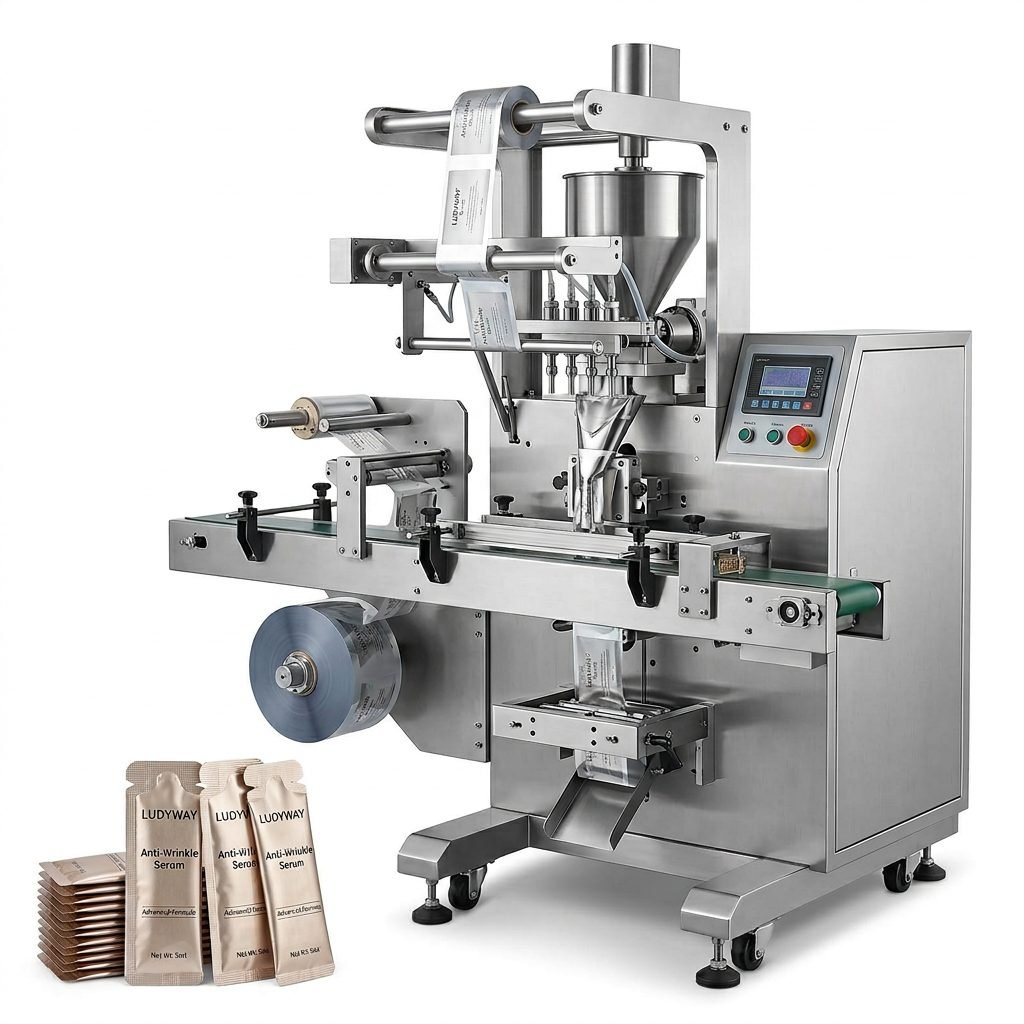
For manufacturers scaling up production, multi-lane packaging technology is the clear choice. Instead of a single lane producing one pack per cycle, modern multi-lane machines can run 4, 6, 8, or even 12 lanes simultaneously—multiplying output without multiplying floor space requirements.
According to flexible packaging industry data, multi-lane stick pack and sachet formats are among the fastest-growing segments in dry food packaging. A well-engineered multi-lane system can achieve outputs exceeding 400 packs per minute, depending on the product and pack configuration.
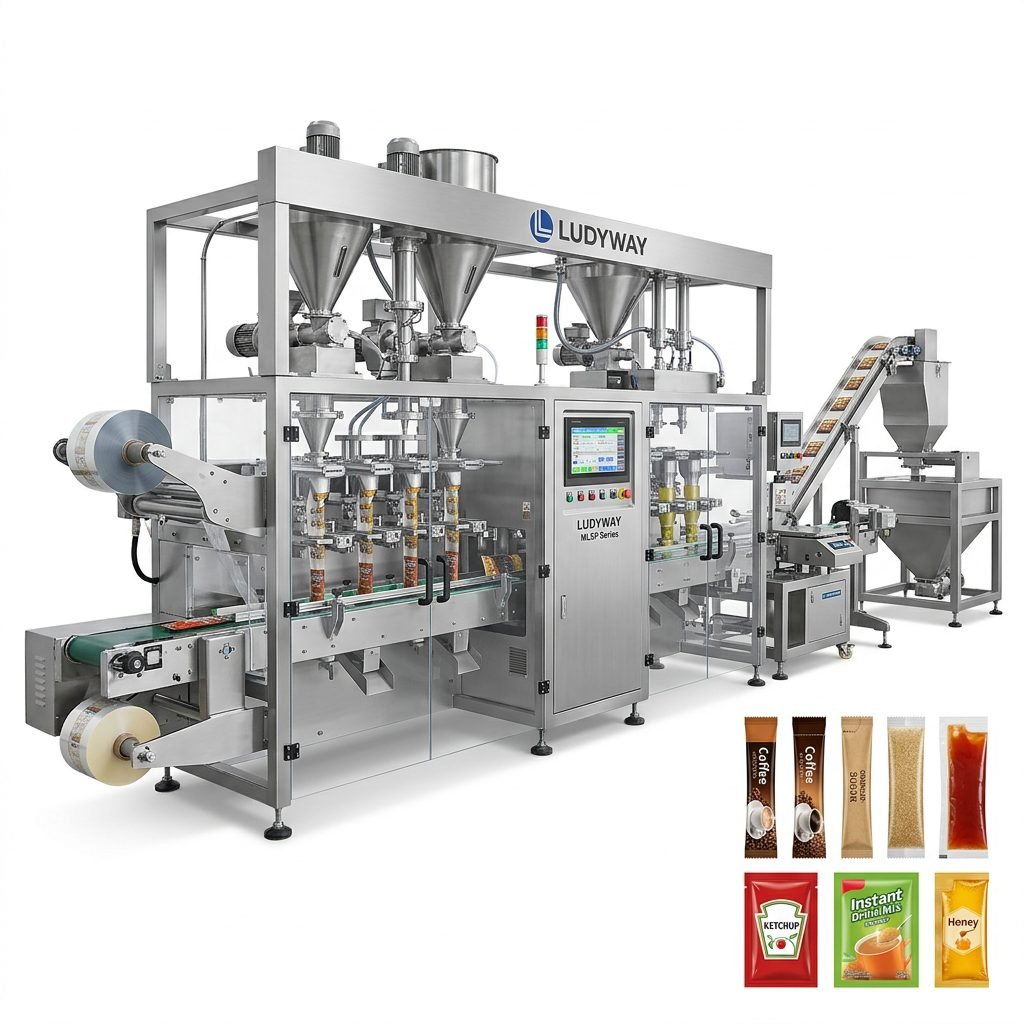
Versatile Dry Food Packaging Solutions
Every dry food product has unique characteristics—particle size, flowability, moisture sensitivity, and shelf-life requirements all vary. That’s why a one-size-fits-all approach rarely works. The table below illustrates how different dry food categories benefit from tailored packaging configurations:
| Dry Food Category | Common Products | Recommended Format | Typical Output Range |
|---|---|---|---|
| Granules & Seasonings | MSG, spices, salt, sugar, bouillon | Stick pack, sachet, pouch | 200–600 packs/min |
| Powdered Beverages | Coffee, tea, protein powder, drink mix | Stick pack, sachet | 150–500 packs/min |
| Dehydrated Foods | Dried fruits, vegetables, soups, noodles | Pouch, sachet, bag | 80–300 packs/min |
| Health & Supplements | Nutritional powders, herbal granules, prebiotics | Stick pack, sachet | 150–450 packs/min |
| Pet Food & Feed | Dry kibble, freeze-dried treats, feed additives | Pouch, multi-lane sachet | 100–400 packs/min |
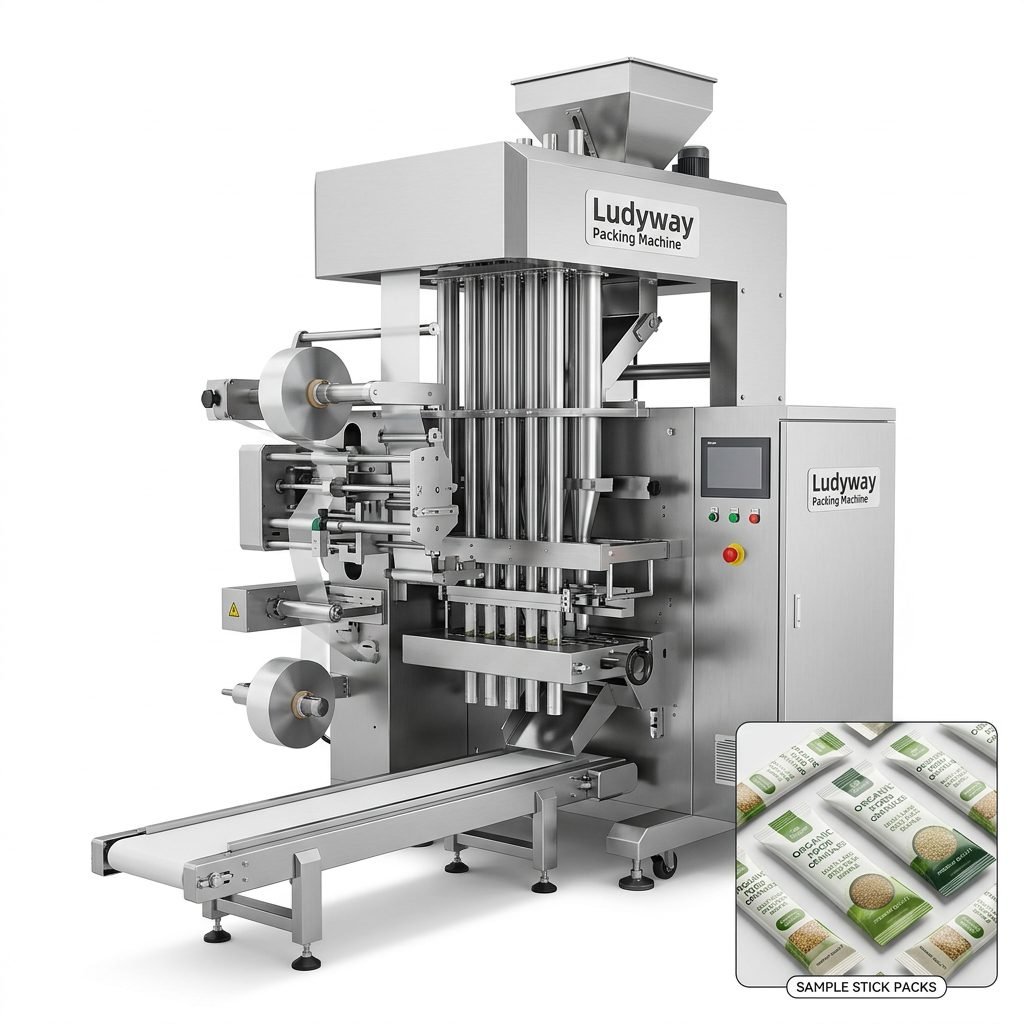
Robust Construction and Reliable Performance
In demanding production environments, machine uptime directly impacts profitability. Packaging equipment built with heavy-duty stainless steel frames, corrosion-resistant components, and industrial-grade sealing systems can withstand continuous multi-shift operation while meeting international packaging machinery standards for food safety.
- Food-grade SUS304 stainless steel construction throughout product contact areas
- Precision temperature-controlled sealing jaws for consistent hermetic seals
- Quick-change forming tubes and easy-clean designs that minimize downtime
- PLC-based controls with HMI touchscreen interfaces for intuitive operation
Comprehensive Turnkey Packaging Lines
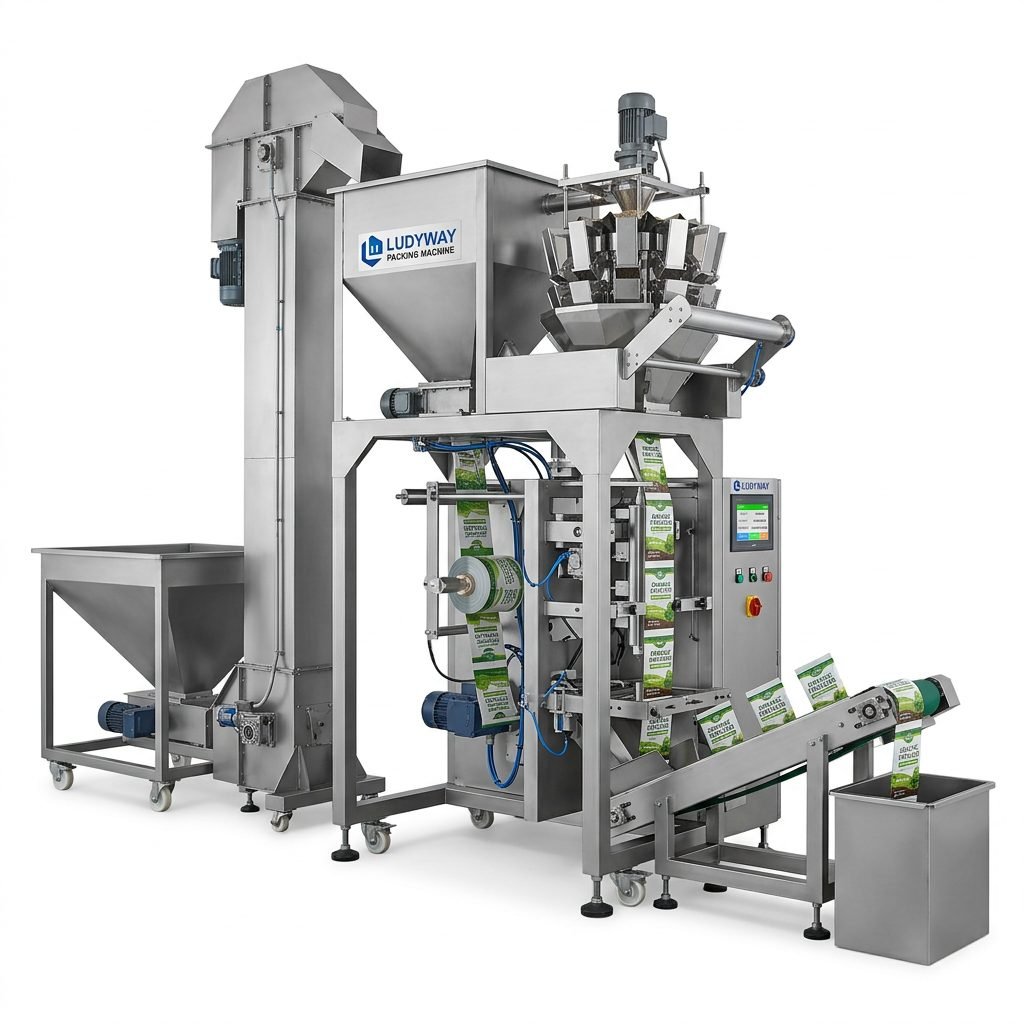
Beyond standalone machines, a truly efficient operation often requires integrated packaging lines that connect feeding, filling, sealing, coding, inspection, and cartoning into one seamless workflow. Turnkey systems reduce manual handling, lower contamination risks, and provide end-to-end traceability for quality assurance programs.
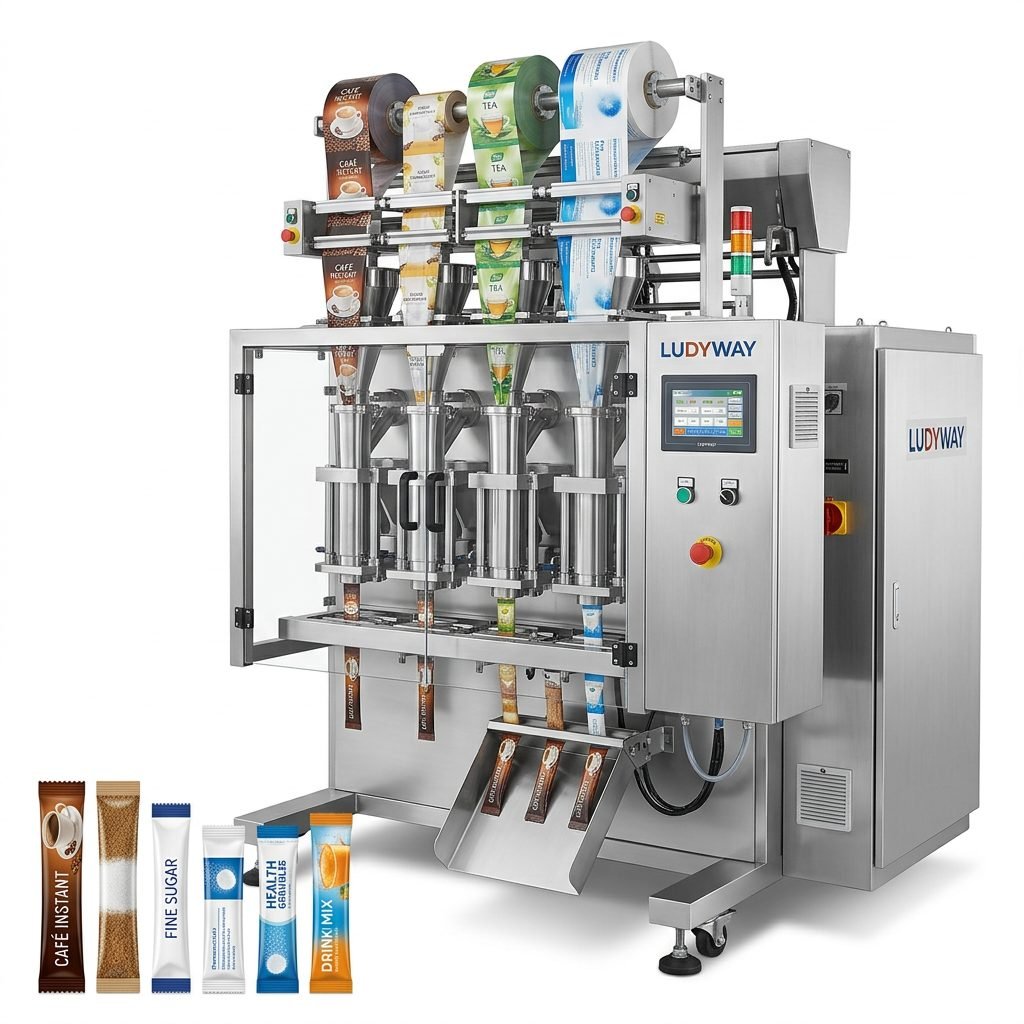
Key Turnkey Line Components
- Automatic feeding and dosing systems (vibratory, auger, or multi-head weigher)
- Multi-lane vertical form-fill-seal (VFFS) machines for stick packs and sachets
- Inline date coding, metal detection, and checkweighing modules
- Automated cartoning, case packing, and palletizing end-of-line solutions
Global Expertise in Dry Food Packaging
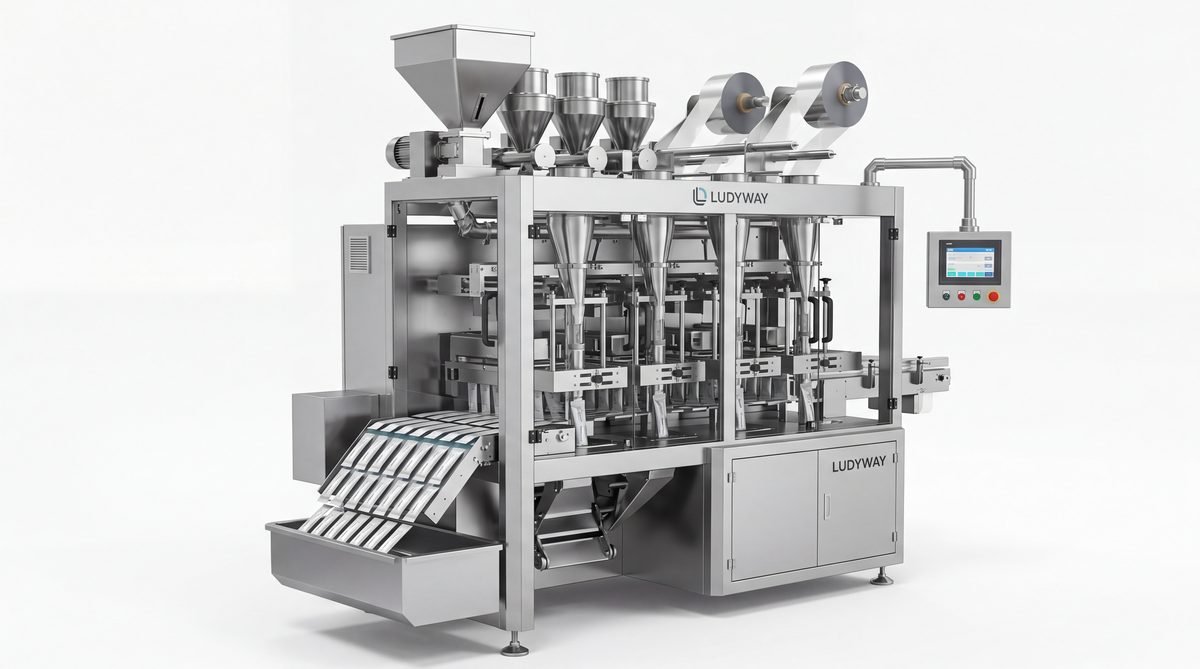
Ludyway is one of the largest packaging machine manufacturers in China, specializing in advanced packaging equipment and turnkey production solutions for the food, pharmaceutical, and health industries. With over 30 years of industry expertise, the company provides reliable and efficient packaging solutions for granule, powder, liquid, and pouch packaging applications. Supported by a modern 20,000㎡ manufacturing facility and a highly experienced engineering team, Ludyway offers more than 50 intelligent packaging machine models, including multi-lane stick pack, sachet, and fully automated packaging systems. Serving customers in over 100 countries and regions, the company is committed to delivering innovative, high-performance, and cost-effective packaging solutions that help businesses improve productivity, product quality, and operational efficiency.

Industry Resources and Further Reading
For manufacturers evaluating dry food packaging investments, the following authoritative resources provide valuable context on industry trends, regulatory requirements, and technology standards:
- PMMI – The Association for Packaging and Processing Technologies – Comprehensive packaging market intelligence and industry reports
- FDA – Food Packaging and Food Contact Substances – Regulatory guidance for food-safe packaging materials
- Flexible Packaging Association – Resources on flexible packaging trends, sustainability, and innovation
- ISO – Packaging Standards – International standards for packaging machinery and systems
- Ludyway Packaging Machinery Global Growth Trend – Independent analysis of market expansion and export milestones