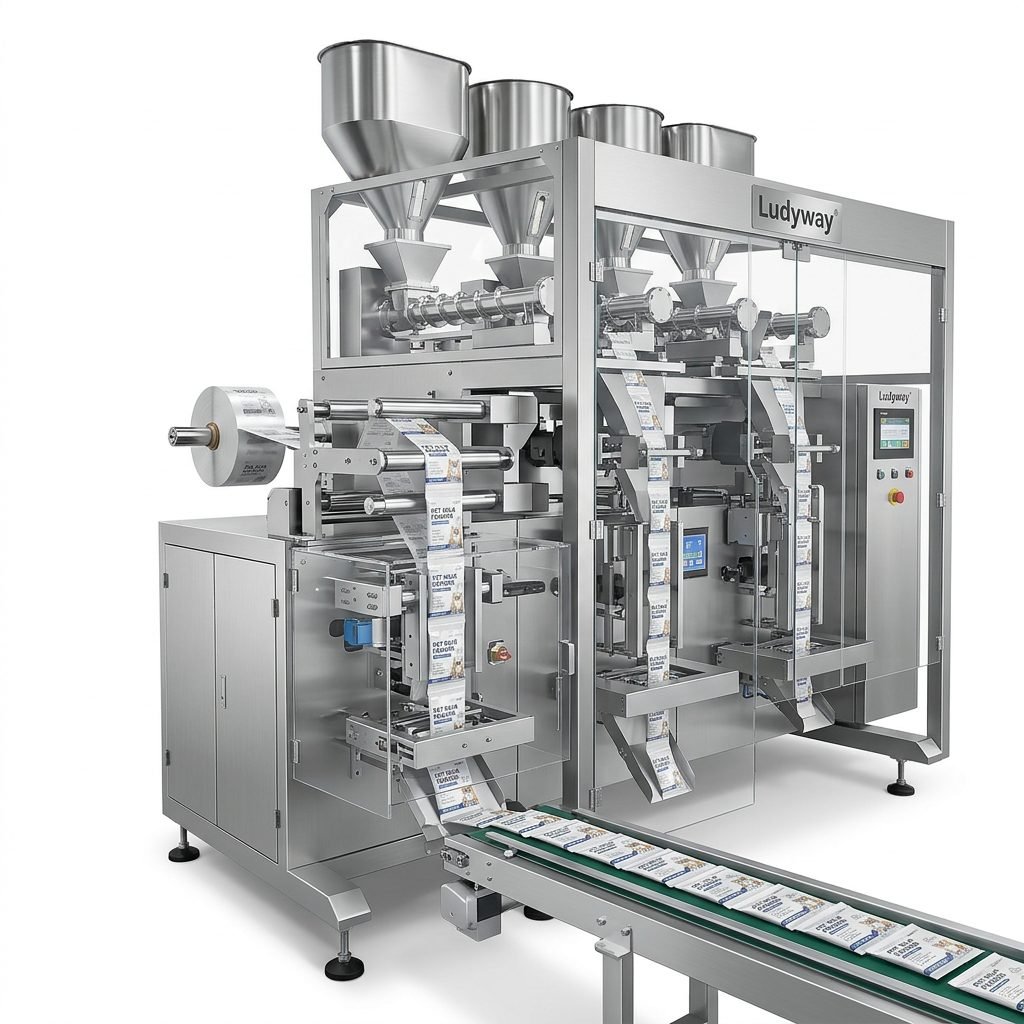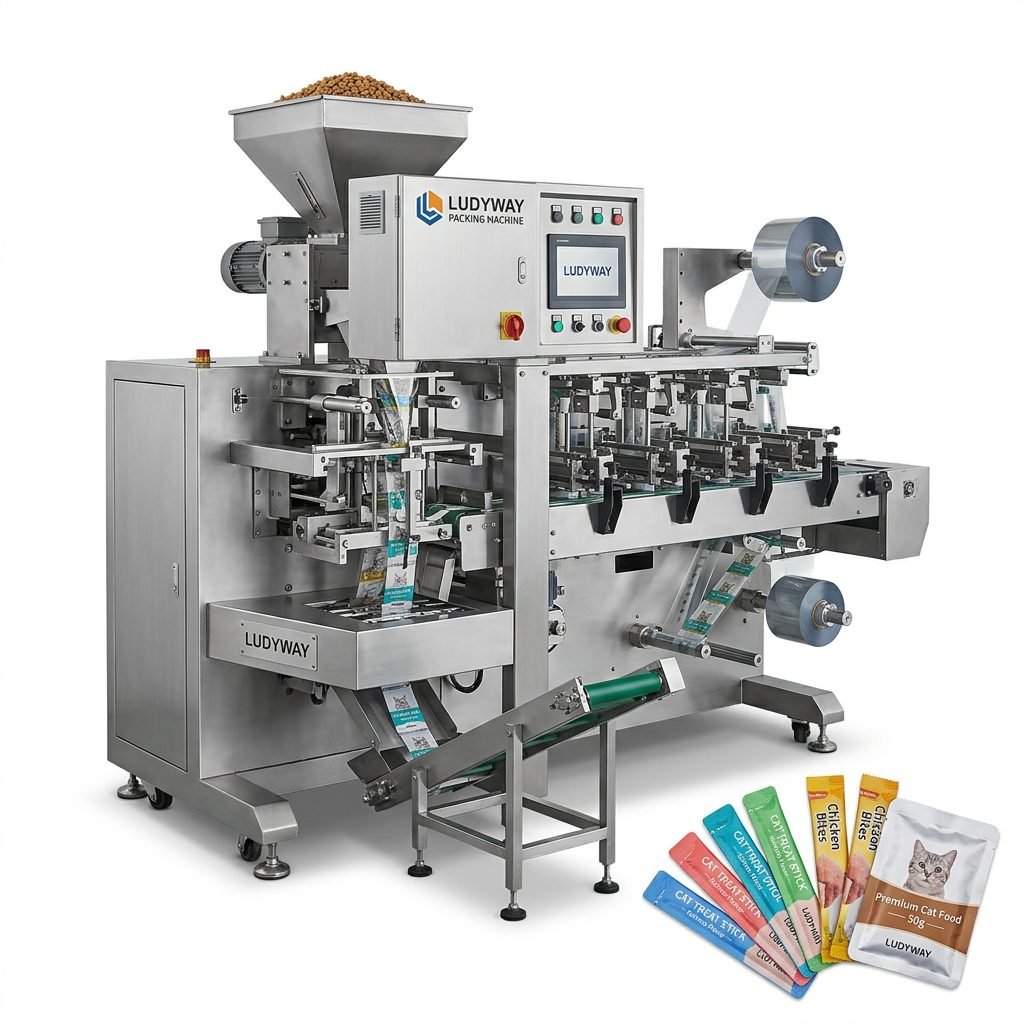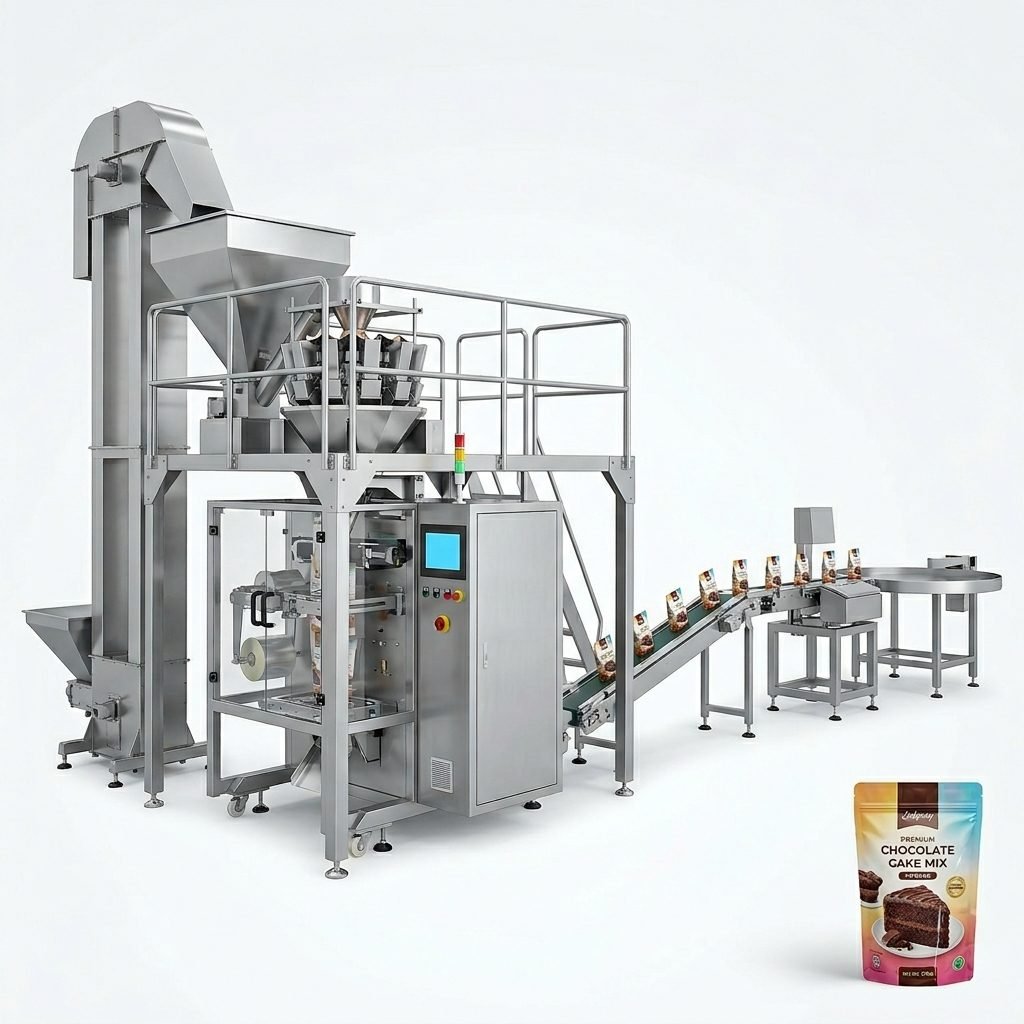
The African consumer packaged goods market is experiencing unprecedented growth, with the biscuit and cookie segment projected to expand at a compound annual growth rate exceeding 8% through 2030. Rising urbanization, a growing middle class, and shifting dietary habits are driving demand for packaged baked goods across the continent. For manufacturers looking to capitalize on this opportunity, setting up a cookie packaging machine production line requires careful planning, the right equipment selection, and an understanding of local operating conditions.
Understanding the African Cookie Market Landscape
Before investing in packaging machinery, it is essential to understand regional consumption patterns. Countries such as Nigeria, Kenya, South Africa, Ghana, and Ethiopia represent the largest markets for packaged biscuits. Consumers in these regions increasingly prefer single-serve sachets and multi-pack formats due to affordability and convenience. This trend directly influences the type of packaging equipment required for successful market entry.
Key Steps to Set Up a Cookie Packaging Production Line
1. Site Assessment and Facility Preparation
The first step involves evaluating the production environment. Temperature control, humidity management, and dust prevention are critical factors in African climates. Packaging machinery performs optimally when installed in clean, climate-controlled environments. Ensure the facility has adequate power supply with proper voltage stabilization, as power fluctuations are common in many African regions.
2. Selecting the Right Packaging Machine Type
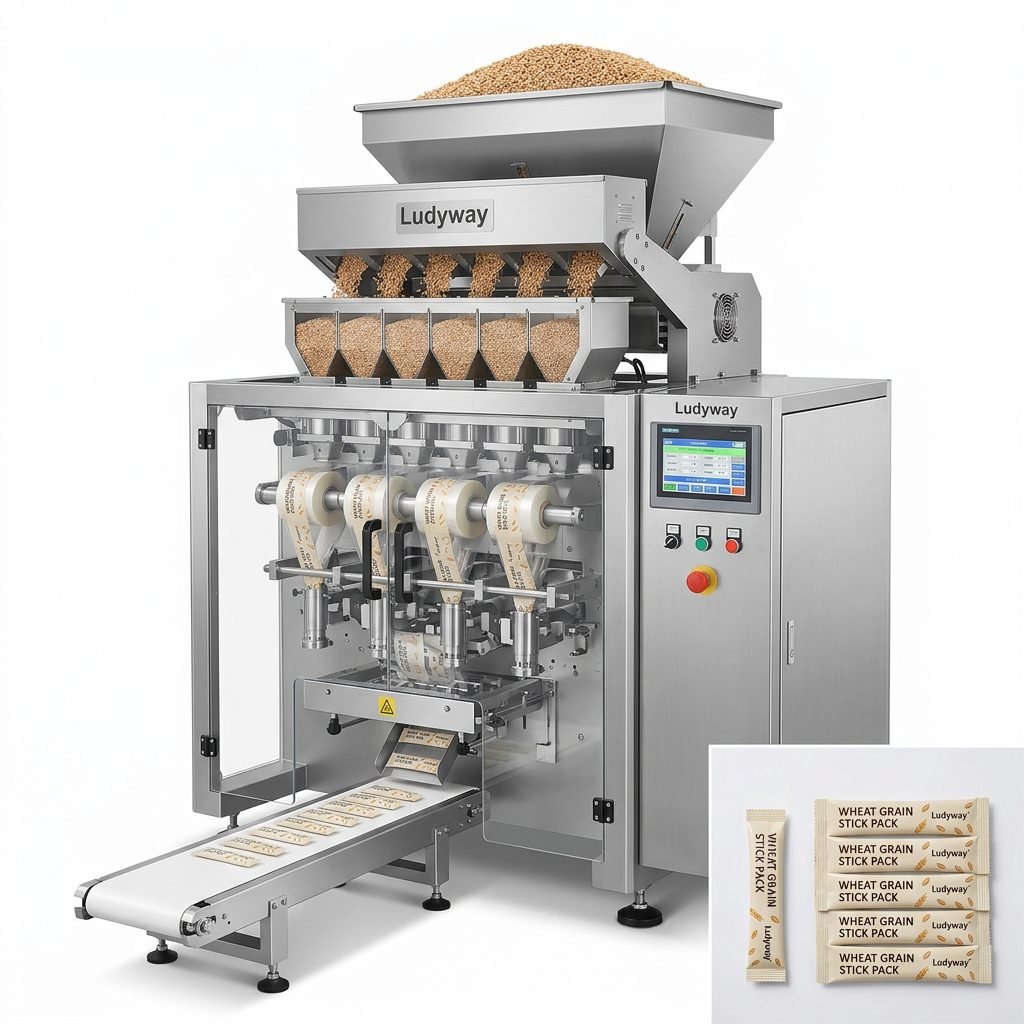
Choosing the appropriate machine depends on the cookie product characteristics and target packaging format. The most common configurations for cookie packaging include:
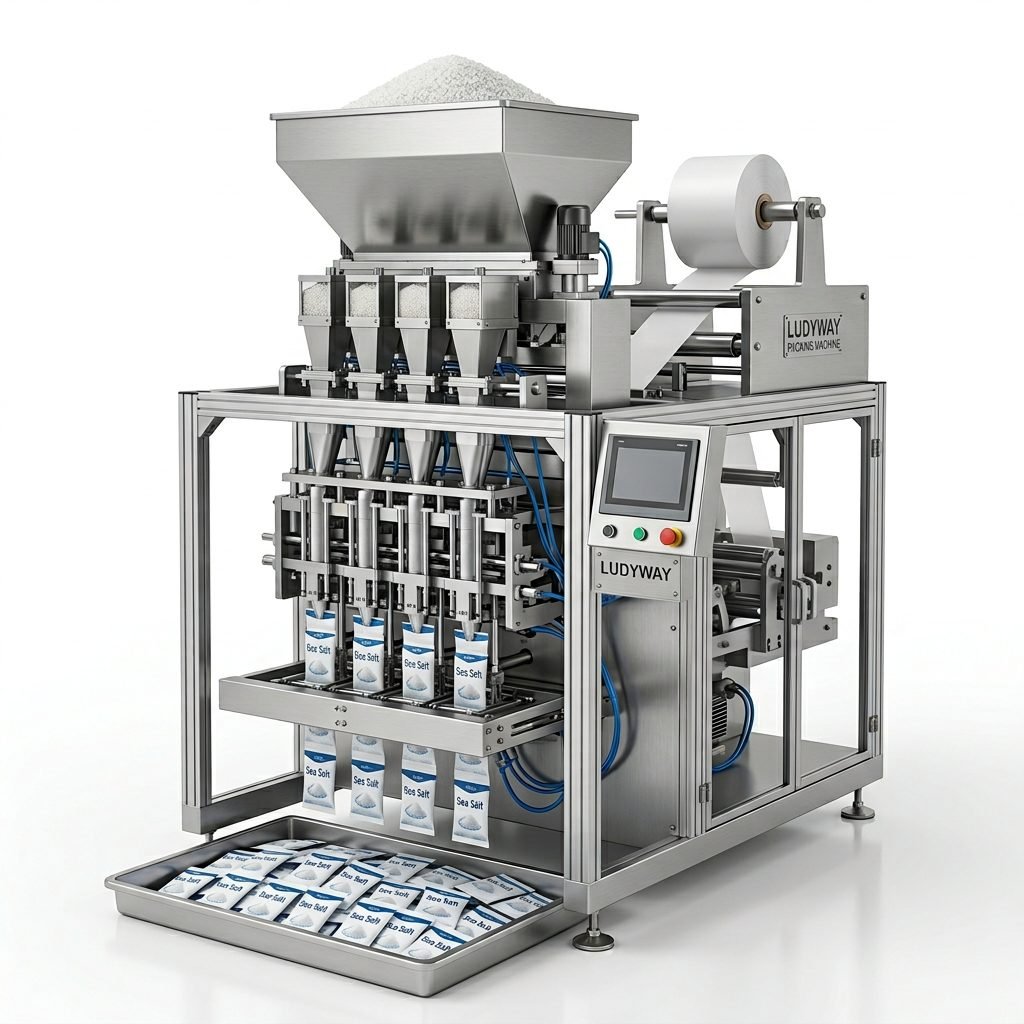
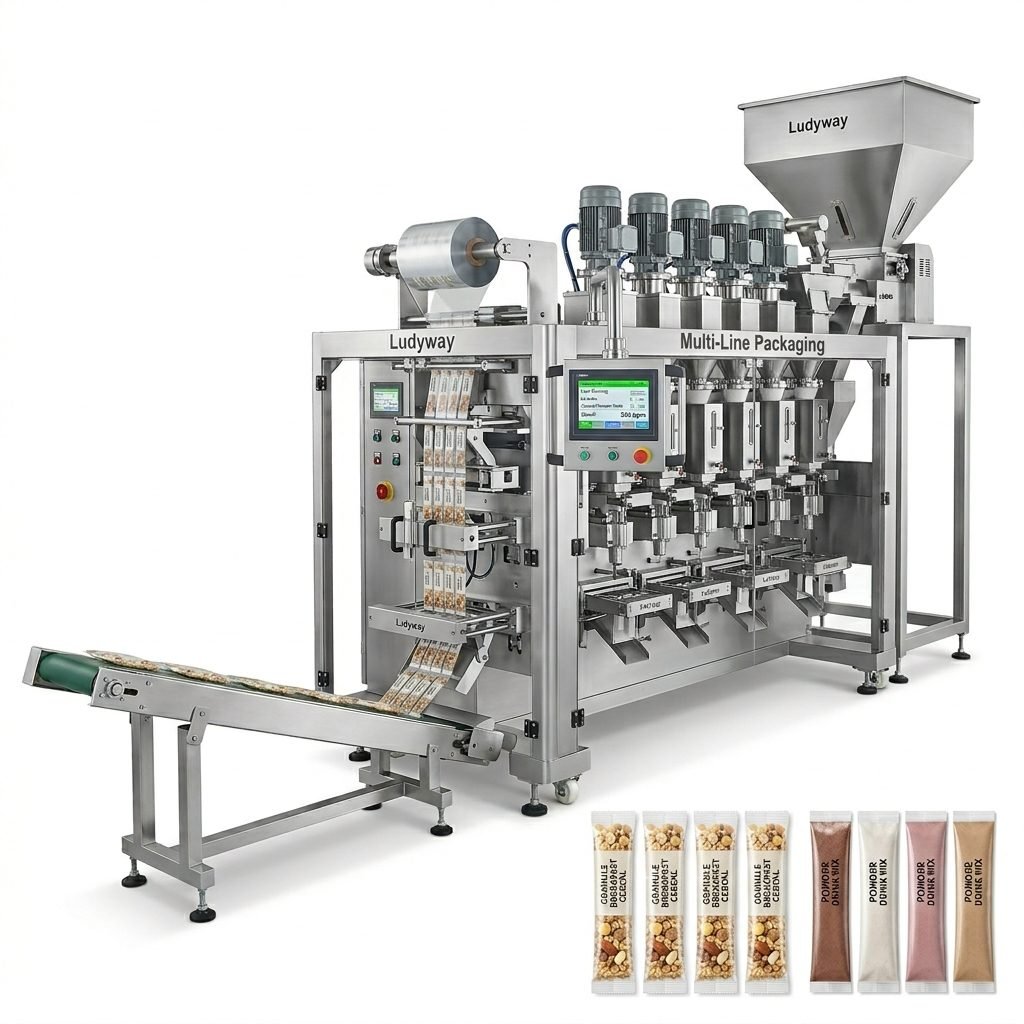
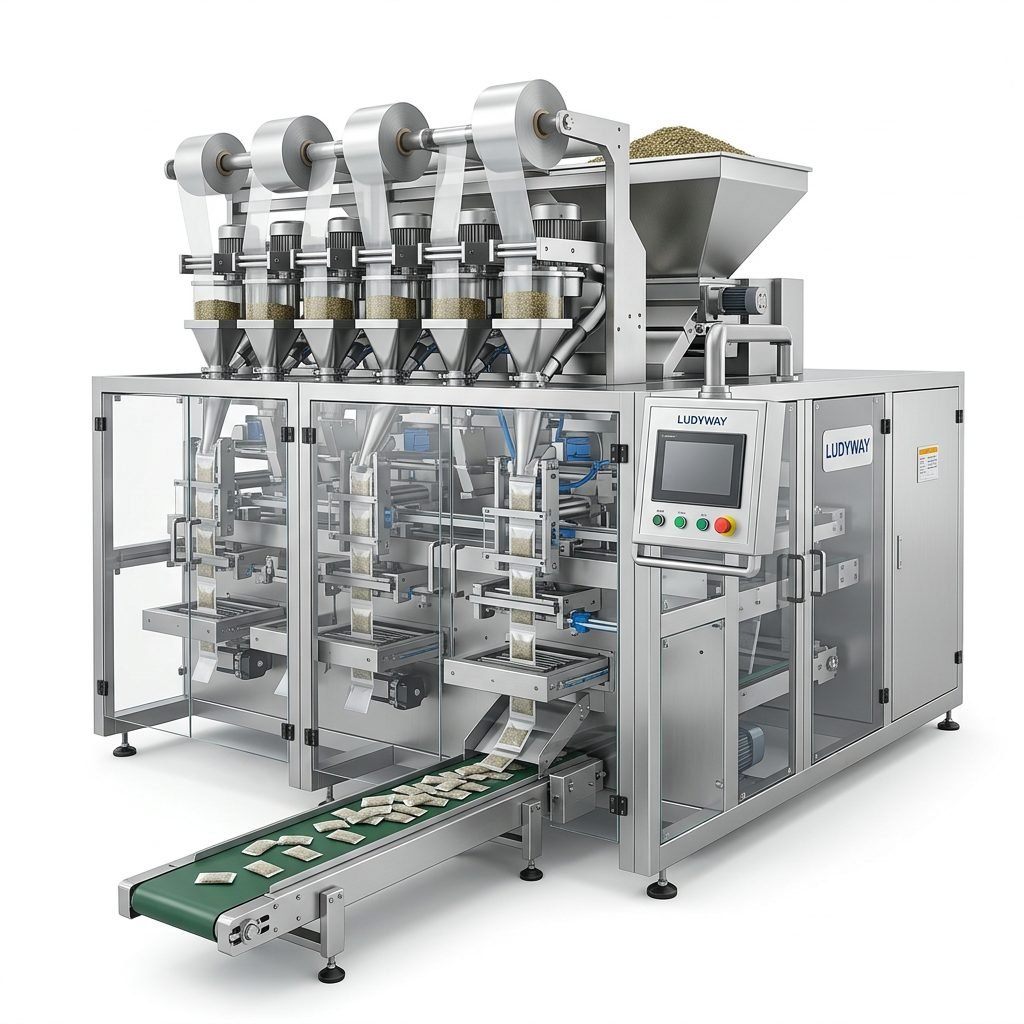
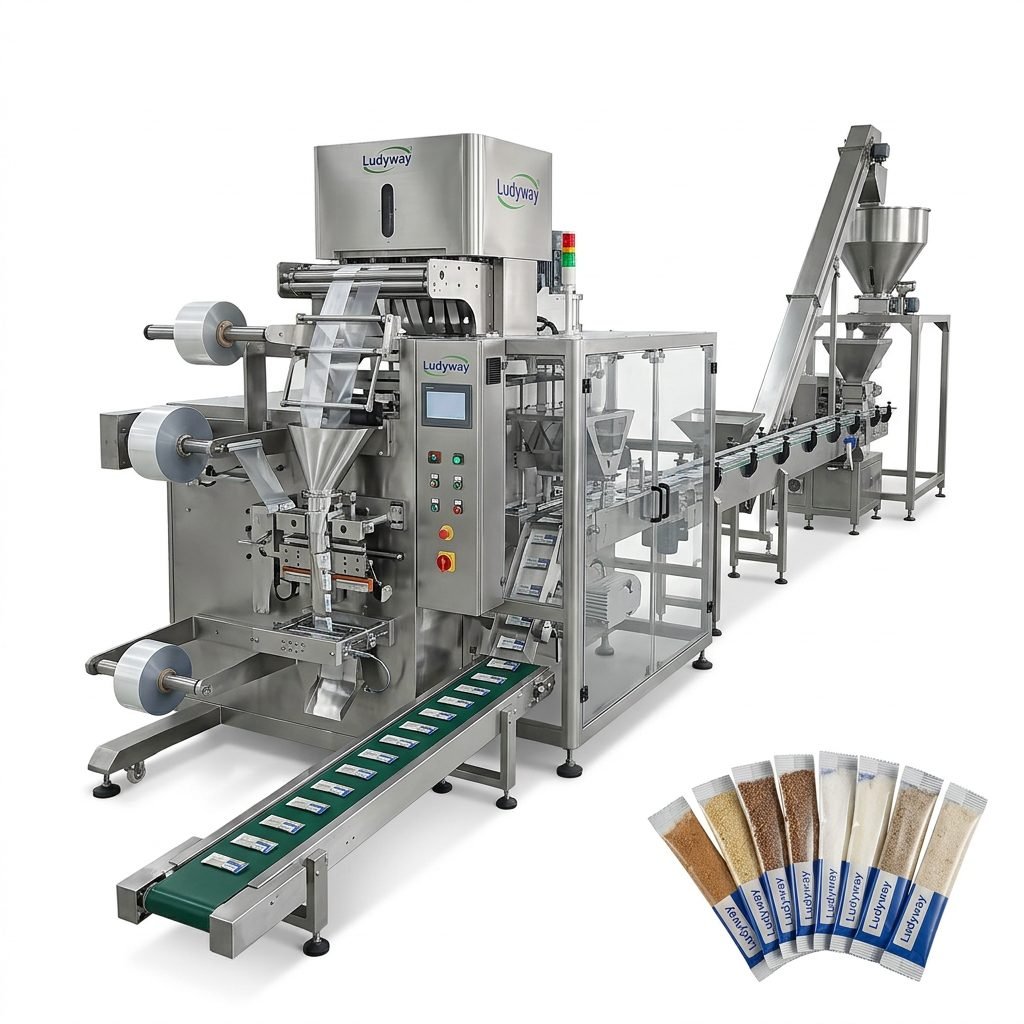
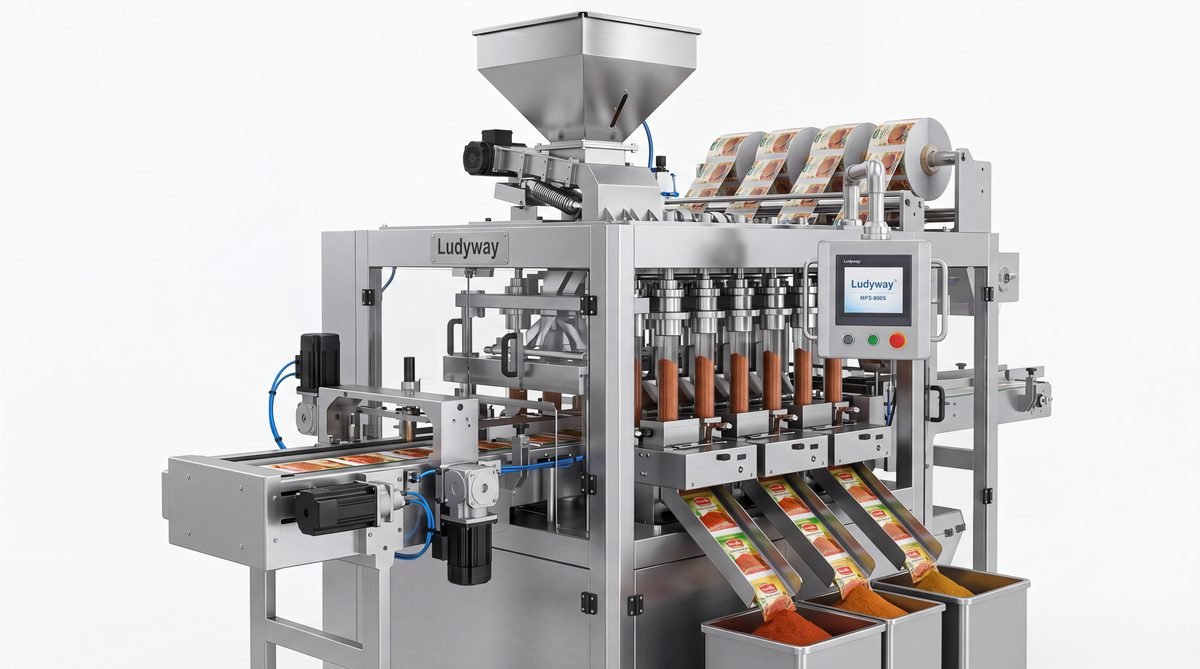
- Multi-lane stick pack machines for single-serve cookie portions
- Flow wrapping machines for individually wrapped biscuits
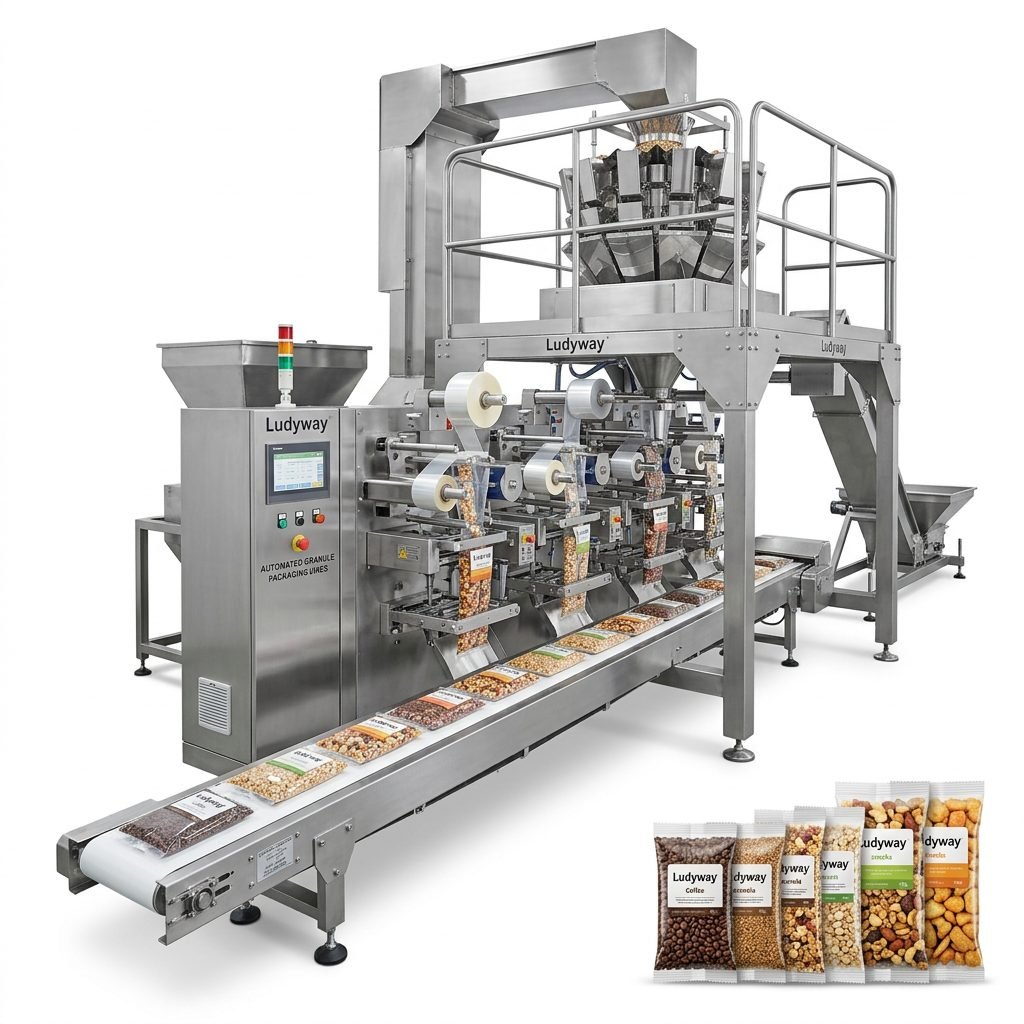
- Vertical form fill seal (VFFS) systems for bulk family packs
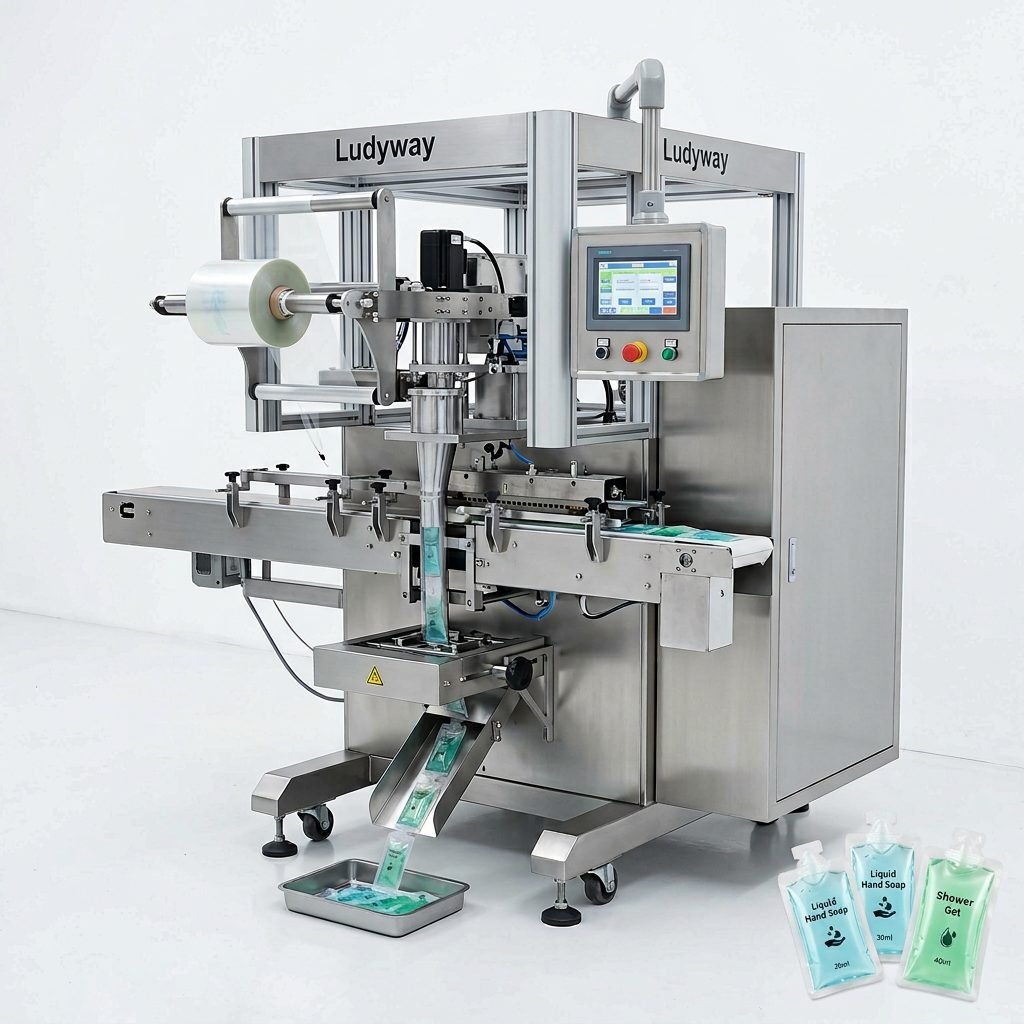
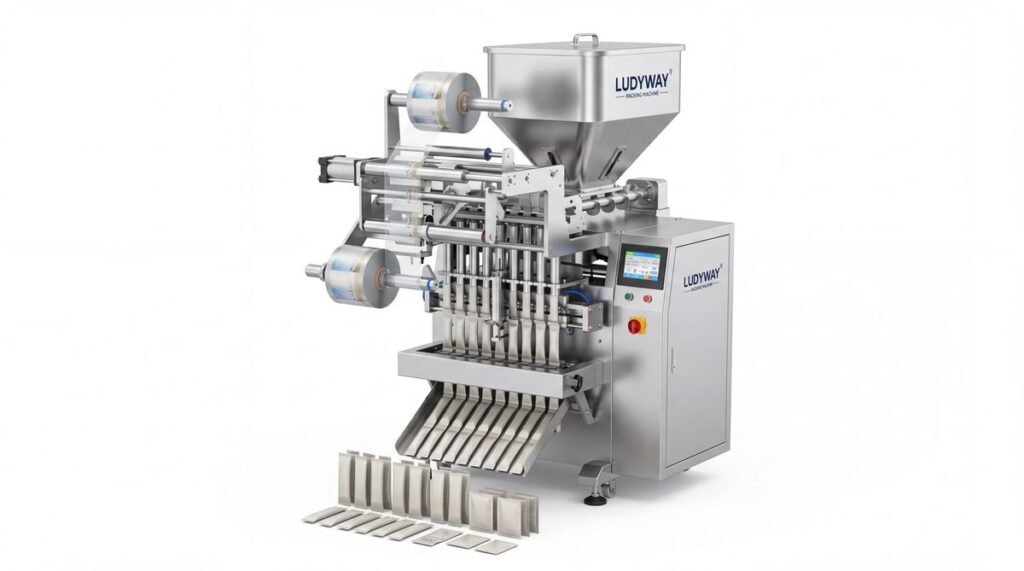
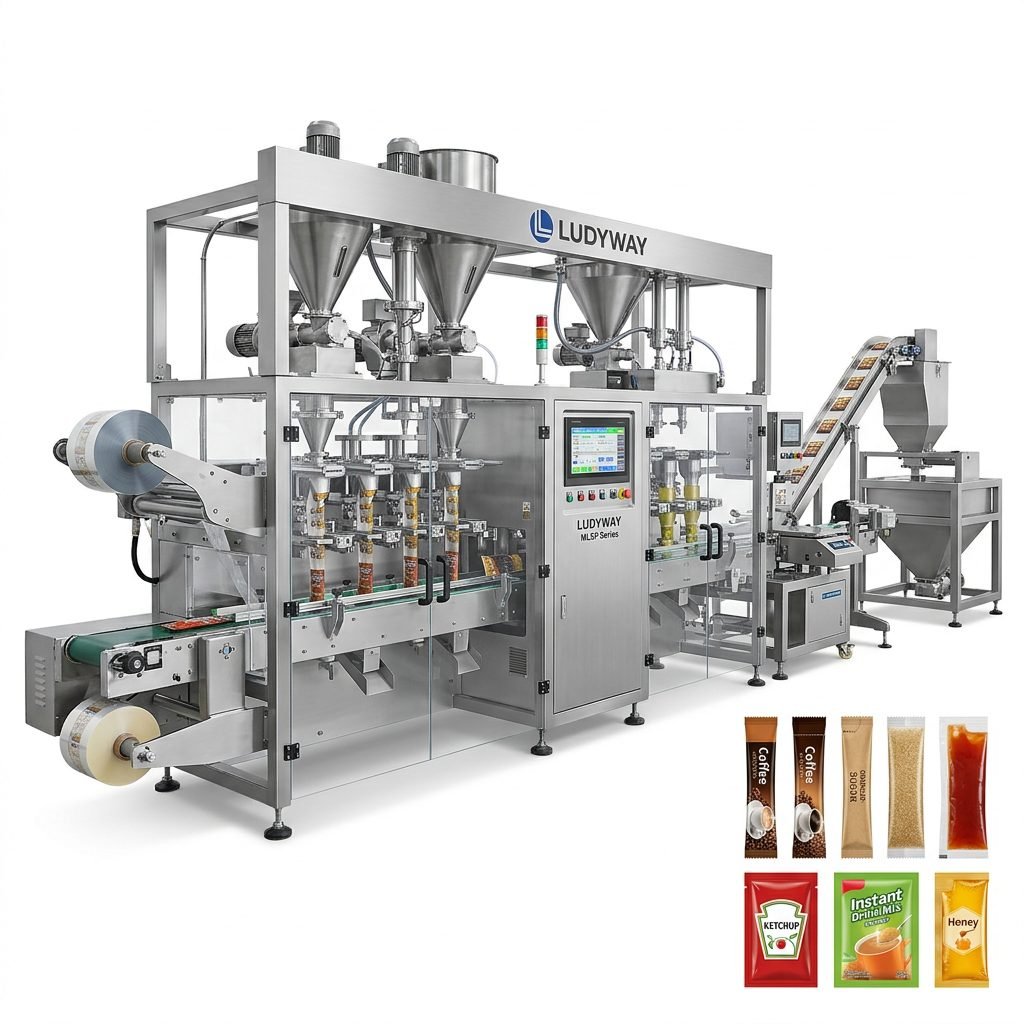
- Sachet packaging machines for small, affordable single-use packs
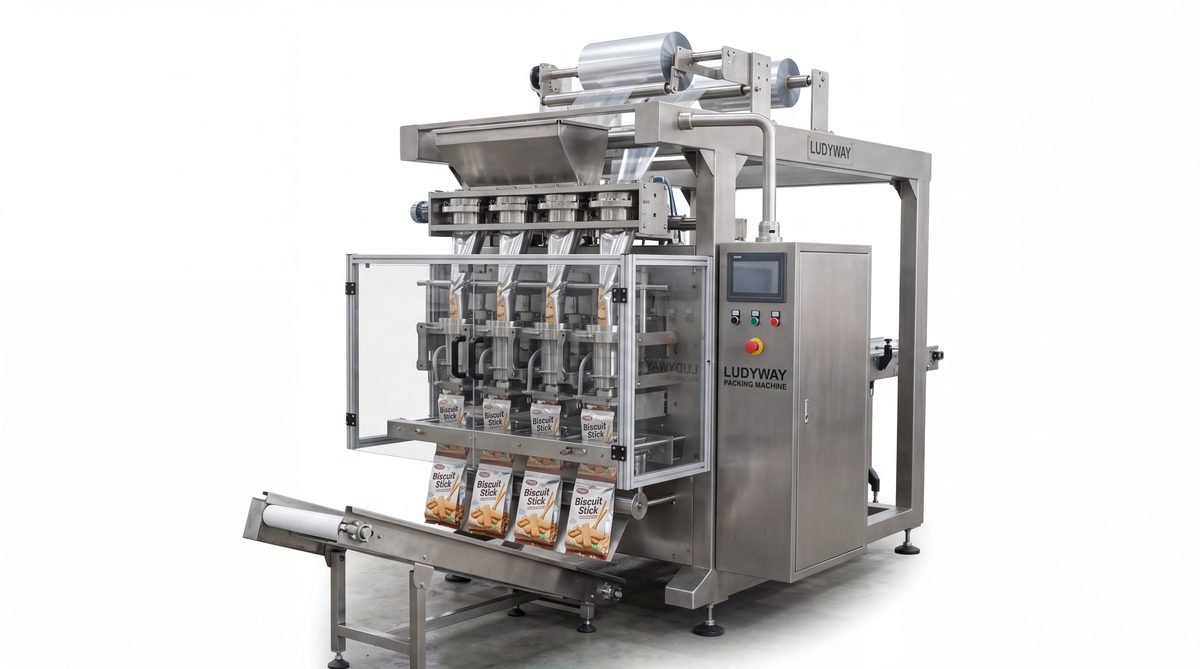
3. Packaging Material Compatibility
Cookie products require packaging materials that provide moisture barrier protection, grease resistance, and adequate shelf-life extension. Common materials include metallized BOPP, laminated PET/PE structures, and aluminum foil composites. When setting up a line in Africa, consider sourcing flexible packaging materials from regional suppliers to reduce lead times and logistics costs.
4. Ancillary Equipment Integration
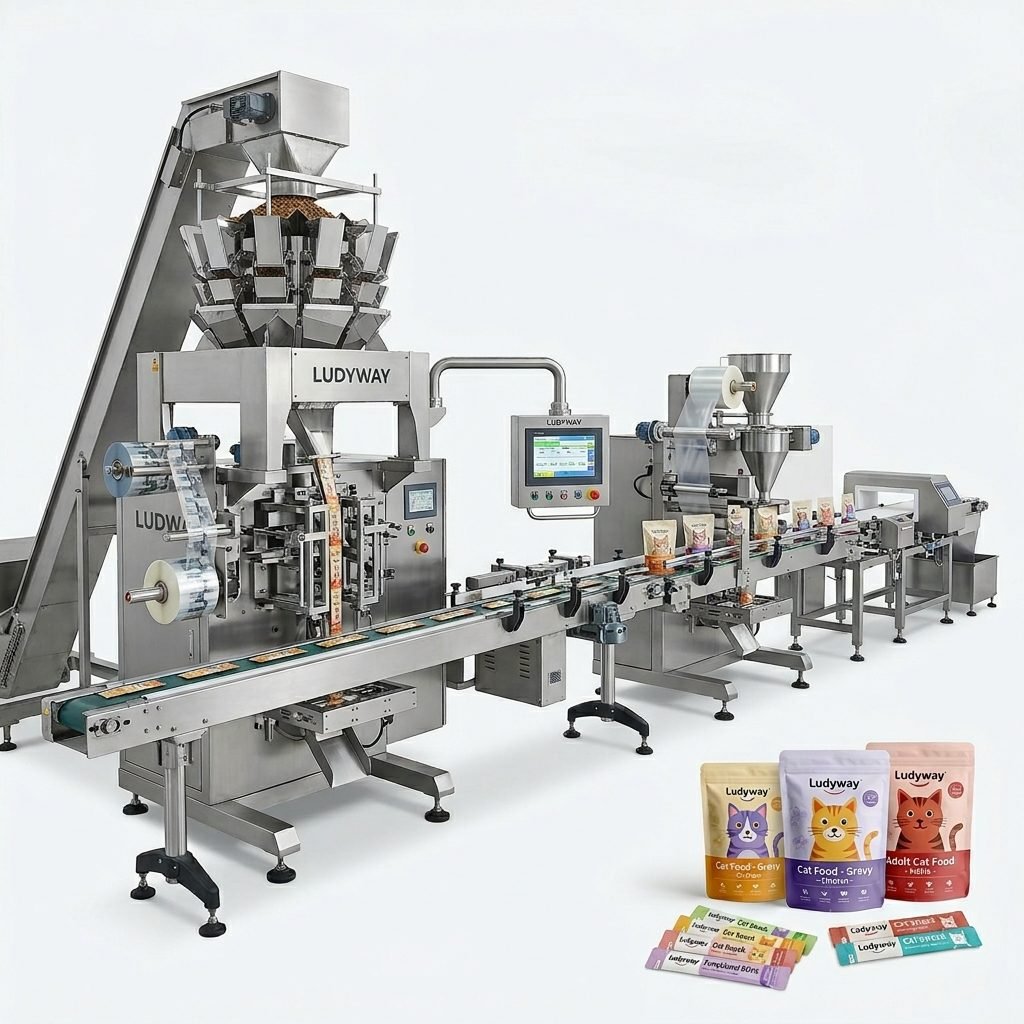
A complete cookie packaging line requires more than just the primary packaging machine. Essential supporting equipment includes:
- Inclined conveyor feeding systems
- Multi-head weighers for precise portioning
- Metal detectors and checkweighers for quality assurance
- Automatic cartoning machines for secondary packaging
- Case sealers and palletizing systems for end-of-line operations
| Packaging Format | Recommended Machine Type | Typical Output Range |
|---|---|---|
| Single-serve stick pack | Multi-lane stick pack machine | 200-800 packs/min |
| Individual flow wrap | Horizontal flow wrapper | 100-400 packs/min |
| Family bulk pack | Vertical form fill seal machine | 30-80 bags/min |
| Small sachet pack | Multi-lane sachet machine | 300-1200 sachets/min |
Installation and Commissioning in African Markets
Proper installation is critical to long-term production reliability. On-site technical support during installation and commissioning significantly reduces startup delays. Key considerations include proper machine leveling, electrical connection verification, pneumatic system setup, and comprehensive operator training. Manufacturers should plan for a commissioning period of two to four weeks depending on line complexity.
Operator Training and Skill Development
One of the most overlooked aspects of setting up a packaging line in Africa is operator training. Investing in comprehensive training programs ensures that local teams can operate, clean, and perform basic maintenance on the equipment. Video-based training materials, multilingual manuals, and hands-on workshops are effective approaches for building operational competence.
Maintenance and Spare Parts Strategy
Establishing a reliable spare parts inventory and maintenance schedule is essential for minimizing downtime. Critical spare parts such as sealing jaws, cutting blades, heating elements, and sensors should be stocked locally. Partnering with a supplier that offers remote diagnostic support can further reduce response times when technical issues arise.
Regulatory Compliance and Quality Standards
Food packaging operations in Africa must comply with both local and international standards. Depending on the target market, manufacturers may need to meet ISO packaging standards, local food safety regulations, and labeling requirements. Proper documentation of packaging processes supports regulatory audits and builds consumer trust.
Cost Considerations and ROI Projections
Setting up a cookie packaging line involves several cost components. Understanding these helps in accurate budgeting and ROI calculation:
- Equipment procurement: The largest upfront investment, varying by automation level and capacity
- Shipping and logistics: Import duties, freight, and inland transportation in Africa
- Installation and commissioning: Technical support, facility modifications, and utility connections
- Training and documentation: Operator manuals, training programs, and standard operating procedures
- Ongoing consumables: Packaging film, spare parts, and maintenance supplies
Most manufacturers achieve full return on investment within 18 to 36 months, depending on production volume and market pricing strategies.
Choosing the Right Equipment Partner
Selecting a packaging machinery partner with international project experience is vital for success in African markets. Look for suppliers that offer turnkey solutions including equipment, installation support, training, and after-sales service. Ludyway, with over 30 years of industry expertise and a modern 20,000㎡ manufacturing facility, provides advanced cookie packaging machine solutions tailored for diverse production requirements across more than 100 countries. A supplier that understands local infrastructure challenges and can provide remote technical support adds significant value to the investment.
Common Challenges and Solutions
Power Supply Instability
Many African manufacturing locations experience voltage fluctuations and power interruptions. Installing voltage stabilizers and backup generators protects sensitive packaging equipment from electrical damage and prevents production losses.
Supply Chain Logistics
Importing packaging machinery and consumables requires navigating customs procedures, port handling, and inland transportation. Working with an experienced logistics partner and maintaining adequate inventory levels helps mitigate supply chain risks.
Climate and Environmental Factors
High ambient temperatures and humidity levels in tropical African regions can affect both packaging material performance and machine operation. Climate-controlled storage and production areas are recommended for consistent packaging quality.
| Challenge | Impact | Recommended Solution |
|---|---|---|
| Power fluctuations | Machine downtime, component damage | Voltage stabilizer + backup generator |
| High humidity | Film sealing issues, product spoilage | Climate-controlled production area |
| Spare parts availability | Extended downtime | Local parts inventory + supplier partnership |
| Operator skill gaps | Reduced efficiency, quality issues | Comprehensive training + multilingual support |

Future-Proofing Your Packaging Line
As the African cookie market continues to evolve, flexibility in packaging formats will be a competitive advantage. Consider equipment that supports multiple bag sizes and packaging styles with quick changeover capabilities. Modular packaging systems allow manufacturers to add capacity or new packaging formats as market demand grows, protecting the initial investment and enabling long-term business scalability.
Setting up a cookie packaging machine production line in Africa represents a significant growth opportunity for food manufacturers. By carefully evaluating equipment options, planning for local operating conditions, and partnering with an experienced machinery supplier, companies can build a reliable, efficient, and profitable packaging operation that serves the continent’s expanding consumer base.