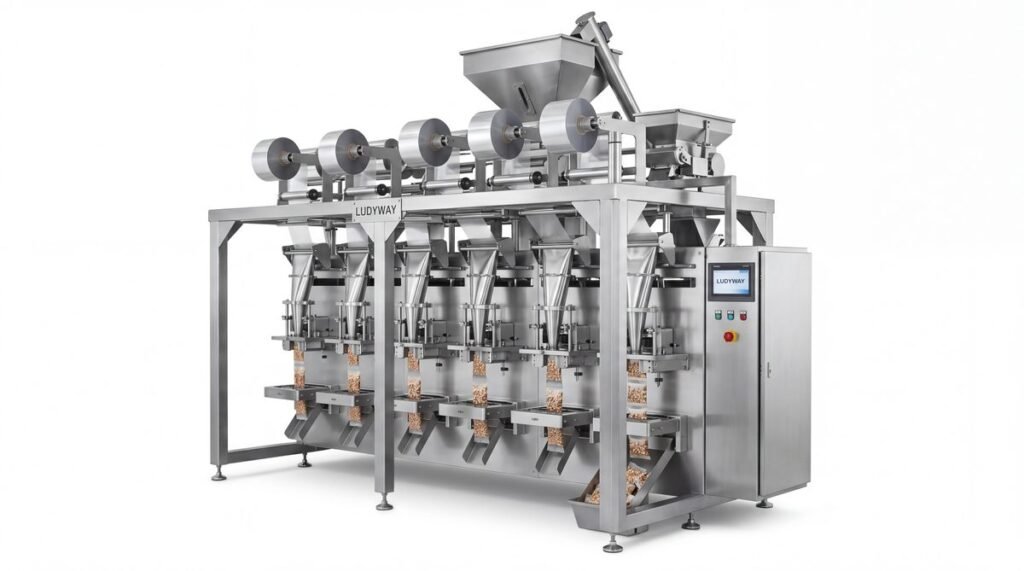
Investing in the right grain packaging machine is a critical decision for food manufacturers, agricultural processors, and bulk commodity exporters. Whether you are packaging rice, wheat, maize, oats, or specialty grains, the efficiency, accuracy, and reliability of your packaging line directly impact product quality, shelf life, and overall operational costs. With the global packaging machinery market projected to grow steadily through 2026 and beyond, understanding how to evaluate equipment and source from reliable international suppliers is essential for staying competitive.
Understanding Grain Packaging Machine Types
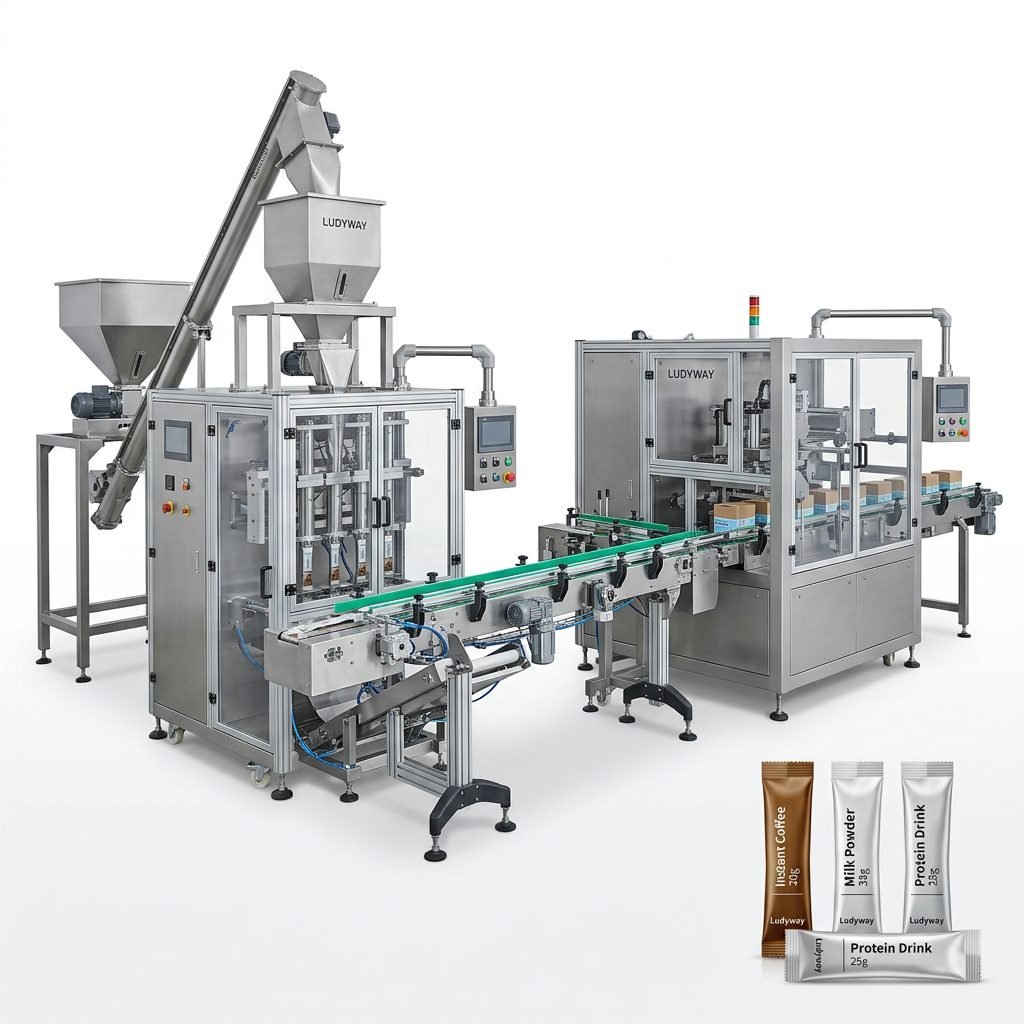
Before starting your sourcing journey, it is important to understand the different types of grain packaging equipment available on the market. Each type serves specific production needs, grain characteristics, and output requirements.
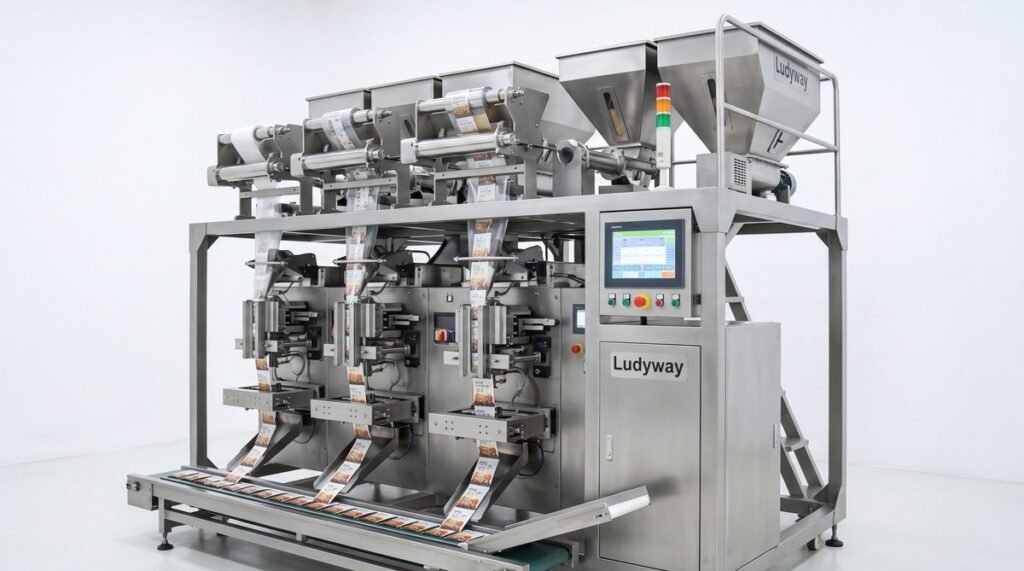
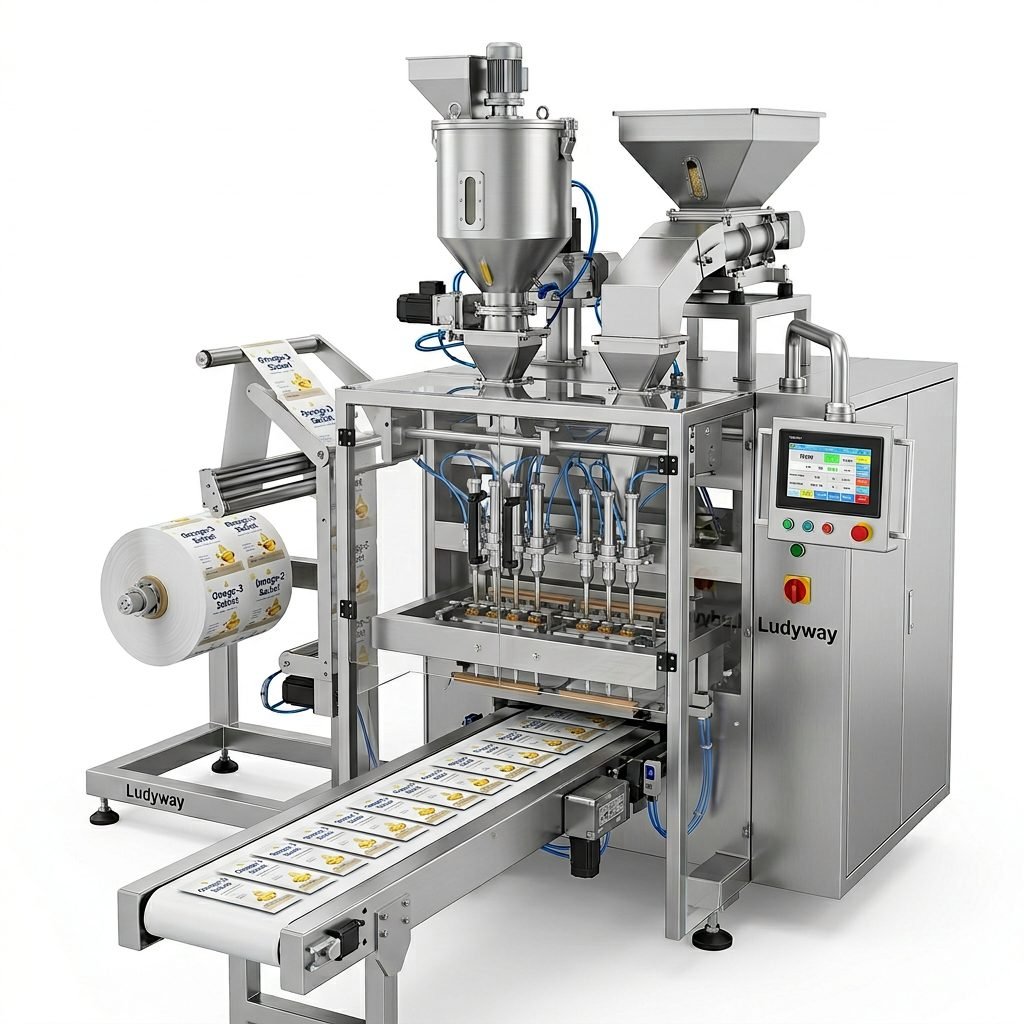
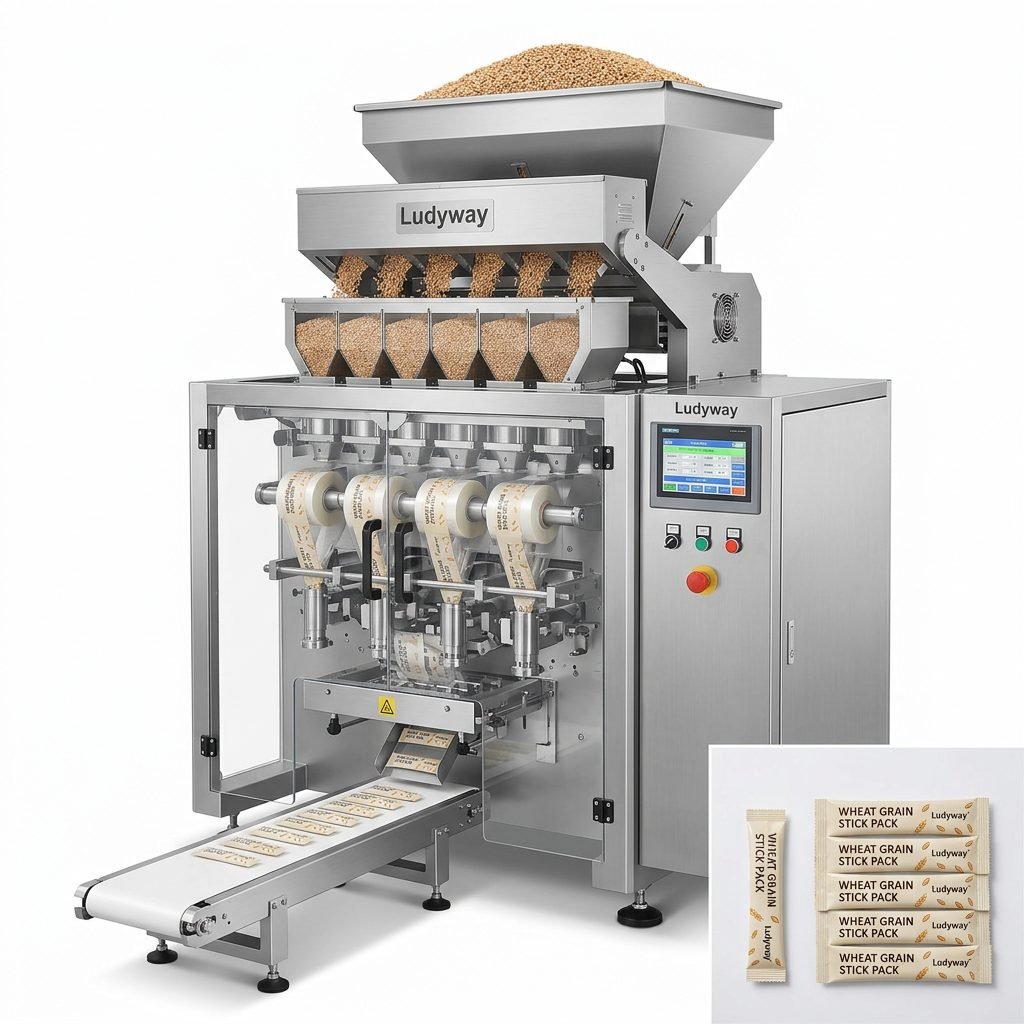
Multi-Lane Stick Pack Machines
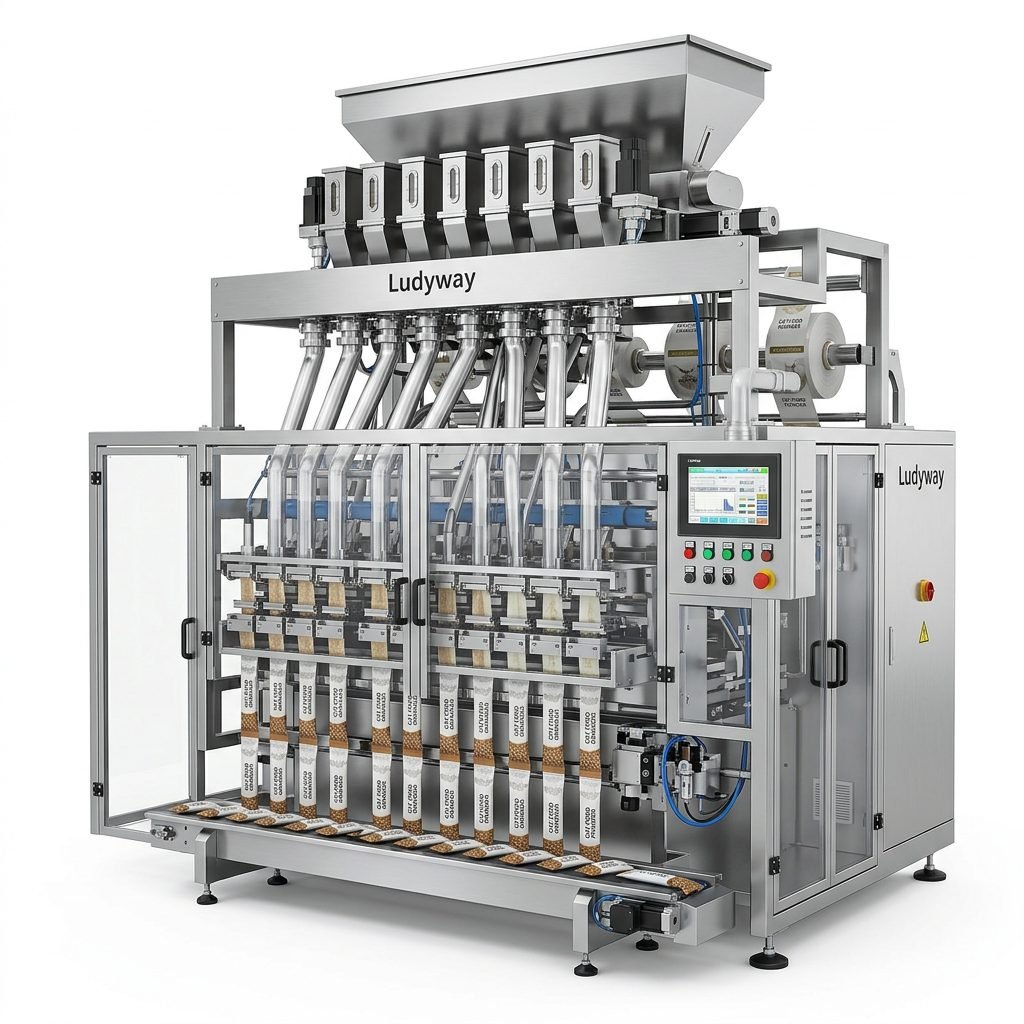
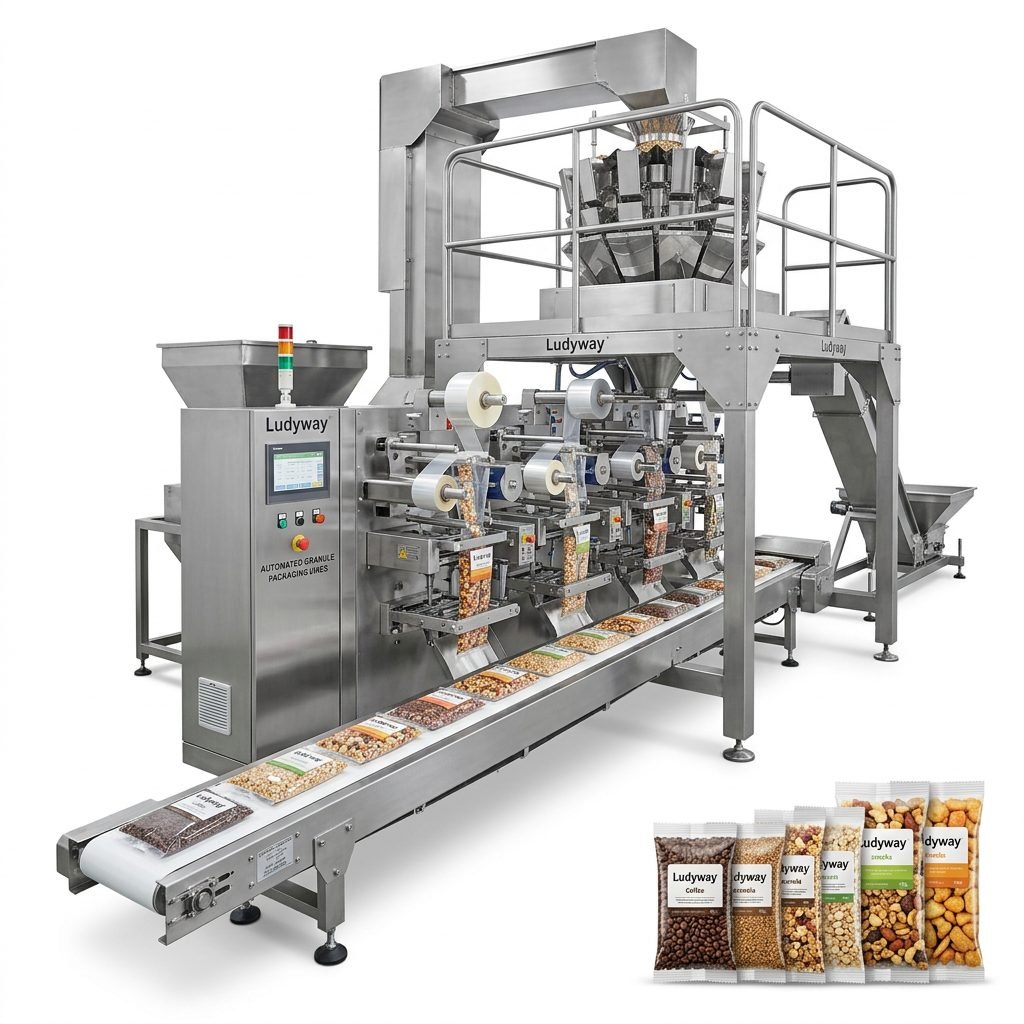
These machines are ideal for single-serve and portion-controlled grain products. Multi-lane stick pack machines can run 4 to 20 lanes simultaneously, achieving high output rates suitable for instant oatmeal, cereal portions, and specialty grain snacks. They offer precise filling accuracy and can handle various bag lengths and widths.
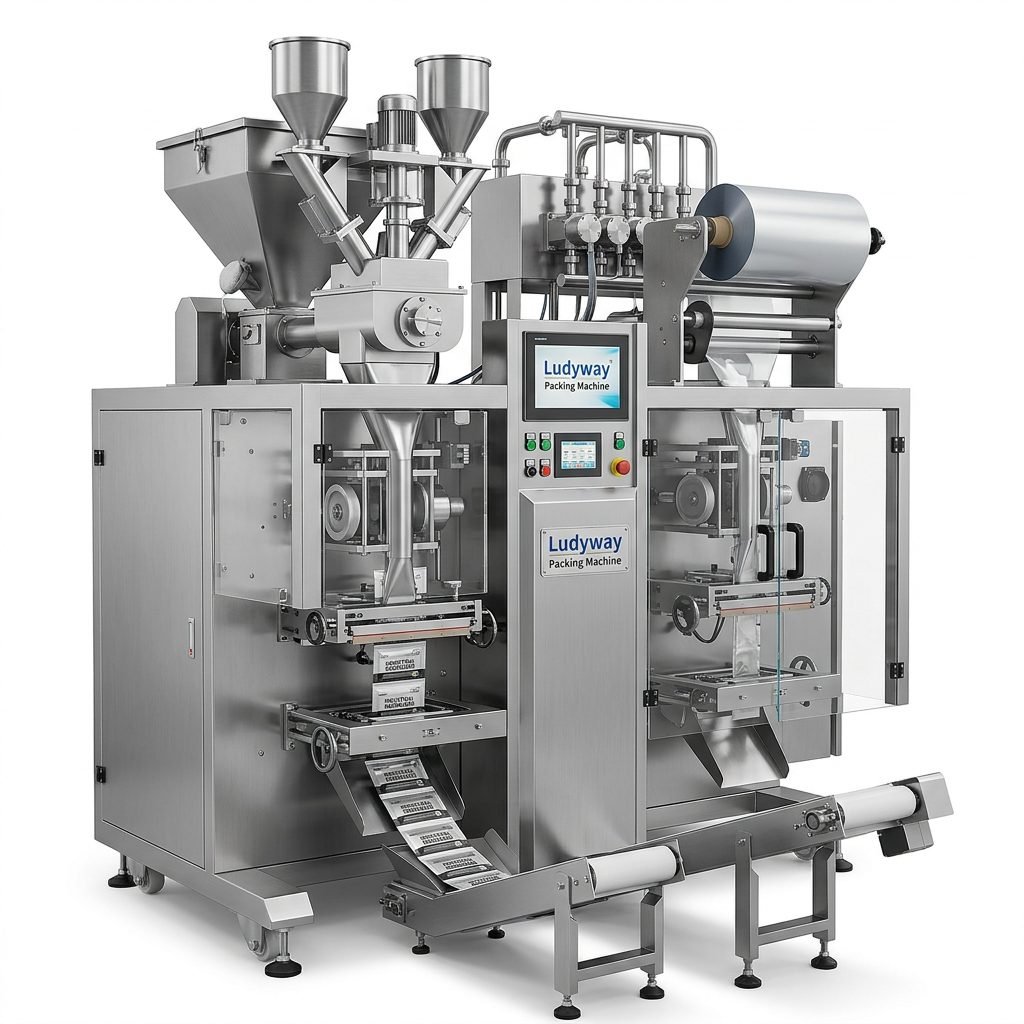
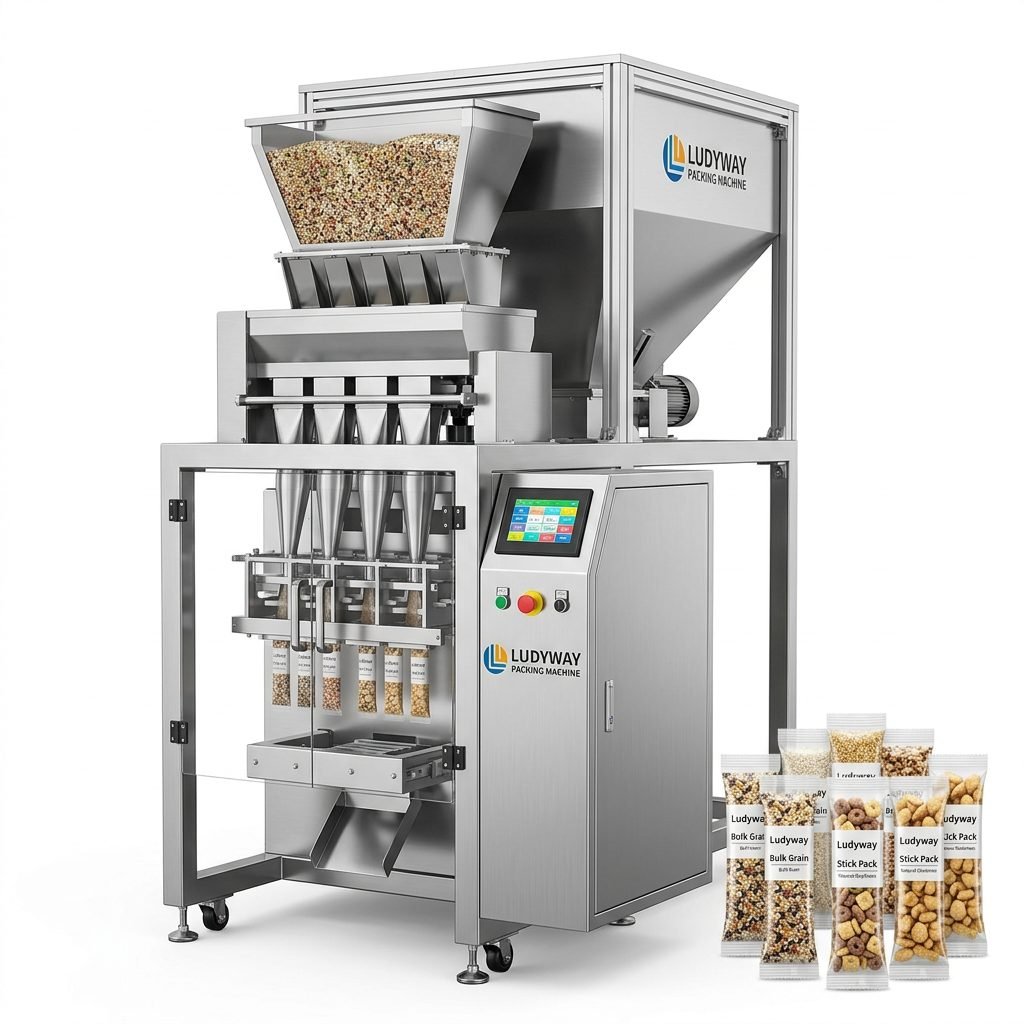
Vertical Form Fill Seal (VFFS) Systems
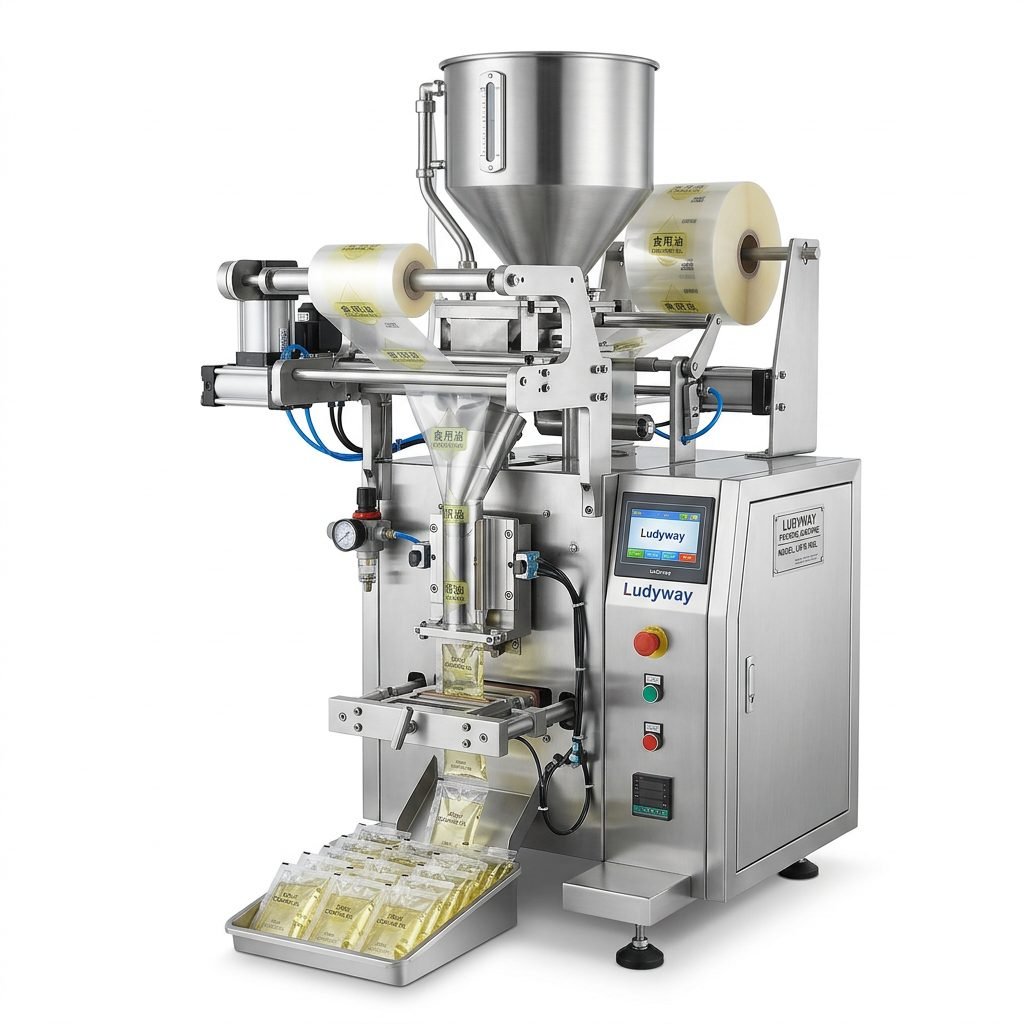
VFFS machines remain the industry standard for bulk grain packaging, producing pillow bags, gusseted bags, and block-bottom bags. These systems can fill weights ranging from a few grams to several kilograms, making them versatile for different market segments. Modern VFFS machines incorporate multi-head weighers for exceptional accuracy.
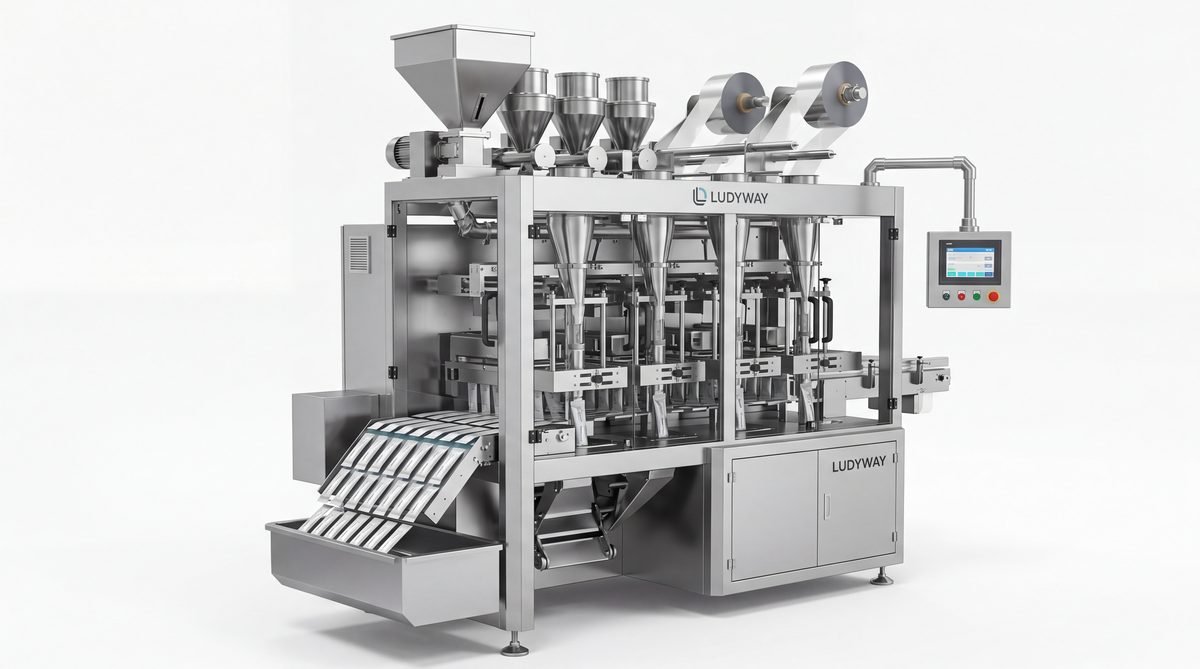
Premade Pouch Packaging Machines
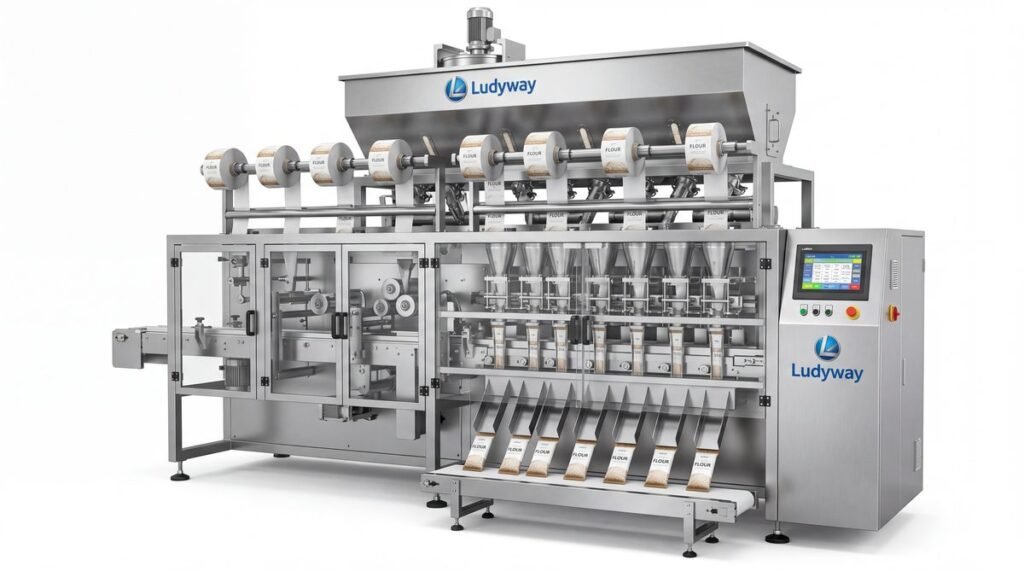
For manufacturers targeting premium retail markets, premade pouch packaging systems offer superior shelf appeal. Rotary and inline models can fill zipper pouches, stand-up pouches, and quad-seal bags at competitive speeds while maintaining excellent seal integrity.
Key Factors to Evaluate When Buying a Grain Packaging Machine
Selecting the right grain packaging machine requires careful evaluation of several technical and operational factors. Below are the most critical considerations for procurement professionals and production managers.
1. Grain Characteristics and Flowability
Different grains exhibit distinct flow properties. Rice flows differently than oats, and quinoa behaves differently than wheat flour. Your chosen machine must be compatible with the bulk density, particle size, and moisture content of your specific grain products. Testing with actual product samples is highly recommended before finalizing any purchase.
2. Production Capacity and Speed Requirements
Determine your target output in bags per minute or tons per hour. Multi-lane systems can deliver 40-80 stick packs per minute per lane, while single-lane VFFS machines typically operate at 30-60 bags per minute. Factor in future growth projections to avoid outgrowing your equipment too quickly.
3. Bag Format and Material Compatibility
Consider whether you need pillow bags, gusseted bags, block-bottom bags, or stick packs. The packaging material — whether laminated films, paper-based materials, or biodegradable options — must be compatible with your machine’s sealing system. Heat seal, ultrasonic seal, and cold seal technologies each have specific material requirements.
- Pillow bags: Cost-effective for bulk and economy segments
- Gusseted bags: Enhanced shelf presence with side gussets
- Block-bottom bags: Premium flat-bottom presentation
- Stick packs: Ideal for single-serve and on-the-go formats
- Quad-seal bags: Maximum product protection and rigidity
Global Sourcing Tips for Grain Packaging Equipment
Sourcing packaging machinery from international markets — particularly from packaging machine manufacturers in Asia — can deliver significant cost advantages while maintaining high quality standards. However, navigating global procurement requires a strategic approach.
Research Manufacturer Capabilities Thoroughly
Evaluate potential suppliers based on their manufacturing scale, engineering expertise, and industry experience. Leading packaging machinery manufacturers typically operate large production facilities and employ dedicated R&D teams. According to industry data from PMMI’s Business Intelligence Library, the global packaging machinery sector continues to consolidate around technically advanced manufacturers with strong international service networks.
Verify Quality Certifications and Standards
Ensure your supplier adheres to recognized quality management standards. Look for ISO 9001 certification, CE marking for European markets, and compliance with FDA food packaging regulations for equipment destined for the U.S. market. Request documentation of quality control processes and testing procedures.
Assess After-Sales Support Infrastructure
One of the most overlooked aspects of international sourcing is after-sales technical support. Confirm that the manufacturer offers remote troubleshooting, spare parts availability, and preferably local service representatives in your region. Response time for technical issues can significantly impact your production uptime.
| Evaluation Criteria | What to Look For | Red Flags |
|---|---|---|
| Manufacturing Scale | 20,000+ sqm facility, dedicated assembly lines | Small workshop, outsourced production |
| Technical Team | In-house engineers, R&D department | No engineering staff, limited customization |
| Quality Certifications | ISO 9001, CE, UL, FDA compliance | No certifications or expired documents |
| Spare Parts Availability | Global logistics network, local stock | Long lead times, no parts inventory |
| Client References | Verifiable case studies, multiple markets | No references, limited geographic presence |
Request Sample Testing and Factory Audits
Before committing to a major equipment purchase, request sample packaging tests using your actual grain products. This validates the machine’s performance with your specific materials. Virtual or in-person factory audits provide additional assurance regarding manufacturing quality and operational professionalism. Many buyers also visit PACK EXPO International or similar trade shows to meet suppliers and see equipment demonstrations.
Cost Considerations and ROI Analysis
Understanding the total cost of ownership (TCO) is crucial for making an informed investment decision. The initial purchase price is only one component of the overall financial picture.
Initial Investment vs. Long-Term Value
While entry-level grain packaging machines may appear attractive on price alone, higher-quality equipment typically delivers lower maintenance costs, reduced downtime, and longer service life. Consider the following cost factors:
- Equipment price — Base machine cost including standard features
- Installation and commissioning — On-site setup, training, and calibration
- Operational costs — Energy consumption, labor requirements, and film waste rates
- Maintenance expenses — Routine service, wear parts replacement, and unexpected repairs
- Downtime costs — Lost production capacity during equipment failures
Comparing Regional Pricing
Equipment manufactured in China and other Asian production hubs often offers 30-50% cost savings compared to European or North American equivalents, while increasingly matching international quality standards. However, these savings must be weighed against logistics costs, import duties, and the strength of local technical support. Industry reports from PMMI’s State of the Industry 2025 highlight that packaging machinery imports from Asia continue to grow as quality perceptions improve and service networks expand.
Technology Trends Shaping Grain Packaging
The packaging machinery industry is evolving rapidly, with several technology trends influencing equipment design and purchasing decisions.
Automation and Smart Factory Integration
Modern grain packaging lines increasingly incorporate IoT sensors, remote monitoring, and predictive maintenance capabilities. These features enable real-time production tracking, quality data logging, and integration with enterprise resource planning (ERP) systems. The Flexible Packaging Association reports growing demand for smart packaging solutions that enhance operational visibility across the supply chain.
Sustainability and Eco-Friendly Packaging
Consumer demand for sustainable packaging is reshaping equipment requirements. Machines capable of running recyclable mono-materials, compostable films, and paper-based packaging are gaining market share. Additionally, equipment that minimizes film waste and optimizes material usage contributes to both environmental goals and cost reduction.
| Technology Feature | Benefit for Grain Packaging | Adoption Trend |
|---|---|---|
| IoT Remote Monitoring | Real-time OEE tracking, predictive alerts | Rapidly increasing |
| Servo-Driven Systems | Precision filling, reduced film waste | Industry standard |
| Ultrasonic Sealing | Stronger seals, lower energy use | Growing adoption |
| Vision Inspection Systems | Automated quality control, seal integrity | Increasing |
| Multi-Head Weighing | High accuracy, minimal giveaway | Standard for bulk grains |
Working with International Packaging Machine Suppliers
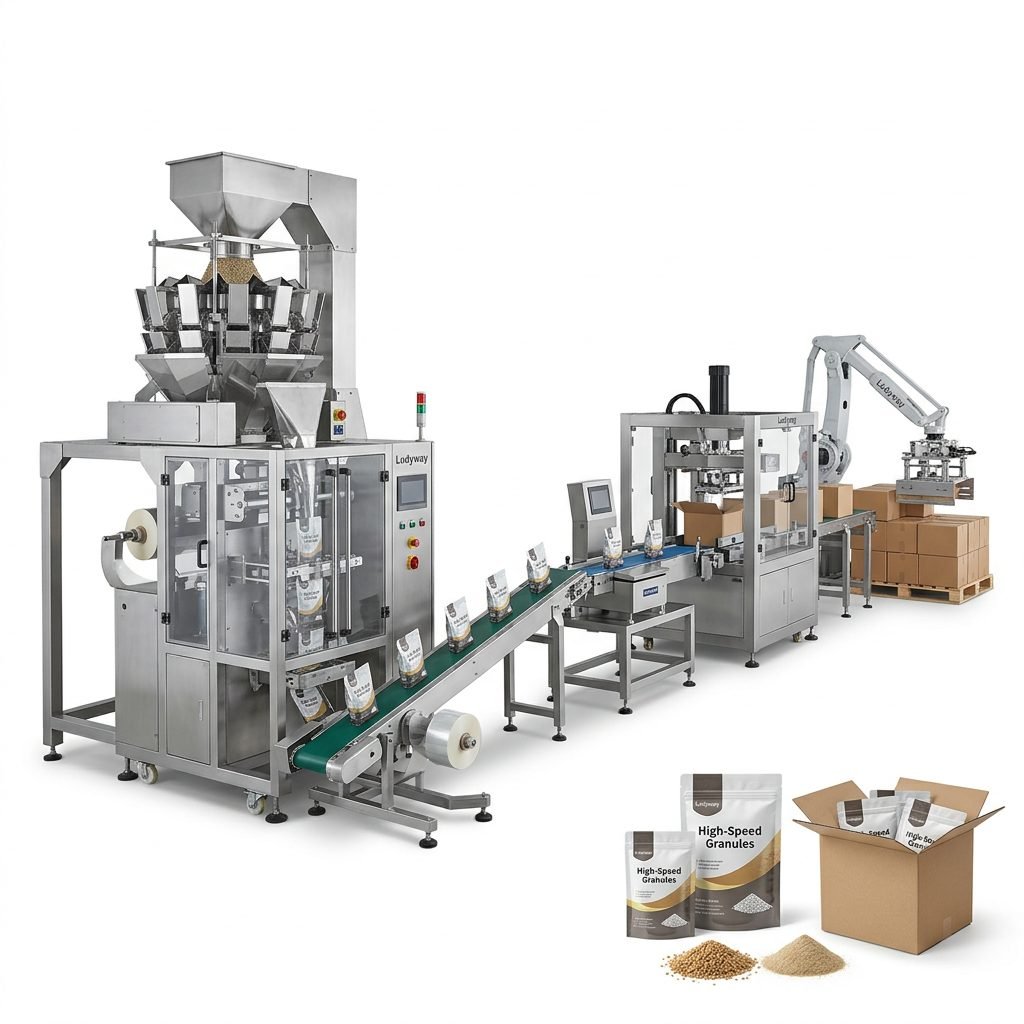
Building a successful relationship with an overseas equipment manufacturer requires clear communication, well-defined expectations, and professional contract management. Ludyway, one of the largest packaging machine manufacturers in China with over 30 years of industry experience and a 20,000㎡ modern production facility, serves customers in more than 100 countries — exemplifying the kind of established international supplier that can deliver reliable, high-performance grain packaging solutions.
Negotiation and Contract Best Practices
When finalizing your purchase agreement, ensure the contract includes detailed technical specifications, delivery timelines, payment terms, warranty coverage, and after-sales service commitments. Clear documentation in English (or your preferred language) minimizes misunderstandings. Standard payment structures often include a deposit with the balance due upon factory acceptance testing or before shipment.
Logistics and Installation Planning
Coordinate shipping, customs clearance, and inland transportation well in advance. For larger automated packaging lines, on-site installation and commissioning services provided by the manufacturer’s engineering team can significantly reduce startup time and ensure optimal machine performance from day one.
Key Industry Resources and References
Staying informed about packaging industry trends, standards, and regulations helps procurement teams make better decisions. Below are several authoritative resources for additional research:
- PMMI – The Association for Packaging and Processing Technologies — Industry research, trade shows, and networking
- Flexible Packaging Association — Resources for flexible packaging materials and sustainability
- FDA – Packaging and Food Contact Substances — Regulatory guidance for food packaging
- ISO – Packaging Standards — International standards for packaging machinery and materials
- European Commission – Packaging and Packaging Waste — EU regulations affecting packaging design
- U.S. EPA – Sustainable Materials Management — Sustainability guidance for packaging
Final Thoughts on Grain Packaging Machine Procurement
Purchasing a grain packaging machine is a strategic investment that requires thorough research, careful supplier evaluation, and a clear understanding of your production requirements. By focusing on machine compatibility with your grain characteristics, verifying manufacturer credentials, and considering total cost of ownership rather than just the initial purchase price, you can secure equipment that delivers reliable performance and strong return on investment for years to come. Whether you source domestically or from international suppliers, prioritize quality, technical support, and long-term partnership potential over short-term cost savings alone.