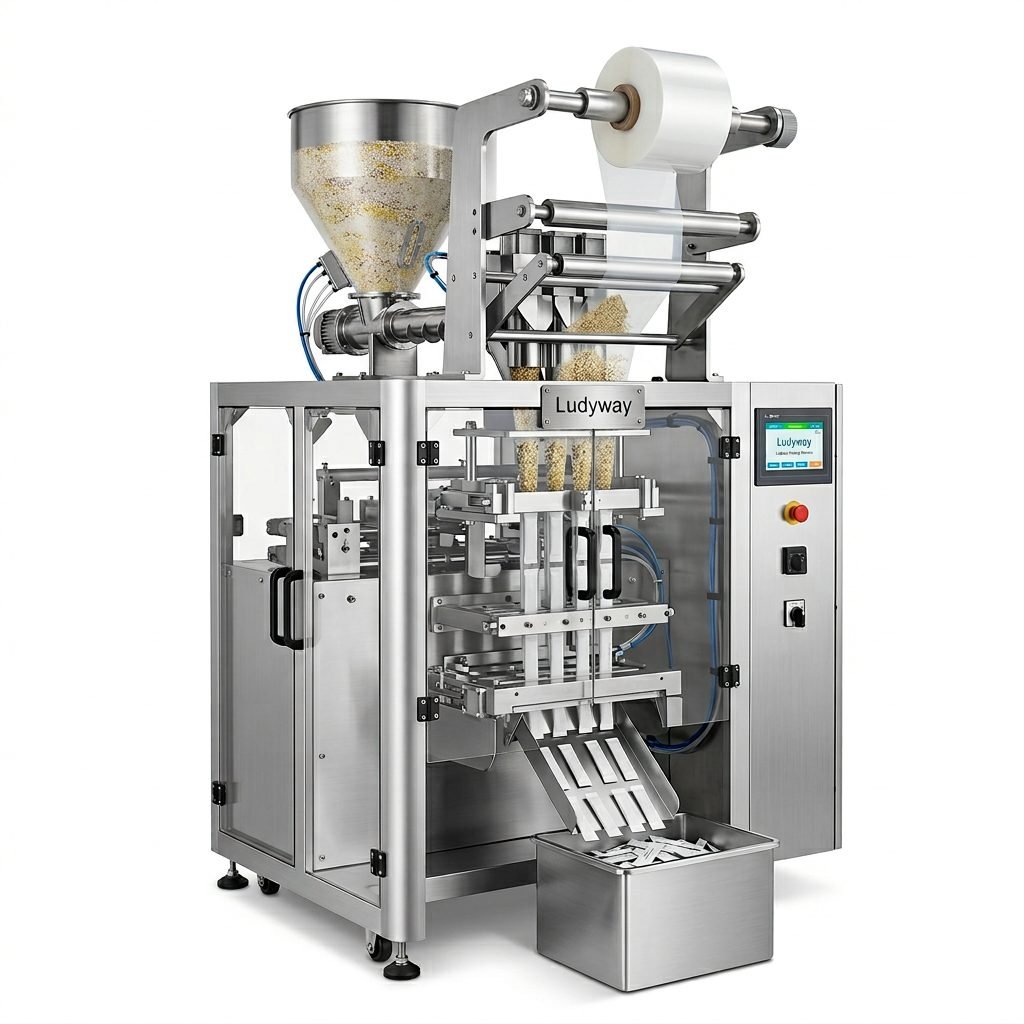
Investing in the right food packaging machine is one of the most critical decisions for any food manufacturer, co-packer, or brand owner. Whether you are packing granules, powders, liquids, or solid snacks, the equipment you choose directly impacts product quality, shelf life, production efficiency, and long-term profitability. With hundreds of machine types, configurations, and suppliers on the market, it can be overwhelming to identify the best solution for your operation. This guide walks you through the essential factors to evaluate — from production speed and material compatibility to regulatory compliance and total cost of ownership — helping you make a confident, informed purchase.
Key Factors to Consider When Choosing a Food Packaging Machine
1. Type of Food Product and Packaging Format
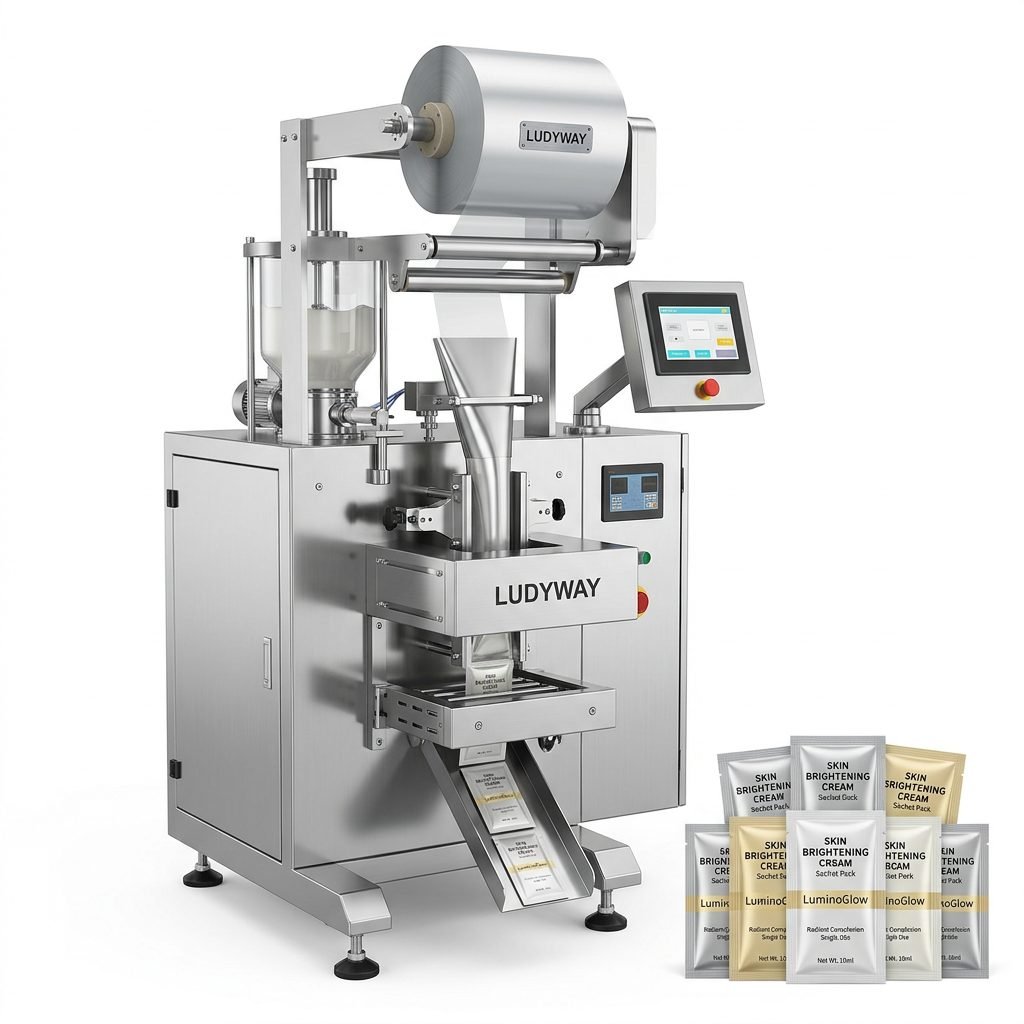
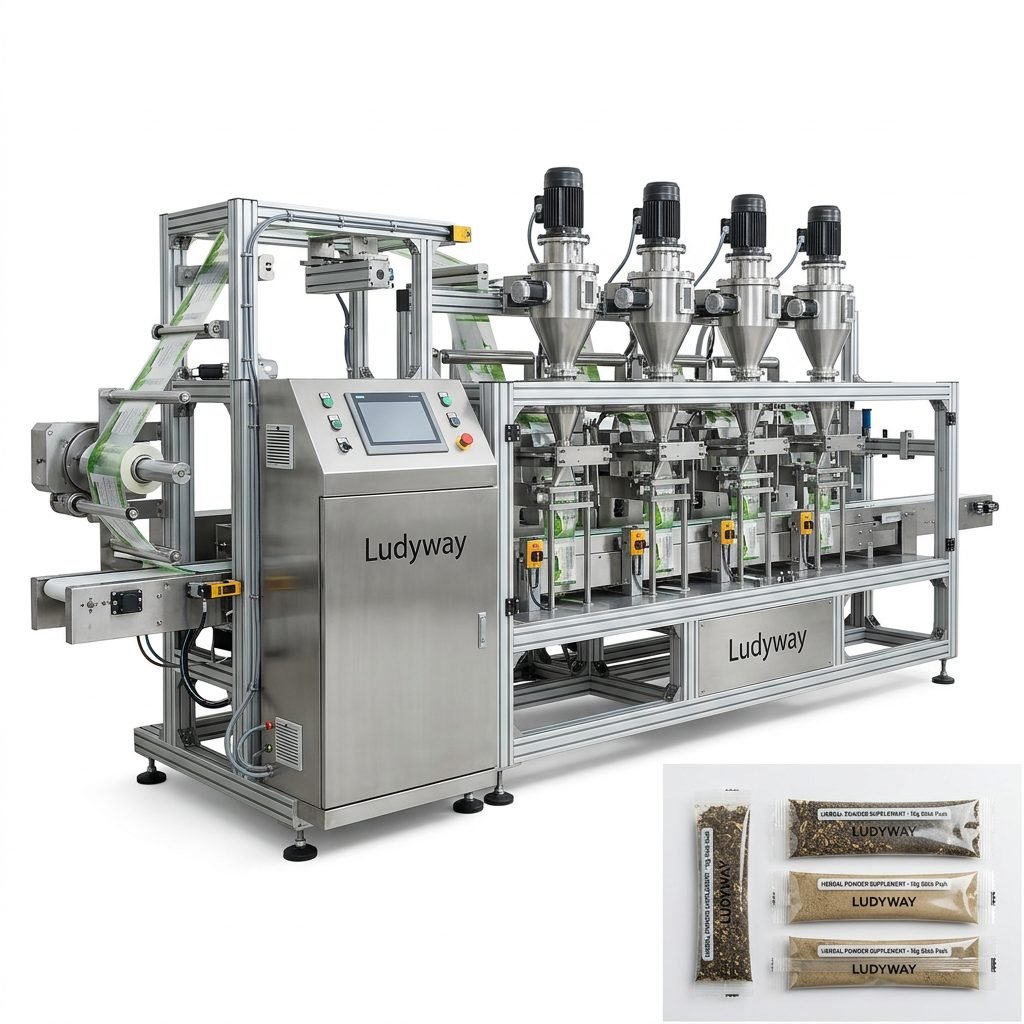
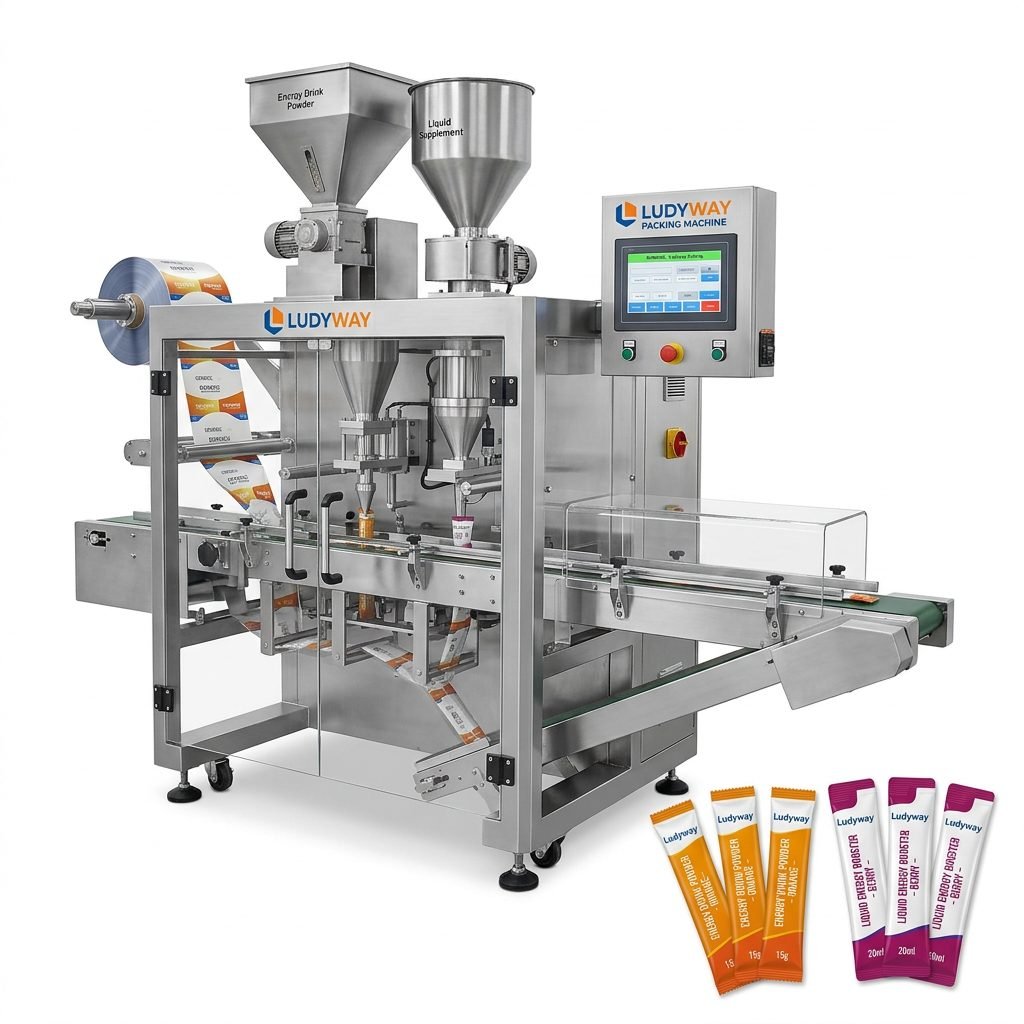
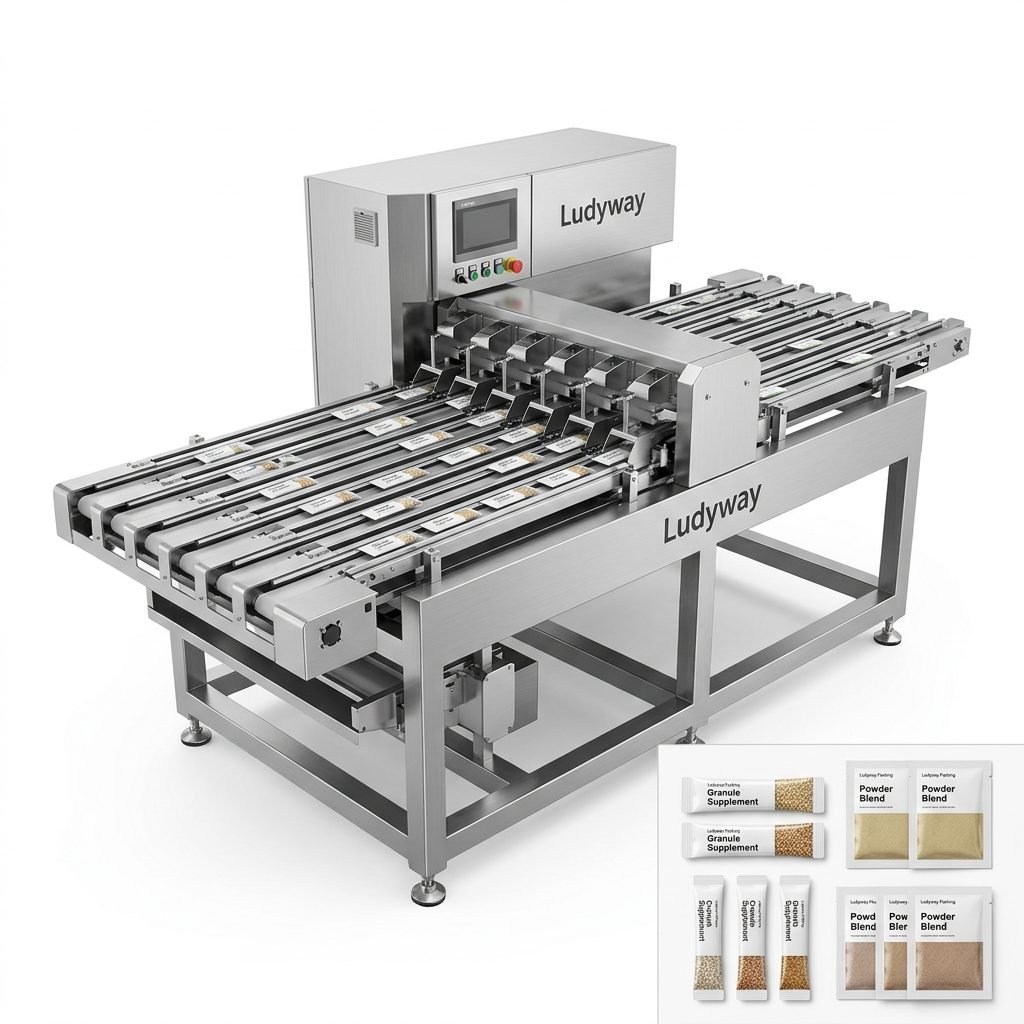
The physical characteristics of your product — granule size, powder density, liquid viscosity, or solid shape — determine the most suitable machine category. A multi-lane stick pack machine, for example, is ideal for free-flowing powders like instant coffee or protein mixes, while a dedicated sachet packaging system handles liquid condiments, sauces, and creams more effectively. Clearly define whether you need stick packs, three-side-seal sachets, four-side-seal pouches, gusseted bags, or doypacks before evaluating equipment. This single step eliminates a large portion of incompatible models and saves procurement time.
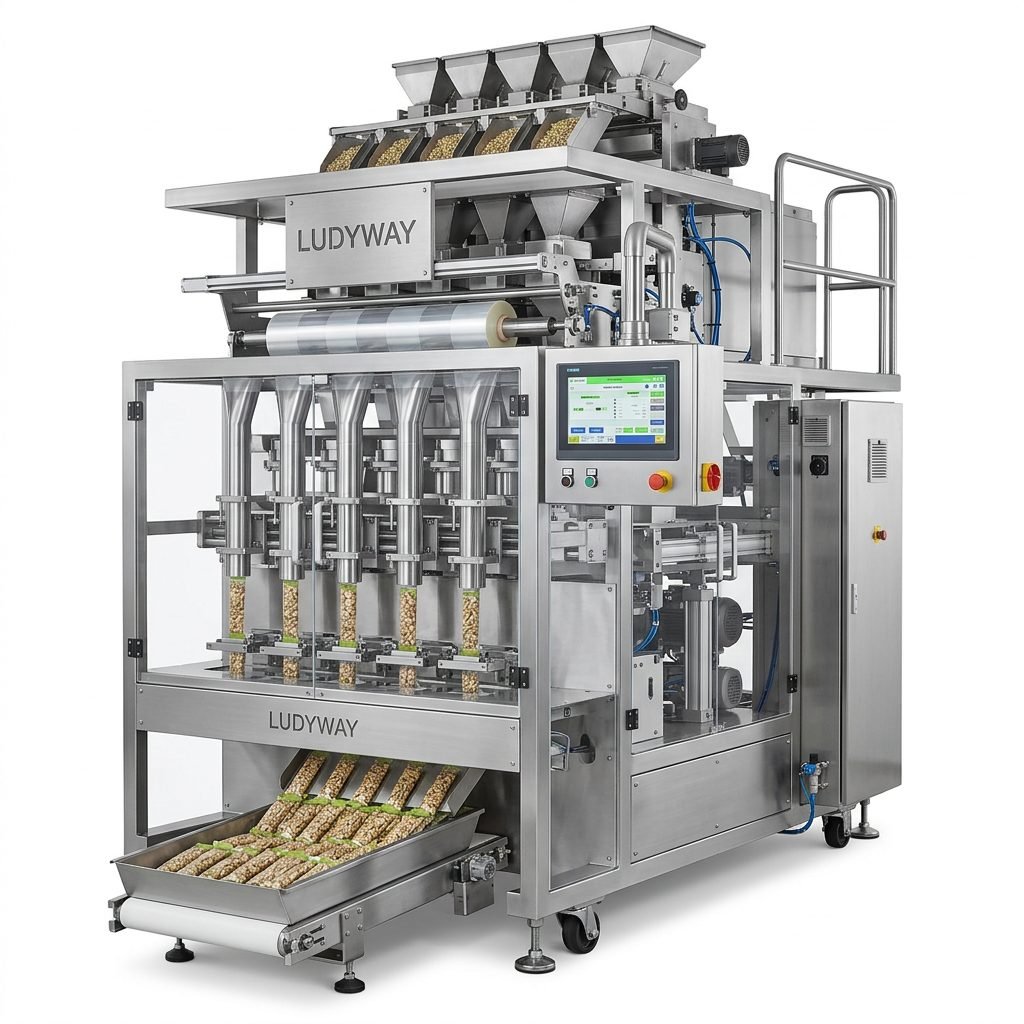
- Free-flowing granules (sugar, salt, grains, nuts): multi-lane stick pack or vertical form fill seal (VFFS) machines.
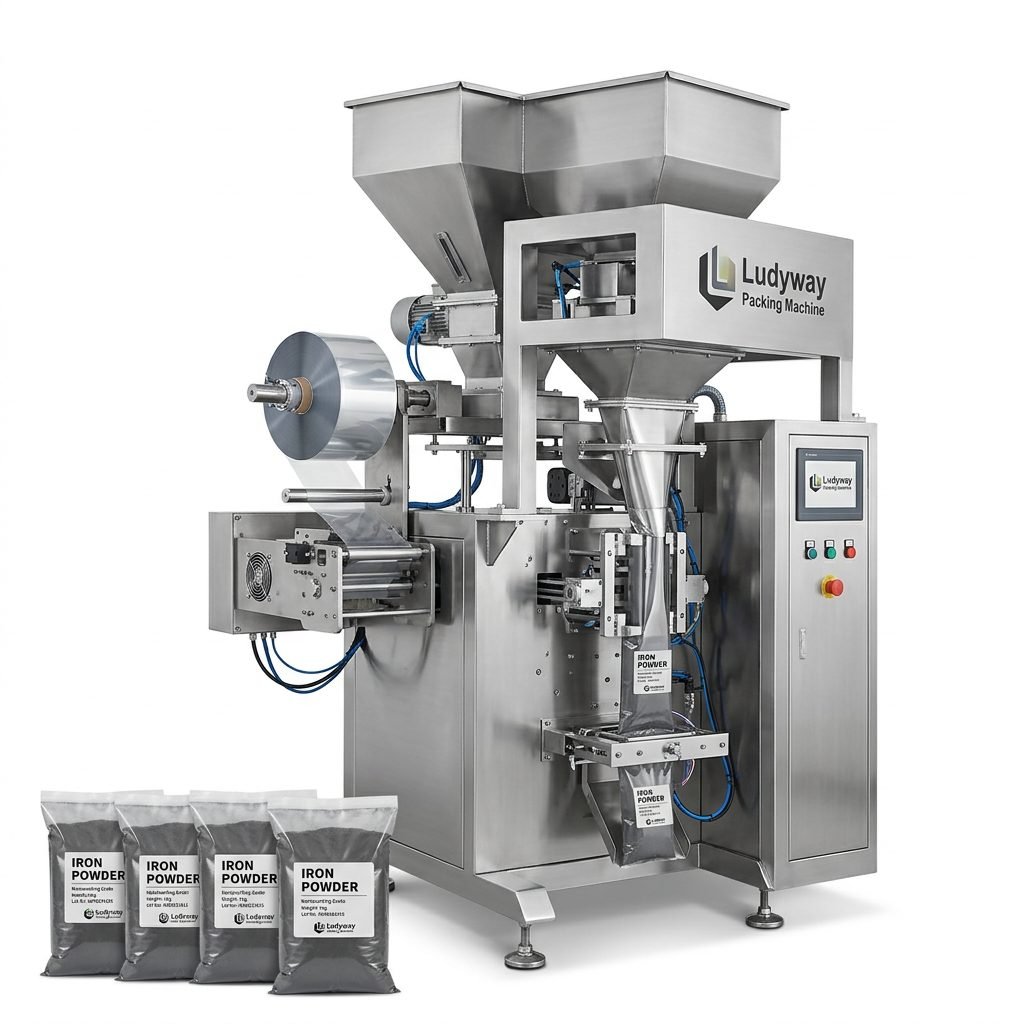
- Fine powders (flour, cocoa, spices, milk powder): auger filler or volumetric cup filler systems with dust control.
- Liquids and pastes (oils, sauces, honey, gels): piston fillers or gear pump liquid filling systems integrated with sachet or stick pack sealing units.
- Solid or irregular items (snack bars, baked goods, frozen foods): flow wrapping or horizontal form fill seal (HFFS) machines.
2. Production Capacity and Speed Requirements
Packaging speed is measured in packs per minute (ppm) and varies significantly across machine types. A single-lane sachet machine may run at 40–80 ppm, while a high-speed multi-lane stick pack machine can exceed 400 ppm across 4–12 lanes. Calculate your required throughput based on daily or monthly targets, and always factor in at least 20% additional capacity for peak seasons and future growth. Underestimating speed can create costly bottlenecks and limit market expansion opportunities.
3. Packaging Material Compatibility
Different machines support different film structures — heat-sealable laminates, aluminum foil, paper-based composites, or biodegradable films. Verify that the equipment can handle the specific material you plan to use, including thickness, sealability, and print registration. For products requiring nitrogen flushing or modified atmosphere packaging, ensure the machine has integrated gas injection capabilities and airtight sealing mechanisms. Material compatibility tests should be part of your pre-purchase evaluation process.
4. Automation and Integration Level
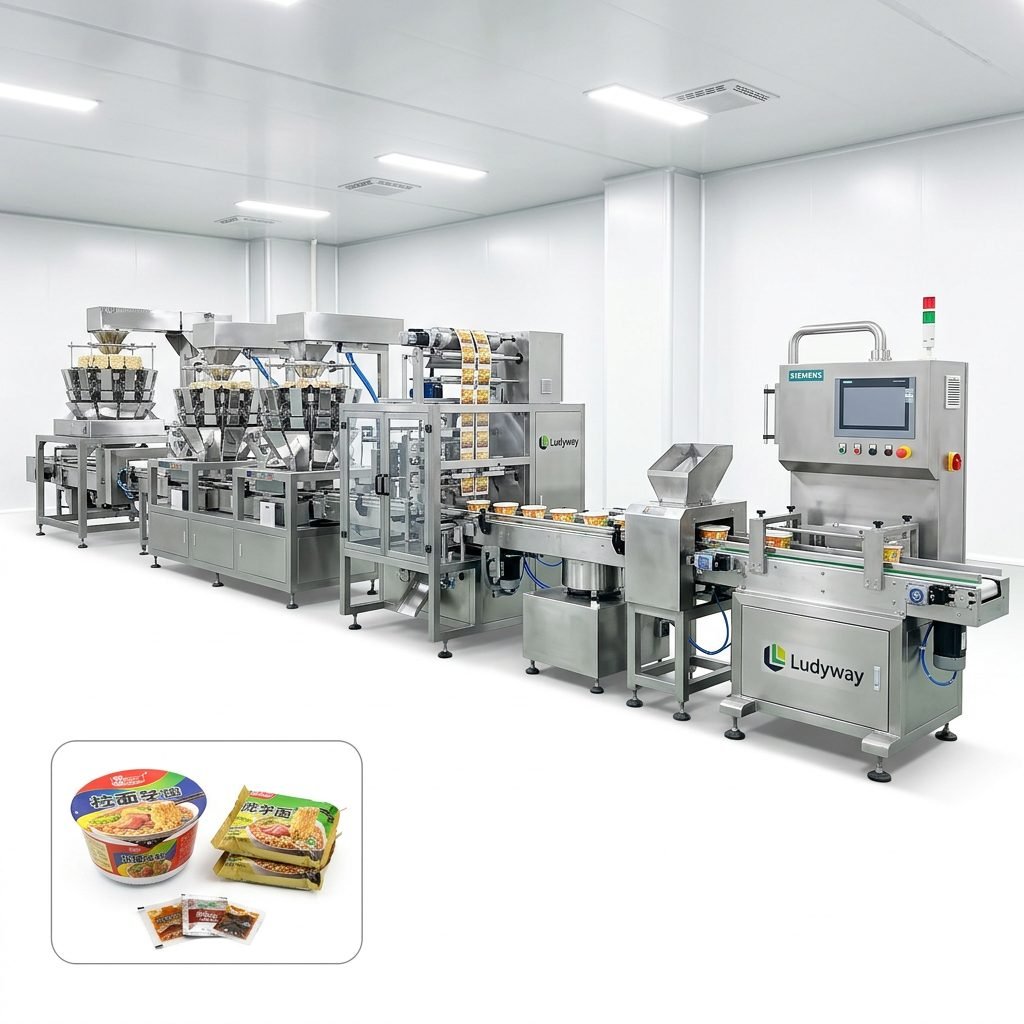
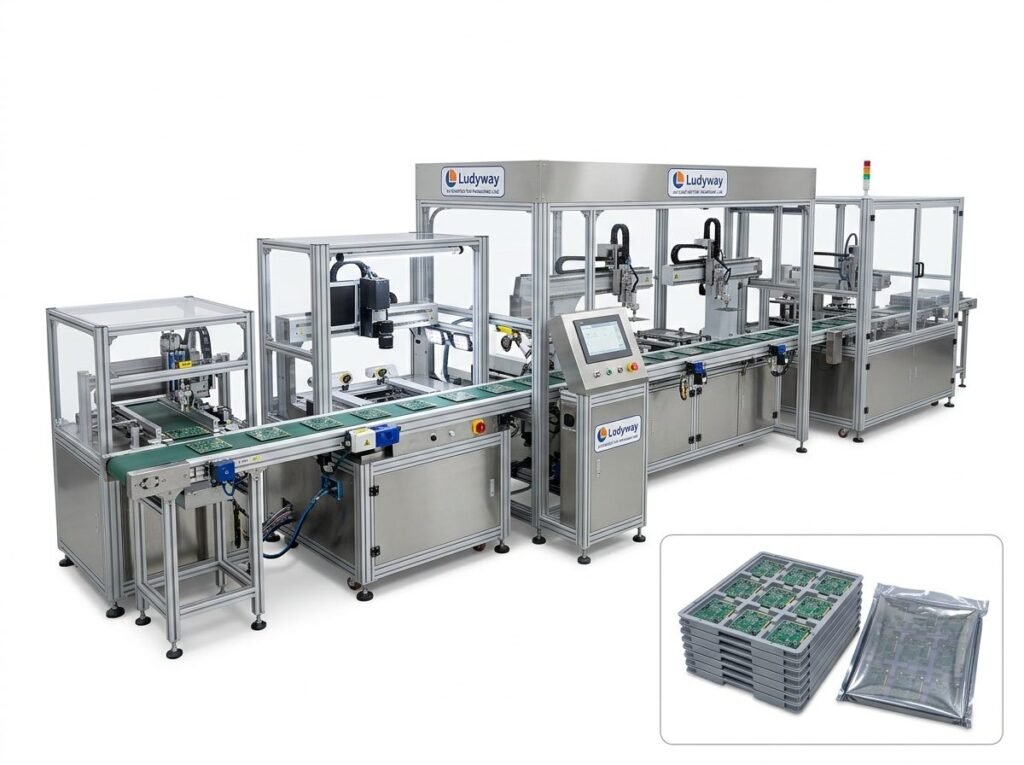
Modern food packaging machines range from semi-automatic standalone units to fully automated turnkey packaging lines that connect filling, sealing, checkweighing, coding, cartoning, and palletizing in one continuous workflow. Consider your current labor costs, available floor space, and long-term smart factory roadmap. A higher automation level reduces manual handling errors and increases consistency, but also requires a larger initial investment. Scalable modular systems offer the flexibility to add automation modules as your business grows.
5. Regulatory Compliance and Safety Standards
Food packaging equipment must meet stringent local and international standards. Key compliance areas include FDA food contact material regulations, EU packaging directives, ISO 22000 for food safety management, and CE or UL certifications for electrical safety. Visit authoritative resources such as PMMI’s State of the Industry reports and FDA food packaging guidelines to stay current with regulatory developments. Choosing a machine built with food-grade stainless steel construction, wash-down capability, and validated cleaning protocols helps minimize contamination risks and simplify audits.
| Standard/Regulation | Region | Focus Area |
|---|---|---|
| FDA 21 CFR | USA | Food contact substances, GMP |
| EU 1935/2004 | Europe | Materials and articles intended to come into contact with food |
| ISO 22000 | Global | Food safety management systems |
| CE Marking | Europe | Health, safety, and environmental protection |
6. Total Cost of Ownership (TCO)
Purchase price is only one part of the equation. A comprehensive TCO analysis includes installation, operator training, energy consumption, spare parts availability, routine maintenance, and unscheduled downtime costs. In many cases, a slightly higher upfront investment in a precision-engineered machine yields significantly lower lifetime costs through reduced film waste, fewer rejects, and longer service intervals. Request detailed lifecycle cost projections from potential suppliers.
7. Supplier Reputation and After-Sales Support
Your packaging machine supplier is a long-term partner, not just a vendor. Evaluate manufacturers based on industry experience, number of installations worldwide, local technical support availability, and spare parts lead times. For instance, Ludyway has served customers across over 100 countries with more than 50 intelligent packaging machine models, supported by a 20,000㎡ manufacturing facility and 30+ years of expertise — illustrating the scale and reliability to look for in a strategic equipment partner. Request client references, visit factory floors virtually or in person, and review documented case studies before making a final decision.
Comparing Food Packaging Machine Types
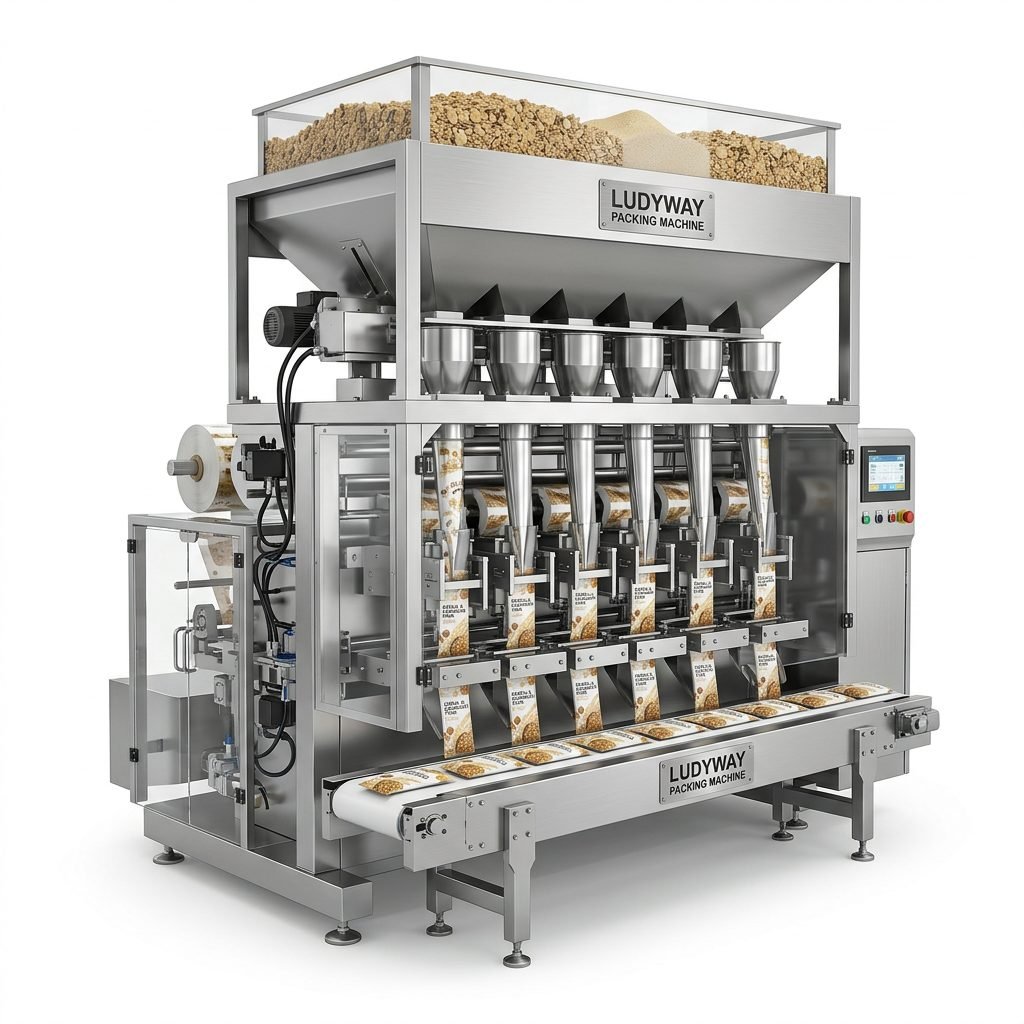
The table below summarizes key attributes of the most common food packaging machine categories to help narrow your options.
| Machine Type | Best Suited Product Forms | Typical Speed Range |
|---|---|---|
| Multi-Lane Stick Pack Machine | Powders, granules, small solids | 200–600+ packs/min |
| Sachet Packaging Machine | Liquids, pastes, powders, granules | 40–200 packs/min |
| VFFS (Vertical Form Fill Seal) | Granules, powders, snacks | 30–150 bags/min |
| HFFS (Horizontal Form Fill Seal) | Solid products, bars, baked goods | 30–200 packs/min |
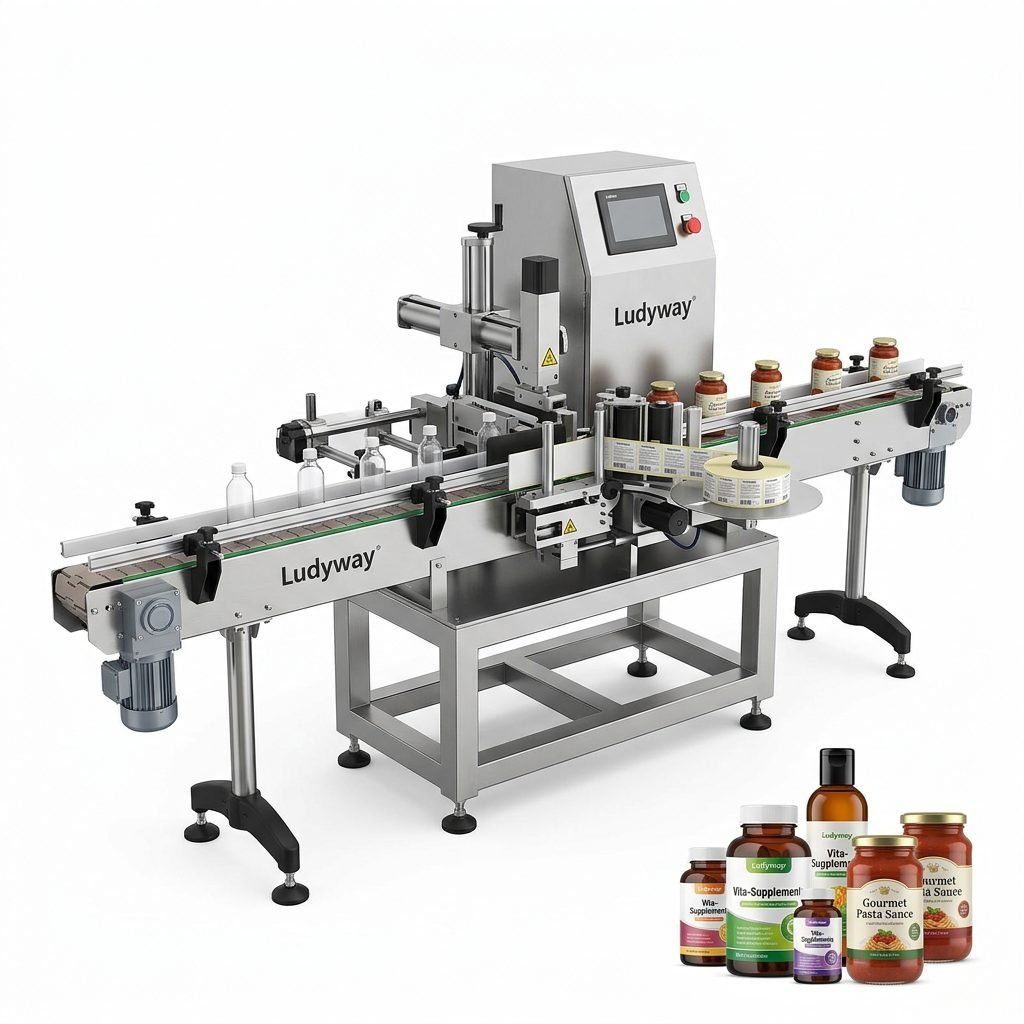
| Rotary Liquid Filling System | Liquid into bottles, jars, pouches | 40–400+ containers/min |
8. Future-Proofing and Scalability
Technology in food packaging evolves rapidly. Look for machines with modular design, IoT connectivity, remote diagnostics, and software-upgradable control systems. These features not only extend the useful life of your equipment but also enable data-driven improvements in production efficiency and waste reduction. Confirm that the supplier offers upgrade paths and integration support for third-party ancillary equipment such as checkweighers, metal detectors, and serialization modules.
Steps for a Successful Equipment Purchase
- Define your product range and target output with clear numerical goals.
- Research applicable food safety regulations in your target markets using resources like FDA FCS guidelines and ISO packaging standards.
- Shortlist 3–5 suppliers with proven experience in your specific product category.
- Request sample runs using your actual product and packaging film.
- Evaluate TCO including service contracts, spare parts, and energy consumption.
- Inspect the manufacturing facility or arrange a virtual factory tour.
- Confirm after-sales support infrastructure in your region.
Conclusion
Selecting the right food packaging machine is a strategic investment that influences product quality, operational efficiency, and brand reputation. By thoroughly assessing product characteristics, speed needs, material compatibility, automation levels, compliance requirements, total cost of ownership, and supplier credentials, you equip your business with packaging technology that supports both current production demands and long-term growth ambitions. Take the time to conduct hands-on testing, compare technical specifications in detail, and choose a partner that combines engineering strength with responsive global service. A well-chosen packaging system pays for itself through higher throughput, lower waste, and consistent product excellence.